Herring and Rye Bread Canapés on Skewers
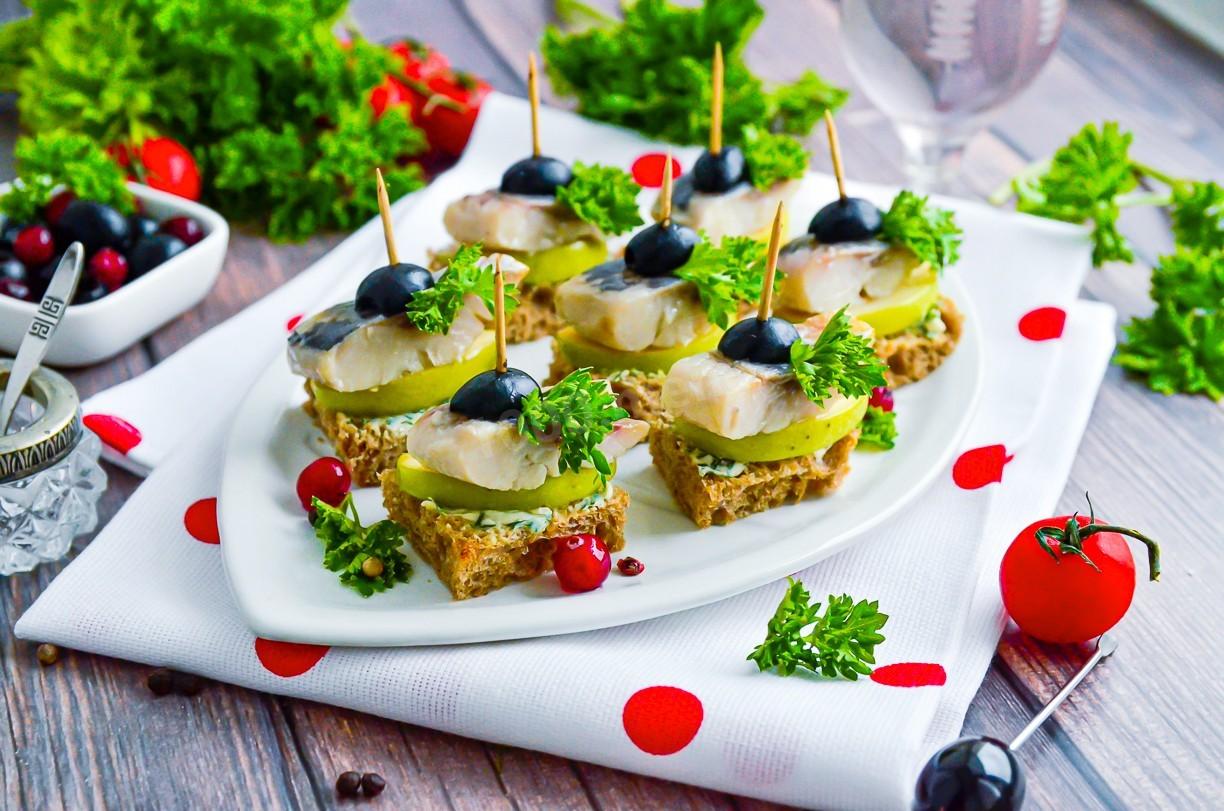
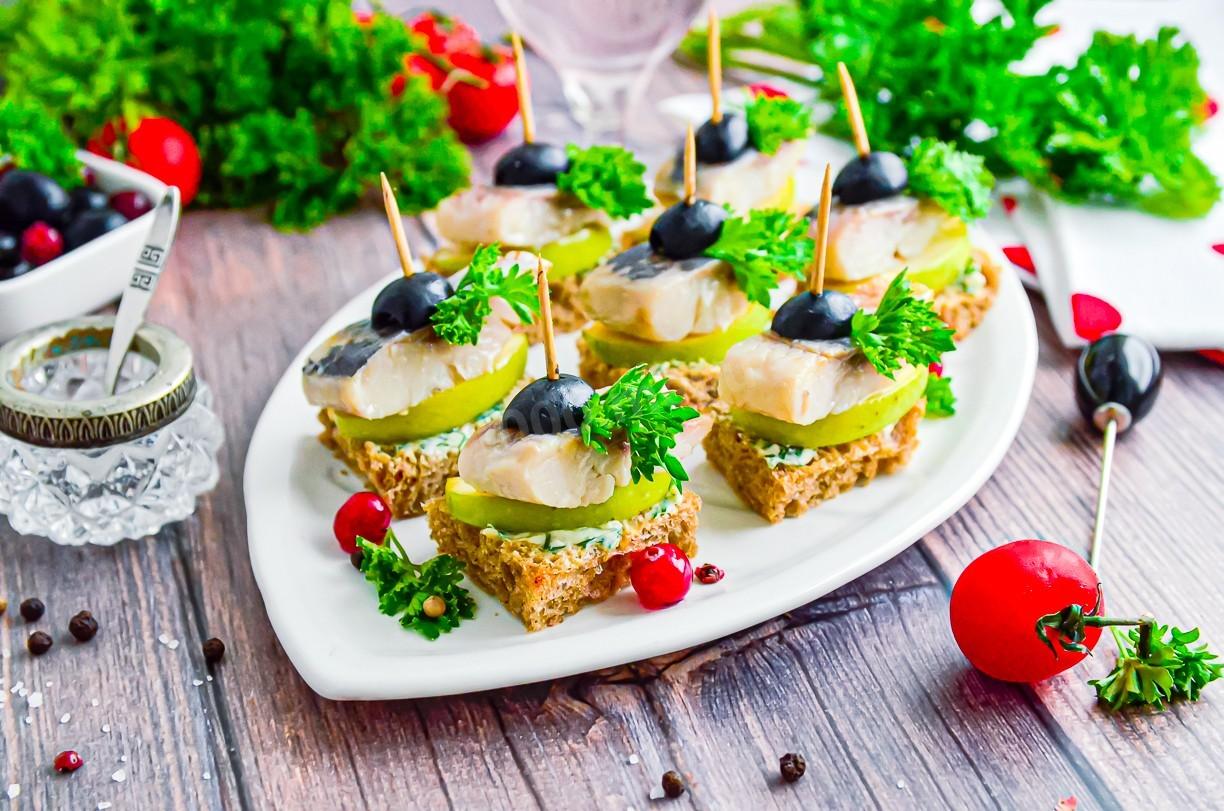
Original, pretty, for a festive table! Herring and rye bread canapés on skewers are a great option for a quick, eye-catching appetizer that's easy to make and delicious to eat. From a minimal set of ingredients you'll get a big plate of mini-sandwiches that will dress up any table.


Cooking method
-
Step 1:
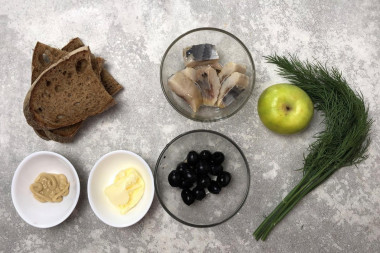
How do you make herring and rye bread canapés on skewers? Gather the ingredients. Herring pairs better with rye bread; it's best not to use white. It's delicious with borodinsky. Any herring will do - the most ordinary lightly salted kind that you'll need to fillet, ready-made fillets, or pieces from a jar. I used the last kind - the quickest option. Take the butter out of the fridge ahead of time so it softens.
-
Step 2:
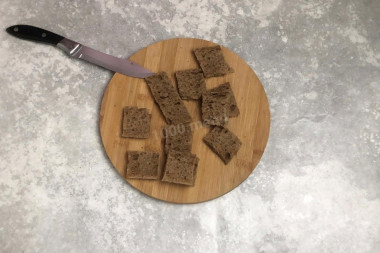
Cut the bread into identical squares. It's easiest with square-loaf bread, but it works with any kind. You'll have trimmings left over that you can turn into croutons. It's better to cut off the crusts and make the canapés only from the crumb.
-
Step 3:
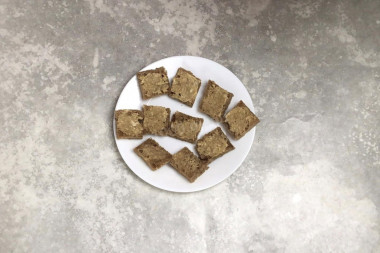
Spread a thin layer of mustard on the bread squares. Choose a mustard to your taste; just be careful with hot brown mustard - it's very sharp. Even a whole-grain mustard works; the seeds will give a little crunch. I have plain sweet mustard.
-
Step 4:
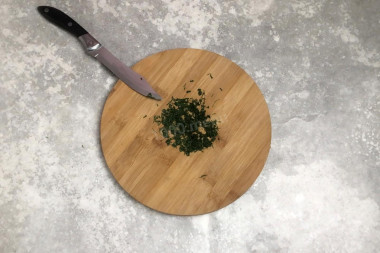
Wash and dry the dill. Chop it finely. I recommend using dill - it goes very nicely with herring.
-
Step 5:
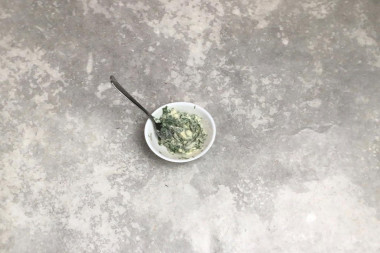
Add the chopped dill to the soft butter and mix well. At this point you can stir in any favorite spices that go with herring - coriander, for example.
-
Step 6:
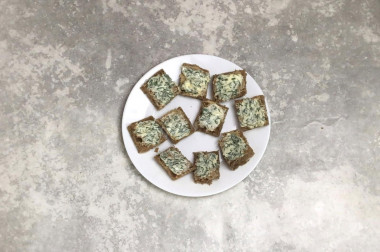
Spread the dill butter on the bread squares.
-
Step 7:
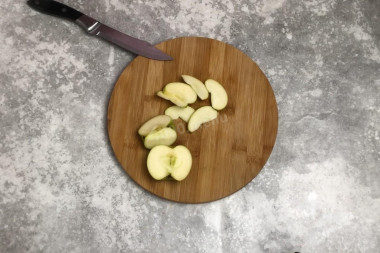
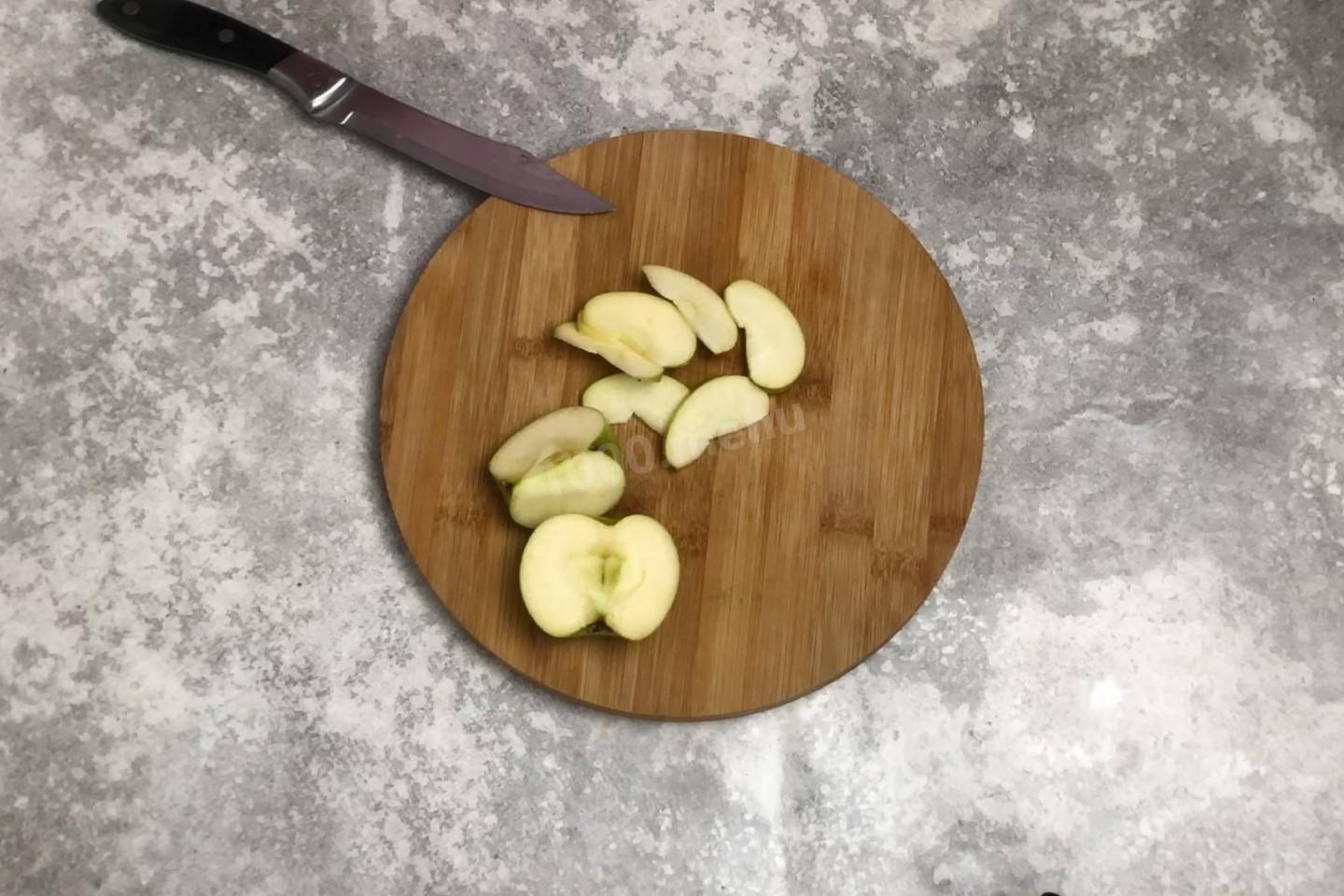
Next, deal with what goes with the herring. There are options here. The simplest is fresh or pickled cucumber. A green apple or kiwi works too. I used apple - we really like the way its sweetness pairs with salted herring. Choose to your taste. Cut the apple into wedges. If you use cucumber, cut it into slices.
-
Step 8:
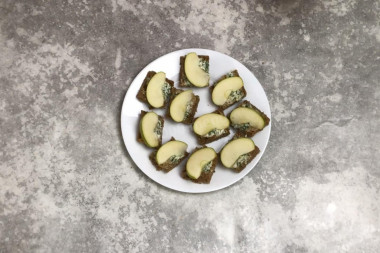
Lay the apple wedges (or cucumber) on the bread.
-
Step 9:
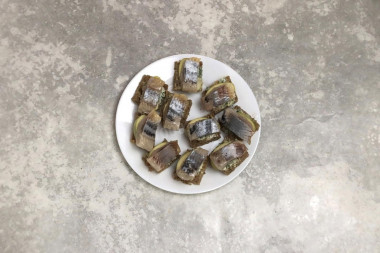
Put the pieces of herring on top. If you have a large fillet, cut it into suitably sized pieces first.
-
Step 10:
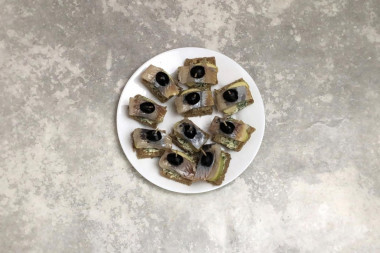
Stick a skewer or toothpick into each canapé, as I did. Skewer half an olive on top. Garnish the canapés with small sprigs of herbs.
-
Step 11:
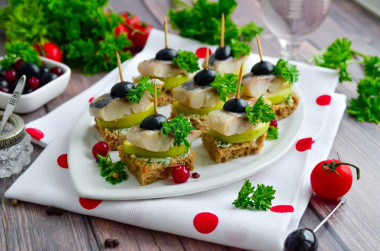
Before serving, put the canapés in the fridge for half an hour, then arrange them on a large platter and serve. Enjoy!




- Very tasty canapés! I used to make these as sandwiches, with herring and apple. Canapés are more convenient to eat. Now I want to try the kiwi version.
- How do you choose good olives? It's better to buy them in clear packaging so you can see what they look like and their color. If the olives are too black, food dyes have been added. The olives should be firm, whole, with smooth, glossy skin. Olives that are too soft and overripe won't keep long.
- How do you properly fillet a whole fish? Remove the tail, head, and fins. Cut along the spine down to the backbone. Turn the fish on its side. With a sharp knife, slice the flesh off the backbone. Turn the fish over and slice off the fillet on the other side. Clean the inside, removing the black membrane, since it's bitter and would spoil the taste. Rinse and be sure to dry well.
Caloric content of the products possible in the composition of the dish
- Apples - 47 kcal/100g
- Dried apples - 210 kcal/100g
- Canned apple mousse - 61 kcal/100g
- Herring in vegetable oil - 301 kcal/100g
- Herring in sour cream - 97 kcal/100g
- Herring in tomato sauce - 159 kcal/100g
- Hot-smoked herring - 215 kcal/100g
- Pickled herring - 192 kcal/100g
- Fresh herring - 161 kcal/100g
- Salted herring - 217 kcal/100g
- Fresh dill - 38 kcal/100g
- Table mustard - 417 kcal/100g
- Mustard - 417 kcal/100g
- Butter 82% - 734 kcal/100g
- Unsalted Amateur butter - 709 kcal/100g
- Unsalted peasant butter - 661 kcal/100g
- Salted peasant butter - 652 kcal/100g
- Clarified butter - 869 kcal/100g
- Olives - 166 kcal/100g
- Pan rye bread - 217 kcal/100g
- Rye bread - 217 kcal/100g
Similar recipes
- Fast and tasty
- Festive table
- Kitchen utensils
- Snacks
- Sandwiches
- Fish and seafood
- Vegetables
- Fruit berries
- Bakery products
- Spices seasonings spices
- Fats and oils
- Wheat bread
- Mustard
- Dill
- Wooden skewers
- Toothpicks
- Butter
- Cold snacks
- Quick snacks
- Without heat treatment
- Hasty snacks
- Snack
- From apples fast and delicious
- Dishes in 10 minutes
- Dishes in 30 minutes
- Fish sandwiches
- Black bread sandwiches
- Fruit canapes
- Birthday recipes
- New Year recipes
- Dishes for men holidays
- Fish with vegetables
- Olives
- Apples
- No eggs