Home-Canned River Fish for Winter
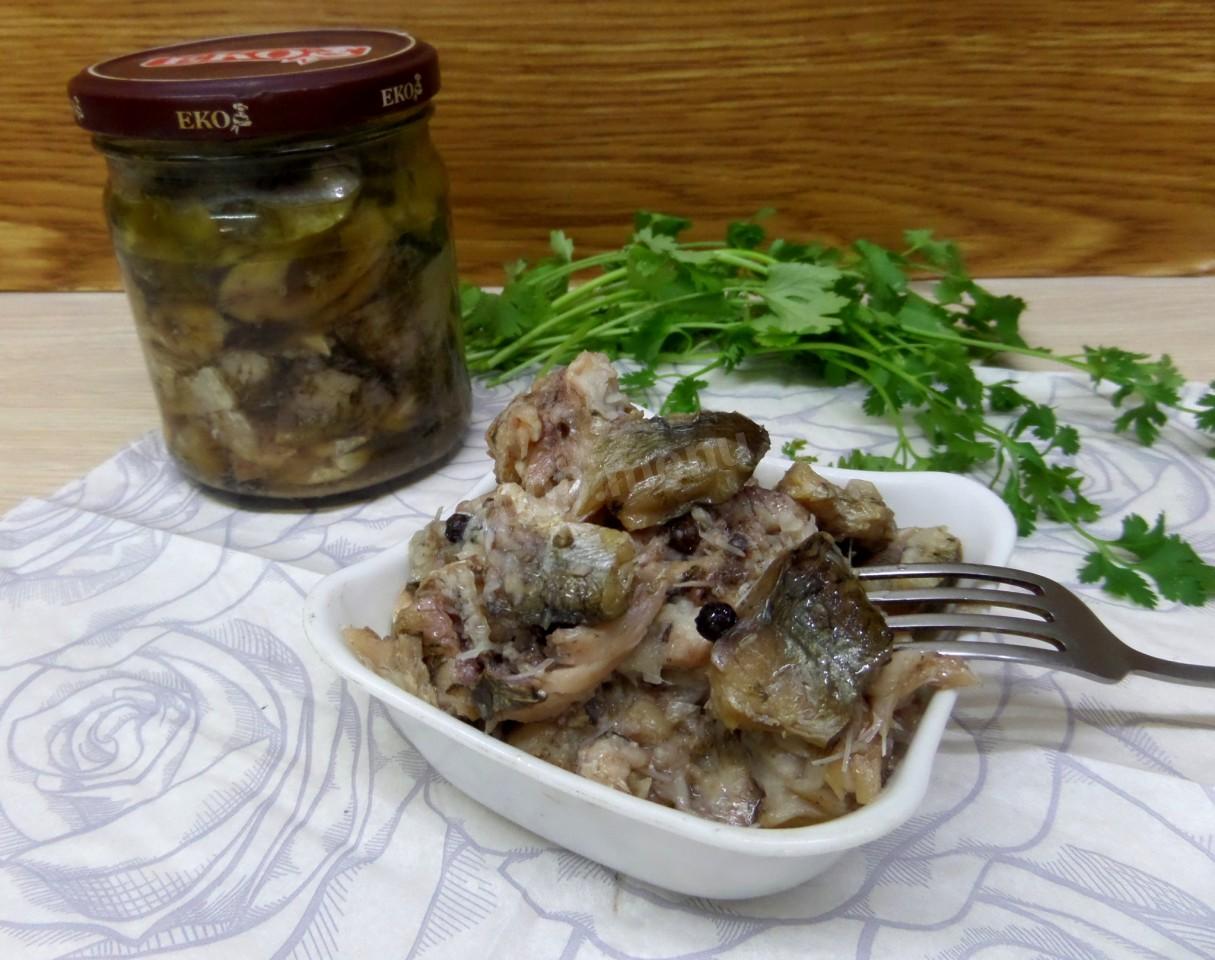
Tasty, wholesome canned fish that keeps beautifully all winter long. If there's a fisherman in the family, you'll never run short of fish to put up for the cold months — and it's not just delicious but very good for you. Canned fish with the bones left in is a treasure trove of phosphorus, potassium, and calcium. It's great as a dish on its own or as a snack, and easy to pack for a road trip or picnic. Serve it with potatoes and your drink of choice, and dress it up with onion or green onion and your favorite fresh herbs.

Cooking method
-
Step 1:
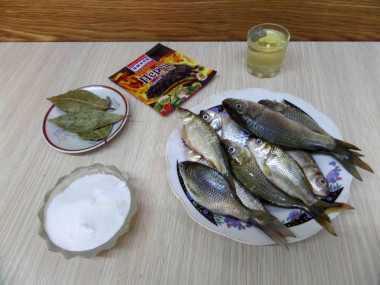
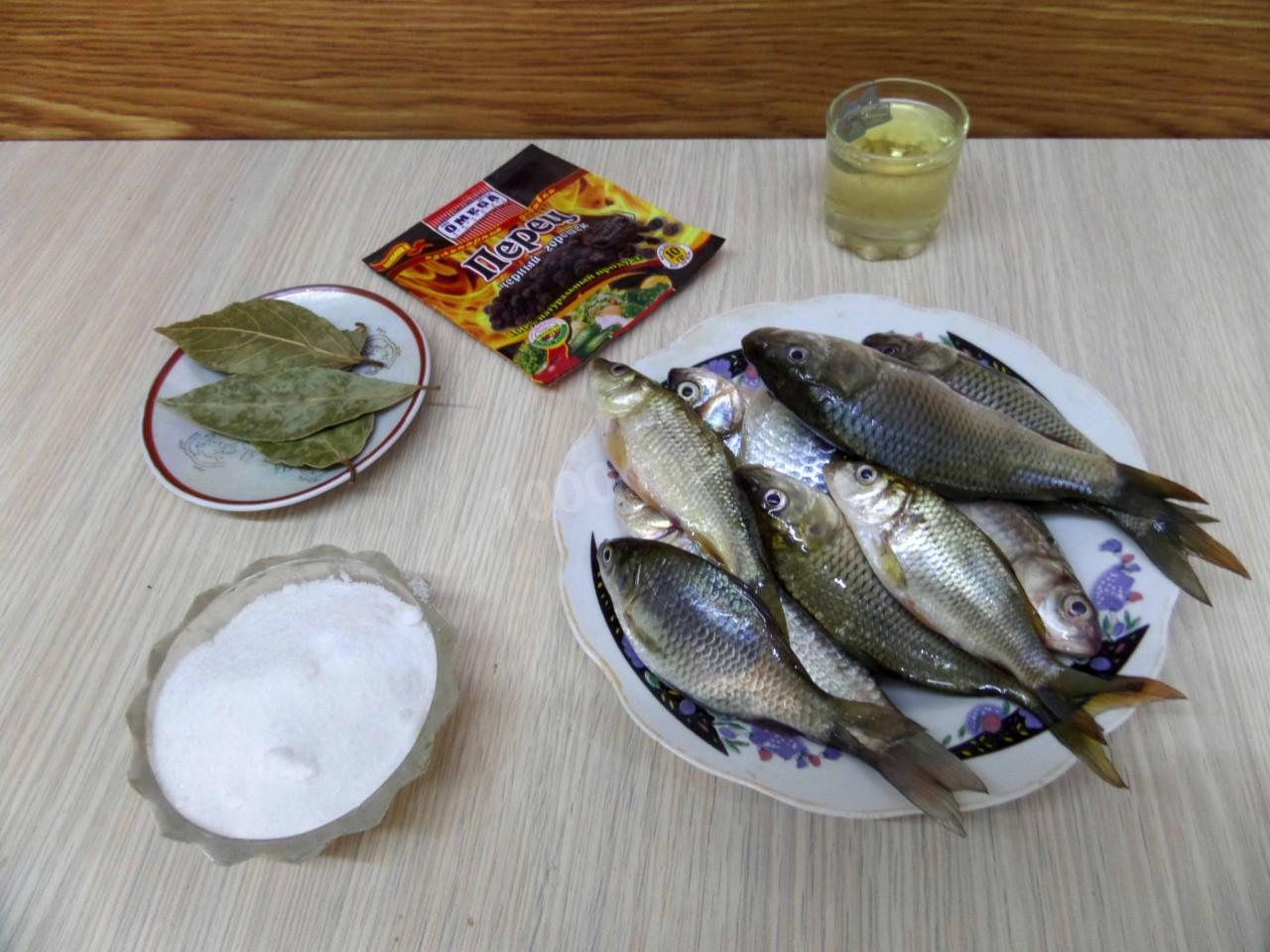
Gather all your ingredients. You'll want small freshwater fish — any kind works, such as rudd, carp, or crucian carp. Use a neutral, refined vegetable oil.
-
Step 2:
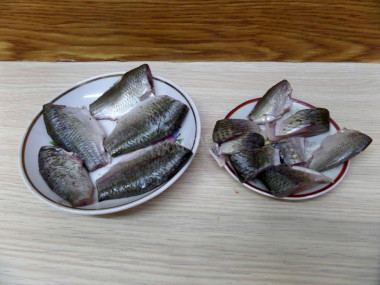
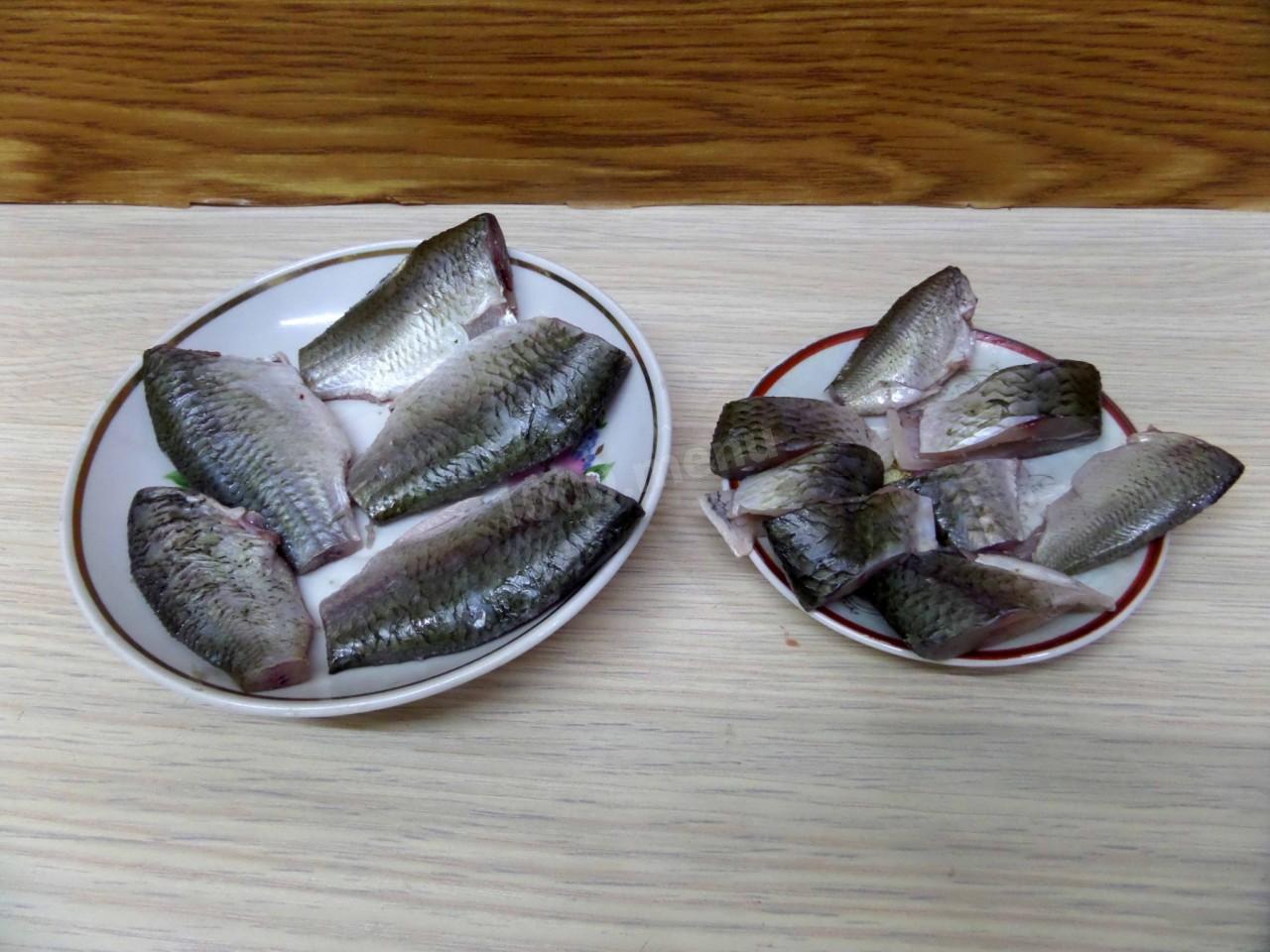
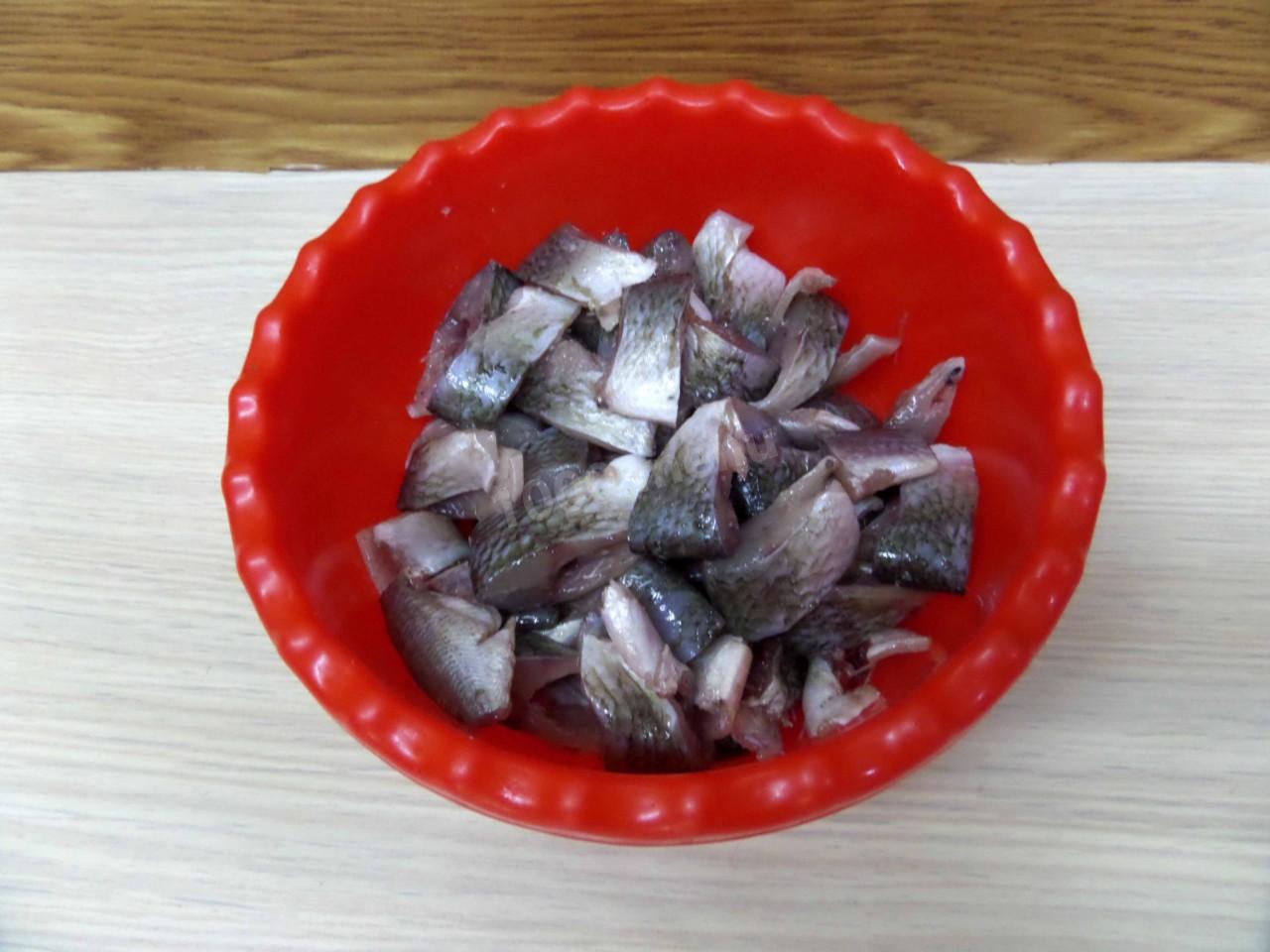
Scale and gut the fish, and cut off the heads, tails, and fins. Rinse the bodies well, scraping out the black membrane inside the belly. Cut each fish into pieces about 1 to 1 1/4 inches (2.5–3 cm) wide. Very small fish can be left whole.
-
Step 3:
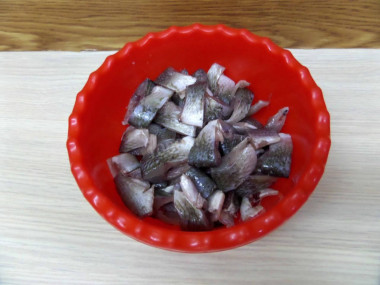
Put the fish pieces in a deep bowl and salt them a little more heavily than you would for frying. Mix well so the salt dissolves.
-
Step 4:
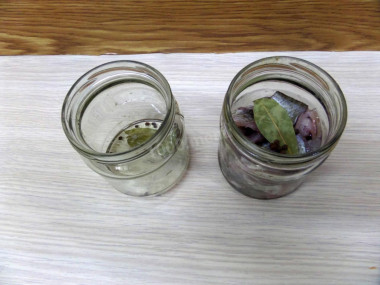
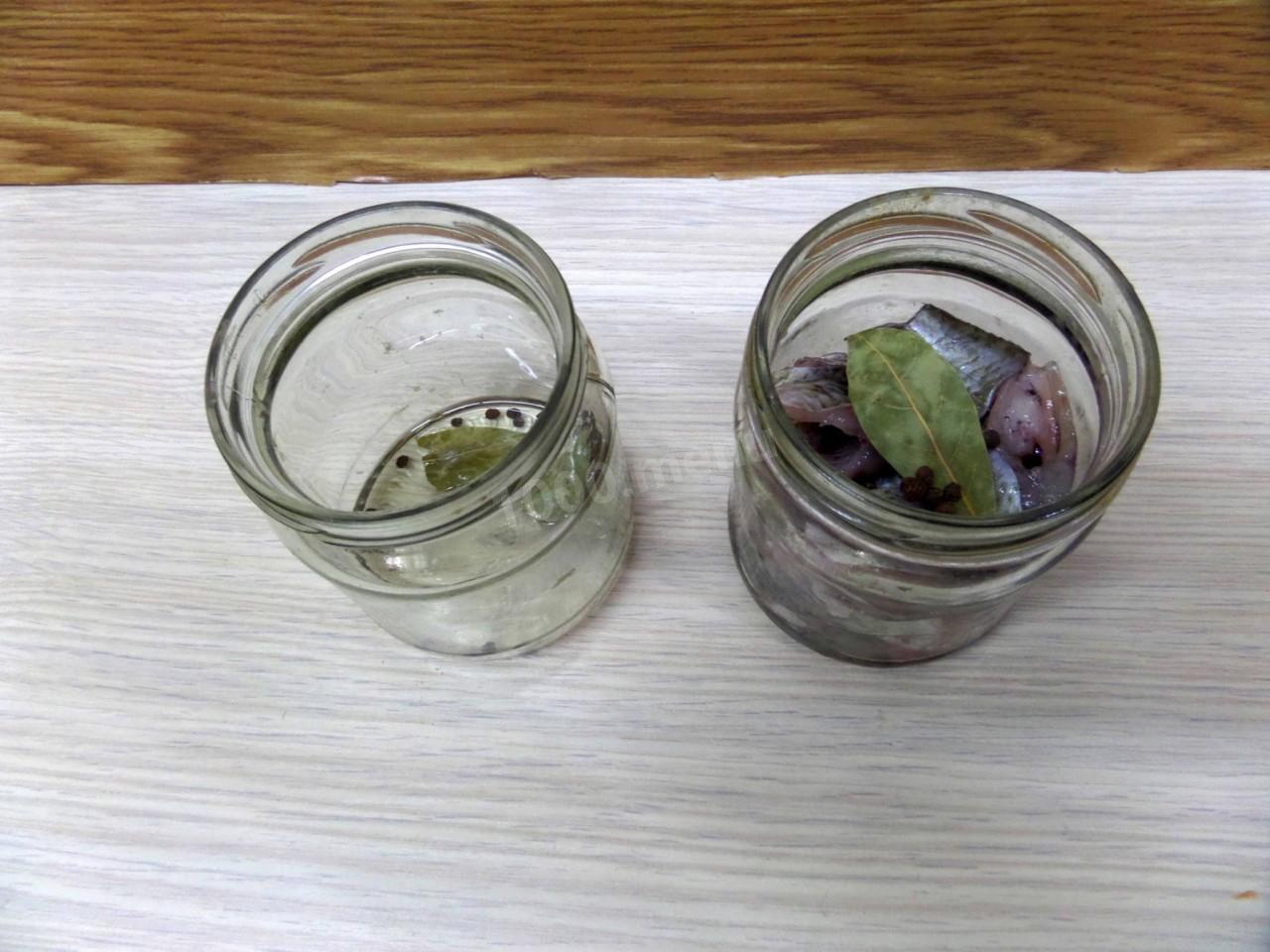
Use well-washed pint (half-liter) jars. Put a bay leaf and a few peppercorns in the bottom of each jar, then pack in pieces of fish snugly up to the halfway point. Add another bay leaf and a few more peppercorns, and pour in a couple of tablespoons of vegetable oil.
-
Step 5:
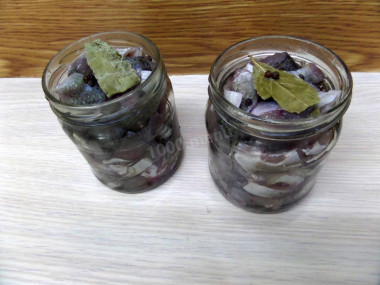
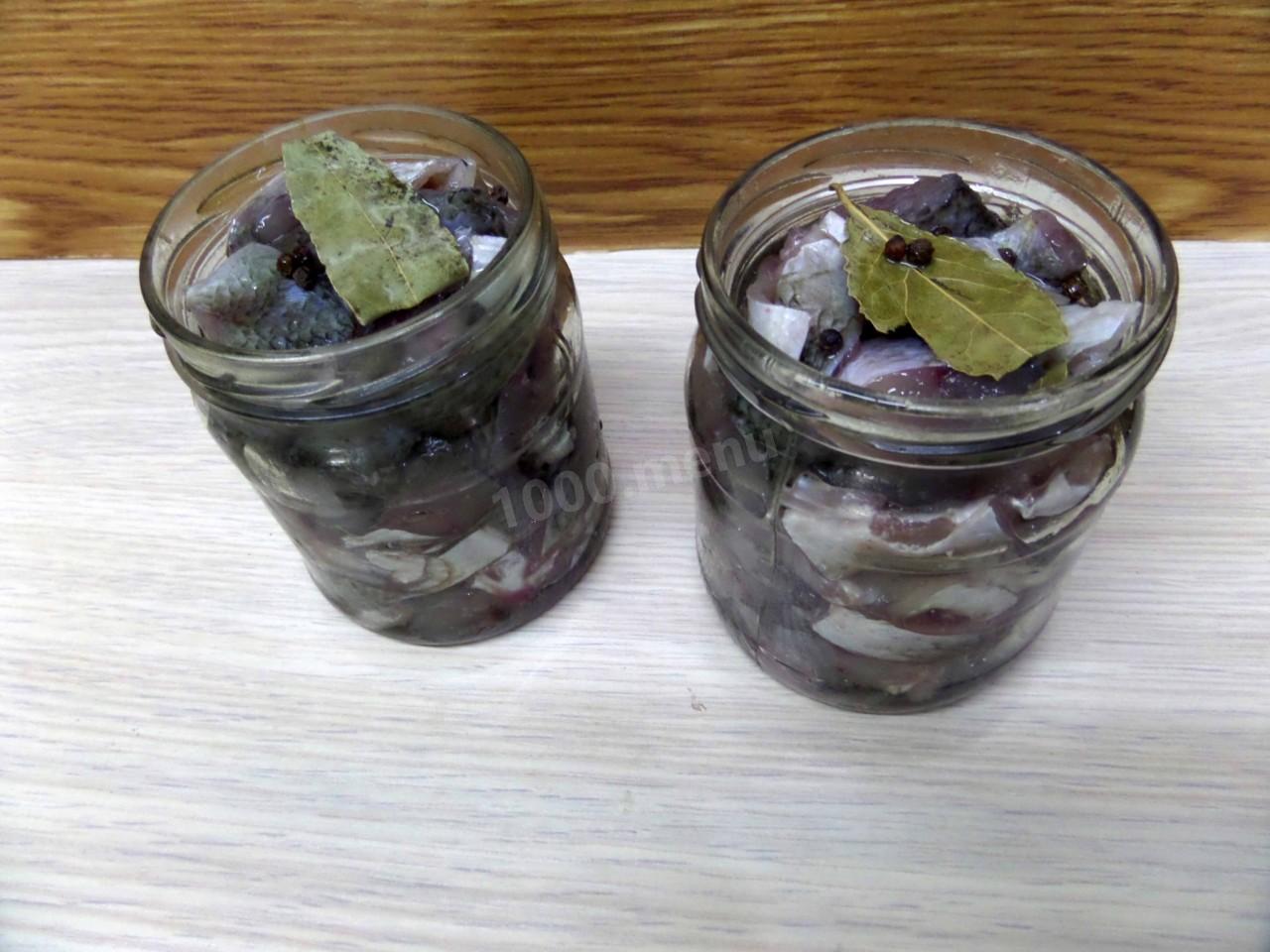
Fill the jars to the top with fish, packing it down — the fish shrinks a lot as it cooks. Top with more peppercorns and a bay leaf, and drizzle with oil.
-
Step 6:
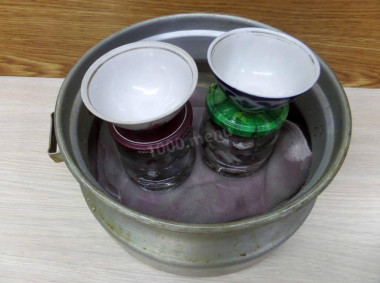
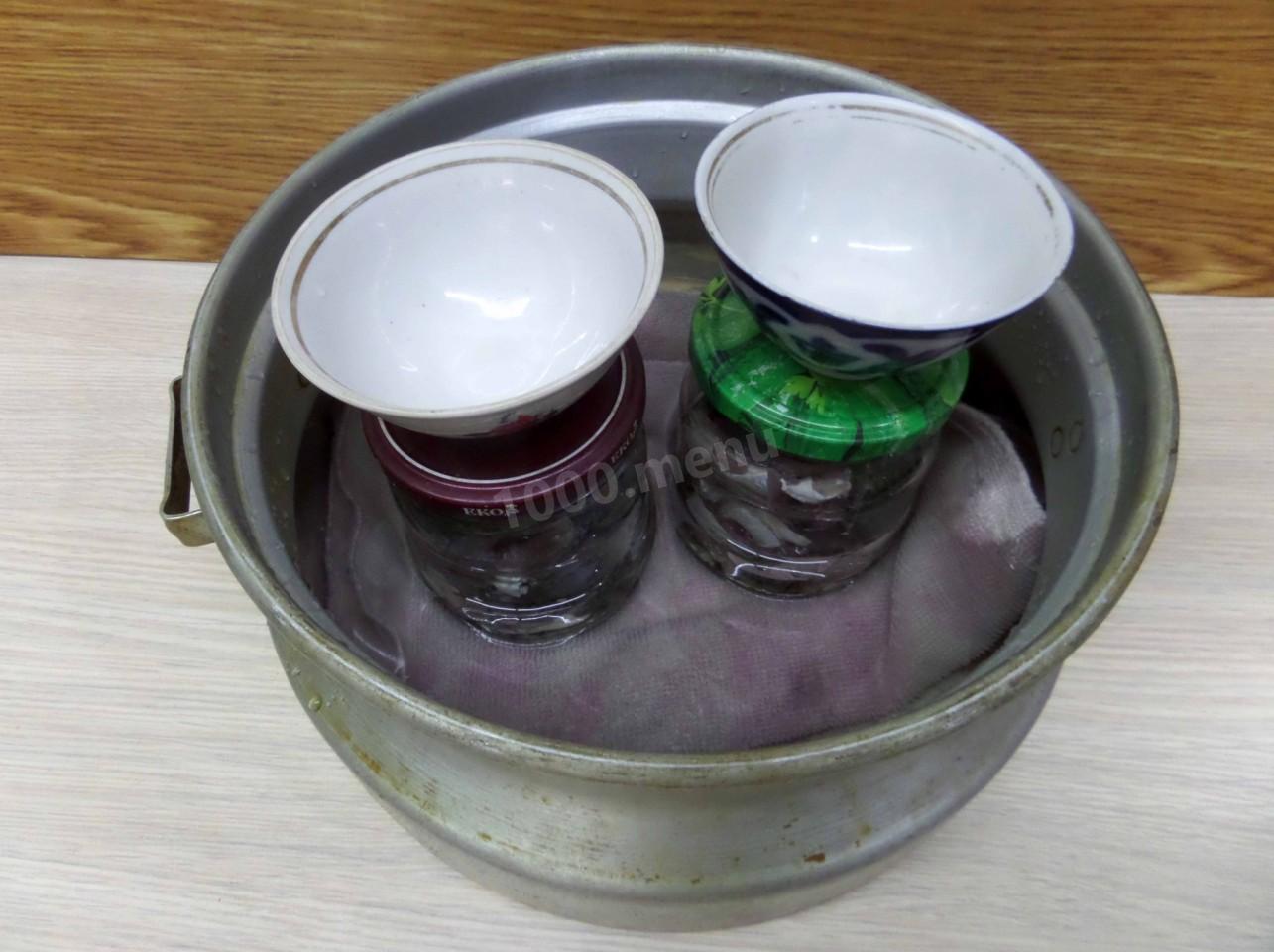
Set the lids loosely on the jars, weight them down lightly, and place them in a pot suitable for sterilizing. Pour in water up to the lids and sterilize over low heat for 4 hours. Then turn off the heat and leave them overnight. The next day, top up the water and sterilize for another 4 hours. Seal the jars tightly and let them cool completely in the same hot pot.
-
Step 7:
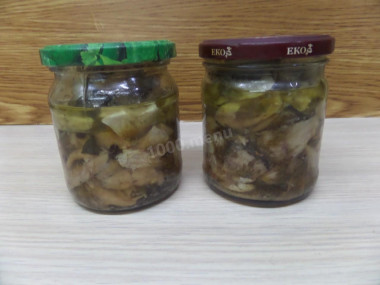
Canned this way, the fish keeps well through the winter and into spring, with no vinegar added. It comes out fragrant and delicious, and the long cooking softens the bones so well that they're perfectly edible — a great source of potassium, calcium, and phosphorus for grown-ups and kids alike.
-
Step 8:
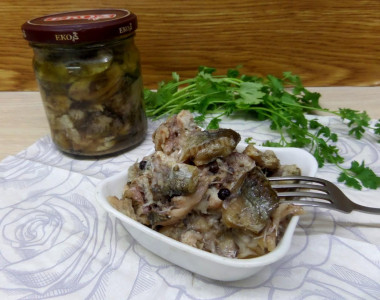
This canned fish makes a perfect snack. Dress it with fresh herbs and onion, or add it to salads. Enjoy, and here's to your family's good health!
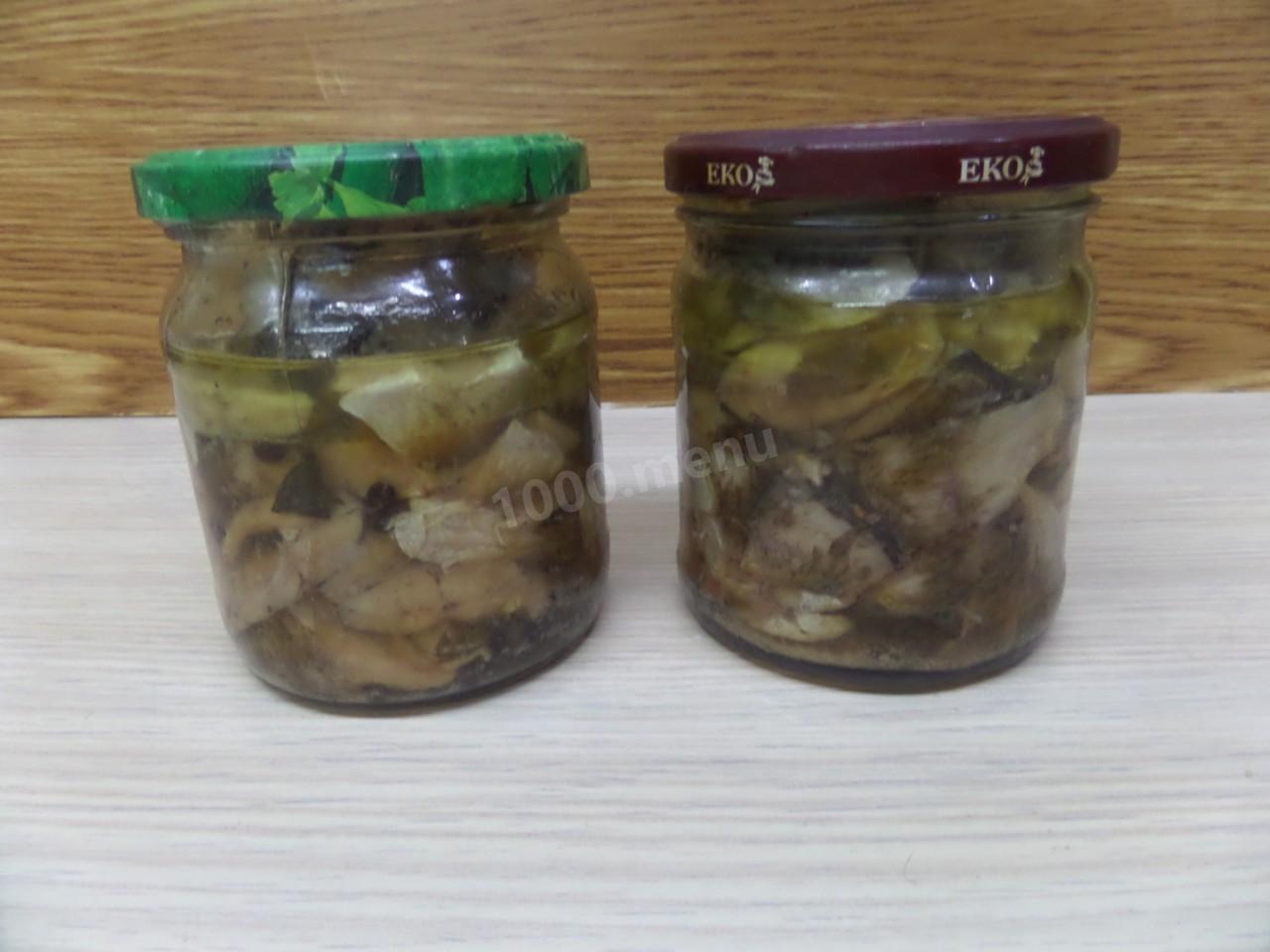
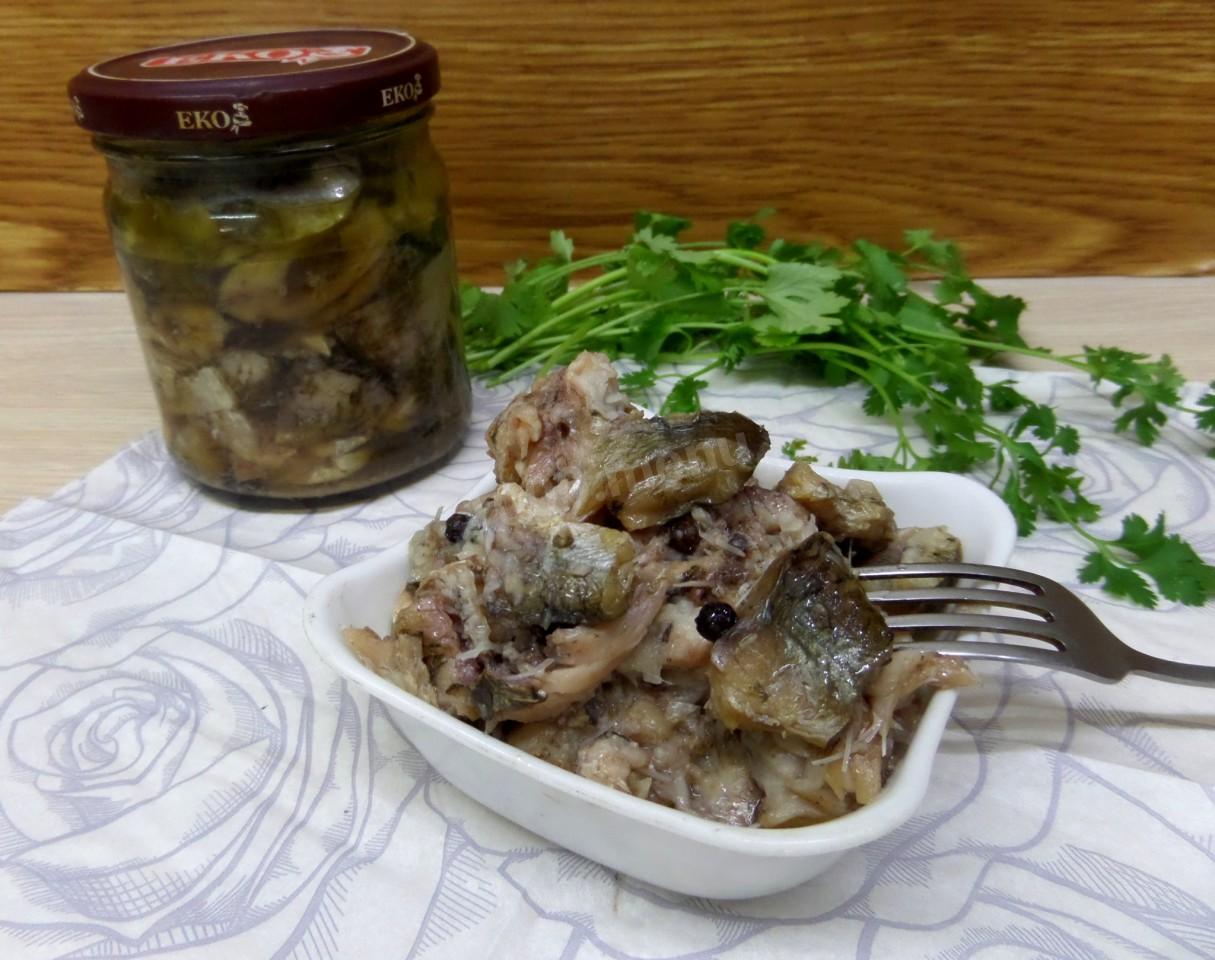
- Canning does take a good chunk of time, but it's worth it — the fish turns out wonderful. Small fish work best: the bones of larger fish won't soften enough to eat comfortably, and if you bone a large fish first, the pieces lose their shape and turn to mush.
- Food-safety note: this is a low-acid food preserved without vinegar. In a home kitchen, fish like this is not reliably safe for shelf storage without a pressure canner (botulism risk). For the safest results, process in a pressure canner per current canning guidelines, or simply keep the jars refrigerated and eat within a few days.
Caloric content of the products possible in the composition of the dish
- Bay leaf - 313 kcal/100g
- Vegetable oil - 873 kcal/100g
- Black pepper peas - 255 kcal/100g
- Salt - 0 kcal/100g
- Volga pikeperch - 83 kcal/100g
- Roach - 88 kcal/100g
- Ruff - 88 kcal/100g
- White bream - 97 kcal/100g
- Tench - 40 kcal/100g
- Chub - 127 kcal/100g
- Ide - 81 kcal/100g
- Asp - 98 kcal/100g
- Sabrefish - 88 kcal/100g
- Rudd - 100 kcal/100g
- Char - 135 kcal/100g