Canned Saury Fish Cakes
For a more tender result, chill the canned fish first. I came across all kinds of recipes online under this same name — some adding only rice, others only boiled potato. I decided to use both: first, it stretches the mixture and yields more patties, and second, it makes them juicier and tastier.



Cooking method
-
Step 1:
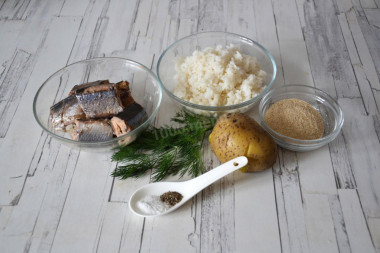
How do you make canned saury fish cakes? Gather your ingredients. You'll need: 1 can of saury packed in oil, rice, a potato, dill, salt, ground black pepper, and breadcrumbs.
-
Step 2:

Lift the saury out of the can and remove any large bones. Mash the fish into small pieces with a fork.
-
Step 3:
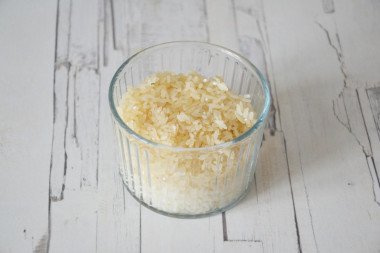
Sort through the rice, rinse it well, and cook until tender. Drain the cooked rice in a colander and let the water run off.
-
Step 4:
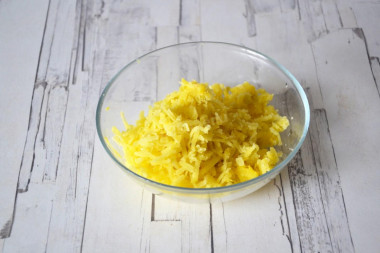
Boil the potato in its skin, cool it, and grate it on the coarse side of a grater.
-
Step 5:
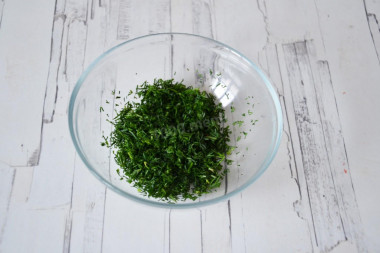
Wash, dry, and finely chop the dill.
-
Step 6:
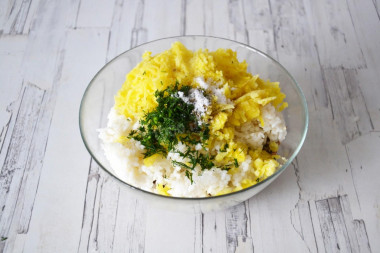
In a bowl, combine the canned fish, rice, and boiled potato. Season with salt and pepper.
-
Step 7:
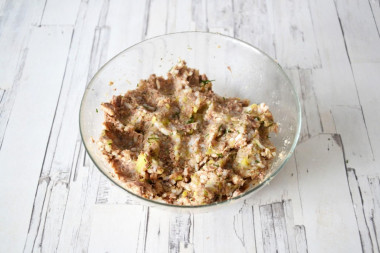
Knead the mixture thoroughly with your hands.
-
Step 8:
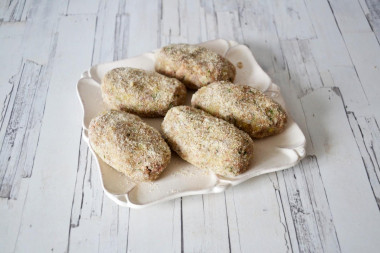
Shape the mixture into oblong patties. Roll the patties in breadcrumbs on all sides.
-
Step 9:
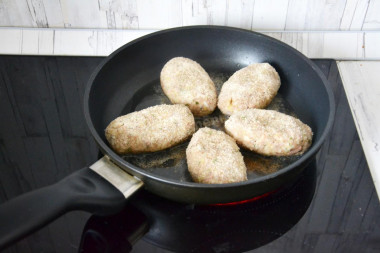
Heat the vegetable oil in a skillet and fry the patties on both sides until golden brown.
-
Step 10:
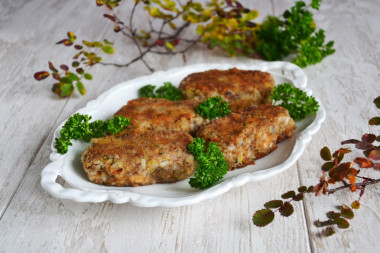
Serve the fish cakes hot with any side dish. By the way, they're tasty cold, too. Enjoy!

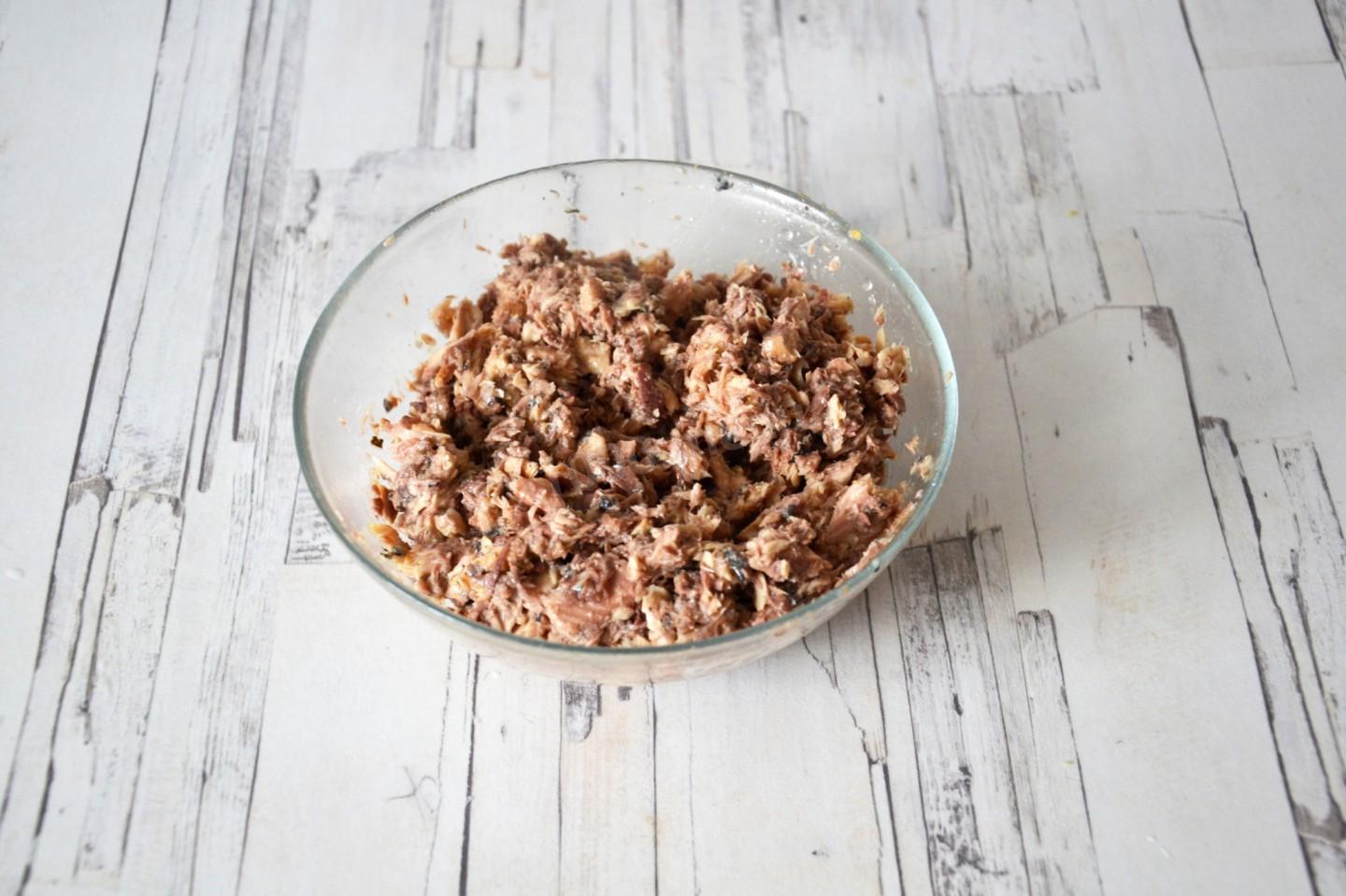


- Fish cakes are nutritious yet light. They're usually made from ground fish, sometimes from finely chopped fillet — but there's another easy way: making hearty patties from canned fish. Saury fish cakes with rice are especially tasty. The dish is budget-friendly and, best of all, easy — you don't even need a meat grinder, so even beginner cooks can manage it. You can also stir in some finely chopped onion sautéed in oil. To help the raw mixture firm up and shape more easily, chill it in the refrigerator for half an hour. I didn't have time, unfortunately — I needed to get dinner on the table fast — so one patty kept trying to fall apart while shaping, while frying, and when I took it out of the pan. Bottom line: if you can chill the mixture, do it. It'll shape more easily and hold together better.
- A poorly chosen pan can ruin even the best recipe — use a good nonstick or well-seasoned skillet for frying.
- Any cooking oil is good only up to a certain temperature — its smoke point, beyond which it starts to burn and form harmful compounds. For frying, choose an oil with a high smoke point.
- For rice dishes that turn out great every time, pick the right variety and rinse it well before cooking.
Caloric content of the products possible in the composition of the dish
- Ripe potatoes - 80 kcal/100g
- Baked potatoes - 70 kcal/100g
- Mashed potatoes - 380 kcal/100g
- Boiled potatoes - 82 kcal/100g
- Potatoes in uniform - 74 kcal/100g
- Fried potatoes - 192 kcal/100g
- Raw wild rice - 353 kcal/100g
- Brown raw rice - 360 kcal/100g
- Boiled brown rice - 119 kcal/100g
- White fortified raw rice - 363 kcal/100g
- Fortified boiled white rice - 109 kcal/100g
- White rice, steamed, with long grains raw - 369 kcal/100g
- Steamed white rice, boiled with long grains - 106 kcal/100g
- Instant dry rice - 374 kcal/100g
- Instant rice, ready to eat - 109 kcal/100g
- Rice - 344 kcal/100g
- Ground black pepper - 255 kcal/100g
- Dill greens - 38 kcal/100g
- Vegetable oil - 873 kcal/100g
- Salt - 0 kcal/100g
- Breadcrumbs - 347 kcal/100g
- Canned saury - 88 kcal/100g
Similar recipes

- Second course
- Fish and seafood
- Vegetables
- Cereals and cereal products
- Bakery products
- Spices seasonings spices
- Fats and oils
- With crackers
- Pepper
- Salt
- Dill
- Vegetable oil
- Cooking
- Frying
- Cutlets
- Fish second course
- Fish with vegetables
- Canned fish
- From potatoes
- No eggs
- Recipes for lean dishes without butter
- From rice