Homemade Mulled Wine with Orange
Fragrant, distinctive, and spiced — a little celebration any day! Mulled wine with orange is a traditional winter drink from many European countries, adapted to make at home. It comes together quickly and easily, and it's especially welcome during the cold months.



Cooking method
-
Step 1:
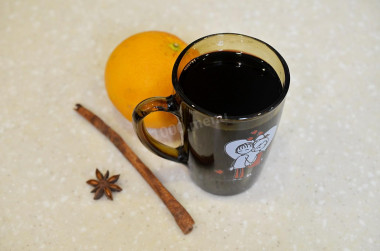
How do you make mulled wine with orange at home? Gather your ingredients. Use a good, natural wine — the quality of your drink depends on it. Any wine works, from dry to off-dry. I prefer dry wines; if it turns out not sweet enough for you, you can always add sugar. I also use whole spices: a cinnamon stick and a star of anise, but ground seasonings work too.
-
Step 2:
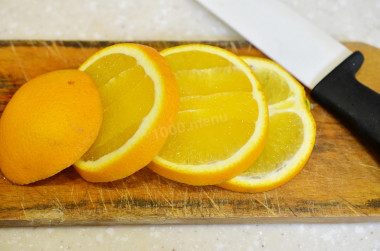
Wash and dry the orange well. Cut half of it into rounds; from the other half you'll need just the juice.
-
Step 3:
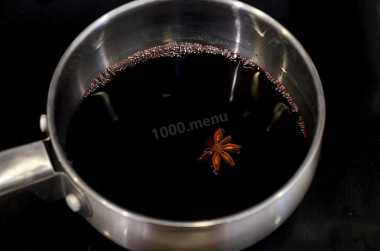
Pour the wine into a heavy-bottomed saucepan and add the star anise and cinnamon. At this point you can add your favorite spices and seasonings: ginger, cloves, nutmeg, vanilla, mint, or sliced apple and lemon.
-
Step 4:
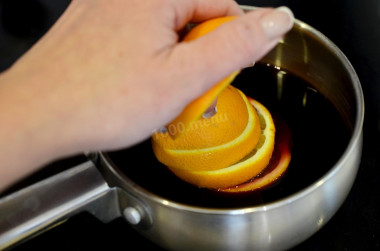
Add the orange rounds to the wine and squeeze the juice from the other half into the pan.
-
Step 5:
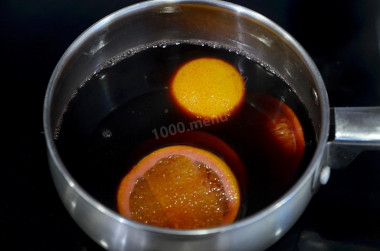
Heat the wine over low heat to about 190°F (90°C), but don't let it boil. Check the sweetness and add sugar if needed — though mulled wine shouldn't be too sweet. Be sure to strain the finished drink so no spices or fruit get into it, then pour it into glasses.
-
Step 6:

Serve the mulled wine hot — that's the whole point of this drink: to warm you up! Enjoy!
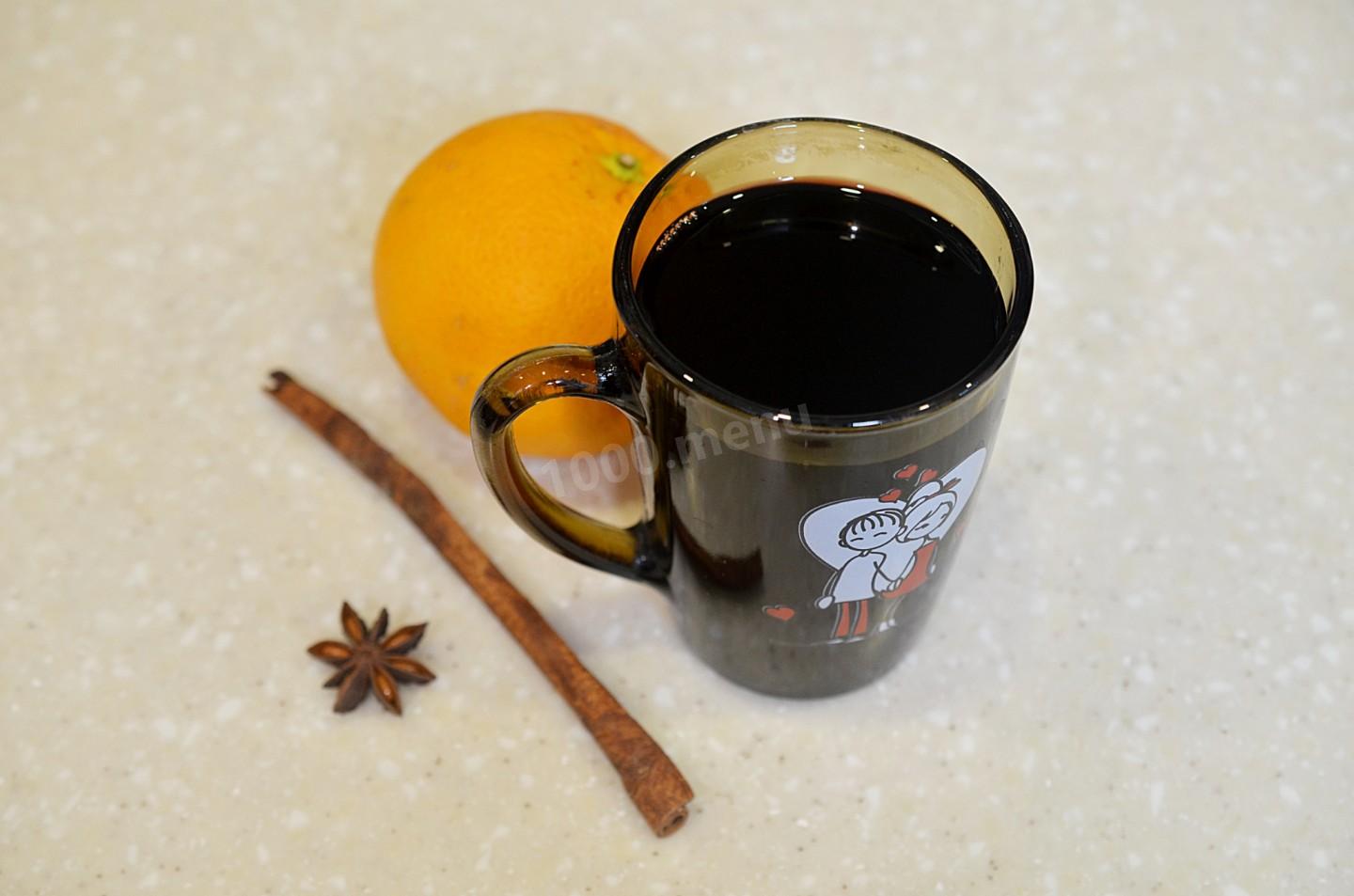


- We call this popular winter drink "glintwein," in Germany it's "Glühwein," and in the Czech Republic "svařené víno." But the recipe is roughly the same everywhere. When I was on vacation in Prague, I got cold and ducked into the nearest café to order svařené víno — the server simply dropped a little sachet (like a tea bag) of the necessary spices and add-ins into hot wine, and 5 minutes later the drink was ready. Maybe that approach will catch on here soon.
- Since everyone's preferred level of salt, sweetness, bitterness, heat, acidity, and pungency is different, always add spices and seasonings to suit your own taste. If you're using a seasoning for the first time, keep in mind that some are especially important not to overdo (chili pepper, for instance).
- For tips on choosing the perfect pot for soup, porridge, or pickling, see the article on cookware.
Caloric content of the products possible in the composition of the dish
- Cinnamon - 247 kcal/100g
- Oranges - 36 kcal/100g
- Star Anise - 337 kcal/100g
- Wine - 76 kcal/100g