Tomato Lecho with Onion, Pepper, and Carrot for Winter
Sweet-and-sour, mild, and seriously tasty! There are countless ways to make lecho, and like a lot of home cooks I've tried plenty of them — but this is the version my family loves best for its sweet, juicy flavor. It's simple to make, needs no separate sterilizing step, and keeps beautifully.


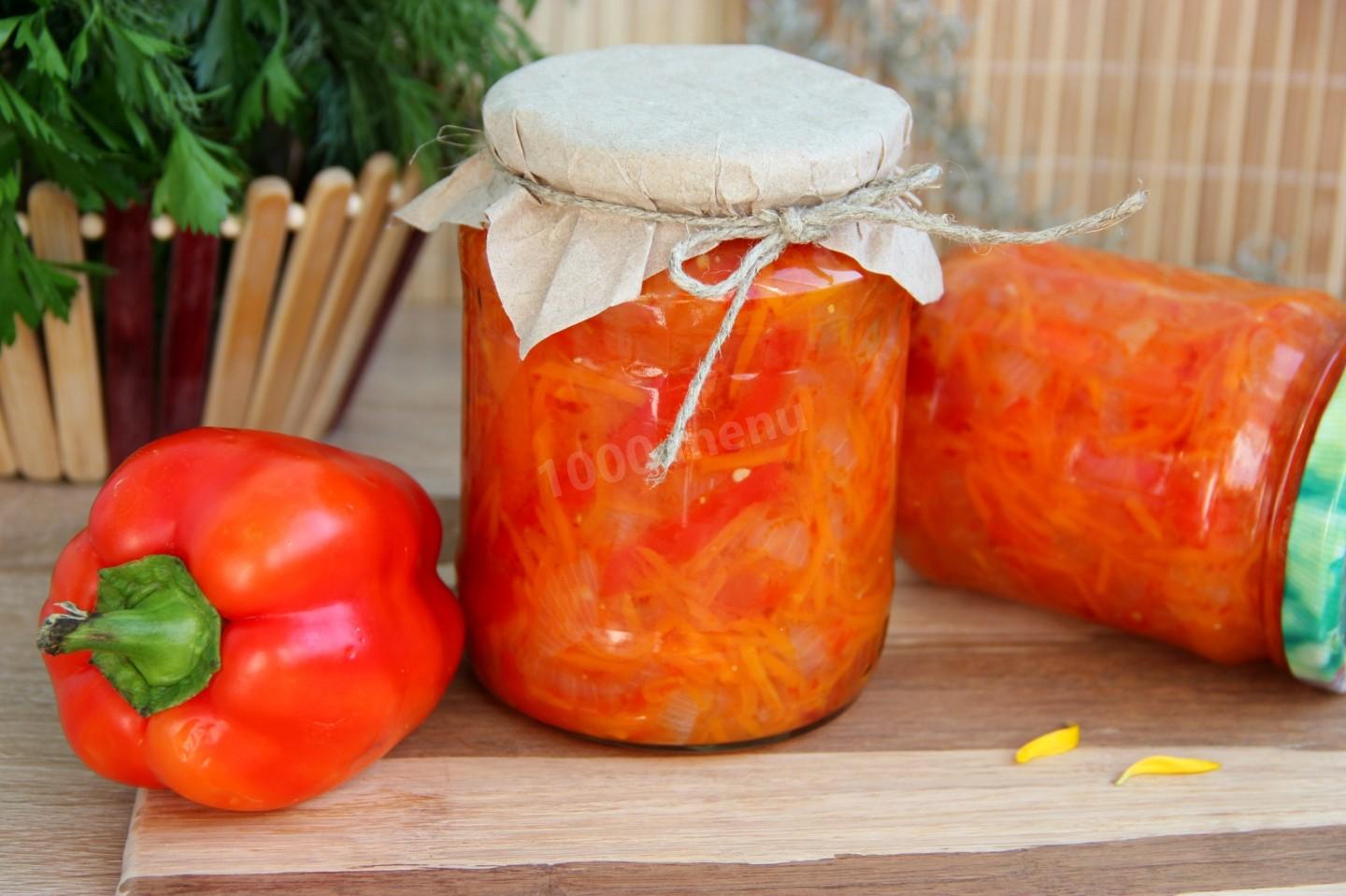
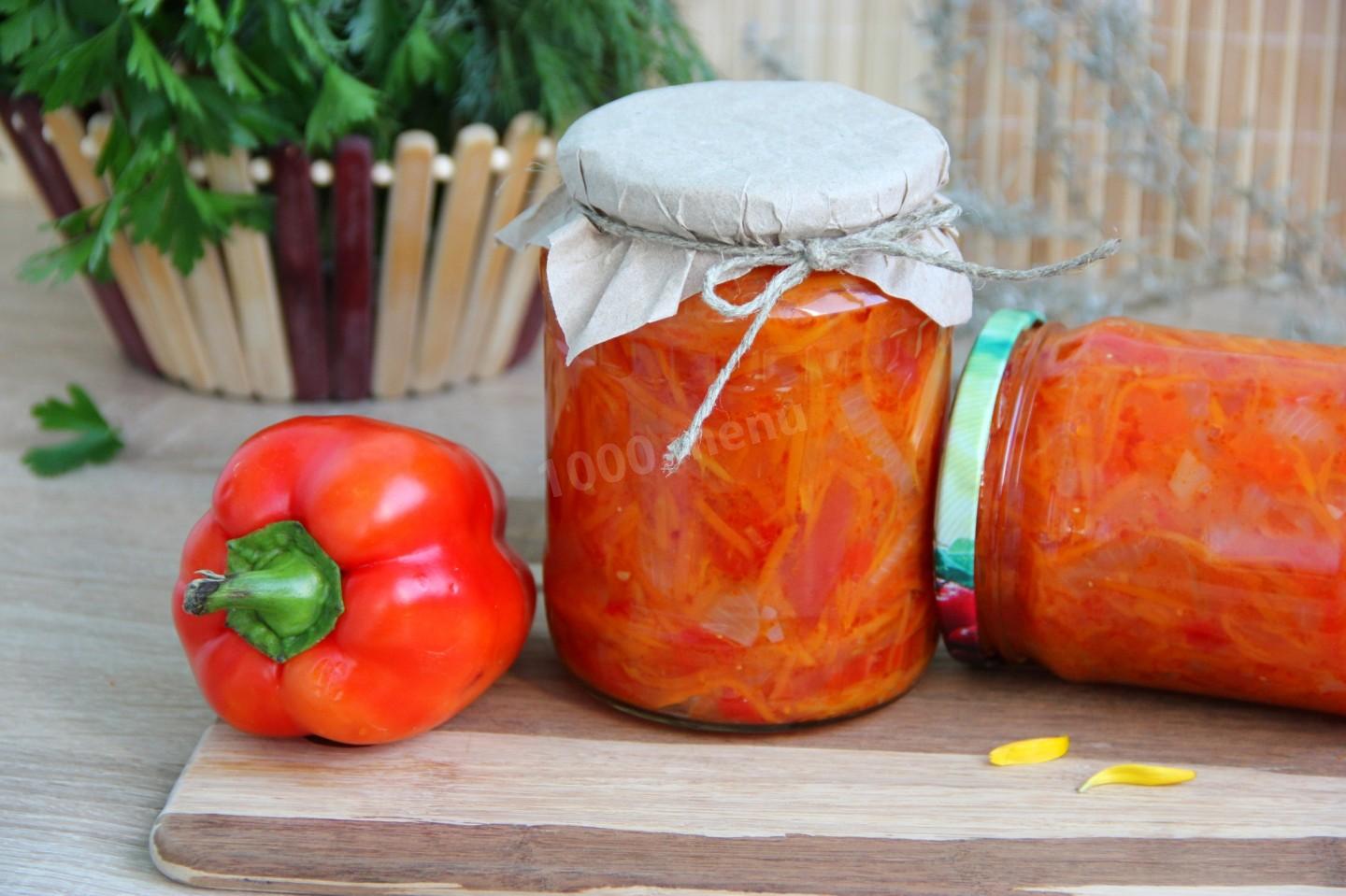
Cooking method
-
Step 1:
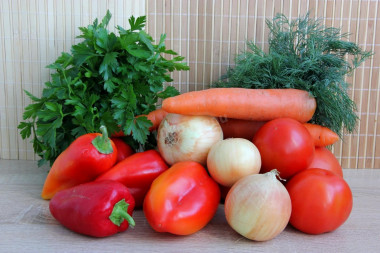
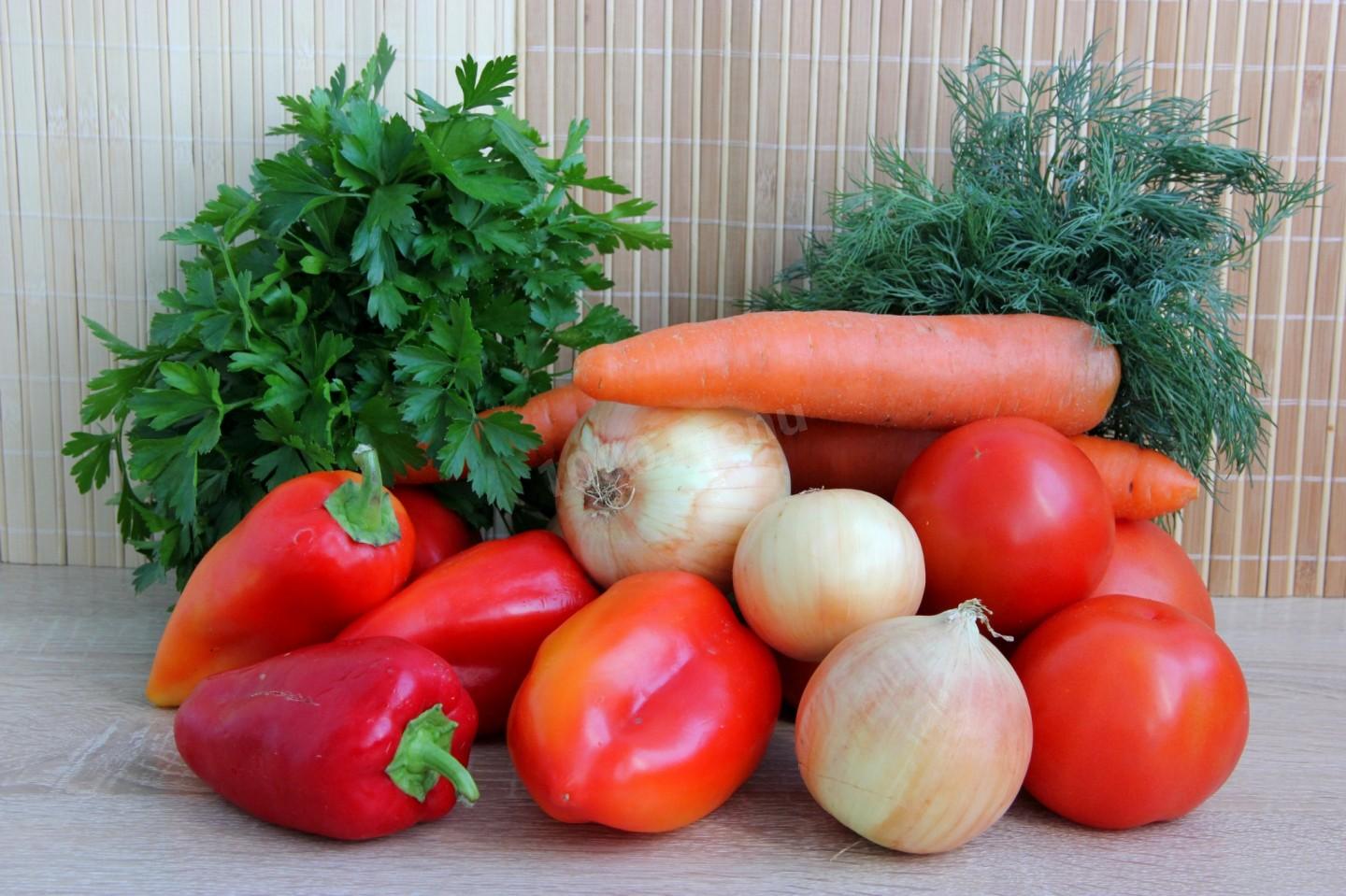
Use only fresh, in-season vegetables for lecho — nothing overripe. Choose peppers that are thick-walled and juicy.
-
Step 2:
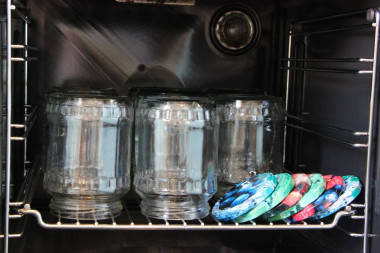
Prepare the jars: wash them with baking soda and rinse well under running water. While still wet, set them neck-down in a cold oven along with the lids. Heat to 300°F (150°C); once it reaches temperature, sterilize pint (0.5 L) jars for 10 minutes and quart (1 L) jars for 15 minutes. This is my go-to method — I've used it for years and it's never let me down.
-
Step 3:
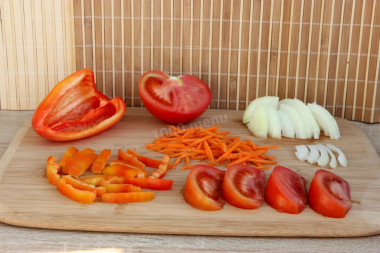
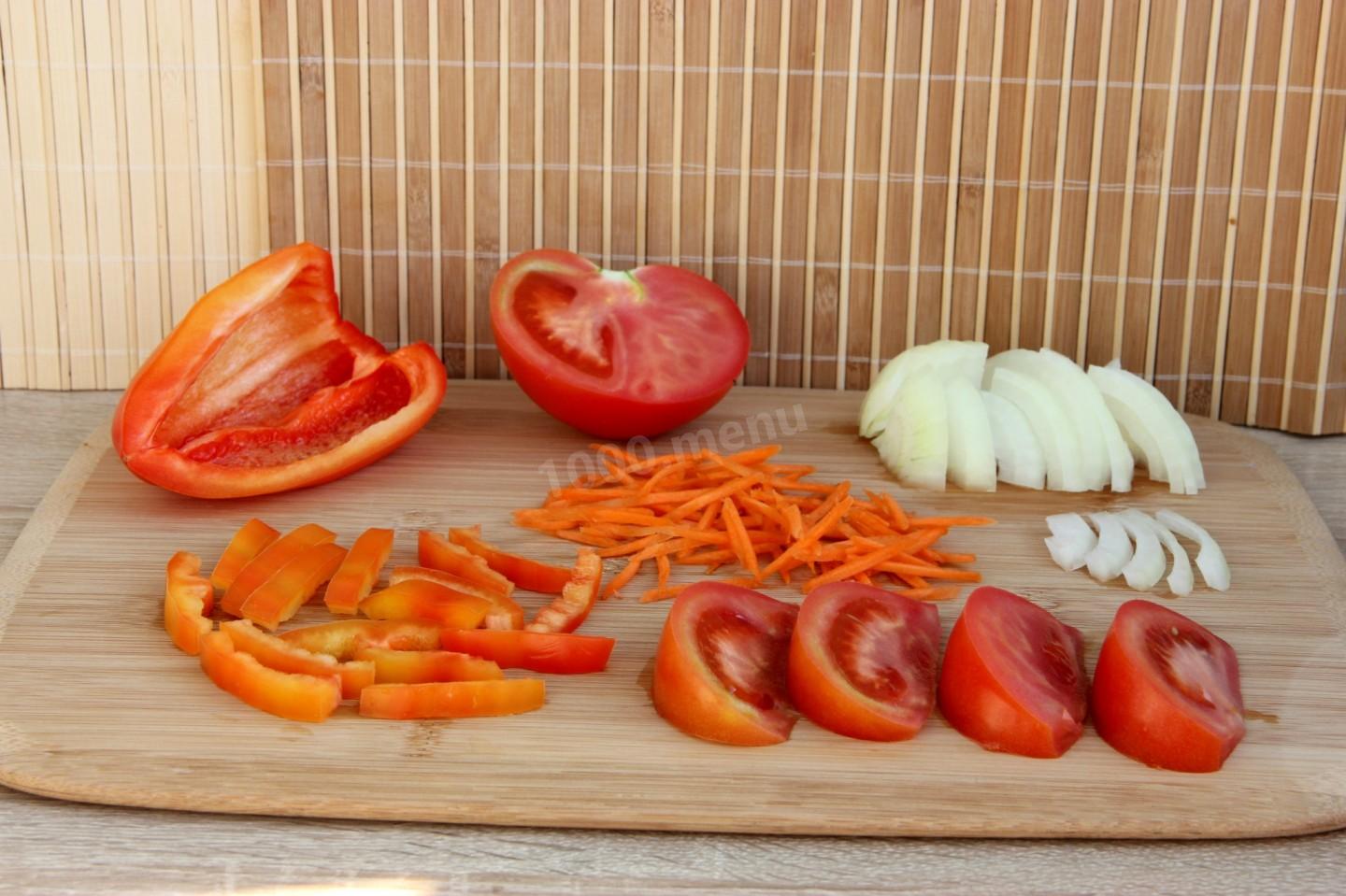
Cut all the vegetables into strips — don't go too fine, about 1/4 inch (0.6–0.7 cm) is ideal. You can shred the carrots on a julienne (Korean-style) grater. Cut the tomatoes into wedges or large squares; I leave the skins on.
-
Step 4:
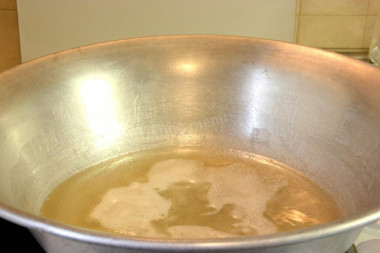
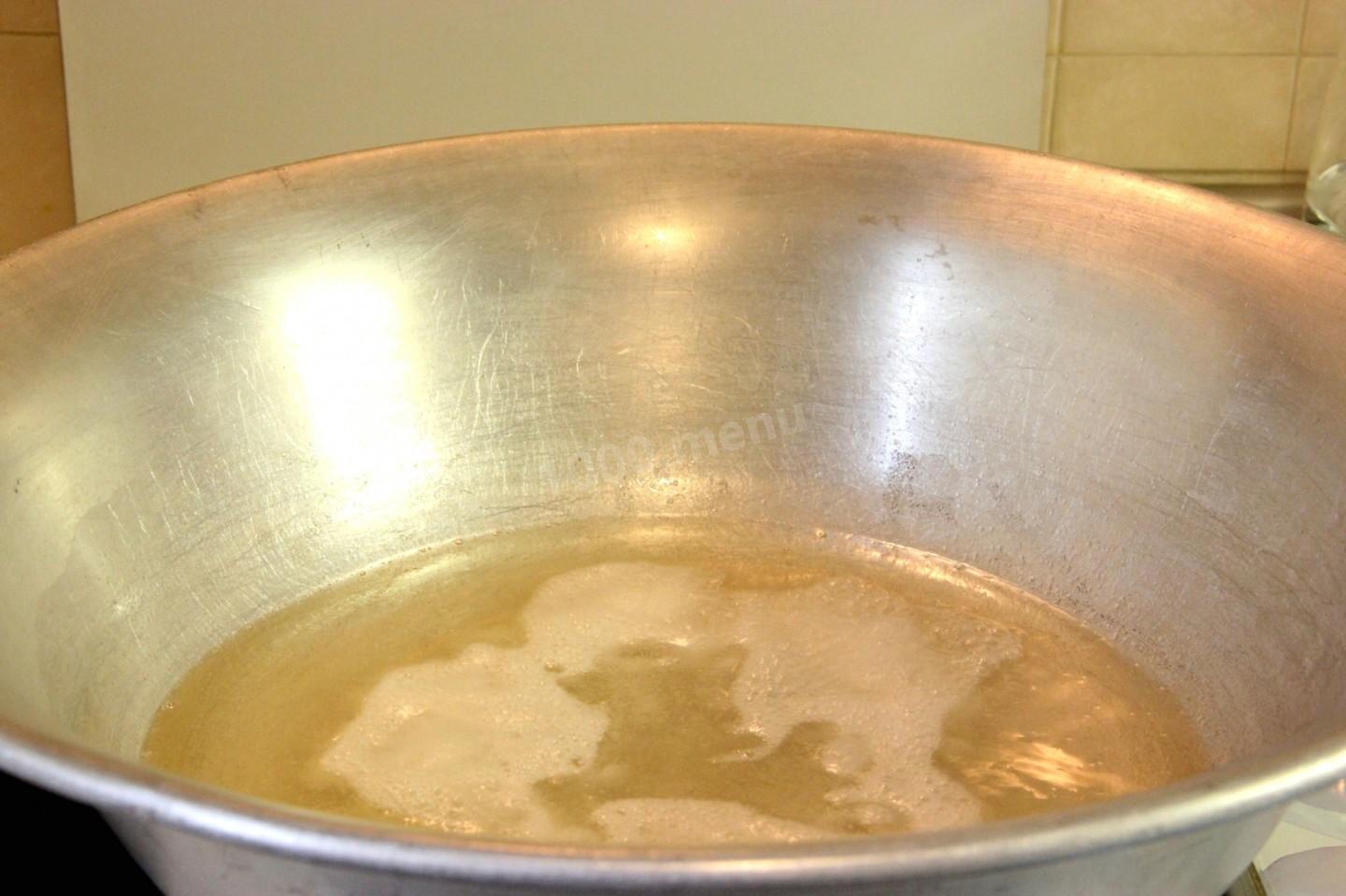
Make the marinade: in a large cooking pot, combine the water, sugar, salt (again — salt varies, so start with a little less and adjust to taste once the vegetables go in), and vegetable oil; add the vinegar essence last. Stirring, let it boil for 4–5 minutes.
-
Step 5:
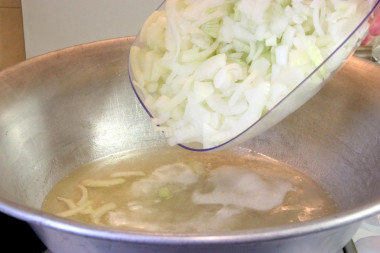
Now add the vegetables one type at a time, returning to a boil after each. Start with the onion.
-
Step 6:
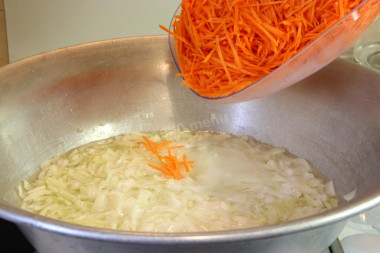
Then the carrots.
-
Step 7:
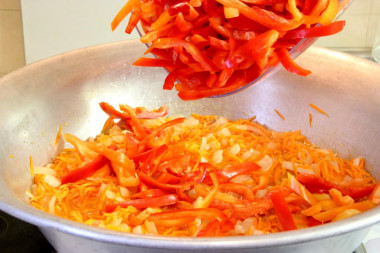
Next, add the bell pepper.
-
Step 8:
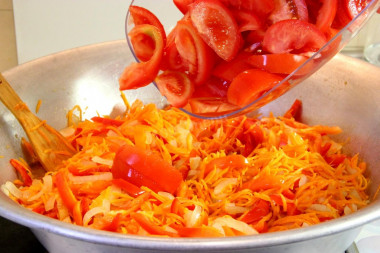
Add the tomatoes last.
-
Step 9:
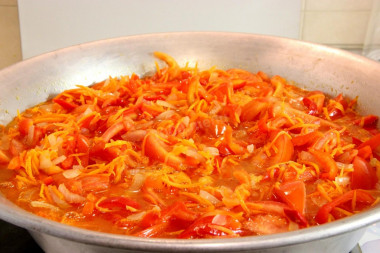
Once it comes back to a boil, cook for 20–30 minutes over high heat.
-
Step 10:
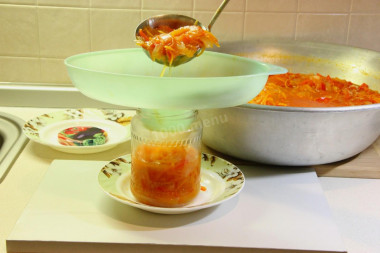
Ladle the hot lecho into warm, sterile jars. I keep the pot on the stove while filling, turning the heat back on now and then so it stays piping hot. Fill each jar almost to the shoulder, then run a clean spoon gently along the inside wall to pack it down and release trapped air; top it off nearly to overflowing. It helps to have someone on hand to tighten the lids so you can work fast.
-
Step 11:
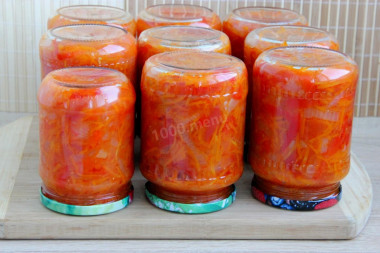
Wipe the filled jars clean, turn them upside down onto their lids, wrap them in a blanket, and let them cool. Then move them straight to a dark, cool spot. This lecho keeps for over a year — but it's always the first thing eaten.



- This is an old recipe from the days of measuring with a glass and spoons, and I still make it that way — though I've switched the salt to grams. The vegetable weights are for unprepped produce; I've also tried weighing them already chopped, and there's still plenty of marinade — you just end up with about 3 extra jars. Normally I get five 24-oz (0.72 kg) jars; from pre-chopped veg I got eight 24-oz jars plus one pint (0.5 L). When I use a little less vegetable, the leftover marinade is delicious — I pour it over a couple of jars of cherry tomatoes, and the kids eat those right up since they come out sweet.
Caloric content of the products possible in the composition of the dish
- Tomatoes - 23 kcal/100g
- Sweet pepper - 27 kcal/100g
- Carrots - 33 kcal/100g
- Dried carrots - 275 kcal/100g
- Boiled carrots - 25 kcal/100g
- Granulated sugar - 398 kcal/100g
- Sugar - 398 kcal/100g
- Vegetable oil - 873 kcal/100g
- Salt - 0 kcal/100g
- Water - 0 kcal/100g
- Onion - 41 kcal/100g
- Acetic essence - 11 kcal/100g
Similar recipes



- Homemade preparations
- Vegetables
- Sweet
- Spices seasonings spices
- Fats and oils
- Other
- Salt
- Vinegar
- Vegetable oil
- Water
- Cooking
- Canning
- Salads for winter
- Without sterilization
- Vegetable blanks
- Marinades
- From carrots
- From tomato
- From sweet pepper
- From onion
- Vegetarianism
- Recipes for lean dishes without butter
- Sugar