Turkey Soup with Noodles and Potatoes
Light, tasty, and wholesome — one the whole family will love. This turkey soup with noodles and potatoes is great for a lighter, healthier meal: plenty of high-quality protein and very little animal fat. And you can always switch up the seasonings and herbs to suit your taste.

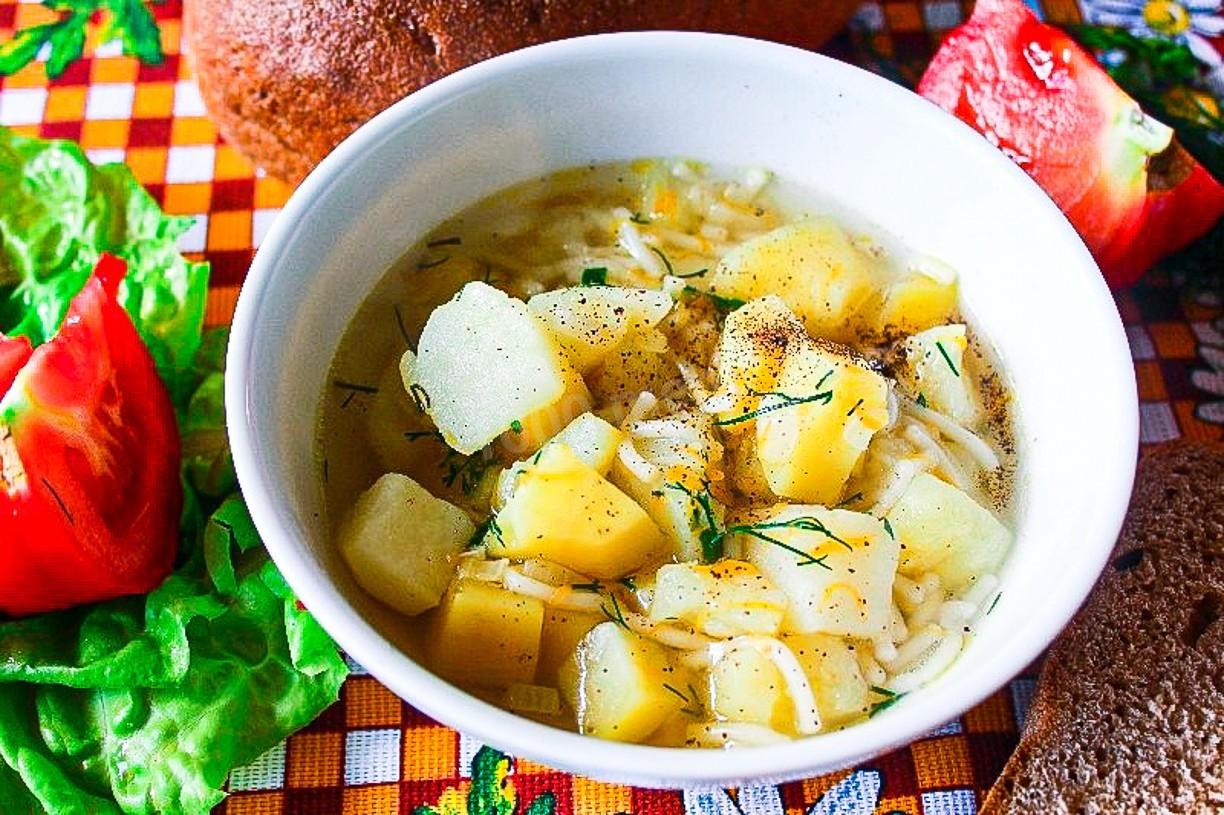
Cooking method
-
Step 1:
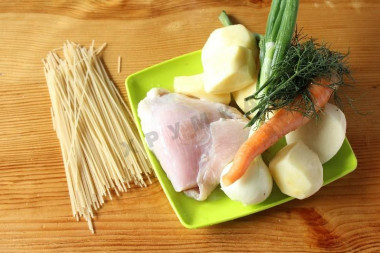
How do you make a delicious turkey soup with noodles and potatoes? Start by gathering all your ingredients.
-
Step 2:
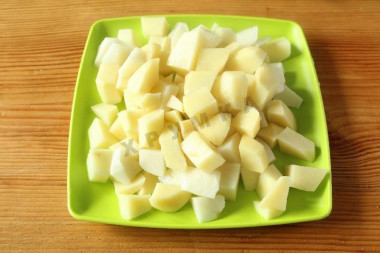
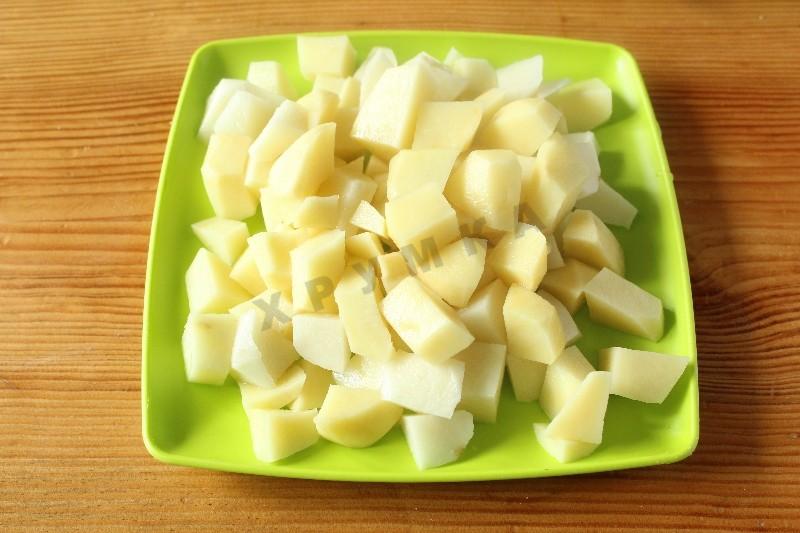
Put the turkey breast on to boil in salted water. Cut the potatoes into small cubes. Once the turkey is cooked through, add the potatoes.
-
Step 3:
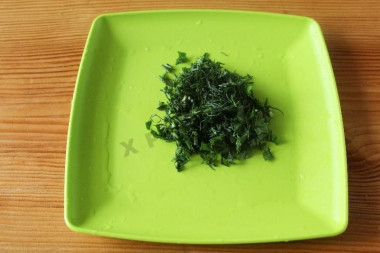
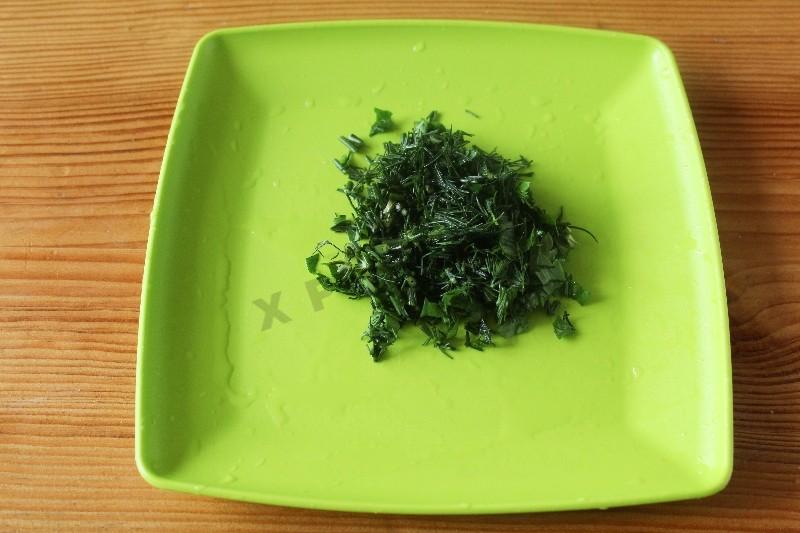
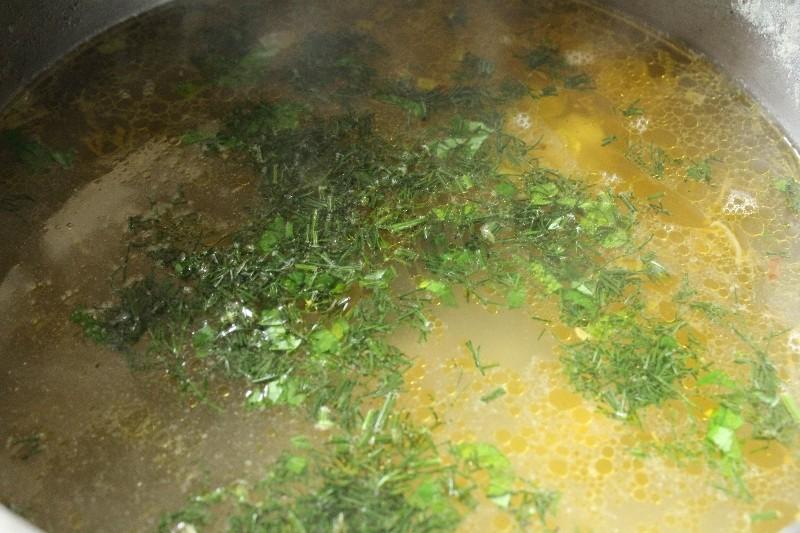
Finely chop the dill.
-
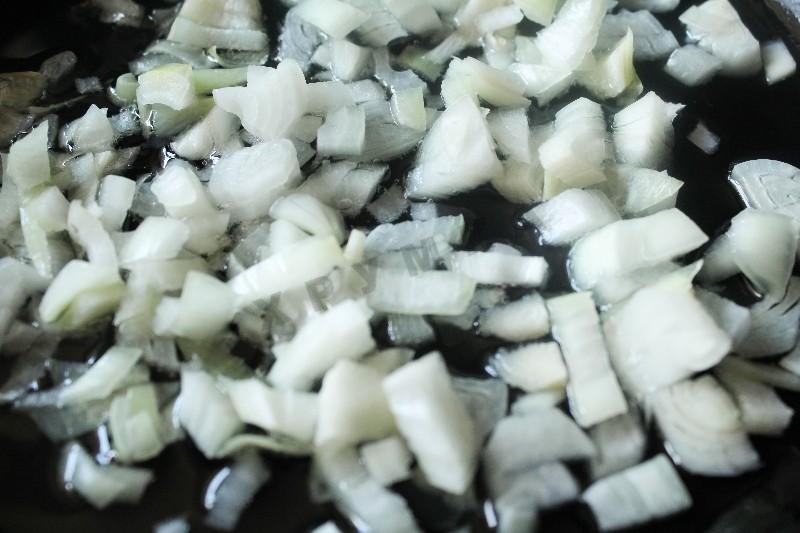
Step 4:
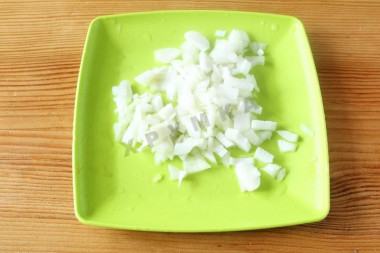
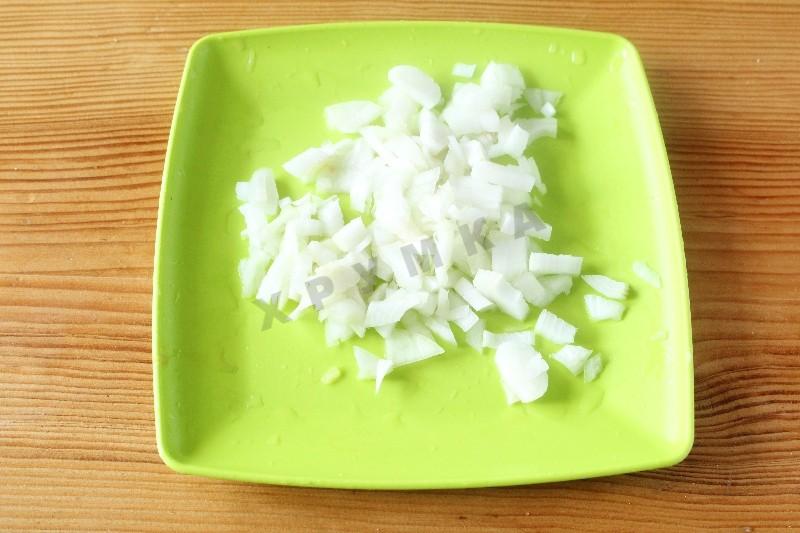
Chop the onion into small pieces.
-
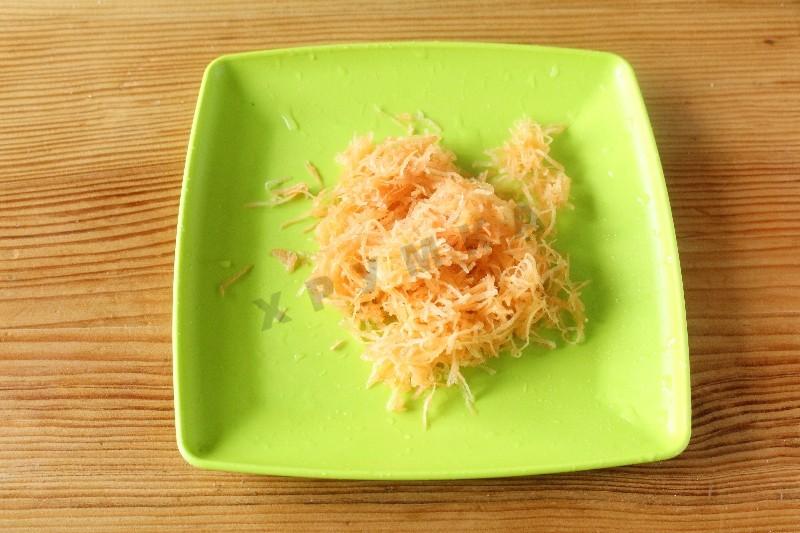
Step 5:
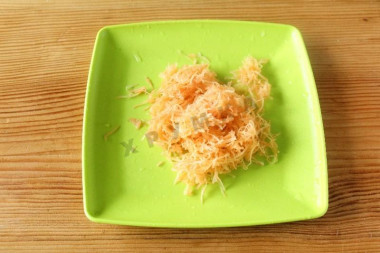
Grate the carrot on the fine side of a grater.
-
Step 6:
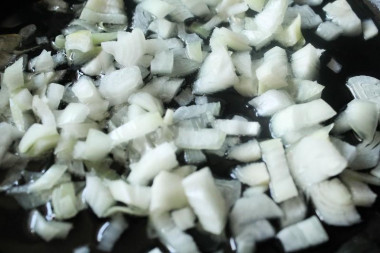
Add the onion to a preheated skillet coated with sunflower oil.
-
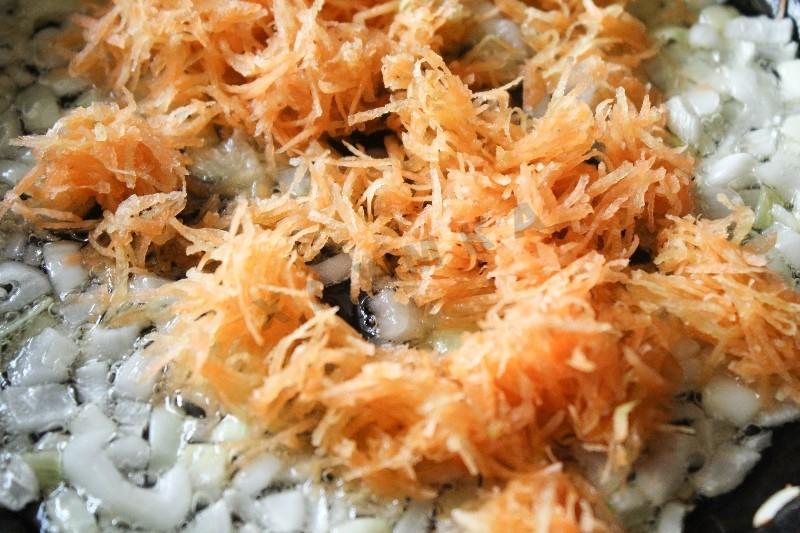
Step 7:
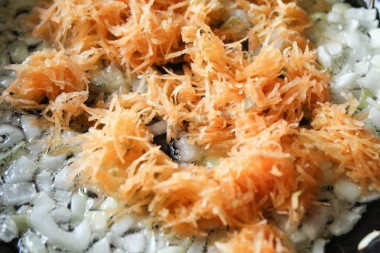
Sauté for two to three minutes, then add the carrot.
-
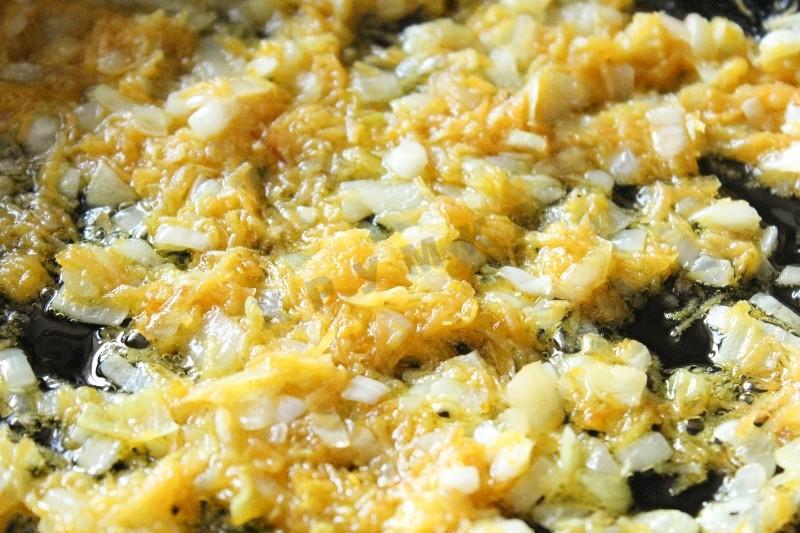
Step 8:
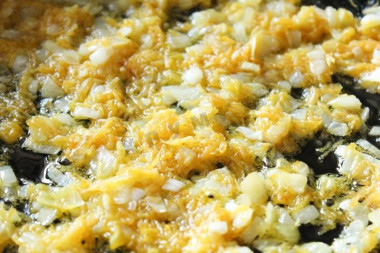
Sauté for another two minutes until soft.
-
Step 9:
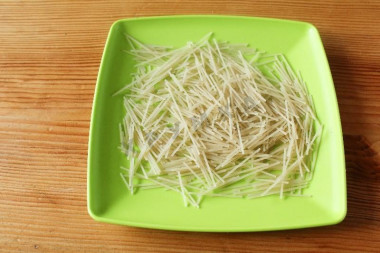
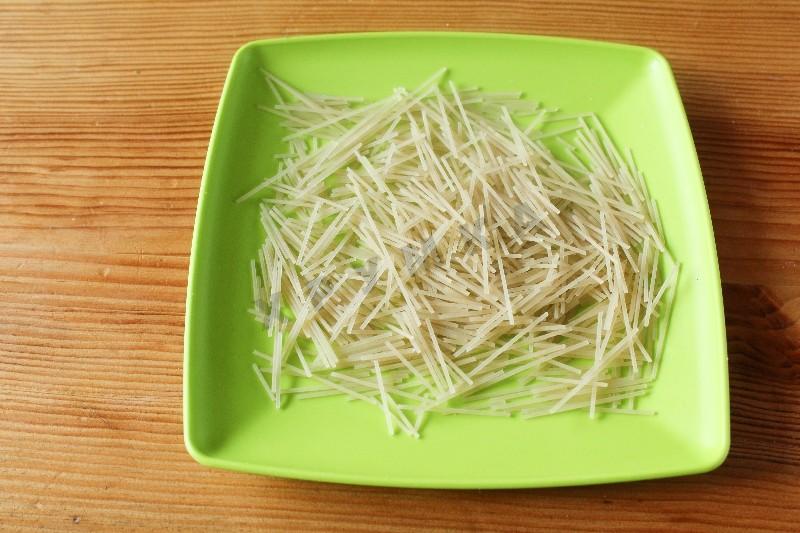
Break the noodles up a little and add them to the soup once the potatoes are done. You can use any pasta you like.
-
Step 10:
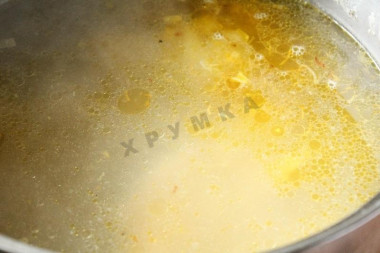
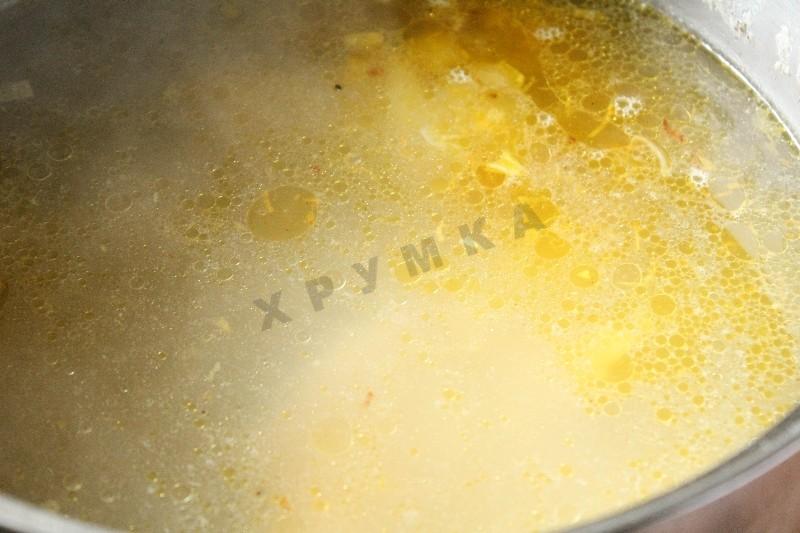
Then, after 10–15 minutes, stir in the sautéed onion and carrot.
-
Step 11:
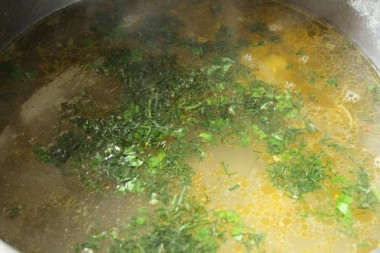
Next, add the dill. Stir everything together and turn off the heat.
-
Step 12:
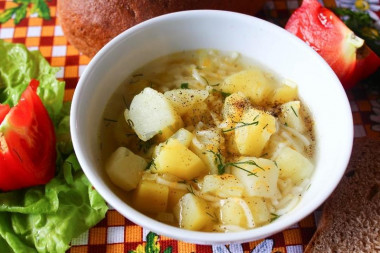
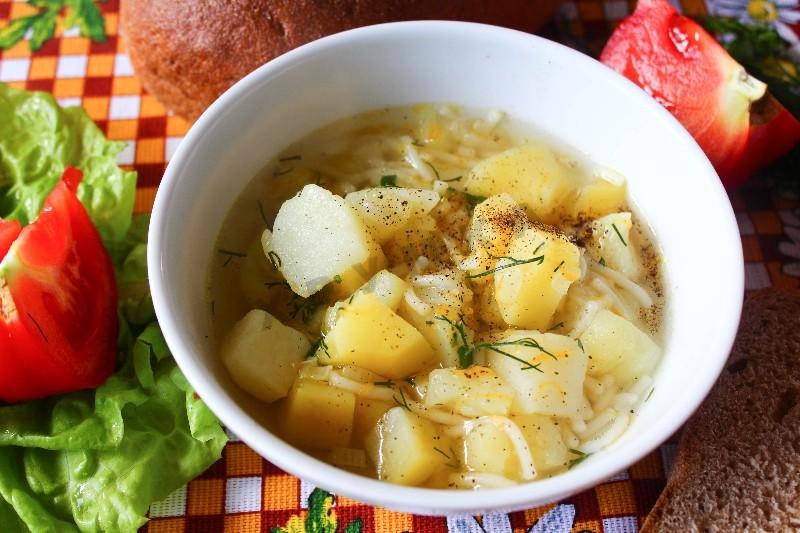
Ladle the finished soup into bowls and serve. Your turkey soup with noodles and potatoes is ready. Enjoy!

- You can swap the turkey for chicken or any other meat you like. Just keep in mind that the cooking time and the calorie count of the dish will change accordingly.
- A note on water: whether or not a recipe specifies how much water to use, it's best to go by your own preference (do you like a thick soup or a thinner one?), the size of your pot, and the ingredients you're working with. Remember that the author's idea of how much meat, potato, grain, and other ingredients to use may not match yours. In practice, this means that if you're making it for the first time, don't cook a whole pot at once. Make a small tasting batch for one or two people: scale all the ingredients down to 1–2 servings and figure the water at roughly one cup per serving for a very thick soup, up to 1.5–2 cups for a thinner one. Don't forget that some liquid will boil off as it cooks. After tasting a small portion, you can fine-tune both the amount of liquid and the ingredient proportions to your taste. Before long, like most seasoned cooks, you'll be adding water and ingredients by eye.
- Keep in mind that properly thawing your ingredients goes a long way toward the quality and flavor of the finished dish.
Caloric content of the products possible in the composition of the dish
- Onion - 41 kcal/100g
- Ripe potatoes - 80 kcal/100g
- Baked potatoes - 70 kcal/100g
- Mashed potatoes - 380 kcal/100g
- Boiled potatoes - 82 kcal/100g
- Potatoes in uniform - 74 kcal/100g
- Fried potatoes - 192 kcal/100g
- Carrots - 33 kcal/100g
- Dried carrots - 275 kcal/100g
- Boiled carrots - 25 kcal/100g
- Bay leaf - 313 kcal/100g
- Ground black pepper - 255 kcal/100g
- Dill greens - 38 kcal/100g
- Vermicelli - 371 kcal/100g
- Salt - 0 kcal/100g
- Water - 0 kcal/100g
- Sunflower oil - 898 kcal/100g
- Refined sunflower oil - 899 kcal/100g
- Turkey fillet - 84 kcal/100g
Similar recipes

- Soups
- Meat and meat products
- Vegetables
- Pasta
- Spices seasonings spices
- Fats and oils
- Other
- Bay leaf
- Pepper
- Salt
- Dill
- Vegetable oil
- Water
- Cooking
- Meat soup
- Potato soup
- Pasta soup
- Turkey and potatoes
- Poultry
- From carrots
- From potatoes
- From onion
- No eggs
- Recipes for lean dishes without butter
- Vermicelli