Creamy Buckwheat Porridge with Milk
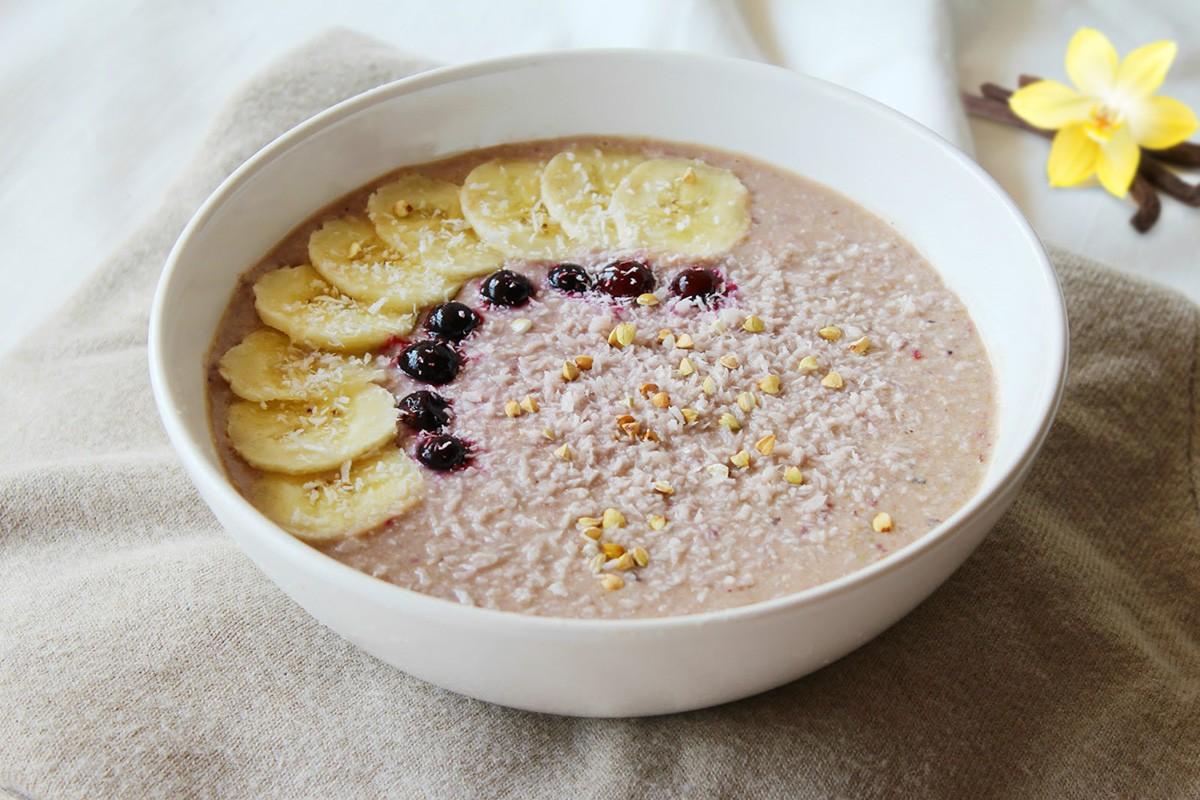
Make a wholesome, tasty breakfast for the whole family! This soft, creamy buckwheat porridge cooked in milk makes a great morning meal. Porridge is always a safe bet for breakfast — a valuable source of vitamins, fiber, protein, and so-called "slow" carbs. It's also low in calories, so it keeps you full for a good while without weighing you down. Made from cracked buckwheat, it fills the body with good, nourishing nutrients and energy for the whole day.
Marikusya
Recipe author
Creamy Buckwheat Porridge with Milk
Nutrients and energy value of the composition of the recipe
By weight of the composition:
Proteins 15 %
3 g
Fats 10 %
2 g
Carbohydrates 75 %
15 g
92 kcal
GI:
88
/
0
/
13
- How do you make creamy buckwheat porridge with milk? Adjust the amount of milk to taste: for a thick porridge, use the amount listed; for a looser one, add a bit more. Whole milk straight from the farm is ideal — it keeps all its vitamins and nutrients. Store-bought dairy isn't quite as good, so save it for when you have no other choice. It's best to make this porridge in just the amount you'll eat, since it's tastiest fresh. If you have leftovers, refrigerate them and reheat before serving — though the flavor won't be quite the same as freshly made. 1. Pick over the cracked buckwheat. Then put it in a bowl, cover with cold water, rinse, and drain. Rinse the grain like this a couple of times. 2. Pour the water into a pot and bring it to a boil. Add the rinsed grain to the boiling water along with a pinch of salt. 3. Cook, covered, over low heat for 20-25 minutes — by then all the liquid should have cooked off. 4. Once the time is up, pour in the milk and add the sugar. Stir. Bring to a boil over medium heat, uncovered. 5. As soon as the porridge with milk comes to a boil, turn off the heat right away. Add a pat of butter, cover the pot, and let the porridge sit for another 5-10 minutes. Now you can portion out the porridge and serve. Garnish however you like — fresh fruit, berries from a jam, or shredded coconut all work. Enjoy!
- For all the secrets of cooking buckwheat and how to choose it so the dish turns out great, see the article "Everyday Buckwheat: Do We Really Know It All?"
- For cooking, it's best to use filtered or bottled water that's neutral in taste. Tap water can lend the dish an unpleasant flavor.
- For how to choose the perfect pot for soup, porridge, or pickling, see the guide to pots and pans.
Caloric content of the products possible in the composition of the dish
- Whole cow's milk - 68 kcal/100g
- Milk 3.5% fat - 64 kcal/100g
- Milk 3.2% fat - 60 kcal/100g
- Milk 1.5% fat - 47 kcal/100g
- Condensed milk 7.5% fat - 140 kcal/100g
- Milk 2.5% fat - 54 kcal/100g
- Granulated sugar - 398 kcal/100g
- Sugar - 398 kcal/100g
- Butter 82% - 734 kcal/100g
- Unsalted premium butter - 709 kcal/100g
- Unsalted creamery butter - 661 kcal/100g
- Salted creamery butter - 652 kcal/100g
- Clarified butter - 869 kcal/100g
- Salt - 0 kcal/100g
- Water - 0 kcal/100g
- Cracked buckwheat - 313 kcal/100g
Similar recipes

Related and additional categories: