Cod Liver Spread
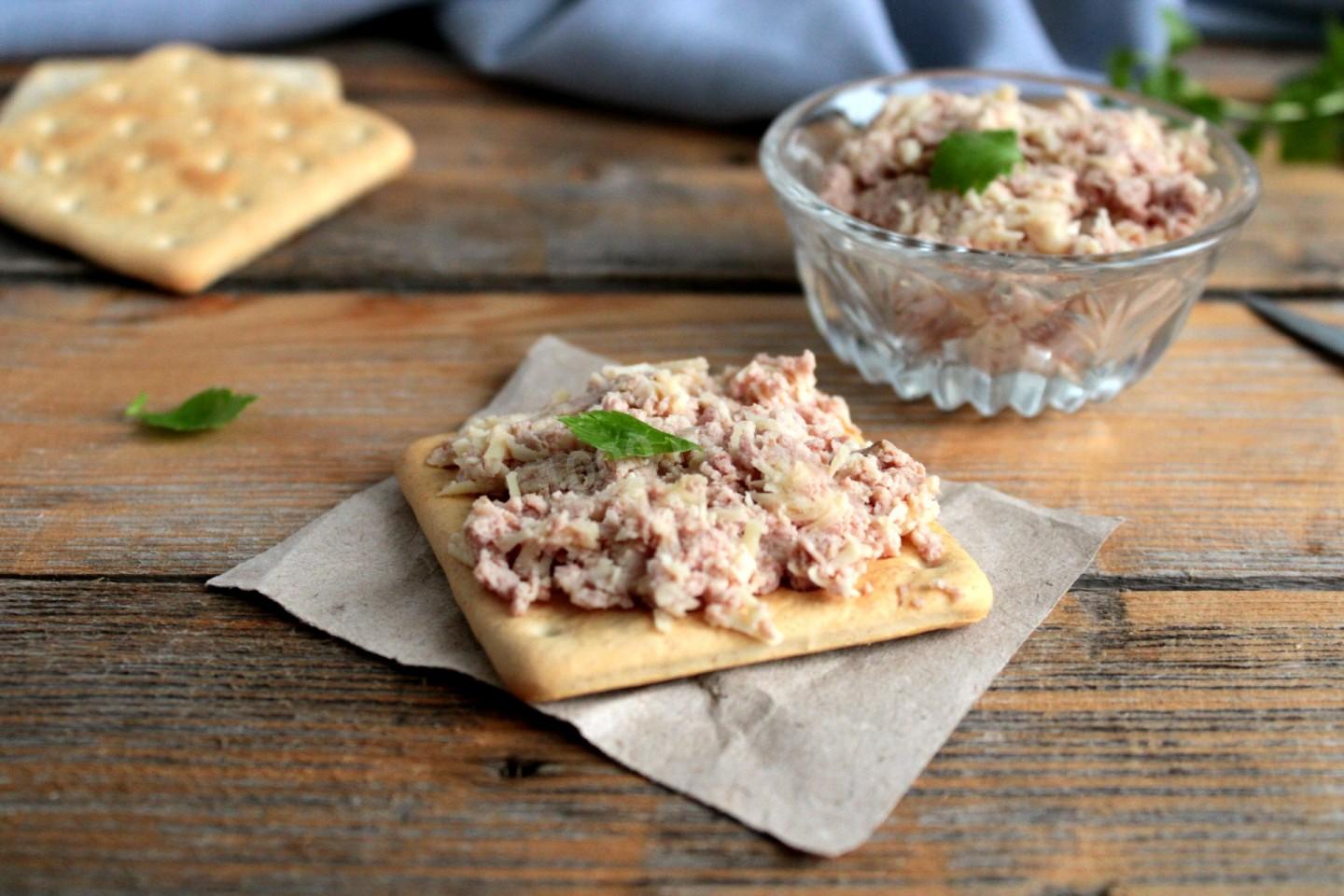
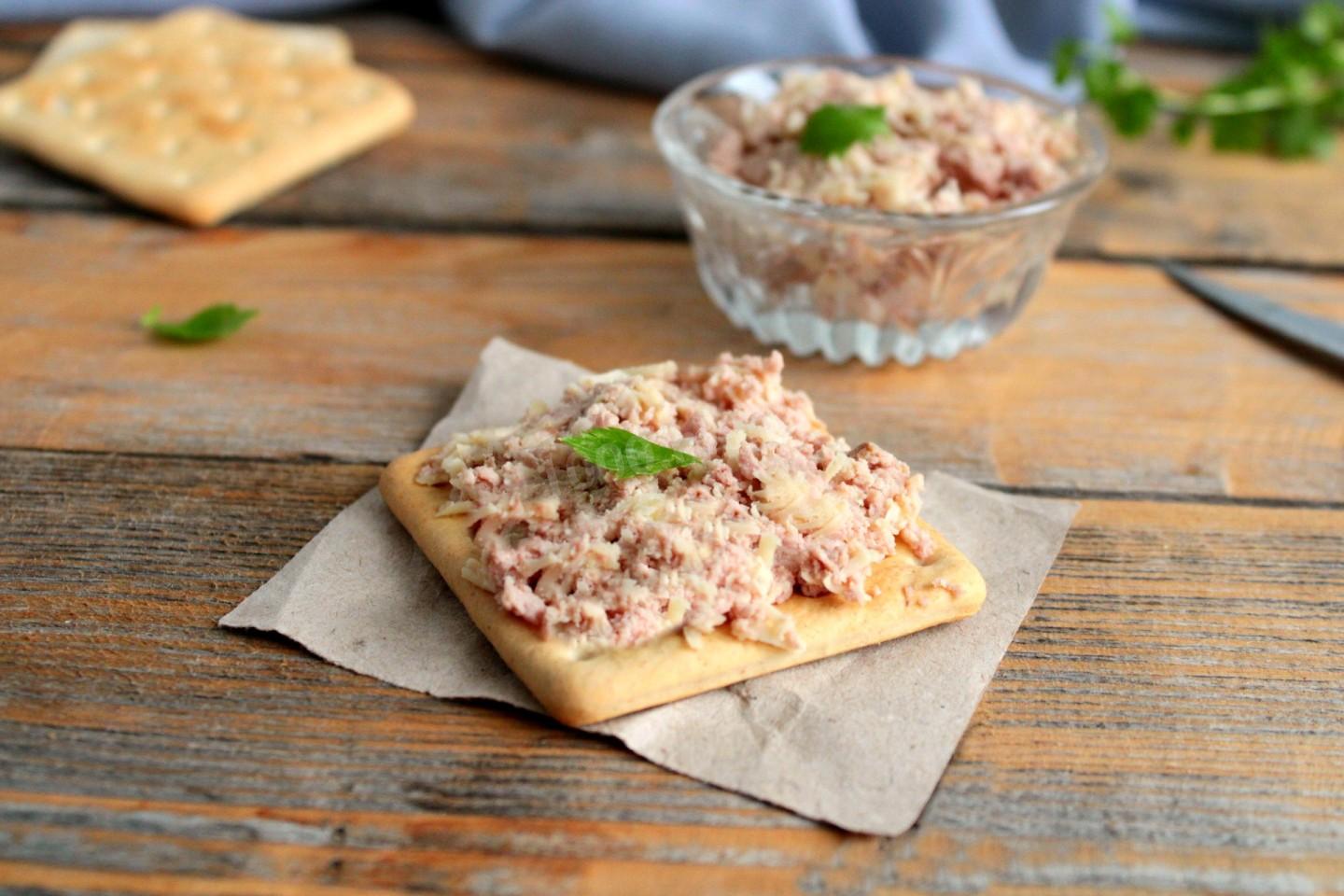
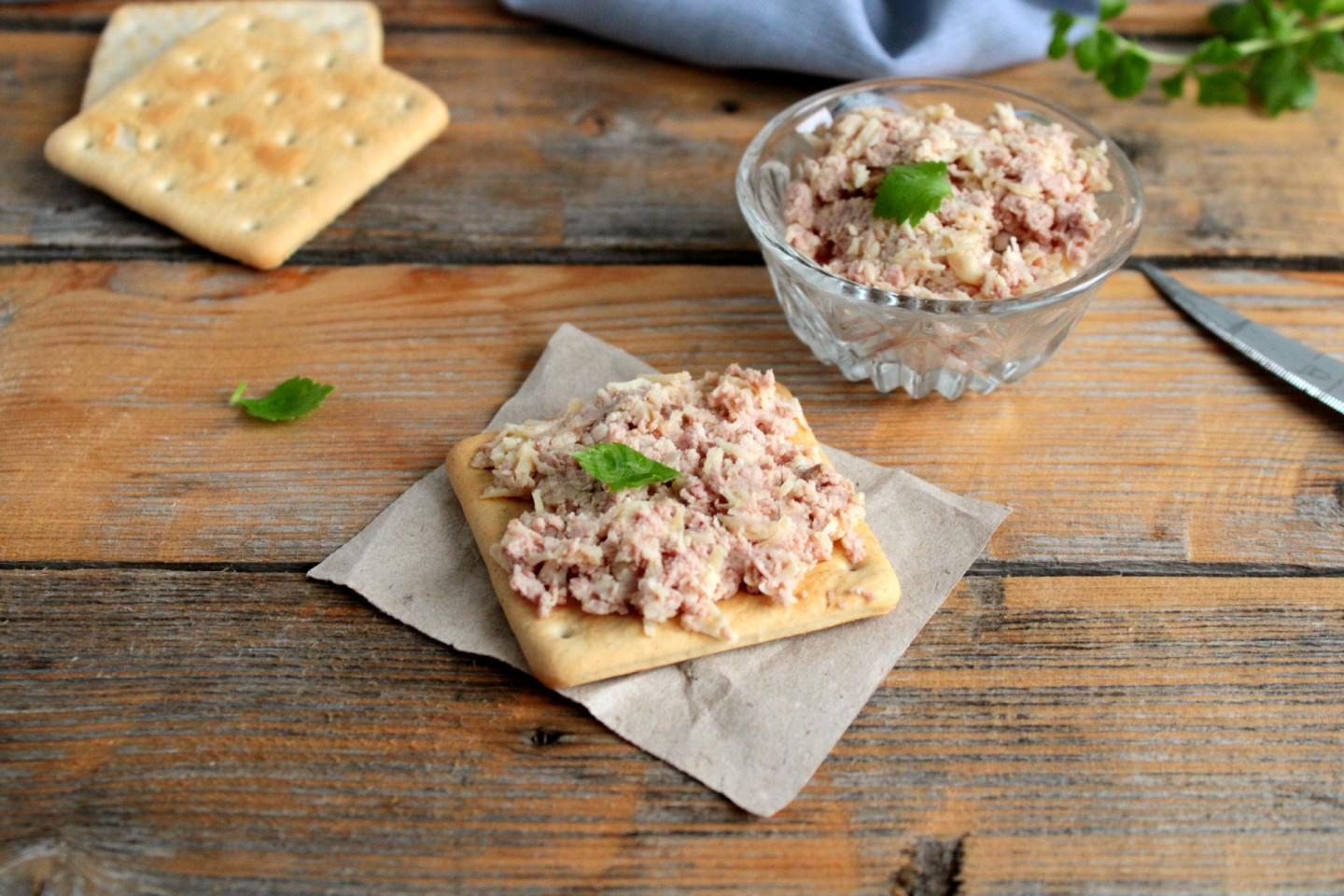
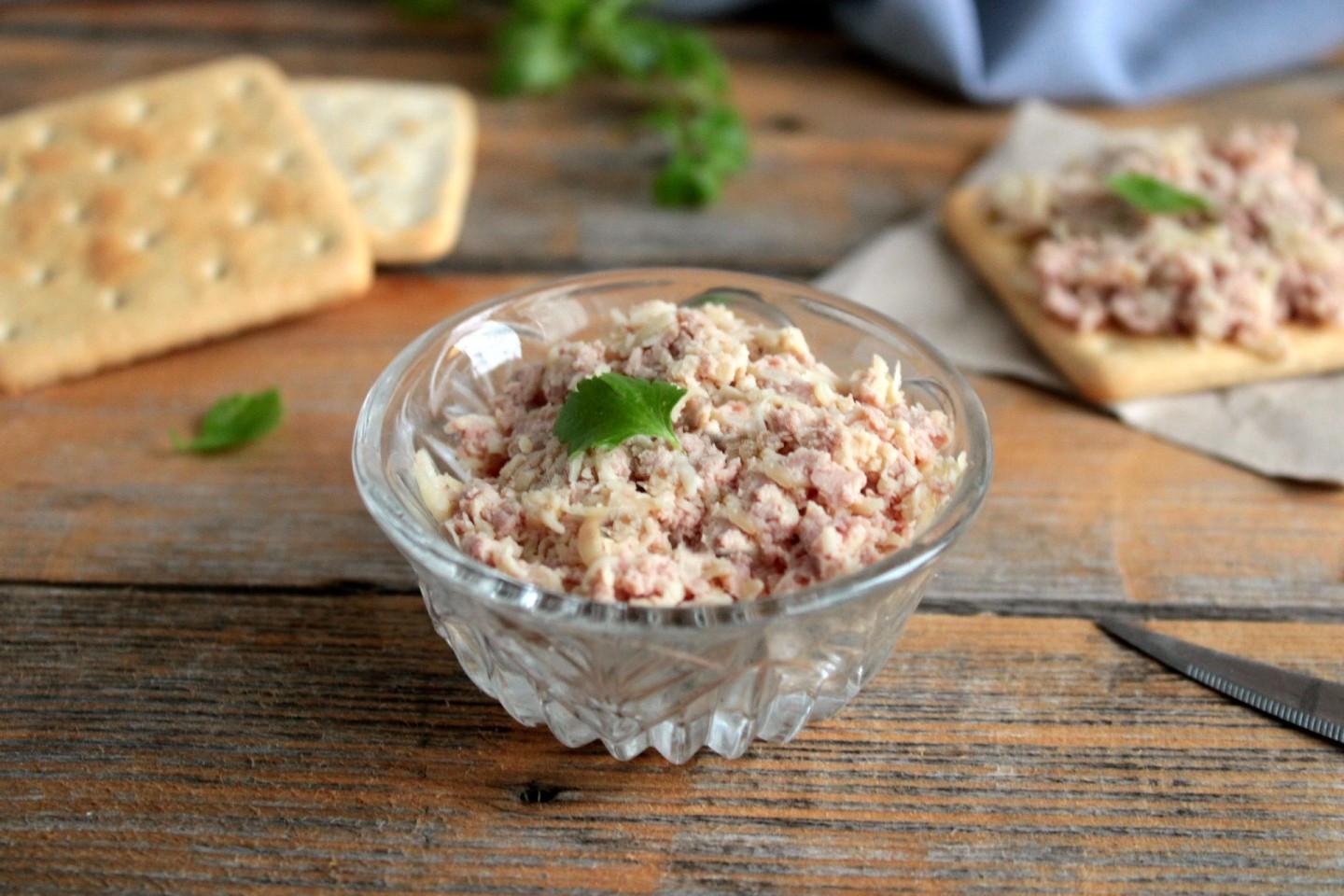
A really tasty appetizer for both holidays and everyday meals! Cod liver is an affordable ingredient you can turn into all kinds of dishes — salads, pâtés, and spreads. This simple cod liver spread works as a topping for breakfast toast or as part of a festive spread.
Katya1
Recipe author
Cod Liver Spread
Nutrients and energy value of the composition of the recipe
By weight of the composition:
Proteins 12 %
5 g
Fats 76 %
31 g
Carbohydrates 12 %
5 g
307 kcal
GI:
100
/
0
/
0
- Get the ingredients ready. Hard-boil the egg in salted water (the salt helps keep the shell from cracking) for about 12 minutes — cooked through but not overcooked, so the yolk doesn't take on an unattractive gray-blue tinge. Drain the hot water and cover the egg with cold water so it's easy to peel. Peel the egg and press it through an egg slicer or grate it on the fine side of a grater. Peel the onion and finely chop it. A sweet salad onion is nice here, with little to no sharpness, but a regular onion works too — just soften its bite by quick-pickling it in apple cider vinegar or pouring boiling water over it (then draining it in a colander). Open the can of cod liver and mash it with a fork, oil and all. Grate the hard cheese on the fine side of a grater. In a deep bowl, combine the egg, cod liver, and onion. People often dress cod liver salads with mayonnaise, but since the canned liver already contains oil, go easy on it — better yet, use mustard instead, which beautifully brings out the flavors. Stir everything together with the dressing. The spread is ready; chill it in the fridge and serve with a baguette, white bread, or crackers. Enjoy! Cod liver is very nourishing — it's rich in amino acids and omega-3 fats, plus vitamins A, E, D, and B, and minerals like potassium, calcium, phosphorus, magnesium, iron, copper, and sodium. It supports heart health, boosts the immune system, and may help guard against cancer. It's also good for your skin, vision, hair, teeth, and nails.
Caloric content of the products possible in the composition of the dish
- Dutch cheese - 352 kcal/100g
- Swiss cheese - 335 kcal/100g
- Russian cheese - 366 kcal/100g
- Kostroma cheese - 345 kcal/100g
- Yaroslavsky cheese - 361 kcal/100g
- Altai cheese 50% fat - 356 kcal/100g
- Soviet cheese - 400 kcal/100g
- Steppe cheese - 362 kcal/100g
- Uglich cheese - 347 kcal/100g
- Poshekhonsky cheese - 350 kcal/100g
- Lambert cheese - 377 kcal/100g
- Appenzeller cheese 50% fat - 400 kcal/100g
- Chester cheese 50% fat - 363 kcal/100g
- Edamer cheese 40% fat - 340 kcal/100g
- Cheese with mushrooms 50% fat - 395 kcal/100g
- Emmental cheese 45% fat - 420 kcal/100g
- Gouda cheese 45% fat - 356 kcal/100g
- Aiadeus cheese - 364 kcal/100g
- Dom blanc cheese (semi-hard) - 360 kcal/100g
- Lo spalmino cheese - 61 kcal/100g
- Etorki cheese (sheep, hard) - 401 kcal/100g
- White cheese - 100 kcal/100g
- Fat yellow cheese - 260 kcal/100g
- Altai cheese - 355 kcal/100g
- Kaunas cheese - 355 kcal/100g
- Latvian cheese - 316 kcal/100g
- Limburger cheese - 327 kcal/100g
- Lithuanian cheese - 250 kcal/100g
- Lake cheese - 350 kcal/100g
- Gruyere cheese - 396 kcal/100g
- Table mustard - 417 kcal/100g
- Mustard - 417 kcal/100g
- Onion - 41 kcal/100g
- Chicken egg - 80 kcal/100g
- Cod liver in oil - 613 kcal/100g
Similar recipes
Related and additional categories:
- Fast and tasty
- Festive table
- For breakfast
- Snacks
- Eggs
- Fish and seafood
- Cheese
- Vegetables
- Spices seasonings spices
- Mustard
- Cold snacks
- Beer snacks
- Cooking
- Dishes in 30 minutes
- Recipes for March 8
- Chicken eggs
- Offal
- Egg breakfast
- Fish with vegetables
- Fish with cheese
- From cod
- Made of solid cheese
- From onion
- Recipes for lean dishes without butter