Canned Tomato Wedges with Onion and Oil for Winter
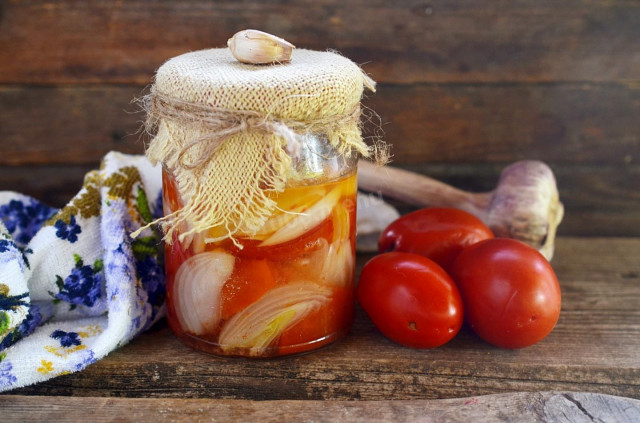
An easy, tasty way to put up tomatoes! There are lots of recipes for canning tomatoes for winter, and this one—with the tomatoes cut into wedges—is a fun twist. It's a great side for a main course or a dish all on its own.

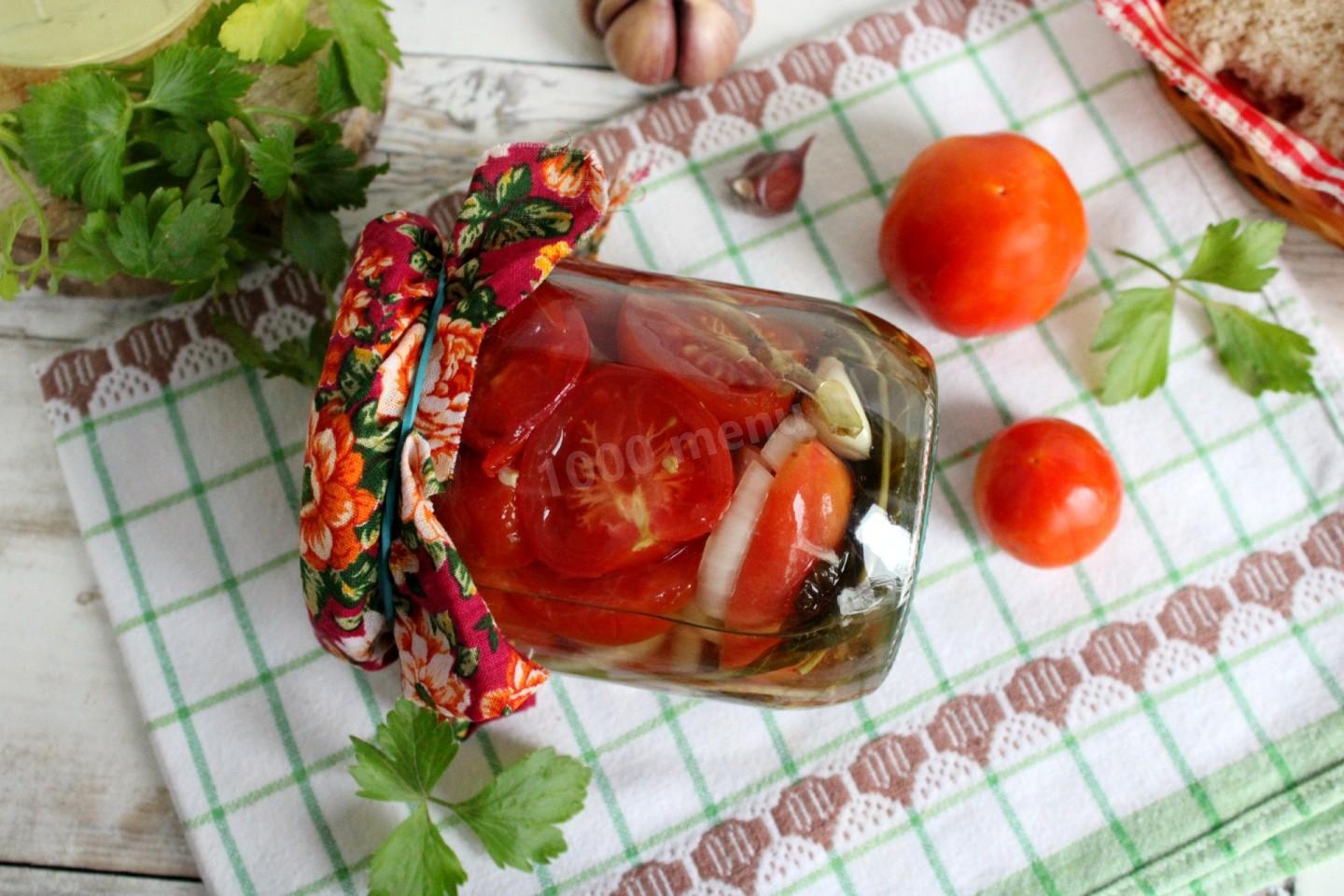
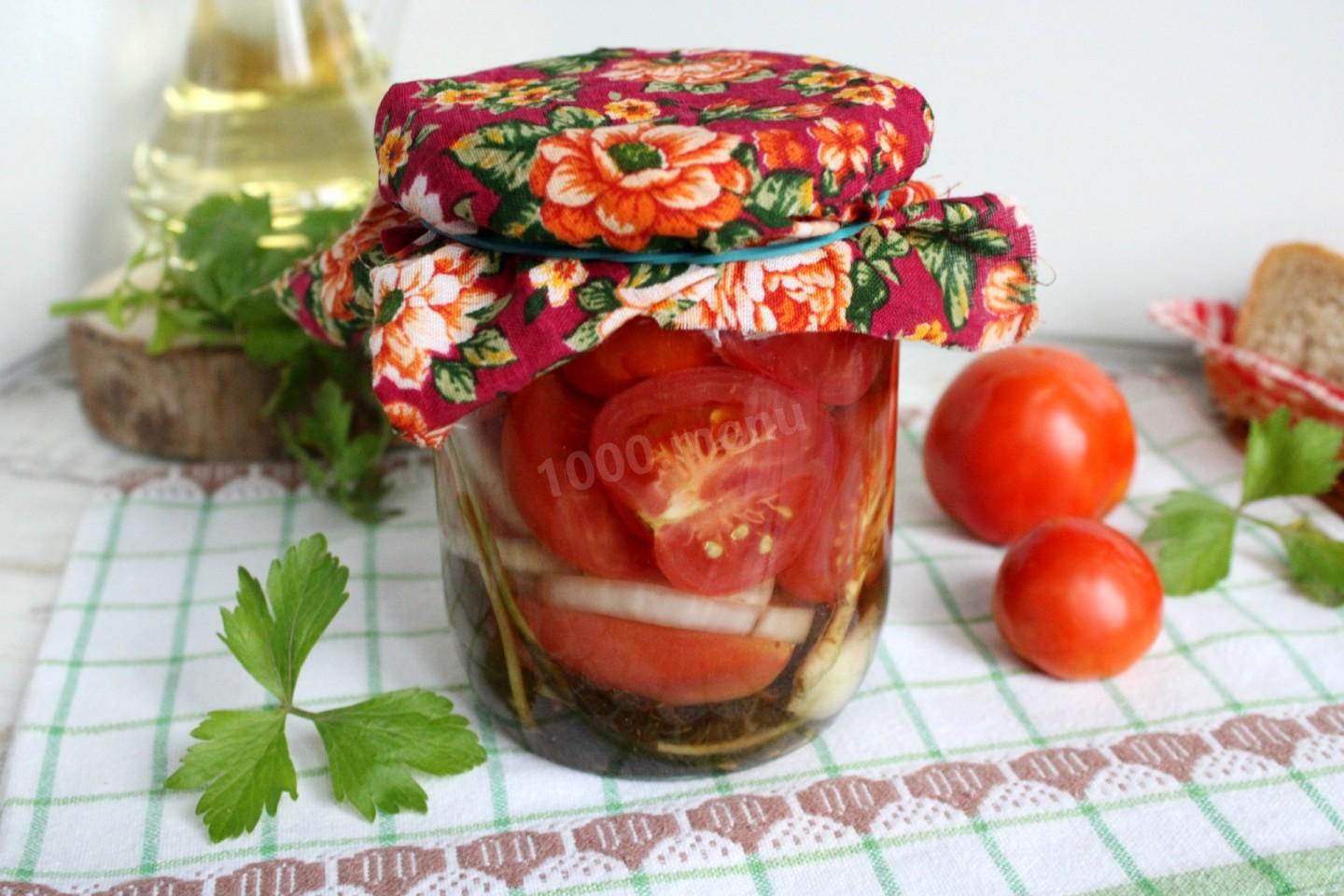
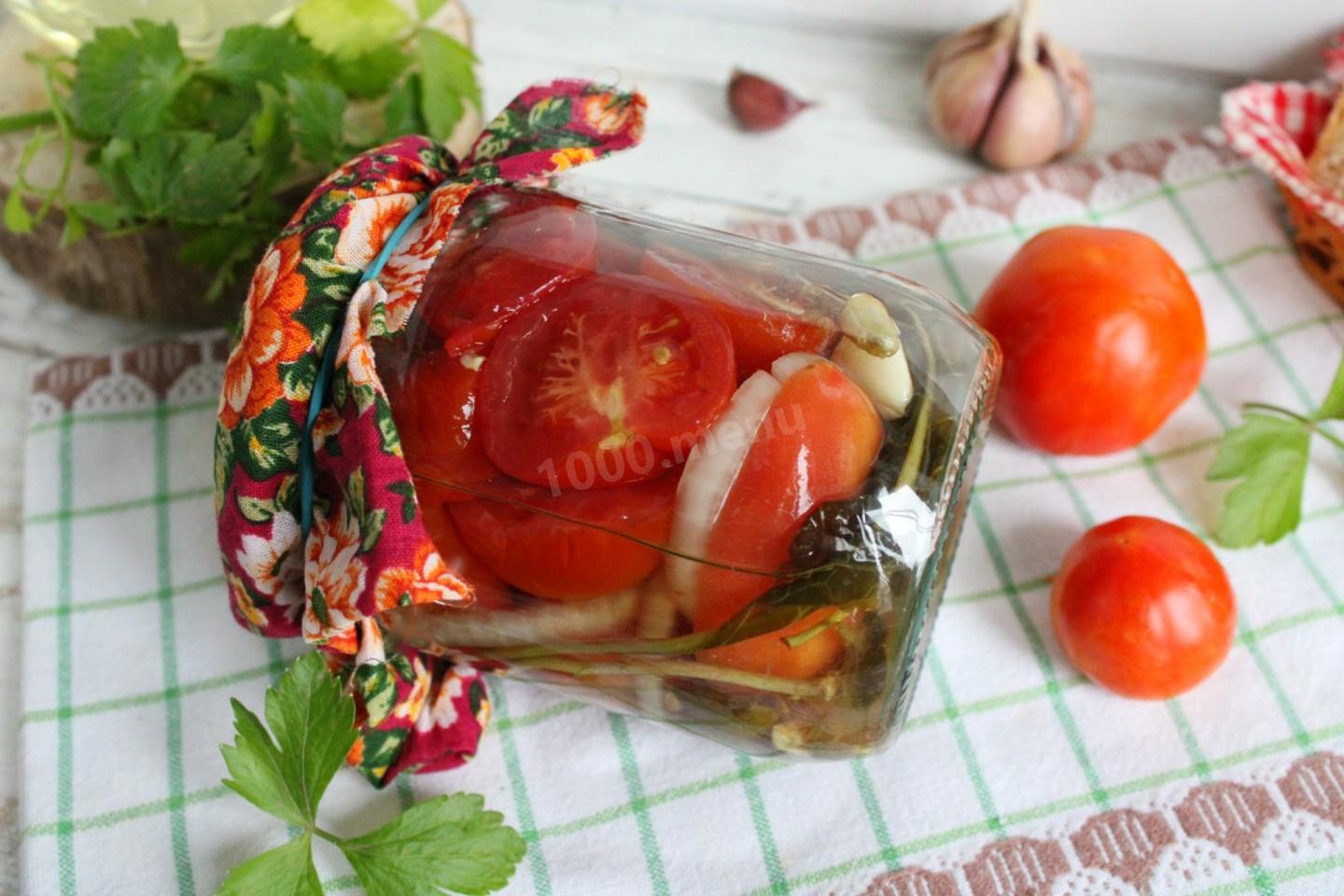
Cooking method
-
Step 1:
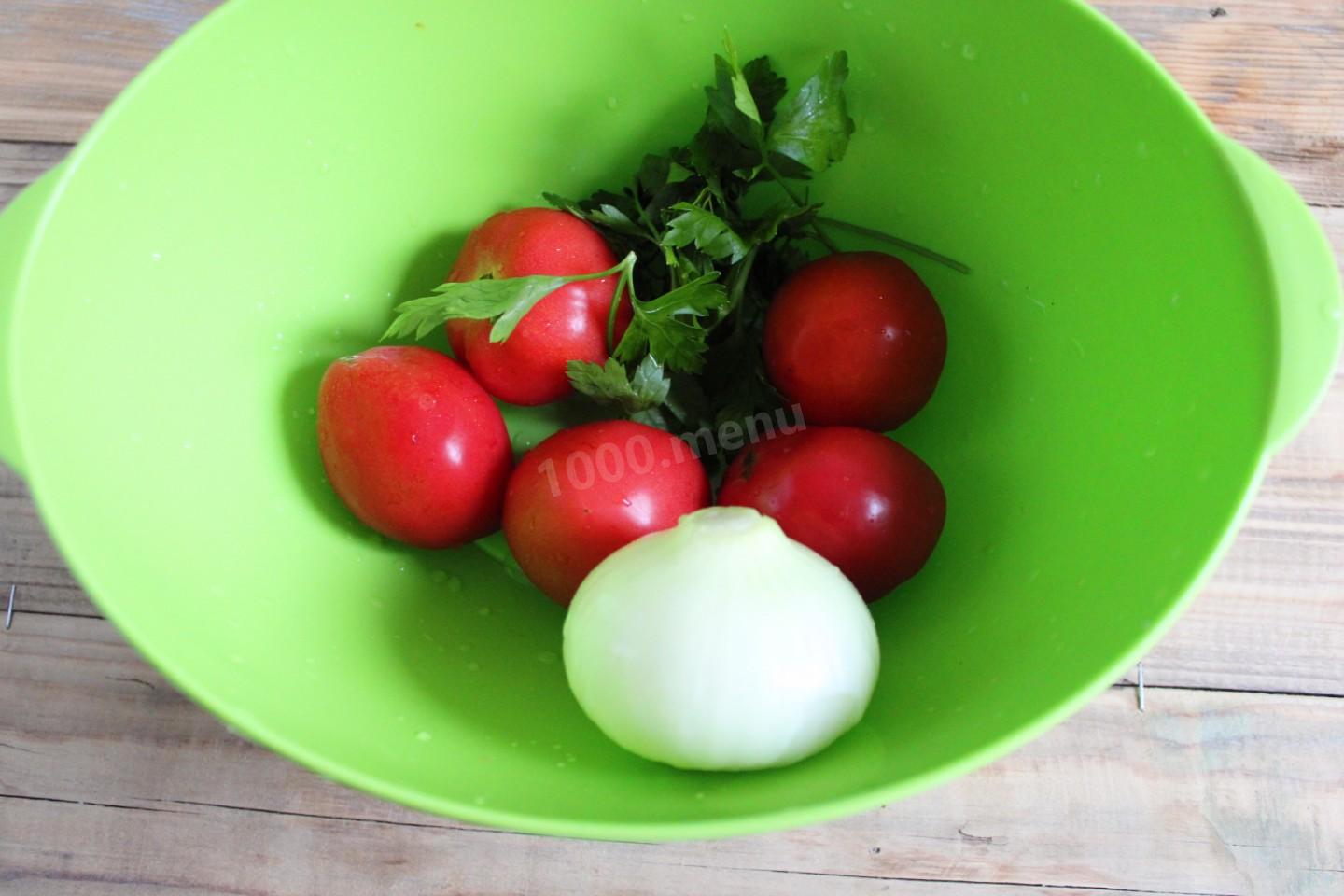
Gather the ingredients from the list. For this recipe, use firm, small tomatoes with thick skins. The spices and herbs here are bay leaf, allspice, cloves, a sprig each of parsley and dill, and horseradish for aroma and a zesty edge. Add any other seasoning you like. Wash the herbs well and let them drain dry in a colander.
-
Step 2:
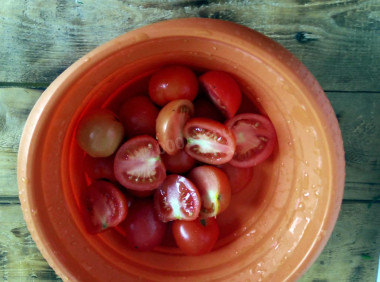
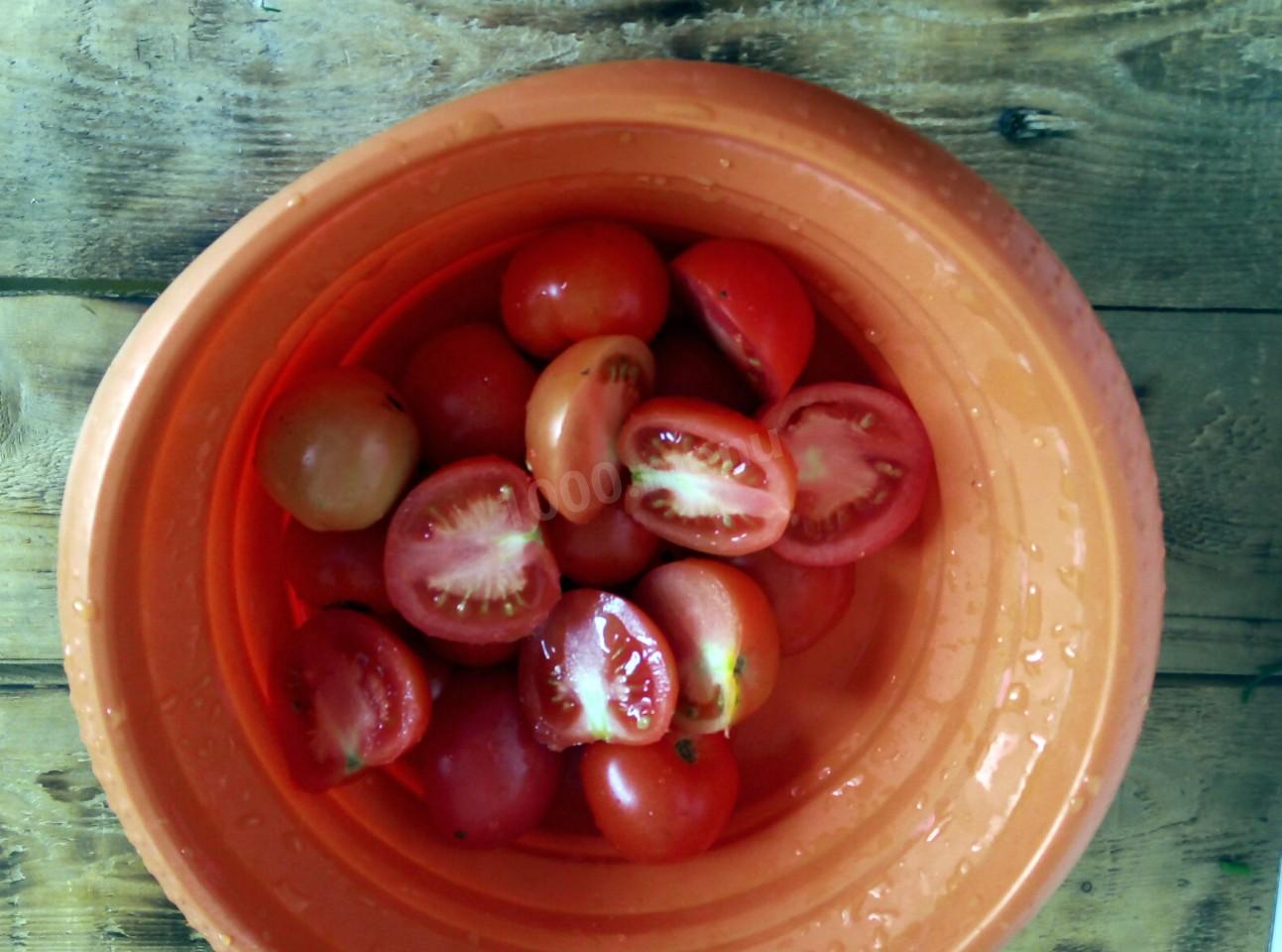
Wash the tomatoes well under running water and dry them with paper towels or in a colander. Cut them into halves or quarters.
-
Step 3:
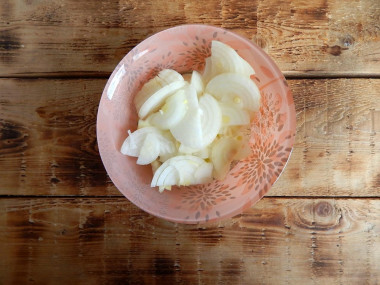
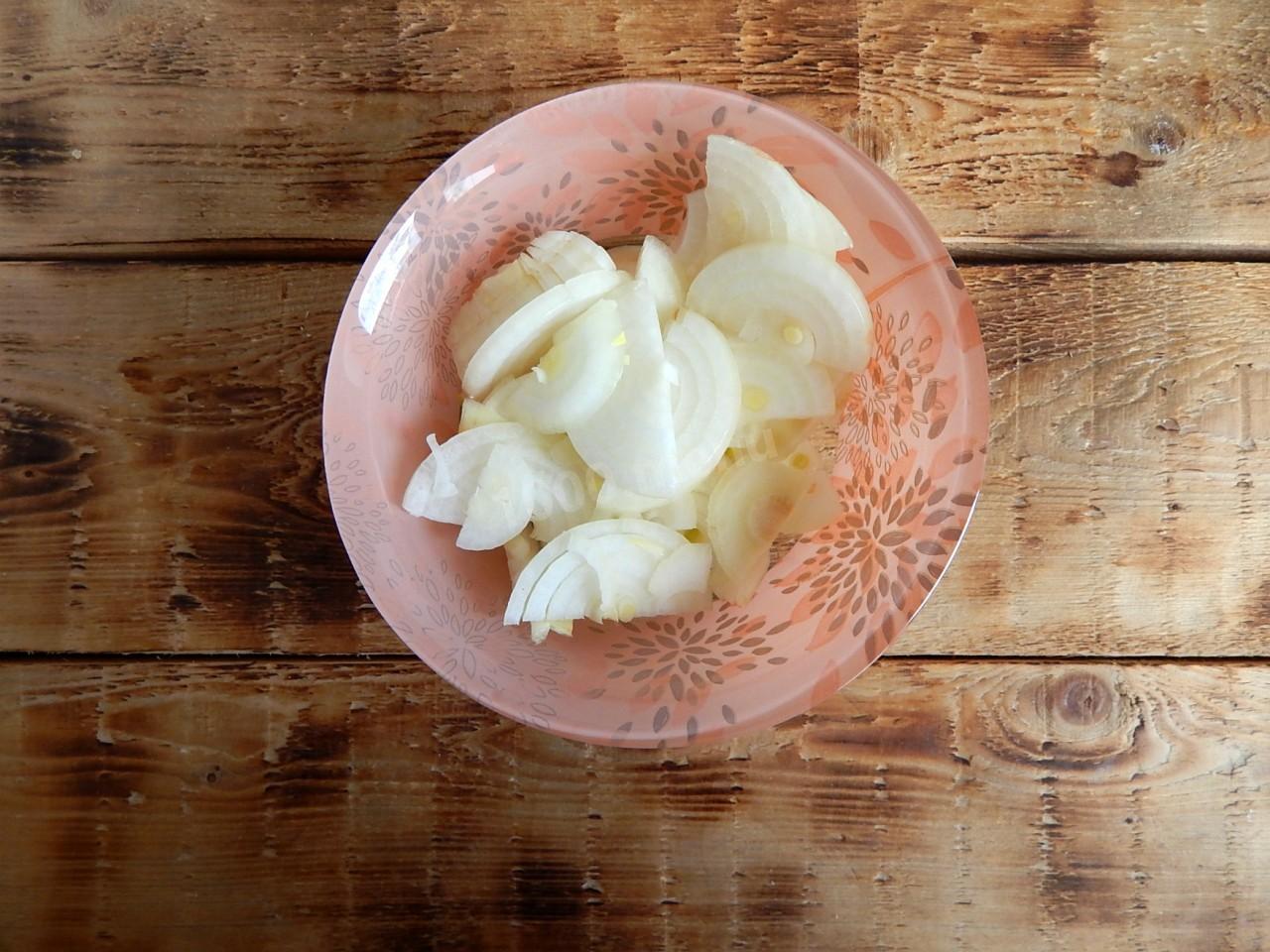
Peel the onions (use smaller ones so they fit easily in the jars) and cut them into rings, or half-rings if they're large. Peel the garlic and separate it into cloves.
-
Step 4:
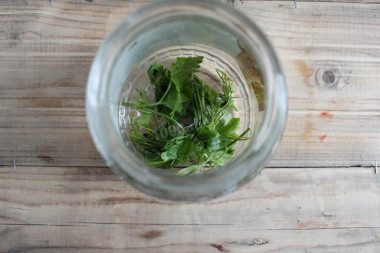
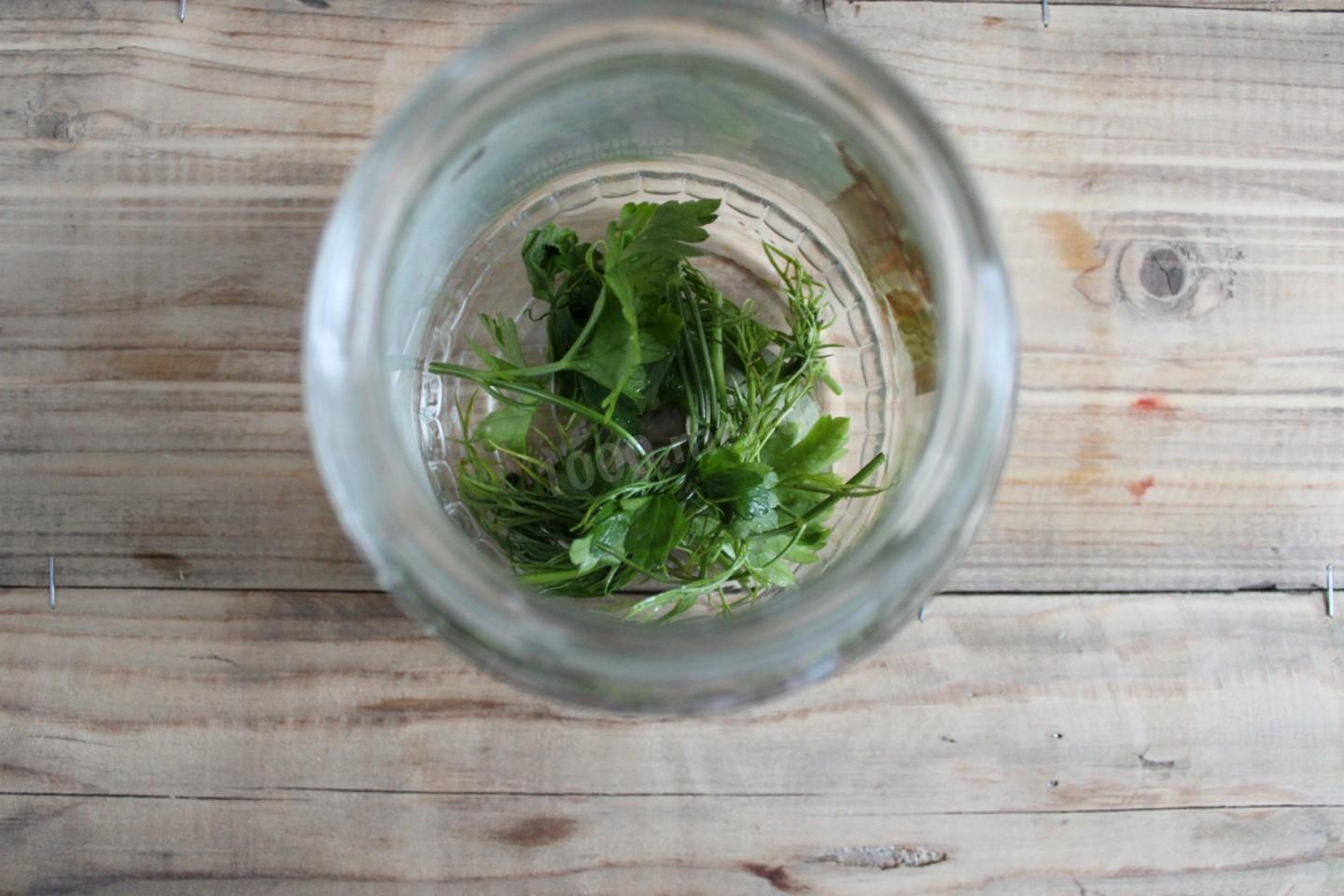
Wash the jars with baking soda and sterilize them (a convenient, proven way: in a water bath, in the microwave, or in the oven). Put the prepared herbs, a few onion rings, and a couple of garlic cloves in the bottom of each jar.
-
Step 5:
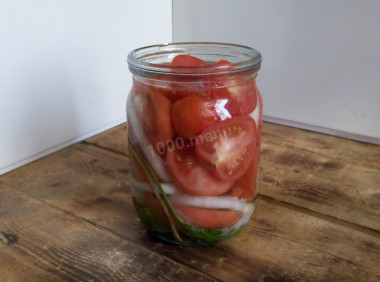
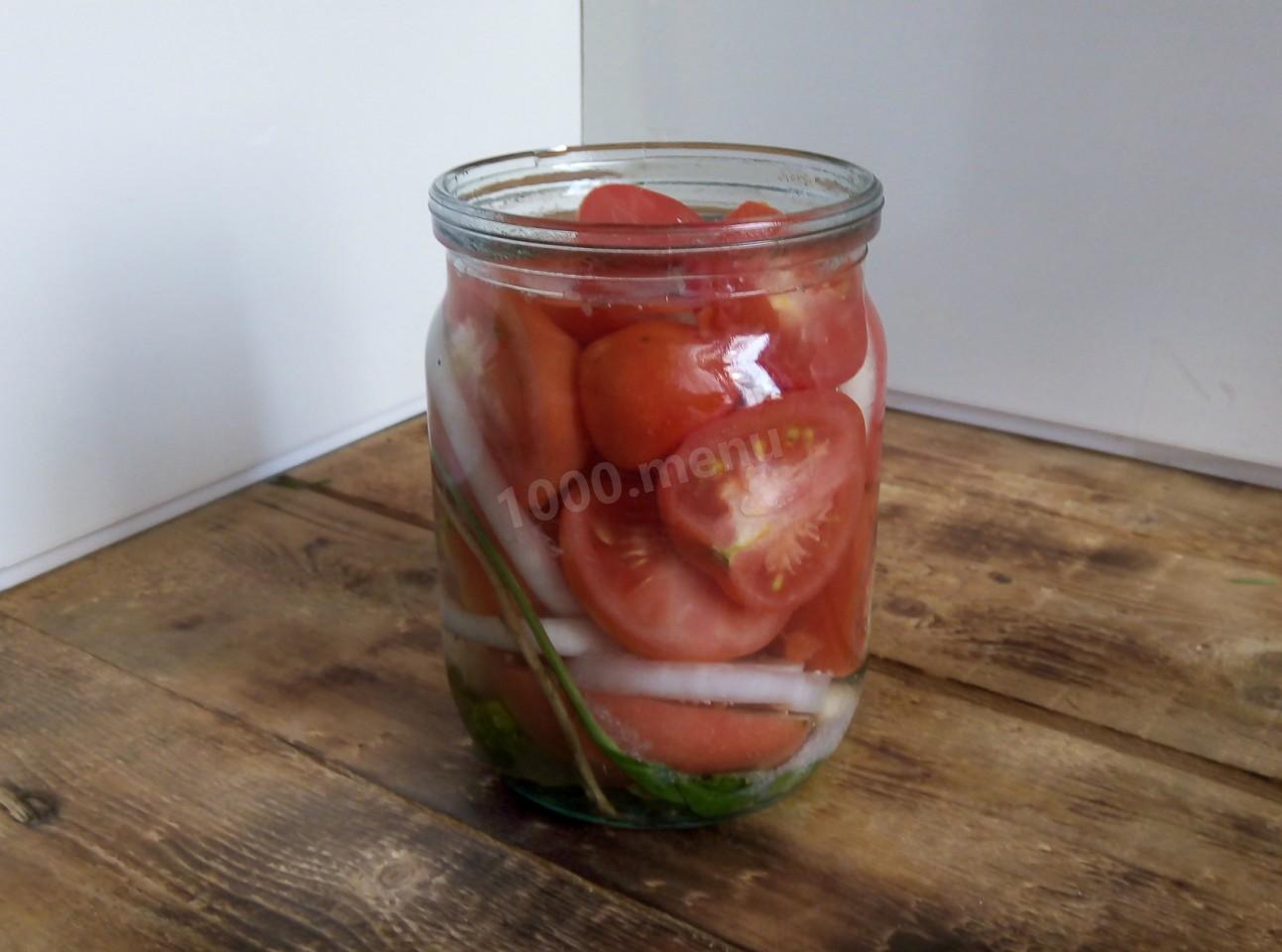
Pack the tomatoes in tightly on top, tucking the remaining onion between the rows. Fill the jars up to the shoulders.
-
Step 6:
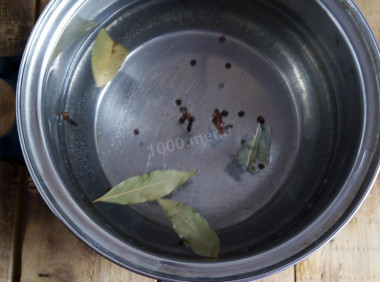
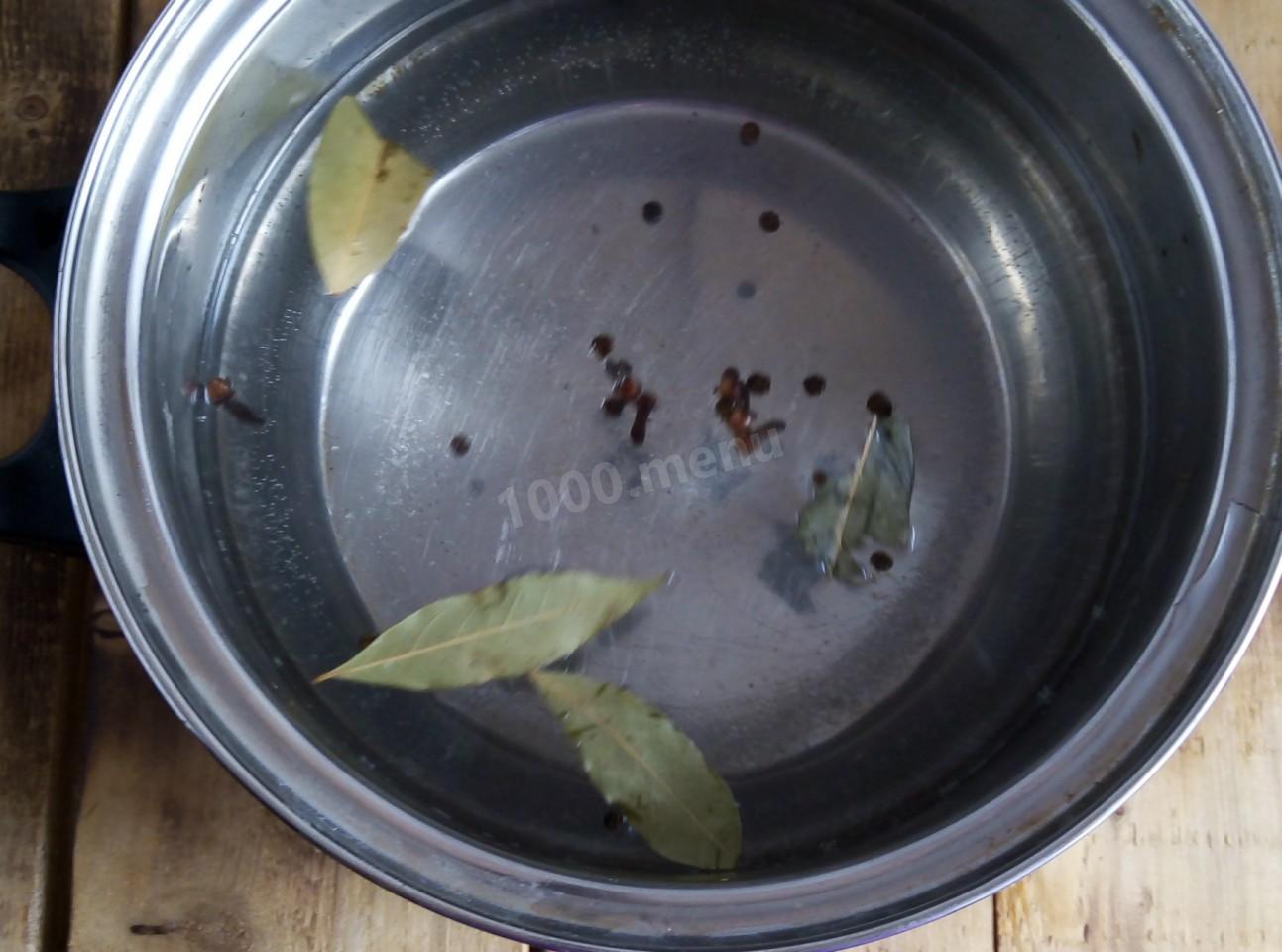
Make the marinade: pour filtered water into a pot, add the bay leaf, allspice, cloves, sugar, and salt, and set it on the heat. Let it boil and simmer for 5 minutes, stirring so the sugar and salt fully dissolve. Pour in the white vinegar and turn off the heat.
-
Step 7:
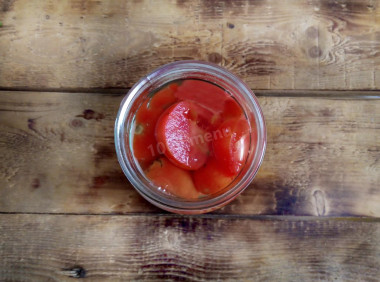
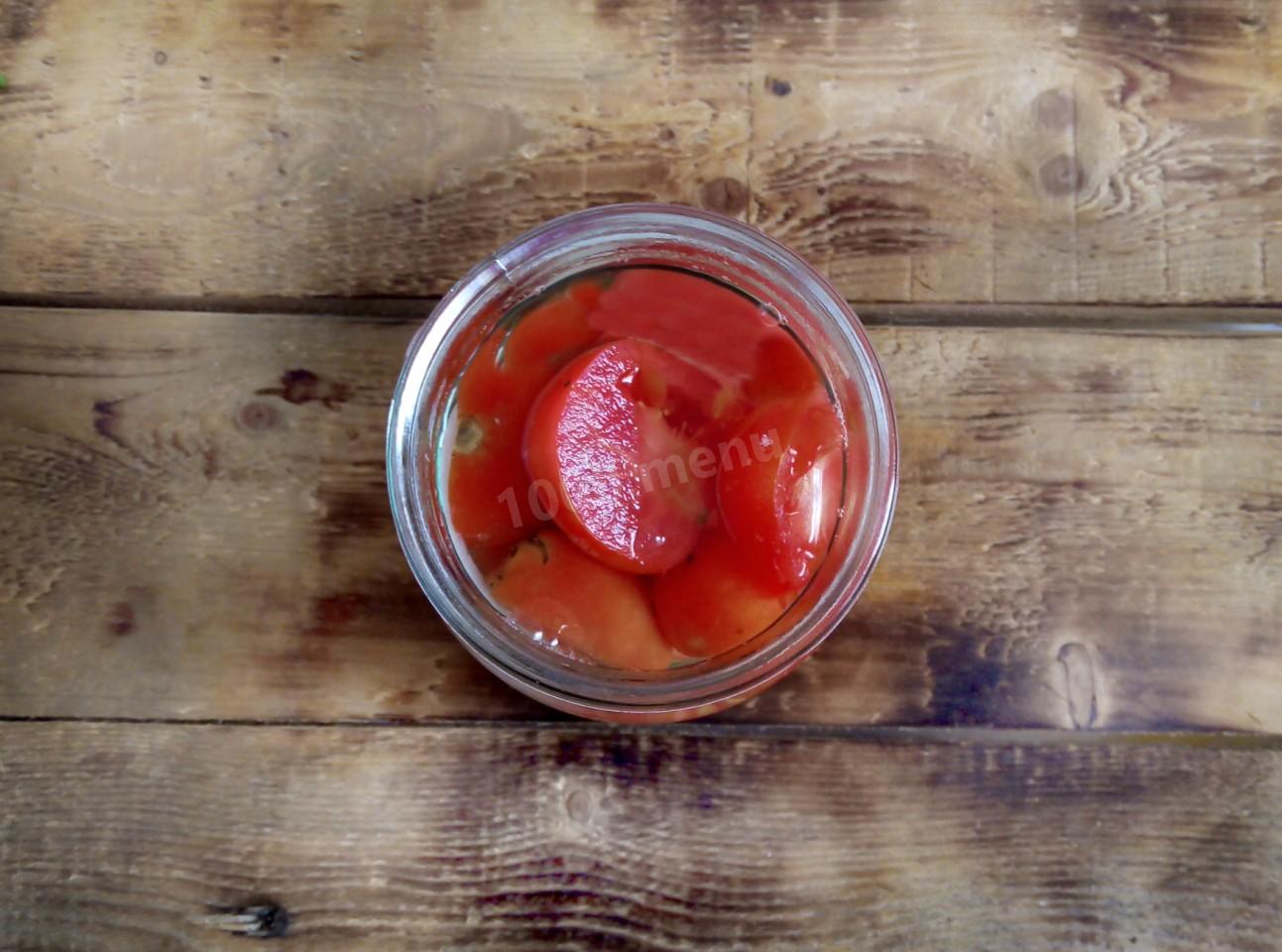
Pour the boiling marinade over the tomatoes so it covers them completely. Add a tablespoon of vegetable oil to each jar. Seal the jars right away with sterile lids. Let them cool upside down under a warm blanket. This preserve needs no extra processing—the vinegar and horseradish are excellent preservatives. Store it in a cool place. Enjoy!
- For how to figure out how many jars you'll need, why jars blow and how to prevent it, plus more tips and tricks, see a guide on putting up food for winter.
- If you're new to canning and don't have much experience with home preserves, it's safer to process the filled jars even if the recipe says you don't have to. That way they won't swell in storage if something went wrong—if you under- or over-measured an ingredient or strayed from the method. Jars usually swell for just one reason: a buildup of excess gas, which forms because microorganisms got into the preserve. Either way, swollen jars have nothing to do with the quality of the recipe!
Caloric content of the products possible in the composition of the dish
- Tomatoes - 23 kcal/100g
- Garlic - 143 kcal/100g
- Carnation - 323 kcal/100g
- Bay leaf - 313 kcal/100g
- Parsley greens - 45 kcal/100g
- Dill greens - 38 kcal/100g
- Granulated sugar - 398 kcal/100g
- Sugar - 398 kcal/100g
- Vegetable oil - 873 kcal/100g
- Salt - 0 kcal/100g
- Water - 0 kcal/100g
- Onion - 41 kcal/100g
- Horseradish Root - 59 kcal/100g
- Table vinegar - 11 kcal/100g
- Allspice - 263 kcal/100g