Fruit Mulled Wine with Red Wine and Brandy
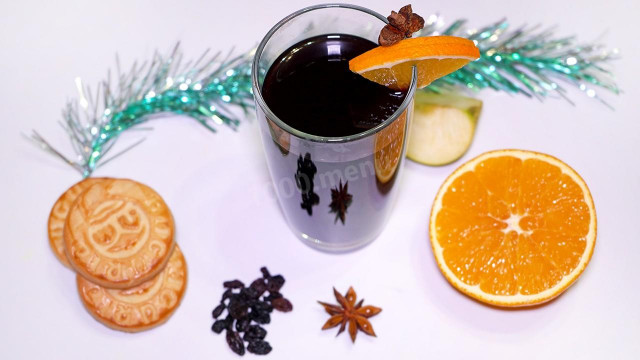
An incredible homemade mulled wine with brandy and cinnamon. This delicious homemade mulled wine is made from red wine with oranges, ginger, cinnamon, and brandy. A simple recipe for anyone who loves hot drinks—this homemade mulled wine sets the scene for cozy time with family and friends.
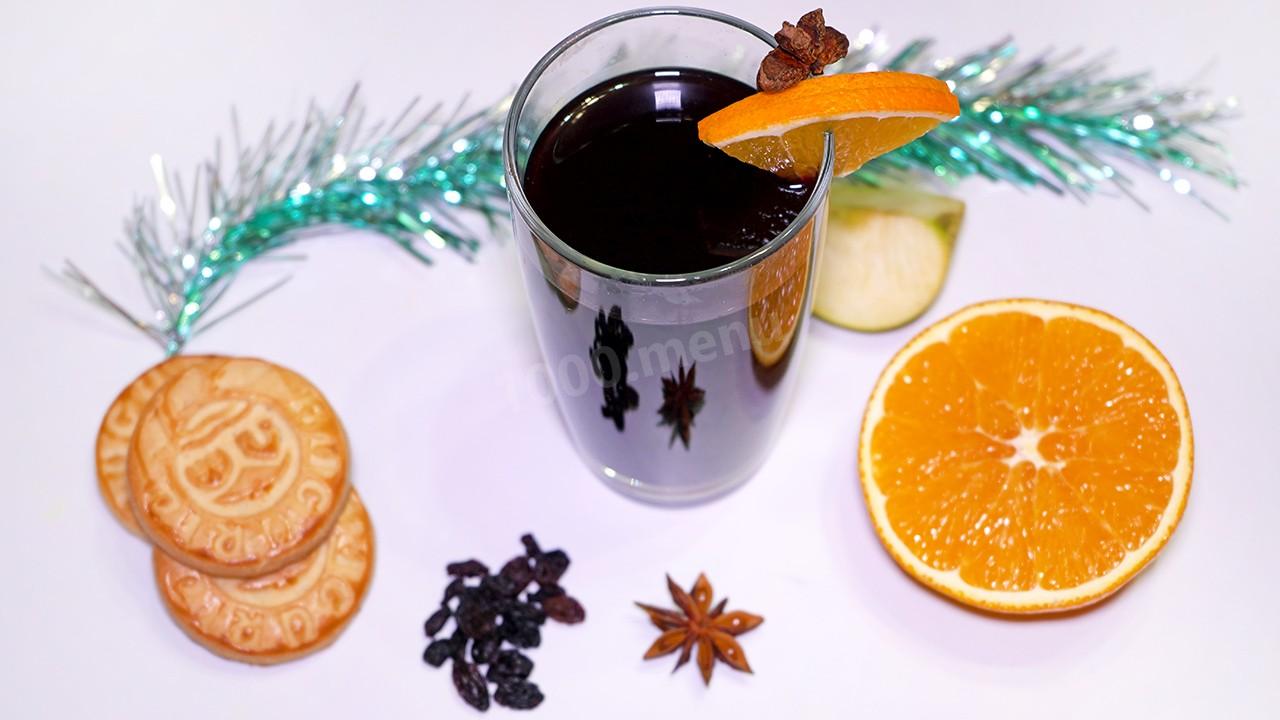
Cooking method
-
Step 1:
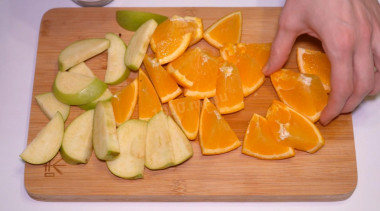
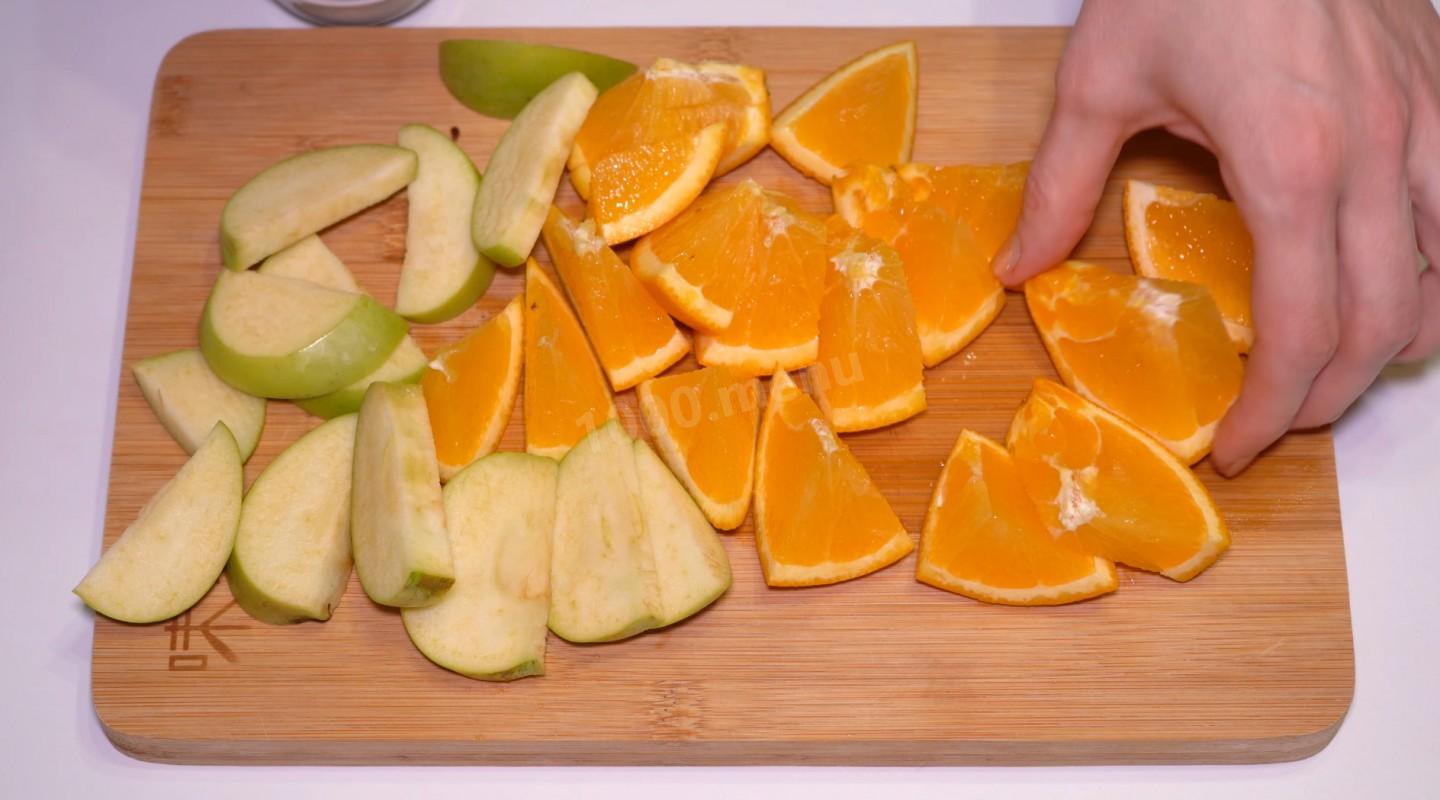
First, prep the fruit. Wash the apples and oranges well and cut them into large wedges.
-
Step 2:
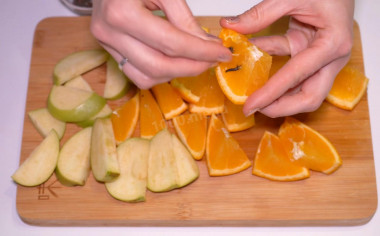
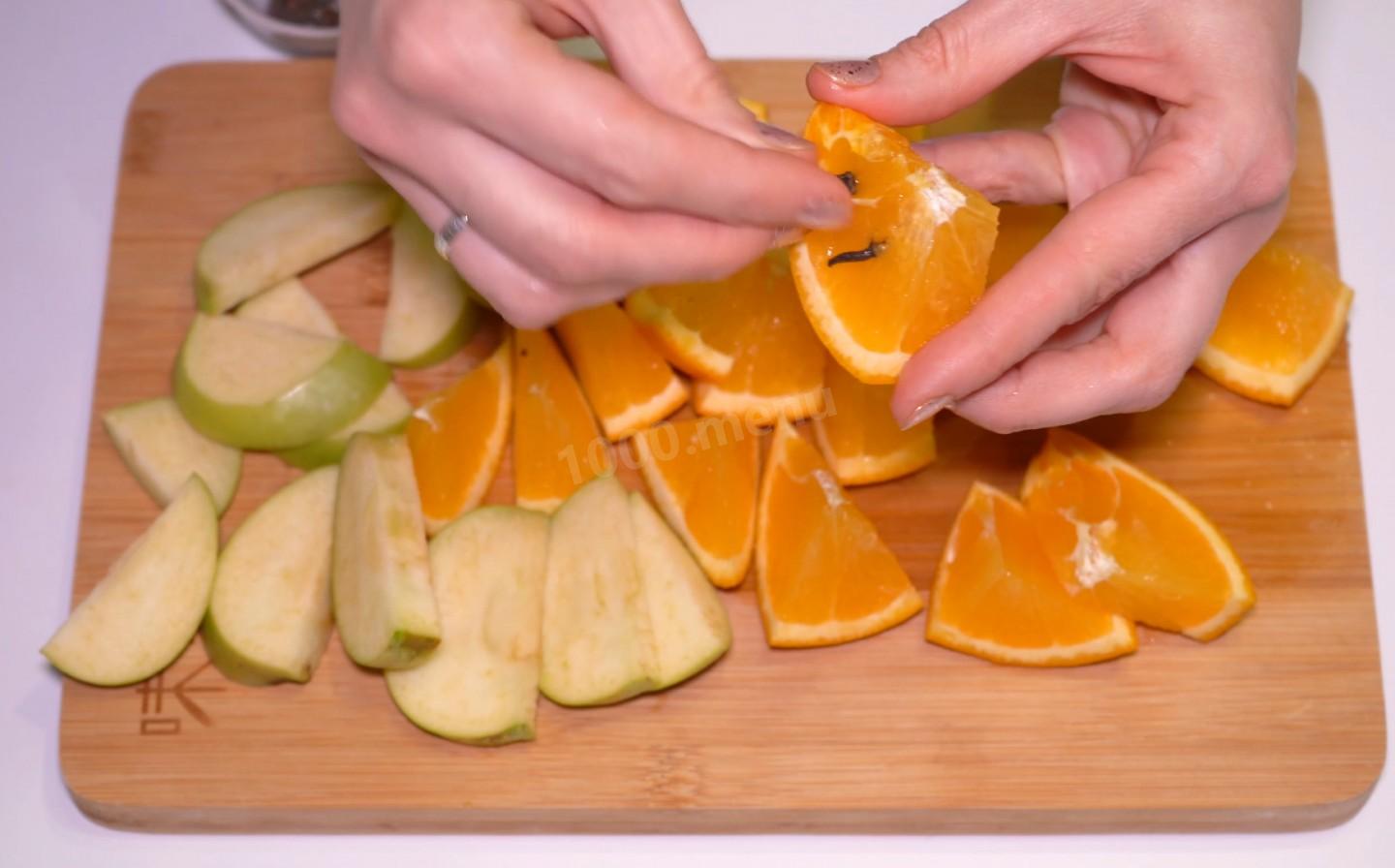
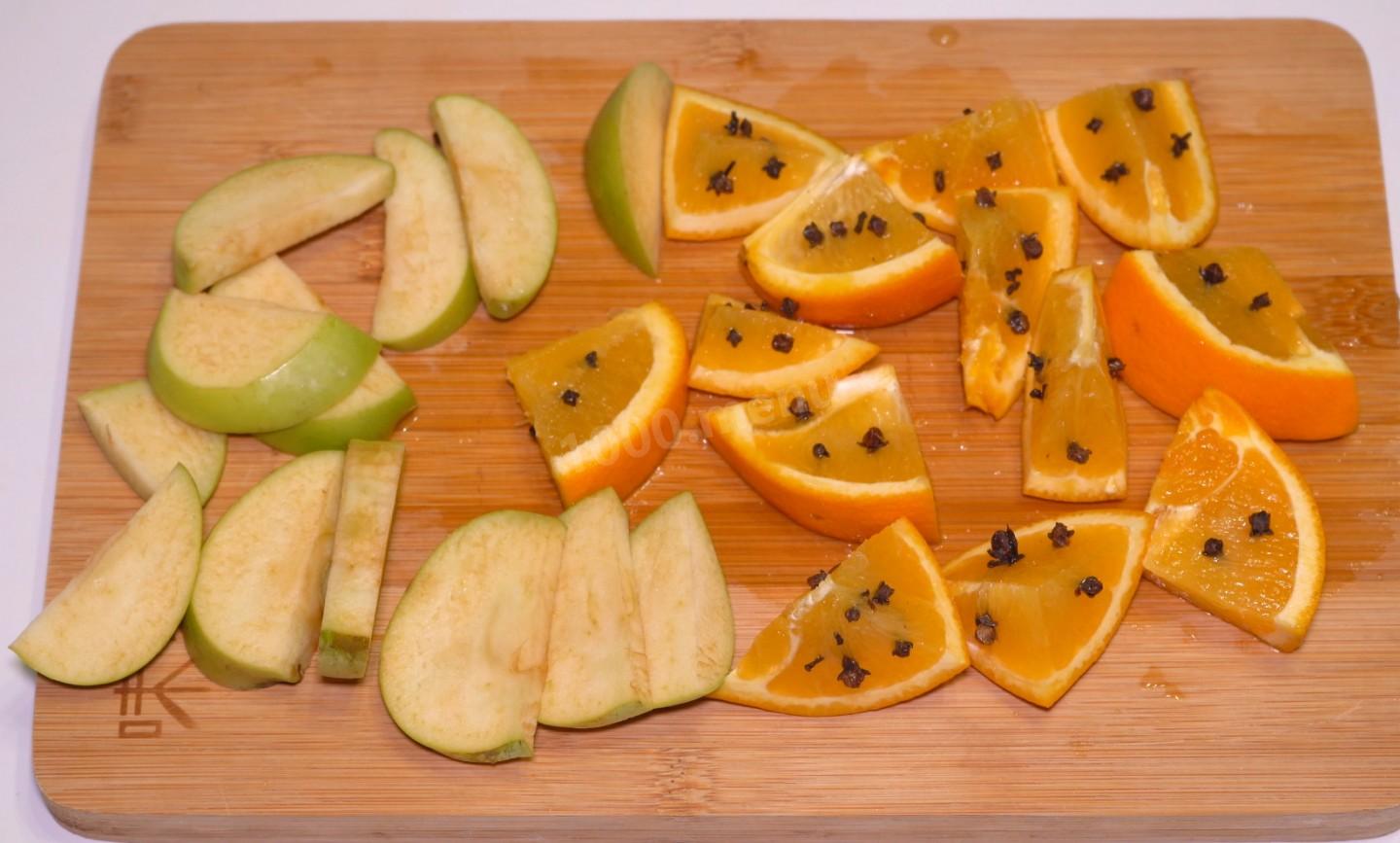
I like to stud the orange wedges with whole cloves.
-
Step 3:
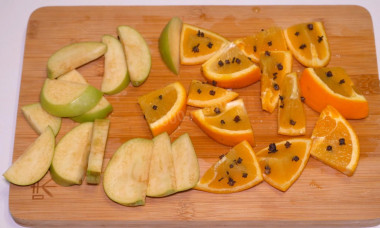
Then you'll just add these clove-studded orange wedges to the wine.
-
Step 4:
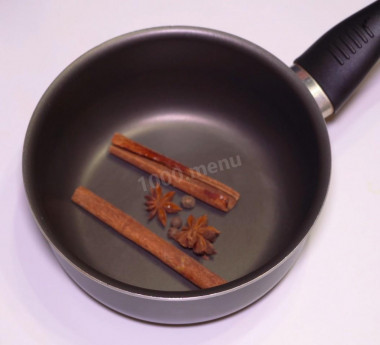
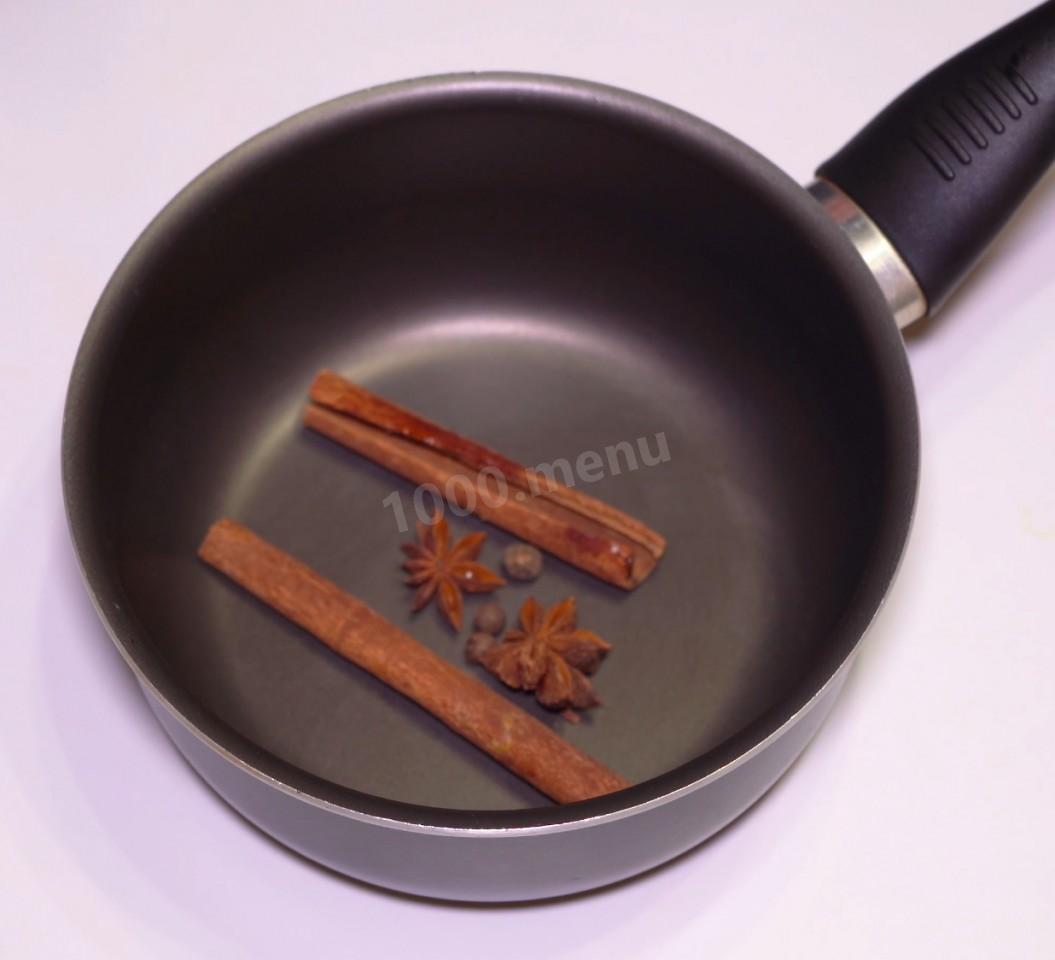
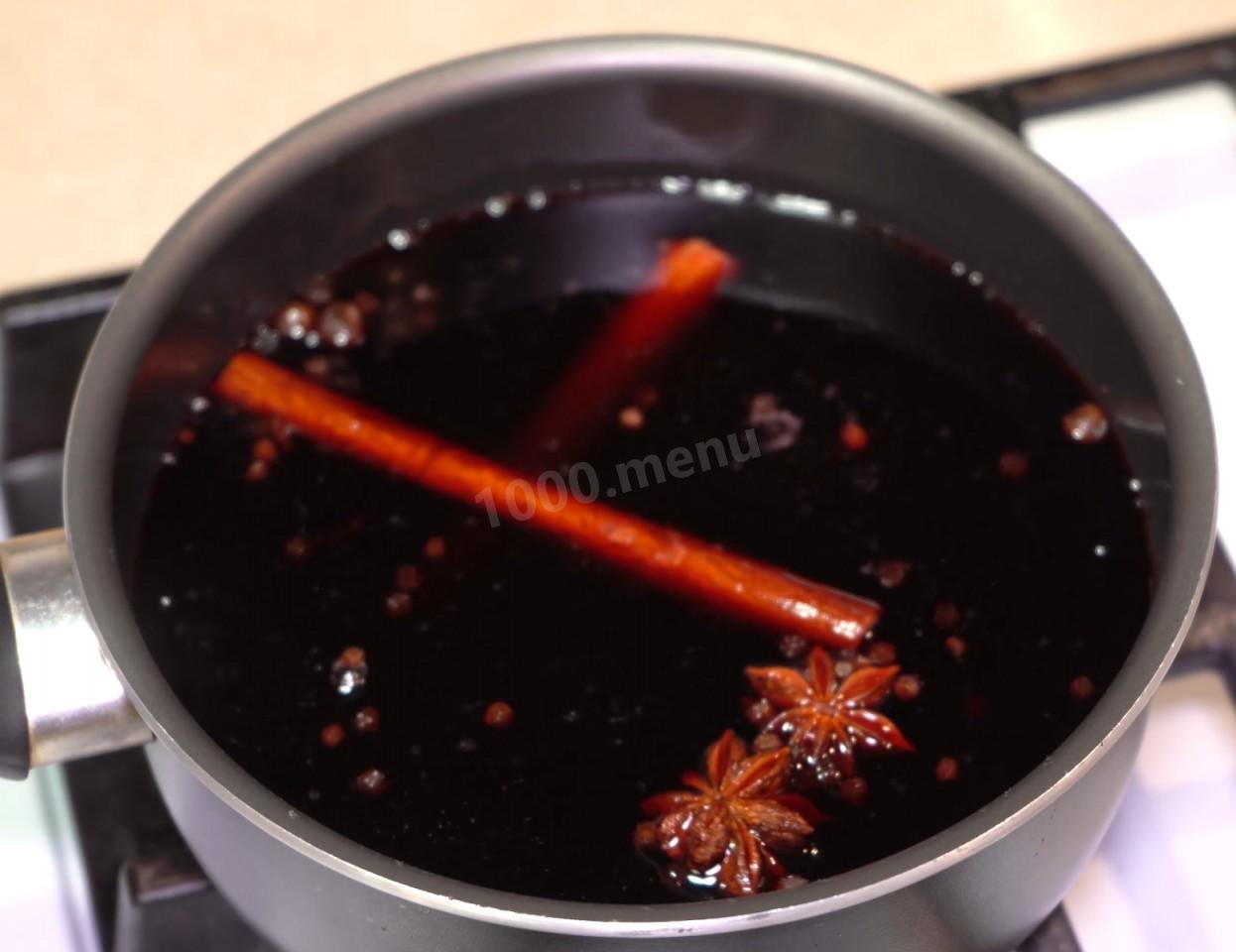
Now put the cinnamon sticks and 2 star anise pods in a saucepan, and add the allspice (3 berries, or more if you like).
-
Step 5:
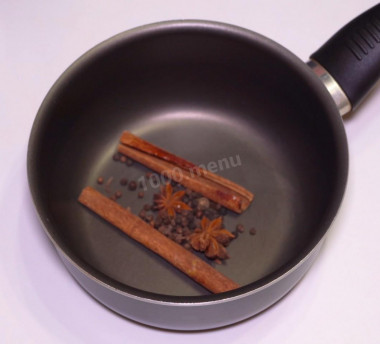
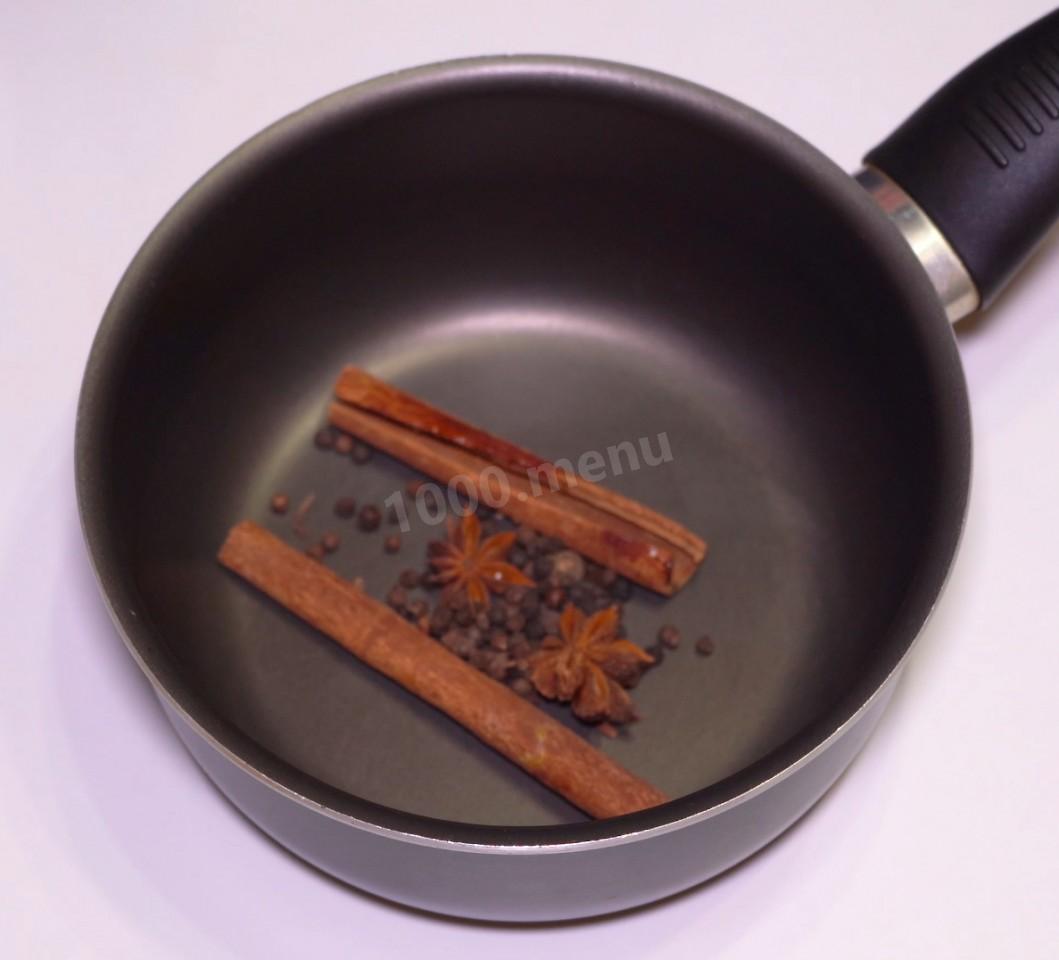
Add 1 tsp of black peppercorns to the rest of the spices. The more pepper, the more warming the drink.
-
Step 6:
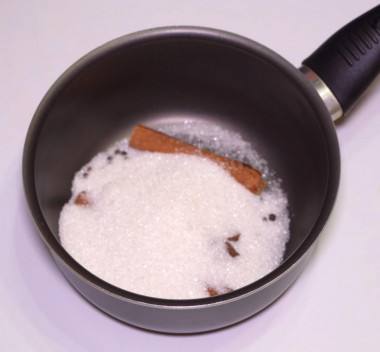
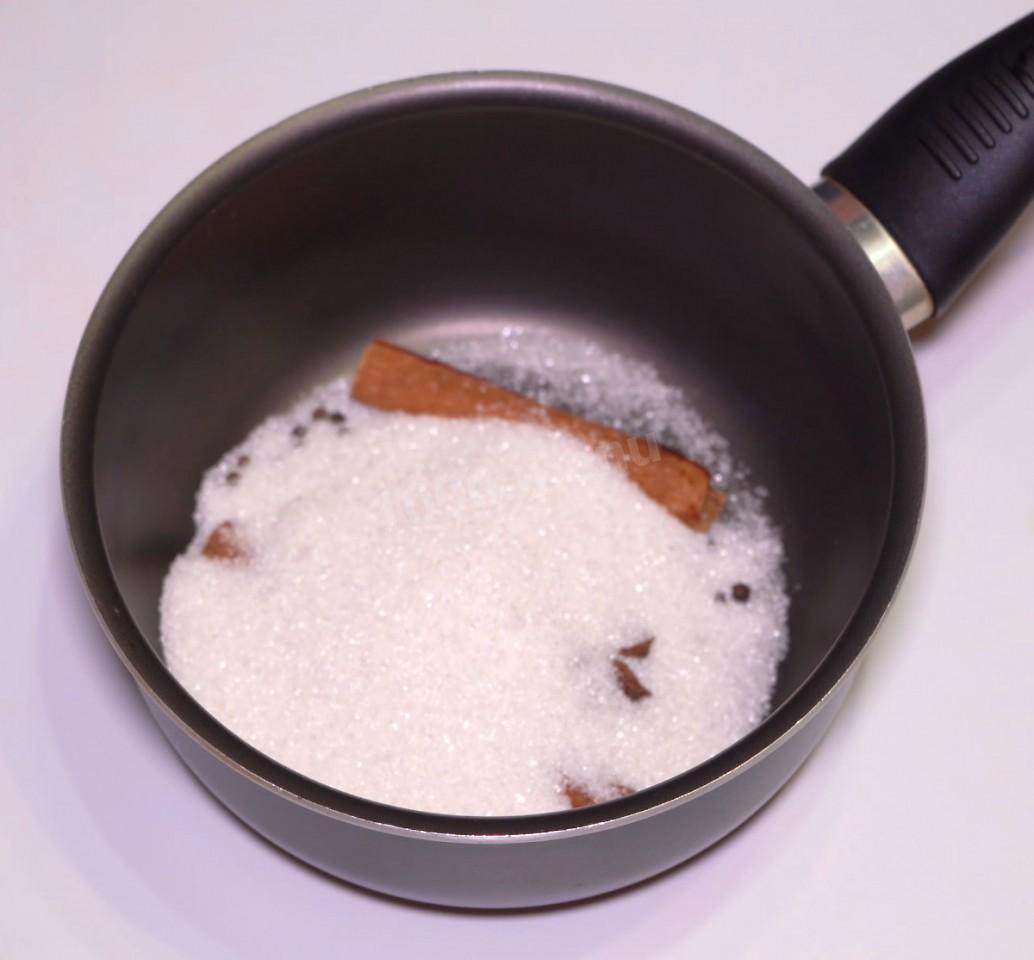
Add the sugar, about 100-120 g, or to taste.
-
Step 7:
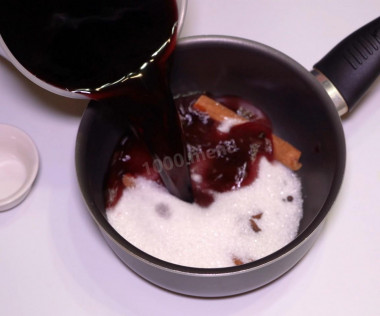
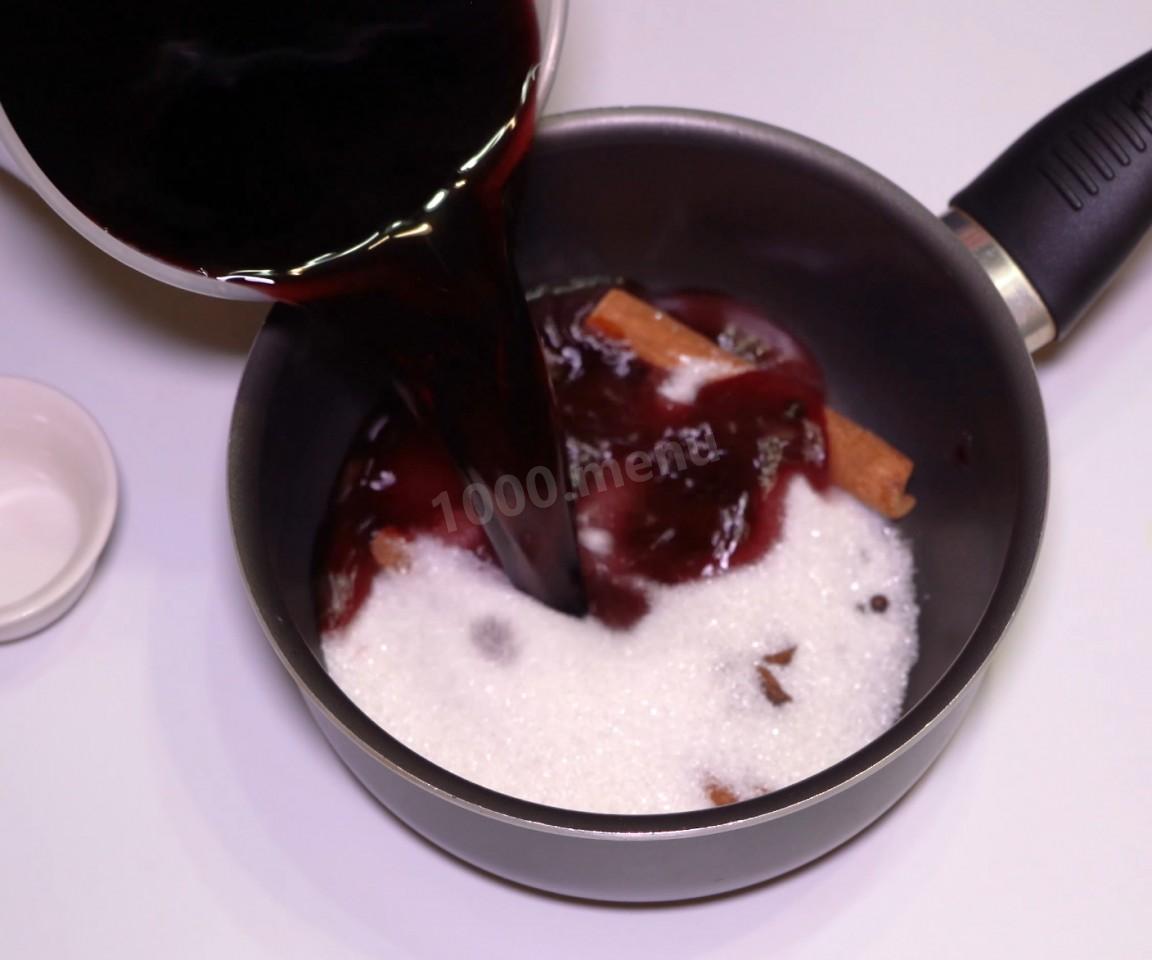
Pour in the wine. I use a dry red table wine—Cabernet—for mulled wine.
-
Step 8:
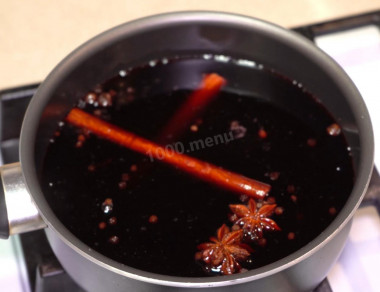
Warm the wine over low heat, stirring constantly, until the sugar fully dissolves.
-
Step 9:
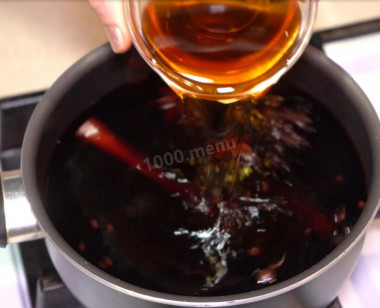
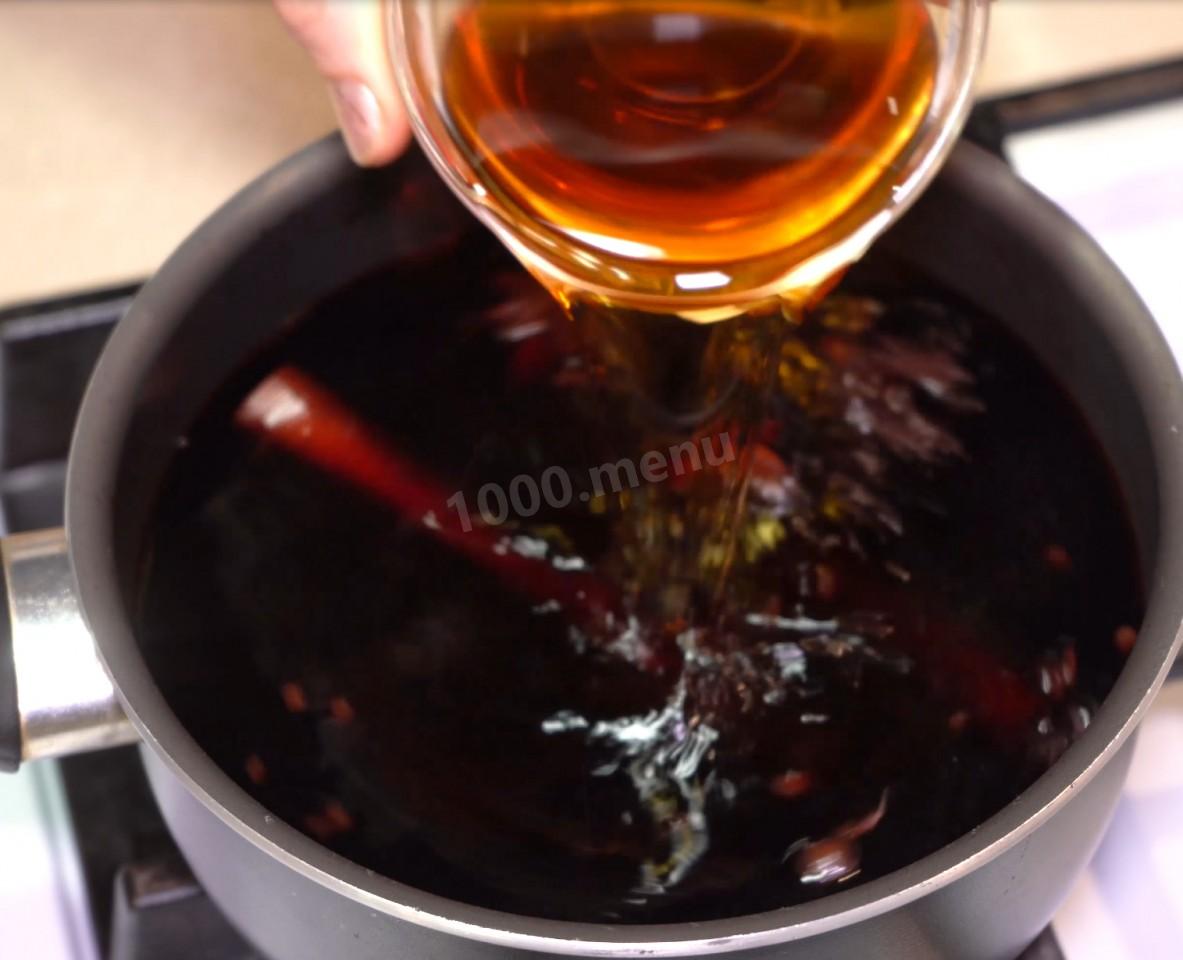
Add the brandy to make the mulled wine's flavor much bolder.
-
Step 10:
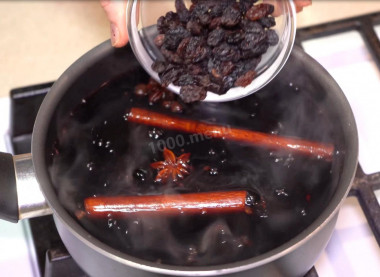
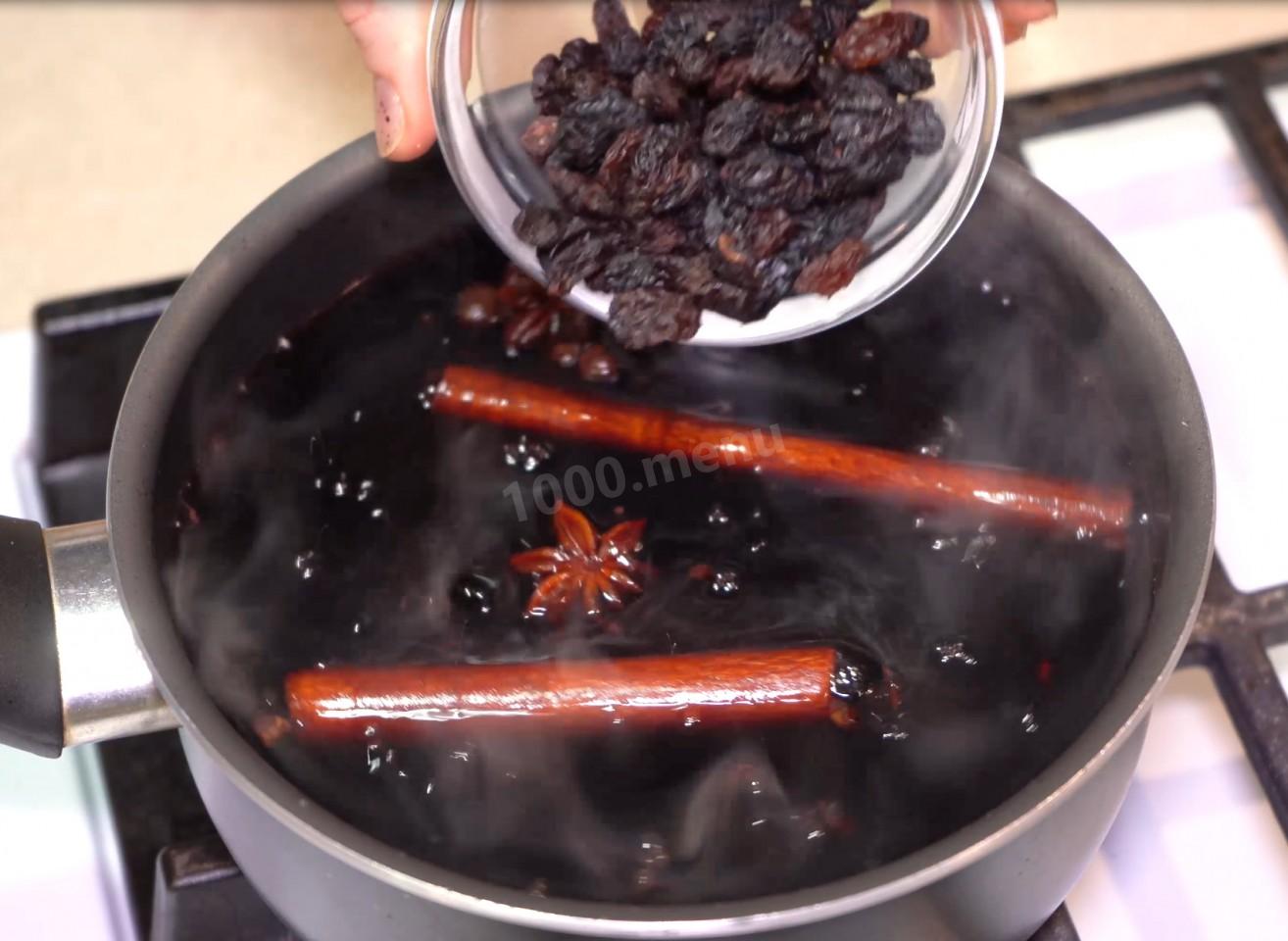
Add the raisins to the hot spiced wine.
-
Step 11:
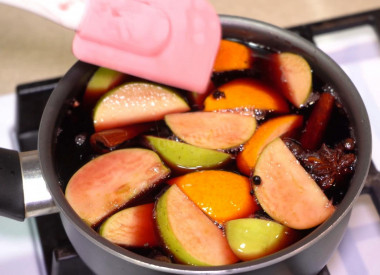
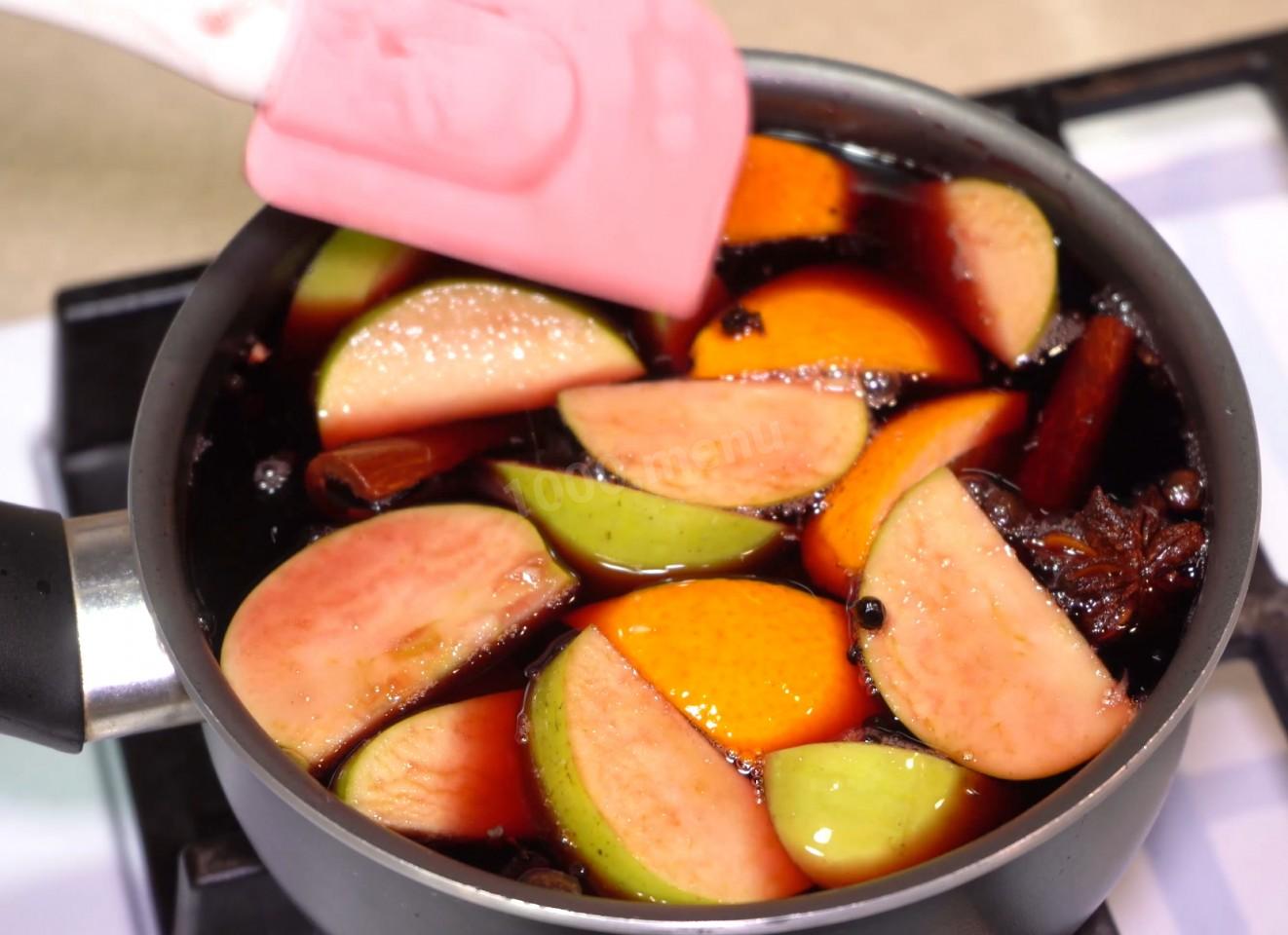
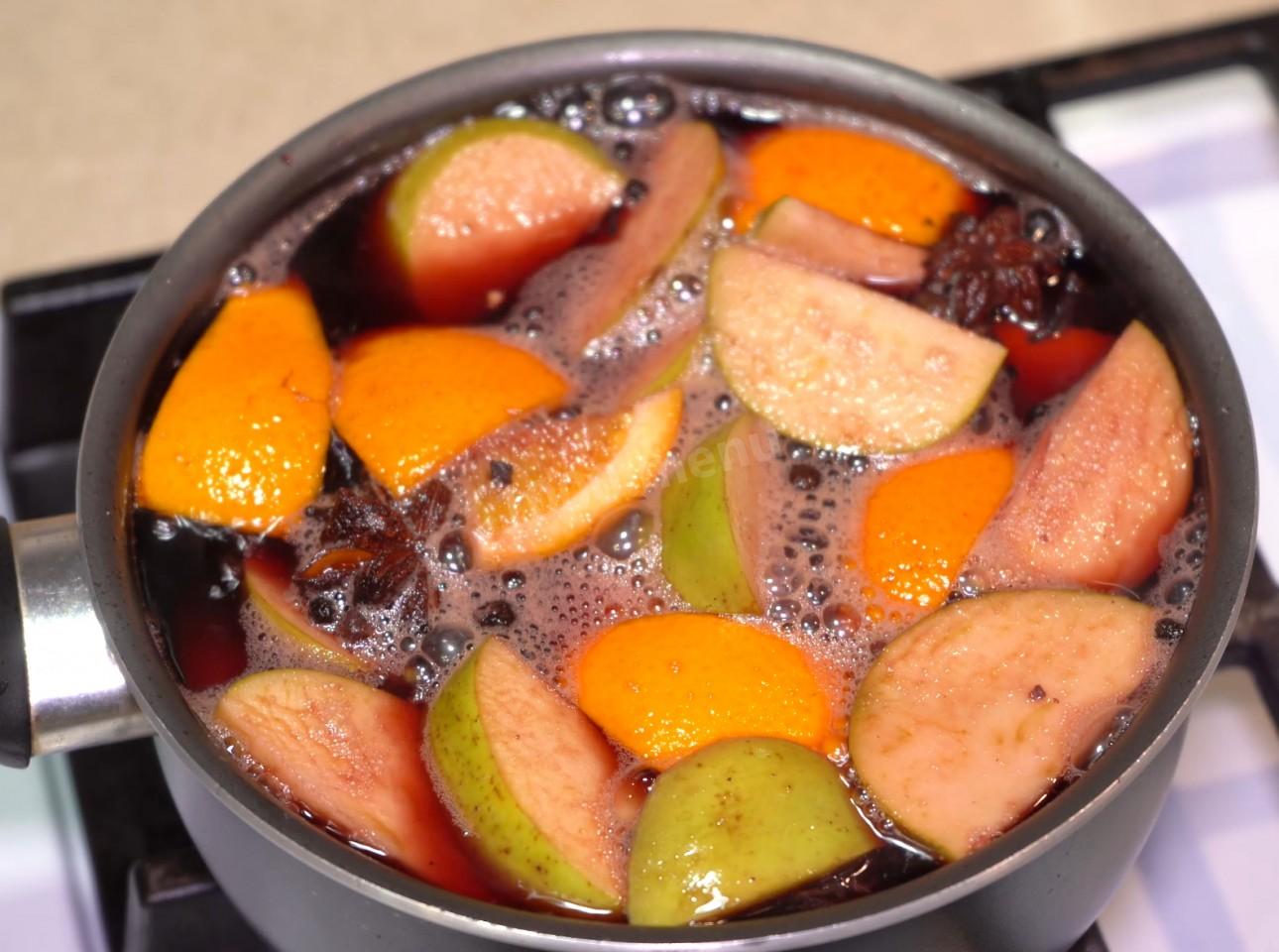
Then add the tart apples and ripe oranges. You can squeeze the sweet juice from some of the orange wedges right into the wine.
-
Step 12:
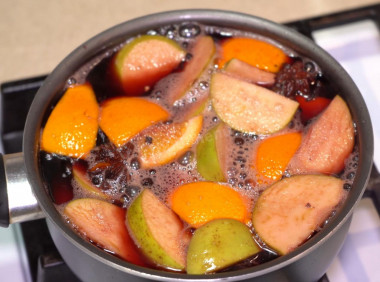
Warm the fragrant mulled wine for 10 minutes over low heat.
-
Step 13:
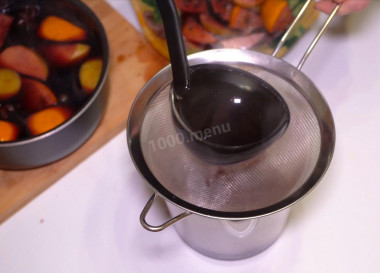
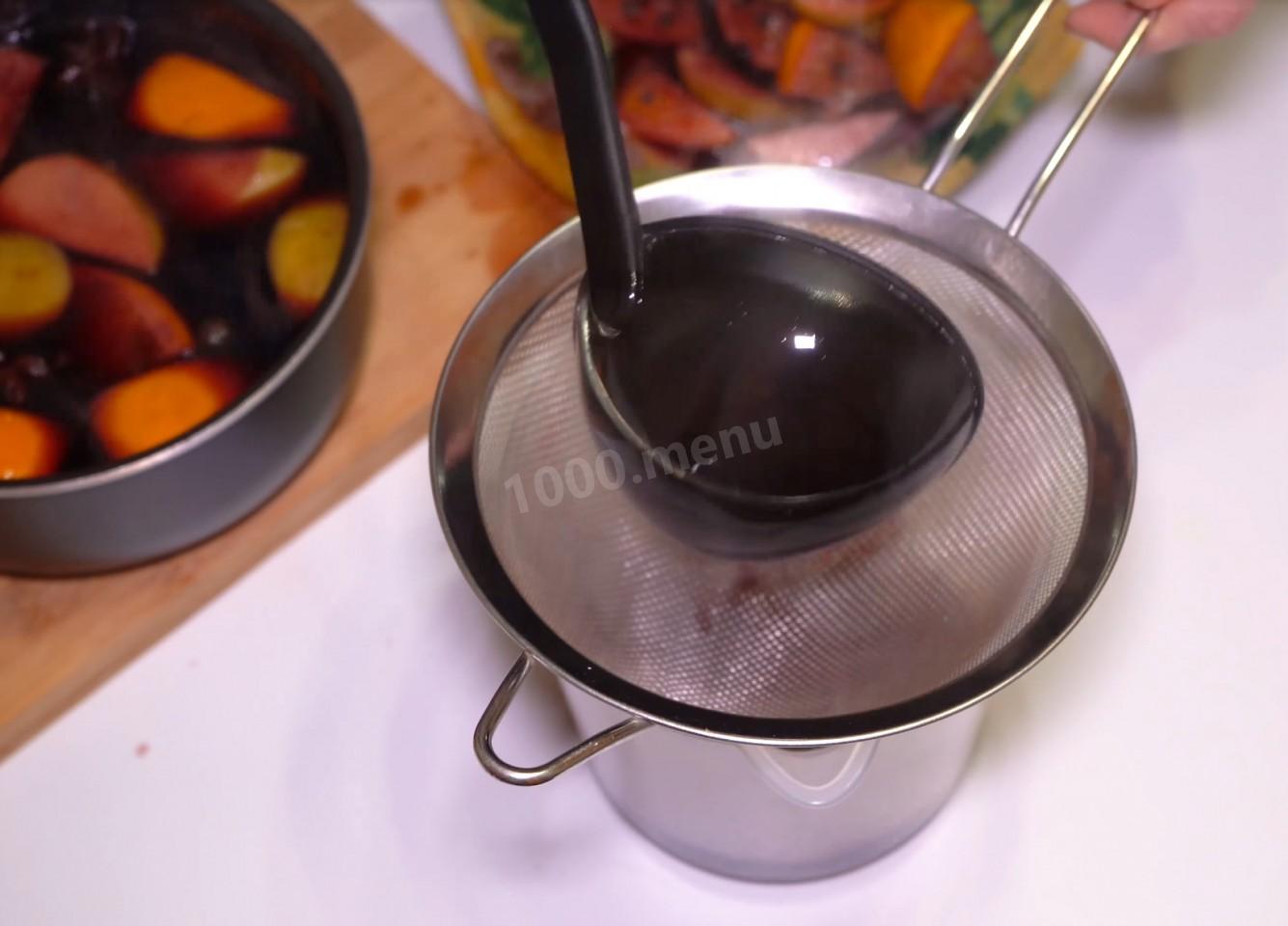
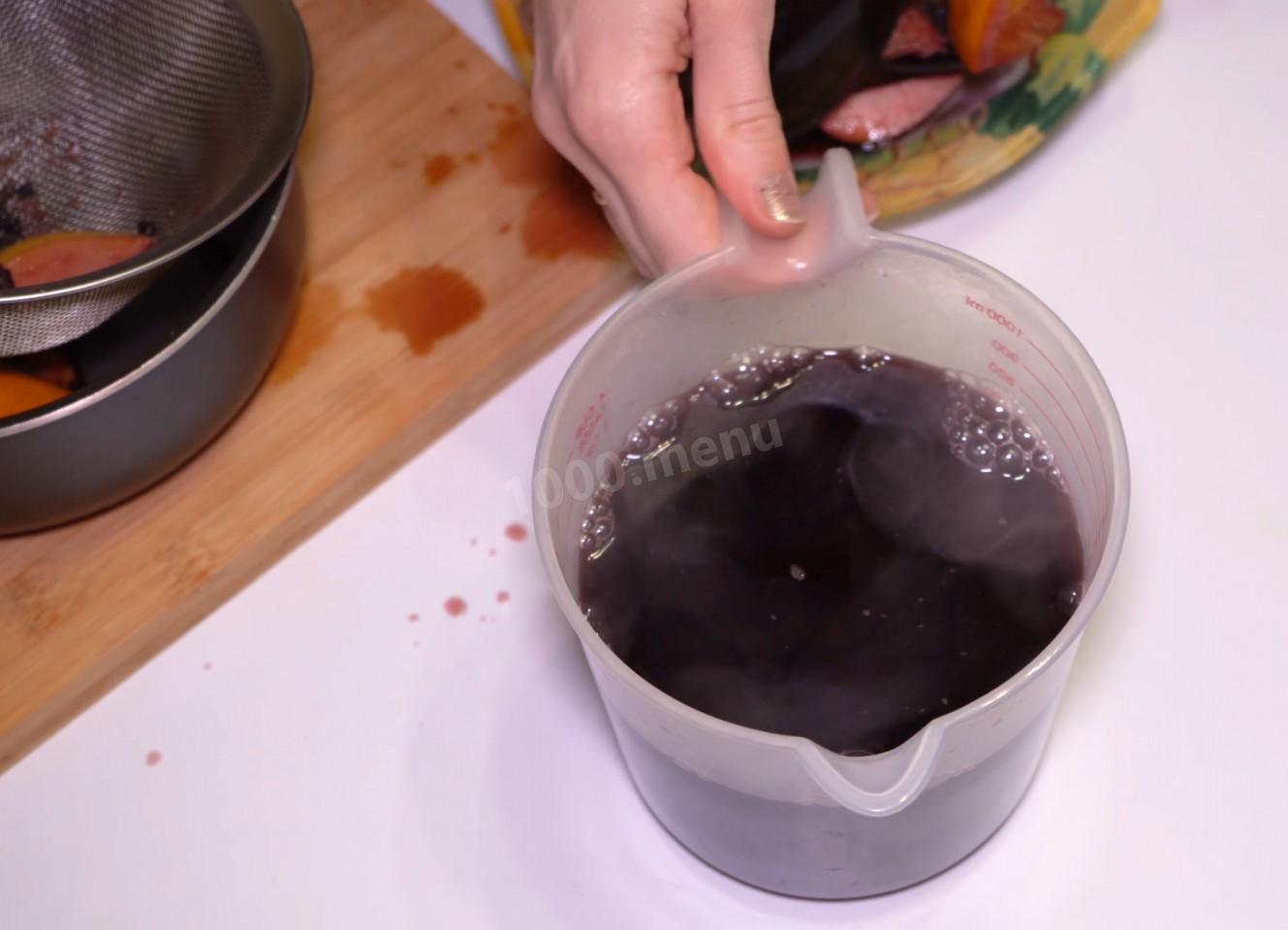
All that's left is to strain this fragrant drink.
-
Step 14:
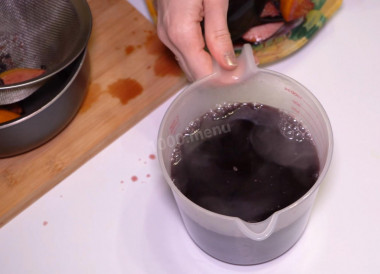
The fragrant wine is ready!
-
Step 15:
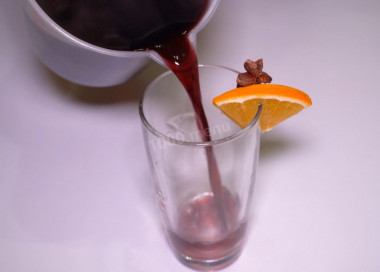
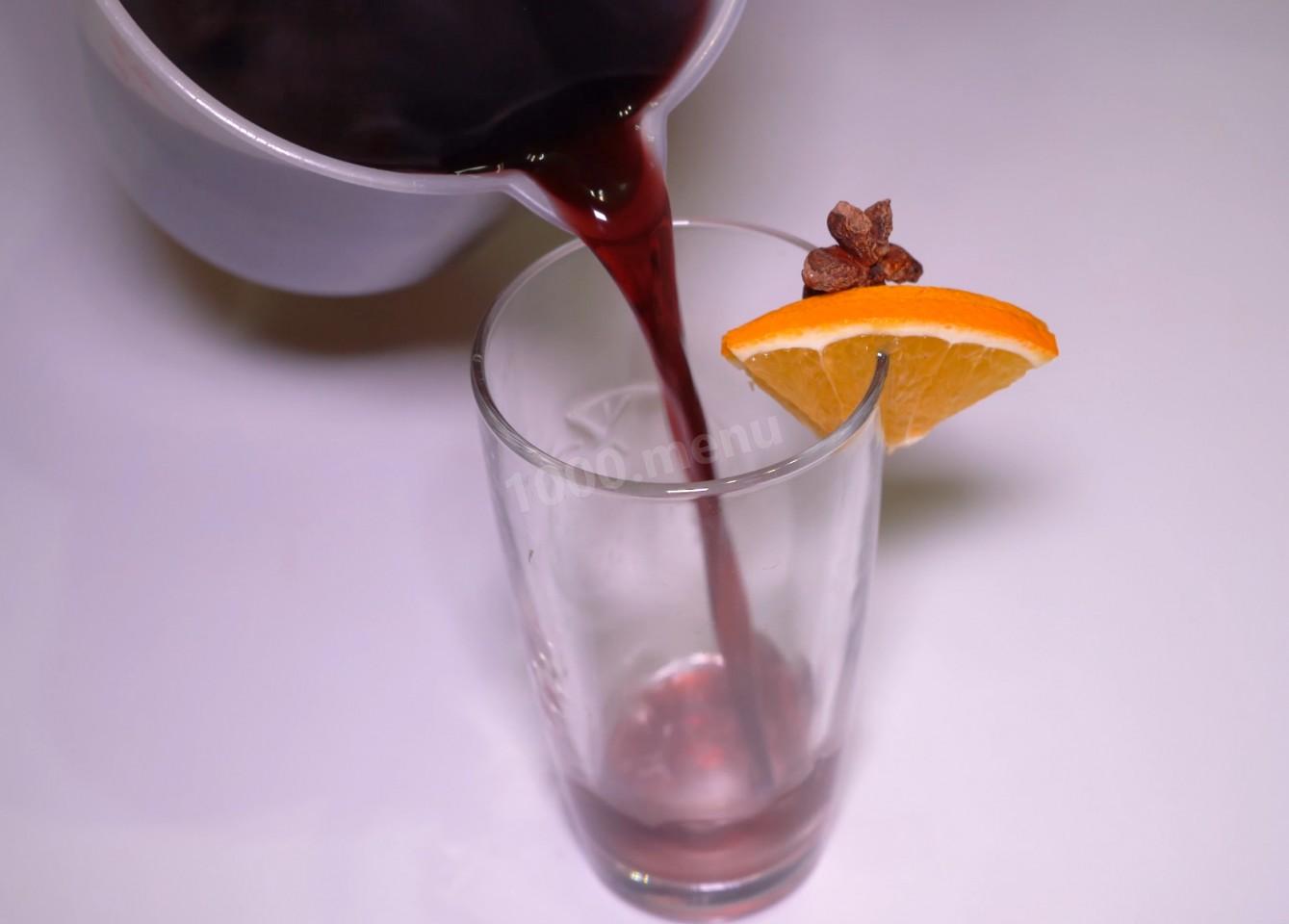
Pour it into glasses and enjoy.
-
Step 16:
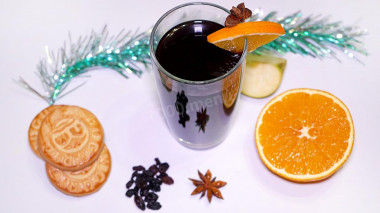
Sip this delicious drink and warm yourself up! In moderation, it makes a cozy cold-weather warmer. It's best enjoyed fresh, so don't reheat it.
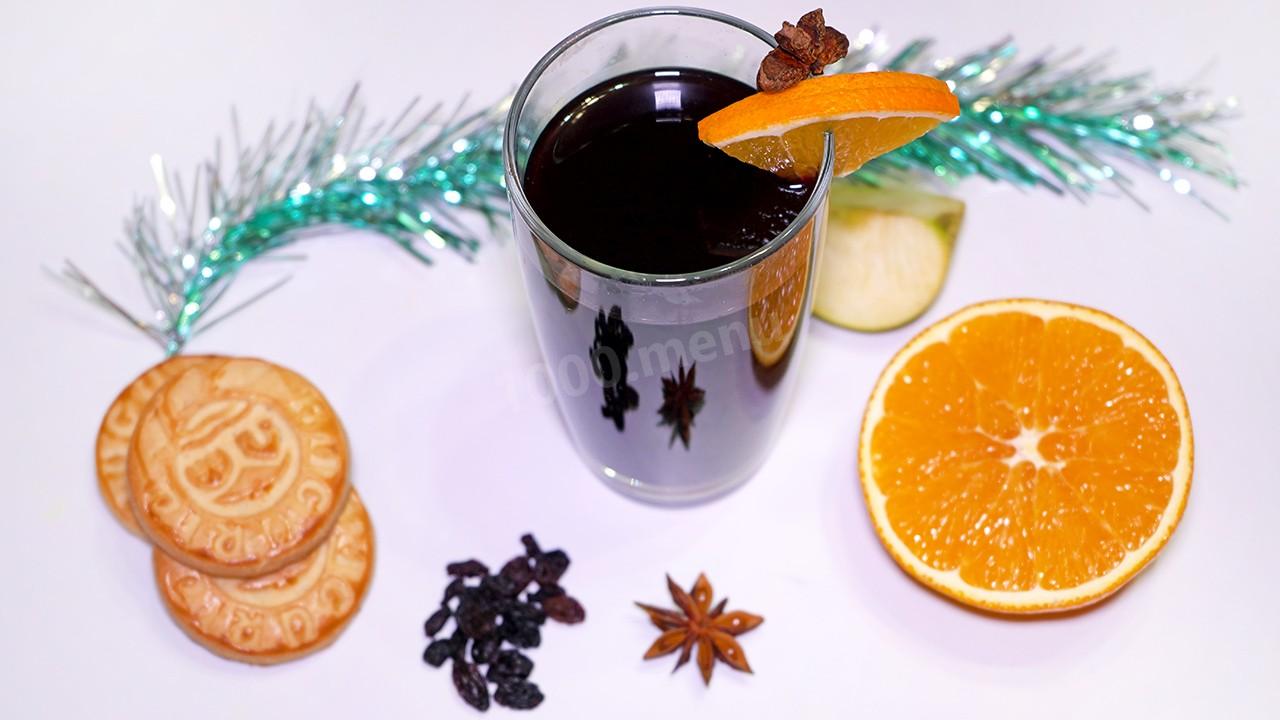
- This delicious drink always smells of winter holidays, home warmth, and comfort. In moderation, mulled wine is a cozy cold-weather warmer—best enjoyed fresh rather than reheated. For mulled wine, I use a dry red table wine, Cabernet, with a lovely grapey taste and aroma. The most familiar name for this classic comes from the German "glühende Wein," meaning "glowing wine." The French and Swiss version is called "vin chaud," which translates to "hot wine." In Moldova and Romania, mulled wine is considered a local invention and goes by "izvar." What's striking is that the spice blend for mulled wine is nearly identical across all these countries, despite the distances between them—probably because the flavor of hot wine pairs best with exactly these spices.
Caloric content of the products possible in the composition of the dish
- Apples - 47 kcal/100g
- Dried apples - 210 kcal/100g
- Canned apple mousse - 61 kcal/100g
- Anise - 337 kcal/100g
- Carnation - 323 kcal/100g
- Granulated sugar - 398 kcal/100g
- Sugar - 398 kcal/100g
- Liqueur wines - 212 kcal/100g
- Semi-dry wines - 78 kcal/100g
- Dry wines - 64 kcal/100g
- Red wine - 88 kcal/100g
- Raisins - 280 kcal/100g
- Kishmish - 279 kcal/100g
- Black pepper peas - 255 kcal/100g
- Oranges - 36 kcal/100g
- Ordinary cognac 'three stars' - 239 kcal/100g
- Cognac - 239 kcal/100g
- Allspice - 263 kcal/100g
- Cinnamon stick - 261 kcal/100g