Bone Broth Soup Base
Learn how to make your soup as flavorful and nourishing as possible. A bone-based soup foundation means a rich, deeply savory broth that makes any first course taste far brighter. Soup built on bone broth is also far more satisfying than one made with plain water. Once it's done, the vegetables and bones are removed and the broth is strained through a fine sieve or two or three layers of cheesecloth. Broth takes a good while to make — this is exactly the kind of dish you simmer for at least 8 hours to get a truly excellent result.
NataliM
Recipe author
Bone Broth Soup Base
Nutrients and energy value of the composition of the recipe
By weight of the composition:
Proteins 67 %
10 g
Fats 20 %
3 g
Carbohydrates 13 %
2 g
74 kcal
GI:
100
/
0
/
0
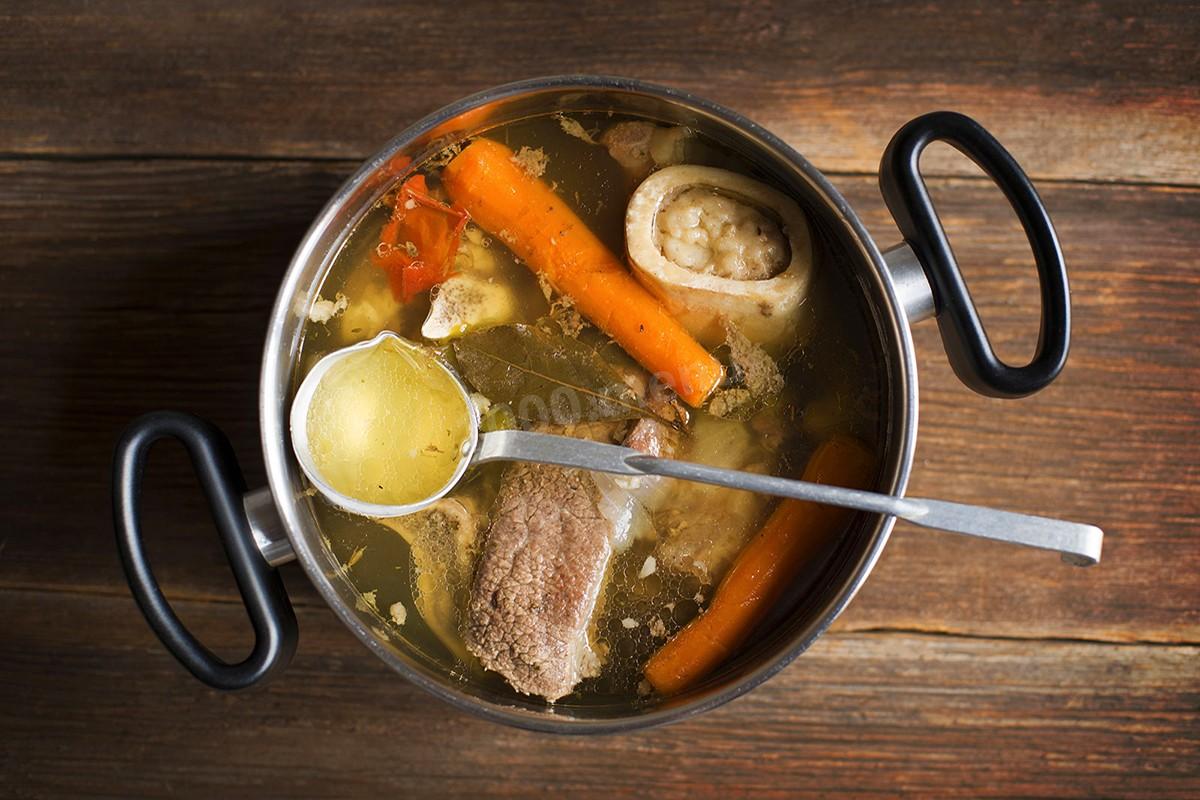
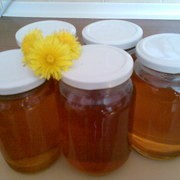
- You'll need vegetables and the bones themselves. Choose a large pot so you don't have to fill it to the rim and it's easy to skim the foam. 1. Peel and rinse the carrots. Peel the papery skin off the onion. Trim the celery stalks, shaving off the outer skin as thinly as you can — a vegetable peeler works best. Put the carrots, onion, and celery in the pot; there's no need to chop them, since the vegetables cook whole. 2. Rinse the marrow bones well under running water, chop them into segments, and add them to the pot with the vegetables. Pour in enough water to cover everything completely. Add the apple cider vinegar to help draw the most nutrients out of the bones. 3. Set the pot over the heat, bring the broth to a boil, then lower the heat to a bare simmer and skim off the foam with a slotted spoon. Rinse the tomatoes and add them along with the bay leaf, season with salt to taste, and simmer gently for at least 8 hours. Keep an eye on the water level — it should always cover the ingredients — and top it up as it cooks down. 4. When the time is up, lift out the vegetables and bones; you won't need them anymore. Strain the broth through two or three layers of cheesecloth or a sieve to remove all the sediment, so the broth comes out clear and any dish made from it looks clean and appetizing. 5. At this point the broth is ready to use for soup, or you can pour it into jars, let it cool to room temperature, and refrigerate until you need it. You can also make this broth ahead and freeze it — it keeps far longer frozen. Cook with joy, and enjoy your broth and many more kitchen successes!
Caloric content of the products possible in the composition of the dish
- Carrots - 33 kcal/100g
- Dried carrots - 275 kcal/100g
- Boiled carrots - 25 kcal/100g
- Bay leaf - 313 kcal/100g
- Salt - 0 kcal/100g
- Onion - 41 kcal/100g
- Apple cider vinegar - 14 kcal/100g
- Cherry tomatoes - 15 kcal/100g
- Sugar bones - 105 kcal/100g
- Celery stalk - 12 kcal/100g
Similar recipes


Related and additional categories: