Butter and Cheese Sandwiches
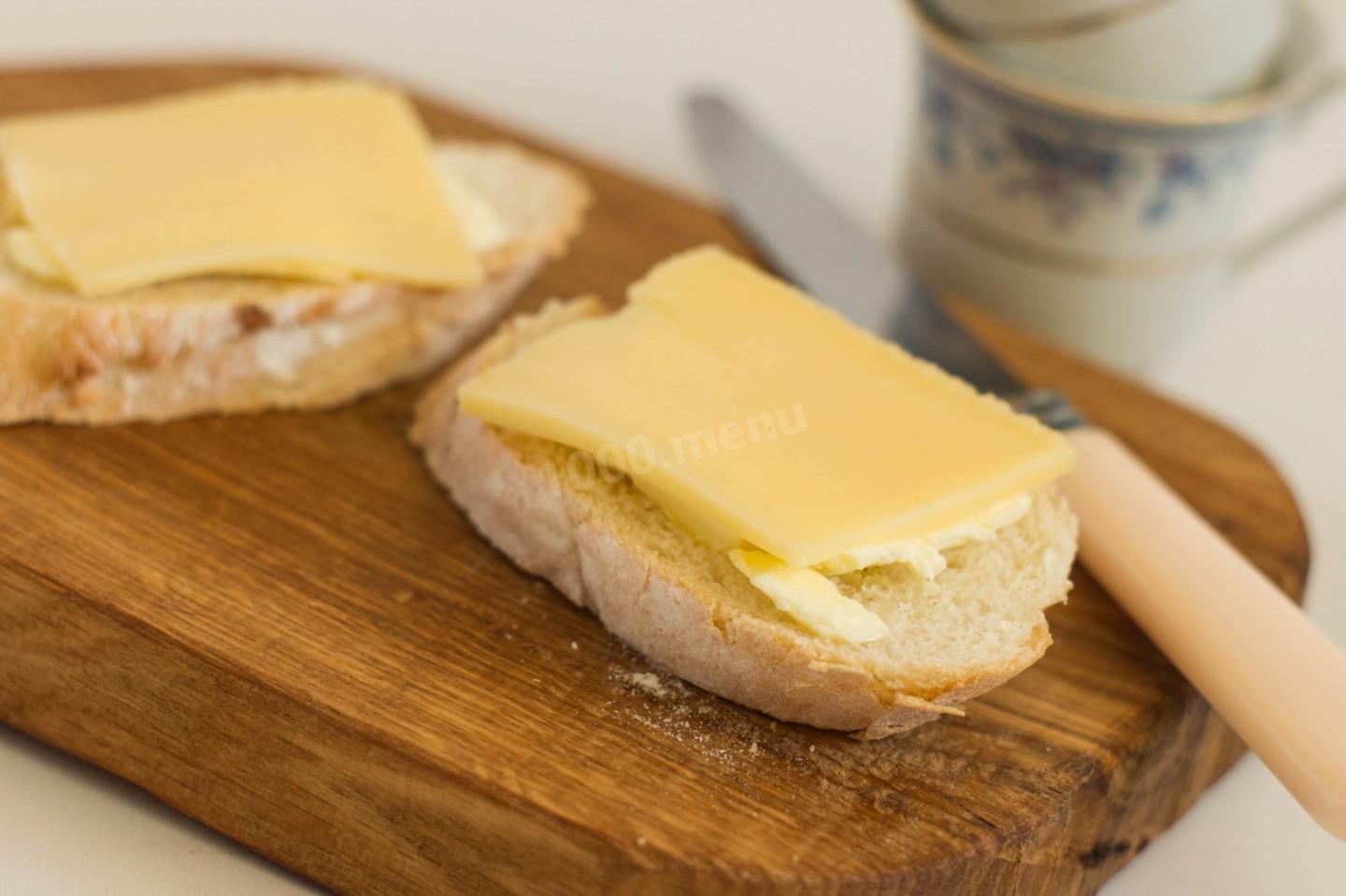
Simple, affordable, nourishing, and very fast! Butter-and-cheese sandwiches are usually served with hot drinks: fragrant tea, bracing coffee, or hot chocolate. It's worth noting that butter-and-cheese sandwiches are an ideal choice for a tasty, nourishing, and wholesome breakfast — for kids and grown-ups alike.
MariaS
Recipe author
Butter and Cheese Sandwiches
Nutrients and energy value of the composition of the recipe
By weight of the composition:
Proteins 10 %
7 g
Fats 55 %
37 g
Carbohydrates 34 %
23 g
459 kcal
GI:
0
/
100
/
0
- Needless to say, butter-and-cheese sandwiches qualify not just as a quick dish but as a very quick one. They're so easy and simple to make that even a child can manage — in fact, this is one of the first dishes you can use to introduce kids to cooking. The most important, fundamental thing in these uncomplicated butter-and-cheese sandwiches is the quality and freshness of the ingredients, which is what the whole flavor of the finished sandwiches comes down to. It's best to use fresh bread that isn't falling apart or overly crumbly. Dark, white, whole-grain, baguette — it doesn't matter, as long as it suits your taste. Pre-sliced sandwich bread works well here. The butter should of course be natural, good-quality, and fresh (not rancid or dried out), and not straight from the freezer. The same goes for choosing the cheese: pick a natural hard cheese rather than a cheese product, fresh and with a flavor you enjoy. So, with all the ingredients on hand, the assembly itself takes just a few minutes. Cut the bread into slices about 5 mm thick and spread a layer of butter on each. Spread it evenly across the surface using a butter knife — one with serrated notches, or a regular dull knife that isn't too narrow. Cut the cheese into slices about 2 mm thick and lay them over the butter. You can garnish the sandwich with a sprig of fresh herbs to taste. Serve butter-and-cheese sandwiches right after assembling, so the cheese doesn't dry out and the butter keeps its proper firmness.
Caloric content of the products possible in the composition of the dish
- Dutch cheese - 352 kcal/100g
- Swiss cheese - 335 kcal/100g
- Cheese 'Russian' - 366 kcal/100g
- Kostroma cheese - 345 kcal/100g
- Yaroslavsky cheese - 361 kcal/100g
- Altai cheese 50% fat content - 356 kcal/100g
- Soviet cheese - 400 kcal/100g
- Cheese 'steppe' - 362 kcal/100g
- Uglich cheese - 347 kcal/100g
- Poshekhonsky cheese - 350 kcal/100g
- Lambert cheese - 377 kcal/100g
- Appnzeller cheese with 50% fat content - 400 kcal/100g
- Chester cheese with 50% fat content - 363 kcal/100g
- Edamer cheese with 40% fat content - 340 kcal/100g
- Cheese with mushrooms of 50% fat content - 395 kcal/100g
- Emmental cheese with 45% fat content - 420 kcal/100g
- Gouda cheese with 45% fat content - 356 kcal/100g
- Aiadeus cheese - 364 kcal/100g
- Dom blanc cheese (semi-hard) - 360 kcal/100g
- Lo spalmino cheese - 61 kcal/100g
- Cheese 'etorki' (sheep, hard) - 401 kcal/100g
- White cheese - 100 kcal/100g
- Fat yellow cheese - 260 kcal/100g
- Altai cheese - 355 kcal/100g
- Kaunas cheese - 355 kcal/100g
- Latvian cheese - 316 kcal/100g
- Limburger cheese - 327 kcal/100g
- Lithuanian cheese - 250 kcal/100g
- Lake cheese - 350 kcal/100g
- Gruyere cheese - 396 kcal/100g
- Butter 82% - 734 kcal/100g
- Amateur unsalted butter - 709 kcal/100g
- Unsalted peasant butter - 661 kcal/100g
- Peasant salted butter - 652 kcal/100g
- Melted butter - 869 kcal/100g
- White bread - 266 kcal/100g
Similar recipes



Related and additional categories:
- Fast and tasty
- For breakfast
- Sandwiches
- Cheese
- Fats and oils
- Wheat bread
- Butter
- Without heat treatment
- Sandwiches in a hurry
- Dishes in 5 minutes
- Dishes in 10 minutes
- Dishes in 30 minutes
- Breakfast sandwiches
- Cheese sandwiches
- Quick sandwiches
- Sandwiches for breakfast
- Made of solid cheese
- Vegetarianism