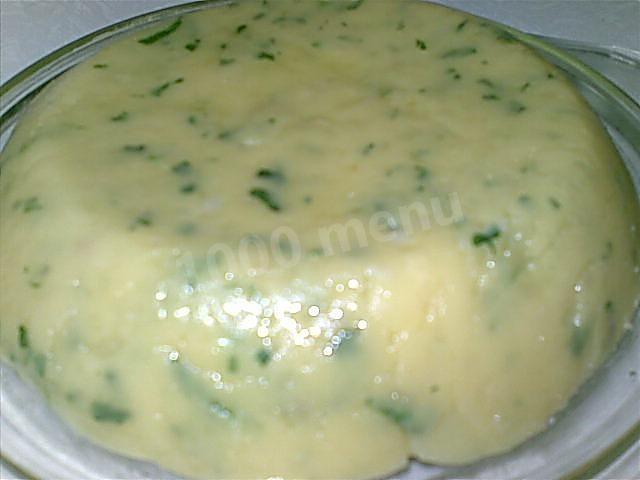
Homemade Cheese from Farmer's Cheese and Milk with Egg, Baking Soda, and Butter
A really simple, tasty recipe — one to keep in your back pocket! This homemade cheese, made from farmer's cheese (fresh curd), came to me from my grandmother. I remember hers being wonderfully tasty — truly homemade — so I decided to try making the same delicious cheese from her recipe.
Daria ☼
Recipe author
Homemade Cheese from Farmer's Cheese and Milk with Egg, Baking Soda, and Butter
Nutrients and energy value of the composition of the recipe
By weight of the composition:
Proteins 43 %
9 g
Fats 48 %
10 g
Carbohydrates 10 %
2 g
141 kcal
GI:
100
/
0
/
0
Cooking method
-
Step 1:
Step 1:
-
Step 2:
Step 2:
-
Step 3:
Step 3:
-
Step 4:
Step 4:
-
Step 5:
Step 5:
-
Step 6:
Step 6:
-
Step 7:
Step 7:
-
Step 8:
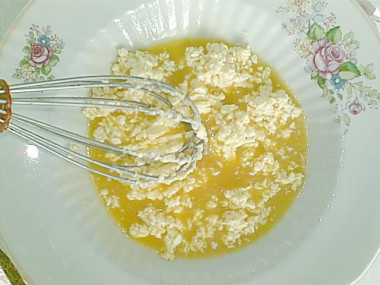
Step 8:
-
Step 9:
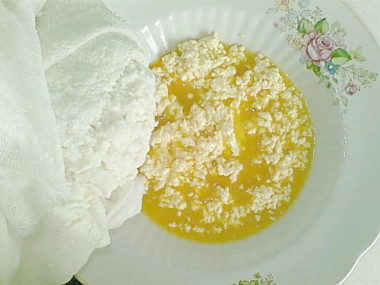
Step 9:
-
Step 10:
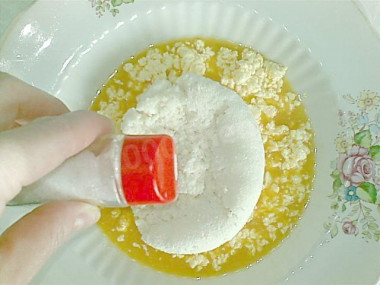
Step 10:
-
Step 11:
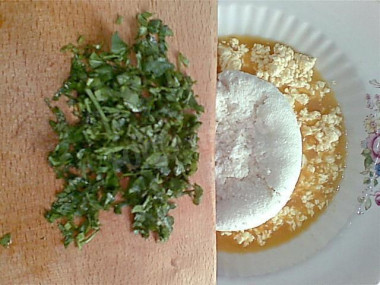
Step 11:
-
Step 12:
Step 12:
-
Step 13:
Step 13:
-
Step 14:
Step 14:
-
Step 15:
Step 15:
-
Step 16:
Step 16:
-
Step 17:
Step 17:
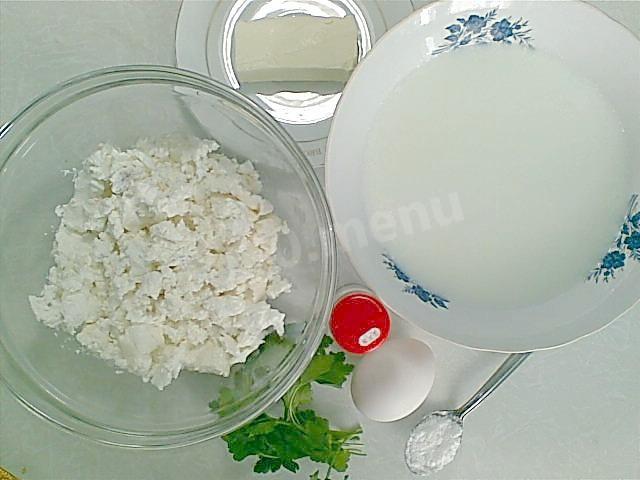
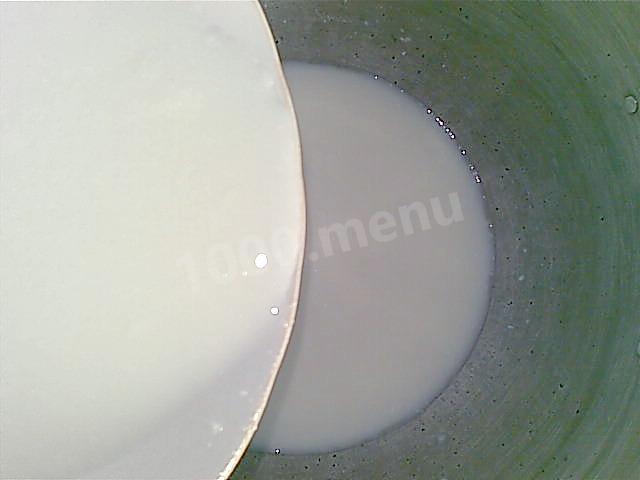
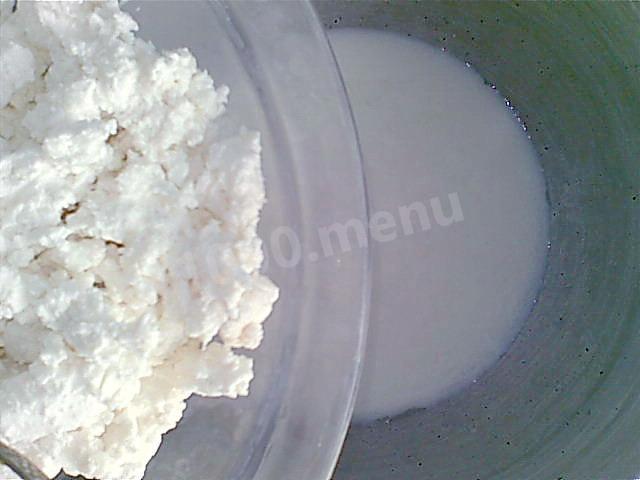
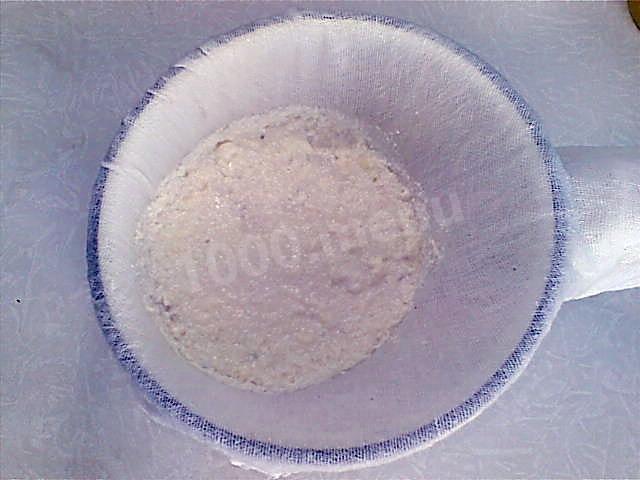
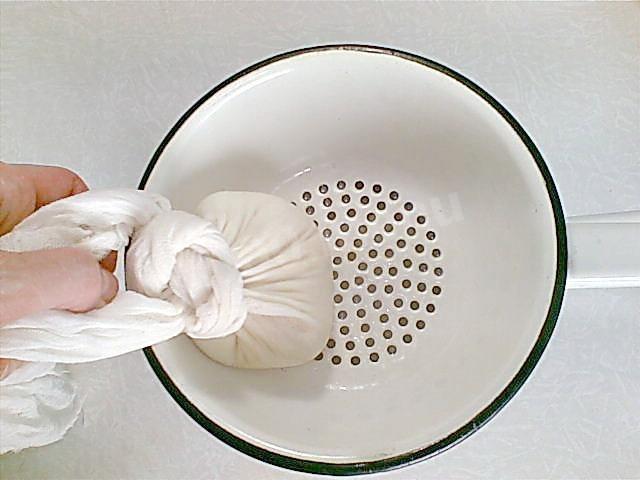
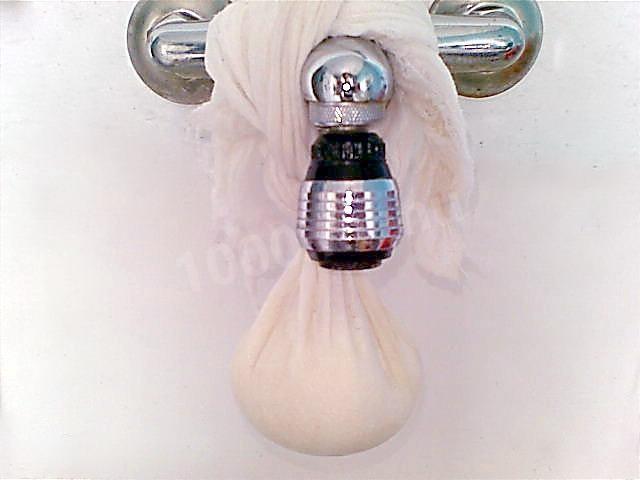
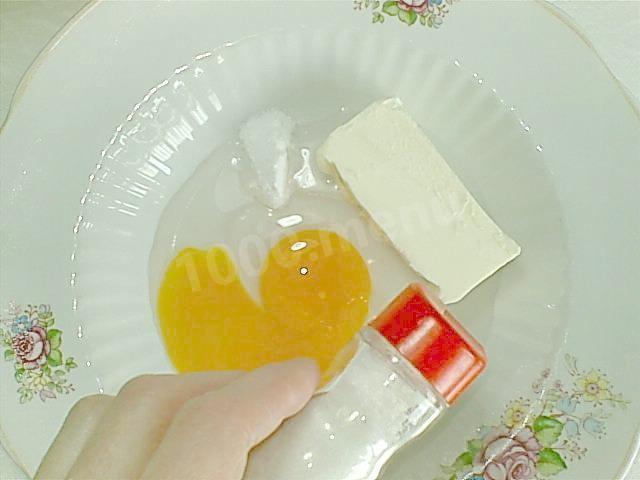
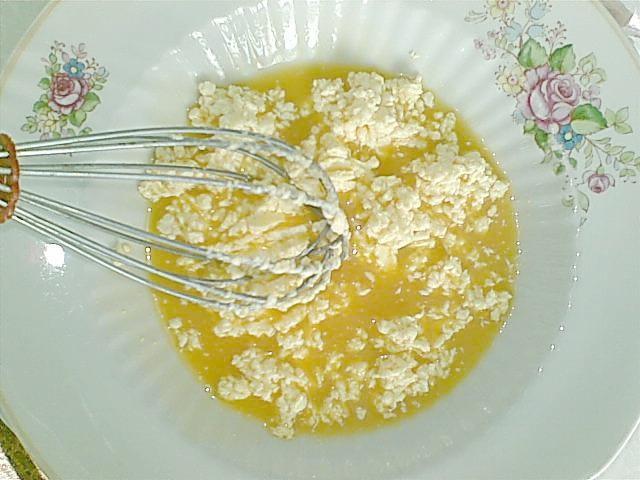
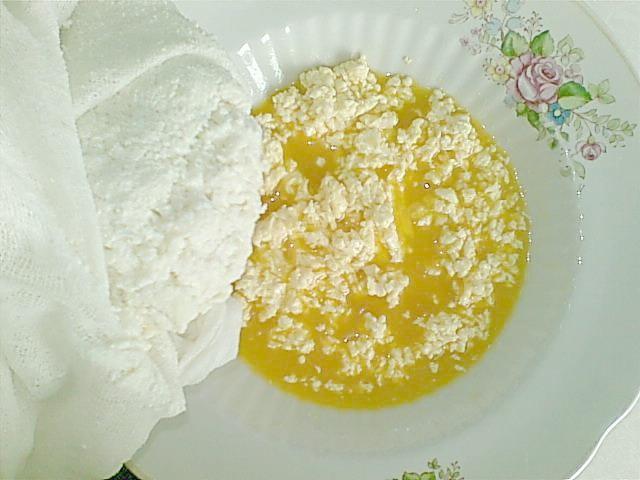
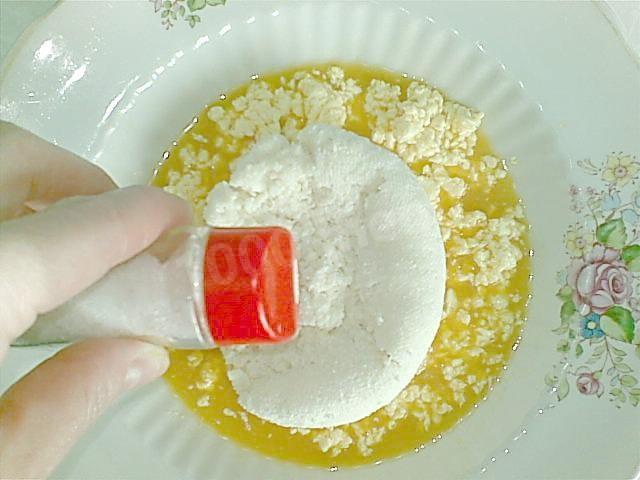
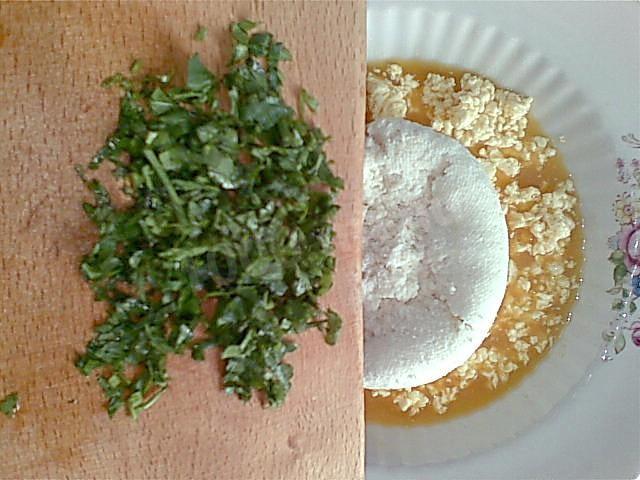
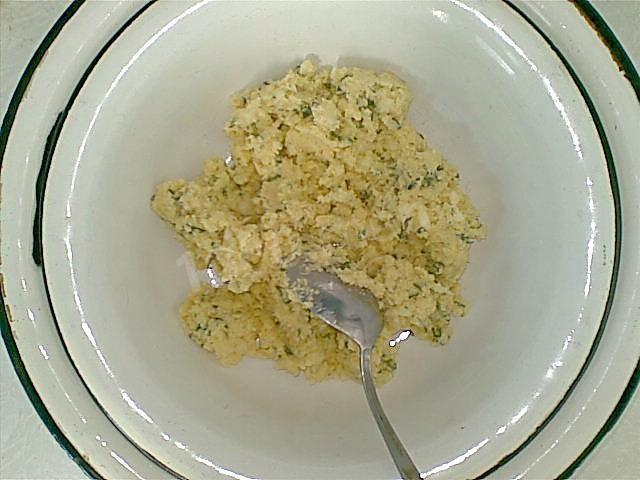
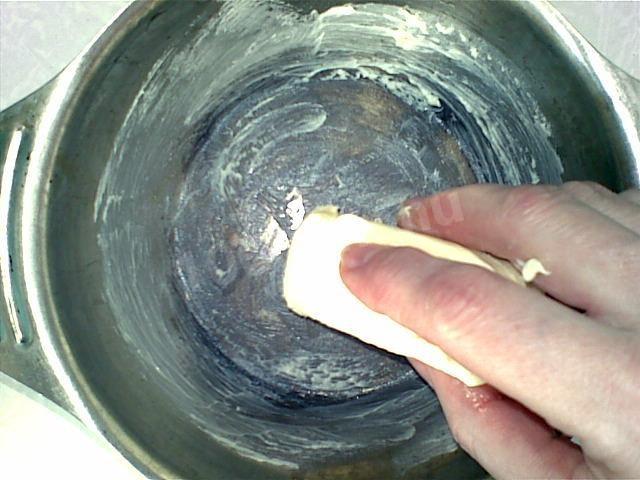
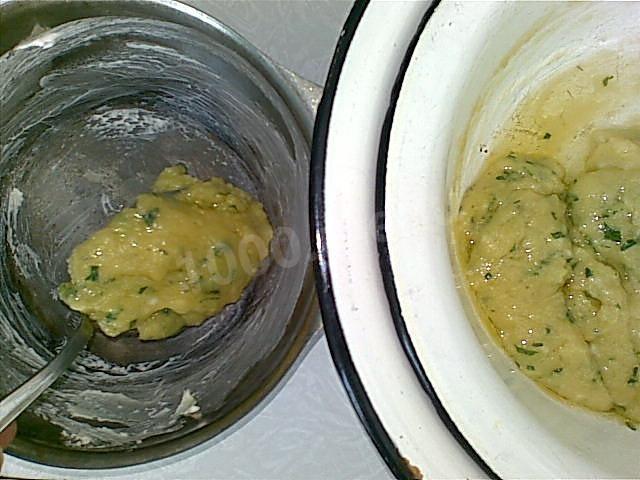
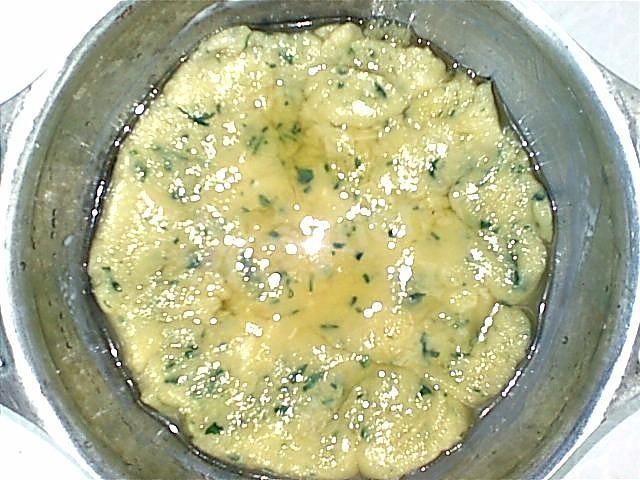
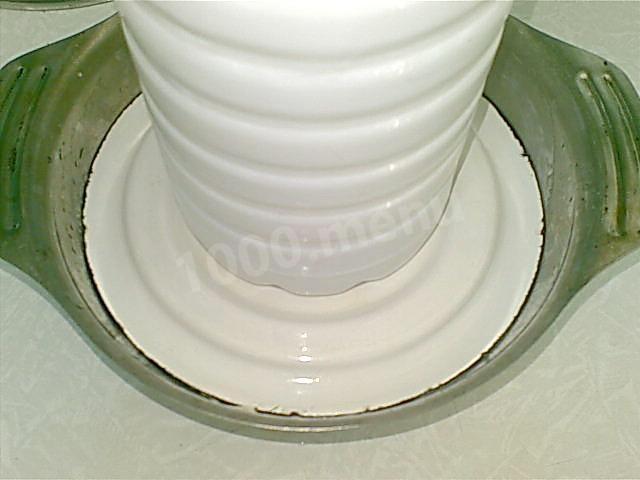
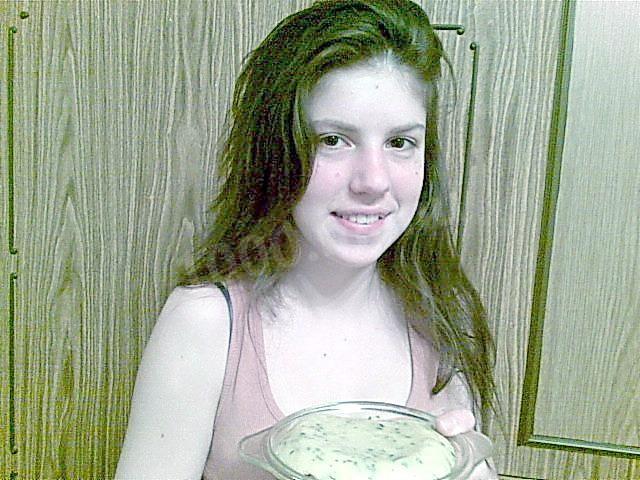
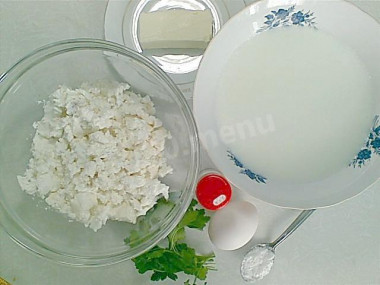
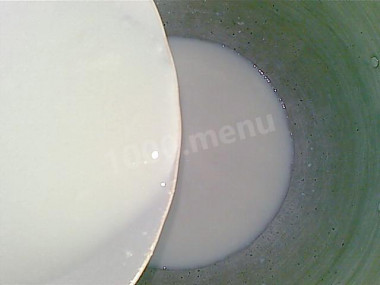
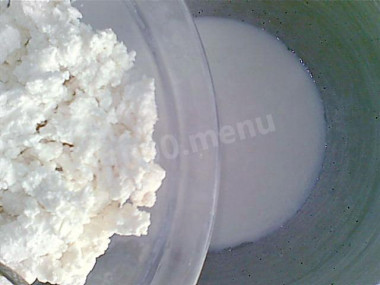
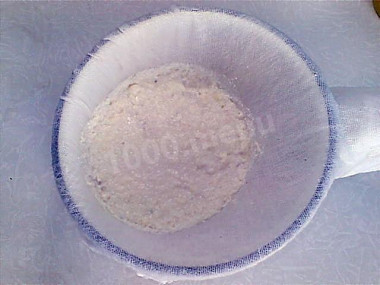
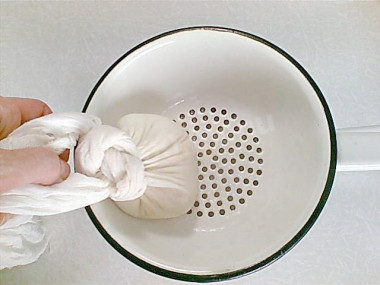
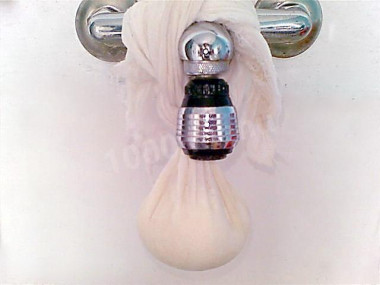
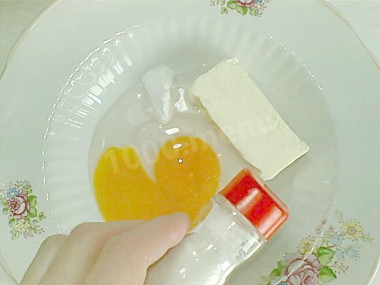
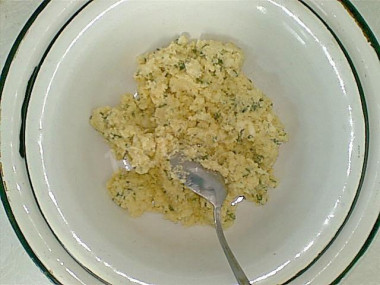
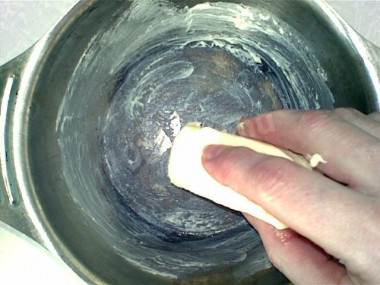
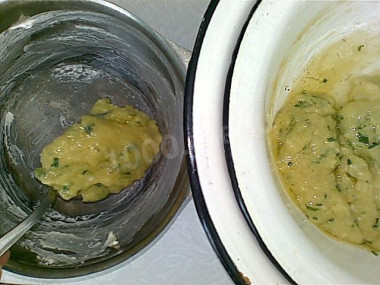
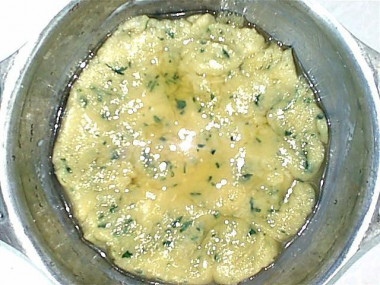
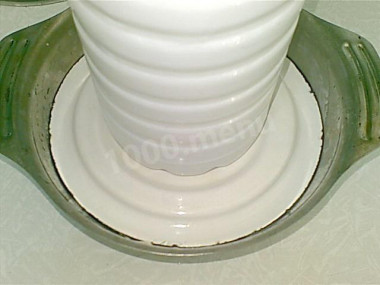
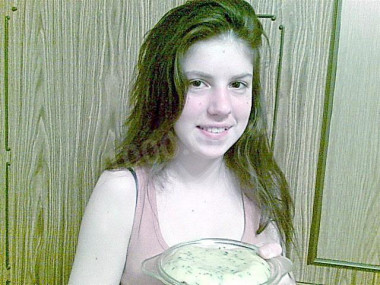
- Start with the milk and butter. Take the butter out of the fridge and let it soften. Pour the milk into a good-sized pot and set it over the heat, stirring so it doesn't scorch or boil over — either would ruin the cheese. As soon as the milk boils, add the farmer's cheese and cook over low heat for about 5 minutes. My grandmother used plain fresh homemade curd; I use store-bought, and a 9% cottage cheese works perfectly. Once the whey separates from the curd-and-milk mixture, tip it into a colander — but first line the colander with a piece of clean cheesecloth folded in half and dampened with water, then pour the curds in. When the whey has drained off, tie the cheesecloth tightly and squeeze out the rest of the liquid. Hang the curd over the sink and turn to the other ingredients. Beat the softened butter with the egg, the baking soda, and the salt. You can swap the egg for two yolks, though the cheese will come out more yellow, and the baking soda, in my experience, gives it just the right open texture. When the curd is fully drained, untie it and mix it with the butter and egg. Sometimes I add a few chopped herbs and a little salt. Mix everything thoroughly. Once the mixture is smooth, transfer it to a small saucepan. Meanwhile, bring a large bowl of water to a boil to make a water bath — set the small saucepan of curd over the water and stir for about 10 minutes. When the cheese starts to melt and turn stretchy, pour it into a mold. Even a regular pie pan works; just grease it first. Press the cheese down with a weight and refrigerate for about 3 hours. Once the melted cheese has set, carefully turn it out of the mold, cut it into portions, and serve. Trust me — you've never had a tastier cheese!
Caloric content of the products possible in the composition of the dish
- Whole cow's milk - 68 kcal/100g
- Milk 3.5% fat content - 64 kcal/100g
- Milk 3.2% fat content - 60 kcal/100g
- Milk 1.5% fat content - 47 kcal/100g
- Concentrated milk 7.5% fat content - 140 kcal/100g
- Milk 2.5% fat content - 54 kcal/100g
- Chicken egg - 157 kcal/100g
- Egg white - 45 kcal/100g
- Egg powder - 542 kcal/100g
- Egg yolk - 352 kcal/100g
- Ostrich egg - 118 kcal/100g
- Cottage cheese of 40% fat content - 466 kcal/100g
- Cottage cheese of 20% fat content - 233 kcal/100g
- Cottage cheese of 18% fat content - 226 kcal/100g
- Cottage cheese of 10% fat content - 156 kcal/100g
- Low-fat cottage cheese - 75 kcal/100g
- Cottage cheese with sour cream - 260 kcal/100g
- Fruit cottage cheese - 147 kcal/100g
- Soft dietary cottage cheese - 170 kcal/100g
- Cottage cheese 'vitalinia' - 64 kcal/100g
- Cottage cheese 'morning' ( 'danone') without sugar - 91 kcal/100g
- Cottage cheese - 156 kcal/100g
- Butter 82% - 734 kcal/100g
- Amateur unsalted butter - 709 kcal/100g
- Unsalted peasant butter - 661 kcal/100g
- Peasant salted butter - 652 kcal/100g
- Melted butter - 869 kcal/100g
- Salt - 0 kcal/100g
- Baking soda - 0 kcal/100g
Similar recipes
Related and additional categories: