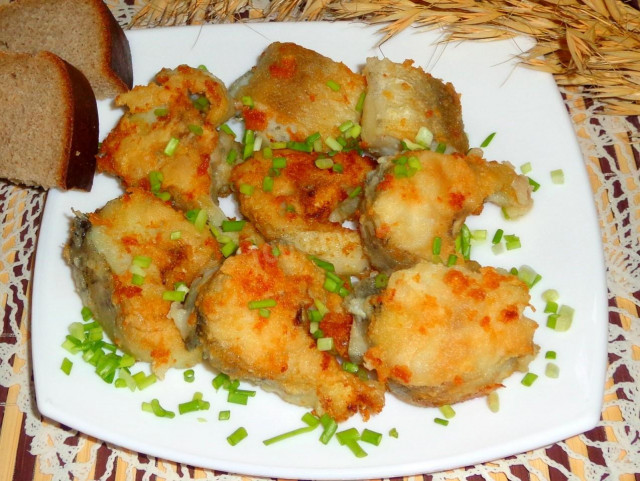
Pan-Fried Garfish (Sargan)
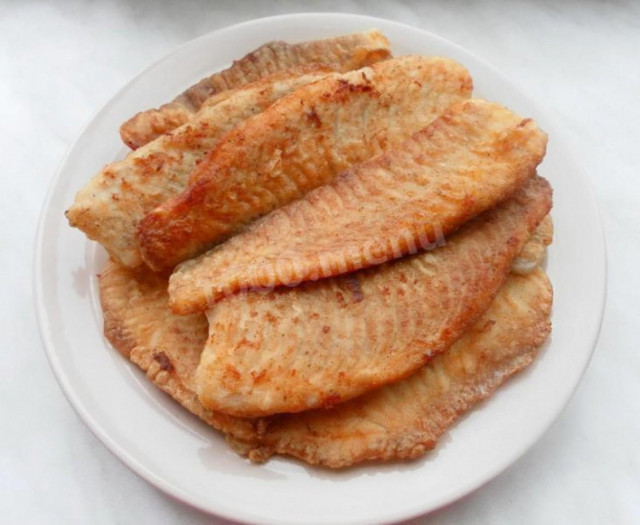
A very unusual and irresistibly appetizing fish! Garfish — known as sargan — has amazingly tasty, tender, and nourishing flesh. It has almost no bones, which makes it suitable even for kids. And it's easy to cook!

Cooking method
-
Step 1:
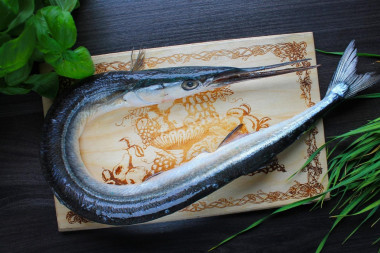
How do you pan-fry garfish? Use freshly caught, chilled fish if you can. If yours is frozen, take it out of the freezer and let it thaw at room temperature.
-
Step 2:
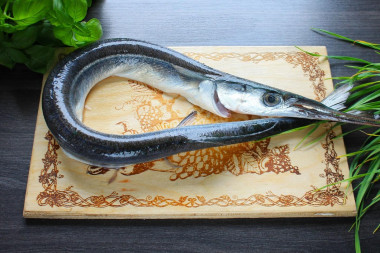
Gut the fish, remove the gills, and scale it. Rinse well under cold running water and pat dry with paper towels to remove excess moisture.
-
Step 3:
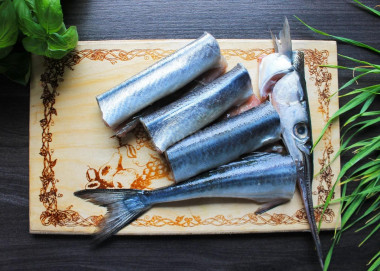
Cut the fish into small, roughly even pieces. You don't have to fry the head — that's up to you.
-
Step 4:
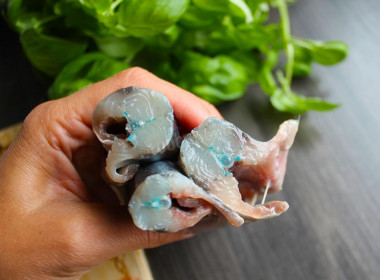
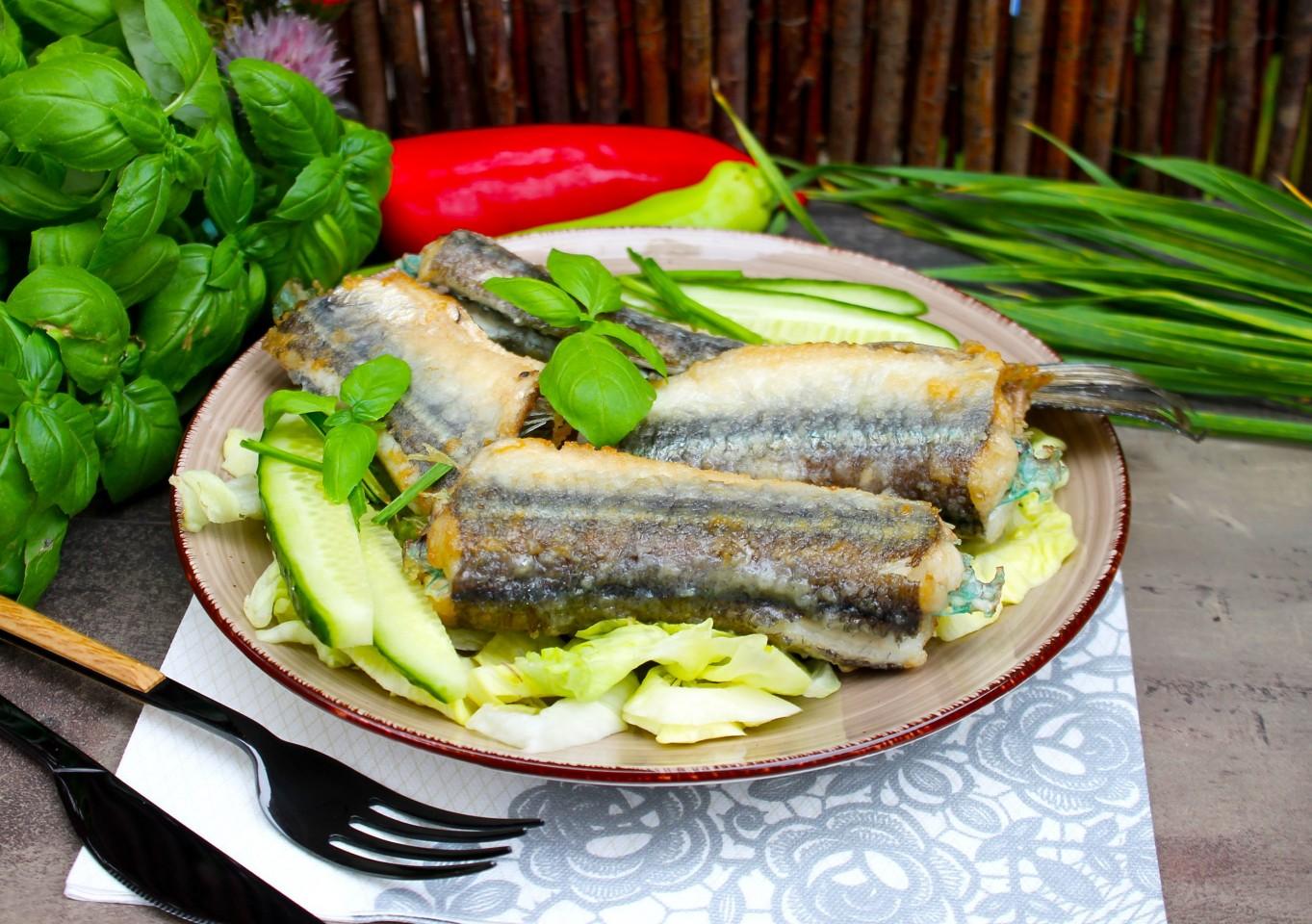
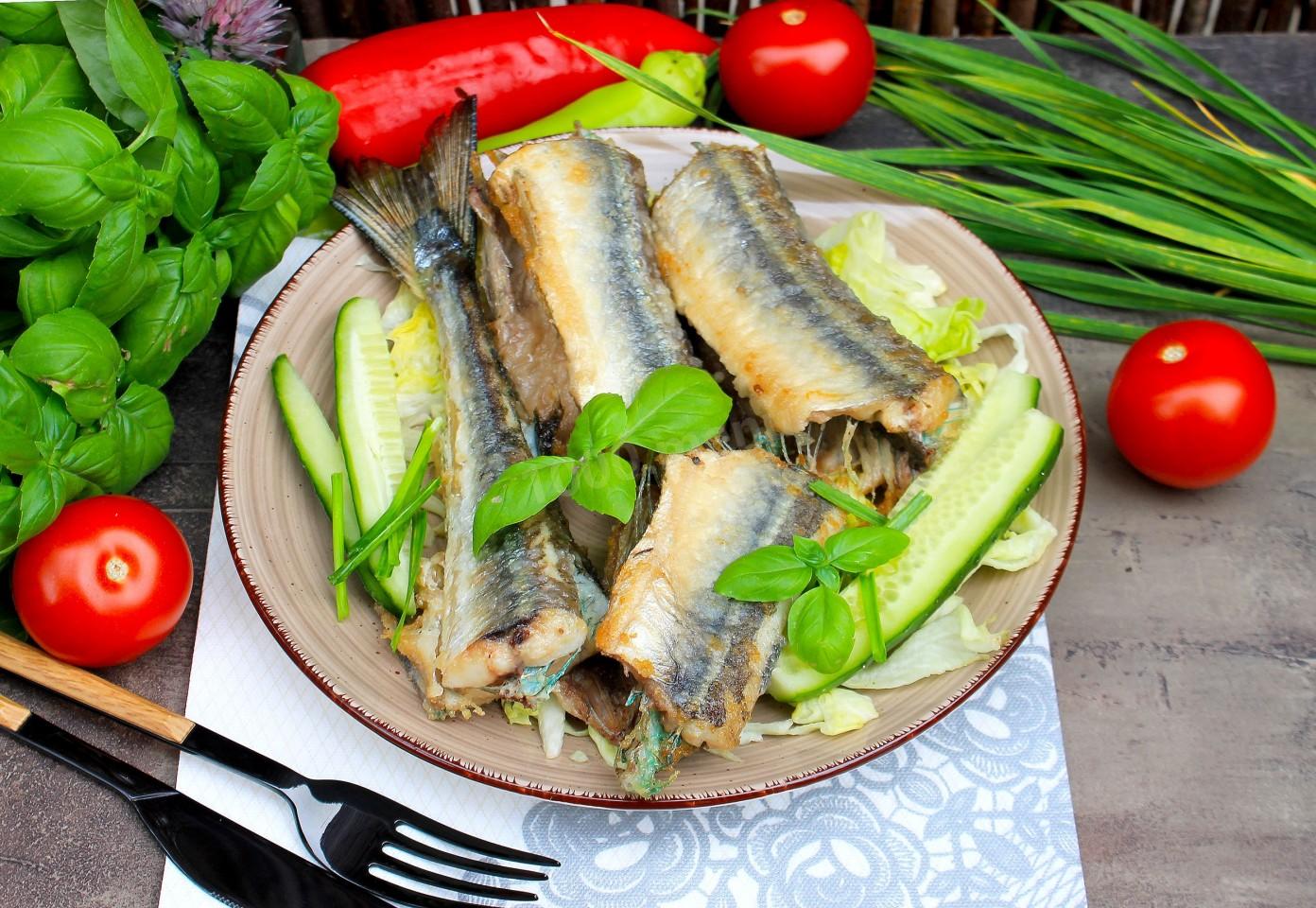
The spine and rib bones of garfish are a green-turquoise color. Cooking doesn't dull that color — if anything, it gets brighter.
-
Step 5:
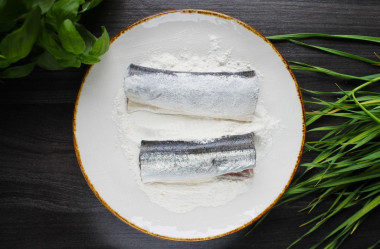
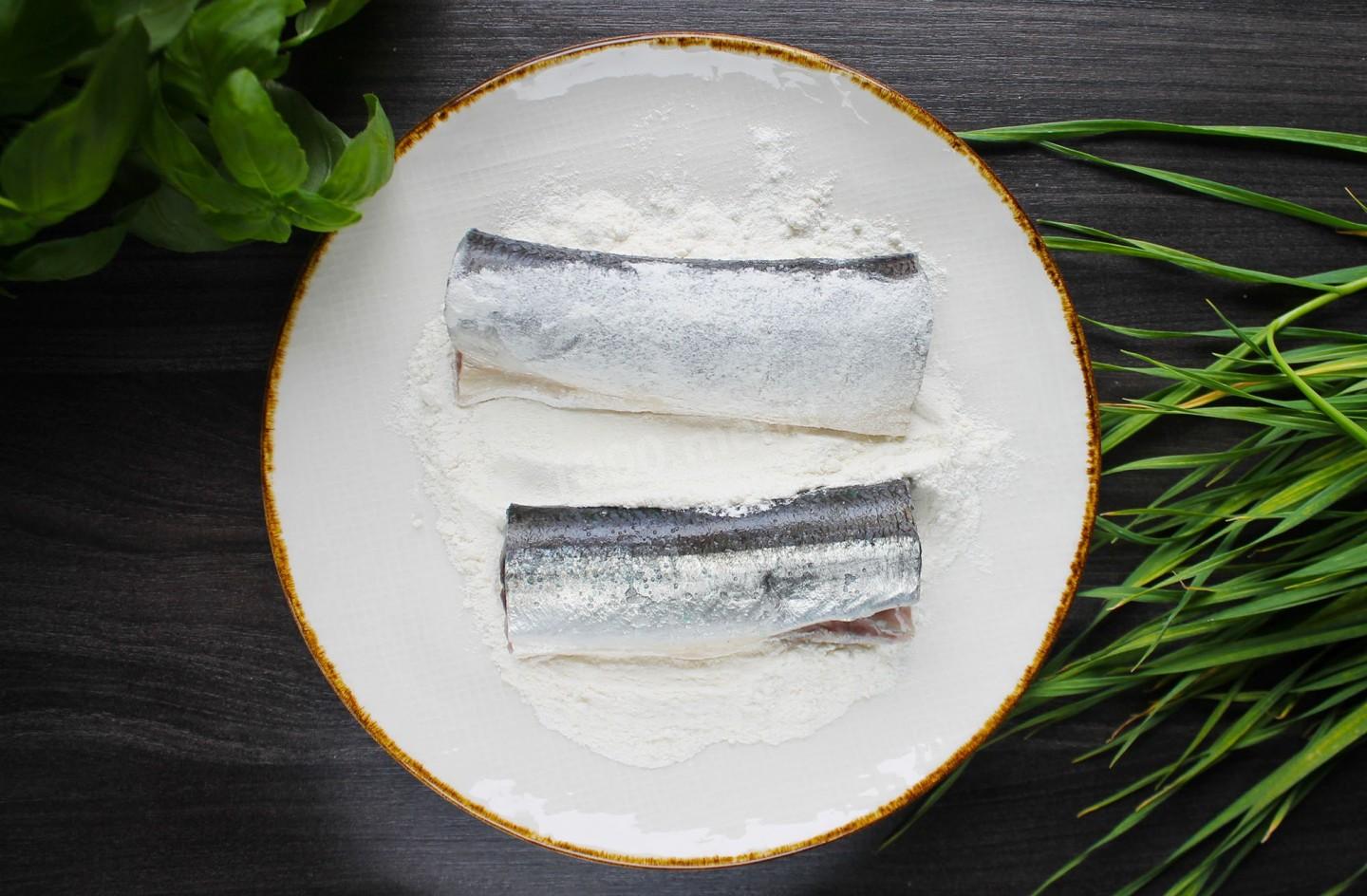
Put flour in a shallow dish. Lightly salt each piece of fish all over, then dredge it in flour.
-
Step 6:
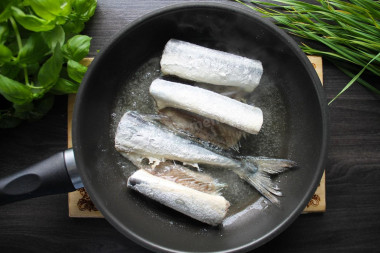
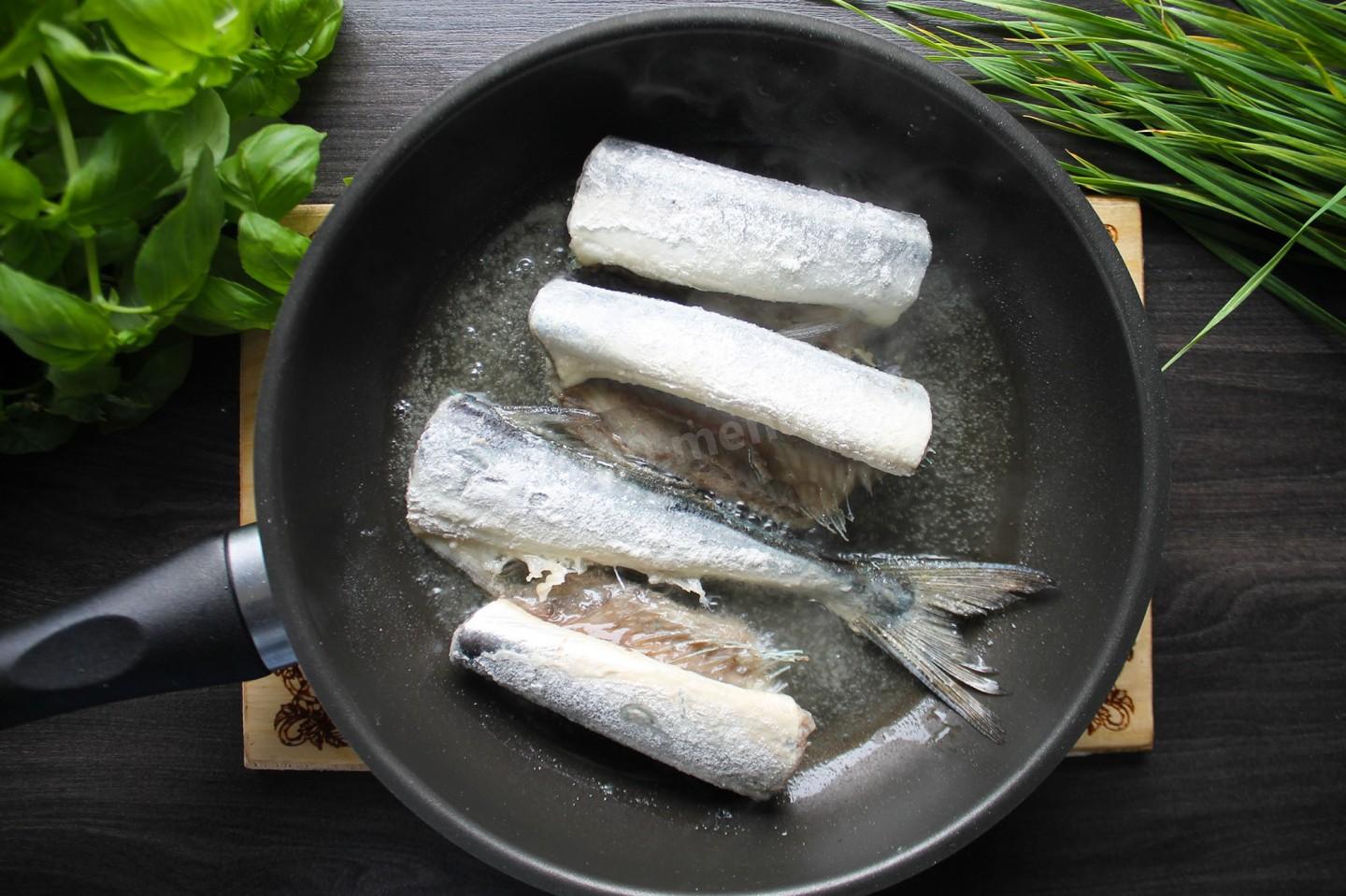
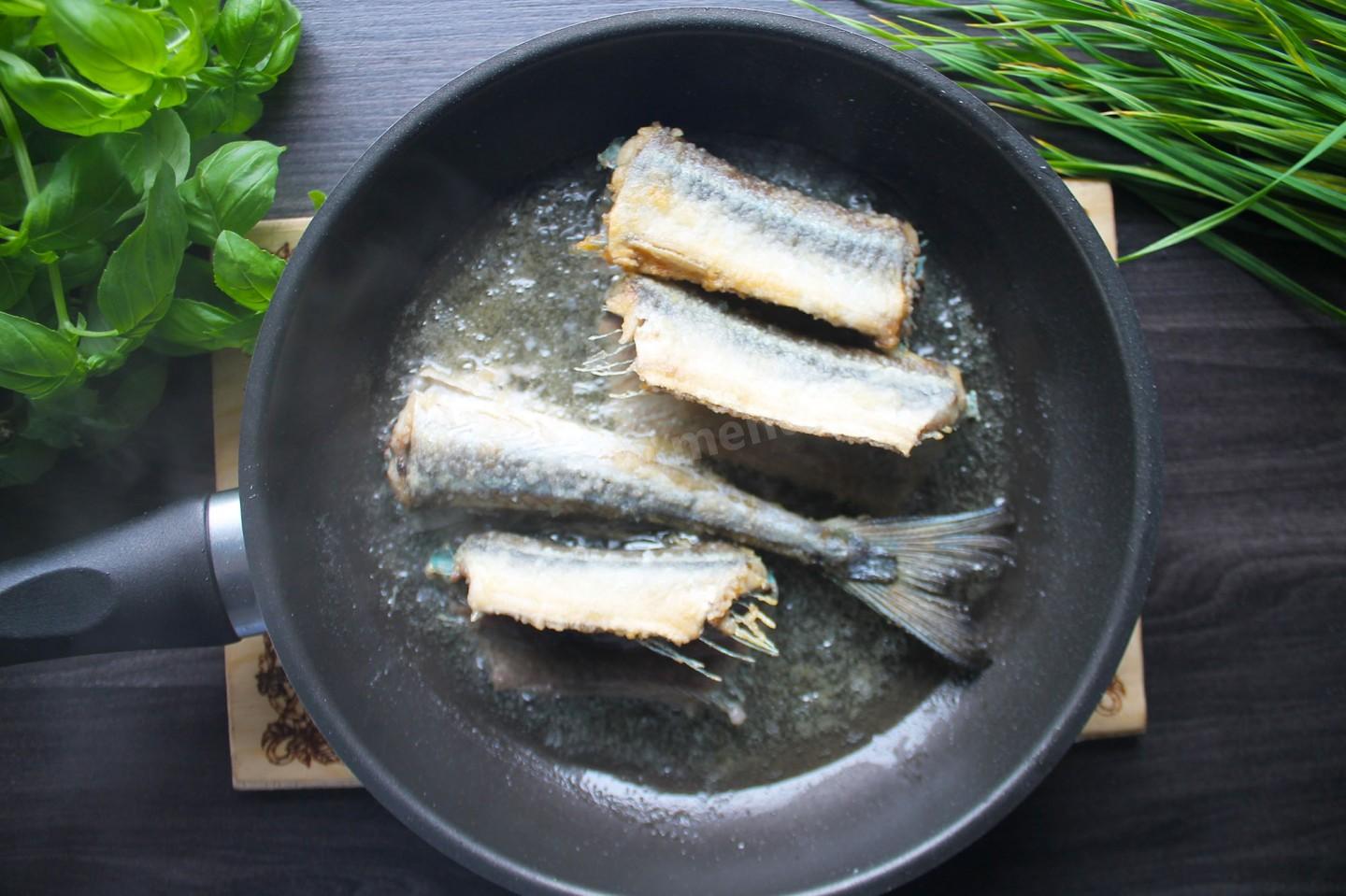
Heat refined vegetable oil in a heavy-bottomed skillet. Add the fish, turn the heat down to moderate, and fry until the skin turns golden. This takes about 5–7 minutes.
-
Step 7:
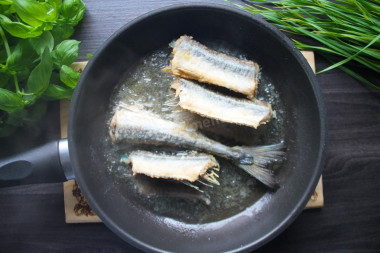
Flip the pieces and cook the fish through — another 5 to 7 minutes. As it fried, I covered the pan for 1–2 minutes so the fish would cook through better.
-
Step 8:
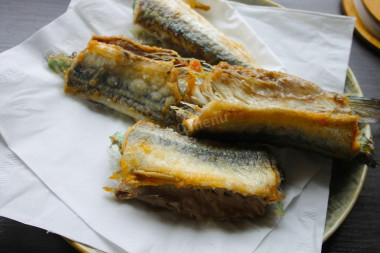
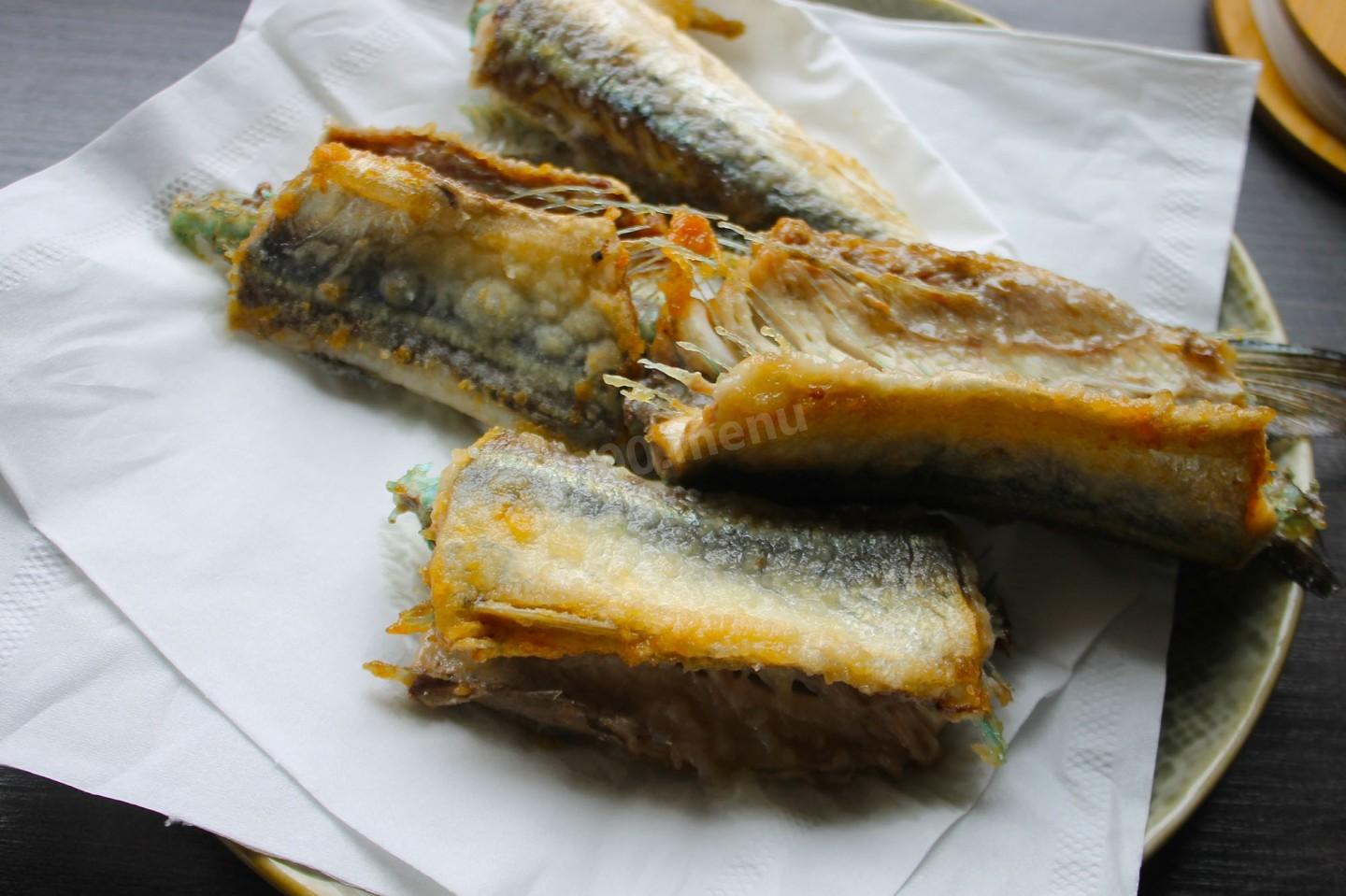
Set the pieces on paper towels to blot off excess oil.
-
Step 9:
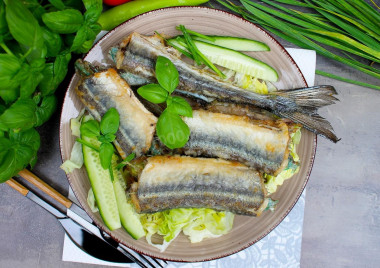
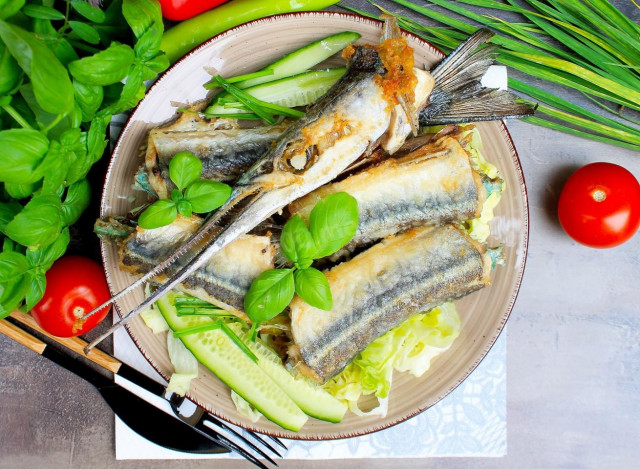
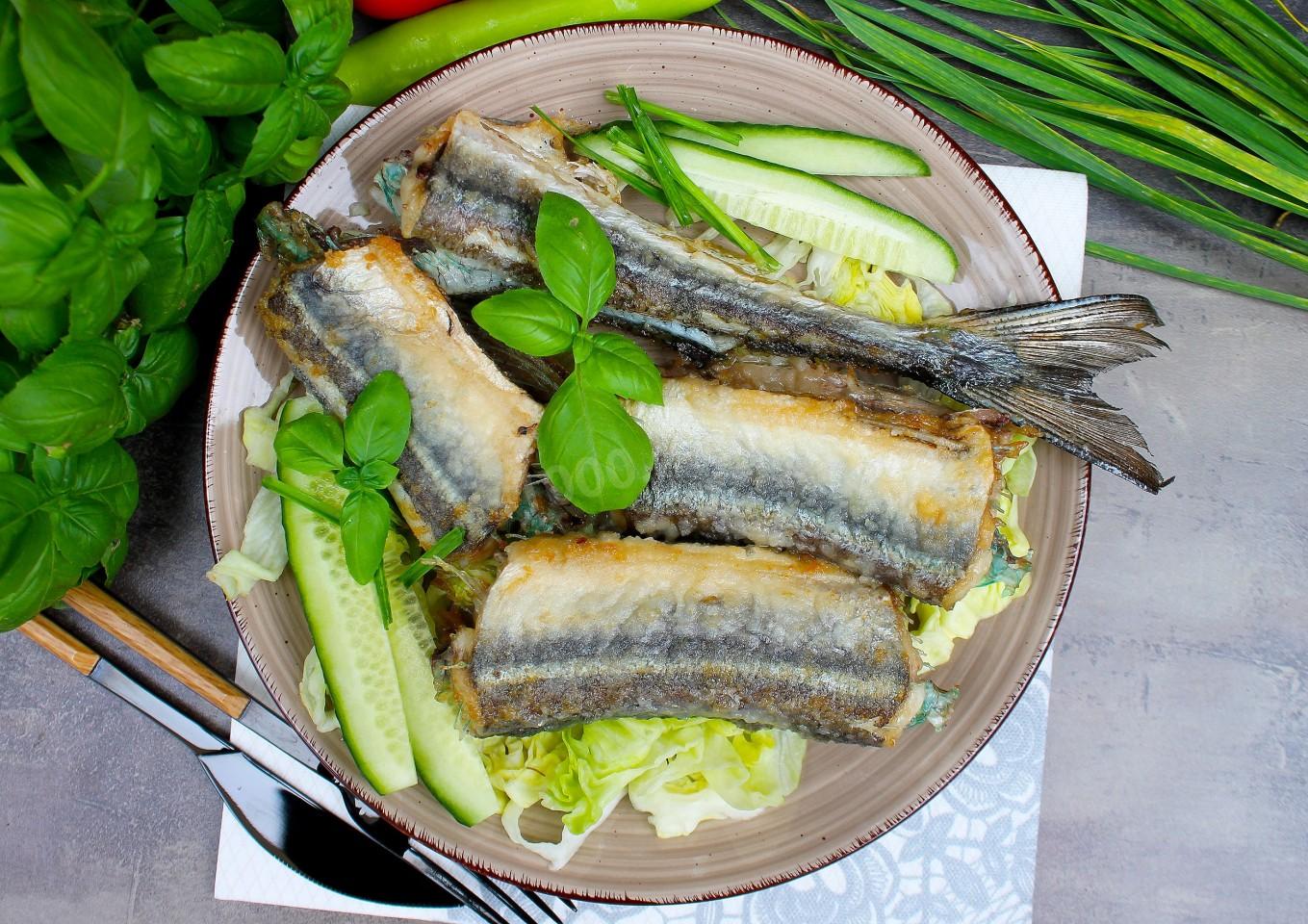
Serve the garfish with fresh vegetables or salads. Garnish with lettuce and fresh herbs. Serve it hot or cold.
-
Step 10:
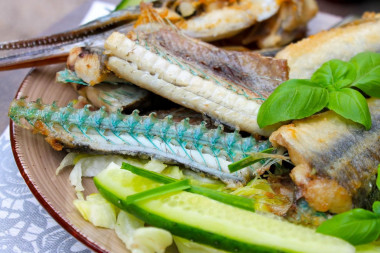
Very unusual and incredibly delicious!
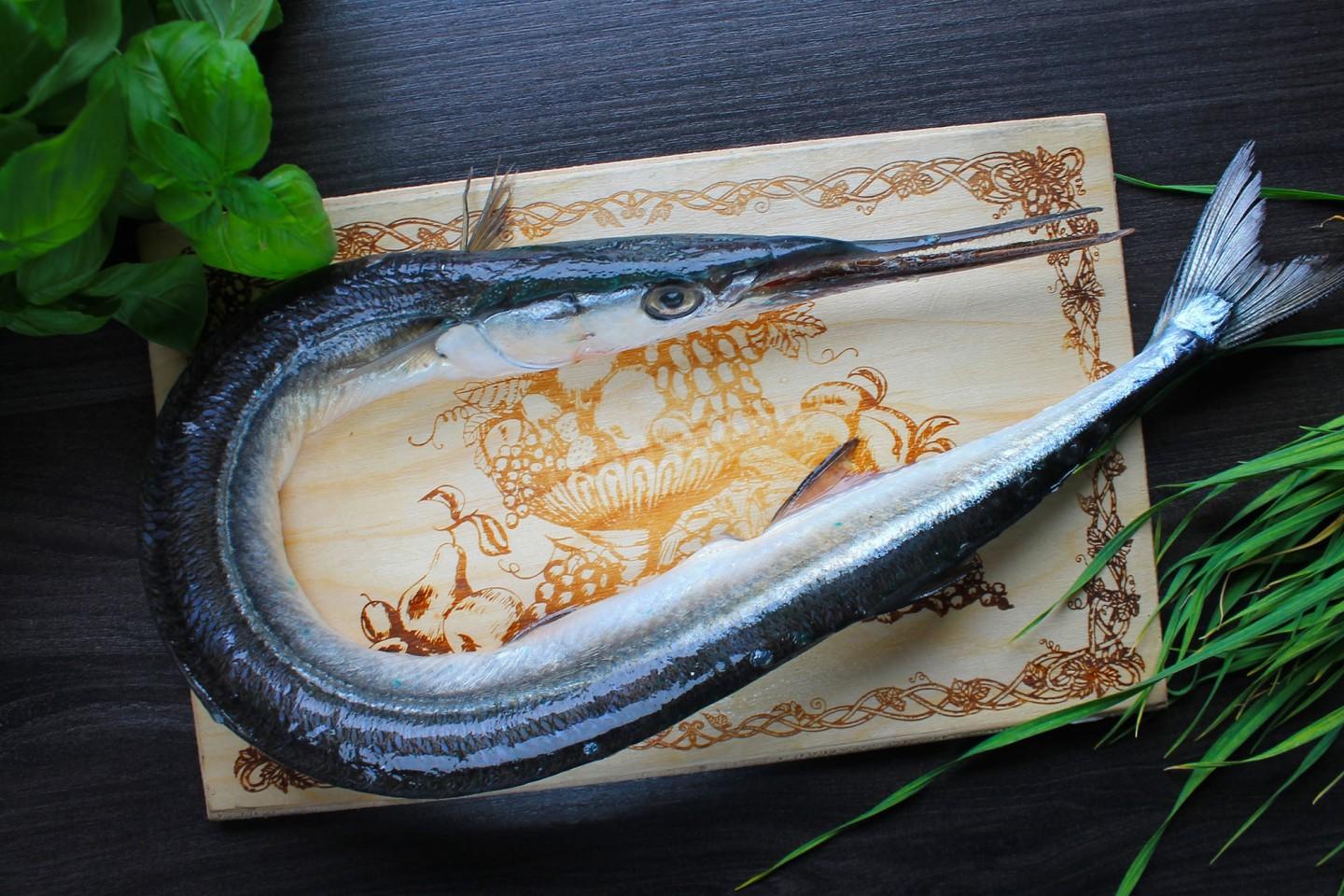
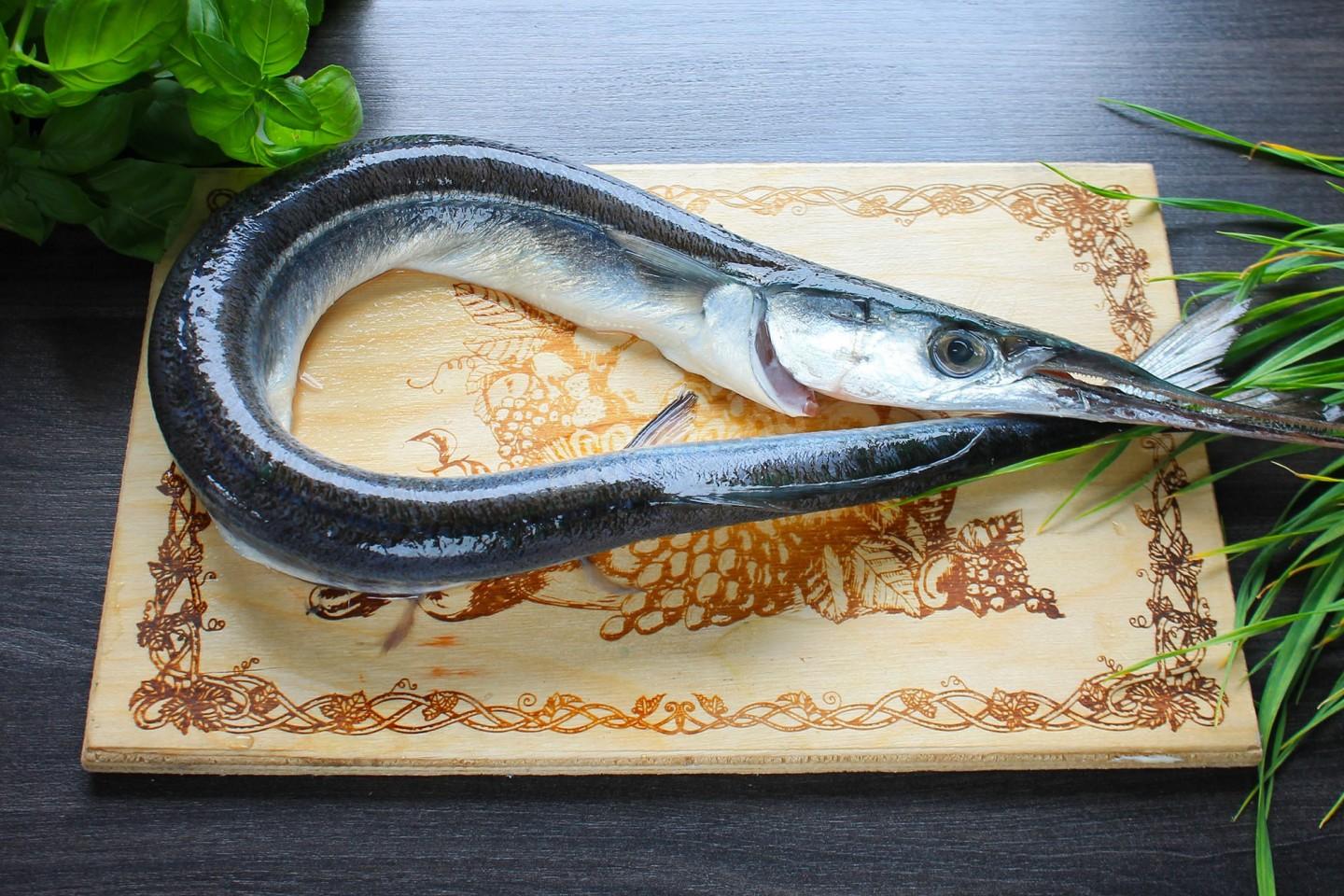
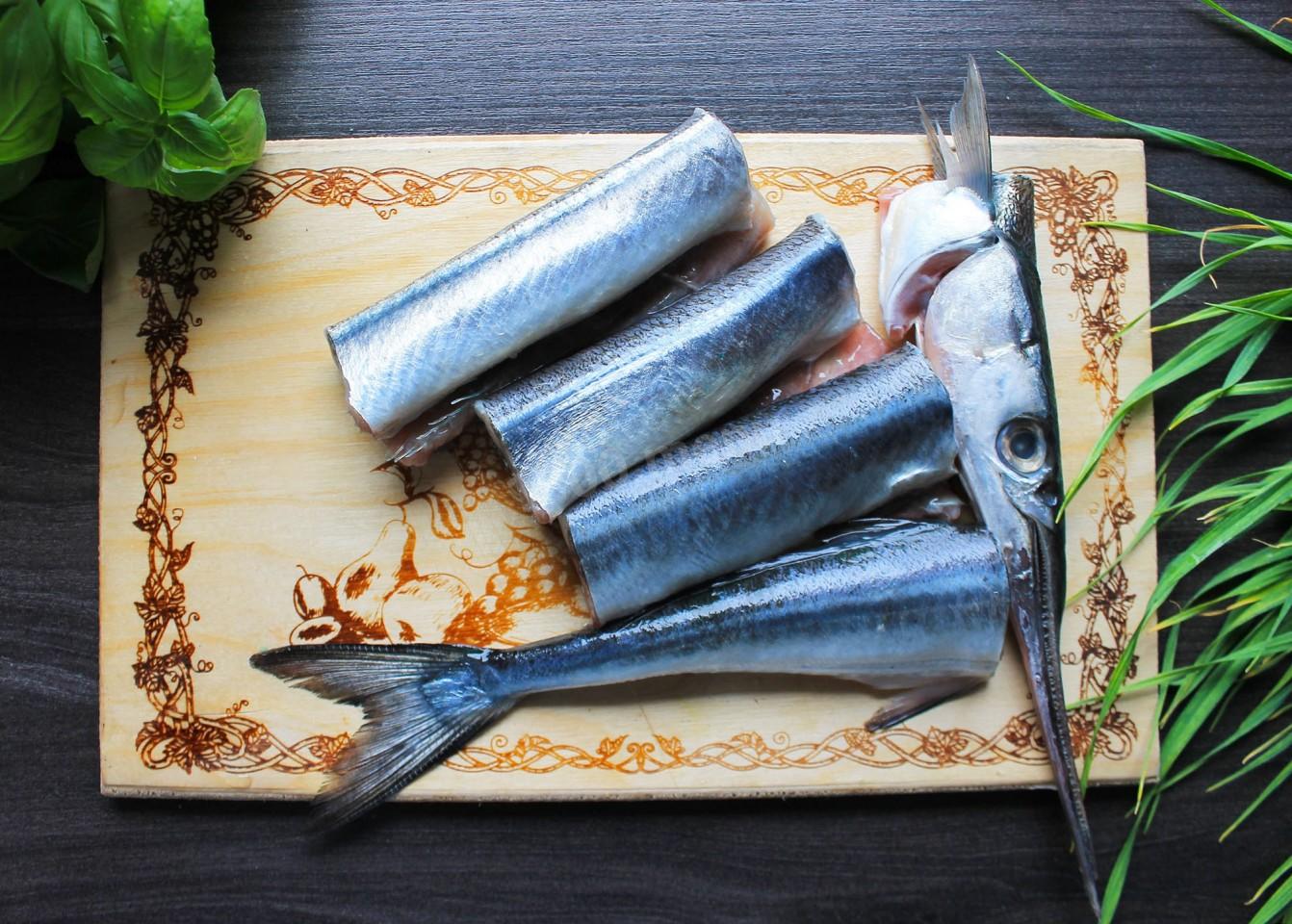
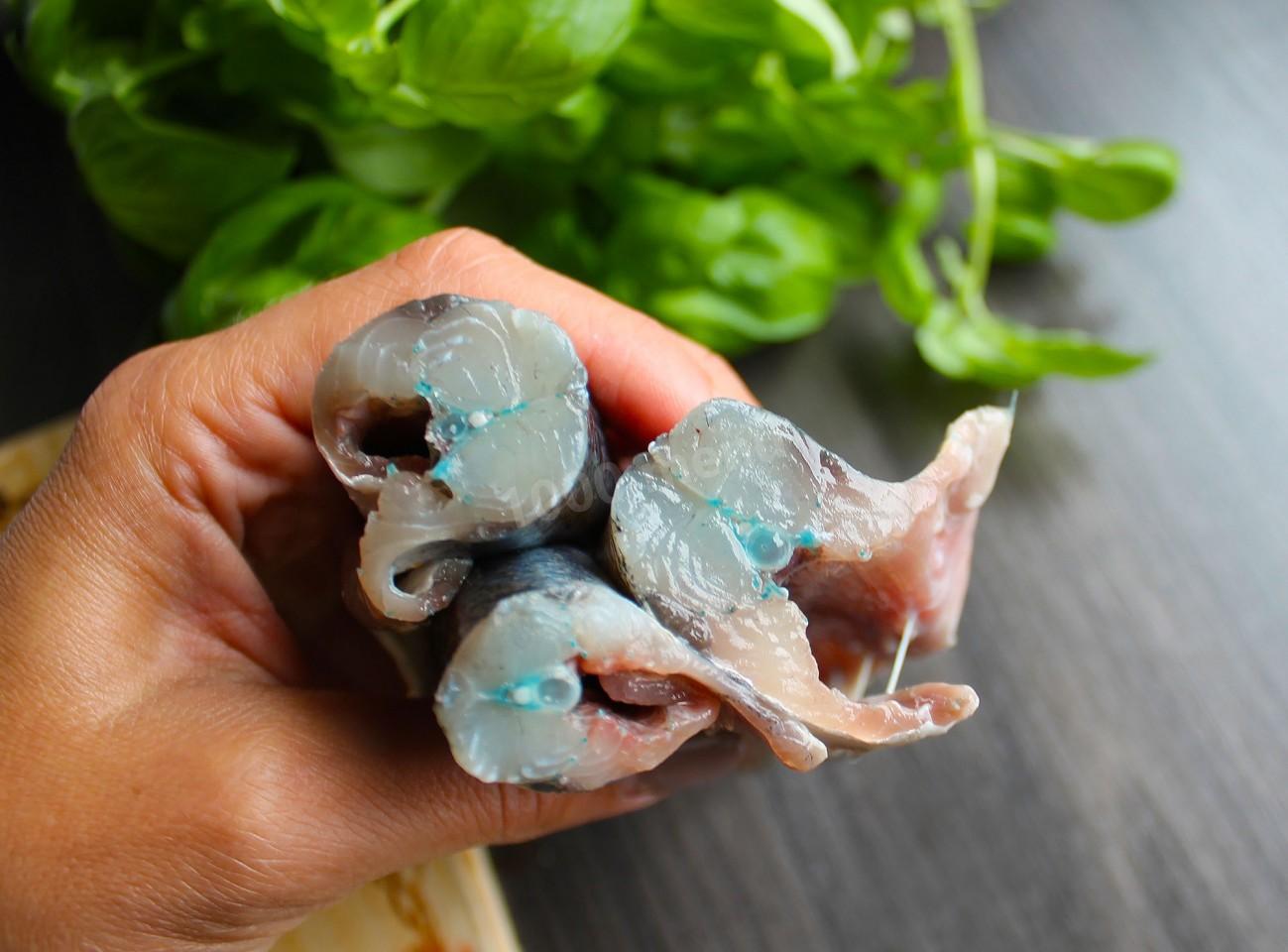
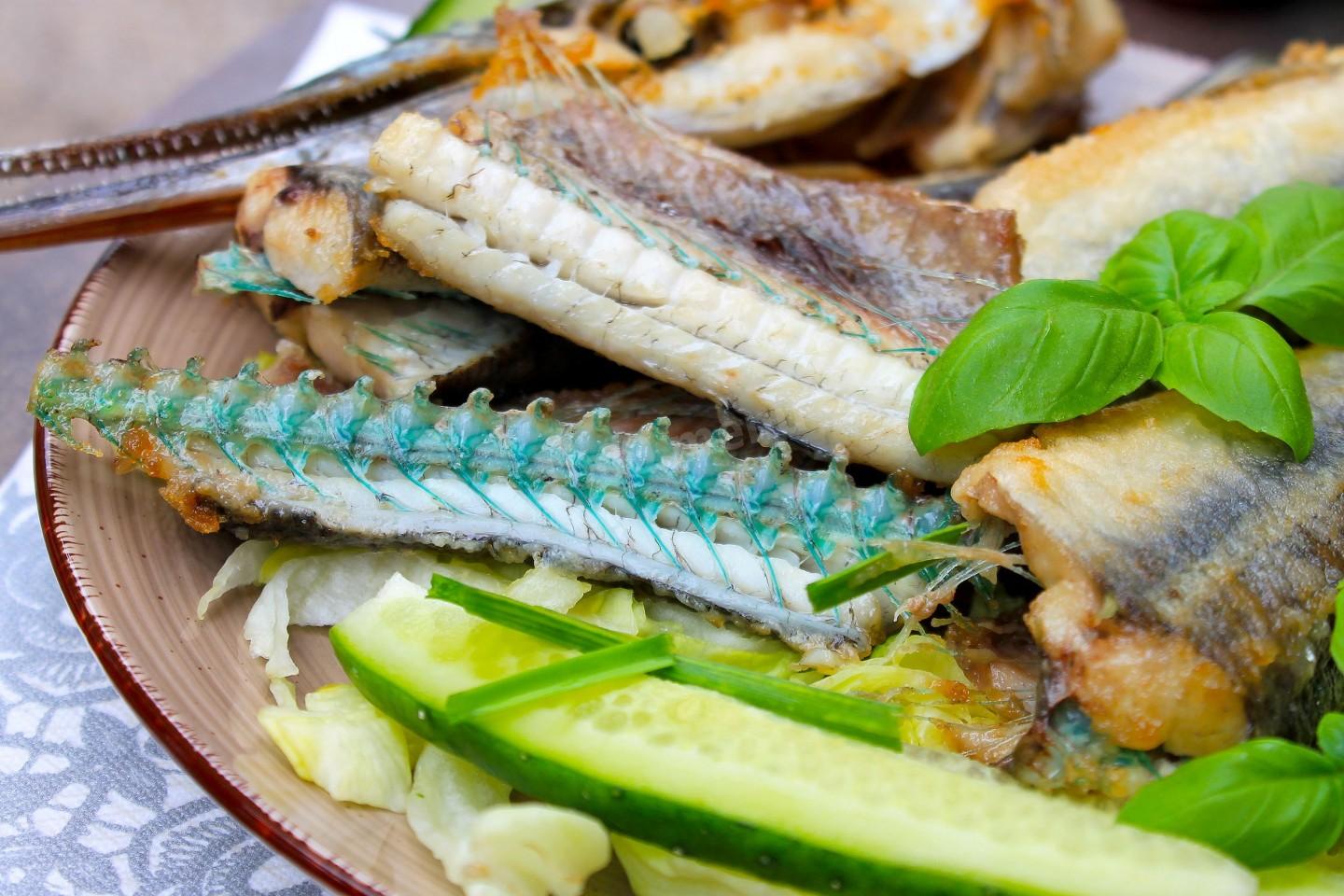
- Garfish (sargan) is a marine schooling fish, somewhat like eel or needlefish. What makes it remarkable is its green-turquoise bones — even a soup or chowder made from it comes out pale green. Some people think the color comes from a high phosphorus content, but that's a myth. The green-to-turquoise color of the skeleton actually comes from a special pigment called biliverdin. It's a very healthy, tasty fish, and you can make plenty of appetizing dishes from it. Be sure to give it a try. Enjoy!
- Fry in an oil with a high smoke point! Every oil is good only up to a certain temperature — the smoke point — beyond which it starts to burn and form harmful compounds, including carcinogens. Unrefined oils, with rare exceptions, have a low smoke point; they're full of unfiltered organic particles that burn quickly. Refined oils stand up to heat better and have a higher smoke point. Whether you're cooking in the oven, in a skillet, or on the grill, use an oil with a high smoke point. The most common ones are refined sunflower, olive, and grapeseed oil.
Caloric content of the products possible in the composition of the dish
- Whole durum wheat flour, fortified - 333 kcal/100g
- Whole durum wheat flour, all-purpose - 364 kcal/100g
- Fine semolina flour - 348 kcal/100g
- Flour - 325 kcal/100g
- Vegetable oil - 873 kcal/100g
- Salt - 0 kcal/100g