Juicy Pan-Fried Pike
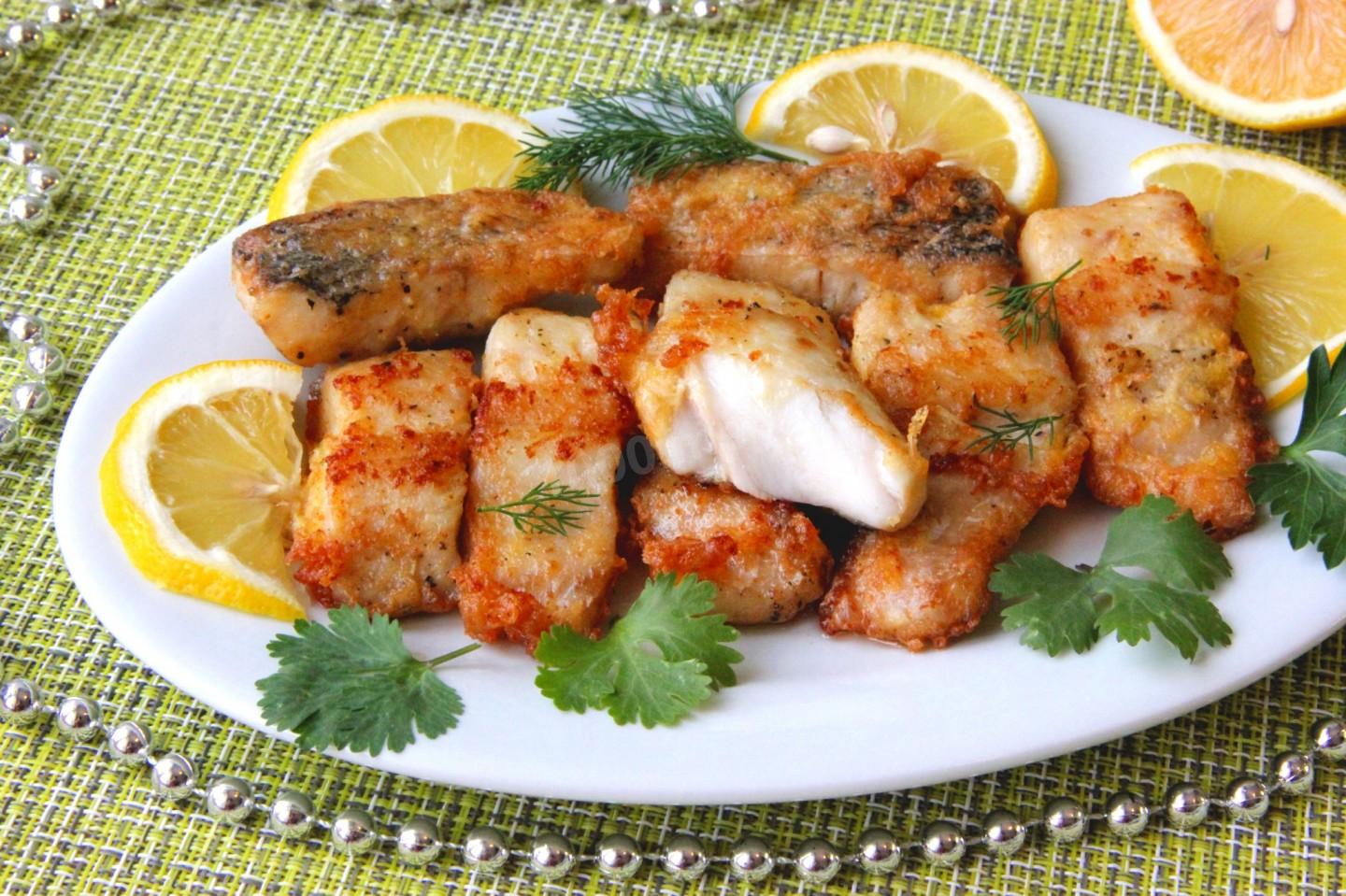
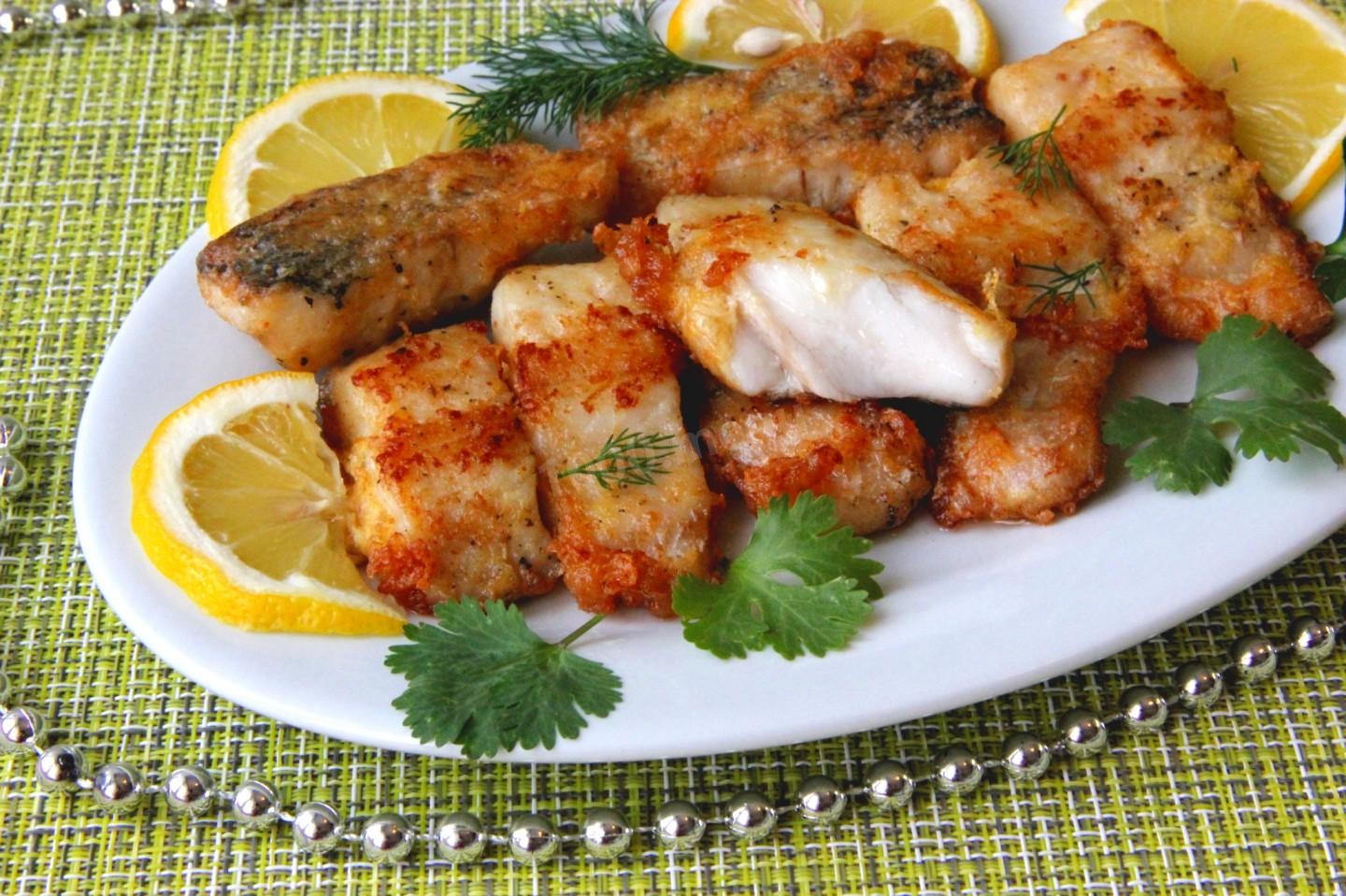
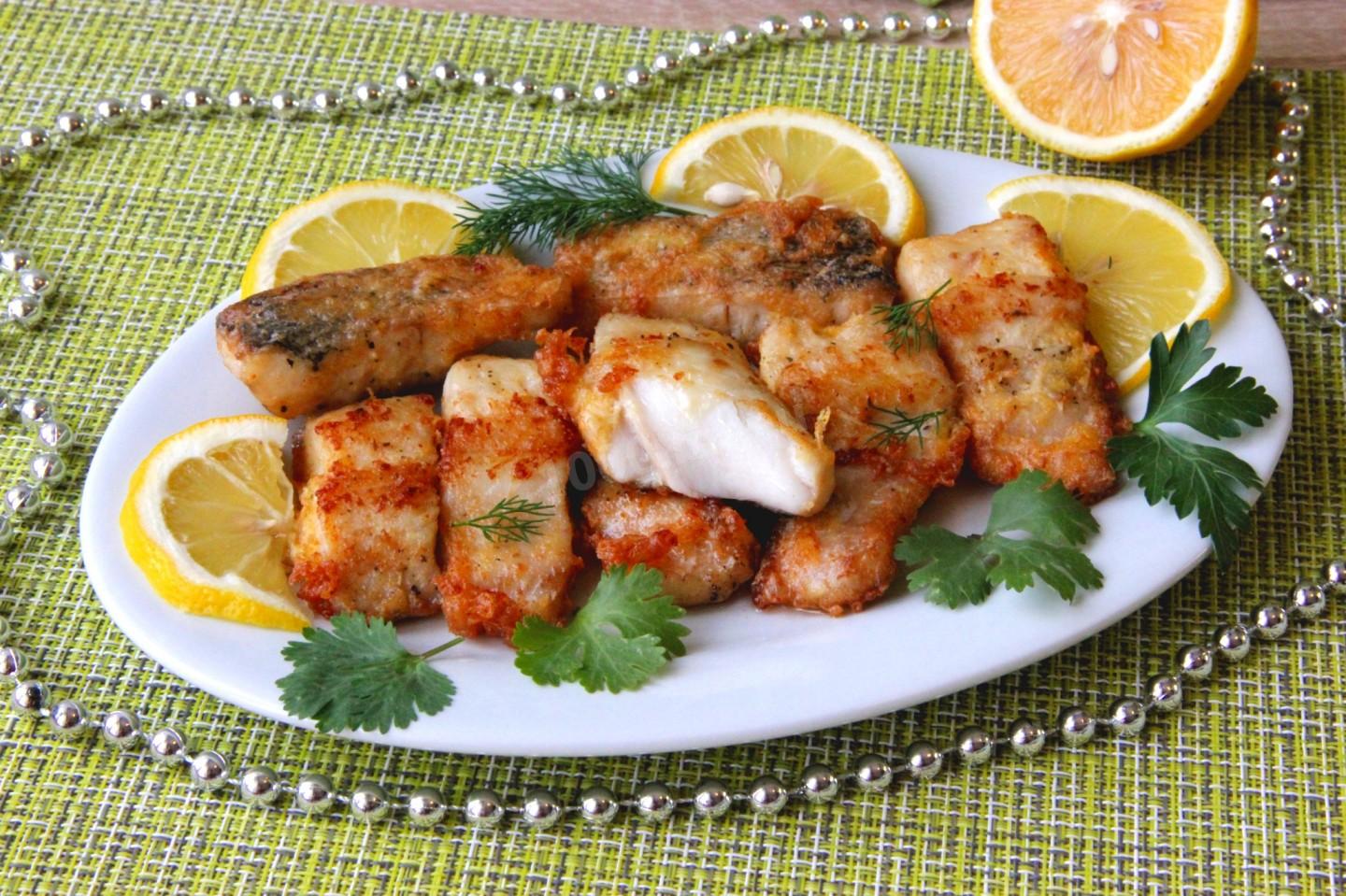
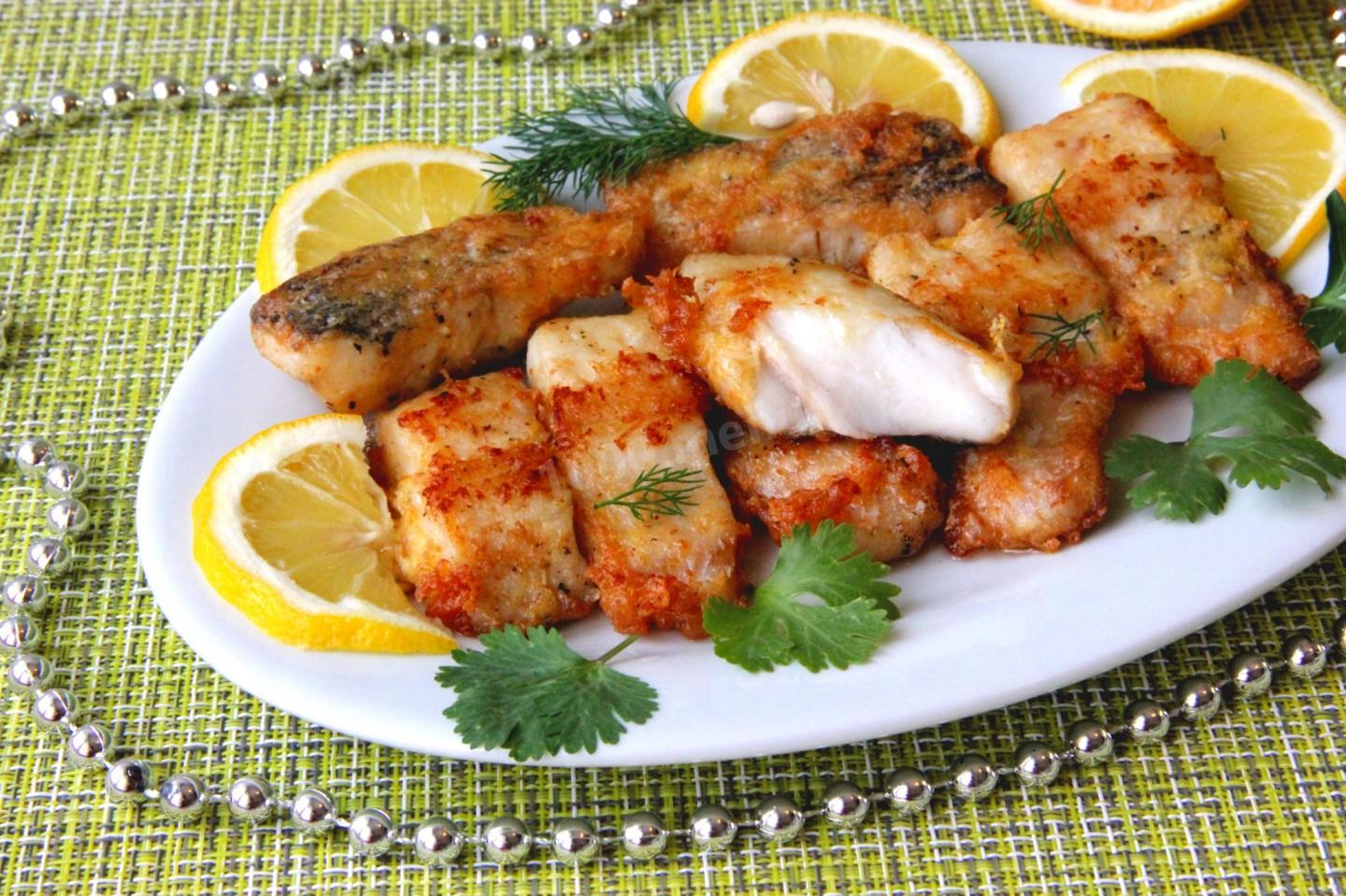
Is your fried pike coming out dry? This recipe keeps it juicy! Home cooks often shy away from frying pike because its flesh has a reputation for being dry. Pike is frequently pan-fried in batter, but that gives a thick crust that isn't to everyone's taste. Try using just egg instead — the fish transforms and stays juicy.

Cooking method
-
Step 1:
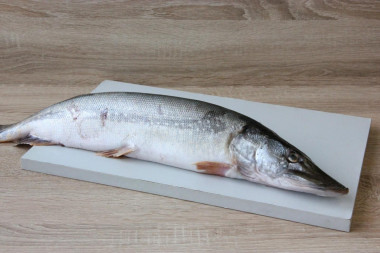
How do you fry a juicy pike in a skillet? The main ingredient here is, of course, the pike itself. Fresh is best, but chilled or even frozen works great. Mine happens to be frozen, and it needs to be thawed properly so the flesh keeps its juiciness. Set it on the bottom shelf of the fridge so it thaws gradually. Don't forget to wrap it well in a bag so it doesn't dry out — and so the fridge doesn't pick up fishy smells. I put it in overnight and cook in the morning.
-
Step 2:
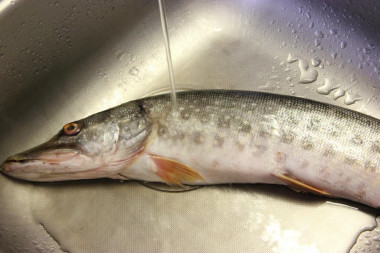
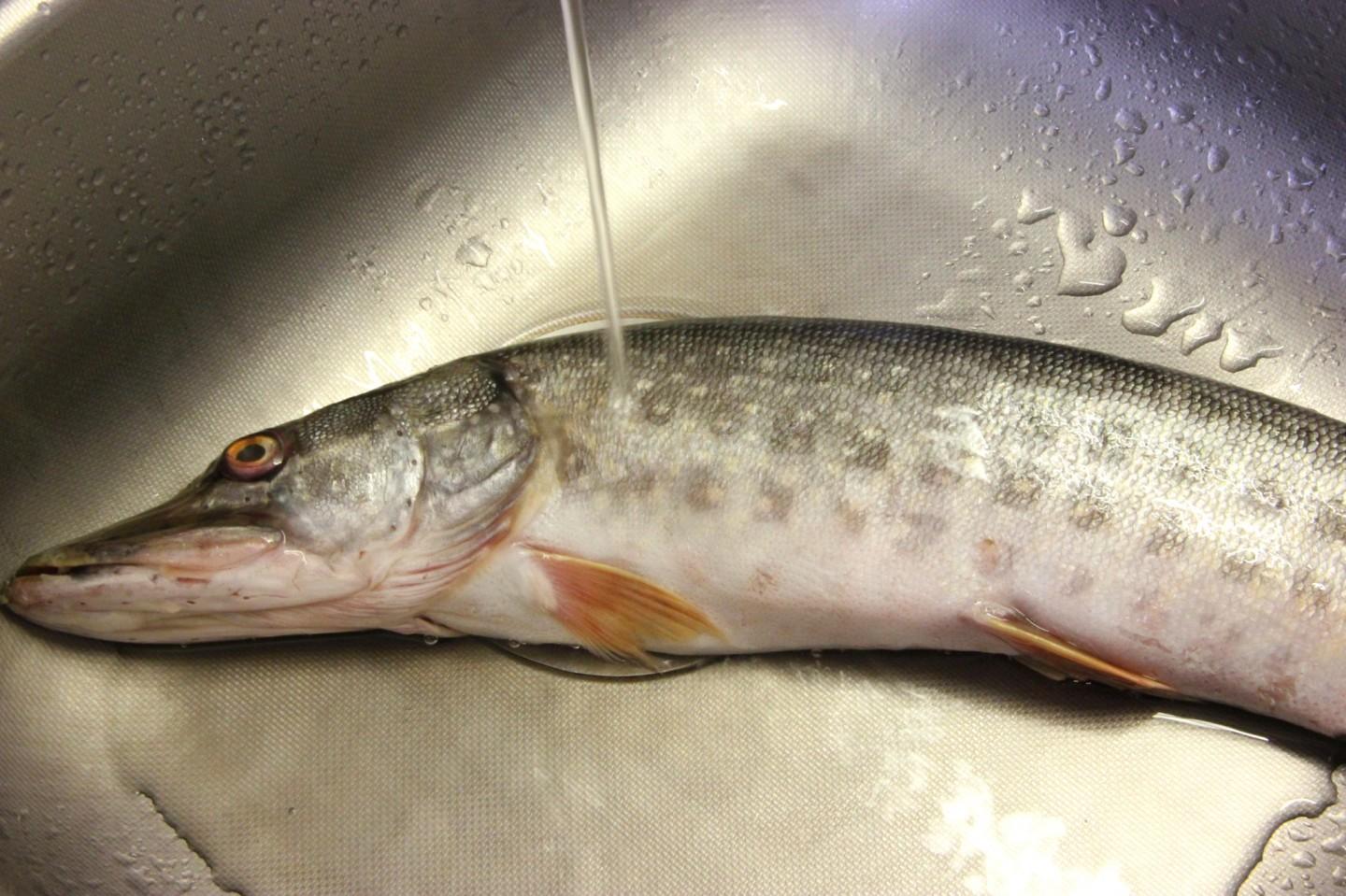
Rinse the fish well under cool water and thoroughly scrape the head with a knife — it makes a wonderful fish soup. Starting from the tail, scrape off the scales. They're small and there are plenty of them, but the fish cleans up fairly easily. To keep from clogging the sink, it's best to clean it in a wide bowl with enough water to cover the fish, so the scales don't scatter. Carefully pour off the water afterward, and put the scales in a bag and into the trash. Rinse the cleaned pike once more.
-
Step 3:
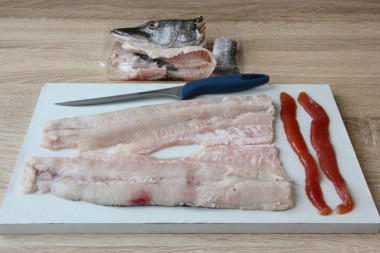
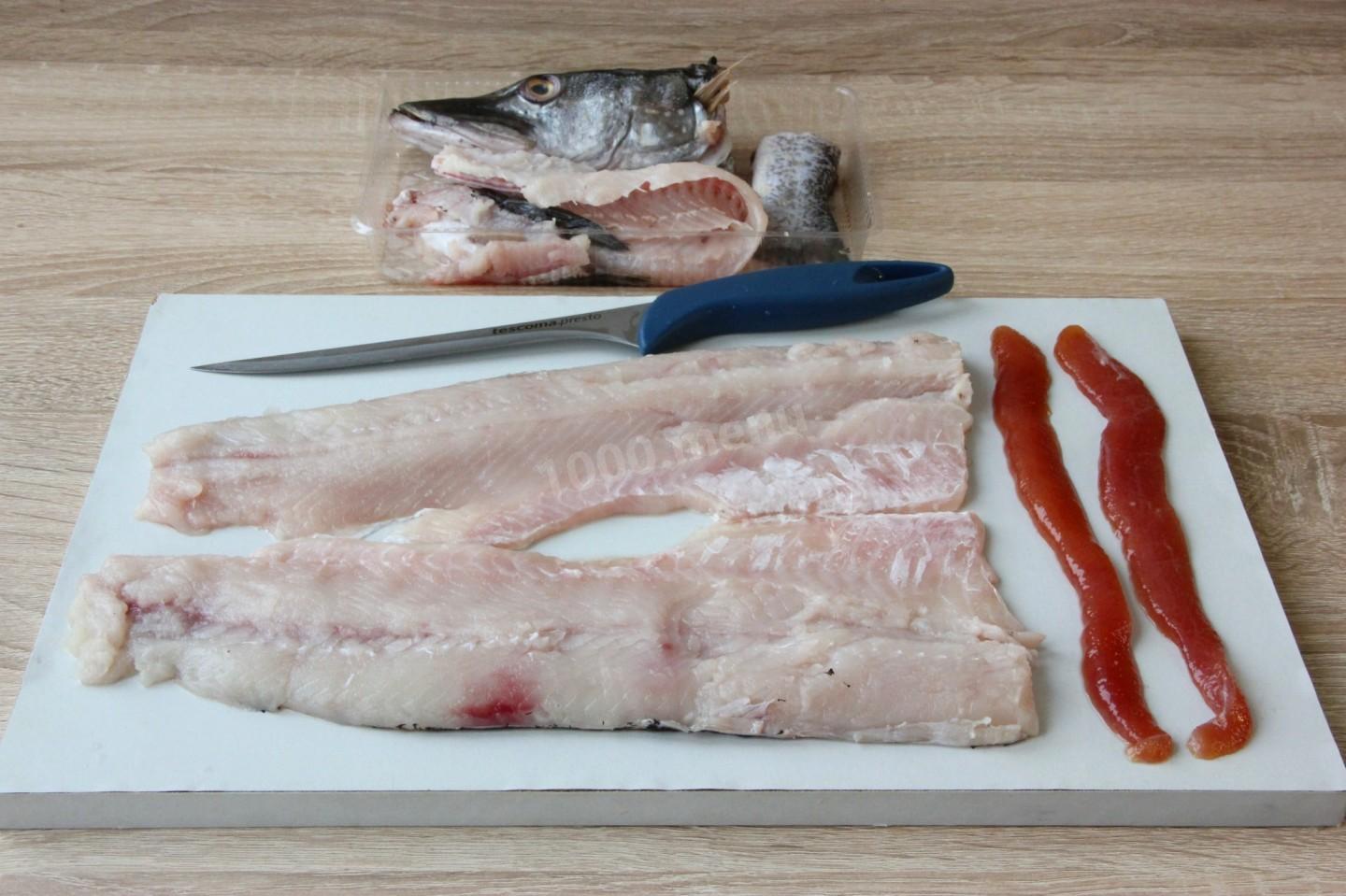
Now break down the fish. Cut along the belly from tail to head and gut it carefully, taking care not to pierce the roe or the gallbladder so the fish won't turn bitter. Cut off the head, fins, and tail. With a sharp knife, cut along the backbone to remove the fillets from both sides. Leave the skin on — it's thin and clean, and we'll fry with it. Set aside the head, fins, tail, and backbone for fish soup. Trim any remaining membrane from the belly of the fillets, then rinse and pat dry.
-
Step 4:
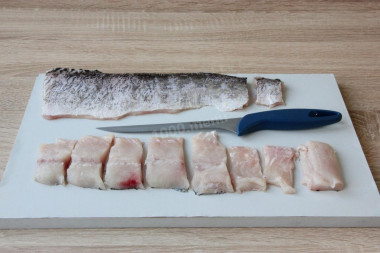
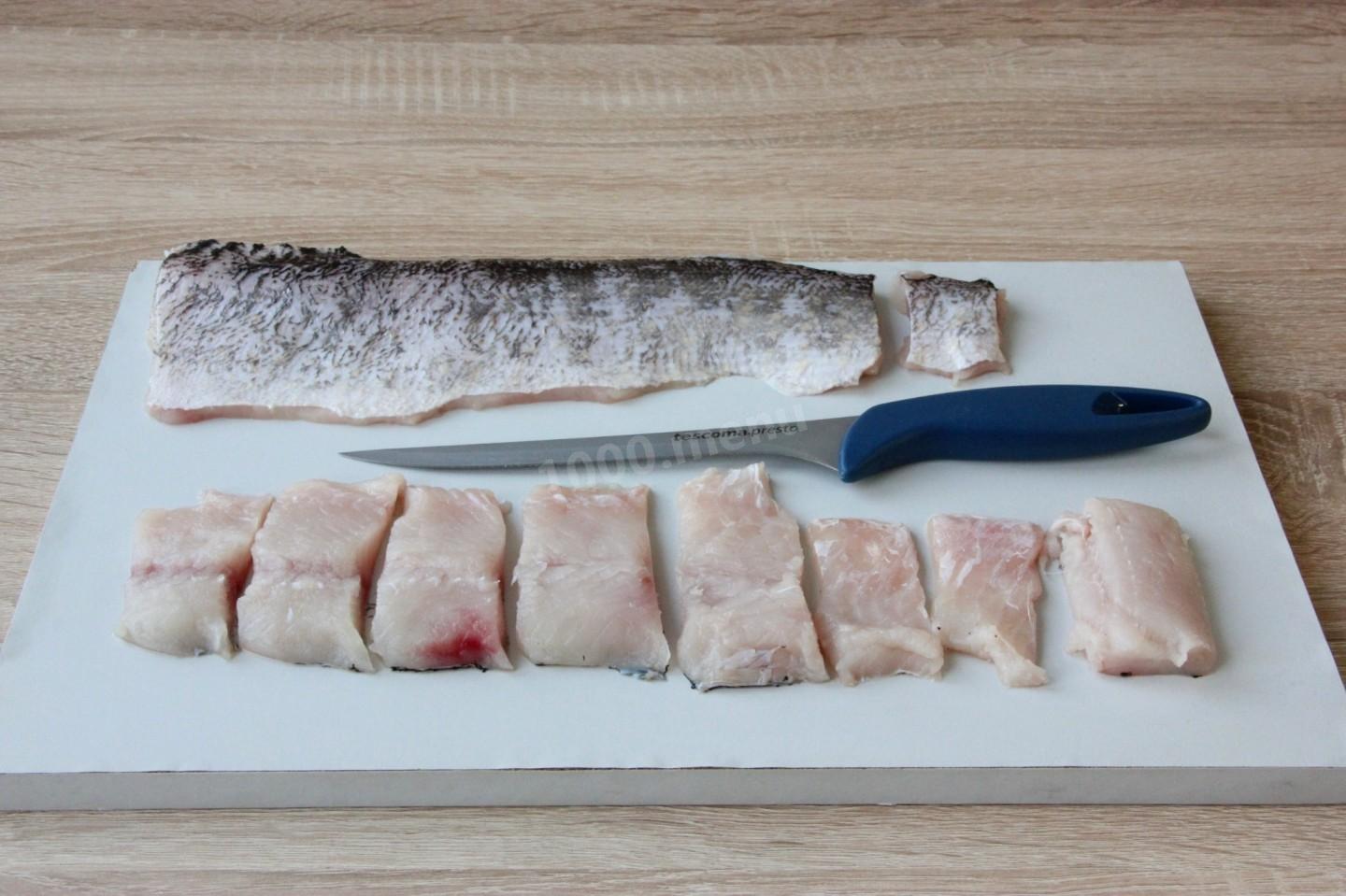
Cut the fillets into serving pieces about 1-1/4 inches (3 cm) wide. If the pike is large, it's best to cut the thick back portion separately so it cooks evenly. You can also save the back for fish cakes — another very tasty dish.
-
Step 5:
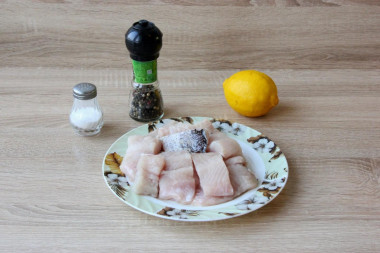
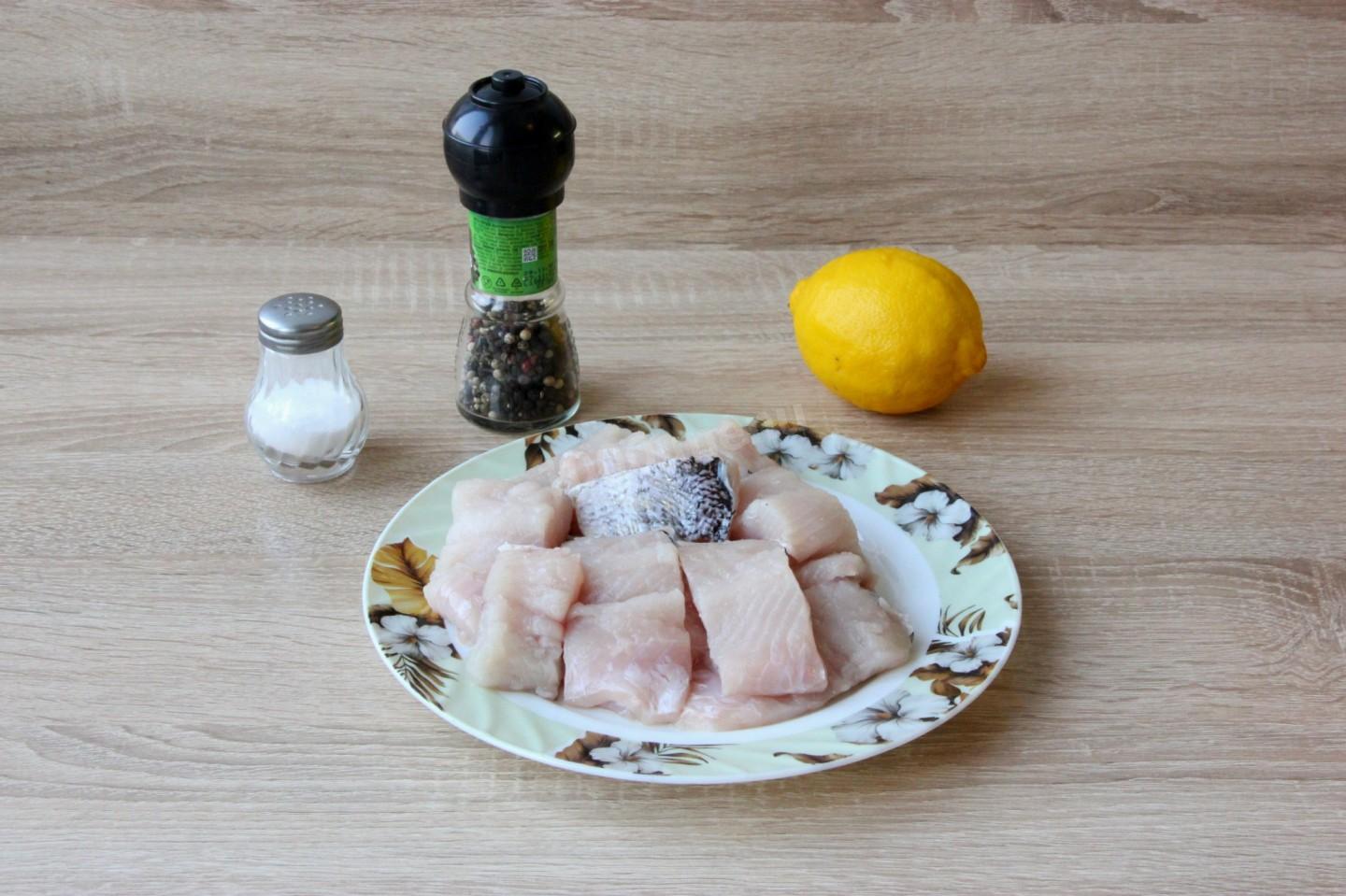
Season the prepared fillets with just a little salt and pepper; you can add a pinch of fish seasoning and, if you like, a tablespoon of lemon juice. The juice firms up the flesh and cuts any fishy smell, but it'll be fine without lemon too — pike doesn't have an unpleasant fishy odor. Mix everything well and let it marinate, just 10–15 minutes. Set a skillet over high heat and pour in enough oil to cover the bottom and come about a third of the way up the fish.
-
Step 6:
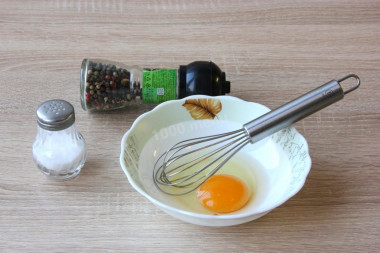
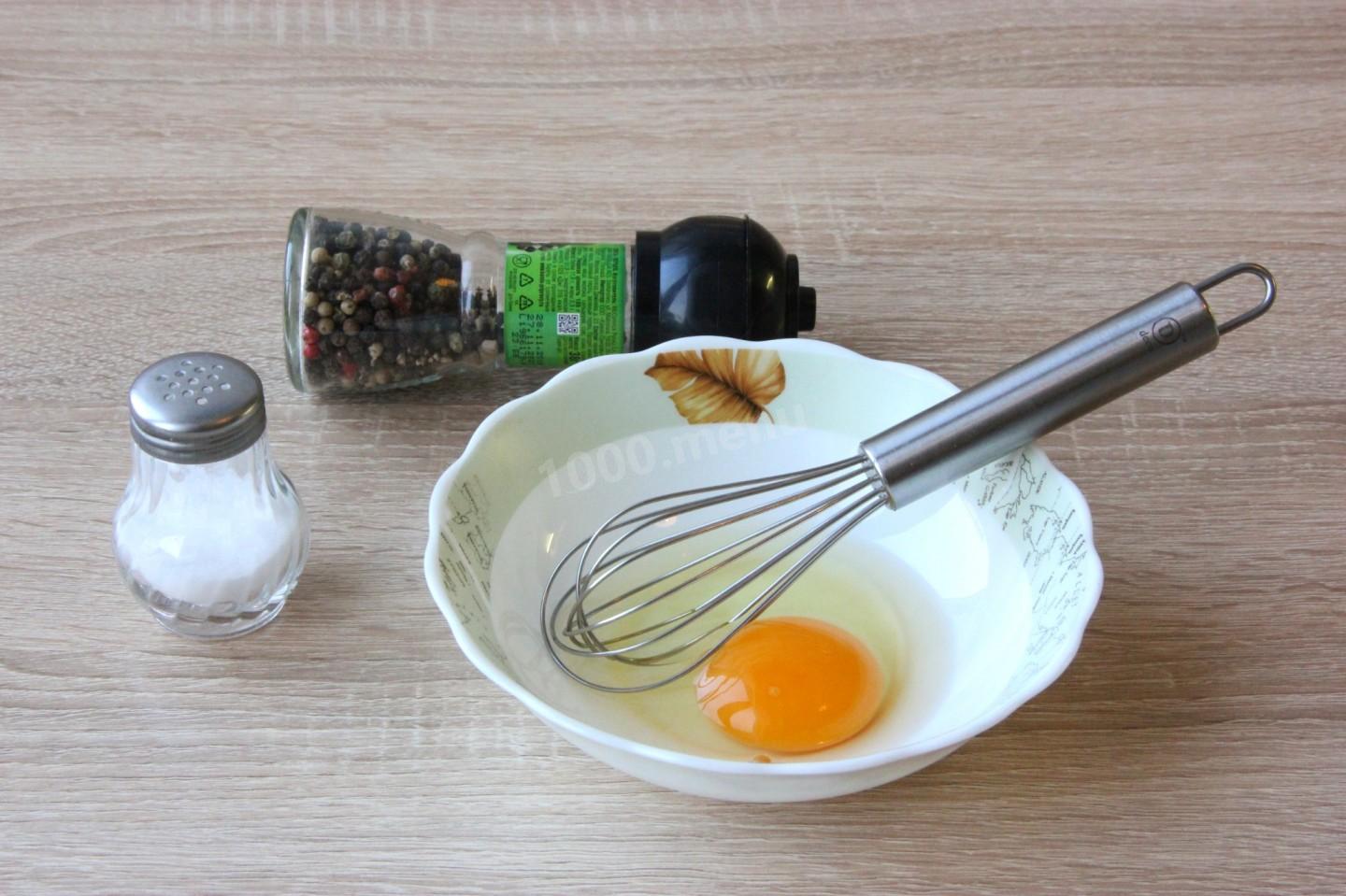
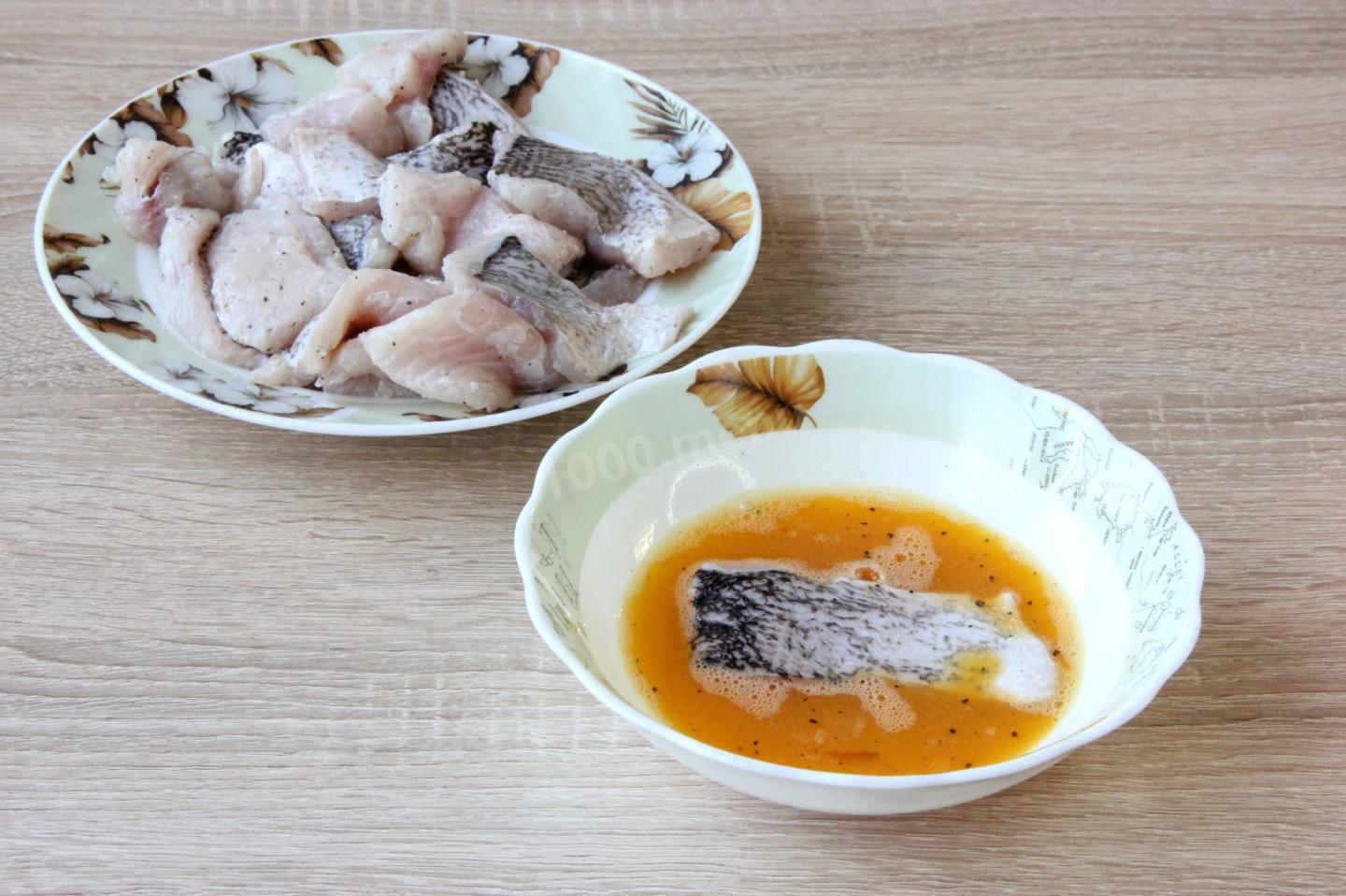
While the oil heats, crack the egg into a bowl, add a pinch of salt and a little pepper, and beat well with a whisk or fork.
-
Step 7:
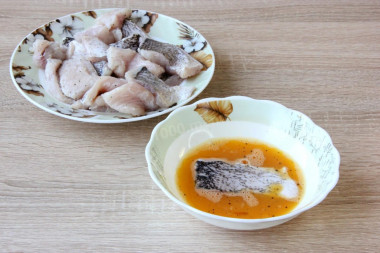
Once the oil is up to temperature (it sizzles around a wooden chopstick), lower the heat to medium-high. Dip each piece of fillet in the egg on both sides and set it in the skillet. Using only egg is the whole trick of this recipe — it coats the fish, lets dry pike stay juicy, and doesn't leave a thick extra crust the way batter does.
-
Step 8:
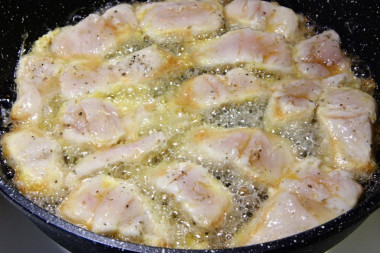
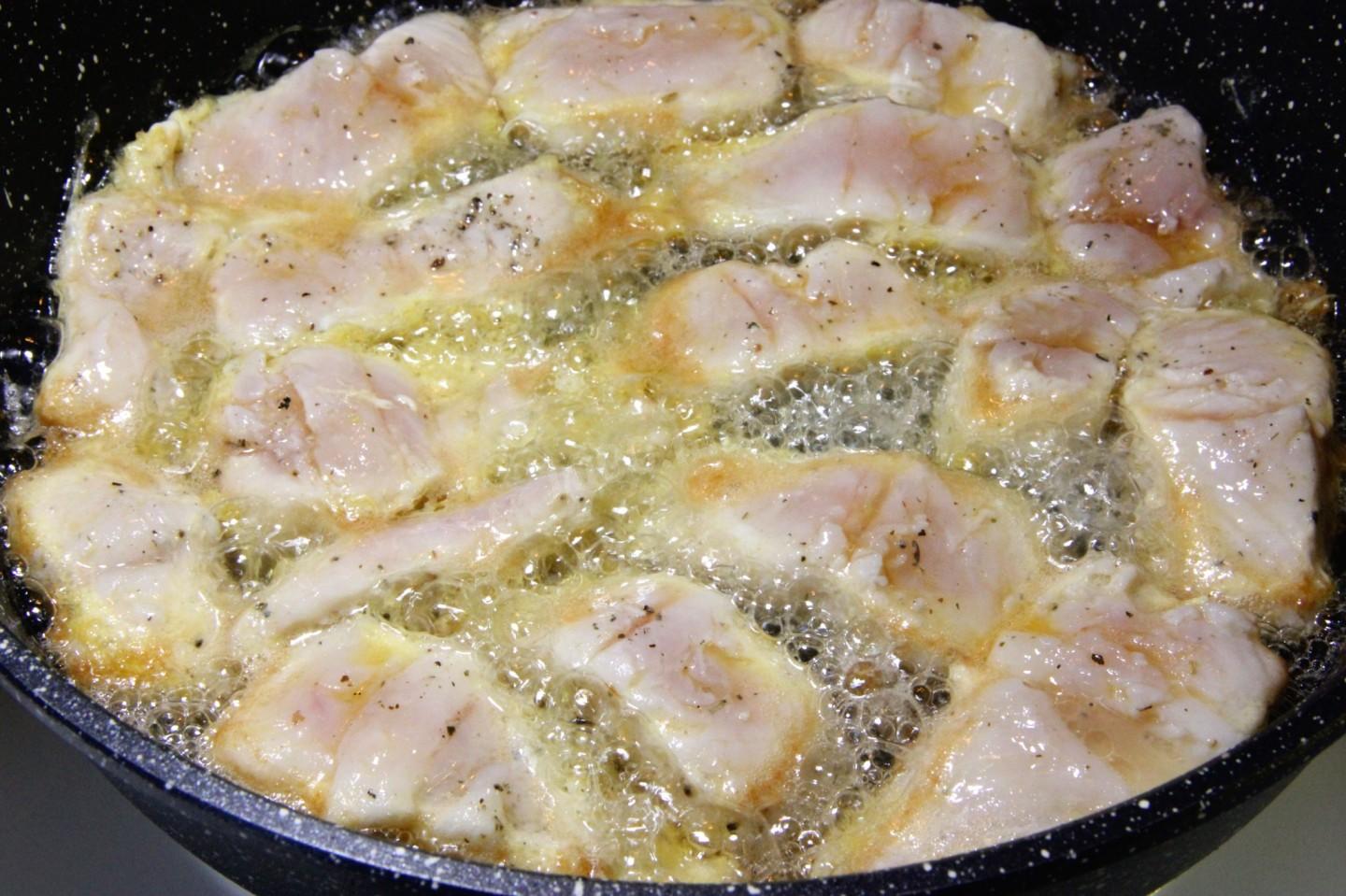
Lay the pieces skin-side down and fry for about 2 minutes, until the fish sets and only pink patches remain in the center of the fillet. A 10-inch (26 cm) heavy-bottomed skillet was big enough to fit all my fish at once. Once the pieces are browned on the bottom, flip them over without piercing the fish.
-
Step 9:
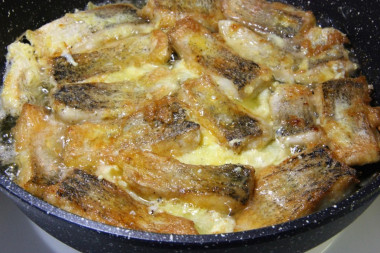
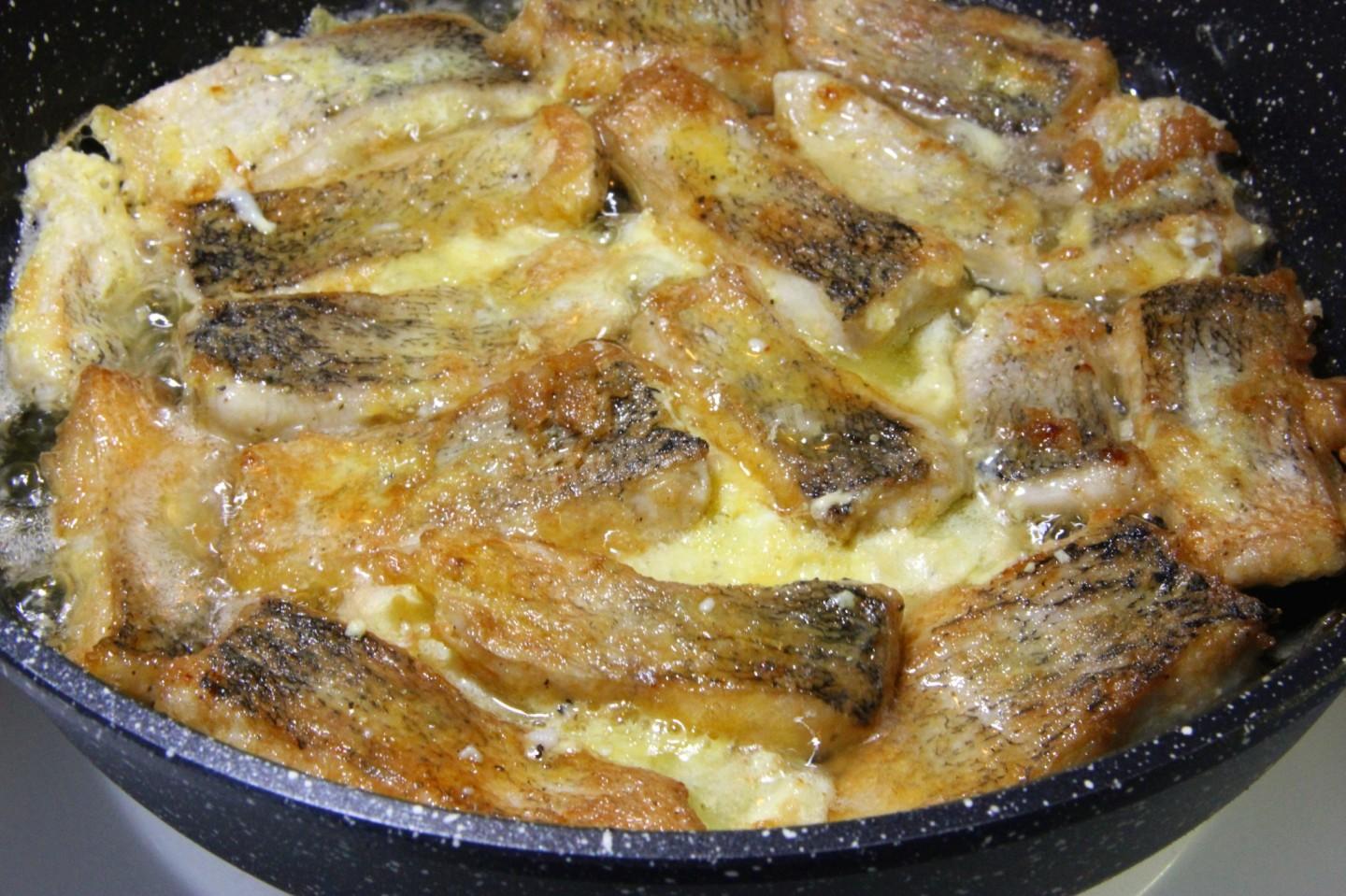
Pour the remaining egg over each piece and fry another 1.5–2 minutes, until done. The poured egg fills the gaps between the small pieces of fish, letting them cook through quickly and brown without drying out.
-
Step 10:
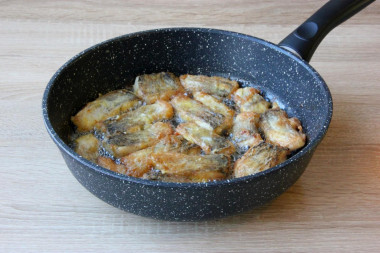
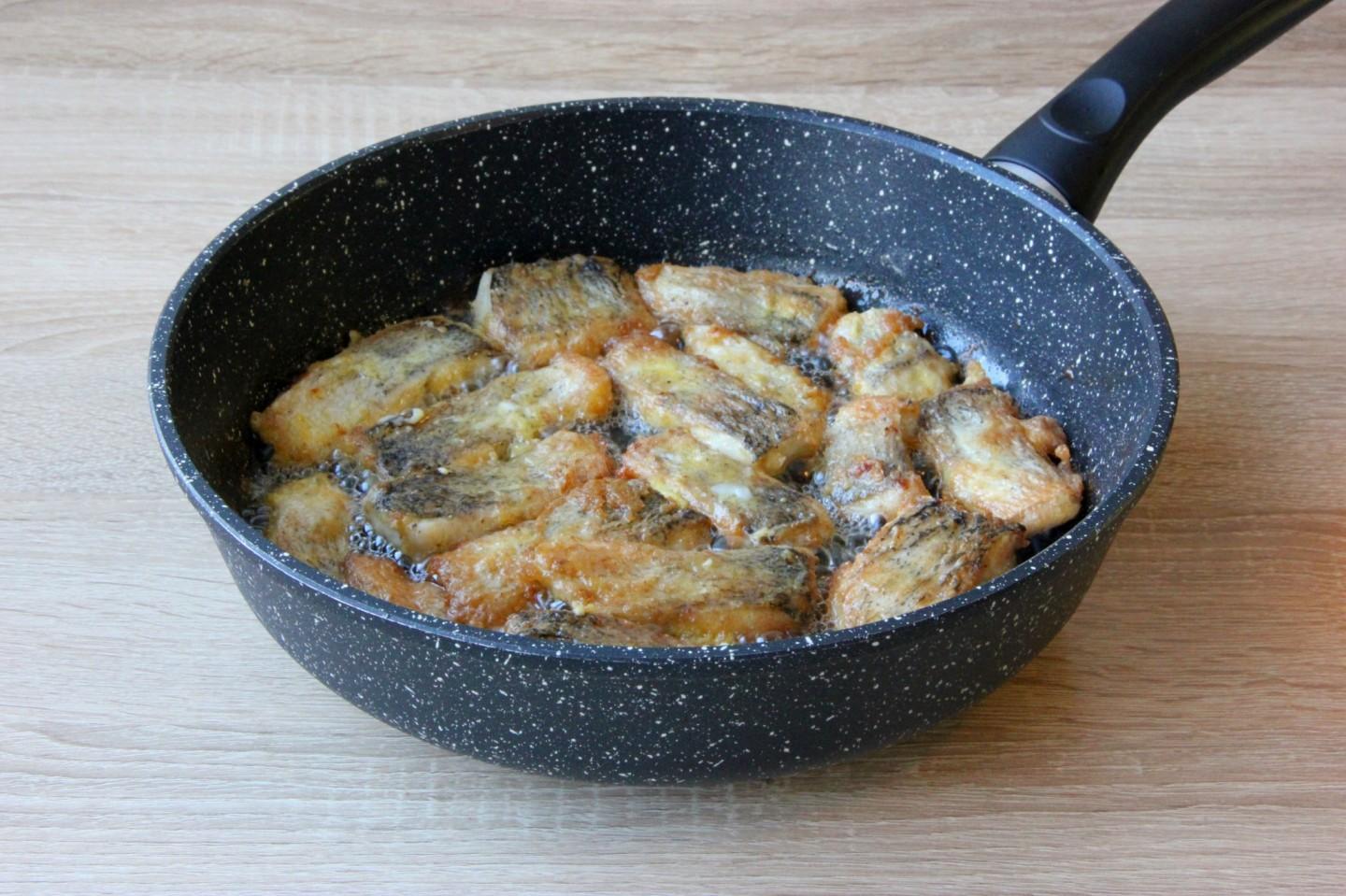
Just peel away the set egg, lift out the appetizing fried pieces of fish, and serve them hot as a main course or with a side and vegetables. The fish stays tasty even after it cools, and any remaining bones pull out easily.
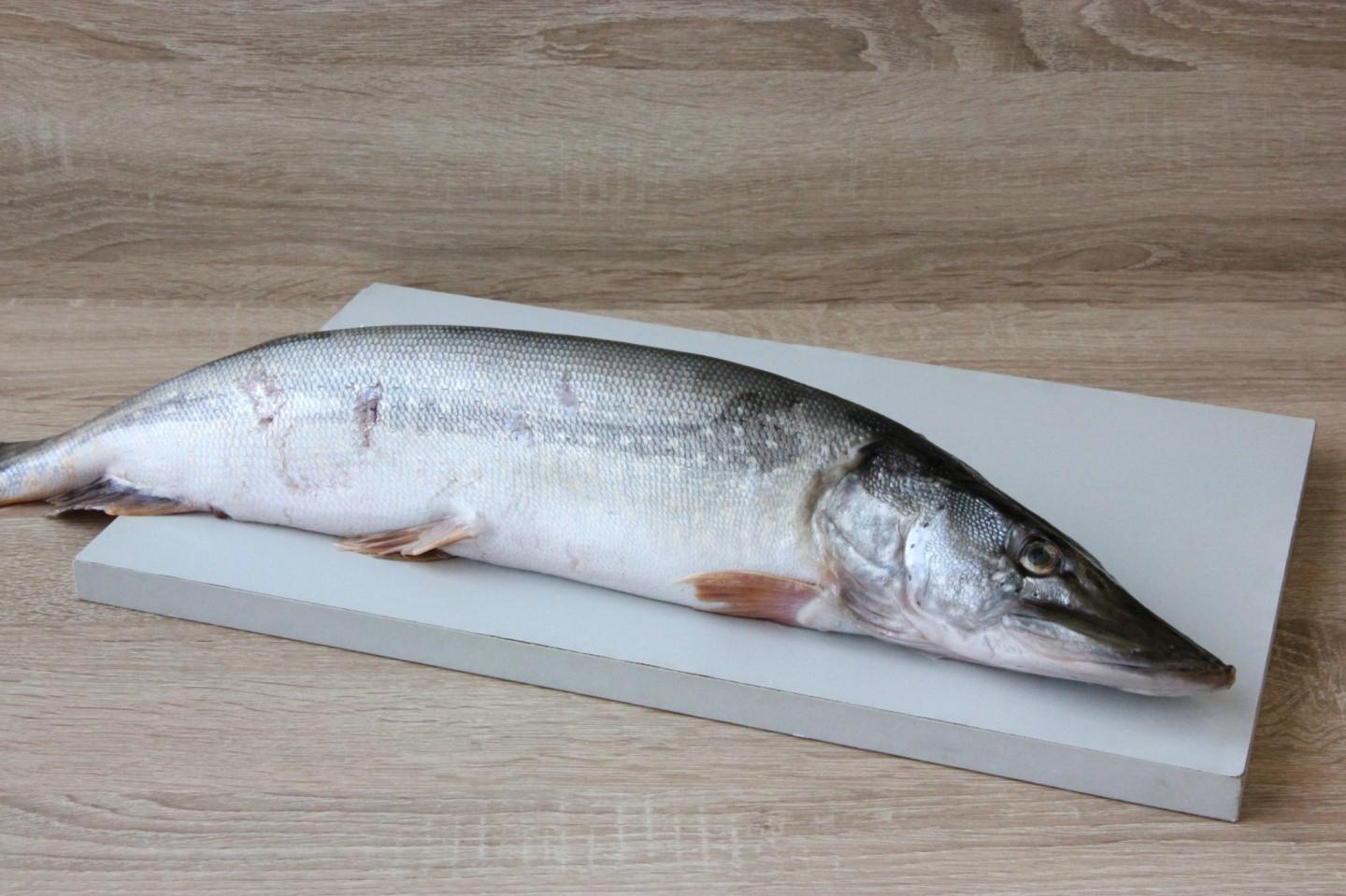
- Pike flesh contains 1–3% fat and is a lean, diet-friendly food, though it can sometimes have a muddy note. Its bones are large and easy to remove. Pike is common in freshwater and usually lives near the shore, among water plants, in still or slow-moving waters. In mid-20th-century England, pike was considered the finest and most expensive fish, and in some countries pike dishes are still regarded as a delicacy to this day.
Caloric content of the products possible in the composition of the dish
- Chicken egg - 157 kcal/100g
- Egg white - 45 kcal/100g
- Egg powder - 542 kcal/100g
- Egg yolk - 352 kcal/100g
- Ostrich egg - 118 kcal/100g
- Pike in tomato sauce - 108 kcal/100g
- Boiled pike - 98 kcal/100g
- Pike puffed - 90 kcal/100g
- Fresh pike - 82 kcal/100g
- Stuffed pike - 141 kcal/100g
- Vegetable oil - 873 kcal/100g
- Salt - 0 kcal/100g
- Spices dry - 240 kcal/100g
- Lemon juice - 16 kcal/100g
Similar recipes
- Fast and tasty
- Homemade dinner
- Second course
- Eggs
- Fish and seafood
- Spices seasonings spices
- Fats and oils
- Other
- Salt
- Dry spices
- Vegetable oil
- From juice
- Frying
- In a frying pan
- Simple dinner
- The second is fast and delicious
- Dishes in 30 minutes
- Fish second course
- River fish
- Simple quick dinner
- Recipes for lean dishes without butter