La Mère Poulard Omelet
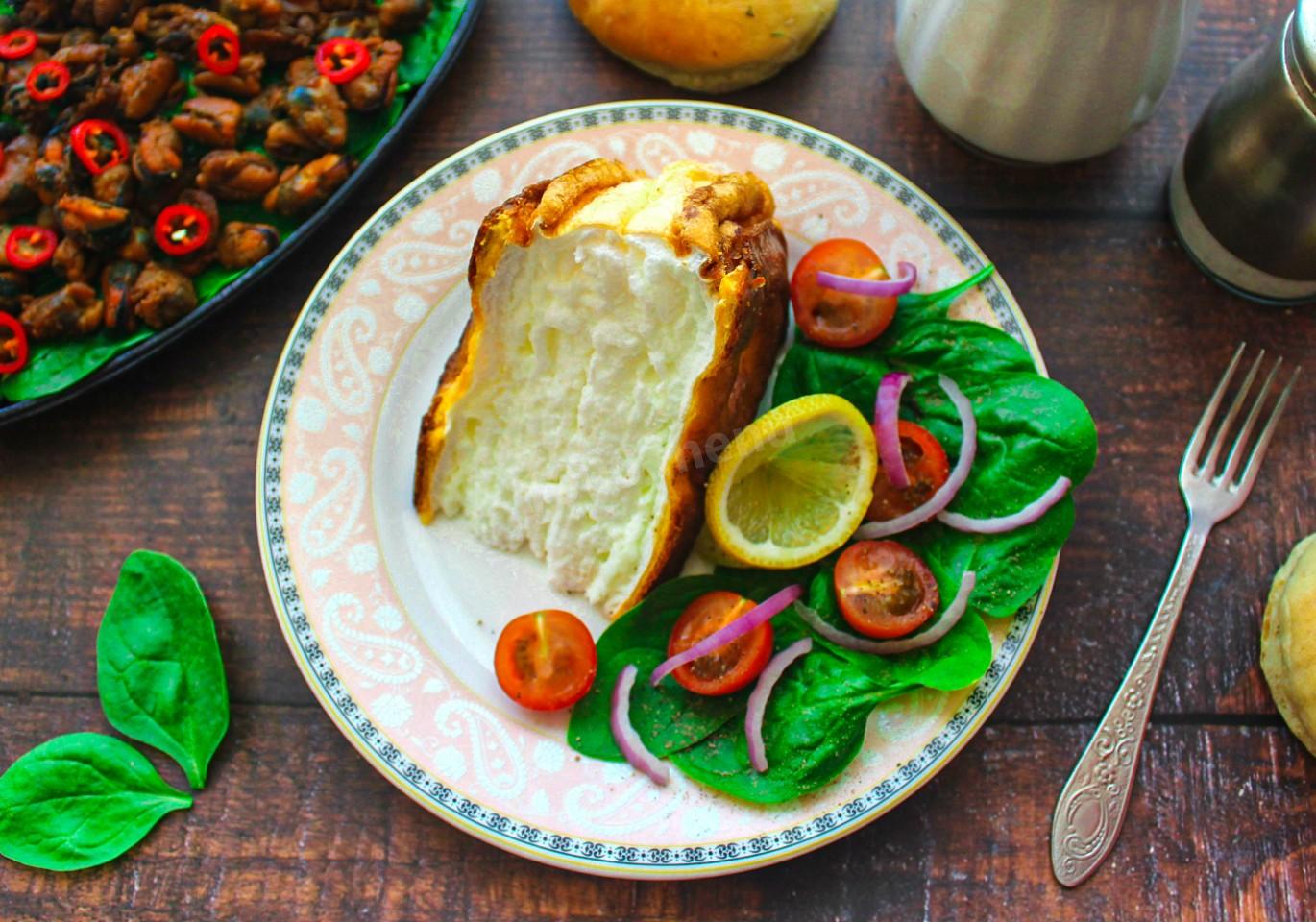
Distinctive, airy, delicate, and unbelievably delicious! This La Mère Poulard omelet is easier to make than it looks at first glance. The key is to whip the egg whites well and keep them from deflating as they cook. It's the perfect dish for a romantic breakfast!


Cooking method
-
Step 1:
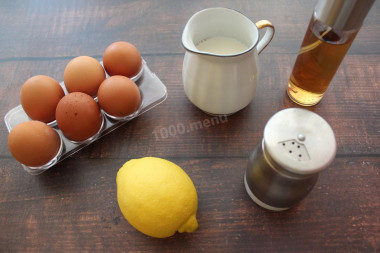
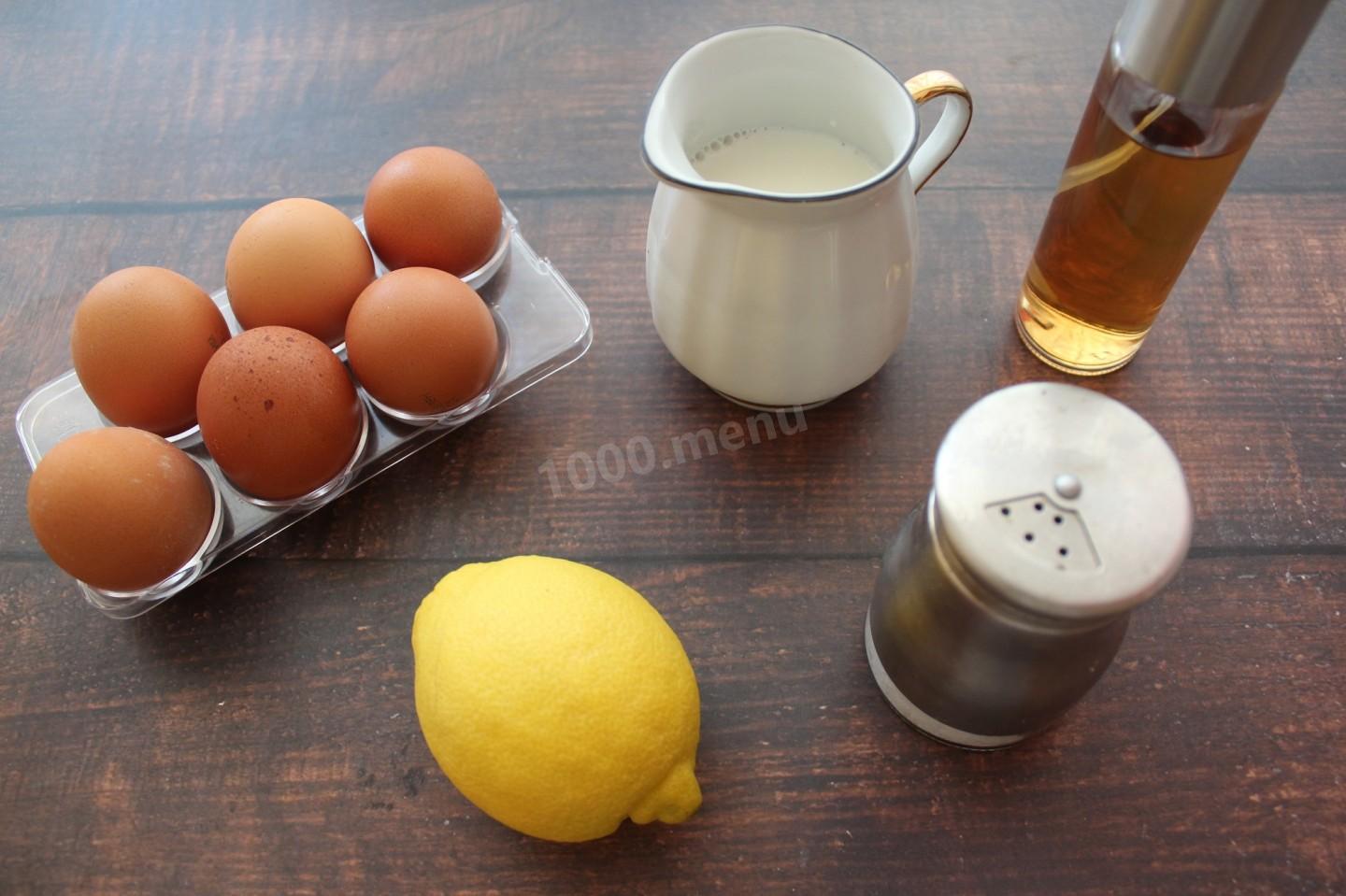
How do you make a La Mère Poulard omelet in a skillet? Get your ingredients together. Use cream of any fat content you like, and any vegetable oil in place of the olive oil. Wash and dry the eggs. Wash the lemon and rinse it with boiling water — you'll need just a little juice from one slice.
-
Step 2:
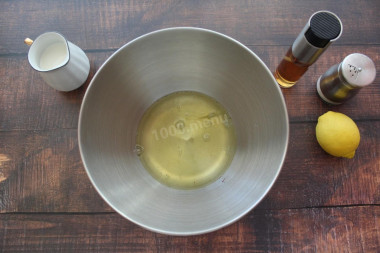
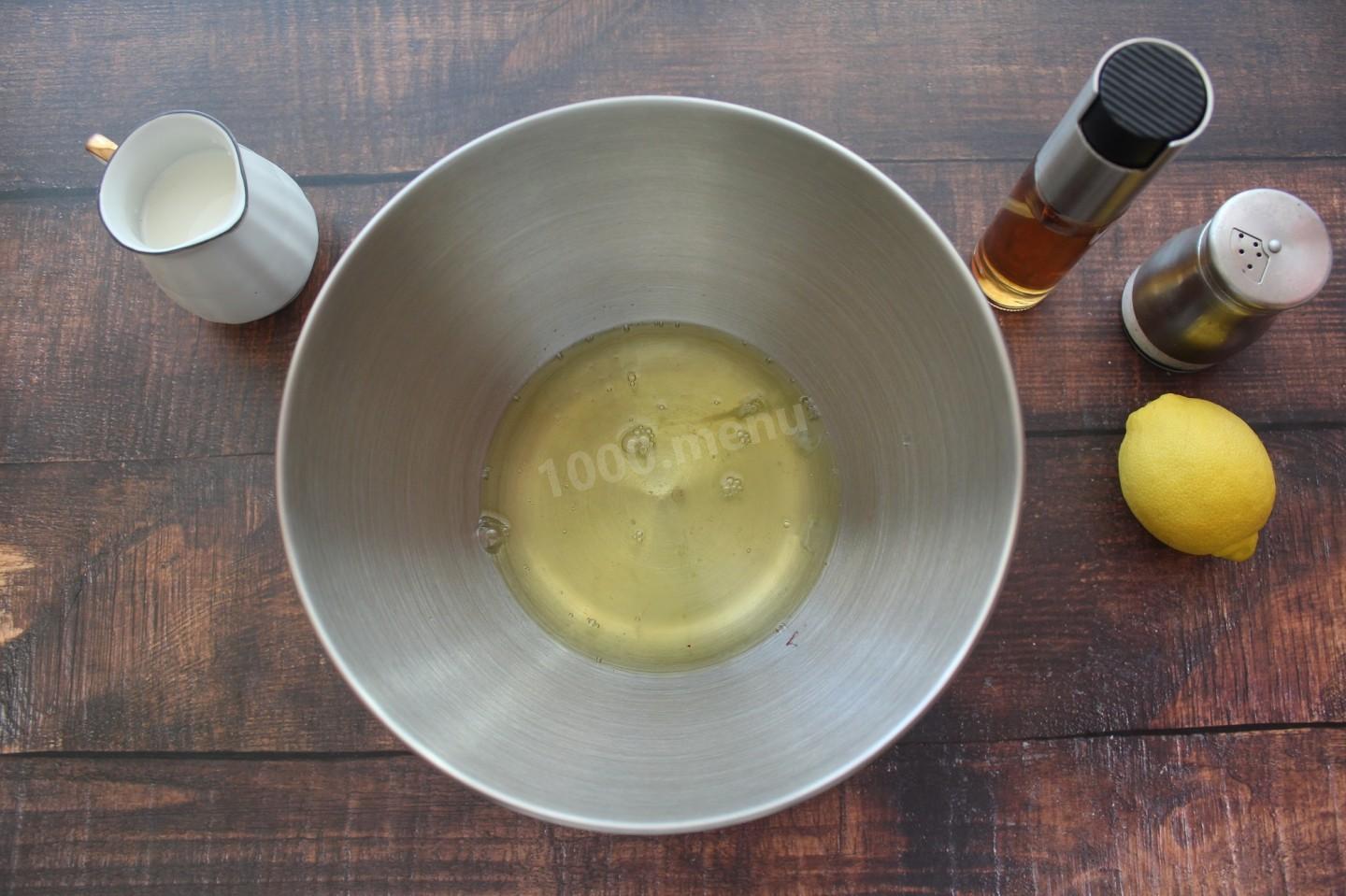
First, separate the whites from the yolks. Put the yolks in a small bowl and the whites in a tall mixing bowl. Add a pinch of salt to the whites and start beating them with a mixer (or blender) on low speed. Once foam forms, gradually raise the speed. When the whites turn pale and hold firm peaks, pour in the lemon juice and beat for another 2 minutes.
-
Step 3:
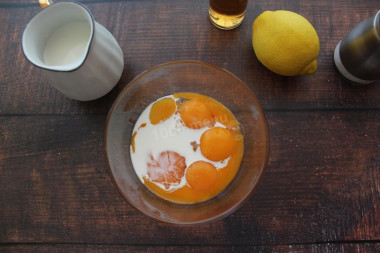
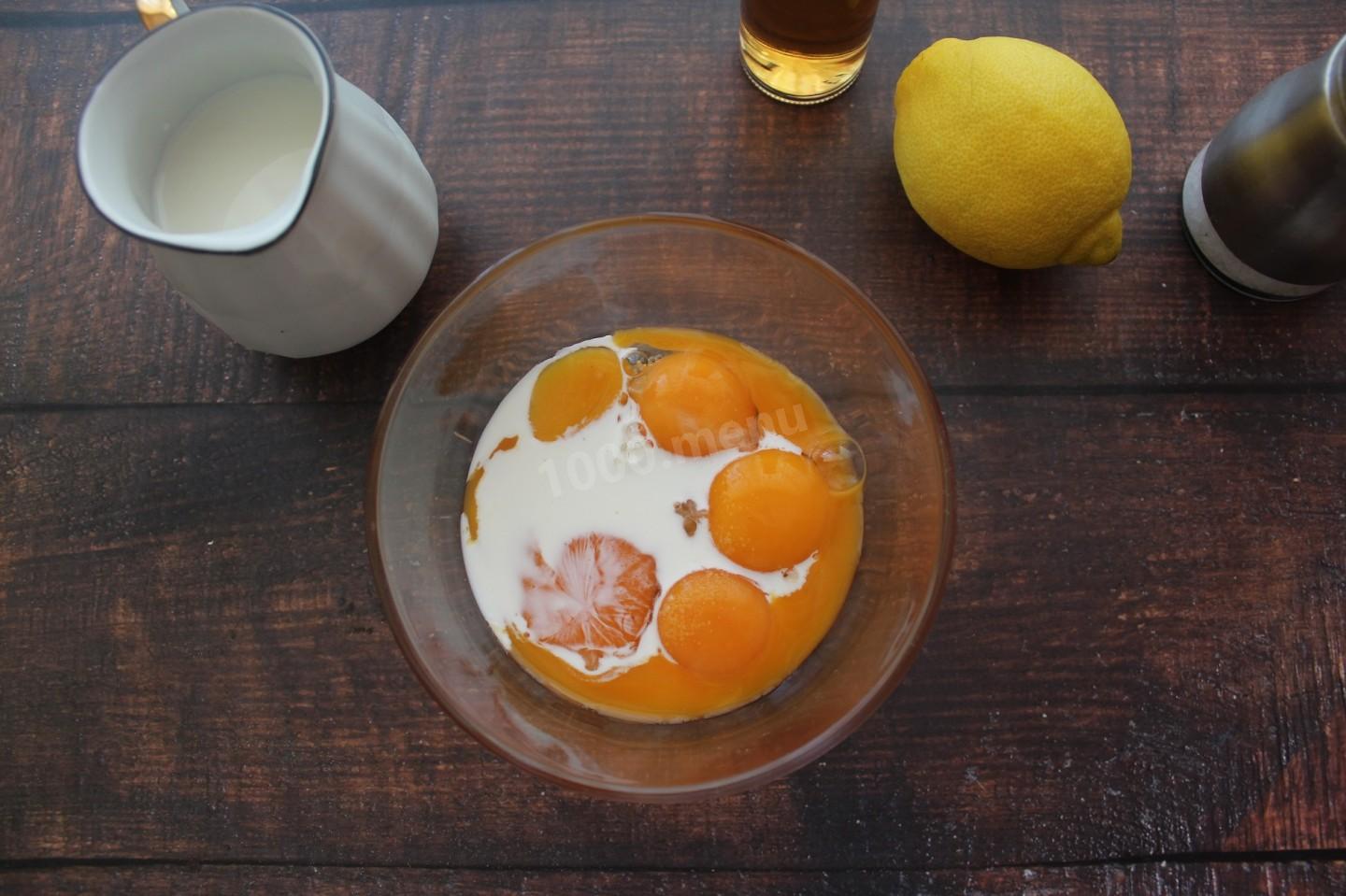
Pour the cream in with the yolks, add a pinch of salt, and beat the mixture briskly with a fork.
-
Step 4:
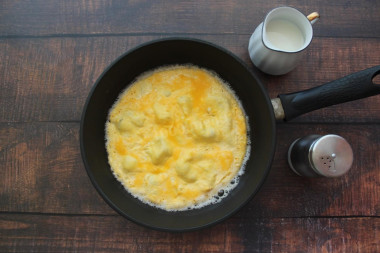
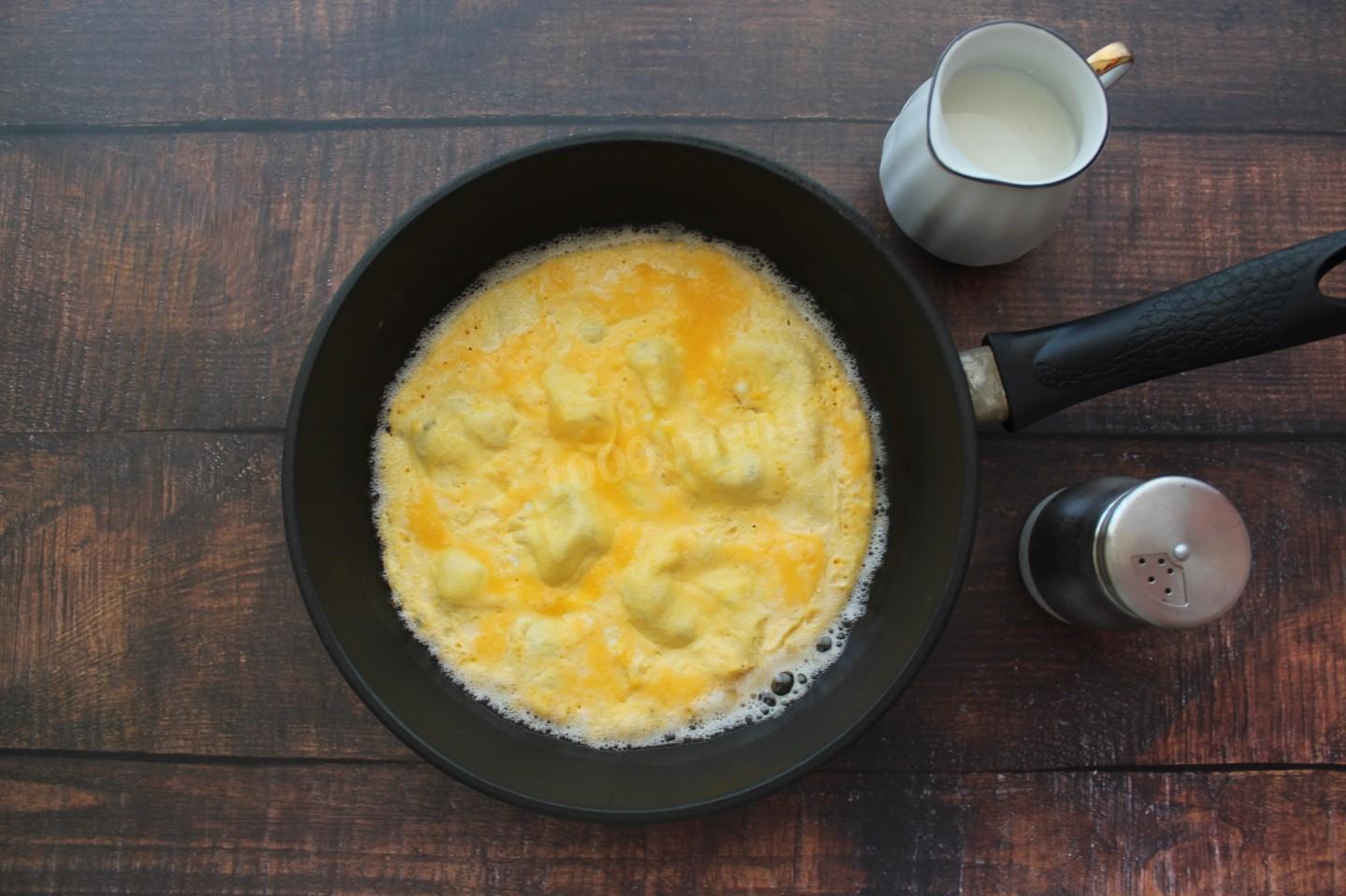
Take a small skillet, about 9–10 inches (22–24 cm). Pour in the olive oil and set it on the stove to heat. Once the oil is hot, pour in the beaten yolks and spread them evenly over the bottom. You want a thin, pancake-like omelet base.
-
Step 5:
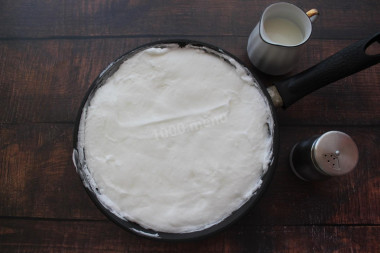
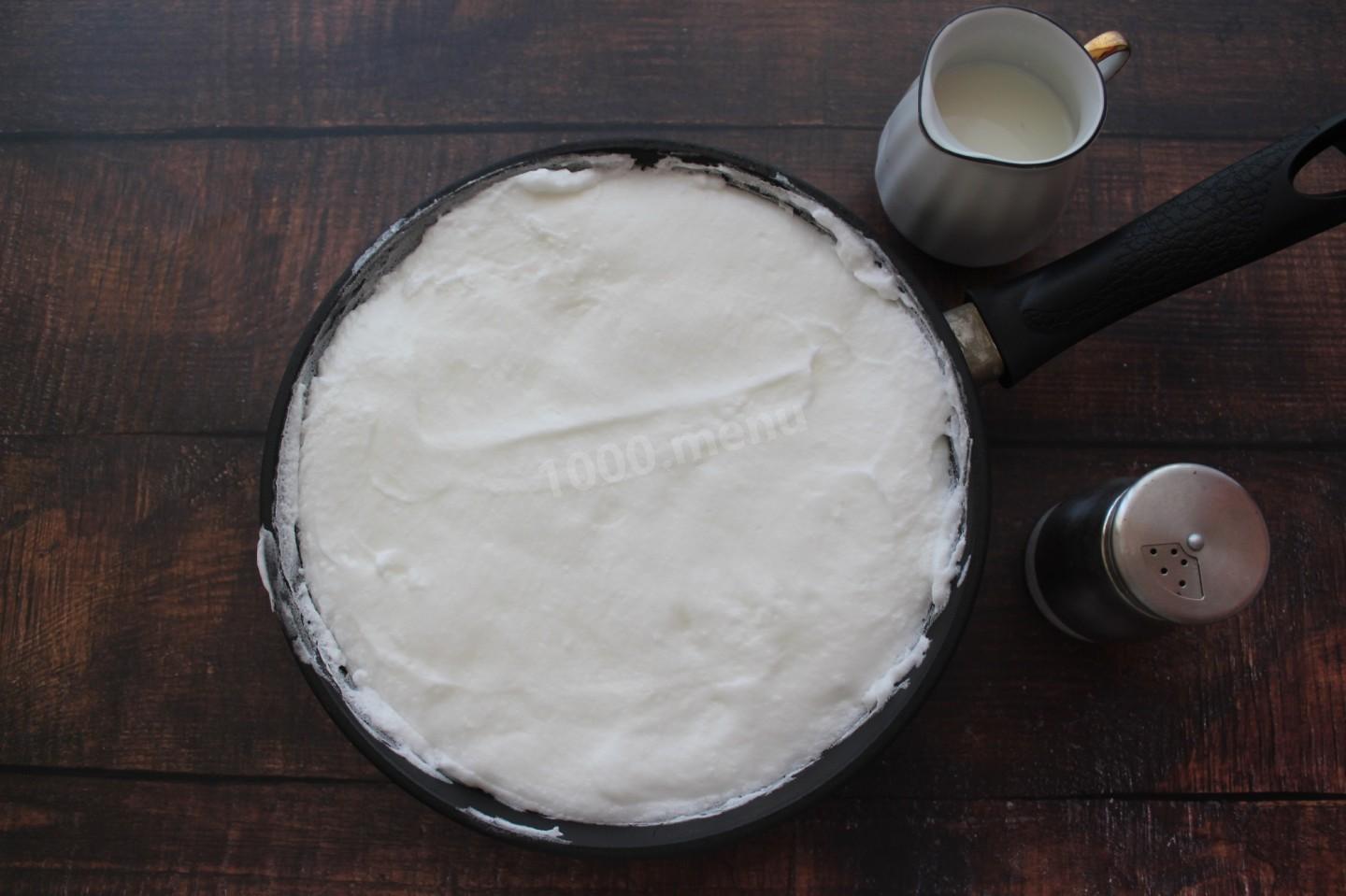
As soon as the base sets, spread the fluffy beaten whites over it, covering the whole pan evenly. Keep cooking over low heat for at least 10–15 minutes (adjust to your stove) so the whites cook all the way through. At the end, test for doneness: lightly touch the whites with a finger — if they're firm-springy and not sticky, the omelet is ready.
-
Step 6:
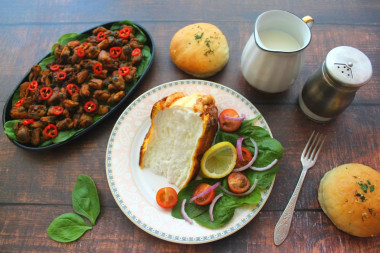
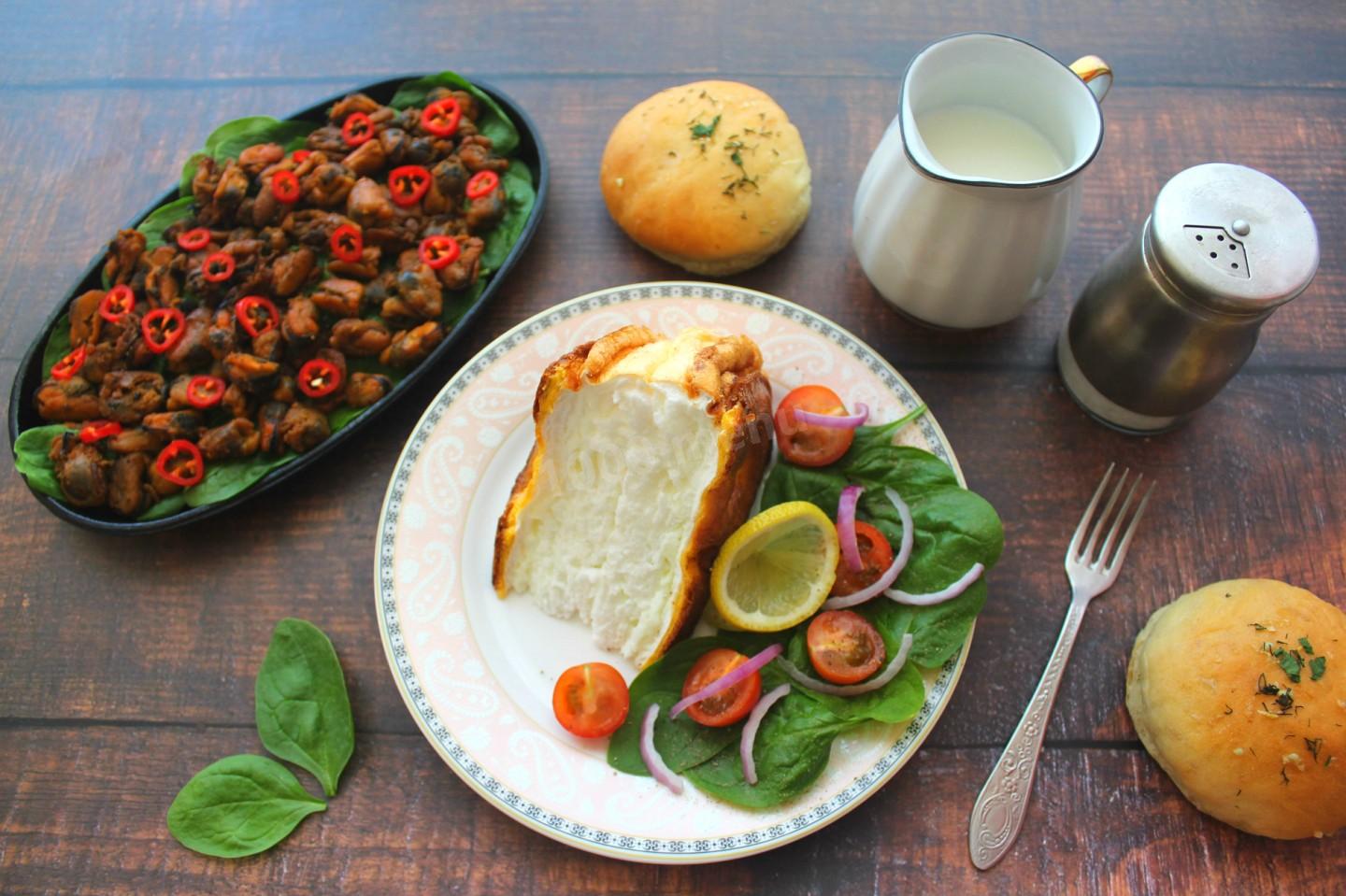
Carefully slide the finished omelet onto a board, cut it in half, and fold the two halves together so the whites are on the inside. Divide it into 3 equal portions. Serve with fresh herbs and a light salad.
- French cooking is considered one of the world's finest cuisines. Mention it and vivid images spring to mind: fresh croissants, crusty baguettes, cheeses, wines, truffles, the famous onion soup, ratatouille, and of course the celebrated French desserts — crème brûlée, éclairs, meringues, macarons. The list goes on and on. But some French dishes are less widely known, and La Mère Poulard's omelet is one of them. It was born on the northwest coast of France, on the small rocky island-fortress of Mont-Saint-Michel. Annette Poulard and her husband opened an inn; there was no shortage of guests, but little to feed them, since they had nothing on hand but eggs. As the story goes, one of the guests shared this omelet recipe with Madame Poulard. Annette would first fry the omelet in a pan and then finish it in the oven. Word of this unusual omelet spread quickly, and food lovers traveled from all over the country to Mère Poulard. To this day, travelers from around the world flock to the inn on Mont-Saint-Michel to taste the original La Mère Poulard omelet.
- Use an oil with a high smoke point for frying. Every oil is only healthy up to a certain temperature — its smoke point — beyond which it starts to burn and forms toxic compounds, including carcinogens. Unrefined oils, with few exceptions, have a low smoke point: they're full of unfiltered organic particles that scorch quickly. Refined oils stand up to heat better and have a higher smoke point. Whenever you're cooking in the oven, in a skillet, or on the grill, make sure you reach for a high-smoke-point oil. The most common ones are refined sunflower, olive, and grapeseed oil.
- The right pan matters, too: a poorly chosen skillet can ruin even the best recipe, so pick one that suits what you're cooking.
- Always wash eggs before using them — even a shell that looks clean can carry harmful bacteria. A food-safe wash and a brush work best.
Caloric content of the products possible in the composition of the dish
- Buttermilk - 36 kcal/100g
- Cream 20% fat - 300 kcal/100g
- Cream 10% fat - 120 kcal/100g
- Cream - 300 kcal/100g
- Chicken egg - 157 kcal/100g
- Egg white - 45 kcal/100g
- Egg powder - 542 kcal/100g
- Egg yolk - 352 kcal/100g
- Ostrich egg - 118 kcal/100g
- Salt - 0 kcal/100g
- Lemon juice - 16 kcal/100g
- Olive oil - 913 kcal/100g