Fluffy Kefir Pancakes
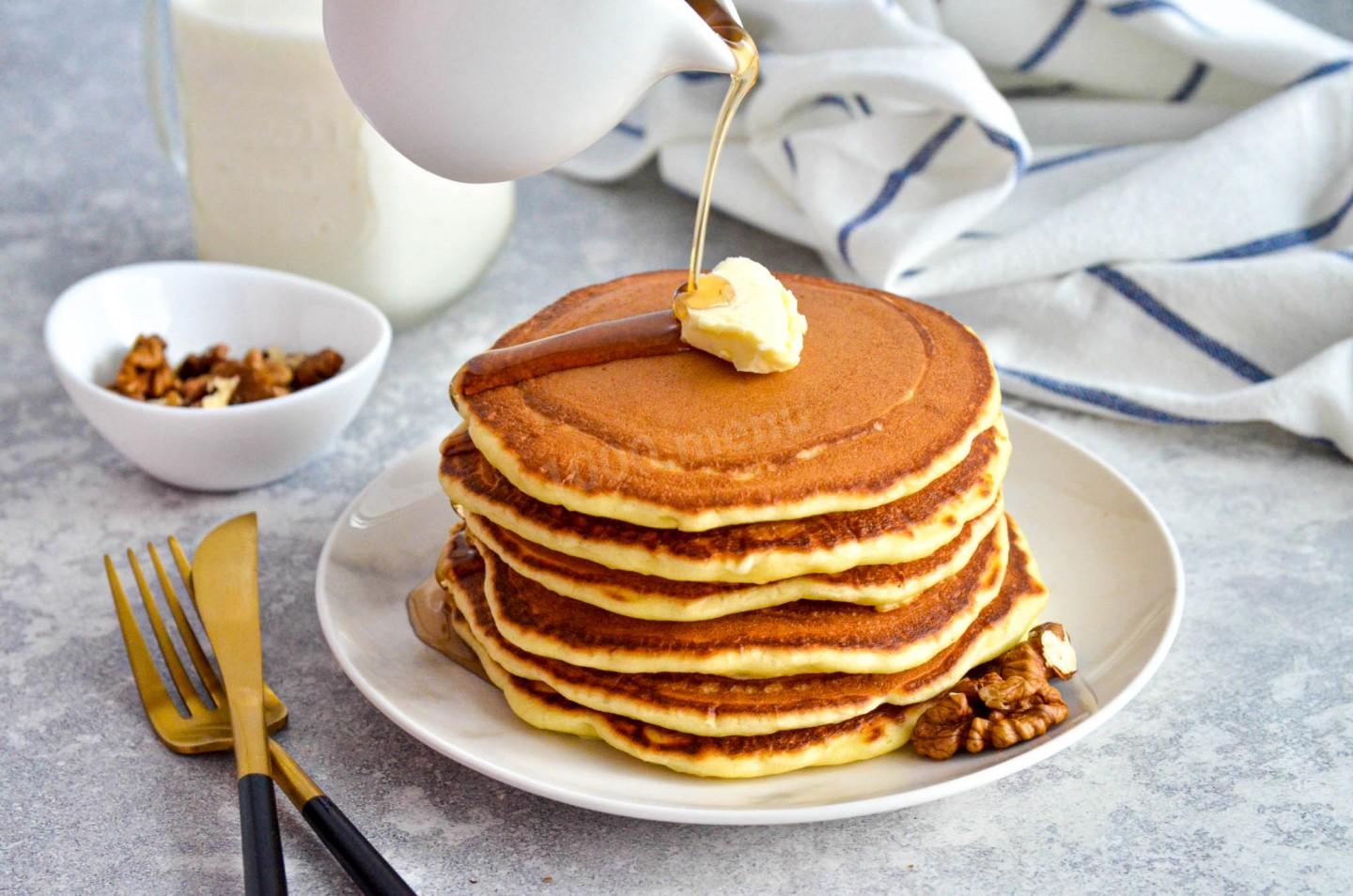
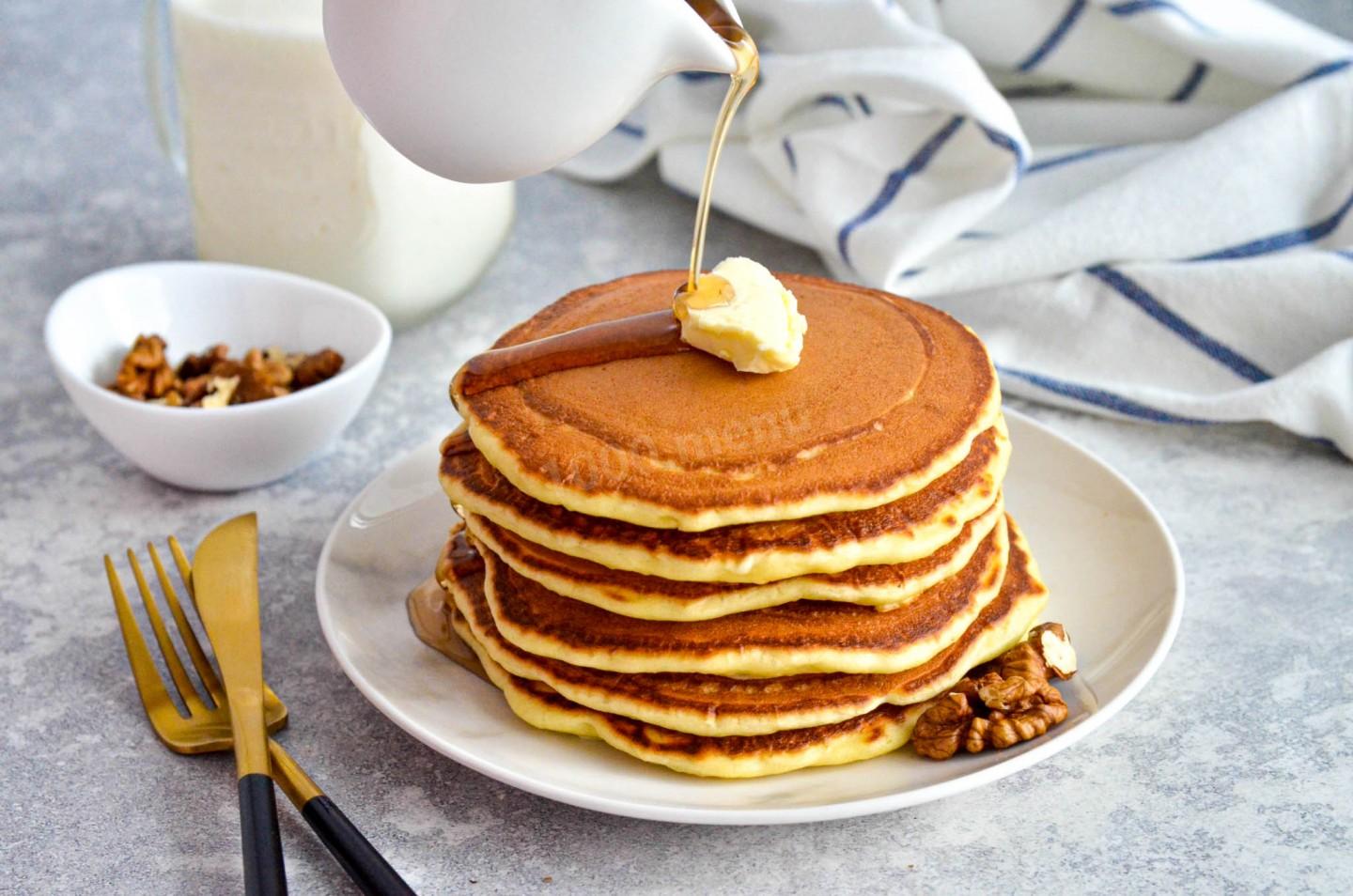
Tender, delicious breakfast pancakes for any morning! These fluffy kefir pancakes come together quickly and easily first thing in the day. They're great hot or warm — pack them for work or school, serve them with all kinds of sauces, sour cream, syrup, or cream. They're wonderful with coffee, with tea, or all on their own!

Cooking method
-
Step 1:
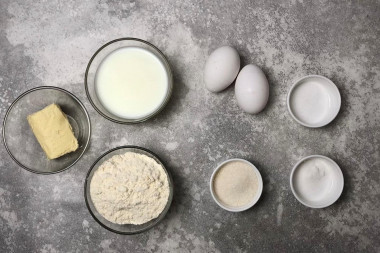
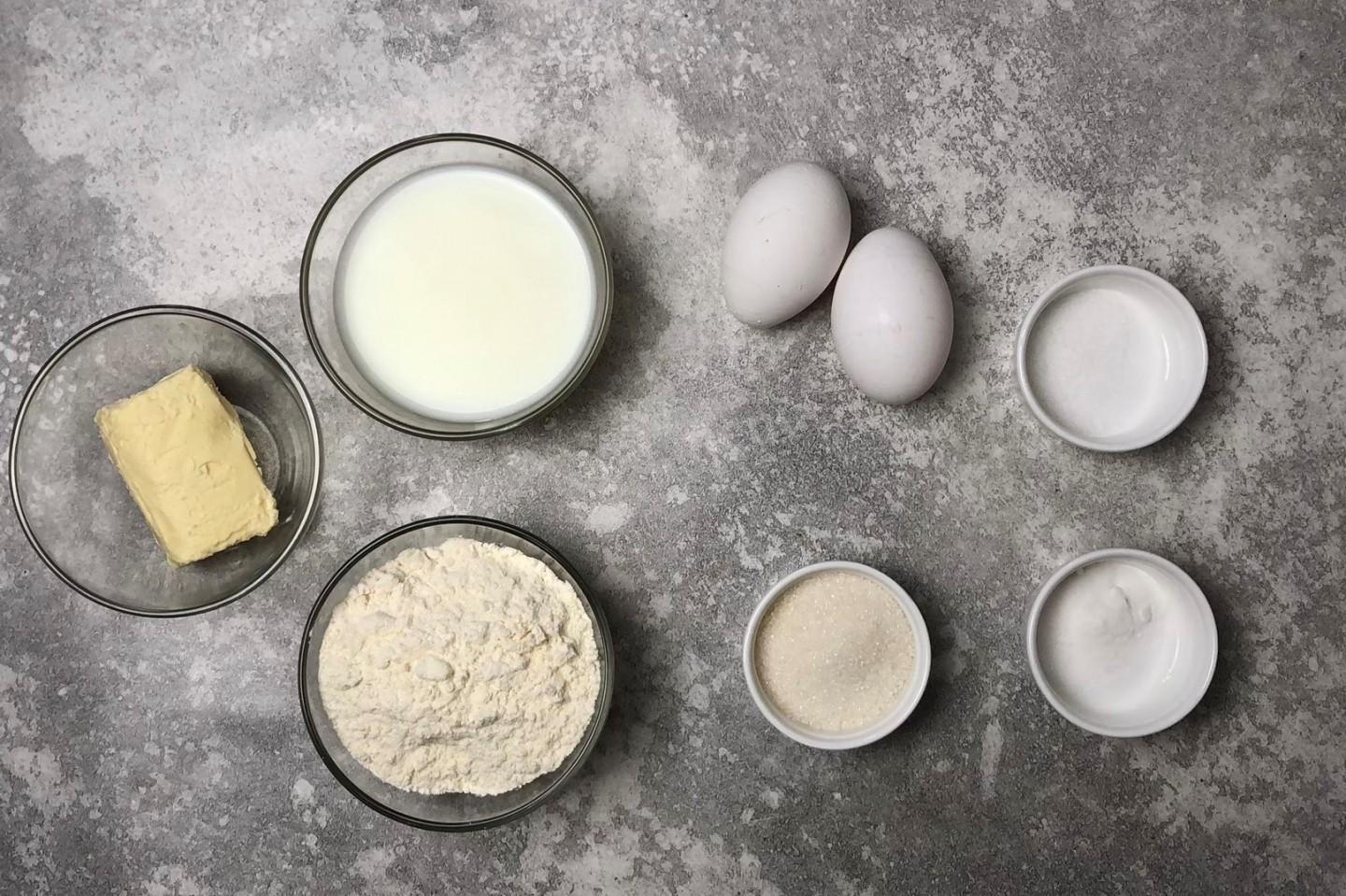
How do you make kefir pancakes? Start by gathering your ingredients. Reach for a fuller-fat kefir — it's thicker and gives better results. A thinner kefir will need more flour, and the pancakes can turn out rubbery. The more sour the kefir, the fluffier the pancakes, since the reaction between the baking soda and the acid will be stronger — so an older, already-tangy kefir is perfect here. If you don't have kefir, plain unsweetened yogurt works too.
-
Step 2:
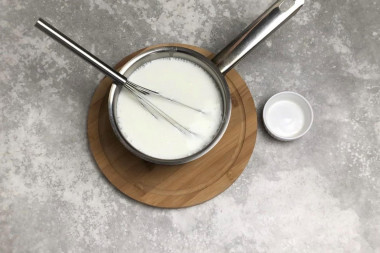
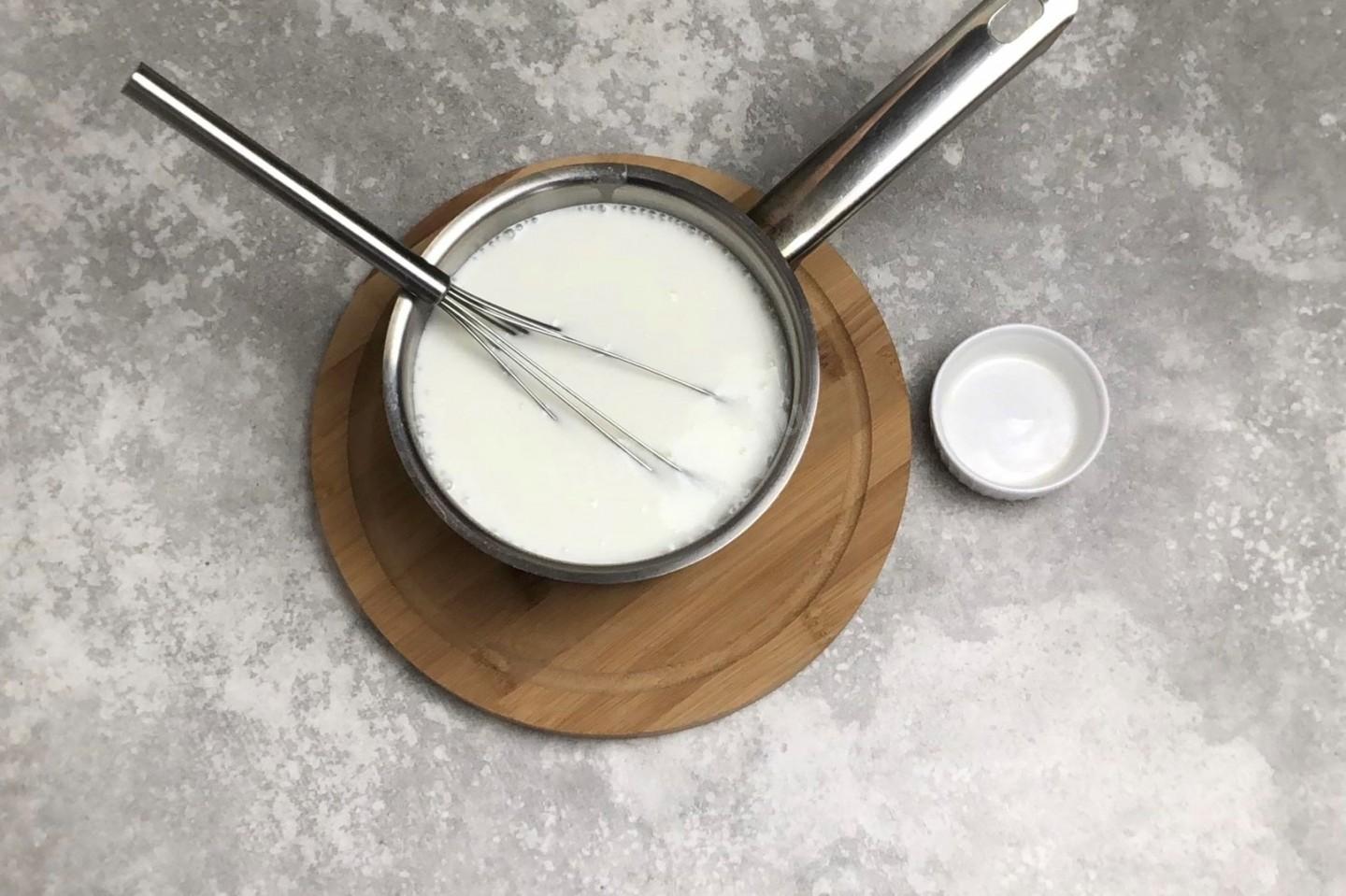
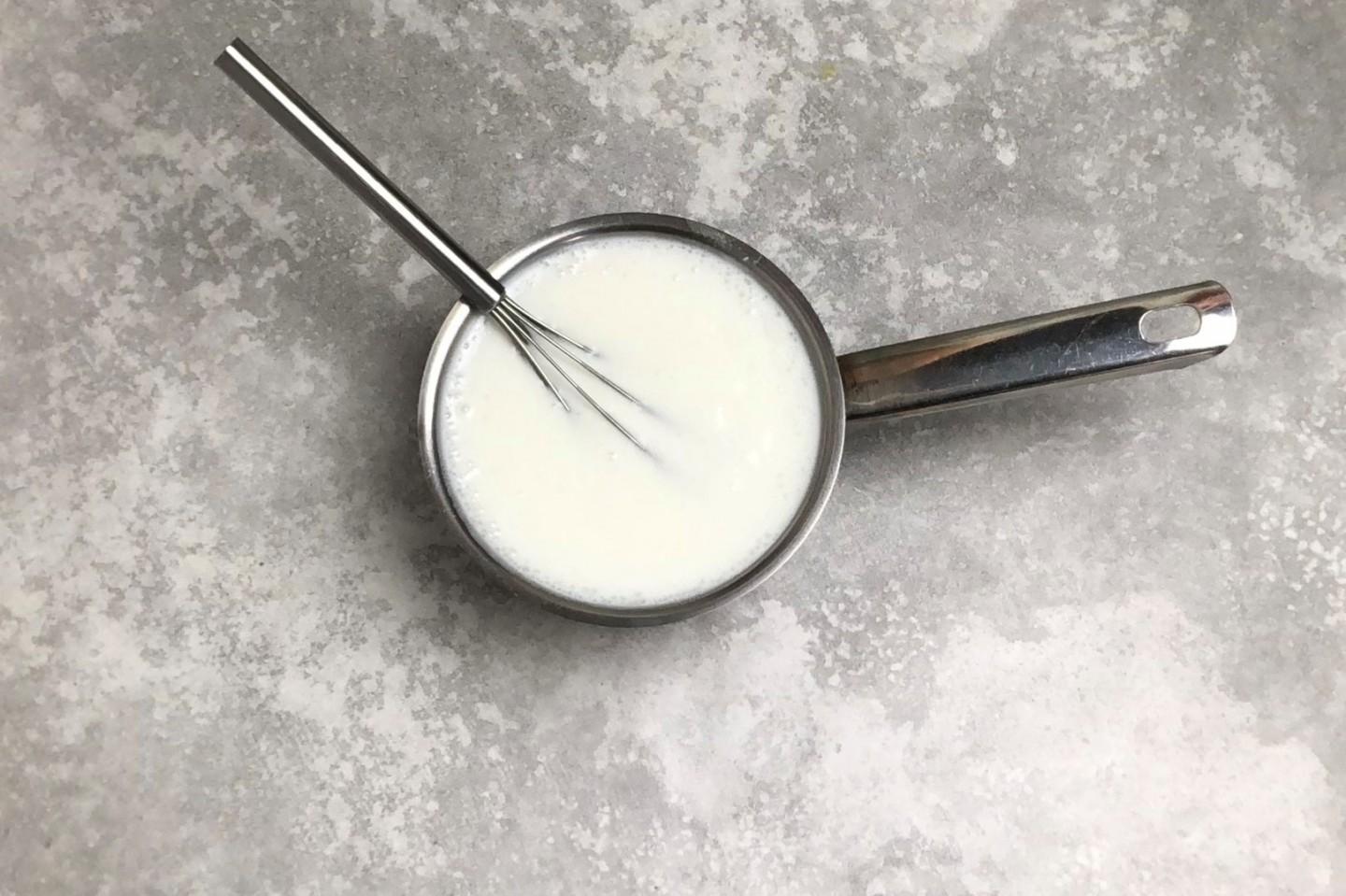
Pour the kefir into a small saucepan and warm it gently. Keep the heat low and stir constantly so it doesn't curdle. Stir the baking soda into the warm kefir with a whisk. Because the kefir is warm and tangy, the soda and acid react vigorously — the mixture will foam up and expand right away. That's exactly what gives these pancakes their lift.
-
Step 3:
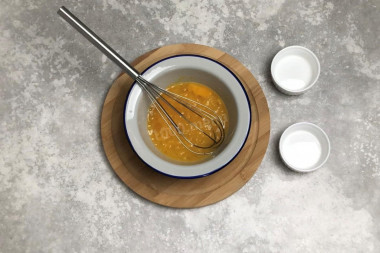
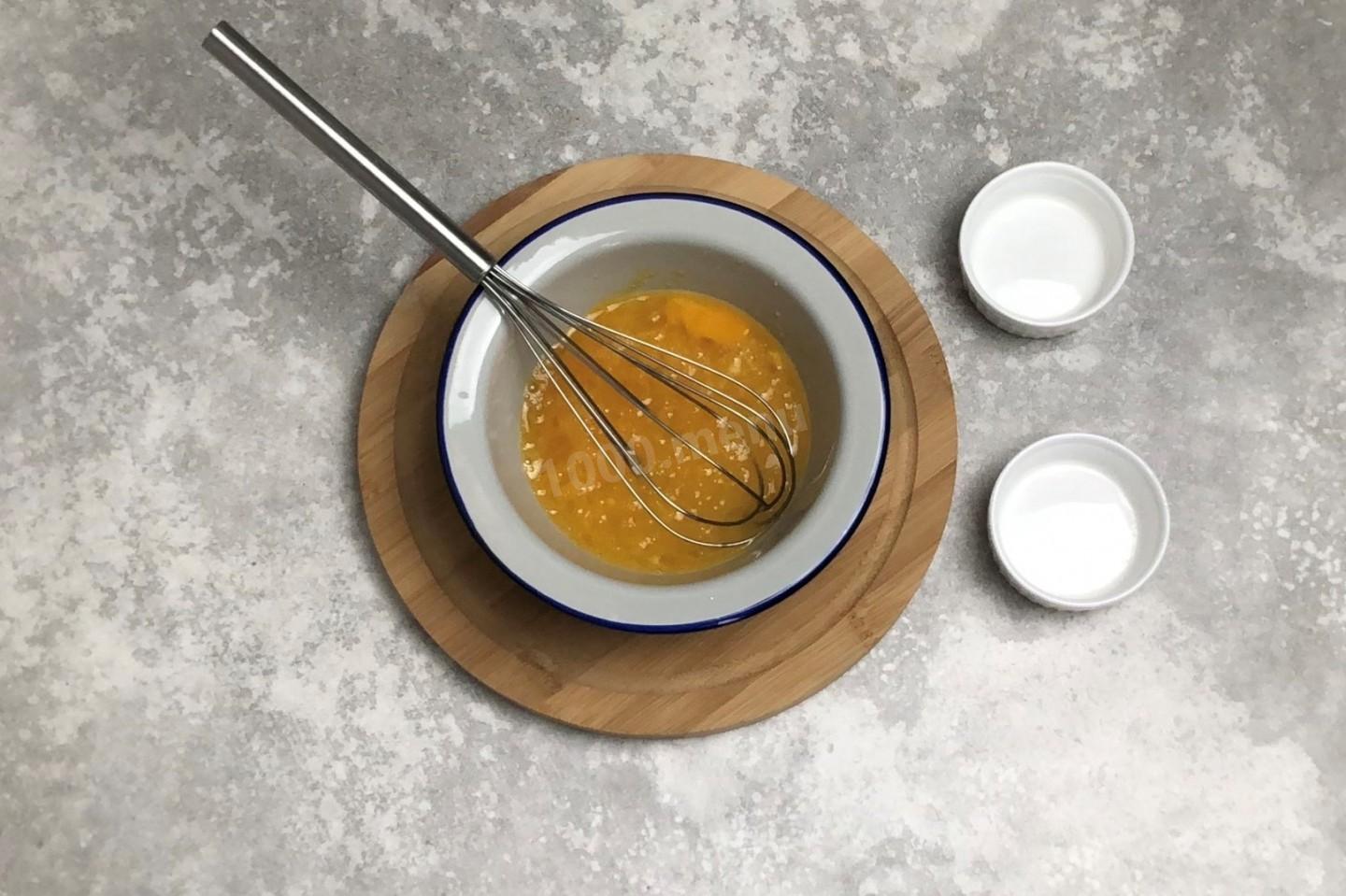
Crack the eggs into a separate bowl. Add the sugar and salt. Beat lightly with a whisk or fork — just enough to combine, no need to whip them to a froth. The fluffiness here doesn't come from beaten eggs.
-
Step 4:
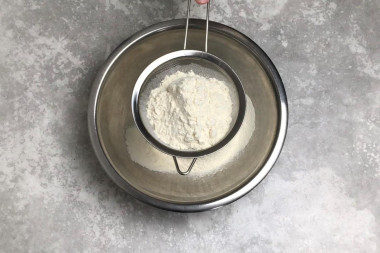
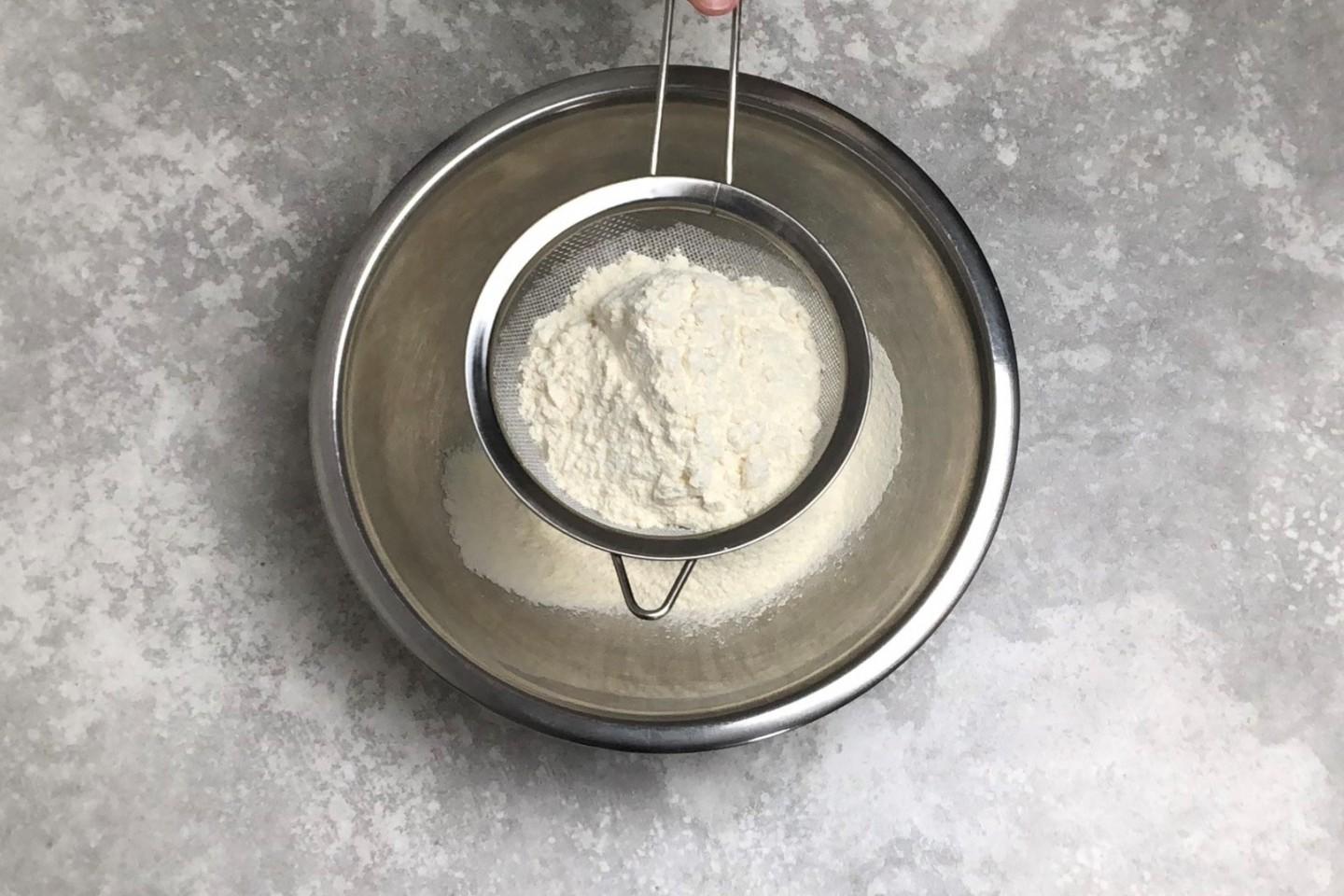
Sift the flour into a large bowl. Sifting works air into the flour, which makes for a lighter, fluffier pancake.
-
Step 5:
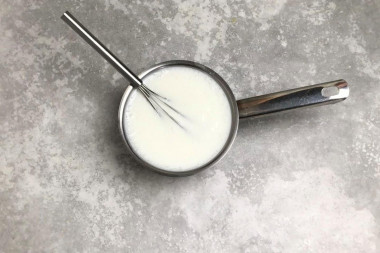
Pour the egg mixture into the kefir and stir gently to combine.
-
Step 6:
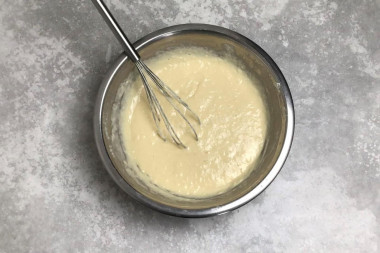
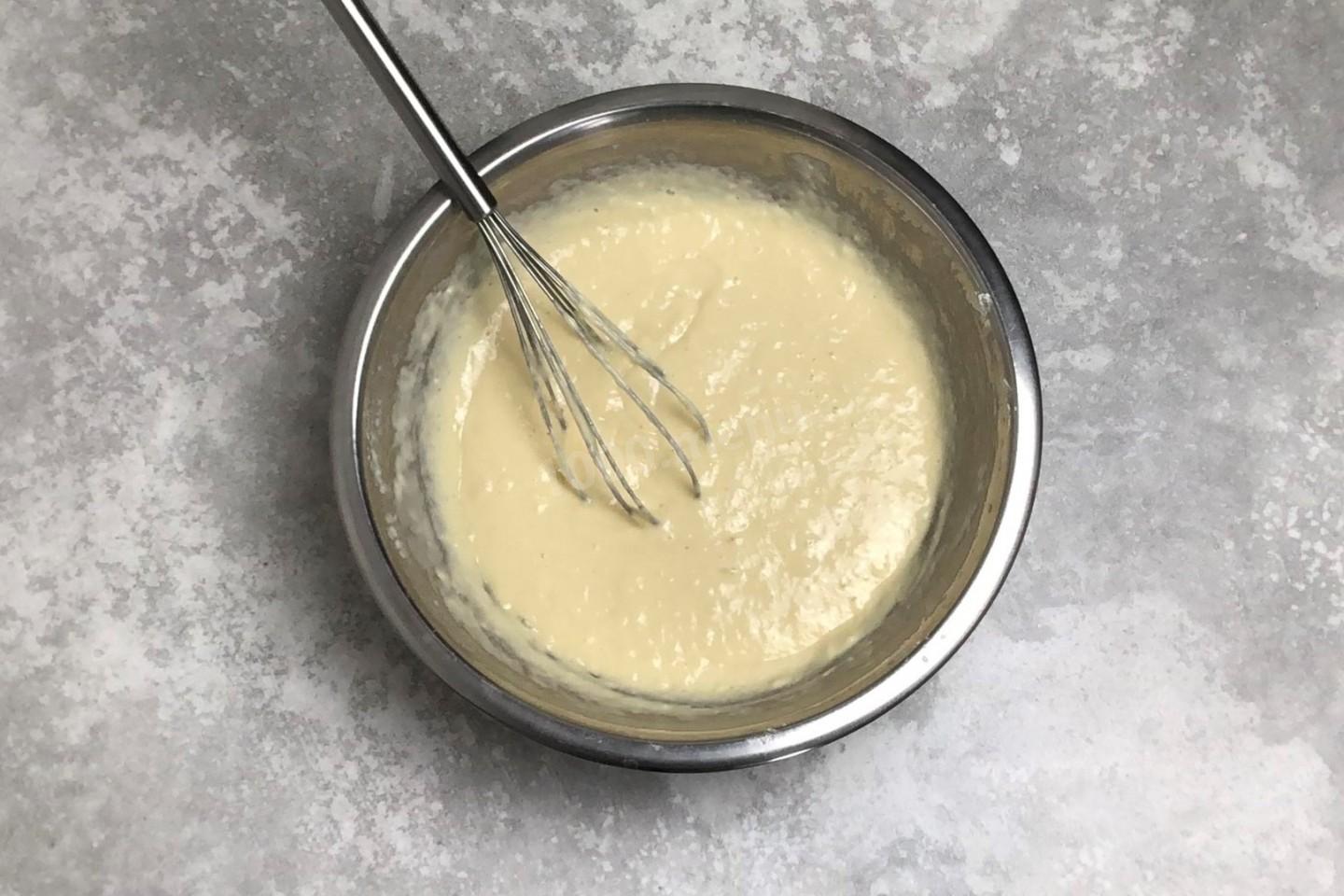
Pour the wet ingredients into the flour in a thin stream, whisking constantly. Doing it this way — liquid into flour — keeps the batter smooth; the other way around tends to leave lumps. Whisk just until the batter comes together. Don't overmix — stop as soon as the flour is evenly incorporated, so you keep as much air in the batter as possible.
-
Step 7:
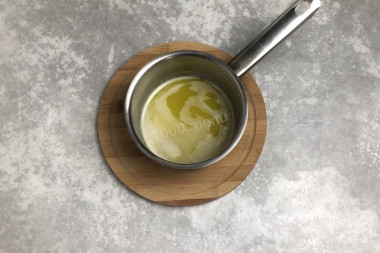
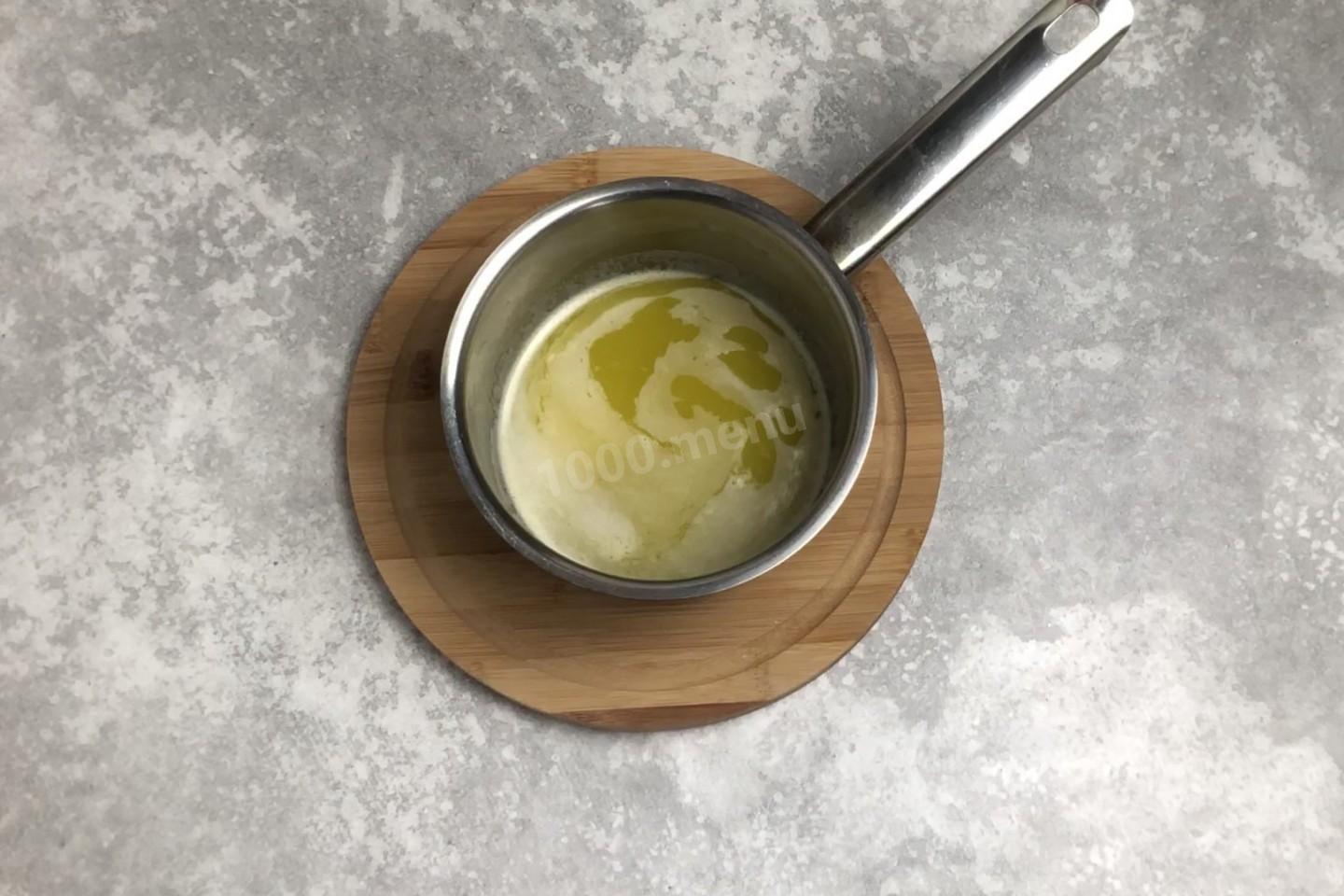
Melt the butter in a small saucepan over low heat. Don't let it come to a boil, or it can separate. You don't have to wait for the whole piece to melt — pull it off the heat while a little is still solid, and the residual warmth will finish melting it.
-
Step 8:
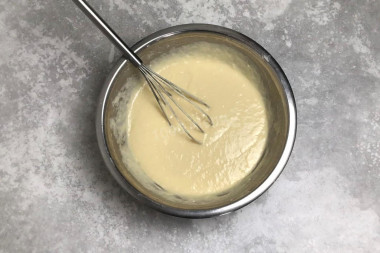
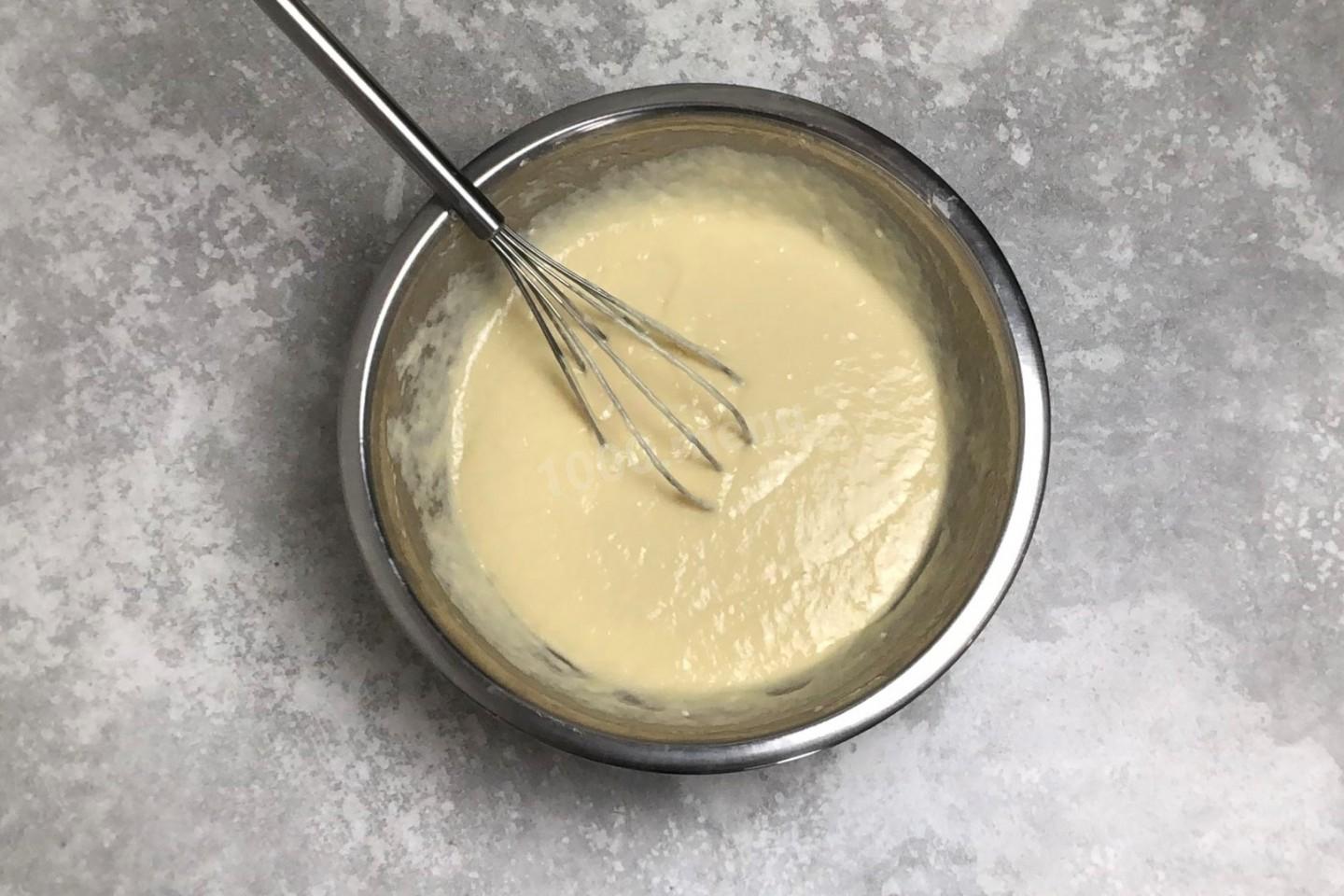
Let the melted butter cool, then pour it into the batter. Whisk well so it's fully incorporated. The butter gives the pancakes a lovely, subtly nutty aroma. The finished batter should be about the consistency of thick sour cream.
-
Step 9:
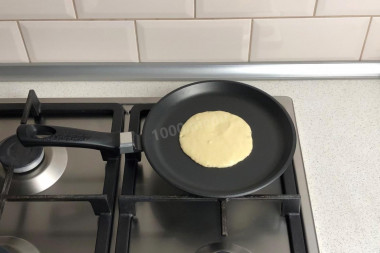
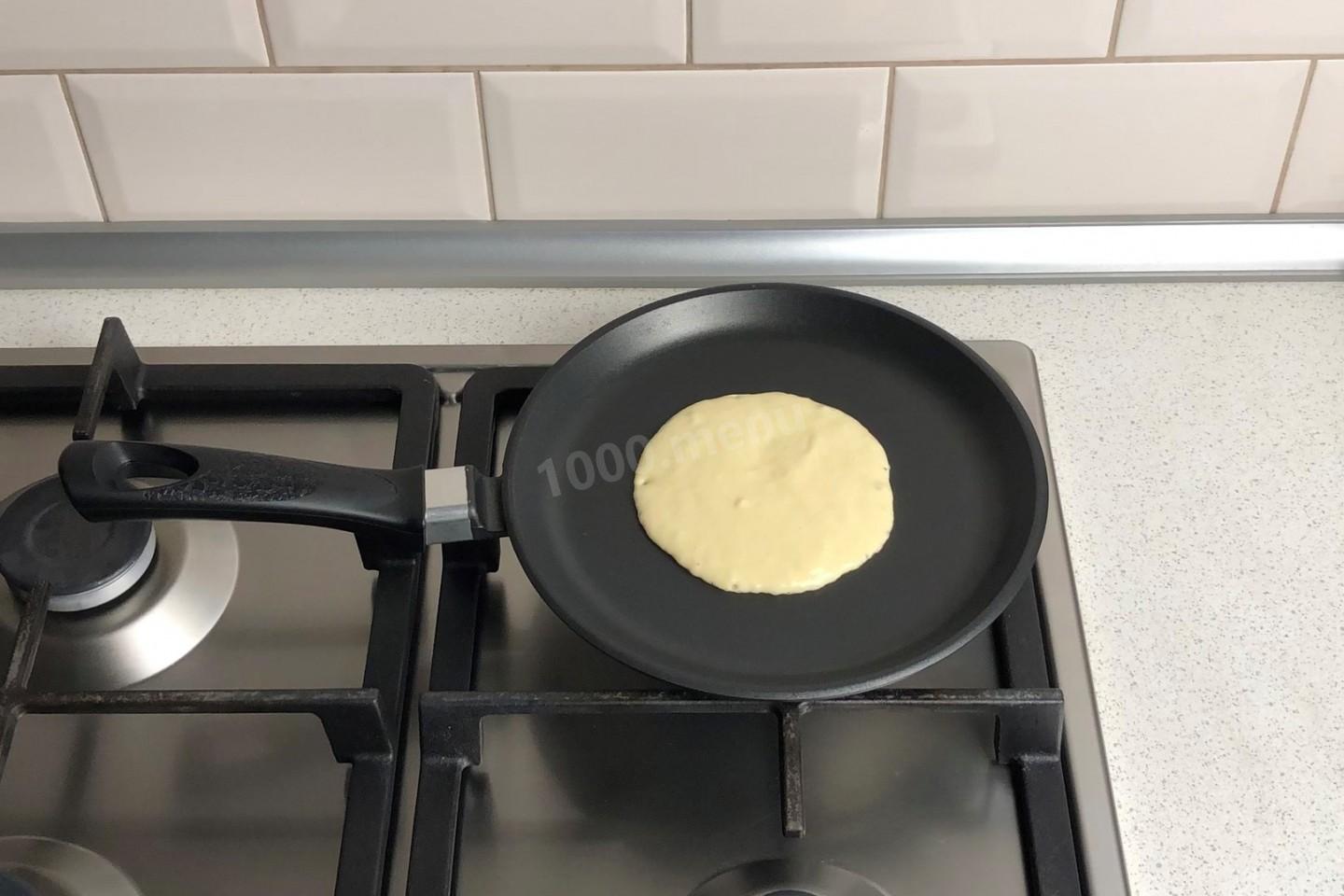
Heat a skillet over medium heat. A nonstick pancake pan is ideal; if you don't have one, use cast iron or any pan your pancakes won't stick to. This matters, because you fry these without any oil in the pan. If you're not sure about your pan, wipe it with a thin film of oil before the first pancake. Spoon the batter onto the pan, shaping even, medium rounds.
-
Step 10:
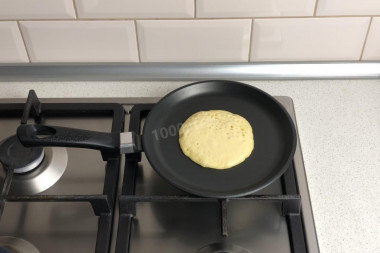
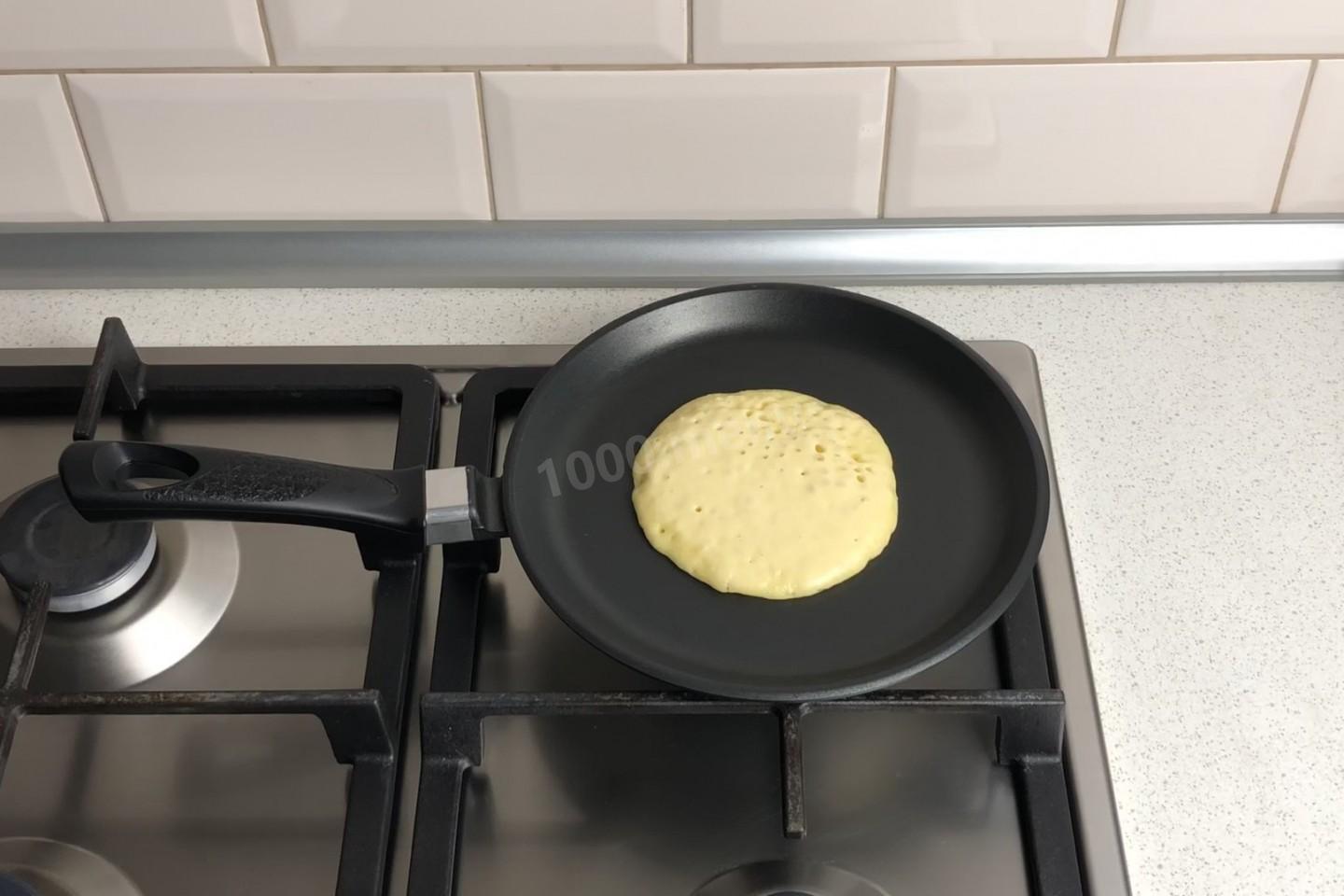
Cook each pancake over medium heat until bubbles form on the surface.
-
Step 11:
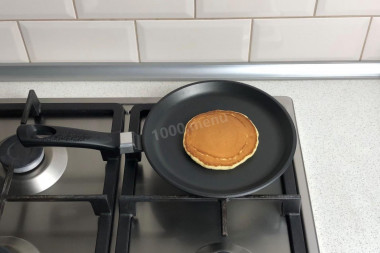
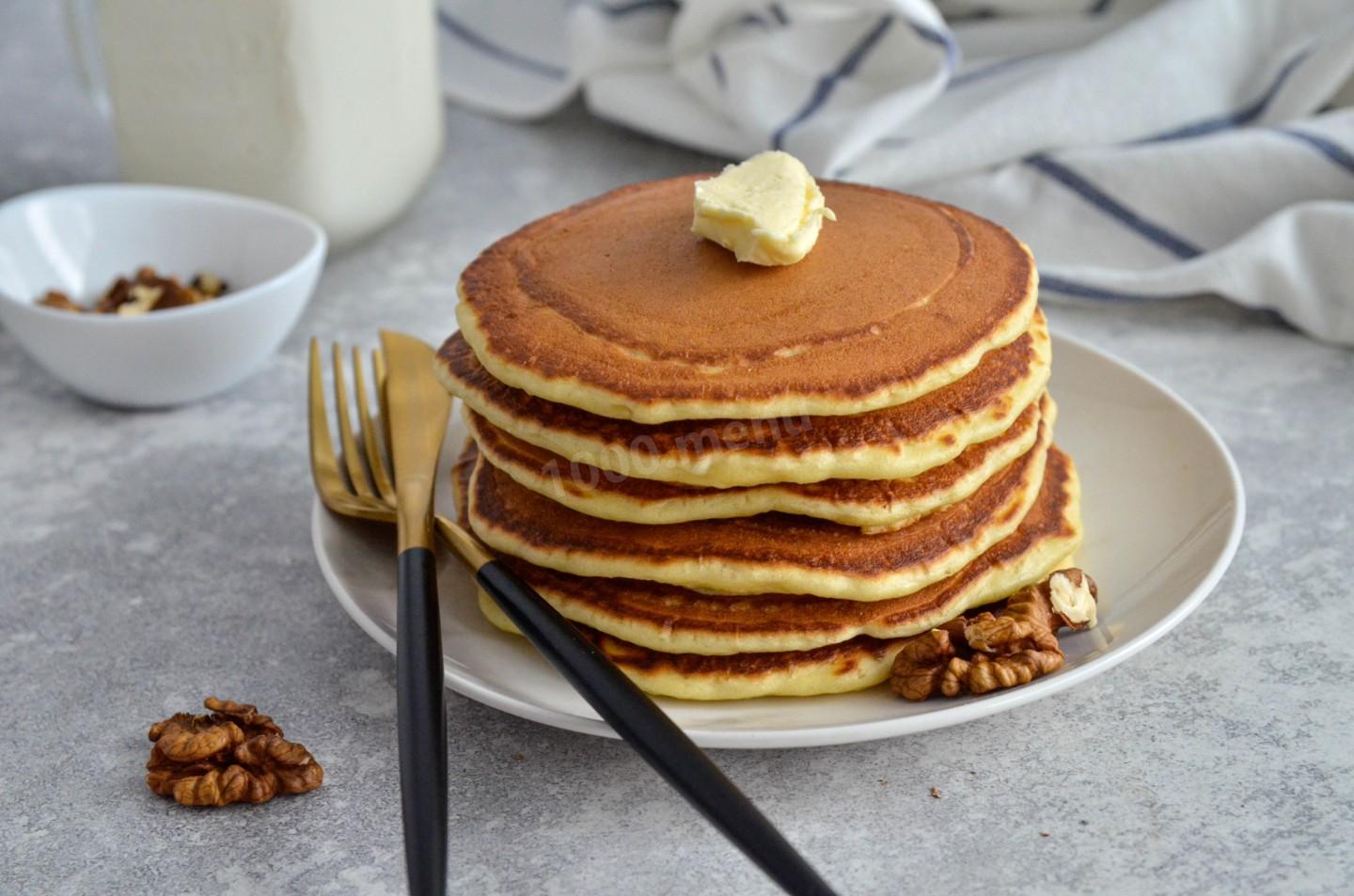
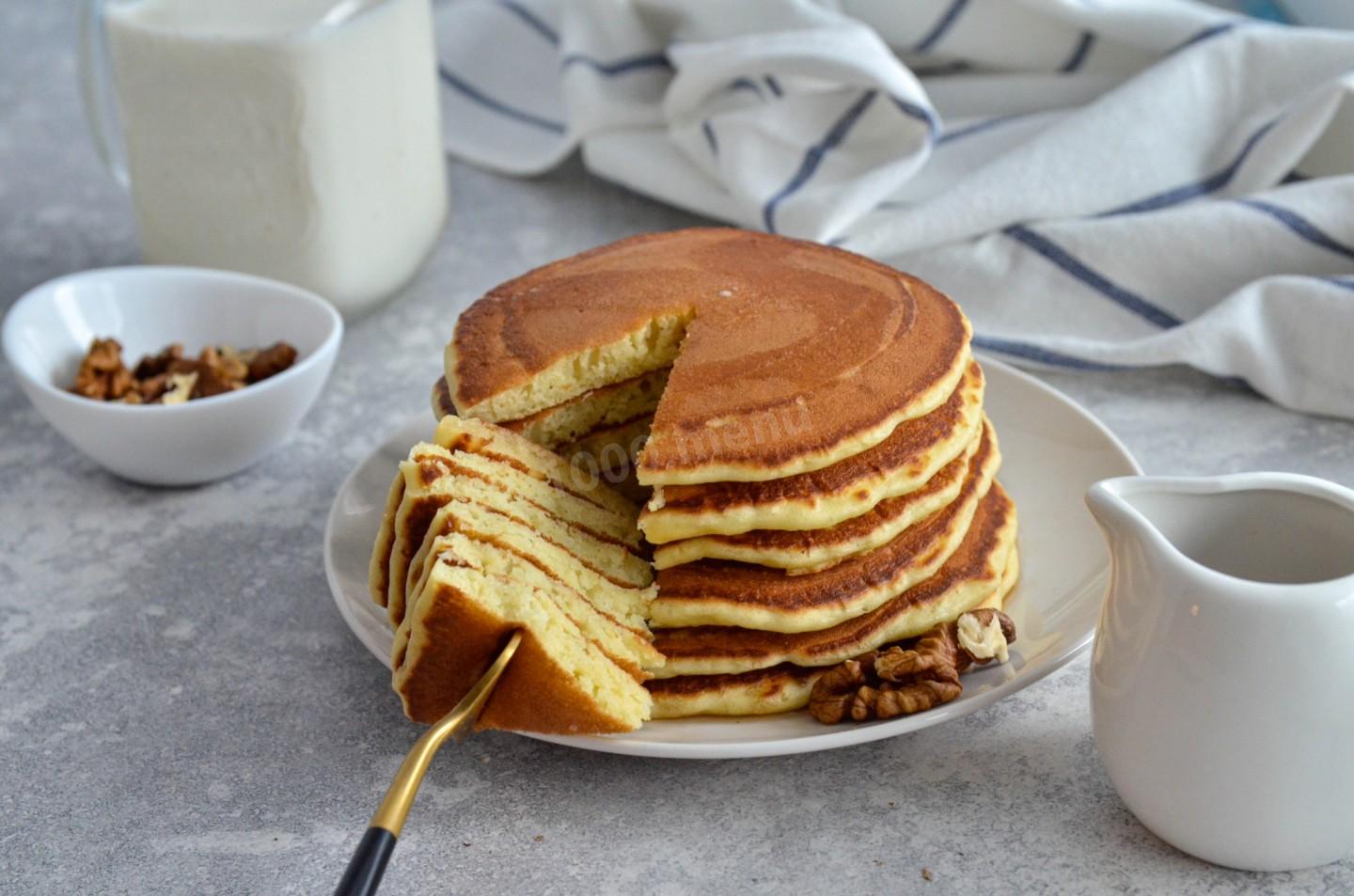
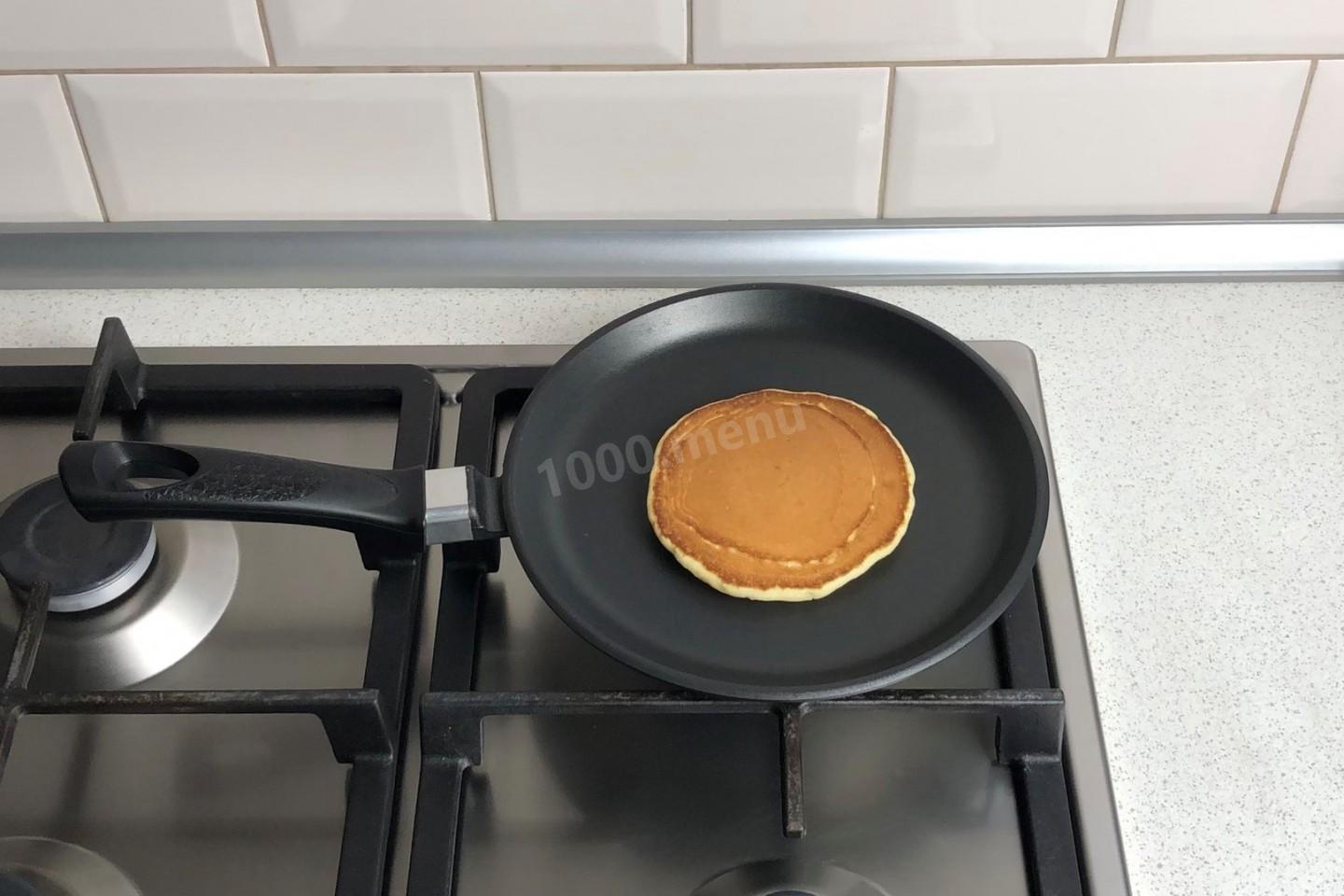
Flip and cook until done on the other side. Repeat with the rest of the batter. Traditionally these are made saucer-sized. Stack the finished pancakes one on top of another with a little butter on top. They're often eaten by slicing straight down through the whole stack, like a piece of cake.
- This is my new favorite pancake recipe. Thanks to the warm kefir and baking soda, they came out incredibly fluffy and delicious — just look at the cross-section photo to see how airy they are. We ate ours with maple syrup and nuts, but they're also great with jams, preserves, berries, fruit, or sauces. Serve them hot for the best texture.
- Be ready to use a little more or a little less flour than the recipe calls for. Go by the consistency of the batter rather than the exact amount of flour — different flours behave differently.
Caloric content of the products possible in the composition of the dish
- Chicken egg - 157 kcal/100g
- Egg white - 45 kcal/100g
- Egg powder - 542 kcal/100g
- Egg yolk - 352 kcal/100g
- Ostrich egg - 118 kcal/100g
- Whole durum wheat flour fortified - 333 kcal/100g
- Whole durum wheat flour, universal - 364 kcal/100g
- Flour krupchatka - 348 kcal/100g
- Flour - 325 kcal/100g
- Granulated sugar - 398 kcal/100g
- Sugar - 398 kcal/100g
- Kefir fat - 62 kcal/100g
- Kefir of 1% fat content - 38 kcal/100g
- Low-fat kefir - 30 kcal/100g
- Kefir 'doctor beefy' 1,8% fat content - 45 kcal/100g
- Kefir 2.5% fat content - 53 kcal/100g
- Butter 82% - 734 kcal/100g
- Amateur unsalted butter - 709 kcal/100g
- Unsalted peasant butter - 661 kcal/100g
- Peasant salted butter - 652 kcal/100g
- Melted butter - 869 kcal/100g
- Salt - 0 kcal/100g
- Baking soda - 0 kcal/100g
Similar recipes
- Fast and tasty
- For breakfast
- Children's recipes
- National cuisine
- Baking
- Eggs
- Dairy products
- Flour
- Sweet
- Spices seasonings spices
- Fats and oils
- Other
- Salt
- Butter
- Baking soda
- American cuisine
- Frying
- Hasty pastries
- Dishes in 30 minutes
- Pancakes and pancakes
- Baked on kefir
- Quick baking
- Sweet pastry
- Yeast-free baking
- Egg breakfast
- Kefir
- Sugar