Pork Cooked in a Cauldron Over a Campfire
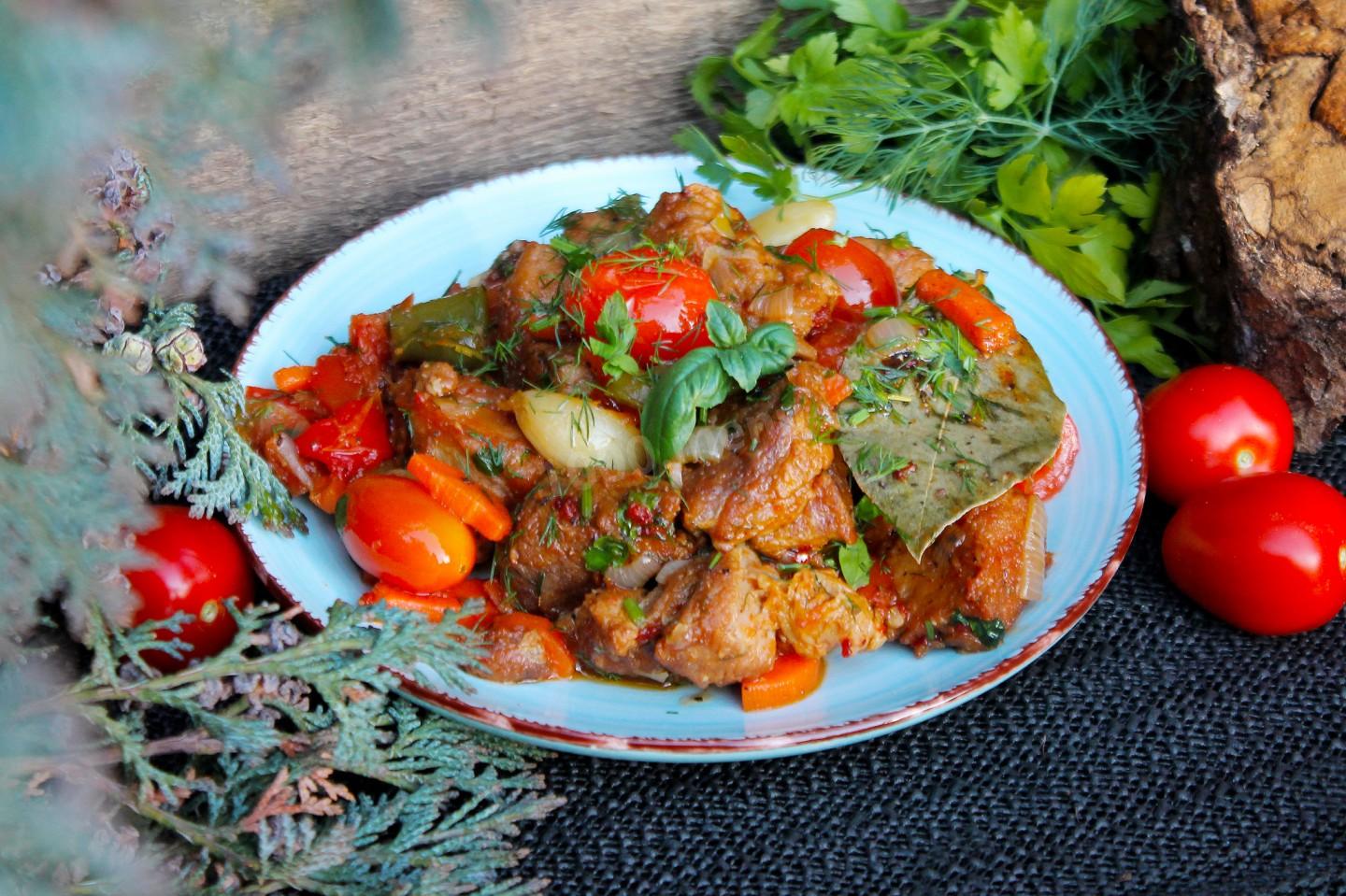
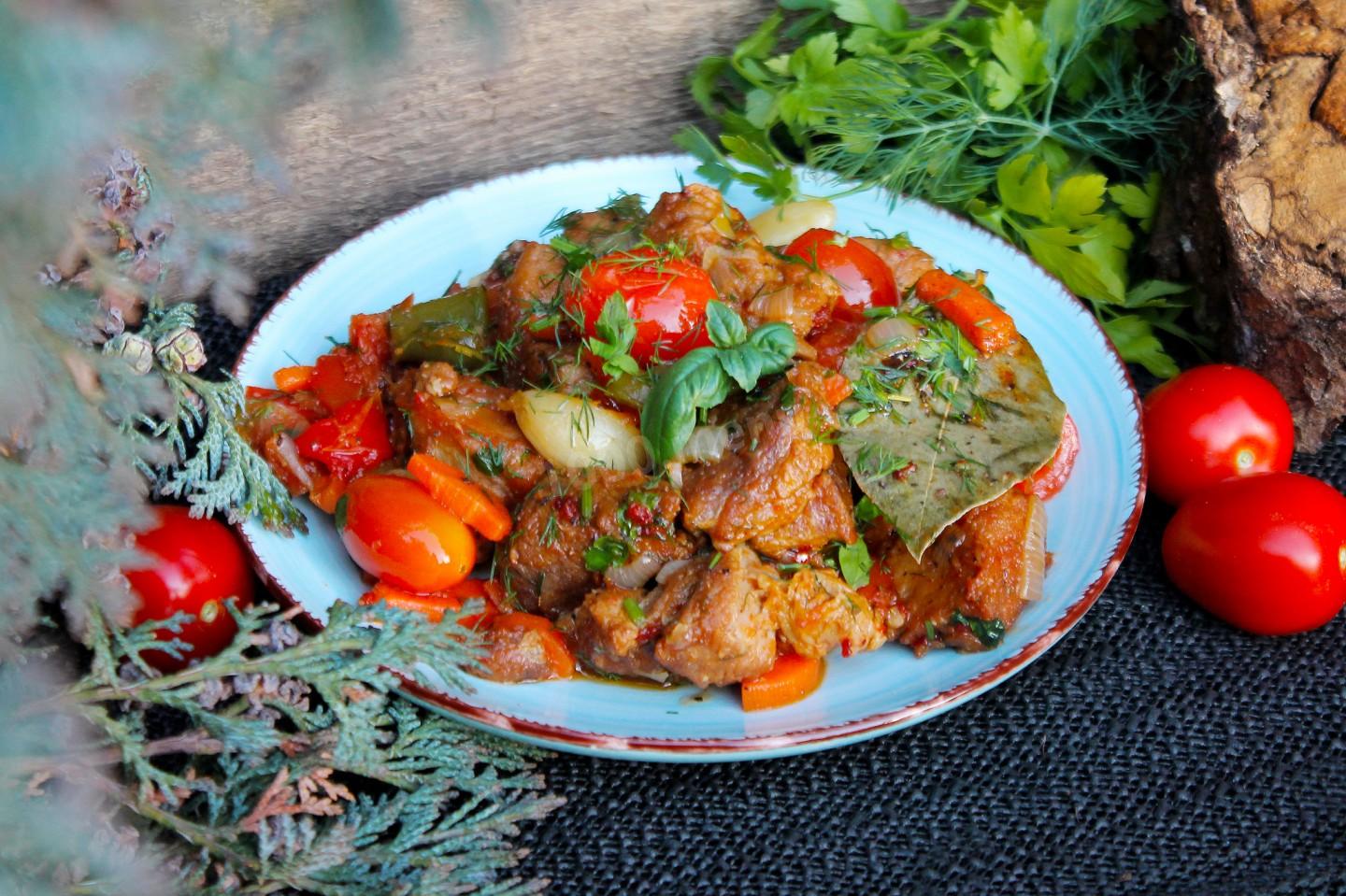
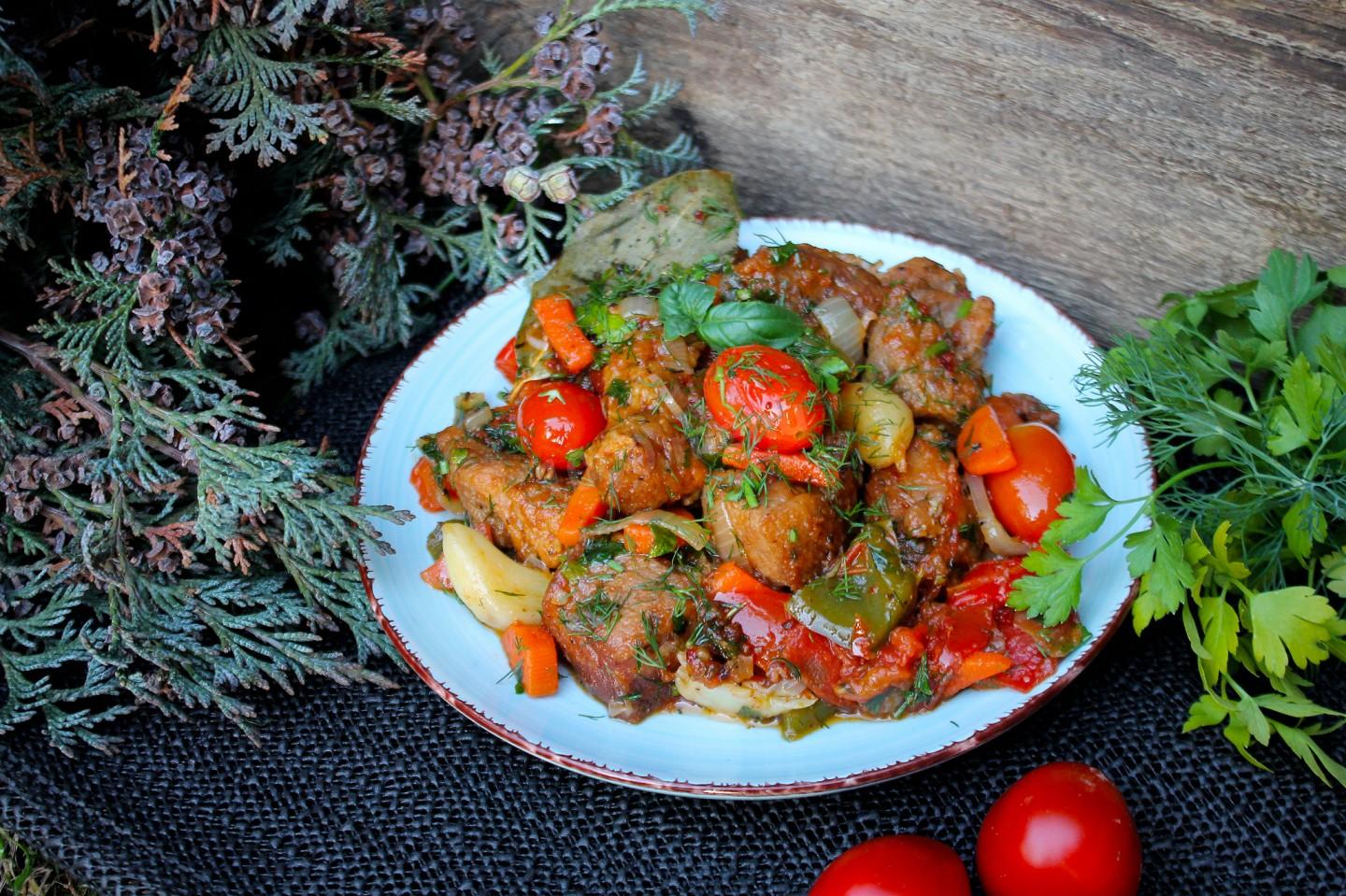
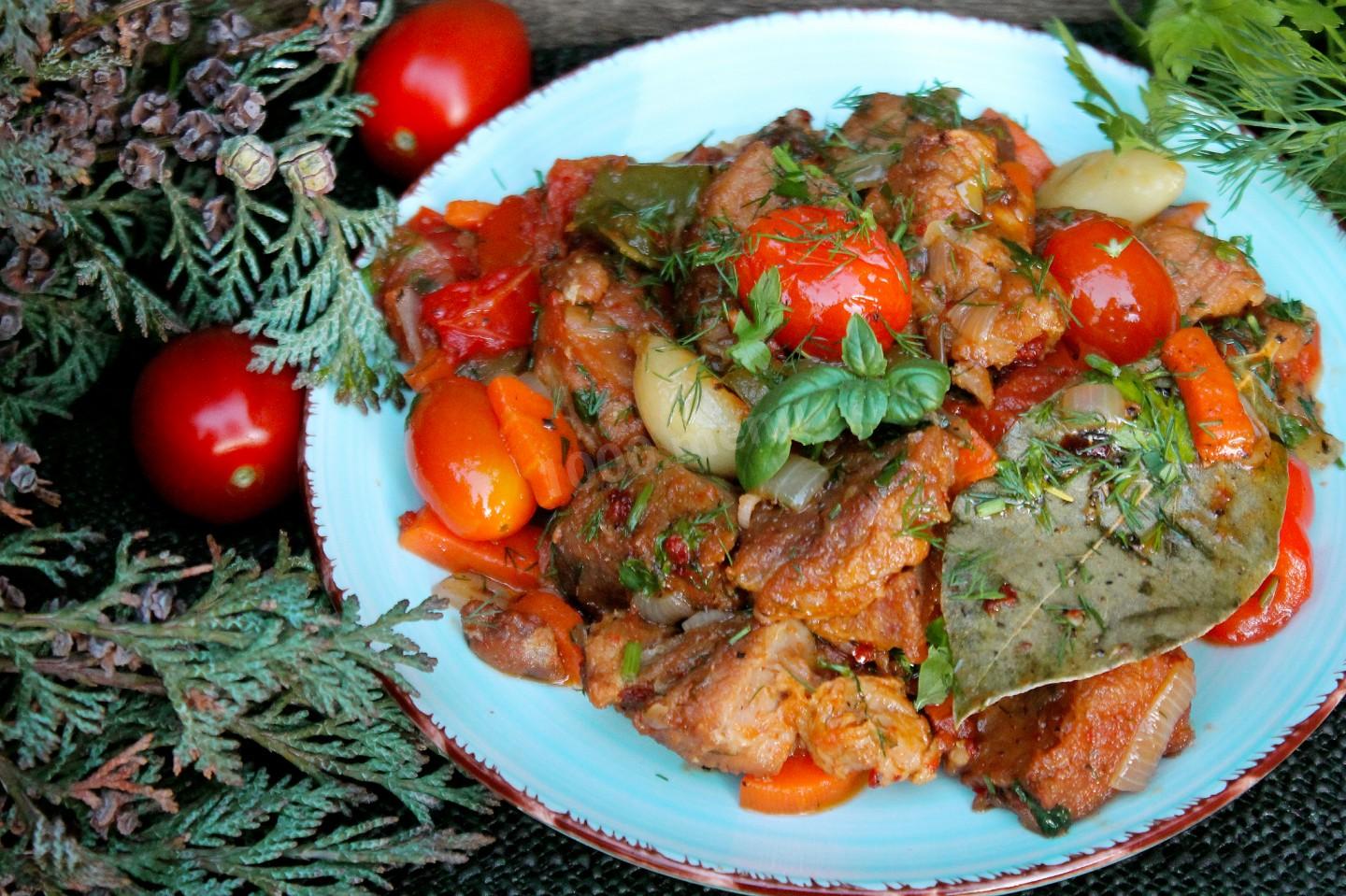
Incredibly delicious meat cooked in a cauldron over an open fire! Pork with vegetables and that hint of woodsmoke is a wonderful main dish to mix up your menu. If you've got a picnic or a get-together outdoors on the calendar, you have to try this simple, wonderfully fragrant dish!

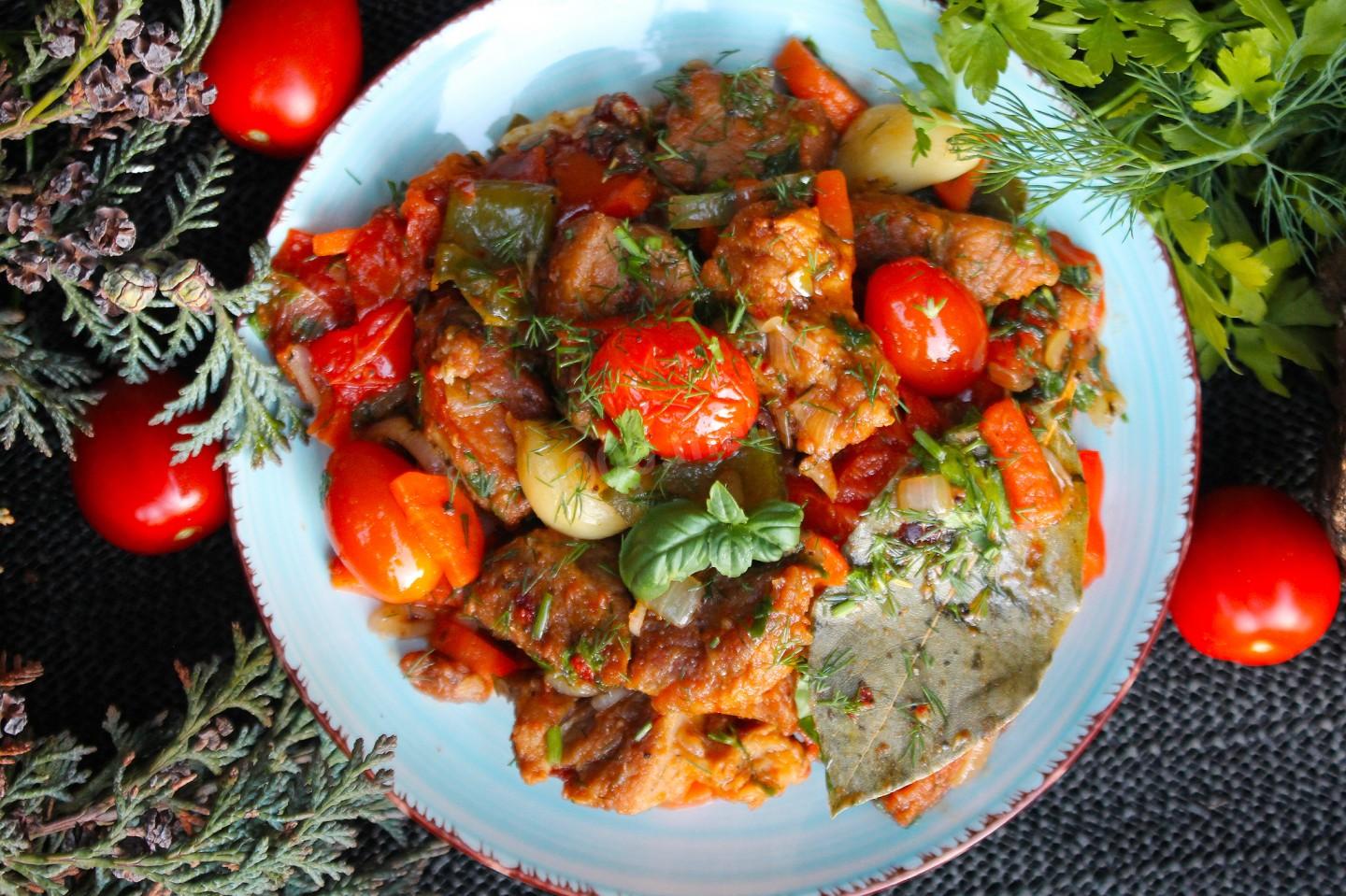
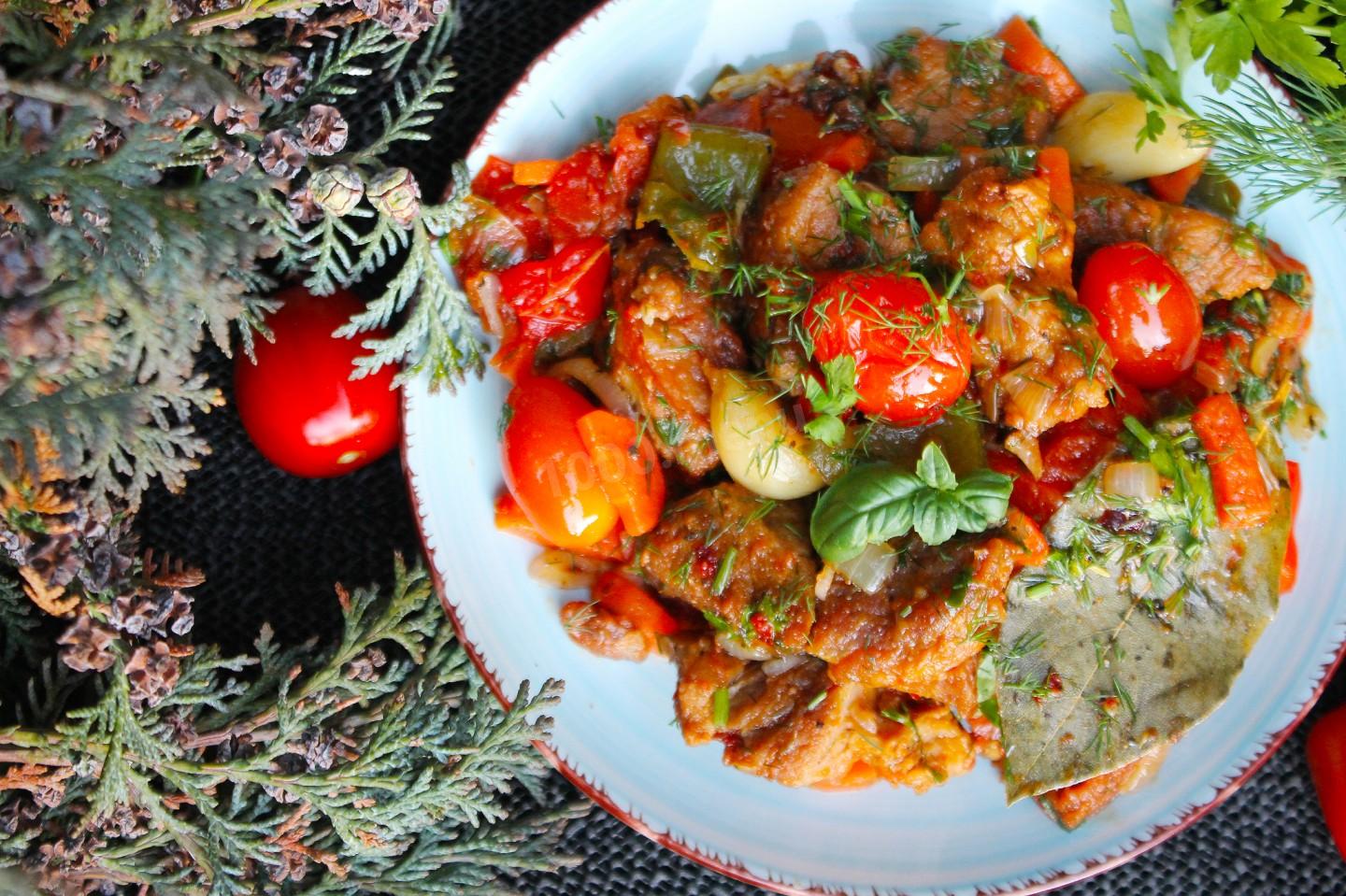
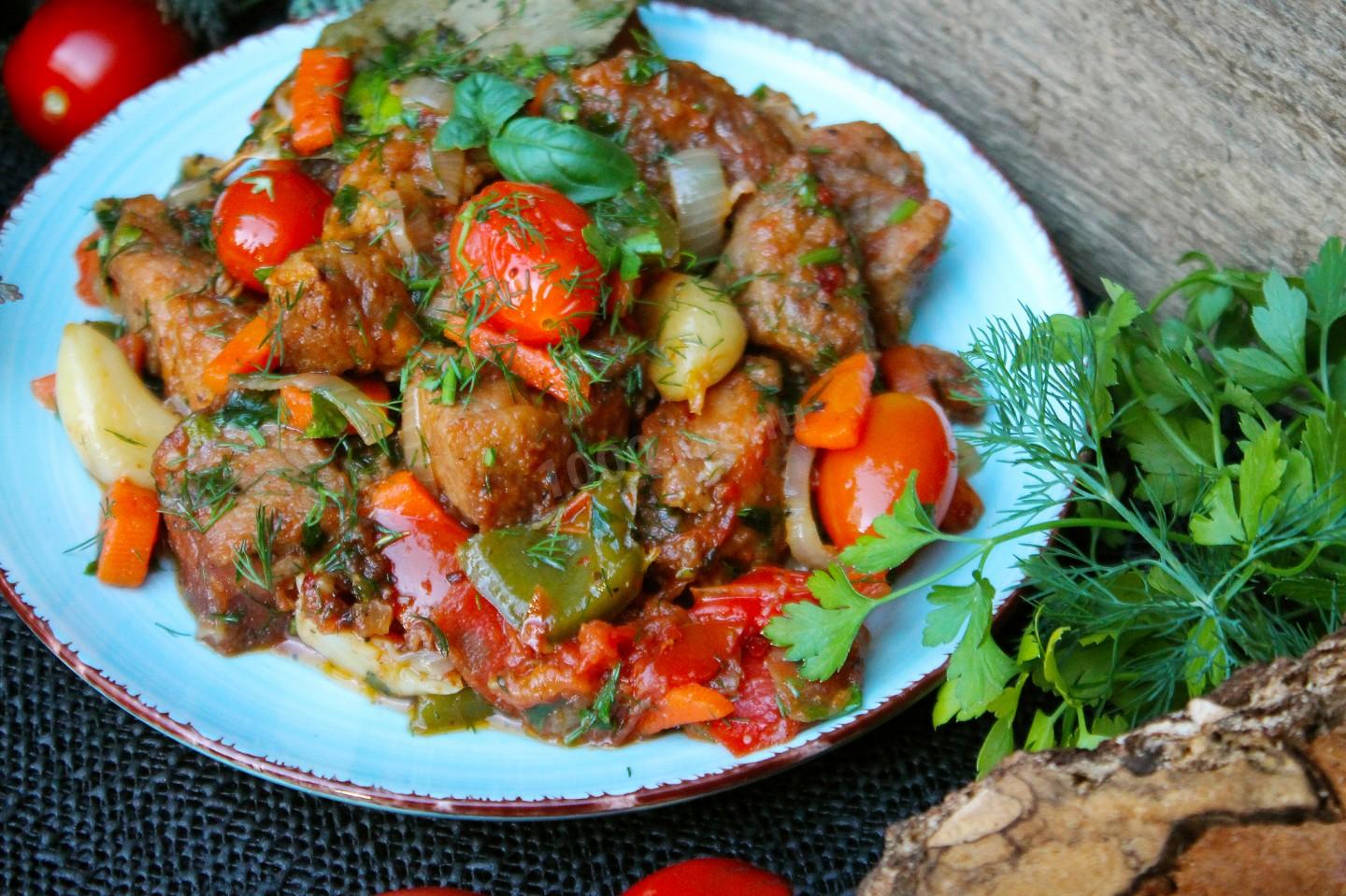
Cooking method
-
Step 1:
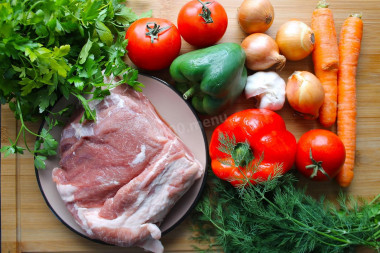
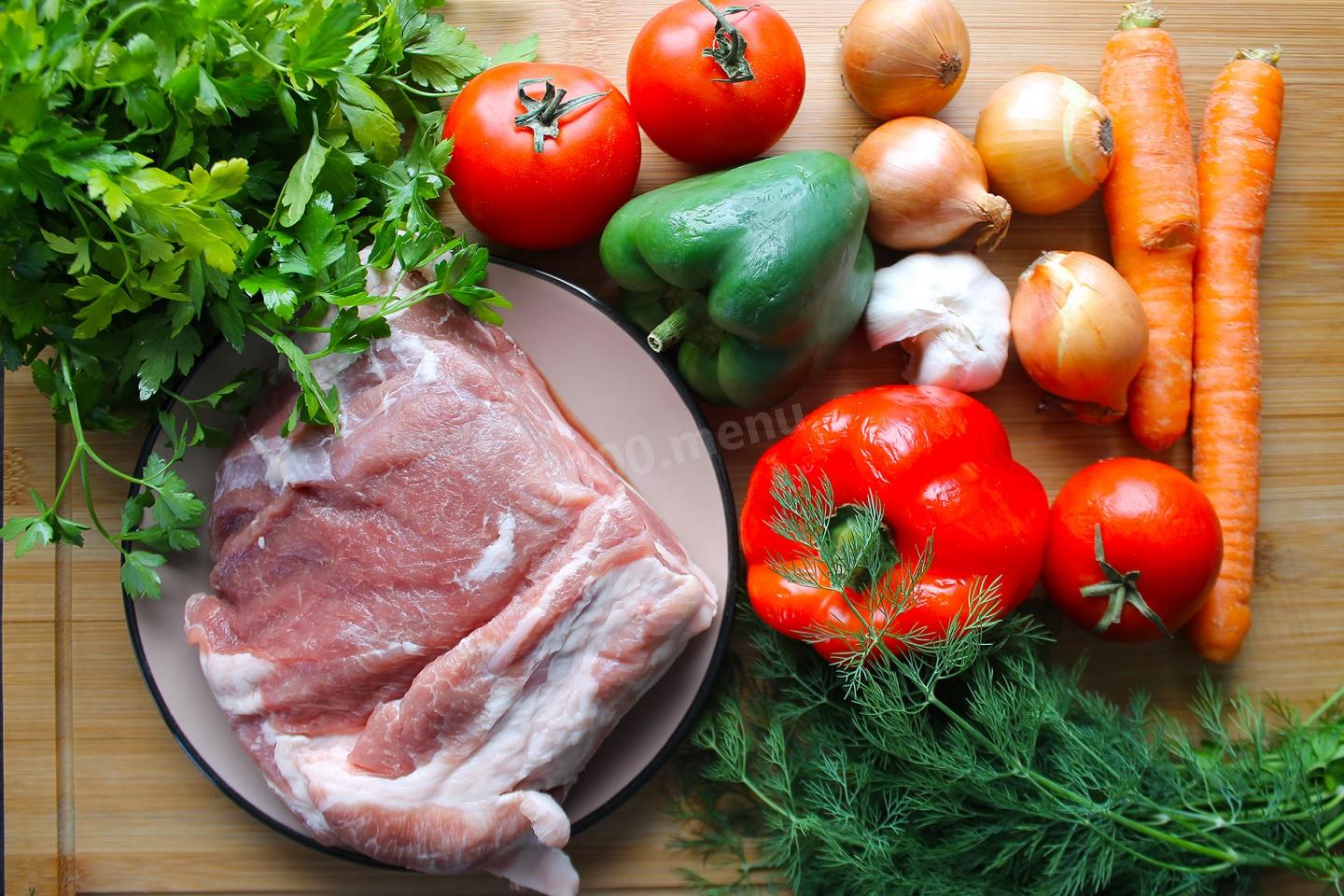
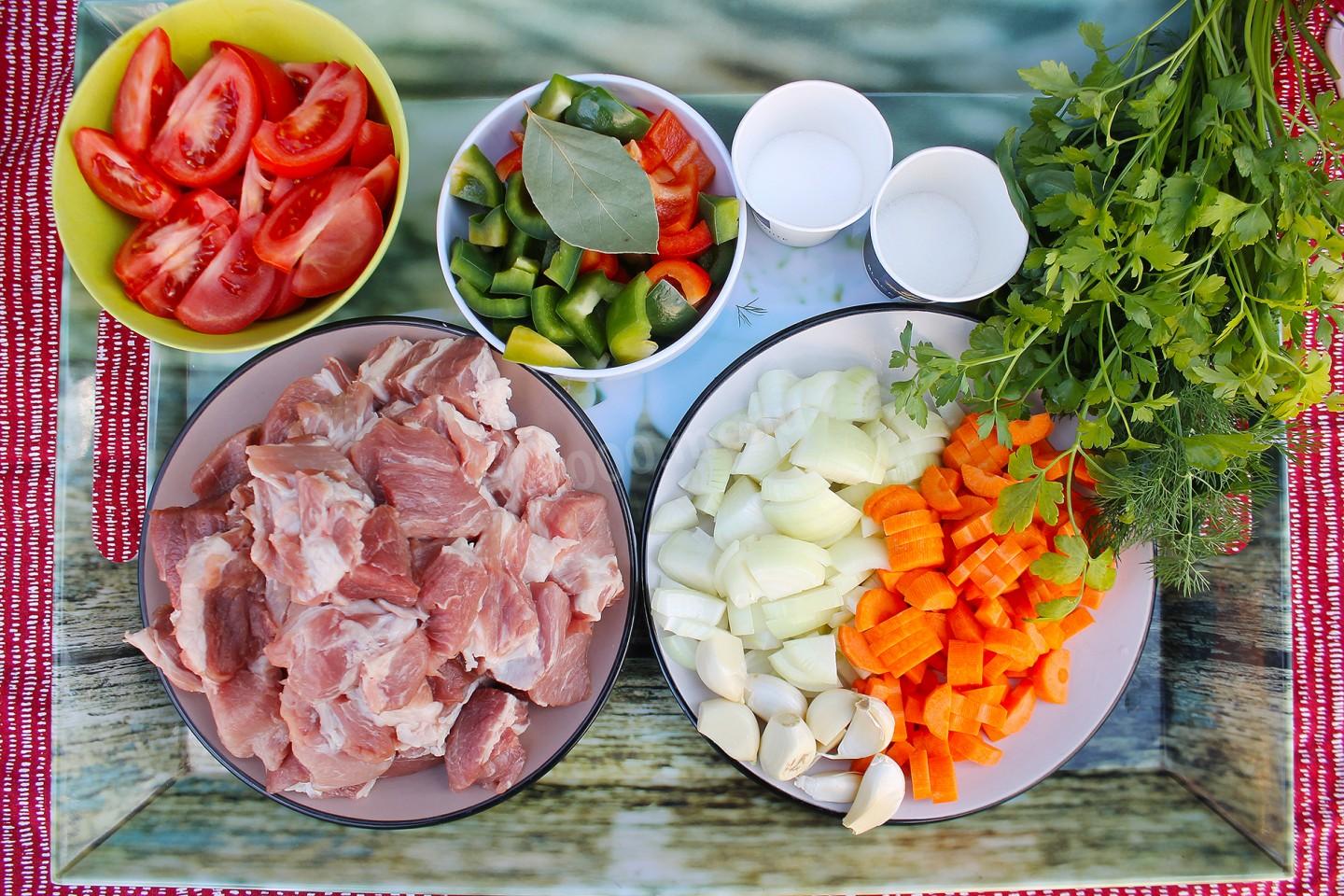
How do you cook pork in a cauldron over a campfire? For this dish, pork neck (pork collar) is your best bet — it's more tender and juicy, so the finished dish comes out succulent and full of flavor. Prep your vegetables and herbs. You'll need bell peppers, onions, carrots, and tomatoes; be sure to add garlic and a bay leaf for aroma, along with some fresh herbs.
-
Step 2:
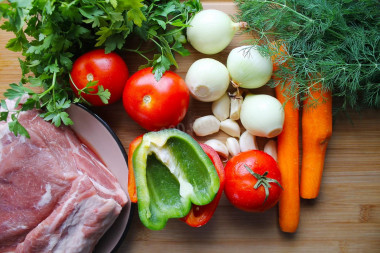
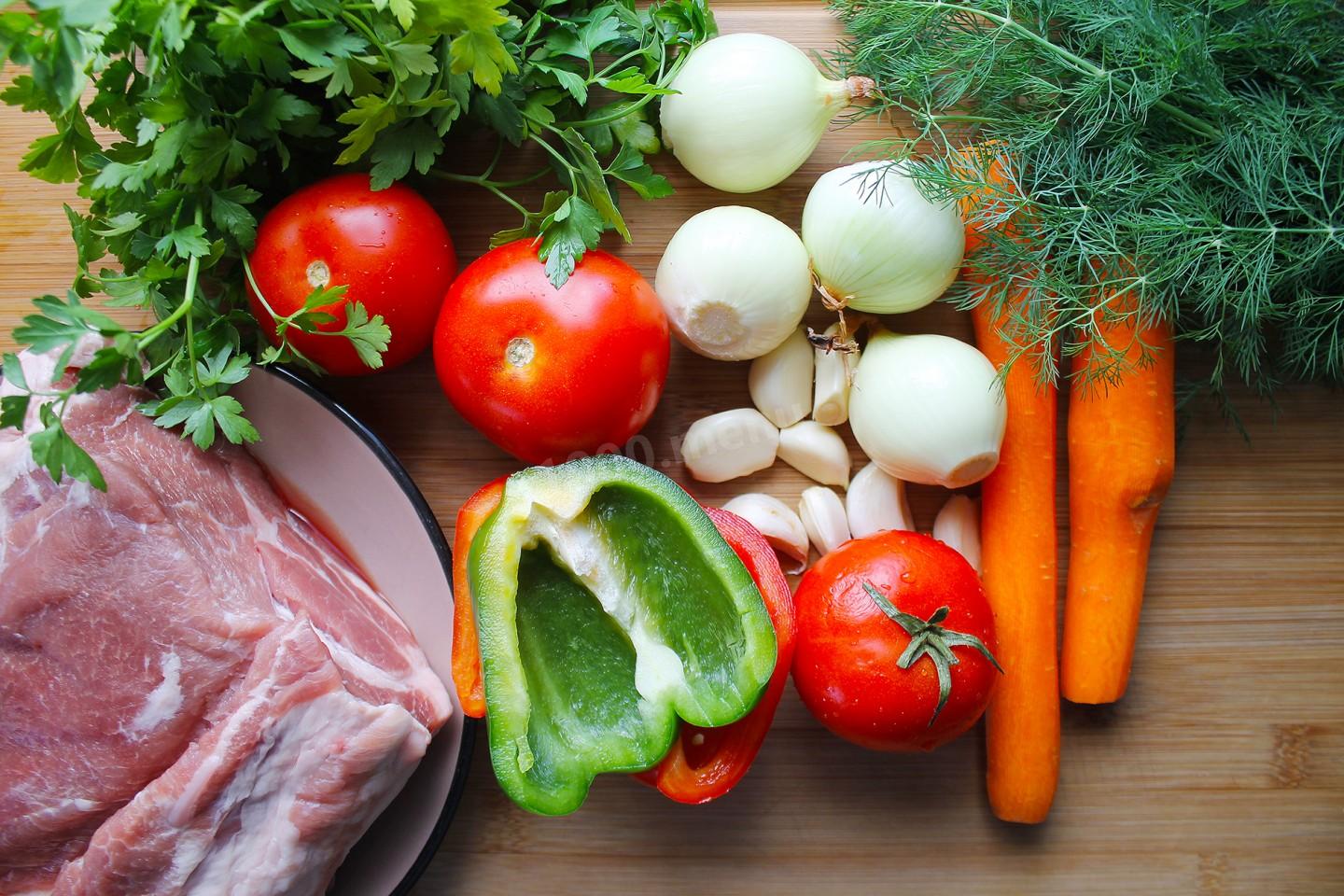
Rinse the piece of meat under running water and pat it dry with paper towels. Peel the onion, carrot, and garlic (you can leave a few cloves of garlic in their skins). Cut the stem off the pepper and remove all the seeds; trim the stem ends off the tomatoes. Give the vegetables a rinse in clean water.
-
Step 3:
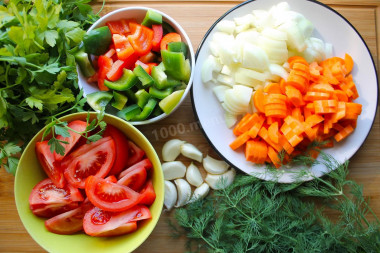
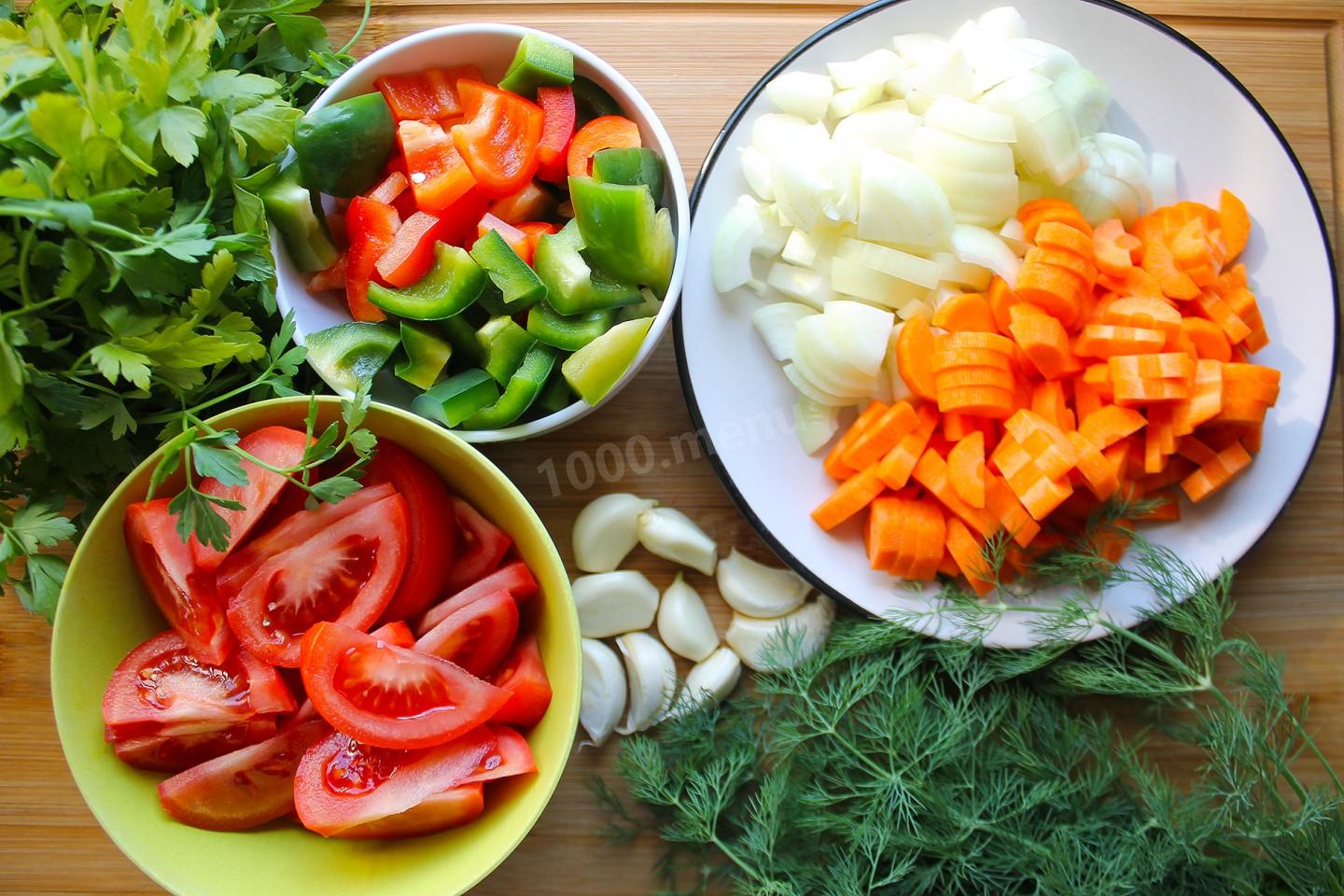
To keep each vegetable's flavor, I recommend cutting them on the larger side. Slice the carrot into rounds, then halve each round. Chop the onion and bell pepper into large cubes. Cut the tomatoes the same way as the peppers and onions, or into wedges as shown in the photo.
-
Step 4:
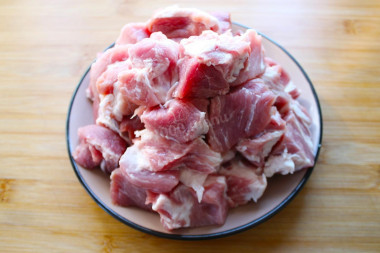
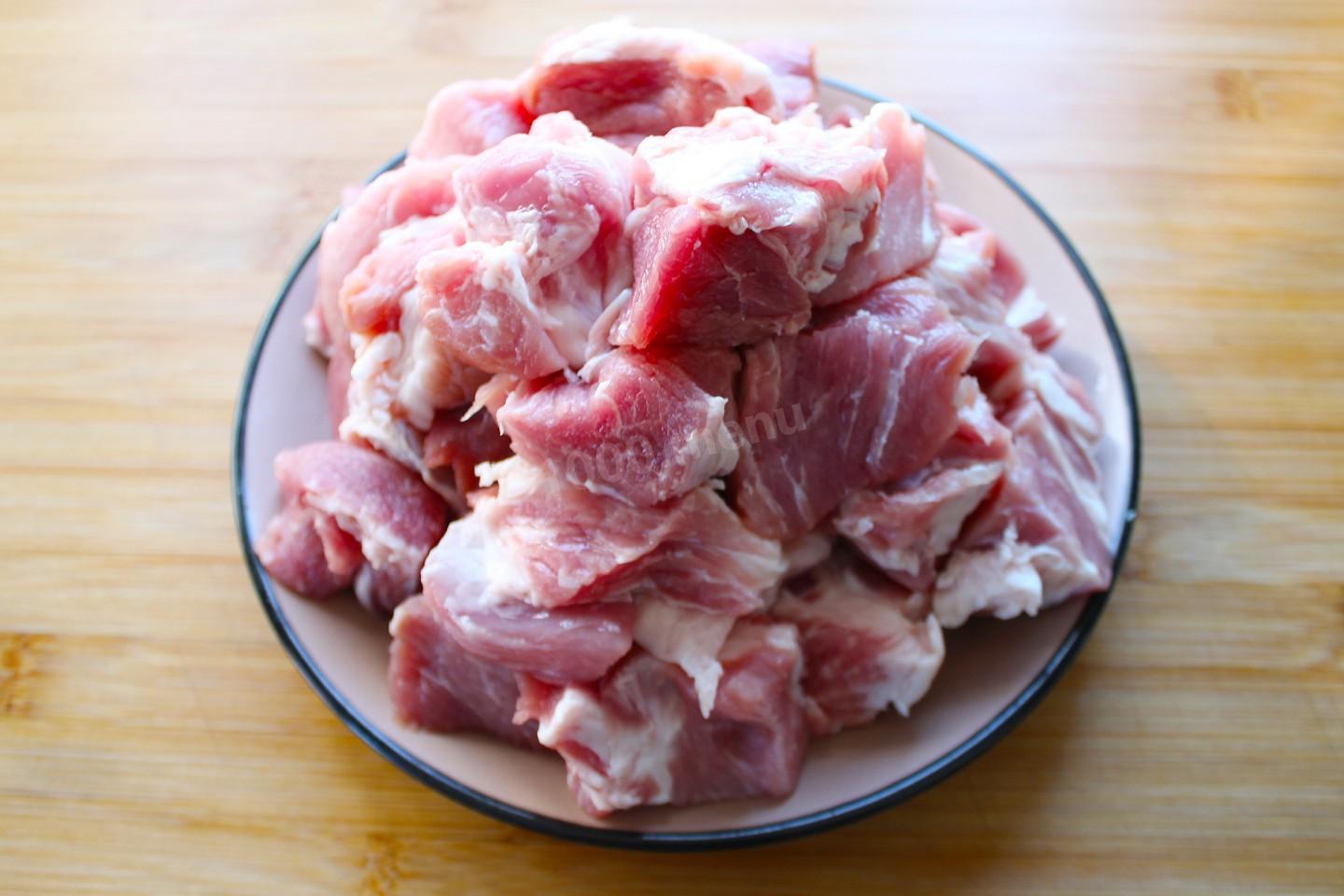
Cut the meat into medium chunks, roughly the size of a child's fist or a matchbox.
-
Step 5:
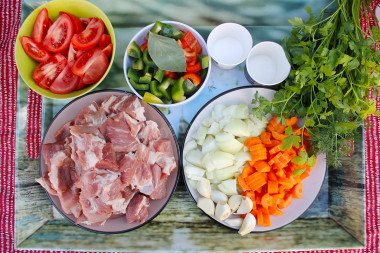
The basic prep is done, so now you can get the fire going. It's best to have the vegetables ready ahead of time, since they'll go into the cauldron one after another in quick succession.
-
Step 6:
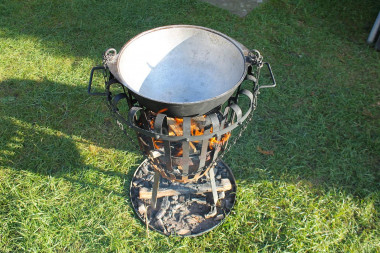
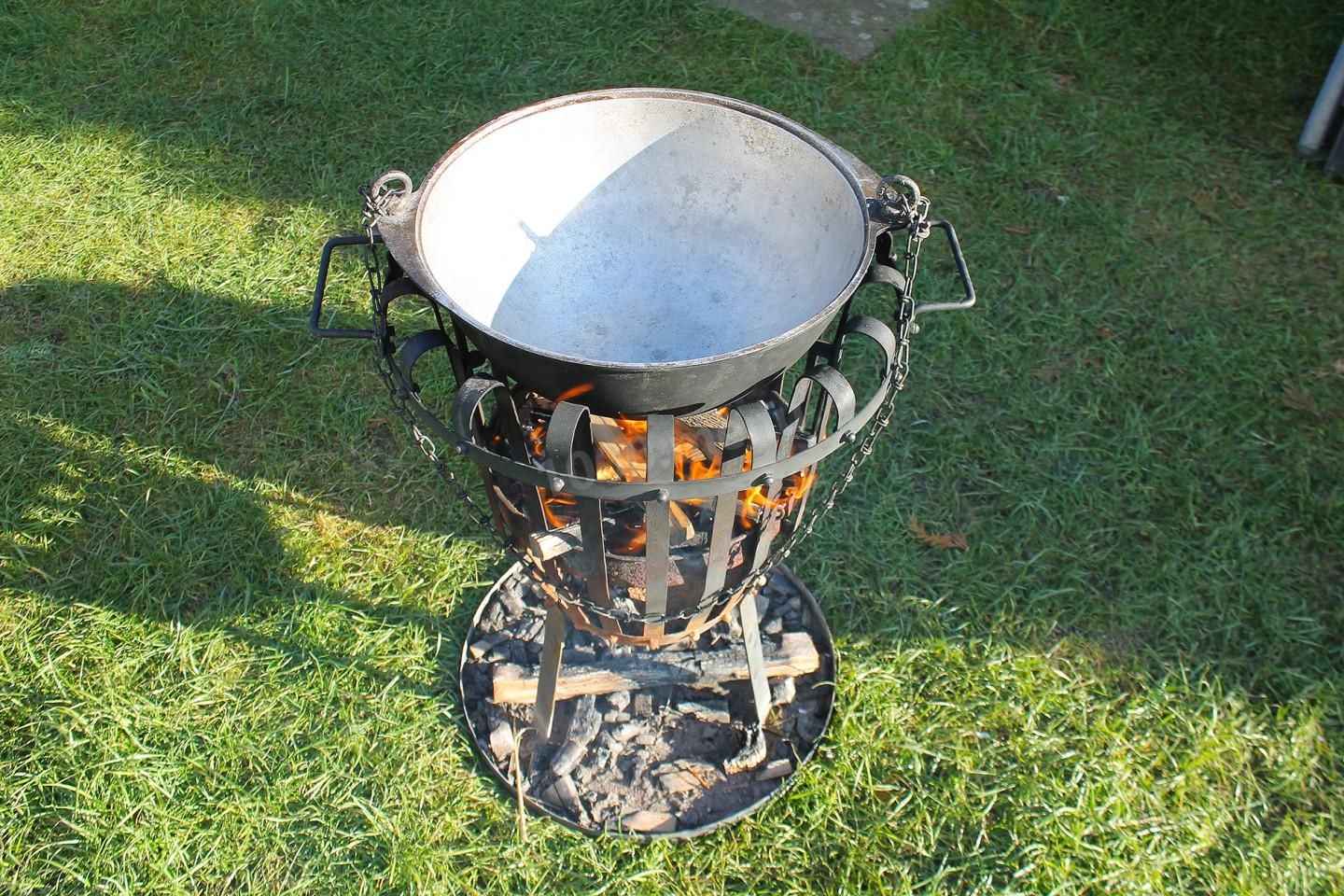
Set the cauldron over the fire and wait until it's good and hot.
-
Step 7:
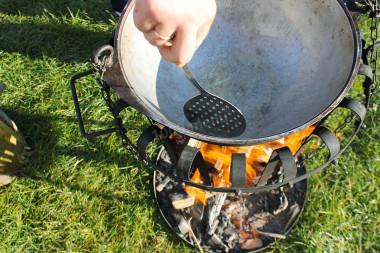
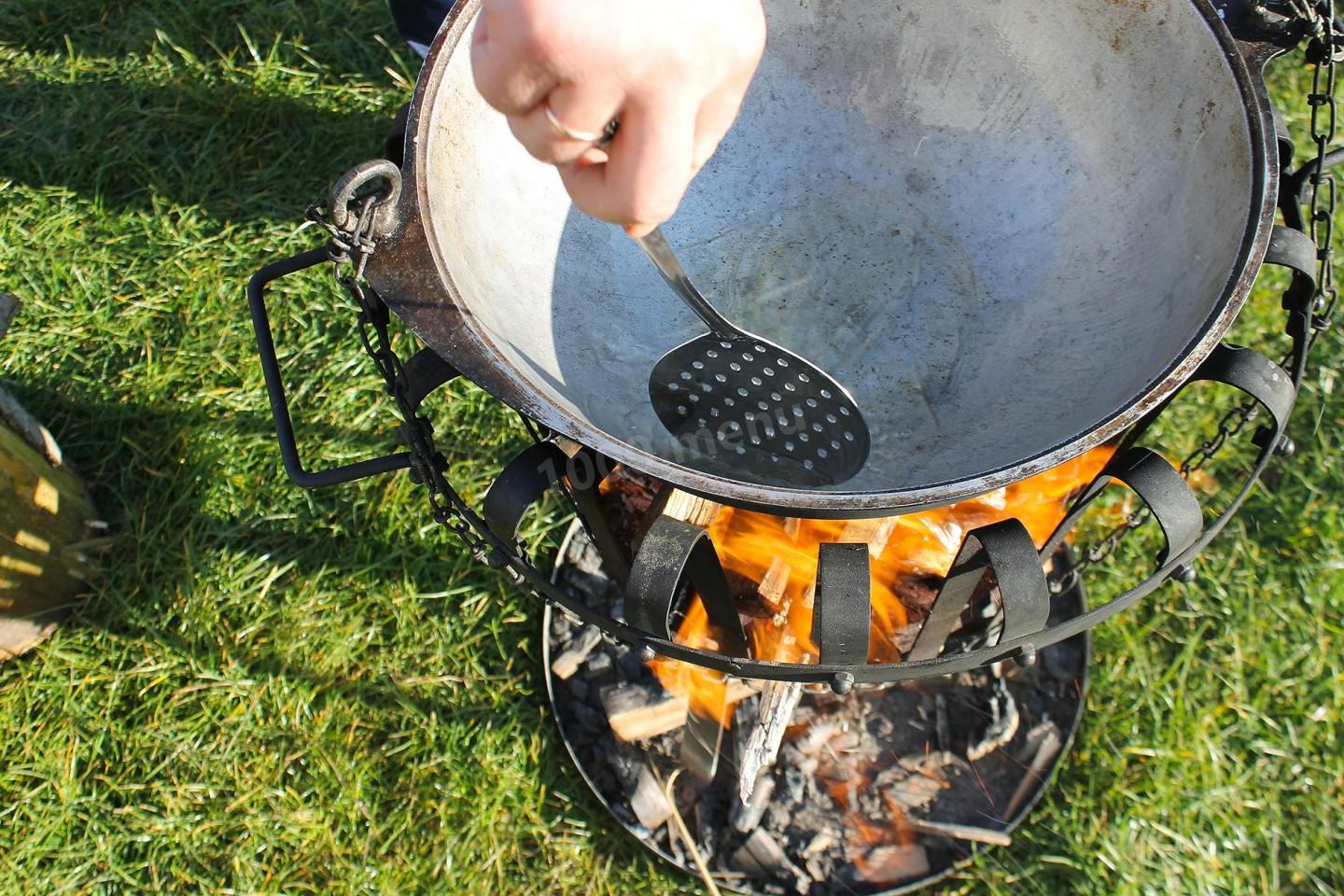
Pour in the vegetable oil and let it get screaming hot. Using a slotted spoon, ladle some of the hot oil up over the sides of the cauldron (careful — don't burn yourself!).
-
Step 8:
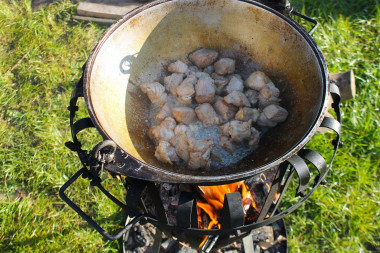
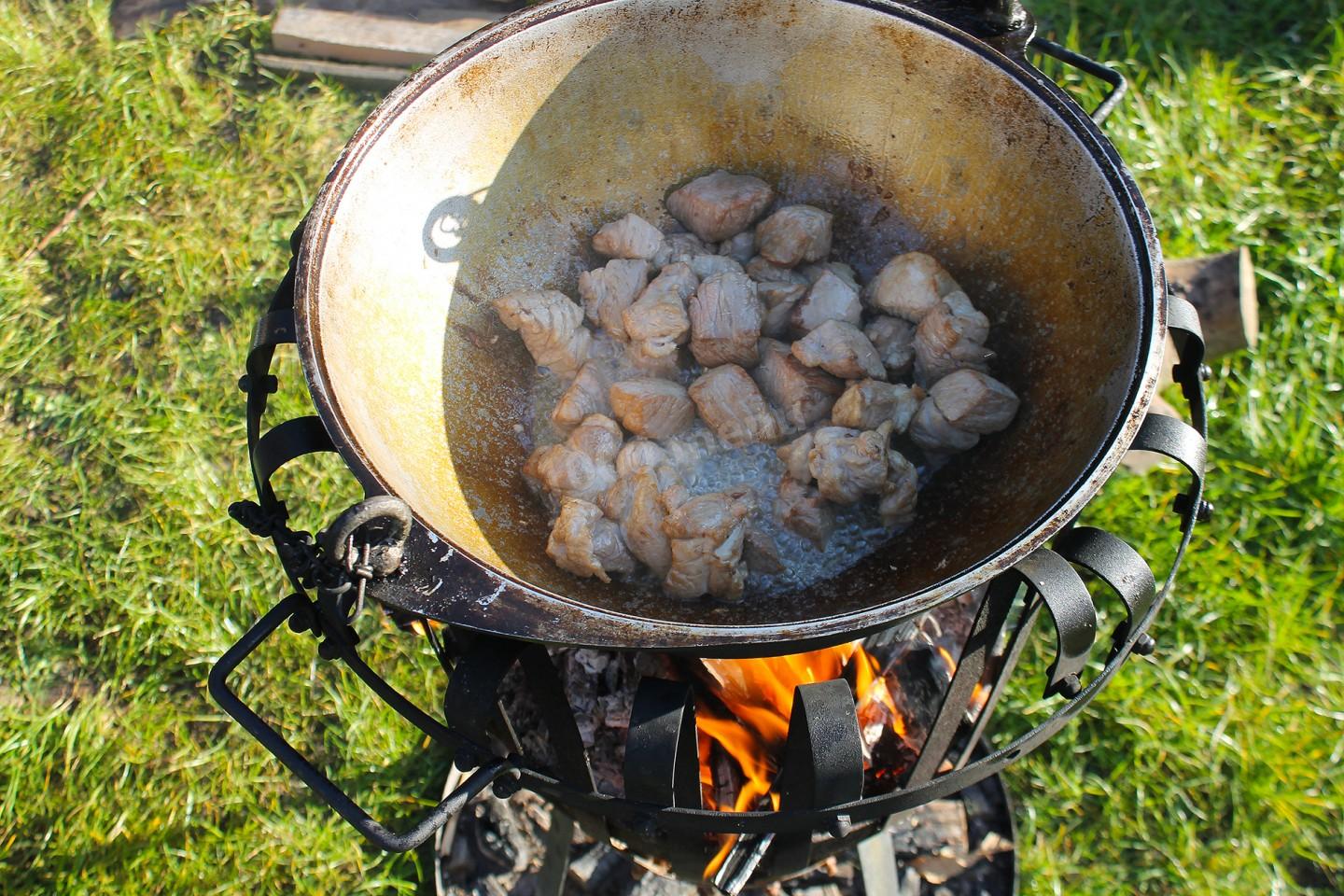
Drop the pieces of meat into the cauldron and, stirring constantly, fry the pork over a strong fire until browned (about 10 to 15 minutes). Pour in a cup of water, bring the fire down to moderate, and simmer the pork for about 20–30 minutes with the lid on. Check under the lid now and then — if the liquid has cooked away, add a little more water so the meat doesn't scorch.
-
Step 9:
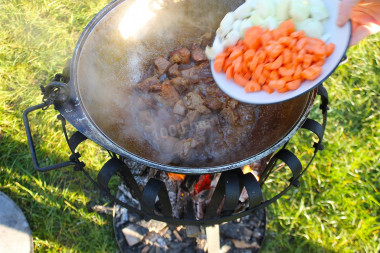
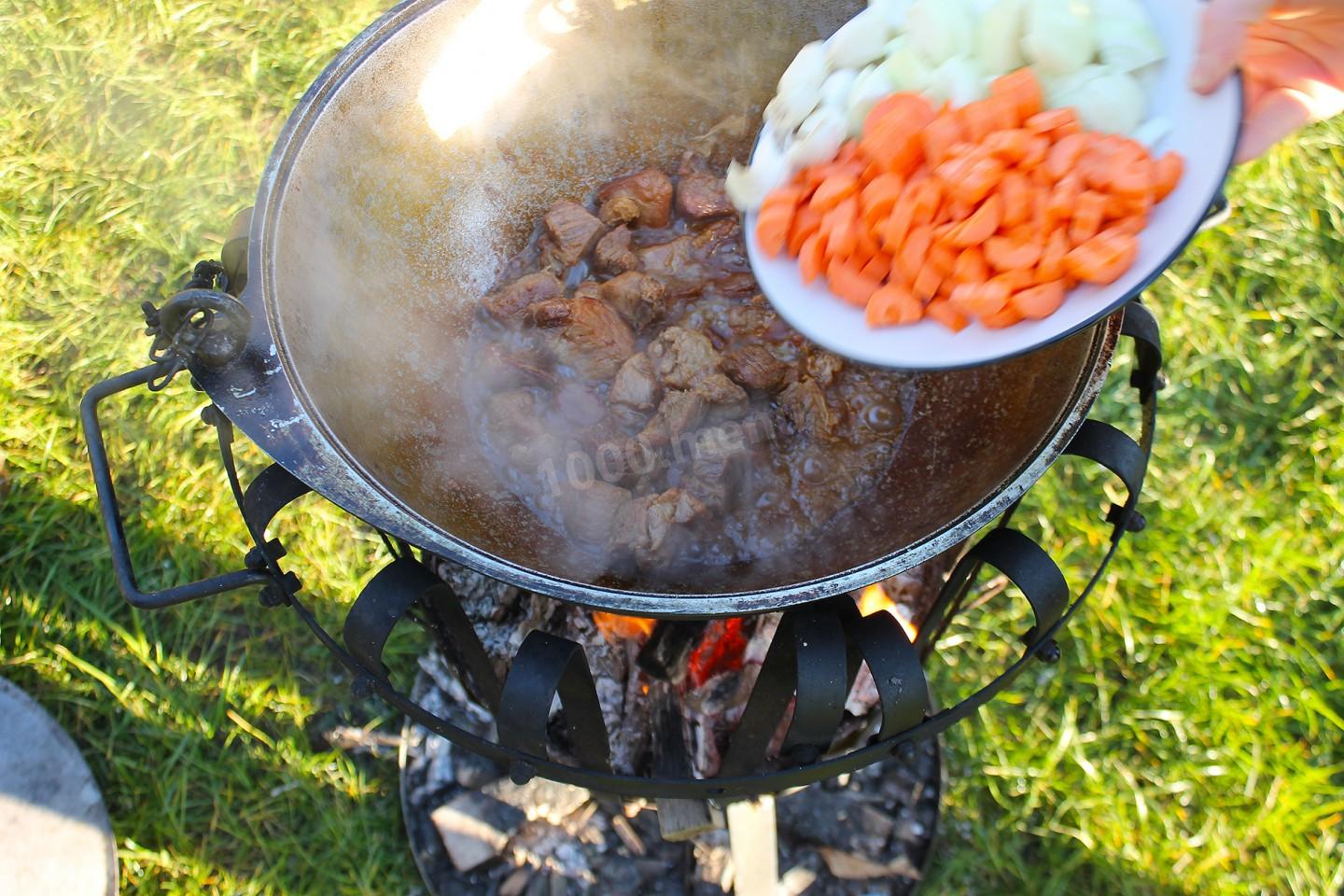
After 30 minutes, take off the lid. Add more wood to build the fire back up. Wait until the remaining liquid boils off, then salt the meat to taste. Add the carrots, garlic, and onions to the cauldron and, stirring everything together, fry for about 5 minutes, until you smell the onions cooking.
-
Step 10:
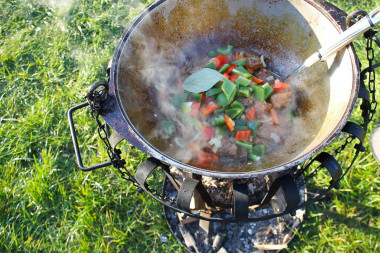
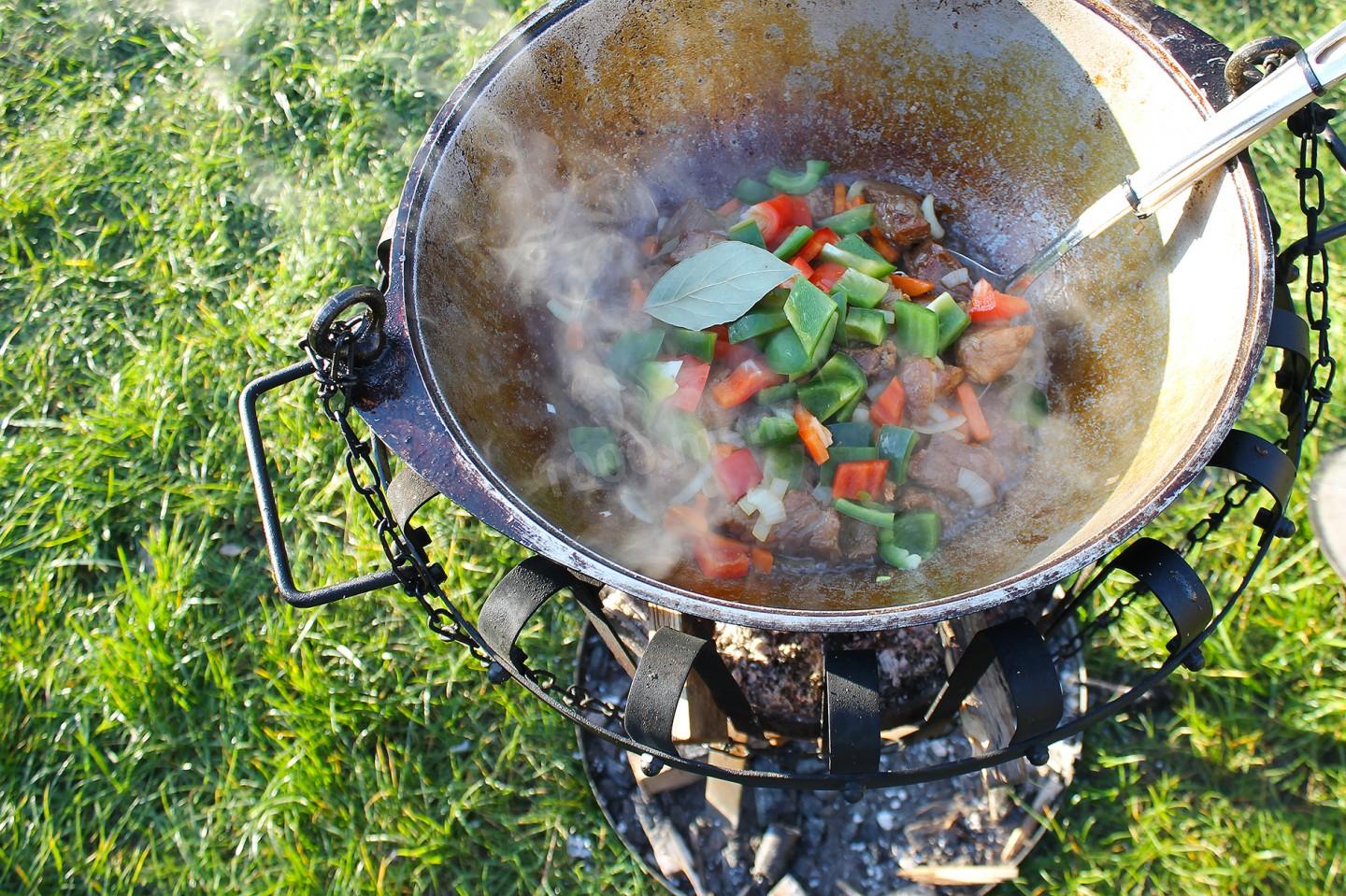
Next up are the bell pepper and bay leaf. Add them to the cauldron and stir everything together. Cook for about one to two minutes.
-
Step 11:
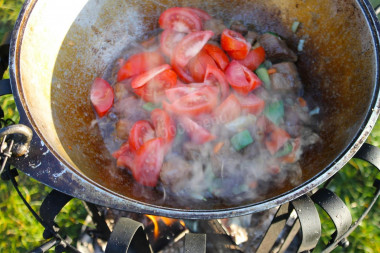
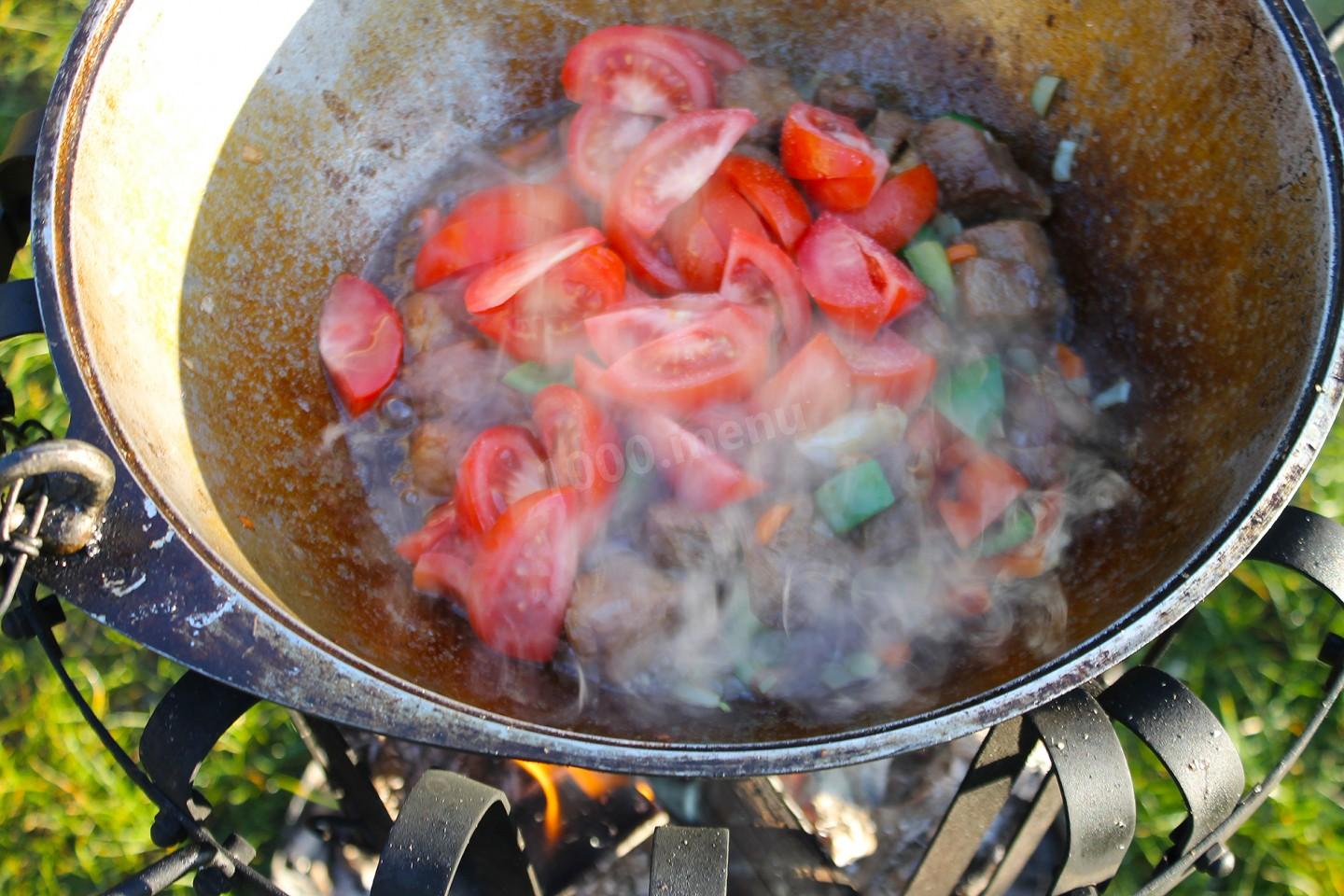
Add the tomatoes to the meat. If you're using out-of-season tomatoes, you can toss in a pinch of sugar; if they're garden-ripe, you can skip it.
-
Step 12:
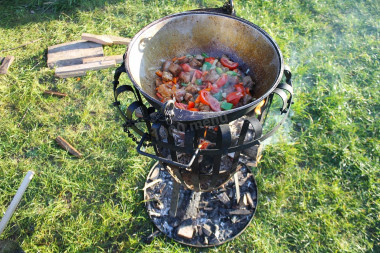
Stir the meat and vegetables together well; at this point you can add your favorite spices and seasonings. Bring the fire back down to low, cover the cauldron, and simmer for about 15 minutes. Open the lid every so often to check that there's enough liquid from the tomatoes and that nothing is scorching. If it's looking dry, add half a cup of water.
-
Step 13:
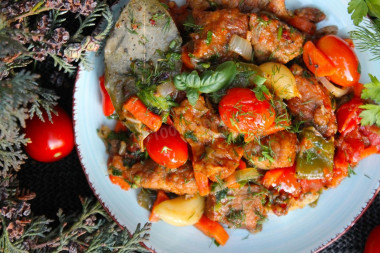
Sprinkle the finished dish with allspice or ground chili pepper and scatter over some finely chopped fresh herbs.
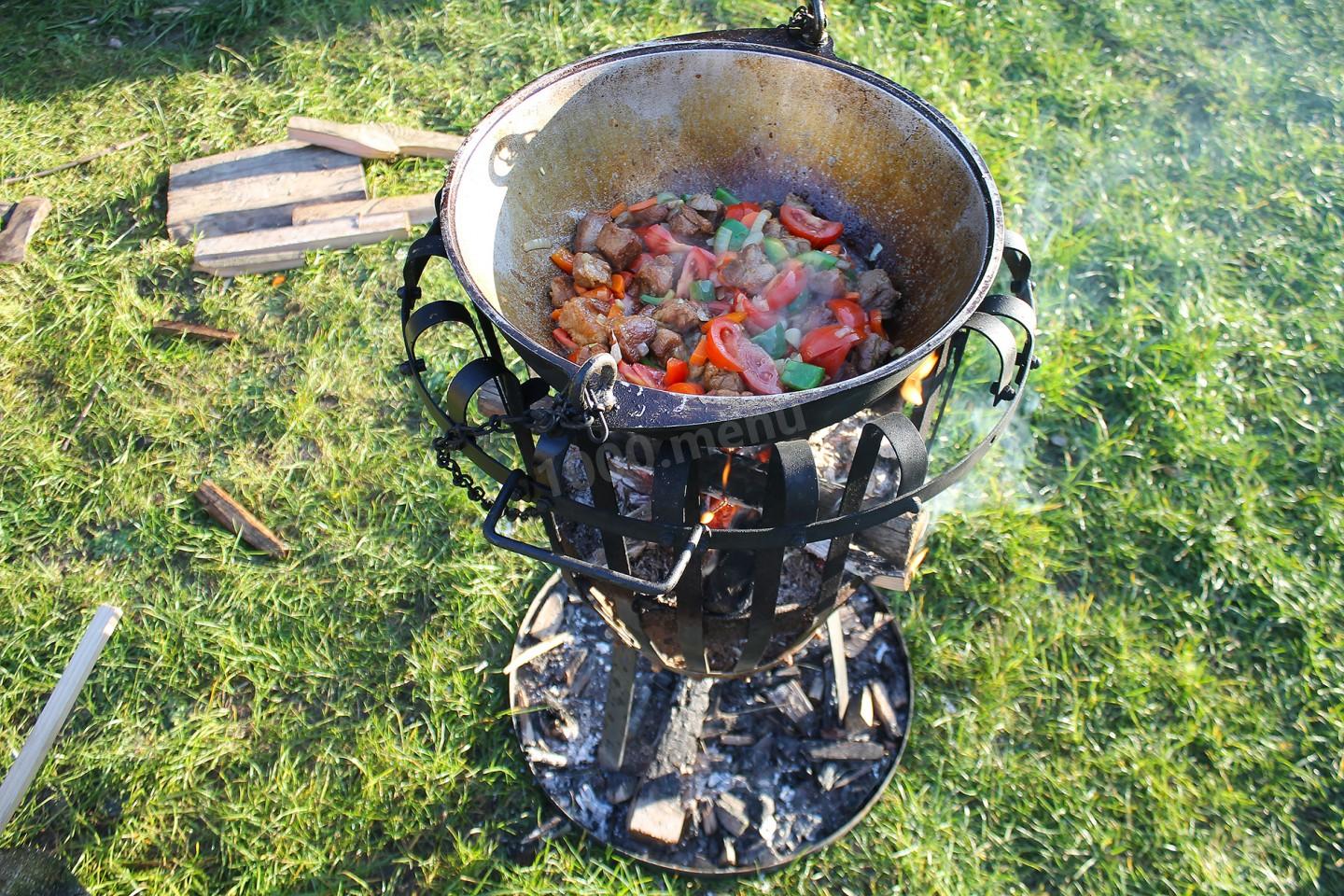
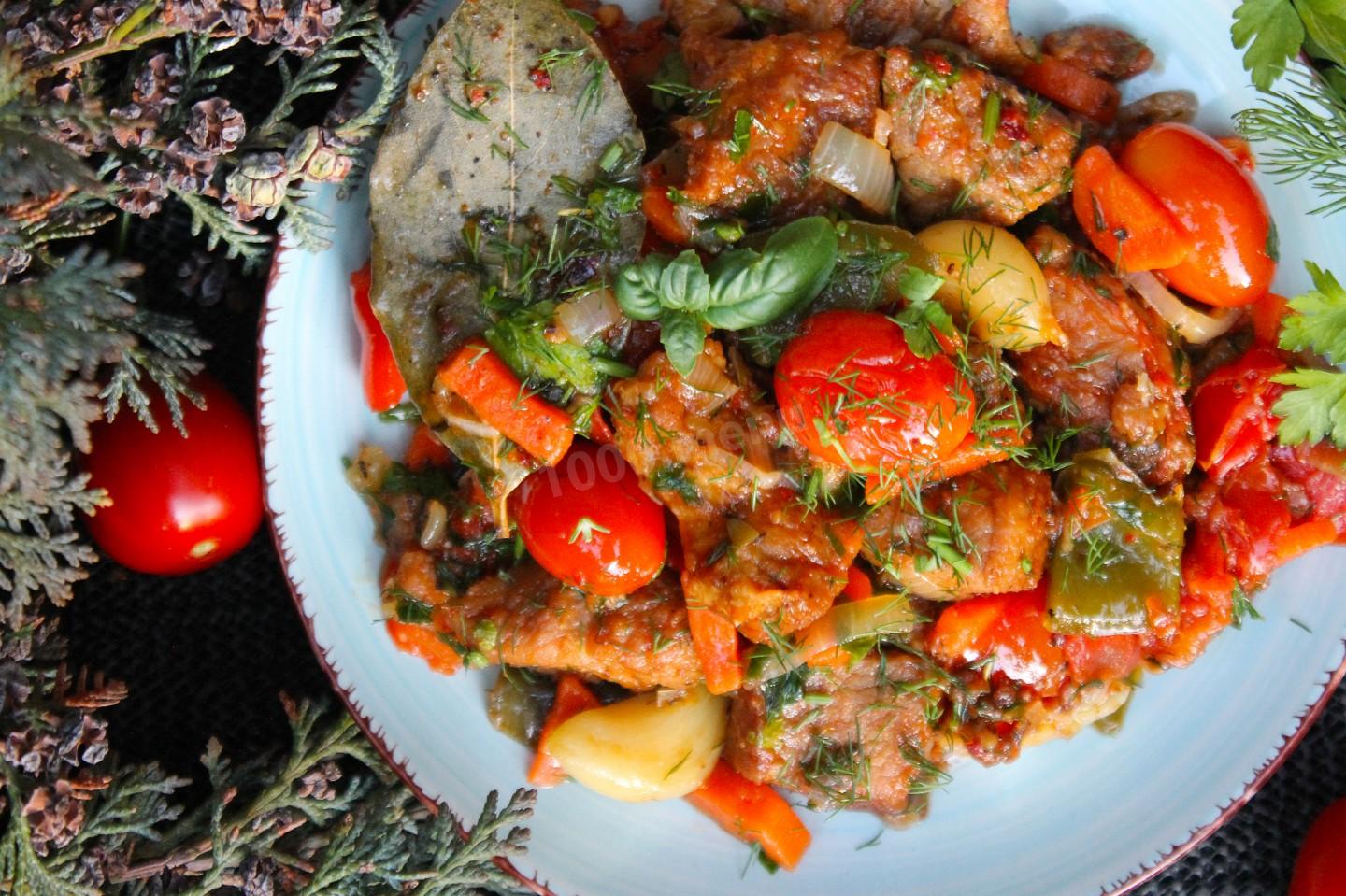
- When the meat is done, I usually take the lid off the cauldron and let it sit for a few minutes so the dish soaks up all that smoky aroma. The result is incredibly vibrant and wildly delicious — our cauldron disappeared in minutes among a group of eight! Serve the pork with fresh cabbage and vegetable salads; pickles or marinated mushrooms are a great match too. Enjoy!
- Every oil is only good up to a certain temperature — its smoke point — beyond which it starts to burn and forms harmful compounds. It's worth learning which oil is best for frying and which to avoid altogether.
- Here's a simple way to check whether the oil is hot enough in the pan: lower a wooden spoon into it. If bubbles gather around it, you're ready to start frying.
- Everyone's tolerance for salt, sweetness, bitterness, sharpness, acidity, and heat is different, so always add spices and seasonings to your own taste. If you're using a seasoning for the first time, keep in mind that some are especially easy to overdo (chili pepper, for one).
Caloric content of the products possible in the composition of the dish
- Onion - 41 kcal/100g
- Tomatoes - 23 kcal/100g
- Pork fat - 333 kcal/100g
- Pork meat - 357 kcal/100g
- Pork - low-fat roast - 184 kcal/100g
- Pork chop on a bone - 537 kcal/100g
- Pork - schnitzel - 352 kcal/100g
- Pork Shoulder - 593 kcal/100g
- Boar's leg - 113 kcal/100g
- Pork - 259 kcal/100g
- Sweet pepper - 27 kcal/100g
- Carrots - 33 kcal/100g
- Dried carrots - 275 kcal/100g
- Boiled carrots - 25 kcal/100g
- Garlic - 143 kcal/100g
- Ground black pepper - 255 kcal/100g
- Granulated sugar - 398 kcal/100g
- Sugar - 398 kcal/100g
- Vegetable oil - 873 kcal/100g
- Salt - 0 kcal/100g
- Fresh frozen soup greens in a package - 41 kcal/100g
- Greenery - 41 kcal/100g
Similar recipes






- Eat outdoors
- Second course
- Meat and meat products
- Vegetables
- Sweet
- Spices seasonings spices
- Fats and oils
- Garlic
- Зелень
- Pepper
- Salt
- Vegetable oil
- Frying
- In a cauldron
- In a frying pan
- Meat second course
- Pork
- From carrots
- From tomato
- From sweet pepper
- From onion
- Meat on bonfire
- No eggs
- Recipes for lean dishes without butter
- Sugar