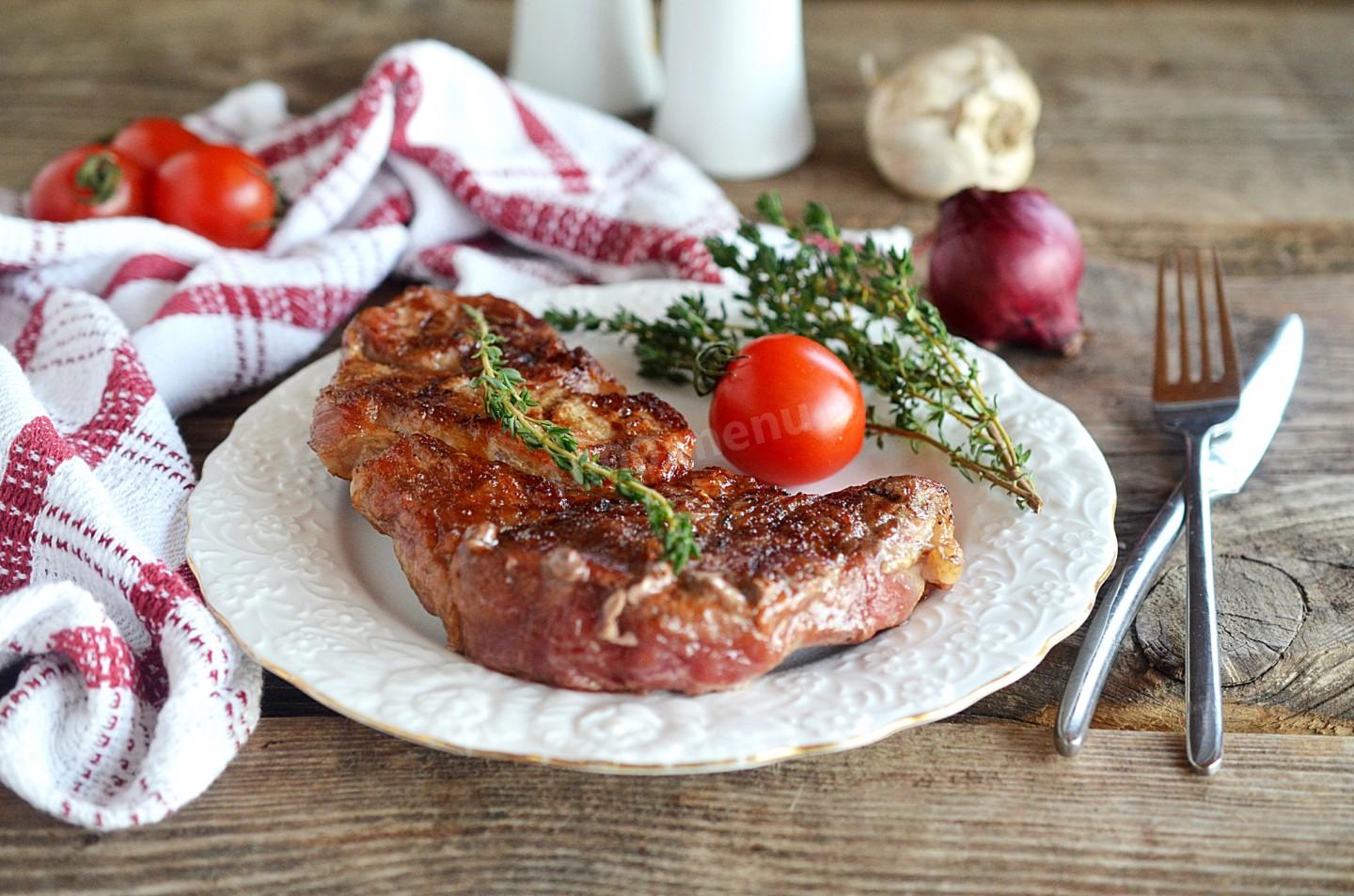
Grilled Steak Over Coals
A simple recipe for steak grilled over an open fire. This recipe for steak cooked over coals is perfect for anyone who loves cooking outdoors! The simplest marinade from basic ingredients and how easy it is to make — those are the hallmarks of this recipe!

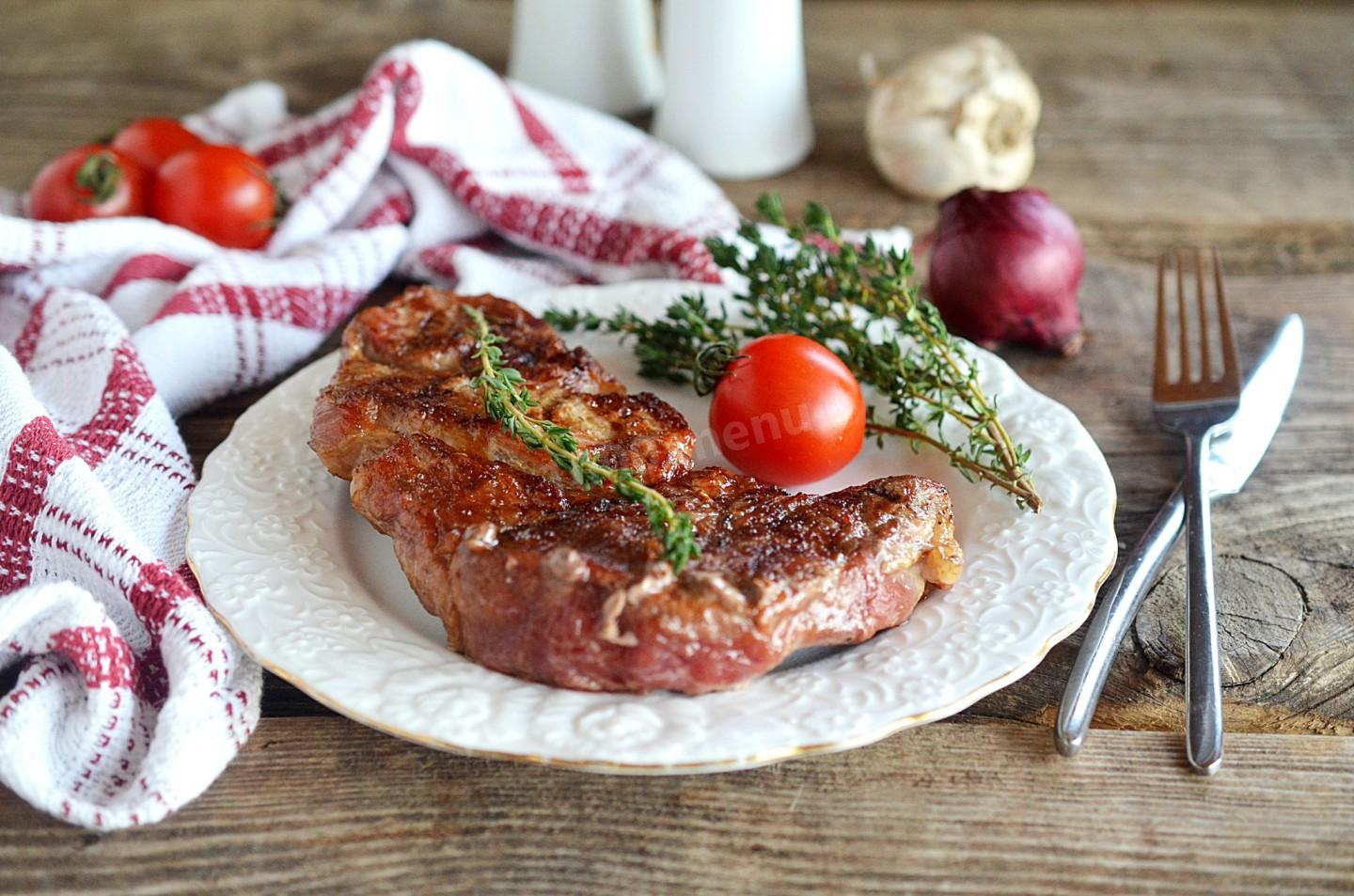
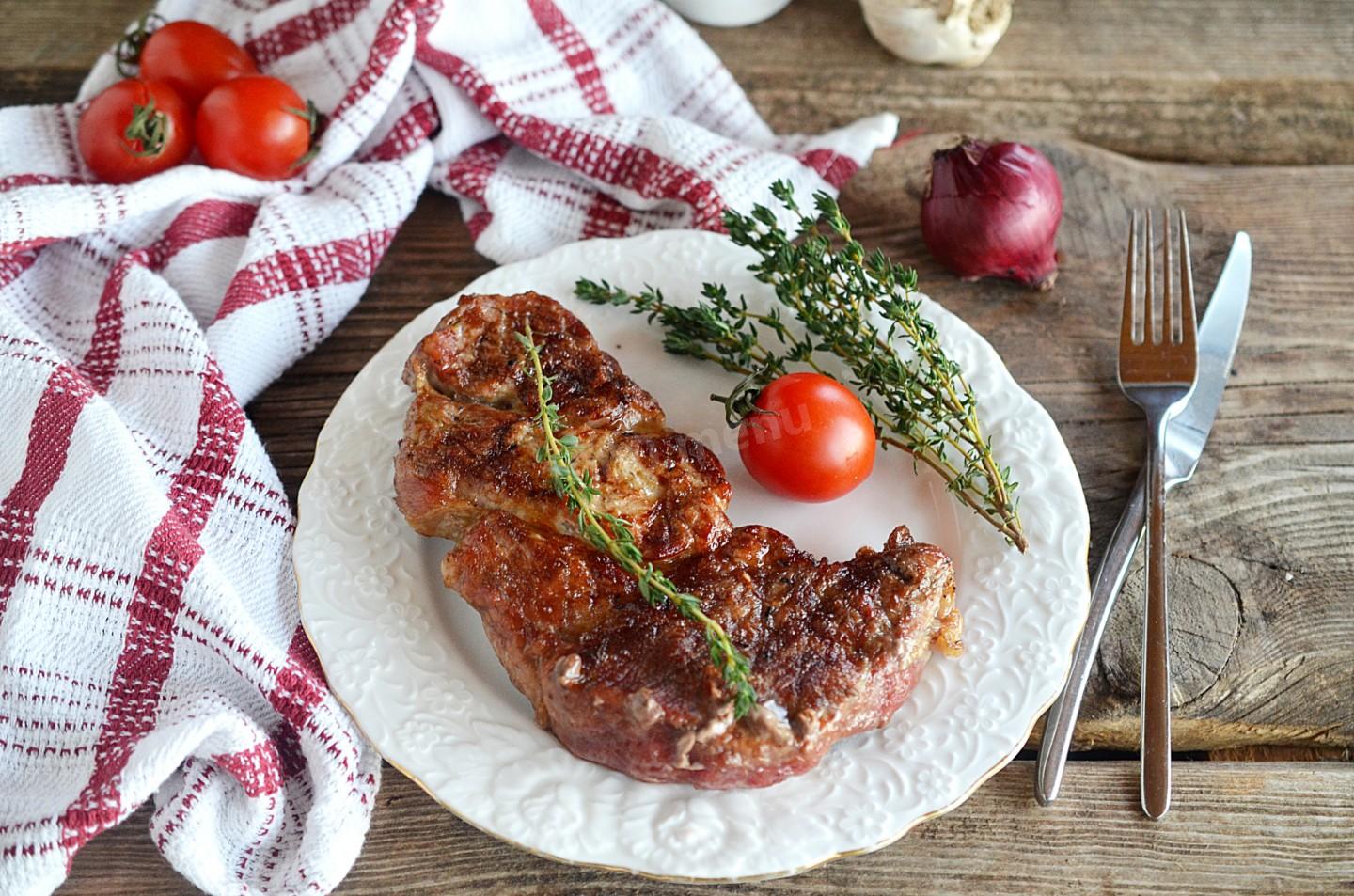
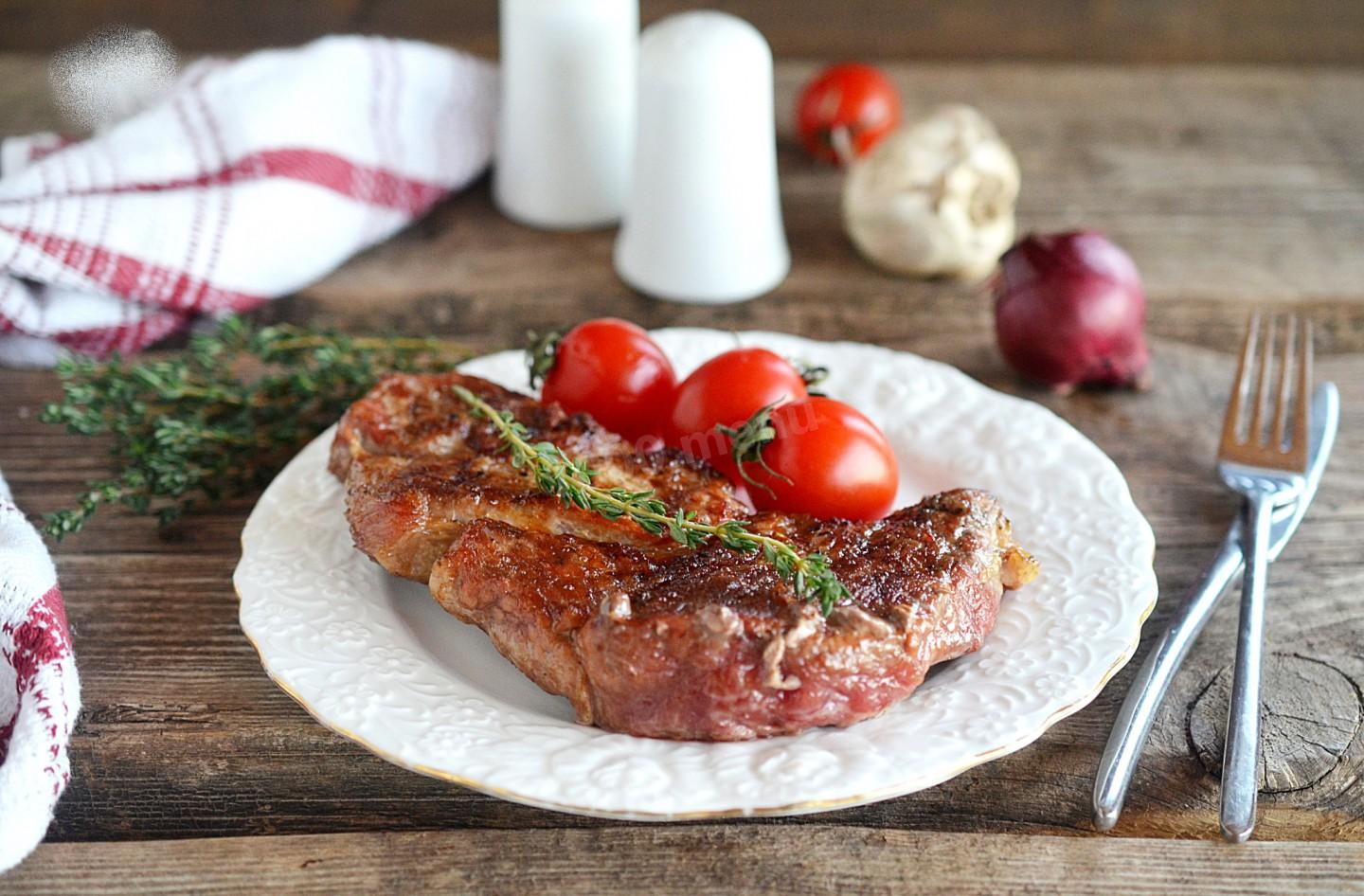
Cooking method
-
Step 1:
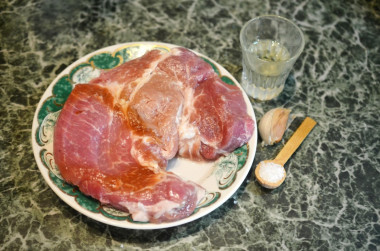
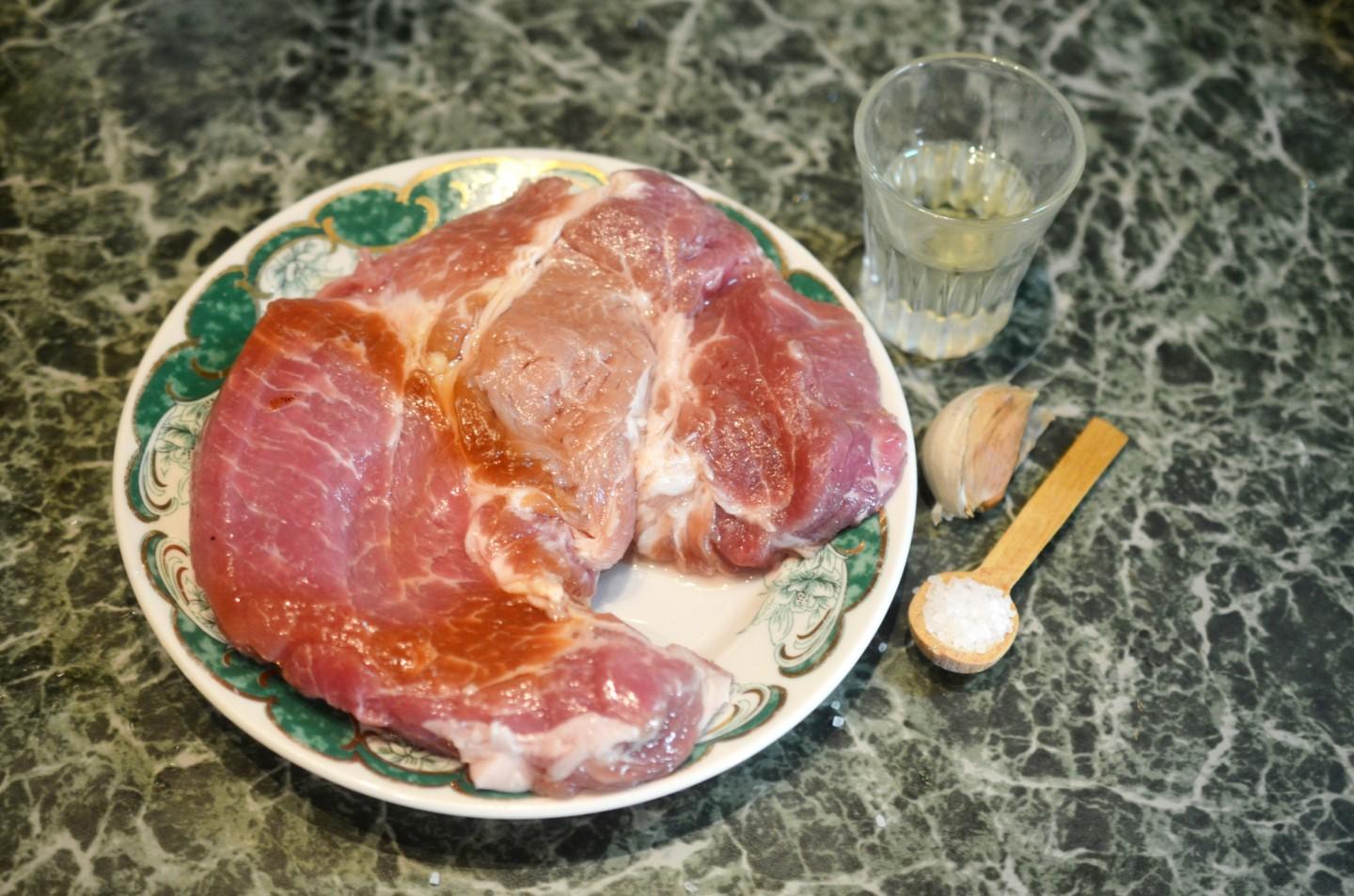
How do you grill a steak over coals? Gather all your ingredients. This can be a flat cut of pork, beef, or veal. Use any vegetable oil, from sunflower to olive.
-
Step 2:
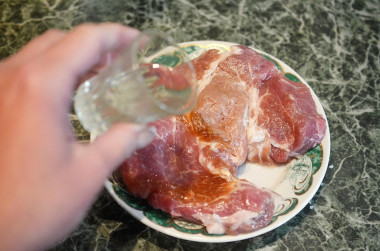
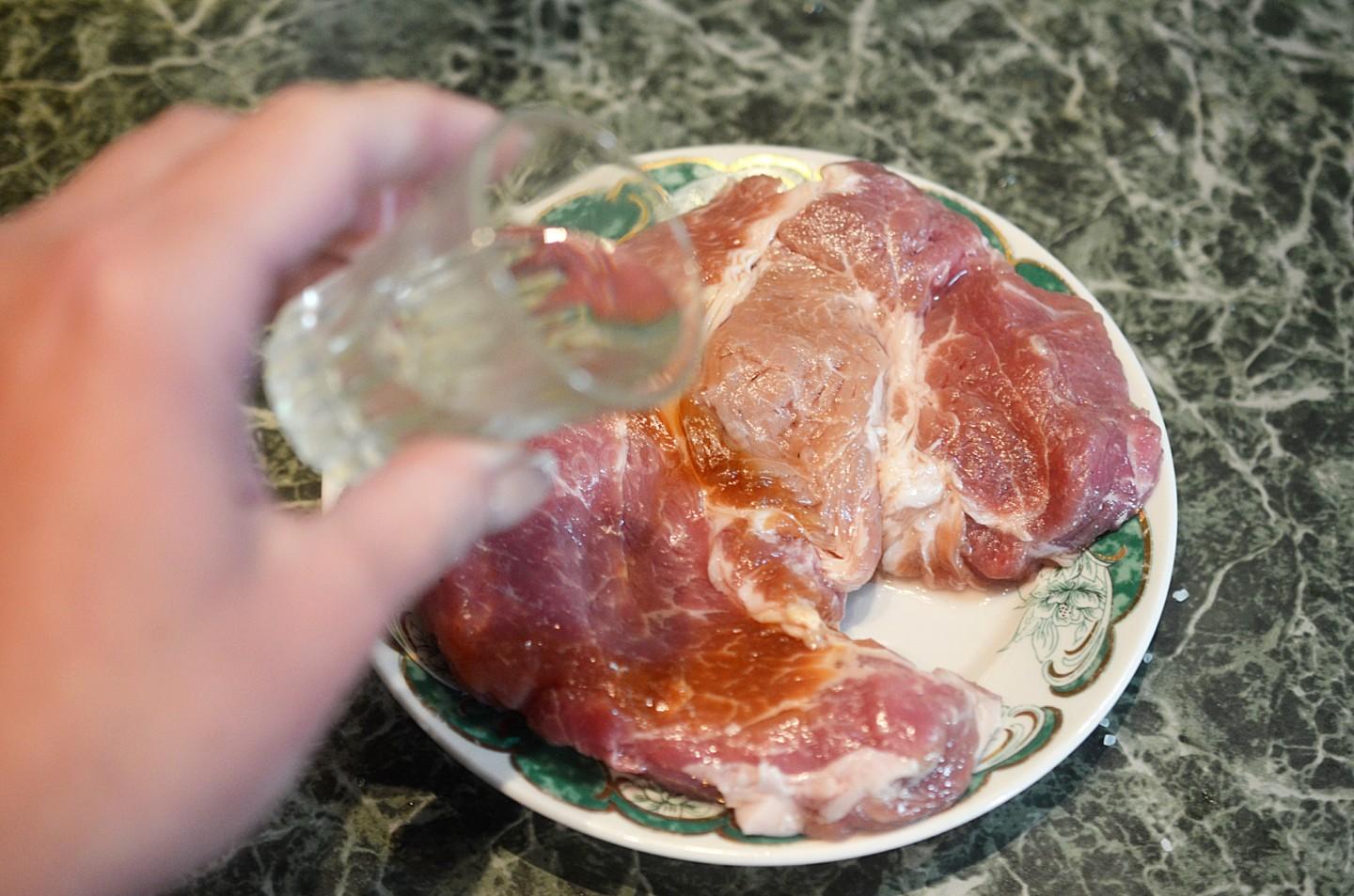
Rinse the meat and pat it dry. Contrary to popular belief, there's no need to pound the steak before cooking — pounding breaks down the fiber structure and can make the meat turn out tough. Drizzle the meat with vegetable oil and rub it all over. The oil forms a protective film that seals the juices in during marinating.
-
Step 3:
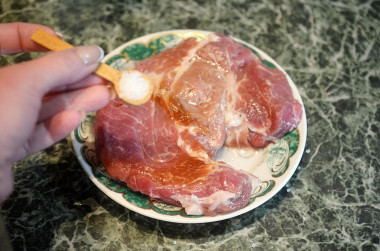
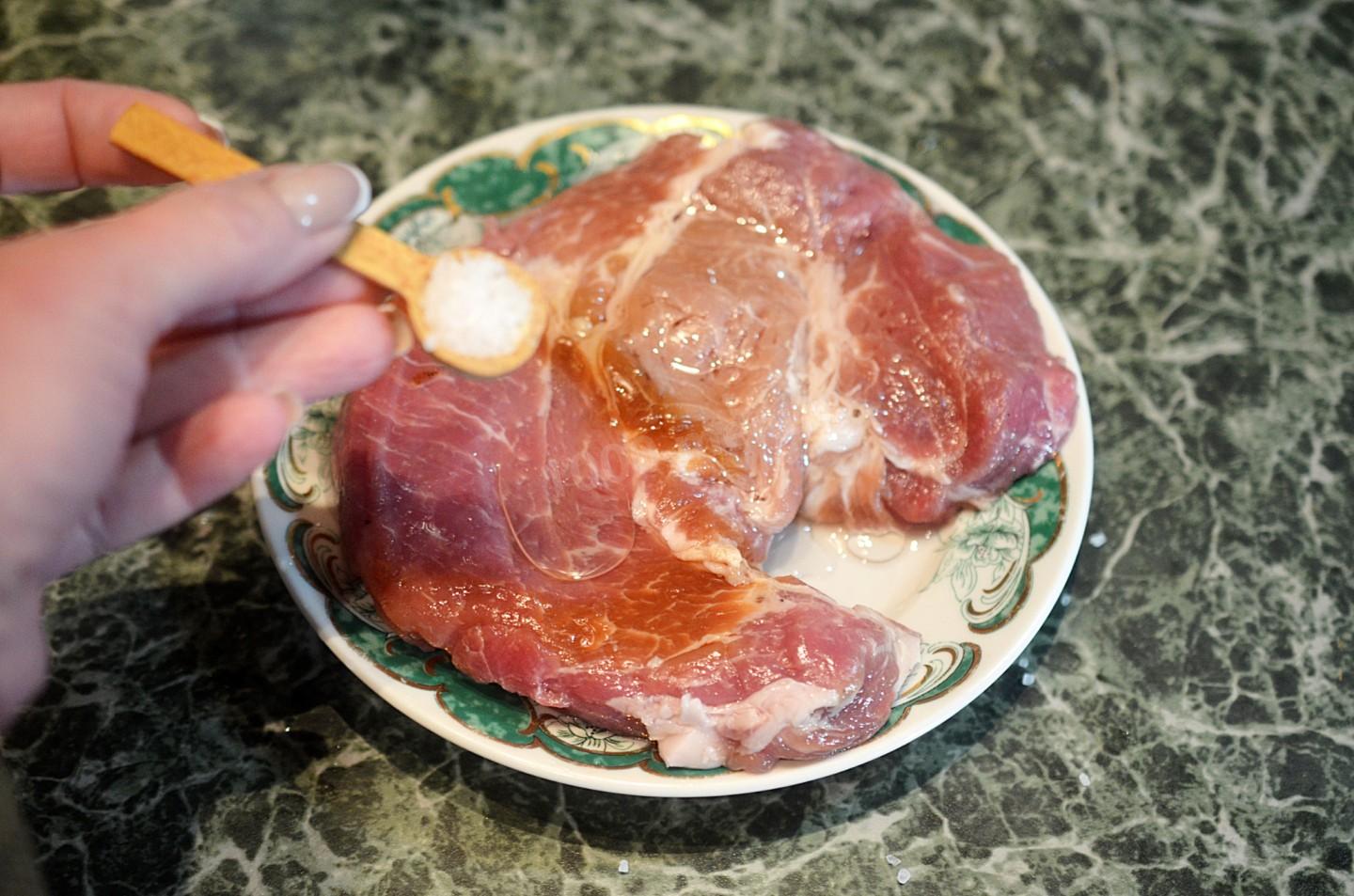
Salt the steak. Generally it's recommended to salt meat at the very end of cooking, since salt draws water out and without moisture the steak turns out dry. But since we've already coated the meat in a protective film of oil, we can salt it now.
-
Step 4:
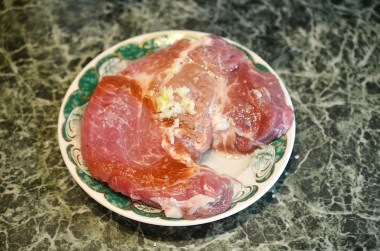
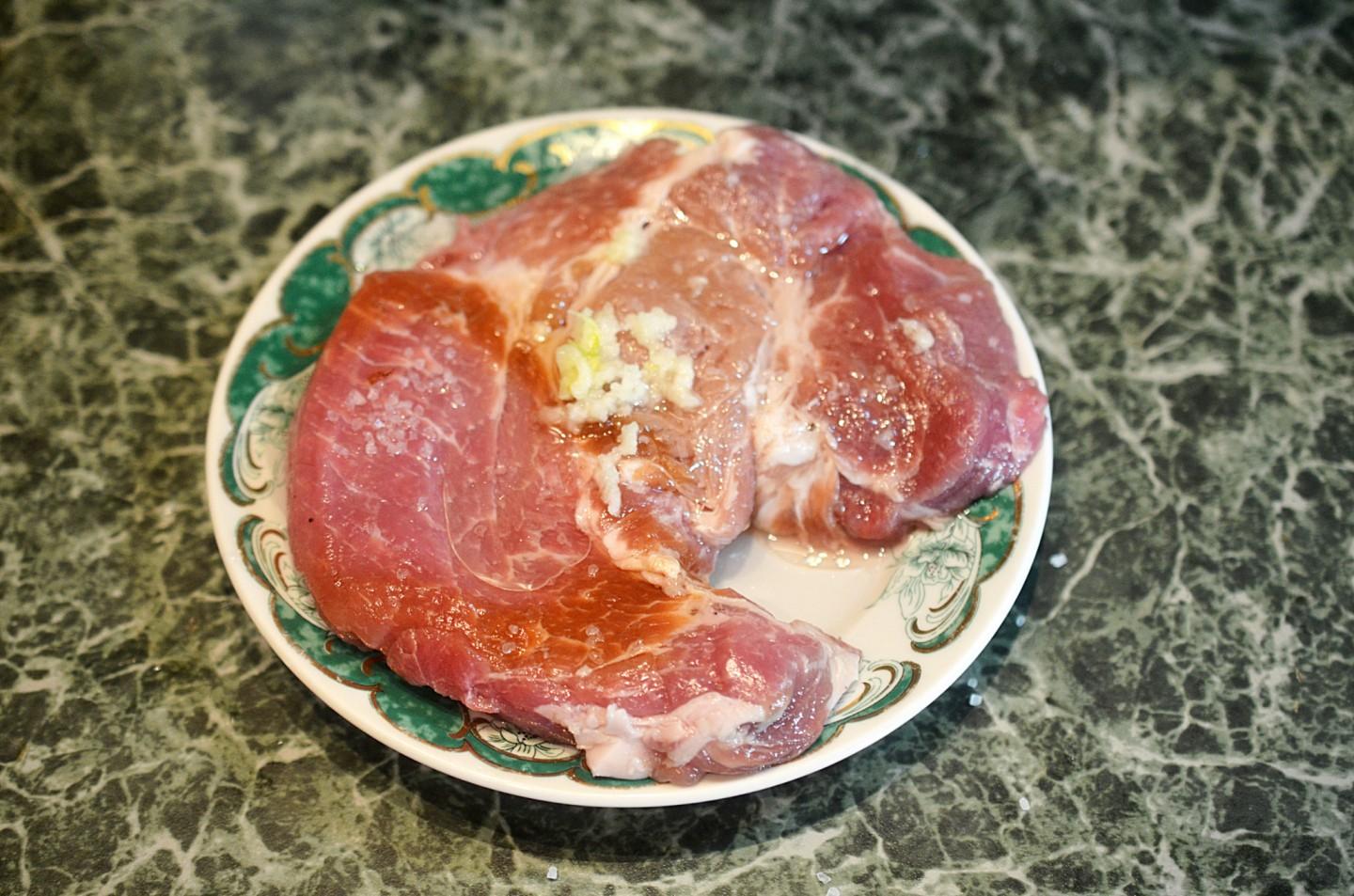
Add the minced garlic. You can chop it with a knife, grate it, or press it. If you don't have fresh garlic, garlic powder works fine.
-
Step 5:
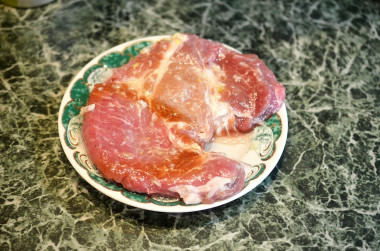
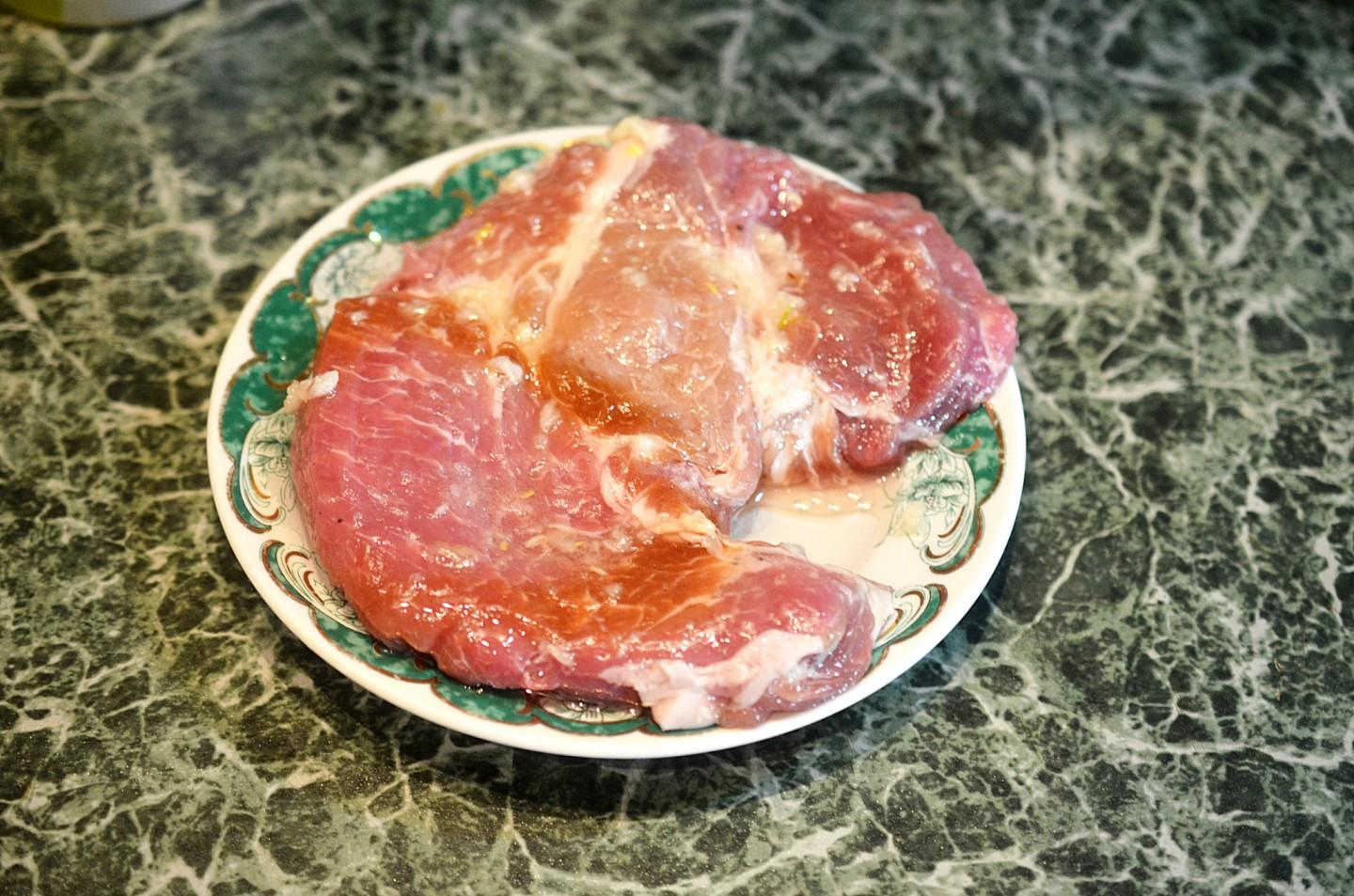
Let the meat marinate. The ideal marinating time is 30 minutes to 2 hours, at room temperature. If you marinate it in the fridge for a long time, take the steak out ahead of time so it comes up to room temperature — that way it cooks more evenly.
-
Step 6:
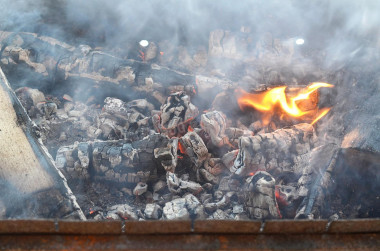
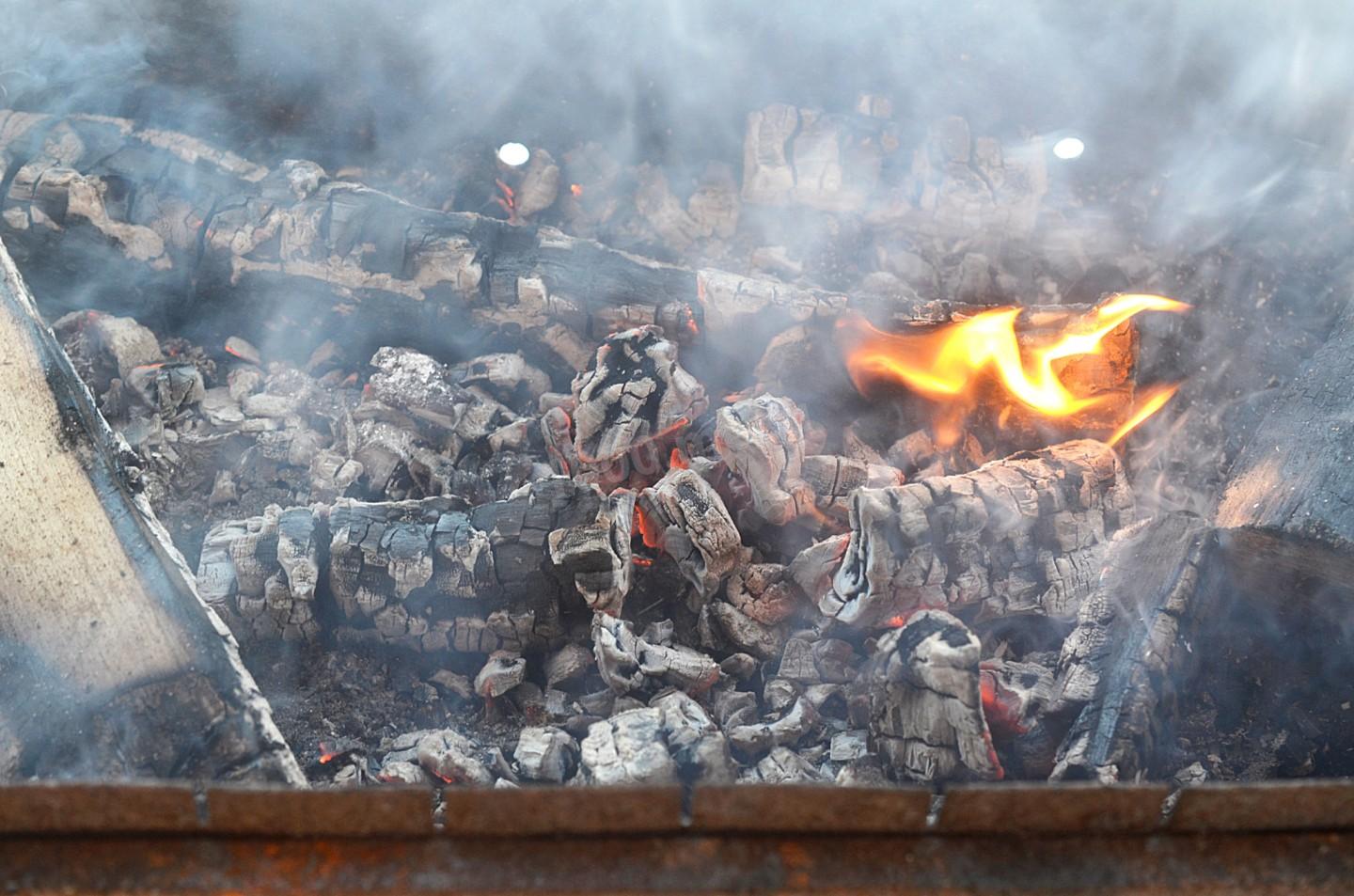
Meanwhile, get the coals blazing hot if you're using ready-made charcoal. Or light the firewood and wait until it burns down to coals.
-
Step 7:
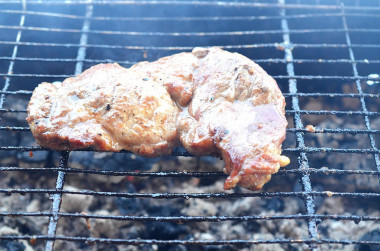
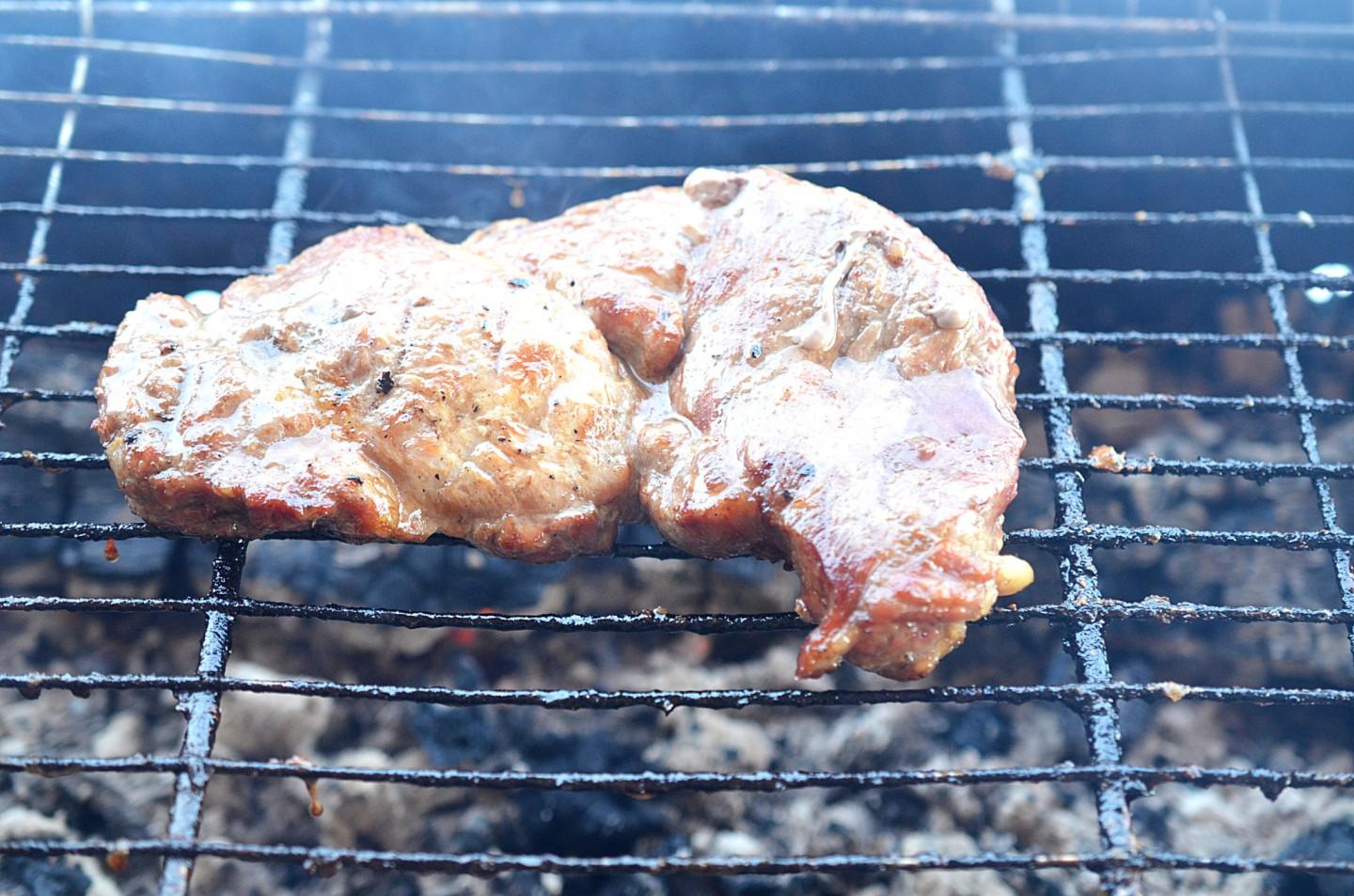
Set a grill grate over the coals and lay the steak on it. Fry the meat, turning it fairly often (about every 3 minutes) so it doesn't burn. Start over very hot coals so a crust forms on the steak and seals in the juices. For the same reason, never pierce the steak while it cooks — all the juices will run out and the meat will be dry.
-
Step 8:
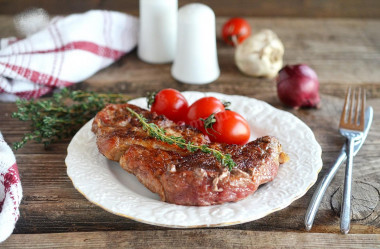
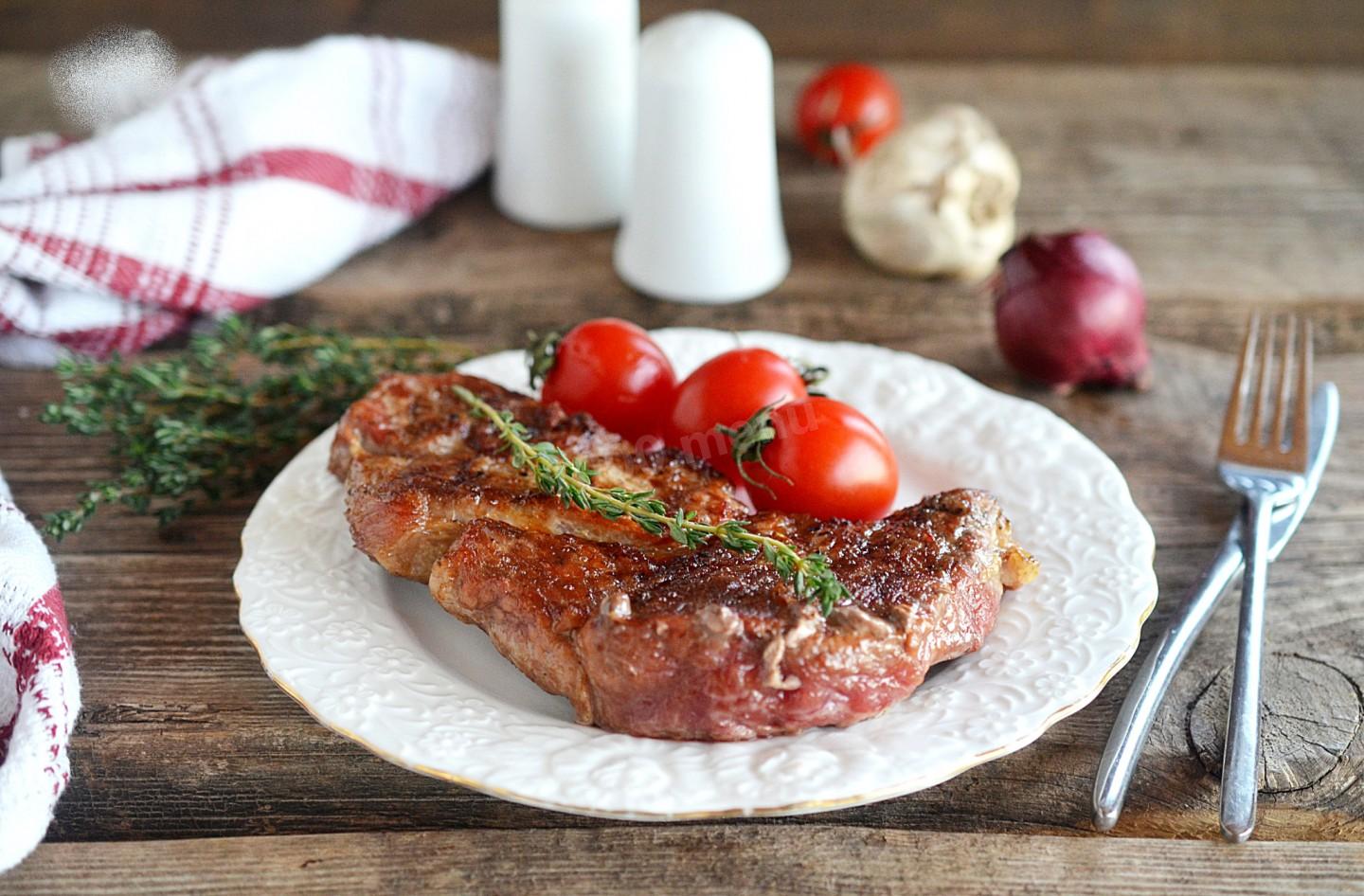
Serve the steak right away with fresh vegetables and herbs. Enjoy!
- Every oil is only good up to a certain temperature — its smoke point — beyond which it starts to burn and forms harmful compounds. It's worth learning which oil is best for frying and which to avoid altogether.
- Besides pork, you can use any other meat in this dish. Keep in mind the cooking time, flavor, and calorie count will change. For example, beef takes longer to cook than pork, while chicken breast or turkey takes less.
- If you use pre-made spice blends, be sure to read the label. They often already contain salt, so keep that in mind or you risk over-salting the dish.
Caloric content of the products possible in the composition of the dish
- Pork fat - 333 kcal/100g
- Pork meat - 357 kcal/100g
- Pork - low-fat roast - 184 kcal/100g
- Pork chop on a bone - 537 kcal/100g
- Pork - schnitzel - 352 kcal/100g
- Pork shoulder - 593 kcal/100g
- Boar's leg - 113 kcal/100g
- Pork - 259 kcal/100g
- Garlic - 143 kcal/100g
- Vegetable oil - 873 kcal/100g
- Salt - 0 kcal/100g