Skillet Liver with Onions and Carrots
Wholesome, easy, simple, tasty, and quick — a great family dinner! This skillet liver with onions and carrots is simple and comes together fairly fast. It turns out juicy, soft, and tender — mild enough for kids, too. Serve it on its own, with a fresh vegetable salad, or over a side dish.

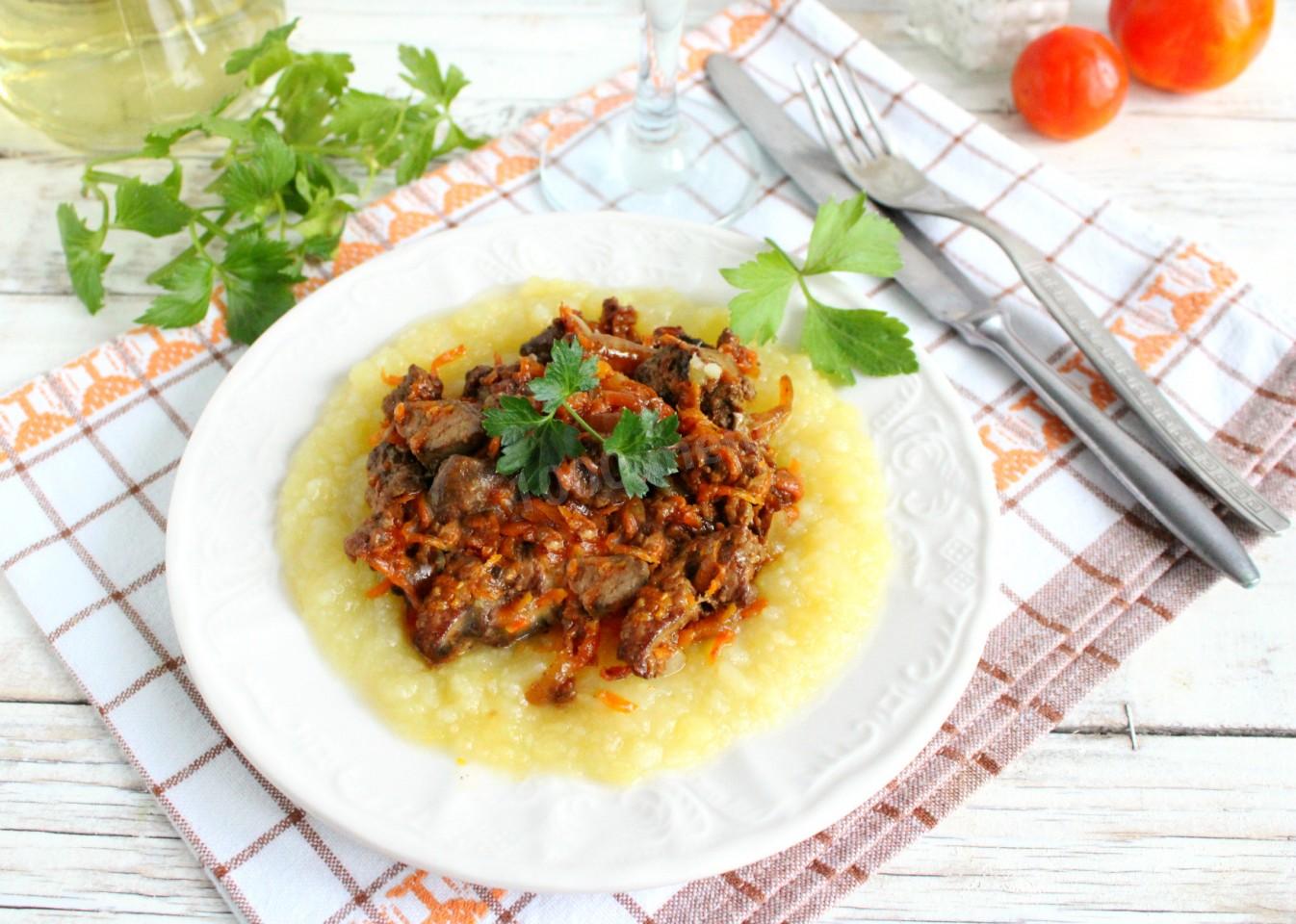
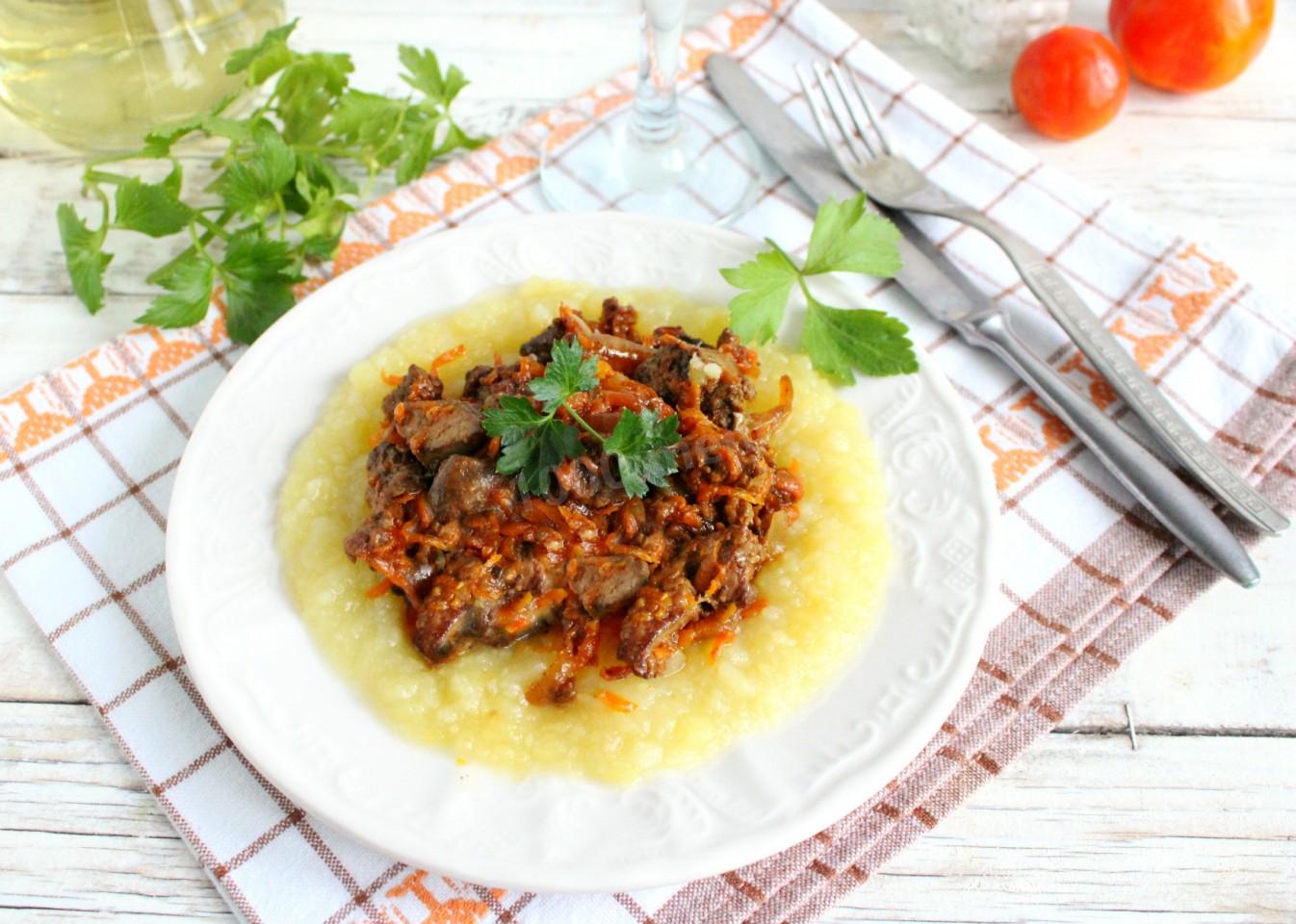
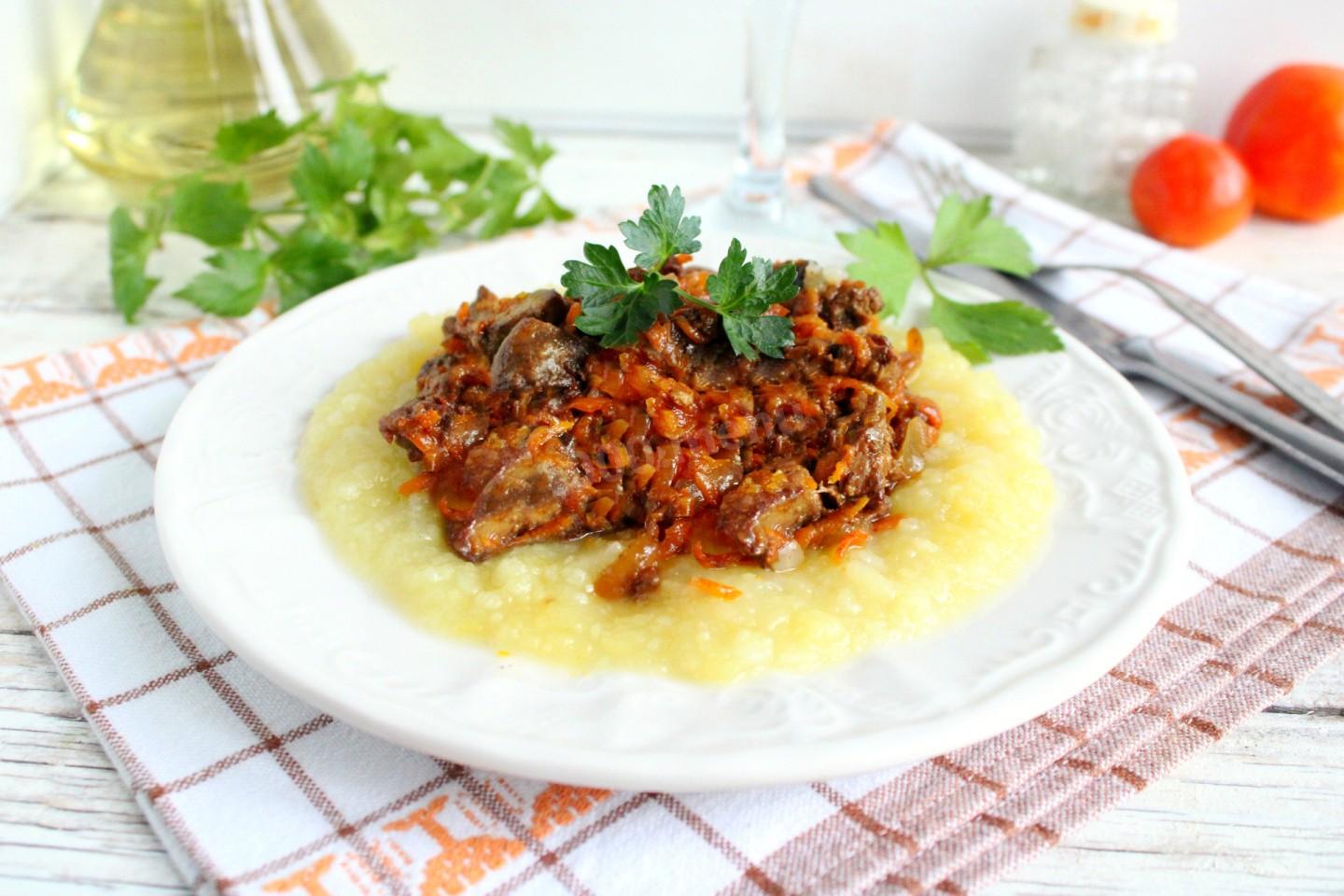
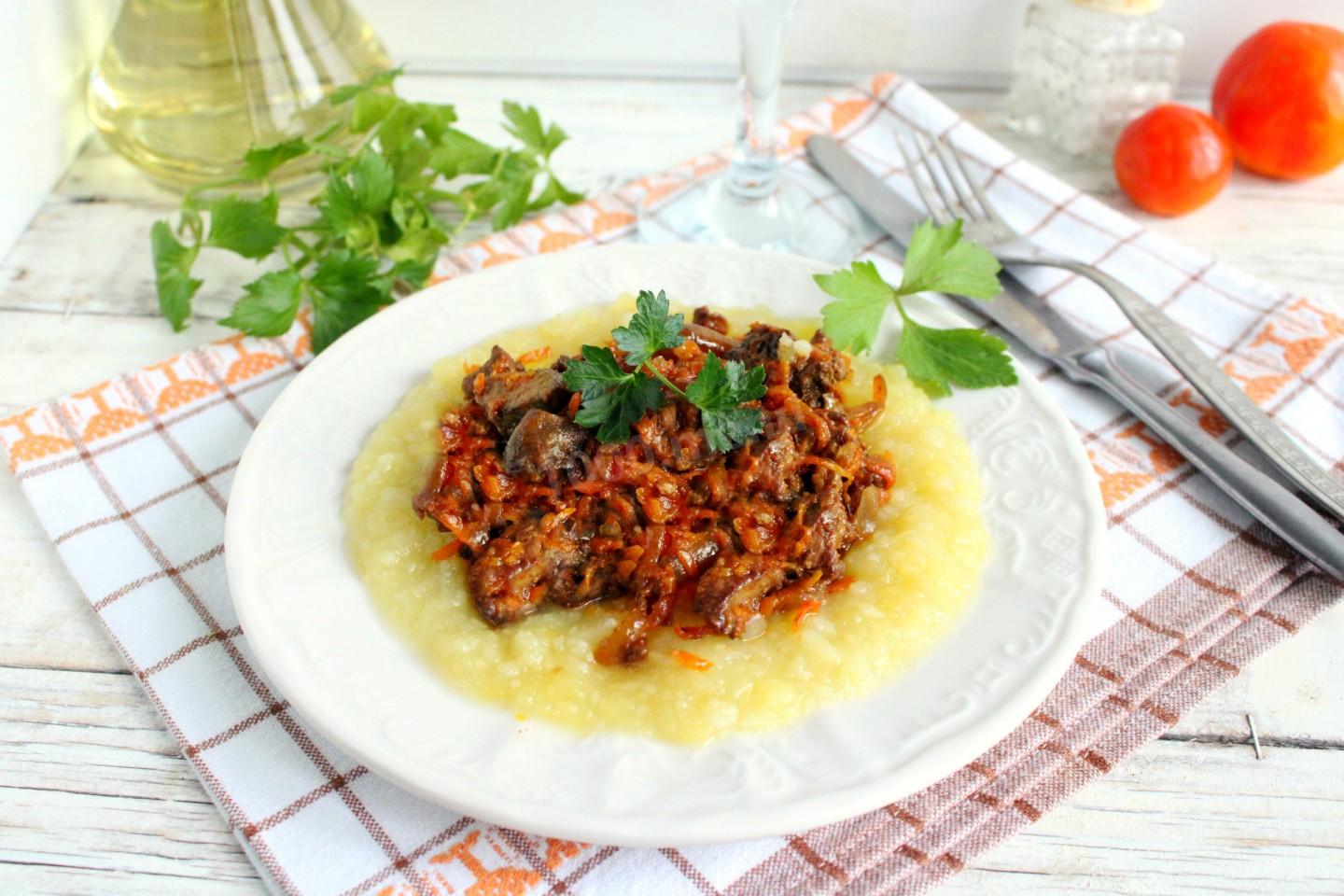
Cooking method
-
Step 1:
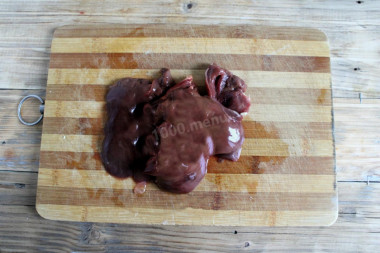
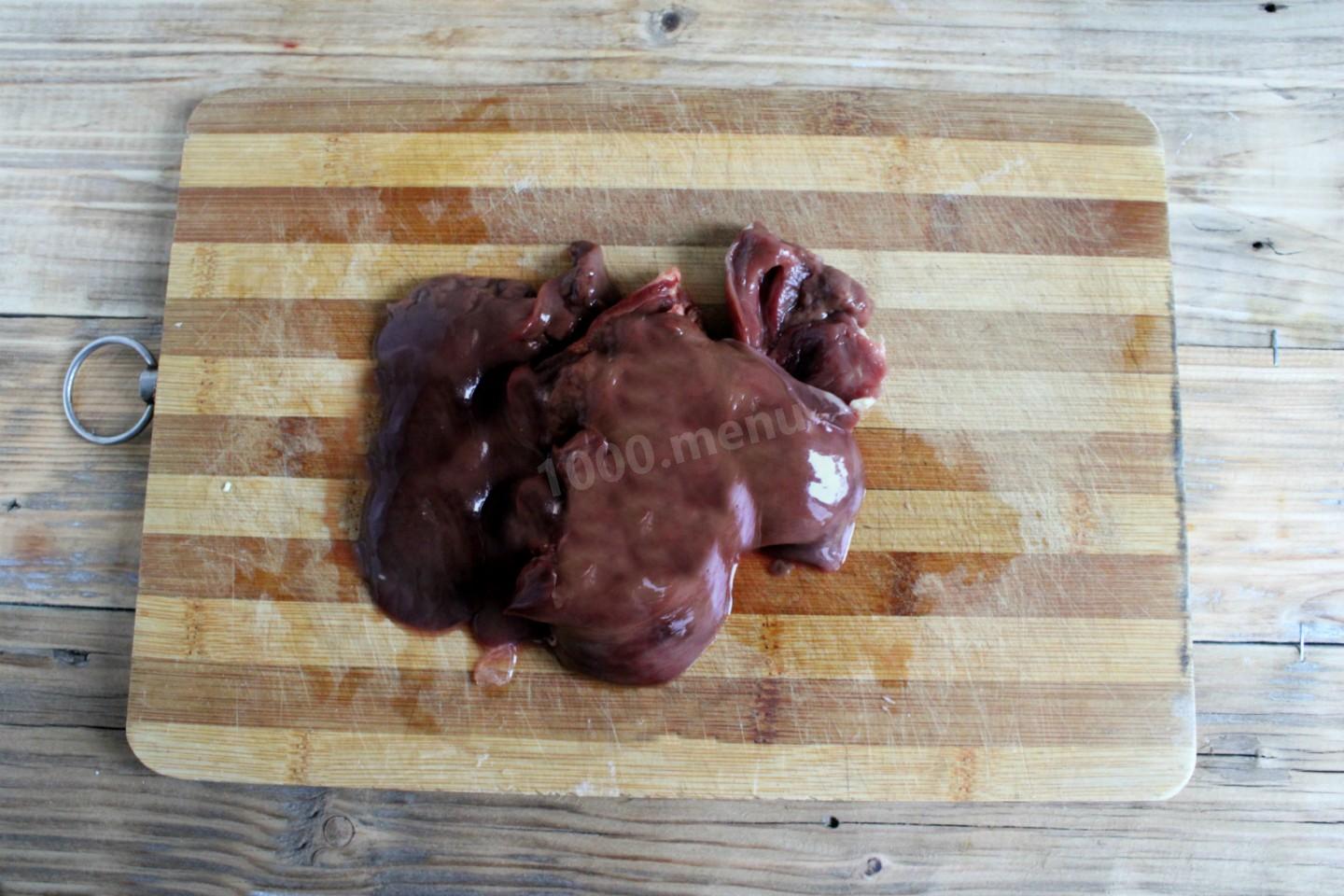
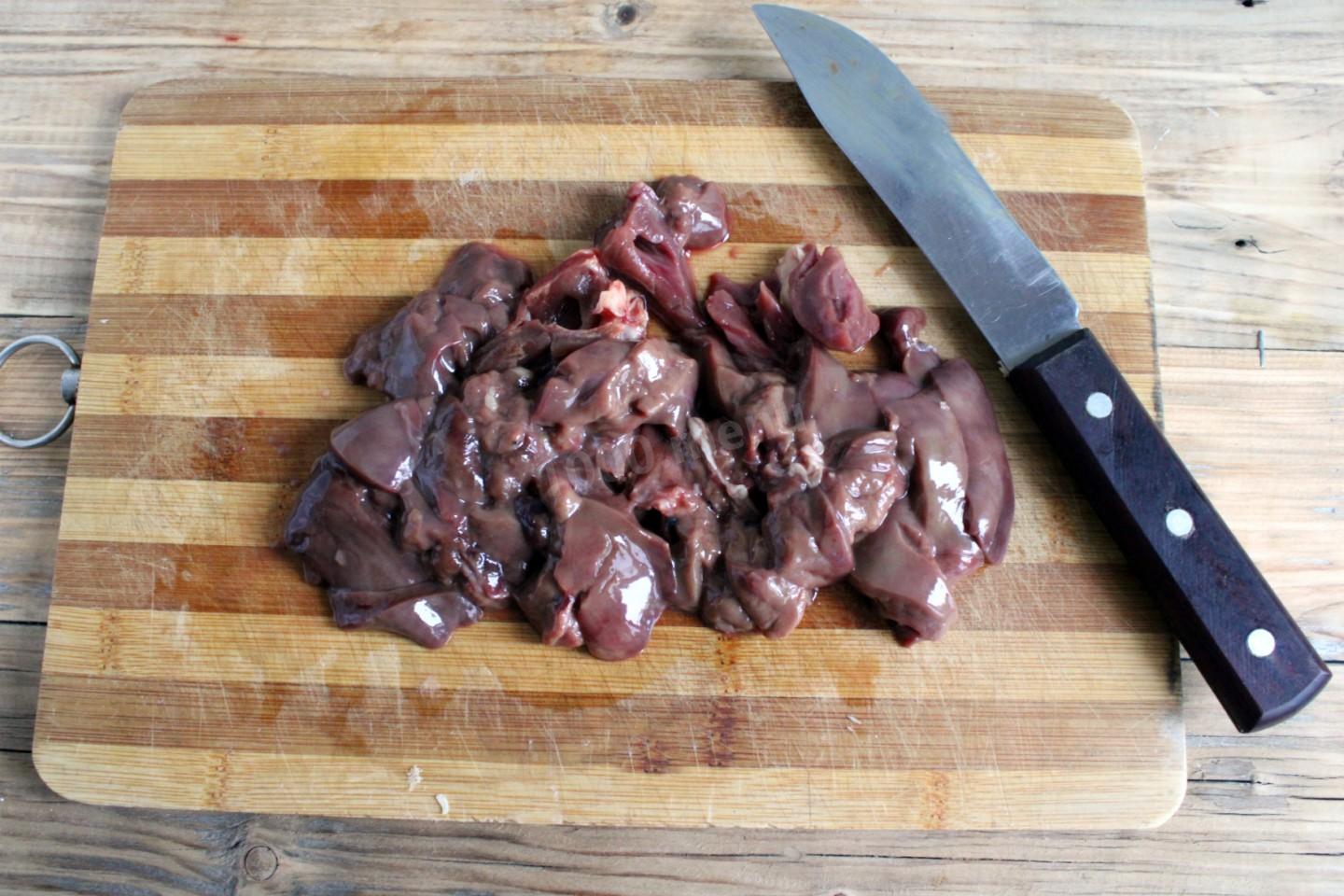
How do you make skillet liver with onions and carrots? Gather the ingredients you'll need. Rinse the beef liver thoroughly and peel off the membrane. Starting with a good-quality product and prepping it well — rinsing and cleaning it — keeps the finished liver from tasting bitter. Wash and dry the carrot, and peel the onion.
-
Step 2:
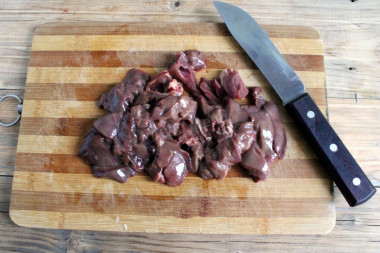
Cut the liver into small serving-sized pieces, rinse once more, and let the liquid drain. Heat a skillet with vegetable oil on the stove. Dredge the liver pieces in wheat flour and add them to the pan.
-
Step 3:
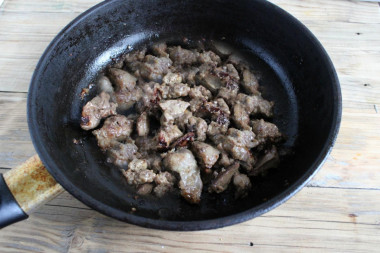
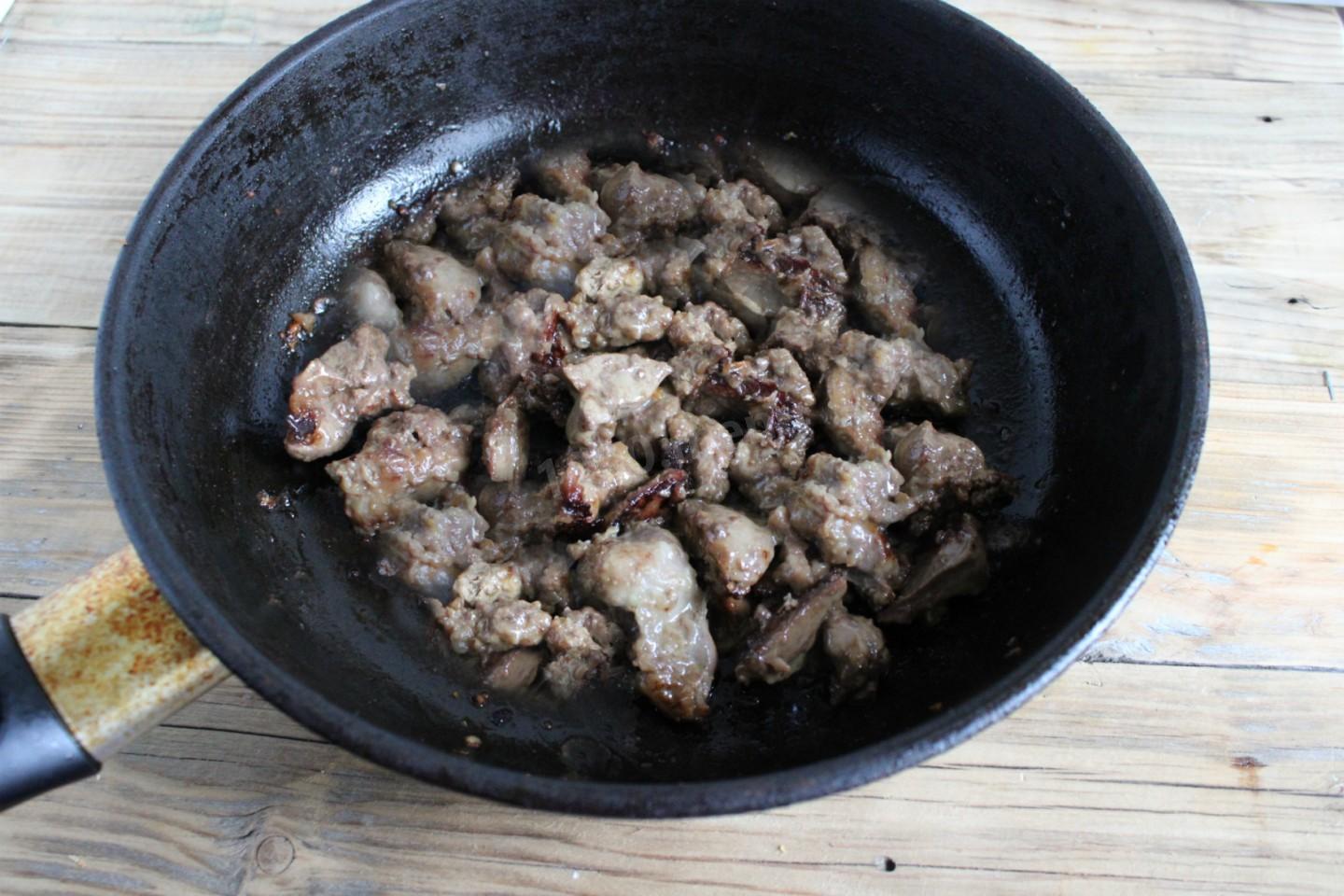
Fry the liver over high heat so it forms a golden crust. Stir it with a spatula, making sure nothing burns. The frying time depends on the size of the pieces and your stove. Once all the pieces are browned, move on to the next step.
-
Step 4:
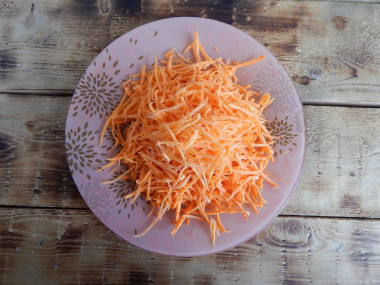
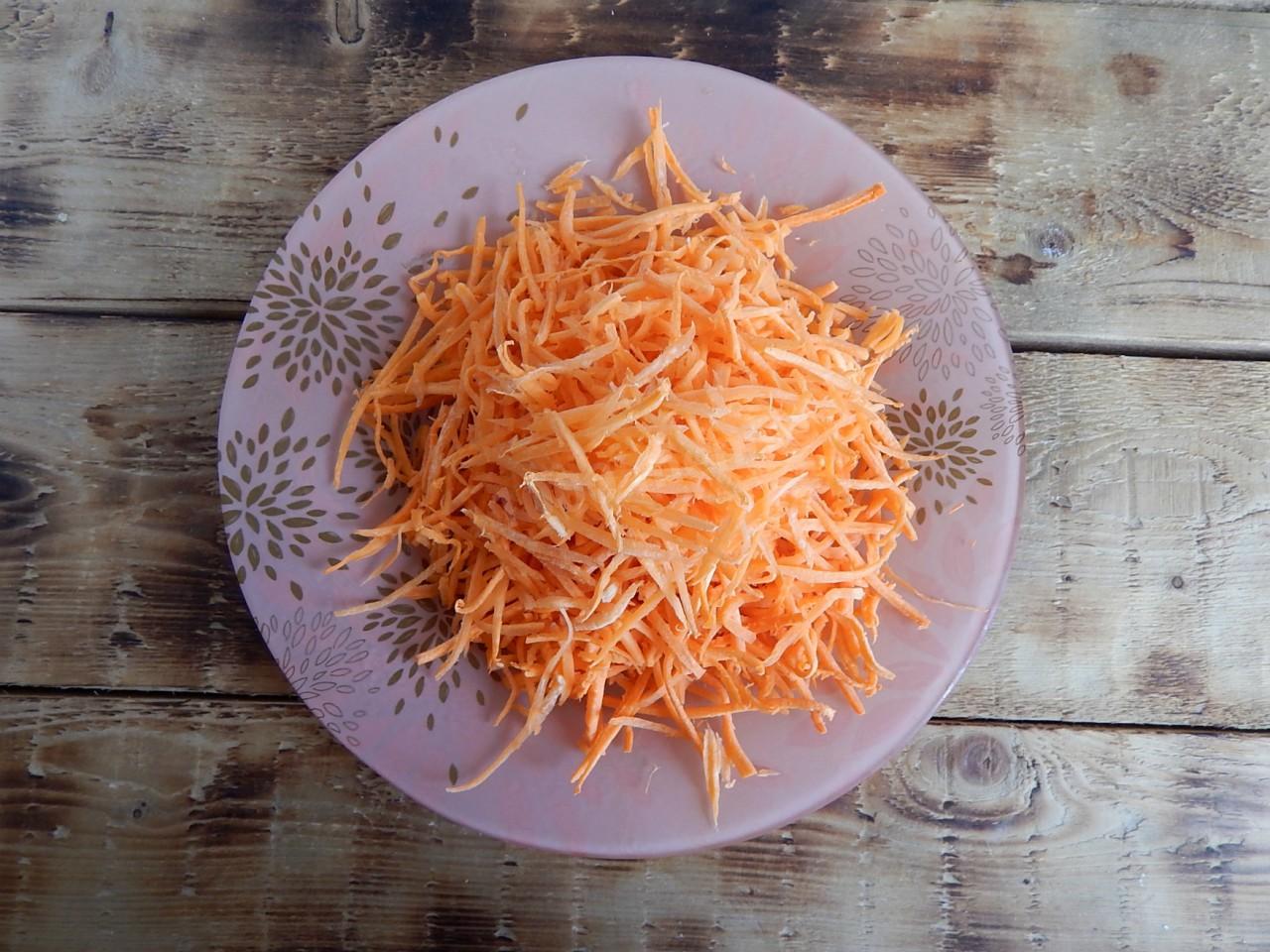
Peel the washed carrot and grate it on the medium holes of a box grater.
-
Step 5:
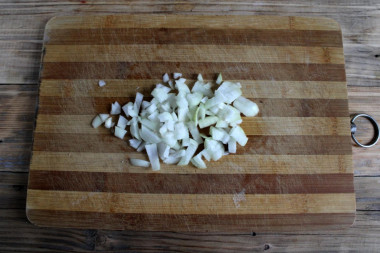
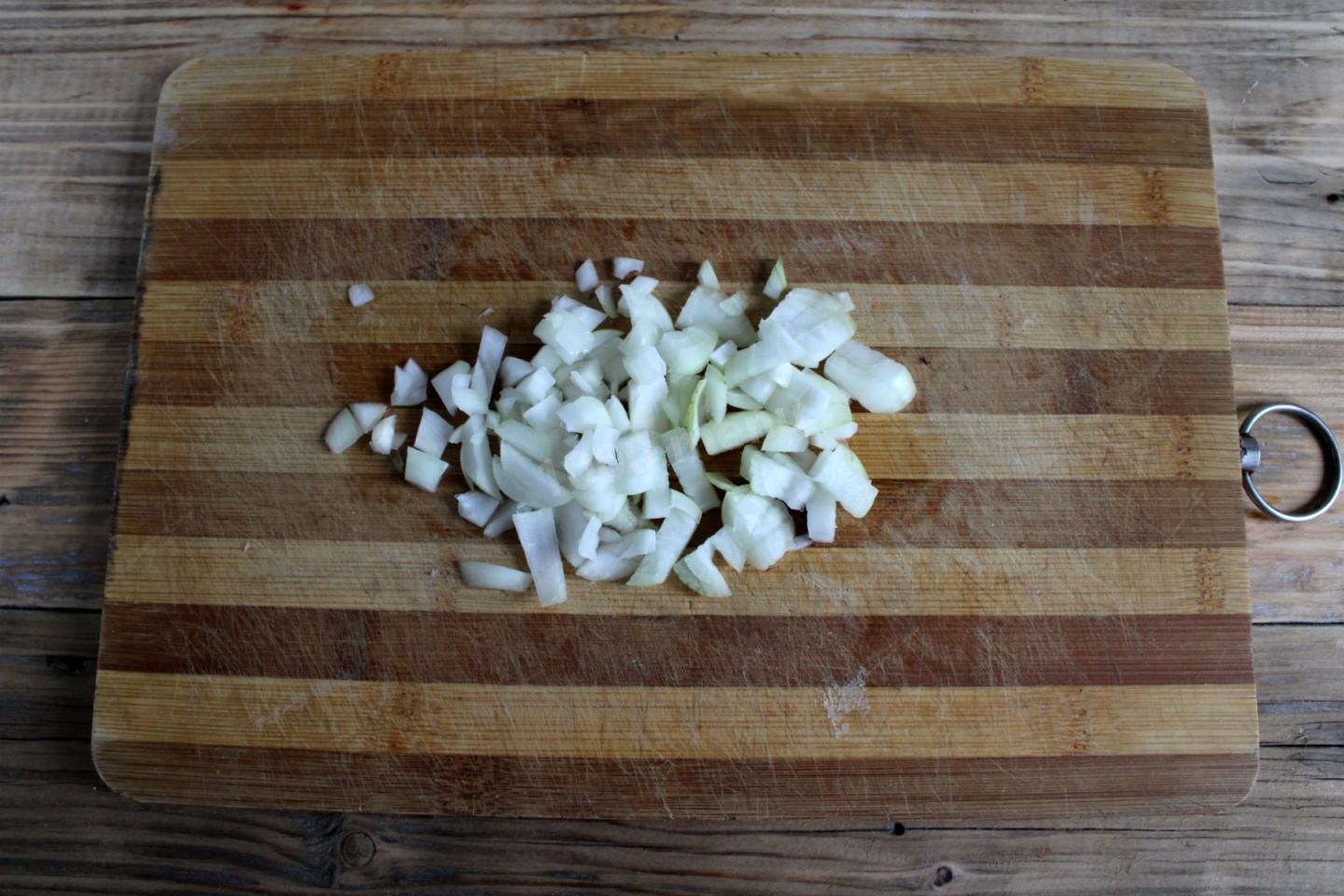
Finely chop the peeled onion with a knife. To keep your eyes from watering, rinse the knife with cold water now and then.
-
Step 6:
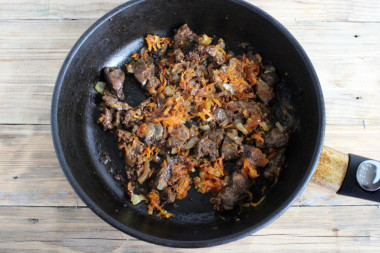
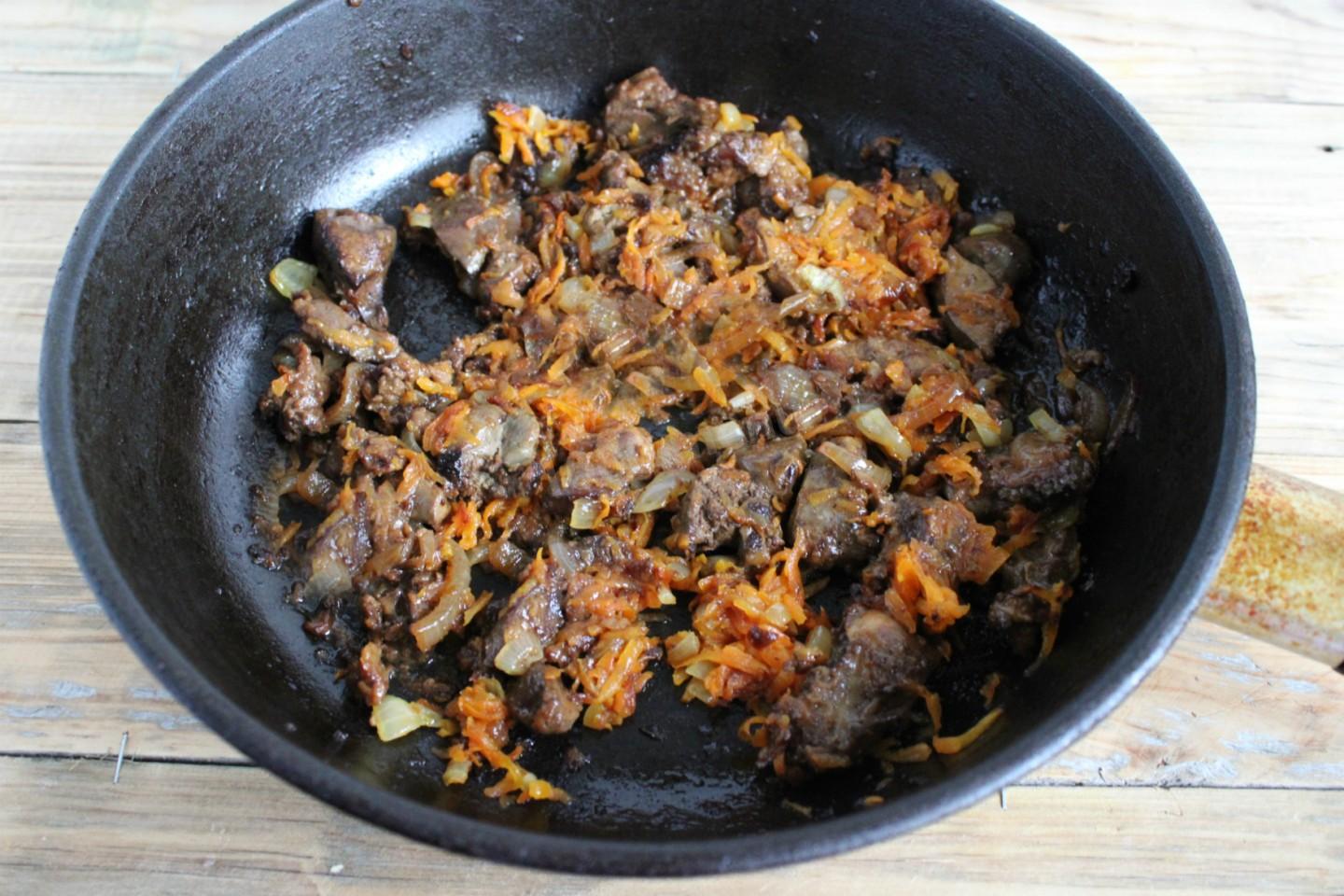
Add the carrot and onion to the skillet with the liver. Stir and keep cooking, turning the heat down to medium, until the carrot is soft and the onion is translucent.
-
Step 7:
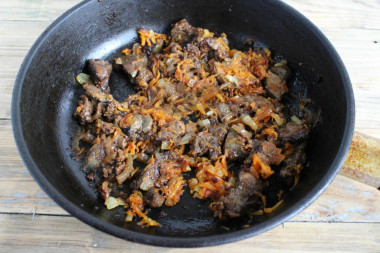
Add salt, ground black pepper to taste, and any other spices or seasonings you like. Pour in the water (hot or boiling). You can use meat or vegetable broth instead of water. Stir. Cover, reduce the heat to low, and simmer for about 15–25 minutes, until the excess liquid evaporates. The time depends on your stove. The dish is ready. Serve the liver with any side — buckwheat, rice, or mashed potatoes. Enjoy!

- Important! The wrong pan can ruin even the best recipe. Choose the right skillet for the dish you're making.
- Every oil is good only up to a certain temperature — its smoke point — beyond which it starts to burn and form harmful compounds. Choose an oil with a high smoke point for frying.
- Keep in mind that how you cut the carrot affects the final result: grated carrot will cook down into a soft purée and blend evenly with everything else, while carrot cut into strips or sticks will hold its shape.
Caloric content of the products possible in the composition of the dish
- Carrots - 33 kcal/100g
- Dried carrots - 275 kcal/100g
- Boiled carrots - 25 kcal/100g
- Ground black pepper - 255 kcal/100g
- Vegetable oil - 873 kcal/100g
- Salt - 0 kcal/100g
- Water - 0 kcal/100g
- Onion - 41 kcal/100g
- Wheat flour - 325 kcal/100g
- Beef liver - 130 kcal/100g