Beet Patties
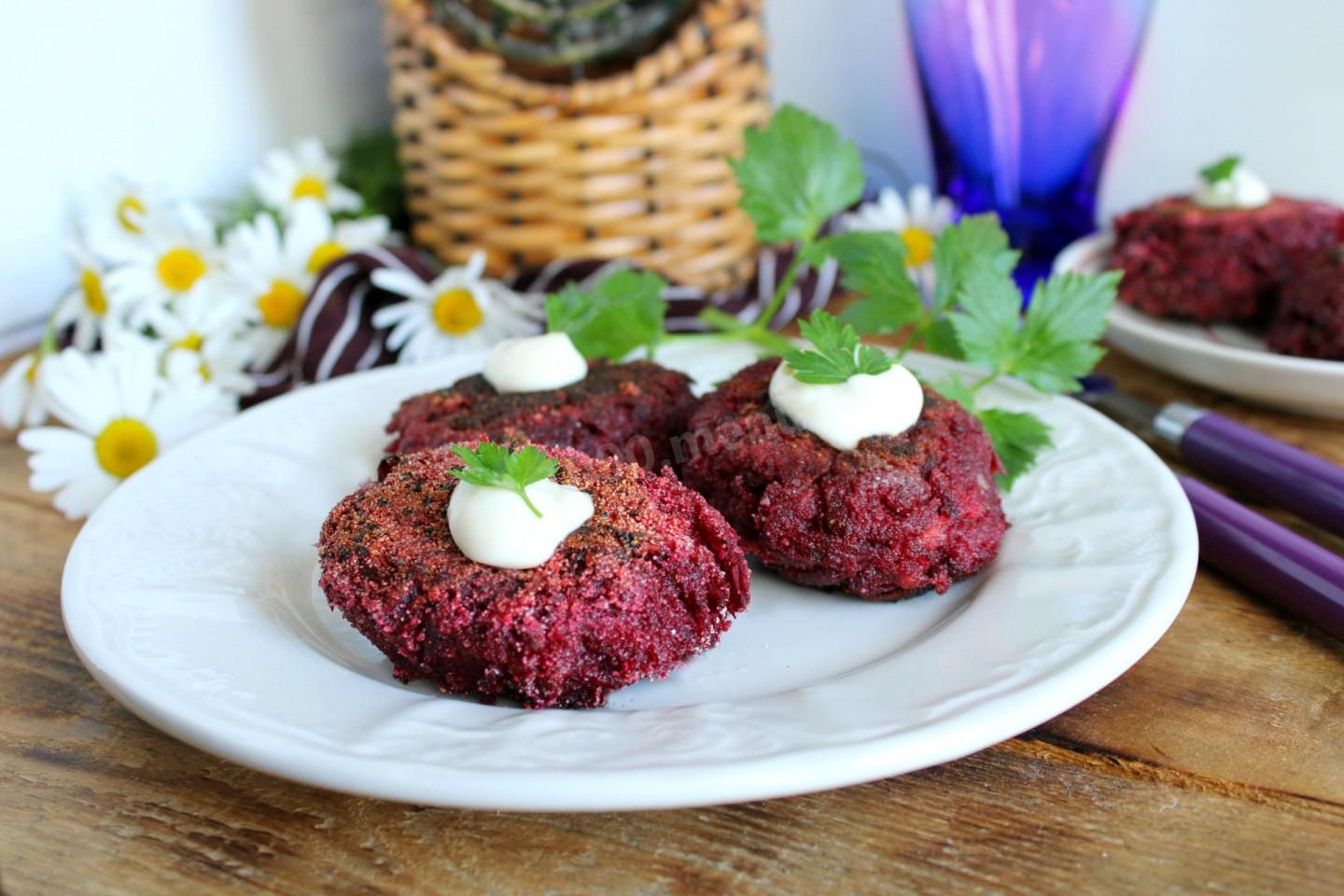
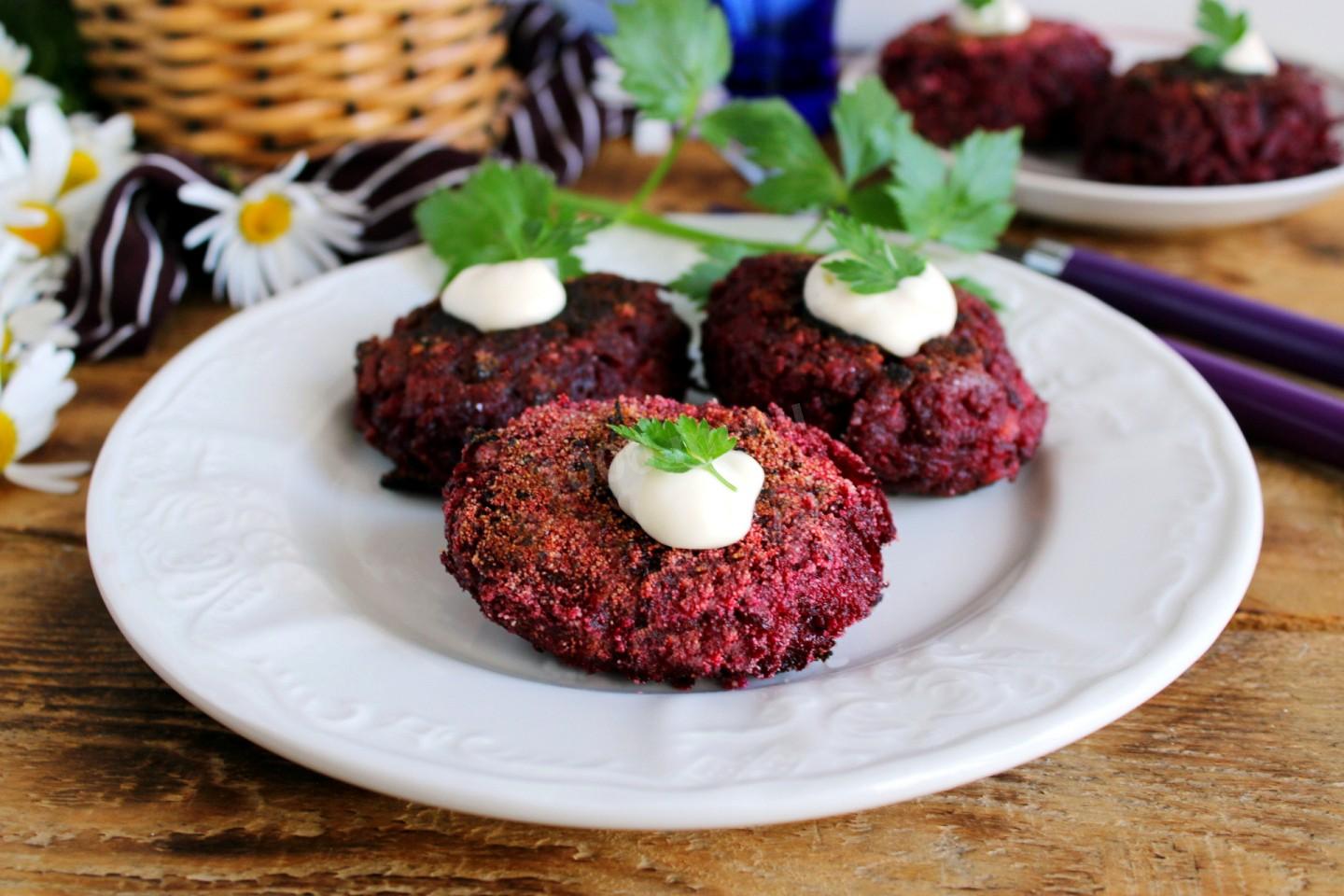
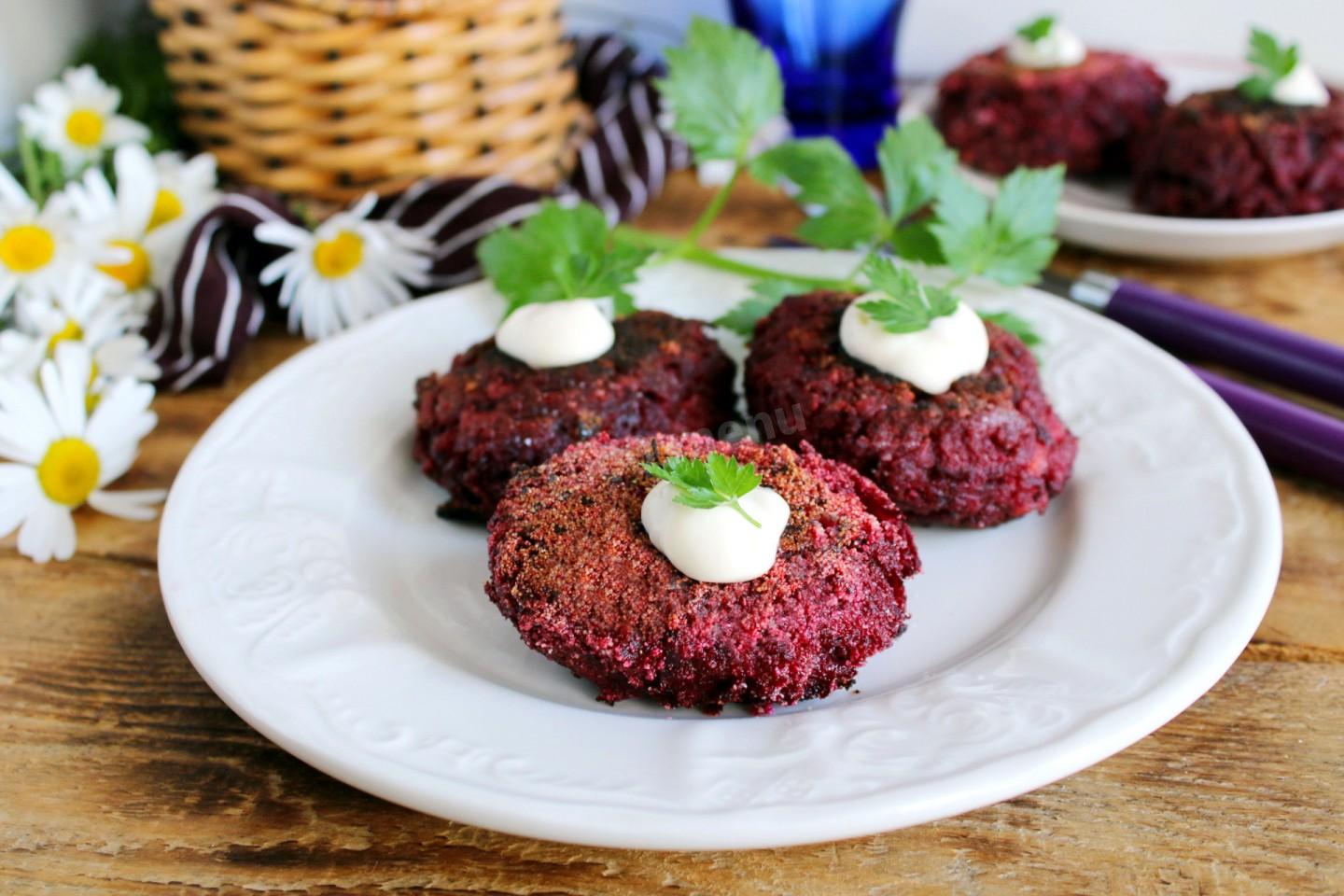
A tasty dish on its own or a vegetable side for meat! Beets are one of those vegetables you can turn into all sorts of interesting things—even patties, which just might win over people who don't care for the root vegetable at all.

Cooking method
-
Step 1:
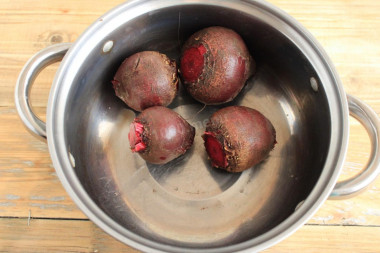
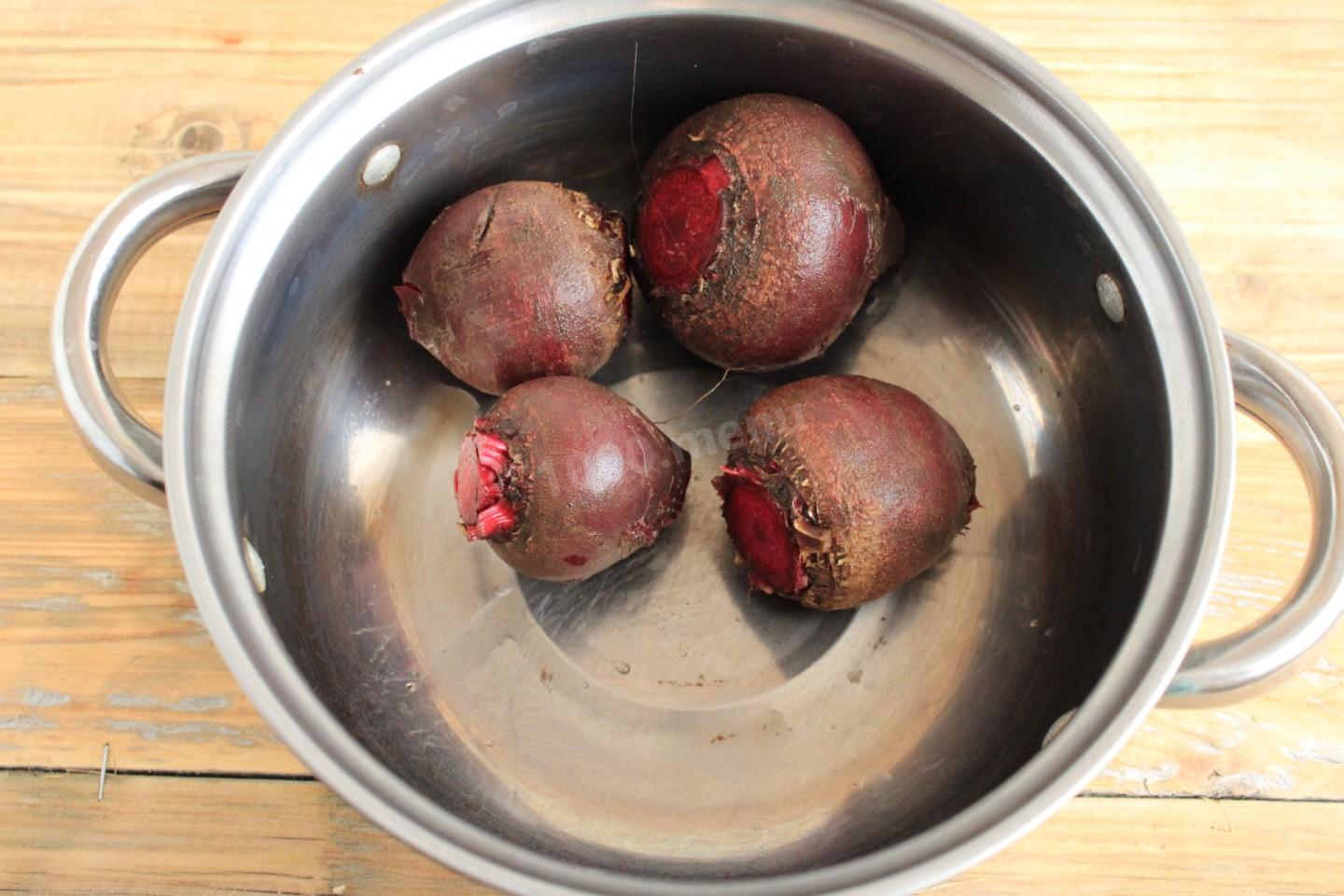
How do you make beet patties? Cook the beets in their skins, or peel them and boil them cut into pieces. To my mind, cooking or roasting vegetables whole keeps more of their nutrients, and the beets hold onto their vivid color. Boil a whole beet for about 25 minutes; to check for doneness, poke it with the tip of a sharp knife or a fork—it should slide in easily. To speed up cooking beets in their skins, add a pinch of baking soda to the water.
-
Step 2:
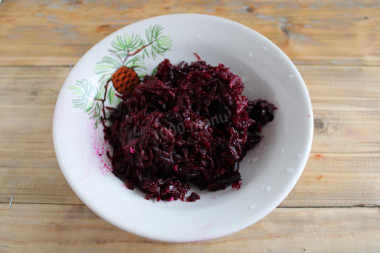
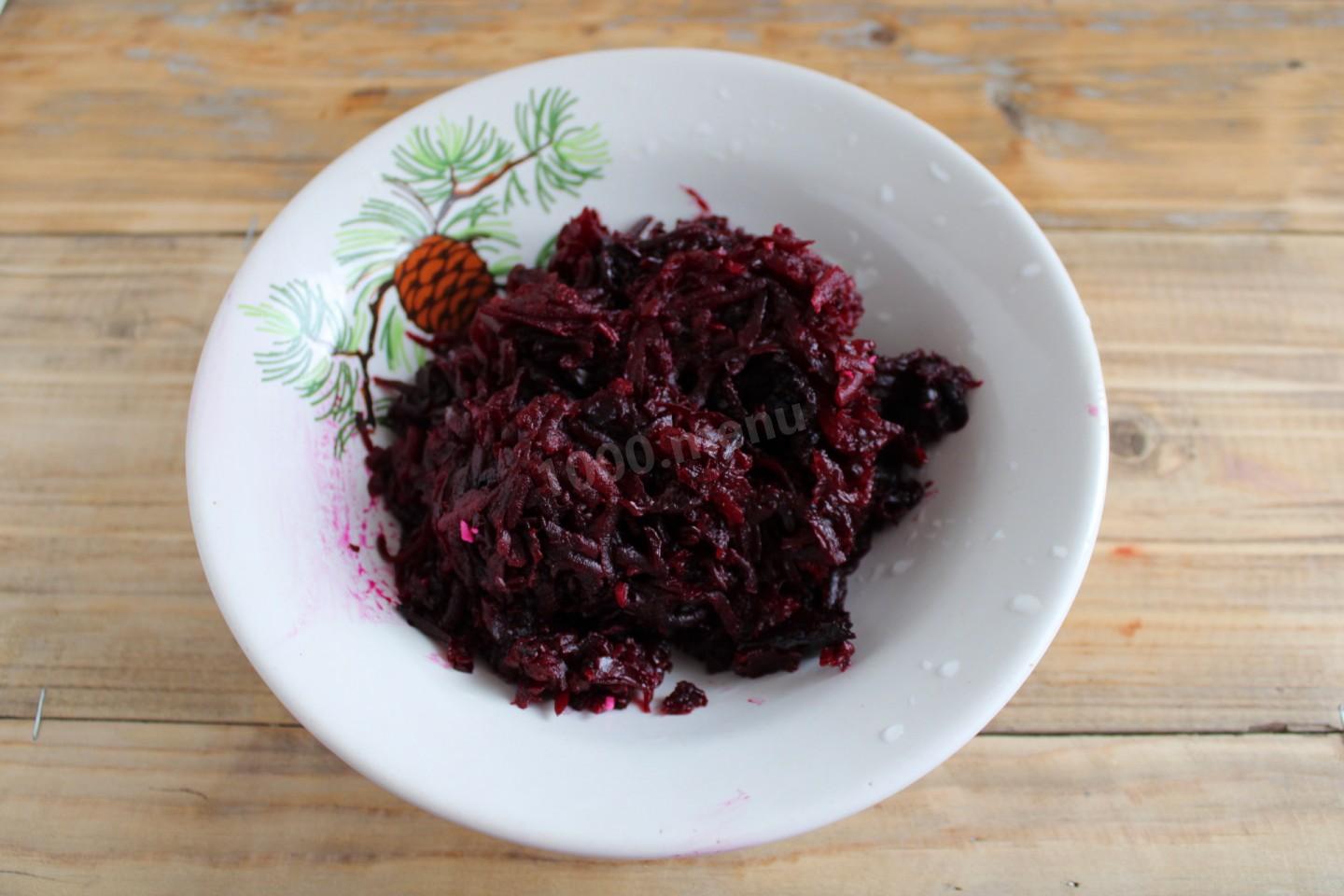
Let the beets cool. Peel them and purée them in a blender, mash with a fork, or grate them. If you want the beet mixture perfectly smooth—like a paste—a blender is the way to go; grating leaves small pieces of beet in the patties.
-
Step 3:
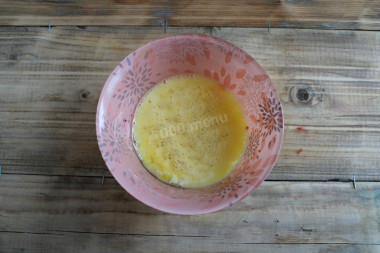
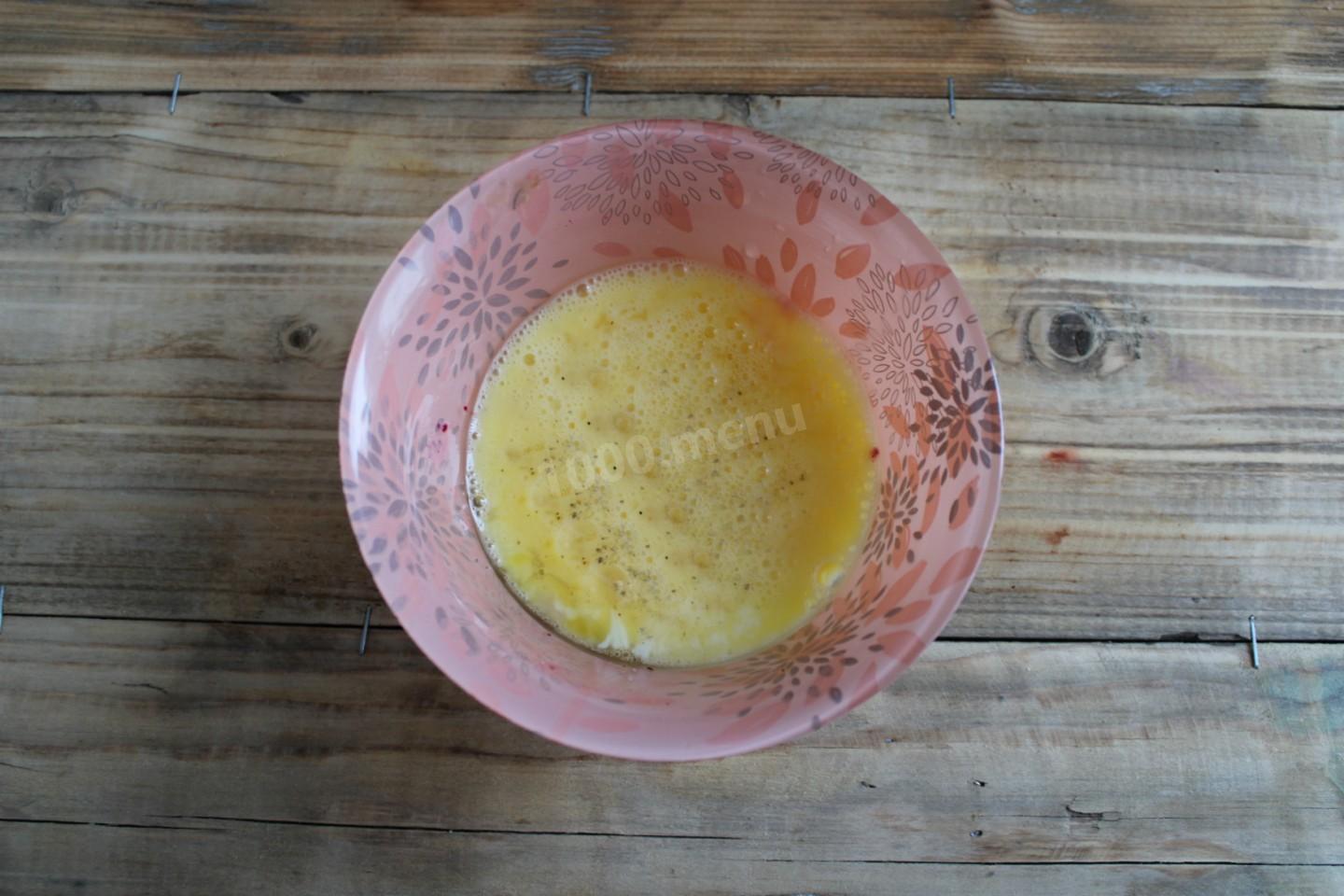
In a separate bowl, crack the egg, add salt and ground black pepper to taste, and whisk with a fork until smooth.
-
Step 4:
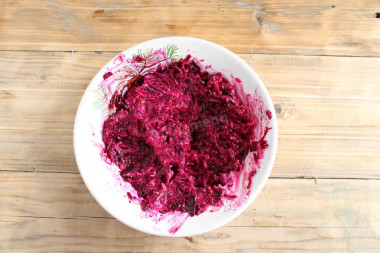
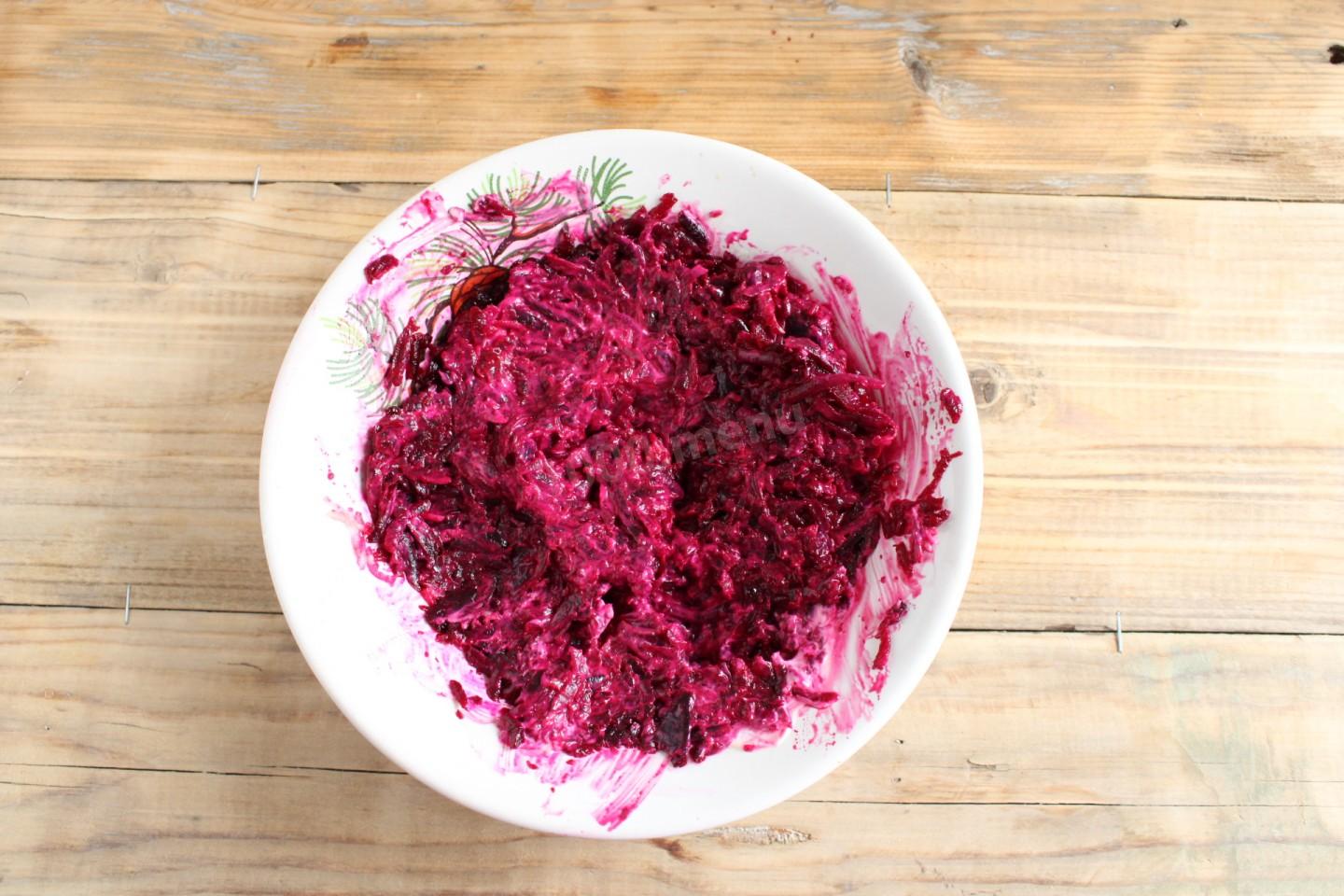
To the bowl of grated beets, add the semolina, the egg mixture, and a tablespoon of thick sour cream. Mix thoroughly.
-
Step 5:
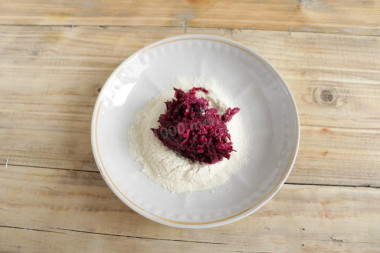
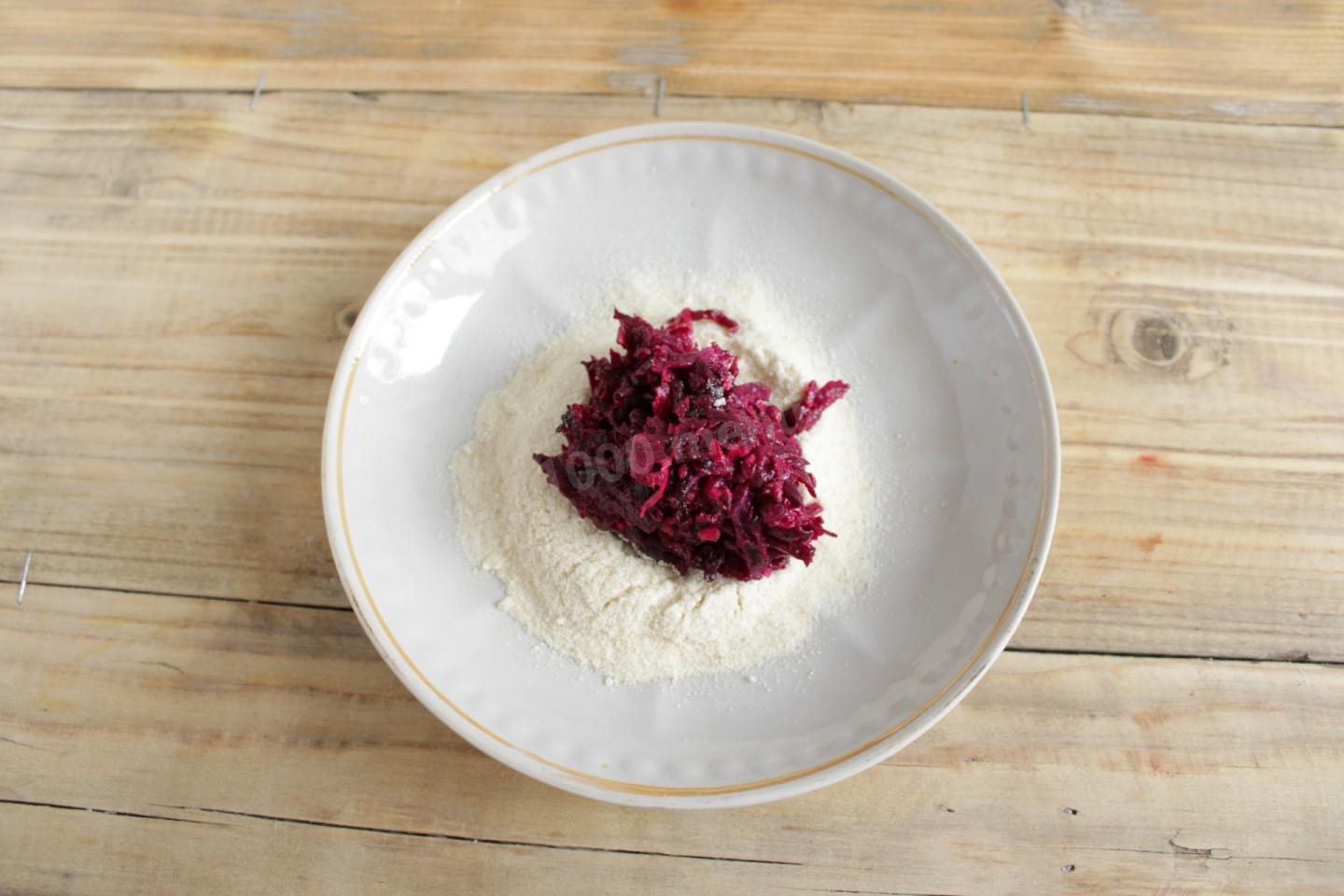
Pour some semolina or breadcrumbs onto a plate. Drop a spoonful of the beet mixture onto it.
-
Step 6:
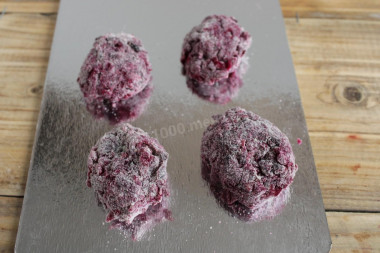
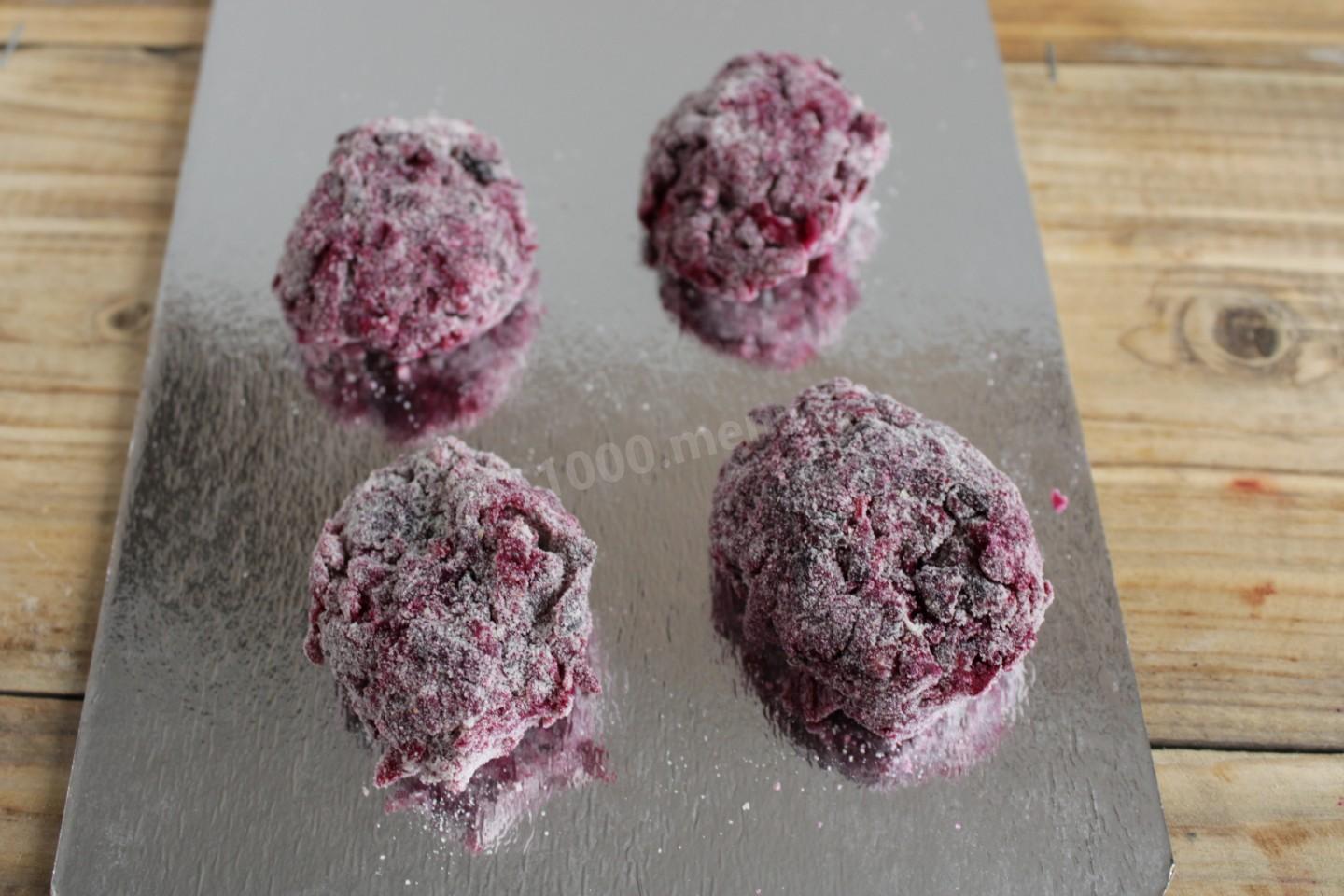
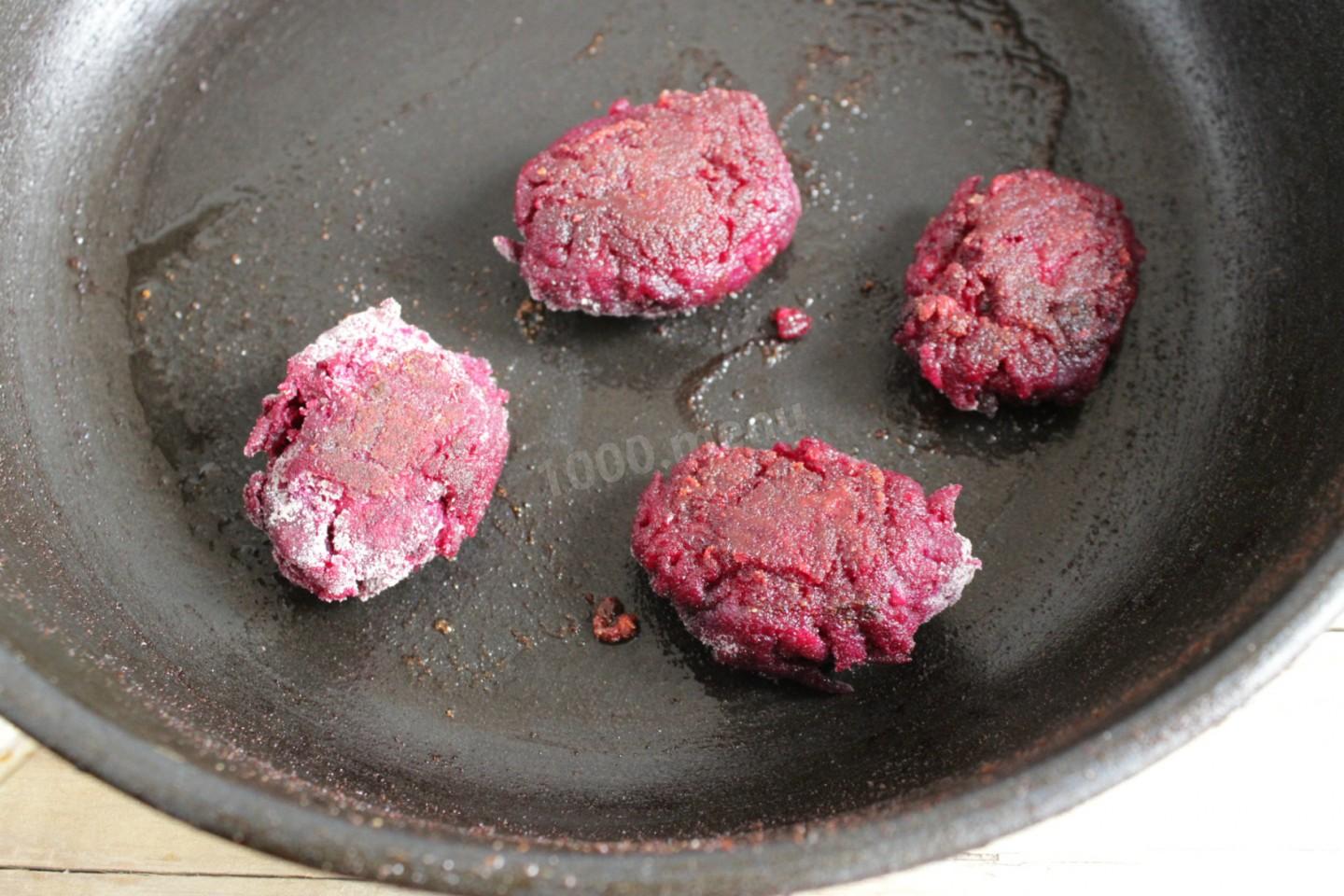
With clean hands, gently shape it into a firm, breaded beet patty. Pour the vegetable oil into a skillet and heat it up.
-
Step 7:
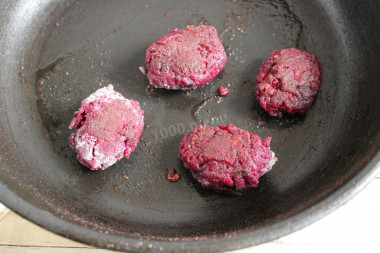
Set the patties in the hot oil and fry over medium heat for about 2–3 minutes on the first side, then flip and let them brown on the second side. Take the patties off the heat and serve them as a side to a meat dish, or on their own with sour cream or mayonnaise. Delicious, simple, and filling. Enjoy!
- Making beet patties isn't just an easy way to shake up your menu and get kids—most of whom dislike beets—to eat them happily and ask for seconds; it's also a great way to creatively use up beets left over from a salad or other dishes.
- Every oil is only good up to a certain point—its smoke point, where it starts to burn and forms toxic compounds, including carcinogens. For how to gauge frying temperature and pick the best oil to fry with (and which ones to avoid entirely), read here.
- Important! The wrong skillet can ruin even the best recipe. For all the details on how to choose the perfect pan for different dishes, read here.
- Always wash eggs before using them, since even a shell that looks clean can carry harmful bacteria. A food-safe wash and a brush work best.
Caloric content of the products possible in the composition of the dish
- Sour cream with 30% fat content - 340 kcal/100g
- Sour cream with 25% fat content - 284 kcal/100g
- Sour cream with 20% fat content - 210 kcal/100g
- Sour cream of 10% fat content - 115 kcal/100g
- Sour cream - 210 kcal/100g
- Beetroot - 40 kcal/100g
- Dried beetroot - 278 kcal/100g
- Boiled beets - 49 kcal/100g
- Semolina - 340 kcal/100g
- Ground black pepper - 255 kcal/100g
- Vegetable oil - 873 kcal/100g
- Salt - 0 kcal/100g
- Chicken egg - 80 kcal/100g