Thin Milk-and-Water Crêpes
Thin, light, and delicious, made from simple ingredients — perfect for breakfast. You can have these milk-and-water crêpes ready in about 40 minutes, right while the family is waking up. Serve them with sauces, jam, preserves, sweetened condensed milk, or sour cream — or wrap any filling inside, sweet or savory!






Cooking method
-
Step 1:
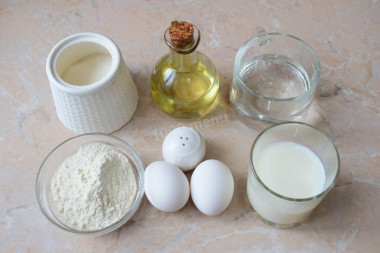
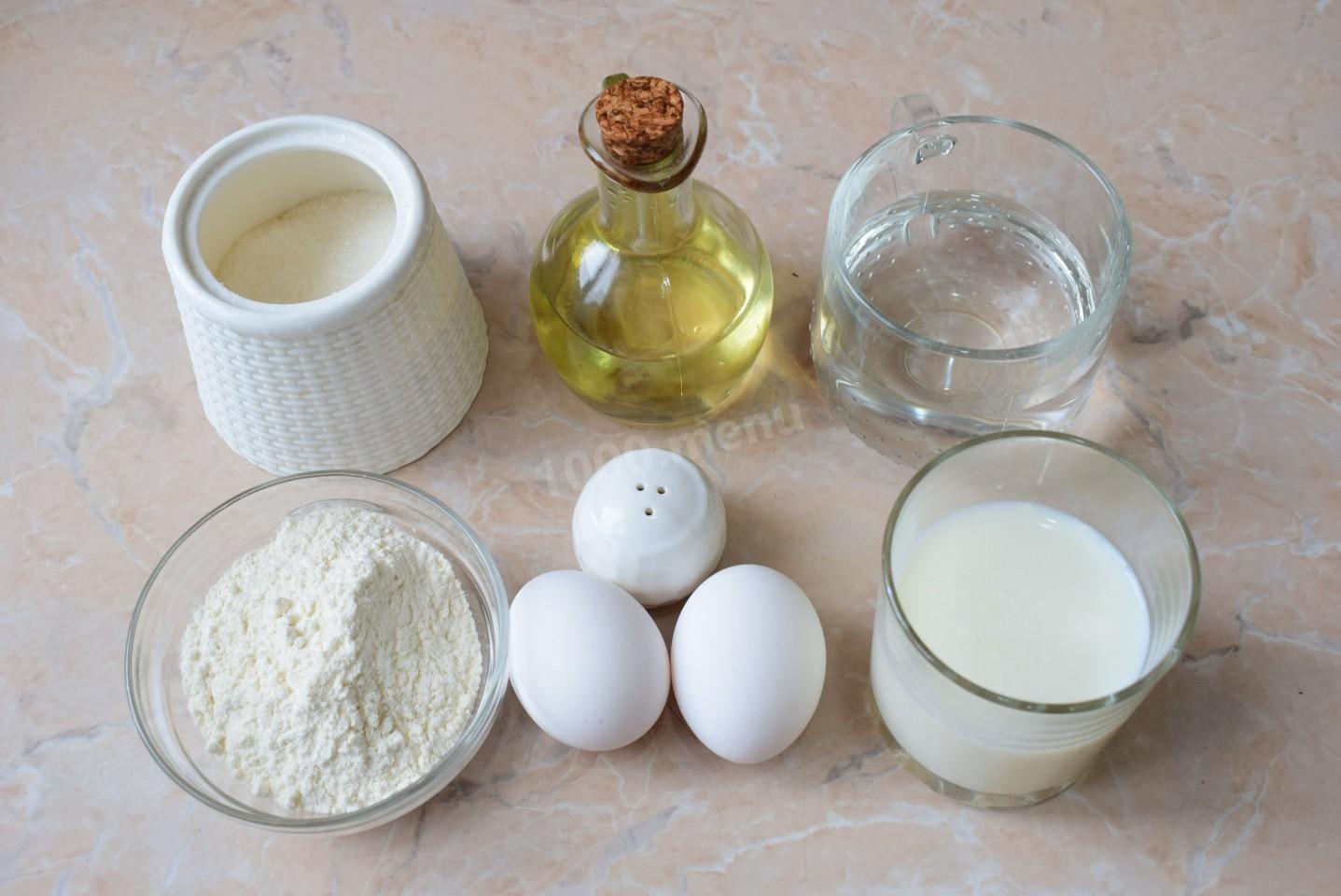
Ready to make milk-and-water crêpes? Gather your ingredients. Any fat content of milk works. I usually use large eggs. Sift the flour ahead of time to aerate it.
-
Step 2:
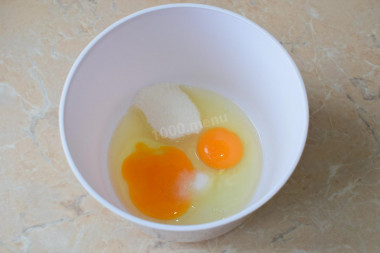
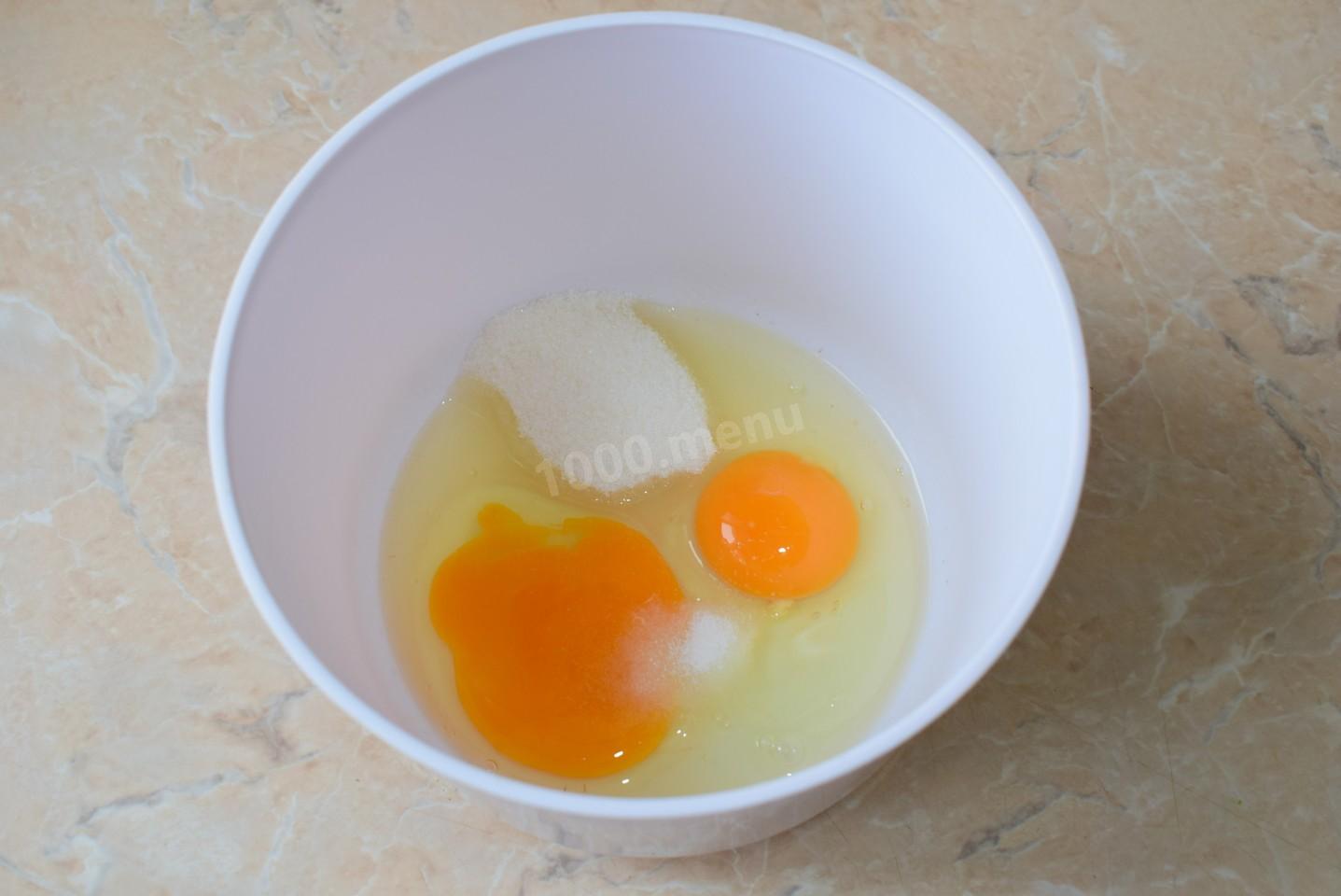
A deep bowl is handy for mixing the batter so it doesn't splash. Crack the eggs into the bowl and add the sugar and salt — adjust the sugar to your taste. Whisk them together.
-
Step 3:
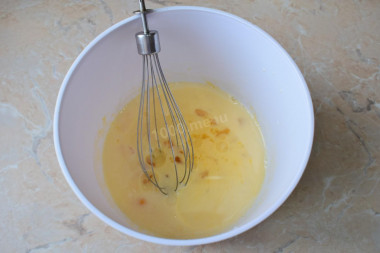
Pour half the milk and half the water into the bowl. Add the vegetable oil and stir.
-
Step 4:
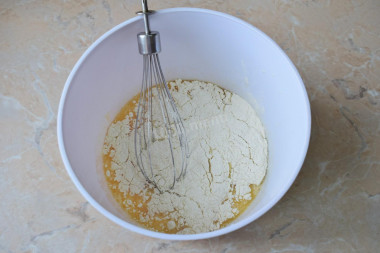
Add all the sifted flour and mix the batter until smooth, with no lumps. A mixer helps here.
-
Step 5:
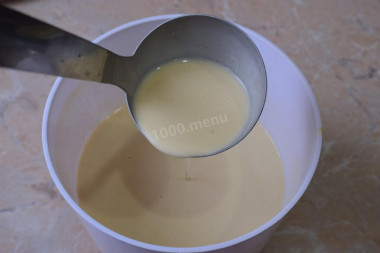
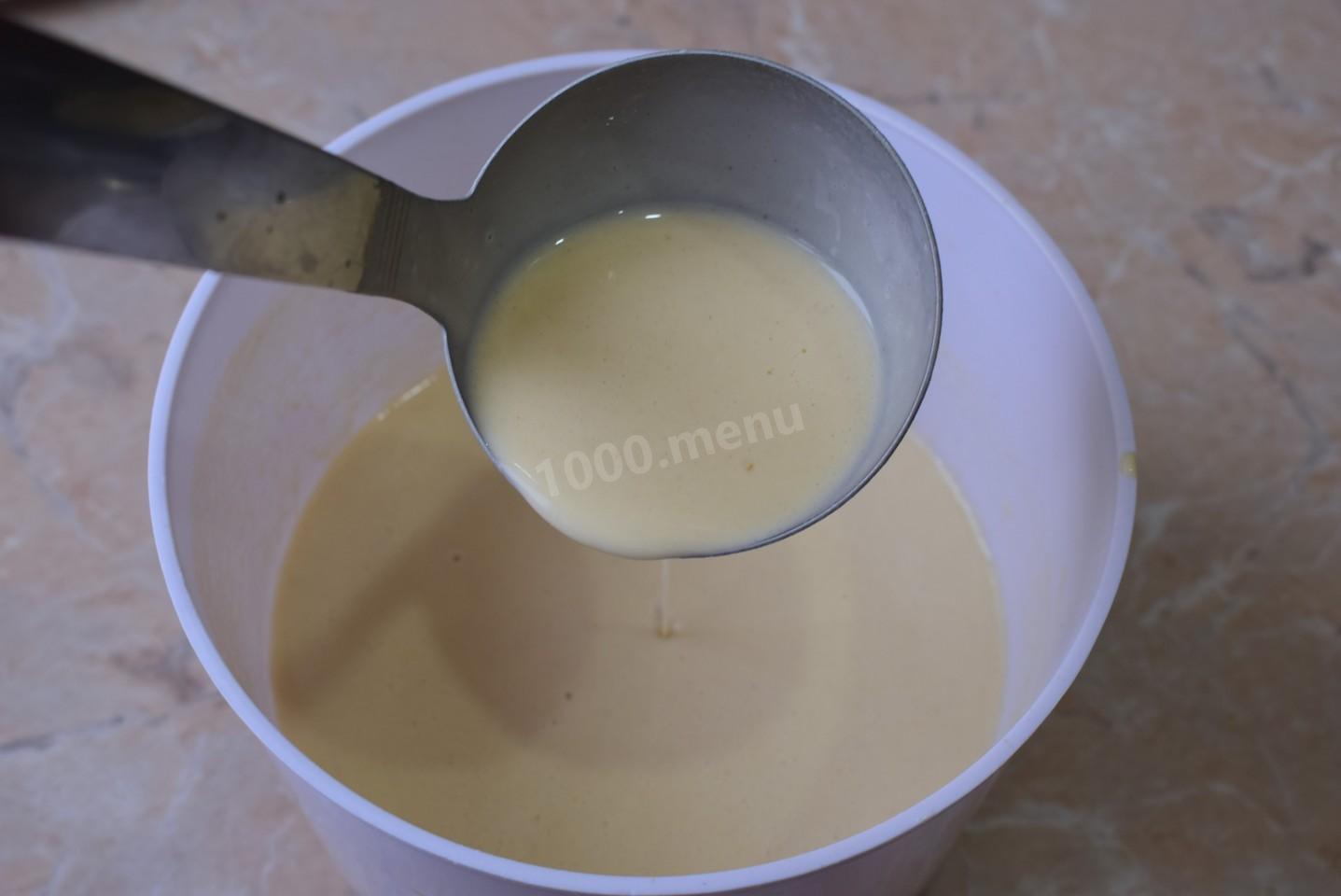
Then stir in the remaining water and milk. You may need slightly more or less liquid — go by the consistency of the batter. The thicker the batter, the thicker the crêpes; you want it thin to get delicate, thin crêpes.
-
Step 6:
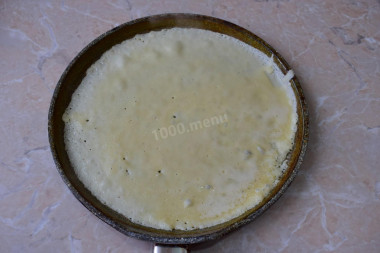
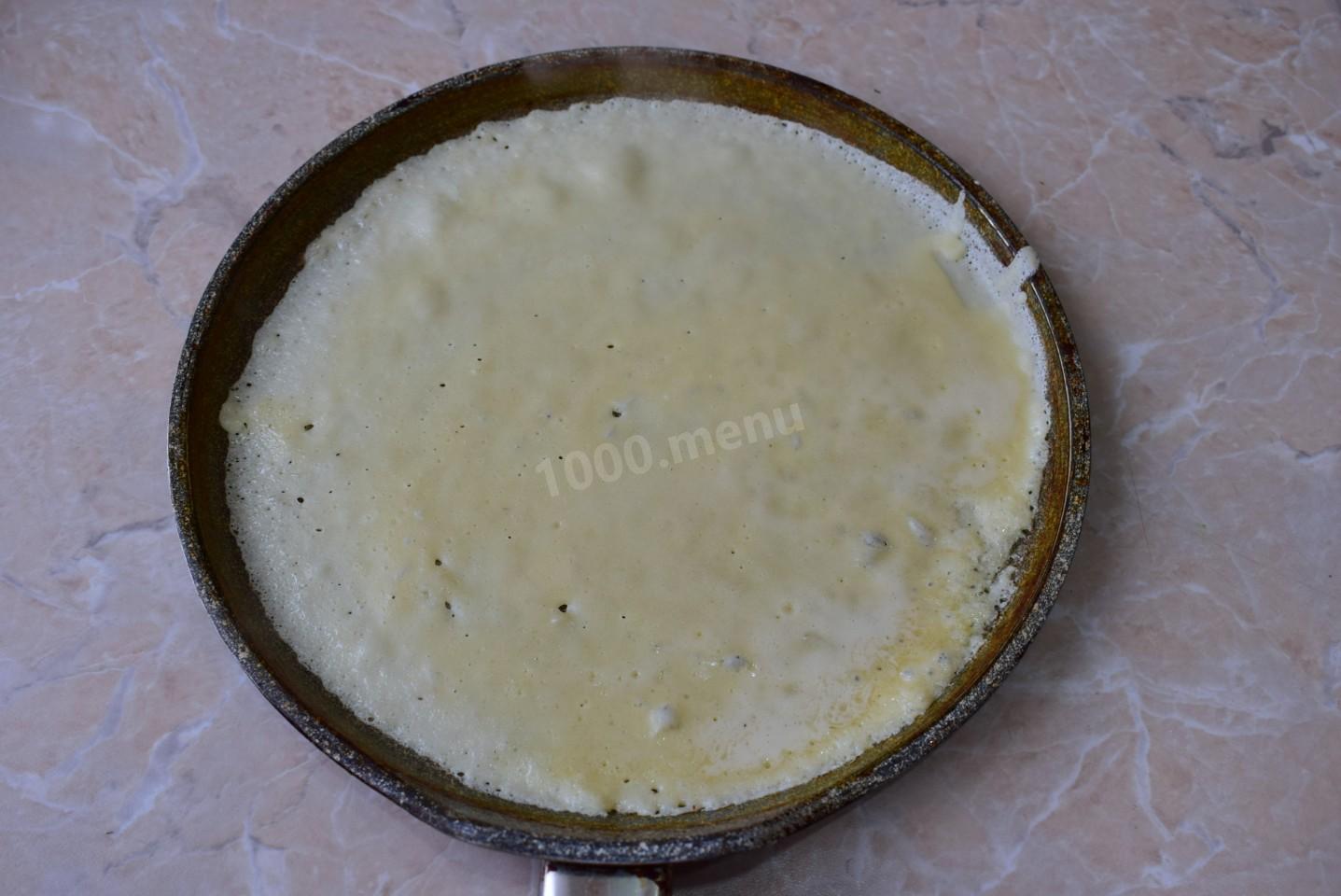
Grease the pan with vegetable oil before the first crêpe. Pour in a thin layer of batter and cook up the crêpes.
-
Step 7:
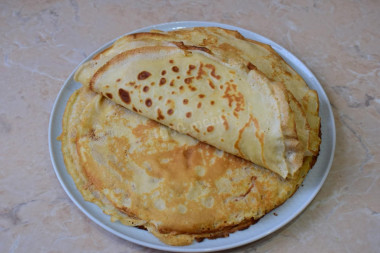
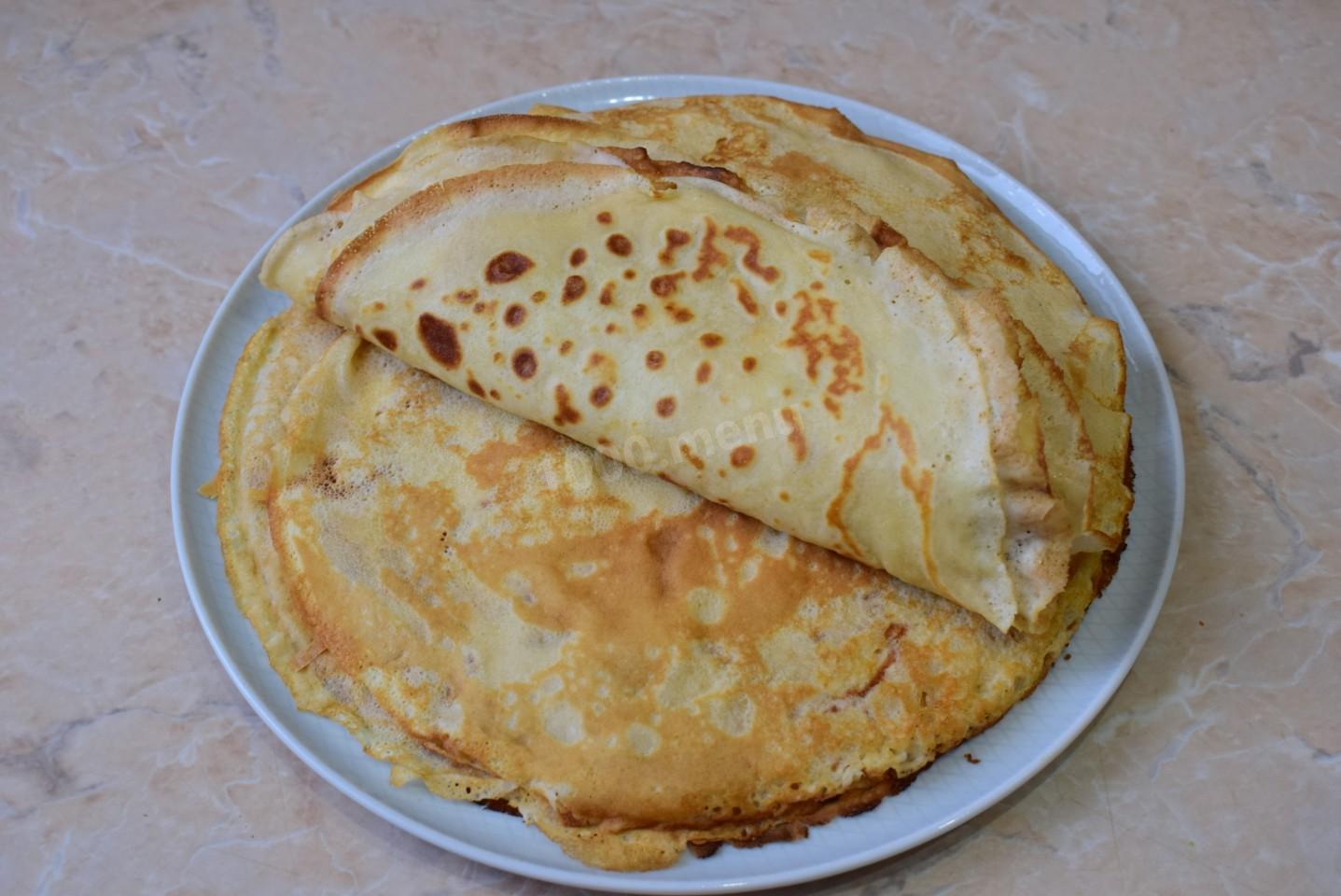
The finished crêpes come out thin and tender with a lovely golden color. Stack them on top of each other and cover with a lid so they don't dry out. Serve them with berries, sour cream, or sweetened condensed milk. Enjoy!


- One thing to note: the wrong pan can ruin even the best recipe. Choose a skillet suited to what you're cooking.
- How can you tell if an egg is fresh? Crack it into a separate bowl. First, there should be no off smell. The white of a fresh egg is clear and clean, and the yolk should hold its shape — glossy and domed rather than runny.
- For cooking, use filtered or bottled water with a neutral taste. Tap water can give the dish an off flavor.
Caloric content of the products possible in the composition of the dish
- Whole cow's milk - 68 kcal/100g
- Milk 3.5% fat content - 64 kcal/100g
- Milk 3.2% fat content - 60 kcal/100g
- Milk 1.5% fat content - 47 kcal/100g
- Concentrated milk 7.5% fat content - 140 kcal/100g
- Milk 2.5% fat content - 54 kcal/100g
- Chicken egg - 157 kcal/100g
- Egg white - 45 kcal/100g
- Egg powder - 542 kcal/100g
- Egg yolk - 352 kcal/100g
- Ostrich egg - 118 kcal/100g
- Whole durum wheat flour fortified - 333 kcal/100g
- Whole durum wheat flour, universal - 364 kcal/100g
- Flour krupchatka - 348 kcal/100g
- Flour - 325 kcal/100g
- Granulated sugar - 398 kcal/100g
- Sugar - 398 kcal/100g
- Vegetable oil - 873 kcal/100g
- Salt - 0 kcal/100g
- Water - 0 kcal/100g