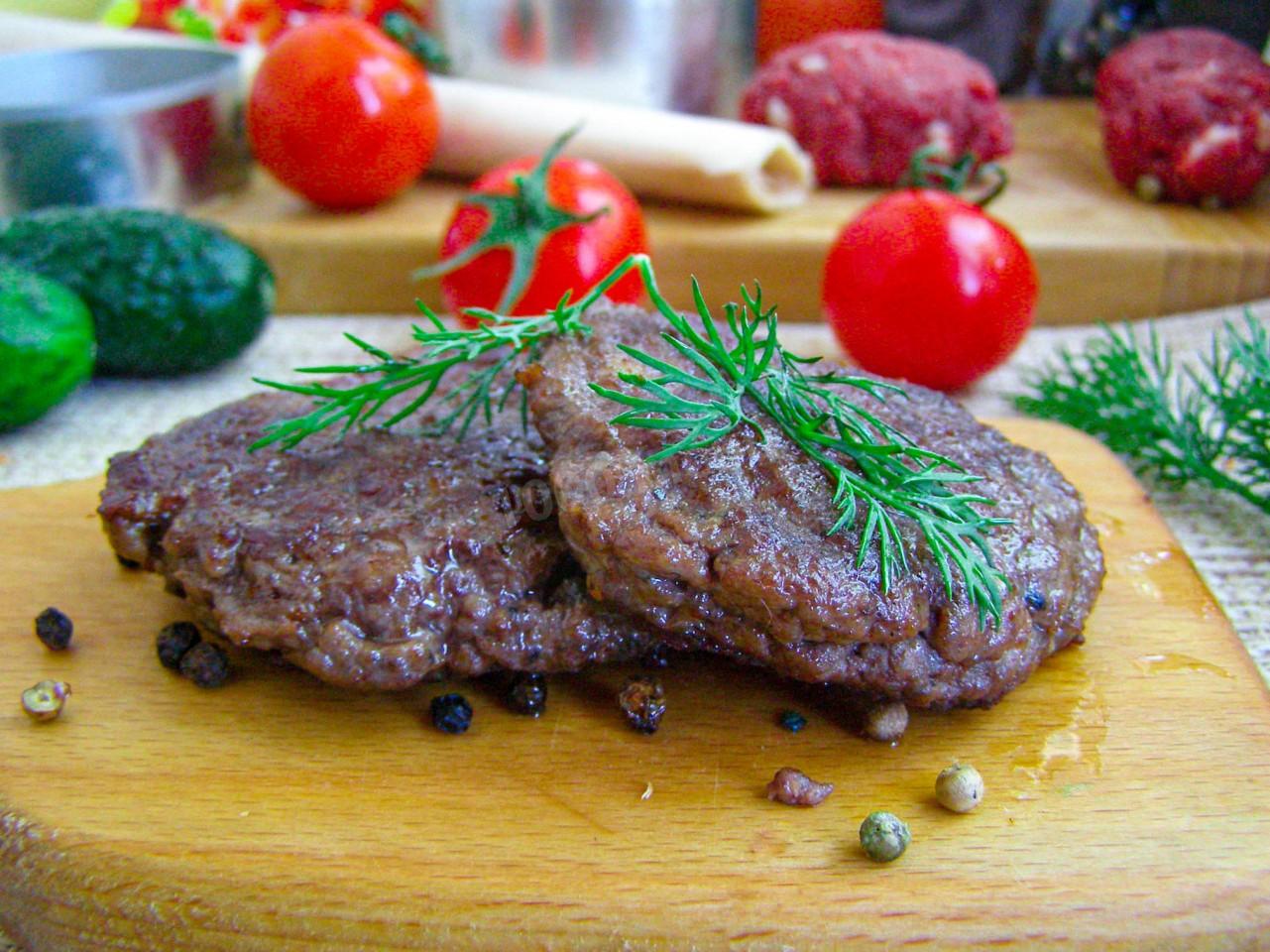
Homemade Hamburger Patties
A juicy, tender patty makes a homemade burger that much better — because a well-made patty is what a great burger is all about. These patties work for building any kind of burger, whether you're at home or cooking outdoors. Serve them for any meal, on holidays, or pack them along for work or a picnic.

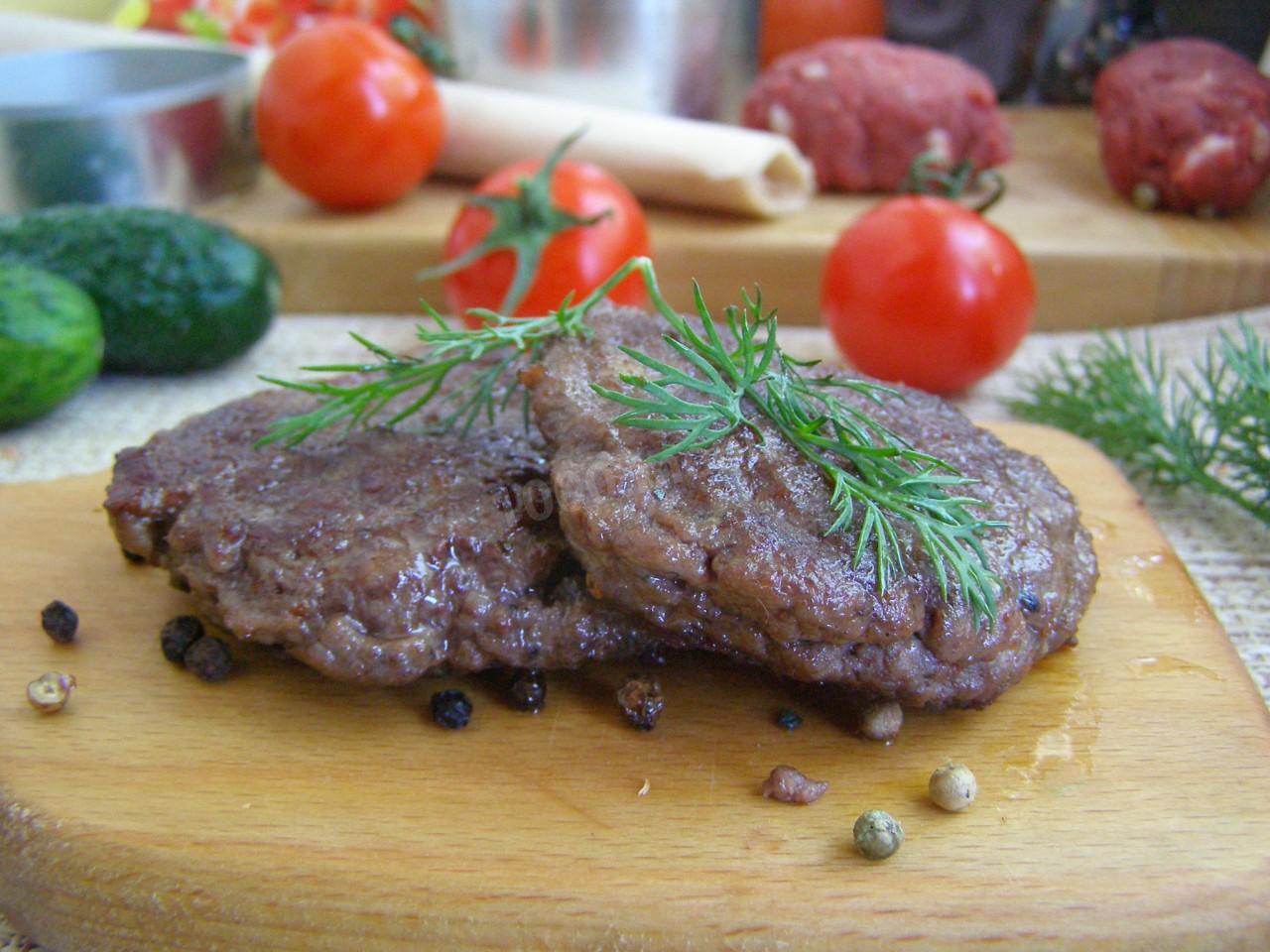
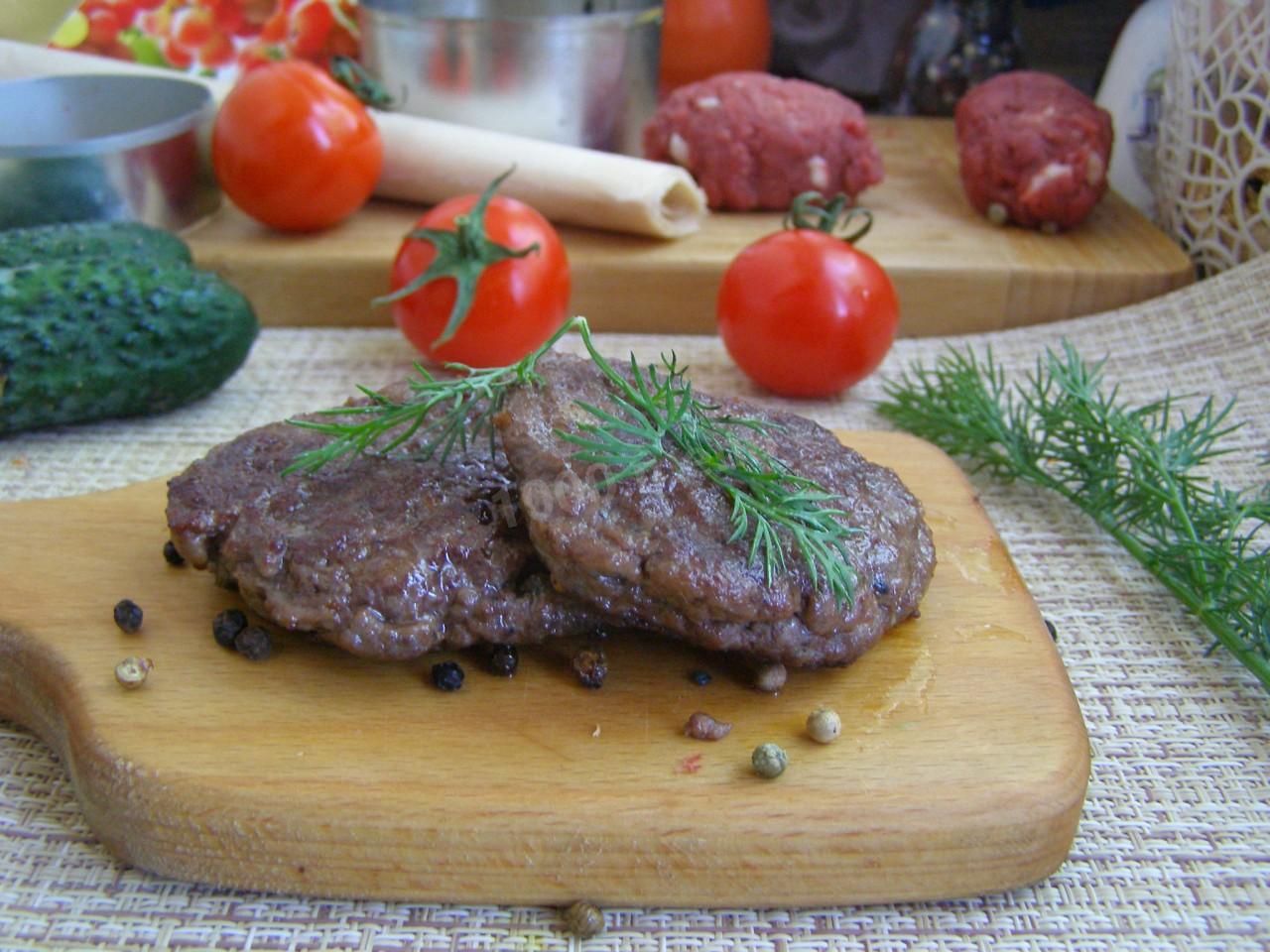
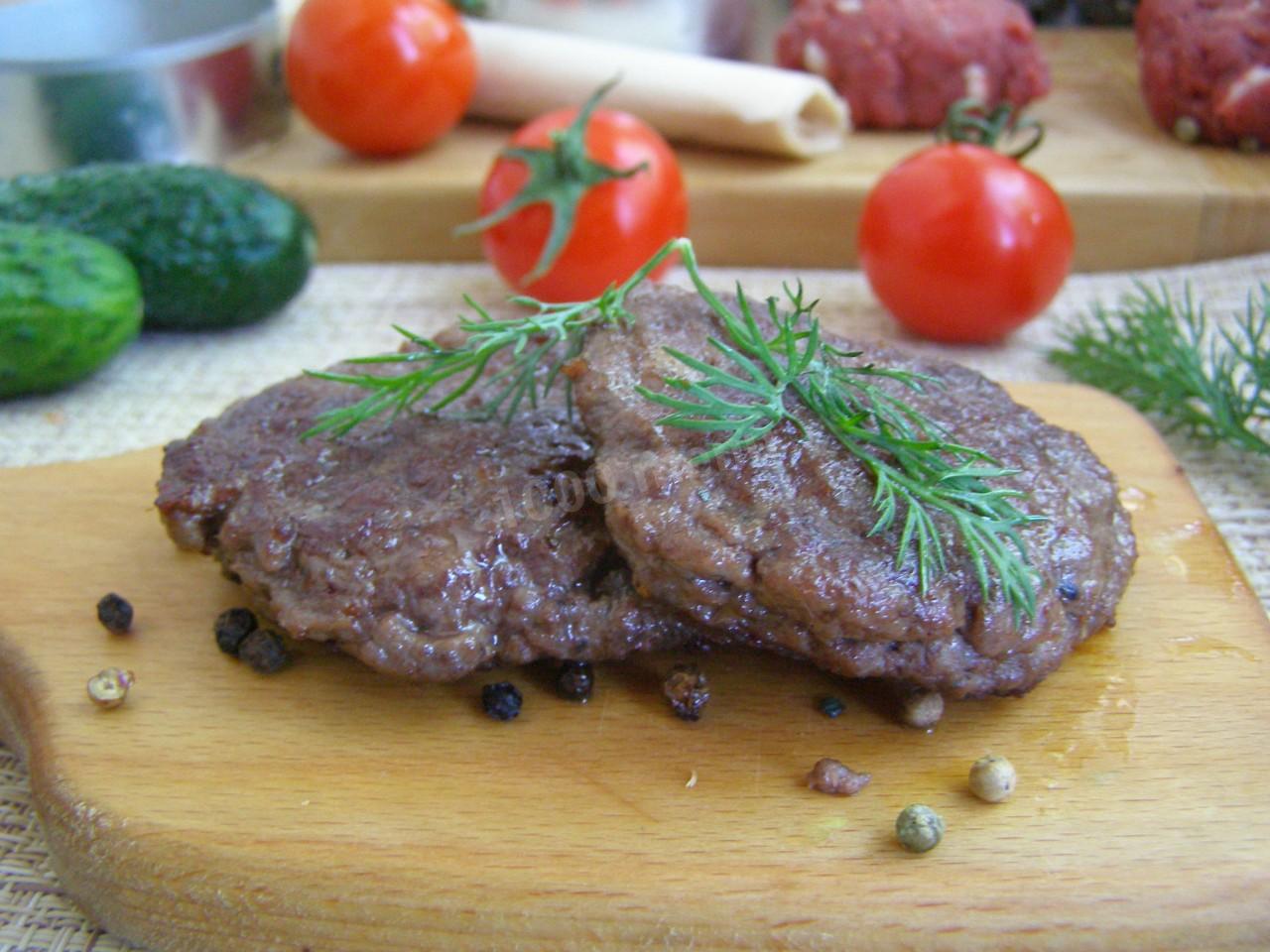
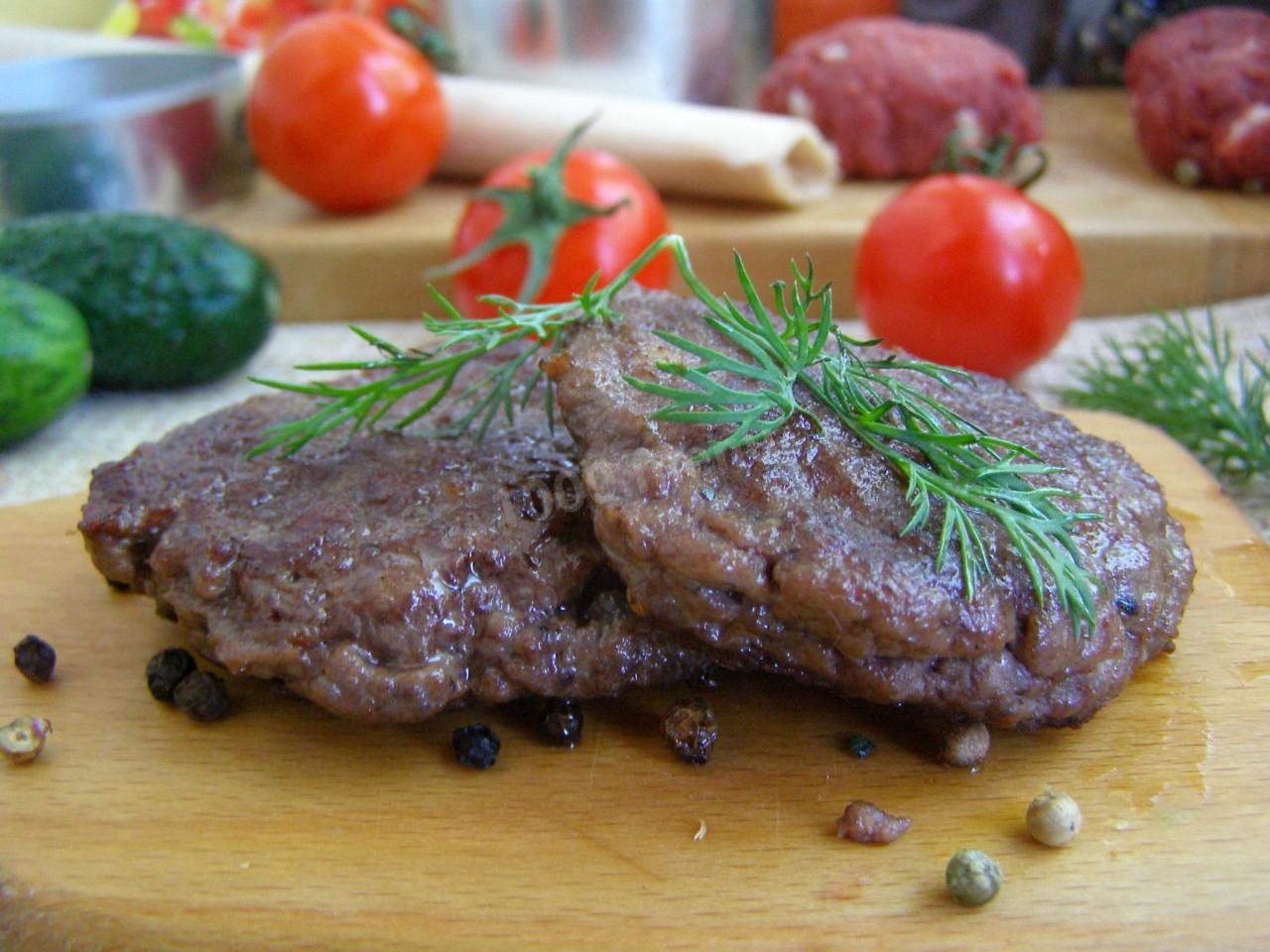
Cooking method
-
Step 1:
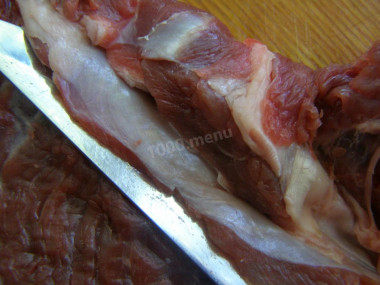
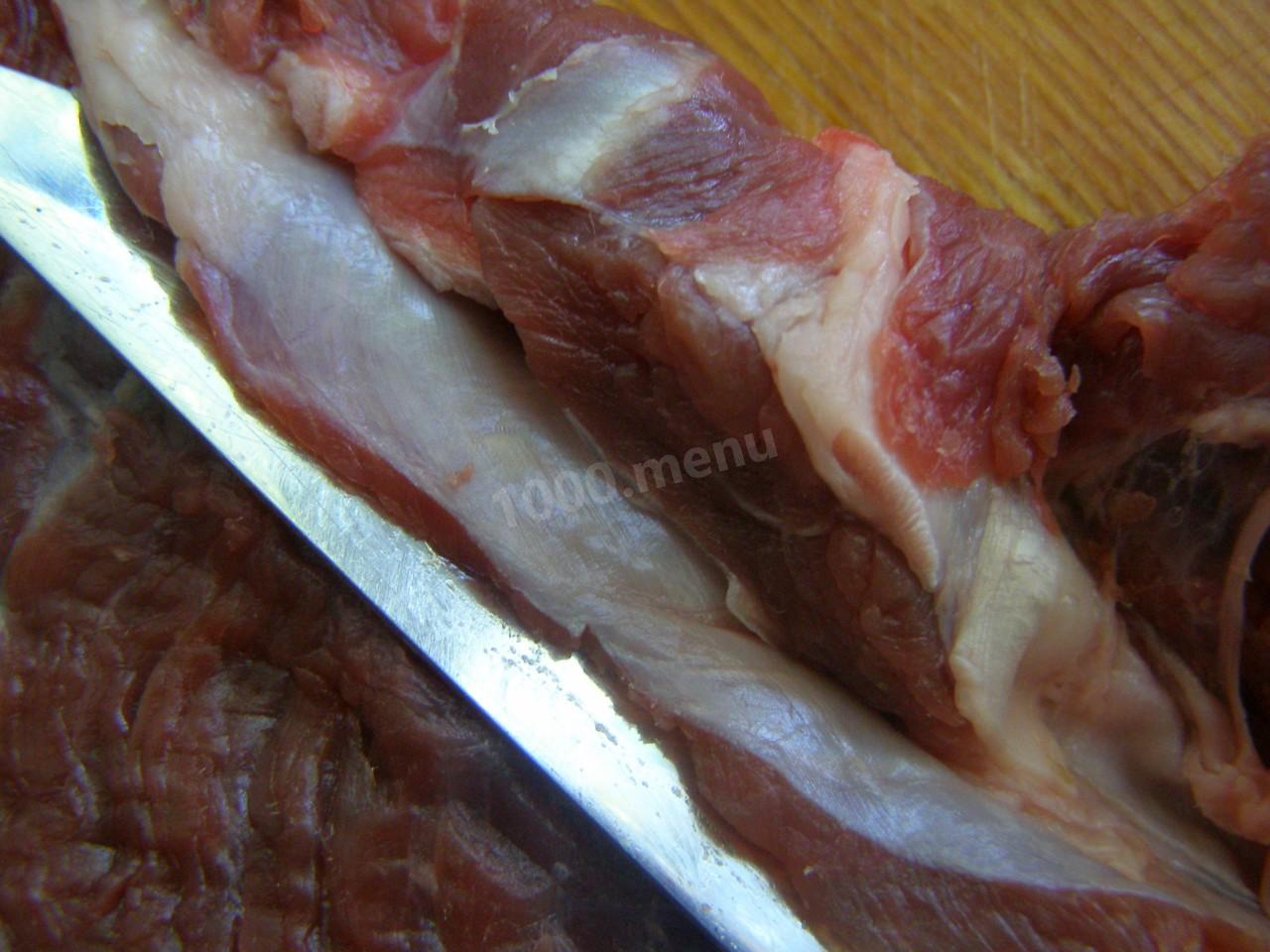
Ready to make hamburger patties? Get your meat ready for grinding — good-quality, fresh beef. Trim away any sinew or anything else that would make the ground meat subpar, using a sharp knife.
-
Step 2:
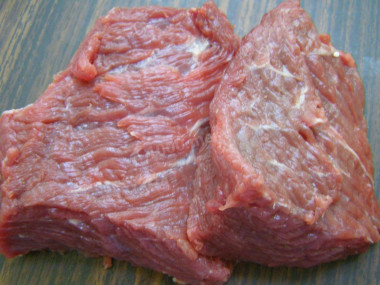
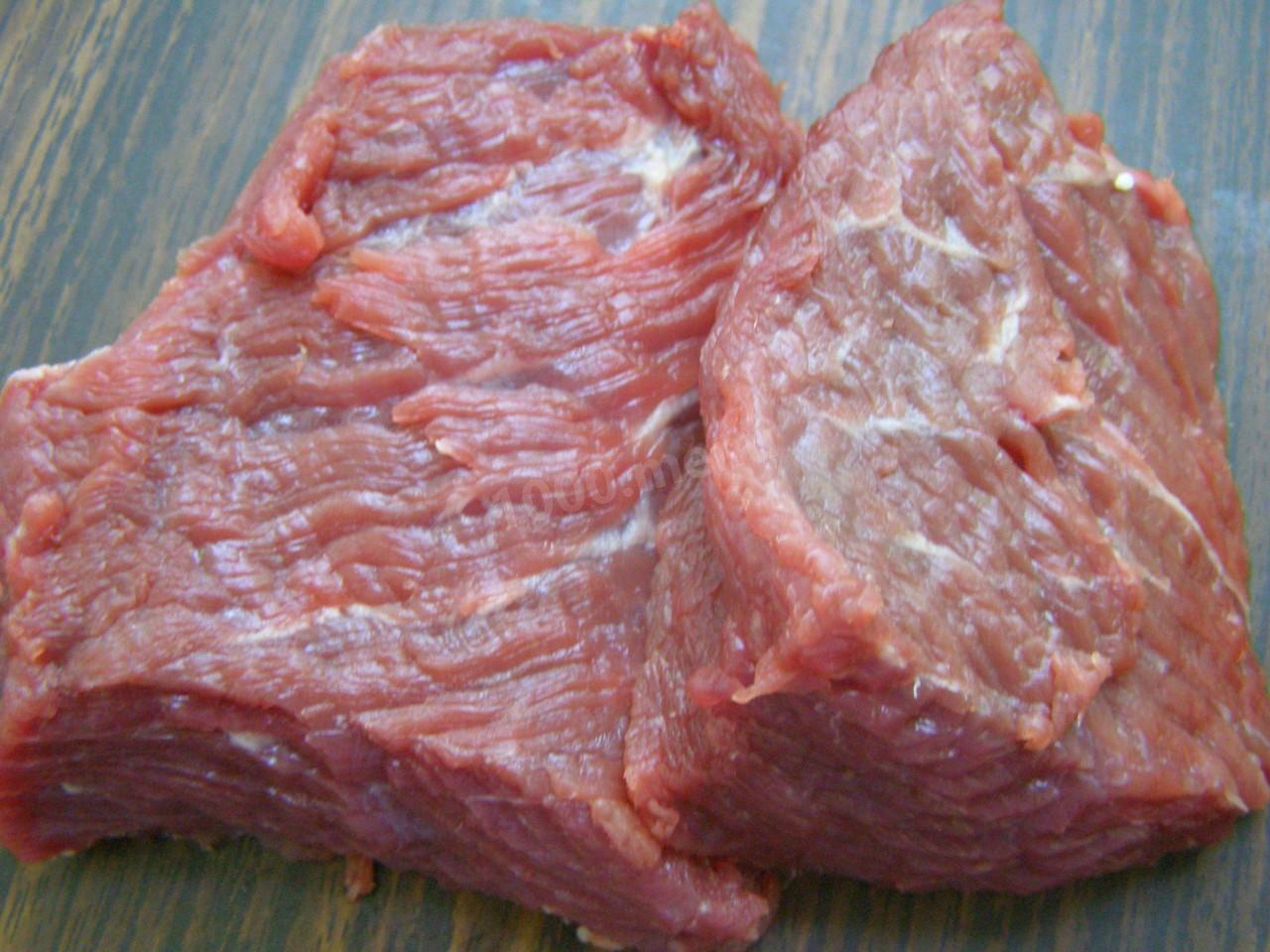
This is roughly how the meat should look before grinding.
-
Step 3:
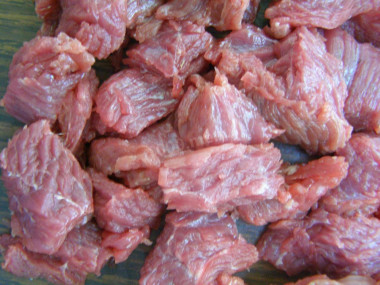
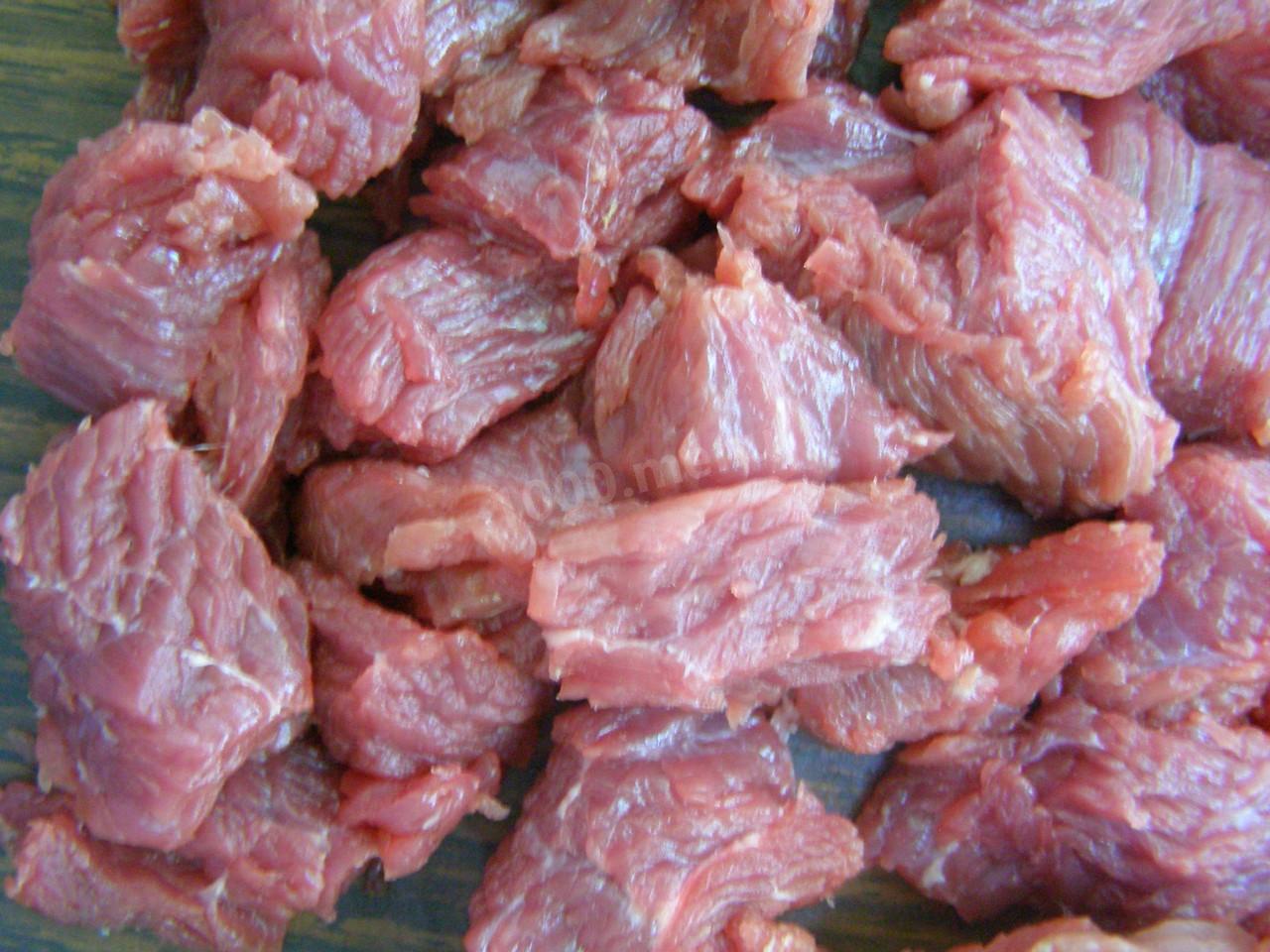
Cut it into small pieces — small enough to feed easily into whatever you're using to grind the beef.
-
Step 4:
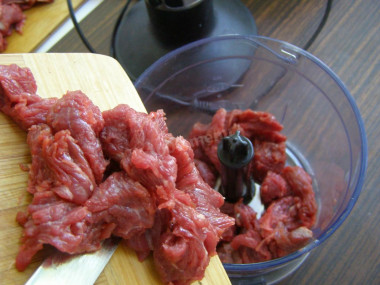
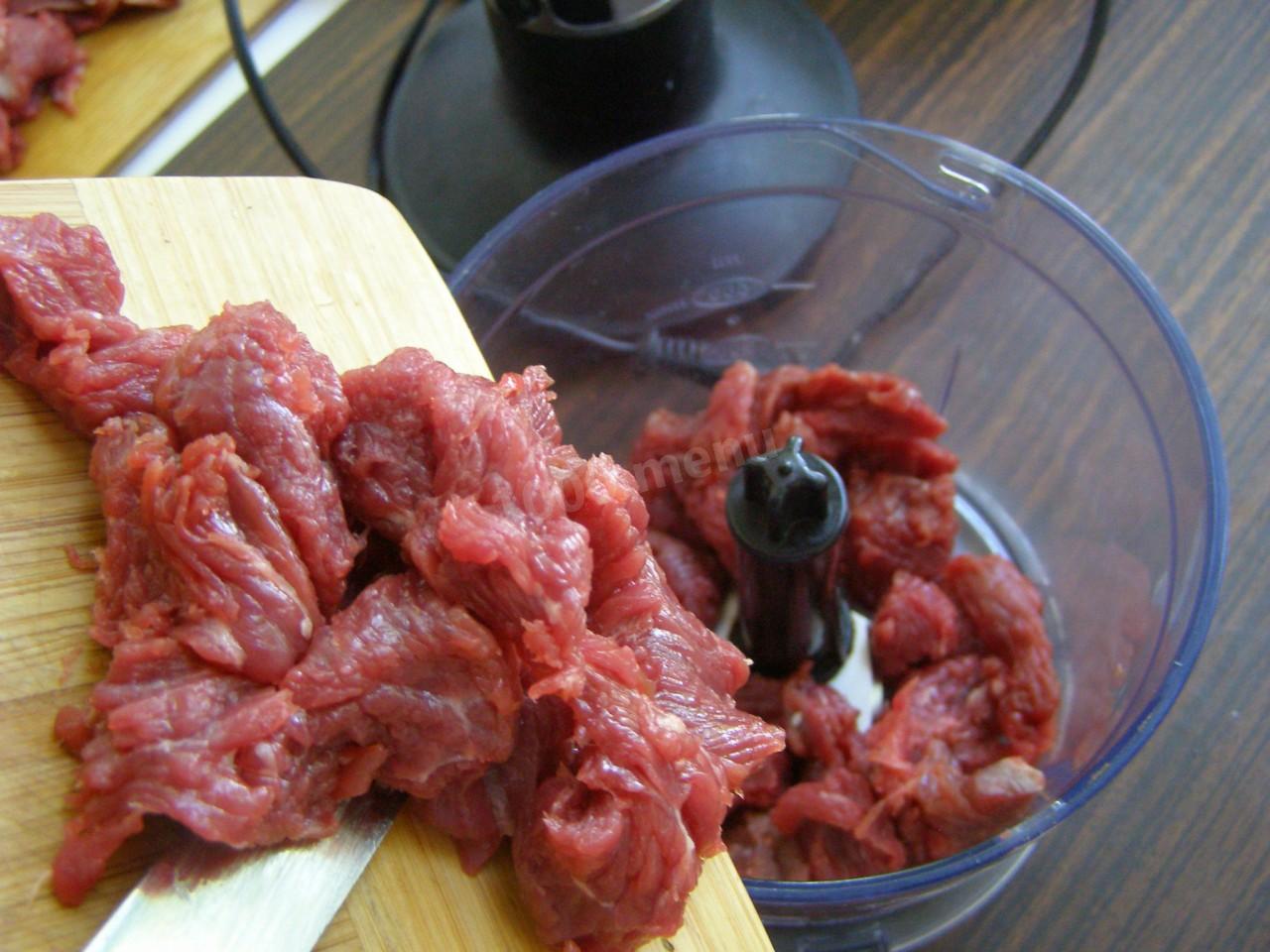
I used an immersion blender. I dropped the pieces of beef into it.
-
Step 5:
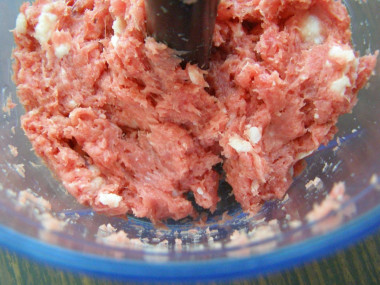
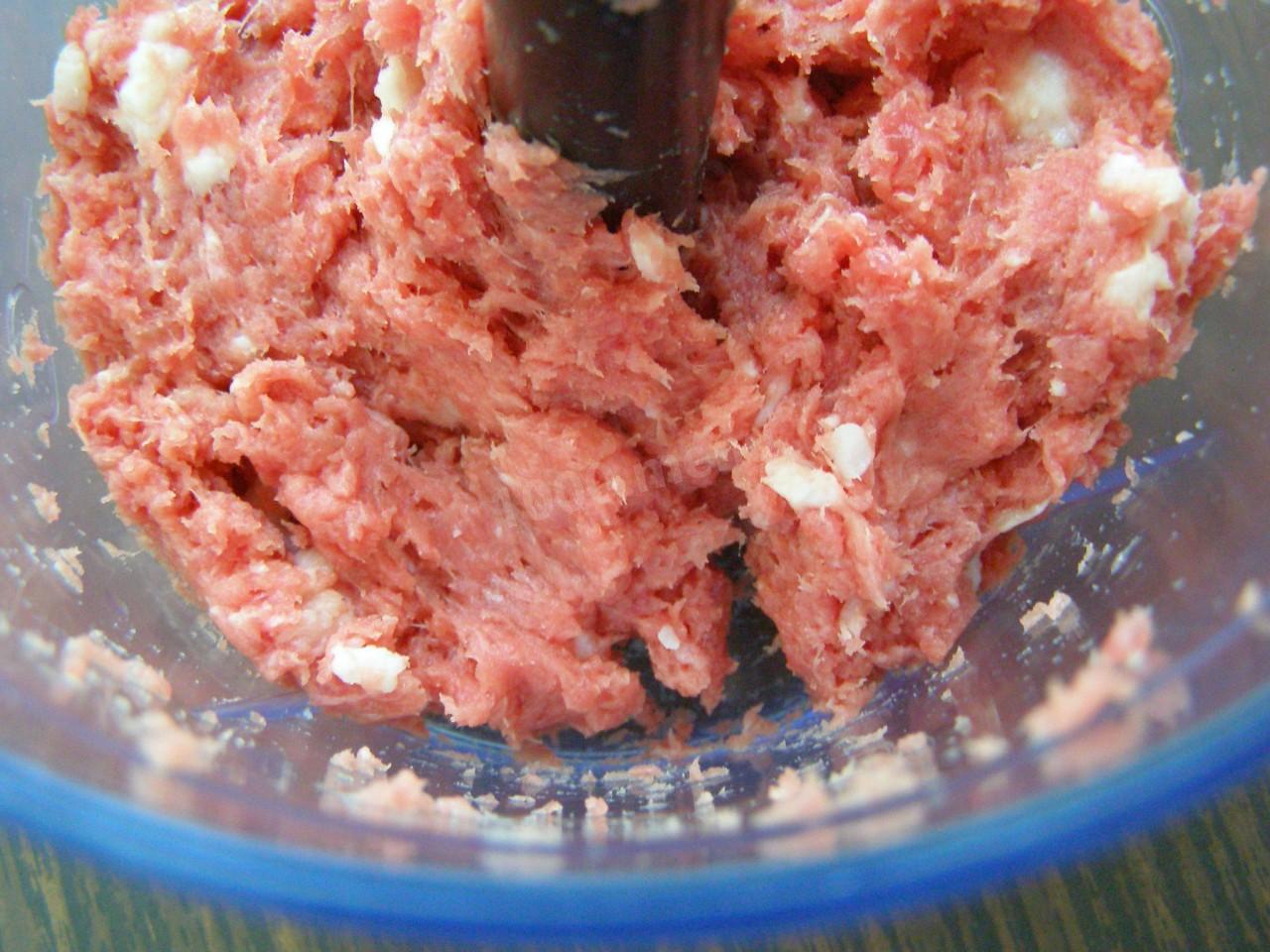
And ground them, adding a little fat.
-
Step 6:
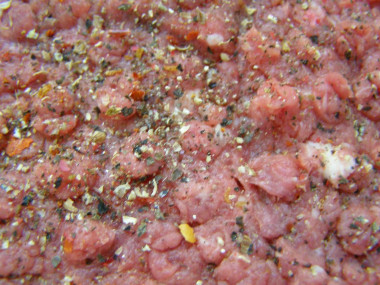
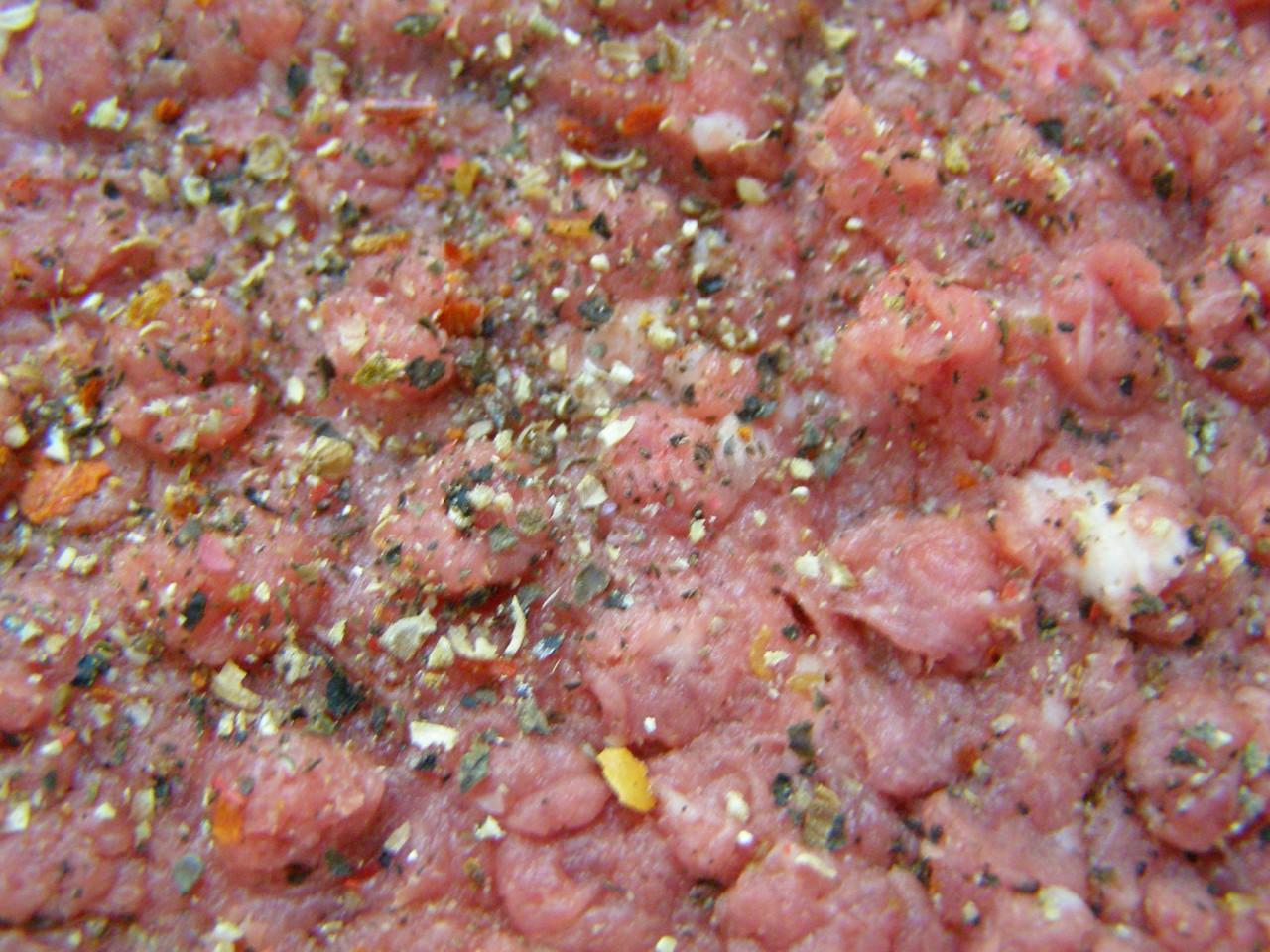
For a perfect burger patty, don't mix in a lot of extras like onion and so on. Since we salt at the very end, right before frying, just season the ground meat with black pepper for now — freshly ground, ideally.
-
Step 7:
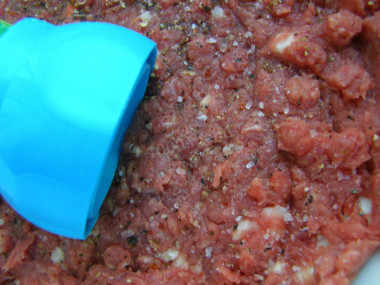
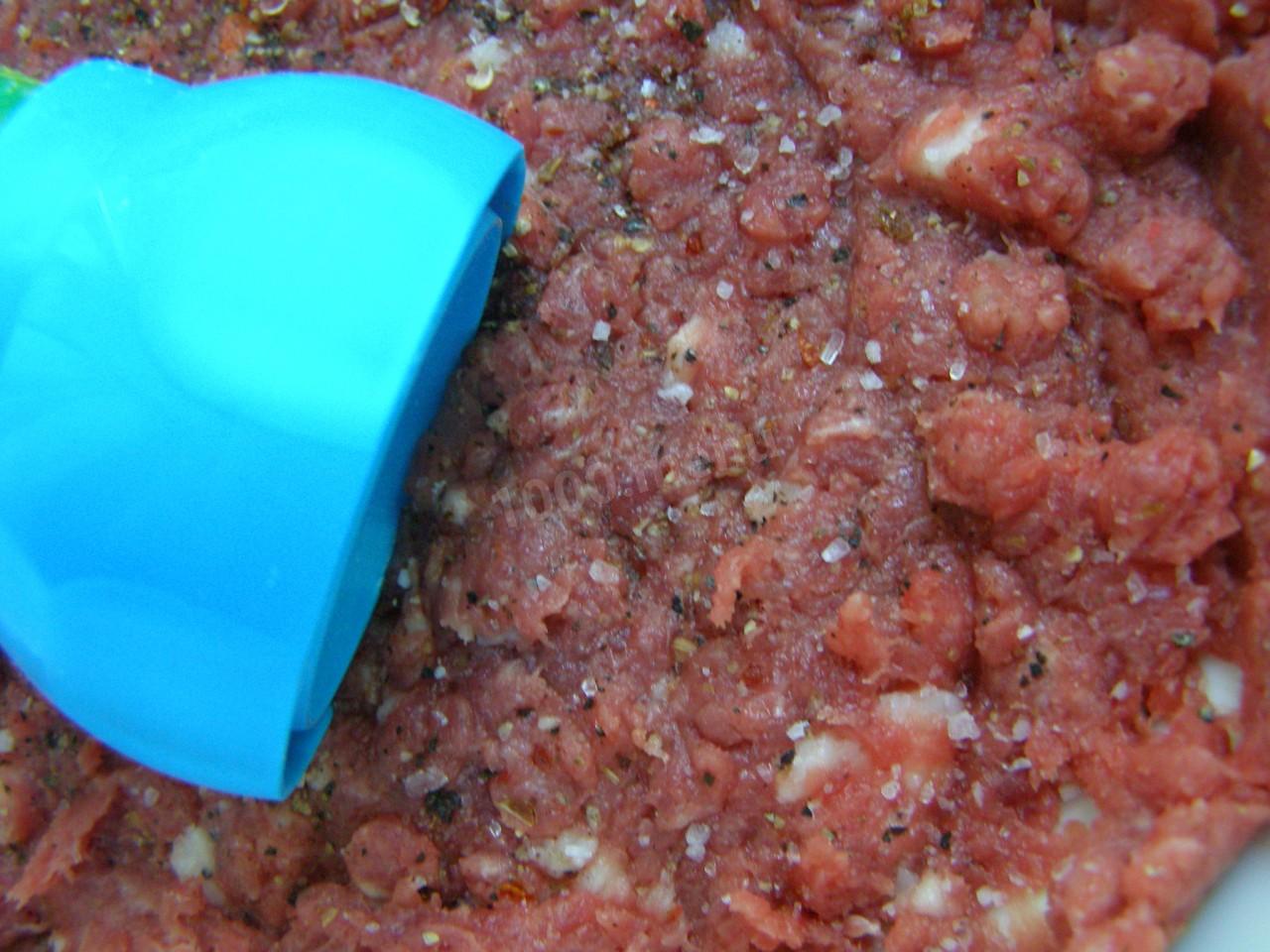
If you still have a lot of prep ahead — buns, say — put the ground meat in the fridge. Then salt it to taste just before frying.
-
Step 8:
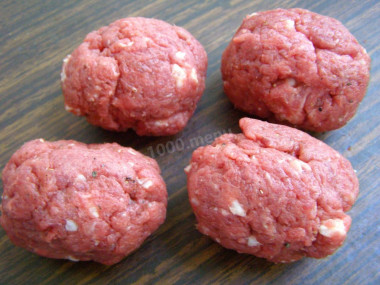
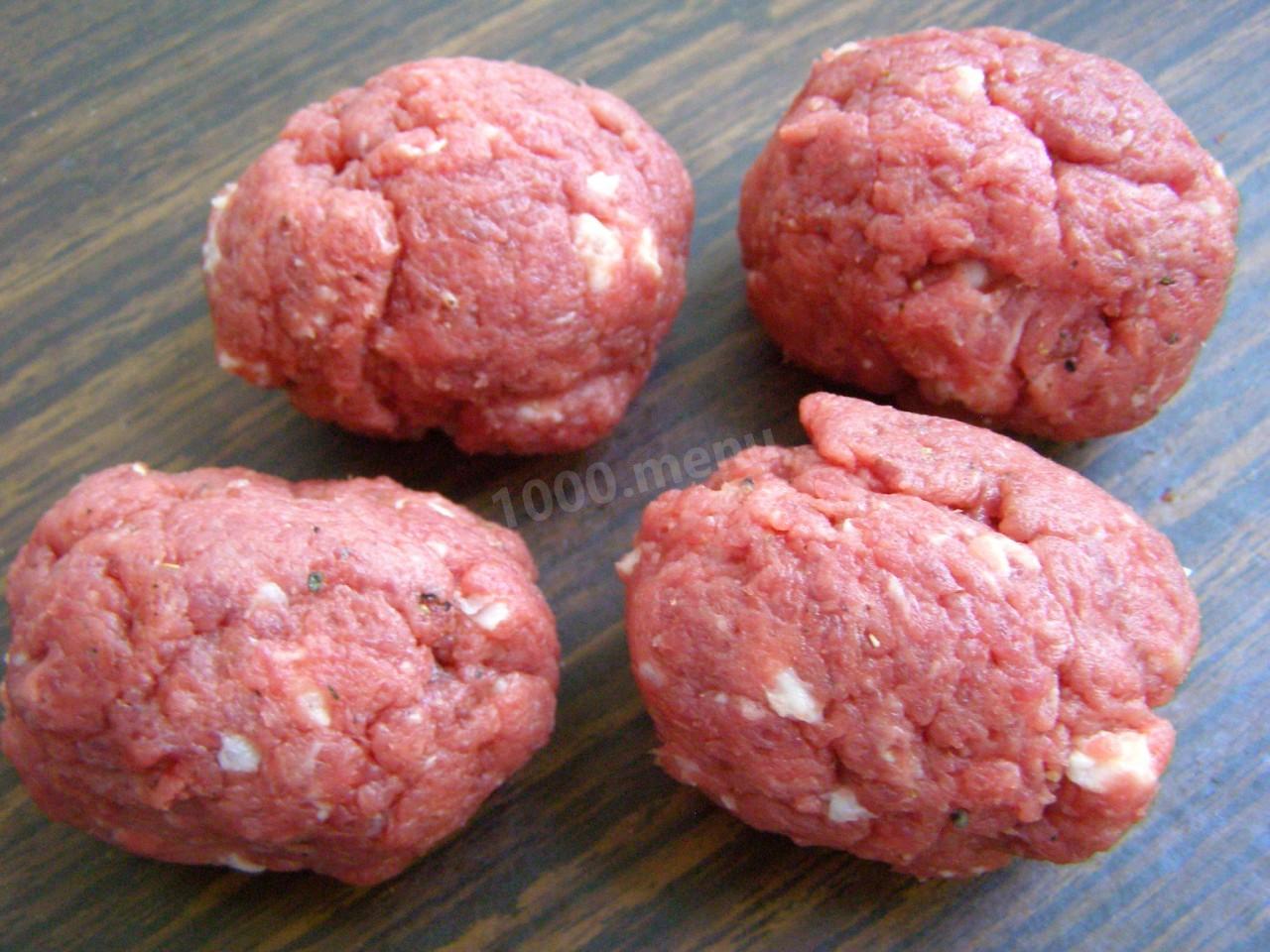
Mix everything together and divide the meat into equal portions.
-
Step 9:
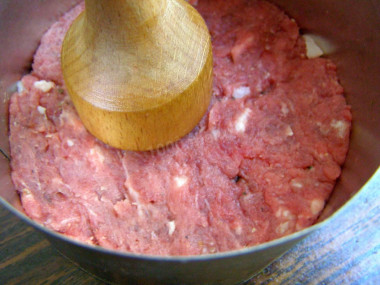
Then shape them into patties, using whatever tools are handy. The patties should be at least 5/8 inch (1.5 cm) thick.
-
Step 10:
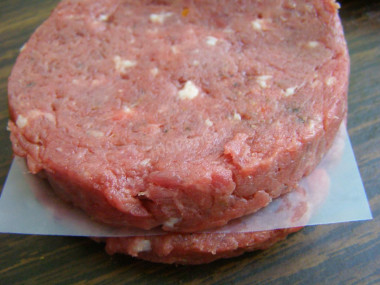
Stack the patties neatly with parchment between them and put them back in the fridge.
-
Step 11:
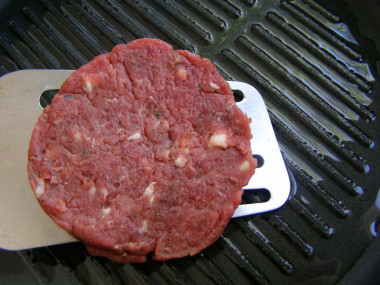
About 10 minutes later, set a skillet over the heat and let it warm up. Once it's good and hot, add a couple of tablespoons of vegetable oil. Let that heat too, then carefully lay in the patties with a spatula.
-
Step 12:
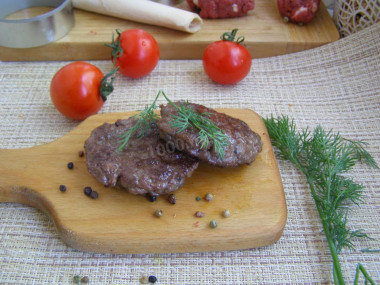
Cook for 5 to 7 minutes per side, flipping once, and get everything else ready to assemble the burgers.
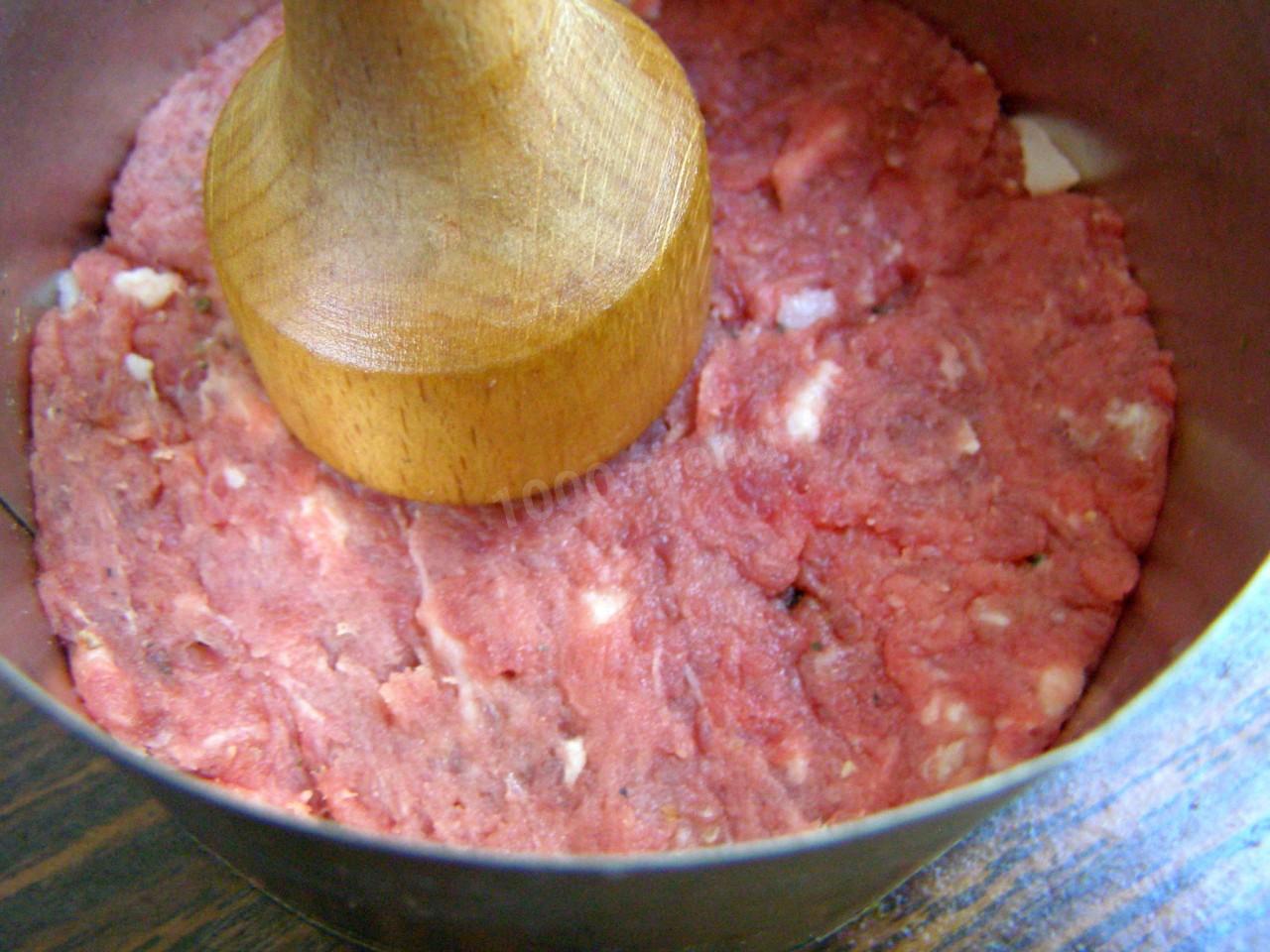
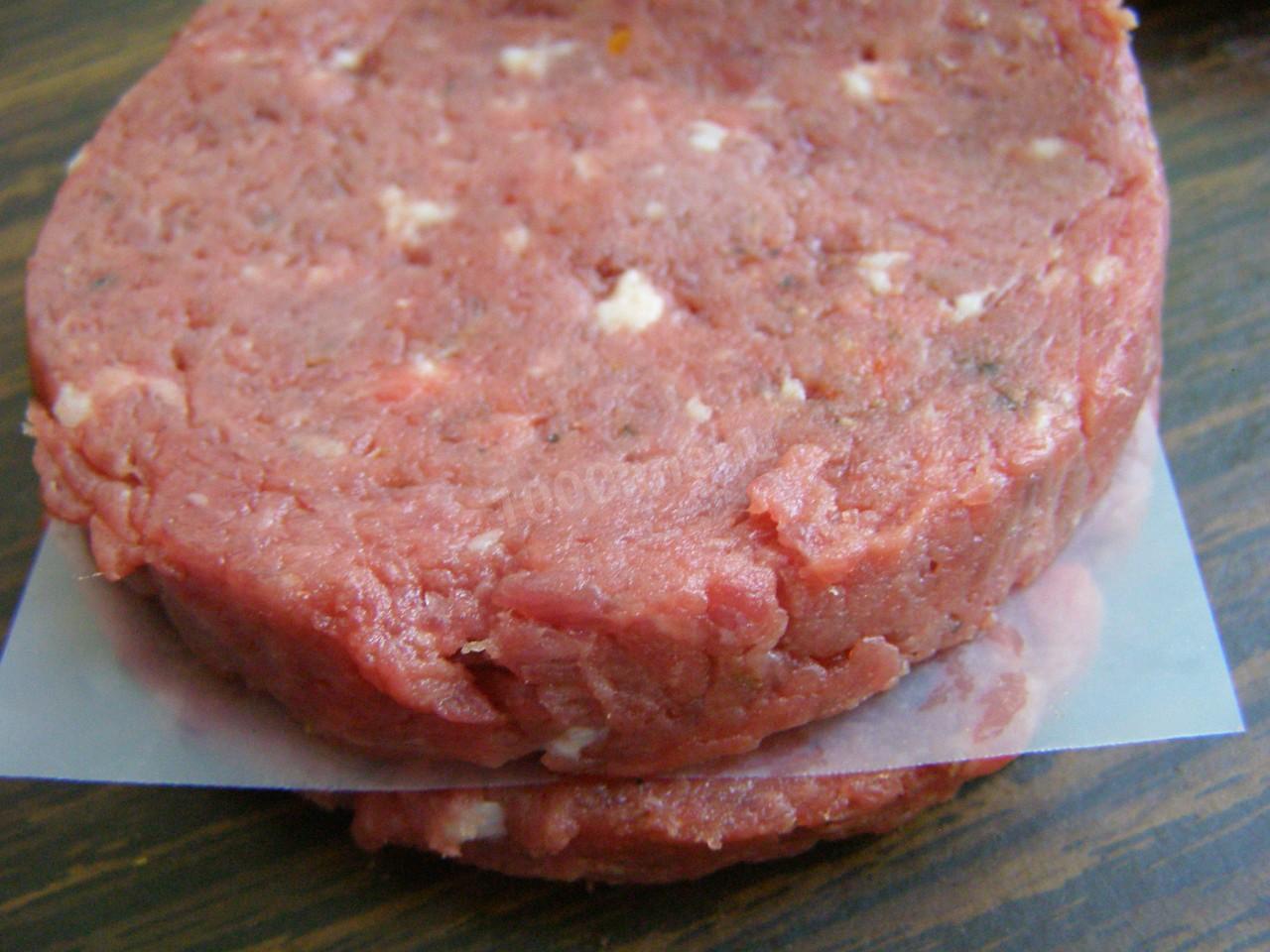
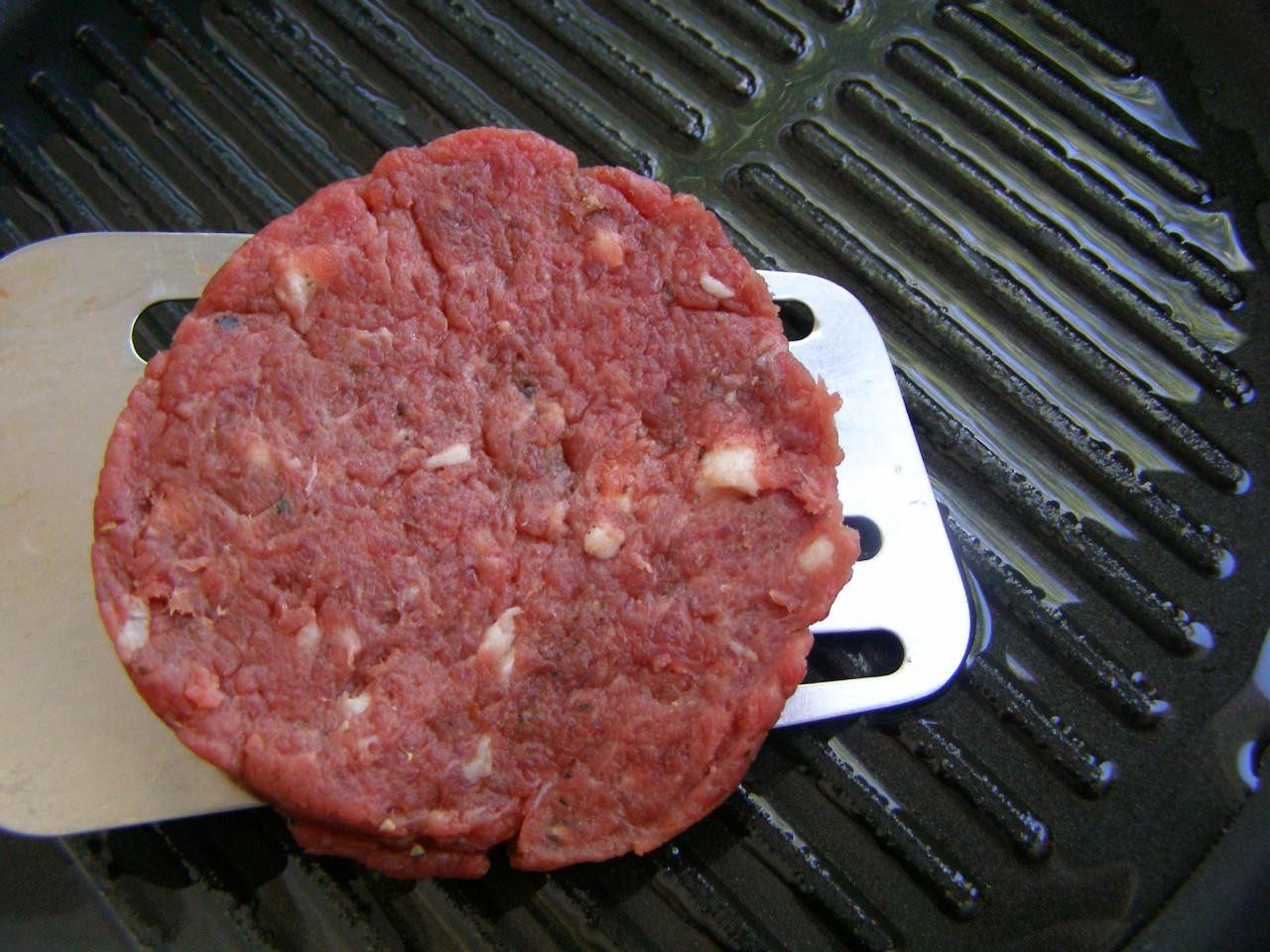
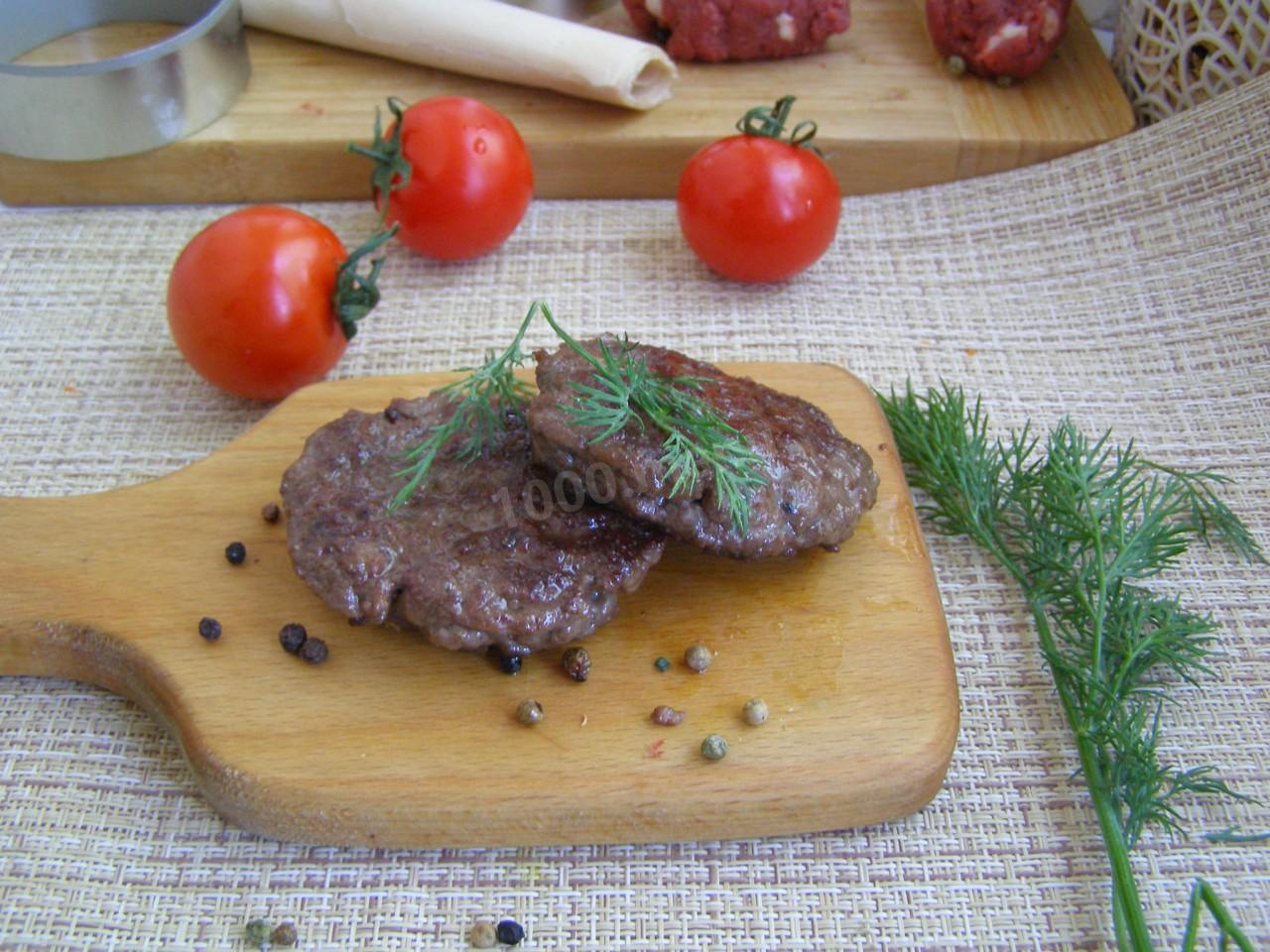
- A few more tips: for juicy, tender patties, grind the meat yourself rather than buying it pre-ground. The grind should be coarse — don't grind it too fine. Use only fresh meat, ideally marbled beef, though other meats work too. Add fat and keep a good ratio — about 80 percent meat to 20 percent fat. Knead the meat by hand, slapping it against the counter or a board; wetting your hands with water keeps it from sticking. To shape the patties, use a burger press or ring mold, or in a pinch cut a ring from a plastic bottle. Keep them no more than 5/8 inch (1.5 cm) thick and no heavier than about 7 oz (200 g). Make each patty a bit wider than the bun. While you finish the rest, keep the patties cold, or the fat will run and they'll lose their shape. Salt burger patties right before frying, or they'll turn out tough. As they cook, handle them as little as possible — don't flip them often. The less you touch them, the juicier they stay. You can cook them in a skillet or any suitable pan, and don't overcook — 5 to 8 minutes is plenty.
- One thing to note: the wrong pan can ruin even the best recipe. Choose a skillet suited to what you're cooking.
- Every oil is only good up to a certain temperature — its smoke point — beyond which it starts to burn and form harmful compounds. Choose an oil with a high smoke point for frying, and save delicate, low-smoke-point oils for finishing rather than cooking.
- If you use a ready-made spice blend, read the label first — these blends often already contain salt, so keep that in mind or you risk over-salting the dish.
Caloric content of the products possible in the composition of the dish
- Melted beef fat - 871 kcal/100g
- Fat beef - 171 kcal/100g
- Lean beef - 158 kcal/100g
- Beef brisket - 217 kcal/100g
- Beef - okovalok - 380 kcal/100g
- Beef - lean roast - 200 kcal/100g
- Beef shoulder - 137 kcal/100g
- Beef - ribs - 233 kcal/100g
- Beef - ham - 104 kcal/100g
- Beef - tail - 184 kcal/100g
- Boiled ham - 269 kcal/100g
- Beef corned beef - 216 kcal/100g
- Ground black pepper - 255 kcal/100g
- Vegetable oil - 873 kcal/100g
- Salt - 0 kcal/100g
- Lamb tail fat - 897 kcal/100g