Walleye Fish Cakes
Fast, simple, and delicious — dinner for the whole family! These walleye fish cakes come out incredibly light and tender, all thanks to the cream in the mix. Golden, with a crisp crust and wonderful flavor! As a bonus, they come with a zesty sauce that rounds out the dish perfectly.

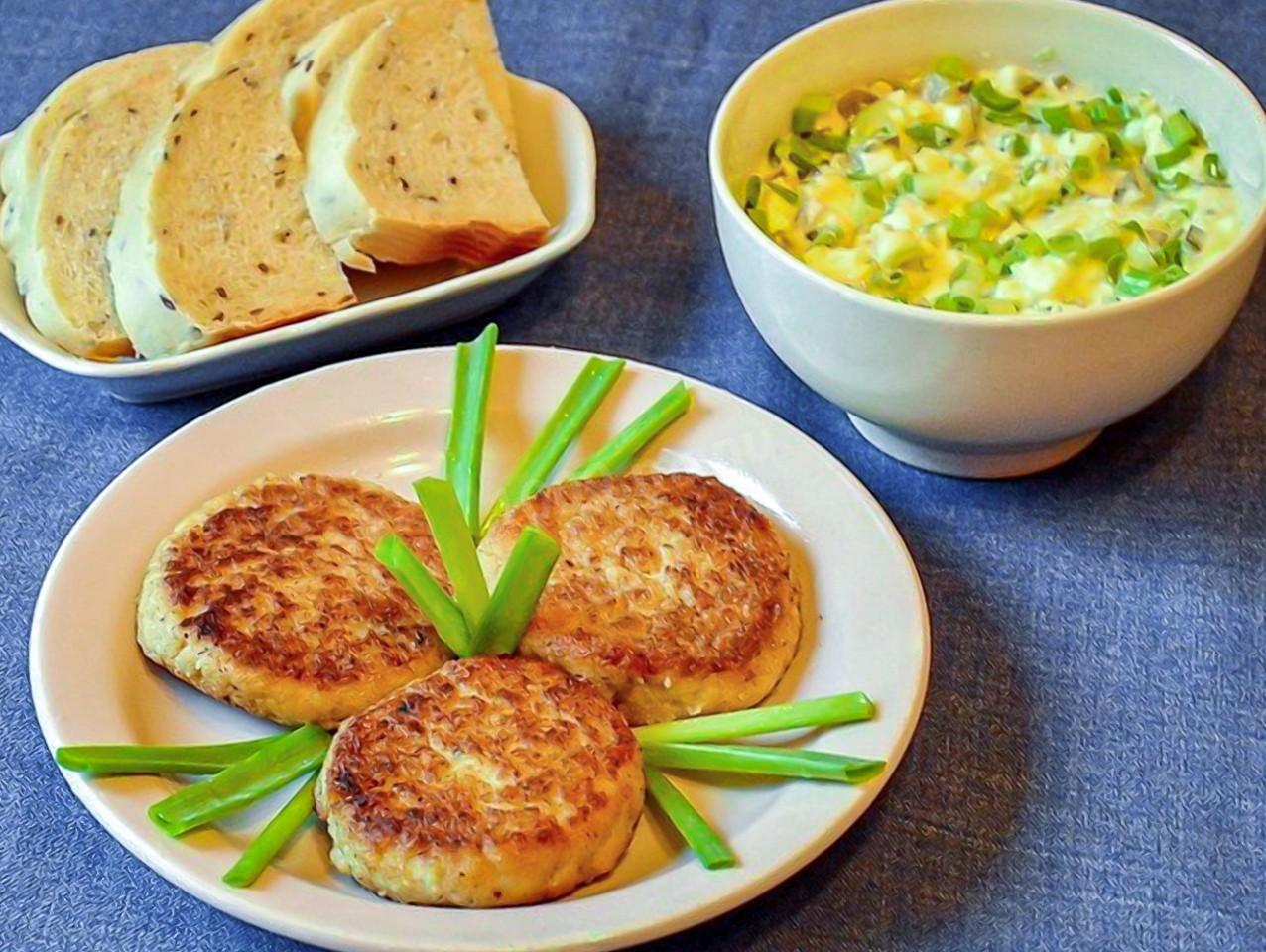
Cooking method
-
Step 1:
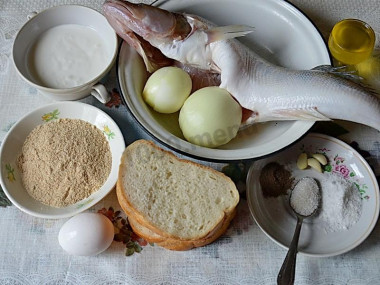
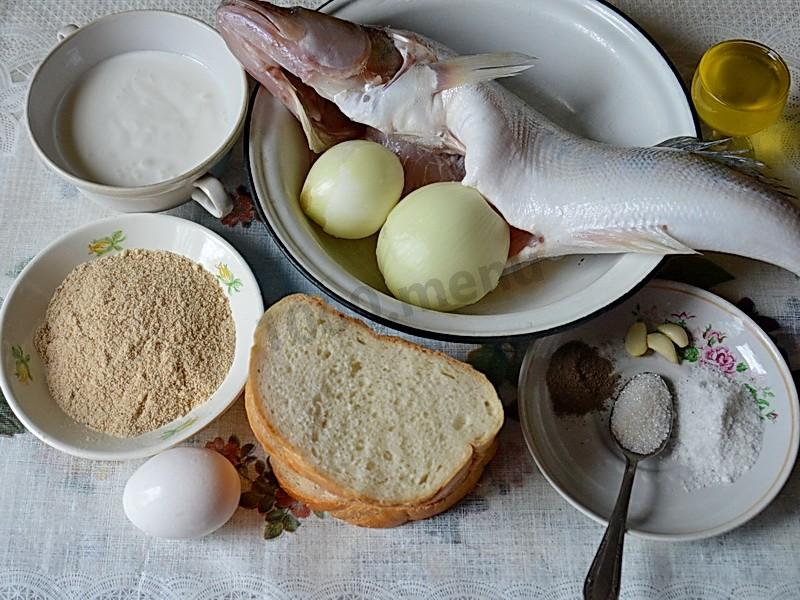
How do you make walleye fish cakes? Gather your ingredients. If the fish was frozen, thaw it first — see the end of the recipe for how to do it right. You can use sour cream in place of the cream; 20% fat is plenty either way. Stale white bread works best here, so trim off the crusts.
-
Step 2:
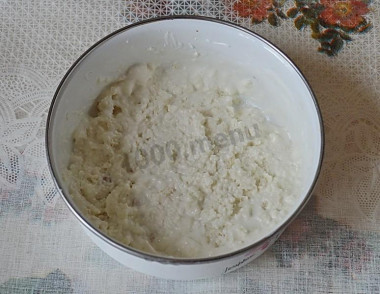
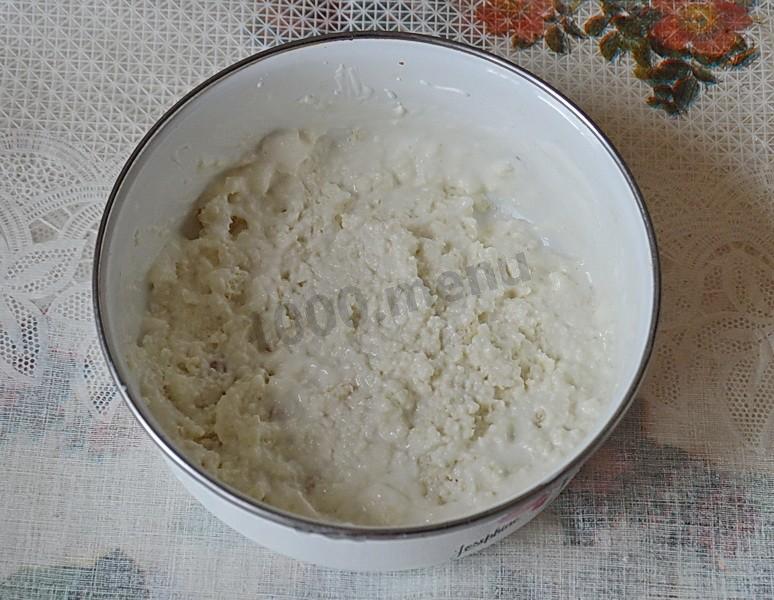
Crumble the crustless bread into a bowl of cream or sour cream and let it soak while you prep the fish. Stir it a couple of times so the bread softens evenly.
-
Step 3:
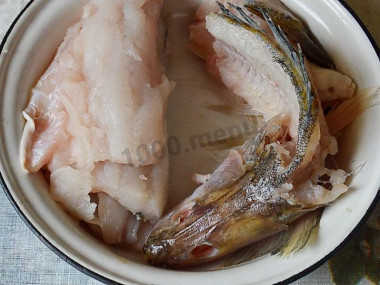
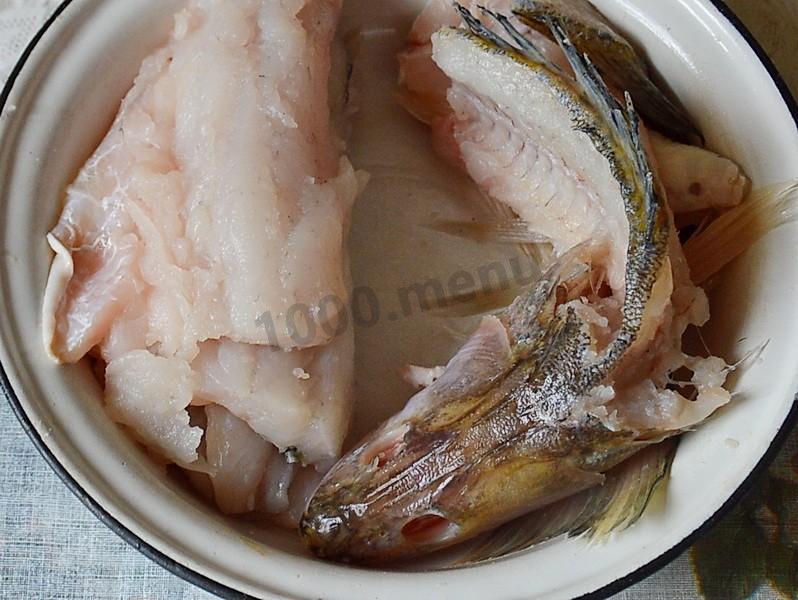
Gut and scale the walleye, then rinse it and pat it dry with paper towels. Remove the black membrane inside — it's bitter and will ruin the flavor. Now fillet the fish. Here's how to fillet a whole fish: remove the tail, head, and fins, then cut down along the backbone. Turn it on its side and, with a sharp knife, slice the flesh away from the backbone. Flip the fish and cut the fillet from the other side. The fillets go into the cakes; save the rest for fish stock.
-
Step 4:
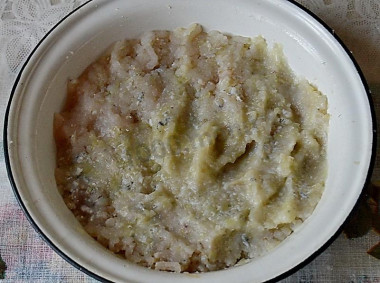
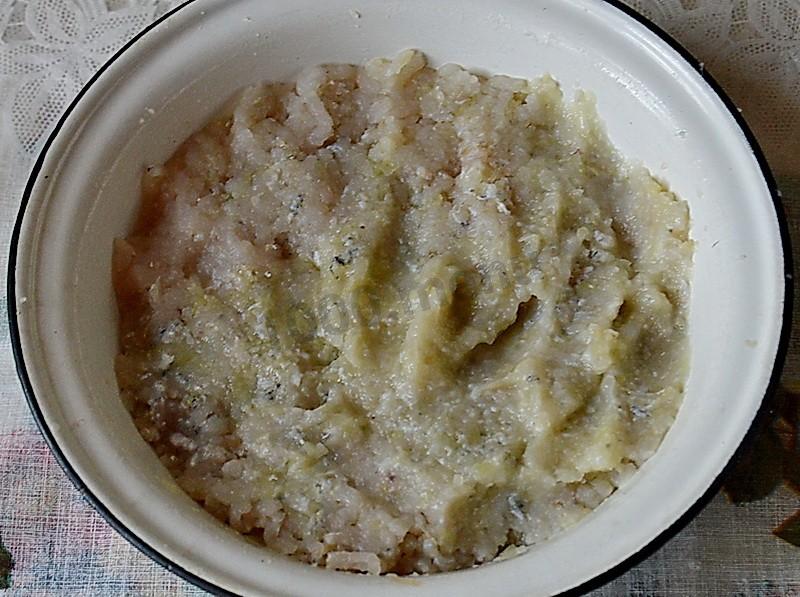
Peel the onion and garlic. Cut the walleye fillet and onion into chunks and grind them in a blender (or run them through a meat grinder). Alternatively, skip grinding the onion and just chop it very finely to stir into the fish mixture.
-
Step 5:
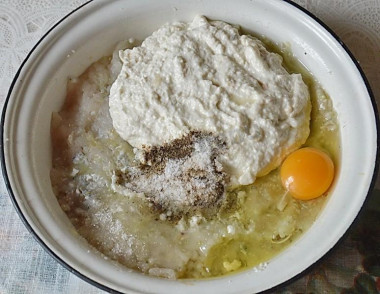
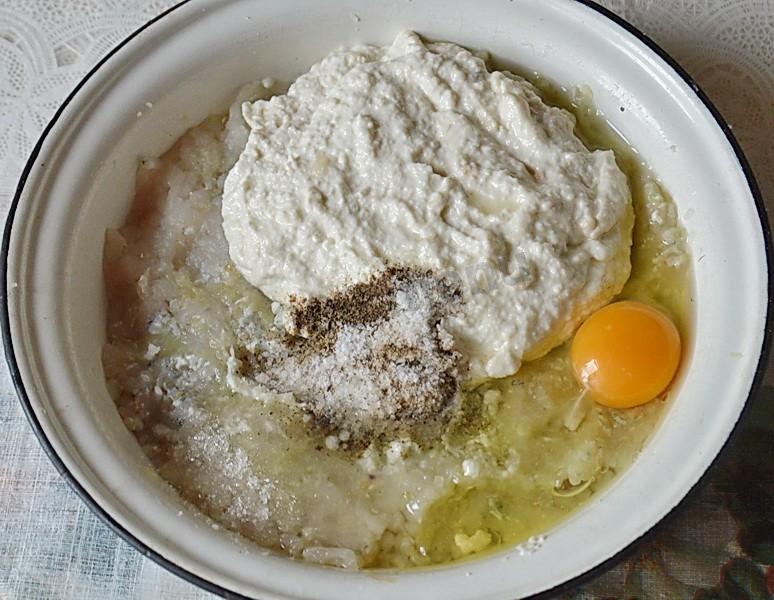
Add the soaked bread, the egg, salt, sugar (or honey), and pepper to the fish mixture and mix thoroughly.
-
Step 6:
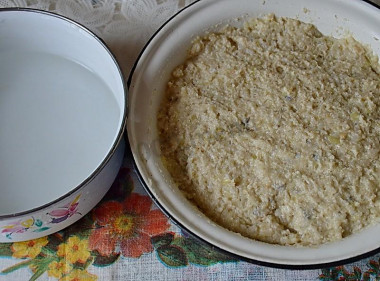
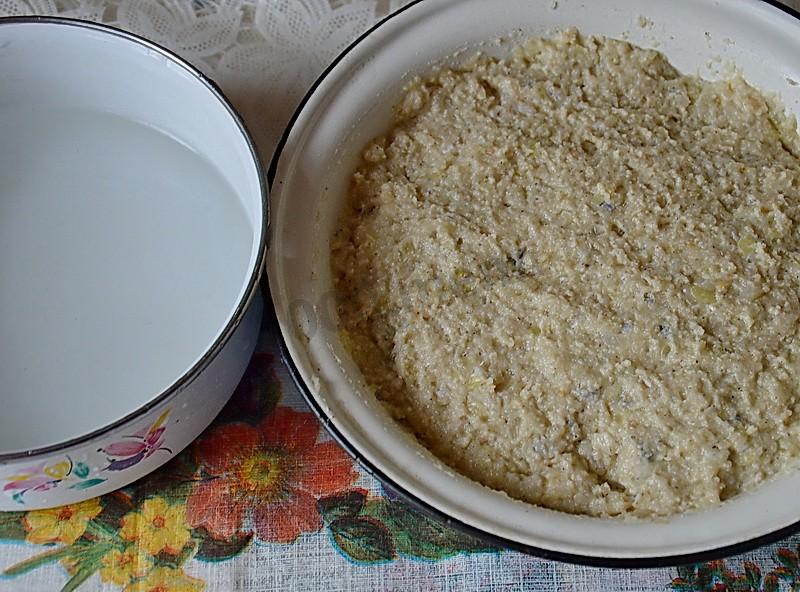
Pour some water into a separate bowl. Slap the fish mixture against the sides of the bowl a few times to firm it up. With wet hands, shape it into round or oval cakes, dipping your hands in the water before each one so the mixture doesn't stick.
-
Step 7:
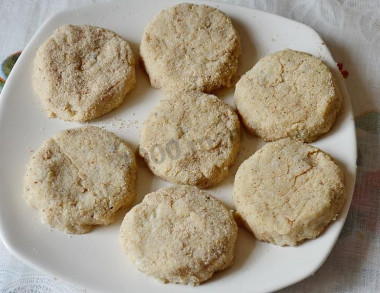
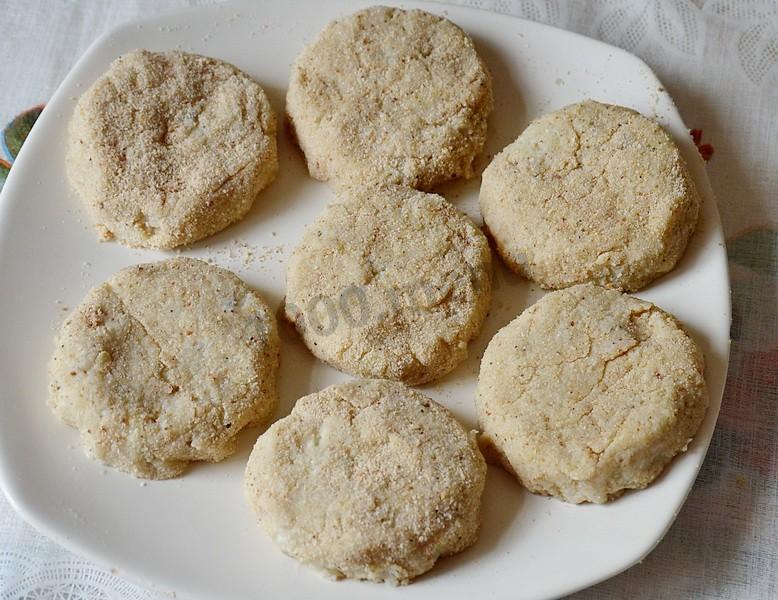
Dredge the cakes in breadcrumbs and set them on a dry work surface or a flat platter.
-
Step 8:
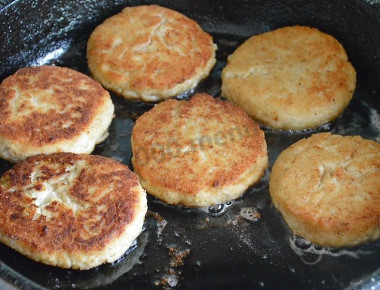
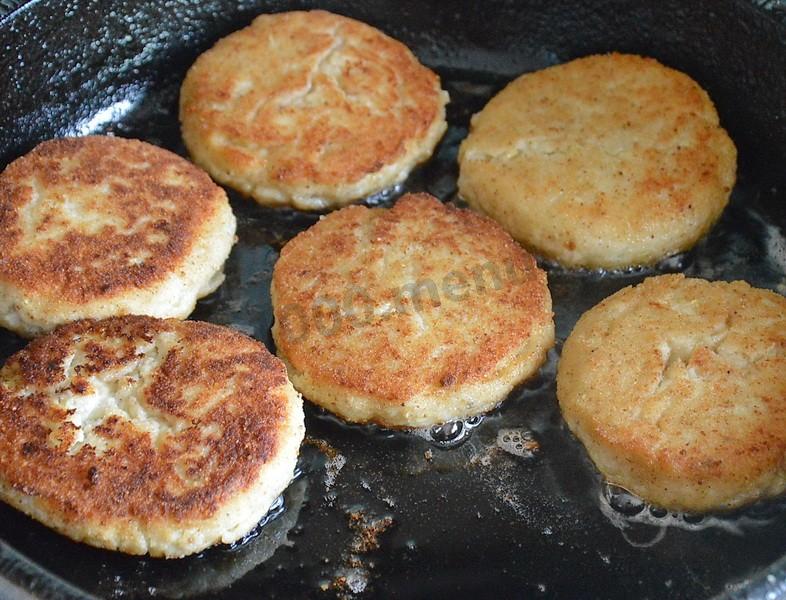
Heat a skillet over medium heat and add the vegetable oil. Lay in the cakes and fry them golden brown on both sides over low heat. Work through all the mixture this way — mine made two skillets' worth.
-
Step 9:
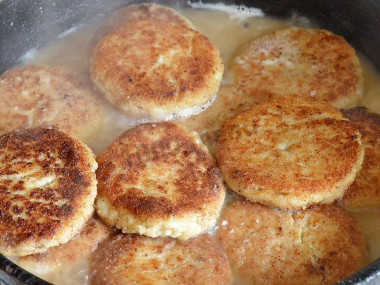
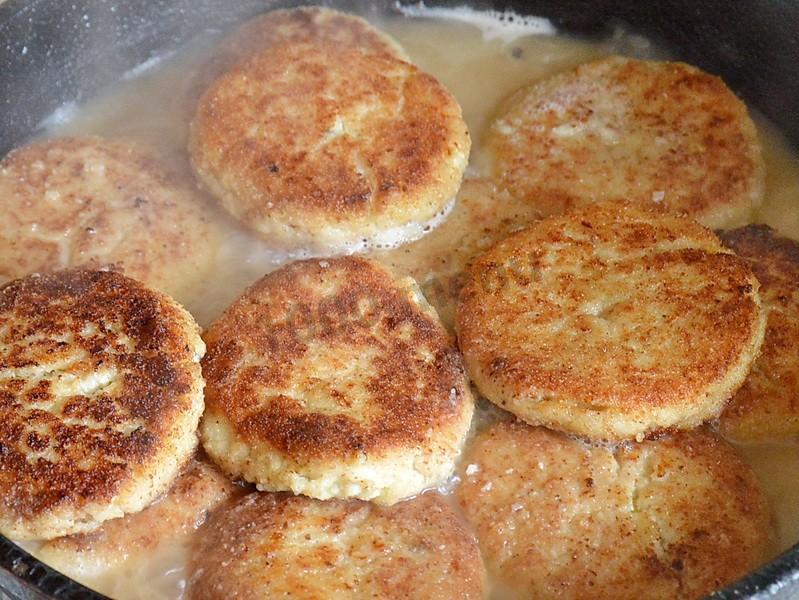
Return the fried cakes to the same skillet or another suitable pan, add a little hot water, and let them simmer over low heat for 10–15 minutes.
-
Step 10:
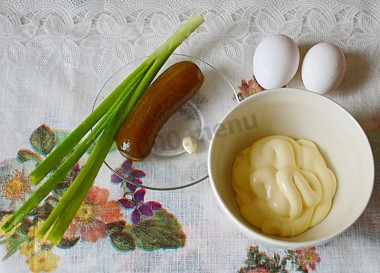
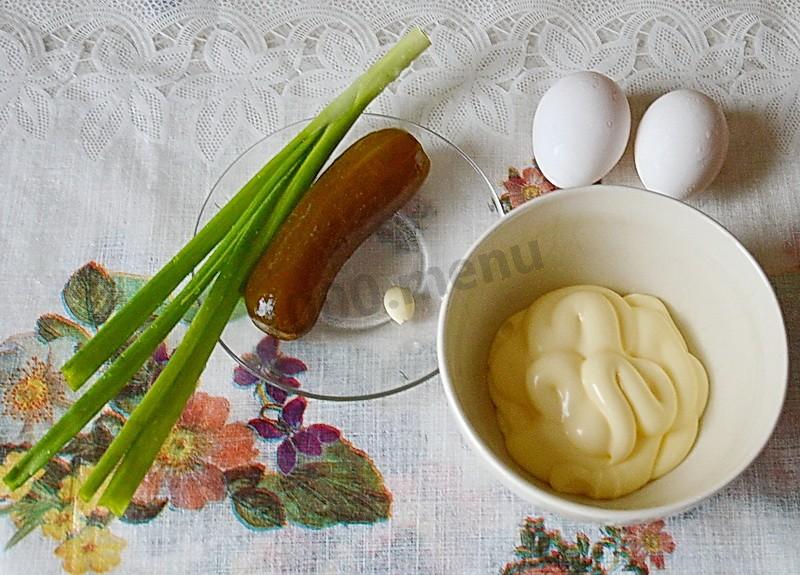
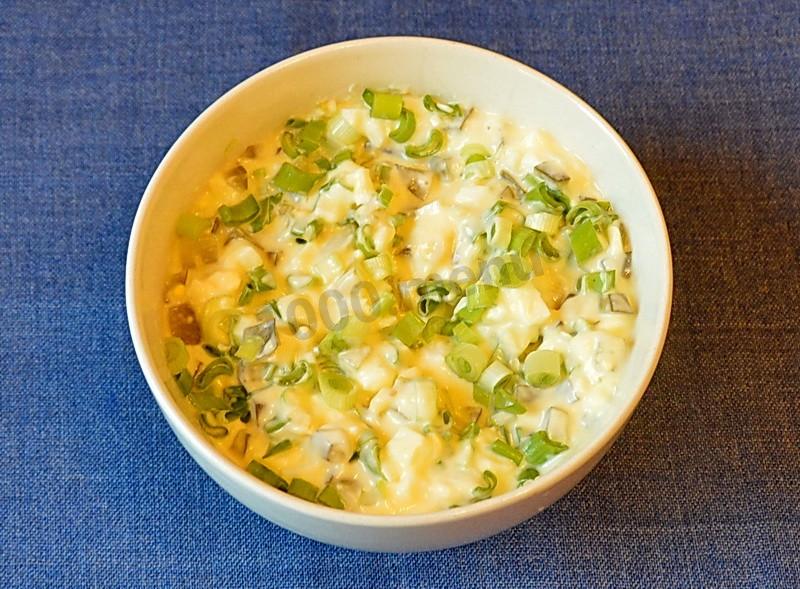
While the cakes simmer, make the sauce. Gather the ingredients. Hard-boil the eggs and peel them. Rinse the green onion or herbs well and pat them dry. You can swap the green onion for any herb you love — this sauce is especially good with dill.
-
Step 11:
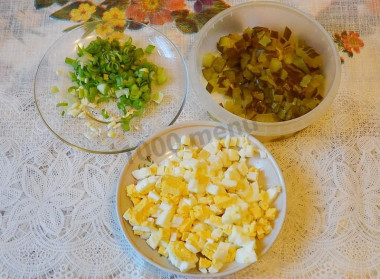
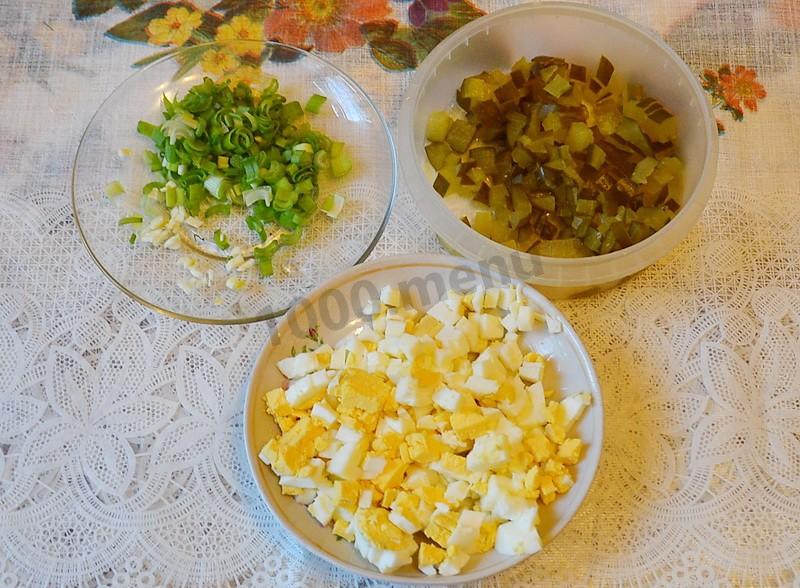
Finely chop the green onion and garlic, and dice the eggs and pickle.
-
Step 12:
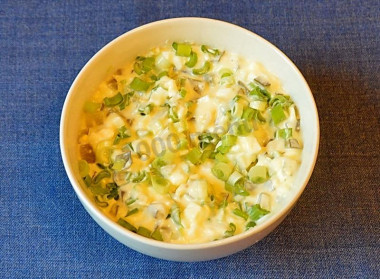
Put all the sauce ingredients in a bowl, add the mayonnaise, and stir until smooth. Serve the sauce alongside the walleye cakes. Enjoy!
- Keep in mind that properly thawing your ingredients has a lot to do with the quality and flavor of the finished dish. For tips on avoiding mistakes and choosing the best method, see our guide to defrosting.
- How do you hard-boil eggs? To keep them from cracking, start them in cold water over low heat. Boil for 9 minutes once the water comes to a boil, then plunge them into cold water to cool — the sudden temperature change makes them easier to peel.
- Use an oil with a high smoke point for frying. Every oil is only healthy up to a certain temperature — its smoke point — beyond which it starts to burn and form toxic compounds, including carcinogens. Most unrefined oils have a low smoke point: they're full of unfiltered organic particles that scorch quickly. Refined oils stand up to heat better and have a higher smoke point. Whenever you cook in the oven, in a skillet, or on the grill, reach for a high-smoke-point oil. The most common ones are refined sunflower, olive, and grapeseed oil.
Caloric content of the products possible in the composition of the dish
- Onion - 41 kcal/100g
- Buttermilk - 36 kcal/100g
- Cream of 20 % fat content - 300 kcal/100g
- Cream of 10% fat content - 120 kcal/100g
- Cream - 300 kcal/100g
- Chicken egg - 157 kcal/100g
- Egg white - 45 kcal/100g
- Egg powder - 542 kcal/100g
- Egg yolk - 352 kcal/100g
- Ostrich egg - 118 kcal/100g
- Boiled walleye - 97 kcal/100g
- Pike perch - 89 kcal/100g
- Fresh pike perch - 84 kcal/100g
- Stuffed pike perch - 144 kcal/100g
- Garlic - 143 kcal/100g
- Ground black pepper - 255 kcal/100g
- Granulated sugar - 398 kcal/100g
- Sugar - 398 kcal/100g
- Salad mayonnaise of 50% fat content - 502 kcal/100g
- Light mayonnaise - 260 kcal/100g
- Provencal Mayonnaise - 624 kcal/100g
- Provencal mayonnaise - 627 kcal/100g
- Table mayonnaise - 627 kcal/100g
- Vegetable oil - 873 kcal/100g
- Green onion - 19 kcal/100g
- Salt - 0 kcal/100g
- Pickled cucumbers - 16 kcal/100g
- Breadcrumbs - 347 kcal/100g
- Loaf - 273 kcal/100g
Similar recipes

- Homemade dinner
- Kitchen utensils
- Second course
- Eggs
- Fish and seafood
- Dairy products
- Vegetables
- Sweet
- Bakery products
- Spices seasonings spices
- Fats and oils
- With crackers
- Wheat bread
- Garlic
- Pepper
- Salt
- Mayonnaise
- Vegetable oil
- Frying
- Stewing
- In a frying pan
- Breading
- Cutlets
- Stewed vegetables
- Fish second course
- Fish with vegetables
- River fish
- Сливки
- From cucumbers
- From onion
- Recipes for lean dishes without butter
- Sugar