Beef Liver Crepes
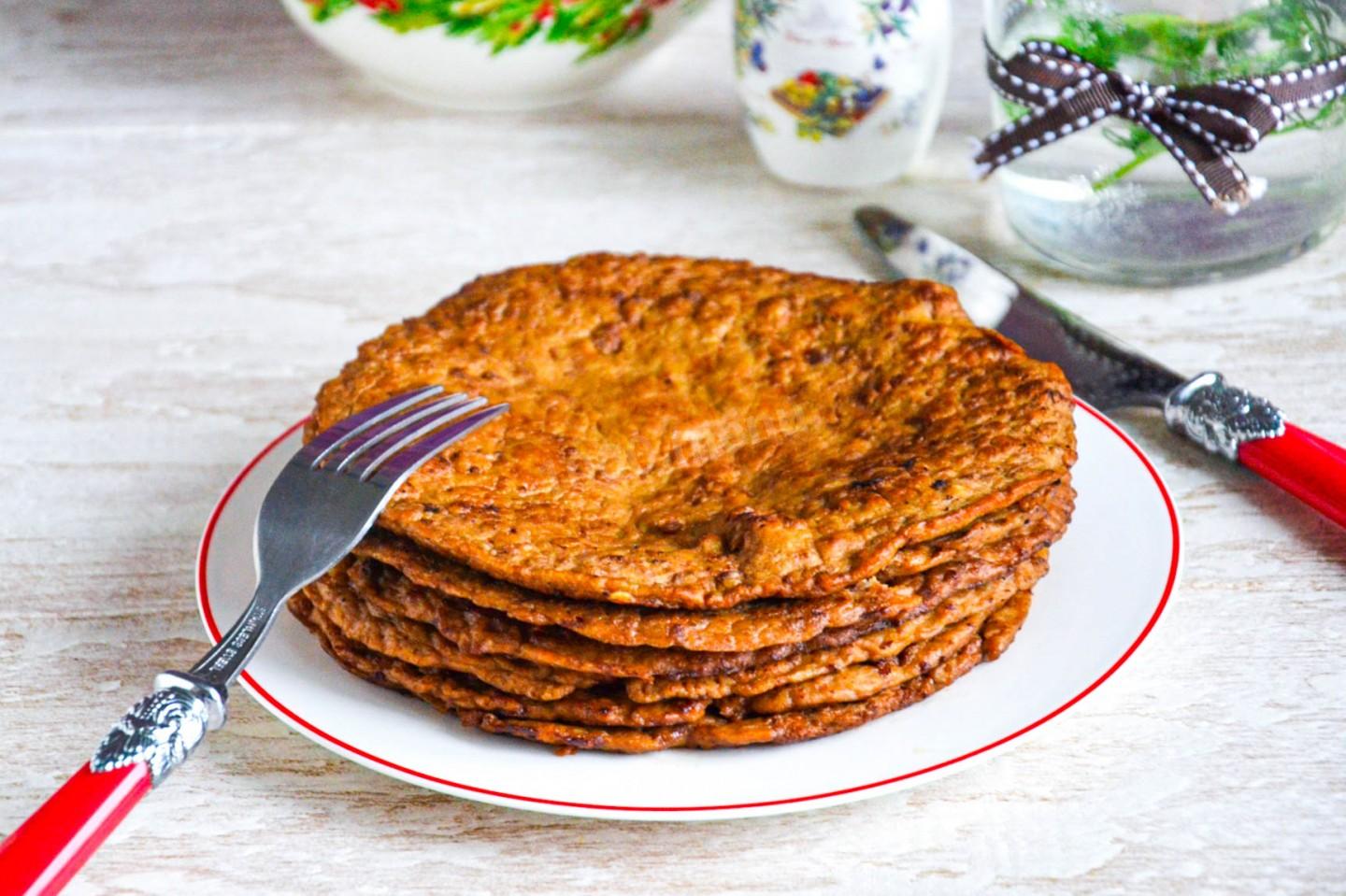
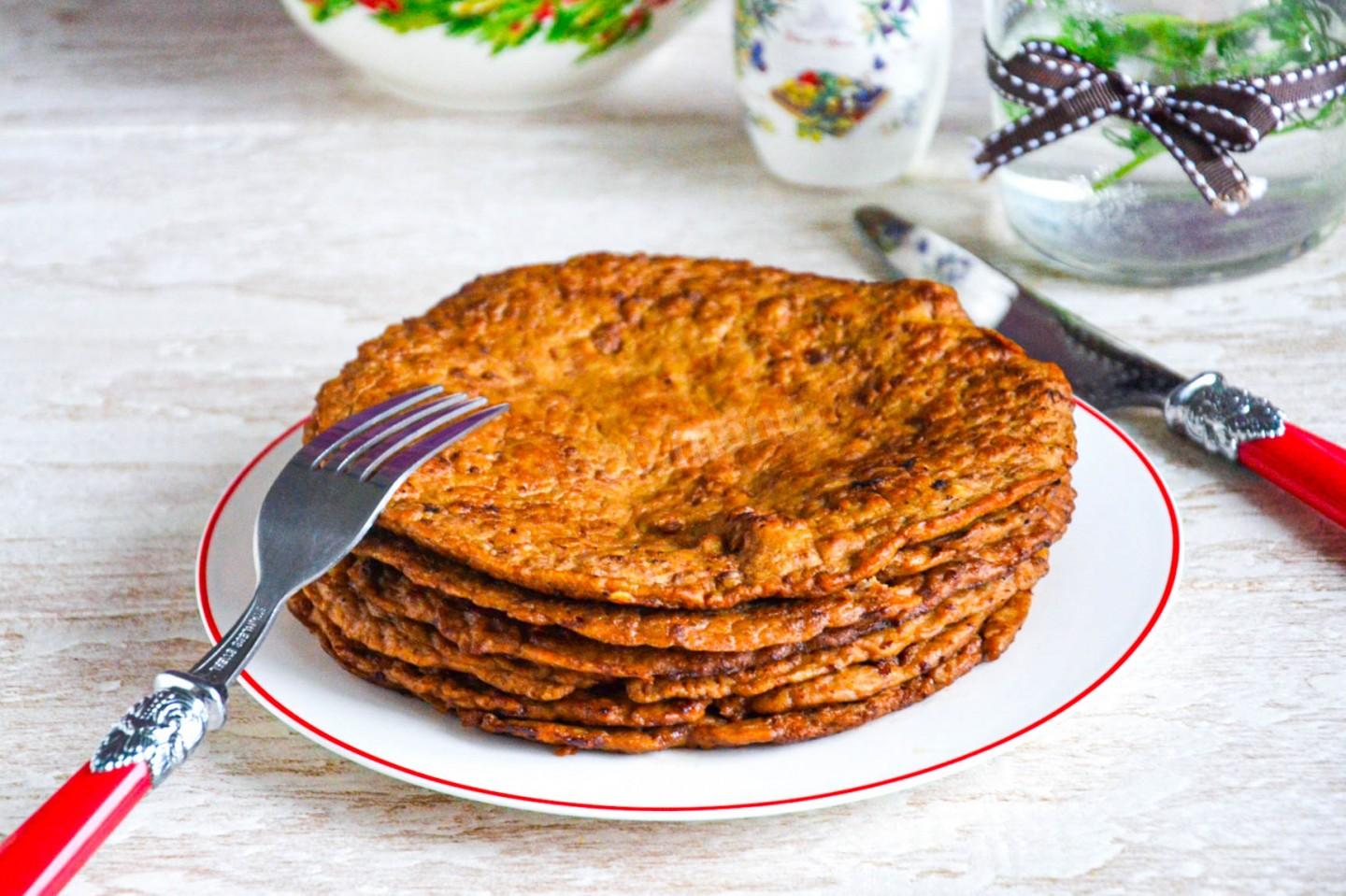
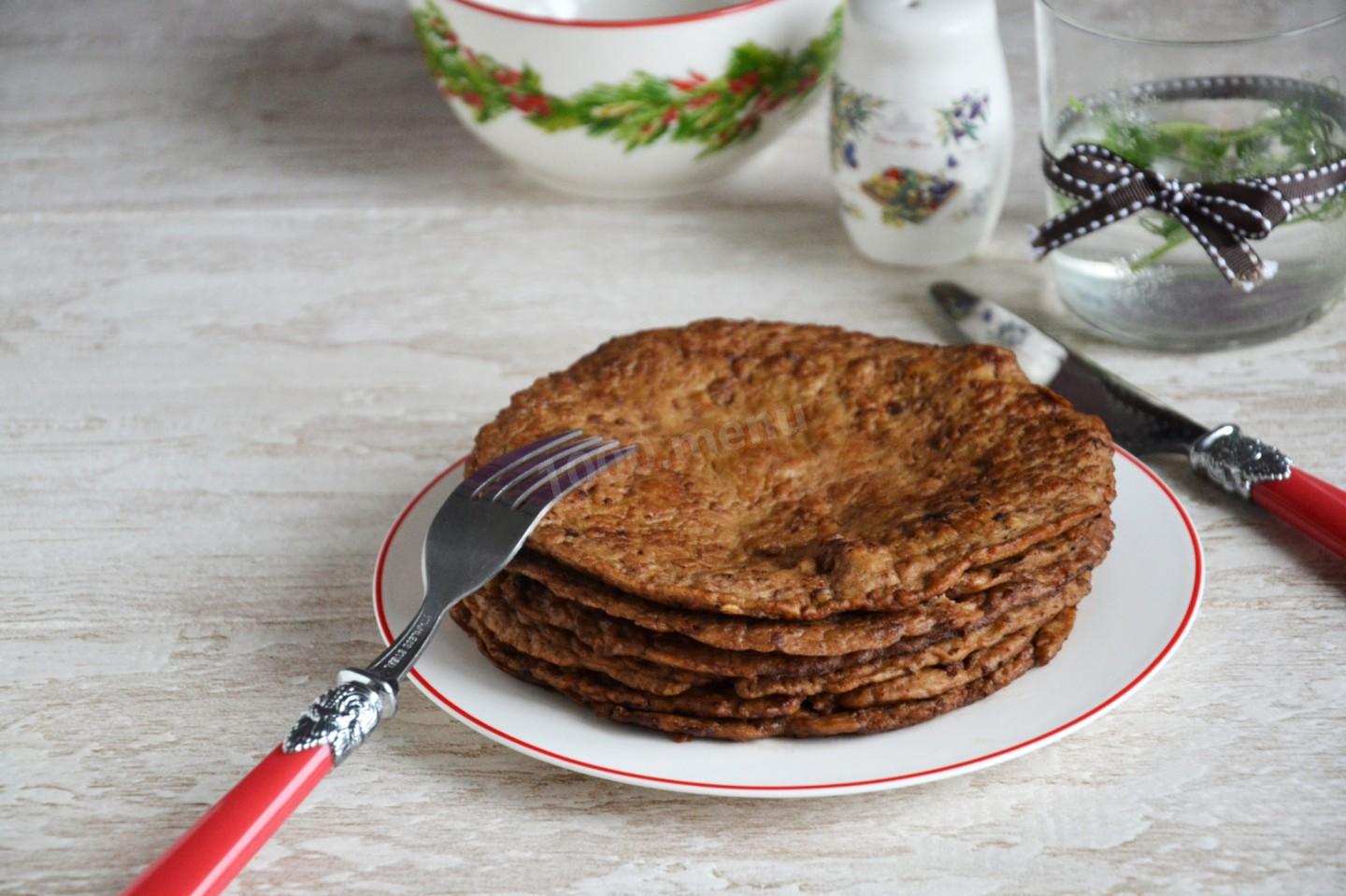
Made from everyday ingredients — unusual and absolutely delicious! These beef liver crepes work as a dish on their own with any side, or as the "layers" for a savory liver cake. They'll win over even people who don't usually like liver.

Cooking method
-
Step 1:
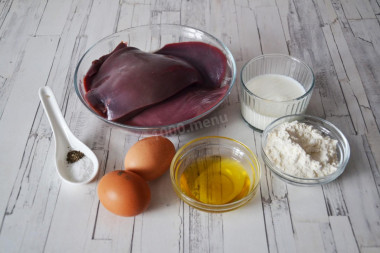
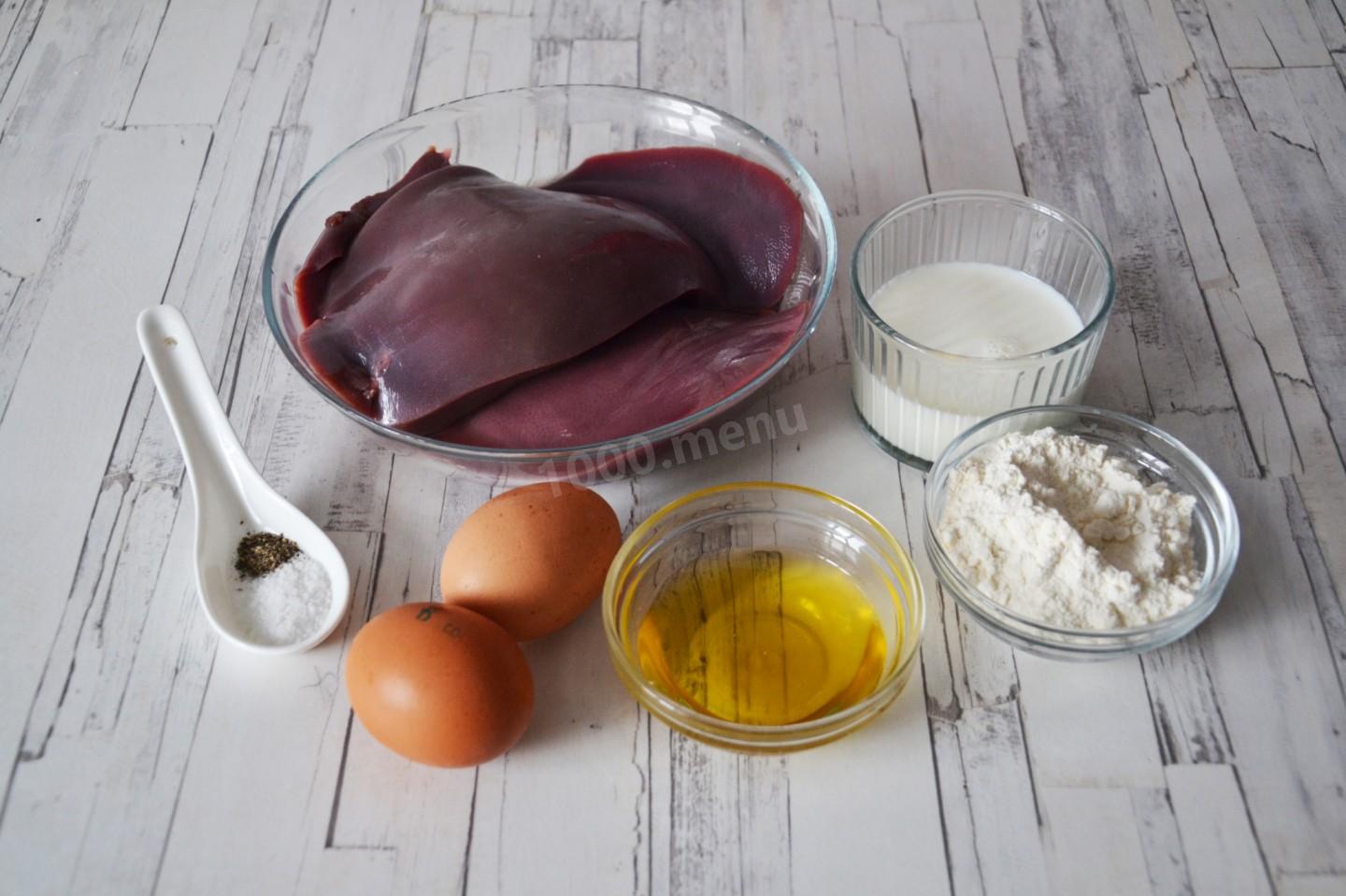
How do you make beef liver crepes? Gather your ingredients. Fresh liver is best — mine is veal liver, which is a bit paler than beef. If it was frozen, thaw it beforehand by moving it from the freezer to the bottom shelf of the fridge.
-
Step 2:
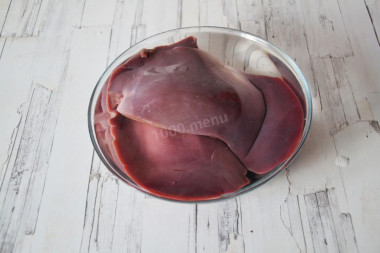
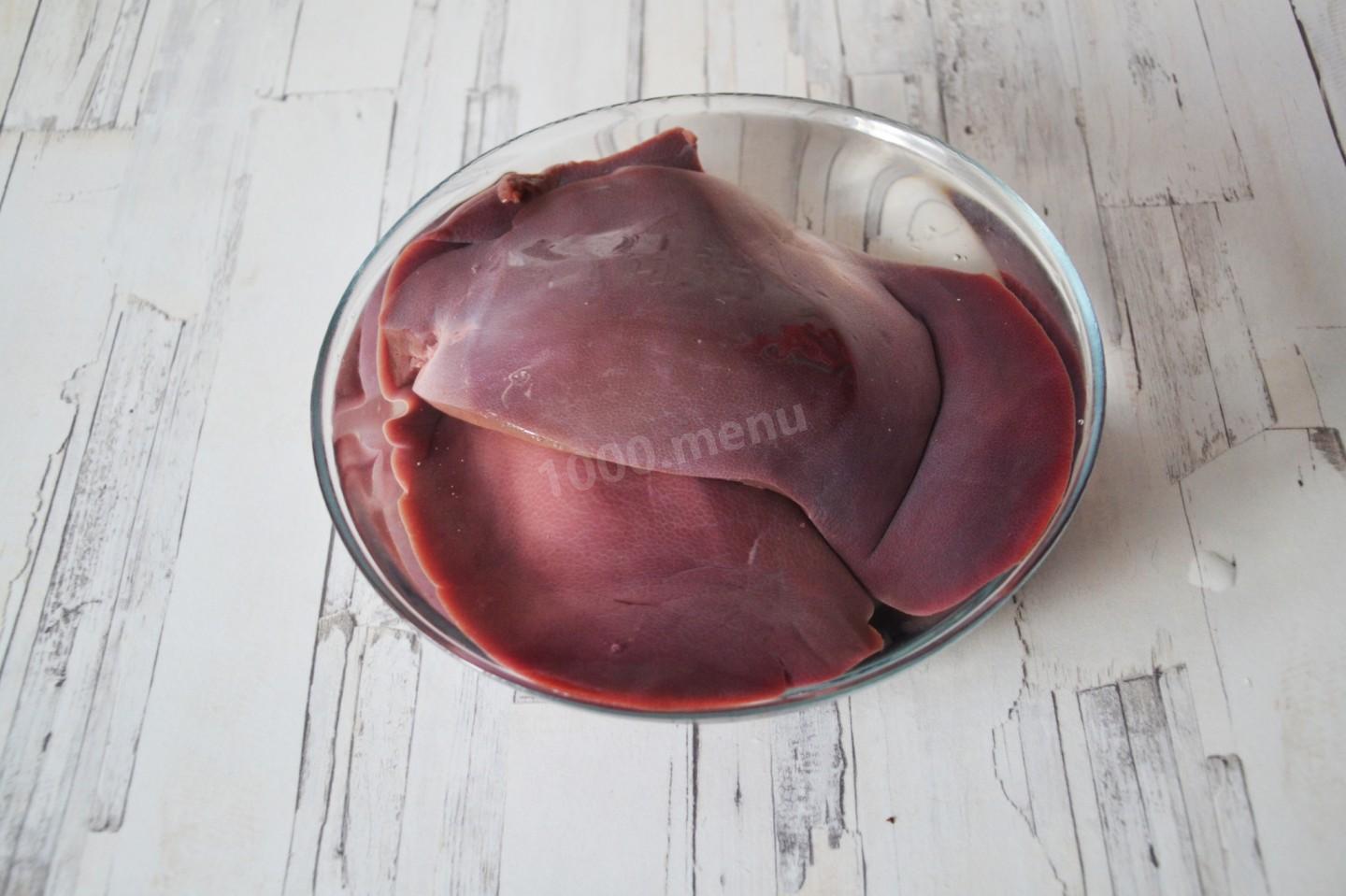
Rinse the liver well to remove any blood clots and peel off the membranes. Cover it with cold water and let it soak for 15 minutes — this draws out any bitterness and off smell. Drain and pat the liver dry.
-
Step 3:
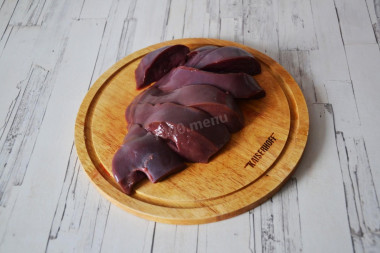
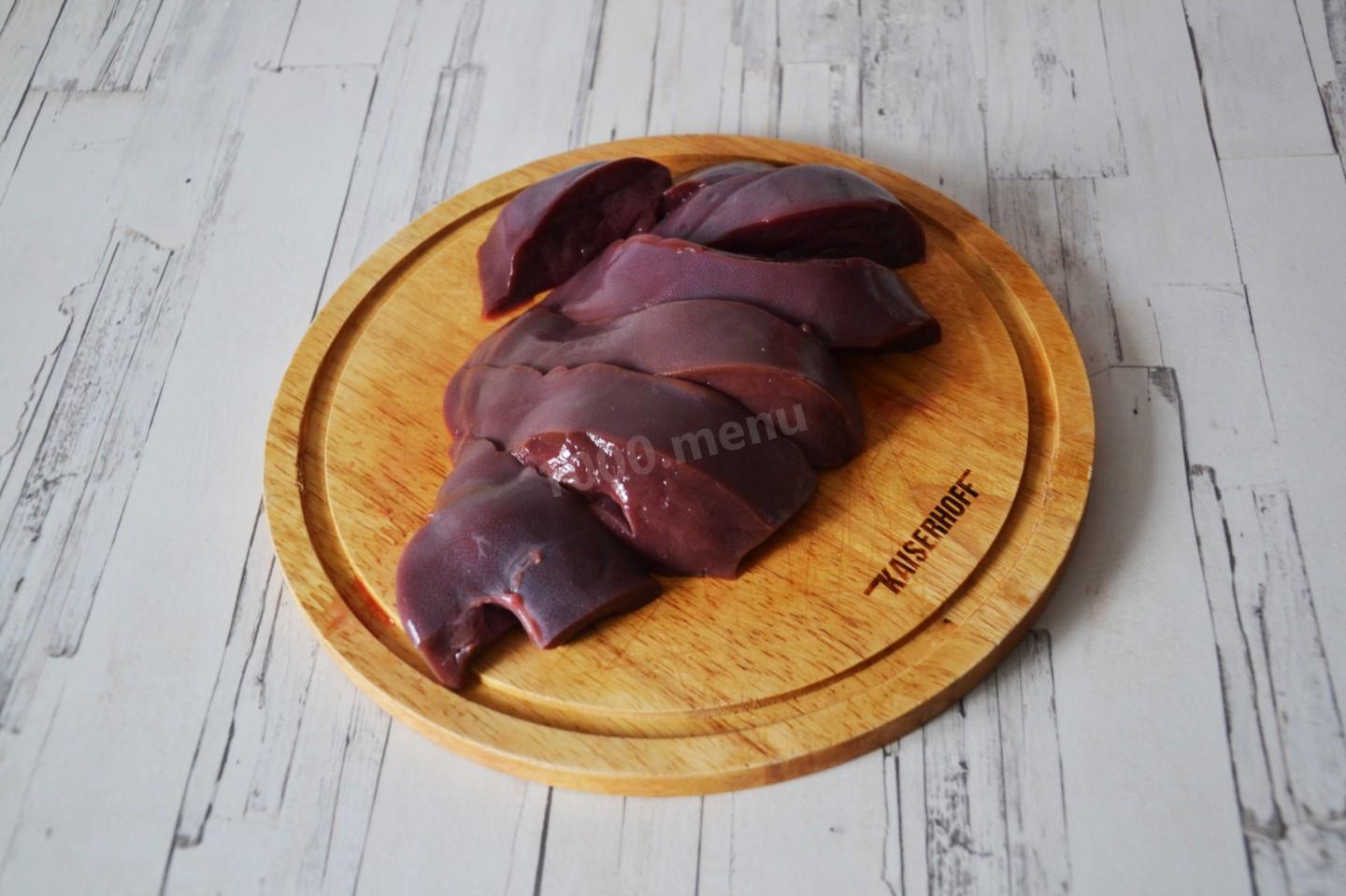
Cut the prepared liver into pieces.
-
Step 4:
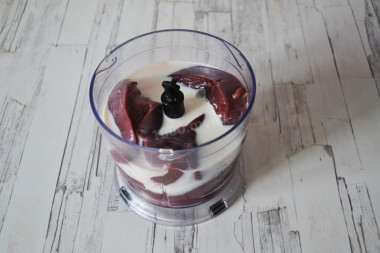
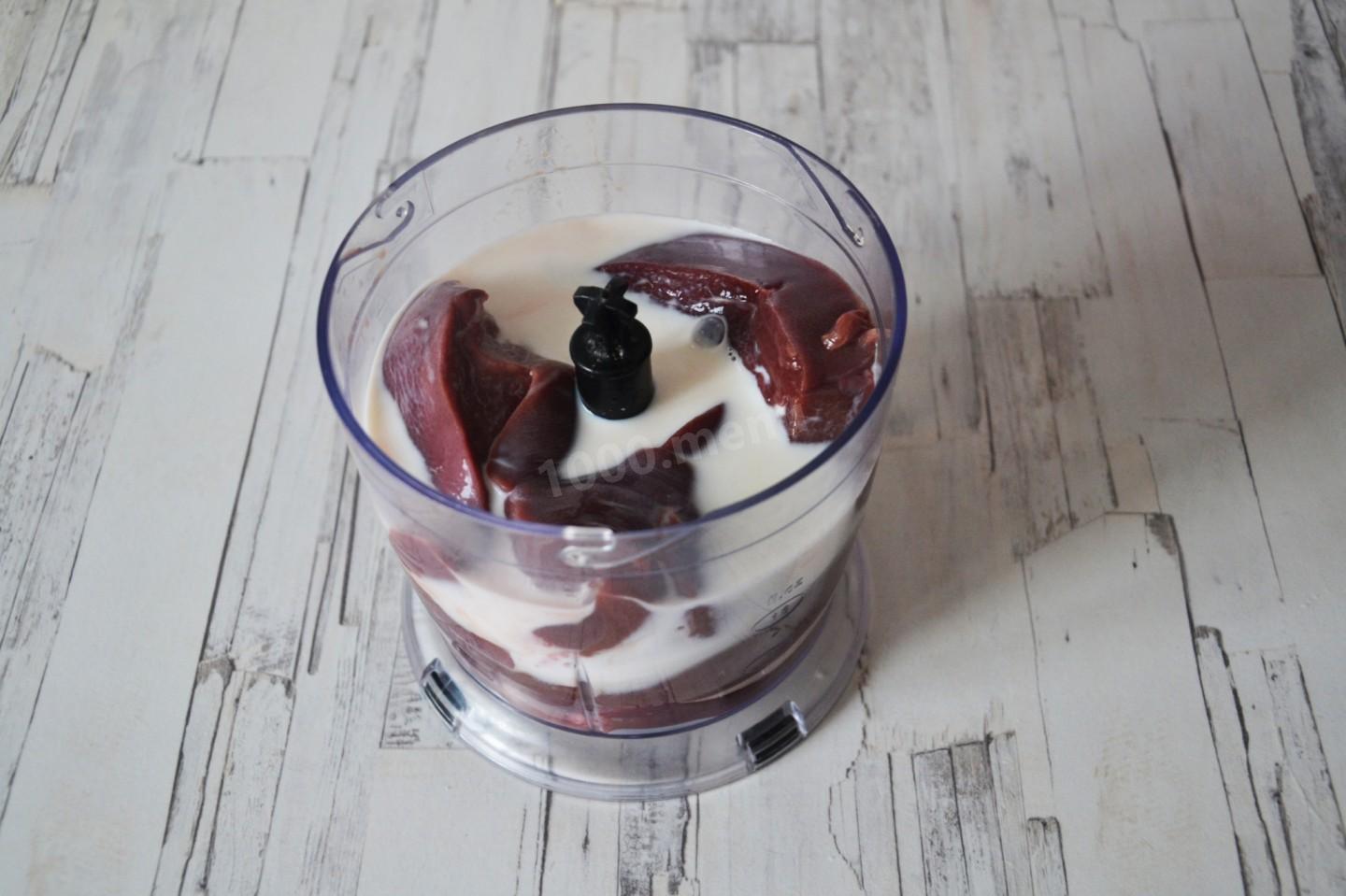
Put the liver in a blender and pour in the milk.
-
Step 5:
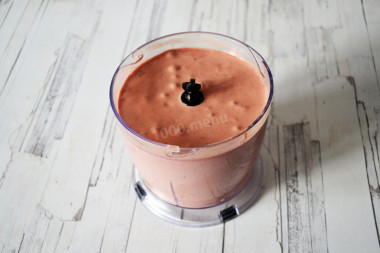
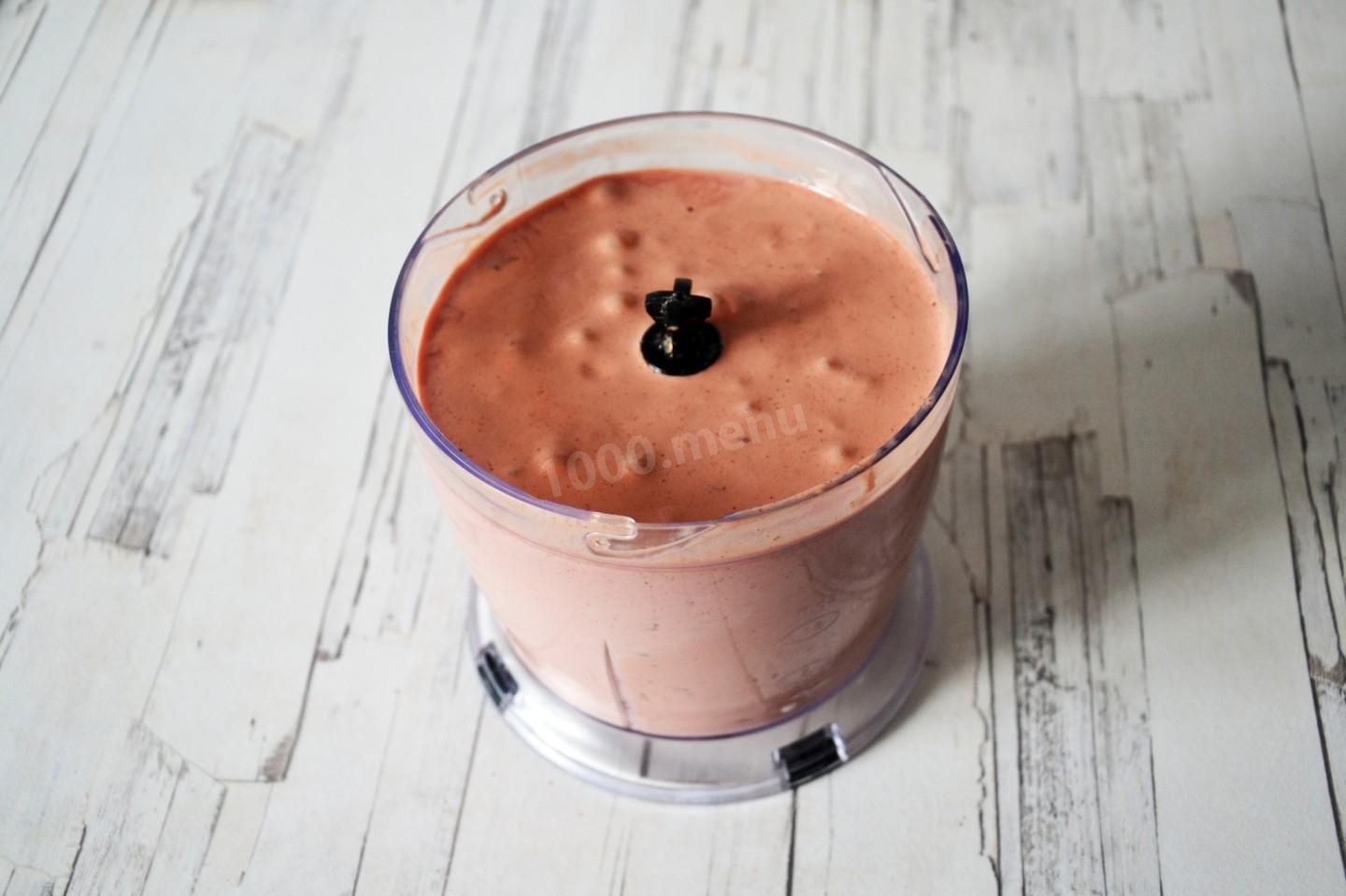
Blend until smooth. Instead of a blender, you can run the liver through a meat grinder and then stir in the milk.
-
Step 6:
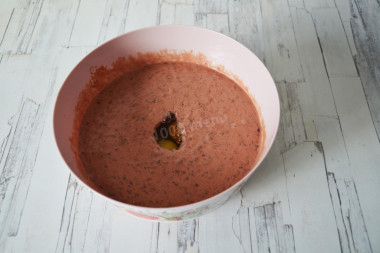
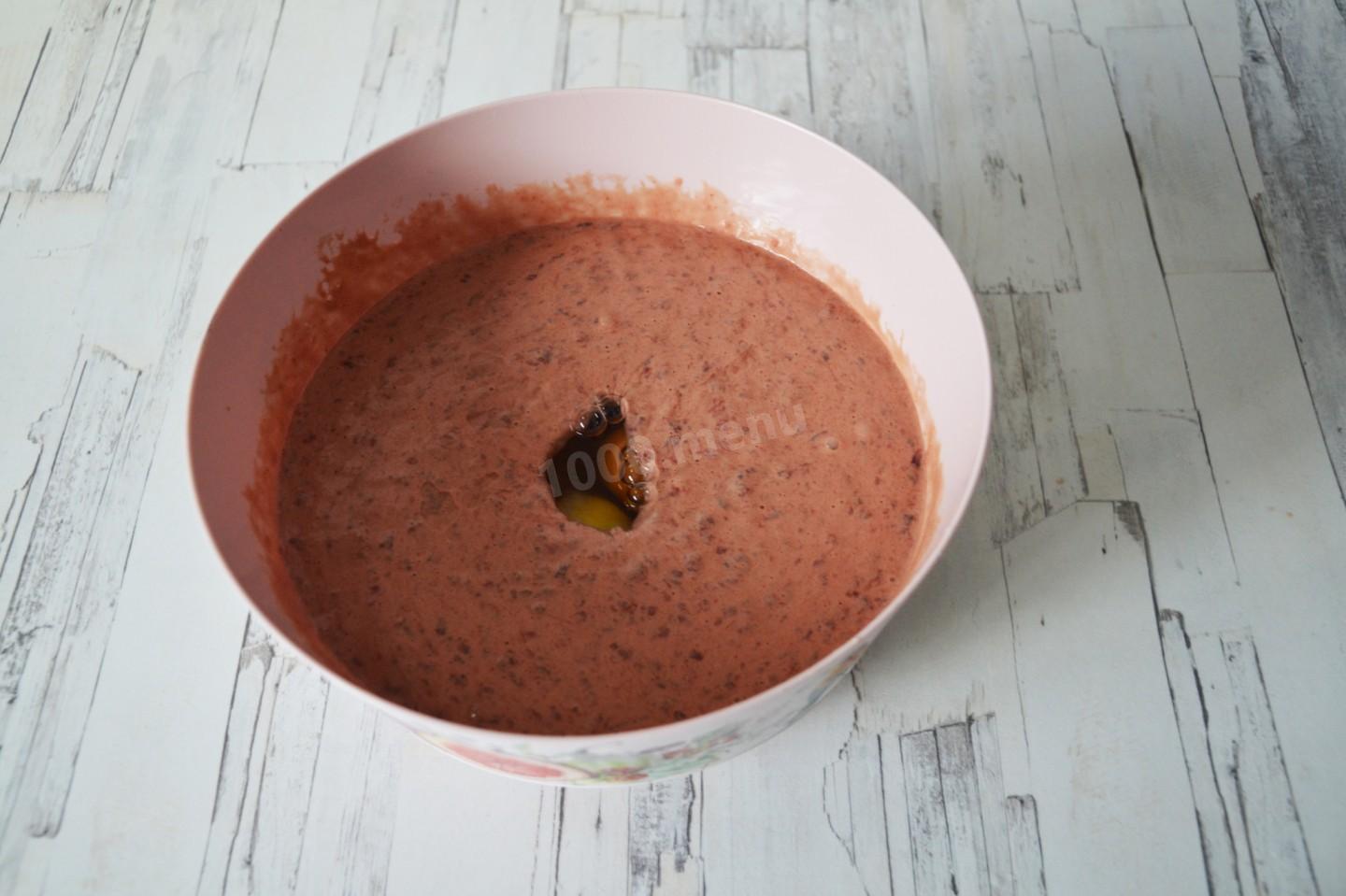
Pour the liver mixture into a bowl. Add the eggs and whisk until smooth.
-
Step 7:
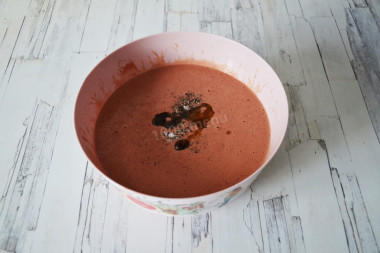
Pour in the vegetable oil and whisk again so it's evenly distributed.
-
Step 8:
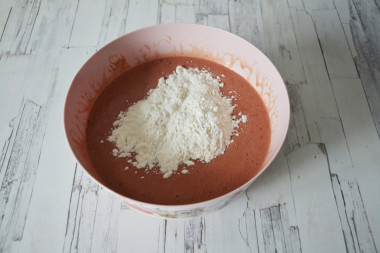
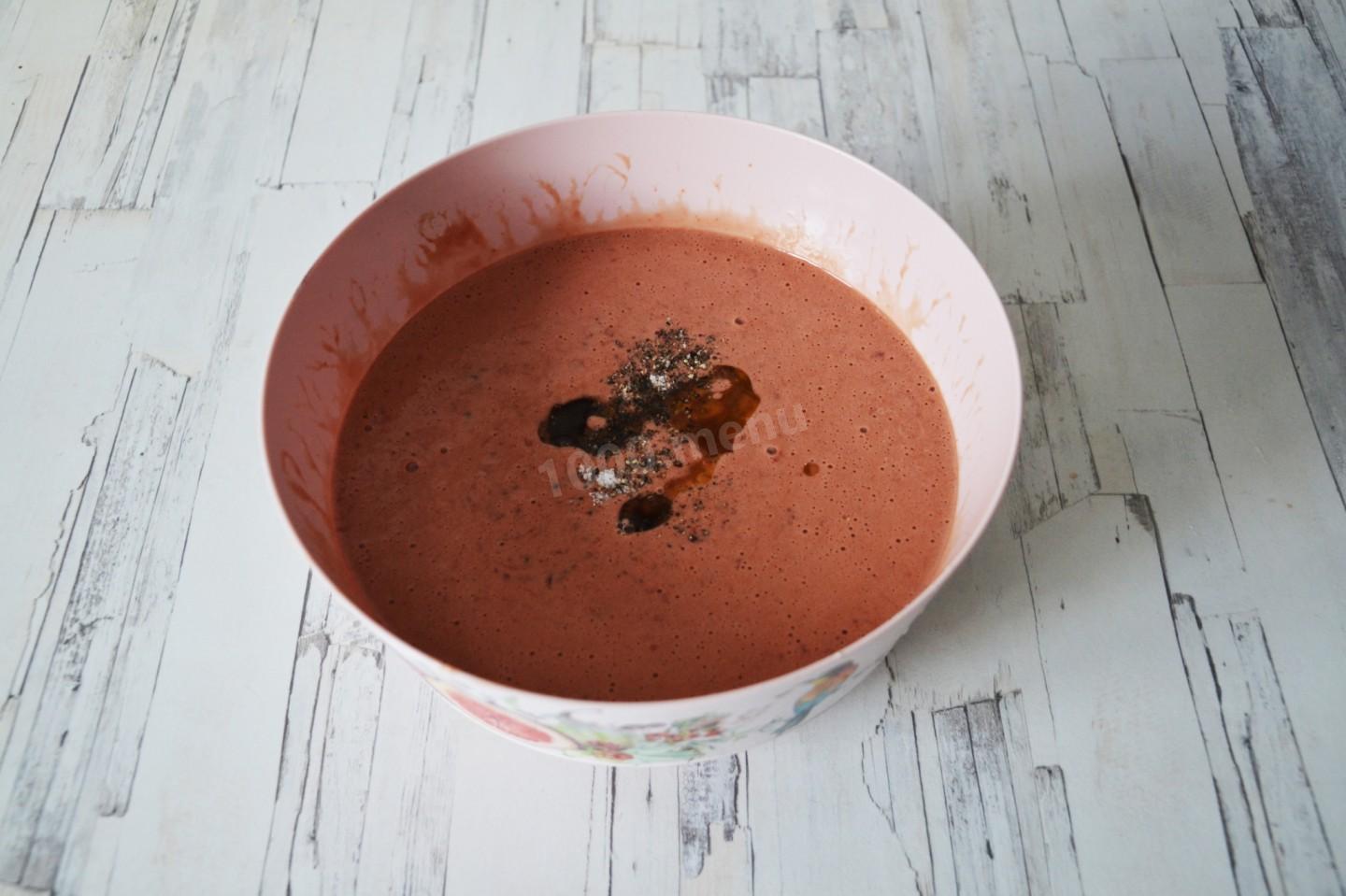
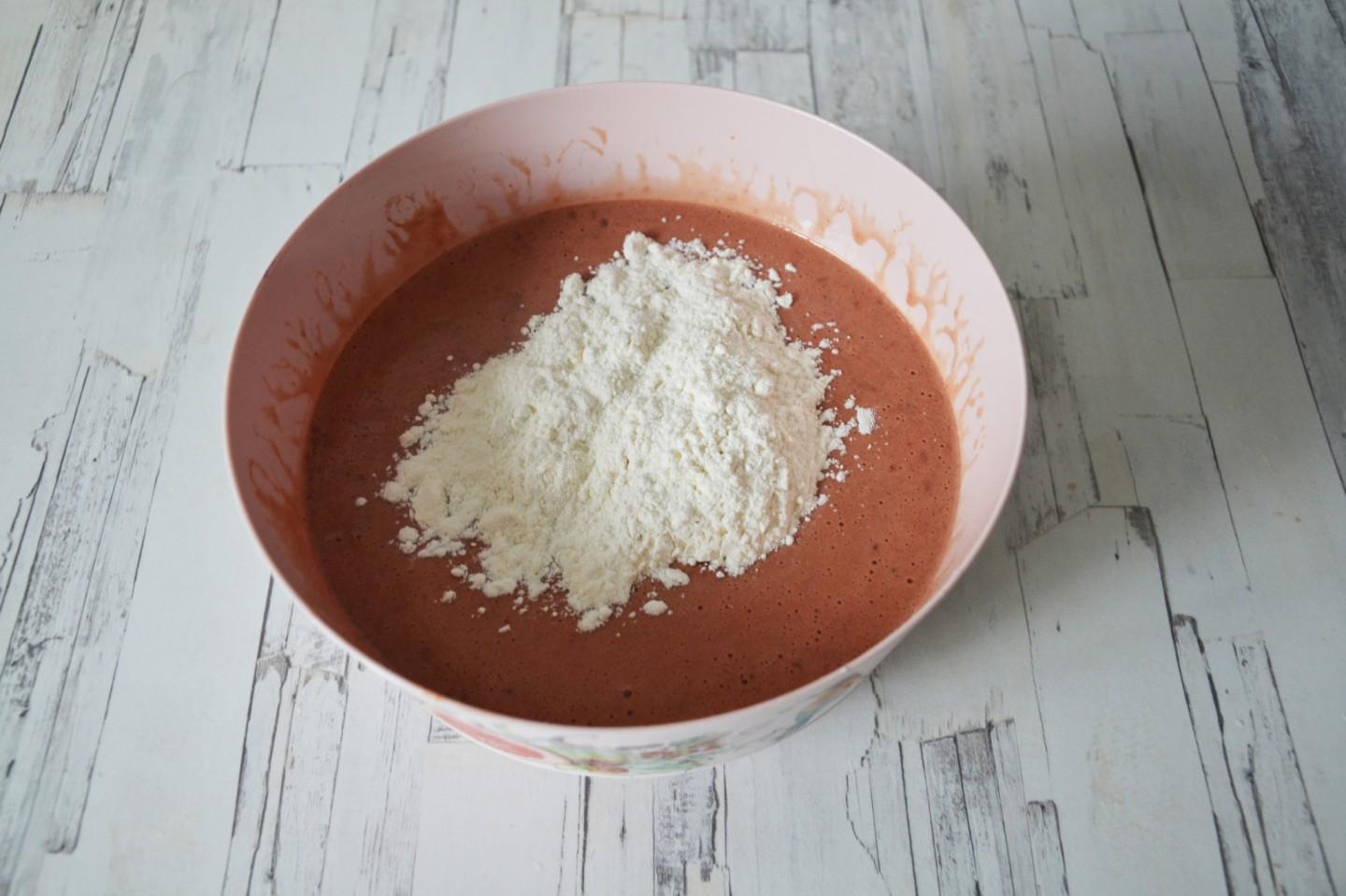
Add the flour, salt, and pepper.
-
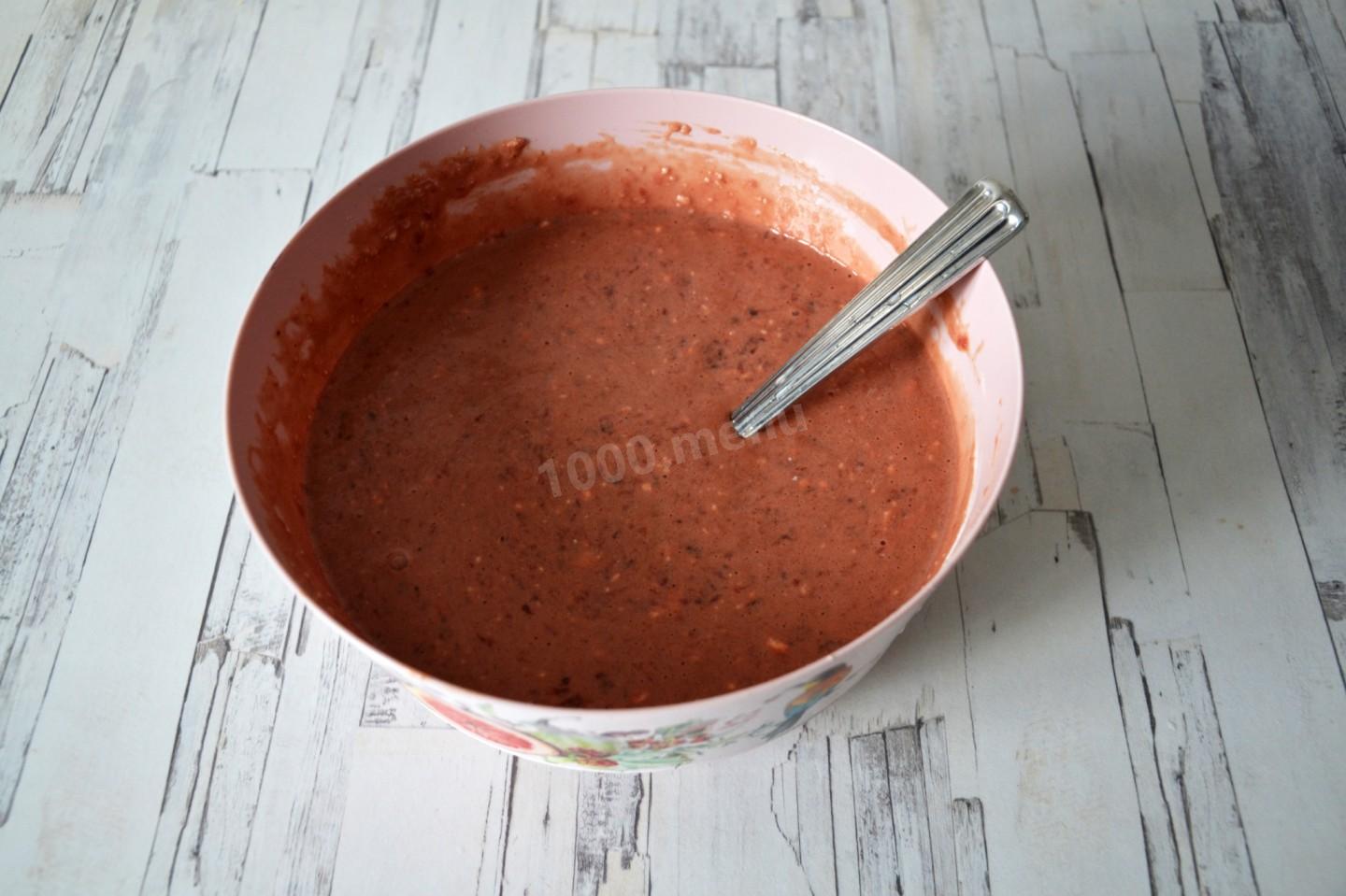
Step 9:
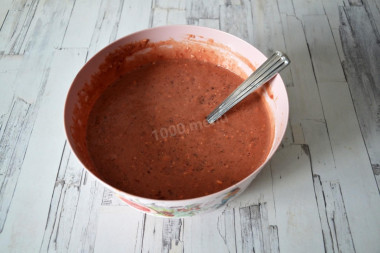
Whisk the batter thoroughly until there are no lumps, then let it rest for 10 minutes. If it's too thin, stir in a little more flour.
-
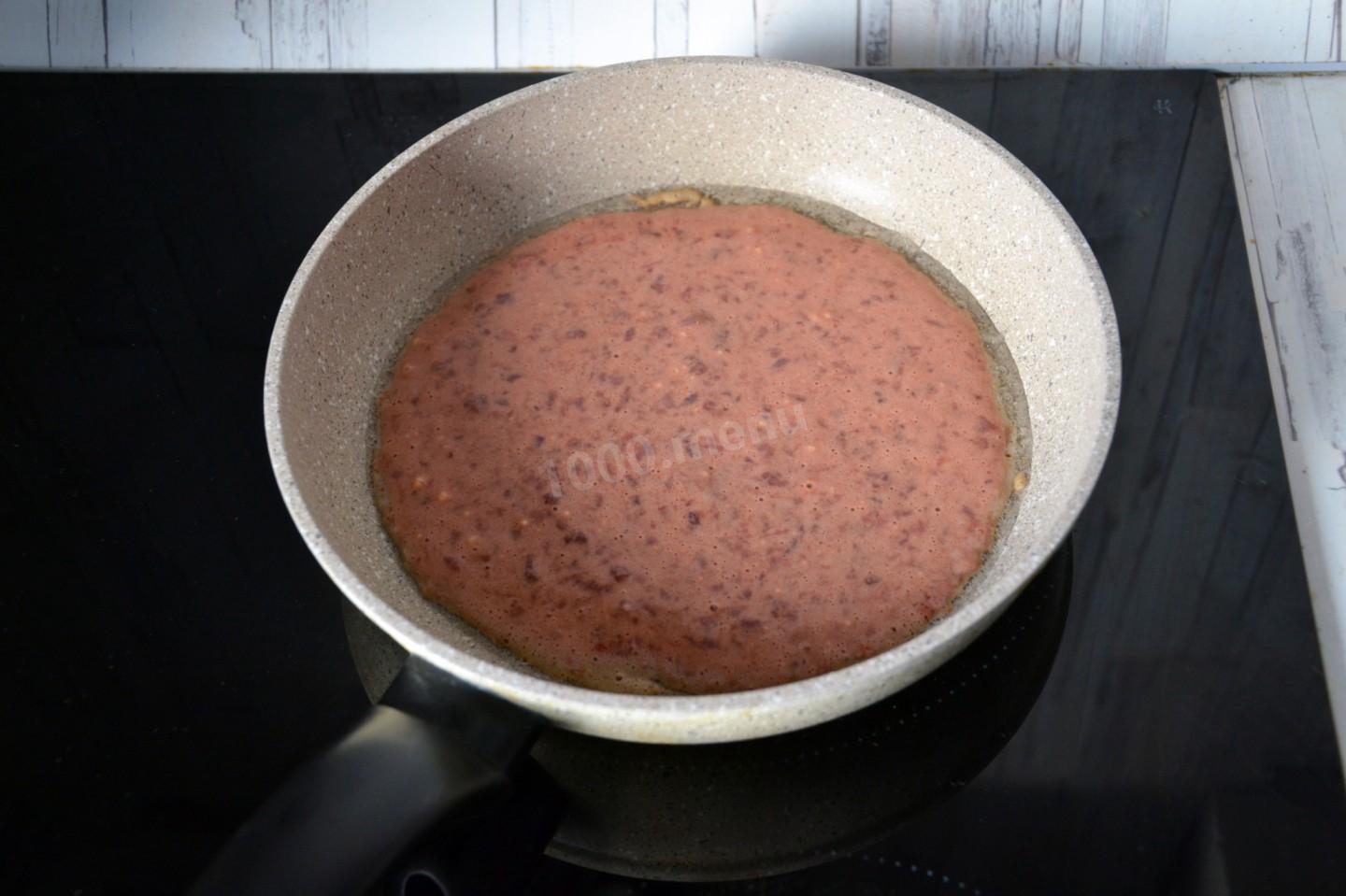
Step 10:
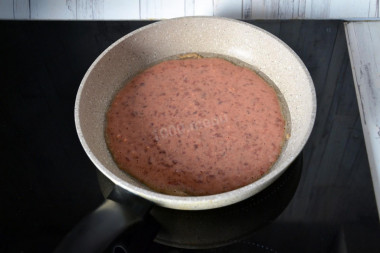
Heat a little vegetable oil in a skillet over medium heat. Cook the thin crepes for about 3 minutes per side, until golden.
-
Step 11:
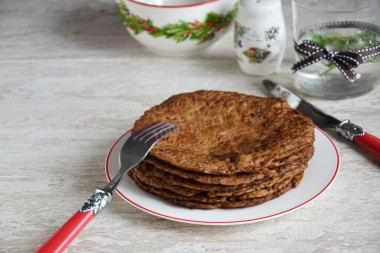
Serve the crepes as they are, or stack them into a savory cake with a vegetable filling between the layers. Enjoy!
- Fresh, never-frozen liver has the most nutritional value; its shelf life is only about 2 days refrigerated, and just 6–8 hours at room temperature, after which it becomes a breeding ground for bacteria. Freezing extends its life but costs it some nutrients, so if fresh isn't an option, choose liver that's been frozen only once. Signs it's been thawed and refrozen more than once: smudged label text (packing date, producer, use-by, weight); pink ice crystals on the surface and uneven color; and an off smell. Liver frozen just once has a clean cut with only a thin layer of ice.
- Always wash eggs before using them — even a shell that looks clean can carry bacteria. A little dish soap and a brush work well.
- Be ready to use more or less flour than the recipe calls for. Go by the consistency of the batter rather than the exact amount.
- Fry with an oil that has a high smoke point. Every oil is only healthy up to its smoke point, above which it starts to burn and form harmful compounds. Most unrefined oils have a low smoke point and their unfiltered particles scorch quickly, while refined oils tolerate heat better. For oven, skillet, or grill cooking, reach for a high-smoke-point oil such as refined sunflower, olive, or grapeseed.
Caloric content of the products possible in the composition of the dish
- Whole cow's milk - 68 kcal/100g
- Milk 3.5% fat content - 64 kcal/100g
- Milk 3.2% fat content - 60 kcal/100g
- Milk 1.5% fat content - 47 kcal/100g
- Concentrated milk 7.5% fat content - 140 kcal/100g
- Milk 2.5% fat content - 54 kcal/100g
- Chicken egg - 157 kcal/100g
- Egg white - 45 kcal/100g
- Egg powder - 542 kcal/100g
- Egg yolk - 352 kcal/100g
- Ostrich egg - 118 kcal/100g
- Ground black pepper - 255 kcal/100g
- Whole durum wheat flour fortified - 333 kcal/100g
- Whole durum wheat flour, universal - 364 kcal/100g
- Flour krupchatka - 348 kcal/100g
- Flour - 325 kcal/100g
- Vegetable oil - 873 kcal/100g
- Salt - 0 kcal/100g
- Beef liver - 130 kcal/100g
Similar recipes

- For breakfast
- Homemade dinner
- Second course
- Baking
- Eggs
- Meat and meat products
- Dairy products
- Flour
- Spices seasonings spices
- Fats and oils
- Pepper
- Salt
- Vegetable oil
- Frying
- In a frying pan
- Meat second course
- Pancakes and pancakes
- Yeast-free baking
- Unsweetened pastries
- Offal
- Egg breakfast
- Milk
- Recipes for lean dishes without butter