Fish in Tomato Sauce
A quick, simple, wholesome recipe for any day! Fish in tomato sauce is a dish our moms used to make, and its flavor will feel familiar to many. It's simple and budget-friendly, and you probably already have everything in the fridge.

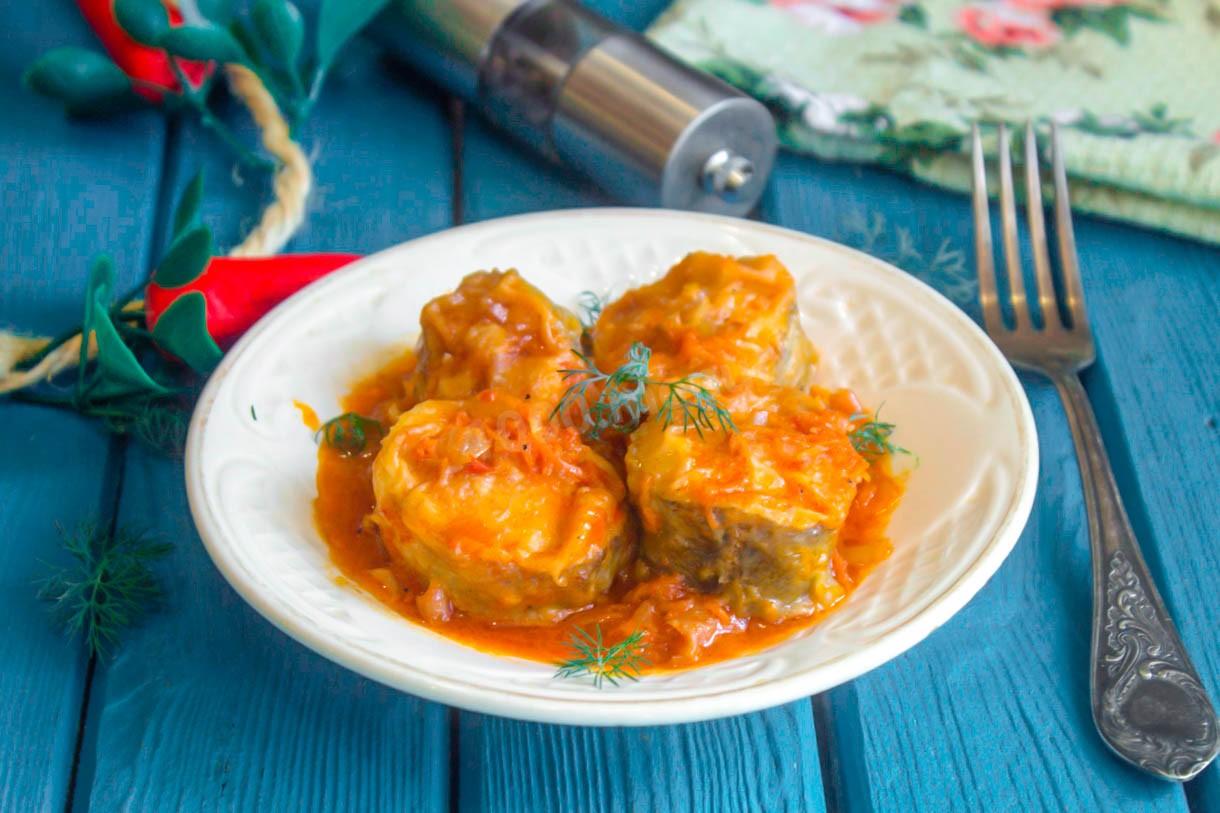
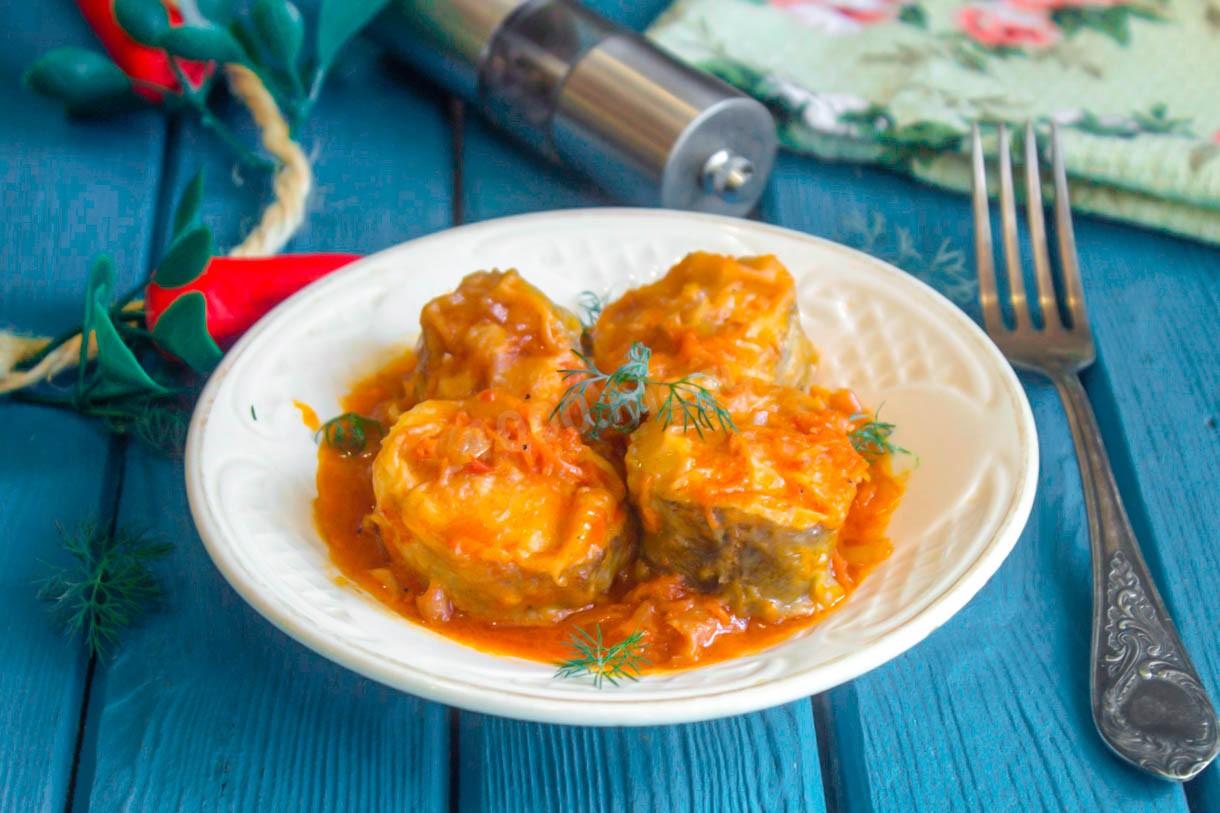
Cooking method
-
Step 1:
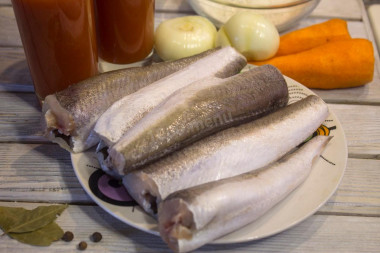
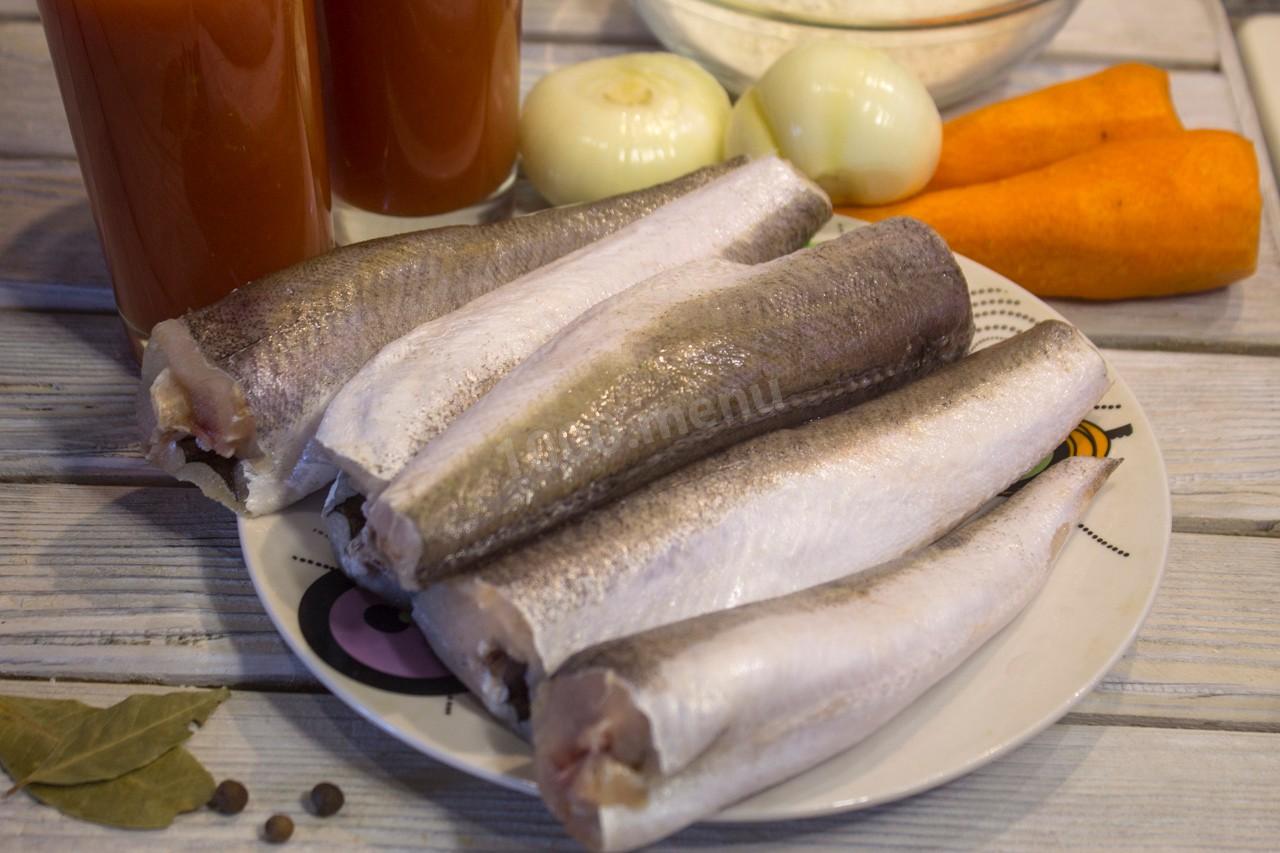
How do you make fish in tomato sauce? Gather your ingredients. Any white fish works — pollock, cod, or the like — but I usually make this with hake. Instead of tomato juice, you can use a good tomato paste thinned with water. Wash and peel the vegetables.
-
Step 2:
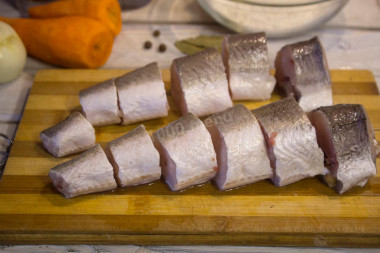
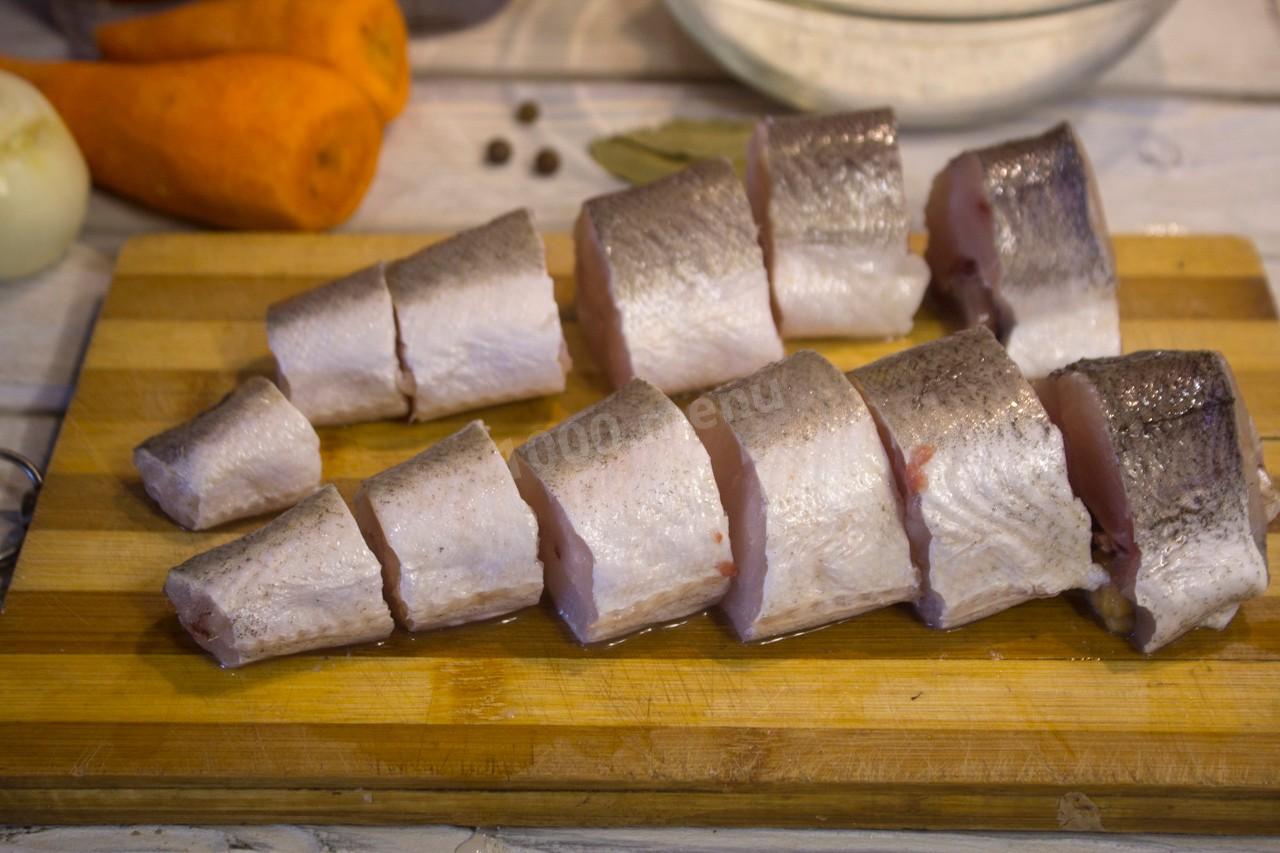
My fish is already gutted and headless. If yours is whole, gut it and cut off the head first, and be sure to remove the black membrane inside the belly — it can taste bitter. Scale the fish, rinse it well under running water, pat it dry with paper towels, and cut it into serving pieces. Salt it and let it sit a few minutes to take on the seasoning.
-
Step 3:
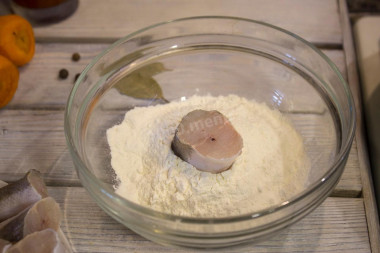
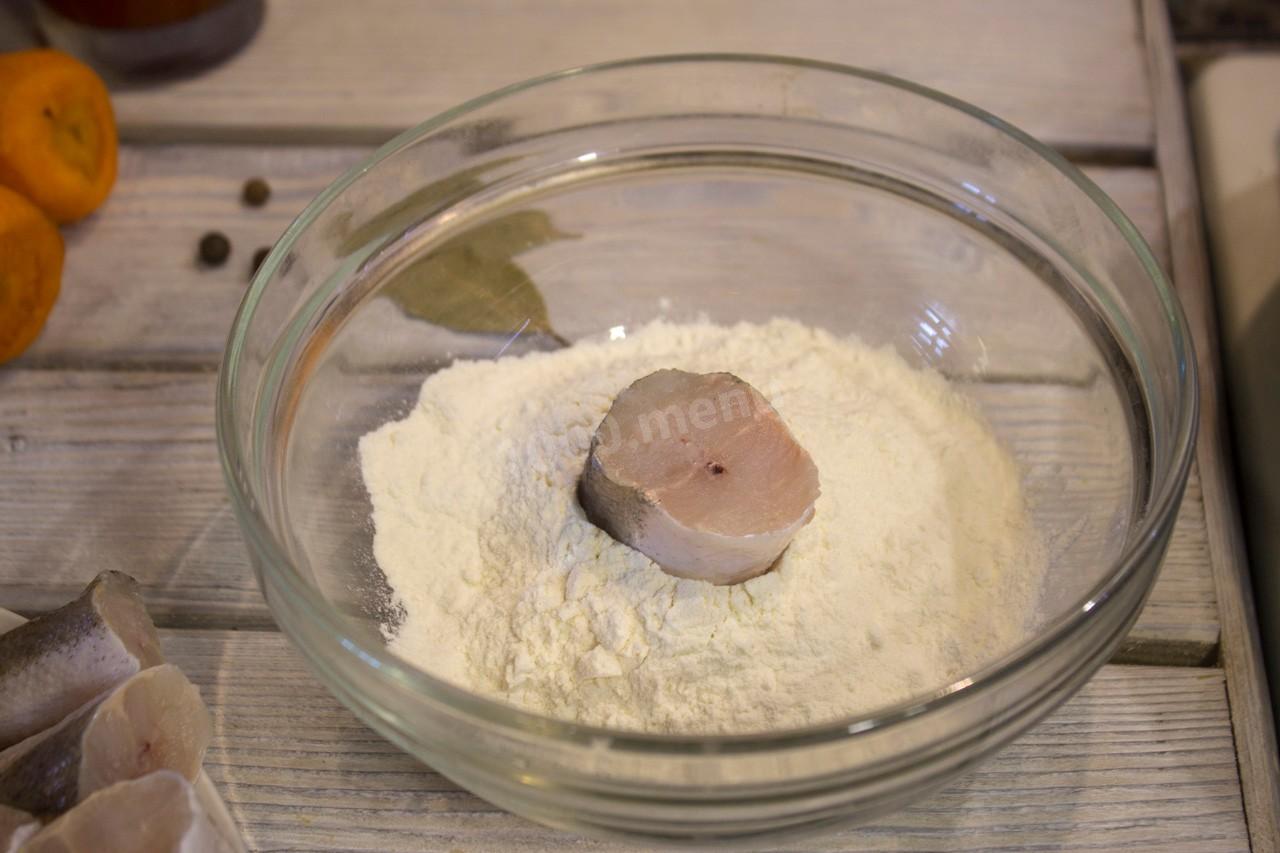
Put the flour in a shallow dish and dredge the pieces of fish in it.
-
Step 4:
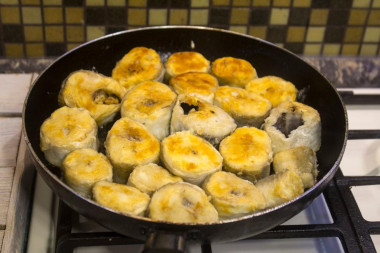
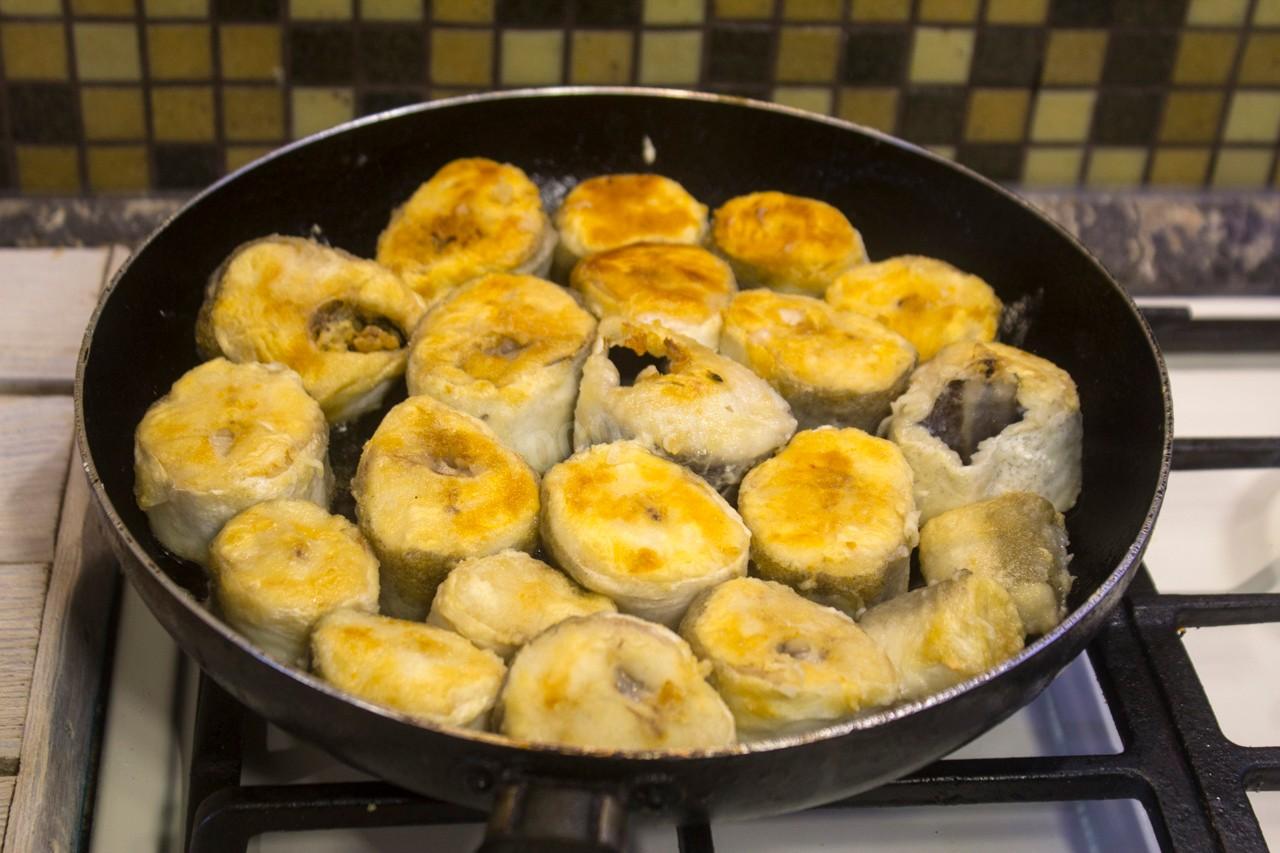
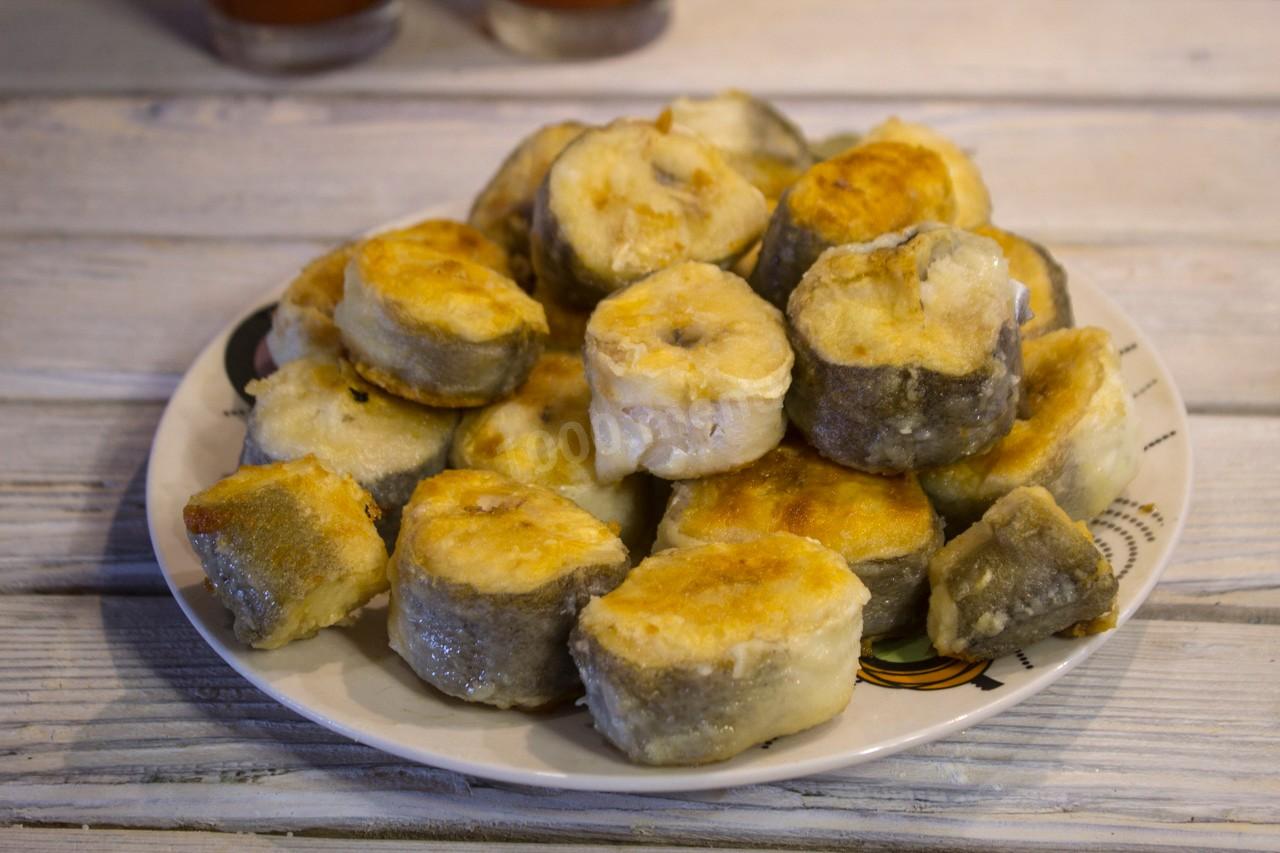
Heat a skillet over medium heat and add oil for frying. Add the fish and fry until golden on both sides.
-
Step 5:
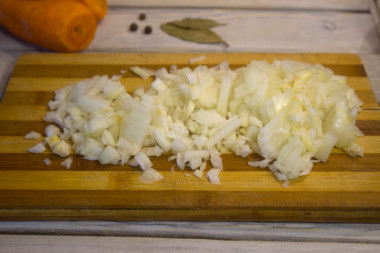
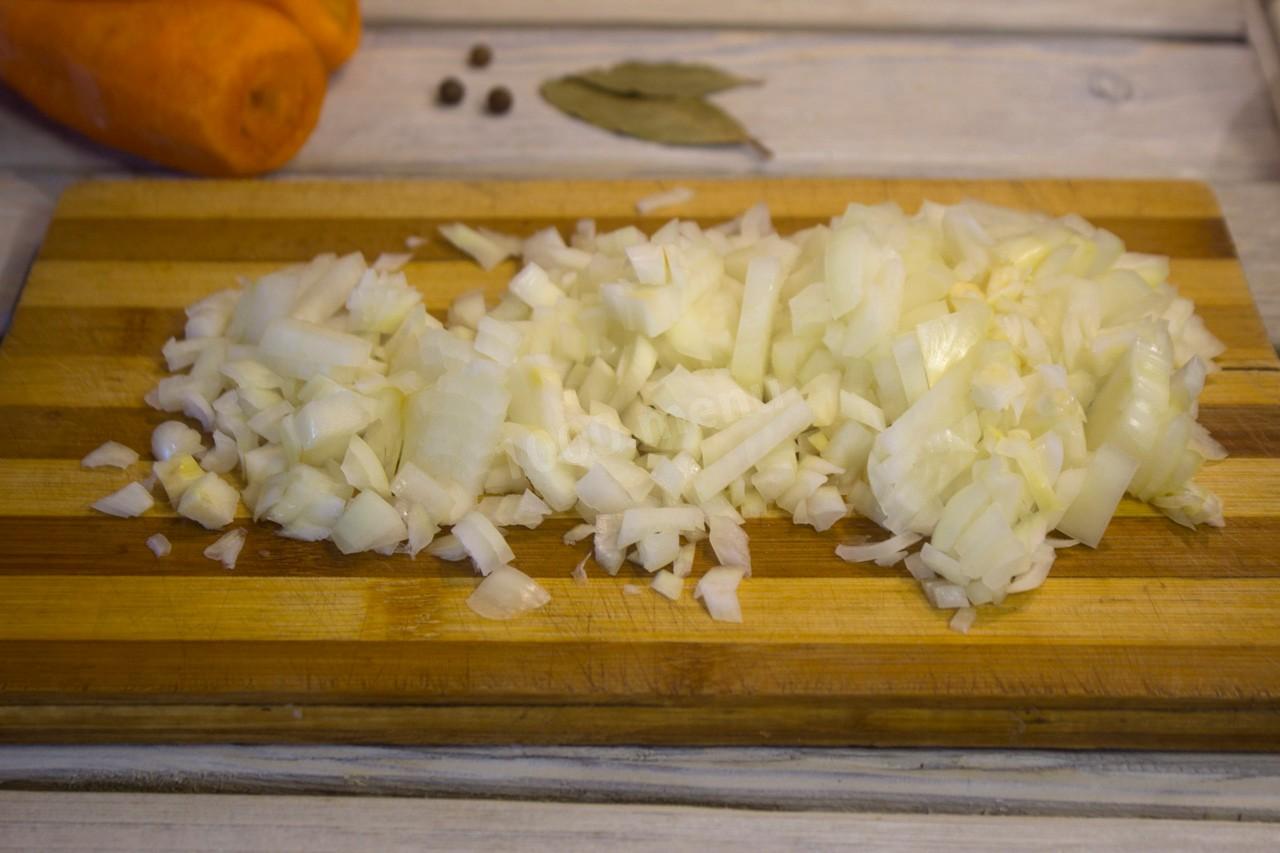
While the fish fries, finely chop the onion and grate the carrot on the large holes of a box grater.
-
Step 6:
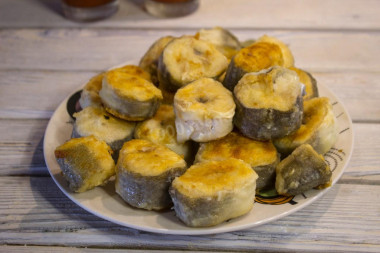
Transfer the fried fish to a plate.
-
Step 7:
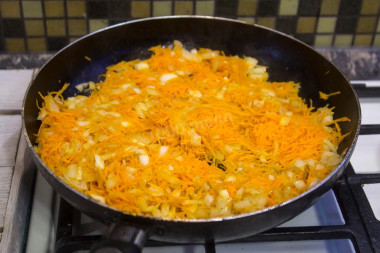
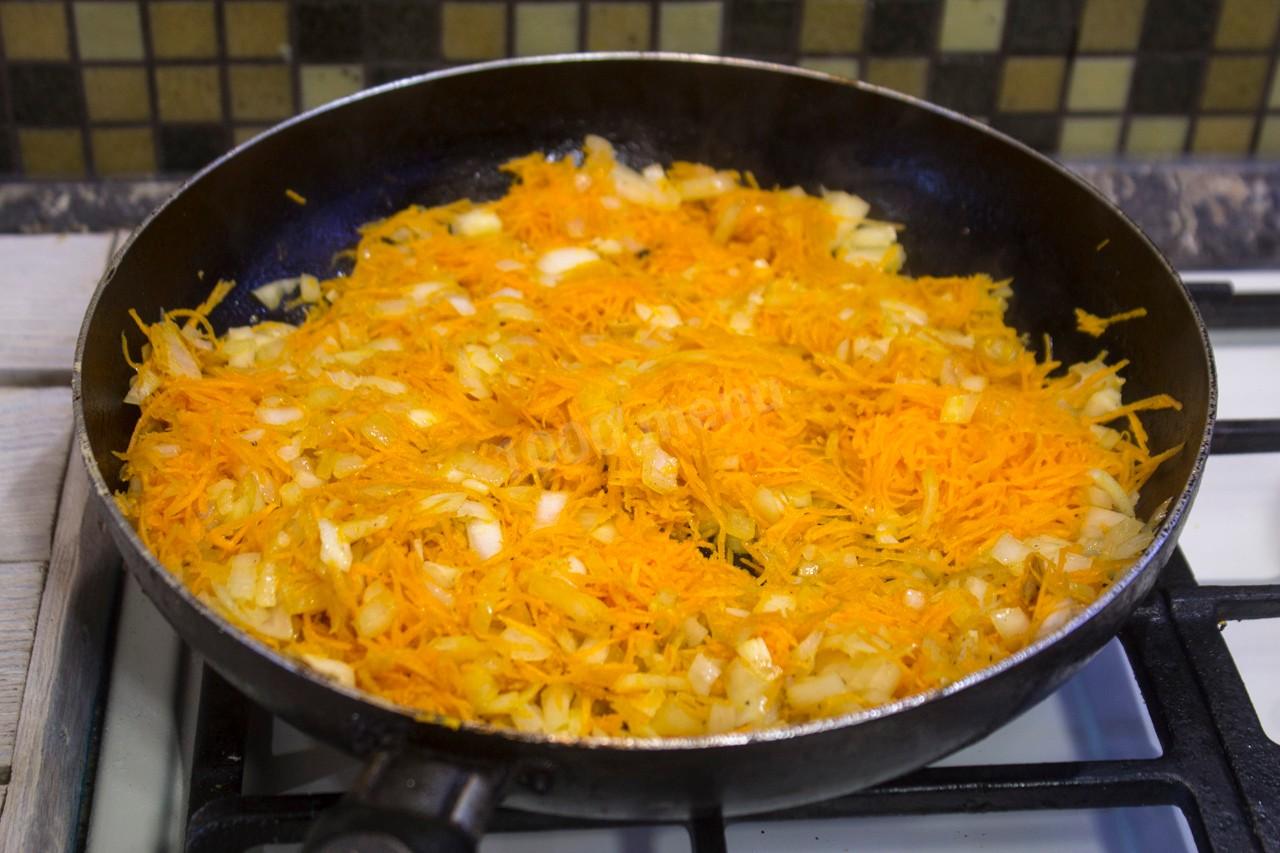
Add the onion and carrot to the same skillet the fish was fried in. Cook them over low heat, stirring, until golden, a few minutes.
-
Step 8:
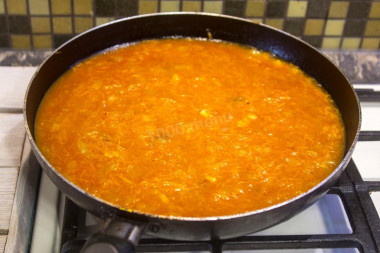
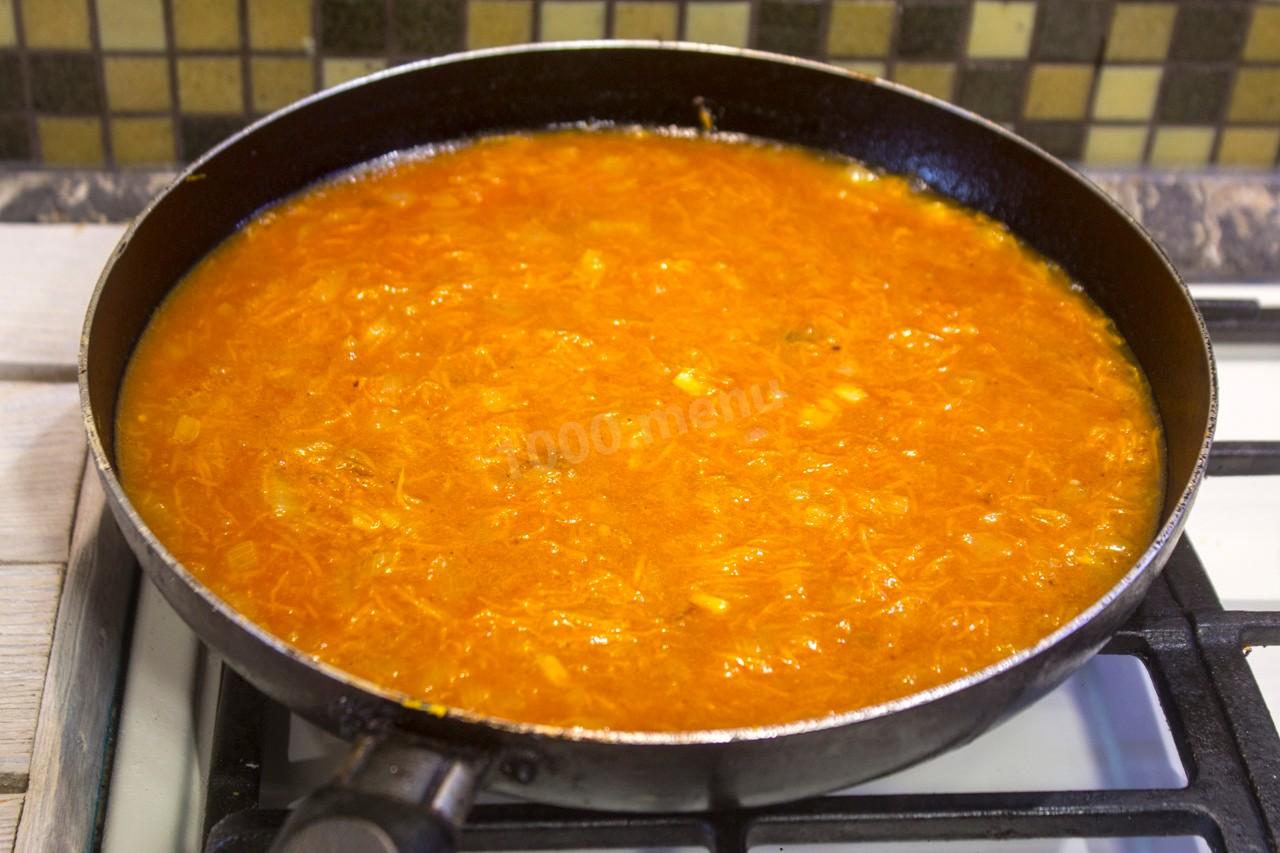
Pour in the tomato juice (mine is homemade), or tomato paste thinned with water, and bring to a boil.
-
Step 9:
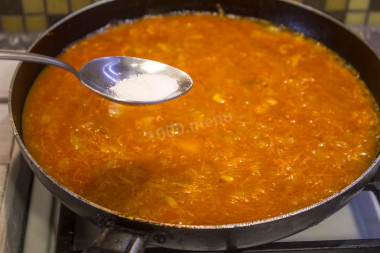
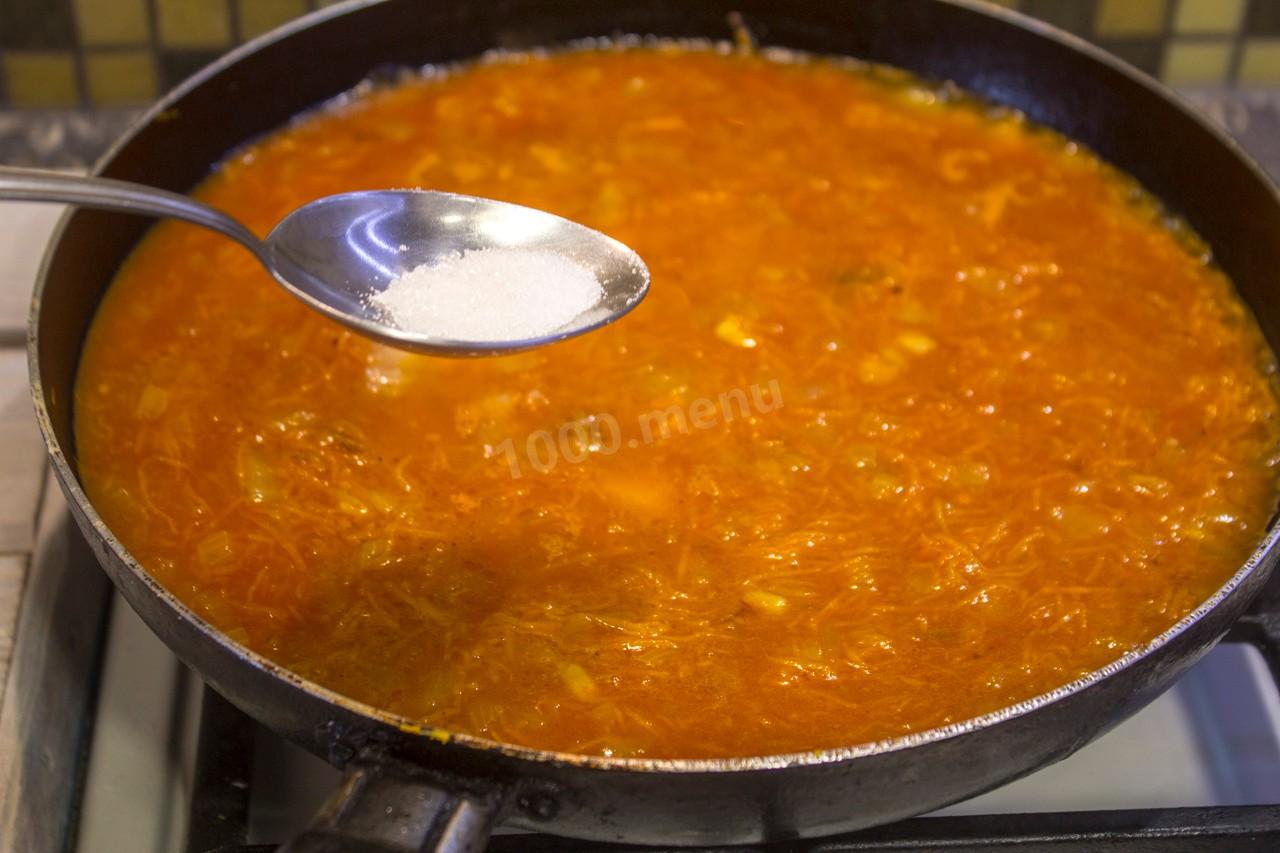
Add salt and a little sugar to balance it, then taste. The sauce should be sweet-and-sour and moderately salty.
-
Step 10:
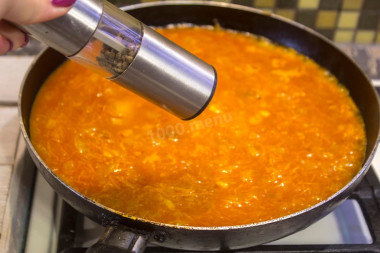
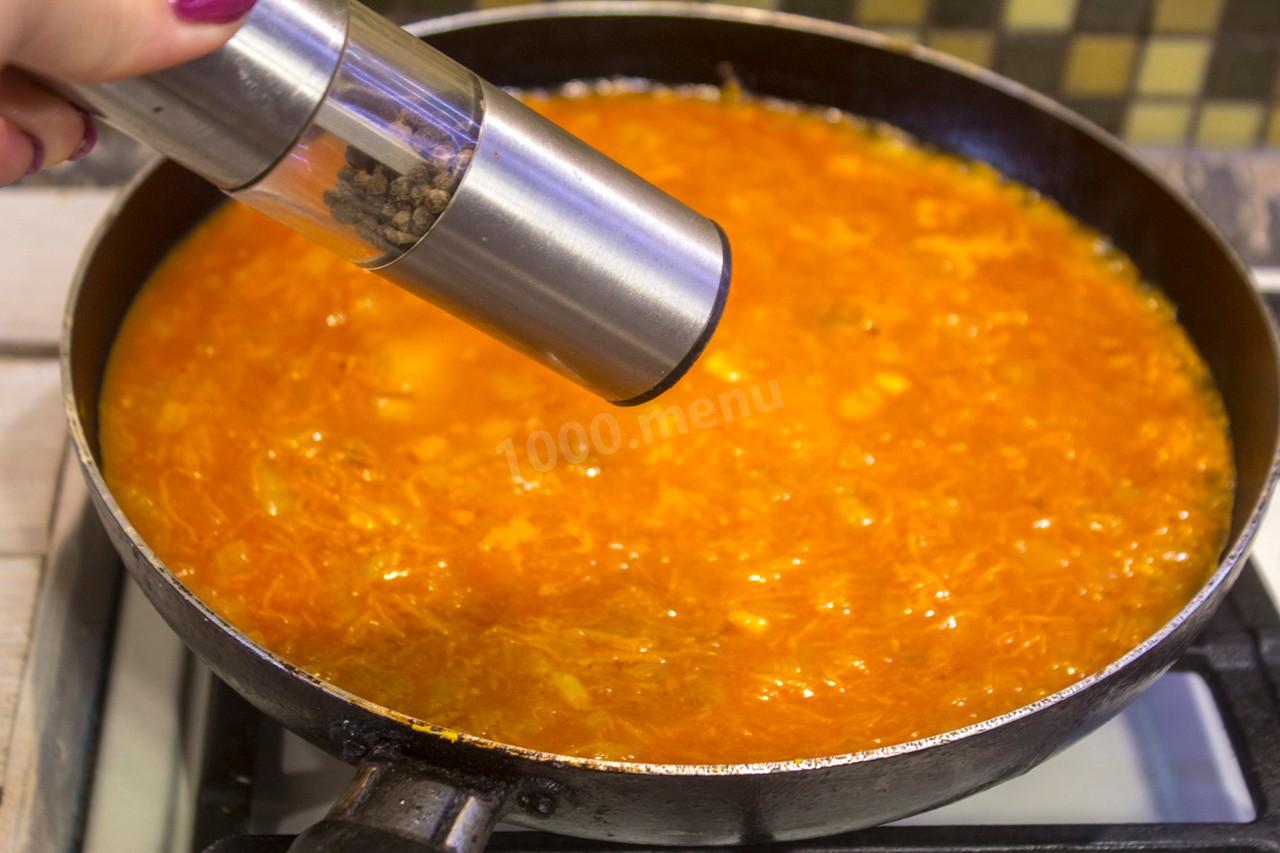
Season with pepper.
-
Step 11:
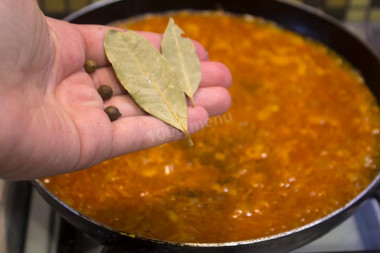
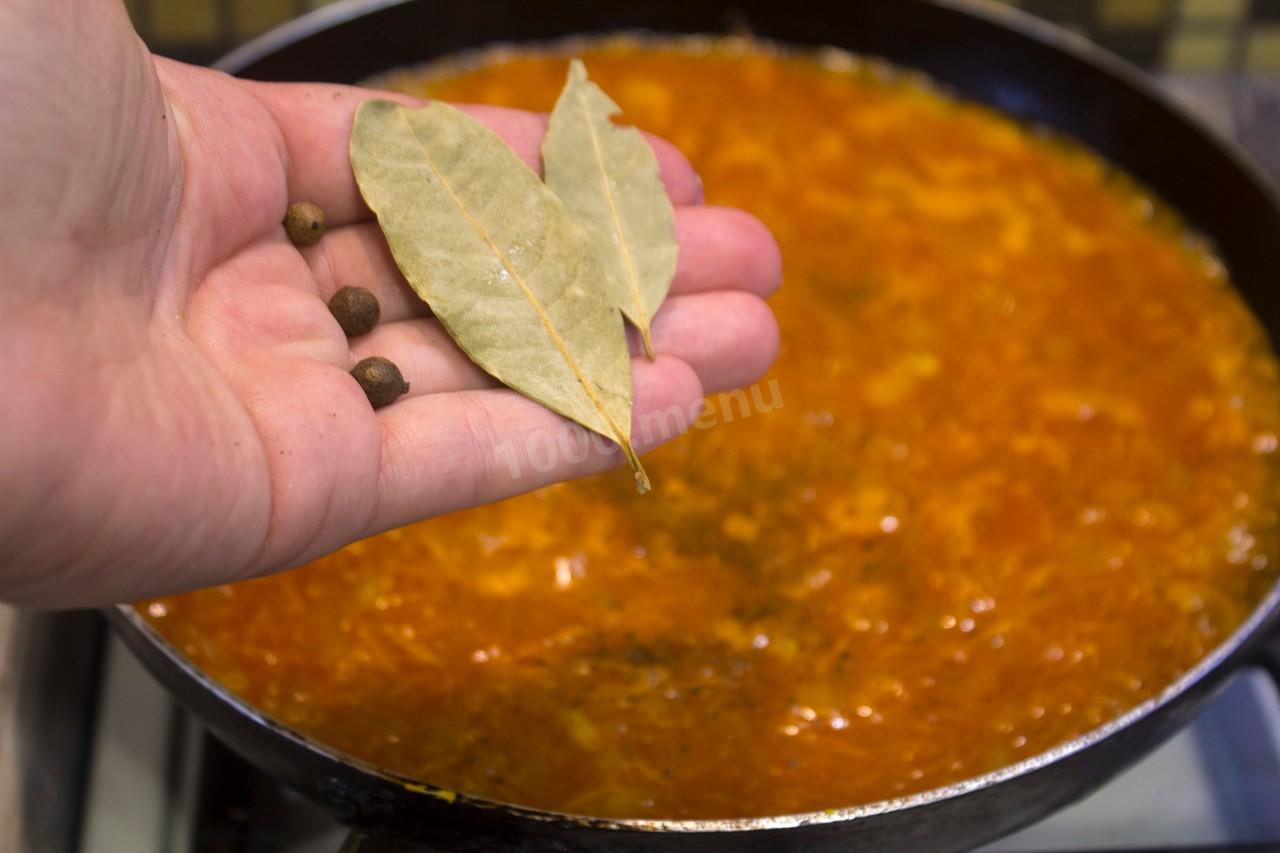
Add the bay leaves and allspice berries and let it boil for another 1–2 minutes.
-
Step 12:
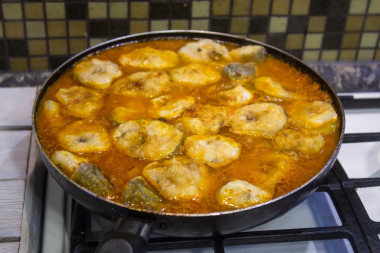
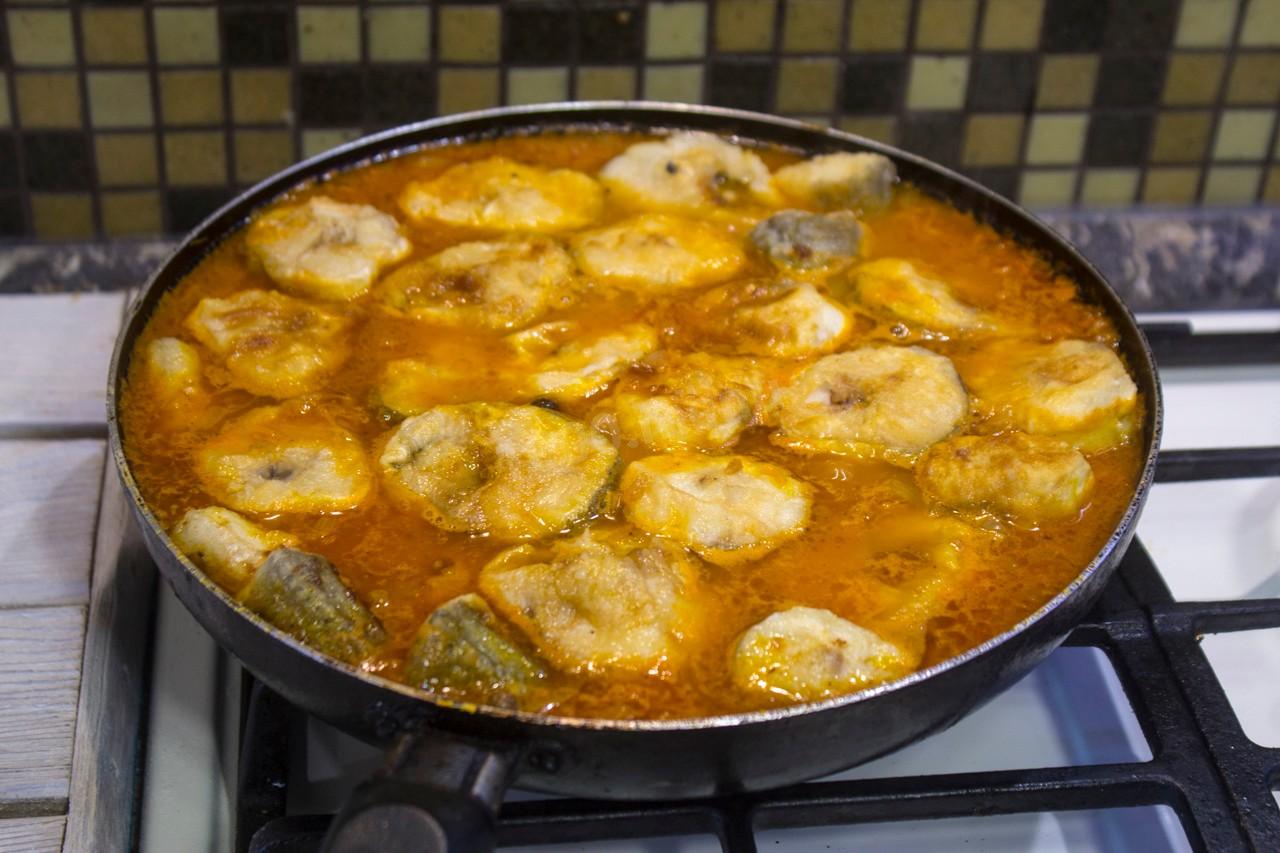
Nestle the fried fish into the sauce, bring it to a boil, cover, and simmer over low heat for about 30 minutes.
-
Step 13:
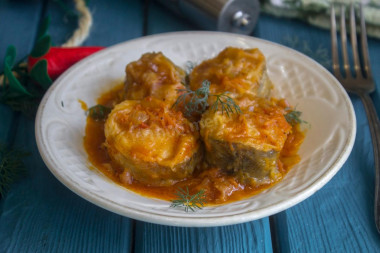
Enjoy!
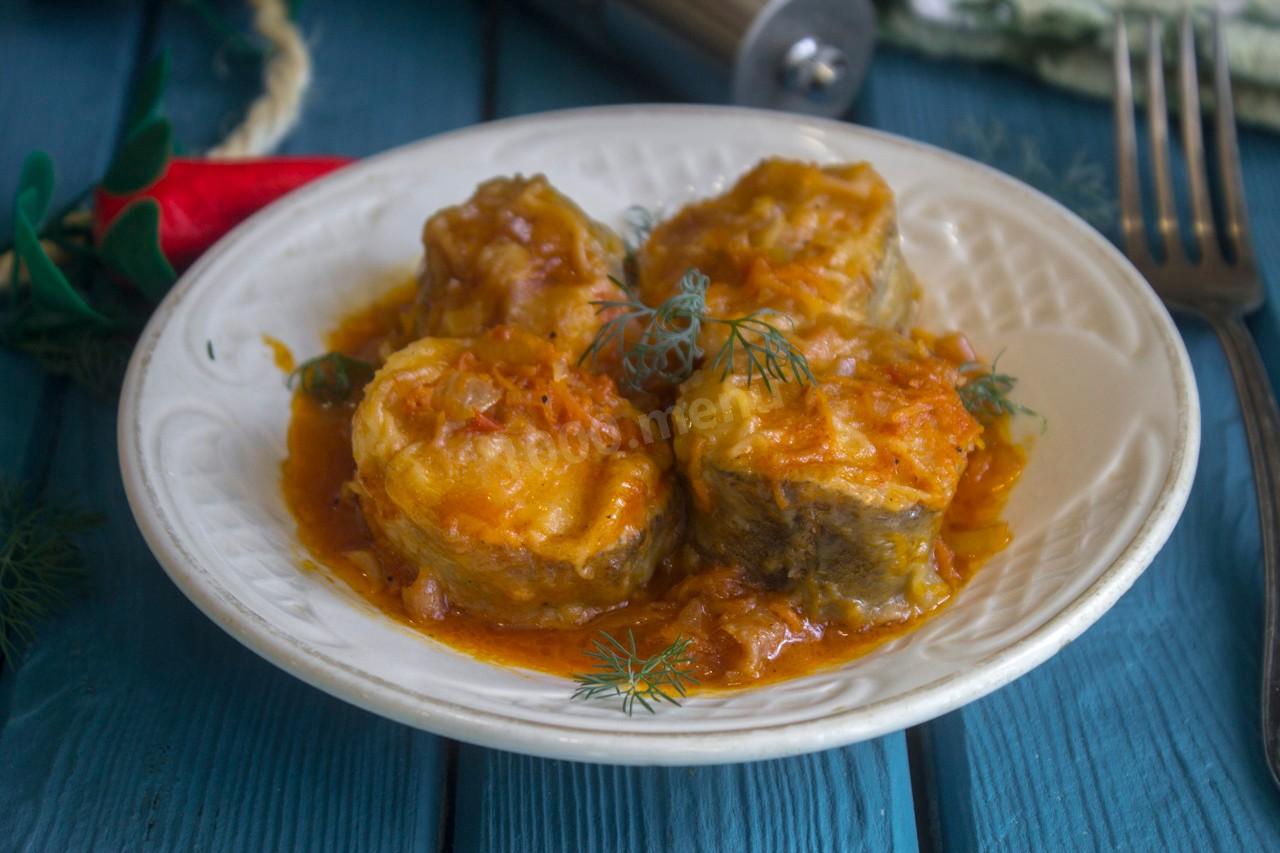
- Any side works with it — boiled potatoes, mashed potatoes, grains, or pasta.
- Keep in mind that how well you thaw the ingredients has a lot to do with the quality and flavor of the finished dish. Thaw the fish slowly in the fridge for the best texture.
- A quick tip: the wrong pan can ruin even the best recipe, so use a good skillet here.
- Every cooking oil is only healthy up to a certain point — its smoke point, above which it starts to burn and forms harmful compounds. Choose an oil with a high smoke point for frying, and don't let it overheat.
Caloric content of the products possible in the composition of the dish
- Carrots - 33 kcal/100g
- Dried carrots - 275 kcal/100g
- Boiled carrots - 25 kcal/100g
- Bay leaf - 313 kcal/100g
- Ground black pepper - 255 kcal/100g
- Granulated sugar - 398 kcal/100g
- Sugar - 398 kcal/100g
- Vegetable oil - 873 kcal/100g
- Fried hake - 105 kcal/100g
- Boiled hake - 95 kcal/100g
- Hake fresh - 86 kcal/100g
- Onion - 41 kcal/100g
- Wheat flour - 325 kcal/100g
- Table salt - 0 kcal/100g
- Allspice - 263 kcal/100g
- Tomato juice - 21 kcal/100g
Similar recipes

- Homemade dinner
- Second course
- Fish and seafood
- Vegetables
- Flour
- Sweet
- Spices seasonings spices
- Fats and oils
- Other
- Bay leaf
- Pepper
- Salt
- Vegetable oil
- From juice
- Frying
- Stewing
- In a frying pan
- Simple dinner
- Inexpensive dinner
- Stewed vegetables
- Fish in sauce
- Fish second course
- Fish with vegetables
- Fish hake
- Simple quick dinner
- Inexpensive budget dinner
- From carrots
- From onion
- Wheat flour
- No eggs
- Recipes for lean dishes without butter
- Sugar