Egg and Cheese Breakfast in a Skillet
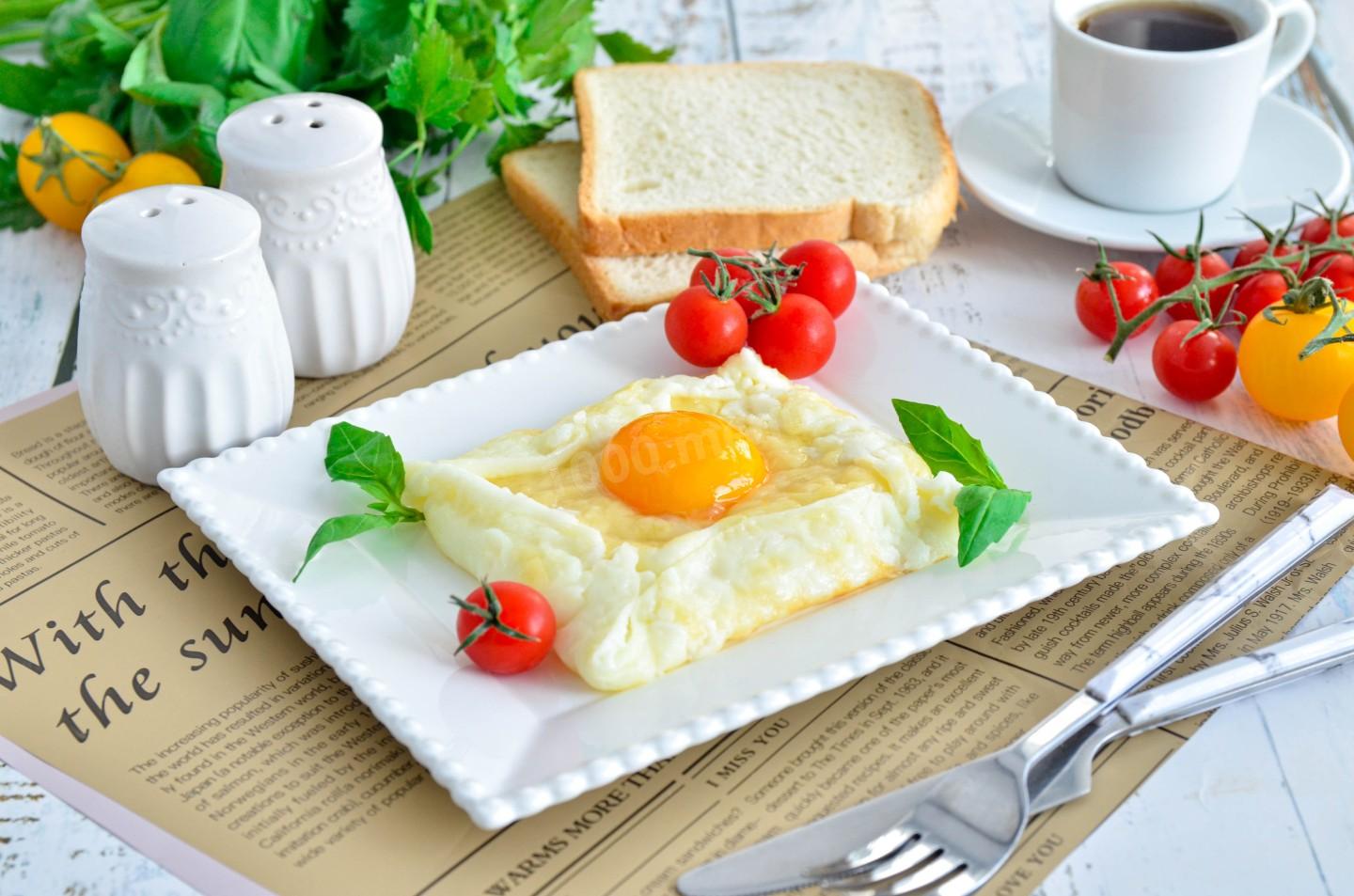
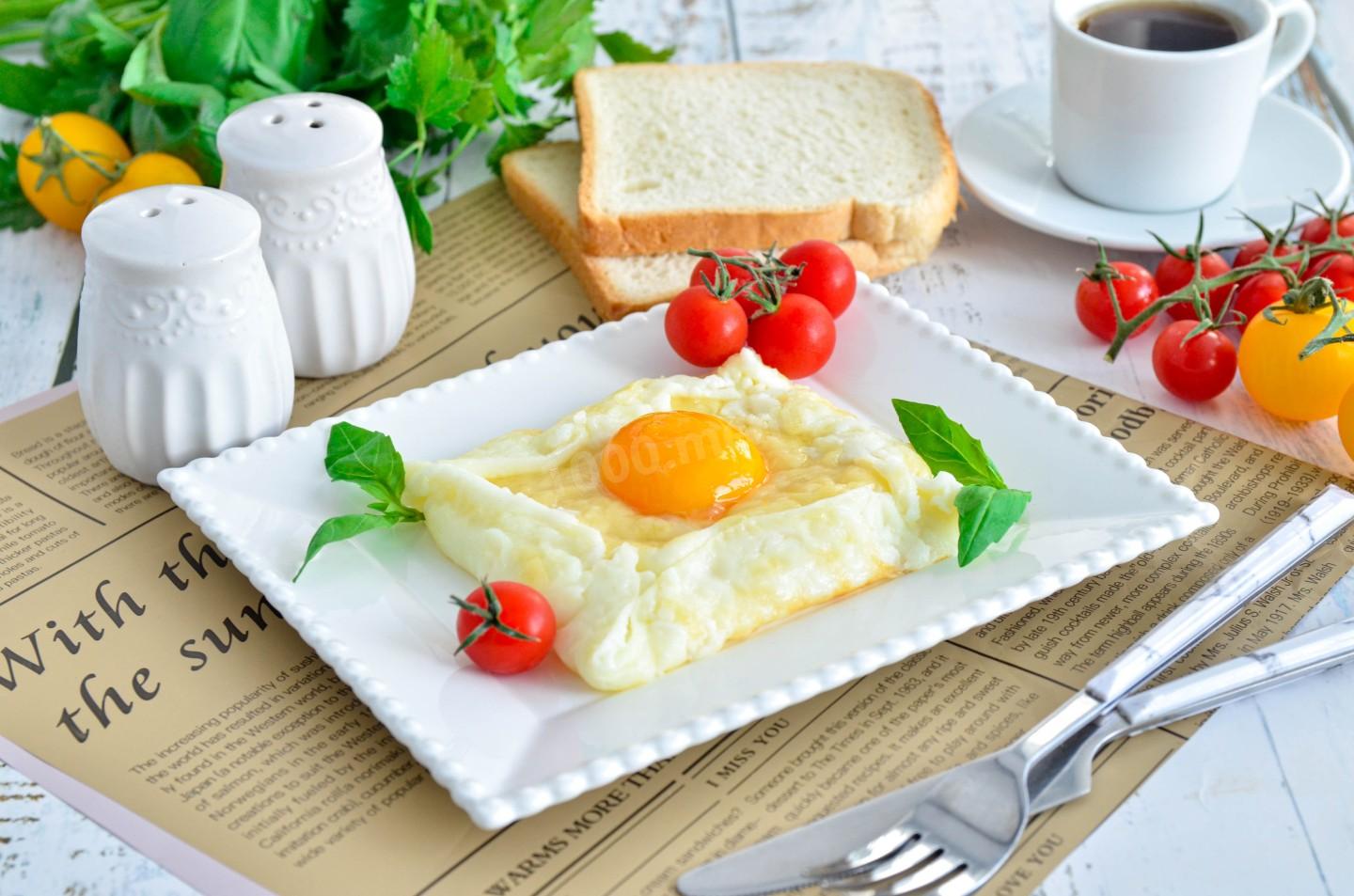
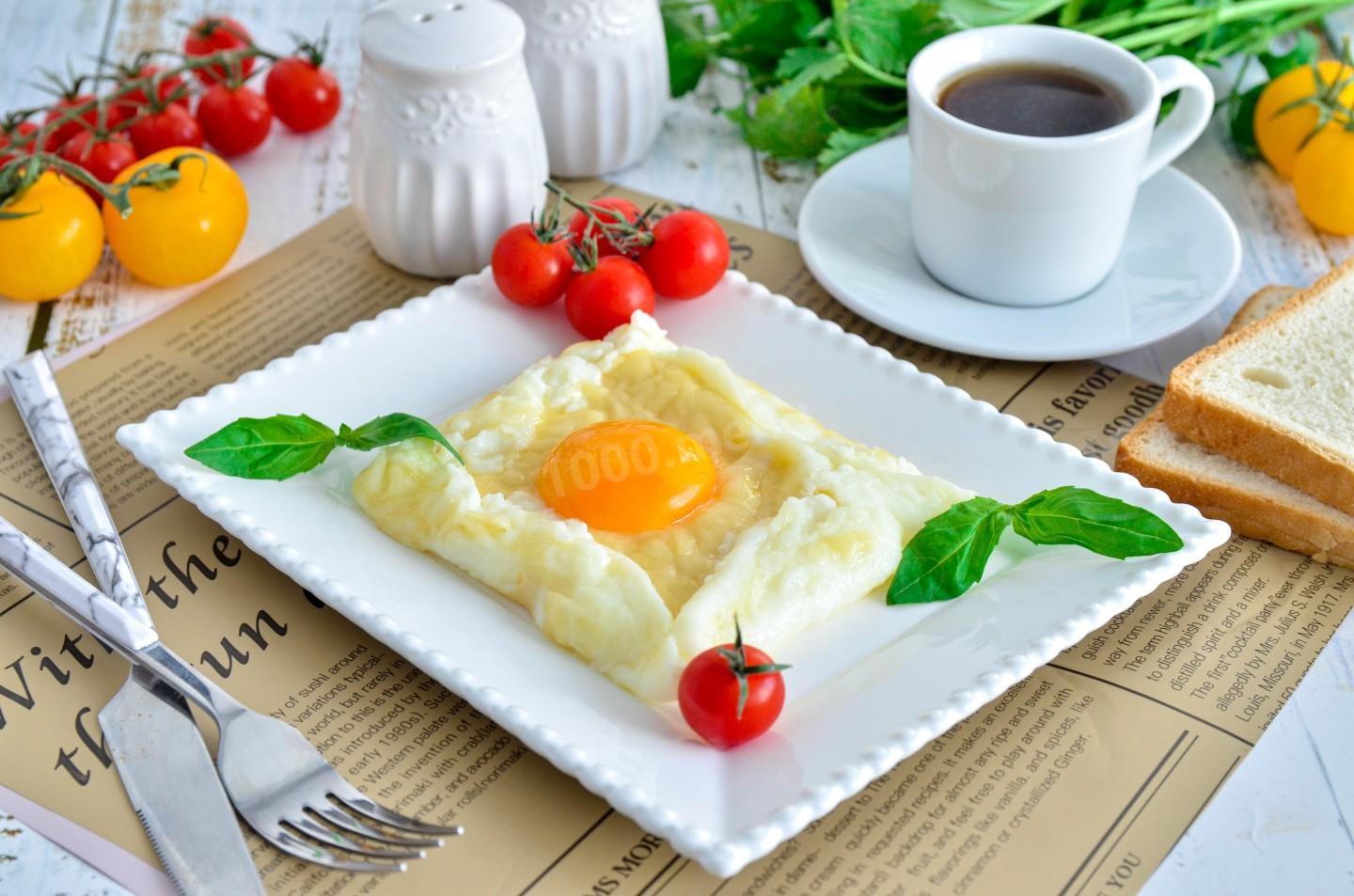
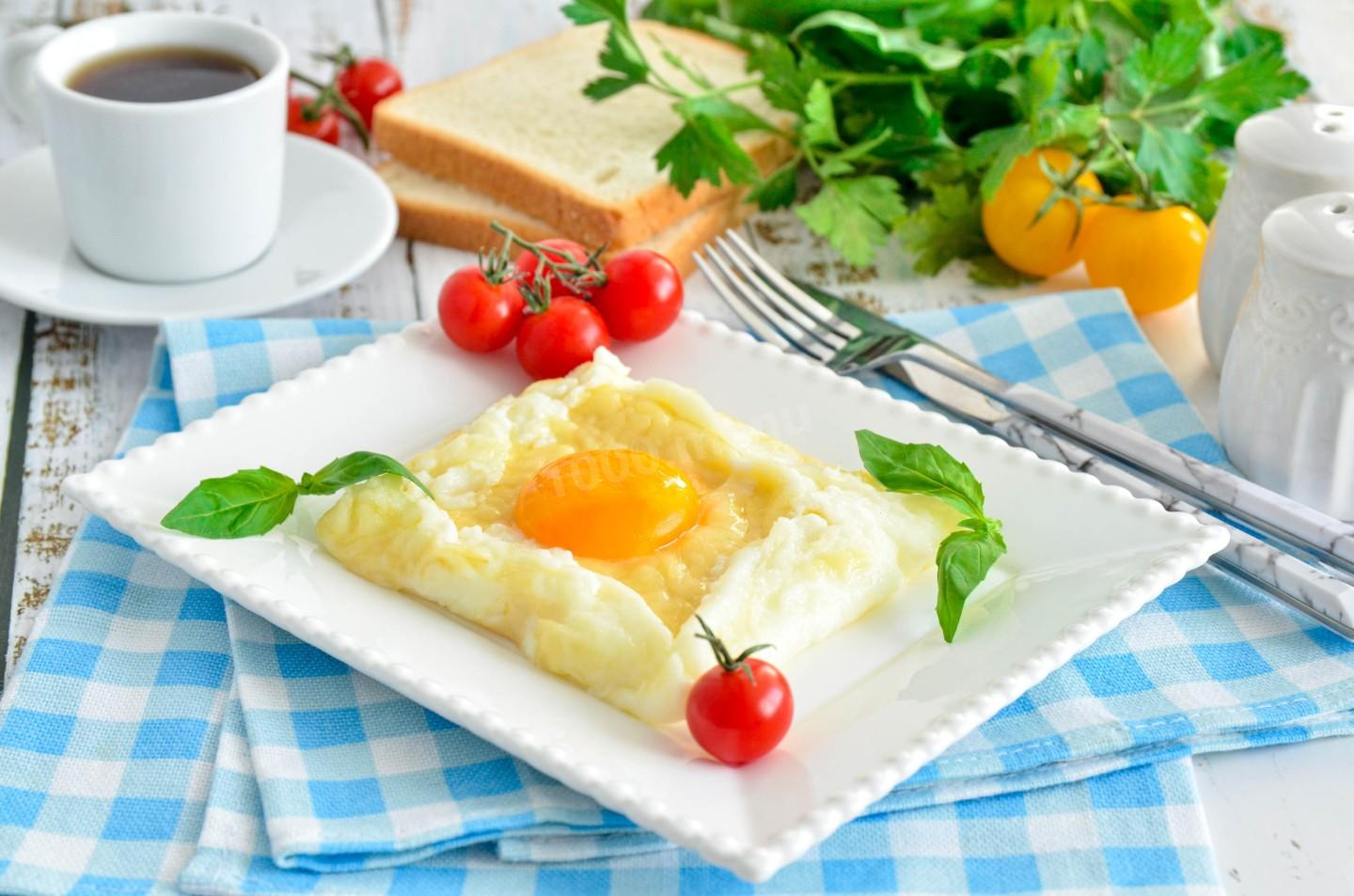
Quick, easy, tasty, and mouthwatering! This egg-and-cheese skillet breakfast is a great way to shake up your usual morning routine. Made from everyday ingredients, it has a clever twist — the white is cooked separately like a thin pancake, and the yolk is poured over the melted cheese on top.

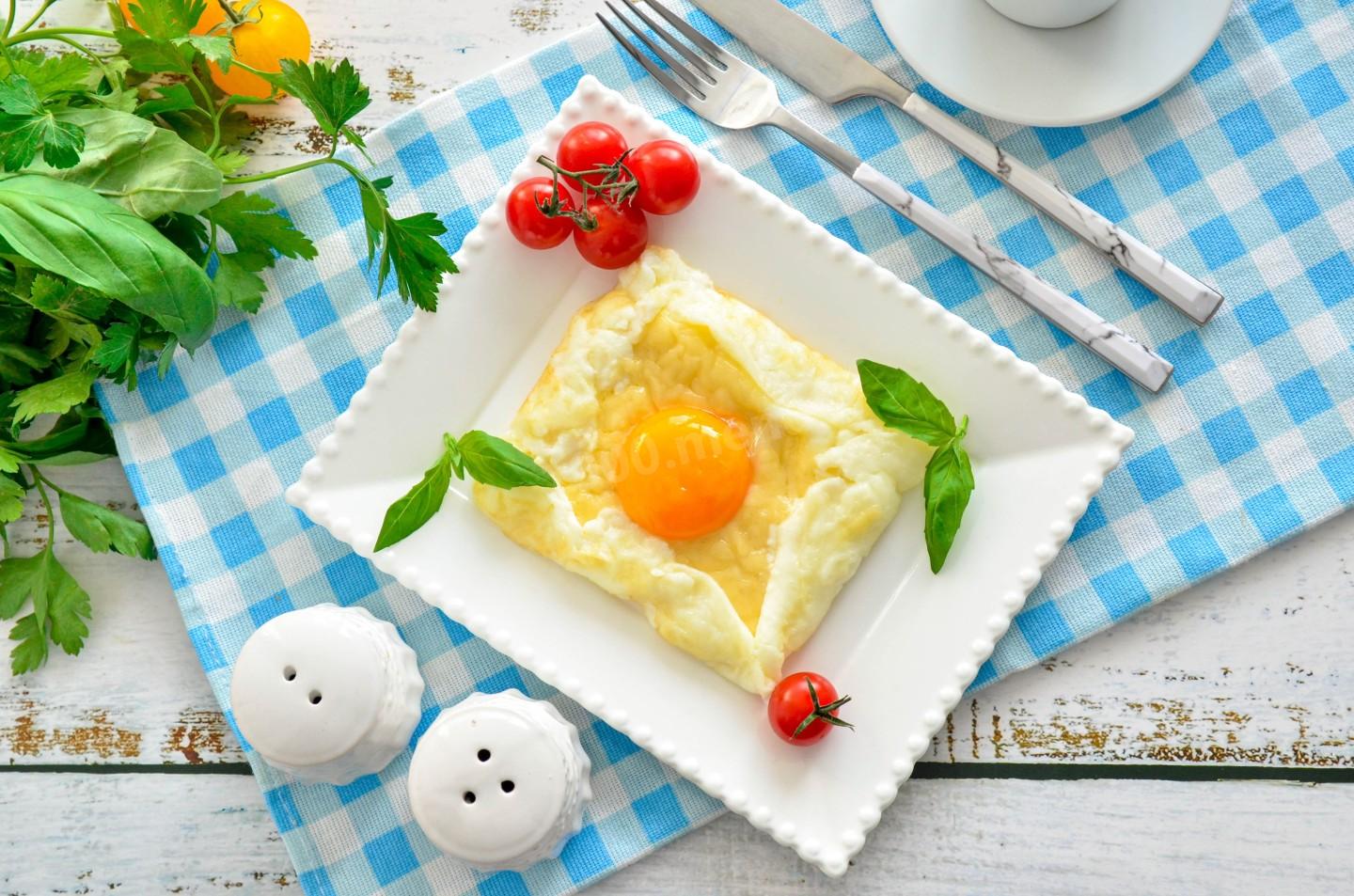
Cooking method
-
Step 1:
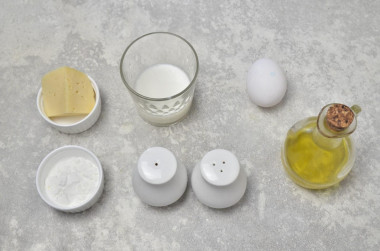
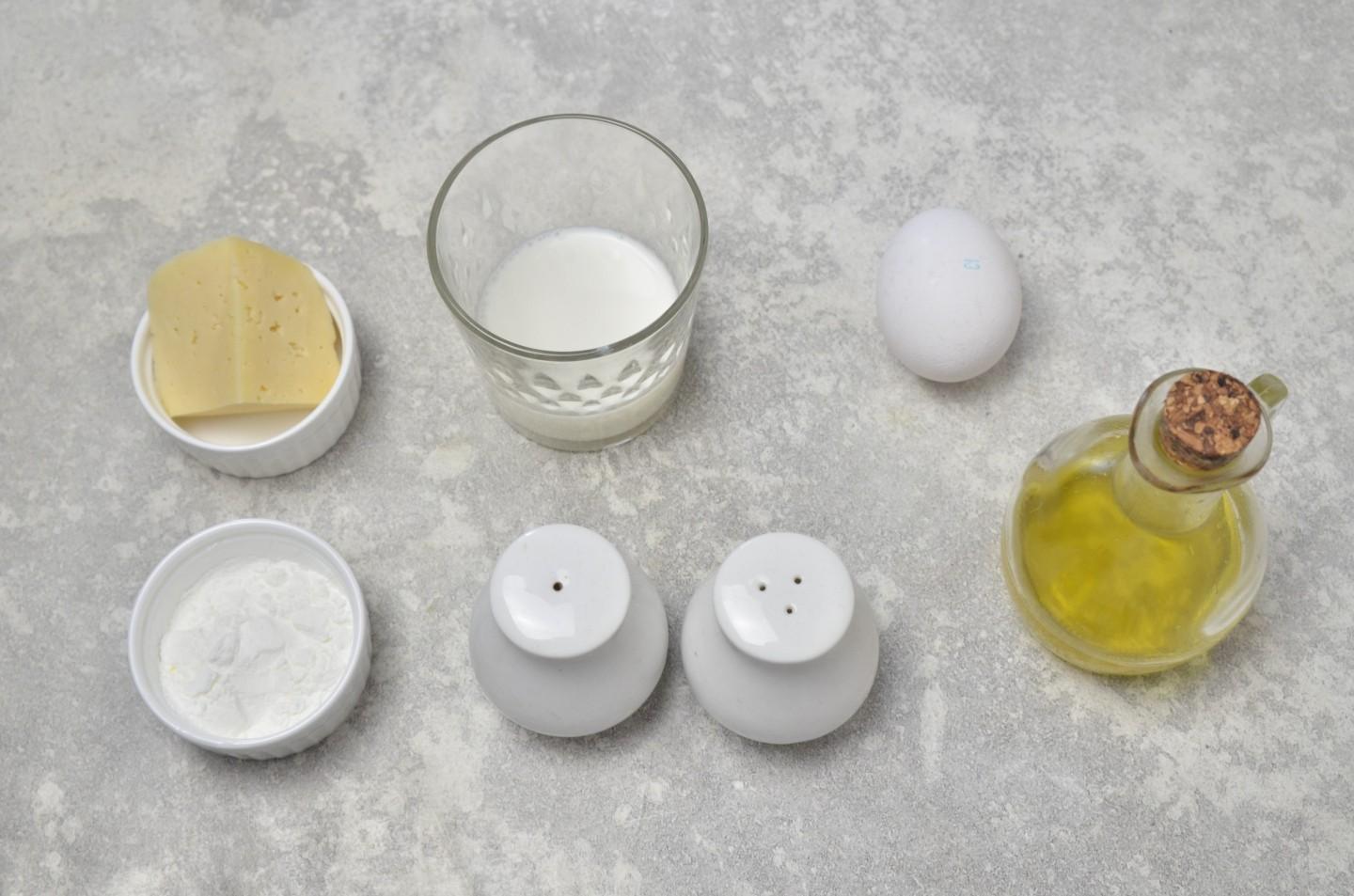
How do you make an egg-and-cheese skillet breakfast? Prep your ingredients. This recipe makes one serving, so for several people you'll cook them one at a time — though it's quick, especially if everything is ready to go. Any fat content of milk works. Any starch works too; if you use cornstarch, use twice as much as you would potato starch.
-
Step 2:
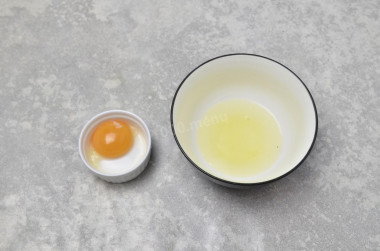
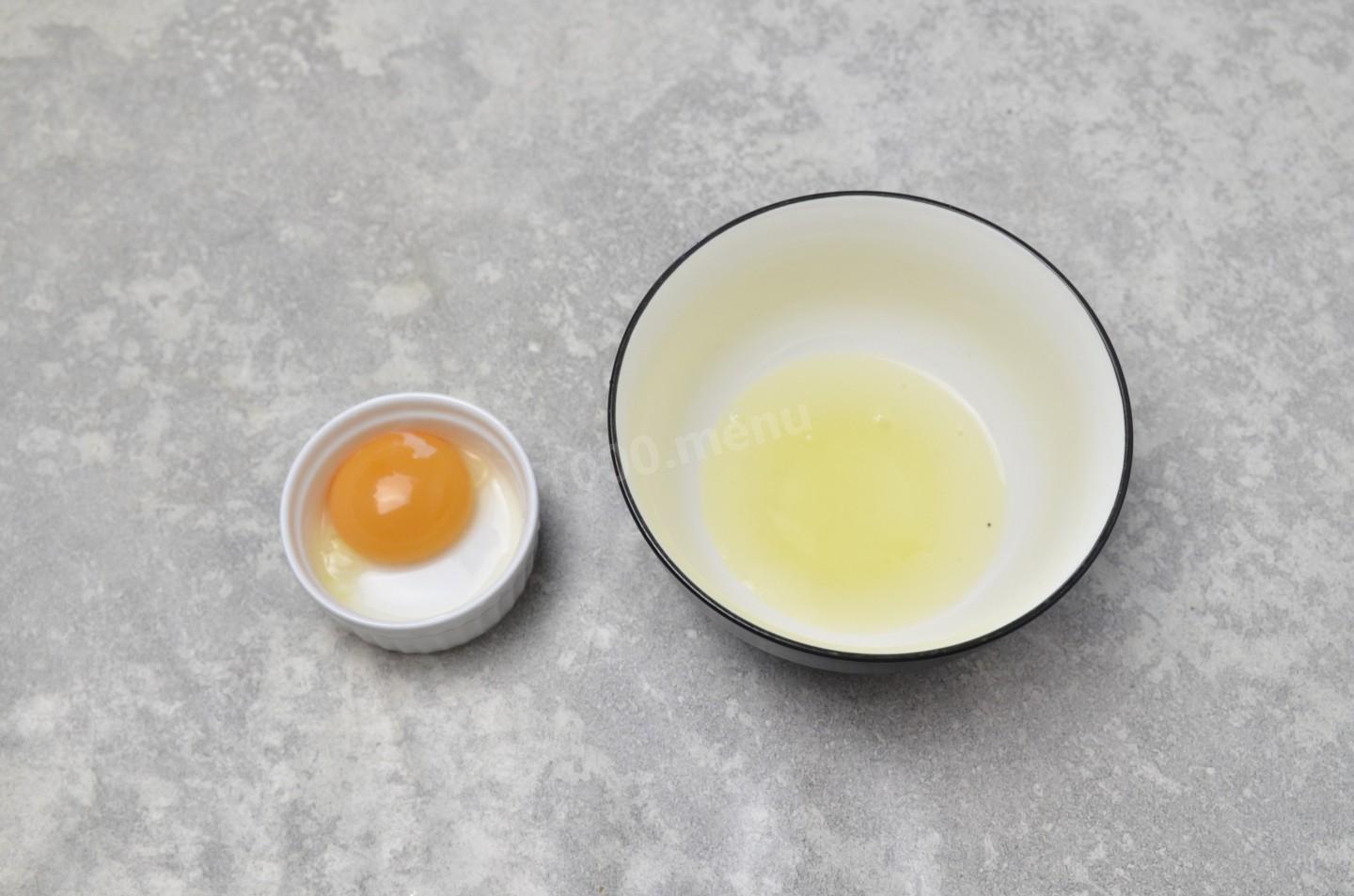
Carefully separate the egg into white and yolk. Try to keep the yolk whole and out of the white — it makes the dish both tastier and prettier. Always wash eggs before using them, since even a shell that looks clean can carry harmful bacteria. It's best to use a food-safe wash and a brush.
-
Step 3:
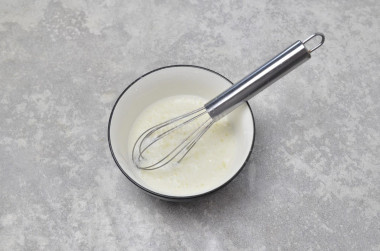
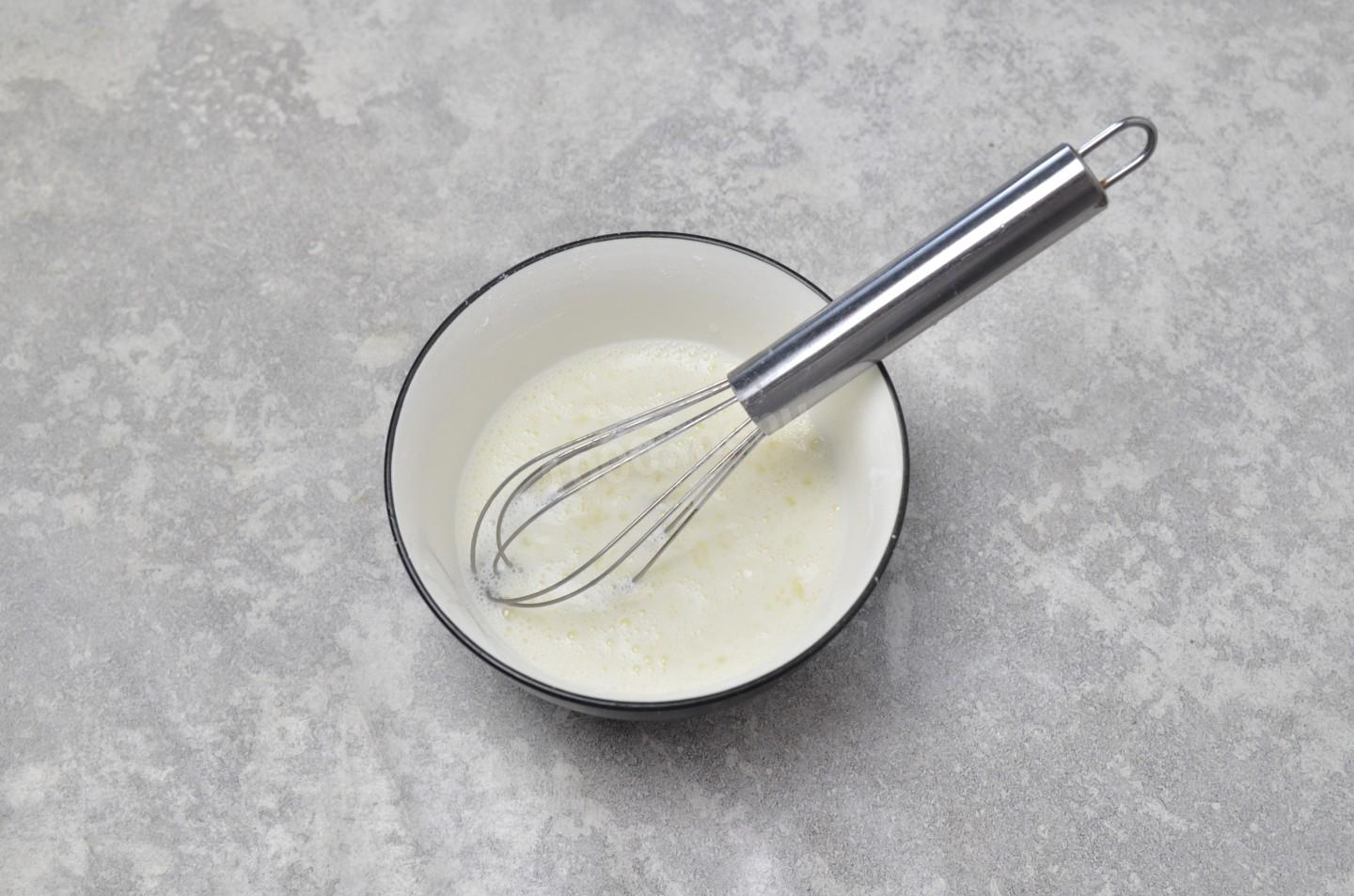
Lightly beat the white with a fork and pour in the milk. Then take a whisk and, whisking without stopping, sprinkle in the starch. Whisk until smooth — you want something like an omelet batter.
-
Step 4:
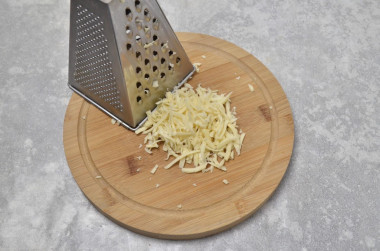
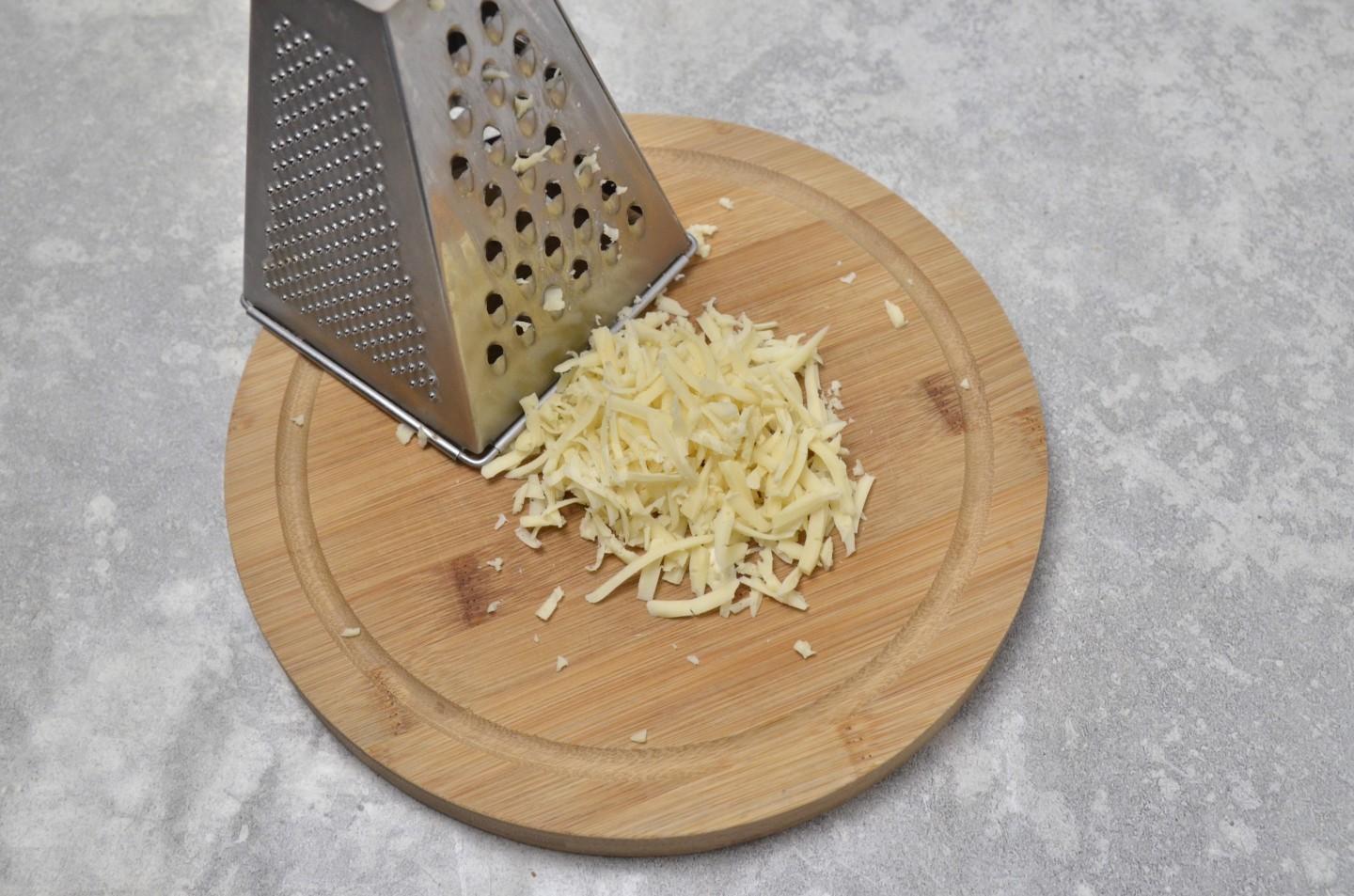
Grate the cheese on the coarse side of a grater — or the fine side, it doesn't really matter.
-
Step 5:
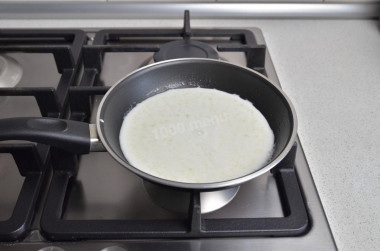
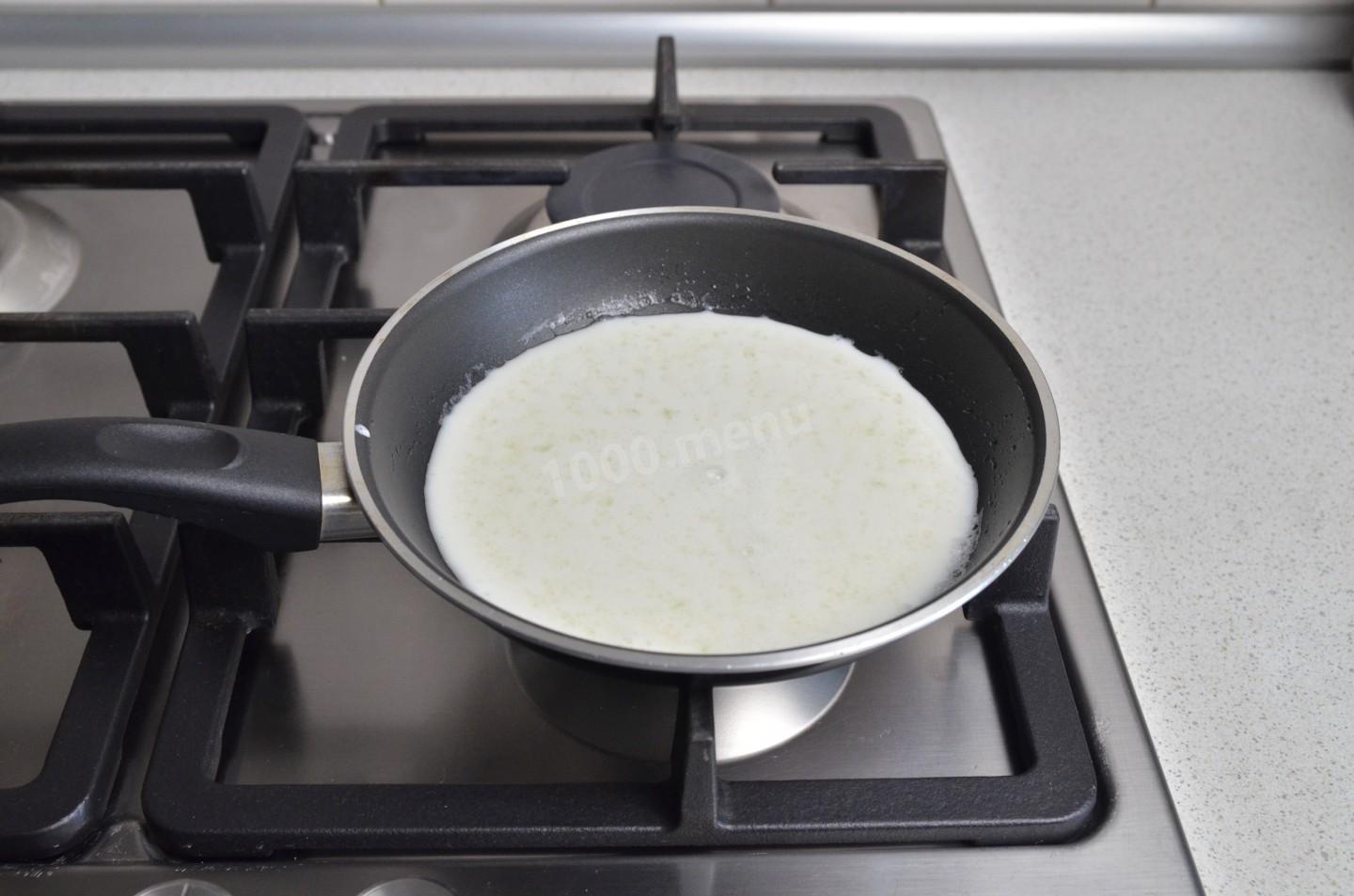
Heat a skillet over low heat. A small, single-serving nonstick pan works best. Add a drop of vegetable oil and spread it around with a brush — you don't need much for this dish. Pour the egg-and-milk mixture into the pan. Salt to taste.
-
Step 6:
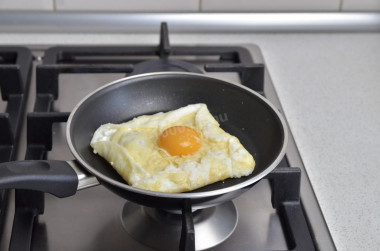
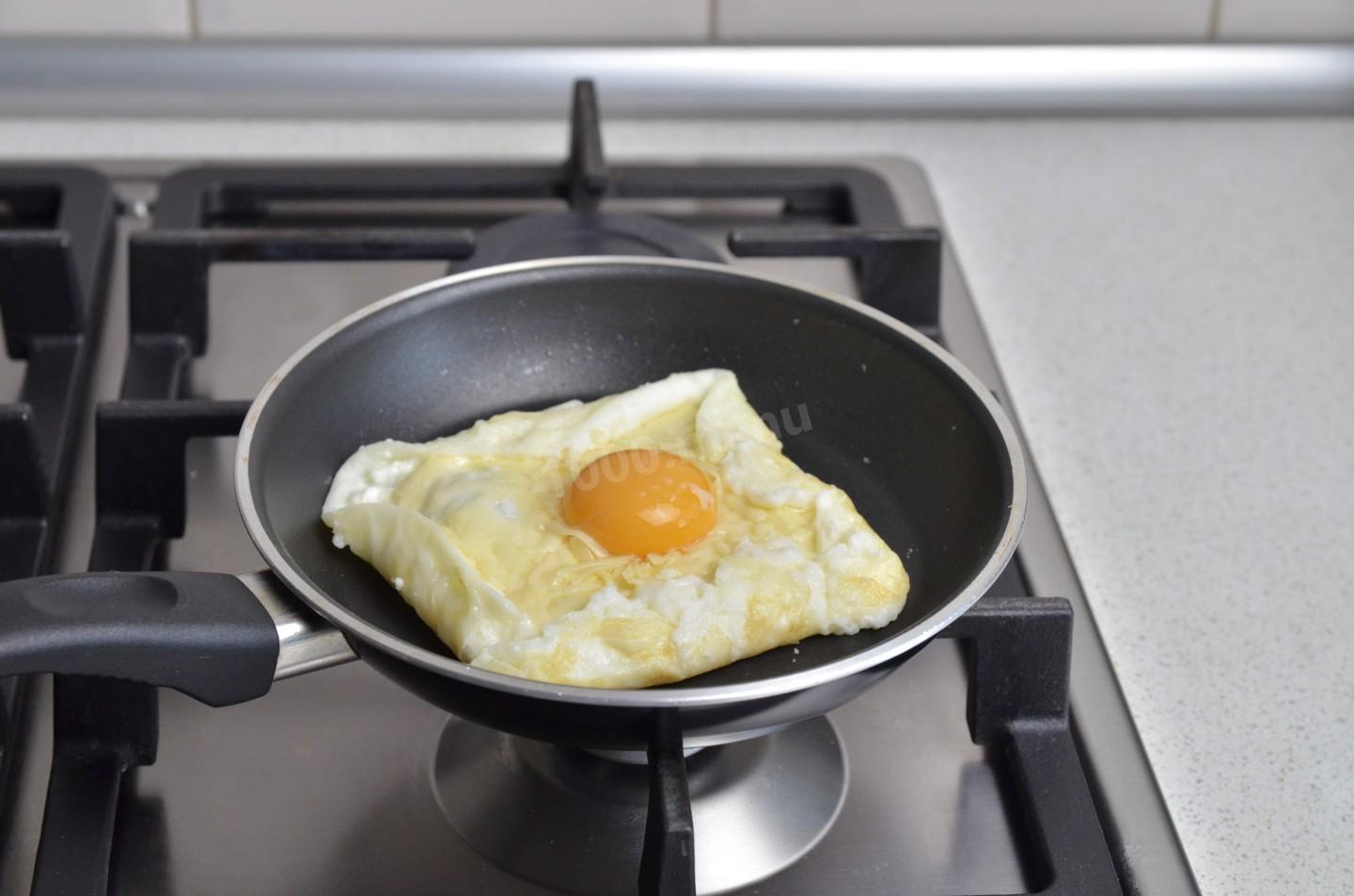
Once the pancake is fully set on top and lightly browned underneath, scatter the grated cheese over it. Right away, fold the four edges in to make an envelope. Pour the yolk into the center. Cook a few more minutes over low heat. The cheese should melt completely and the yolk should just barely set while staying runny inside. You can even cover the pan with a lid — just watch that the yolk doesn't firm up.
-
Step 7:

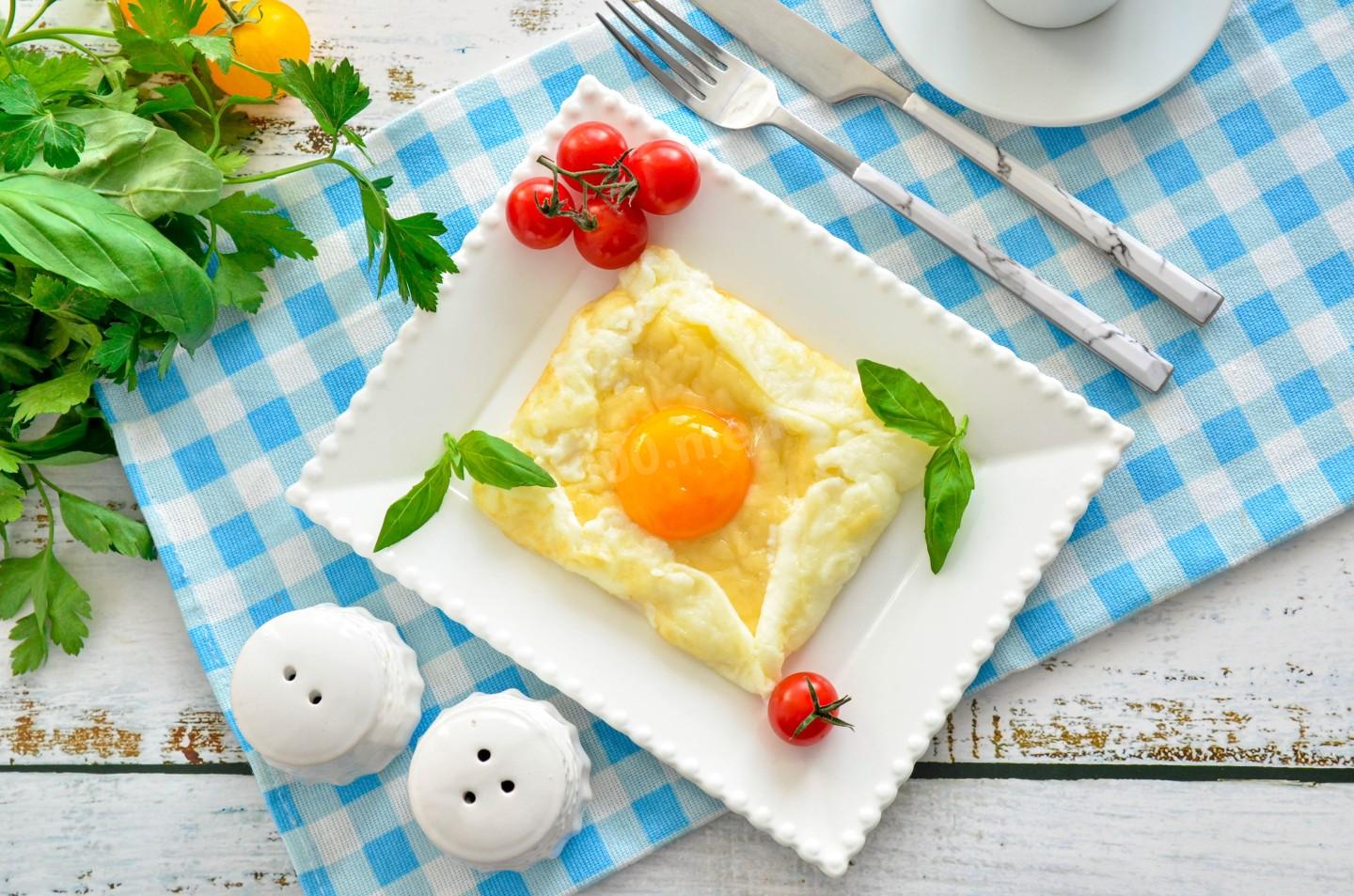
Slide the finished dish out of the pan and serve right away — this breakfast is best hot. Sprinkle freshly ground black pepper on top. Enjoy!
- How can you tell if an egg is fresh? Crack it into a separate container. First, there should be no off smell. The white of a fresh egg will be clear and clean. The yolk should hold its shape without spreading — shiny, domed, and even.
- Any cheese works here — hard, semi-hard, or soft like mozzarella. What matters is that it tastes good, is good quality with no milk-fat substitutes, and melts well.
- Important! The wrong pan can ruin even the best recipe, so it pays to pick the right skillet for what you're cooking.
Caloric content of the products possible in the composition of the dish
- Whole cow's milk - 68 kcal/100g
- Milk 3.5% fat content - 64 kcal/100g
- Milk 3.2% fat content - 60 kcal/100g
- Milk 1.5% fat content - 47 kcal/100g
- Concentrated milk 7.5% fat content - 140 kcal/100g
- Milk 2.5% fat content - 54 kcal/100g
- Chicken egg - 157 kcal/100g
- Egg white - 45 kcal/100g
- Egg powder - 542 kcal/100g
- Egg yolk - 352 kcal/100g
- Ostrich egg - 118 kcal/100g
- Dutch cheese - 352 kcal/100g
- Swiss cheese - 335 kcal/100g
- Russian cheese - 366 kcal/100g
- Kostroma cheese - 345 kcal/100g
- Yaroslavsky cheese - 361 kcal/100g
- Altai cheese 50% fat content - 356 kcal/100g
- Soviet cheese - 400 kcal/100g
- Cheese 'steppe' - 362 kcal/100g
- Uglich cheese - 347 kcal/100g
- Poshekhonsky cheese - 350 kcal/100g
- Lambert cheese - 377 kcal/100g
- Appnzeller cheese with 50% fat content - 400 kcal/100g
- Chester cheese with 50% fat content - 363 kcal/100g
- Edamer cheese with 40% fat content - 340 kcal/100g
- Cheese with mushrooms of 50% fat content - 395 kcal/100g
- Emmental cheese with 45% fat content - 420 kcal/100g
- Gouda cheese with 45% fat content - 356 kcal/100g
- Aiadeus cheese - 364 kcal/100g
- Dom blanc cheese (semi-hard) - 360 kcal/100g
- Lo spalmino cheese - 61 kcal/100g
- Cheese 'etorki' (sheep, hard) - 401 kcal/100g
- White cheese - 100 kcal/100g
- Fat yellow cheese - 260 kcal/100g
- Altai cheese - 355 kcal/100g
- Kaunas cheese - 355 kcal/100g
- Latvian cheese - 316 kcal/100g
- Limburger cheese - 327 kcal/100g
- Lithuanian cheese - 250 kcal/100g
- Lake cheese - 350 kcal/100g
- Gruyere cheese - 396 kcal/100g
- Ground black pepper - 255 kcal/100g
- Starch - 320 kcal/100g
- Salt - 0 kcal/100g
Similar recipes


- Fast and tasty
- For breakfast
- Snacks
- Second course
- Eggs
- Cheese
- Dairy products
- Vegetables
- Spices seasonings spices
- Fats and oils
- Other
- Pepper
- Salt
- Thyme
- Vegetable oil
- Starch
- Hot snacks
- Quick snacks
- Frying
- In a frying pan
- Hasty snacks
- Tomatoes fast and delicious
- The second is fast and delicious
- Dishes in 10 minutes
- Dishes in 30 minutes
- Eggs with tomatoes
- Egg breakfast
- Made of solid cheese
- Milk
- From tomato
- From onion
- Vegetarianism
- Recipes for lean dishes without butter