Blini with Red Caviar
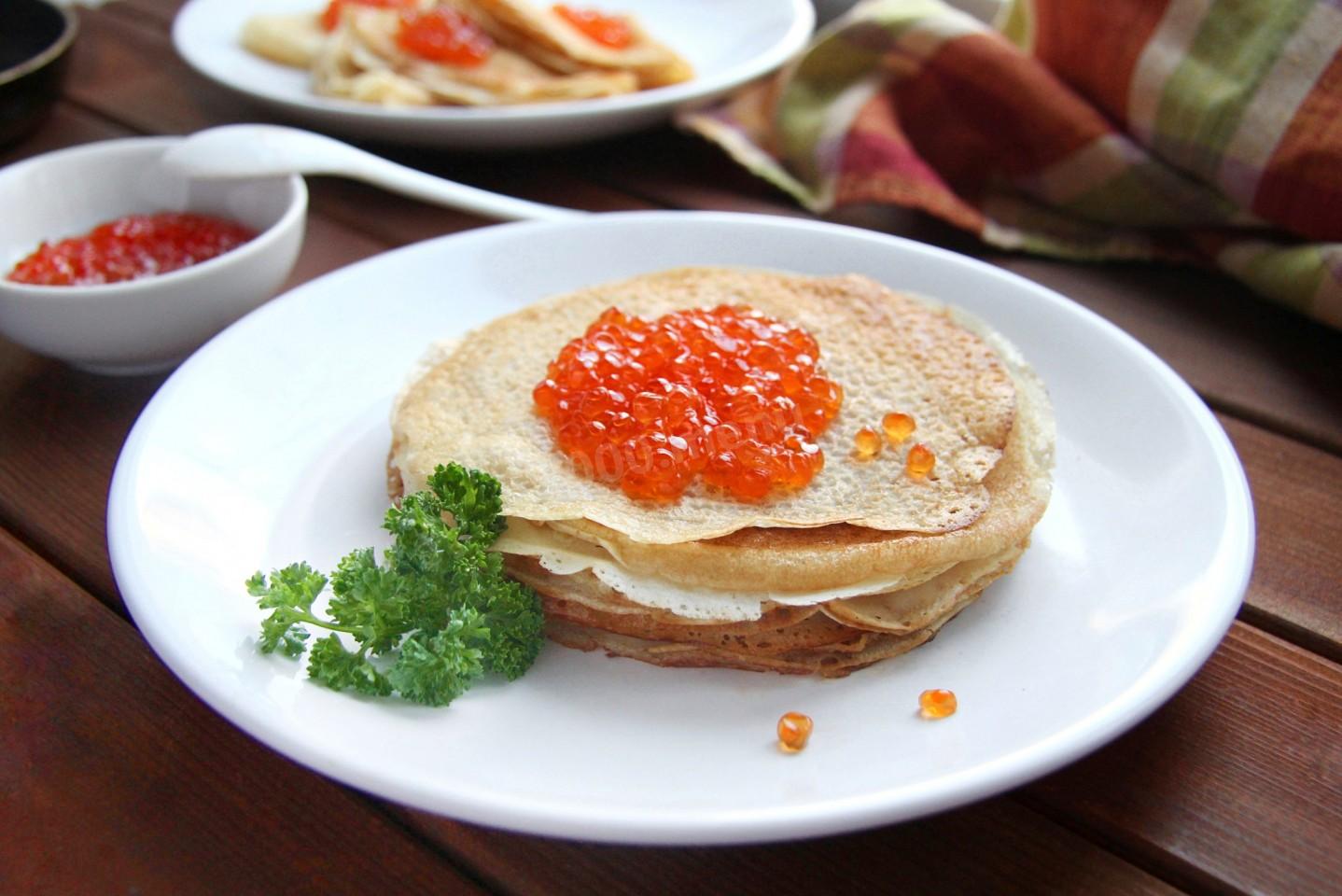
An age-old Russian food that's a real delicacy today. In old Russia, caviar blini were baked the size of a saucer. The flour was traditionally buckwheat, and the caviar itself wasn't red but black — beluga sturgeon roe. Later, though, it was the wheat-flour blini with red caviar that earned their place as a symbol of Russian cuisine.

Cooking method
-
Step 1:
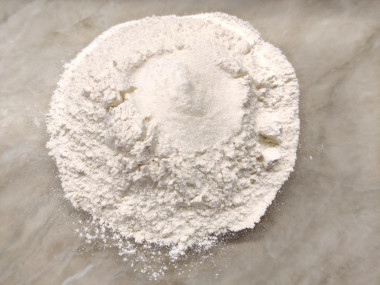
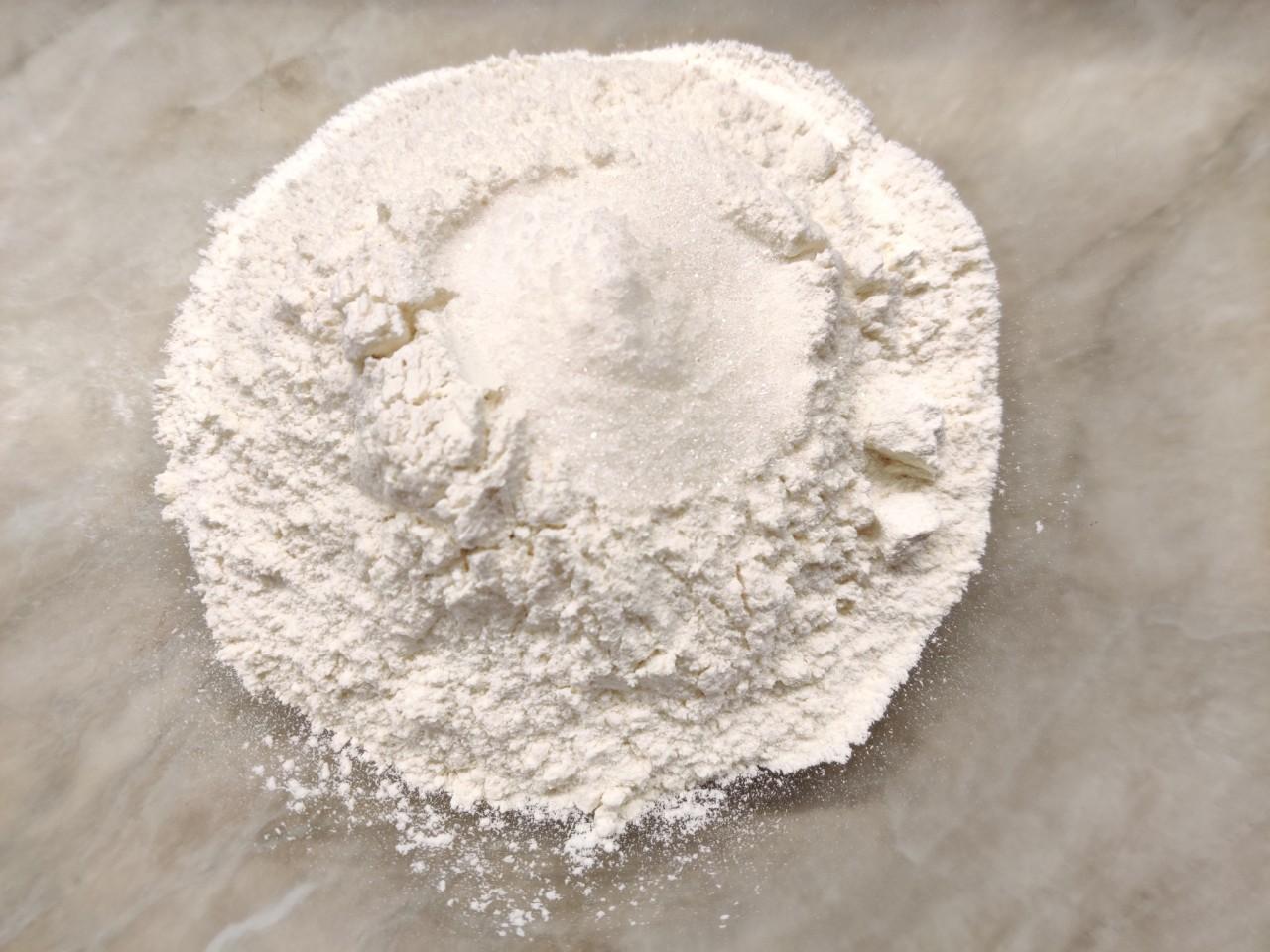
In a bowl, whisk together the dry ingredients: flour, sugar, and salt.
-
Step 2:
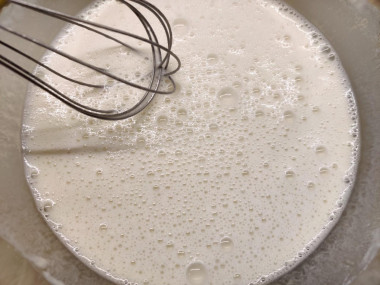
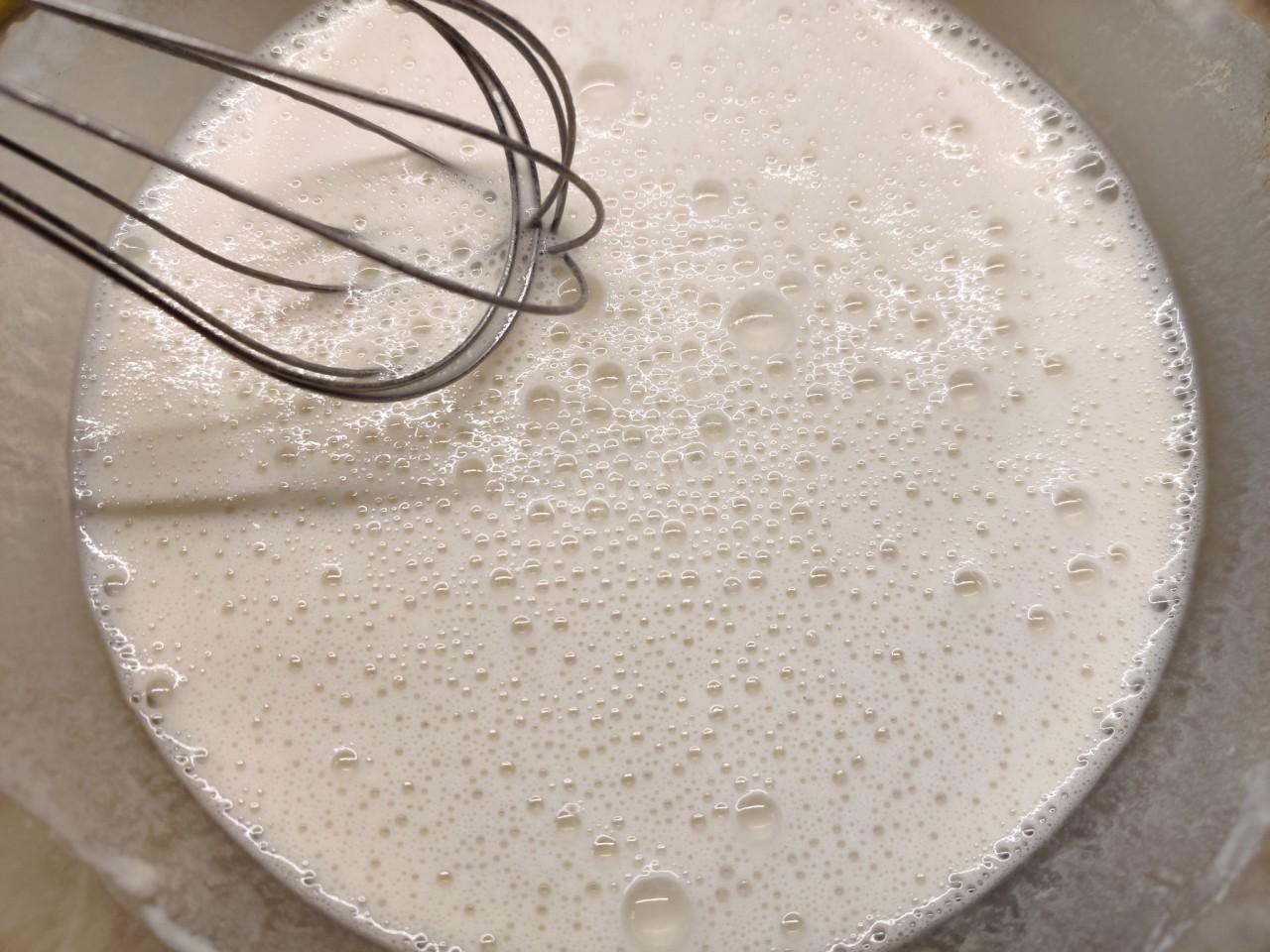
Wash the eggs and crack them into the bowl. Pour in the milk and beat the mixture thoroughly with a mixer. You can also use an immersion blender — it aerates the batter even better, so the blini come out lacier.
-
Step 3:
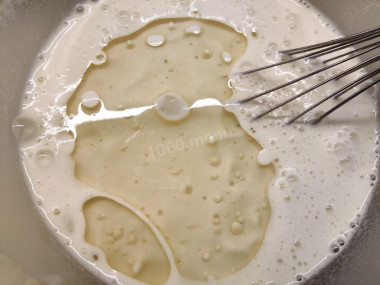
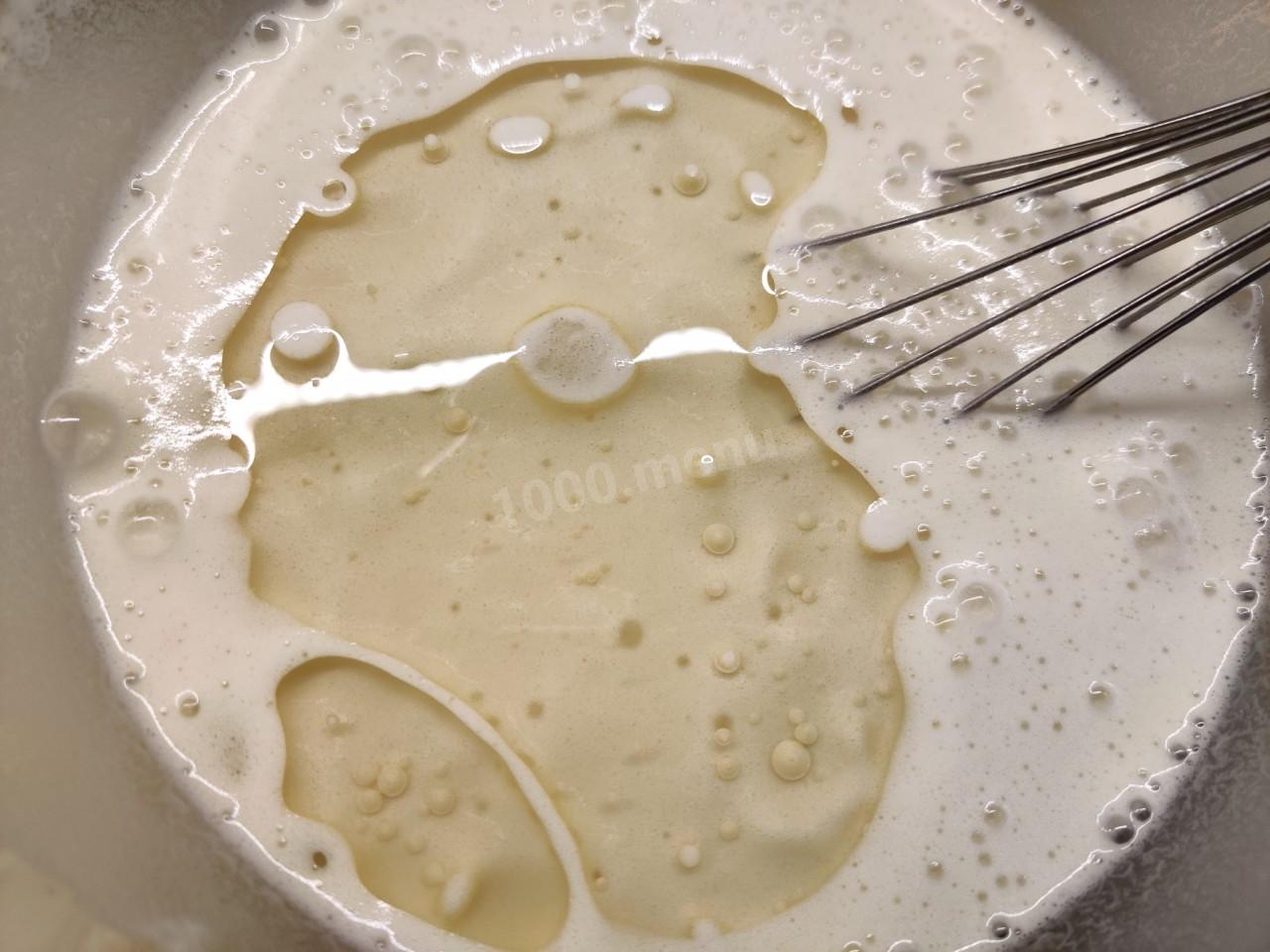
Add the sunflower oil to the batter and blend again. This keeps the blini from sticking and makes them easier to lift out of the pan.
-
Step 4:
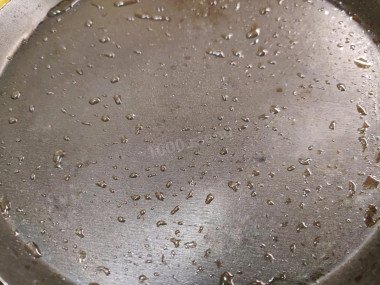
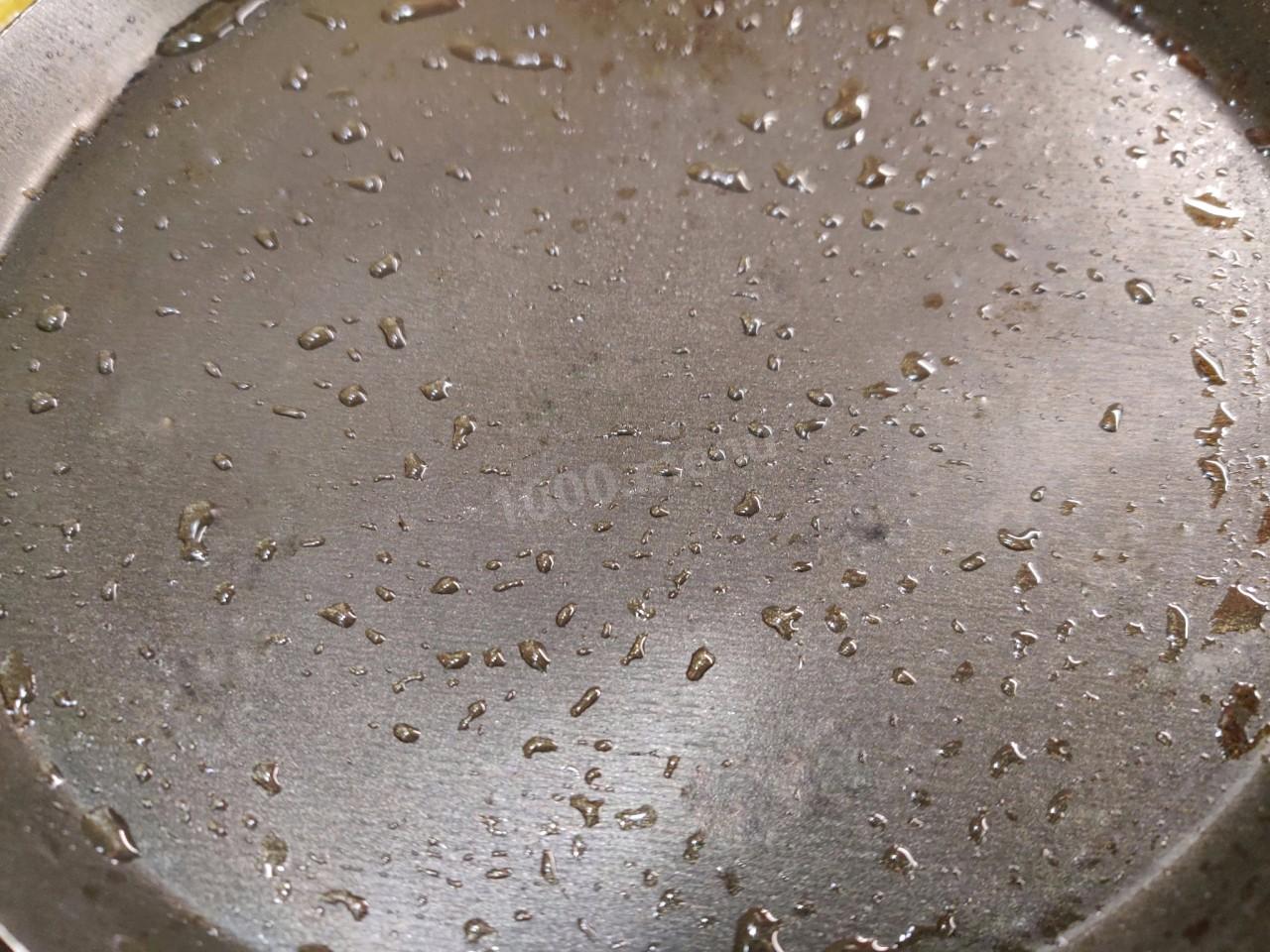
Heat a crêpe pan (one with low sides) well over high heat, then grease it with a drop of sunflower oil. You can skip the oil entirely if you're completely confident in your pan's nonstick coating.
-
Step 5:
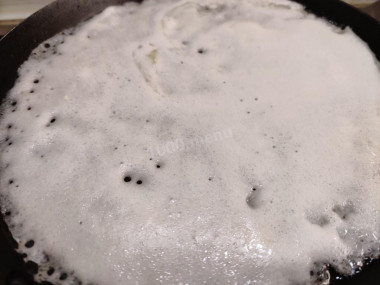
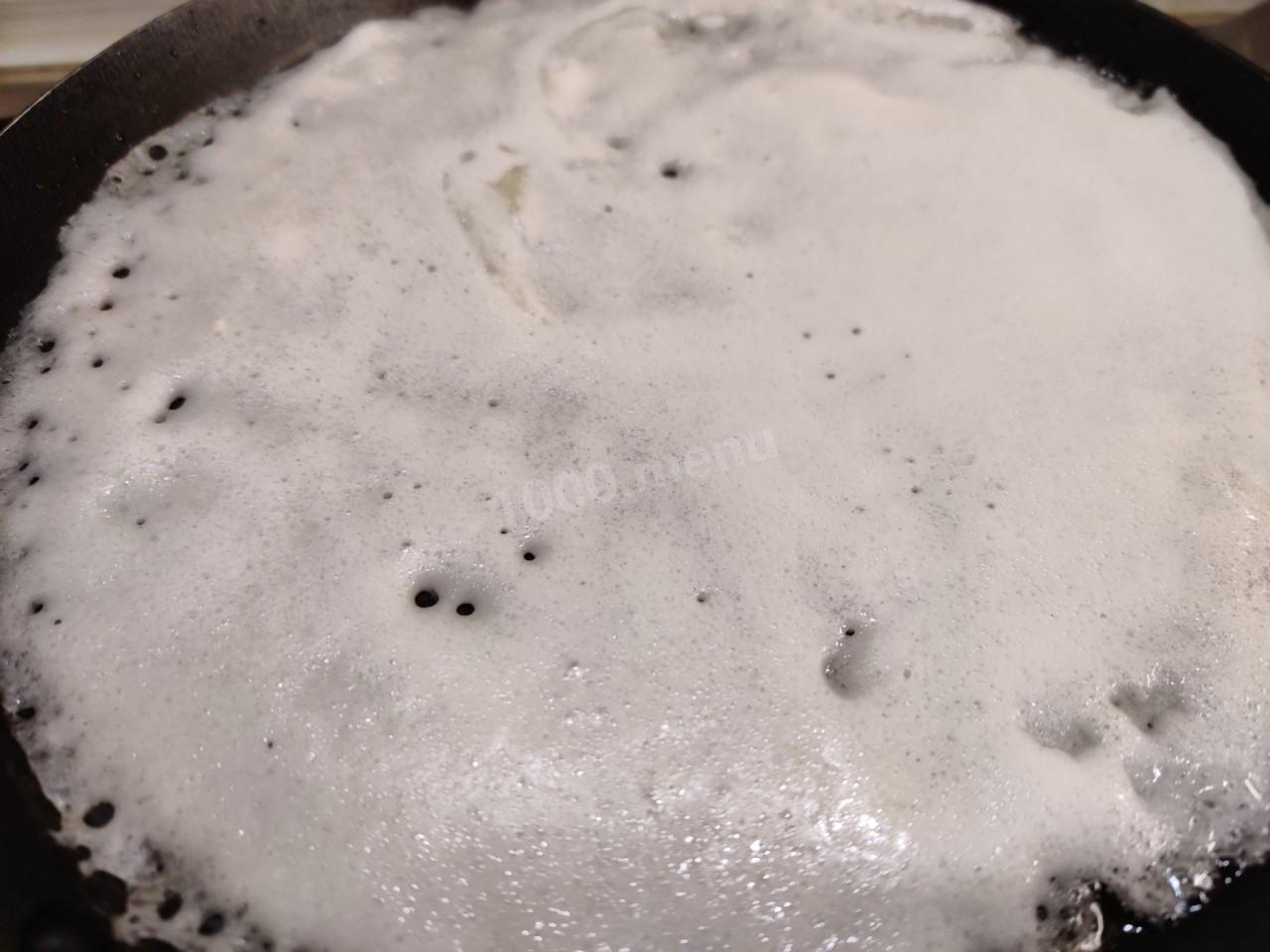
Lower the heat to medium. Pour a small ladleful of batter into the pan (I use the ladle from my slow cooker) and tilt it in a circular motion to spread the batter into an even round. Cook for about a minute.
-
Step 6:
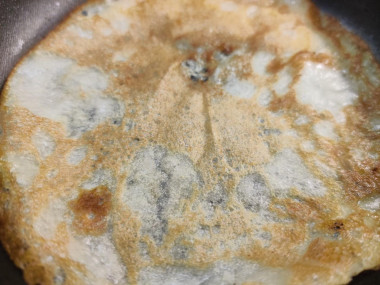
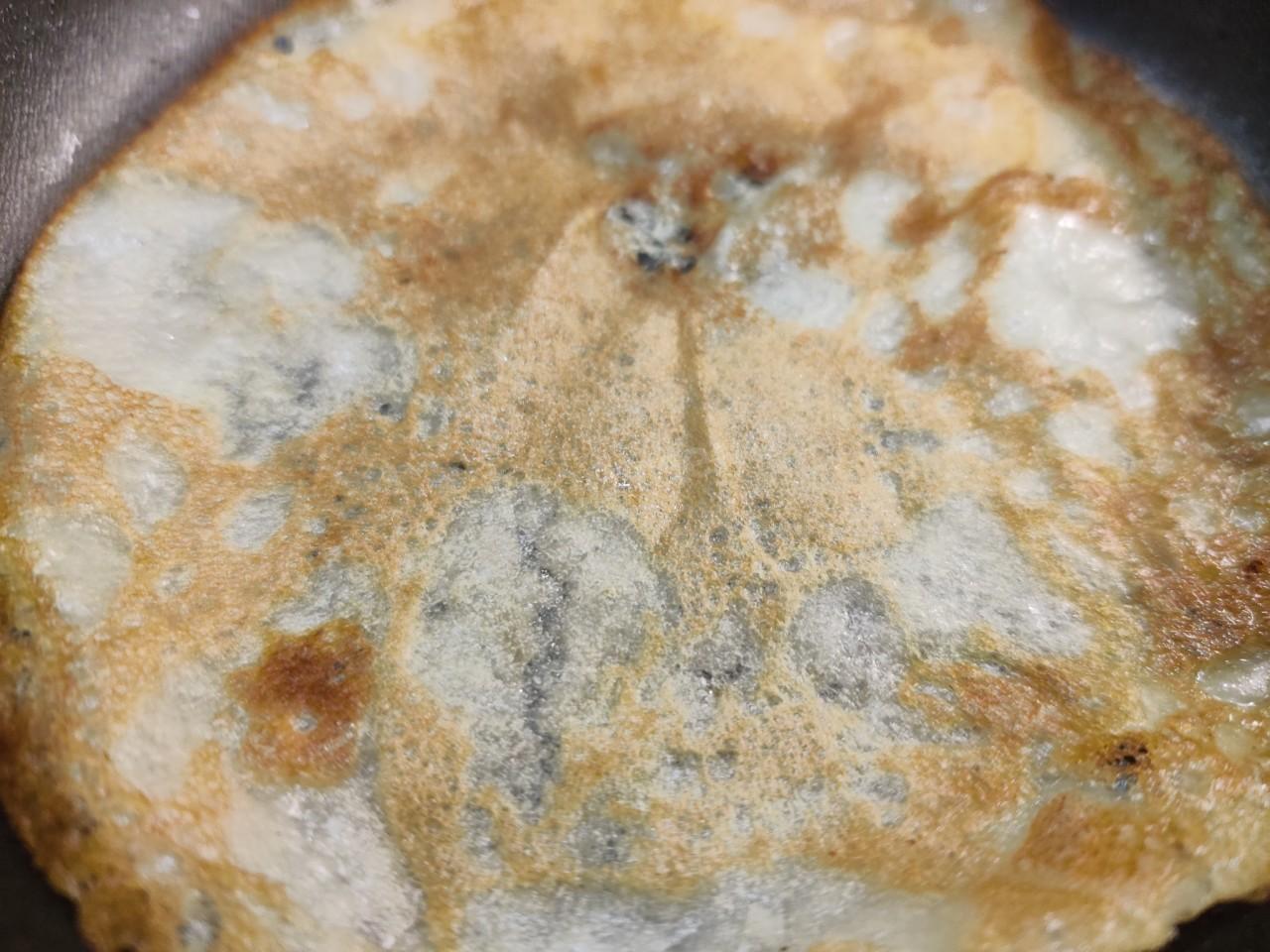
Flip the blin over and cook another half a minute, until browned. Slide it onto a plate. Repeat with the rest of the batter.
-
Step 7:
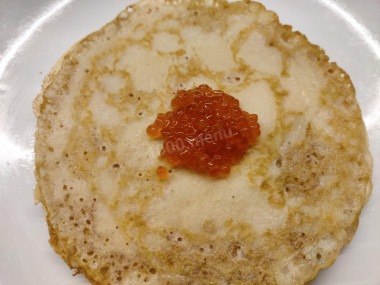
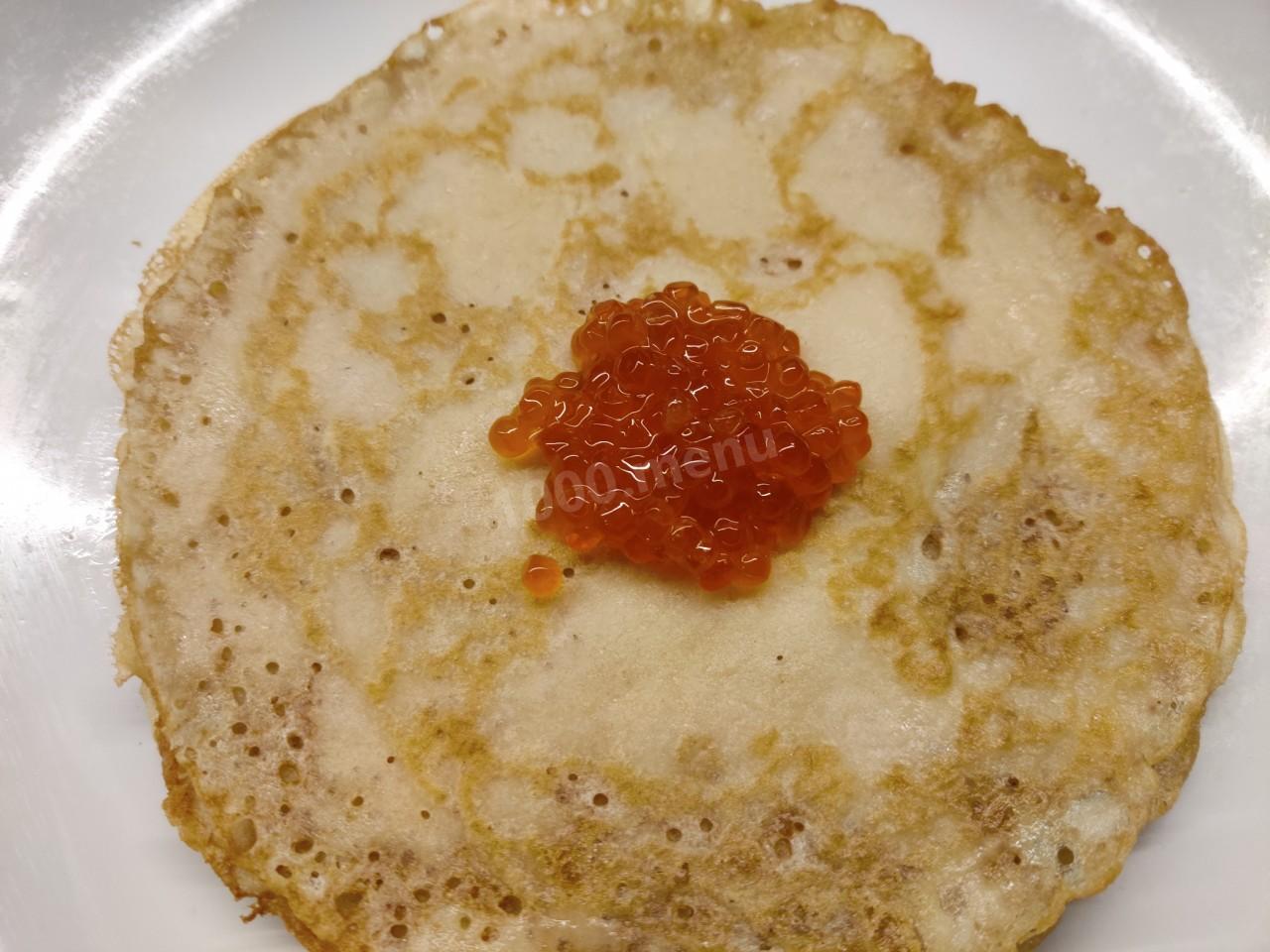
Once the blini have cooled a little, start filling them. Spoon caviar into the center of each one, as much as you like — I use a heaping teaspoon.
-
Step 8:
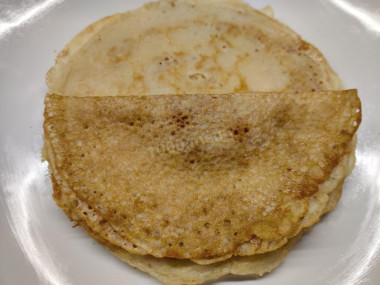
Fold the blin in half.
-
Step 9:
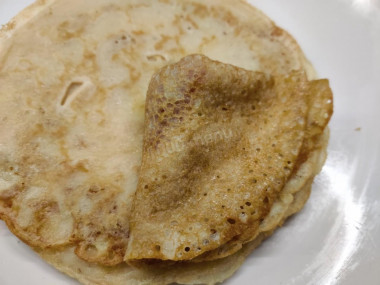
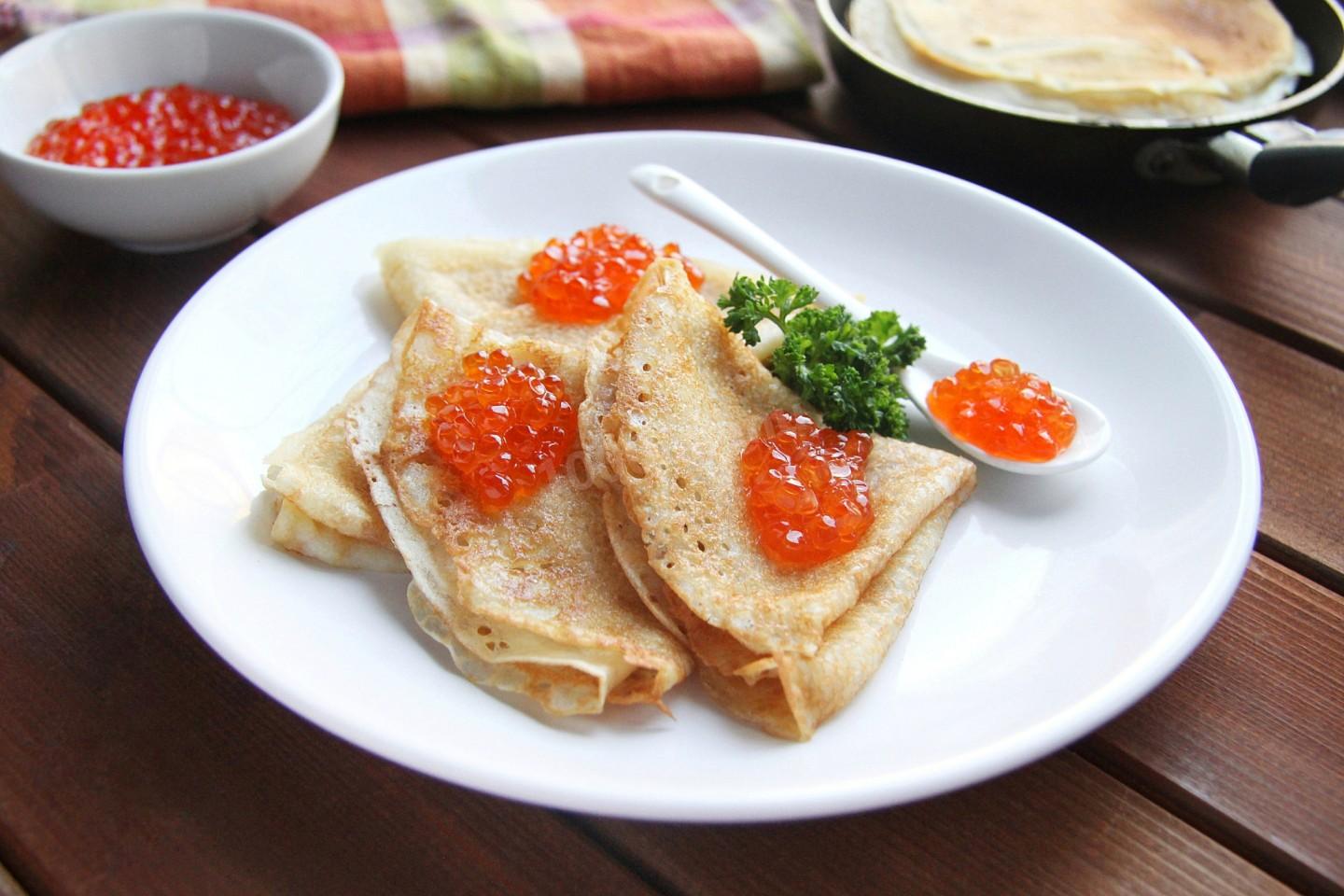
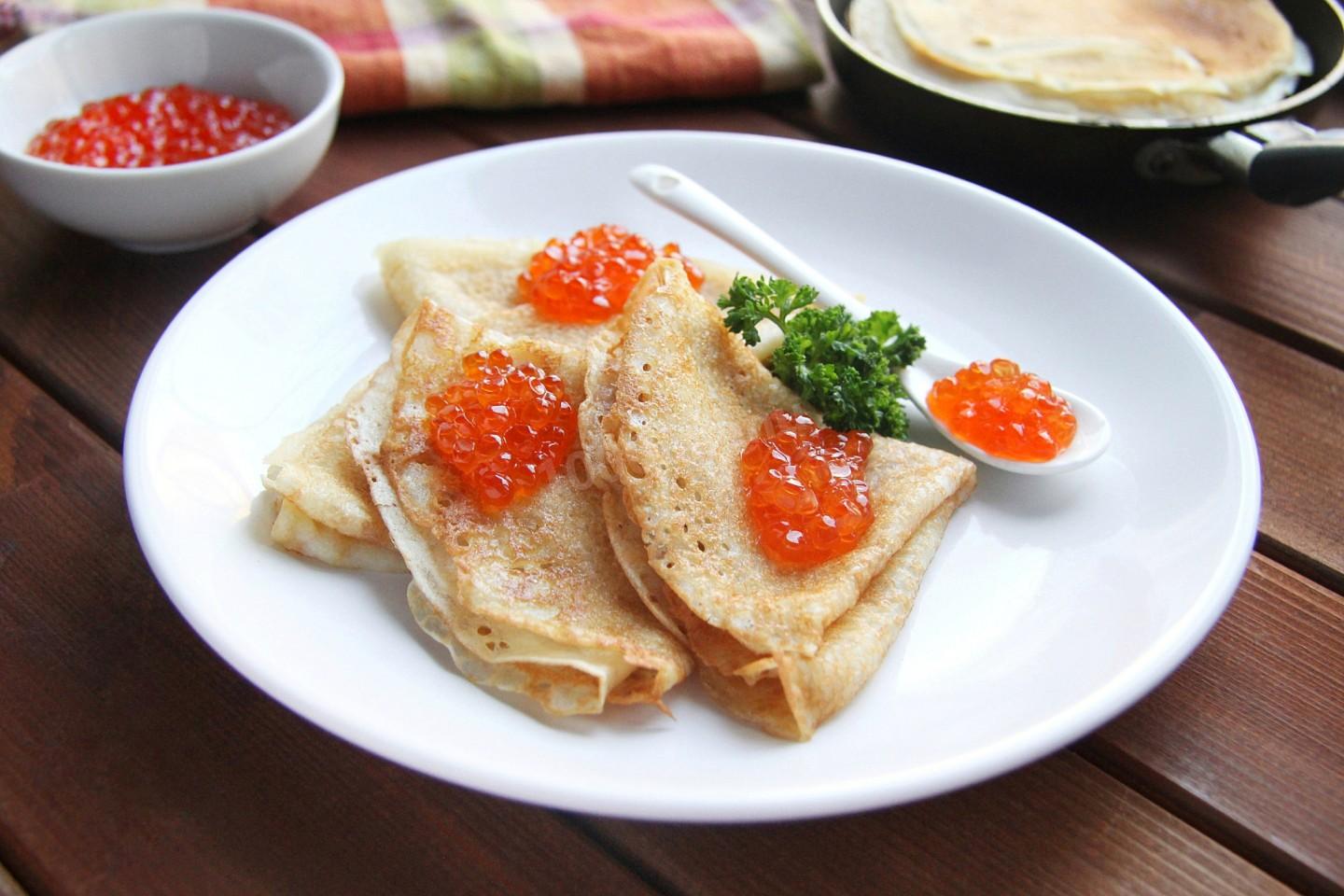
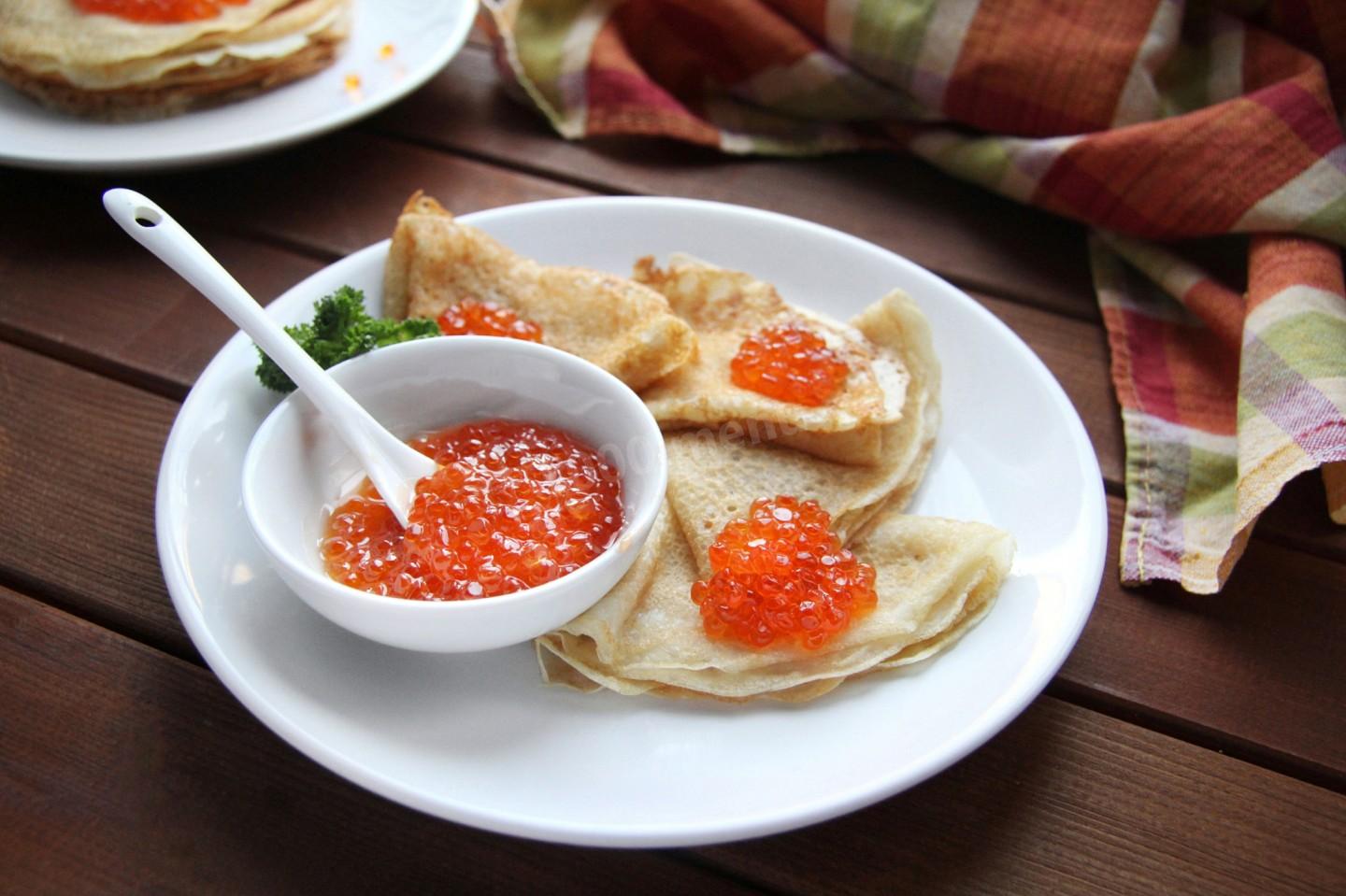
Then fold it in half again, into a tempting triangle. Arrange the blini on a serving platter and garnish with red caviar.
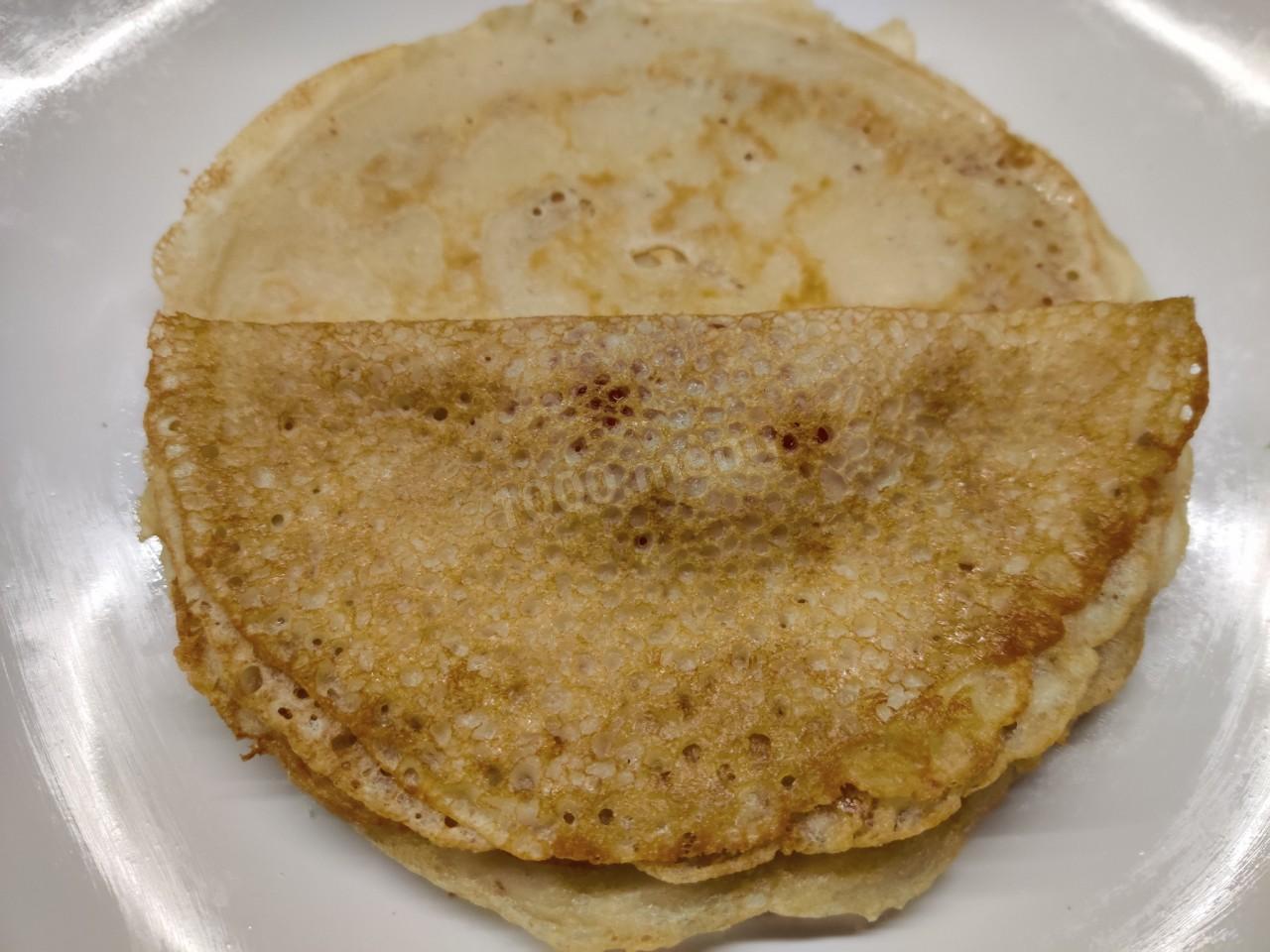
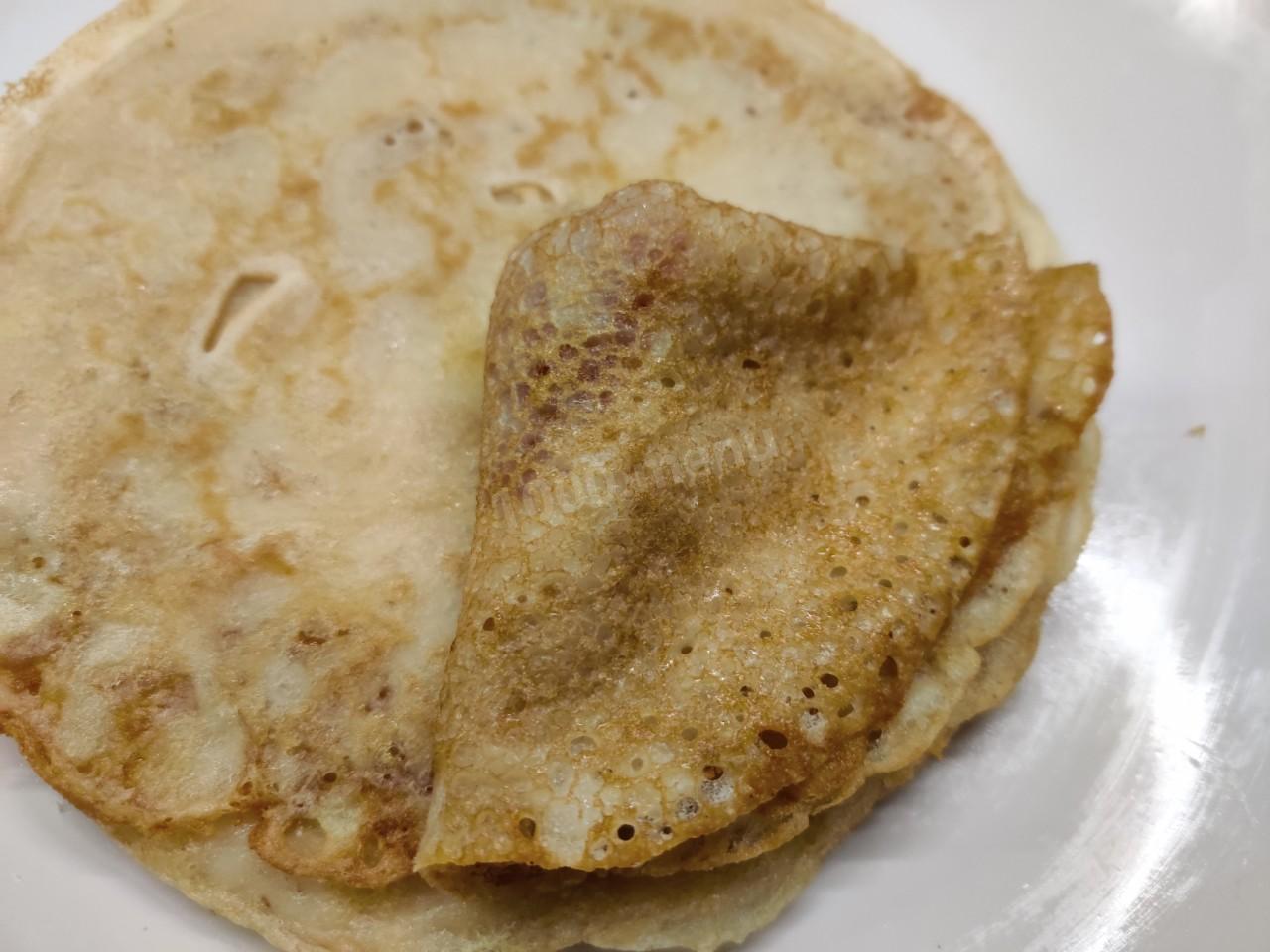
- With a good-quality pan, you'll only need to grease it once — the very first time. After that the blini will release just fine without oil. But there's nothing wrong with greasing the pan every three or four blini. Keep in mind that these blini come out slightly sweet — just a touch. I happen to think a sweet-and-salty contrast is always a good thing: the faintly sweet blin sets off the salty caviar beautifully. I served these as a cold appetizer. Thanks to the folded shape, the filling stays put and the caviar pearls stay whole inside. Guests could add more caviar to their own blini if they liked. Everyone was happy and raved about this special treat. Enjoy!
Caloric content of the products possible in the composition of the dish
- Whole cow's milk - 68 kcal/100g
- Milk 3.5% fat content - 64 kcal/100g
- Milk 3.2% fat content - 60 kcal/100g
- Milk 1.5% fat content - 47 kcal/100g
- Concentrated milk 7.5% fat content - 140 kcal/100g
- Milk 2.5% fat content - 54 kcal/100g
- Chicken egg - 157 kcal/100g
- Egg white - 45 kcal/100g
- Egg powder - 542 kcal/100g
- Egg yolk - 352 kcal/100g
- Ostrich egg - 118 kcal/100g
- Granulated sugar - 398 kcal/100g
- Sugar - 398 kcal/100g
- Pink salmon caviar grainy - 230 kcal/100g
- Salmon caviar grainy - 245 kcal/100g
- Salt - 0 kcal/100g
- Wheat flour - 325 kcal/100g
- Sunflower oil - 898 kcal/100g
- Refined sunflower oil - 899 kcal/100g
Similar recipes

- Festive table
- For breakfast
- National cuisine
- Old recipes
- Snacks
- Baking
- Eggs
- Seafood
- Dairy products
- Flour
- Sweet
- Spices seasonings spices
- Fats and oils
- Salt
- Vegetable oil
- Russian cuisine
- Frying
- In a frying pan
- Pancakes and pancakes
- Yeast-free baking
- Unsweetened pastries
- Egg breakfast
- Caviar
- Milk
- Wheat flour
- Recipes for lean dishes without butter
- Sugar