Fluffy Kefir Pancakes
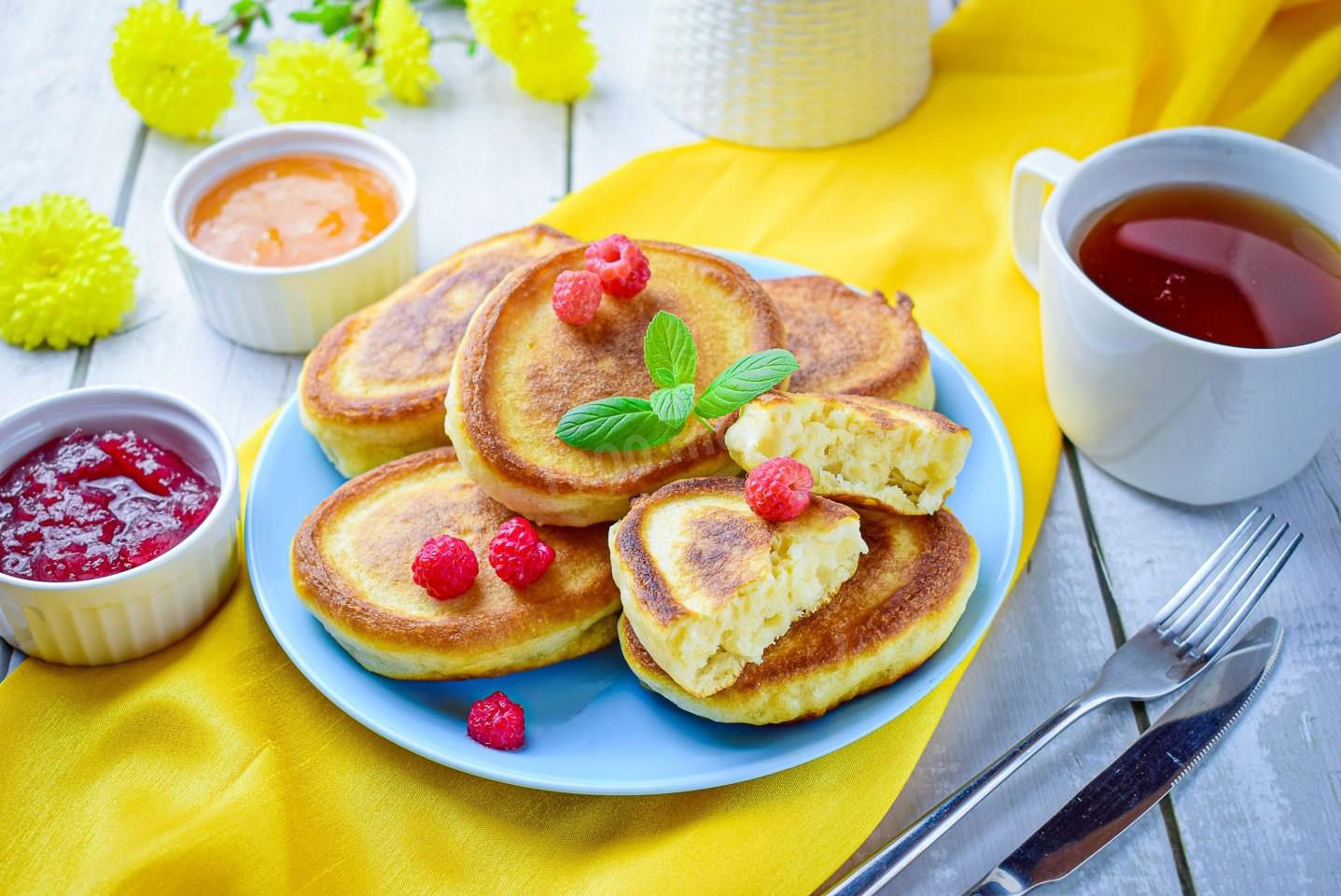
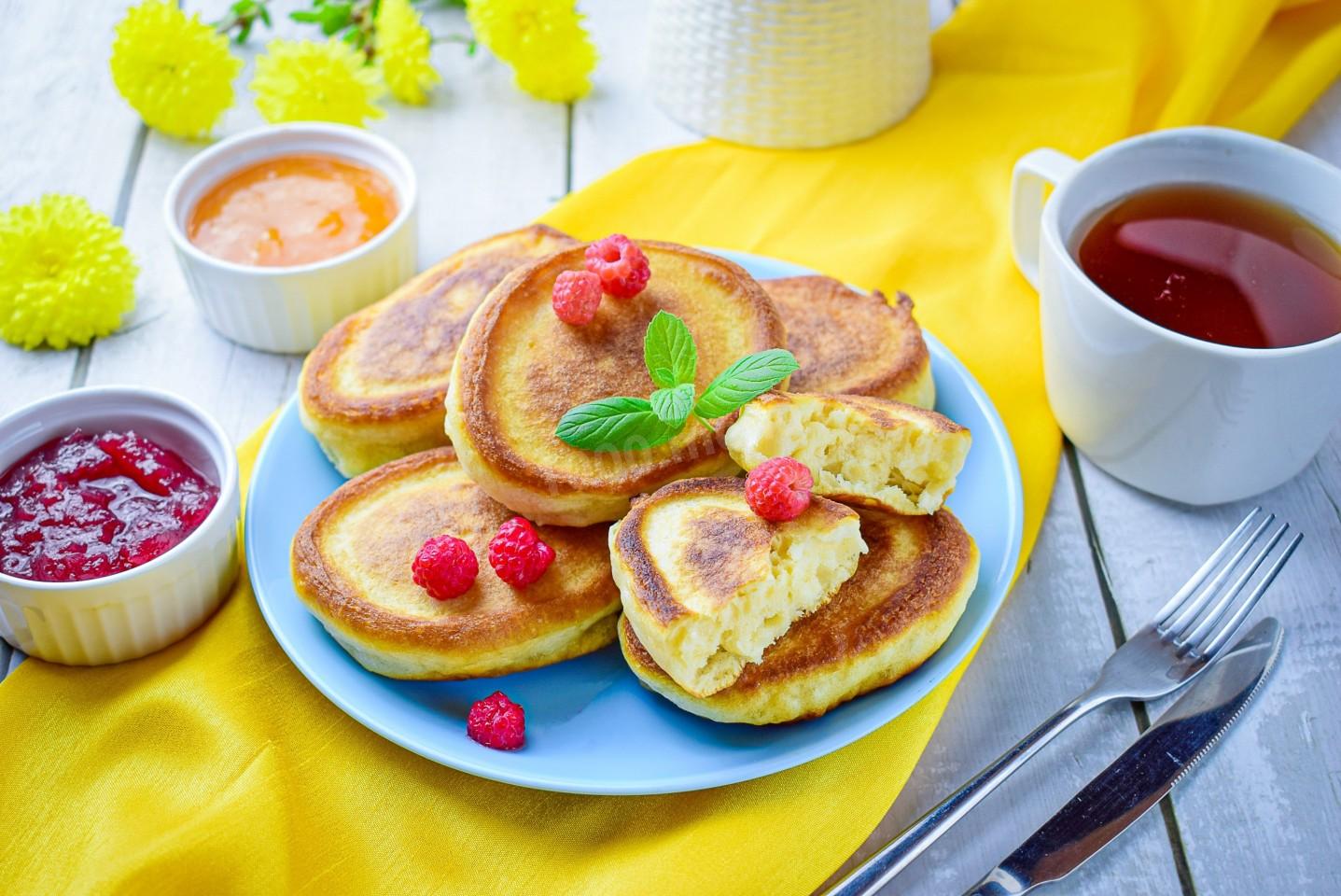
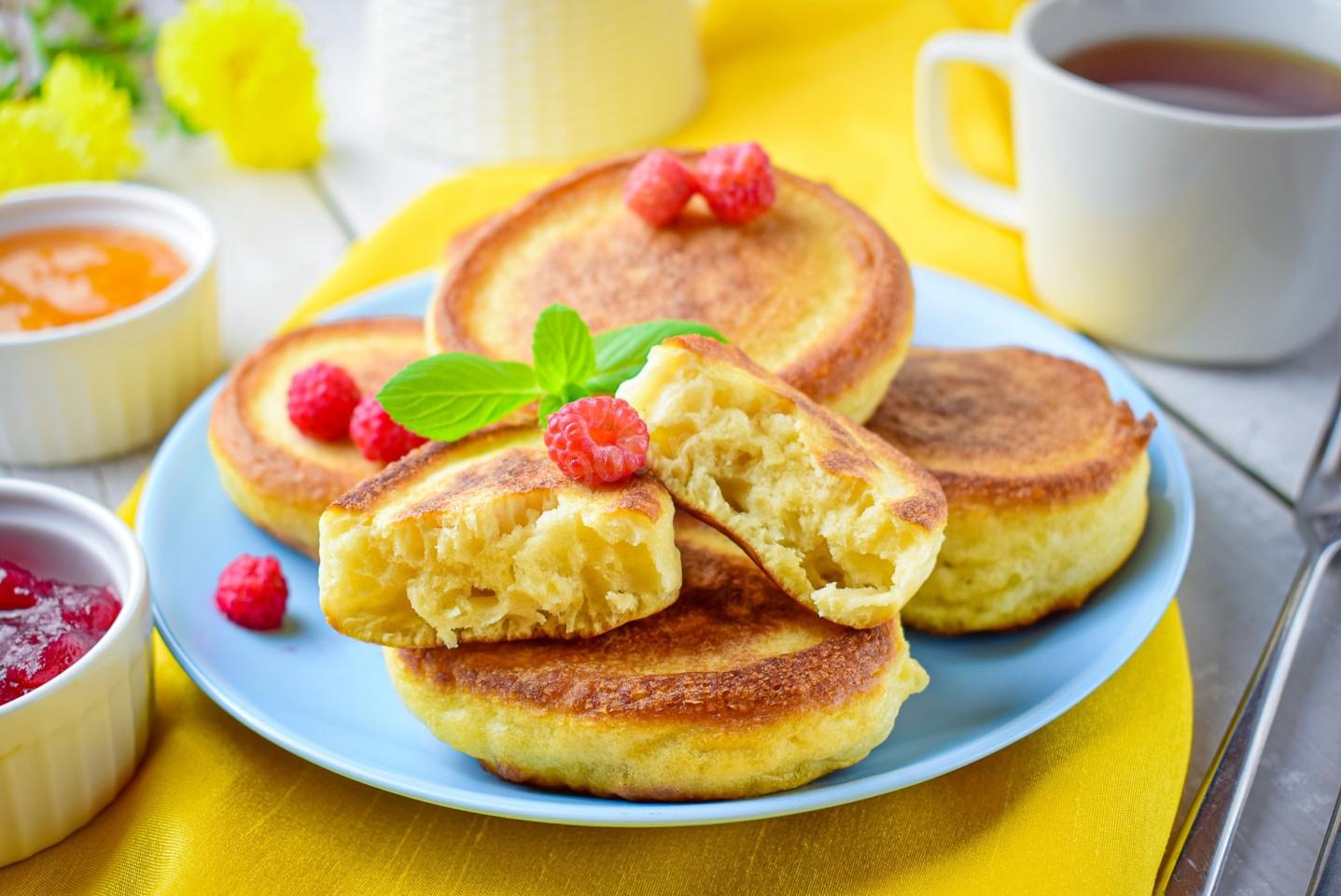
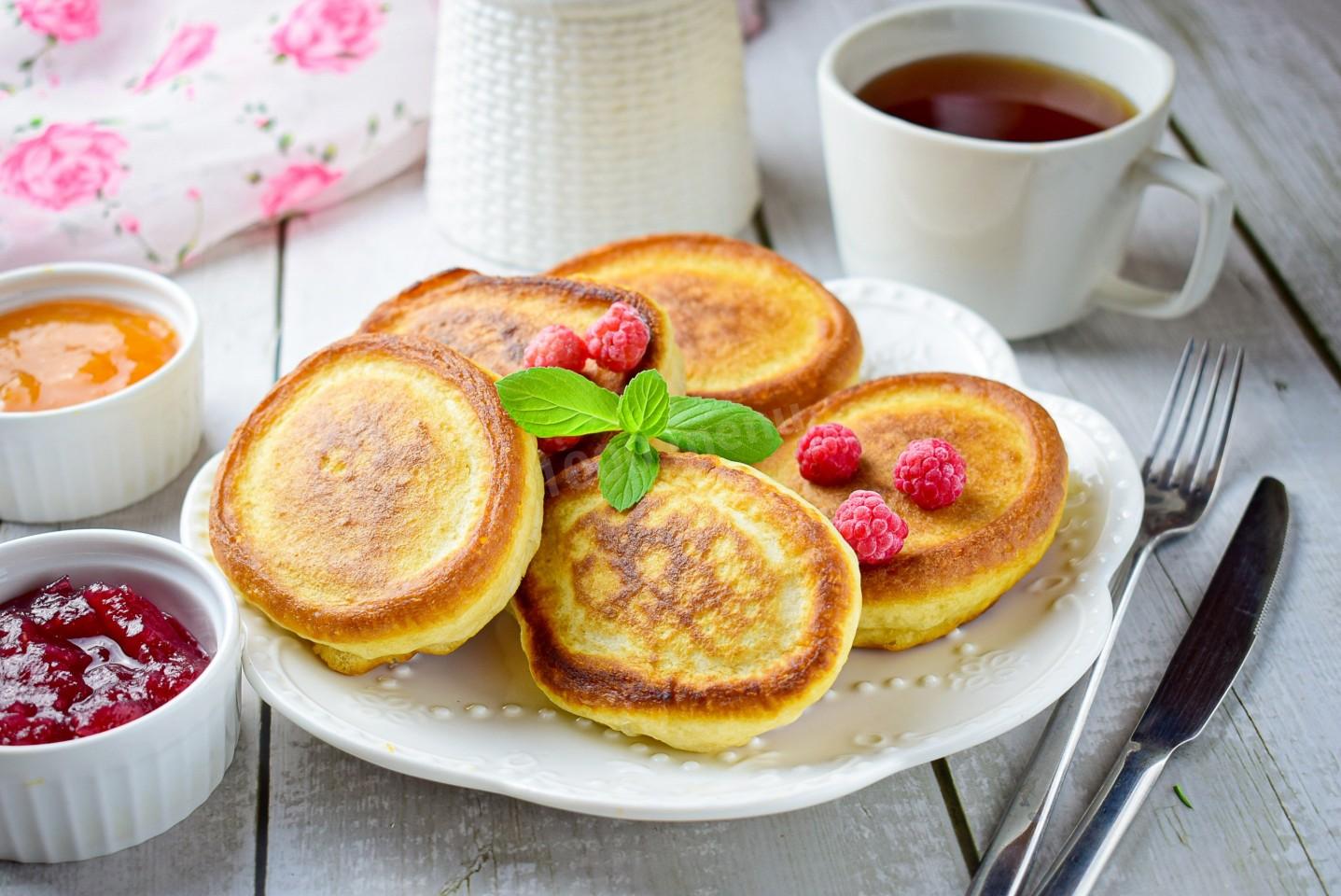
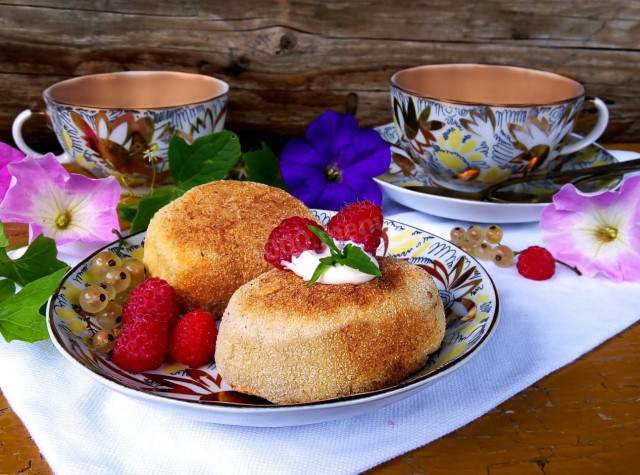
A simple, quick breakfast from everyday ingredients! You don't need yeast to make thick, fluffy kefir pancakes — baking soda does the job. There are a few tricks to it, though, and I'll walk you through them. A tasty morning treat for kids and grown-ups alike. Give it a try!

Cooking method
-
Step 1:
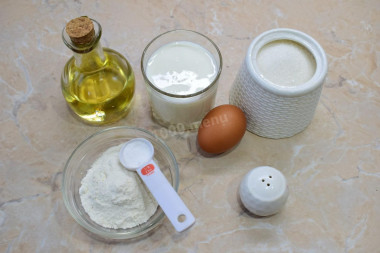
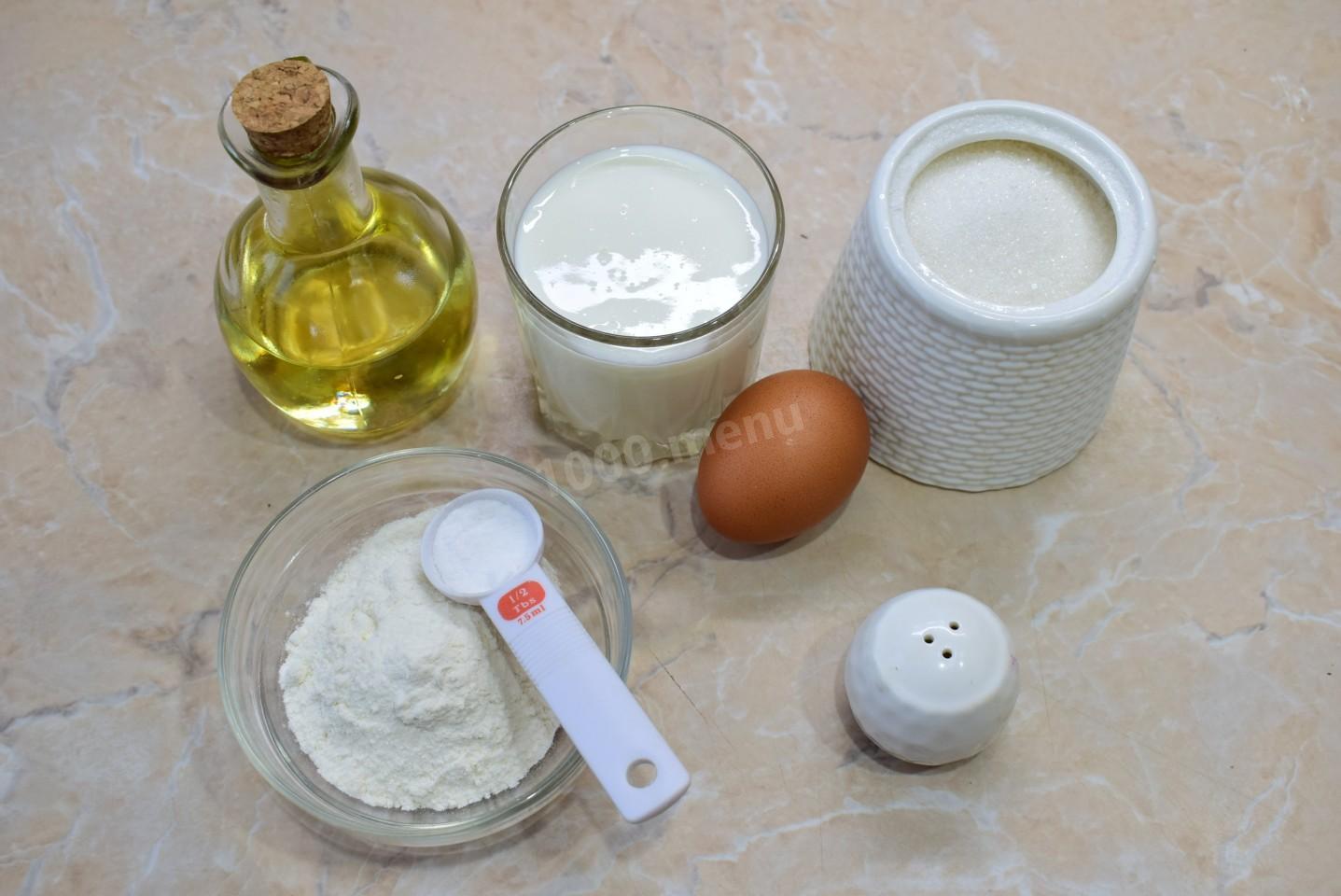
How do you make fluffy kefir pancakes in a skillet? Start by gathering everything you need. I use 3% kefir, but any kind works. For the fluffiest pancakes, all your ingredients should be at room temperature — you can warm the kefir a little in the microwave.
-
Step 2:
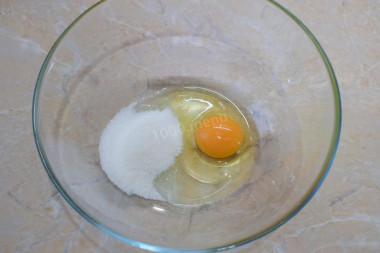
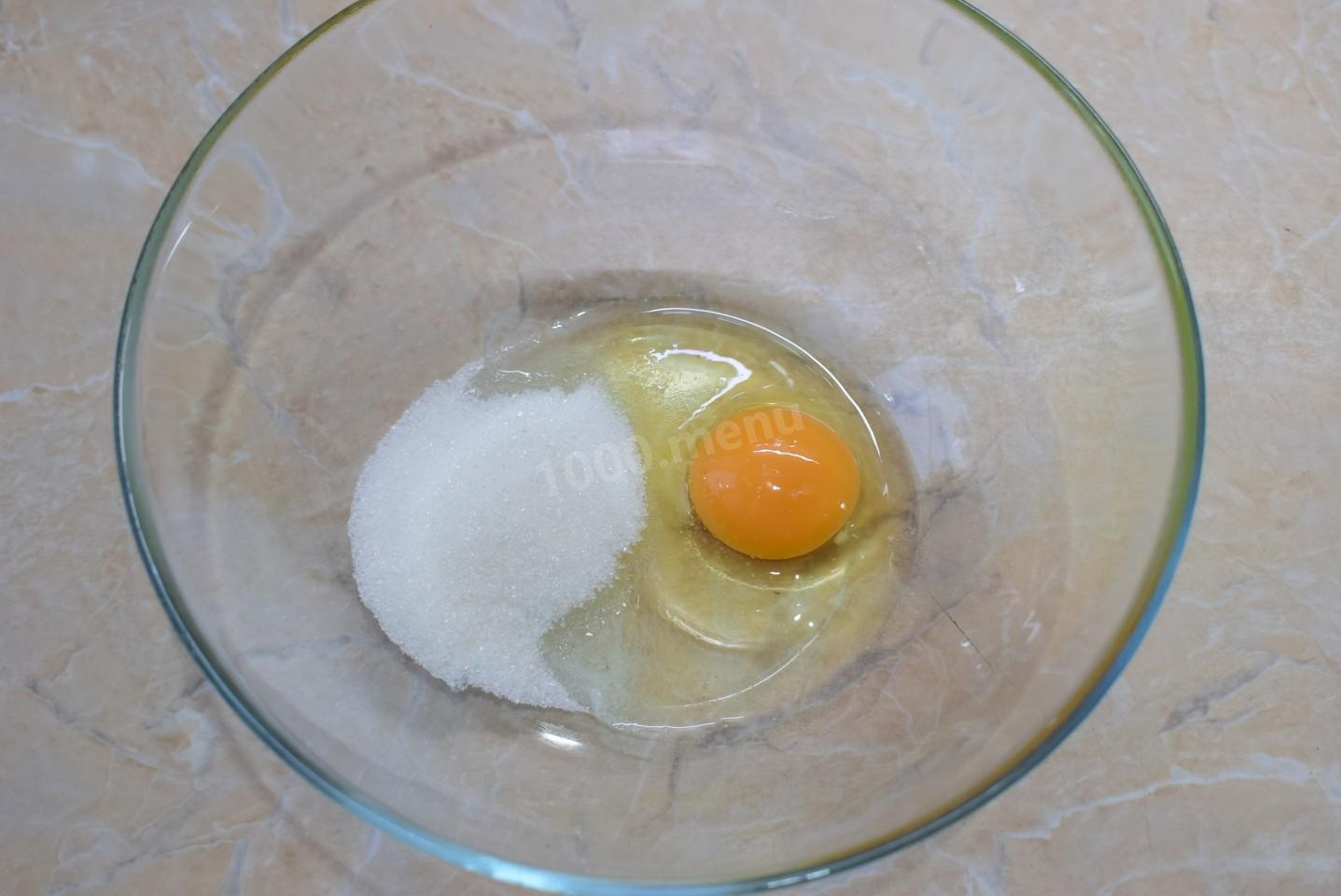
Grab a good-sized, roomy bowl. Crack in the egg and add the sugar and salt. Adjust the sugar to taste. Whisk it all together briefly until smooth.
-
Step 3:
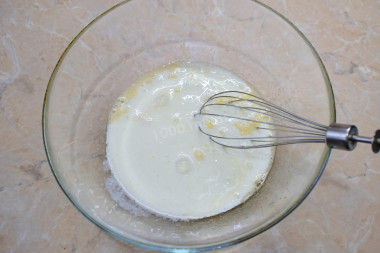
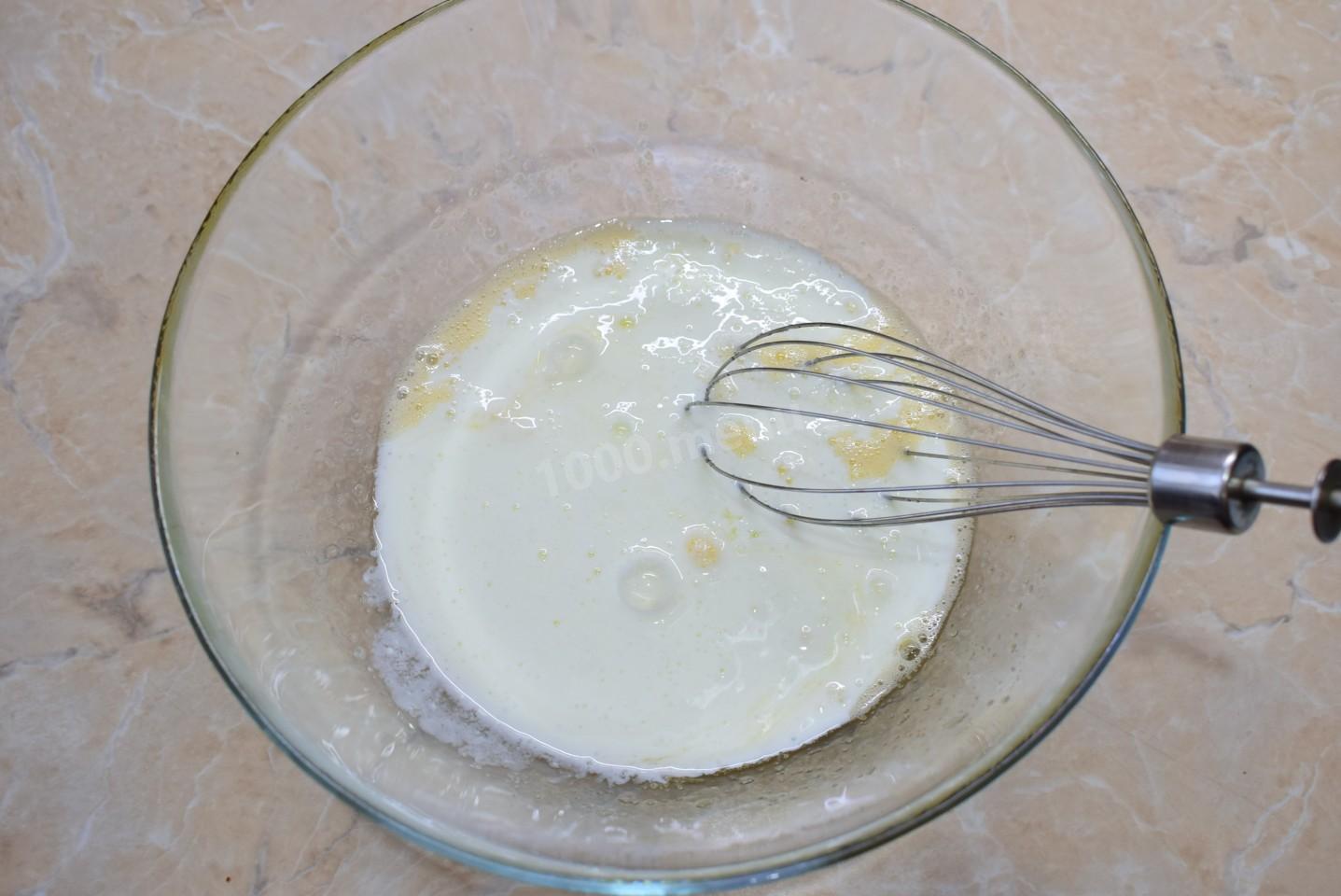
Then stir in the warmed kefir.
-
Step 4:
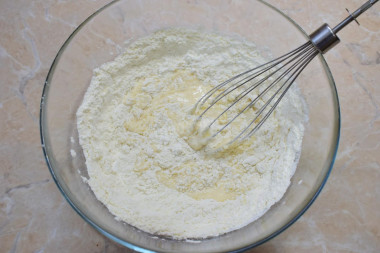
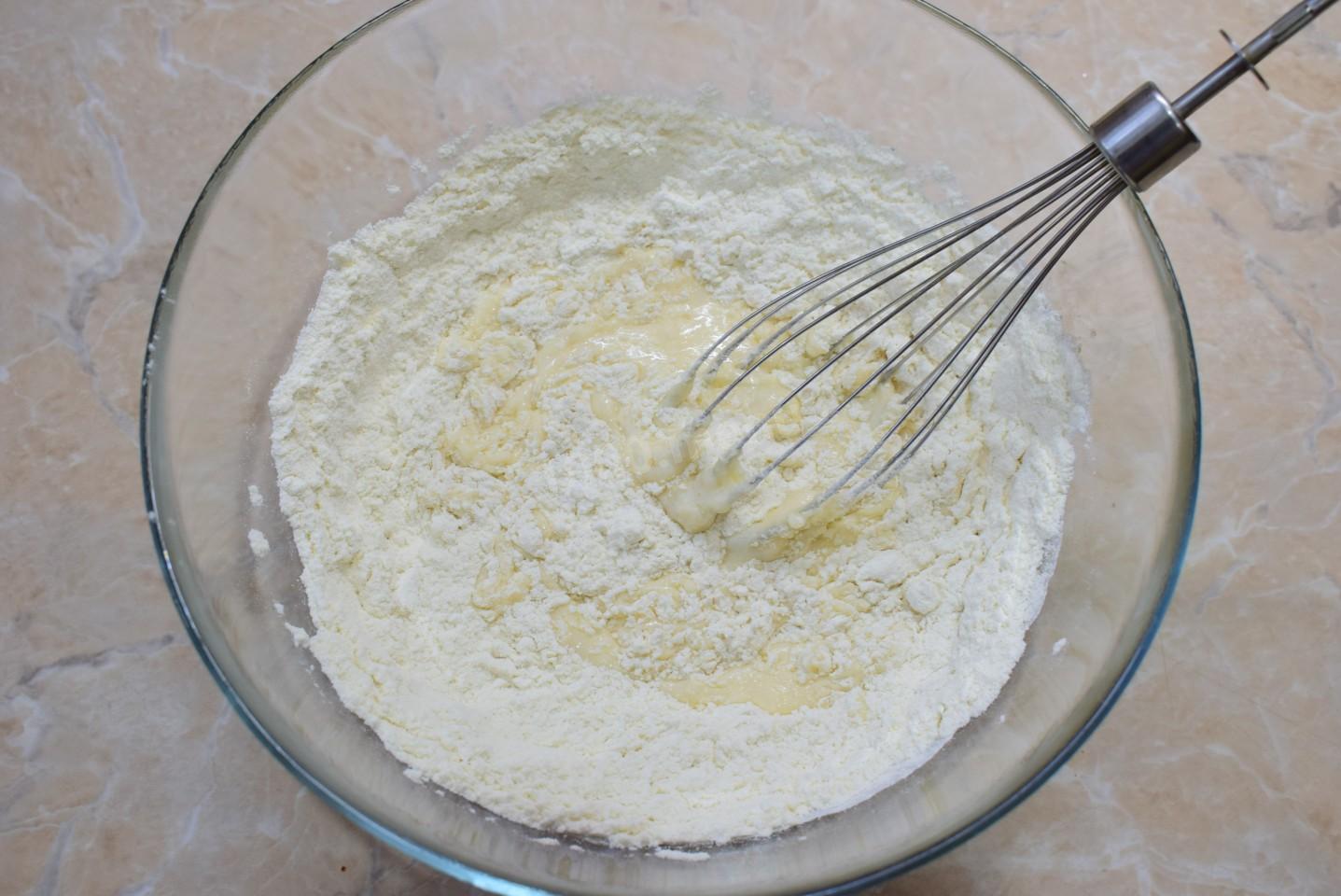
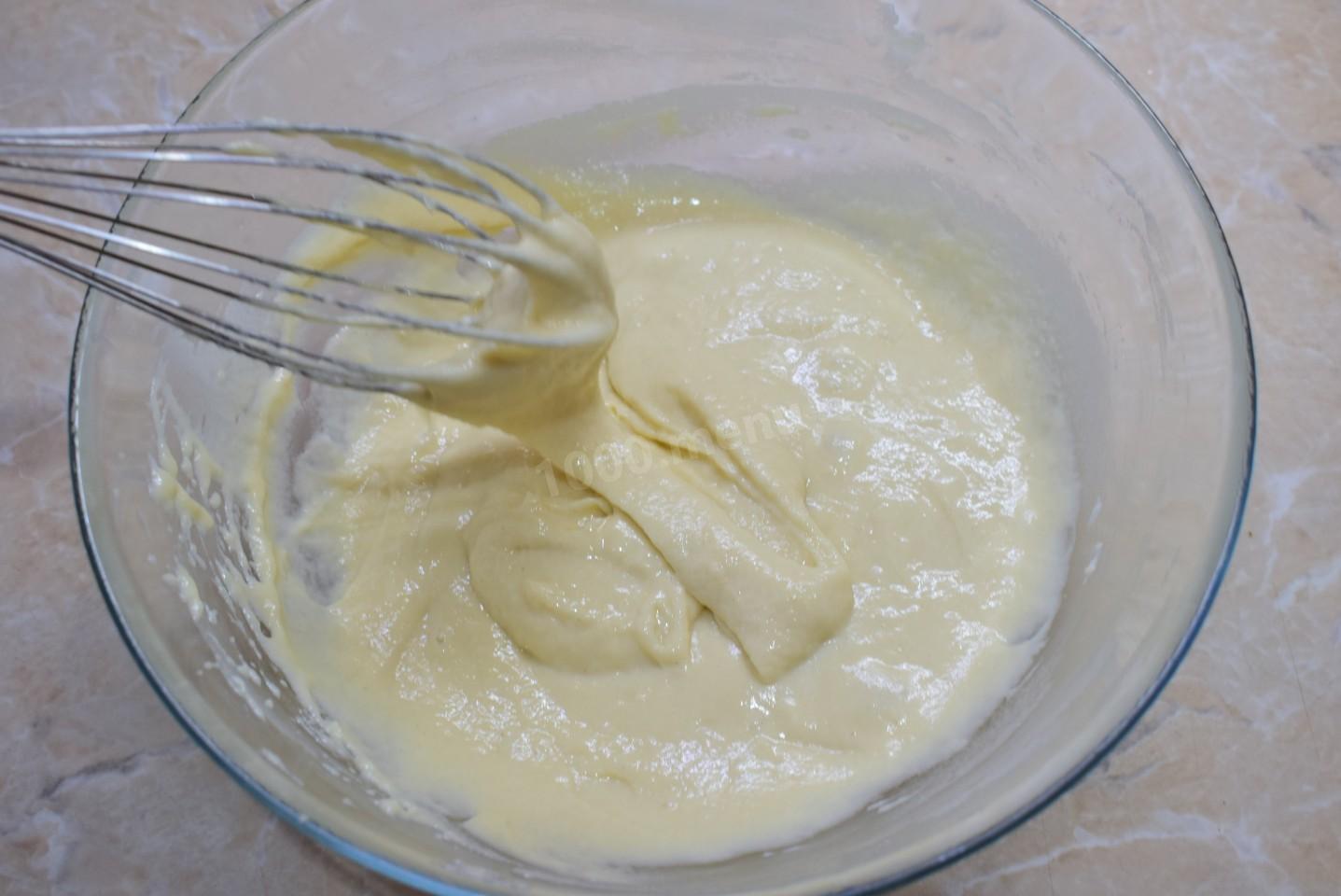
Sift the flour and baking soda together to aerate them. Add the flour to the bowl a little at a time and stir into a batter. Let the consistency of the batter be your guide — you may need slightly more or less flour.
-
Step 5:
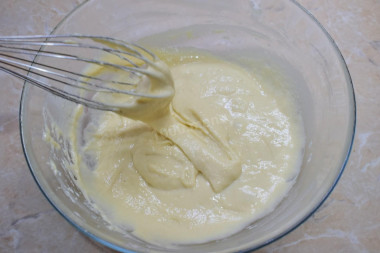
The finished batter should be fairly thick — it should drip slowly off the whisk.
-
Step 6:
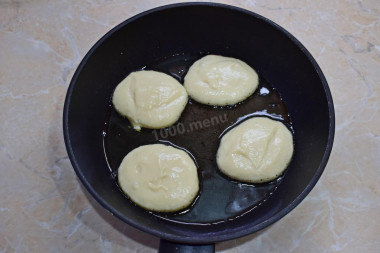
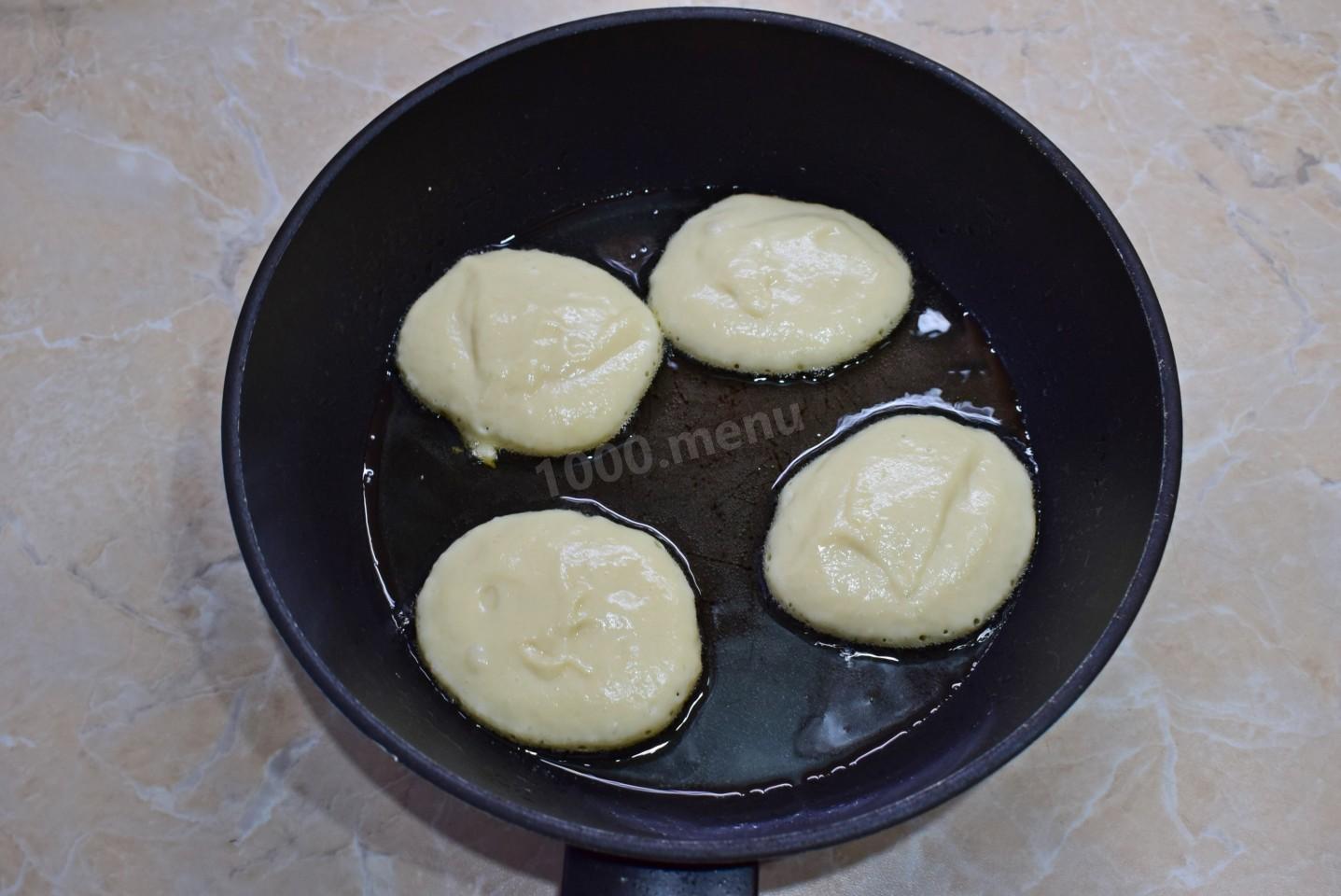
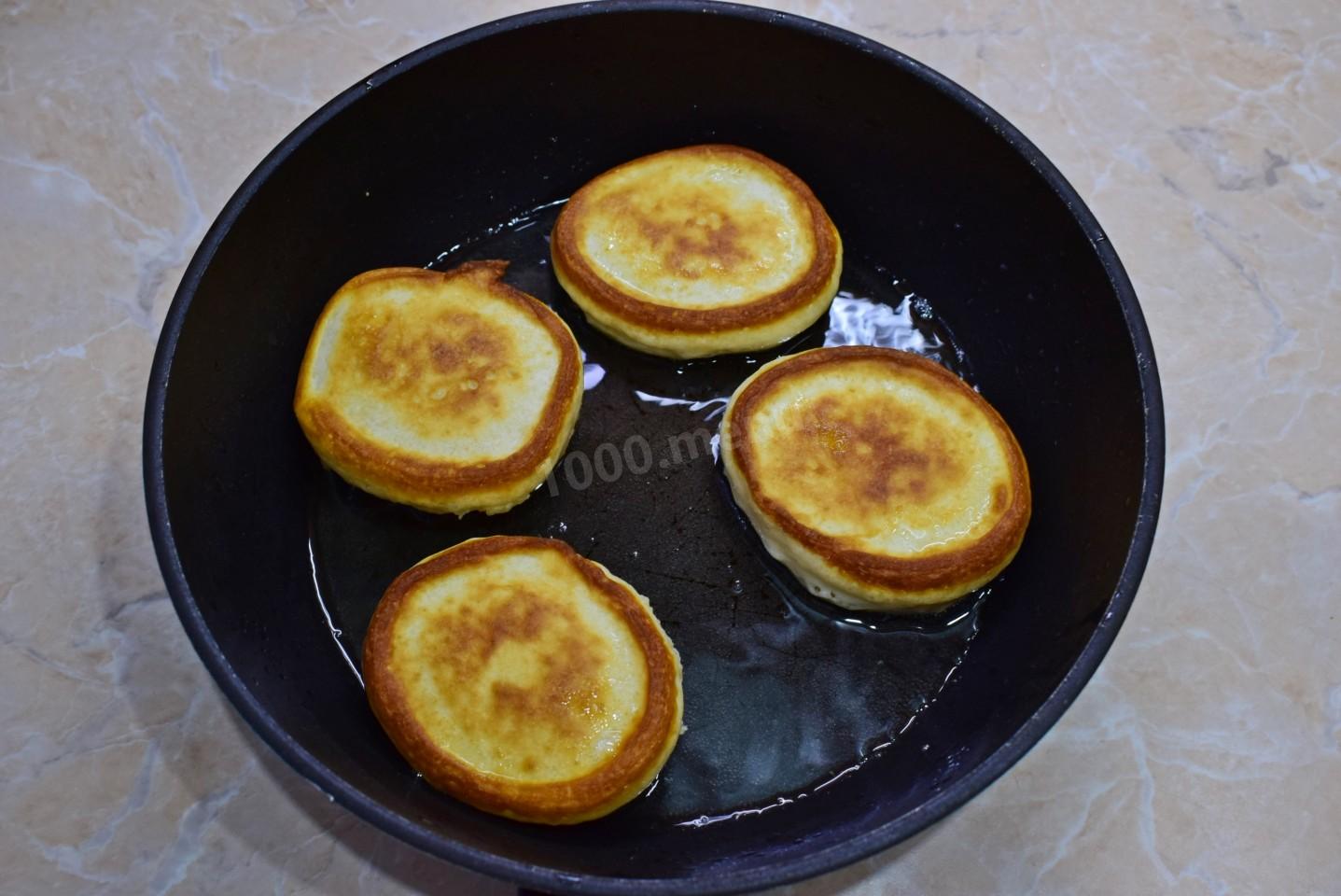
Pour some vegetable oil into a hot skillet and spoon in the batter. Cook the pancakes over low heat for 2–3 minutes per side.
-
Step 7:
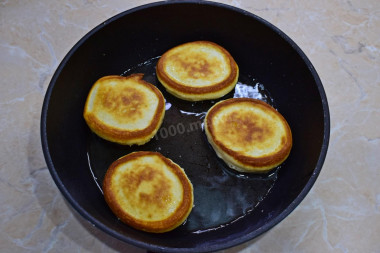
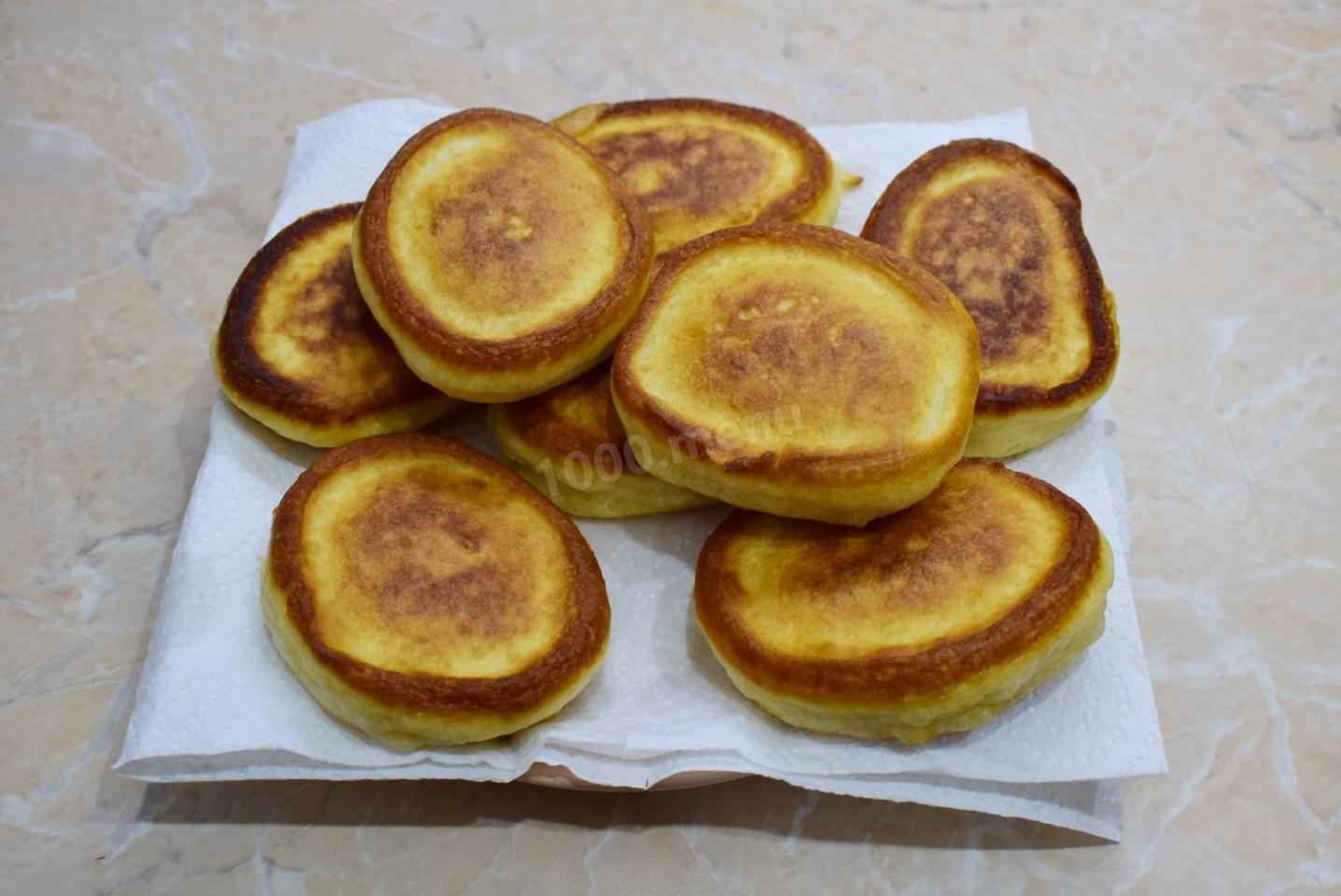
Cooking them slowly lets them rise nicely and cook through in the middle. Once the pancakes are golden, transfer them to a paper towel to blot off the excess oil.
-
Step 8:
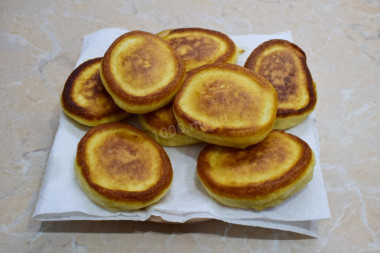
Your fluffy kefir pancakes are ready! Serve them with any jam, sweetened condensed milk, or sour cream. Enjoy!
- Always wash your eggs before using them — even a shell that looks clean can carry harmful bacteria. A food-safe brush and a little dish soap work best.
- The right skillet matters, too — even the best recipe can be ruined by the wrong pan.
- Can you swap baking soda for baking powder, and how do you add each one so your baked goods come out light and free of any soapy soda taste? It comes down to balancing the soda with the acidity in the batter (here, the kefir).
Caloric content of the products possible in the composition of the dish
- Chicken egg - 157 kcal/100g
- Egg white - 45 kcal/100g
- Egg powder - 542 kcal/100g
- Egg yolk - 352 kcal/100g
- Ostrich egg - 118 kcal/100g
- Whole durum wheat flour fortified - 333 kcal/100g
- Whole durum wheat flour, universal - 364 kcal/100g
- Flour krupchatka - 348 kcal/100g
- Flour - 325 kcal/100g
- Granulated sugar - 398 kcal/100g
- Sugar - 398 kcal/100g
- Kefir fat - 62 kcal/100g
- Kefir of 1% fat content - 38 kcal/100g
- Low-fat kefir - 30 kcal/100g
- Kefir 'doctor beefy' 1,8% fat content - 45 kcal/100g
- Kefir 2.5% fat content - 53 kcal/100g
- Vegetable oil - 873 kcal/100g
- Salt - 0 kcal/100g
- Baking soda - 0 kcal/100g
Similar recipes

- Fast and tasty
- For breakfast
- Homemade dinner
- Children's recipes
- Baking
- Eggs
- Dairy products
- Flour
- Sweet
- Spices seasonings spices
- Fats and oils
- Other
- Salt
- Vegetable oil
- Baking soda
- Frying
- In a frying pan
- Hasty pastries
- Pancakes are fast and delicious
- Pancakes
- Baked on kefir
- Quick baking
- Sweet pastry
- Yeast-free baking
- Egg breakfast
- Kefir
- Recipes for lean dishes without butter
- Sugar