Korean Kuksi (Cold Noodle Soup) with Beef
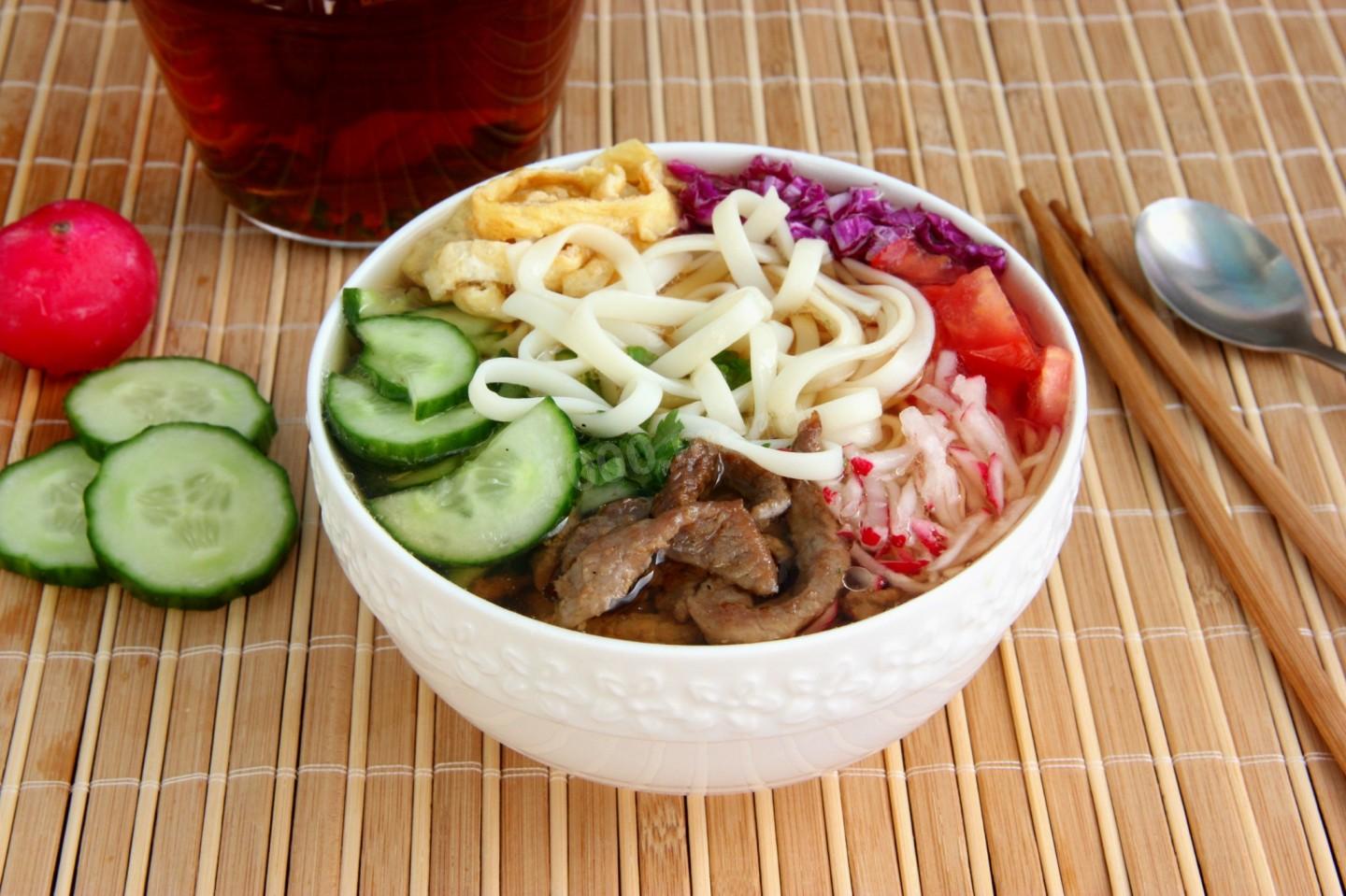
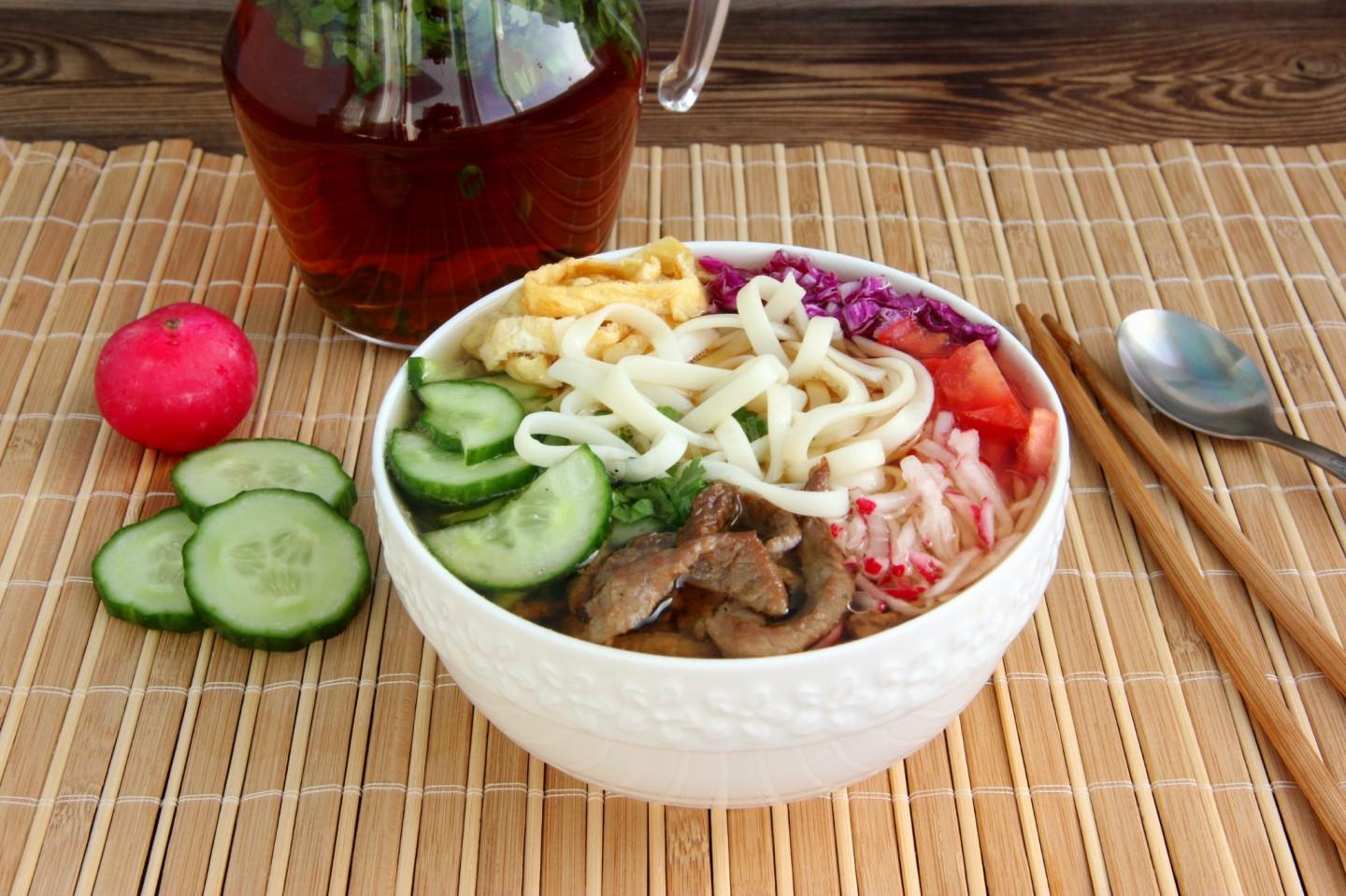
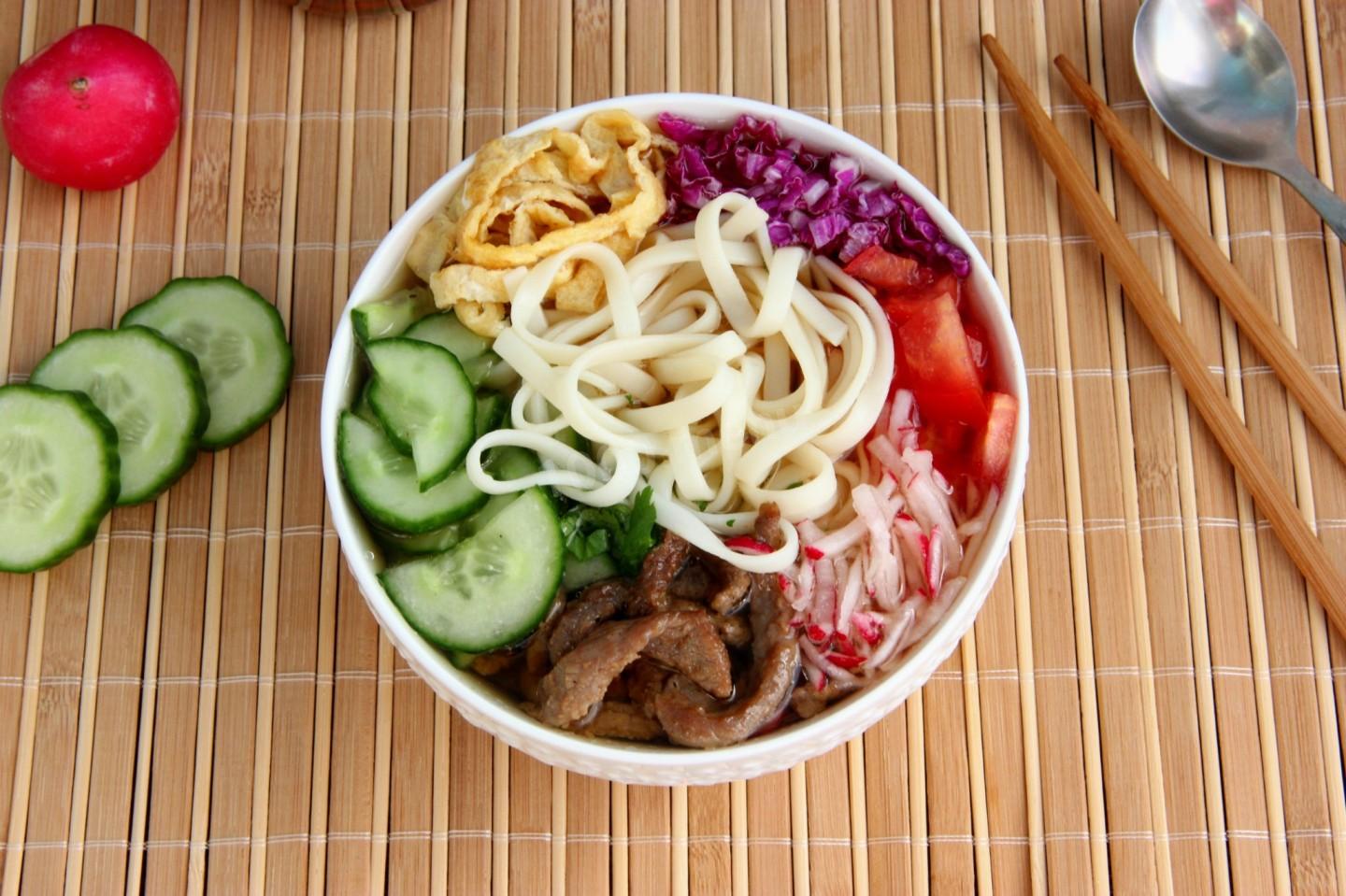
A cold soup along the lines of okroshka, with an assortment of vegetables and noodles. It's pretty simple to make, and the components can wait in the fridge — which only makes the soup better. It's wonderful in sweltering heat or a hot climate. If you're tired of okroshka or craving something new, definitely give this a try!

Cooking method
-
Step 1:
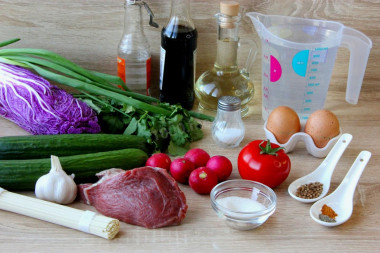
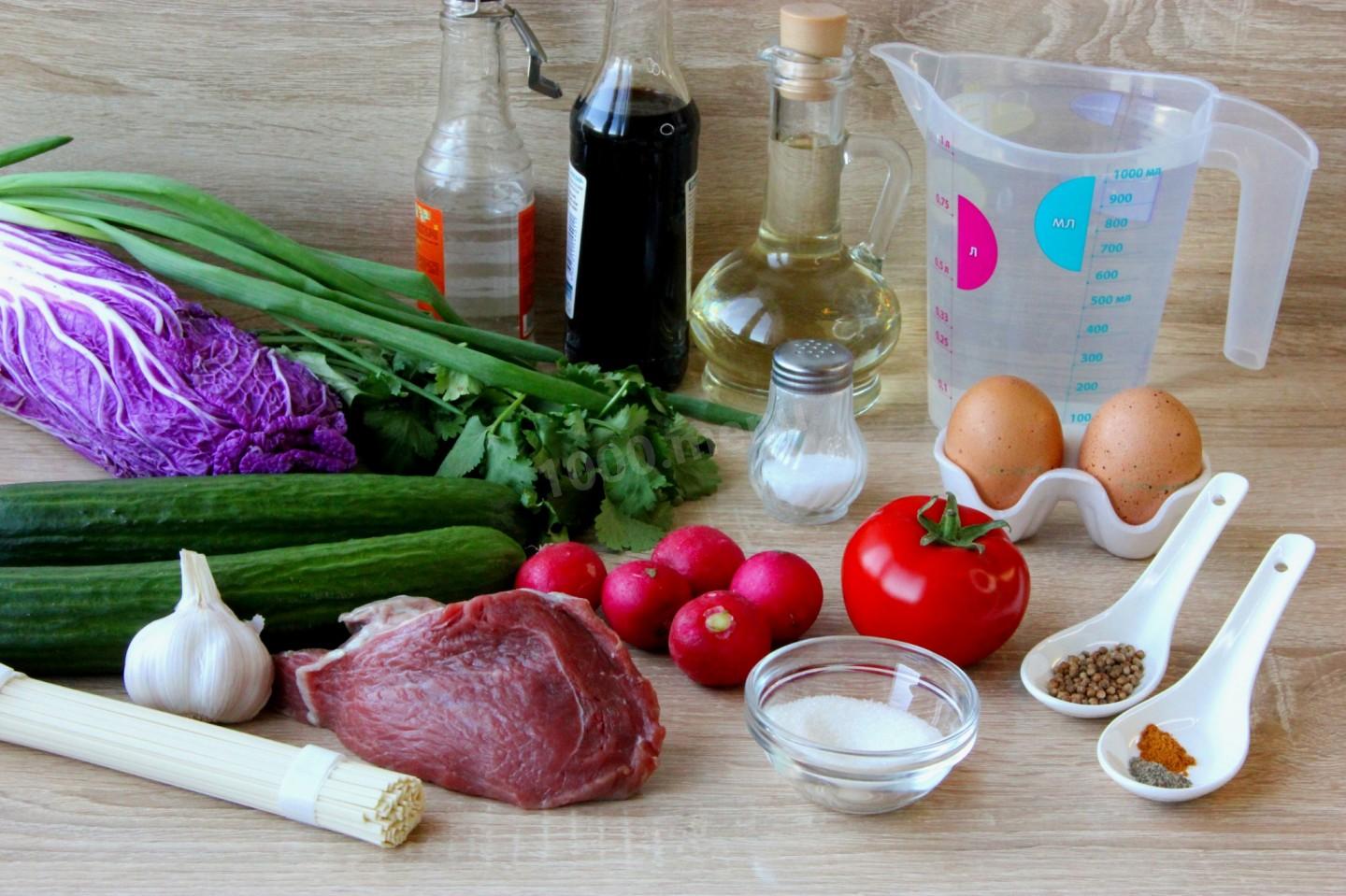
Gather your ingredients. You can use any noodles for kuksi — egg, rice, or buckwheat. I used wheat. Cucumber and fresh herbs are always the base of the vegetables; the rest can vary with what you have — there are lots of options.
-
Step 2:
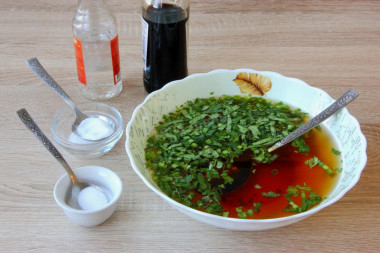
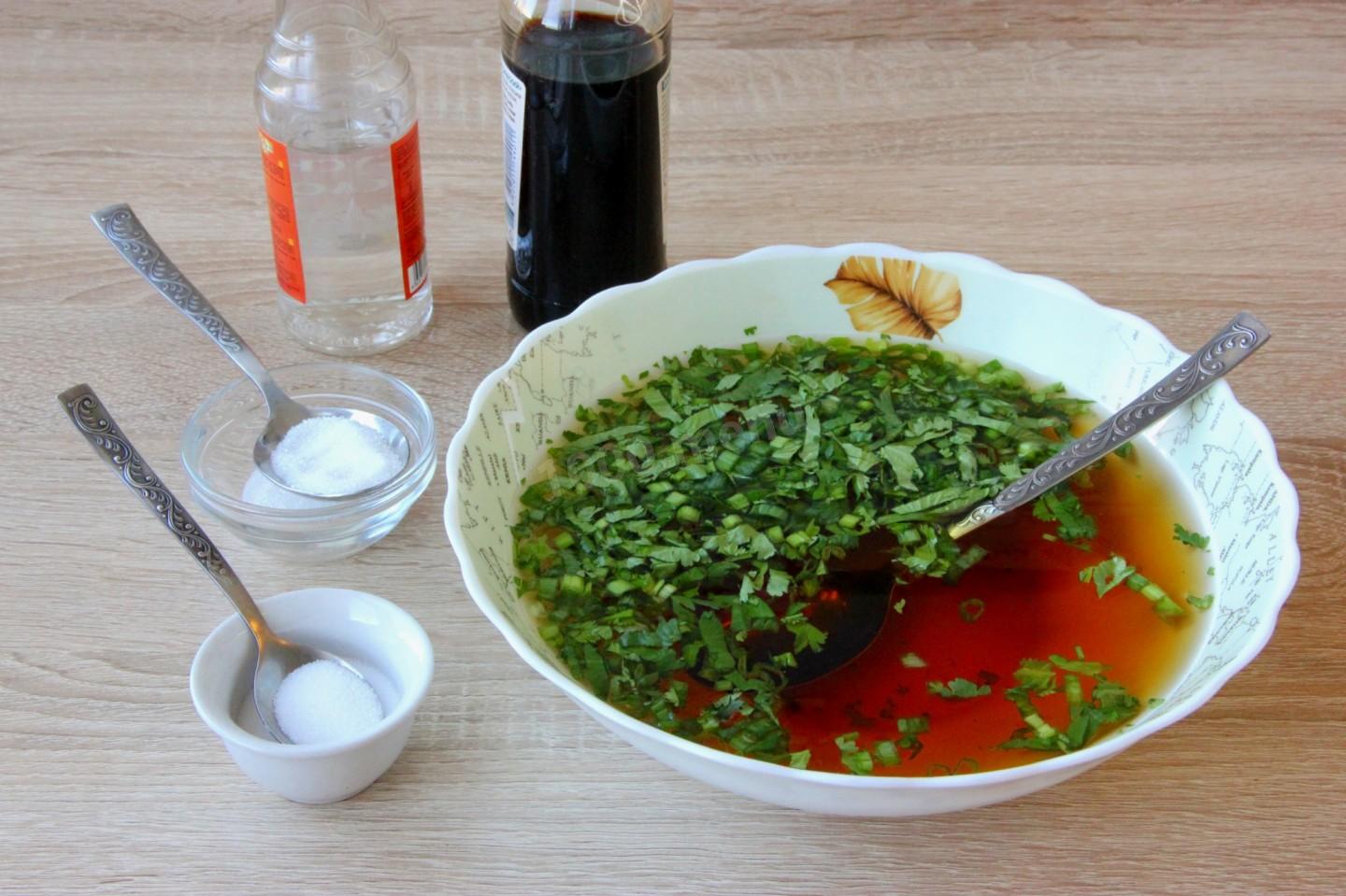
Make the KUKSI DRESSING (muri) — literally "noodle water." Take cooled boiled water and add the soy sauce, sugar, salt, and vinegar essence; stir well. Taste, and if something's missing, adjust the flavor to your liking. Add finely chopped cilantro and green onion. Many people like to add coriander seeds, toasted and crushed first; for me, just the fresh herbs are enough. Put it in the fridge to chill and develop.
-
Step 3:
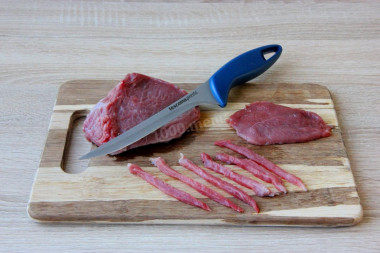
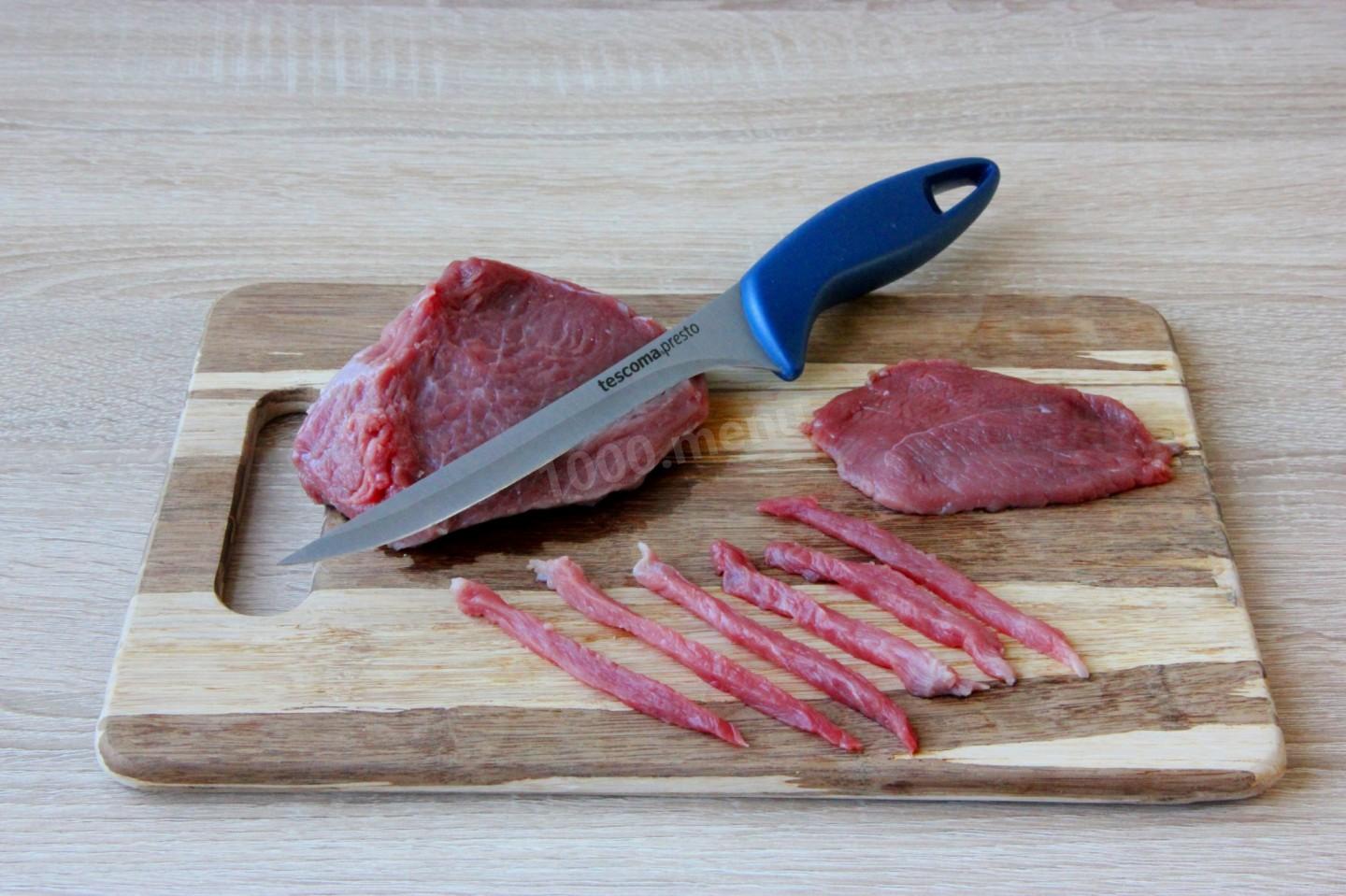
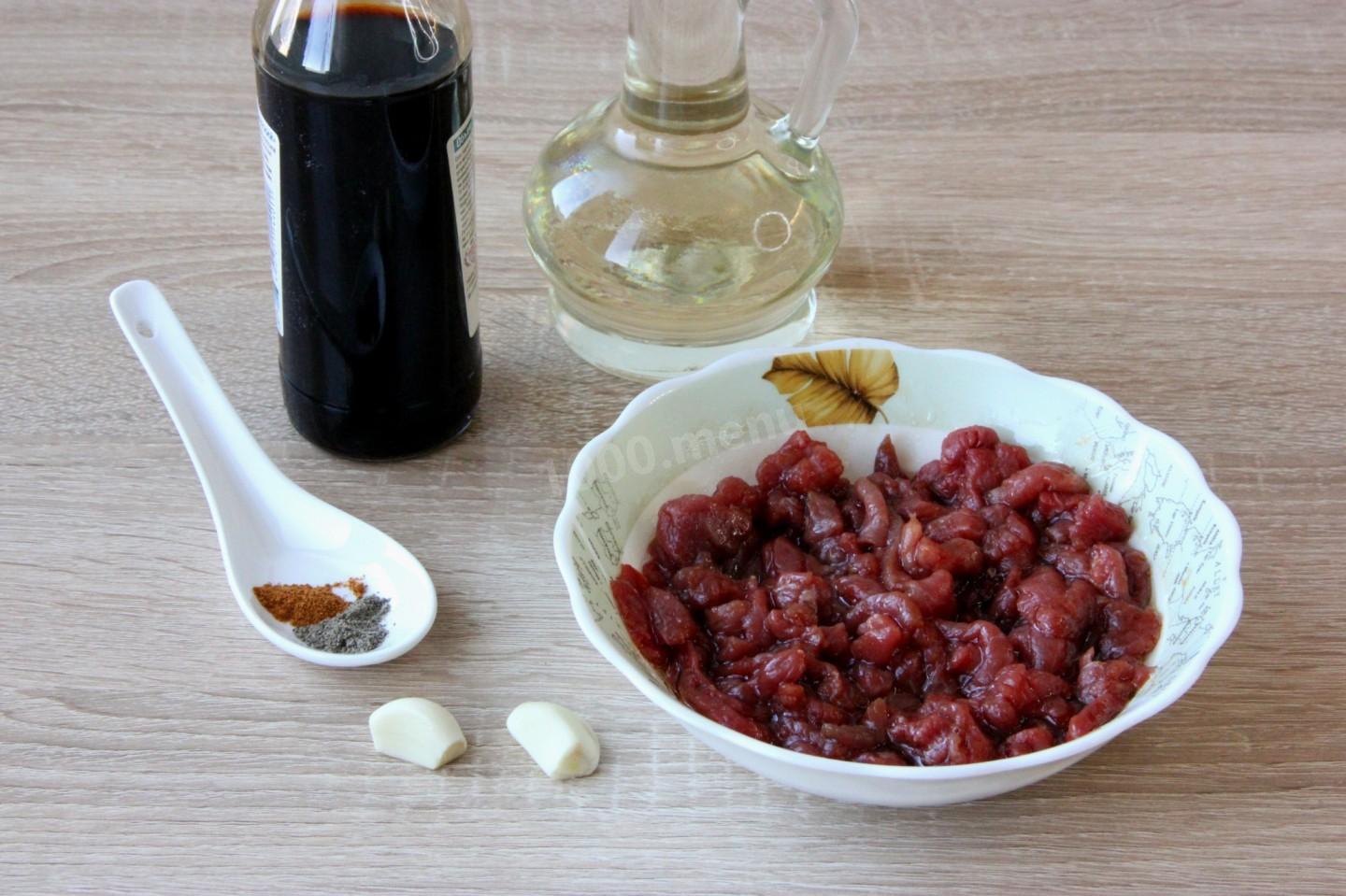
Prep the BEEF. Rinse it, dry it thoroughly, and trim off any membranes and sinew. Cut it along the grain into slabs about 3/8 inch (1 cm) thick, then cut those across the grain into thin strips, also about 3/8 inch (1 cm) wide. Use a sharp knife — the meat is chilled, which makes fine cutting harder.
-
Step 4:
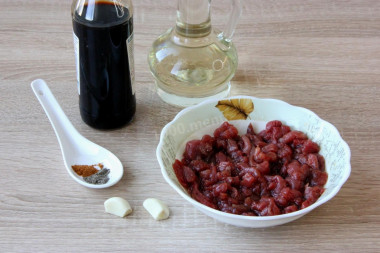
Make the MARINADE. To the sliced beef, add soy sauce, black and red hot pepper (or a pepper blend), garlic powder, and vegetable oil. Mix well and leave it to marinate on the counter while you prep the rest. You can use fresh garlic, but it can scorch during frying, so I prefer the powder.
-
Step 5:
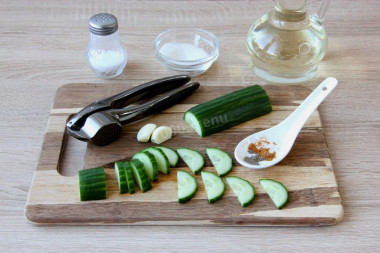
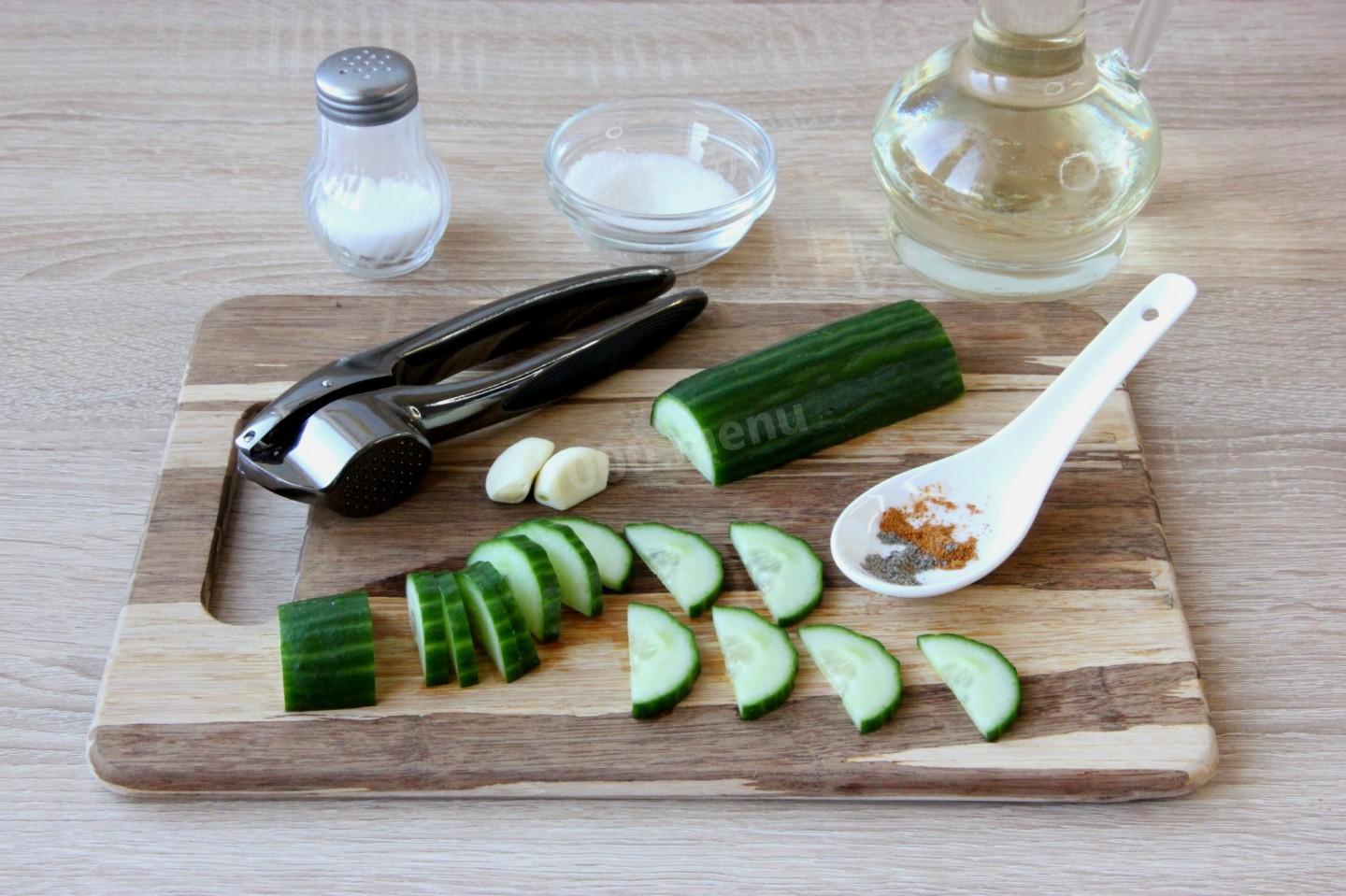
Make the CUCUMBER SALAD. Cut the cucumbers into half-moons and add salt, sugar, pepper, and garlic (best pressed through a garlic press). Toss with a spoonful of vegetable oil and refrigerate. Keep everything covered in the fridge.
-
Step 6:
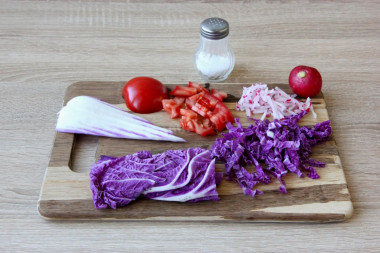
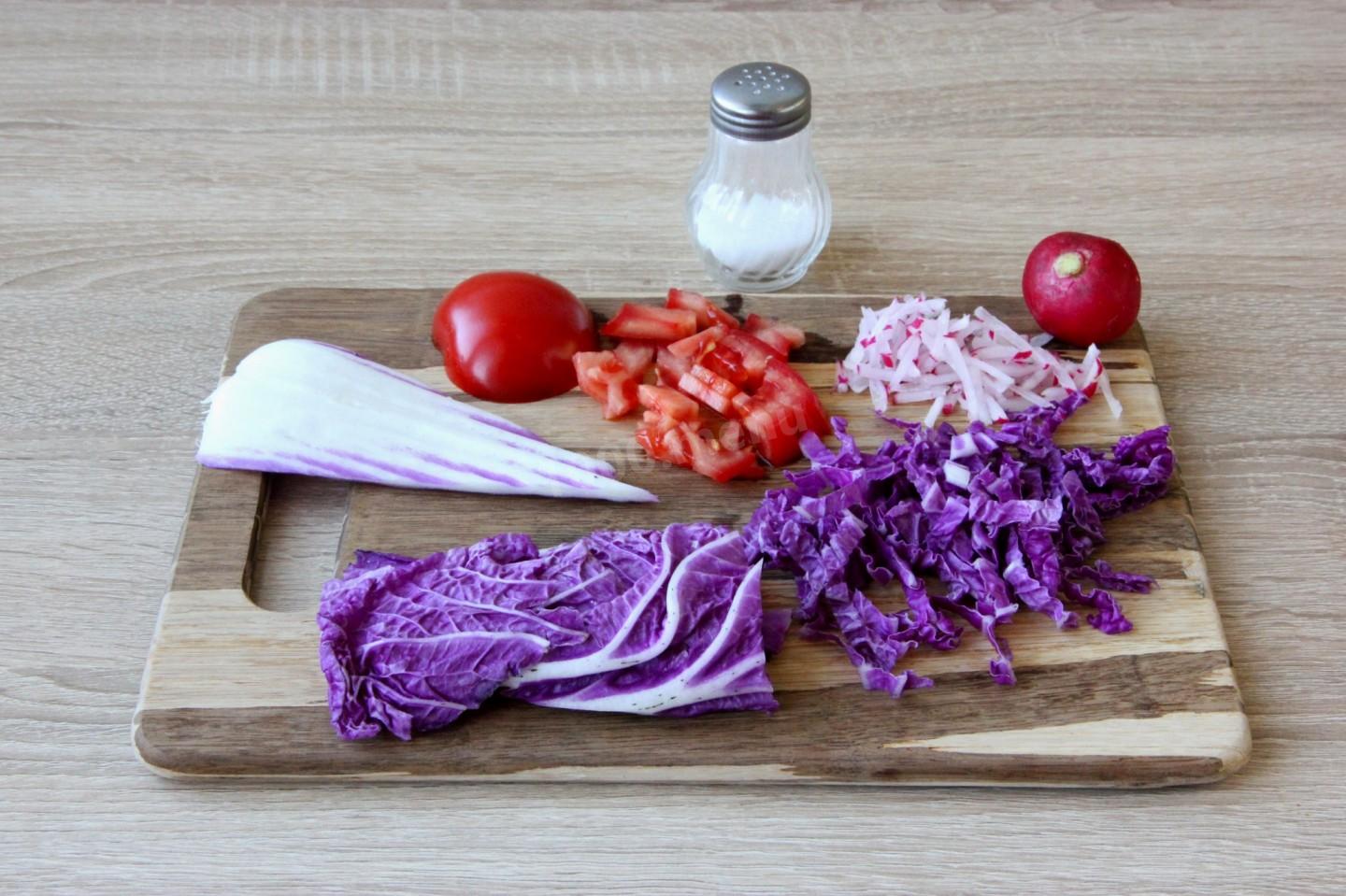
Prep the remaining VEGETABLES. From the napa cabbage, use only the tender leaf portions and shred them finely. Cut the tomato into small pieces, and grate the radishes (unpeeled) on a julienne (Korean) grater. Put each vegetable in its own bowl, salt lightly, and toss. Cover and refrigerate.
-
Step 7:
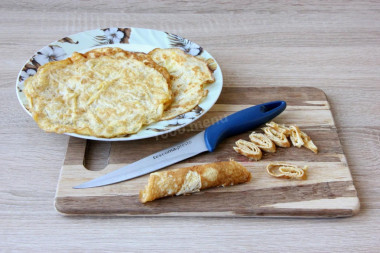
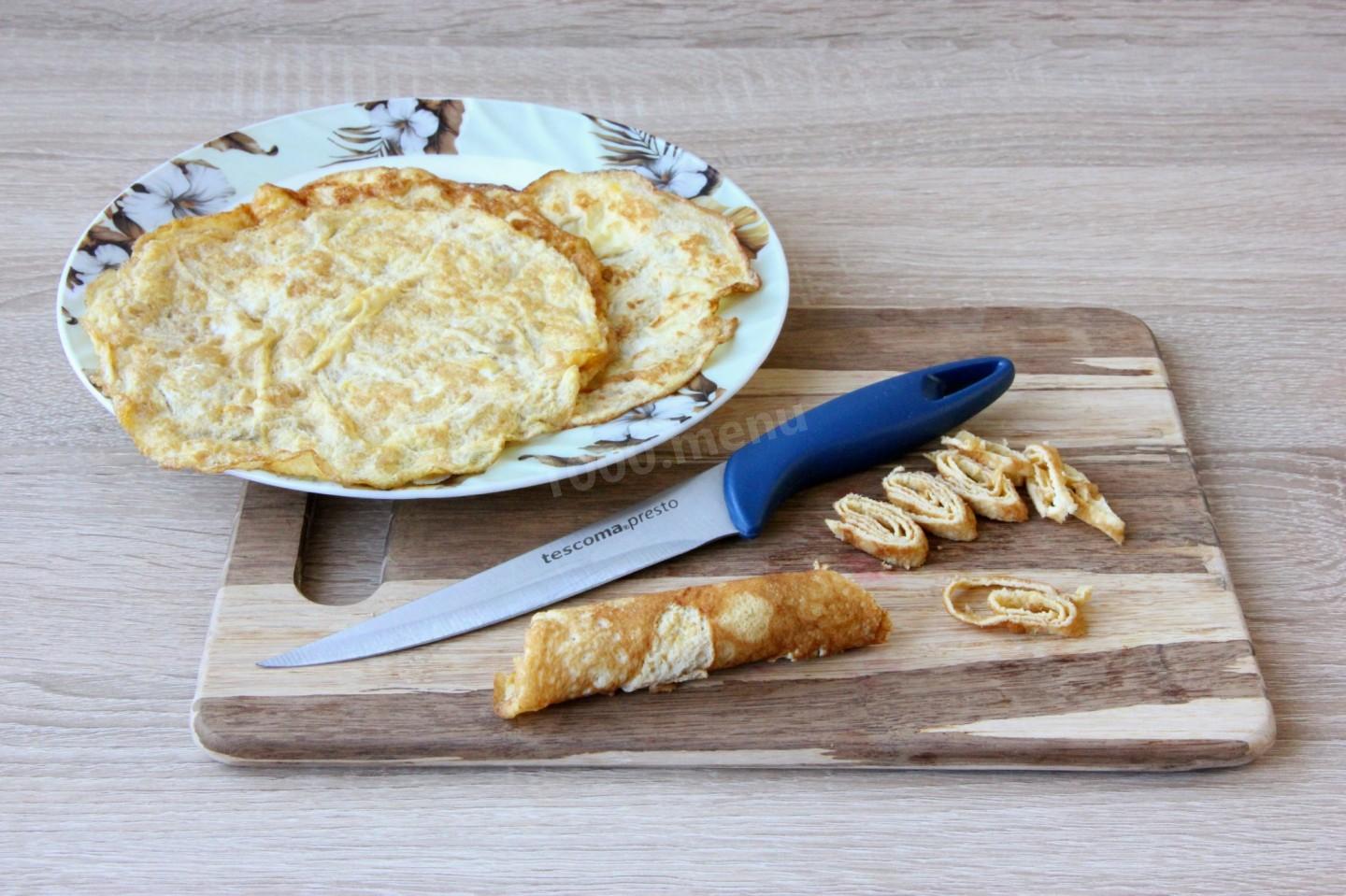
Make the EGG CRÊPES. Crack 2 eggs into a bowl, add a little salt, and beat. Add 2 tablespoons of water and whisk until smooth. Heat a skillet over medium-high, add a little oil, and pour in the egg thinly. Cook like a crêpe on both sides. Remove and let it cool flat. Then roll it up and slice it into thin noodle-like strips. I got 4 crêpes about 8 inches (20 cm) across.
-
Step 8:
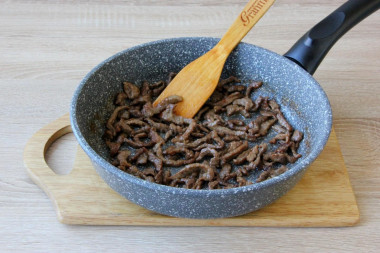
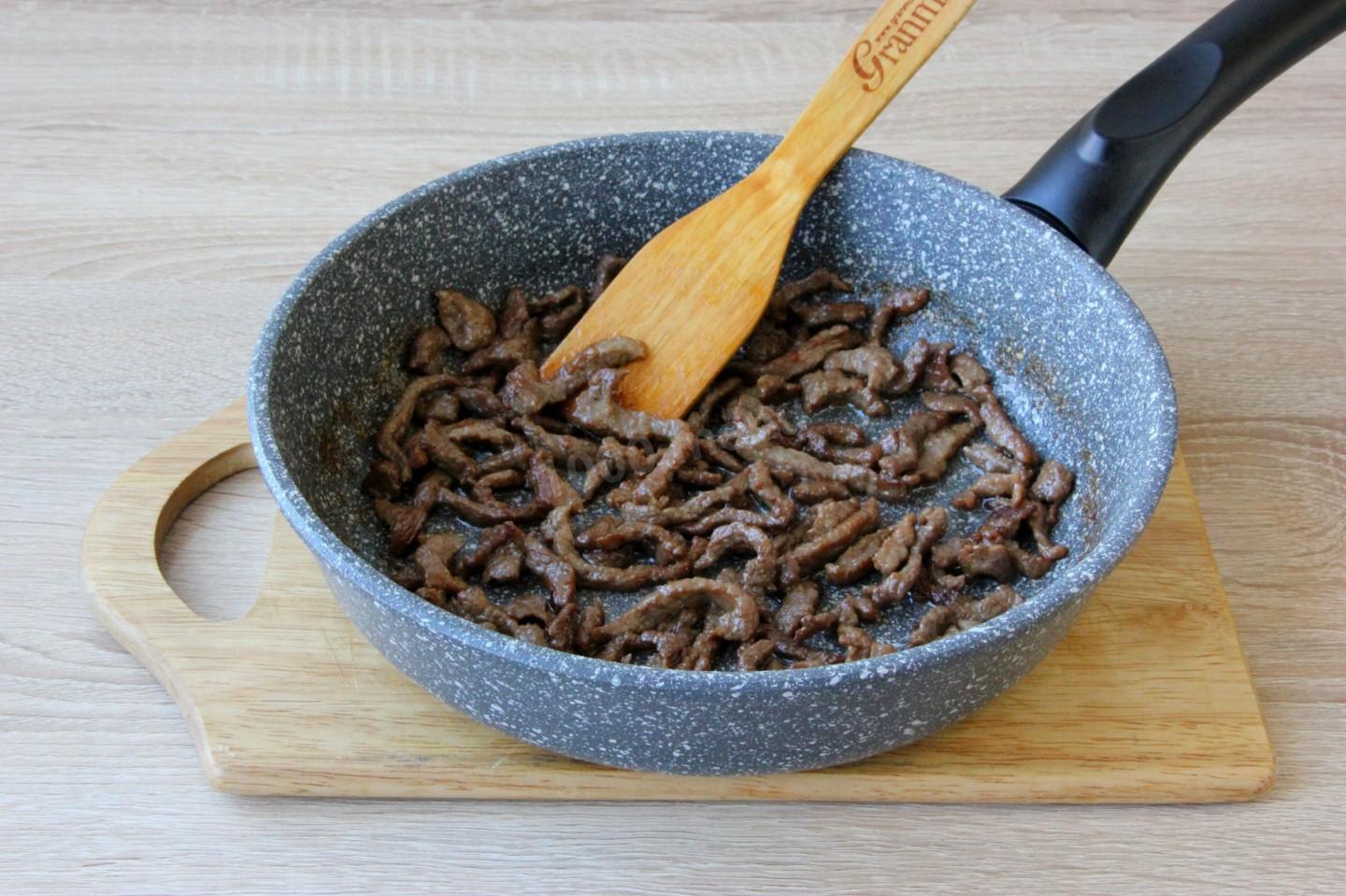
Cook the BEEF in a well-heated skillet. Add a little oil — 2–3 tablespoons — and heat it almost to smoking. Carefully add the meat and stir-fry for a couple of minutes, then add a splash of water (just enough to cover the pan bottom, not the meat). Simmer uncovered until the liquid evaporates, about 10 minutes. Then top with finely chopped garlic and a little chili — optional, if you like heat.
-
Step 9:
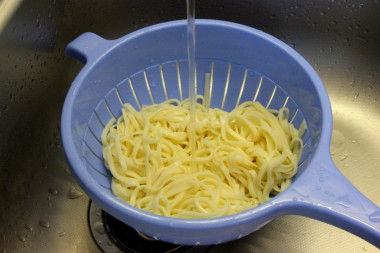
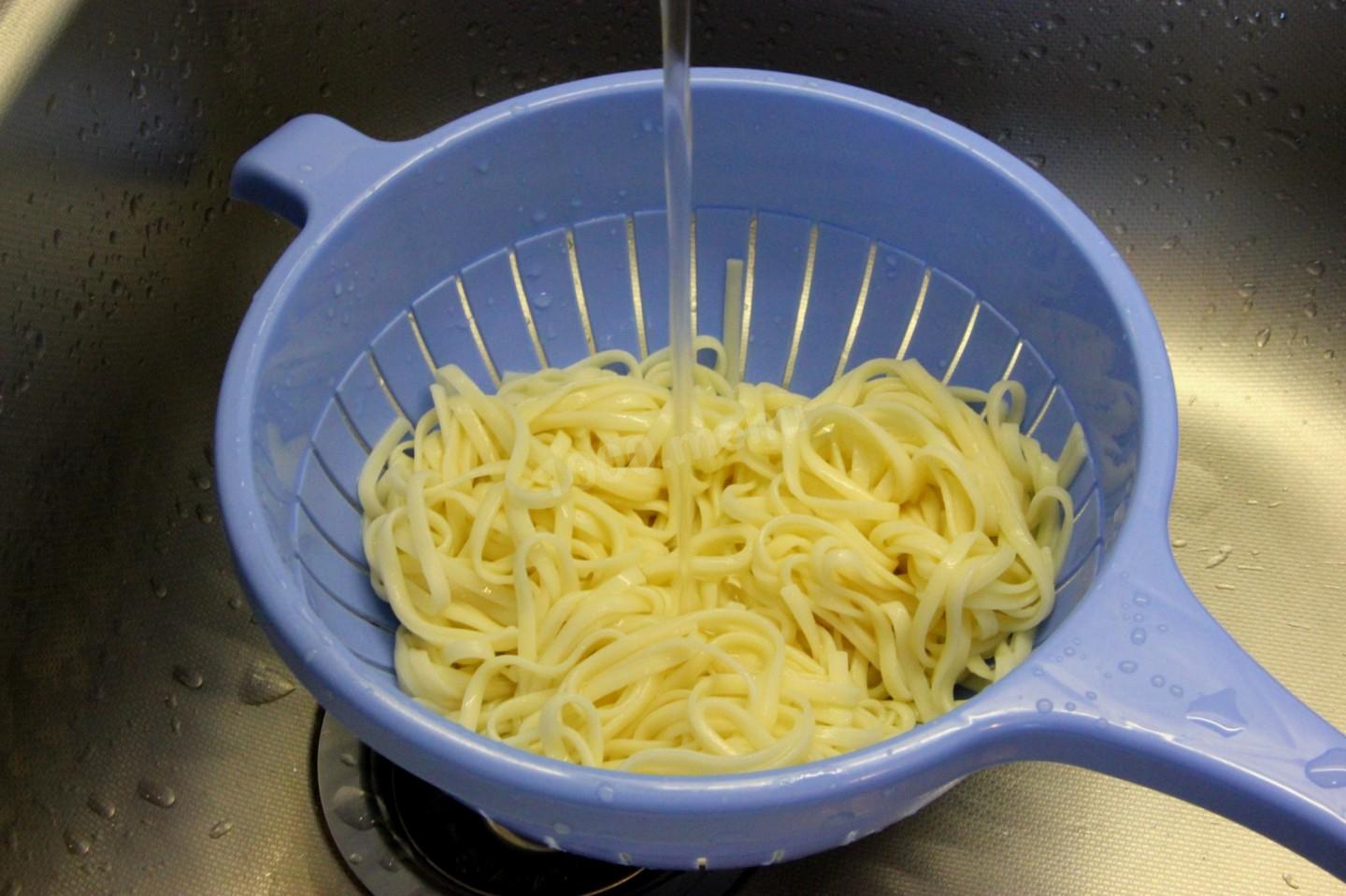
Cook the NOODLES as usual. Drop them into rapidly boiling, lightly salted water and cook about 7 minutes, or per the package. The key is not to overcook them. Drain the cooked noodles in a colander and rinse under cold water. Toss with a little vegetable oil so they don't stick together. If you're not serving the soup right away, cover and refrigerate them along with everything else.
-
Step 10:
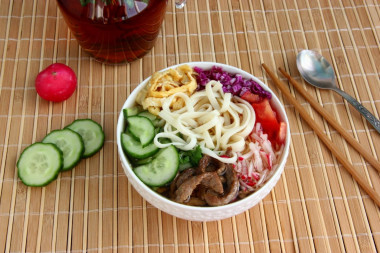
Assemble the KUKSI SOUP to serve. Put the noodles in the bottom of a deep bowl, arrange the prepared toppings around them, then pour in the dressing and sprinkle with fresh herbs. In Korea this soup is eaten with chopsticks, sipping the broth over the rim of the bowl. In Western countries a fork and spoon are used.
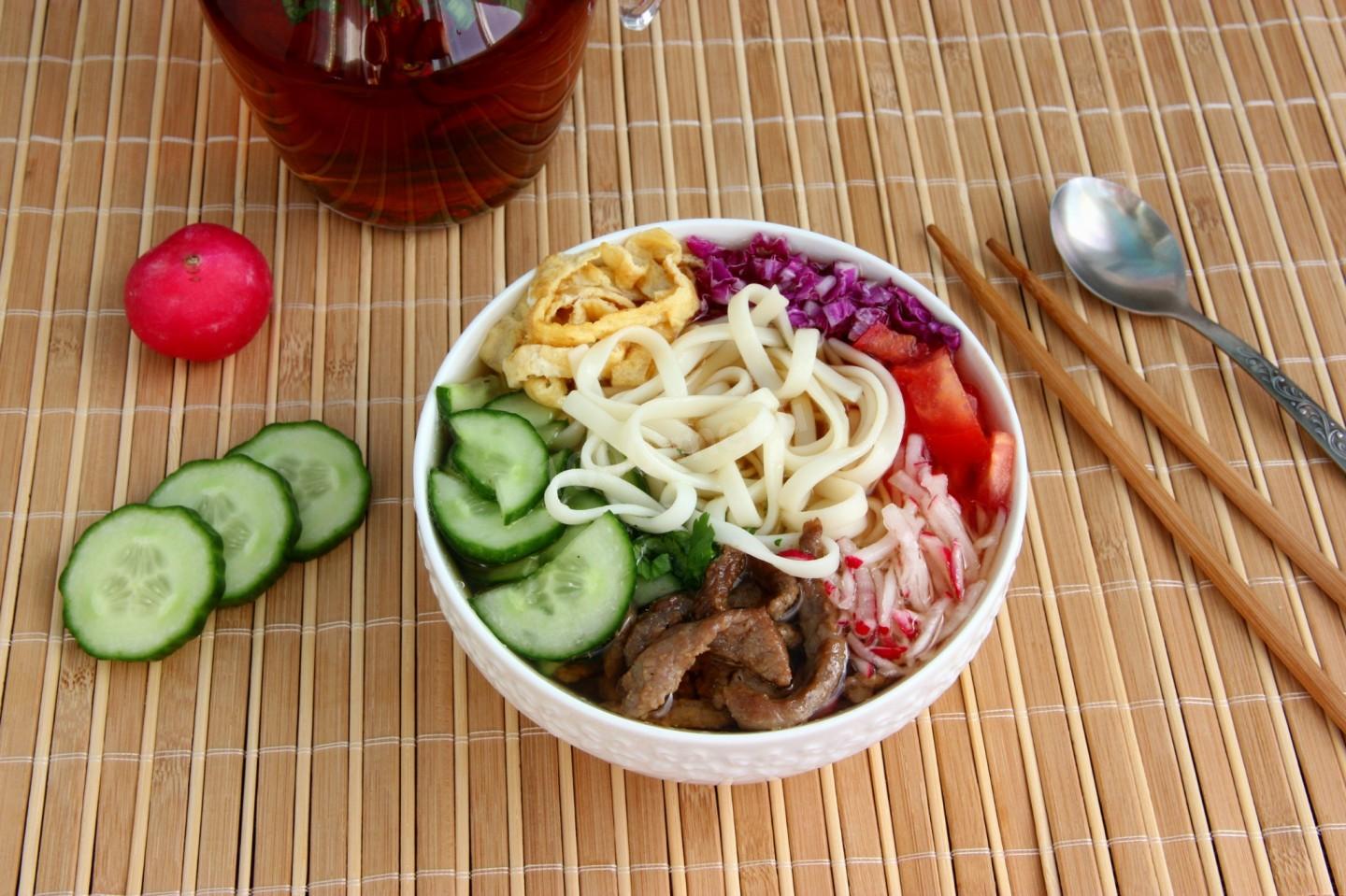
- All the ingredients should be well chilled. I made this soup for the first time; the flavor struck me as unusual but very pleasant, and I loved it. All the ingredients are familiar — it was their combination and the dressing itself that were new. I've made Korean and Chinese dishes before, and at first the combinations and the use of vinegar essence surprised me, but the more I tried them, the more I liked how harmonious it all is. Some dishes weren't for me, they're so distinctive, but kuksi won me over right away, and I'll definitely be adding it to my family's menu.
Caloric content of the products possible in the composition of the dish
- Tomatoes - 23 kcal/100g
- Fresh cucumbers - 15 kcal/100g
- Chicken egg - 157 kcal/100g
- Egg white - 45 kcal/100g
- Egg powder - 542 kcal/100g
- Egg yolk - 352 kcal/100g
- Ostrich egg - 118 kcal/100g
- Garlic - 143 kcal/100g
- Dried ground cilantro - 216 kcal/100g
- Coriander - 25 kcal/100g
- Cilantro, coriander - 25 kcal/100g
- Ground black pepper - 255 kcal/100g
- Radish - 20 kcal/100g
- Soy sauce - 51 kcal/100g
- Granulated sugar - 398 kcal/100g
- Sugar - 398 kcal/100g
- Chinese cabbage - 16 kcal/100g
- Vegetable oil - 873 kcal/100g
- Green onion - 19 kcal/100g
- Salt - 0 kcal/100g
- Noodles - 135 kcal/100g
- Water - 0 kcal/100g
- Ground hot pepper - 21 kcal/100g
- Coriander greens - 25 kcal/100g
- Beef fillet (steak) - 189 kcal/100g
- Beef fillet (roast beef) - 381 kcal/100g
- Acetic essence - 11 kcal/100g
- Garlic powder - 331 kcal/100g
- Ground pepper mixture - 255 kcal/100g
Similar recipes


- Kitchen utensils
- National cuisine
- Soups
- Second course
- Eggs
- Meat and meat products
- Semi-finished products
- Vegetables
- Sweet
- Spices seasonings spices
- Fats and oils
- Other
- Garlic
- Кинза
- Pepper
- Salt
- Vinegar
- Wok
- Vegetable oil
- Water
- Asian cuisine
- Frying
- Stewing
- In a frying pan
- Cooling
- Egg soup
- Meat soup
- Cold soups
- Cabbage soup
- Tomato soup
- Soup without potatoes
- Pasta soup
- Thick soup
- Спагетти
- Meat second course
- Second courses of cabbage
- Eggs with tomatoes
- Beef
- Sauce
- From cabbage
- From cucumbers
- From tomato
- Radish
- From onion
- Recipes for lean dishes without butter
- Sugar
- From pasta products
- Noodles