Fish Patties with Semolina
Delicious, tender, and juicy — a family dinner favorite! These fish patties with semolina shape up easily, look great, and hold together well as they fry. The semolina stirred into the fish gives them a springy, fluffy texture. This dish works for both weeknights and special occasions.


Cooking method
-
Step 1:
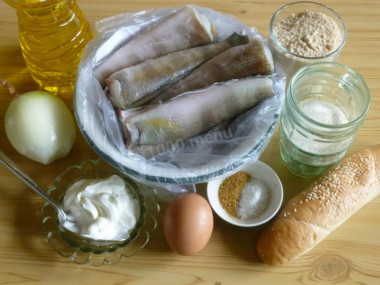
How do you make fish patties with semolina? Gather your ingredients. You can make these with almost any fish — I used frozen whole notothenia. It's fairly bony, but that's no problem for patties. Use a stale bread roll.
-
Step 2:
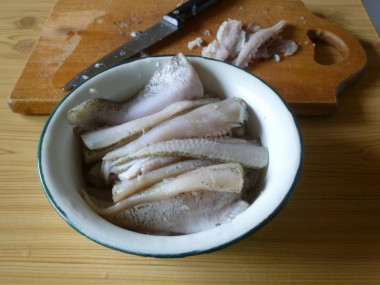
Thaw the fish, scale it, and trim off the fins. Leaving it slightly frozen makes it easier to clean. Separate the flesh from the bones and cut it into pieces.
-
Step 3:
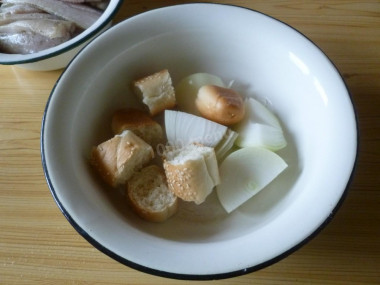
Cut the onion into 4 pieces and tear the white bread or roll into chunks.
-
Step 4:
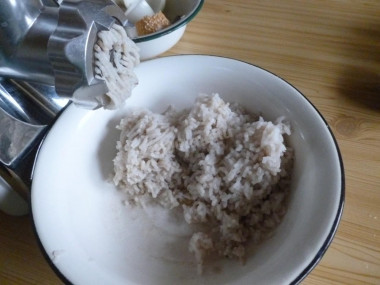
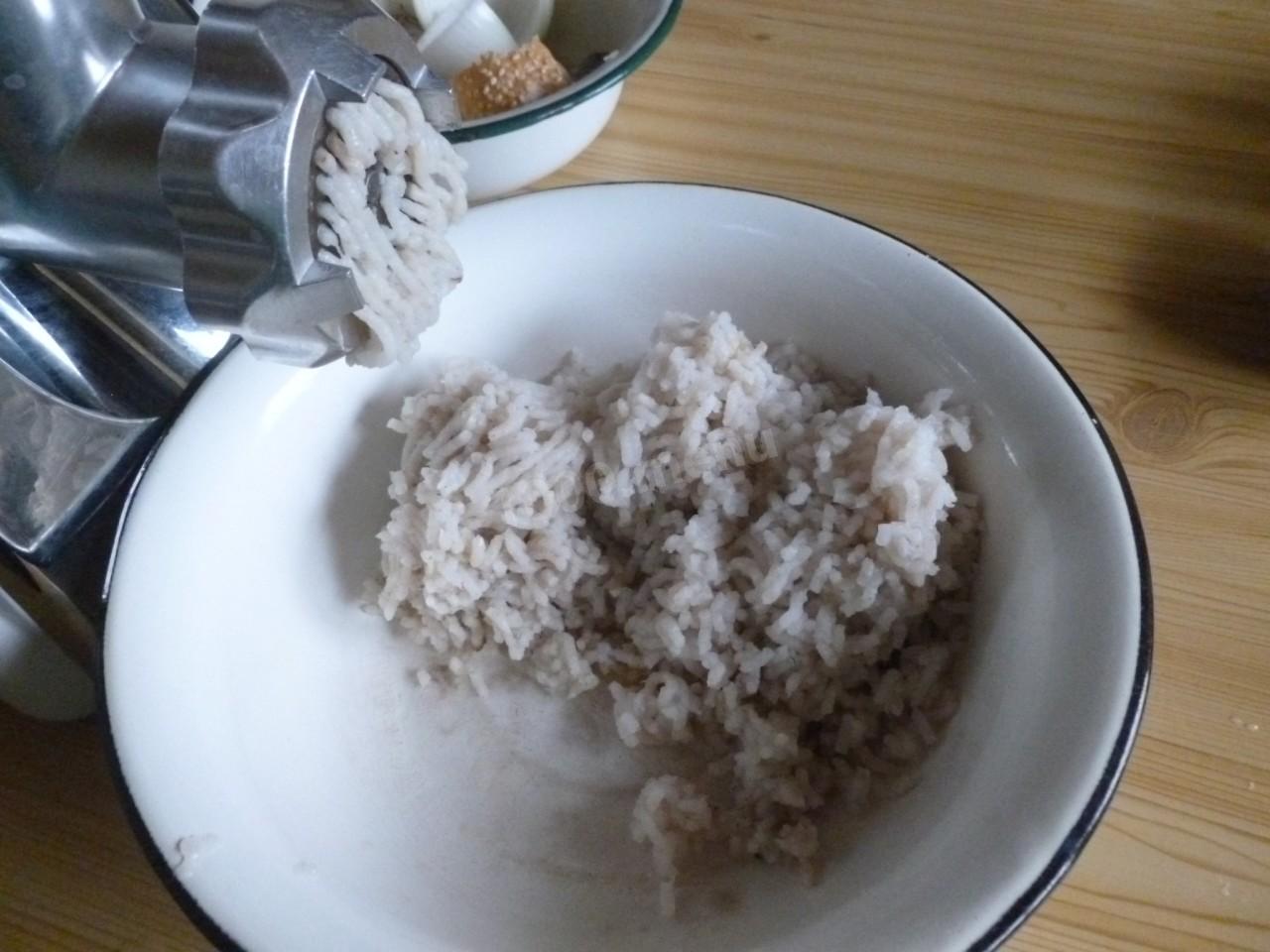
Run the fish, onion, and white bread through a meat grinder together. Use the finest grinding plate so the small bones get fully ground up.
-
Step 5:
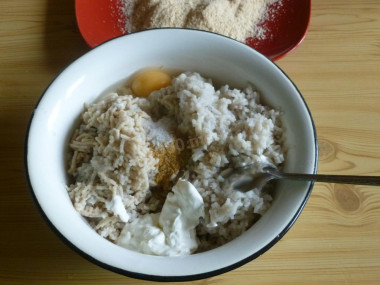
Add salt, spices, sour cream, and the egg to the ground fish.
-
Step 6:
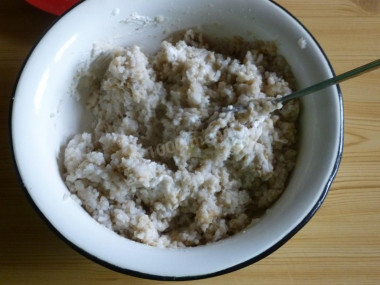
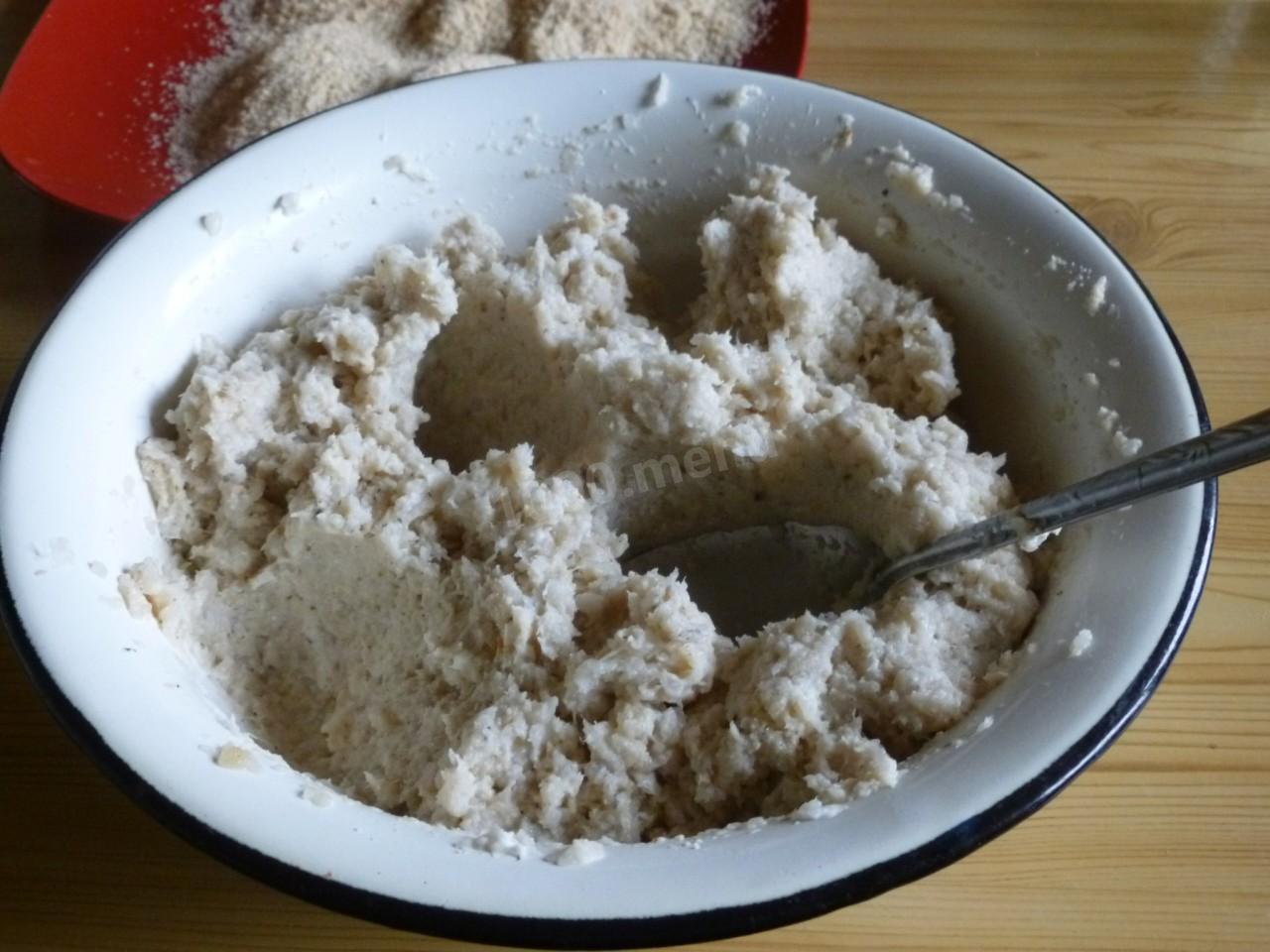
Knead the mixture well until smooth.
-
Step 7:
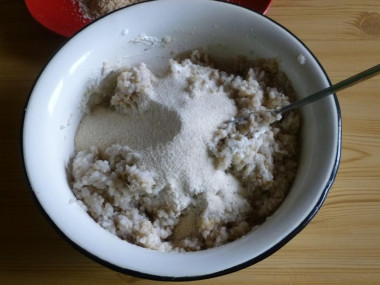
Stir the semolina into the ground fish.
-
Step 8:
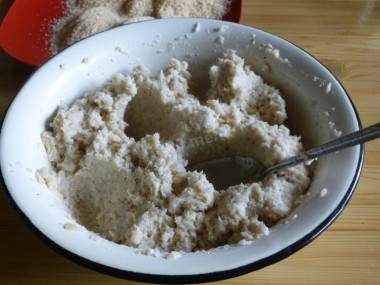
Mix everything thoroughly once more.
-
Step 9:
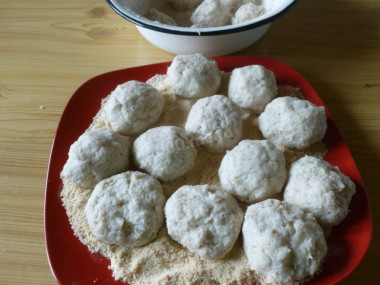
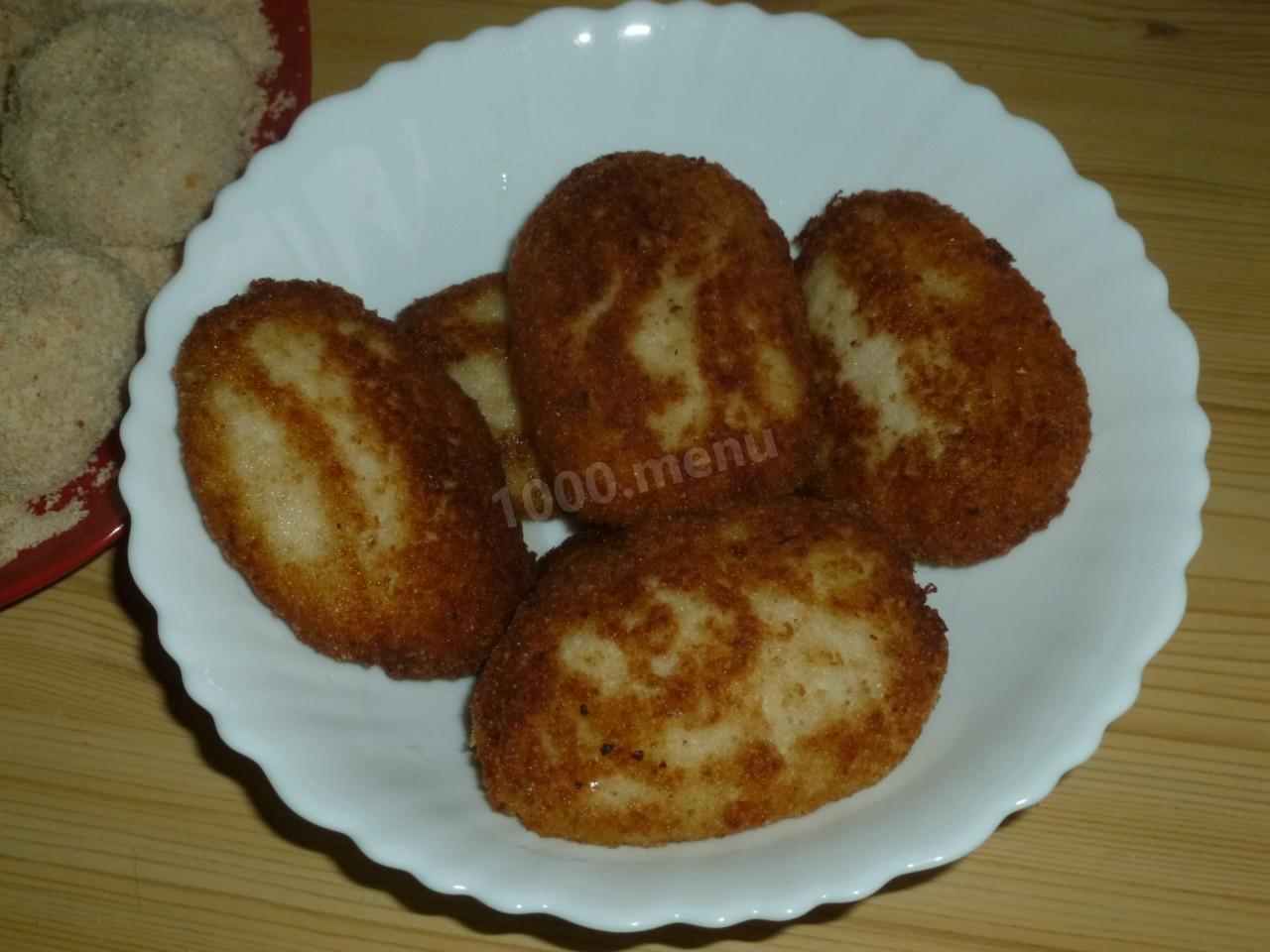
Scoop up the mixture with a tablespoon and roll it into balls. Set the fish balls on a large plate of breadcrumbs.
-
Step 10:
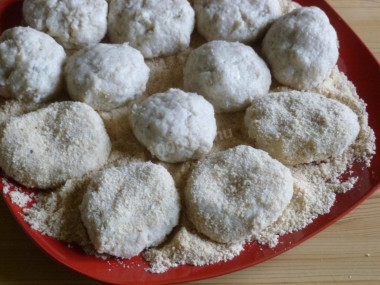
Coat each ball generously in the breadcrumbs.
-
Step 11:
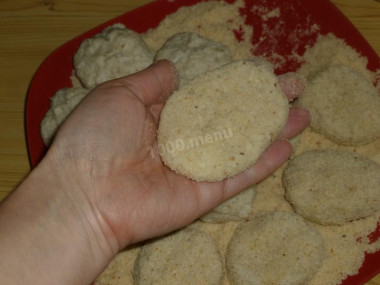
Shape the breaded balls into oblong patties.
-
Step 12:

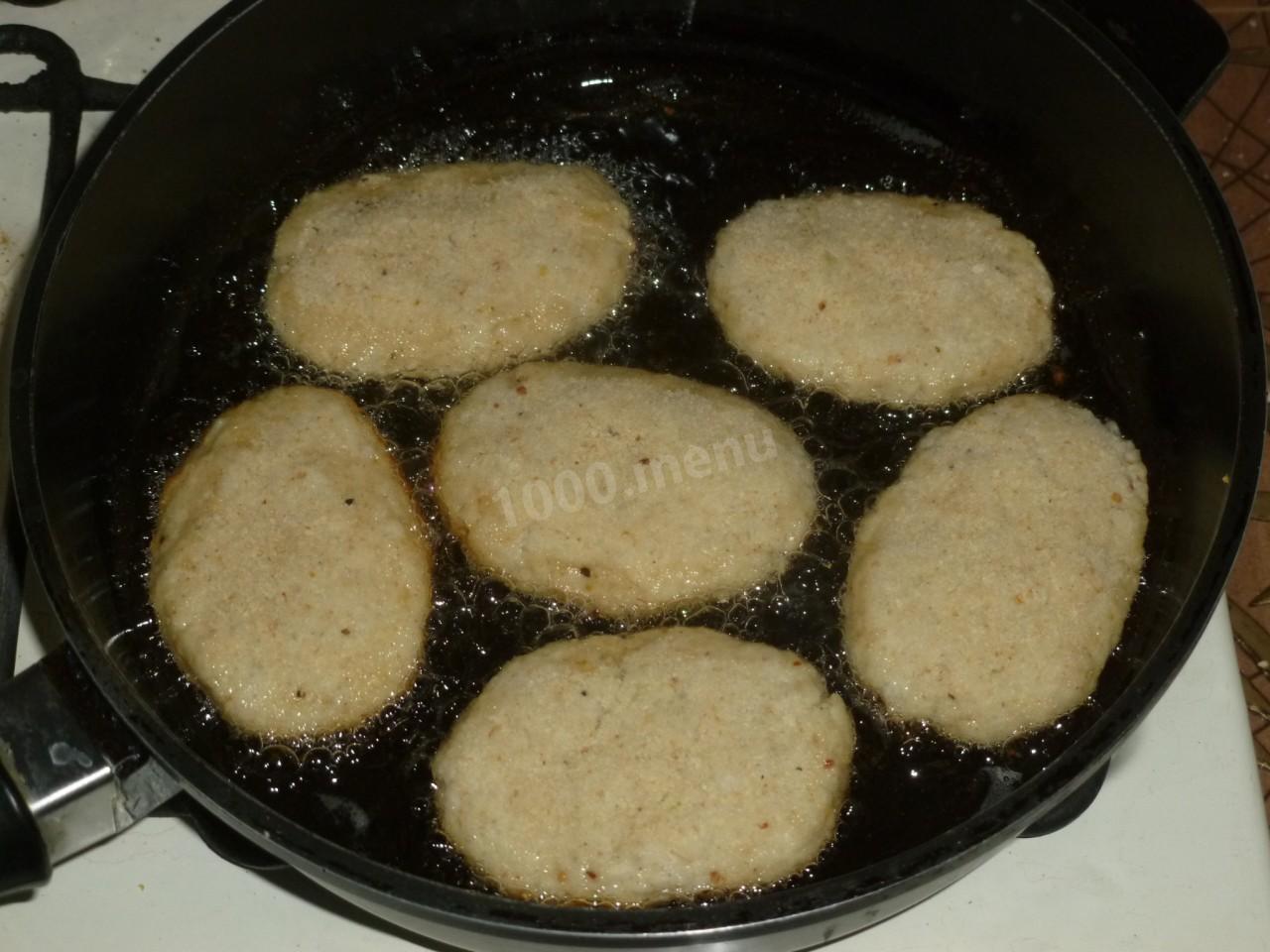
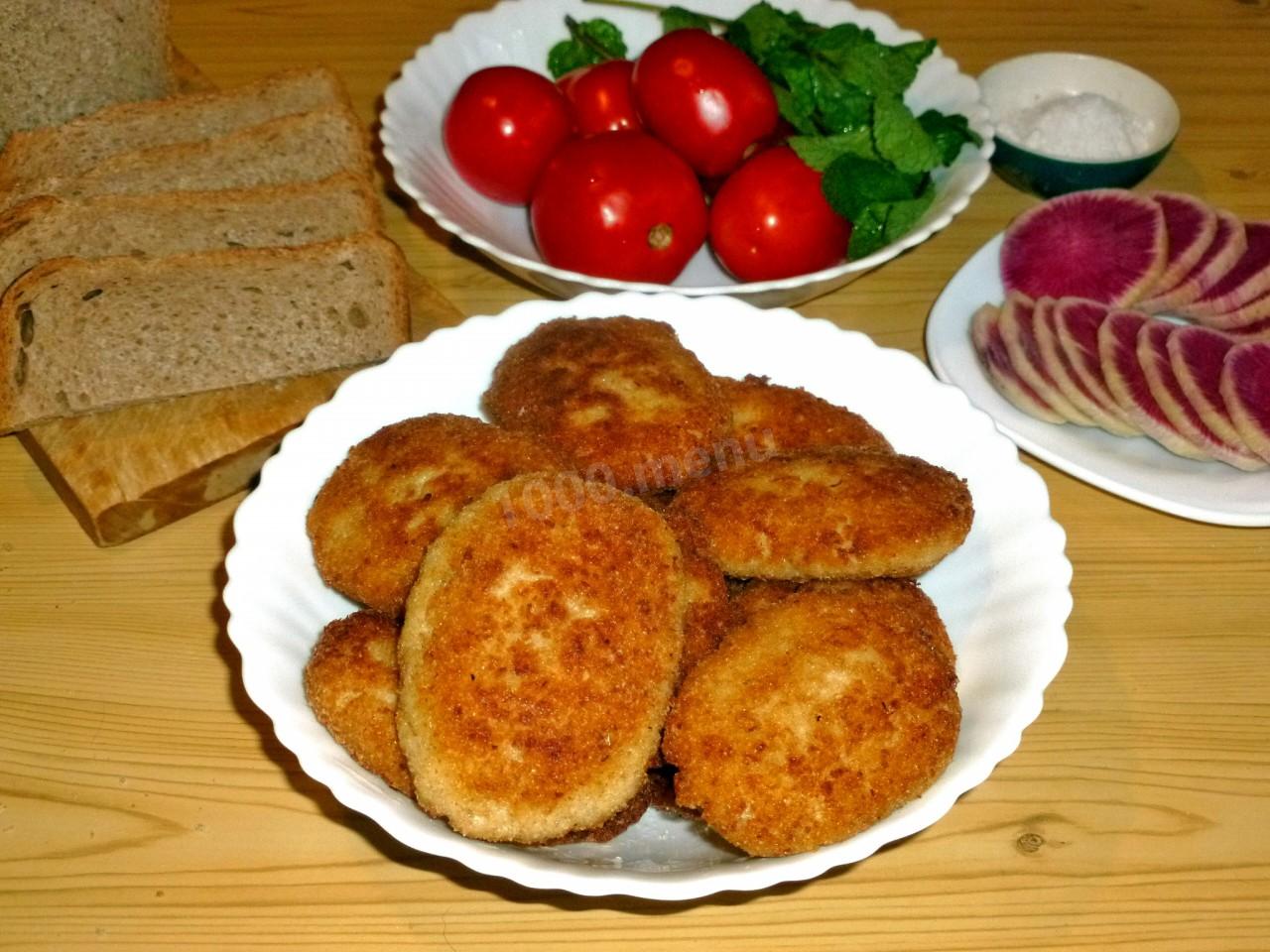
Lay the patties into hot oil in a skillet. Fry over high heat until golden on the first side, just about 2 minutes.
-
Step 13:
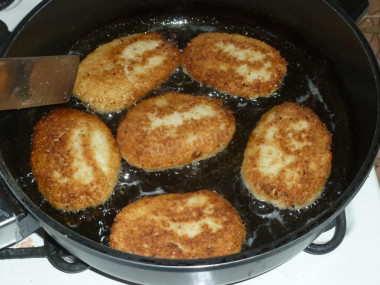
Flip the patties over and turn the heat down low.
-
Step 14:
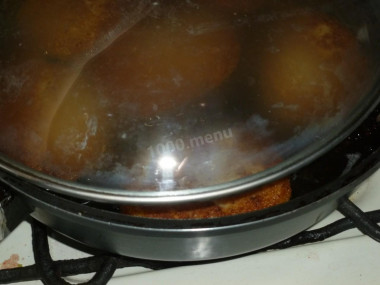
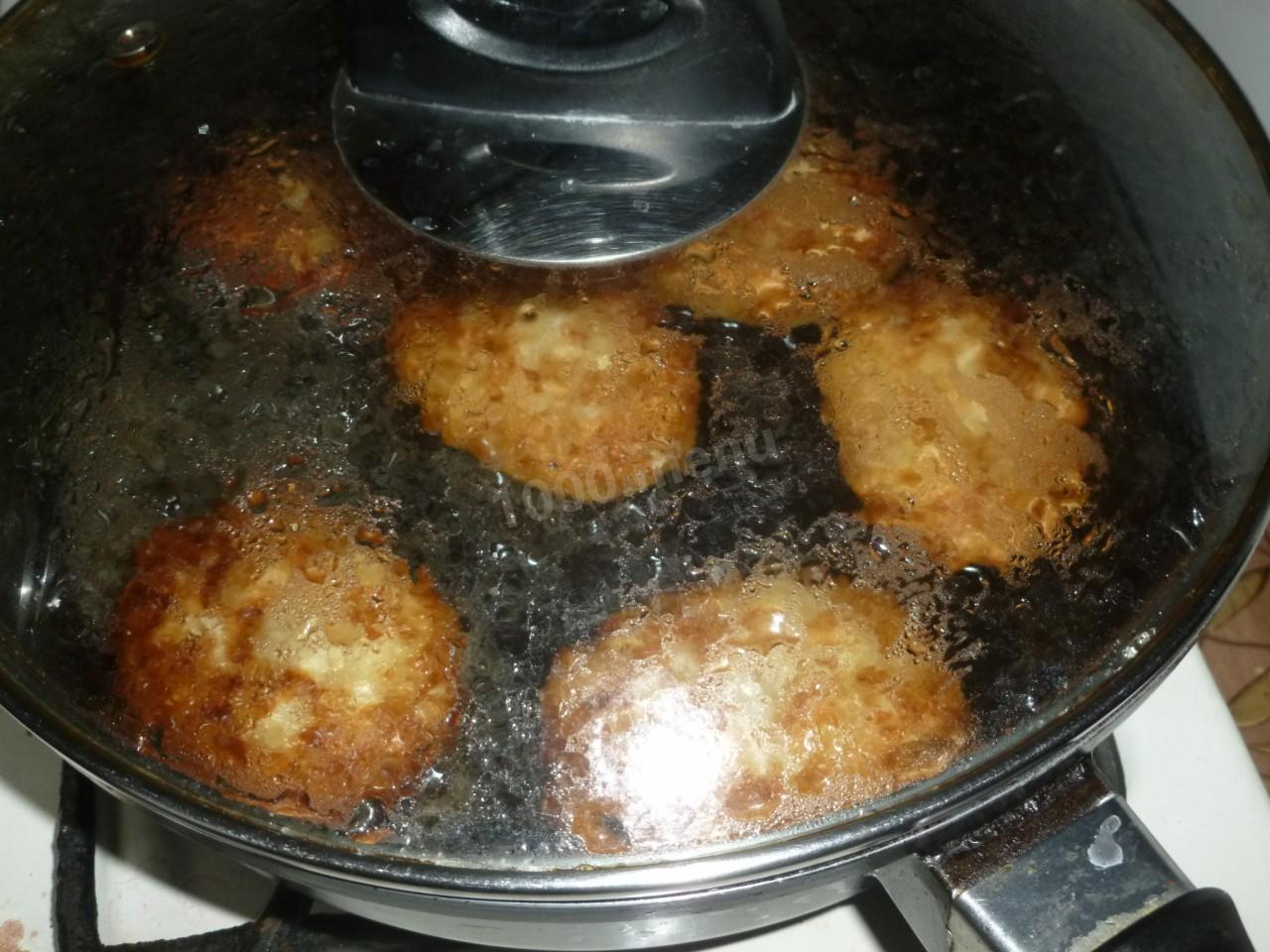
Cover the skillet with a lid.
-
Step 15:
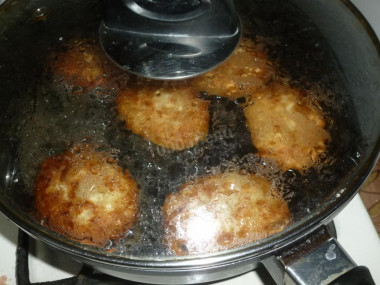
Cook the fish patties covered for another 10 minutes over low heat.
-
Step 16:
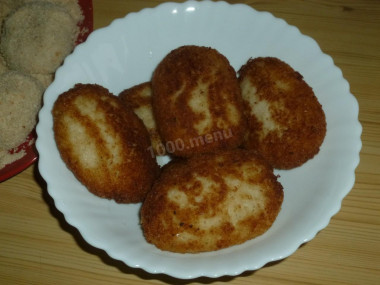
Take the finished patties off the heat.
-
Step 17:
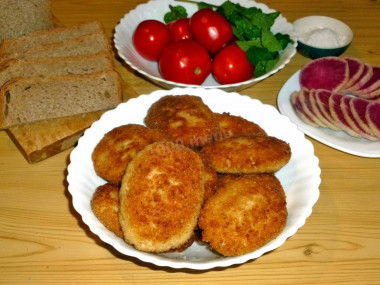
Serve the fish patties hot. Enjoy!








- Keep in mind that properly thawing your ingredients has a big impact on the quality and flavor of the finished dish. To avoid mistakes and pick the best method, read our article on defrosting.
- How do you fillet a whole fish? Remove the tail, head, and fins. Cut along the spine down to the backbone, turn the fish on its side, and slide a sharp knife along the backbone to release the flesh. Flip it over and cut the fillet from the other side. Clean out the inside, removing the black membrane — it's bitter and will spoil the flavor. Rinse, and be sure to pat it dry well.
- Any oil is only good up to a certain point — the smoke point, where it begins to burn and forms toxic compounds, including carcinogens. To learn how to pick the right frying temperature and the best oil for frying (and which to skip entirely), read here.
Caloric content of the products possible in the composition of the dish
- Sour cream with 30% fat content - 340 kcal/100g
- Sour cream of 25 % fat content - 284 kcal/100g
- Sour cream with 20 % fat content - 210 kcal/100g
- Sour cream of 10% fat content - 115 kcal/100g
- Sour cream - 210 kcal/100g
- Chicken egg - 157 kcal/100g
- Egg white - 45 kcal/100g
- Egg powder - 542 kcal/100g
- Egg yolk - 352 kcal/100g
- Ostrich egg - 118 kcal/100g
- Semolina - 340 kcal/100g
- Vegetable oil - 873 kcal/100g
- Onion - 41 kcal/100g
- Spices dry - 240 kcal/100g
- Table salt - 0 kcal/100g
- Dietary bun - 242 kcal/100g
- Diet bun on sorbitol - 266 kcal/100g
- Bun - 242 kcal/100g
- Breadcrumbs - 347 kcal/100g
- Nototenia marble - 156 kcal/100g
Similar recipes



- Homemade dinner
- Snacks
- Second course
- Eggs
- Fish and seafood
- Dairy products
- Vegetables
- Cereals and cereal products
- Bakery products
- Spices seasonings spices
- Fats and oils
- With crackers
- Wheat bread
- Salt
- Dry spices
- Vegetable oil
- Hot snacks
- Frying
- In a frying pan
- Breading
- Cutlets
- Fish second course
- Fish with vegetables
- Nototenia
- Sour cream
- From onion
- Recipes for lean dishes without butter
- Semolina