Apple Syrniki (Cottage Cheese Pancakes)
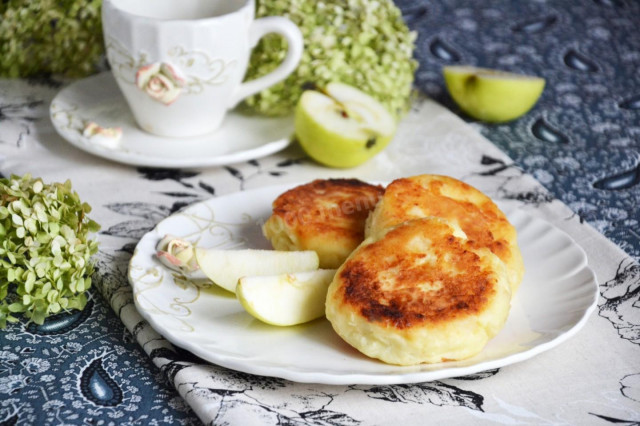
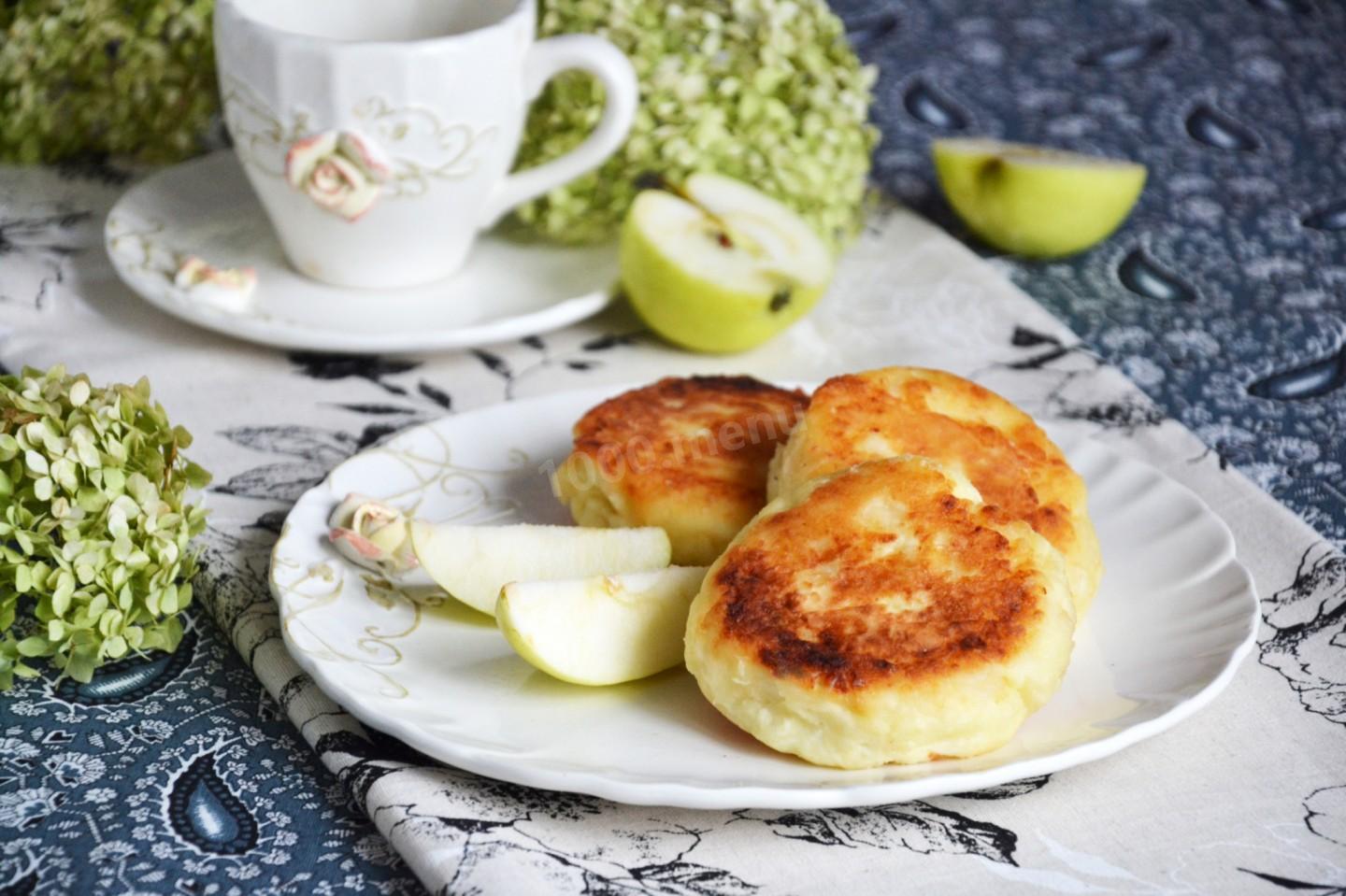
Use the richer, fattier cottage cheese, and sweet-tart apples. These syrniki are incredibly good — words can't do them justice! I've made all kinds of syrniki with all kinds of fillings, but these ones truly amazed me. They say it's true: the simpler, the tastier.

Cooking method
-
Step 1:
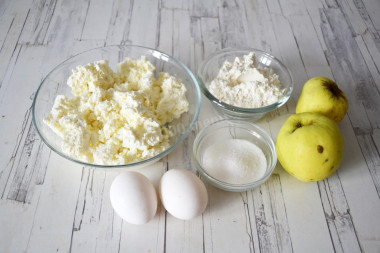
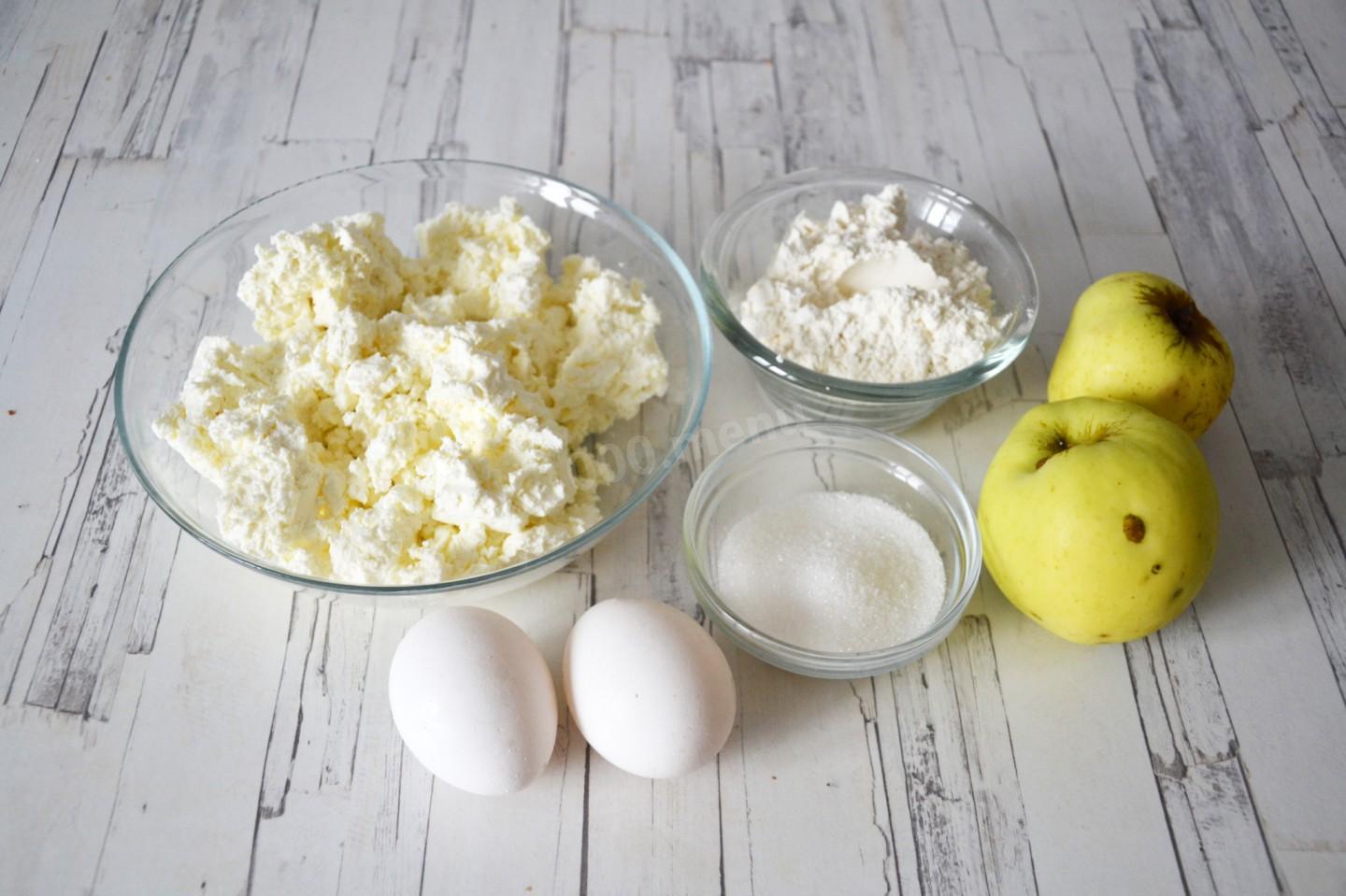
Gather your ingredients. For apple syrniki you'll need: cottage cheese (preferably rich, without big curds), flour, eggs, sugar, and apples.
-
Step 2:
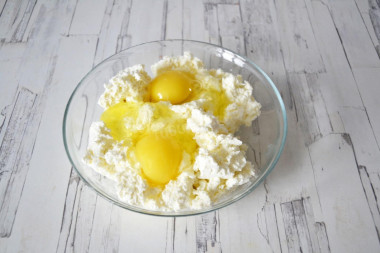
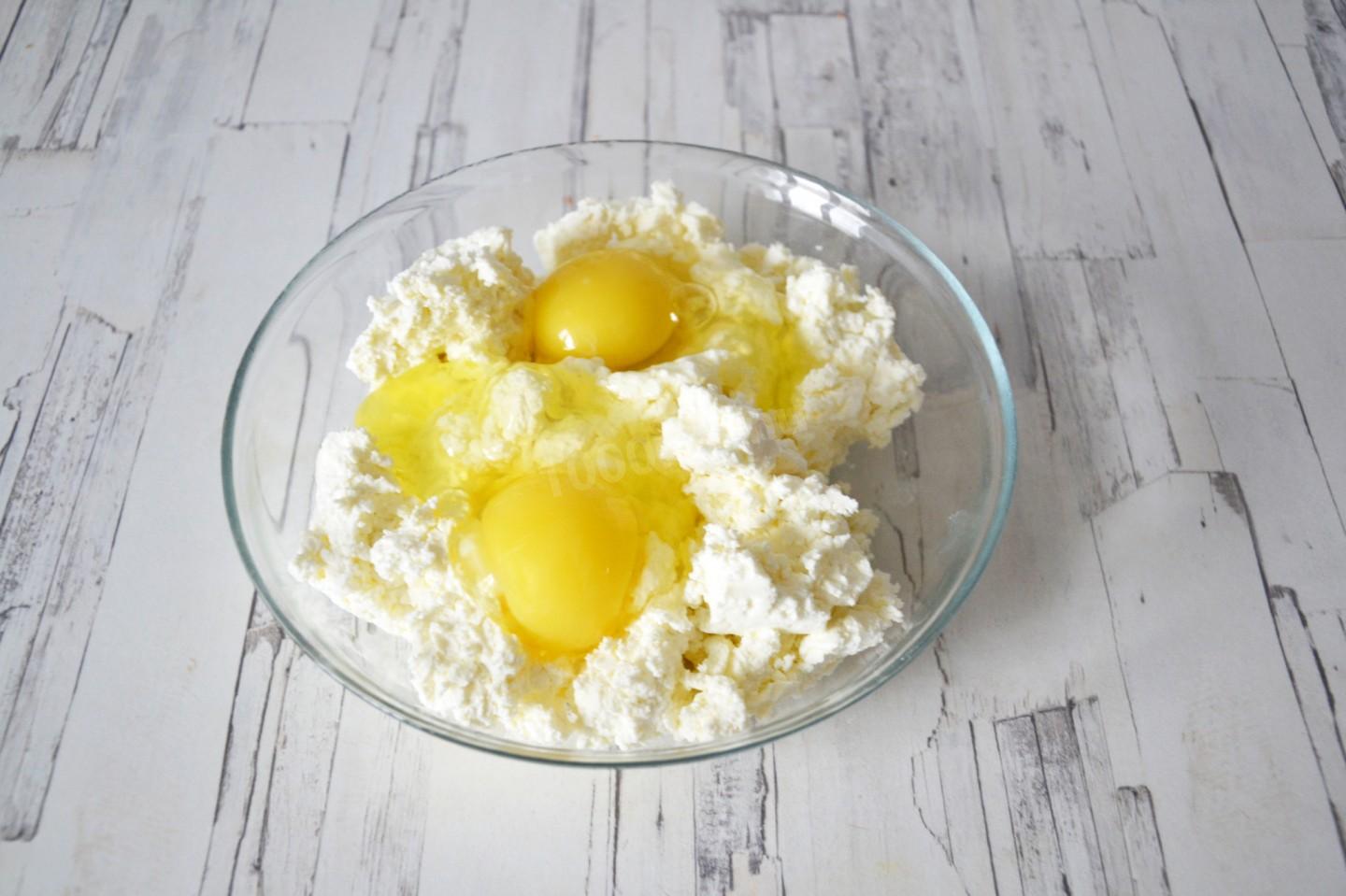
Combine the cottage cheese and eggs in a deep bowl.
-
Step 3:
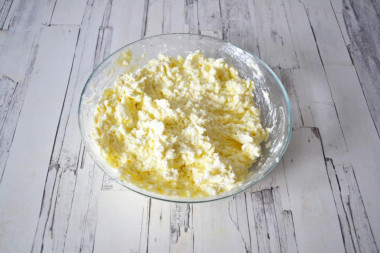
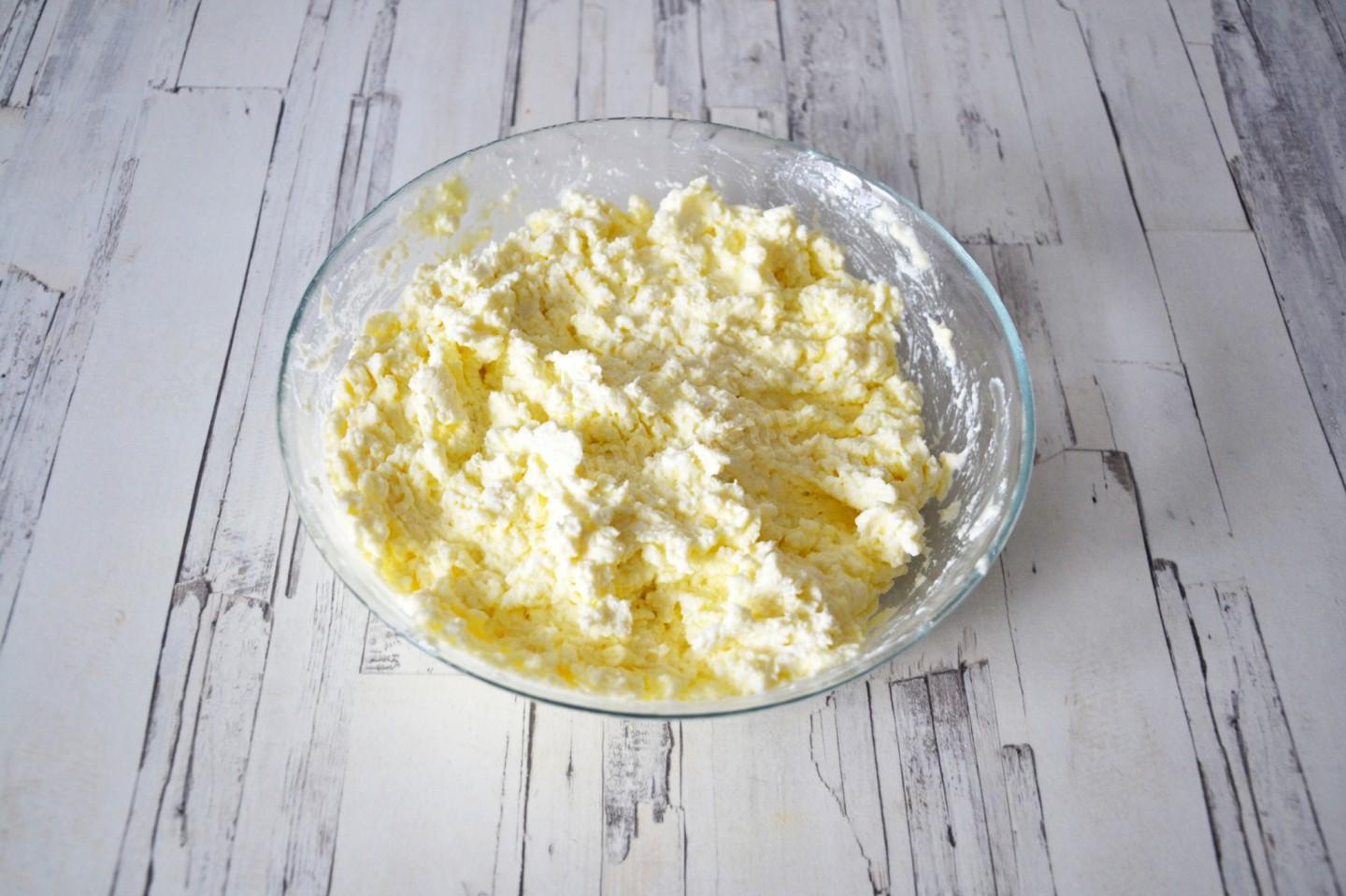
Mash everything with a fork until smooth and lump-free. If you like, blend it for an even smoother texture.
-
Step 4:
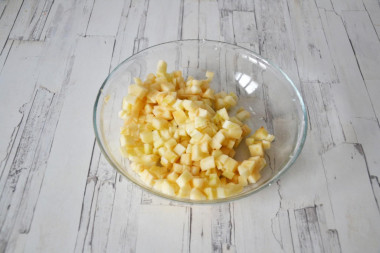
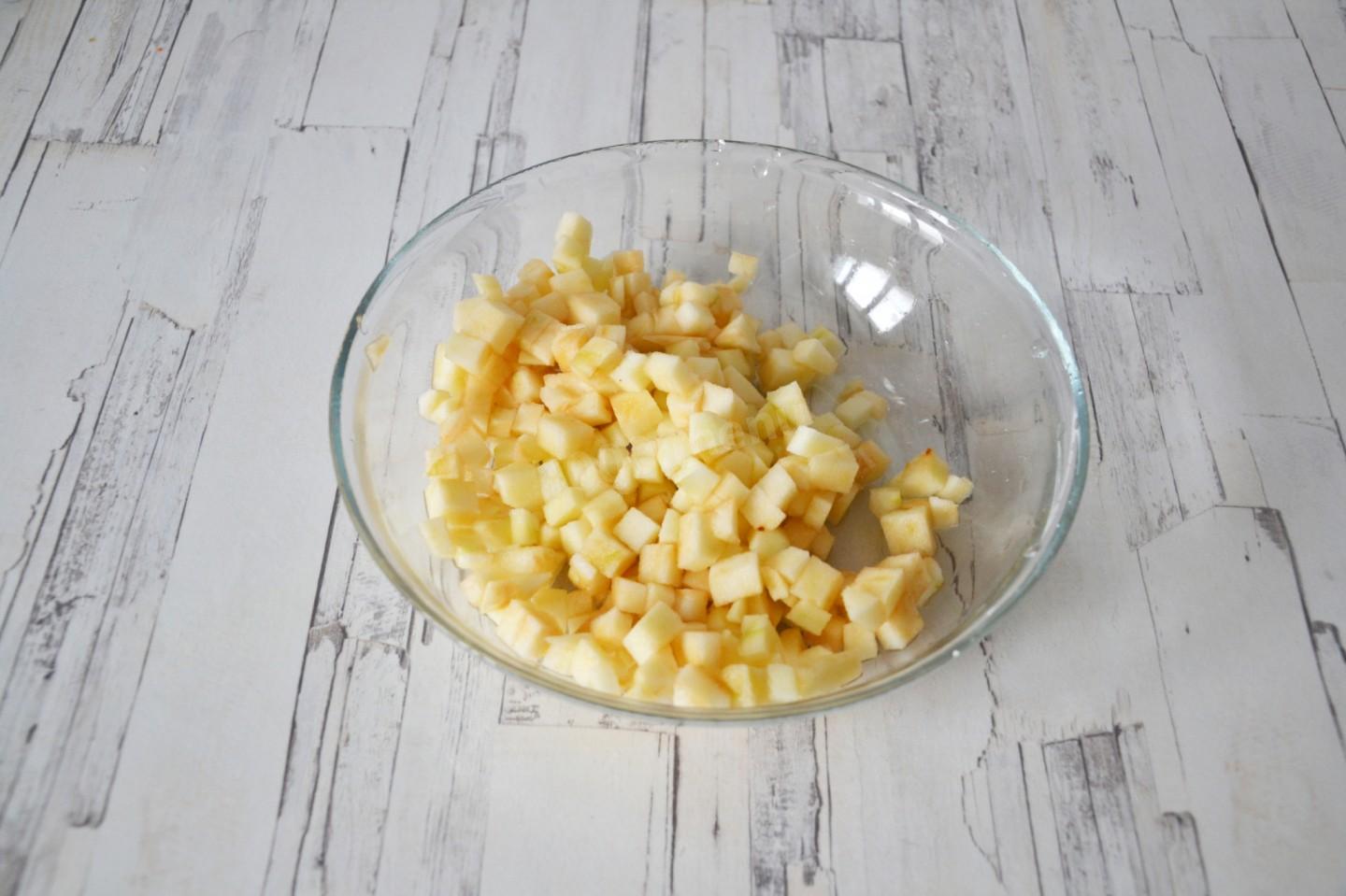
Peel and core the apples. Cut the flesh into small cubes or grate it.
-
Step 5:
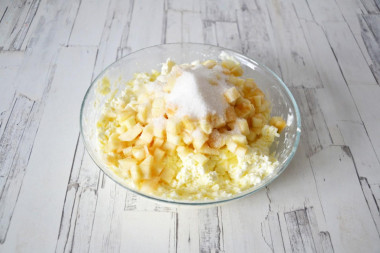
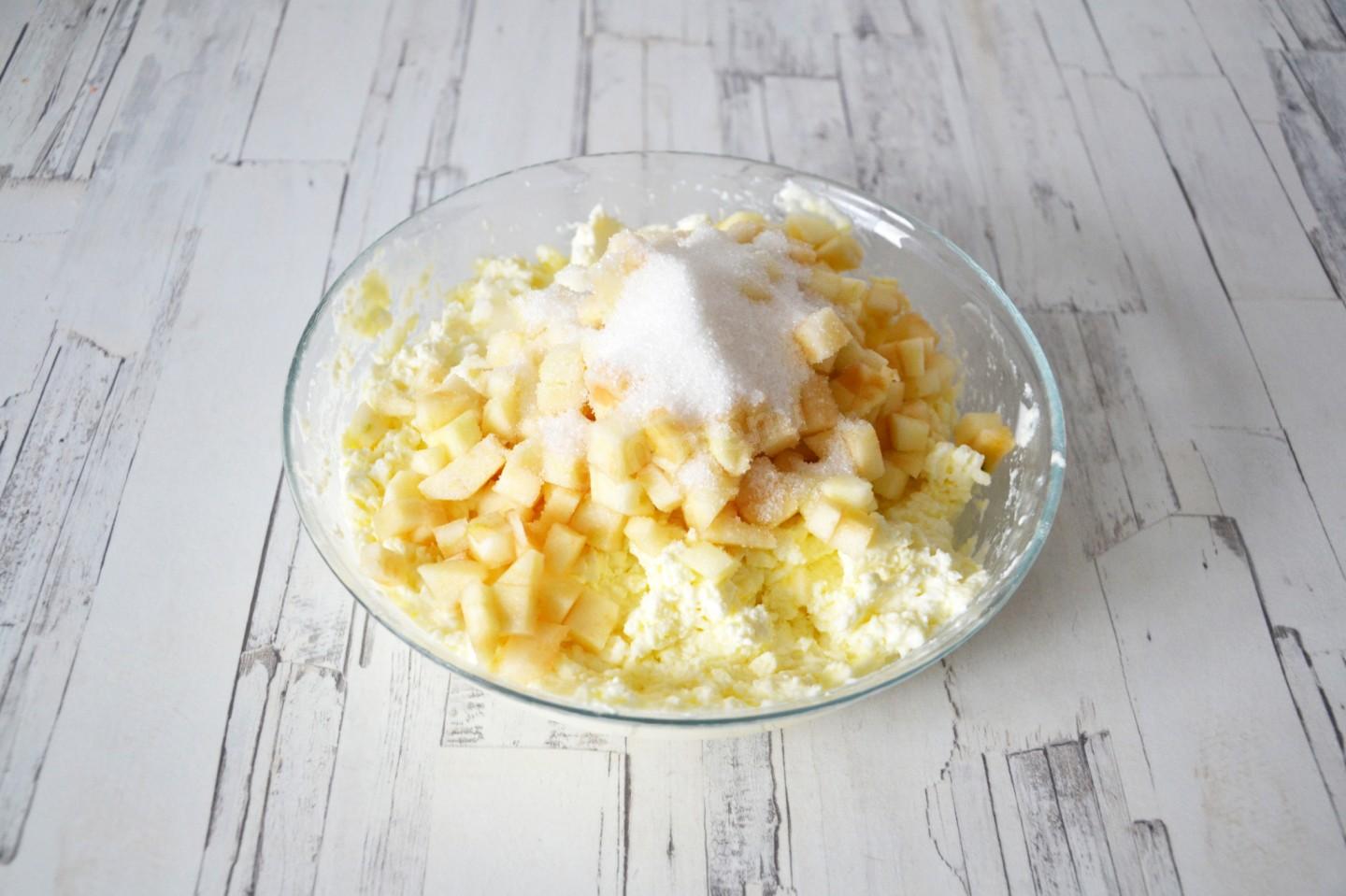
Add the sugar and prepped apples to the cheese mixture. Stir.
-
Step 6:
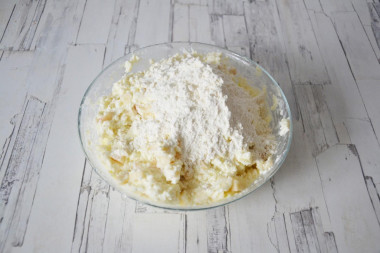
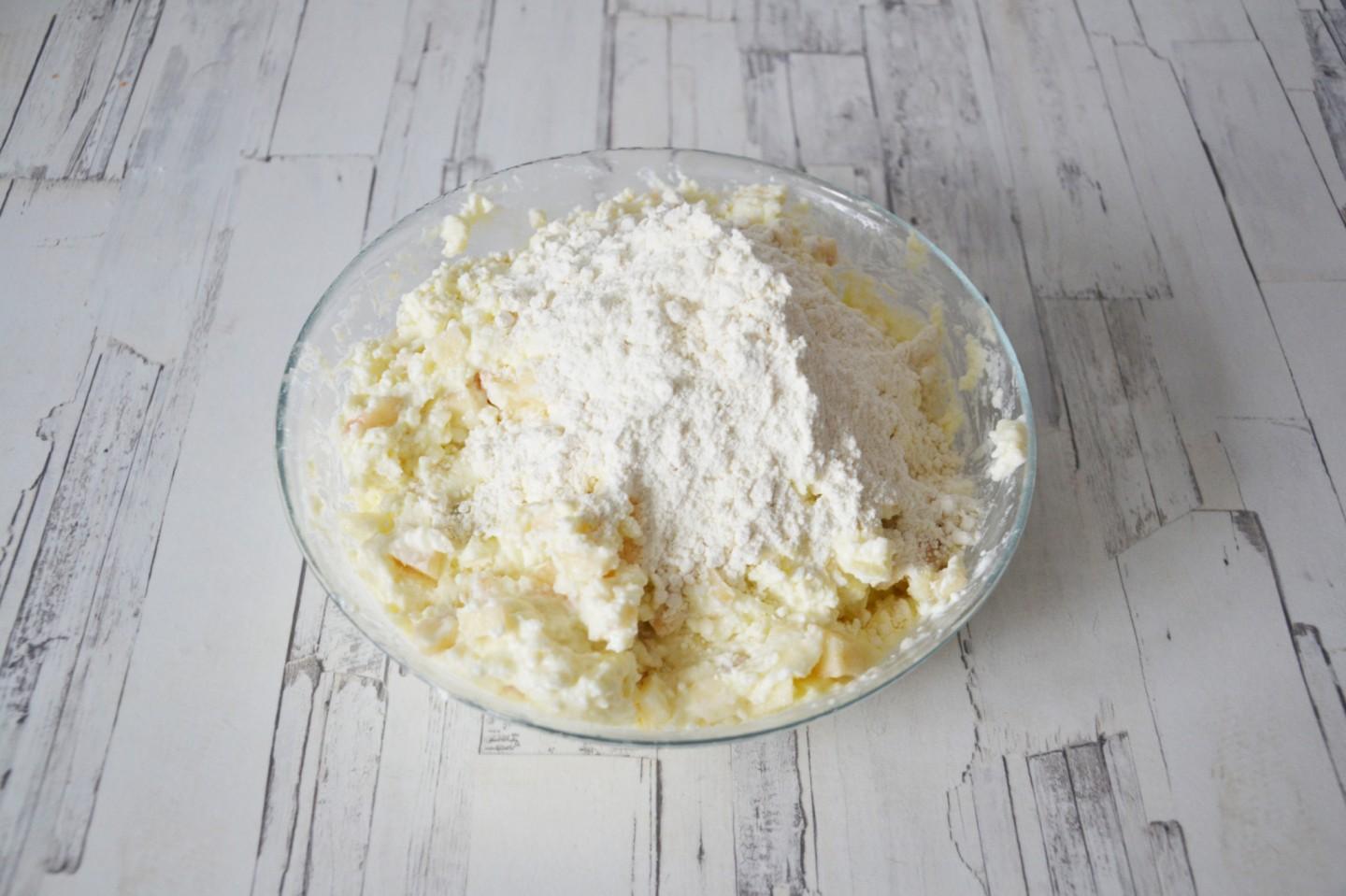
Add the flour.
-
Step 7:
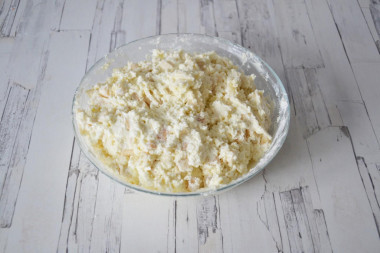
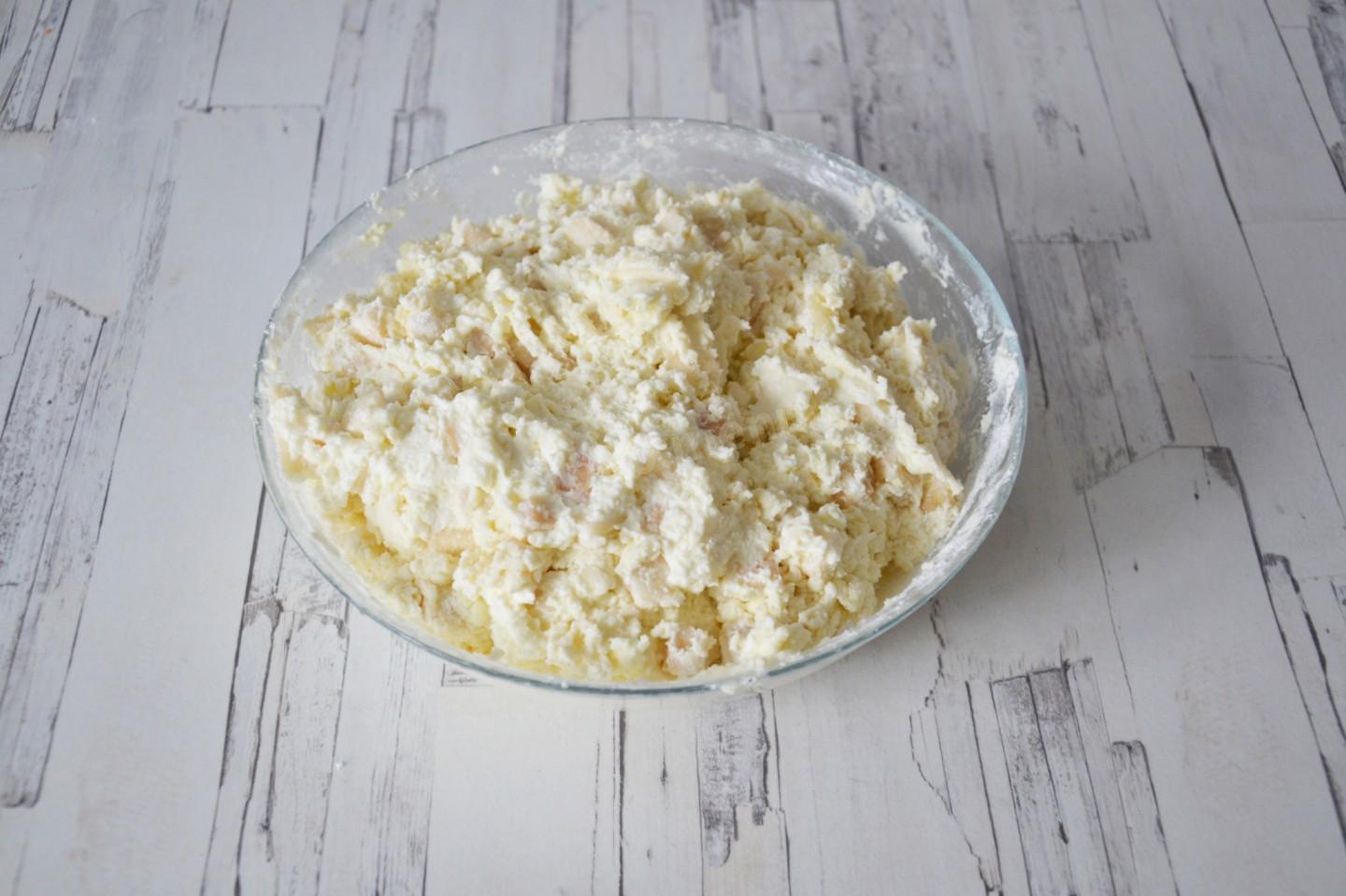
Mix again. The apples should be evenly distributed through the batter. If it's too loose, add a little more flour.
-
Step 8:
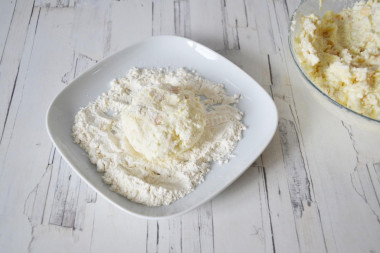
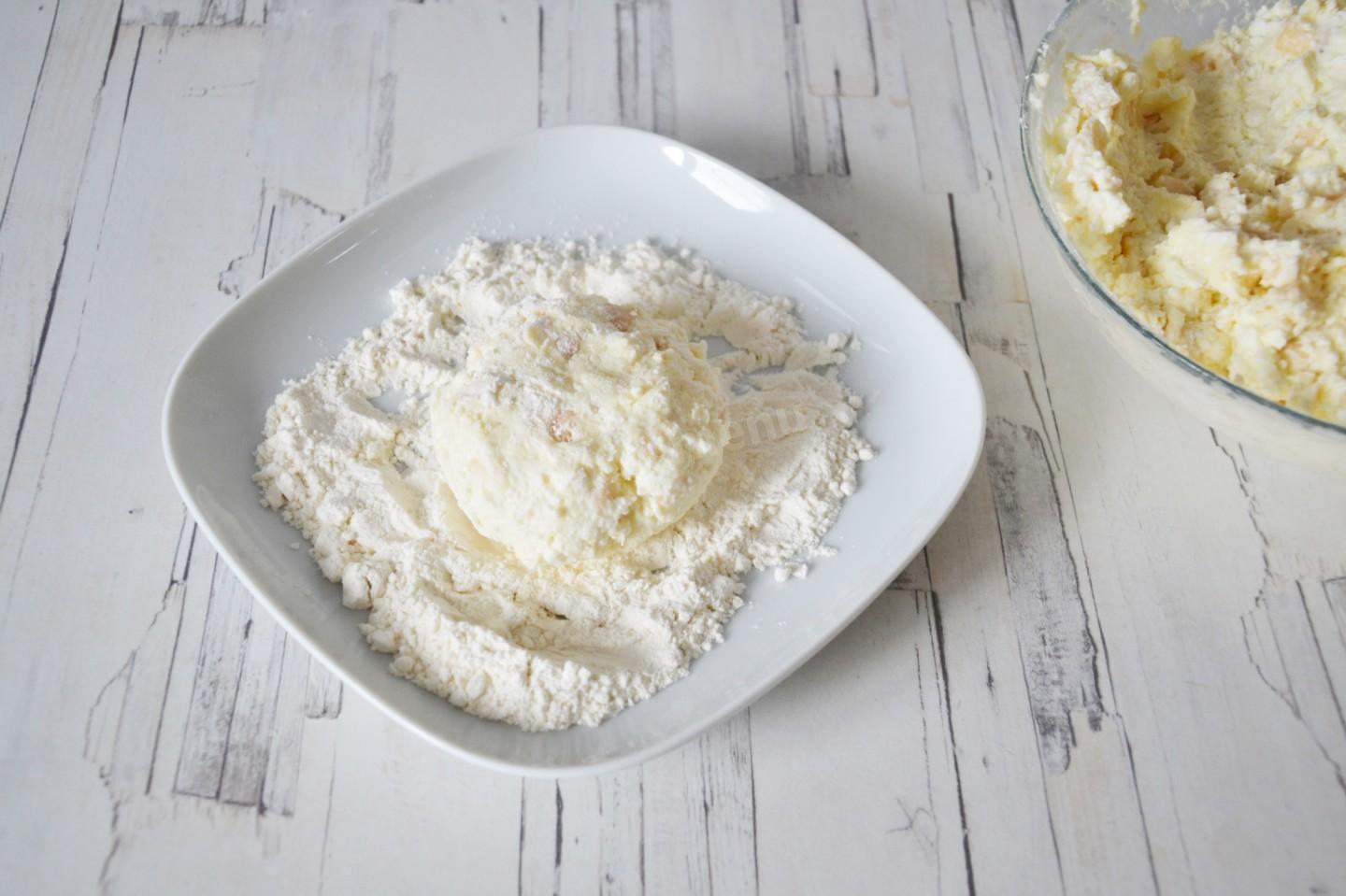
With damp hands, shape the cheese-and-apple mixture into small syrniki and dredge them in flour.
-
Step 9:
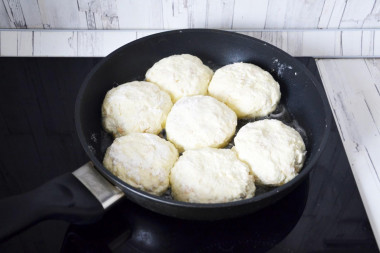
Heat vegetable oil in a skillet and fry the syrniki about 4-5 minutes on the first side, until golden.
-
Step 10:
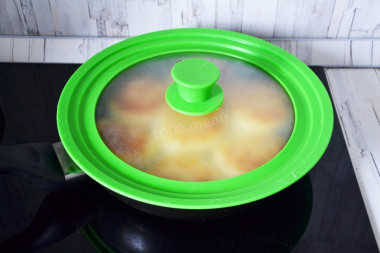
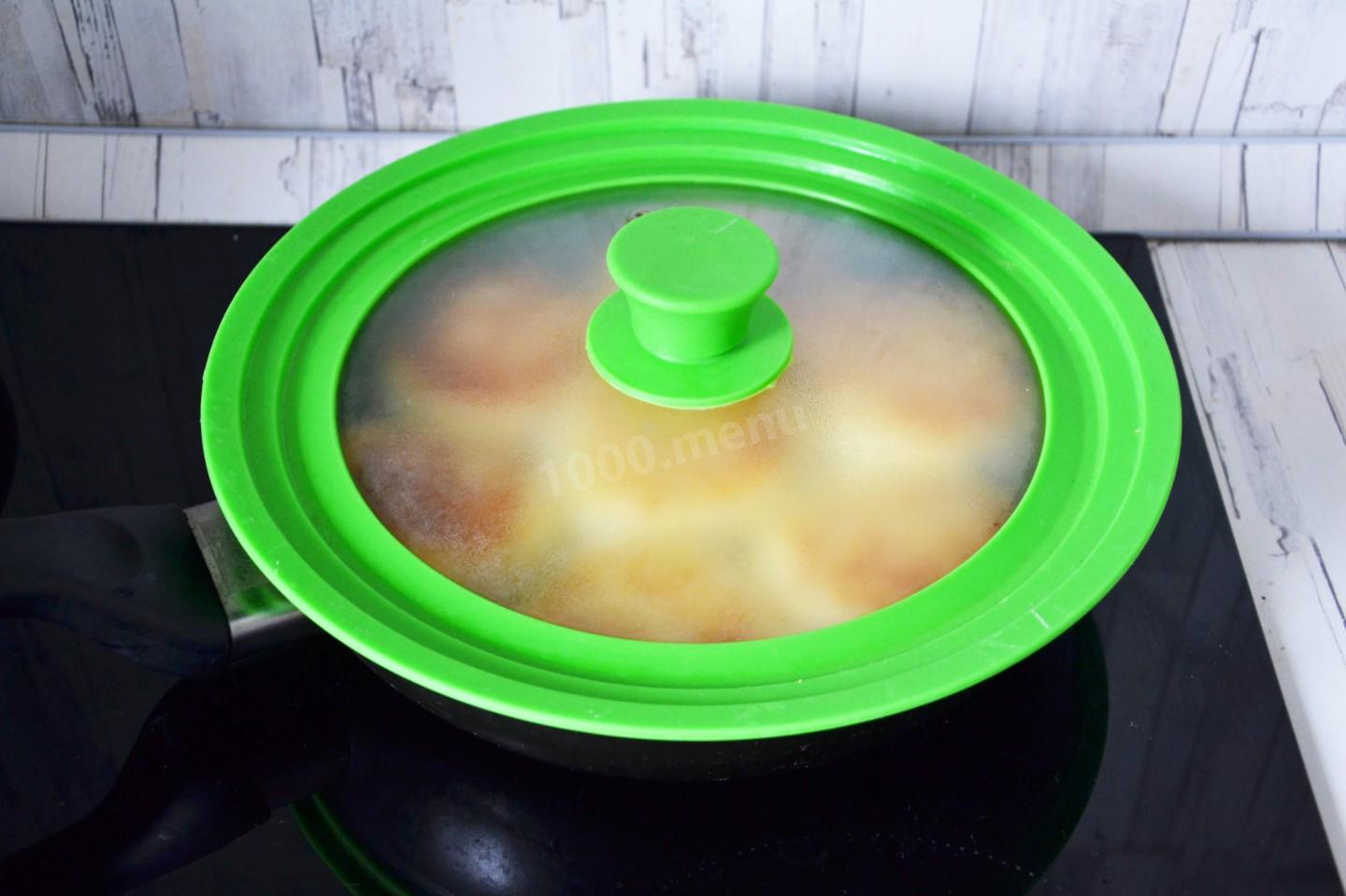
Flip them over, cover the skillet with a lid, and cook until done.
-
Step 11:
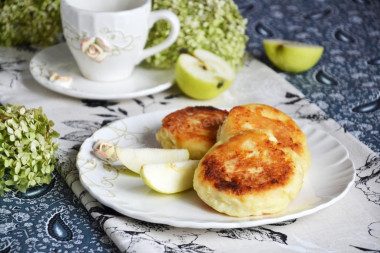
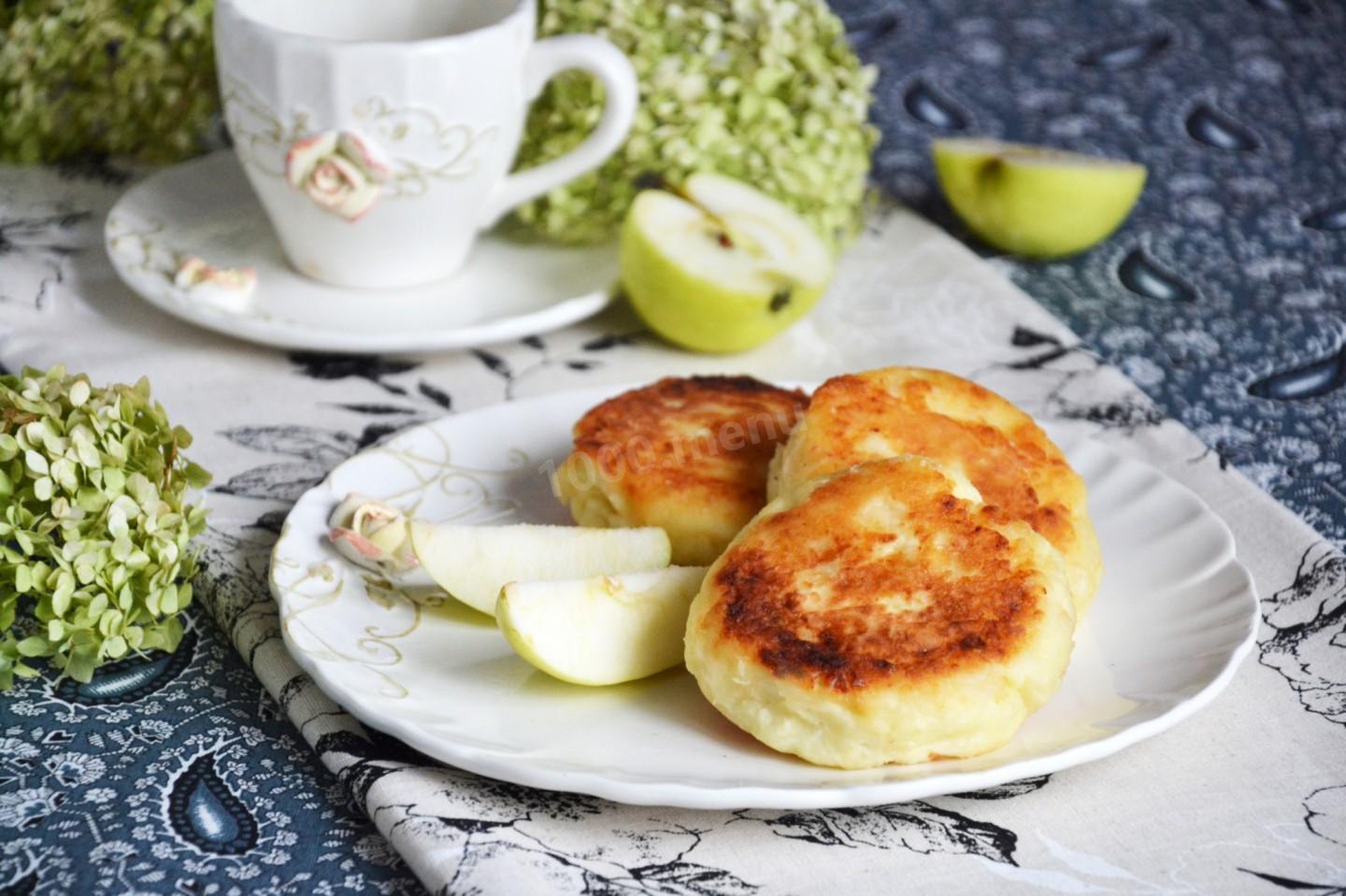
Serve the syrniki warm with sour cream, condensed milk, or vanilla sauce. Enjoy!

- Before European hard-cheese factories reached Russia and cheesemakers drew a line between "tvorog" (cottage cheese) and "cheese," all curd products were simply called cheese — and cottage cheese, in turn, was "cheese" too. That's where the name syrniki comes from (from "syr," cheese). In fact, in southern Russia and Ukraine, "cheese" is still used to mean both aged cheeses and cottage cheese.
- Cottage cheese was made from soured milk: it was warmed on the stove until it curdled, then the whey was strained off and the curds pressed. To keep it longer, the process was repeated, yielding cottage cheese that would last a week in a cold cellar. People were wary of eating it raw, though, so they found ways to cook with it — syrniki being one of them. The classic version adds sugar, flour, and eggs to the cheese.
Caloric content of the products possible in the composition of the dish
- Chicken egg - 157 kcal/100g
- Egg white - 45 kcal/100g
- Egg powder - 542 kcal/100g
- Egg yolk - 352 kcal/100g
- Ostrich egg - 118 kcal/100g
- Apples - 47 kcal/100g
- Dried apples - 210 kcal/100g
- Canned apple mousse - 61 kcal/100g
- Cottage cheese of 40% fat content - 466 kcal/100g
- Cottage cheese of 20% fat content - 233 kcal/100g
- Cottage cheese of 18% fat content - 226 kcal/100g
- Cottage cheese of 10% fat content - 156 kcal/100g
- Low-fat cottage cheese - 75 kcal/100g
- Cottage cheese with sour cream - 260 kcal/100g
- Fruit cottage cheese - 147 kcal/100g
- Soft dietary cottage cheese - 170 kcal/100g
- Vitalinia cottage cheese - 64 kcal/100g
- Cottage cheese 'morning' ( 'danone') without sugar - 91 kcal/100g
- Cottage cheese - 156 kcal/100g
- Whole durum wheat flour fortified - 333 kcal/100g
- Whole durum wheat flour, universal - 364 kcal/100g
- Flour krupchatka - 348 kcal/100g
- Flour - 325 kcal/100g
- Granulated sugar - 398 kcal/100g
- Sugar - 398 kcal/100g
Similar recipes


- For breakfast
- Children's recipes
- Dessert
- Baking
- Eggs
- Dairy products
- Flour
- Fruit berries
- Sweet
- Frying
- In a frying pan
- Cottage cheese dessert
- Fruit dessert
- Apple dessert
- Cheesecakes
- Cottage cheese pastries
- Sweet pastry
- Yeast-free baking
- Egg breakfast
- Cottage cheese for breakfast
- Apples
- Vegetarianism
- Recipes for lean dishes without butter
- Sugar