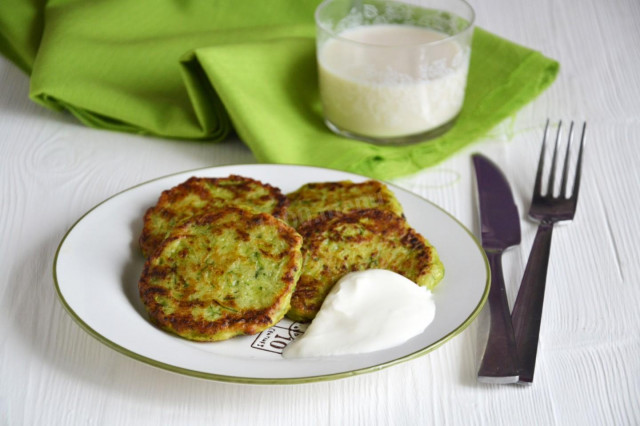
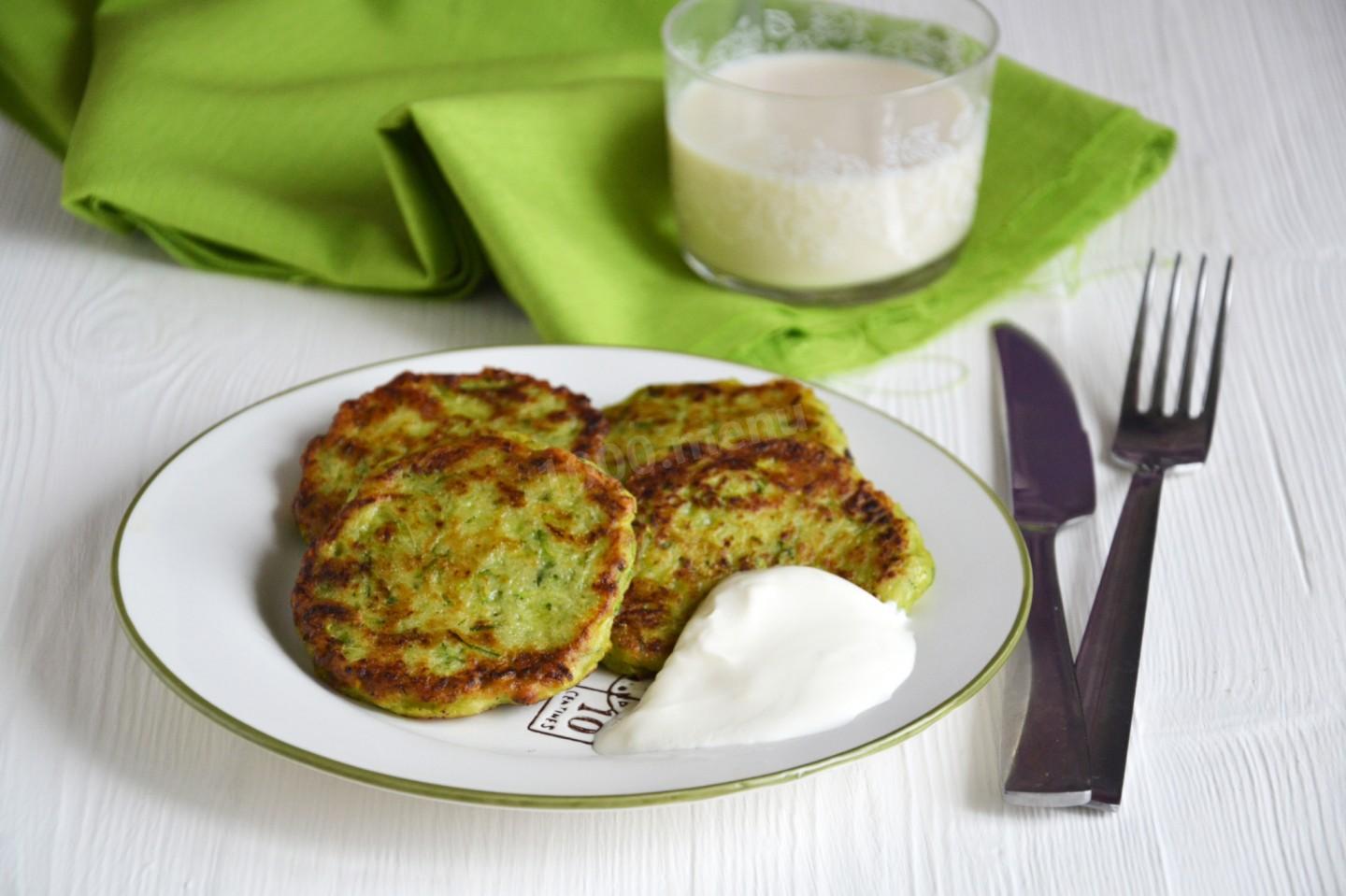
Lenten Zucchini Fritters
These fritters are perfect for fasting days, or just as a light dish. You can swap the oat milk for any other plant milk, like coconut or soy. Oat milk lends the fritters a mild oaty note, so if that's not for you, go with a different milk.

Cooking method
-
Step 1:
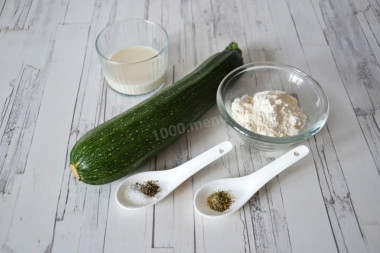
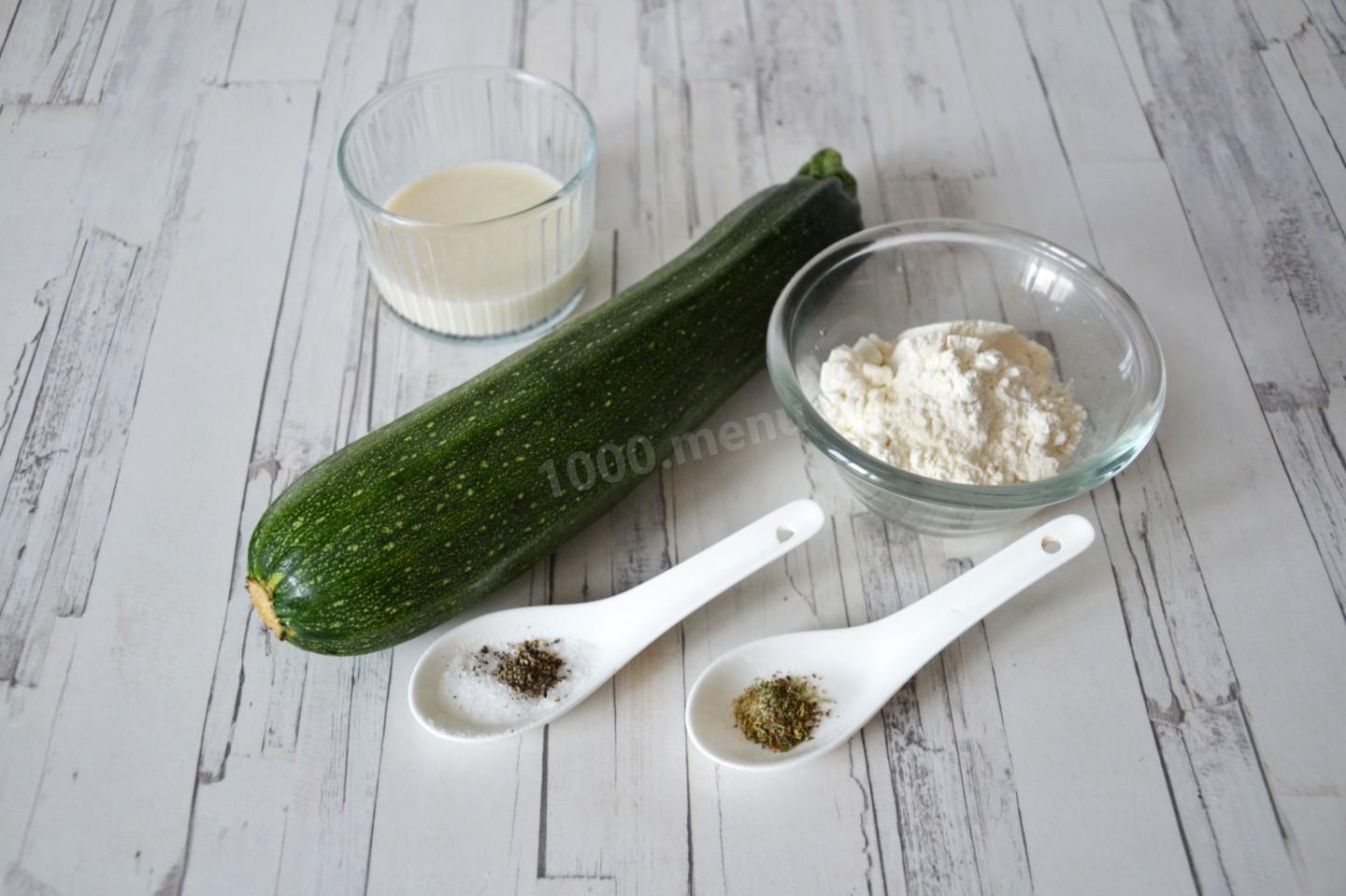
Gather your ingredients. For Lenten zucchini fritters you'll need: a large zucchini or summer squash, oat milk, flour, dried garlic, ground black pepper, and salt — plus vegetable oil for frying.
-
Step 2:
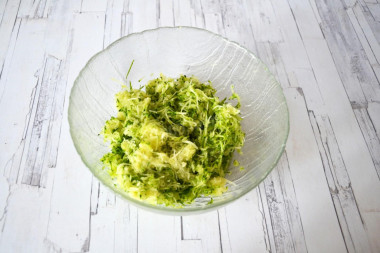
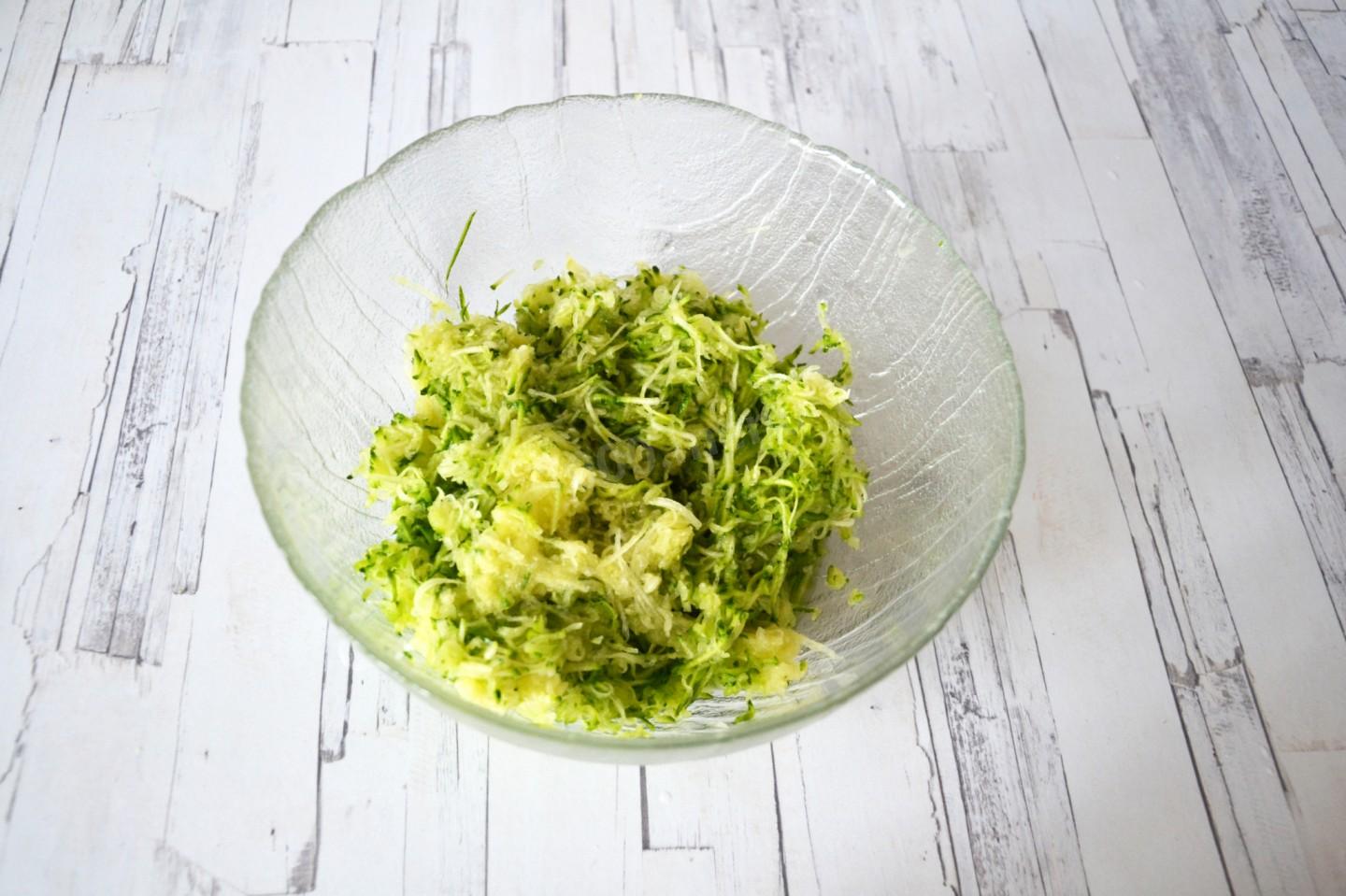
Wash and dry the zucchini, then trim off the stem and tip. Grate it on the medium side of a grater. If it releases a lot of liquid, squeeze the shreds gently so you won't have to add too much flour later. Put the grated zucchini in a bowl.
-
Step 3:
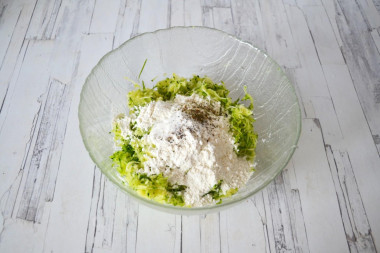
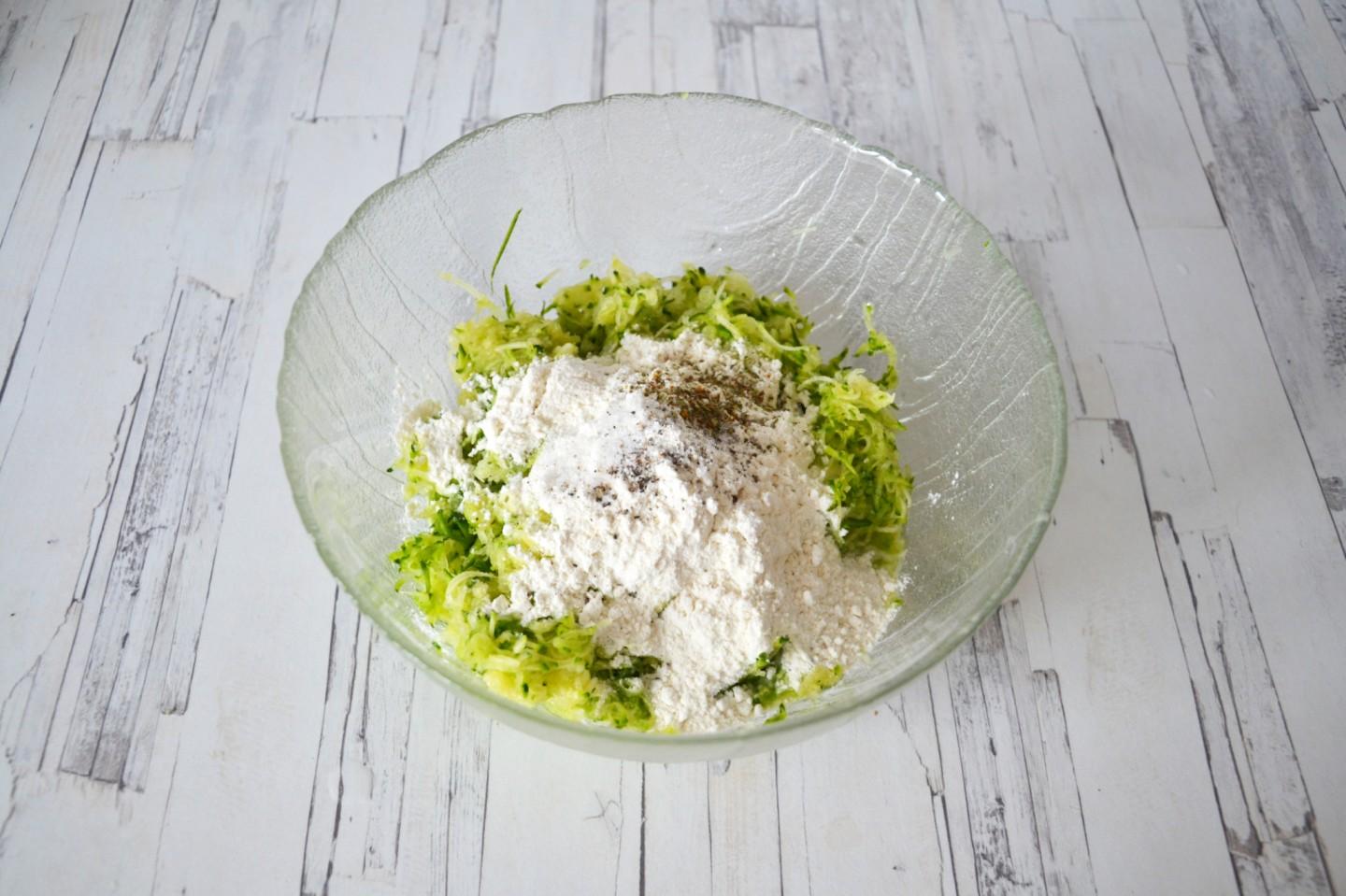
Pour in the oat milk and add the flour, dried garlic, salt, and pepper. I also added a little freshly ground herbes de Provence.
-
Step 4:
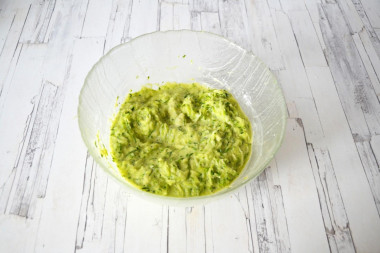
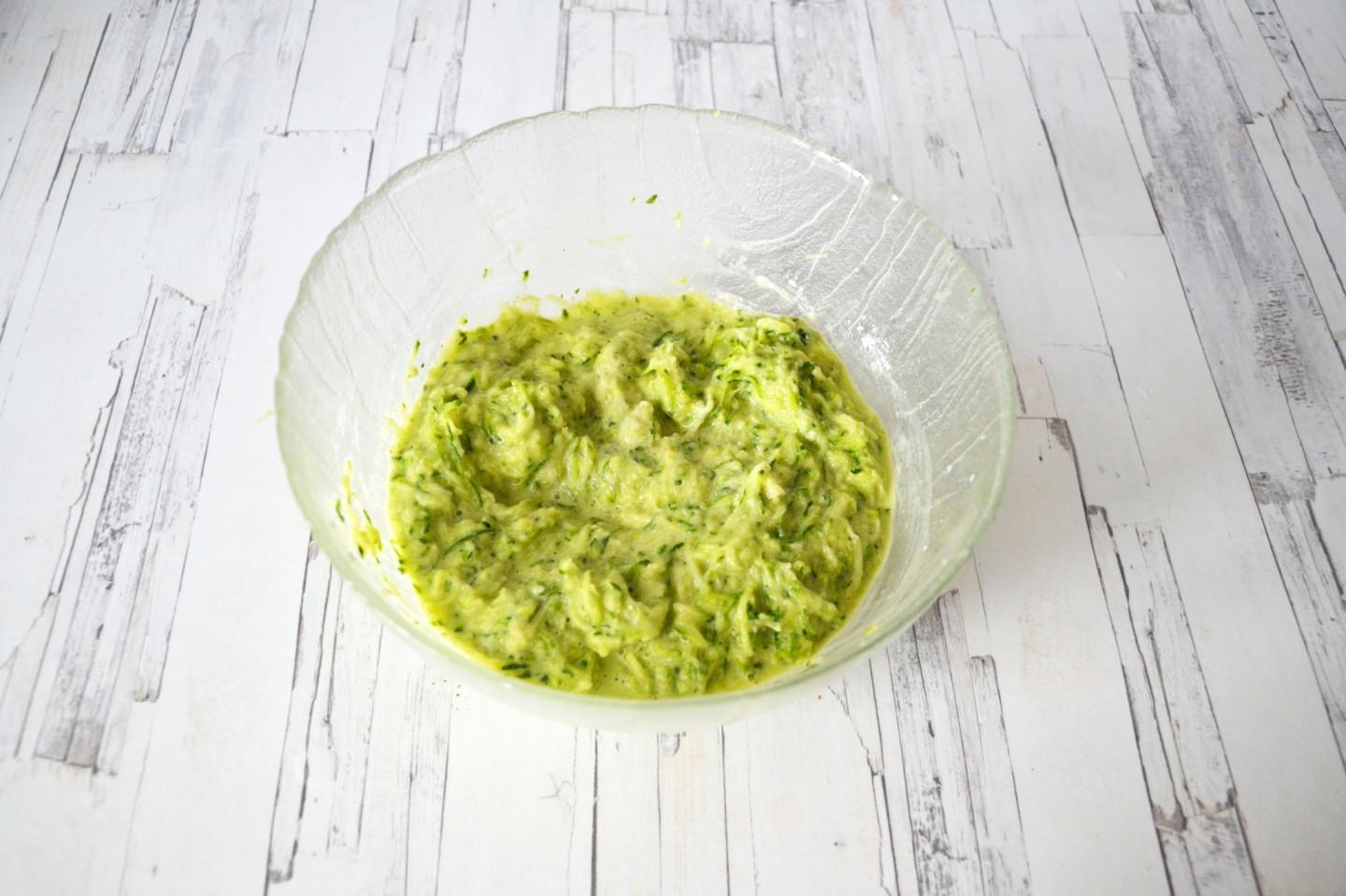
Mix thoroughly until smooth. If the batter is too loose, add a bit more flour — but don't overdo it, or the fritters won't be tender. It's best to fry a test fritter first: if the taste and texture are right, you've got enough flour; if not, add a little more, bit by bit.
-
Step 5:
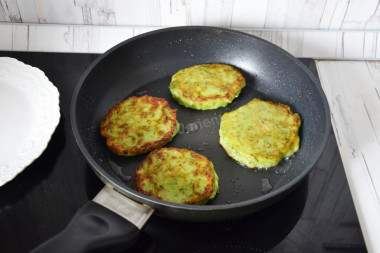
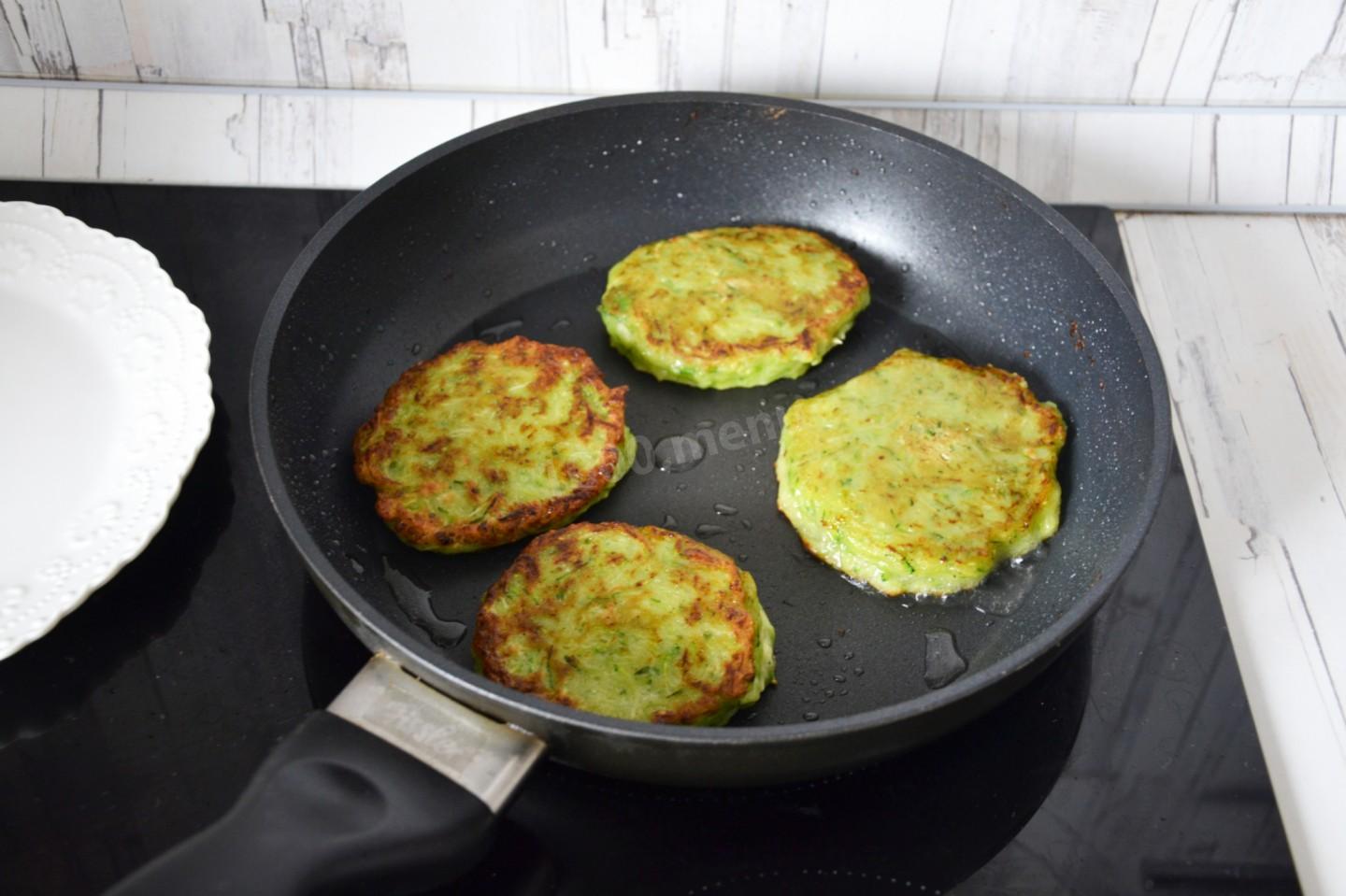
Heat the vegetable oil in a skillet. Spoon out the zucchini batter with a tablespoon, forming small, even fritters. Fry over medium heat for 3-4 minutes per side.
-
Step 6:
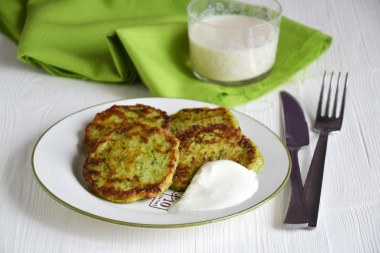
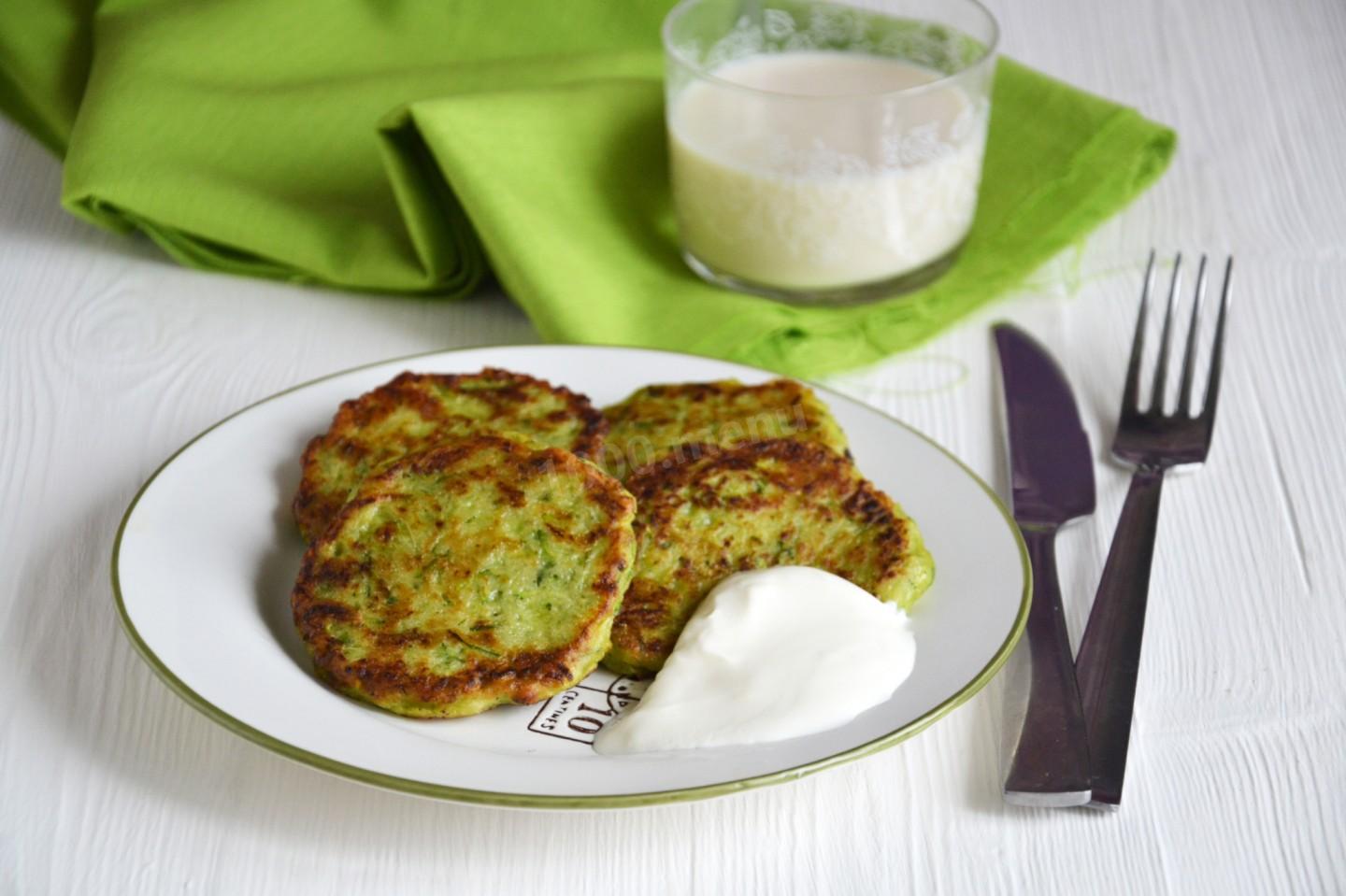
Serve the zucchini fritters hot — plain if you're fasting, or with sour cream if you're not. Enjoy!
- Keep in mind you may need more or less flour than the recipe calls for. Go by the consistency of the batter, not the exact amount of flour. To avoid mistakes, read up on flour and its properties!
- Plant-based "eco" products are having a real moment right now, and oat milk is one of them — so I decided to give it a try. On its own it wasn't for me (I'd rather drink regular milk, since I'm not allergic to it and love cow's milk), but I had some leftover to use up, so it went into these fritters — and I loved the result. They came out very tender, with a mild milky note that wasn't too strong. Oat milk is made by soaking oats in water for a set time, like any other plant milk. It has a milky color, an oaty aroma, and a pleasant taste. Unlike regular milk it's lactose-free, and it keeps many of the healthy properties of oats — vitamins, minerals, plant proteins, unsaturated fats, and fiber. Some say the body absorbs the nutrients from oat milk even better than from cooked oats. It does have less protein than cow's or soy milk, but it's gentle on digestion and lower in sugar, which is helpful for weight loss or diabetes. People who are lactose intolerant can use it in place of regular milk.
Caloric content of the products possible in the composition of the dish
- Whole cow's milk - 68 kcal/100g
- Milk 3.5% fat content - 64 kcal/100g
- Milk 3.2% fat content - 60 kcal/100g
- Milk 1.5% fat content - 47 kcal/100g
- Concentrated milk 7.5% fat content - 140 kcal/100g
- Milk 2.5% fat content - 54 kcal/100g
- Zucchini - 23 kcal/100g
- Garlic - 143 kcal/100g
- Ground black pepper - 255 kcal/100g
- Whole durum wheat flour fortified - 333 kcal/100g
- Whole durum wheat flour universal - 364 kcal/100g
- Flour krupchatka - 348 kcal/100g
- Flour - 325 kcal/100g
- Vegetable oil - 873 kcal/100g
- Salt - 0 kcal/100g
Similar recipes

- Fast and tasty
- For breakfast
- Baking
- Dairy products
- Vegetables
- Flour
- Spices seasonings spices
- Fats and oils
- Garlic
- Pepper
- Salt
- Vegetable oil
- Frying
- Hasty pastries
- Zucchini fast
- Pancakes are fast and delicious
- Dishes in 30 minutes
- Pancakes
- Quick baking
- Yeast-free baking
- Unsweetened pastries
- Milk
- From zucchini
- No eggs
- Vegetarianism
- Recipes for lean dishes without butter