Flaxseed Flour Pancakes
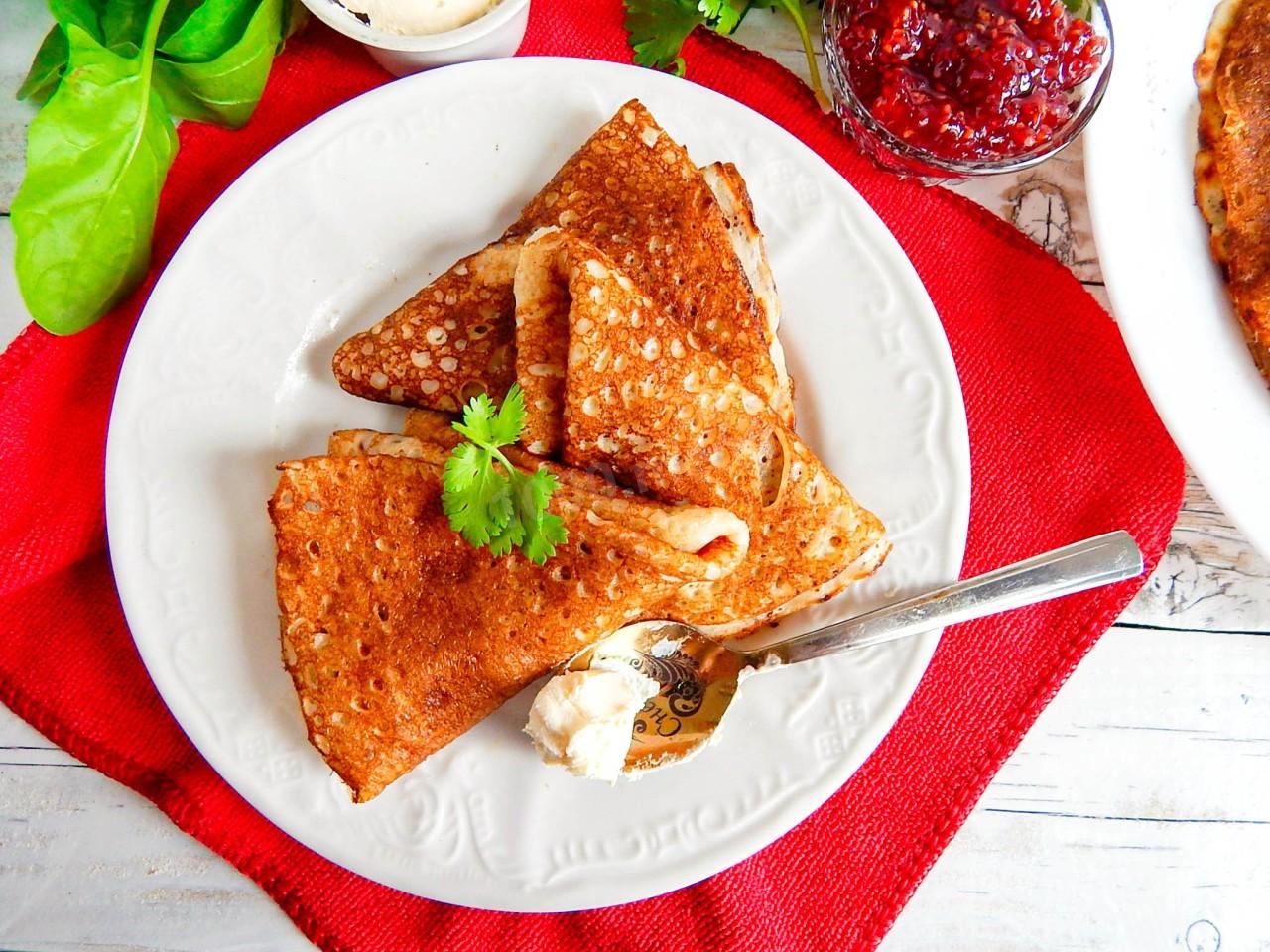
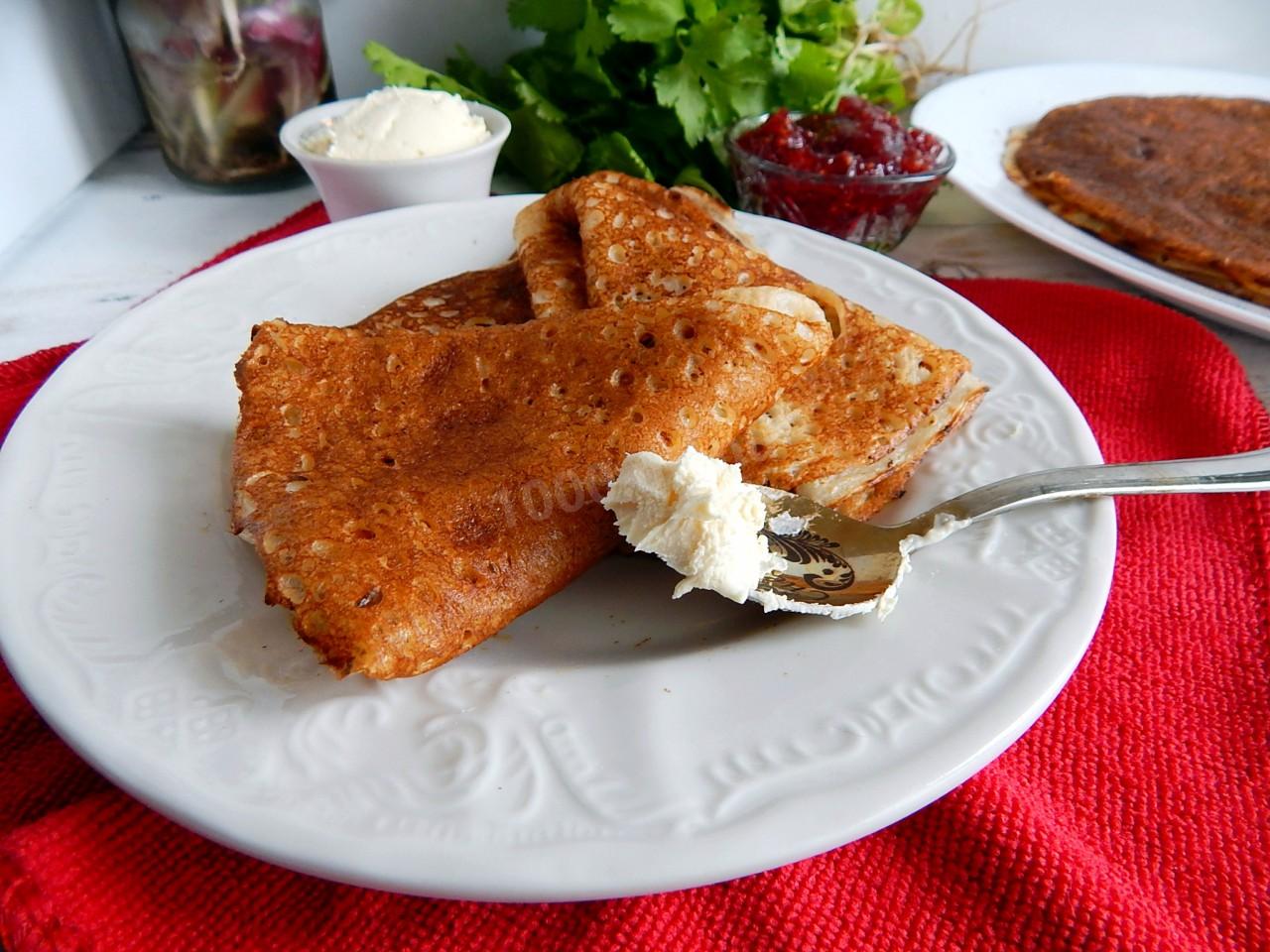
Delicious, wholesome, and perfect for the whole family at breakfast! These flaxseed flour pancakes belong right in the healthy-eating category. They taste almost exactly like regular pancakes but do a lot more good — flax is rich in fiber and packed with vitamins and trace minerals.

Cooking method
-
Step 1:
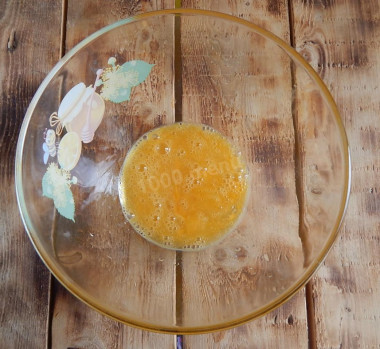
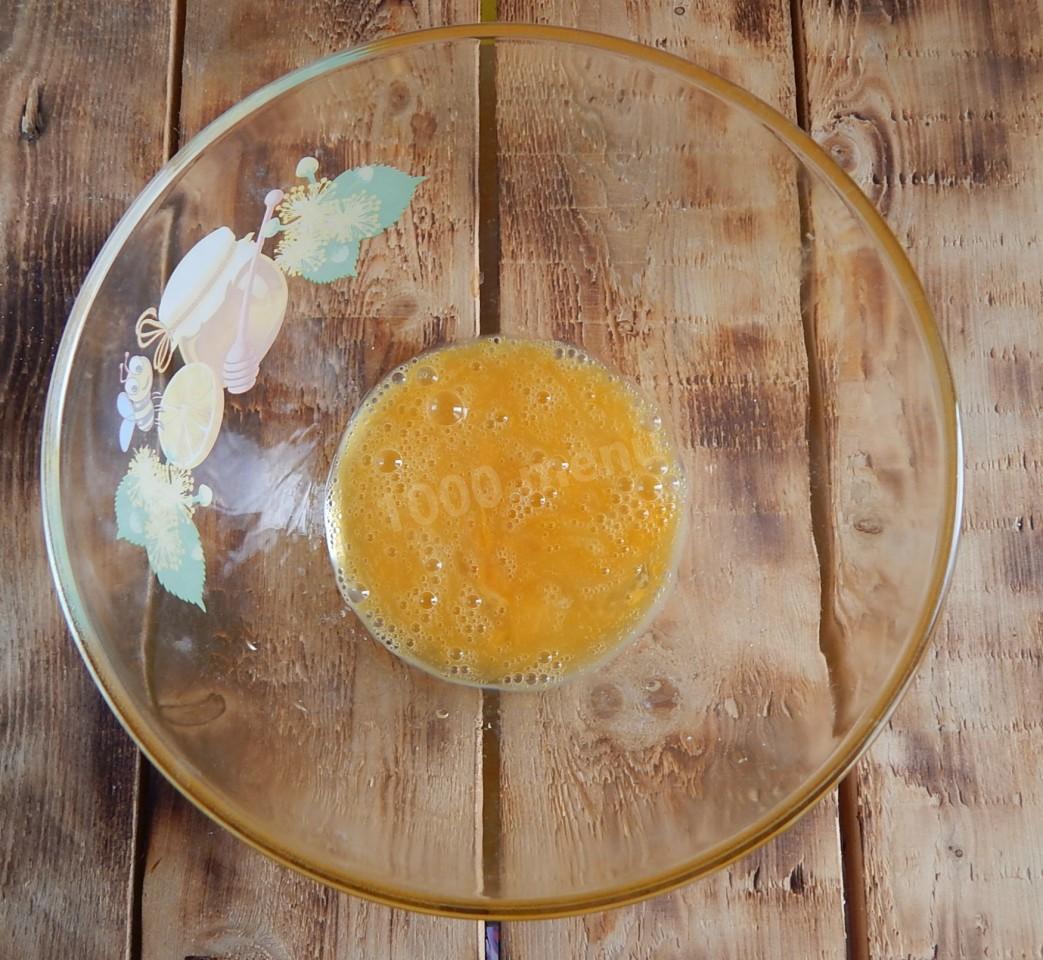
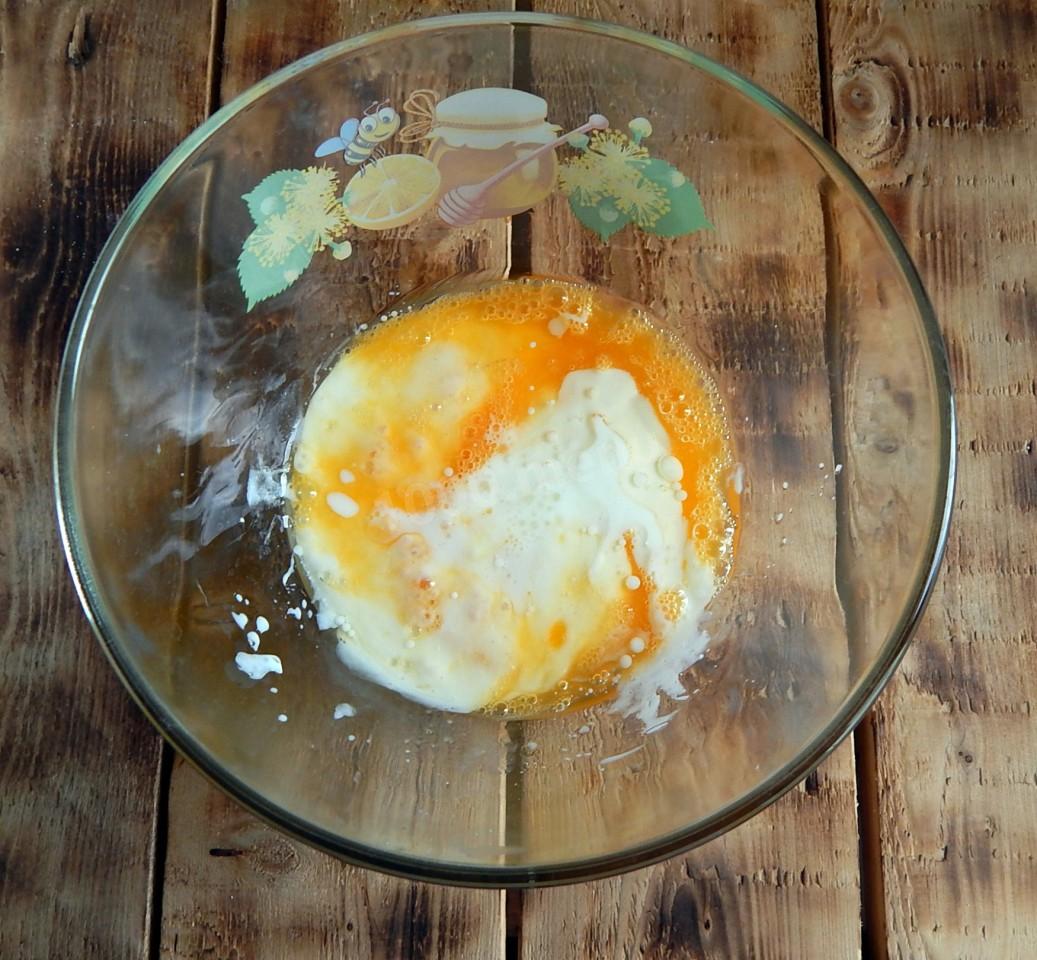
How do you make flaxseed flour pancakes? Gather the ingredients. The batter is made with a blend of wheat and flaxseed flour. If you use flaxseed flour alone, without any wheat, the pancakes don't turn out as well and not everyone cares for the taste. Crack the eggs into a bowl. Add the sugar and a pinch of salt. Feel free to adjust the sugar depending on whether you're making sweet pancakes or ones with a savory filling.
-
Step 2:
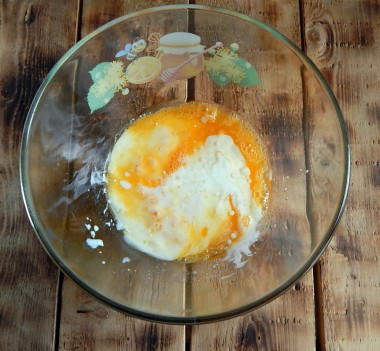
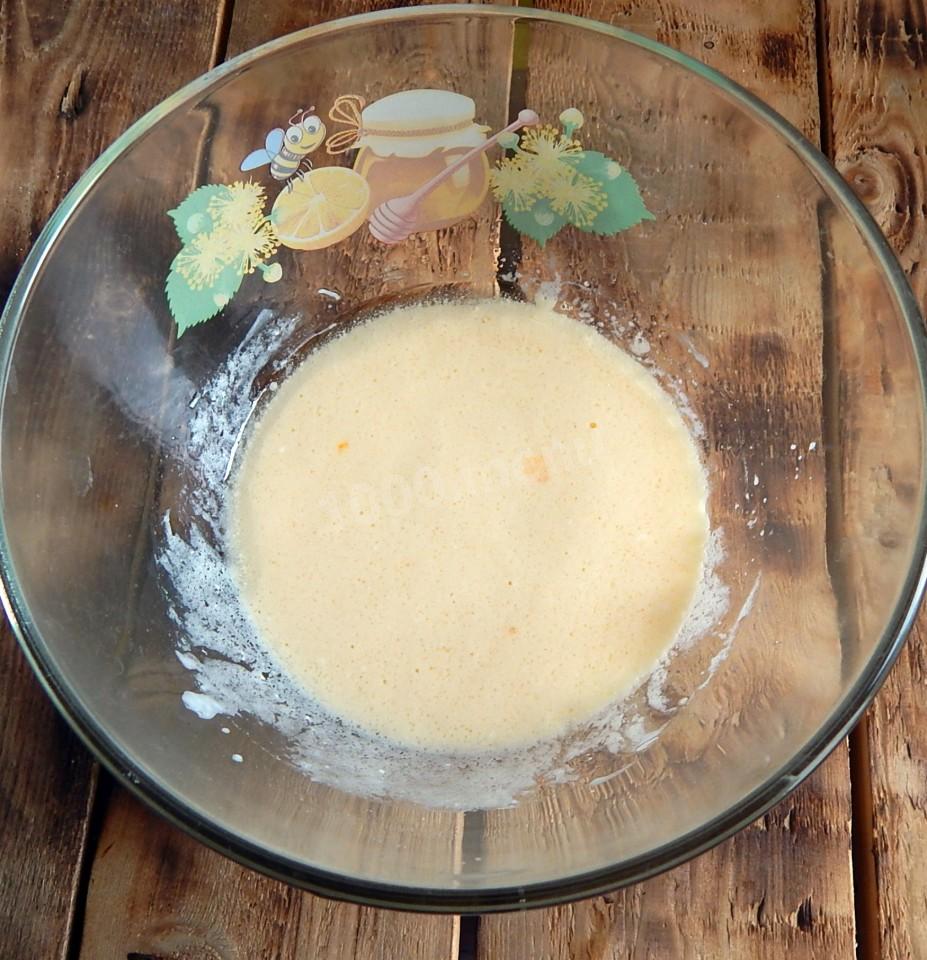
Beat the eggs in the bowl with a whisk or a hand mixer. Pour in the warm milk and add a few spoonfuls of thick, fresh sour cream. Whisk again until smooth. Sift the wheat and flaxseed flour into one container and stir together. Set aside about 1/5 of the flour, and sift the baking powder into the rest.
-
Step 3:
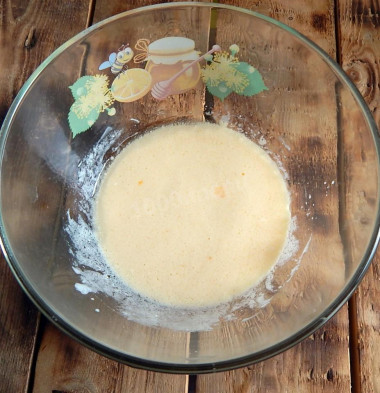
Add the flour-and-baking-powder mixture to the bowl of liquid. Work it in gradually, a little at a time, whisking well after each addition. Go by the consistency of the batter — it should be a touch thicker than a standard pancake batter. Add more flour if needed. Let the batter rest on the counter for 15 minutes.
-
Step 4:
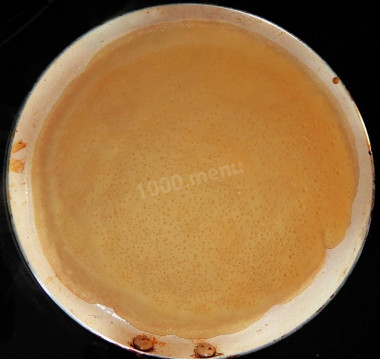
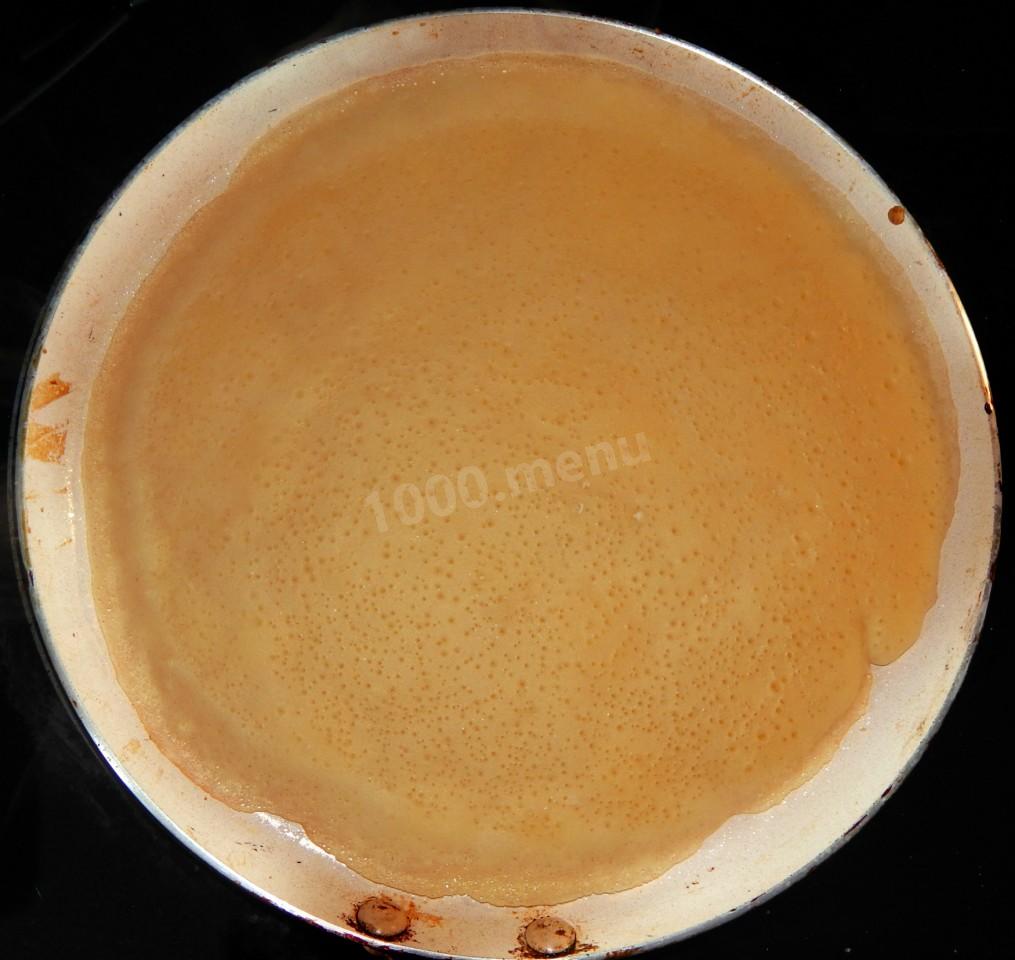
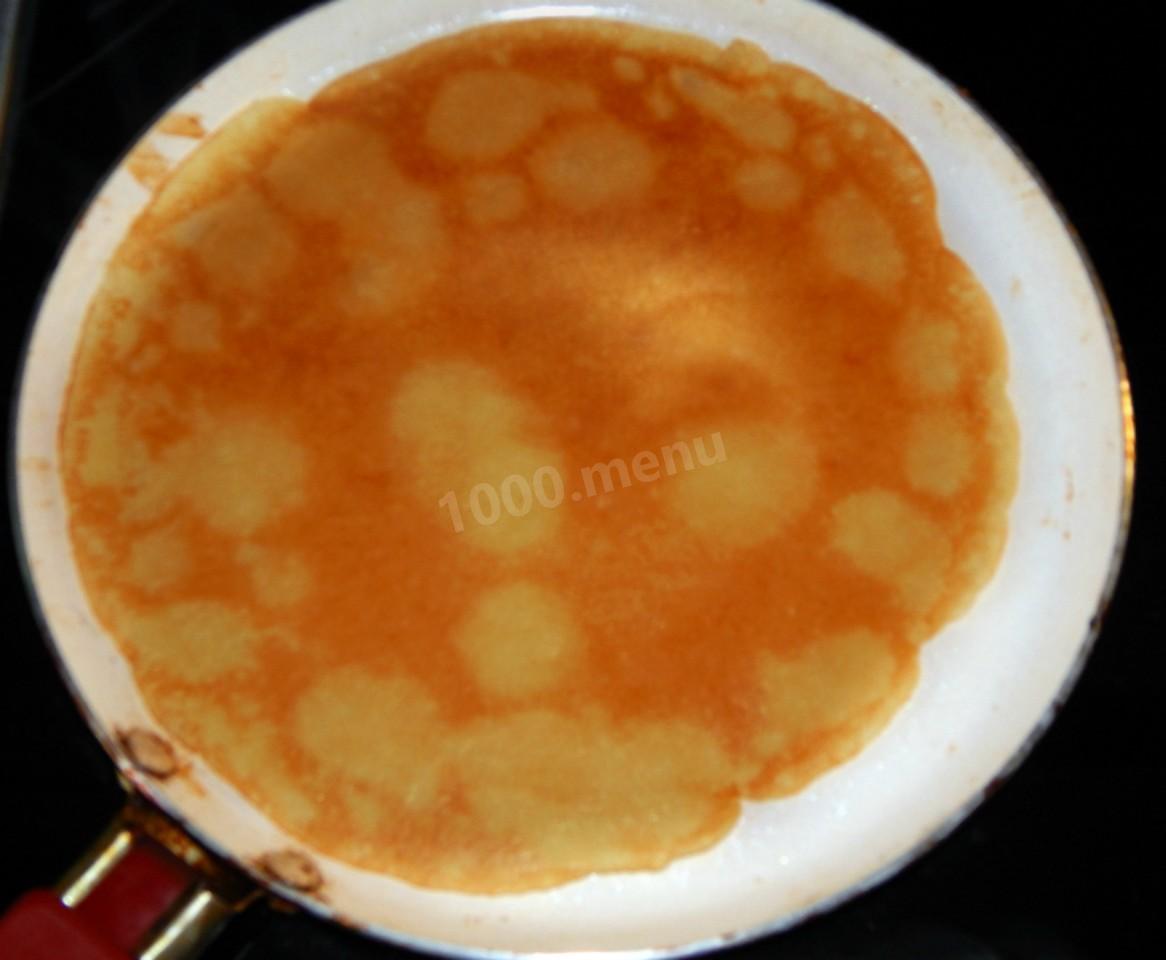
Heat a skillet over high heat and grease it with vegetable oil. Pour in some batter, gently spreading it across the surface. Cook the pancake on one side over medium heat until golden. Then flip it and let the other side brown.
-
Step 5:
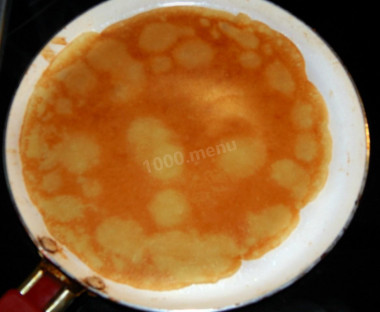
Cook the rest of the batter into pancakes the same way.
-
Step 6:
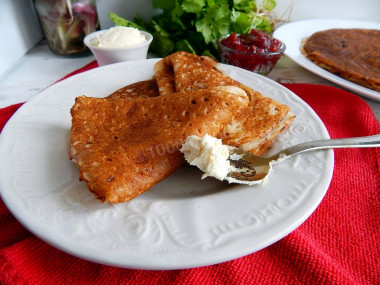
The pancakes are ready. Serve them as a dessert with jam, preserves, or sweetened condensed milk, or as a main dish rolled around any filling you like. Enjoy!
- Add flax-based foods to your diet in small amounts. They aren't safe for everyone — use caution if you have liver or kidney issues or pancreatitis, if you have allergies, or if you're pregnant or nursing.
- Always wash eggs before using them, since even a shell that looks clean can carry harmful bacteria. A food-safe wash and a brush work best.
- Be ready for the batter to need a bit more or a bit less flour than the recipe calls for. Go by the consistency you want, not the exact amount of flour. Get to know your flour and how it behaves to avoid mistakes.
- One more thing: the wrong pan can spoil even the best recipe. Choosing the right skillet for different dishes makes all the difference.
Caloric content of the products possible in the composition of the dish
- Whole cow's milk - 68 kcal/100g
- Milk 3.5% fat content - 64 kcal/100g
- Milk 3.2% fat content - 60 kcal/100g
- Milk 1.5% fat content - 47 kcal/100g
- Concentrated milk 7.5% fat content - 140 kcal/100g
- Milk 2.5% fat content - 54 kcal/100g
- Sour cream with 30% fat content - 340 kcal/100g
- Sour cream of 25% fat content - 284 kcal/100g
- Sour cream with 20 % fat content - 210 kcal/100g
- Sour cream of 10 % fat content - 115 kcal/100g
- Sour cream - 210 kcal/100g
- Granulated sugar - 398 kcal/100g
- Sugar - 398 kcal/100g
- Salt - 0 kcal/100g
- Wheat flour - 325 kcal/100g
- Baking powder - 79 kcal/100g
- Chicken egg - 80 kcal/100g
- Flaxseed flour - 270 kcal/100g
Similar recipes
- For breakfast
- Baking
- Eggs
- Dairy products
- Flour
- Sweet
- Spices seasonings spices
- Other
- Salt
- Baking powder
- Frying
- Pancakes and pancakes
- Sweet pastry
- Yeast-free baking
- Pastries with sour cream
- Chicken eggs
- Egg breakfast
- Sour cream
- Milk
- Wheat flour
- Flax flour
- Vegetarianism
- Recipes for lean dishes without butter
- Sugar