Braised Beef with Eggplant and Zucchini
Simple, wholesome food for the whole family. An uncomplicated recipe and everyday ingredients give you a dish that's wonderful in every way. The beef comes out tender, and the vegetables release their juices — so it all ends up in a thick, fragrant sauce.

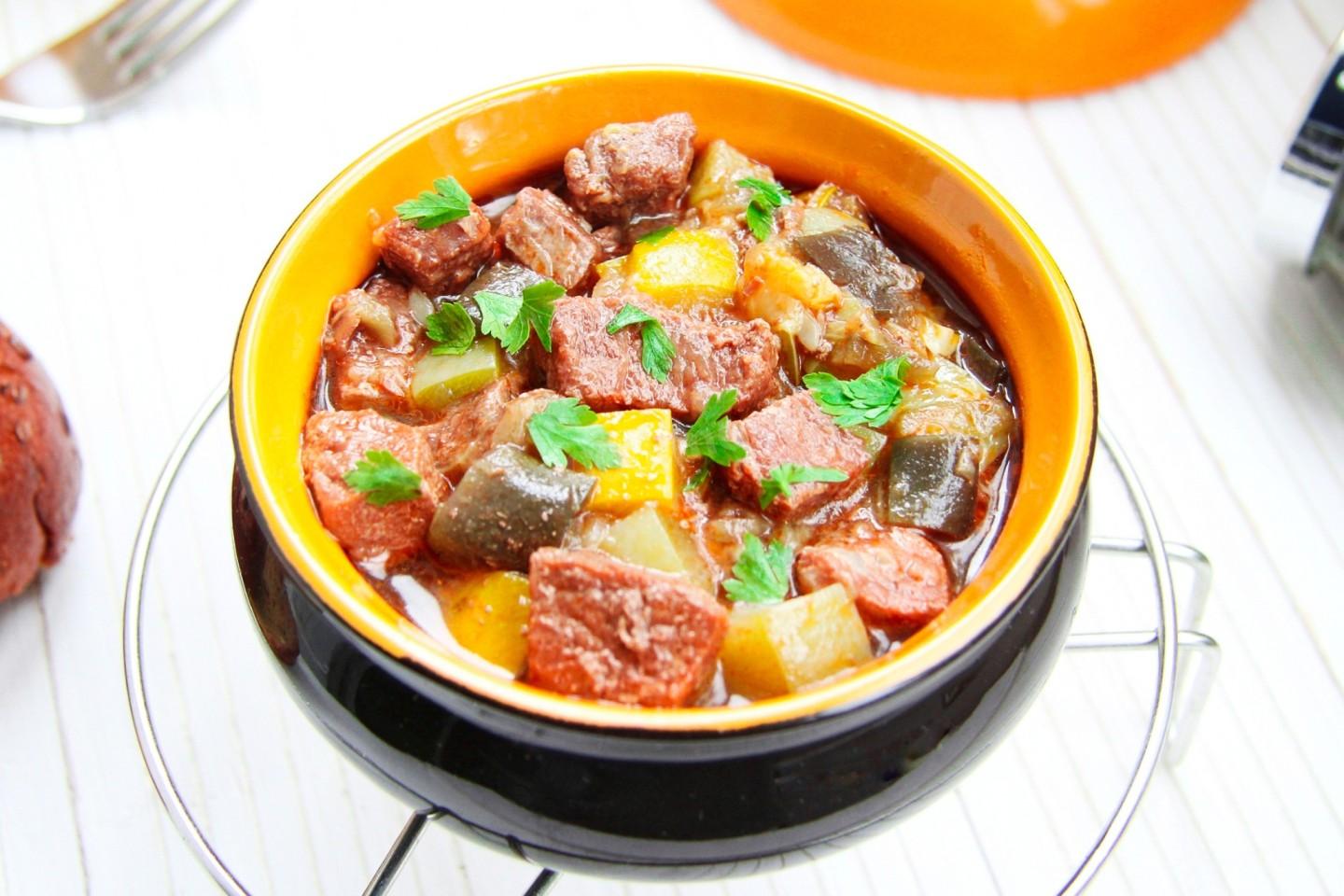


Cooking method
-
Step 1:
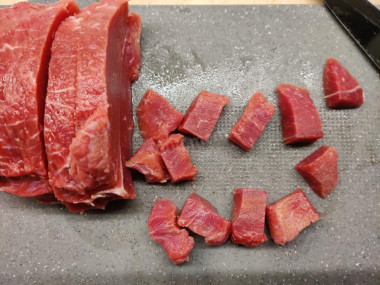
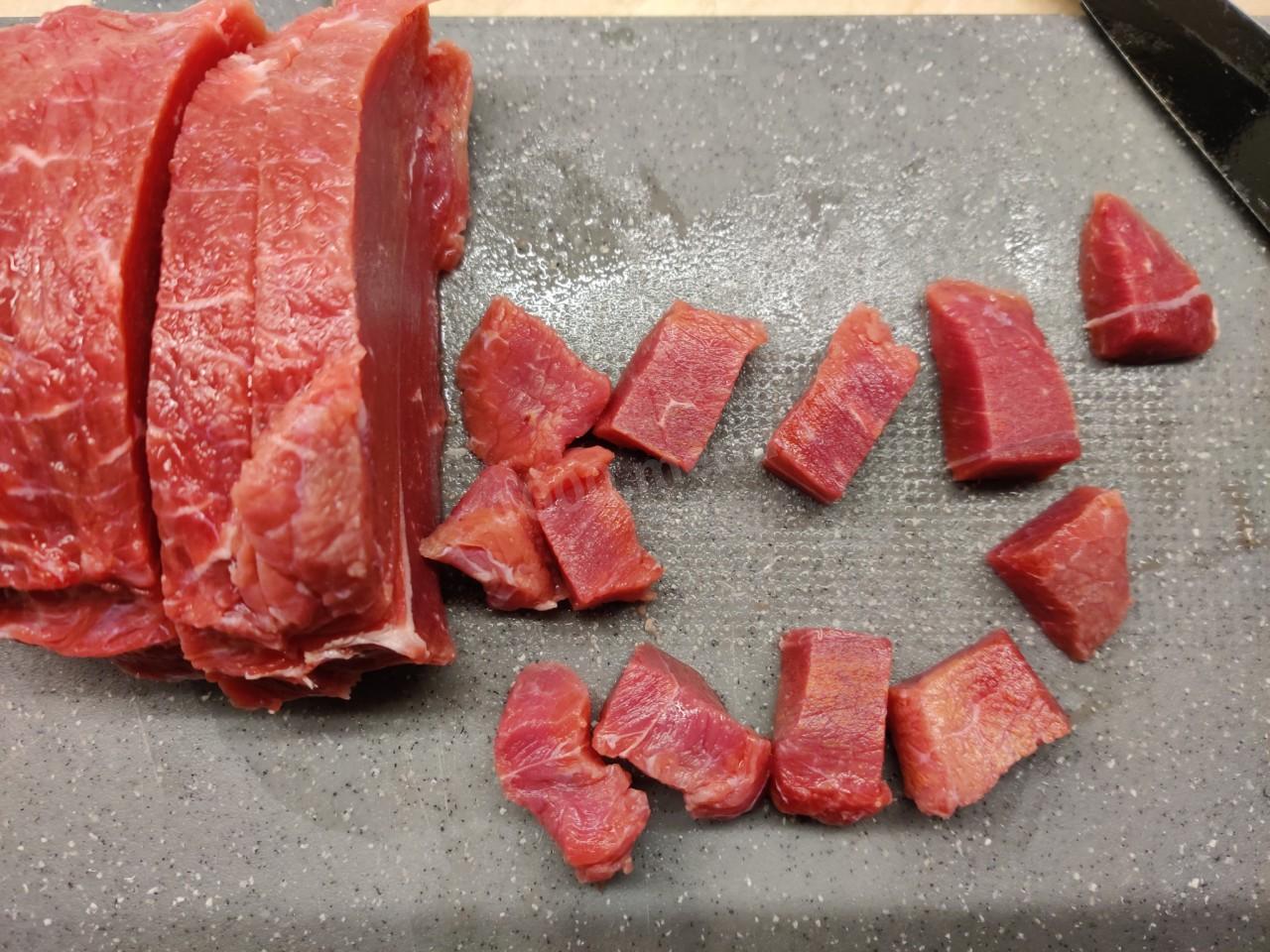
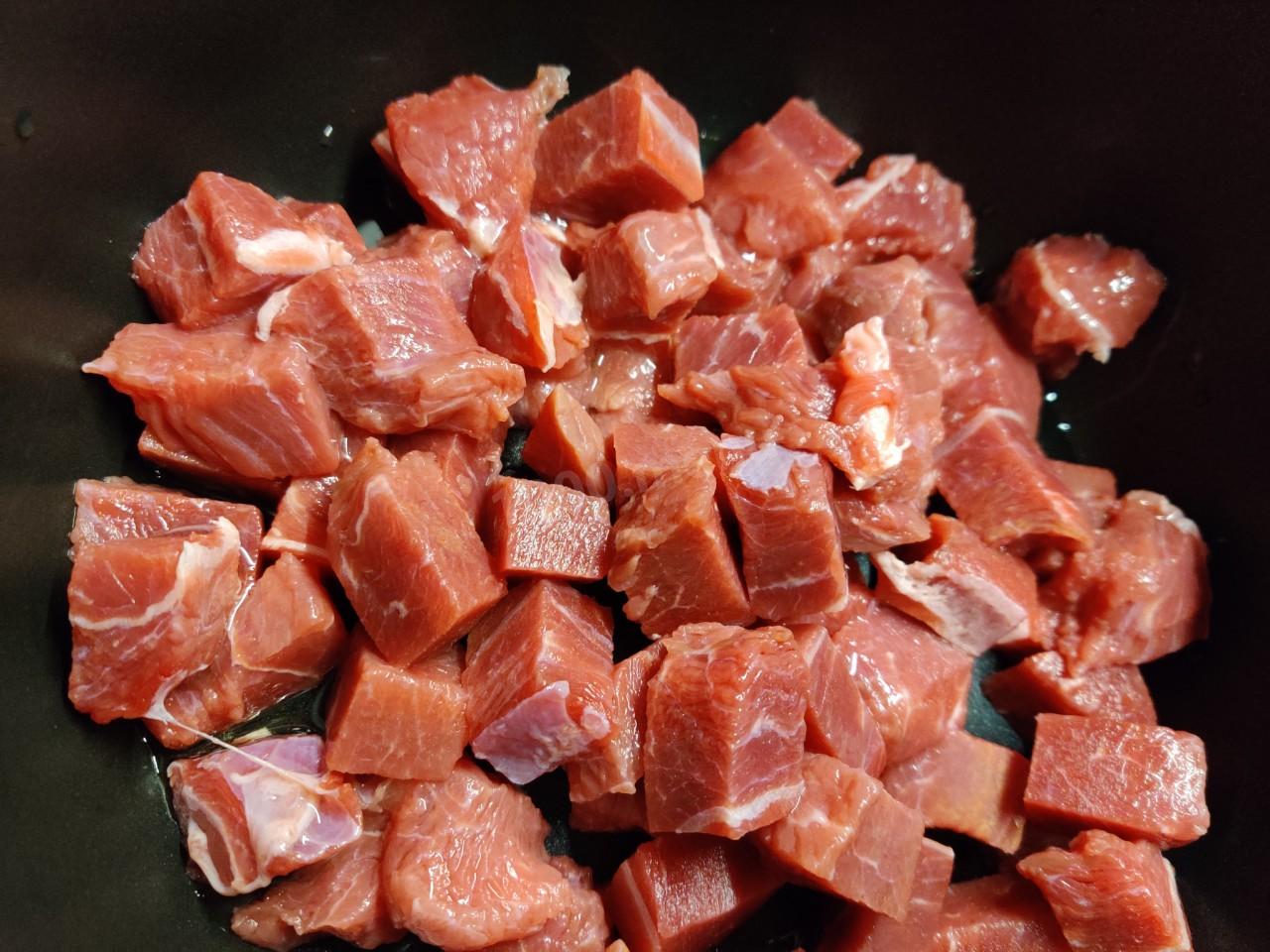
How do you make braised beef with eggplant and zucchini? Rinse the beef and pat it dry with a paper towel. Cut it into serving-sized pieces.
-
Step 2:
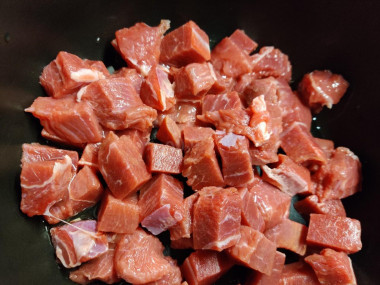
Heat a deep skillet over high heat and pour in the oil. Once it's hot, add the meat and brown it on all sides. As soon as it's browned, add the tomato paste and a little water, then cover and braise the meat until tender. It took me about an hour.
-
Step 3:
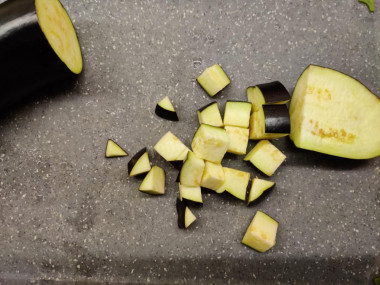
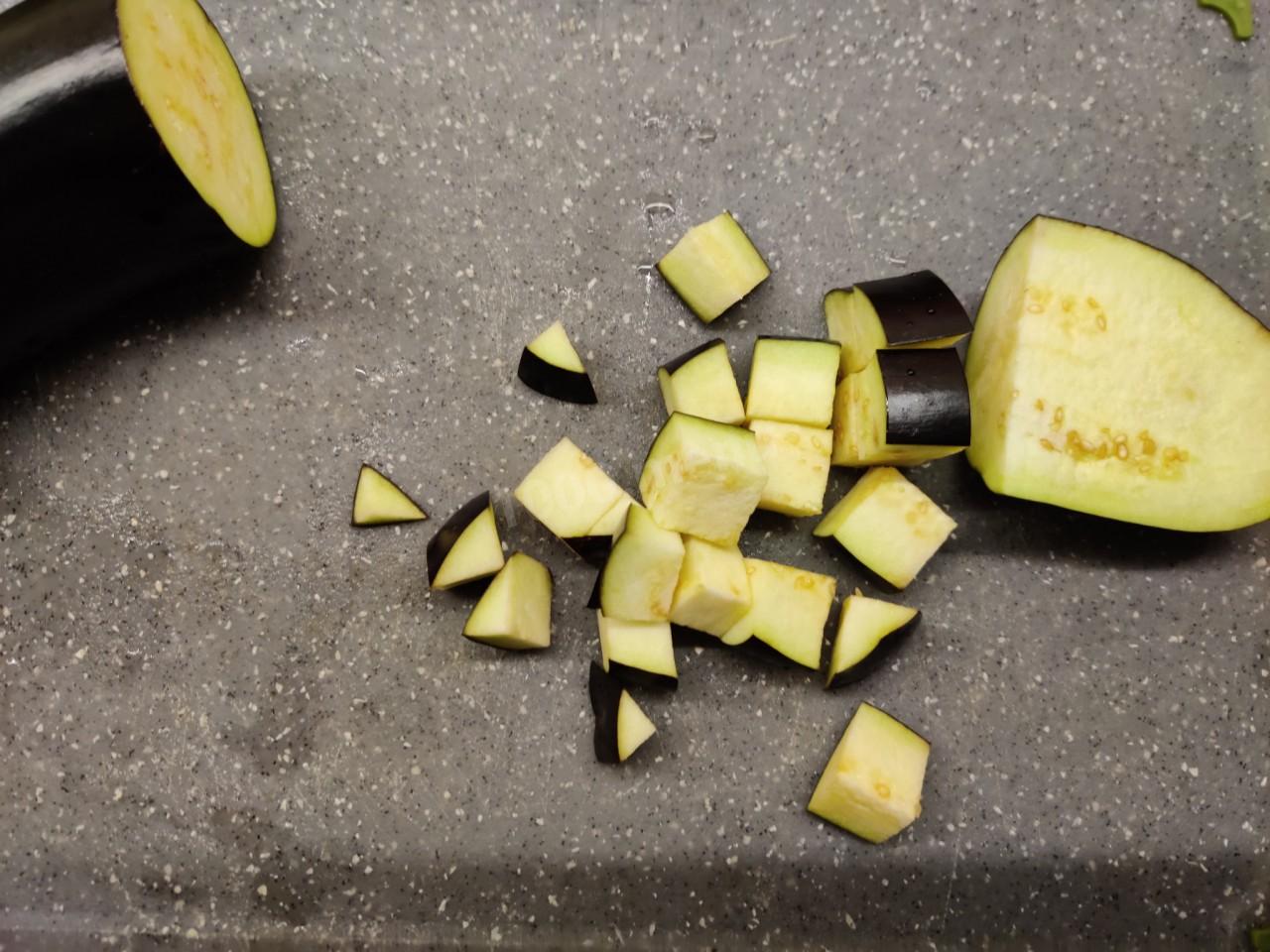
Wash the eggplant and cut it into medium cubes.
-
Step 4:
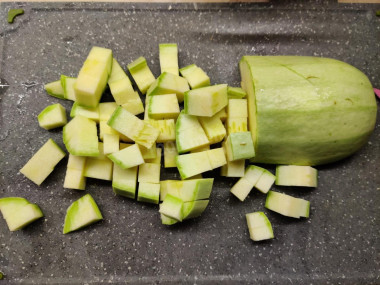
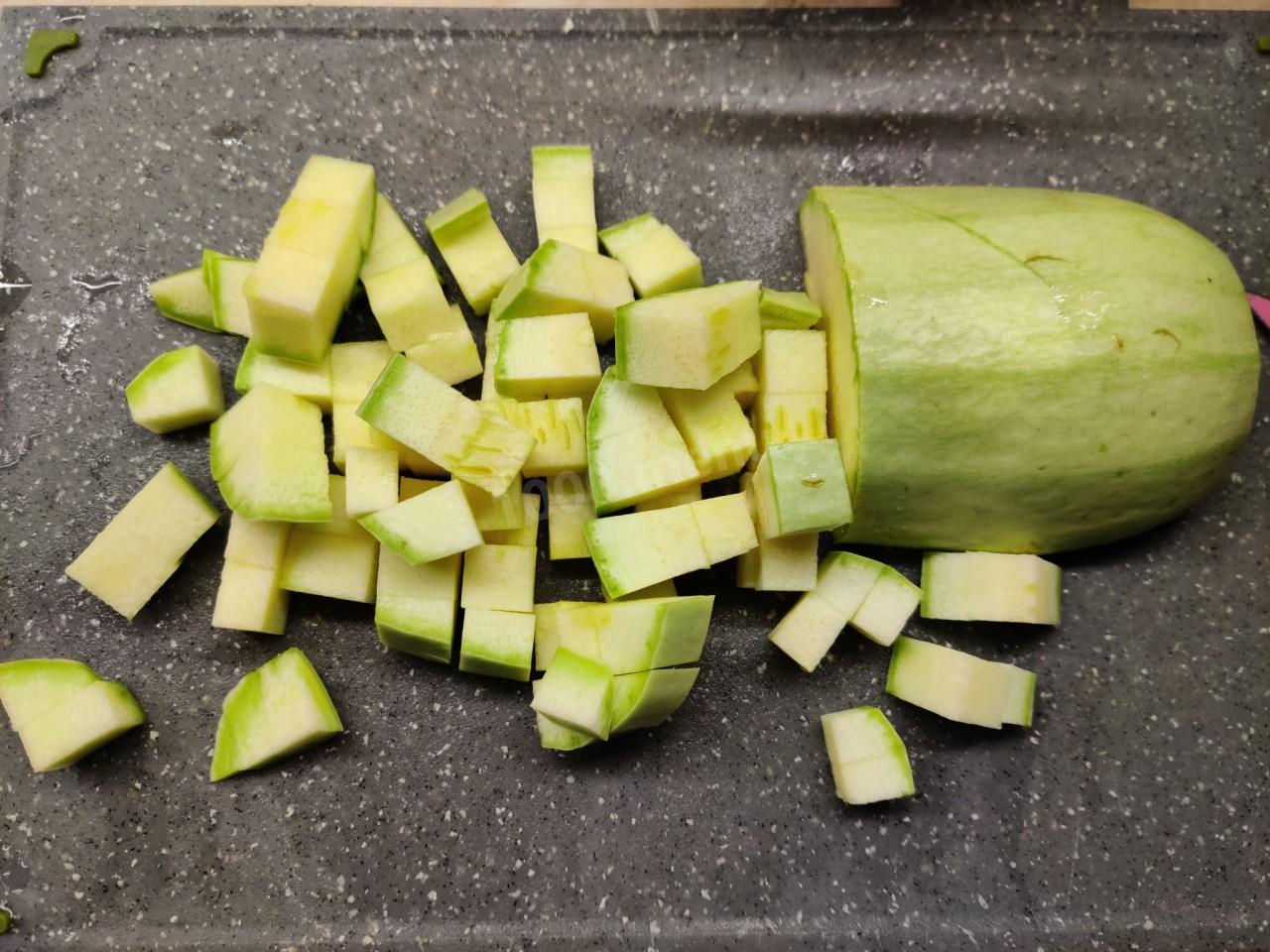
Wash the zucchini and cut it into cubes as well.
-
Step 5:
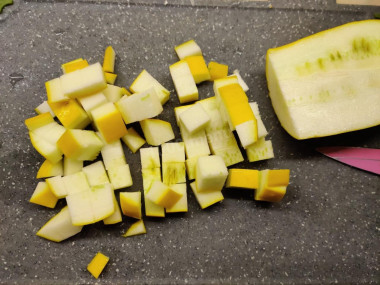
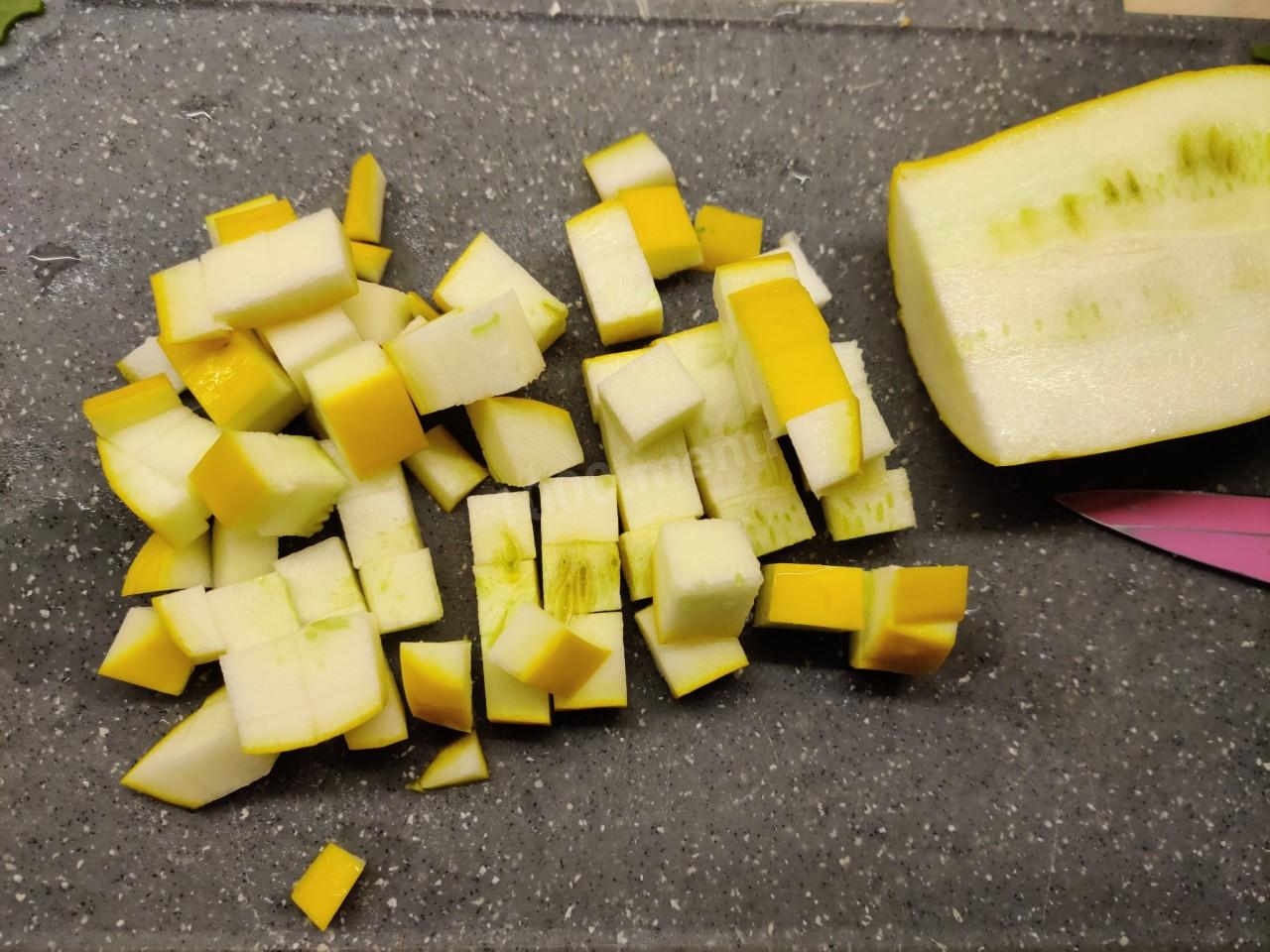
I also have a yellow squash, which I prep the same way.
-
Step 6:
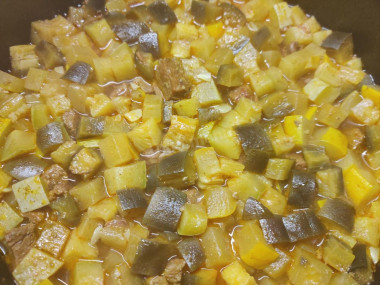
Add the vegetables to the skillet with the beef. Season with salt and pepper to taste and stir. Braise, uncovered, until the vegetables are tender, letting the sauce reduce to the amount you want.
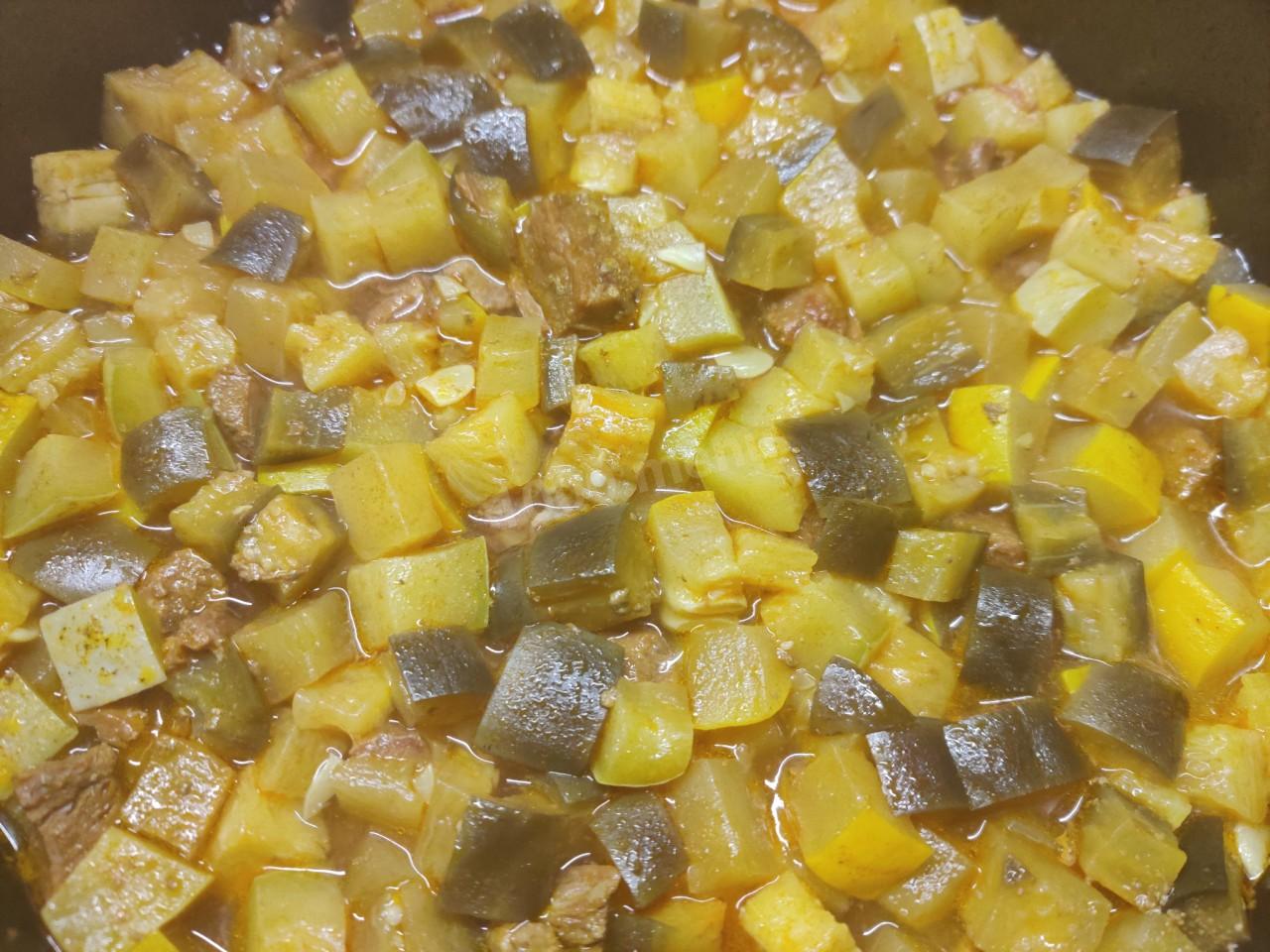
- It's a good idea to brown the beef over high heat before braising, to "seal in" the juices so the meat stays tender and juicy through the rest of the cooking. The beef is done when a piece splits easily in half with a spatula. To speed things up, you can make this in a pressure cooker — the high pressure cuts the cooking time by at least half. Yellow squash gives the dish a more eye-catching look, but it tastes no different from regular green zucchini, so feel free to use just green. Keep in mind that if the zucchini is no longer young, you'll want to peel it and scoop out the seeds. You can also swap the tomato paste for a ripe tomato — blend it or just dice it. I like to serve this over boiled pasta or fluffy mashed potatoes. It's a hit with grown-ups and little ones alike, since the beef turns out tender in a rich, thick sauce.
- The right pan makes a difference — a poor choice can spoil even the best recipe, so pick one suited to what you're cooking.
- Every oil is good only up to a certain temperature — its smoke point, past which it starts to burn and form harmful compounds. Choose an oil with a high smoke point for frying.
- You can swap the beef for any meat you prefer, but keep in mind the cooking time, flavor, and calorie count will change. Pork and lamb are usually fattier than beef, while chicken or turkey are leaner. And the cooking time depends not just on the type of meat but on which cut you use and how young or old it is.
Caloric content of the products possible in the composition of the dish
- Melted beef fat - 871 kcal/100g
- Fat beef - 171 kcal/100g
- Lean beef - 158 kcal/100g
- Beef brisket - 217 kcal/100g
- Beef - okovalok - 380 kcal/100g
- Beef - lean roast - 200 kcal/100g
- Beef shoulder - 137 kcal/100g
- Beef - ribs - 233 kcal/100g
- Beef - ham - 104 kcal/100g
- Beef - tail - 184 kcal/100g
- Boiled ham - 269 kcal/100g
- Beef corned beef - 216 kcal/100g
- Eggplant - 24 kcal/100g
- Vegetable oil - 873 kcal/100g
- Tomato paste - 28 kcal/100g
- Salt - 0 kcal/100g
- Water - 0 kcal/100g
- Ground hot pepper - 21 kcal/100g
- Young zucchini - 24 kcal/100g
Similar recipes




- Second course
- Meat and meat products
- Vegetables
- Spices seasonings spices
- Fats and oils
- Other
- Pepper
- Salt
- Vegetable oil
- Water
- Tomato paste
- Frying
- Stewing
- In a frying pan
- Stewed vegetables
- Roast
- Meat second course
- Zucchini second course
- Eggplant second course
- Beef
- From zucchini
- From eggplant
- No eggs
- Balanced nutrition
- Recipes for lean dishes without butter