Cassoulet
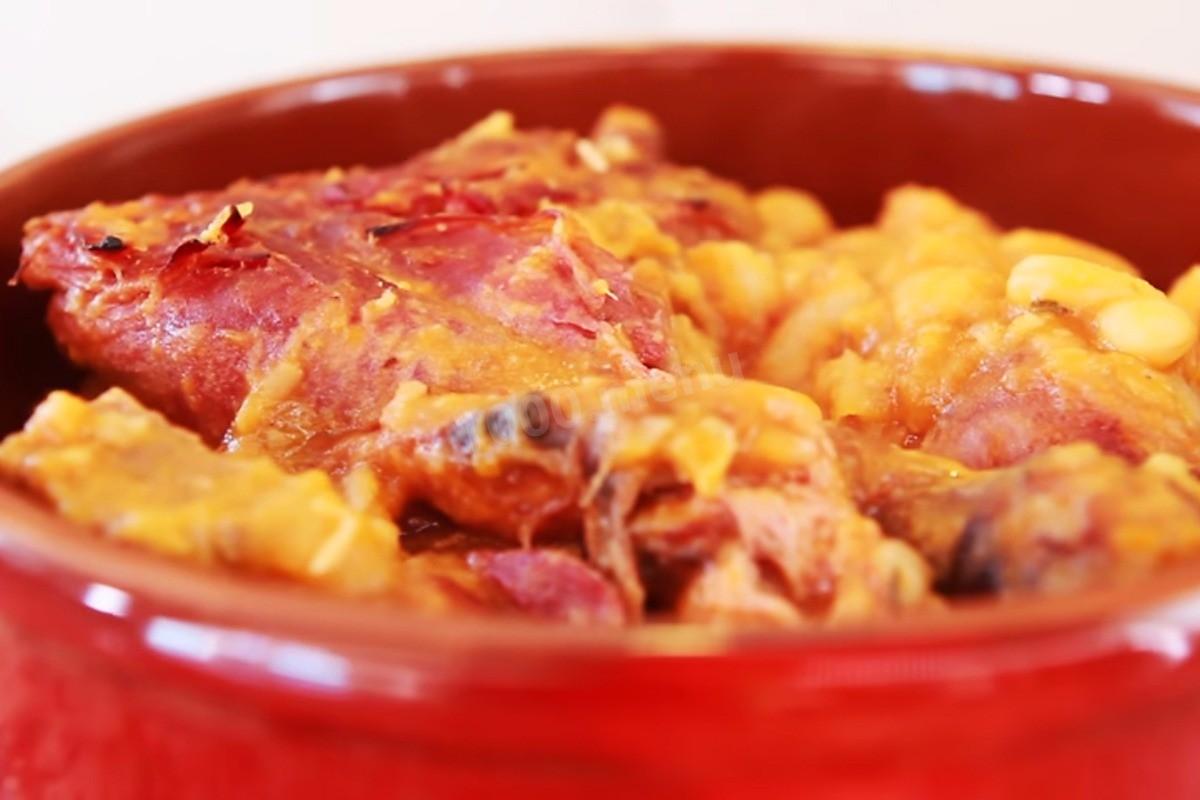
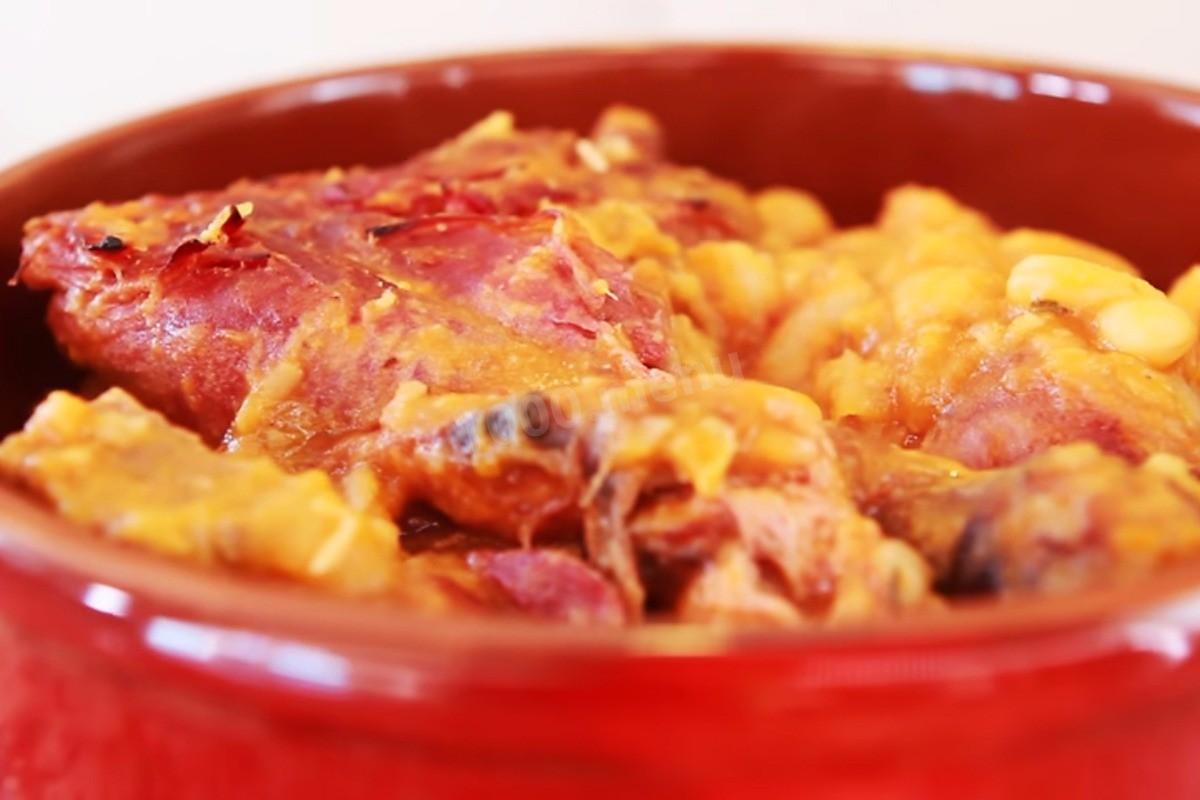
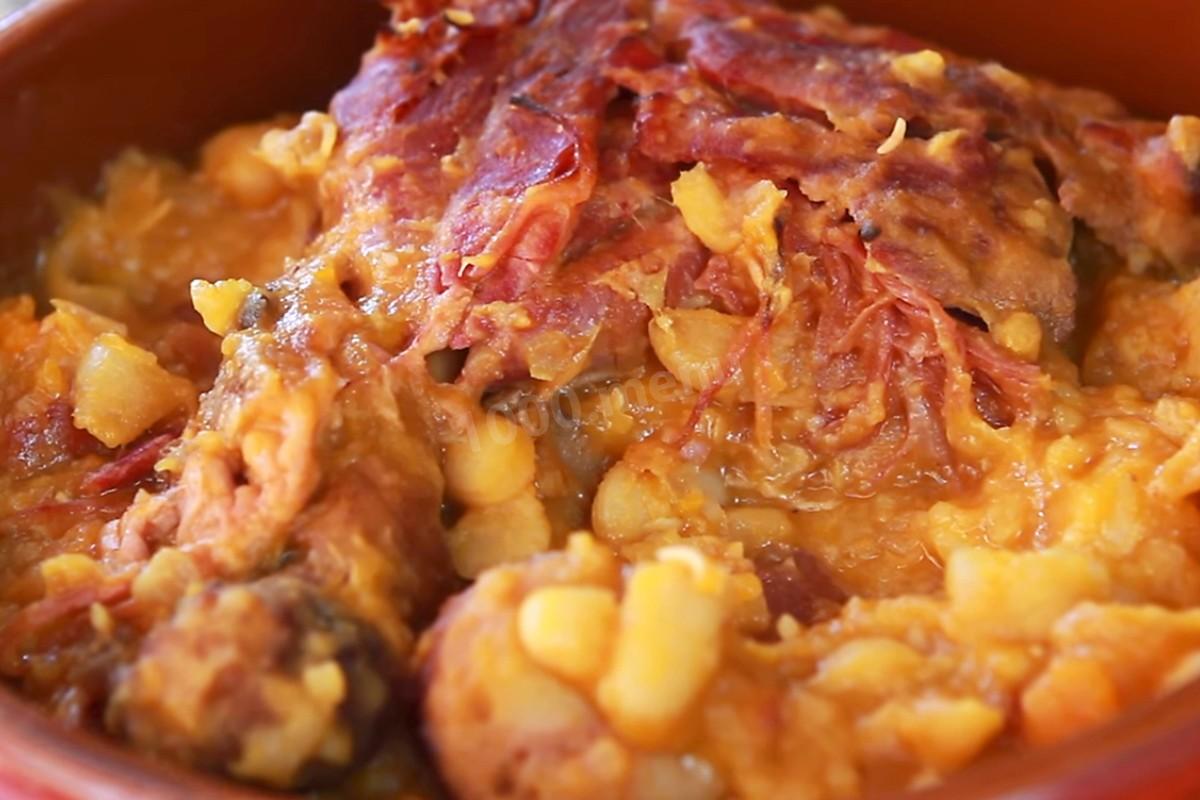
Cassoulet takes some work, but it's so delicious it's worth every minute! This French classic is a hearty, rich, slow-braised dish, cooked until all the flavors, aromas, and textures melt together. Long ago, the peasants of Provence would gather up whatever meat and preserves they had, add a generous armful of beans and vegetables, and braise it all together in the hearth. Enough said — you just have to try it!
Foster
Recipe author
Cassoulet
Nutrients and energy value of the composition of the recipe
By weight of the composition:
Proteins 32 %
10 g
Fats 48 %
15 g
Carbohydrates 19 %
6 g
207 kcal
GI:
100
/
0
/
0
- Soak the beans overnight in plenty of water. 2. Before cooking, change the water and put the beans on to cook. 3. Peel the onions (both kinds), carrots, and garlic. Cut the carrots into rounds, the leek into strips, the onions into medium dice, and roughly chop the garlic. Add the vegetables, thyme, and cloves to the pot and simmer over medium heat — at a gentle simmer, not a hard boil — for half an hour. 4. Score the skin of the duck breast in a crosshatch, cutting through the full depth of the fat. Lay the breast skin-side down in a cold skillet and set it over medium heat. Cook until the skin is crisp and the fat has rendered. Flip and cook the other side until the meat is golden. Transfer to a board and cut into cubes. 5. Cut the salt-cured bacon into fairly large pieces. Add it to the skillet with the rendered duck fat and fry over low heat until golden on both sides. Remove the bacon to a board or plate. 6. Add the tomato purée to the beans. If your tomatoes or tomato paste are acidic, hold off and add them later, once the beans have softened — the acid can otherwise keep the beans tough. 7. In the skillet with the duck and bacon fat, fry the ground pork until golden. 8. Cut the pork into fairly large cubes and fry it in the same pan. 9. Add all the meats and the pan fat to the pot with the beans. If needed, add water or broth so everything is nearly covered with the sauce. 10. Simmer over low heat with the lid slightly ajar, stirring gently now and then. 11. After an hour, taste for salt and add salt, sugar, and pepper to taste. Move the cassoulet to the oven. If your stovetop pot isn't oven-safe, transfer it to a suitable (preferably heavy-bottomed) baking dish. If you like a crust, sprinkle the top with breadcrumbs — they'll turn golden and soak up the extra liquid. Bake for 30–40 minutes at 350–375°F (180–190°C). Enjoy!
- P.S. The original recipe uses Toulouse sausages instead of ground meat — fresh pork sausages with 20–30% fat, salt, and black pepper. You can substitute any good raw pork sausage from the store.
Caloric content of the products possible in the composition of the dish
- Pork fat - 333 kcal/100g
- Pork meat - 357 kcal/100g
- Pork - lean roast - 184 kcal/100g
- Pork chop on a bone - 537 kcal/100g
- Pork - schnitzel - 352 kcal/100g
- Pork Shoulder - 593 kcal/100g
- Boar's leg - 113 kcal/100g
- Pork - 259 kcal/100g
- Carrots - 33 kcal/100g
- Dried carrots - 275 kcal/100g
- Boiled carrots - 25 kcal/100g
- Garlic - 143 kcal/100g
- Carnation - 323 kcal/100g
- Thyme - 101 kcal/100g
- Dried thyme - 276 kcal/100g
- Thyme - 276 kcal/100g
- Granulated sugar - 398 kcal/100g
- Sugar - 398 kcal/100g
- Leek - 33 kcal/100g
- Mixed minced meat - 351 kcal/100g
- Boiled bacon - 447 kcal/100g
- Tomato paste - 28 kcal/100g
- Salt - 0 kcal/100g
- Onion - 41 kcal/100g
- Ground red pepper - 318 kcal/100g
- White beans - 102 kcal/100g
- Duck legs - 405 kcal/100g
- Fried duck legs - 266 kcal/100g
- Duck breast - 241 kcal/100g
Similar recipes

Related and additional categories:
- National cuisine
- Recipes from the chef
- Old recipes
- Second course
- Meat and meat products
- Vegetables
- Sweet
- Legumes
- Spices seasonings spices
- Other
- From beans
- Garlic
- Clove
- Pepper
- Salt
- Thyme
- Tomato paste
- French cuisine
- Frying
- Oven roasting
- Meat second course
- Meat in the oven
- Pork
- Minced meat
- Meat semi-finished products
- Poultry
- Vegetables in the oven
- From carrots
- From onion
- No eggs
- Recipes for lean dishes without butter
- Sugar