Vegan Lentil Cutlets with Carrot and Rice
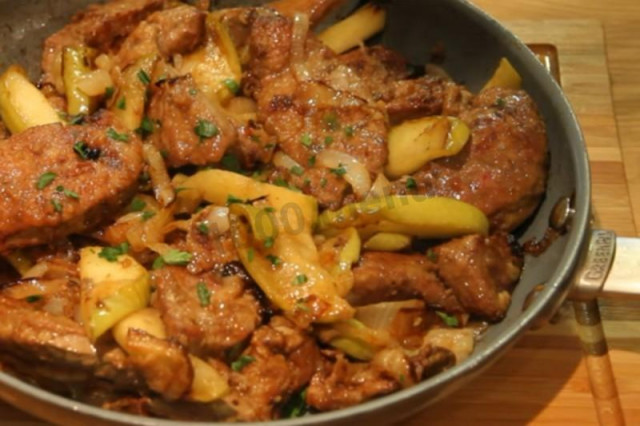
Crispy, hearty cutlets that pair perfectly with rice or buckwheat. These vegetarian lentil cutlets will win over even the die-hard meat-cutlet fans.
Adelina
Recipe author
Vegan Lentil Cutlets with Carrot and Rice

Nutrients and energy value of the composition of the recipe
By weight of the composition:
Proteins 22 %
13 g
Fats 15 %
9 g
Carbohydrates 63 %
37 g
293 kcal
GI:
58
/
42
/
0
Cooking method
-
Step 1:
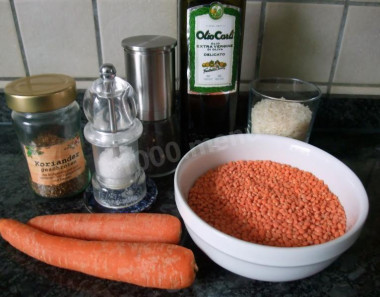
The recipe ingredients.
-
Step 2:
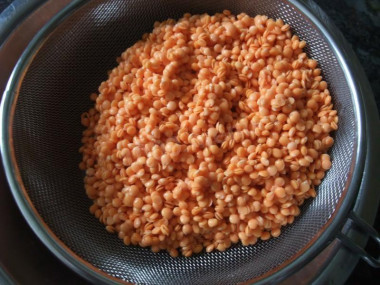
Drain the lentils, which have soaked overnight.
-
Step 3:
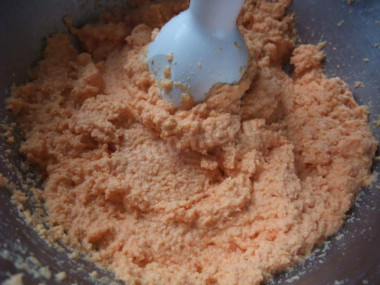
Grind the lentils to a smooth paste.
-
Step 4:
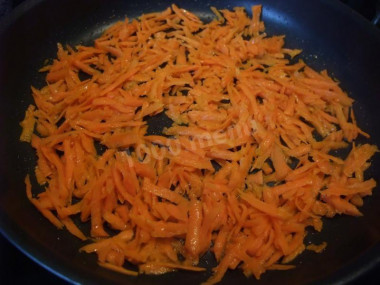
Peel, wash, and grate the carrots, then fry them in vegetable oil with the spices.
-
Step 5:
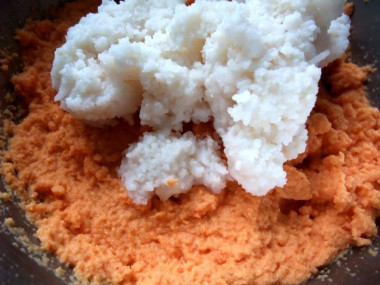
Boil the rice until soft, grind it, and add it to the lentils. Mix thoroughly.
-
Step 6:
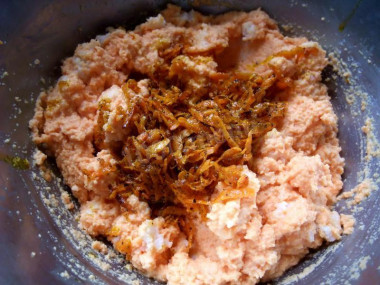
Next, add the fried carrots and salt. Mix everything again until smooth.
-
Step 7:
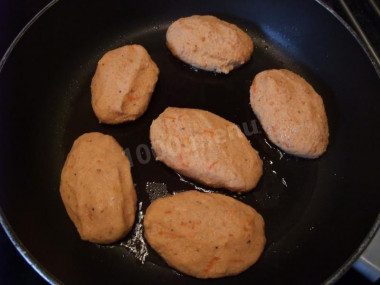
Shape the mixture into cutlets and fry them in oil until golden on all sides.
-
Step 8:

Your carrot-and-lentil cutlets are ready.
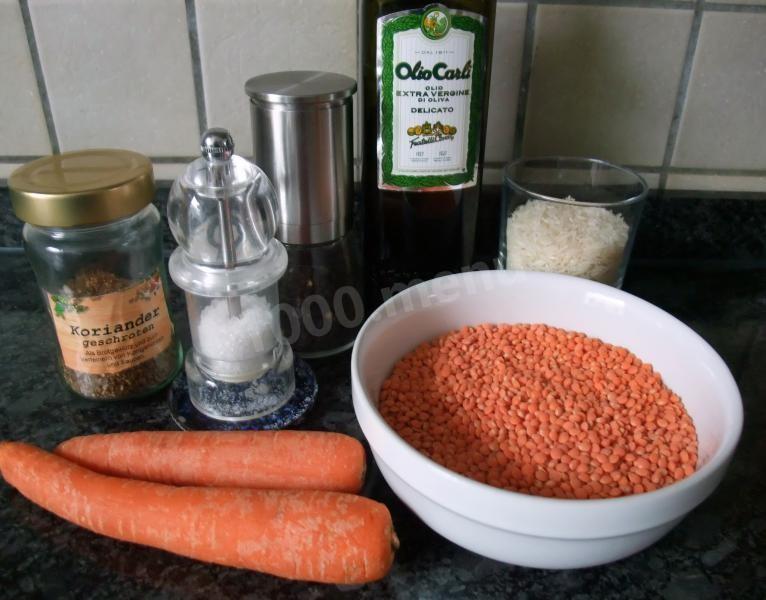
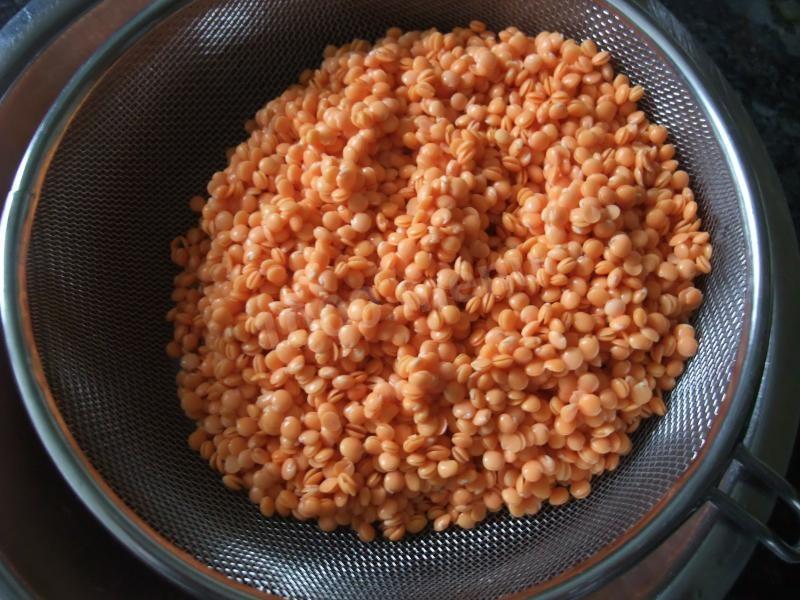


- Soak the lentils overnight, with the water covering them completely. The next day, drain them and run the lentils through a meat grinder or food processor until they turn into a paste. Grate both carrots. Add a little salt to a pot of water and cook the rice until soft. Fry the grated carrots in a skillet with vegetable oil. Add the spices and stir. Once the carrots are glazed and have darkened, take them off the heat. Run the cooked rice through the meat grinder or food processor, just as you did with the lentils. Combine the ground rice and lentils into one mass, adding the carrots and salt as you go. Shape the vegetarian lentil cutlets from this mixture. Finish the still-raw patties by frying them in a skillet over medium heat. Fry on all sides. Dinner is served!
- Use an oil with a high smoke point for frying! Any oil is good only up to a certain temperature — its smoke point, above which the oil starts to burn and forms toxic compounds, including carcinogens. Unrefined oils, with rare exceptions, have a low smoke point; they're full of unfiltered organic particles that quickly begin to burn. Refined oils stand up to heat better and have a higher smoke point. If you're cooking in the oven, in a skillet, or on the grill, make sure to use an oil with a high smoke point. The most common high-smoke-point oils are refined sunflower, olive, and grapeseed.
- There's a simple way to check whether the oil in the skillet is hot enough: dip in a wooden spatula. If bubbles gather around it, you're ready to start frying.
- Since everyone's tolerance for salt, sweetness, bitterness, heat, acidity, and spice is different, always add spices and seasonings to your own taste! And if you're using a seasoning for the first time, keep in mind that some are especially easy to overdo (chili pepper, for example).
Caloric content of the products possible in the composition of the dish
- Raw wild rice - 353 kcal/100g
- Brown raw rice - 360 kcal/100g
- Boiled brown rice - 119 kcal/100g
- White fortified raw rice - 363 kcal/100g
- White fortified boiled rice - 109 kcal/100g
- White rice, steamed, with long grains raw - 369 kcal/100g
- Steamed white rice, boiled with long grains - 106 kcal/100g
- Instant dry rice - 374 kcal/100g
- Instant rice, ready to eat - 109 kcal/100g
- Rice - 344 kcal/100g
- Carrots - 33 kcal/100g
- Dried carrots - 275 kcal/100g
- Boiled carrots - 25 kcal/100g
- Ground black pepper - 255 kcal/100g
- Dried, uncooked lentils - 340 kcal/100g
- Dried boiled lentils - 106 kcal/100g
- Lentils - 340 kcal/100g
- Vegetable oil - 873 kcal/100g
- Salt - 0 kcal/100g
- Ground coriander - 25 kcal/100g
Similar recipes


Related and additional categories: