Paul Bocuse's Potato Omelet
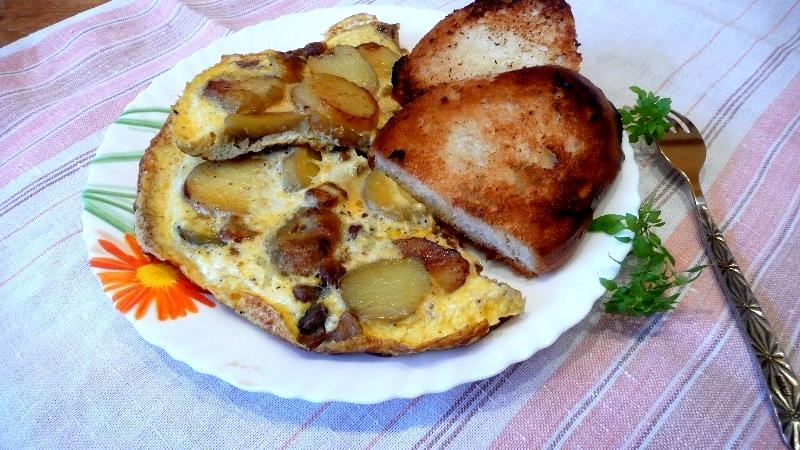
An omelet made with the elegant technique of the famous French chef. The most important thing about food is its quality — and there's really only one kind of cooking worth doing: the delicious kind. Paul Bocuse was one of the founders of "Nouvelle Cuisine," which emphasizes the quality and natural character of ingredients and lighter, lower-calorie dishes. Cooking by his guidance is easy. The key is to follow the method closely and use natural, high-quality ingredients. For this potato omelet, the ingredients are ones that practically "live" in our kitchens year-round, and the dish itself is a classic. But made Bocuse's way, it turns out delicious, filling, and wholesome. That said, in my opinion this is a "hearty man's" omelet. I'd cut back on the eggs and add a splash of milk — but then it would be my recipe, not his.

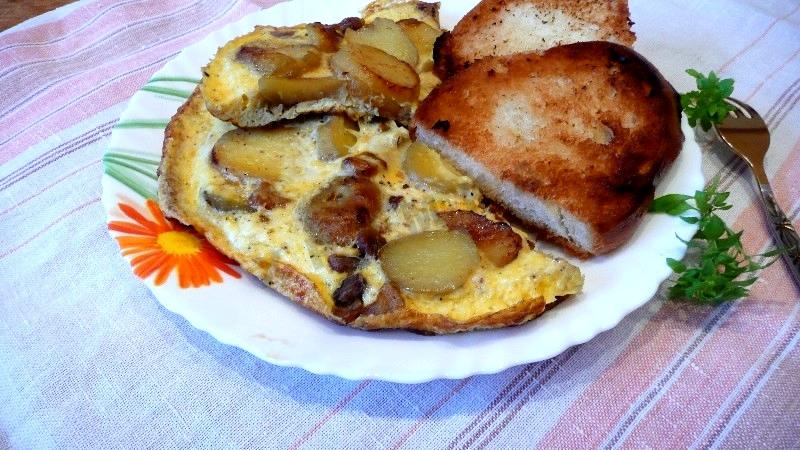
Cooking method
-
Step 1:
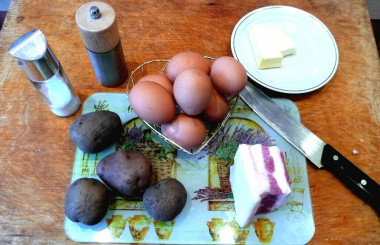
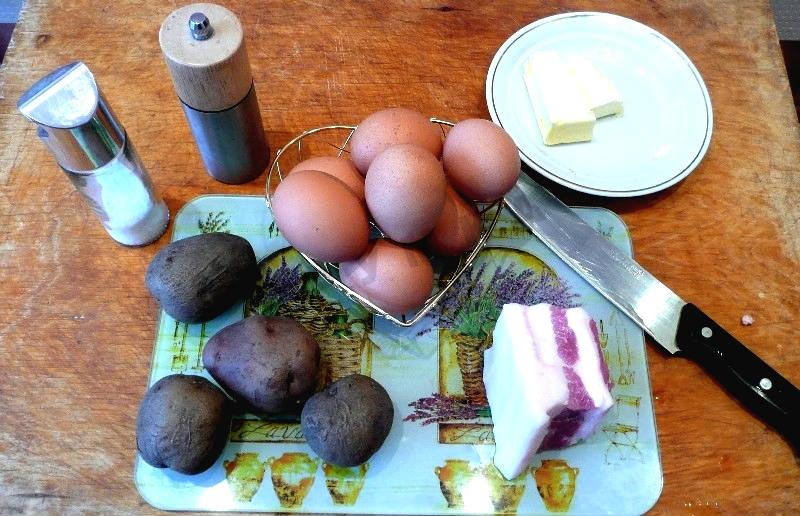
Paul Bocuse practically insists that ingredients be at room temperature before cooking. Boil the potatoes in their skins and let them cool. Take the eggs out of the fridge 1.5 hours before cooking.
-
Step 2:
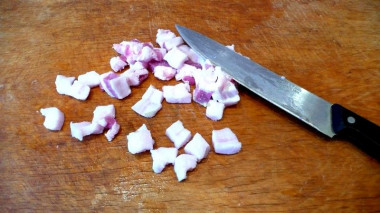
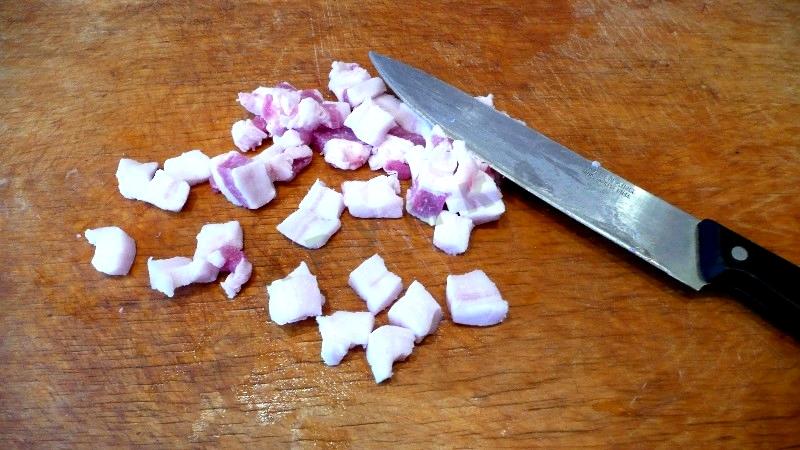
Cut the pork fatback into small cubes and add them to a heated skillet. Bocuse often talks about his love of cast-iron cookware, so I decided to use my old cast-iron pan (my grandmother's) for this recipe.
-
Step 3:
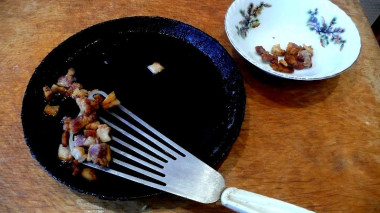
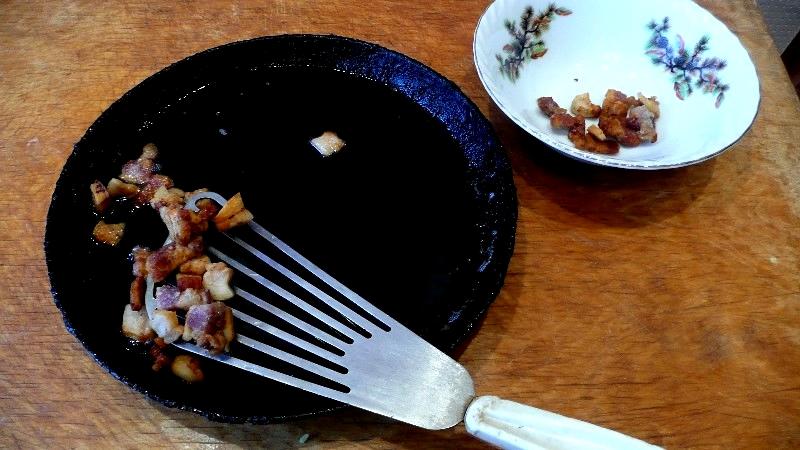
Fry the fatback until crisp, then remove the cubes from the pan.
-
Step 4:
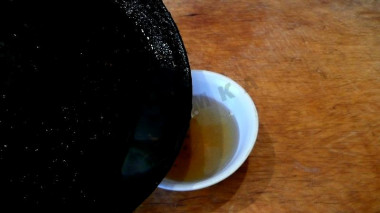
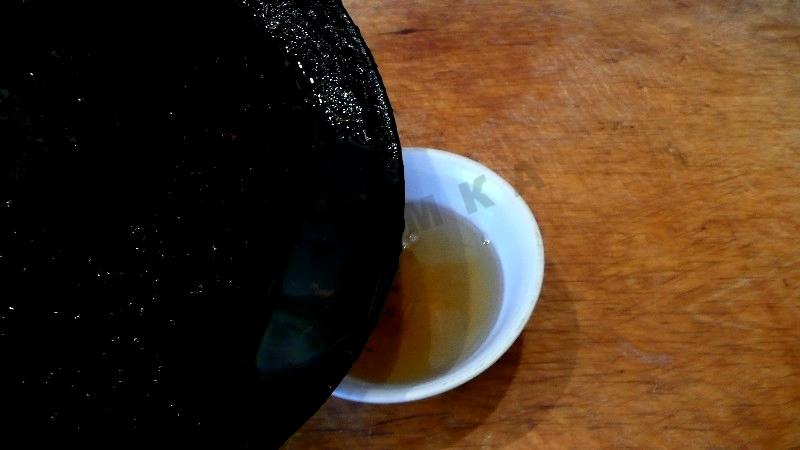
Pour off the rendered fat.
-
Step 5:
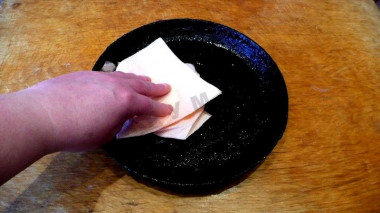
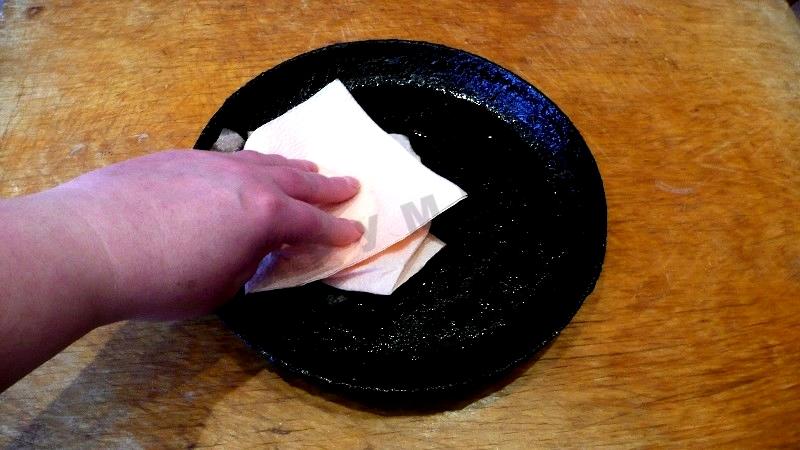
Wipe the skillet with a paper towel to remove any leftover fat.
-
Step 6:
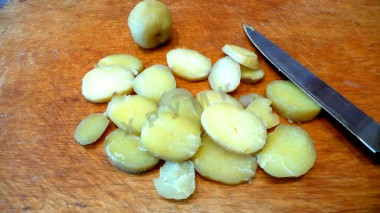
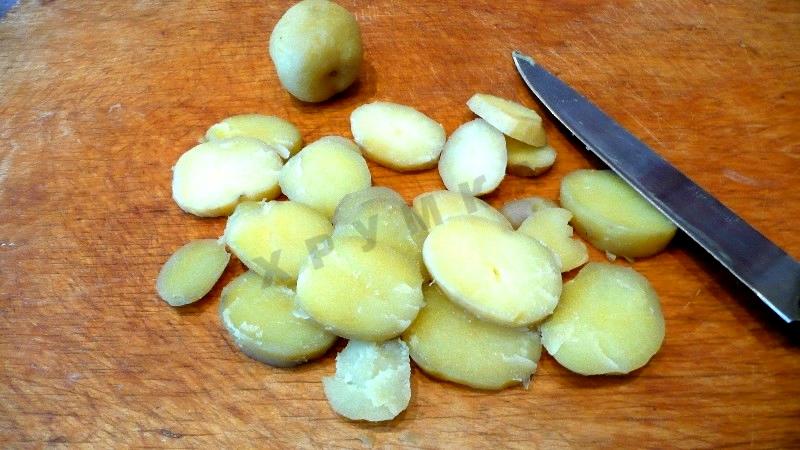
Cut the potatoes into rounds.
-
Step 7:
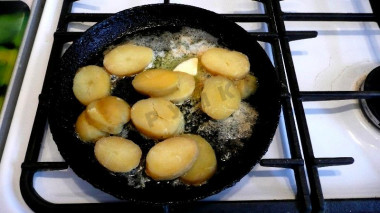
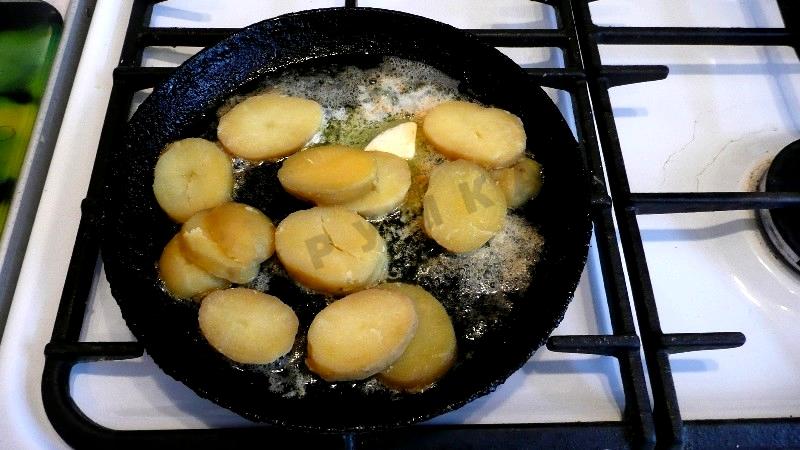
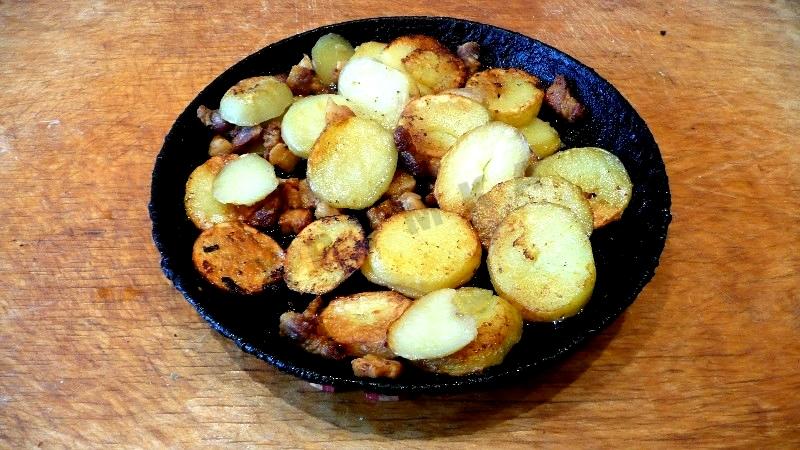
Put a pat of butter in the still-hot skillet, and as soon as it starts to foam, add the potato rounds.
-
Step 8:
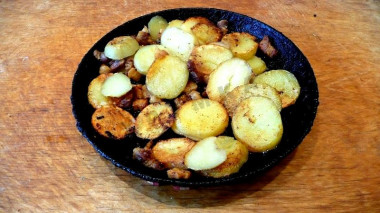
Fry the potatoes until golden. Add the fatback cubes back in.
-
Step 9:
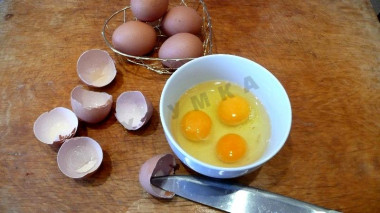
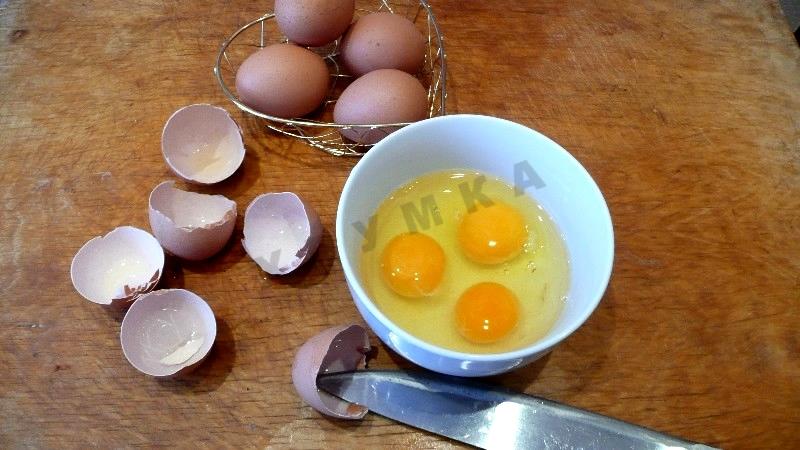
Crack the eggs into a bowl.
-
Step 10:
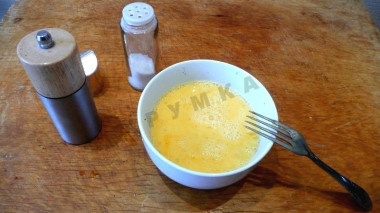
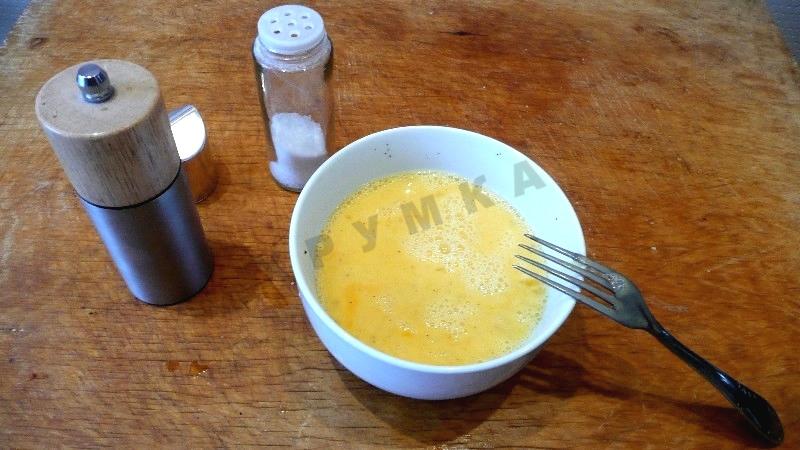
Add pepper and salt to taste, then beat the eggs with a fork along with 1 tablespoon of plain water. Pour the mixture over the potatoes.
-
Step 11:
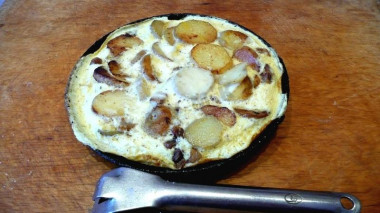
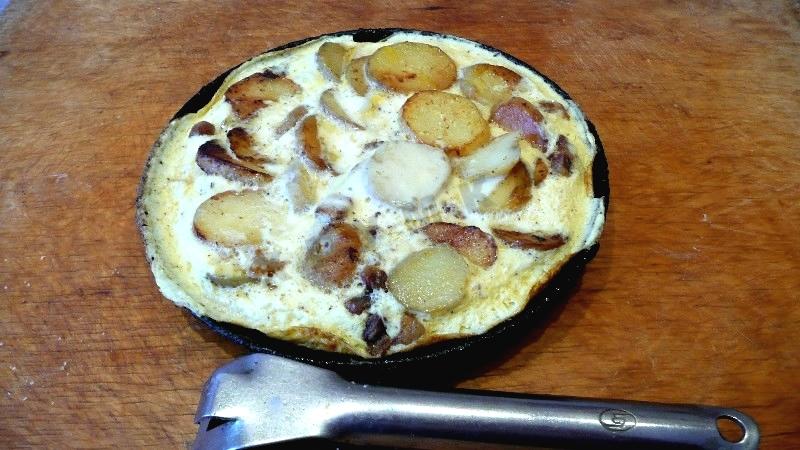
Cook until set.
-
Step 12:
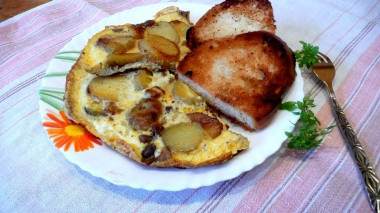
Cut into portions. This omelet is best served with slices of white bread fried in butter.
Caloric content of the products possible in the composition of the dish
- Ripe potatoes - 80 kcal/100g
- Baked potatoes - 70 kcal/100g
- Mashed potatoes - 380 kcal/100g
- Boiled potatoes - 82 kcal/100g
- Potatoes in uniform - 74 kcal/100g
- Fried potatoes - 192 kcal/100g
- Chicken egg - 157 kcal/100g
- Egg white - 45 kcal/100g
- Egg powder - 542 kcal/100g
- Egg yolk - 352 kcal/100g
- Ostrich egg - 118 kcal/100g
- Pork fat - 871 kcal/100g
- Melted pork fat - 947 kcal/100g
- Pork rinds - 895 kcal/100g
- Lard - 797 kcal/100g
- Spy - 658 kcal/100g
- Butter 82% - 734 kcal/100g
- Amateur unsalted butter - 709 kcal/100g
- Unsalted peasant butter - 661 kcal/100g
- Peasant salted butter - 652 kcal/100g
- Melted butter - 869 kcal/100g
- Salt - 0 kcal/100g
- Pepper - 26 kcal/100g