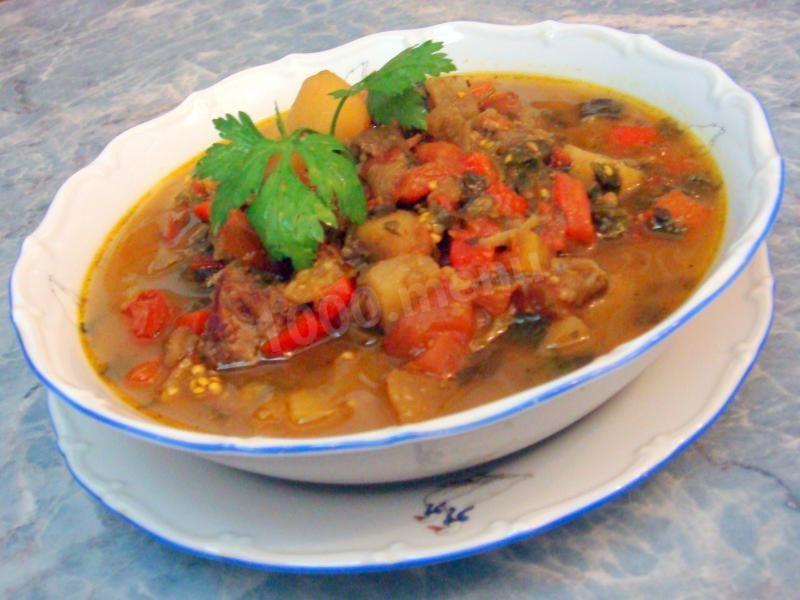
Georgian Ajapsandali with Beef
A wonderfully layered dish with an equally involved name — and it's delicious. Ajapsandali is a beloved dish of Georgian cuisine.
♚Larisynshik
Recipe author
Georgian Ajapsandali with Beef
Nutrients and energy value of the composition of the recipe
By weight of the composition:
Proteins 33 %
5 g
Fats 20 %
3 g
Carbohydrates 47 %
7 g
75 kcal
GI:
100
/
0
/
0
Cooking method
-
Step 1:
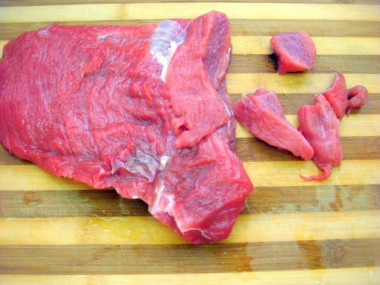
Step 1:
-
Step 2:
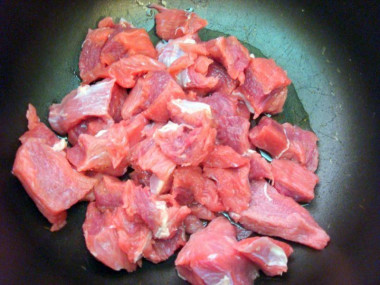
Step 2:
-
Step 3:
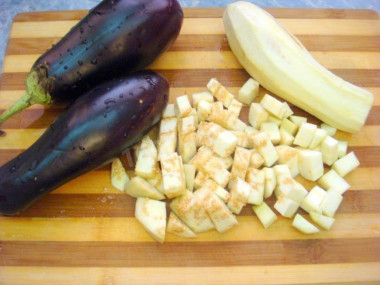
Step 3:
-
Step 4:
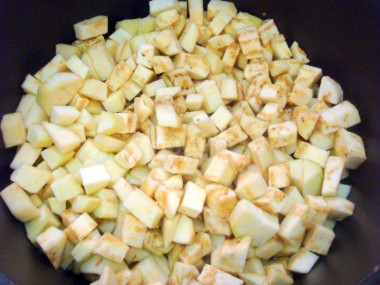
Step 4:
-
Step 5:
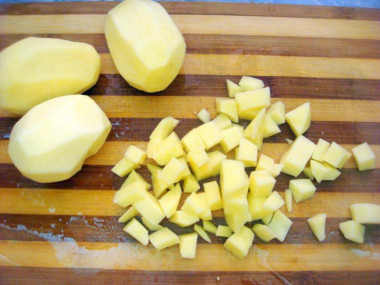
Step 5:
-
Step 6:
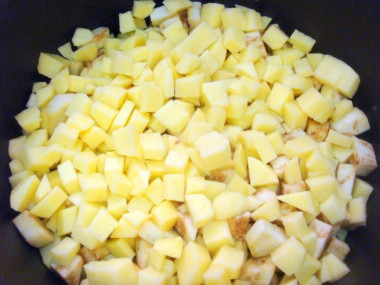
Step 6:
-
Step 7:
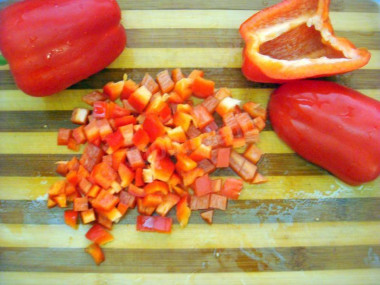
Step 7:
-
Step 8:
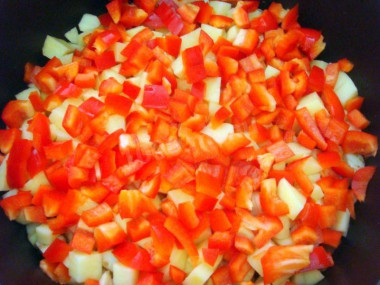
Step 8:
-
Step 9:
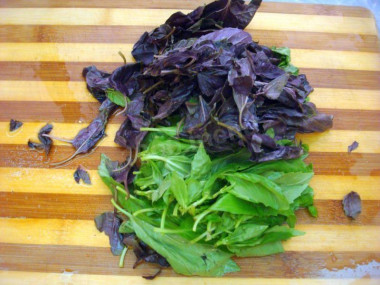
Step 9:
-
Step 10:
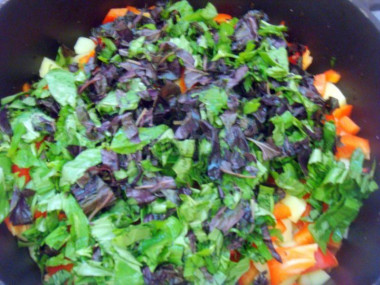
Step 10:
-
Step 11:
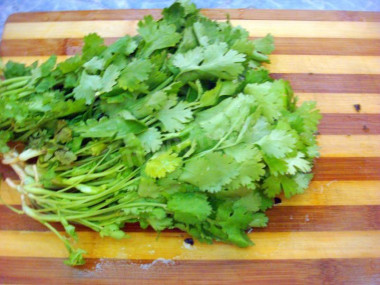
Step 11:
-
Step 12:
Step 12:
-
Step 13:
Step 13:
-
Step 14:
Step 14:
-
Step 15:
Step 15:
-
Step 16:
Step 16:
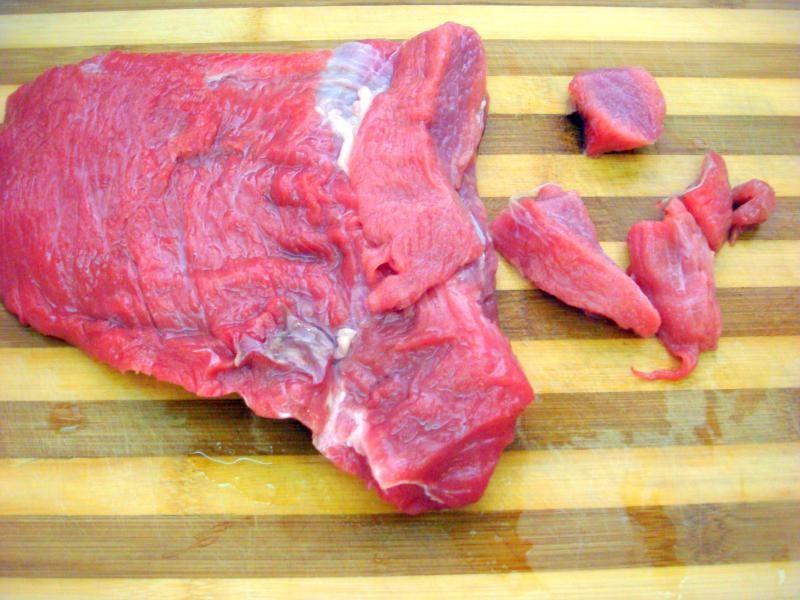
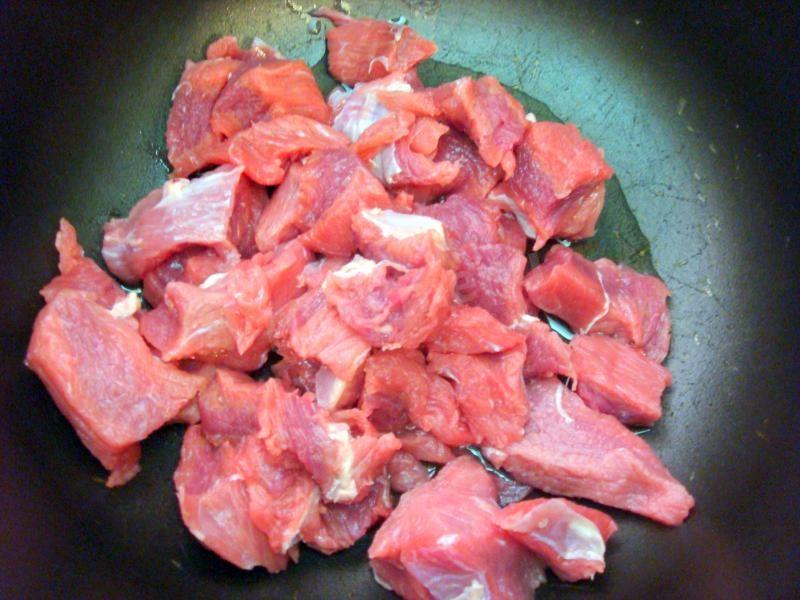
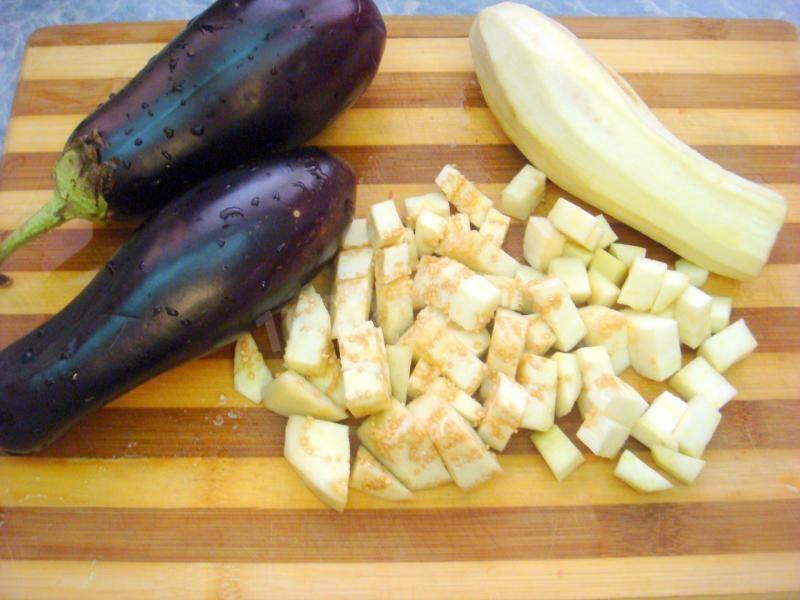
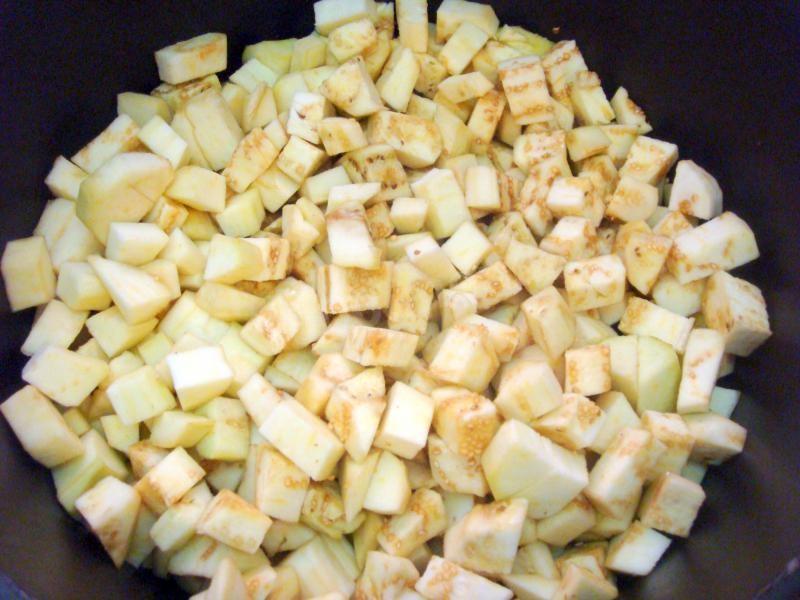
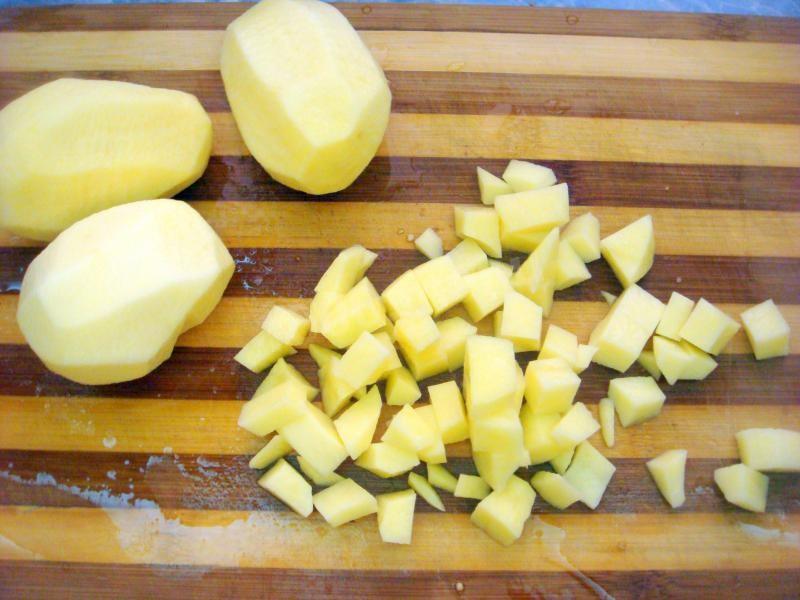
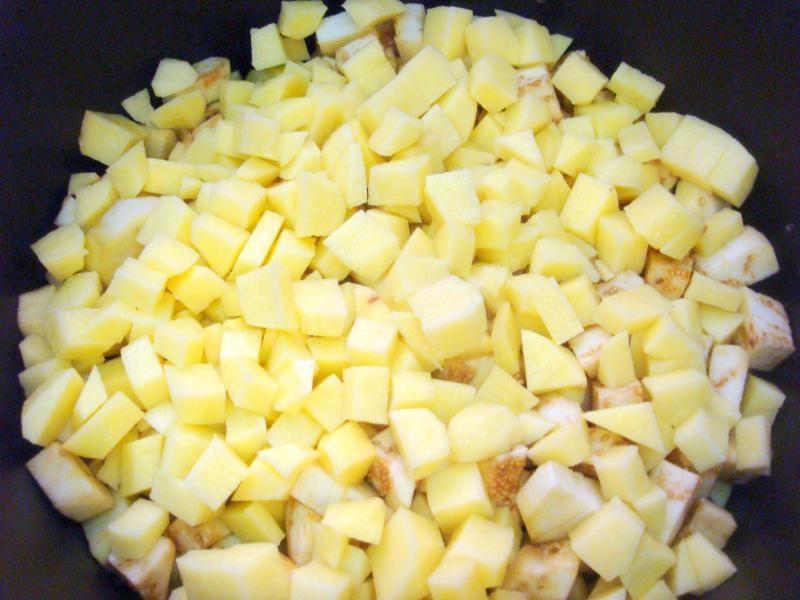
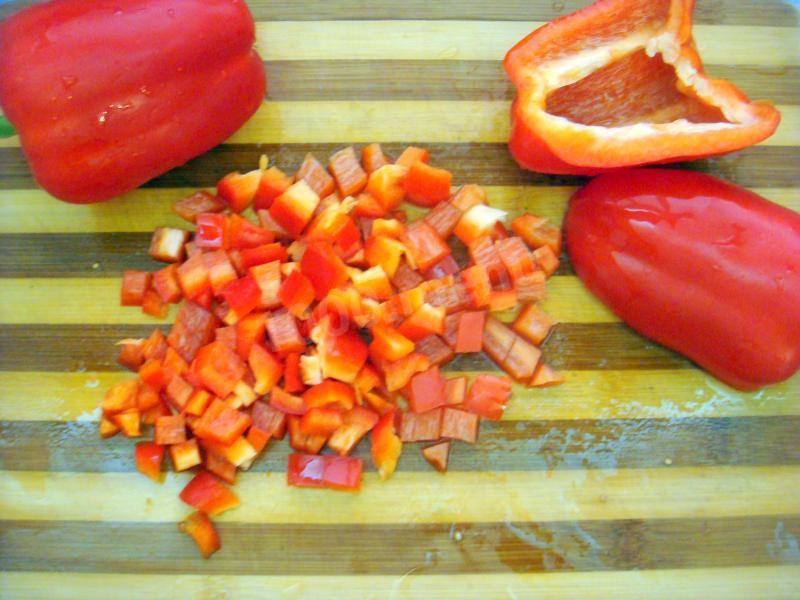
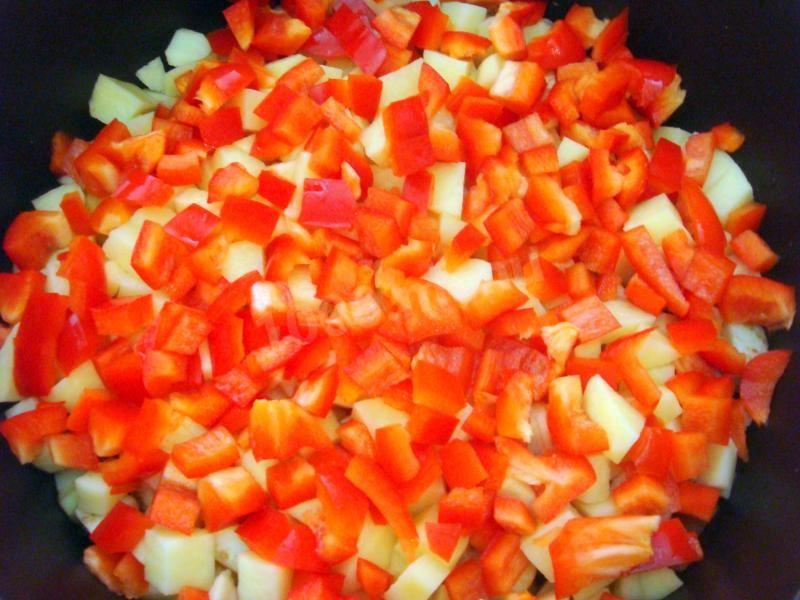
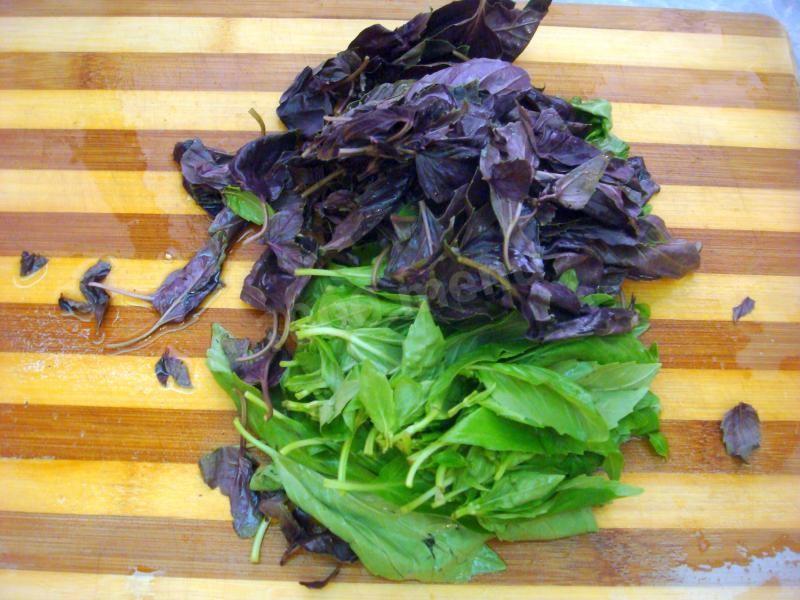
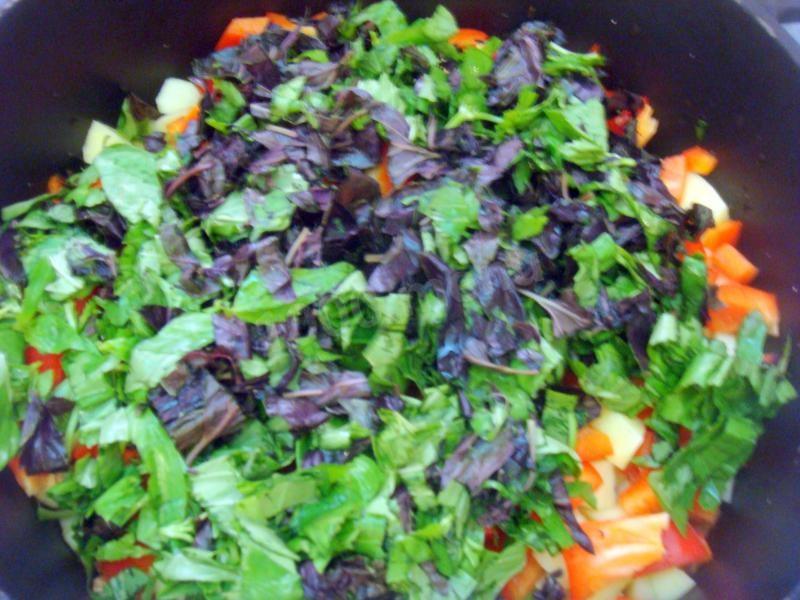
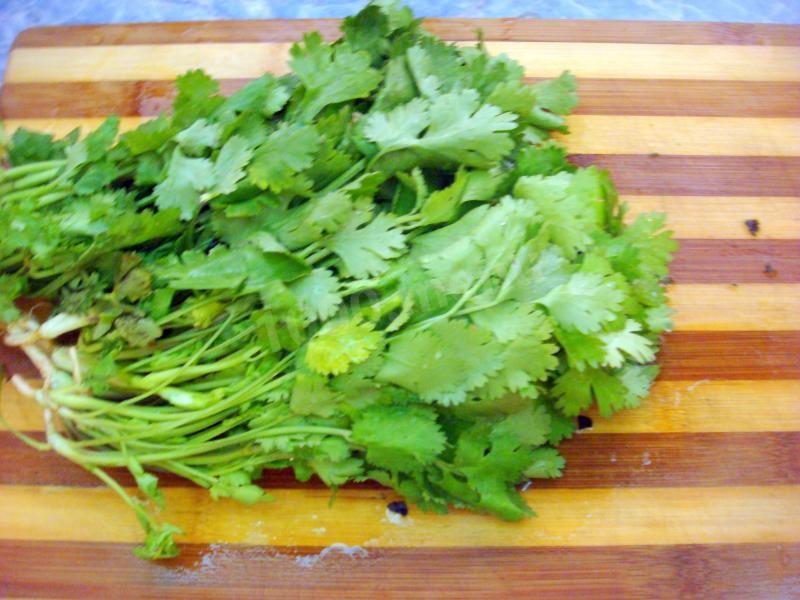
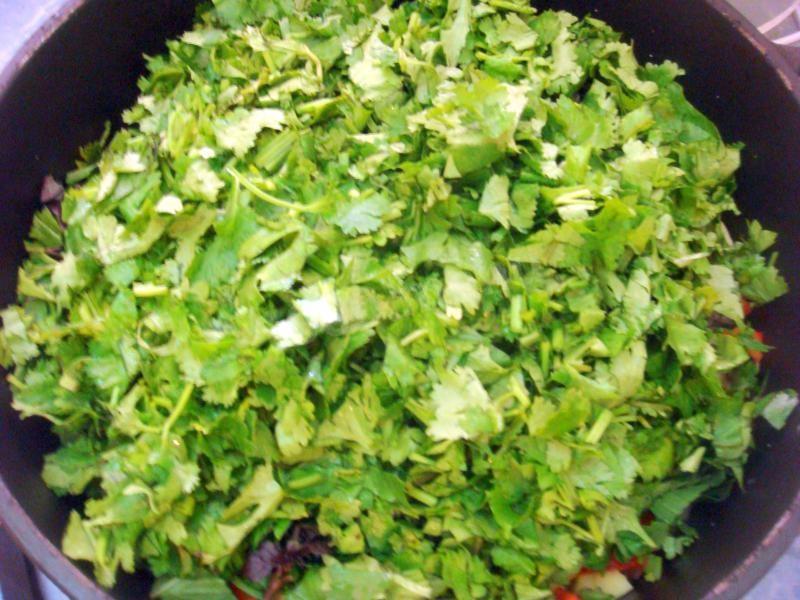
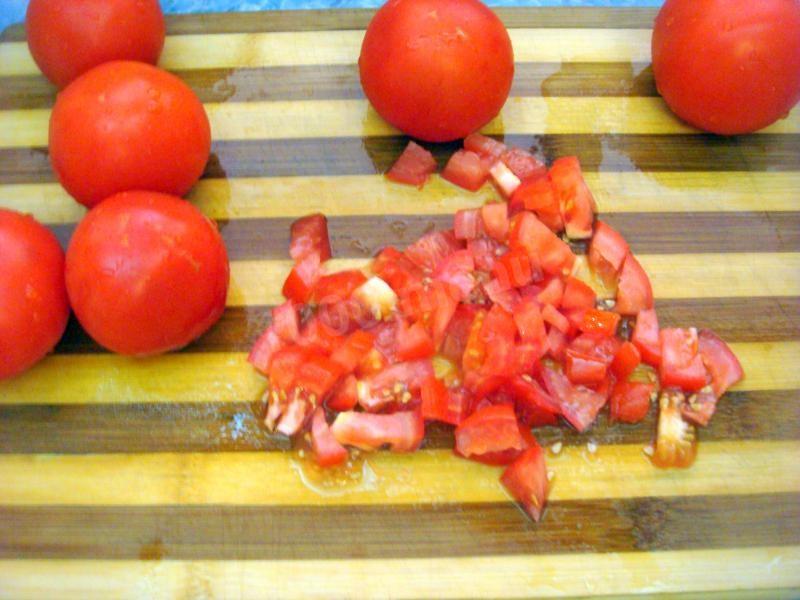
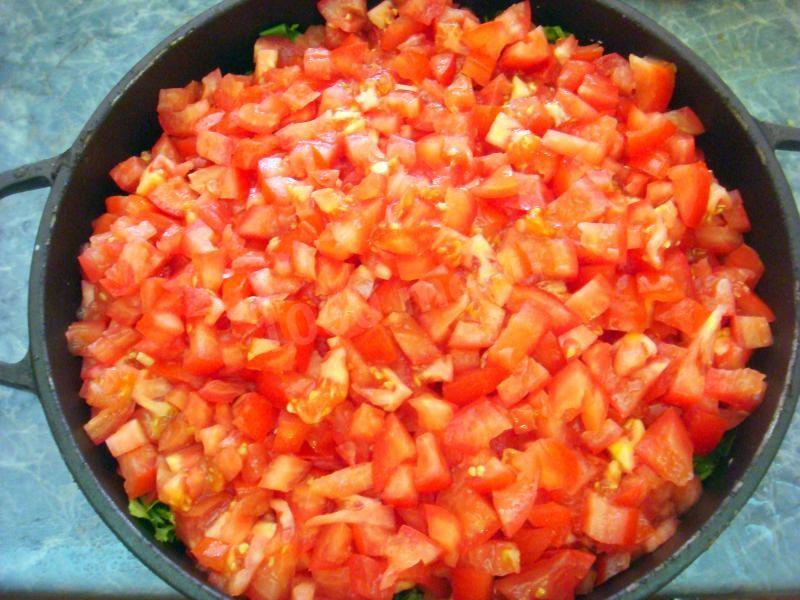
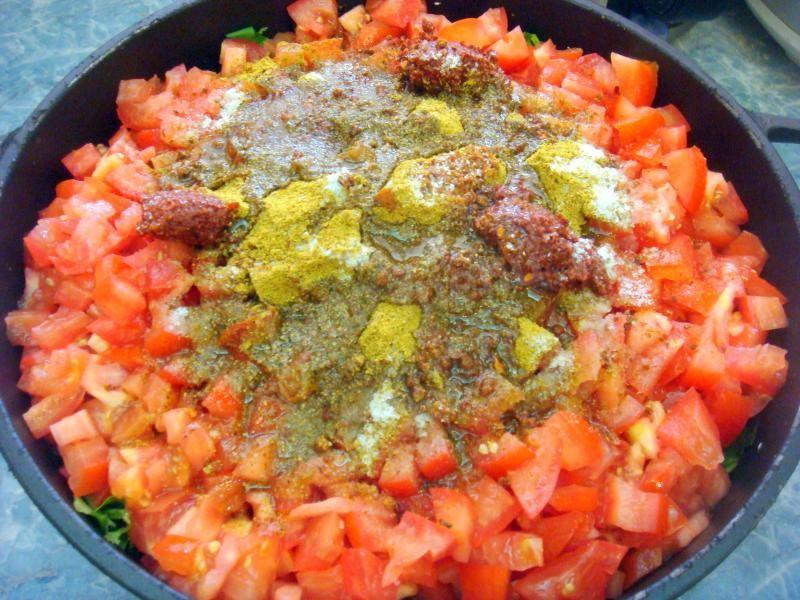
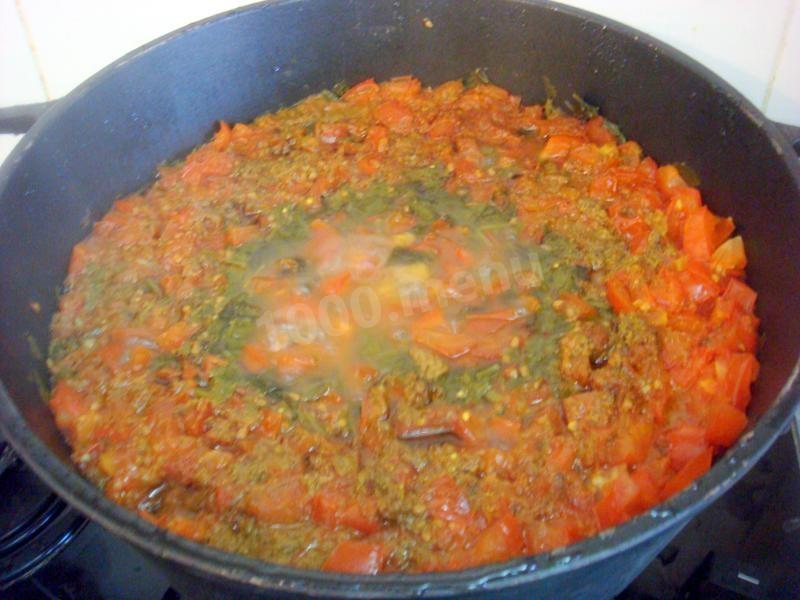
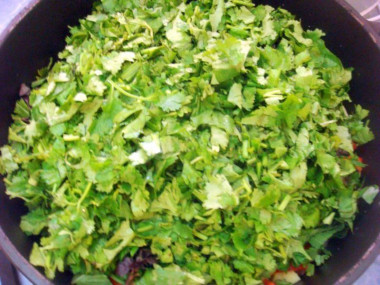
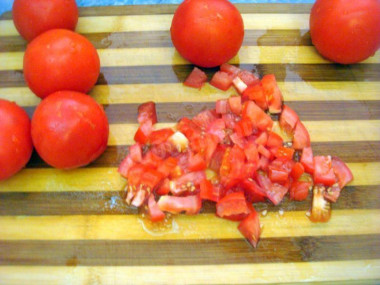
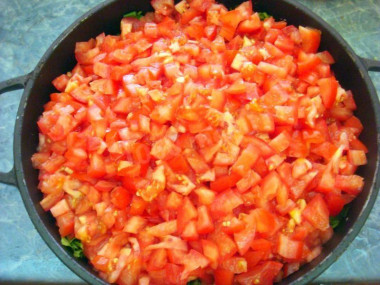
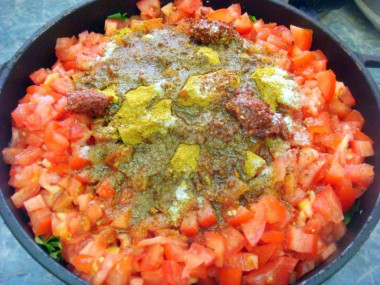
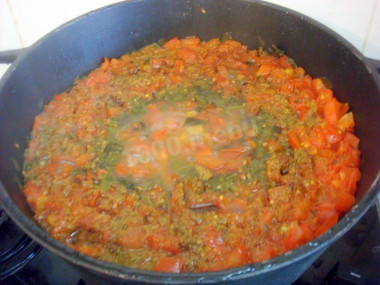
- How do you make Georgian ajapsandali with beef? Cut the beef into small pieces. Cut the eggplant, peppers, potatoes, and tomatoes into small cubes. Chop the herbs. Pour 2 tablespoons of vegetable oil into a heavy pot or cauldron and layer in this order: beef, eggplant, potatoes, bell pepper, herbs, and tomatoes. Scatter in all the seasonings. Add the remaining oil. Don't stir. Cover the pot and set it over the lowest heat. After an hour and a half, lift the lid — the pot will be full of liquid. Taste for salt and add more if needed. Cover again and continue simmering for another half hour. Turn off the heat and let the ajapsandali rest for another hour at room temperature.
- A quick note on oils: every oil is only good up to a certain temperature — its smoke point, above which it starts to burn and form harmful compounds. It's worth knowing your oil's smoke point and choosing the right one for frying.
- Because everyone's threshold for salt, sweetness, bitterness, heat, and acidity is different, always add spices and seasonings to your own taste. If you're using a spice for the first time, keep in mind that some are especially easy to overdo (chili, for example).
- You can swap the beef for any other meat you prefer, but keep in mind that the cooking time, flavor, and calorie count will change. Pork and lamb are usually fattier than beef, while chicken breast or turkey are leaner. Cooking time also depends not just on the type of meat but on the cut and how young or old the meat is.
Caloric content of the products possible in the composition of the dish
- Ripe potatoes - 80 kcal/100g
- Baked potatoes - 70 kcal/100g
- Mashed potatoes - 380 kcal/100g
- Boiled potatoes - 82 kcal/100g
- Potatoes in uniform - 74 kcal/100g
- Fried potatoes - 192 kcal/100g
- Tomatoes - 23 kcal/100g
- Melted beef fat - 871 kcal/100g
- Fat beef - 171 kcal/100g
- Lean beef - 158 kcal/100g
- Beef brisket - 217 kcal/100g
- Beef - okovalok - 380 kcal/100g
- Beef - lean roast - 200 kcal/100g
- Beef shoulder - 137 kcal/100g
- Beef - ribs - 233 kcal/100g
- Beef - ham - 104 kcal/100g
- Beef - tail - 184 kcal/100g
- Boiled ham - 269 kcal/100g
- Beef corned beef - 216 kcal/100g
- Sweet pepper - 27 kcal/100g
- Eggplant - 24 kcal/100g
- Fresh basil - 27 kcal/100g
- Dried basil - 251 kcal/100g
- Dried ground cilantro - 216 kcal/100g
- Coriander - 25 kcal/100g
- Cilantro, coriander - 25 kcal/100g
- Ground black pepper - 255 kcal/100g
- Vegetable oil - 873 kcal/100g
- Hop-suneli - 417 kcal/100g
- Adjika - 59 kcal/100g
- Salt - 0 kcal/100g
Similar recipes
Related and additional categories:
- National cuisine
- Second course
- Meat and meat products
- Vegetables
- Spices seasonings spices
- Fats and oils
- Basil
- Аджика
- Кинза
- Pepper
- Salt
- Hops suneli
- Vegetable oil
- Caucasian cuisine
- Stewing
- Stewed vegetables
- Ajapsandal
- Meat second course
- Eggplant second course
- Beef
- From potatoes
- From tomato
- From eggplant
- From sweet pepper
- No eggs
- Recipes for lean dishes without butter