Cream of White Cabbage Soup
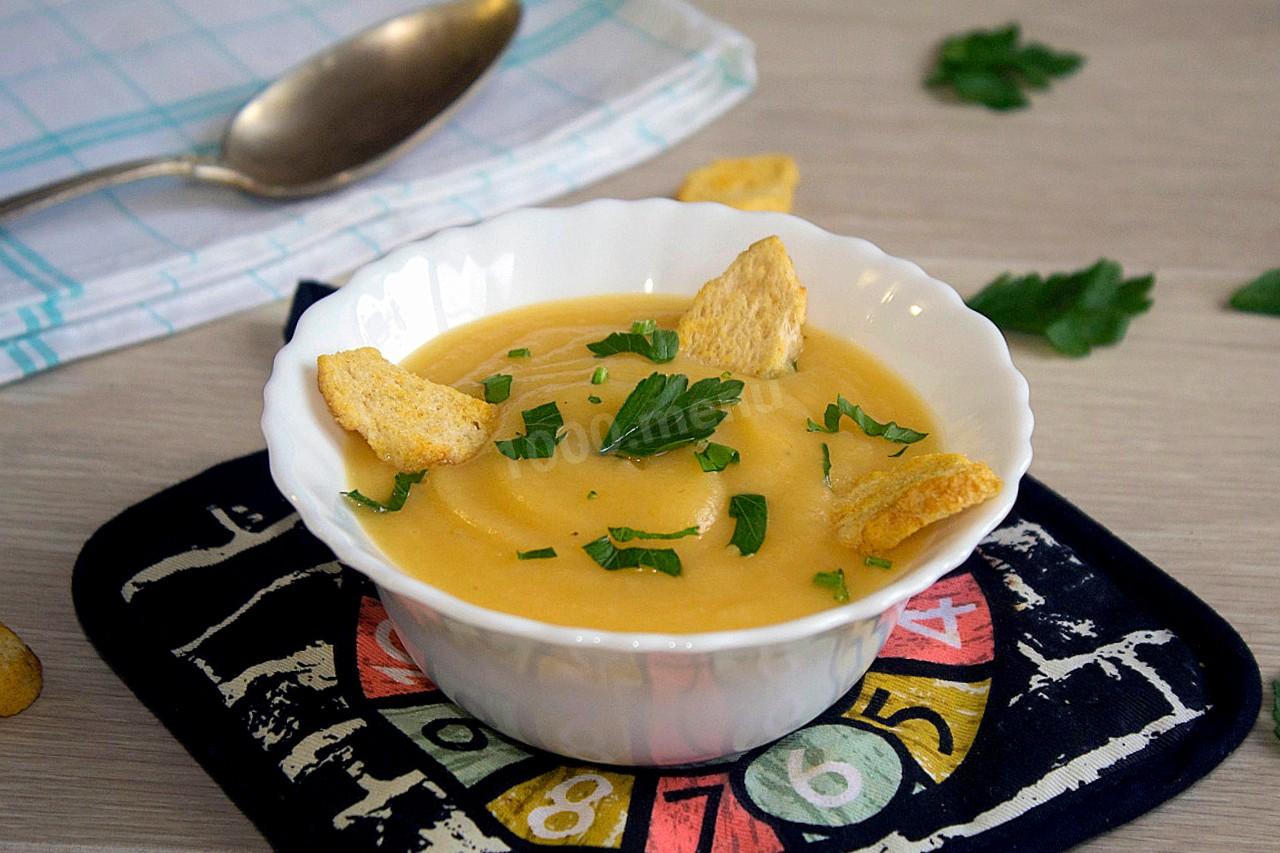
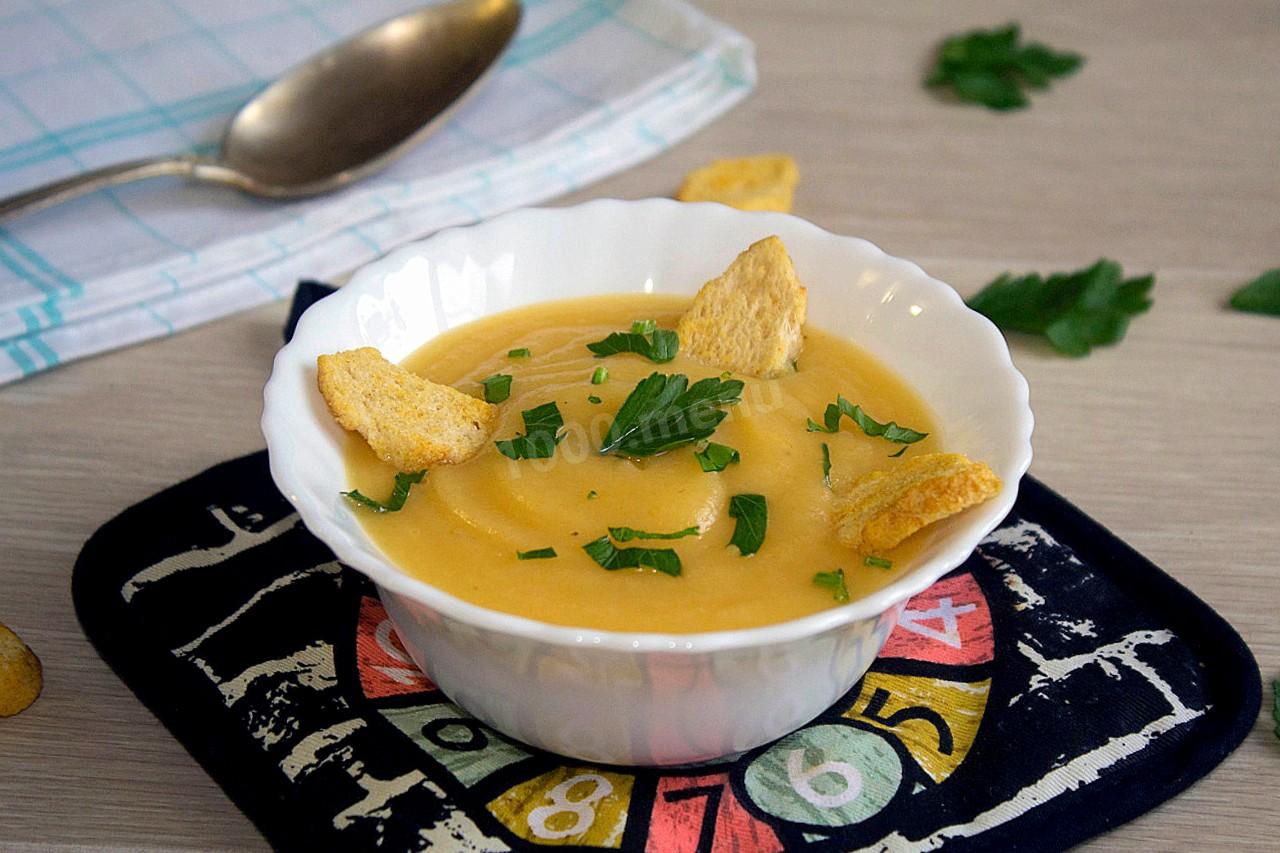
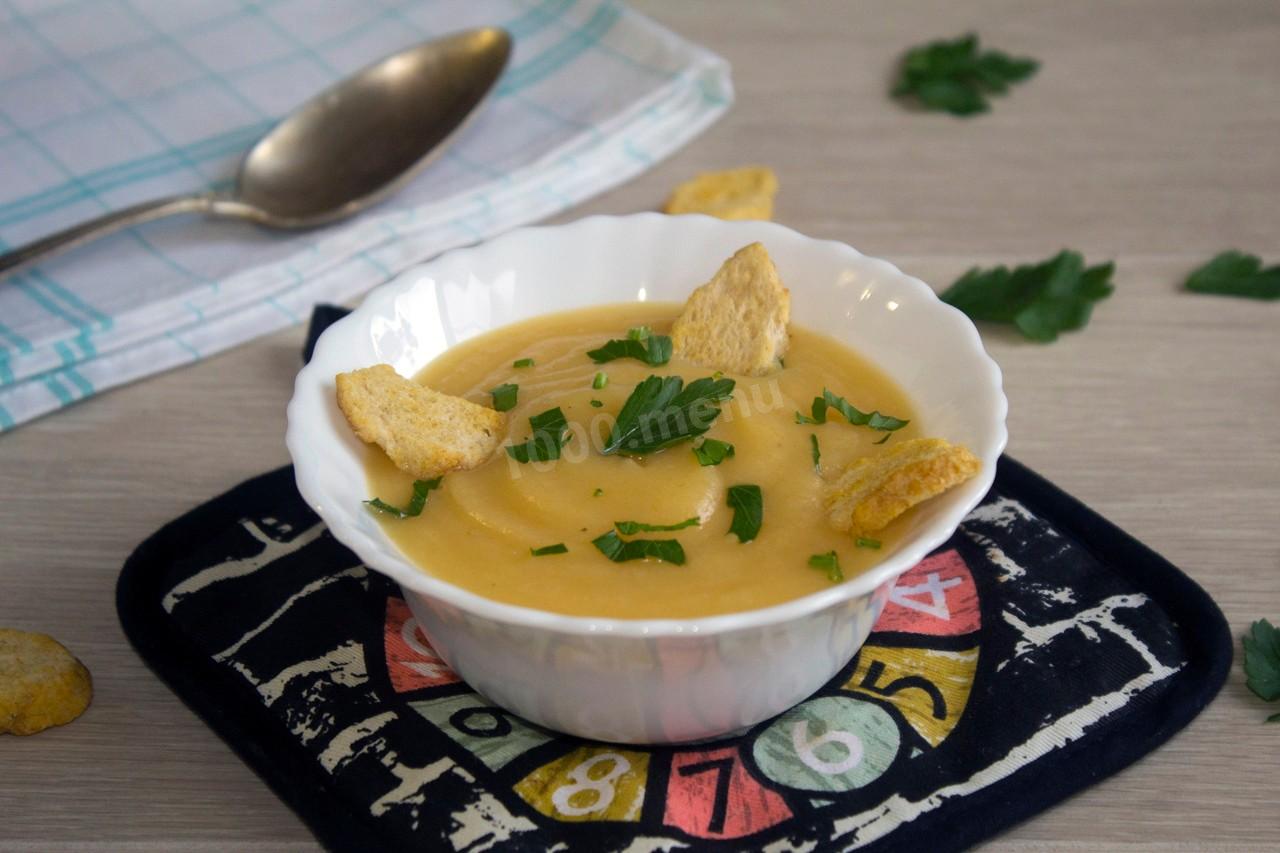
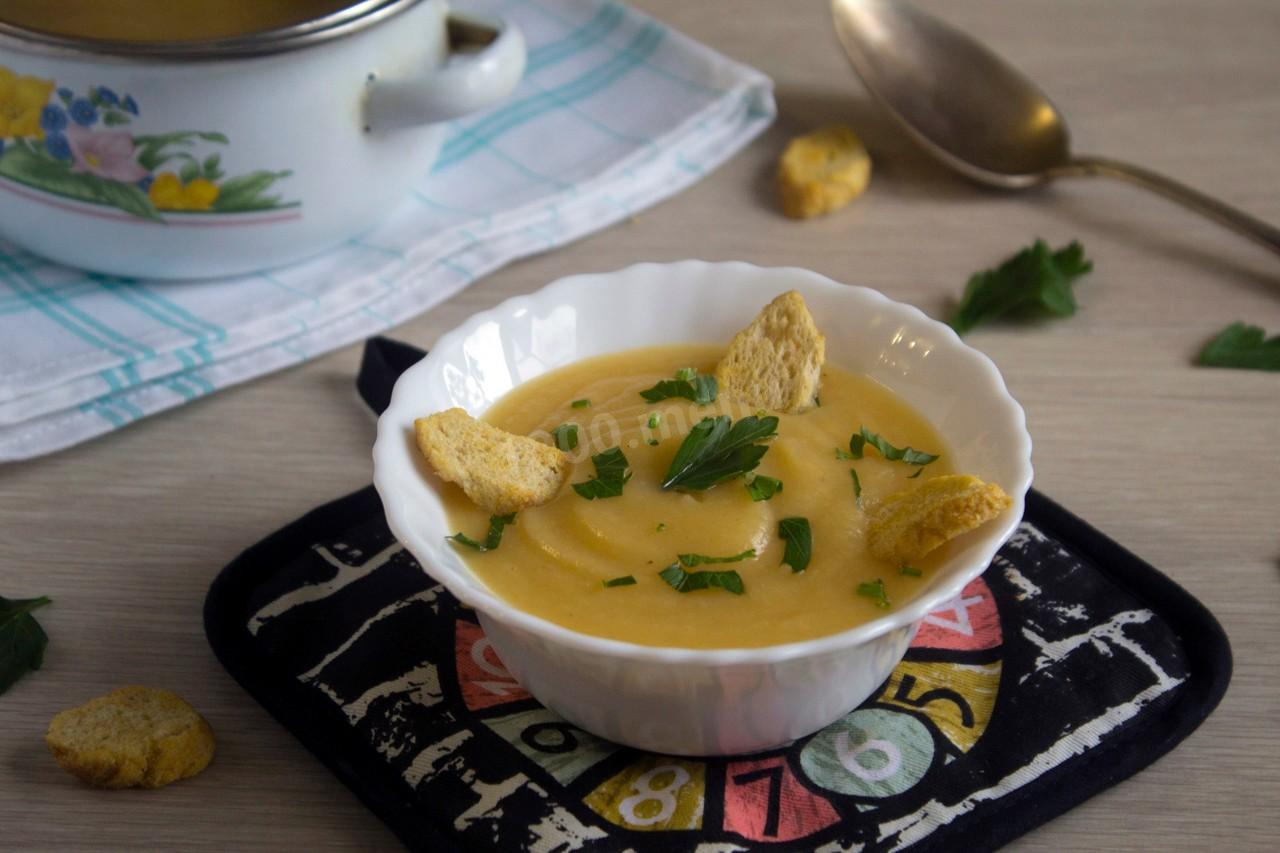
A nourishing, tasty soup that fills you up without hurting your waistline! Puréed soups are wonderful because they keep hunger at bay for a long time on very few calories. This soup is great for little ones whose mothers are starting them on solids, and it's just as good for the new mom herself as she gets back into shape and watches her figure. Delicious!

Cooking method
-
Step 1:
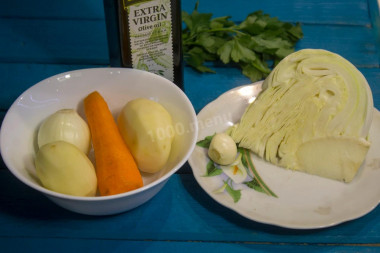
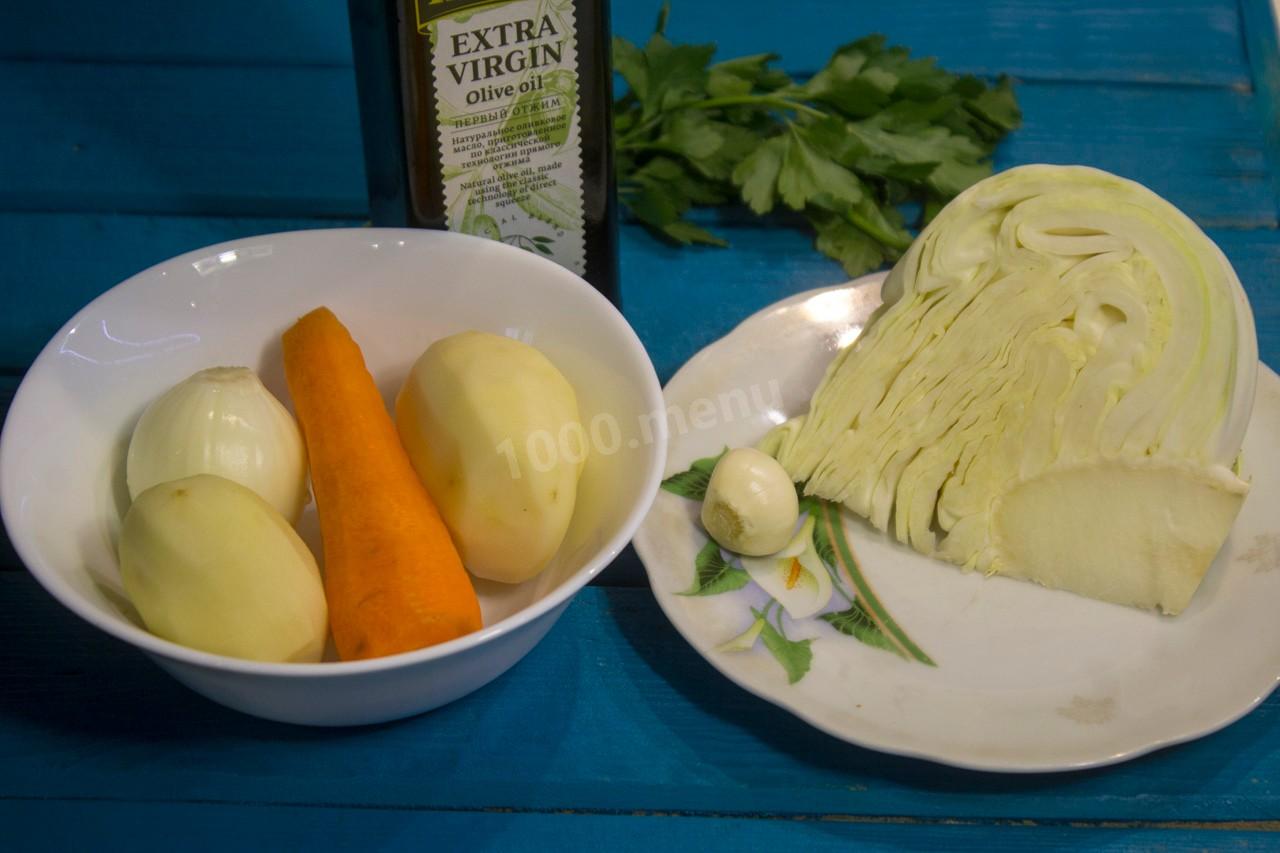
How do you make cream of white cabbage soup? Gather all the ingredients on the list. Take one small onion and carrot and three medium potatoes, and peel 1–2 cloves of garlic. Cut off a third of a head of white cabbage and return the rest to the fridge to store.
-
Step 2:
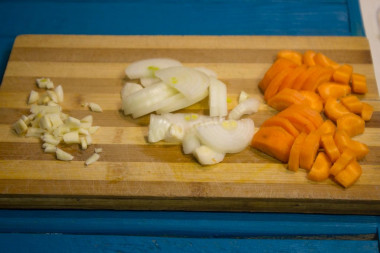
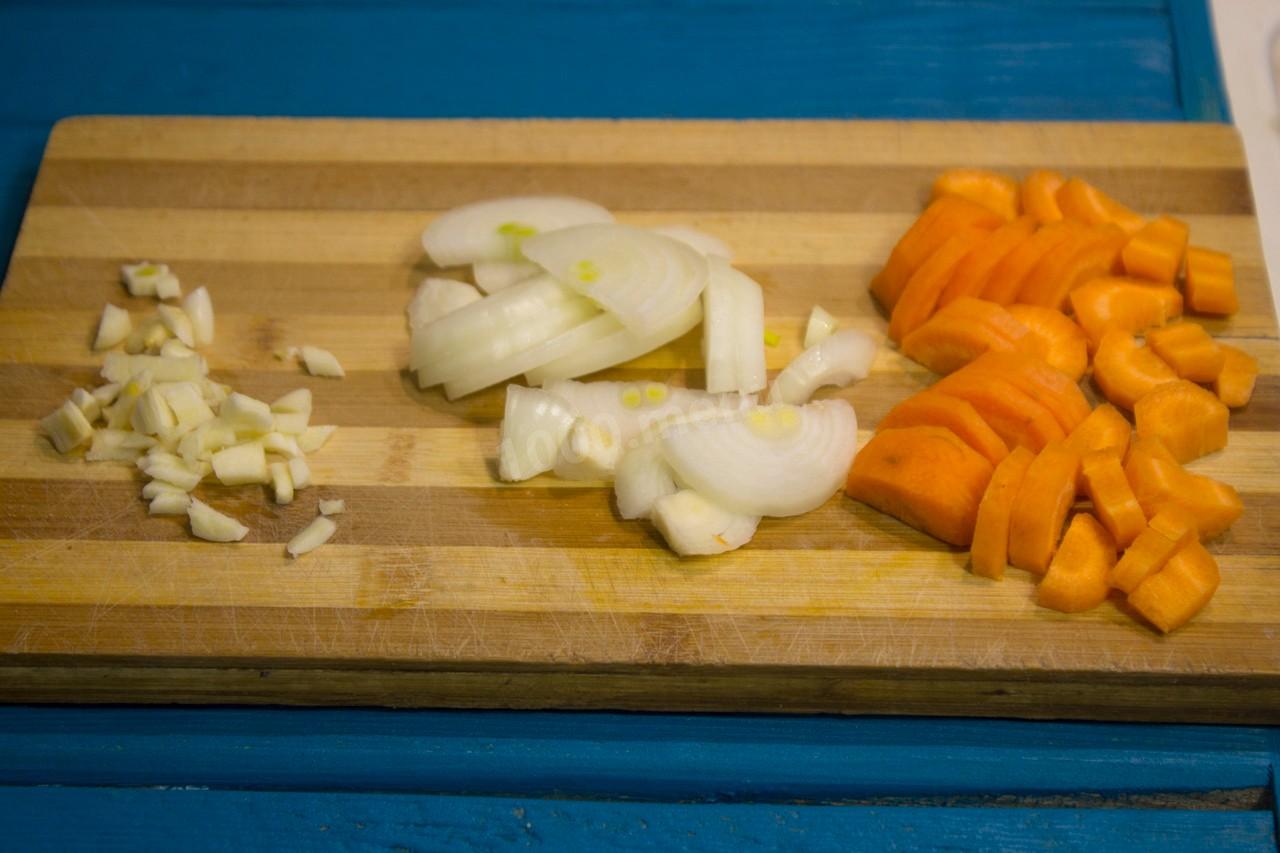
Wash and peel the onion, carrot, and a large clove of garlic. Cut them into whatever shape you like, but not too small — we'll be puréeing them later anyway. If you like, add celery (2–3 stalks), parsley root, and parsnip. The soup will be even more wholesome and its flavor more robust.
-
Step 3:
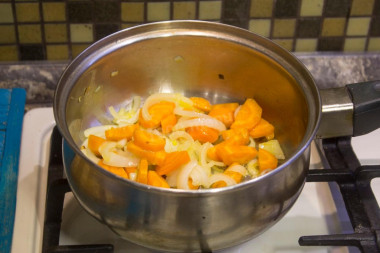
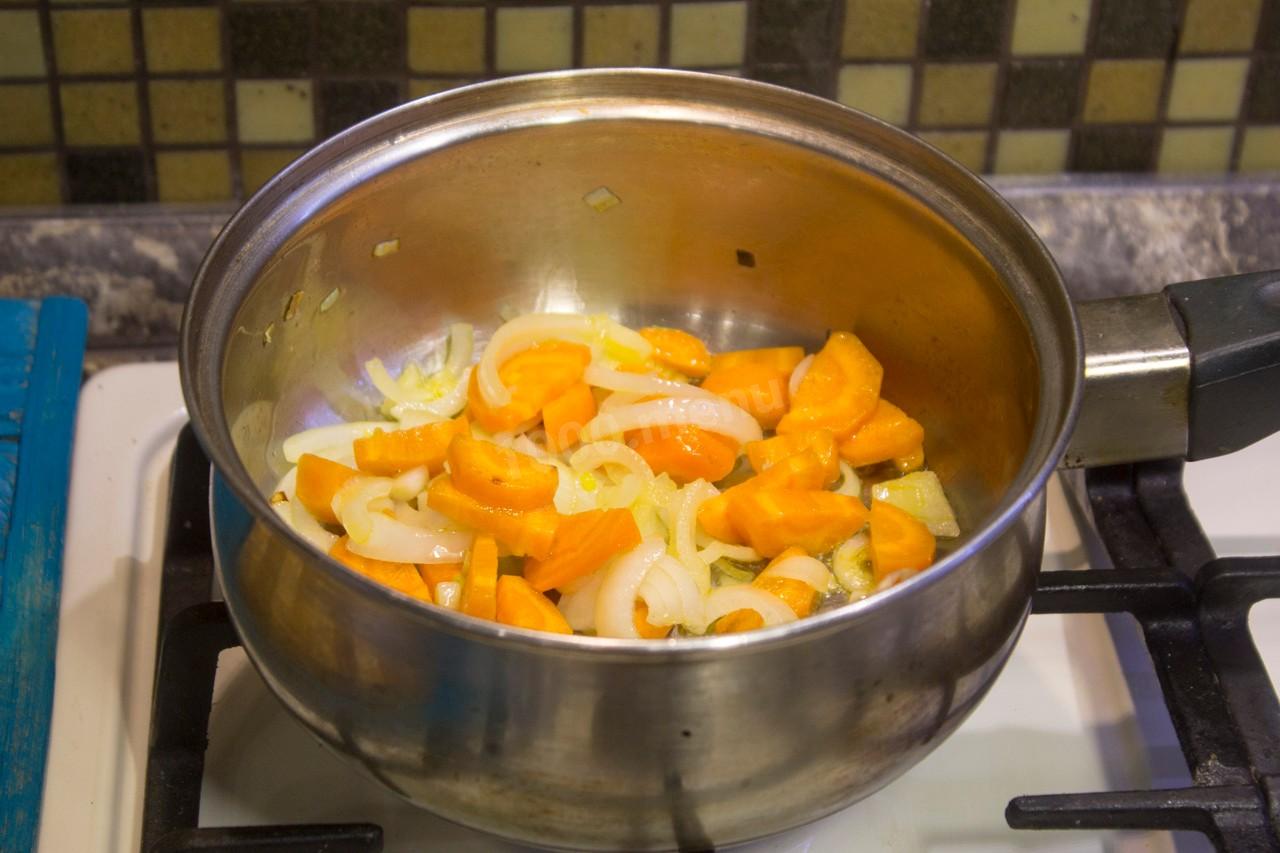
In a heavy-bottomed skillet (or sauté pan), heat olive oil with a high smoke point. Sauté the carrot and onion over moderate heat for 2–3 minutes, stirring constantly. The carrot should soften and the onion turn translucent. Remove from the heat. As the carrot cooks, its vitamin A dissolves into the fat, so the body absorbs it better and it gives the soup a lovely color. And the onion loses the compounds that give it its sharp smell and taste.
-
Step 4:
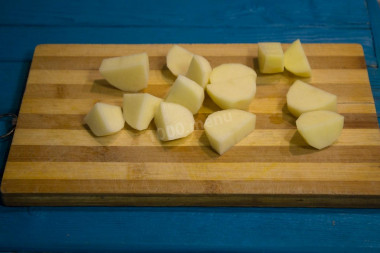
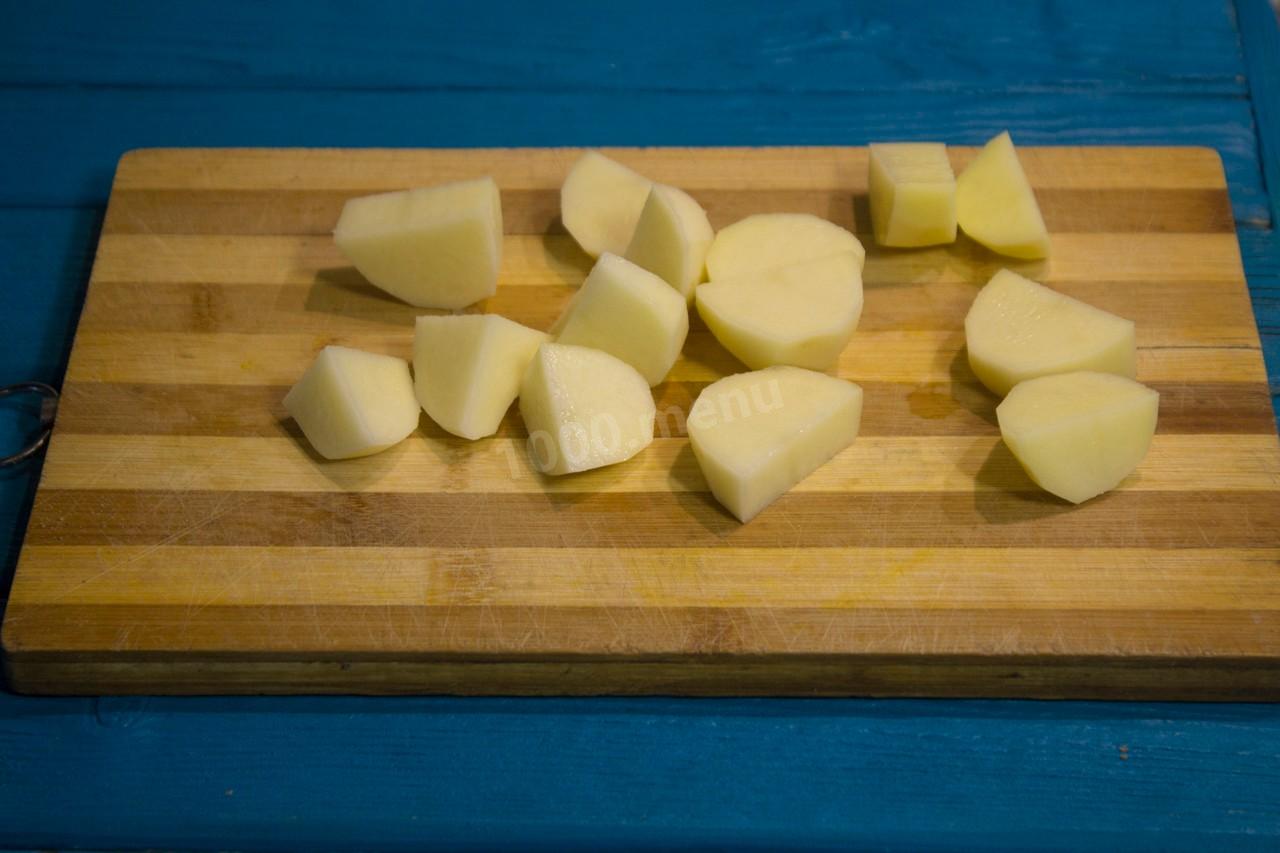
While the vegetables sauté, peel the potatoes. Cut them into medium-sized slices.
-
Step 5:
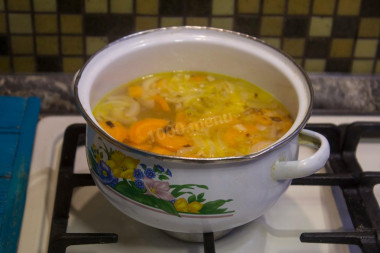
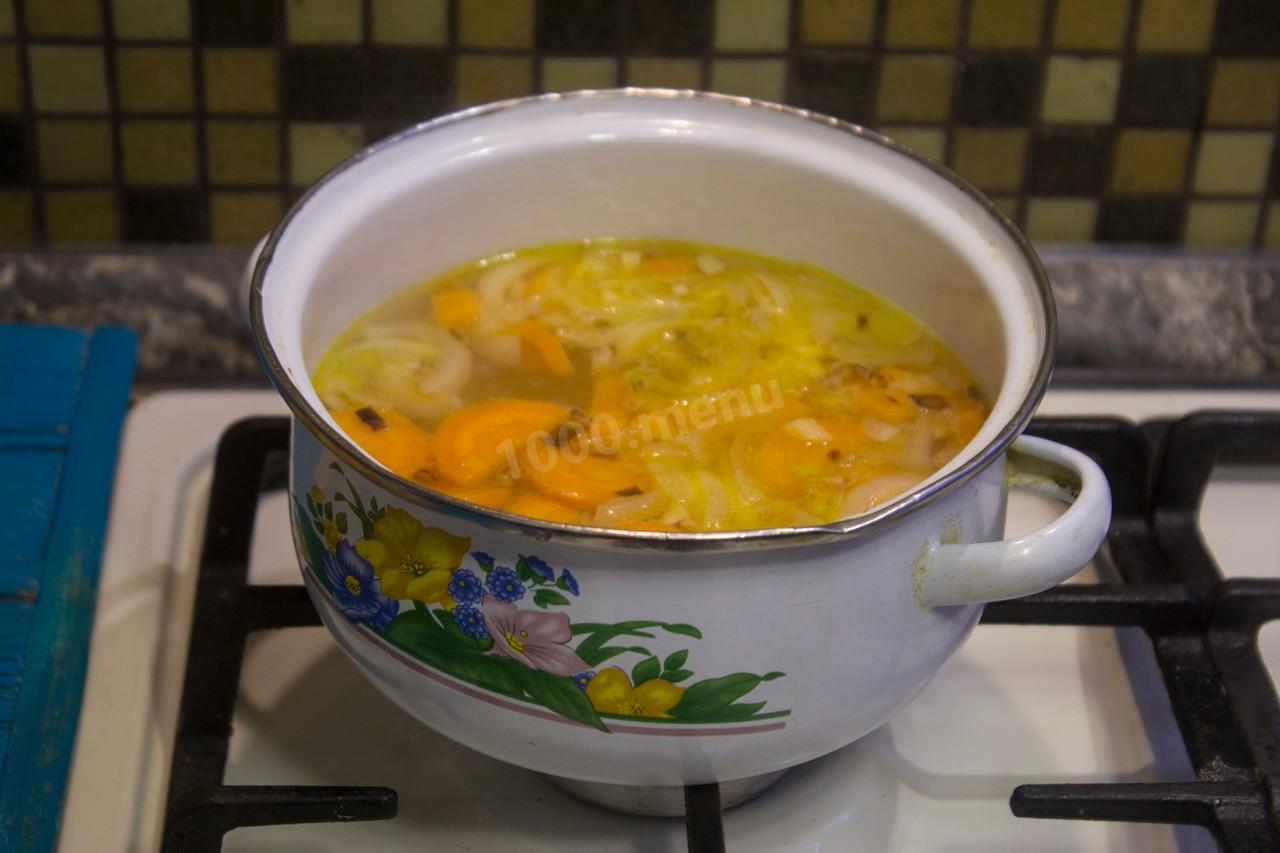
Pour water into a pot. It's important to use filtered water, not tap water — the flavor of the dish depends a lot on it. Set it over high heat. When it boils, lower the heat to medium and add the sautéed vegetables. Stir.
-
Step 6:
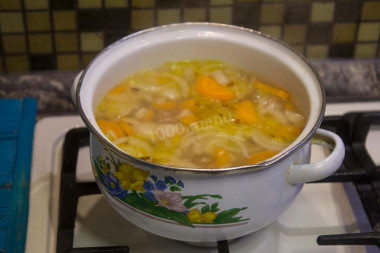
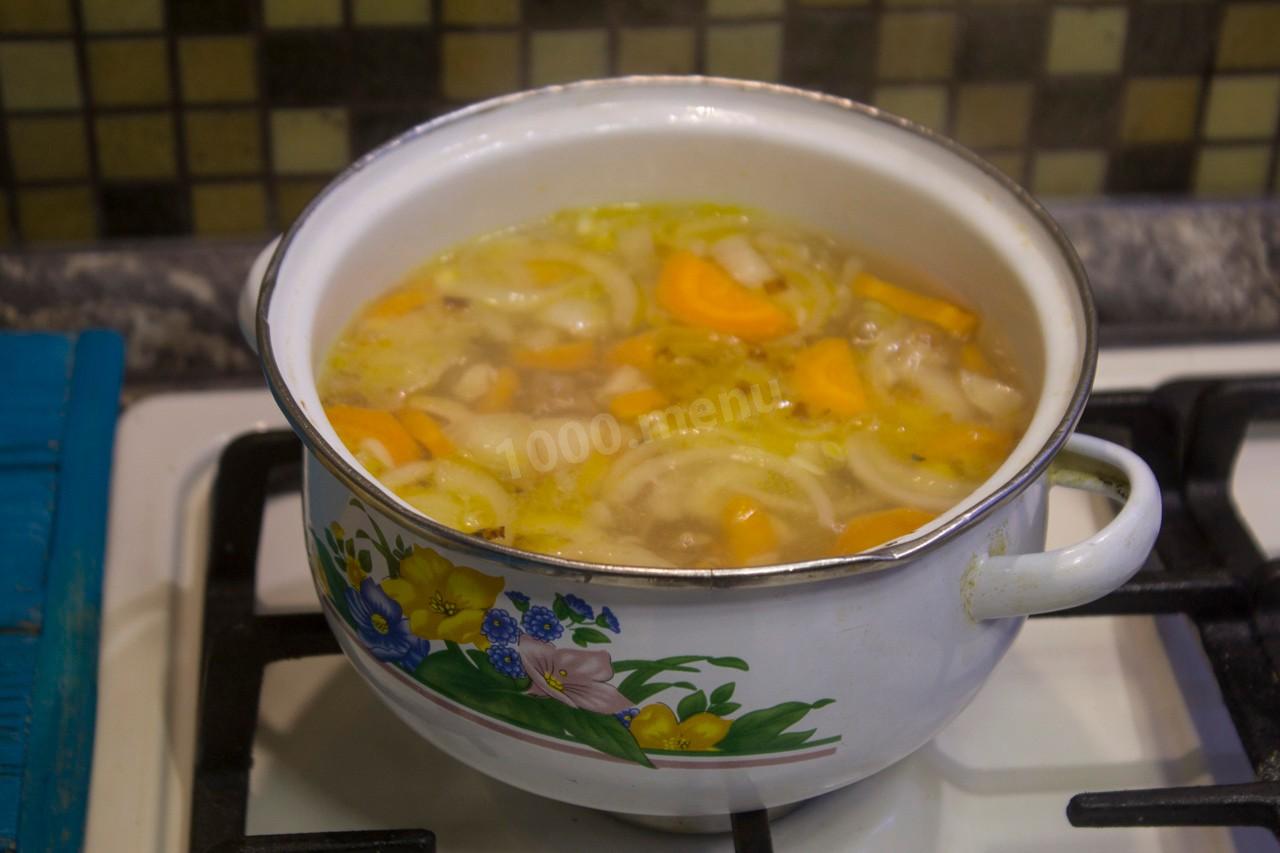
Since potatoes take longer to cook than cabbage, add them to the soup first. Cook over low heat for about 15 minutes. The cooked potatoes should mash easily with a spoon.
-
Step 7:
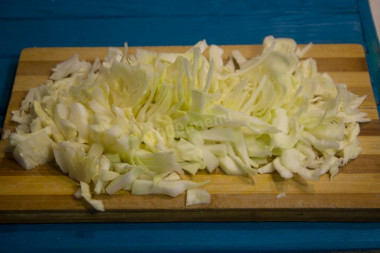
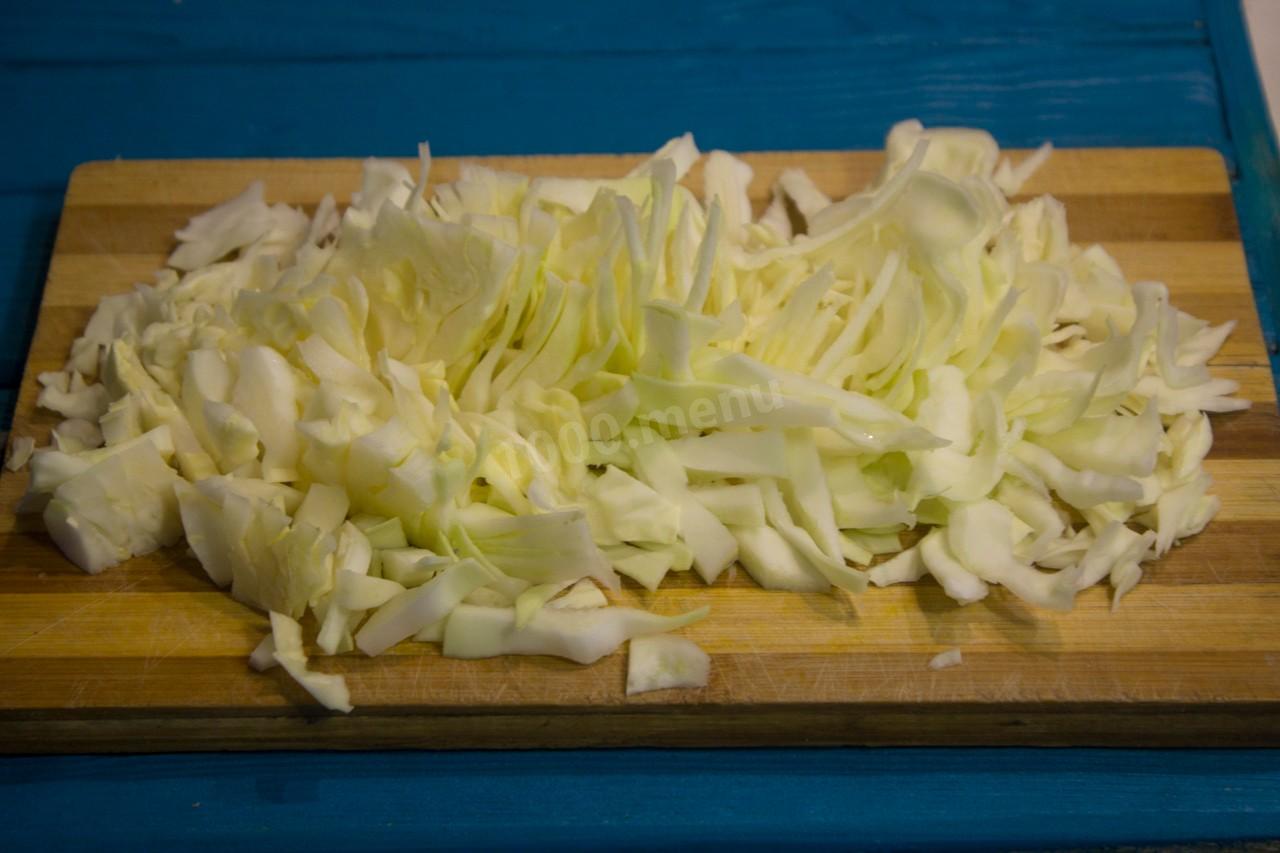
While the potatoes cook, coarsely chop the white cabbage.
-
Step 8:
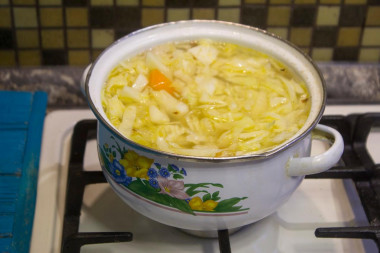
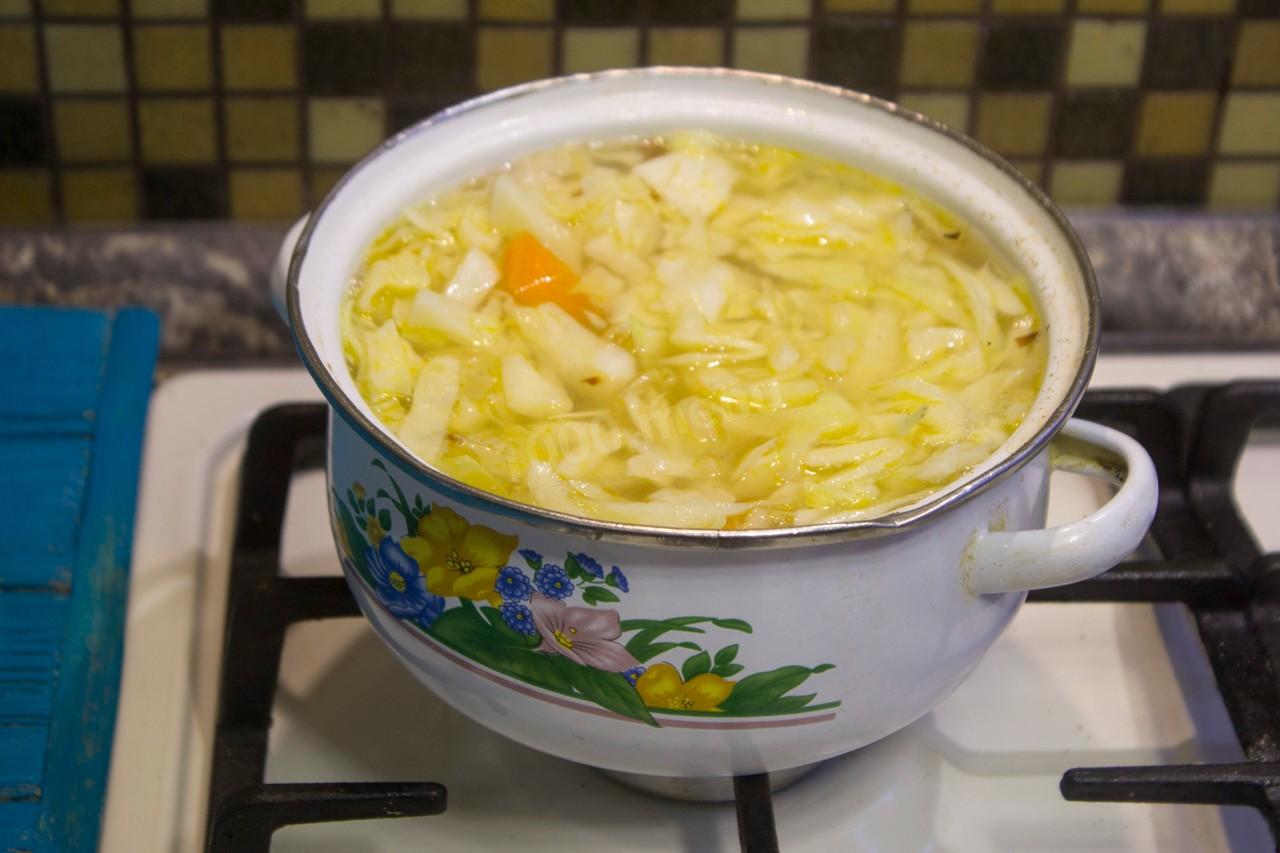
Add the cabbage to the rest of the vegetables. Cook until it's soft. Remember: the slower and gentler the soup simmers, the better it tastes.
-
Step 9:
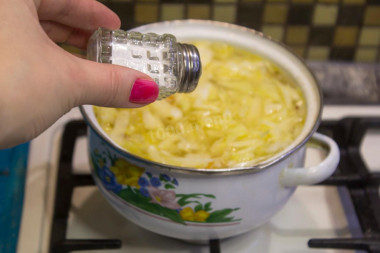
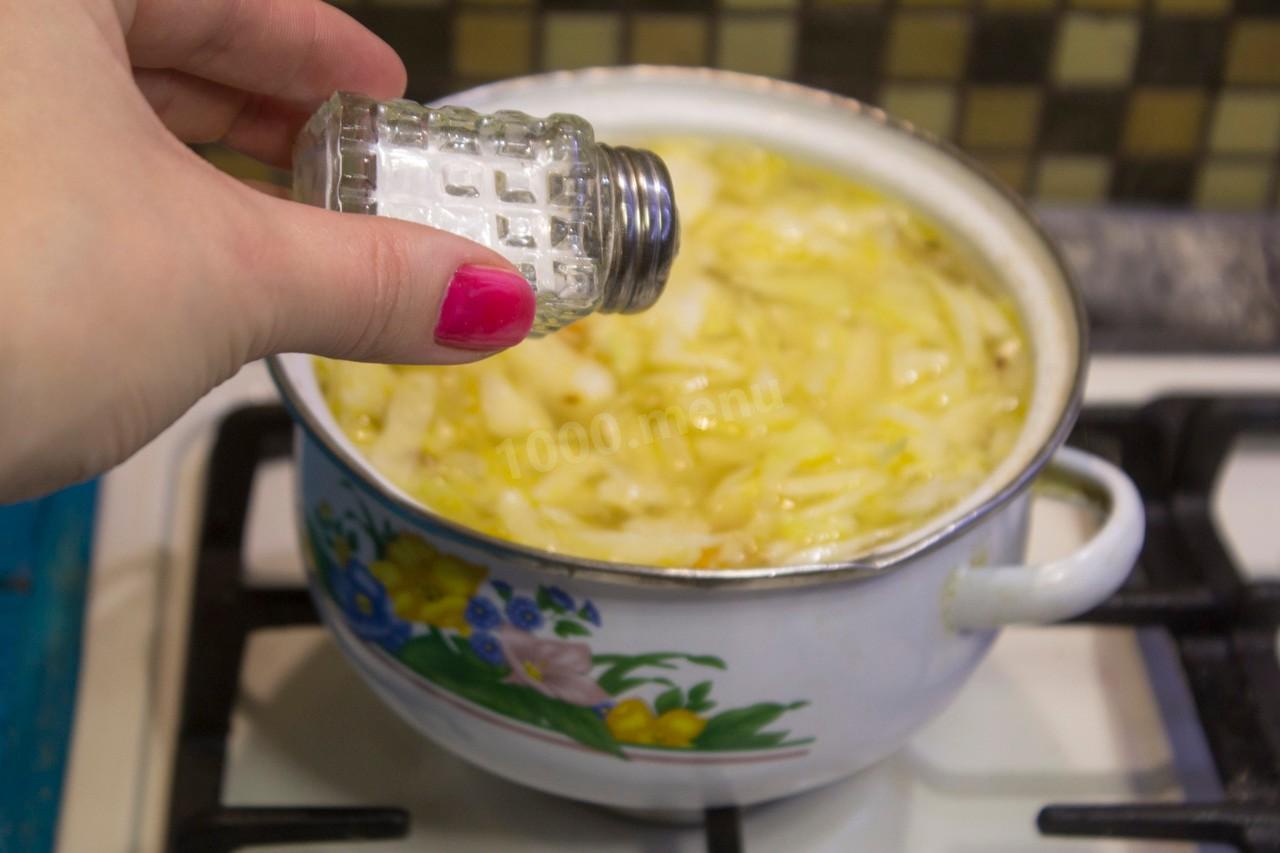
Add salt and stir. I suggest starting with just a little salt (about a third of a tablespoon), then tasting and adding more if needed. It's always better to under-salt than over-salt.
-
Step 10:
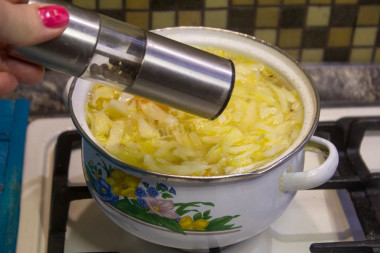
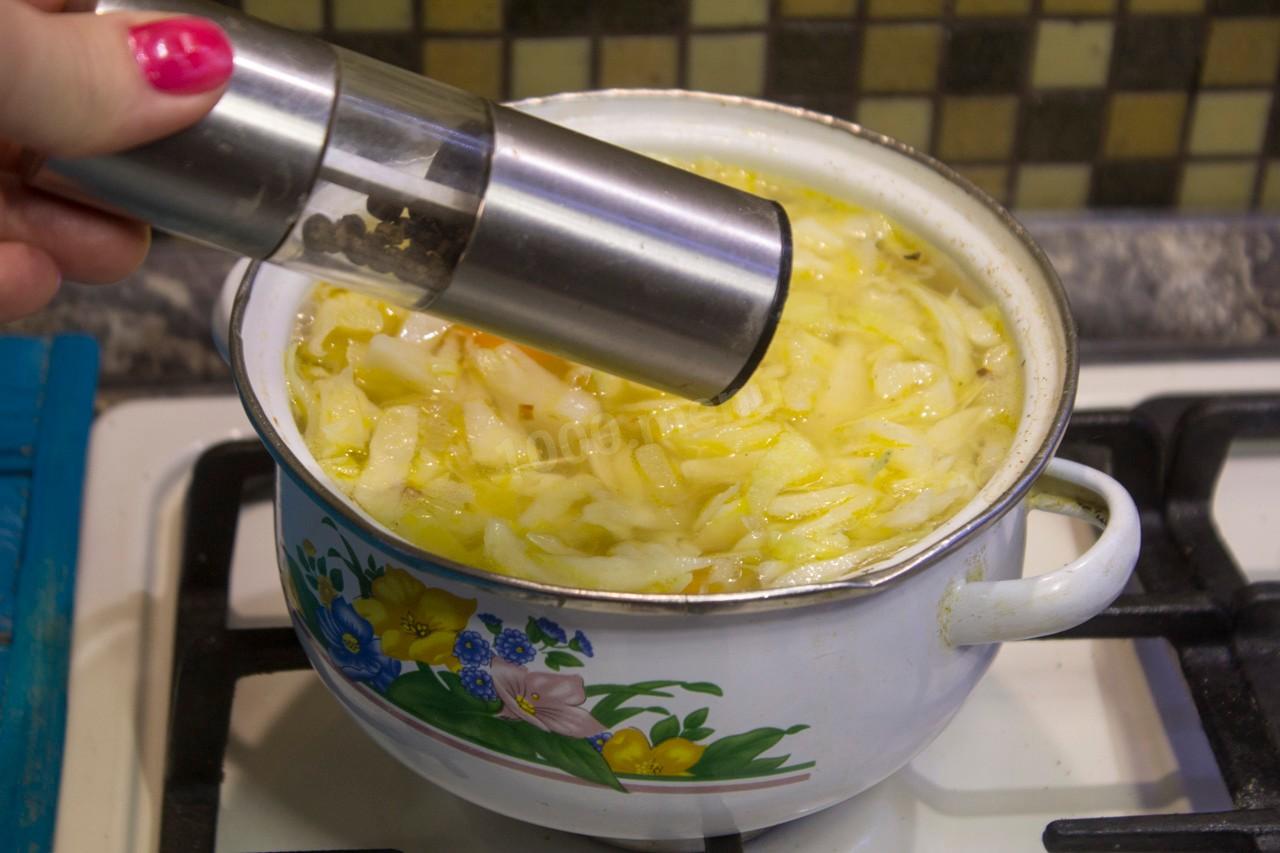
Add pepper. Be sure to taste, and adjust the seasoning however you see fit. Lower the heat. Cook at a gentle simmer for about 20–25 minutes. Keep an eye on the soup as it cooks — don't let it boil hard. It's better to let it gently simmer over low heat.
-
Step 11:
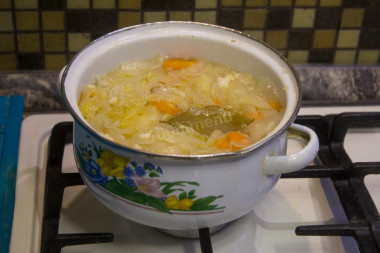
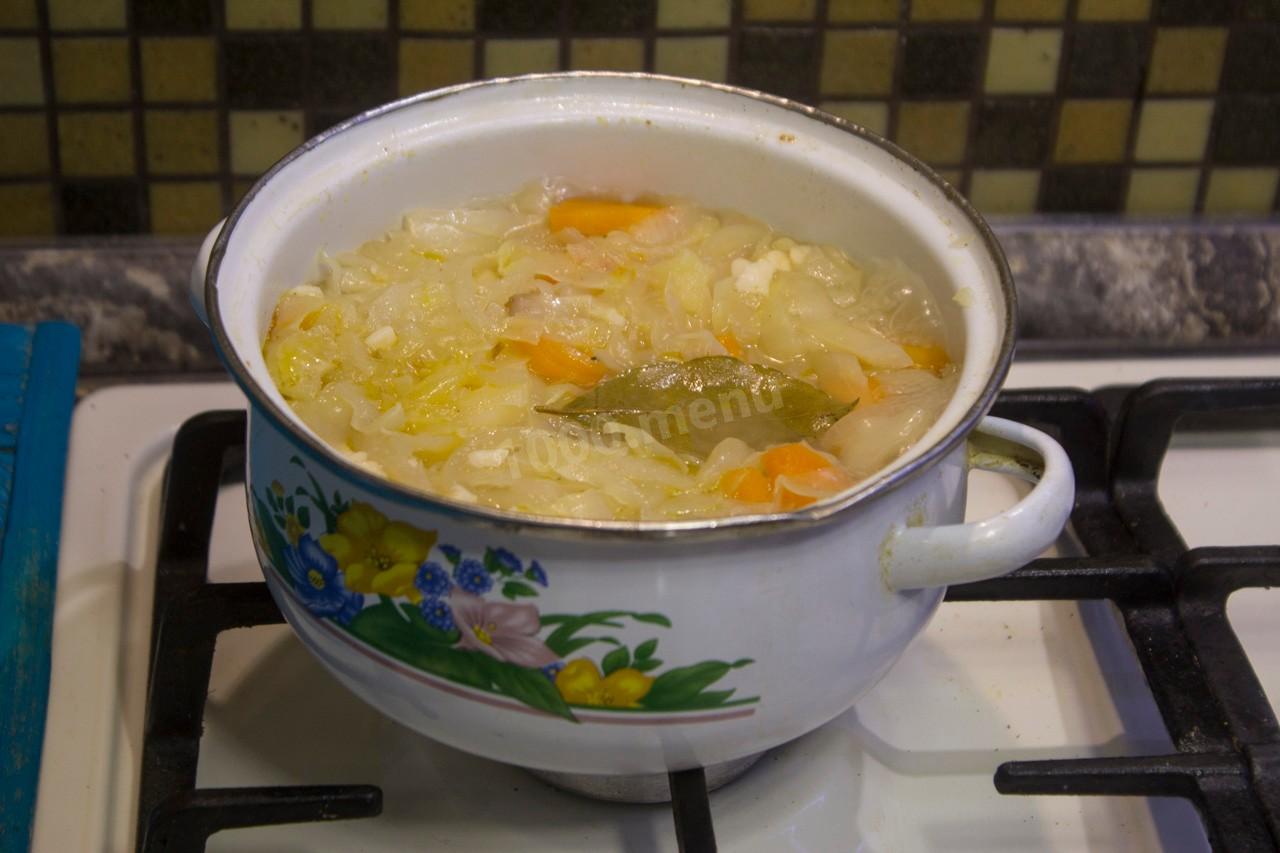
Add the bay leaf at the end of cooking. Turn off the heat. Let the soup rest under the lid for about 5 minutes.
-
Step 12:
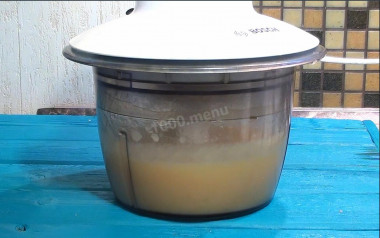
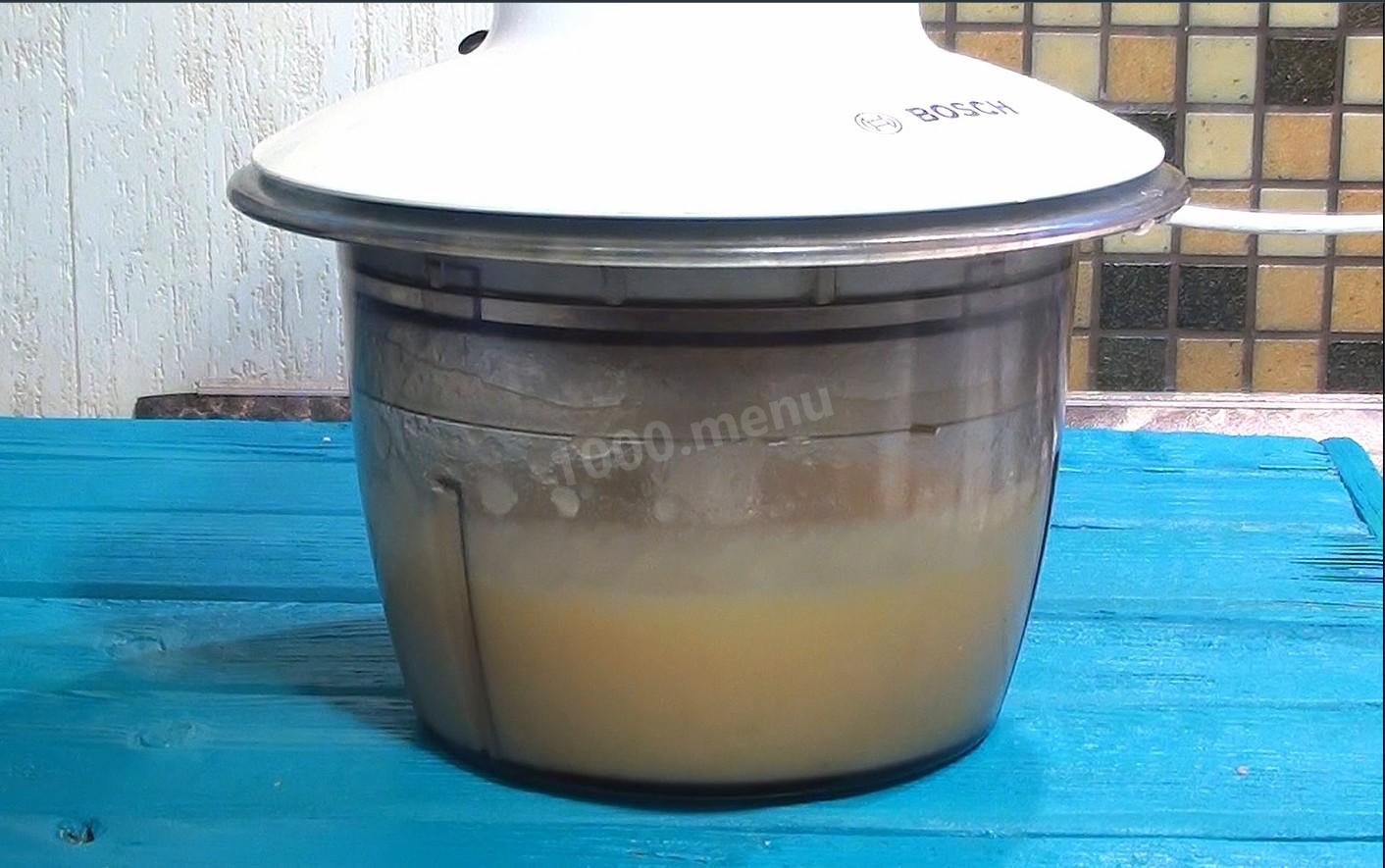
Scoop out the vegetables with a slotted spoon and transfer them to a blender. Pour in a little of the vegetable broth. Blend the contents into a purée and return it to the pot. If you don't have an immersion blender, use a regular potato masher. Purée it quickly, or the soup will cool down.
-
Step 13:

Ladle the puréed soup into bowls. Sprinkle chopped fresh herbs (parsley, dill, green onion) on top. Serve the soup hot. Enjoy!
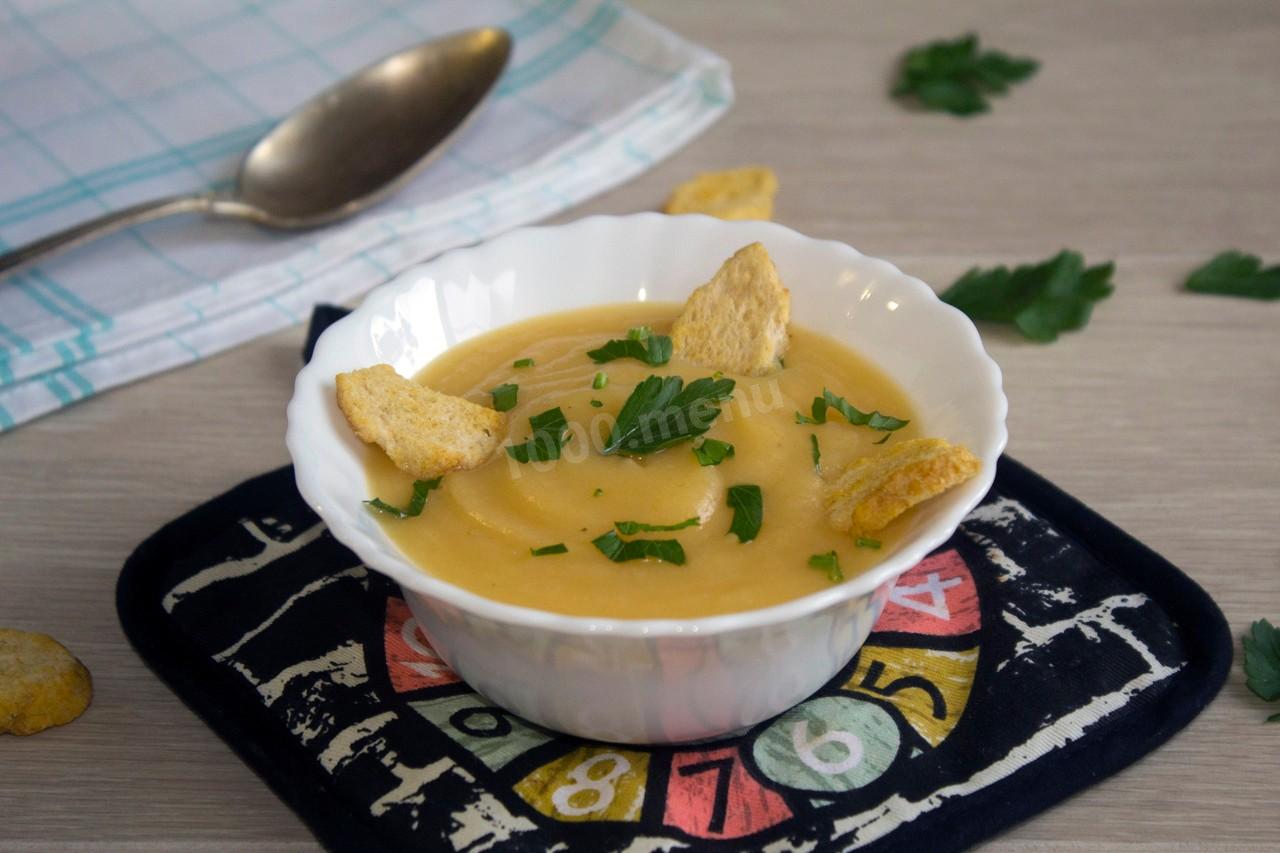
- This creamy white cabbage soup comes out tender, light, and smooth. You can round out the recipe with other vegetables (bell pepper, green beans, tomatoes, and so on); just keep each vegetable's cooking time in mind. If you like, add croutons to the finished soup. To make them, cut white bread into small cubes and fry until golden in well-heated refined olive oil. Set the croutons on paper towels to blot the excess oil. For an even nicer flavor, you can also stir 1 teaspoon of sour cream, plain yogurt, or cream into each bowl.
- For how to choose the perfect pot for soup, porridge, or pickling cucumbers, see the article on cookware.
- If you use ready-made spice blends, be sure to read the ingredients on the package. Such blends often already contain salt, so keep that in mind or you risk over-salting the dish.
- Important! Whether or not the recipe gives an amount of water for the soup, it's best to go by your own preferences (whether you like a thick or thinner soup), the size of your pot, and the ingredients you're using. Keep in mind that the author has their own idea of how much meat, potatoes, grains, and other ingredients a soup should have, which may not match yours. In practice, this means that if you're cooking it for the first time, don't make a whole pot at once. Make a small batch to taste — for one or two people. To do that, scale all the recipe's ingredients down to 1–2 servings and figure the water at about one cup per serving for a very thick soup, up to 1.5–2 cups for a thinner one. Don't forget that some of the liquid will boil off as it cooks. After tasting a small batch, you can adjust both the amount of liquid and the proportions of the ingredients to your taste. Down the road, like most experienced cooks, you'll be able to add the water and the ingredients by eye.
Caloric content of the products possible in the composition of the dish
- Mature potatoes - 80 kcal/100g
- Baked potatoes - 70 kcal/100g
- Mashed potatoes - 380 kcal/100g
- Boiled potatoes - 82 kcal/100g
- Jacket potatoes - 74 kcal/100g
- Fried potatoes - 192 kcal/100g
- Carrot - 33 kcal/100g
- Dried carrot - 275 kcal/100g
- Boiled carrot - 25 kcal/100g
- Garlic - 143 kcal/100g
- Bay leaf - 313 kcal/100g
- Ground black pepper - 255 kcal/100g
- Water - 0 kcal/100g
- Onion - 41 kcal/100g
- White cabbage - 28 kcal/100g
- Boiled white cabbage - 21 kcal/100g
- Olive oil - 913 kcal/100g
- Table salt - 0 kcal/100g
Similar recipes


- Soups
- Vegetables
- Spices seasonings spices
- Fats and oils
- Other
- Garlic
- Bay leaf
- Pepper
- Salt
- Vegetable oil
- Water
- Cooking
- Lean entrees
- Puree soups
- Cabbage soup
- Vegetable soup vegetarian
- Meat-free soup
- Potato soup
- Slimming soup
- Vegetarian soups
- Thick soup
- From carrots
- From potatoes
- From cabbage
- From onion
- No eggs
- Vegetarianism
- Lean table
- Recipes for lean dishes without butter