Vegetable Soup in Meat Broth
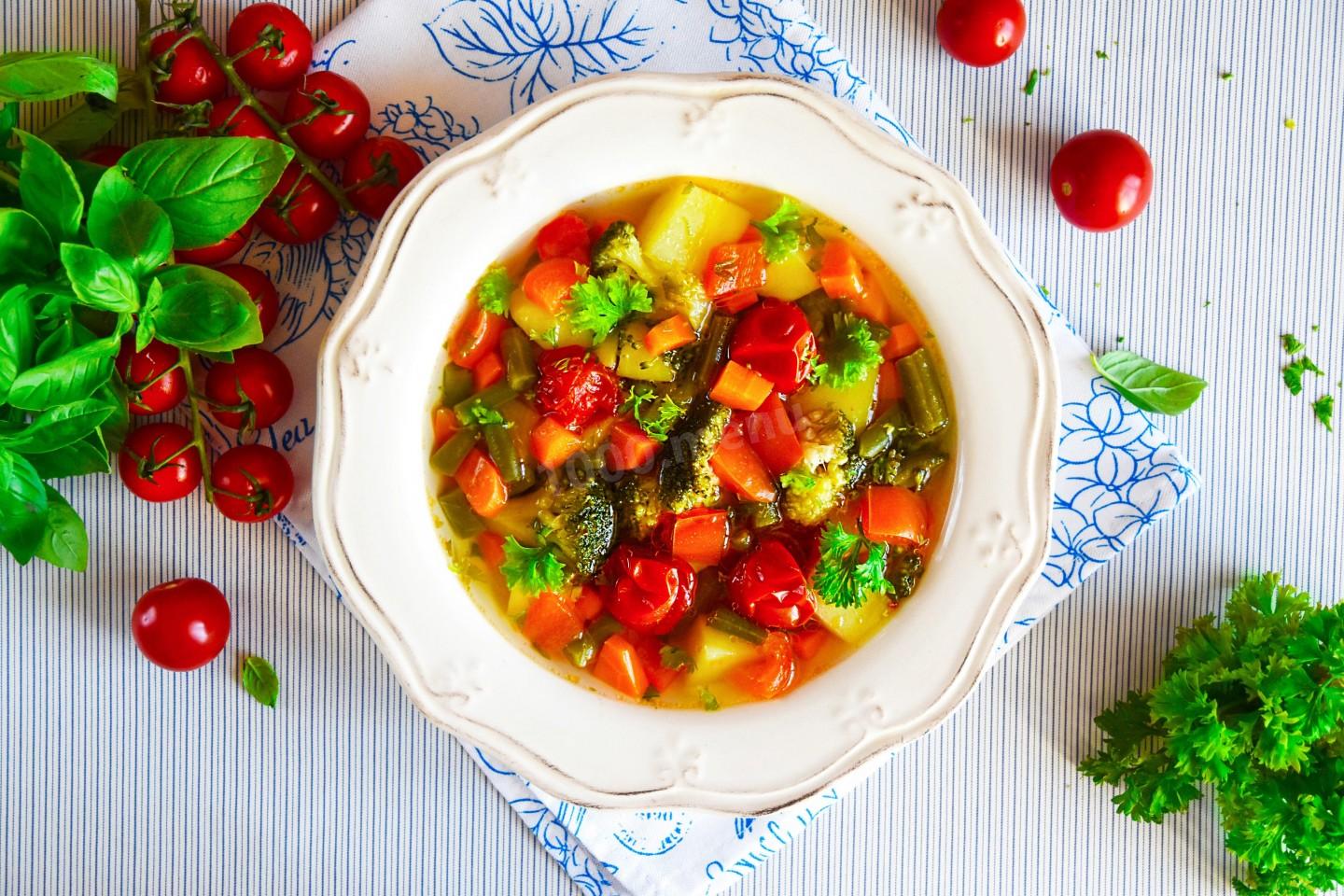
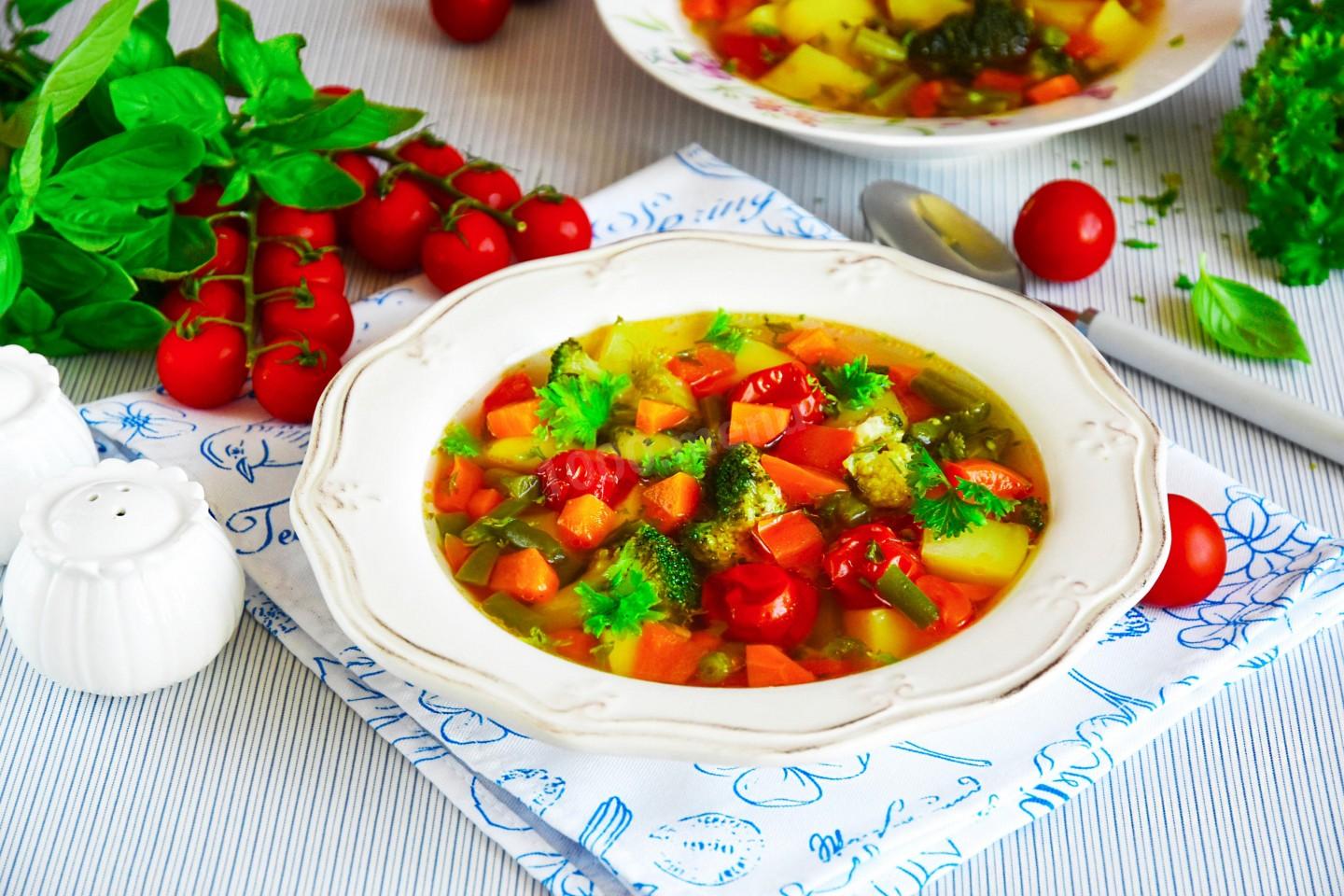
Bright, vitamin-packed, simple, and tasty — for kids and grown-ups alike! Vegetable soup in meat broth is good any time of year, but it's especially delicious and varied in the summer and fall, when lots of fresh vegetables are on hand. You can adjust the mix of ingredients to your own taste.



Cooking method
-
Step 1:
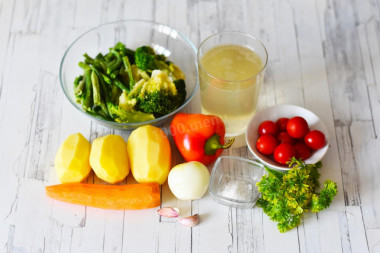
How do you make a tasty vegetable soup in meat broth? It's very simple and easy. First, gather the ingredients on the list. I had a ready-made pork-rib broth that I'd cooked ahead of time. You can swap out or add vegetables to your taste — for example, add green peas, zucchini, or eggplant, or replace the broccoli with cauliflower or white cabbage.
-
Step 2:
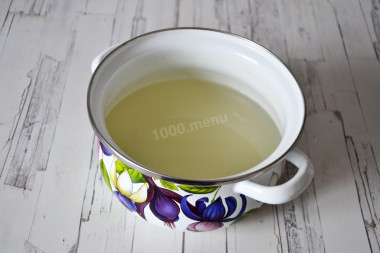
Here's how to make the broth: pour 2.6 liters of water into a pot and add any bone-in meat (ribs, shank, etc.) — pork, beef, or lamb, your choice. Add one whole onion, a couple of bay leaves, 5 allspice berries, and a level tablespoon of salt. Cook for about 40 minutes. Strain the finished broth after first removing the cooked-down vegetables. If there's meat on the bones, cut it off, chop it, and return it to the pot along with the vegetables.
-
Step 3:
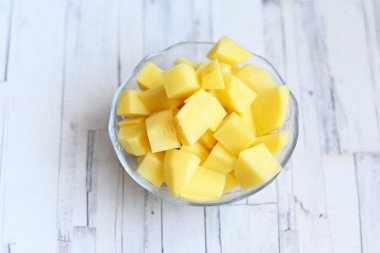
Wash and dry all the vegetables. Peel the potatoes and cut them into cubes.
-
Step 4:
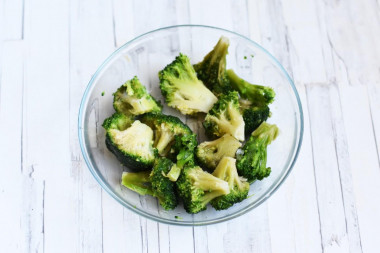
Break the broccoli into small florets. You can use fresh or frozen.
-
Step 5:
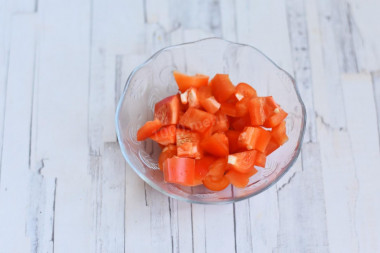
Seed and core the bell pepper and cut it into cubes. Mine is an ordinary seasonal pepper, but you can use a bell pepper of any color.
-
Step 6:
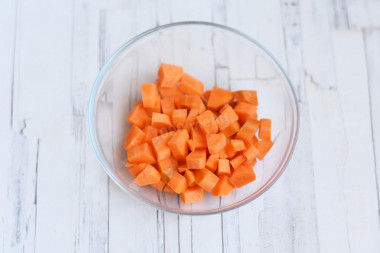
Cut the carrot into small cubes.
-
Step 7:
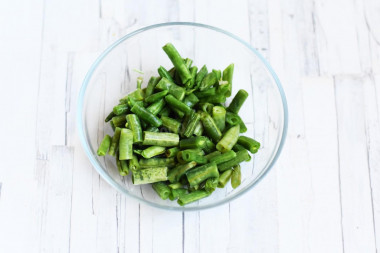
If your green bean pods are long, like mine, cut them into smaller pieces. If the beans are already cut, there's no need to chop them further.
-
Step 8:
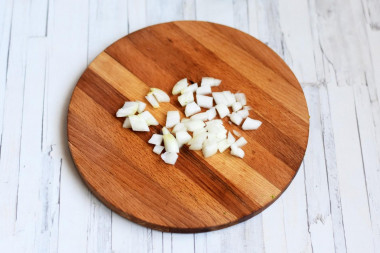
Peel the onion and cut it into small cubes. If you don't like noticing onion in the finished soup, you can leave it out altogether, since a whole onion has already cooked down in the broth and given up its juices. If your broth has no onion, you can add a whole onion along with the potatoes and remove it at the very end of cooking.
-
Step 9:
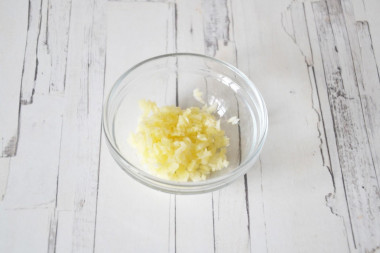
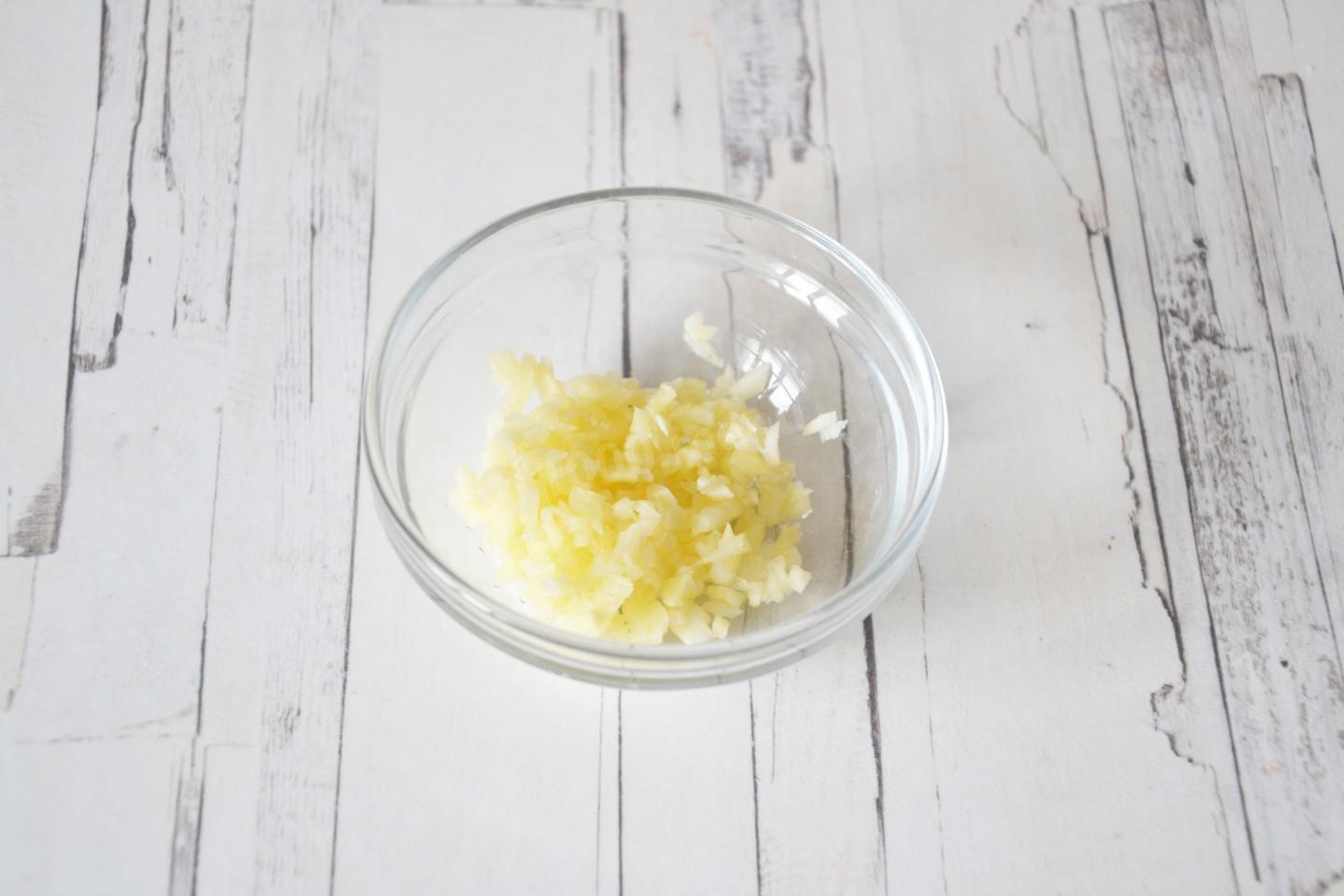
Finely chop the garlic.
-
Step 10:
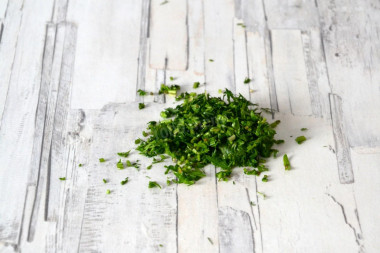
Finely chop the fresh herbs as well.
-
Step 11:
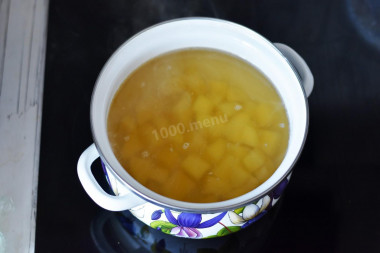
Bring the broth to a boil, add the diced potatoes, bring back to a boil, and cook over medium heat for about 15 minutes.
-
Step 12:
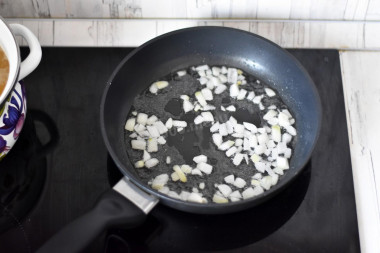
While the potatoes cook, make the sauté. Heat vegetable oil in a skillet, add the onion, and fry over medium heat, stirring, until translucent.
-
Step 13:
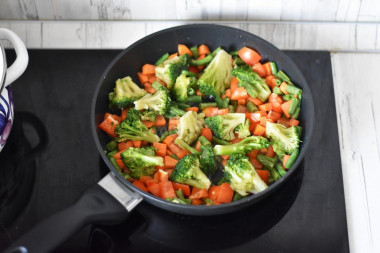
Add the carrot, broccoli, bell pepper, and green beans to the skillet. Fry everything together, stirring, for 7–10 minutes.
-
Step 14:
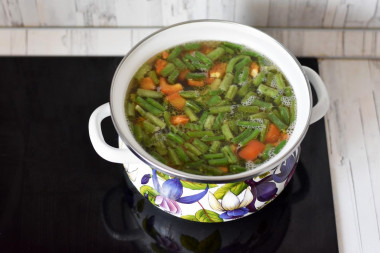
Transfer the contents of the skillet to the pot. Bring the soup to a boil and cook for another 5 minutes.
-
Step 15:
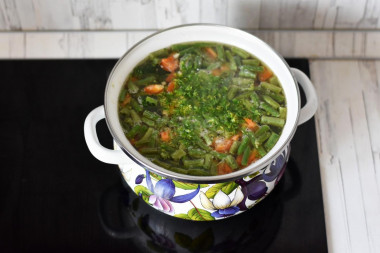
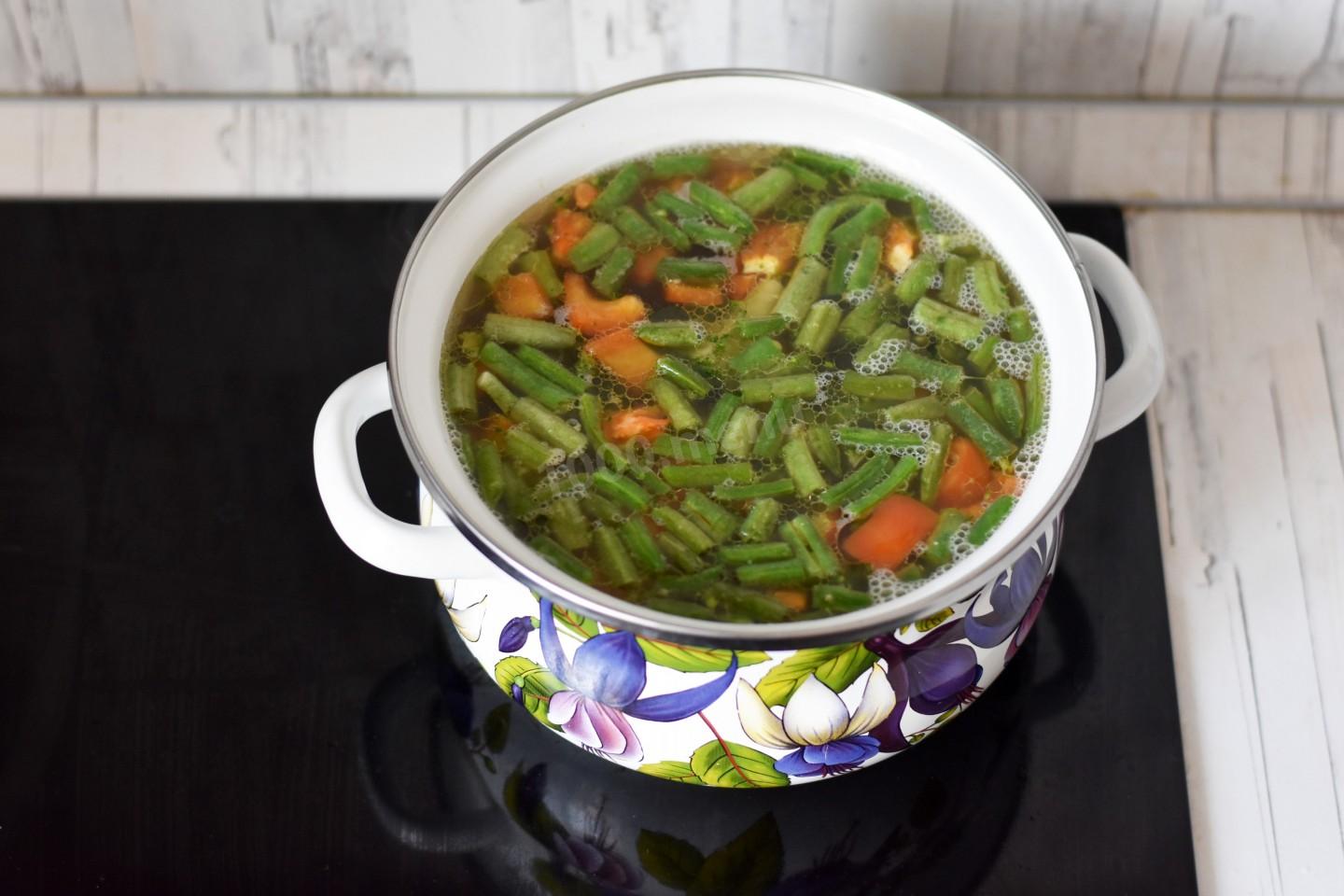
Add the tomatoes at the end. Choose firm, dense ones that won't fall apart while cooking. I used whole cherry tomatoes. Add the garlic and chopped herbs to the soup. Add more salt if needed. Bring the broth to a boil and cook for 1–2 minutes.
-
Step 16:
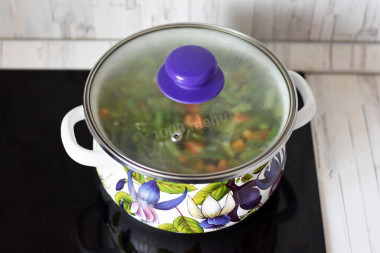
Take the finished soup off the heat and let it rest, covered, for about 10 minutes. Then ladle it into bowls. Enjoy!






- Important! Whether or not the recipe gives an amount of water for the soup, it's best to go by your own preferences (whether you like a thick or thinner soup), the size of your pot, and the ingredients you're using. Keep in mind that the author has their own idea of how much meat, potatoes, grains, and other ingredients a soup should have, which may not match yours. In practice, this means that if you're cooking it for the first time, don't make a whole pot at once. Make a small batch to taste — for one or two people. To do that, scale all the recipe's ingredients down to 1–2 servings and figure the water at about one cup per serving for a very thick soup, up to 1.5–2 cups for a thinner one. Don't forget that some of the liquid will boil off as it cooks. After tasting a small batch, you can adjust both the amount of liquid and the proportions of the ingredients to your taste. Down the road, like most experienced cooks, you'll be able to add the water and the ingredients by eye.
- Since everyone has their own tolerance for saltiness, sweetness, bitterness, heat, sourness, and pungency, always add spices and seasonings to your own taste! If you're using a seasoning for the first time, keep in mind that there are some it's especially important not to overdo (chili pepper, for example).
Caloric content of the products possible in the composition of the dish
- Onion - 41 kcal/100g
- Mature potatoes - 80 kcal/100g
- Baked potatoes - 70 kcal/100g
- Mashed potatoes - 380 kcal/100g
- Boiled potatoes - 82 kcal/100g
- Jacket potatoes - 74 kcal/100g
- Fried potatoes - 192 kcal/100g
- Tomatoes - 23 kcal/100g
- Carrot - 33 kcal/100g
- Dried carrot - 275 kcal/100g
- Boiled carrot - 25 kcal/100g
- Garlic - 143 kcal/100g
- Broccoli - 33 kcal/100g
- Fresh parsley - 45 kcal/100g
- Salt - 0 kcal/100g
- String beans - 24 kcal/100g
- Pepper - 26 kcal/100g
- Meat broth - 34 kcal/100g