Red Kidney Bean Soup
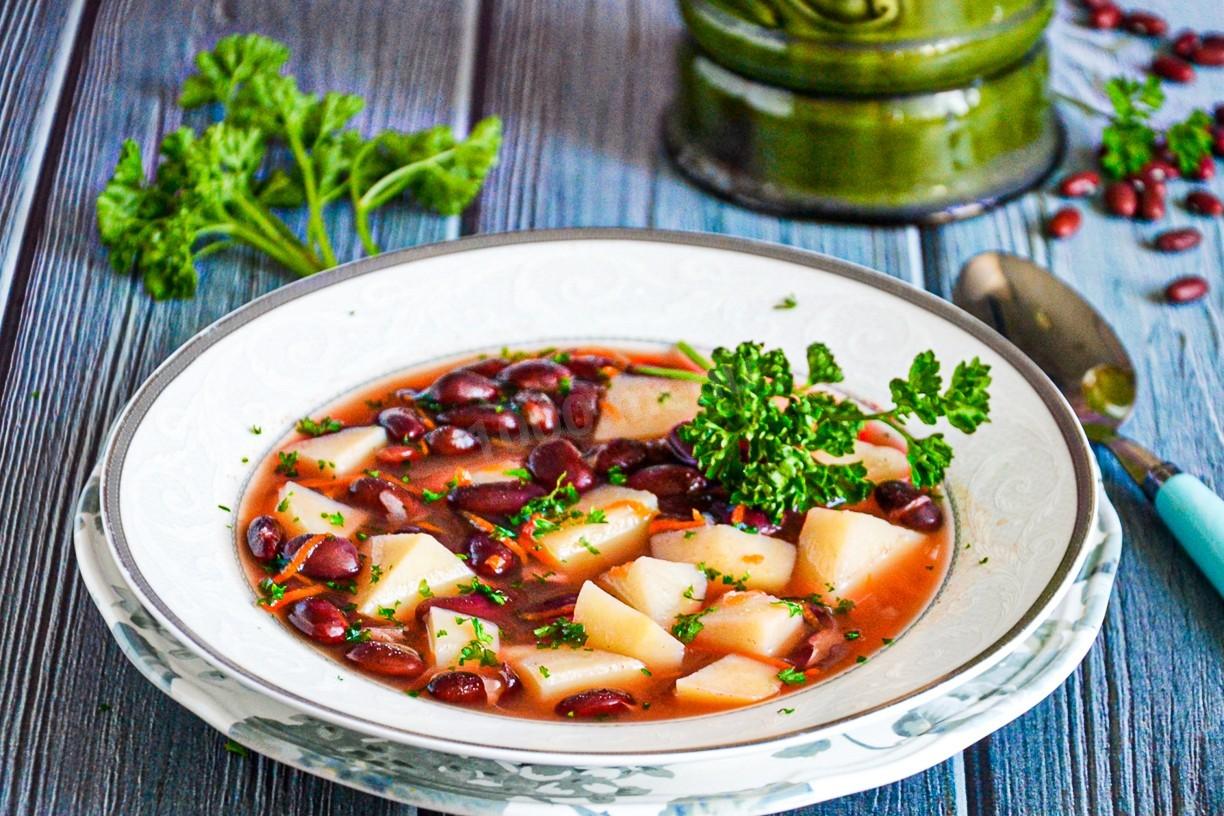
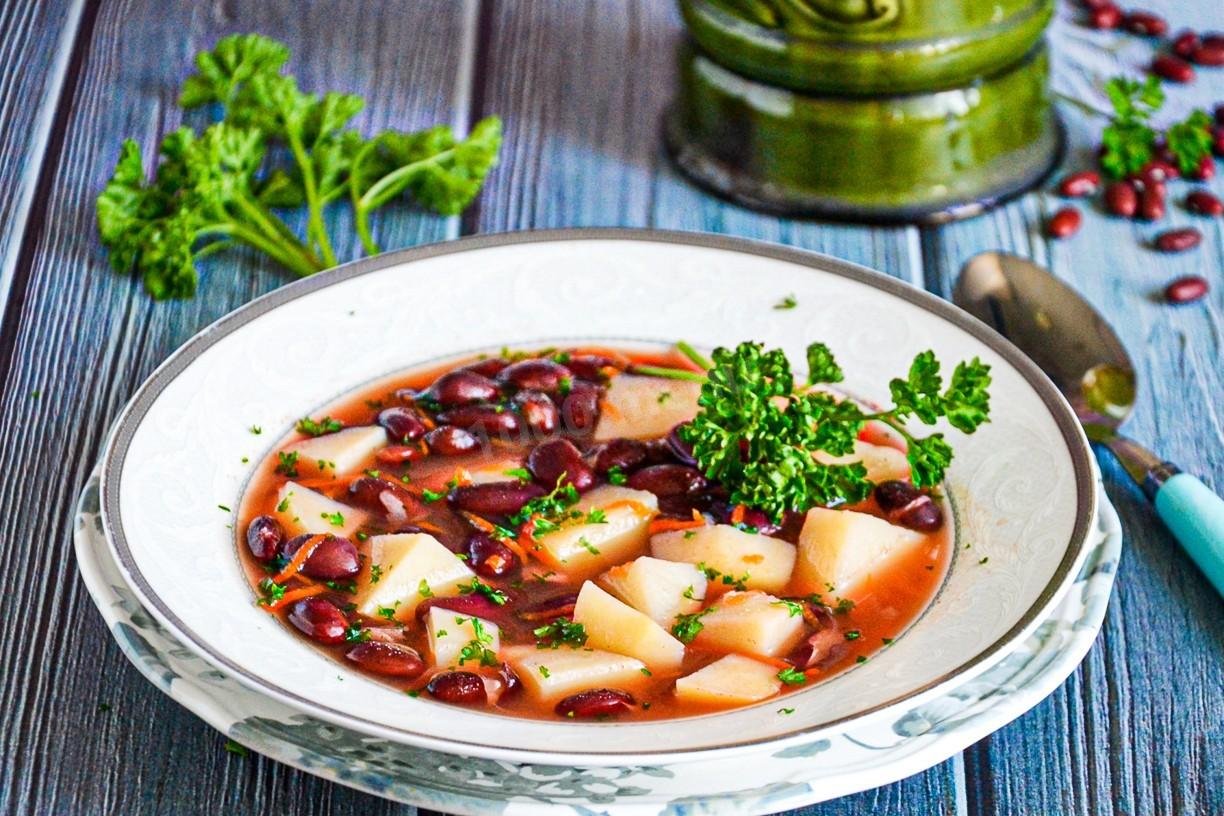
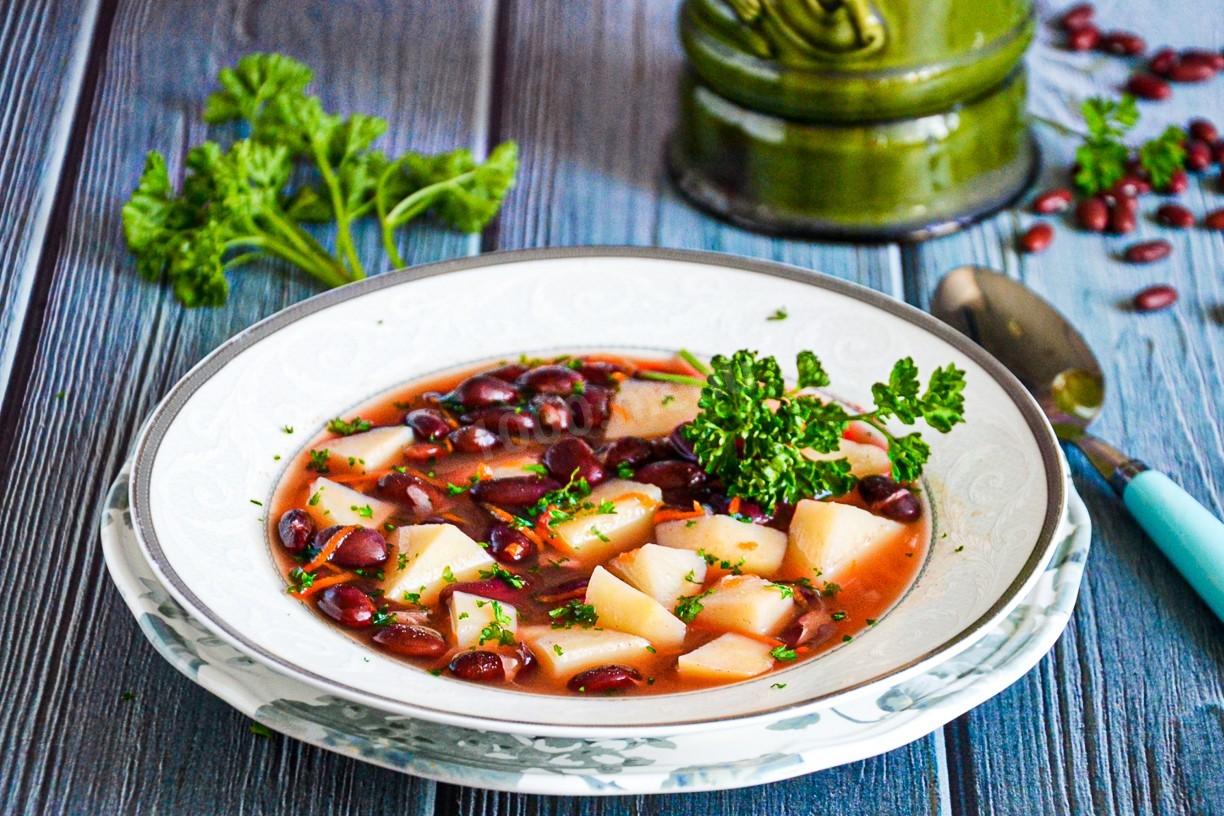
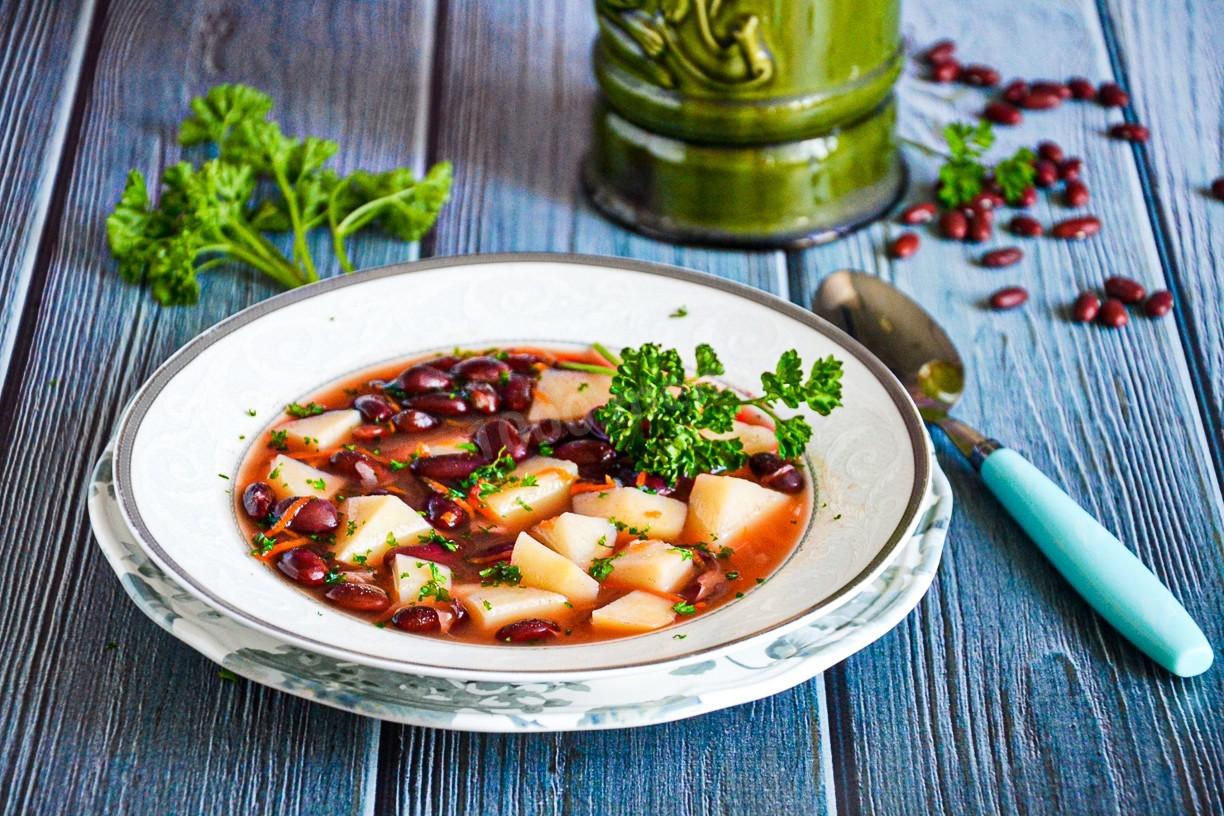
Simple, wholesome, balanced, and tasty! Red kidney bean soup is a meatless take on a hearty first course. Despite having no meat, the soup is very filling and warming. You can cut the cooking time way down by using canned beans instead of dried.

Cooking method
-
Step 1:
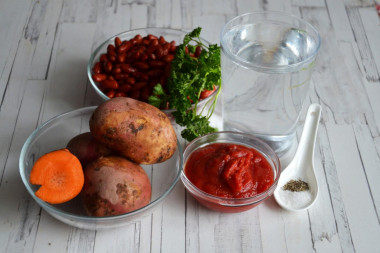
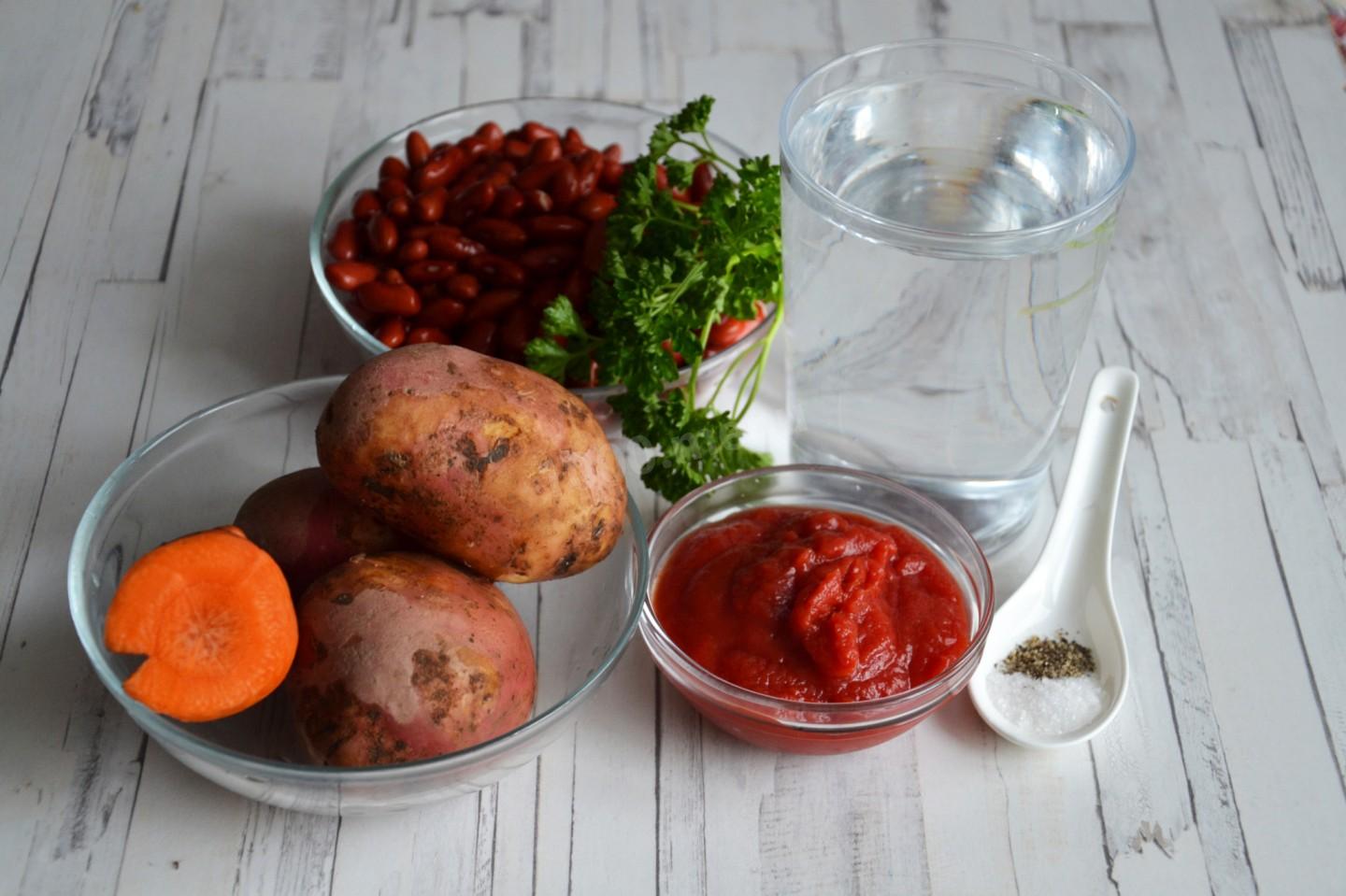
How do you make red kidney bean soup? Gather your ingredients. I use dried beans, but you can use canned ones too. Wash and dry the vegetables.
-
Step 2:
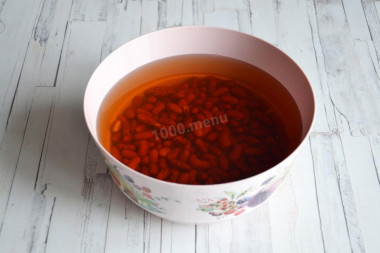
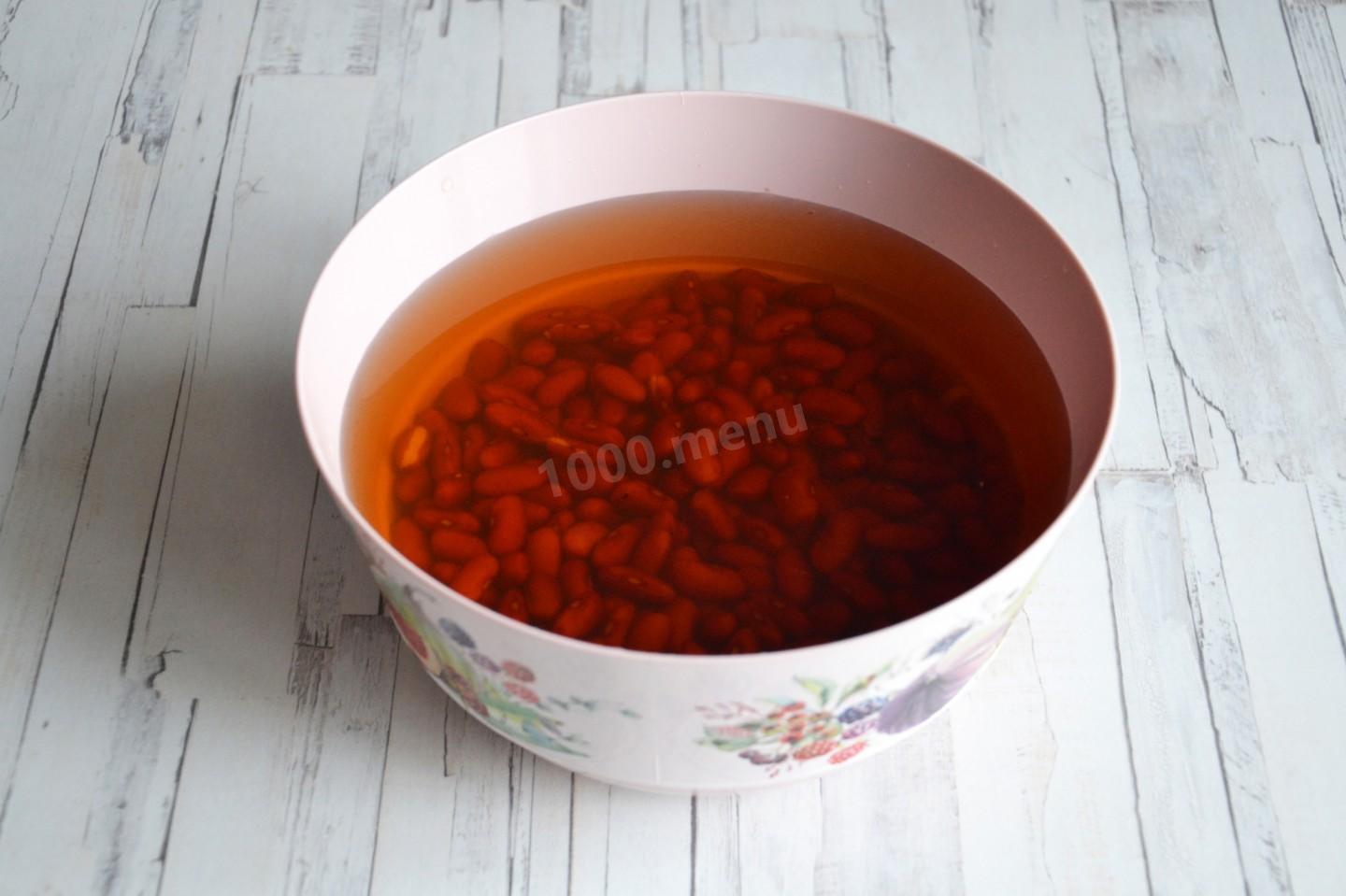
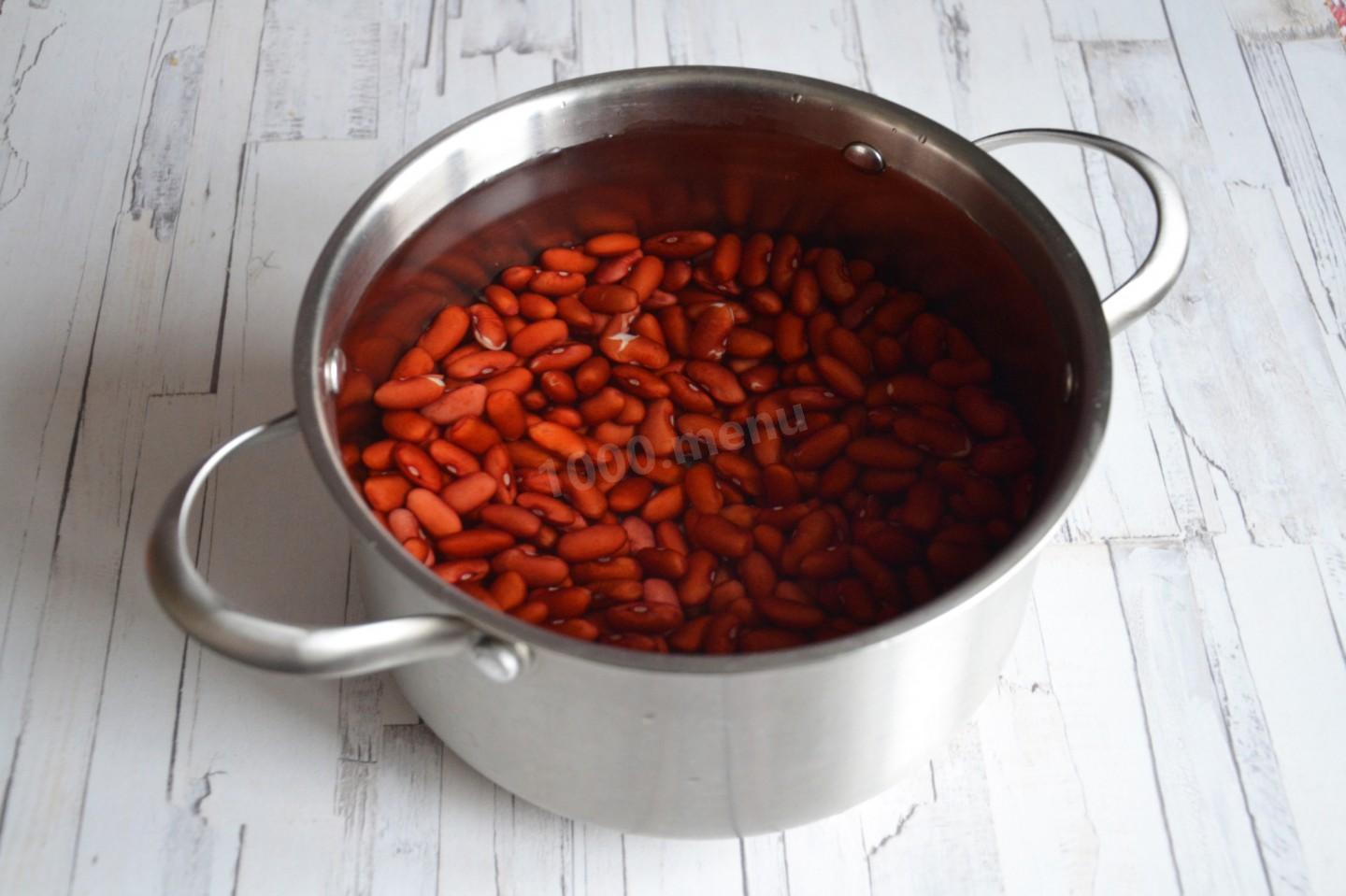
First sort the beans, removing any debris and bad ones, then soak them in cold water for 8–10 hours. Drain the swollen beans in a colander and rinse them well under running water.
-
Step 3:
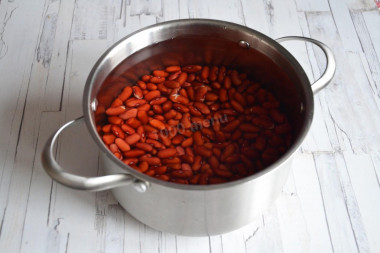
Take a suitable pot, add the beans, pour in 2 liters of cold water, and set it to cook over medium heat. Cook the beans until tender, about 2 hours. Depending on the bean variety, the time may be more or less — mine were ready after 1.5 hours. Foam will form as they cook; skim it off with a slotted spoon.
-
Step 4:
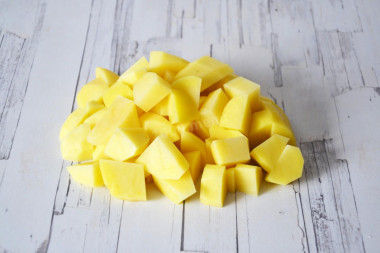
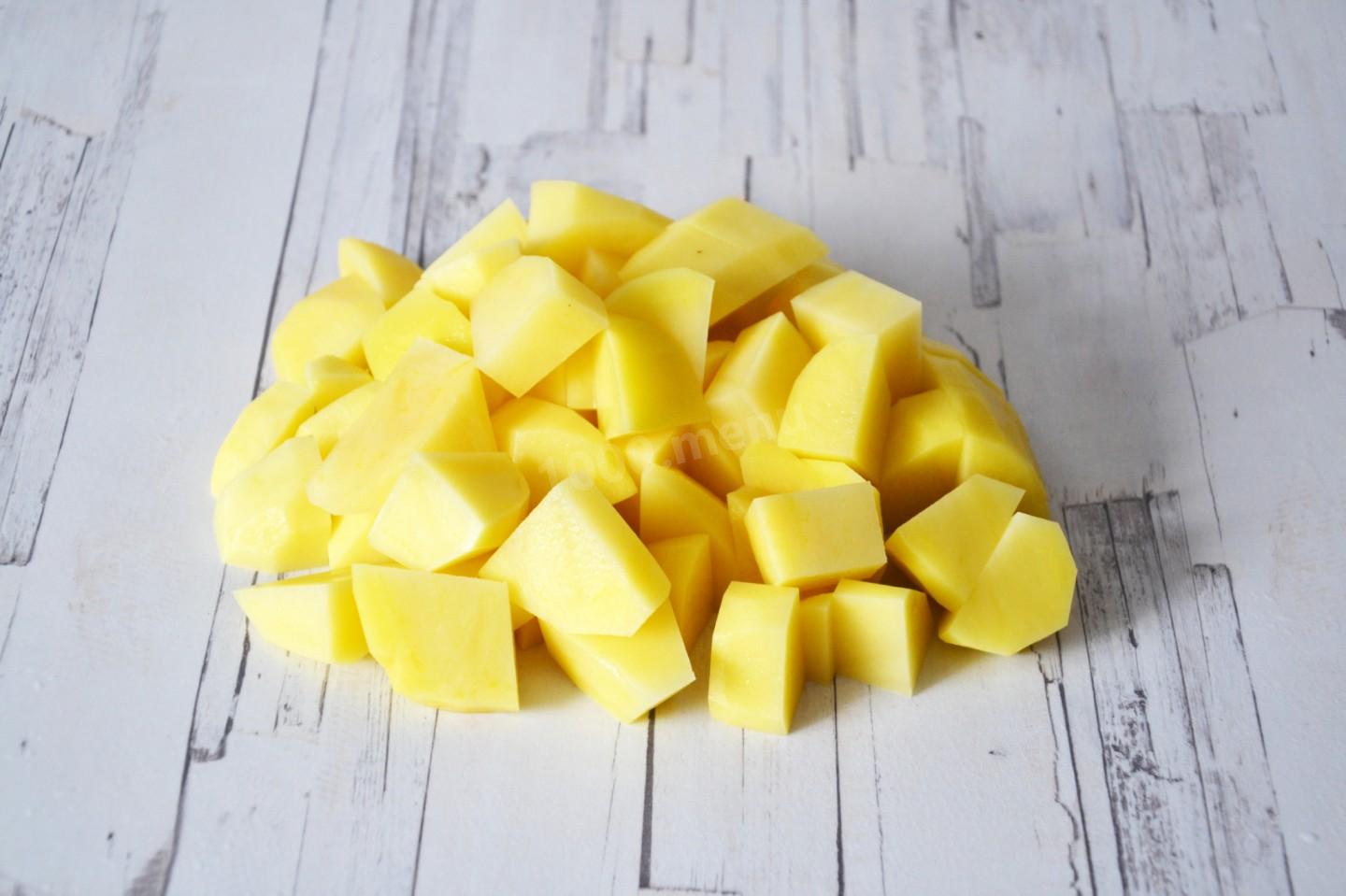
While the beans cook, prep the vegetables. Peel the potatoes and cut them into cubes.
-
Step 5:
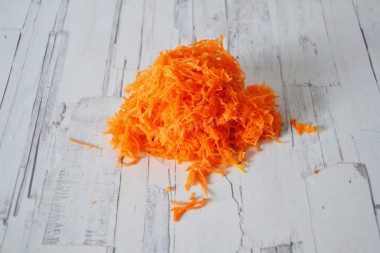
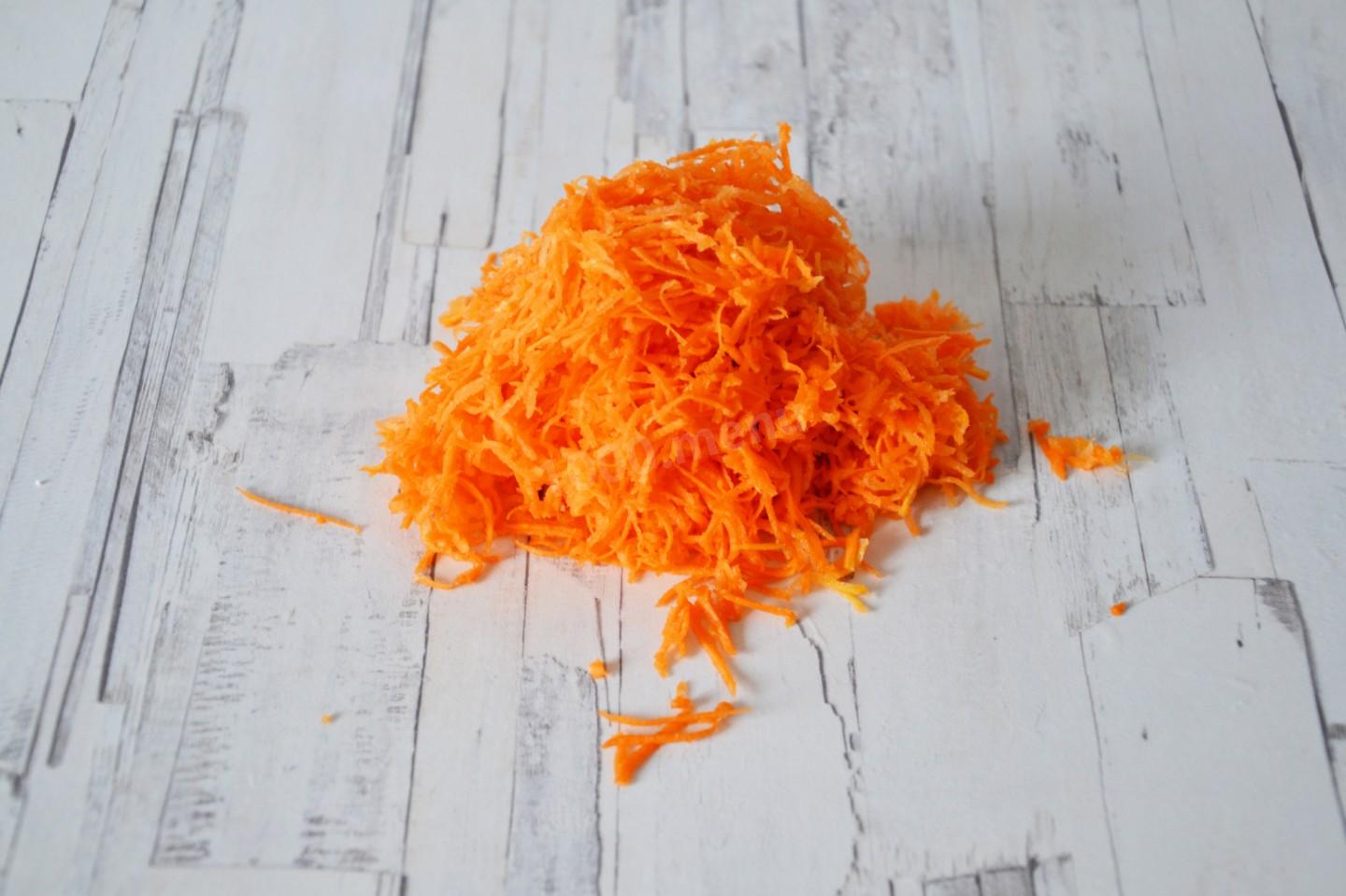
Peel and grate the carrot.
-
Step 6:
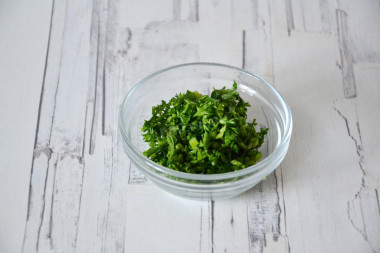
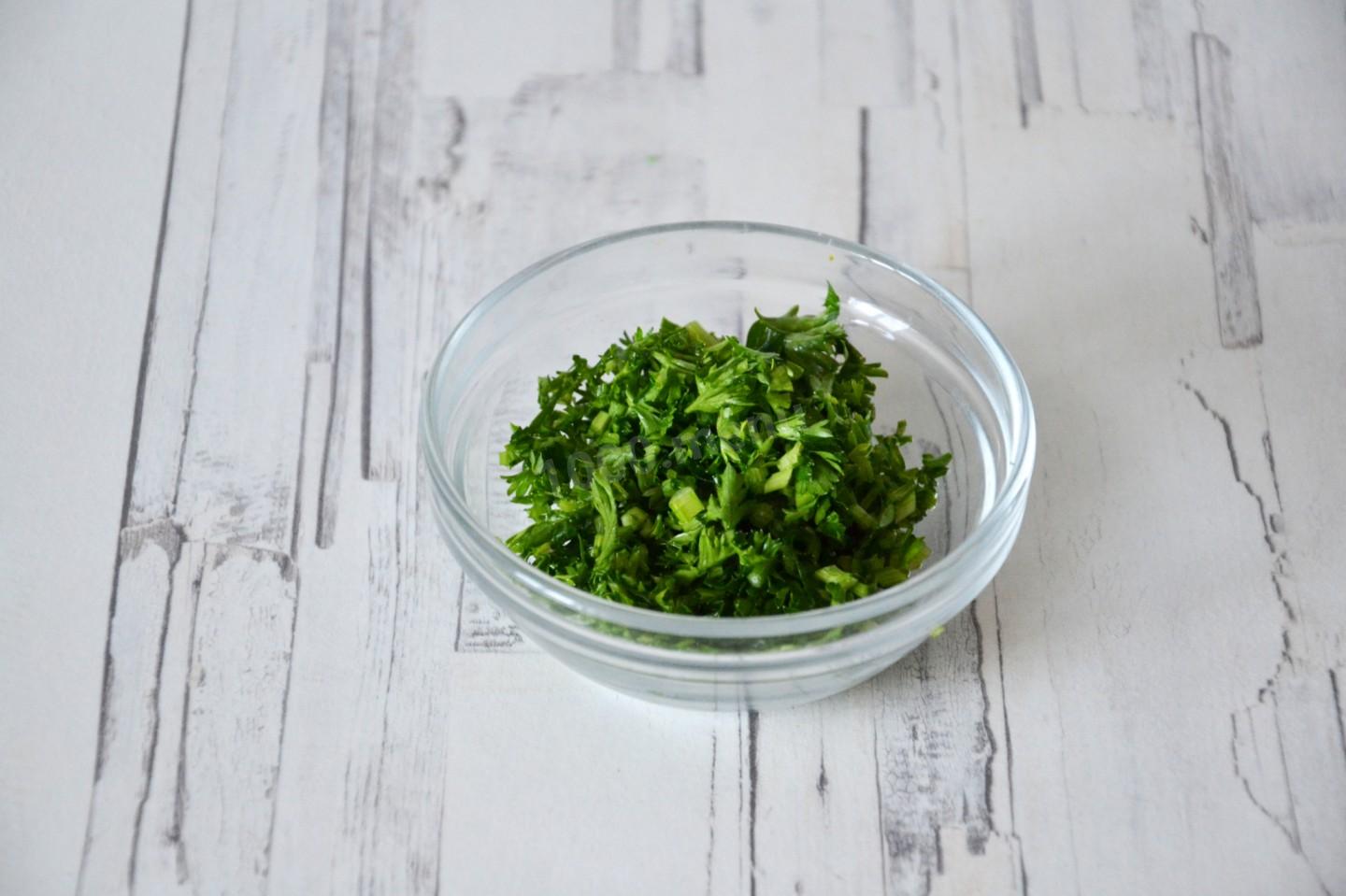
Wash the parsley, pat it dry, and chop it finely.
-
Step 7:
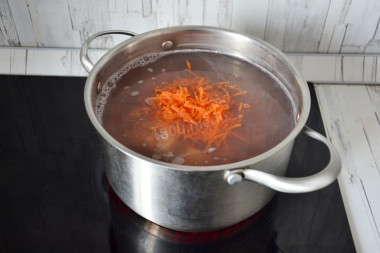
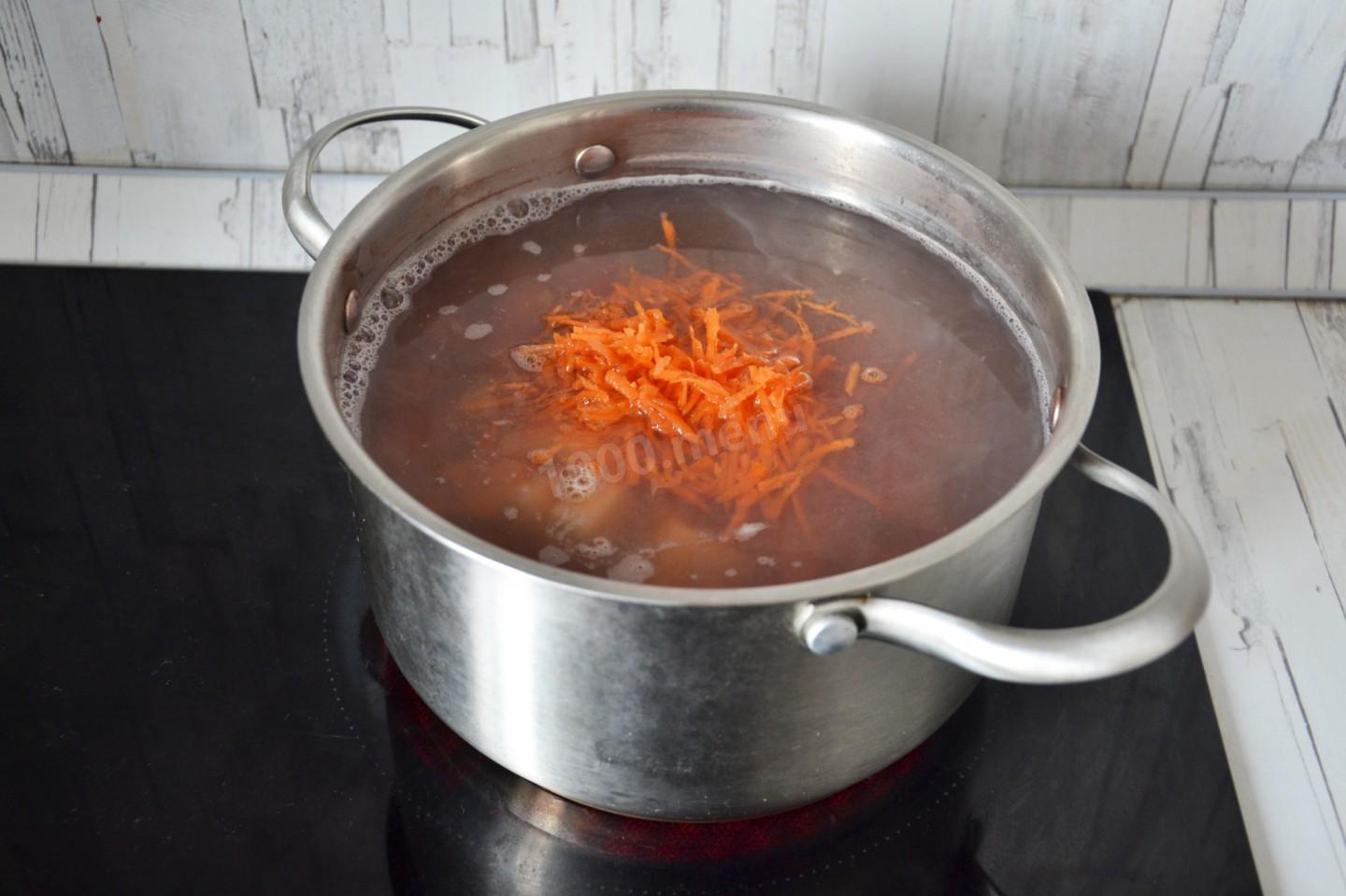
If you like, you can drain the water off the cooked beans and make the soup with fresh water. If you keep the water but it has boiled down a lot, add a little boiling water. Add the potatoes and carrot to the beans in the pot. Cook them for 15 minutes. You can add chopped onion along with the vegetables; I don't care for it, so I make my soups without onion. Or, alternatively, add a peeled whole onion and remove it at the end of cooking.
-
Step 8:
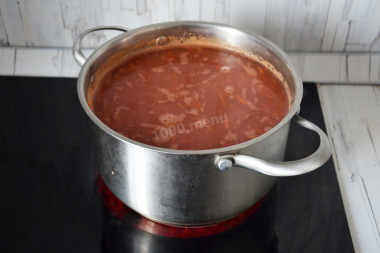
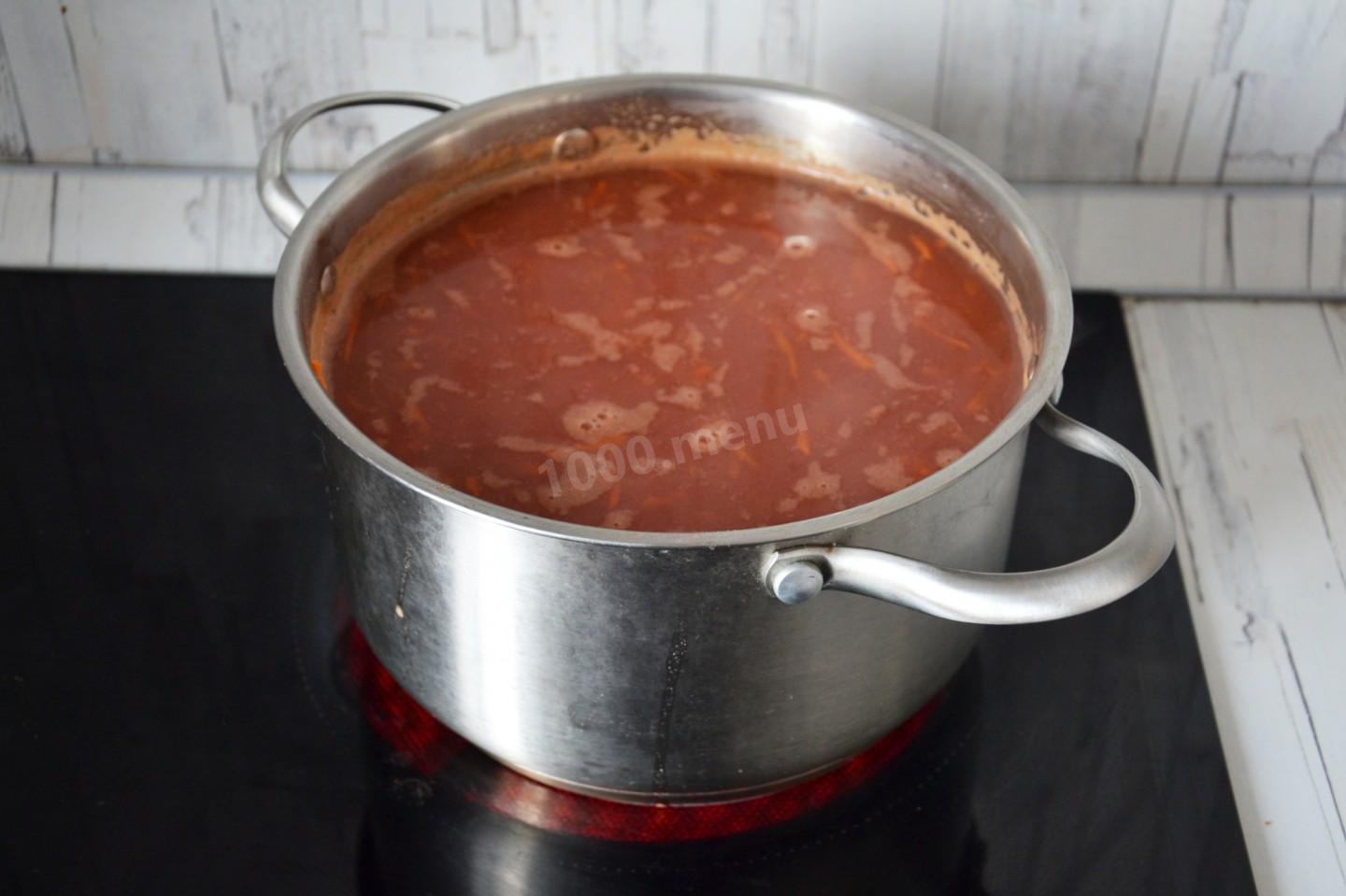
Add the tomato paste, salt, pepper, and chopped herbs to the pot. Cook the soup for another 5 minutes. I didn't add herbs at this stage — my child doesn't like greens in soup. If you're making the soup with canned beans, add them at this stage, skipping the steps for soaking and boiling dried beans.
-
Step 9:
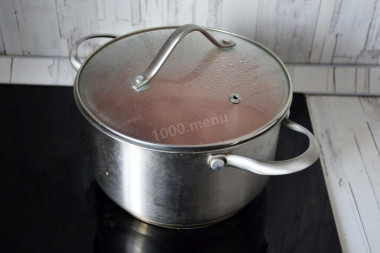
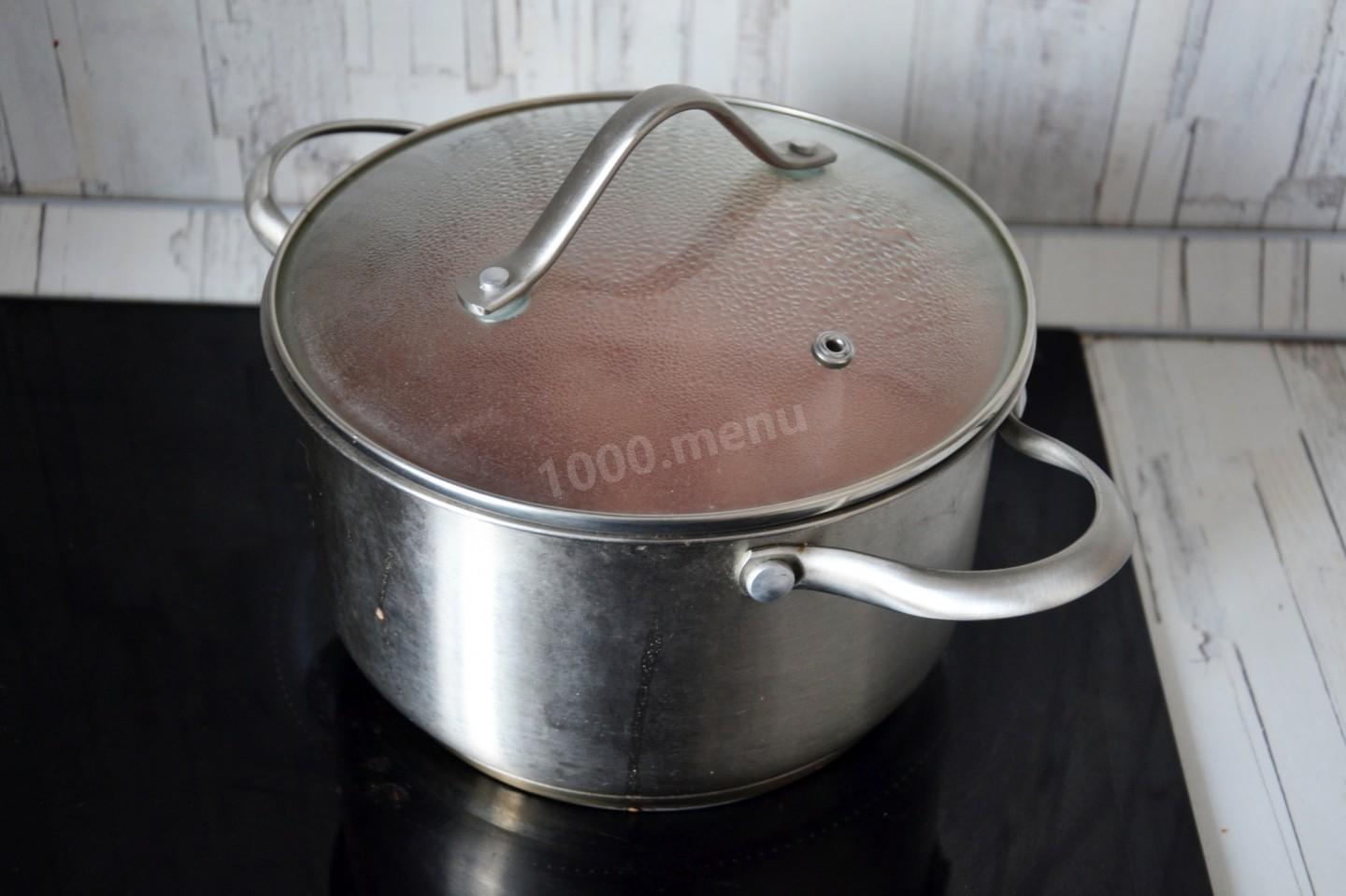
Take the soup off the heat and let it rest, covered, for about 15 minutes.
-
Step 10:
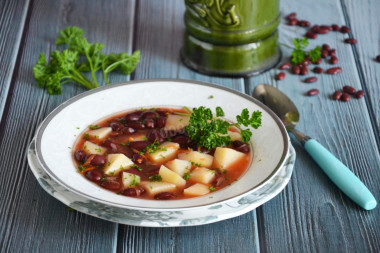
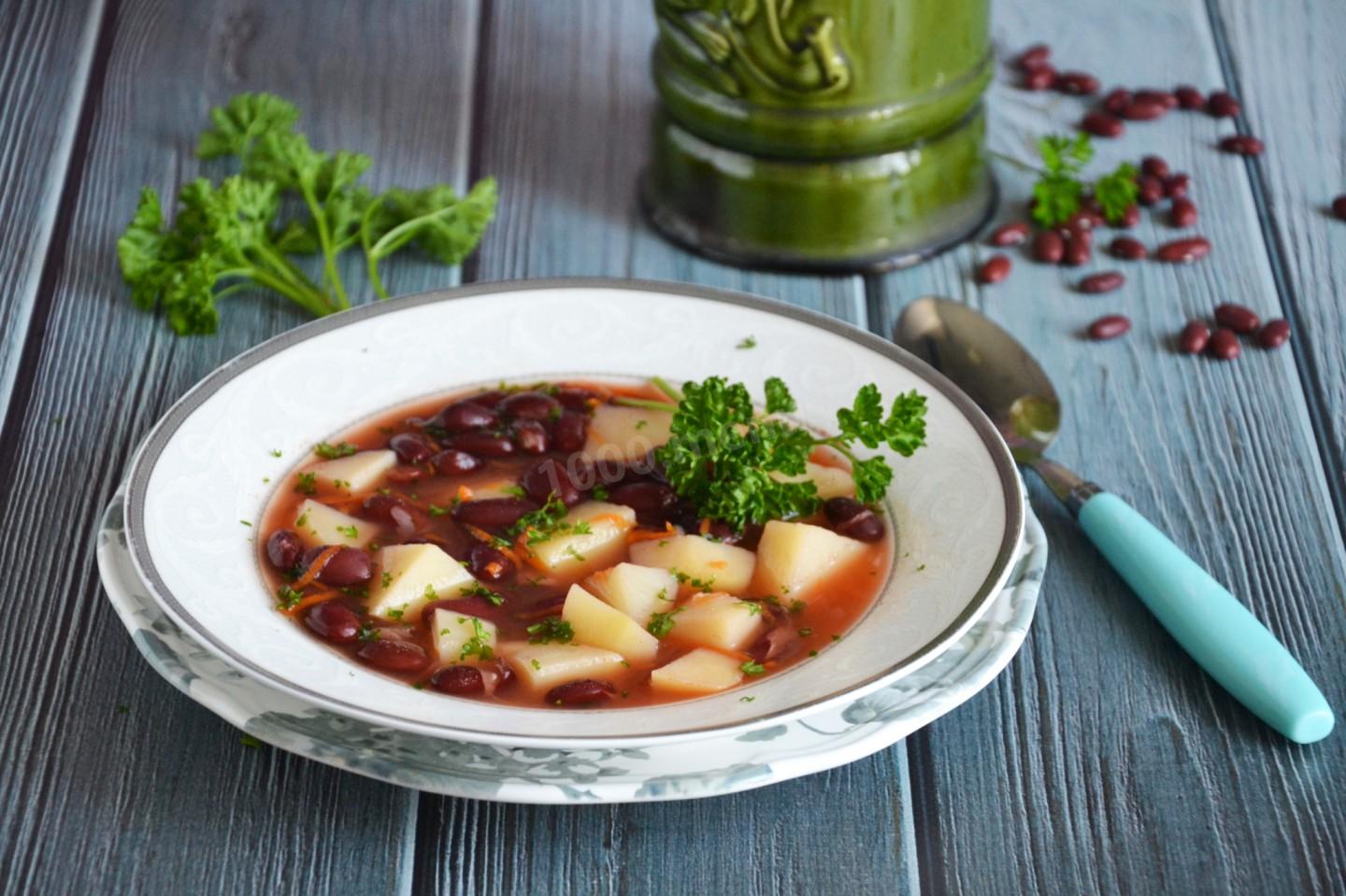
Ladle the soup into bowls and serve. Enjoy!
- Beans contain nearly all the nutrients a person needs, which makes any bean soup an almost ideal dish — wholesome, balanced, and tasty. Bean soups appear in all the world's major culinary traditions, from Mexican and Georgian to Italian and French. For bean soup, the cooking liquid from the beans is often plenty on its own. As it cooks, you can enrich its flavor by adding an onion and aromatic roots: carrot, parsley, celery. Bean soups are often made with smoked meats added. Soups like this are especially good in cold weather.
- Important! Whether or not the recipe gives an amount of water for the soup, it's best to go by your own preferences (whether you like a thick or thinner soup), the size of your pot, and the ingredients you're using. Keep in mind that the author has their own idea of how much meat, potatoes, grains, and other ingredients a soup should have, which may not match yours. In practice, this means that if you're cooking it for the first time, don't make a whole pot at once. Make a small batch to taste — for one or two people. To do that, scale all the recipe's ingredients down to 1–2 servings and figure the water at about one cup per serving for a very thick soup, up to 1.5–2 cups for a thinner one. Don't forget that some of the liquid will boil off as it cooks. After tasting a small batch, you can adjust both the amount of liquid and the proportions of the ingredients to your taste. Down the road, like most experienced cooks, you'll be able to add the water and the ingredients by eye.
- For how to choose the perfect pot for soup, porridge, or pickling cucumbers, see the article on cookware.
- For cooking it's best to use neutral-tasting filtered or bottled water. If you use tap water, keep in mind it can give the dish an unpleasant characteristic aftertaste.
Caloric content of the products possible in the composition of the dish
- Mature potatoes - 80 kcal/100g
- Baked potatoes - 70 kcal/100g
- Mashed potatoes - 380 kcal/100g
- Boiled potatoes - 82 kcal/100g
- Jacket potatoes - 74 kcal/100g
- Fried potatoes - 192 kcal/100g
- Carrot - 33 kcal/100g
- Dried carrot - 275 kcal/100g
- Boiled carrot - 25 kcal/100g
- Beans - 328 kcal/100g
- White beans - 352 kcal/100g
- Scarlet runner beans - 23 kcal/100g
- Frozen beans, packaged (300 g) - 102 kcal/100g
- Ground black pepper - 255 kcal/100g
- Fresh parsley - 45 kcal/100g
- Tomato paste - 28 kcal/100g
- Salt - 0 kcal/100g
- Water - 0 kcal/100g
Similar recipes
- Soups
- Vegetables
- Legumes
- Spices seasonings spices
- Other
- From beans
- Pepper
- Salt
- Water
- Tomato paste
- Cooking
- Lean entrees
- Vegetable soup vegetarian
- Tomato soup
- Meat-free soup
- Potato soup
- Slimming soup
- Vegetarian soups
- Bean soup
- From carrots
- From potatoes
- No eggs
- Vegetarianism
- Lean table
- Recipes for lean dishes without butter