Homemade Applesauce Marshmallows (Zefir)
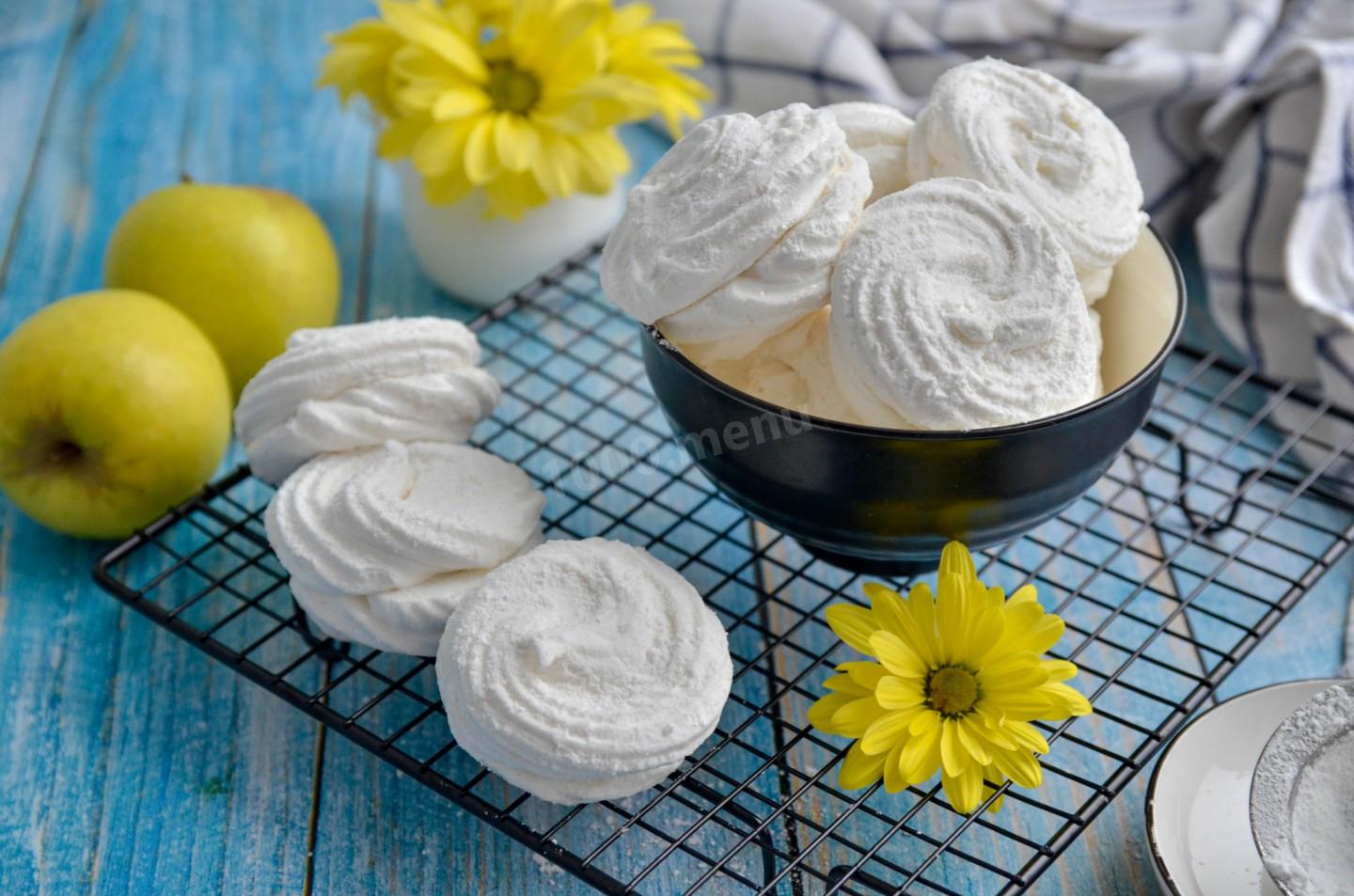
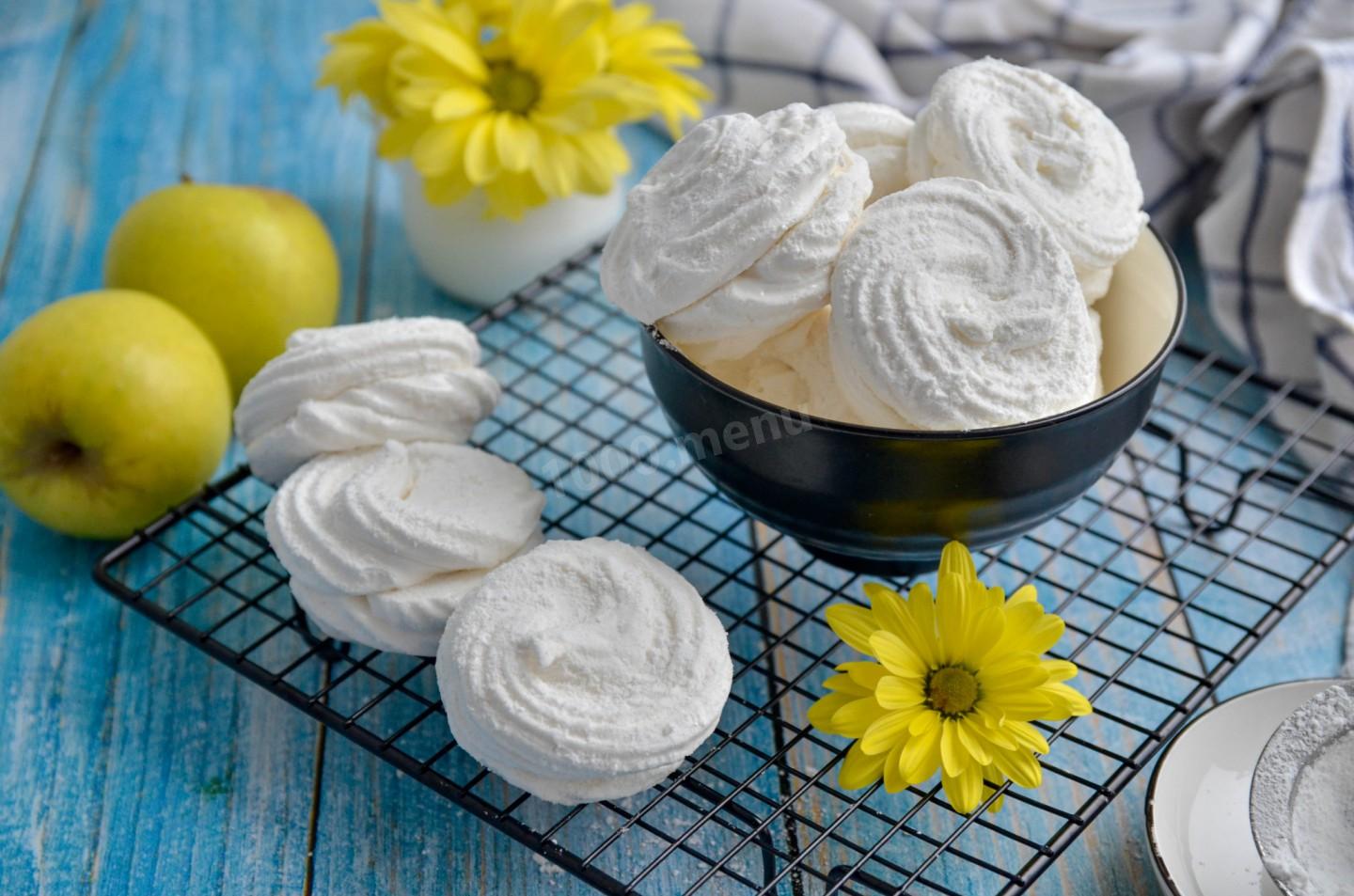
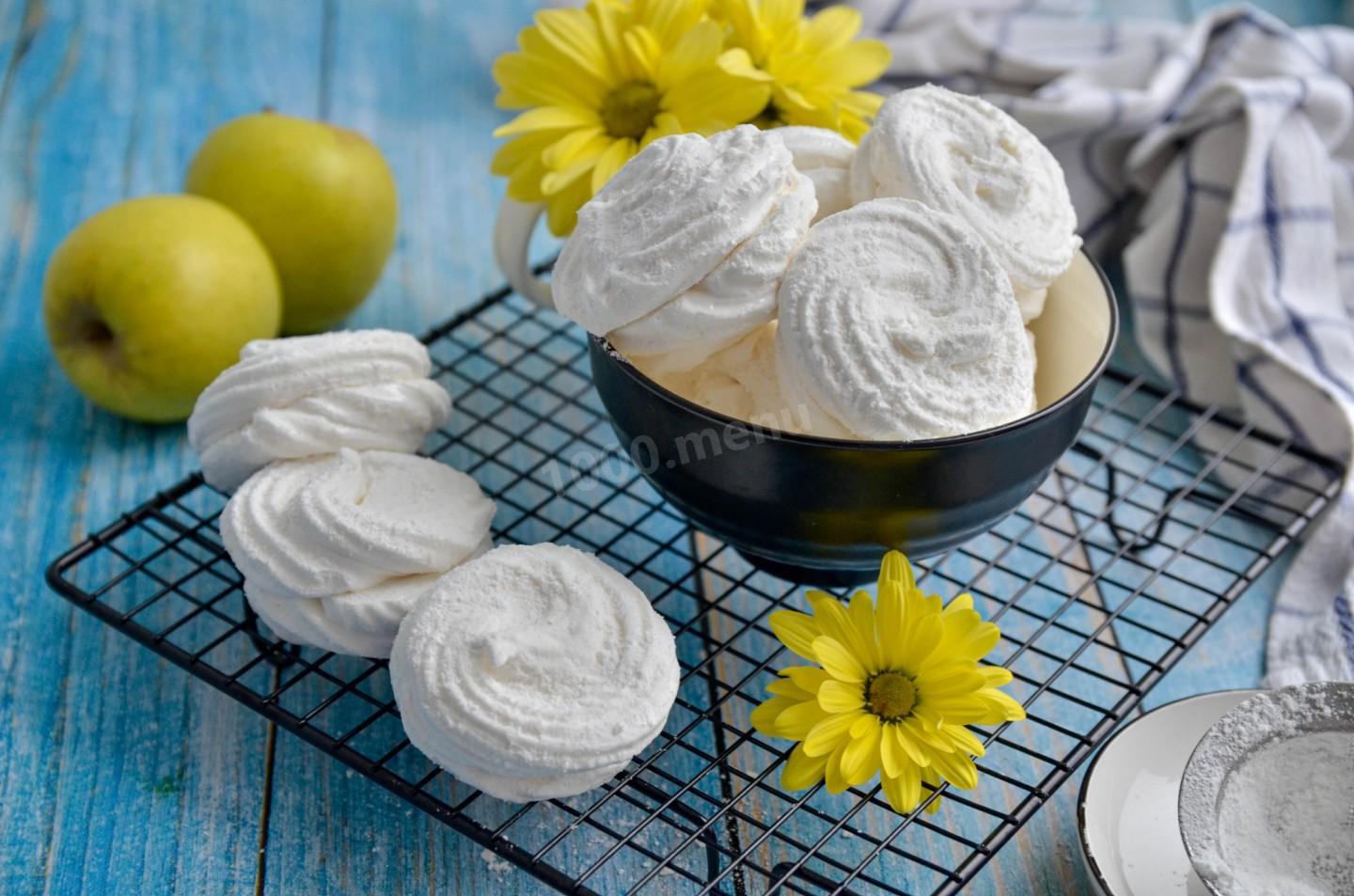
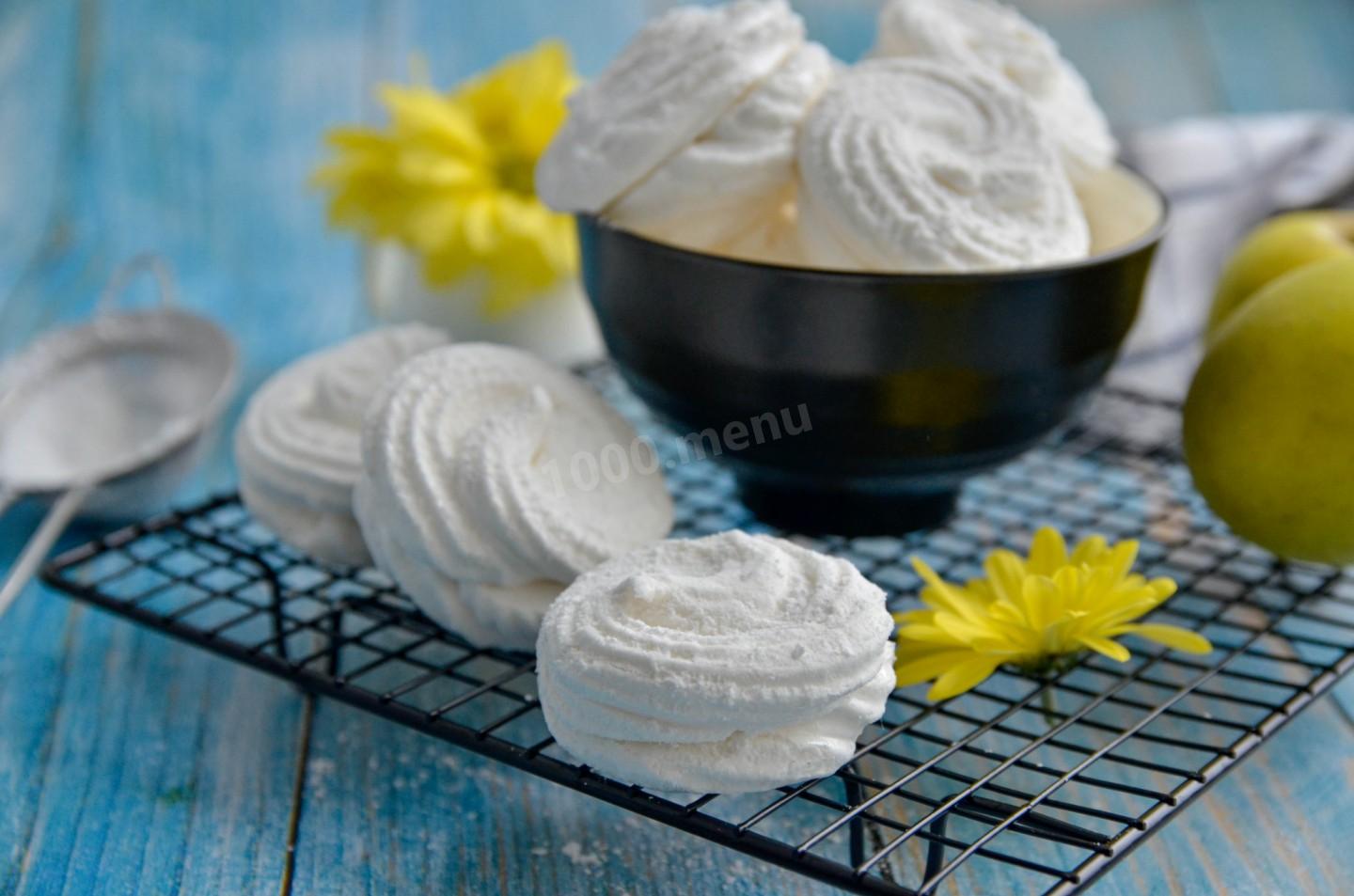
Delicate, airy, all-natural, and genuinely delicious! These Russian-style marshmallows — known as zefir — start with applesauce you cook down from fresh apples, set with agar-agar instead of gelatin. The method is simple enough for a first-timer, though a candy thermometer makes it much easier to nail.

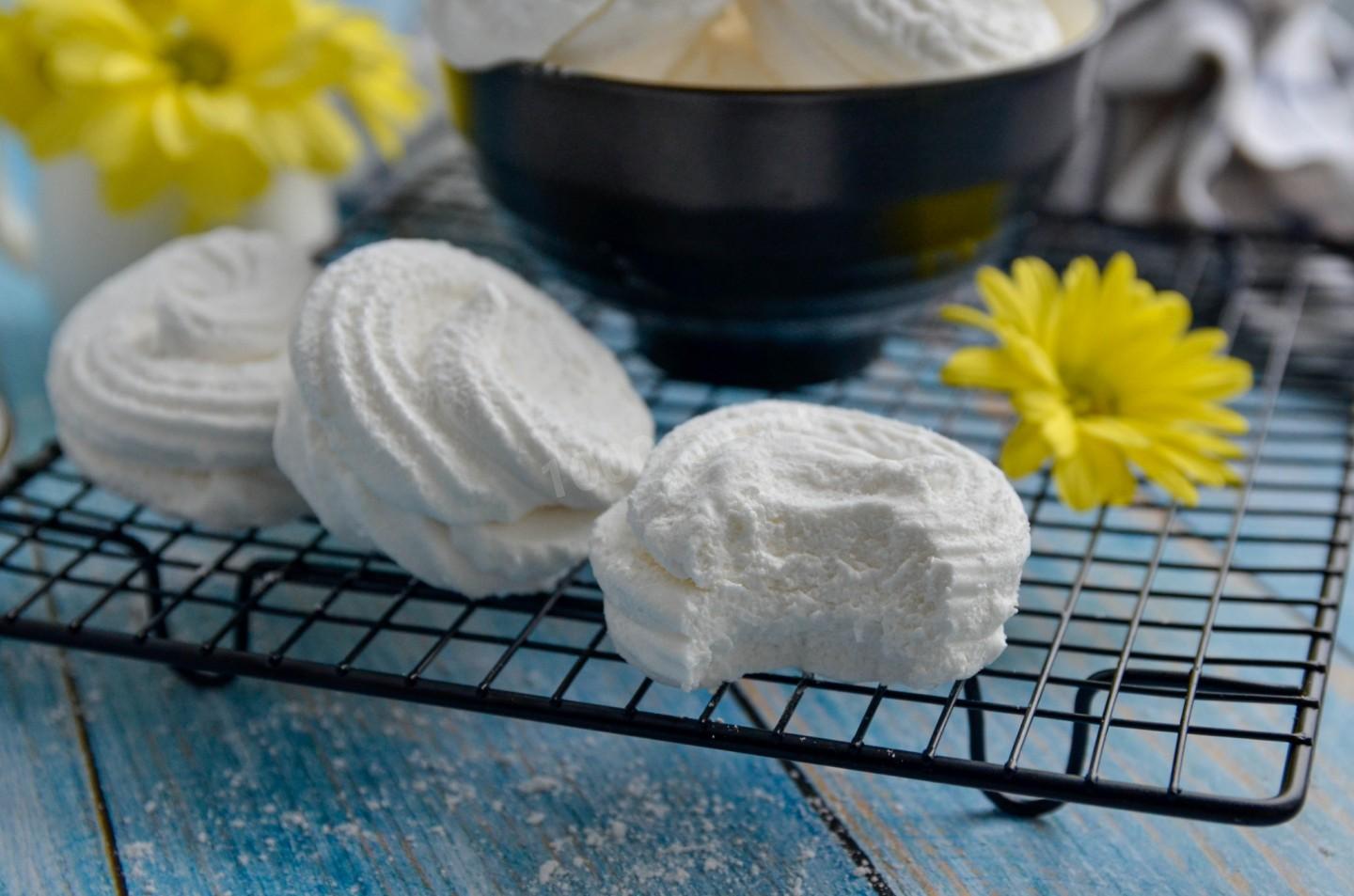
Cooking method
-
Step 1:
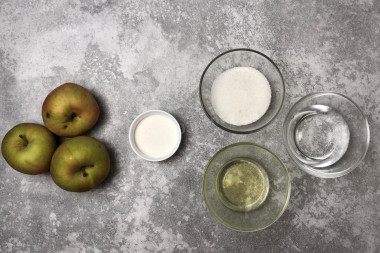
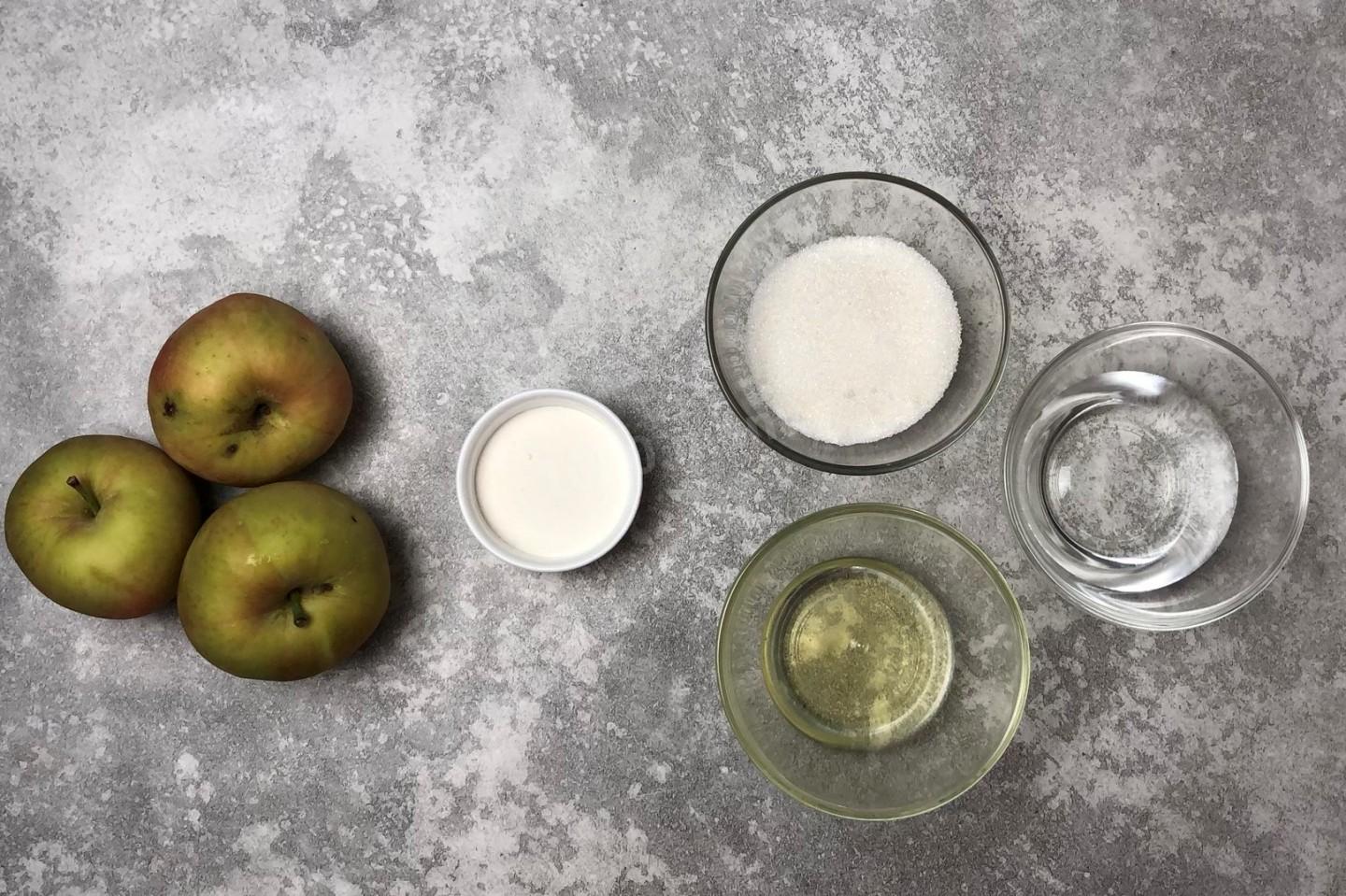
How do you make apple zefir? Gather your ingredients. We'll cook the applesauce from scratch. If you start with store-bought applesauce that's already sweetened, use only 200 g (1 cup) of sugar for the syrup. I used 10 g of agar-agar because I wasn't sure of its strength. Choose firm, tart green apples — they have more pectin.
-
Step 2:
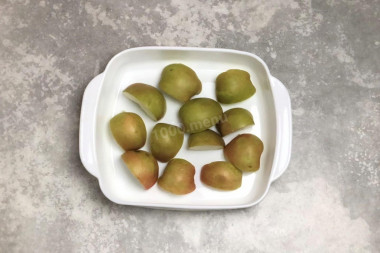
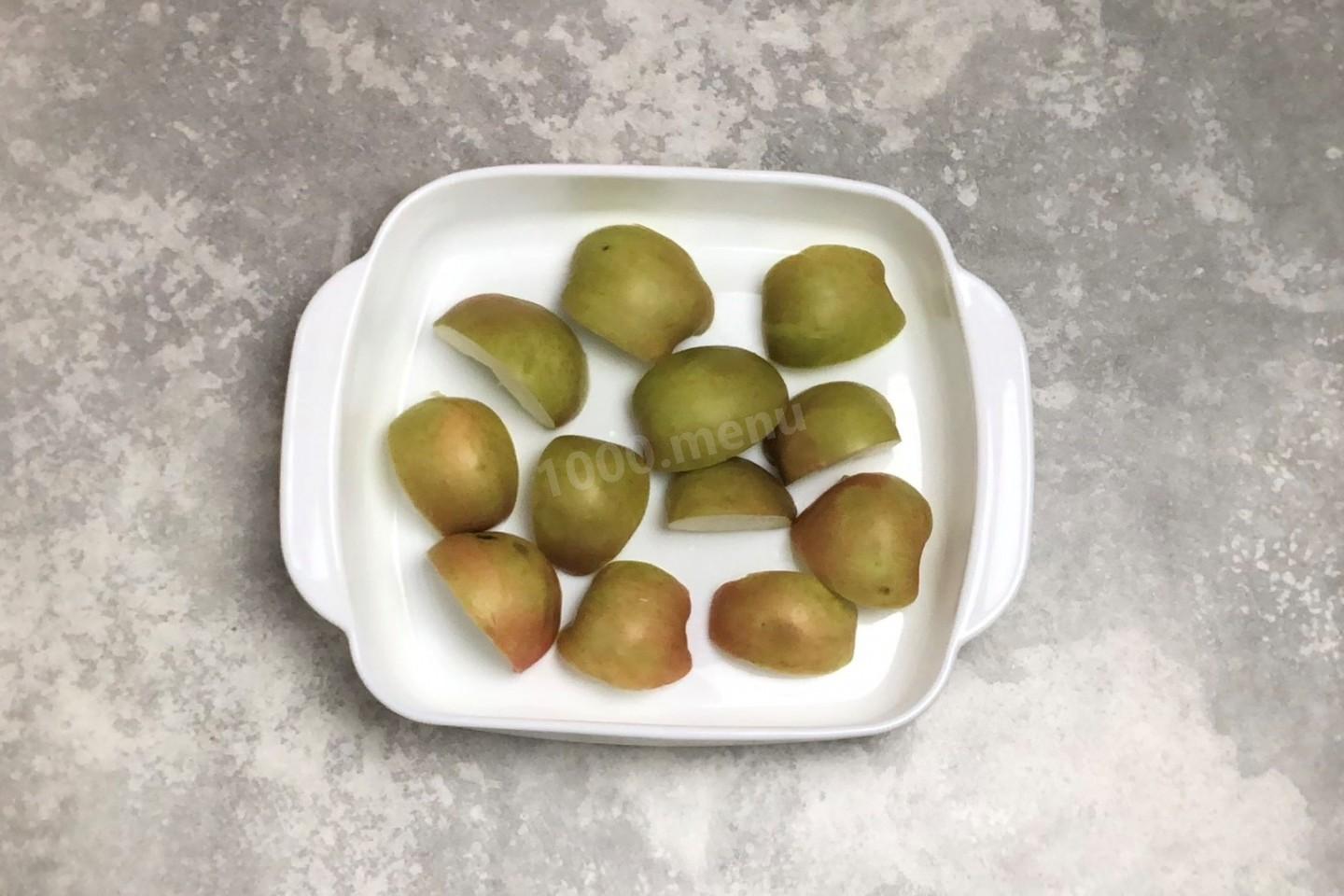
Wash the apples well and cut them into quarters. Cut out the cores and arrange the pieces skin-side up in a baking dish. Bake in a 400°F (200°C) oven for 30 minutes.
-
Step 3:
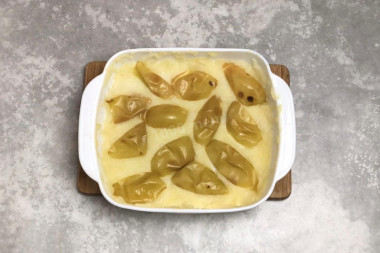
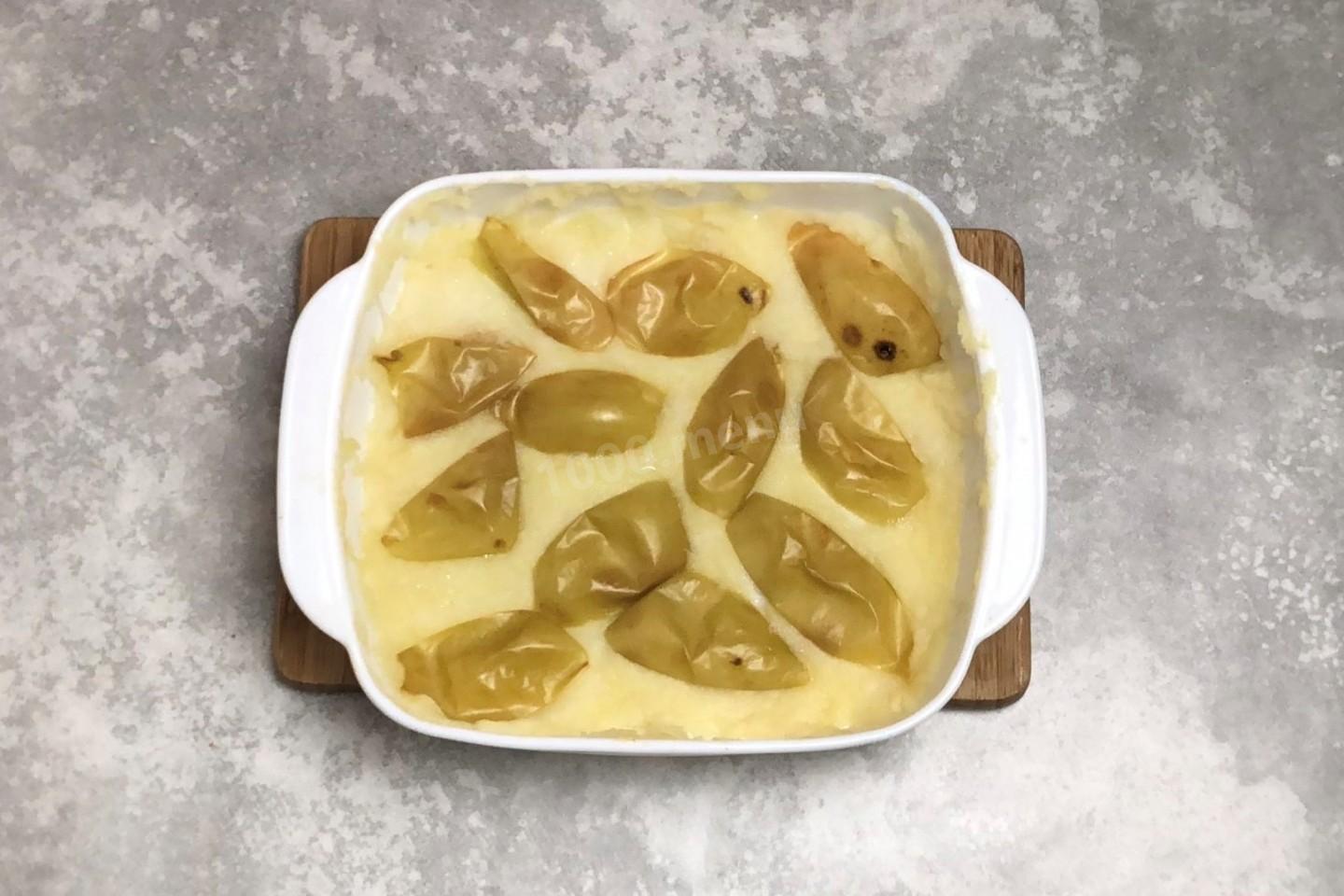
Pull the apples from the oven and let them cool a little. Mine were a soft variety and slumped completely as they baked. Peel the skins away from the flesh. If your pulp isn't smooth enough, blitz it with an immersion blender. Mine came out tender and fluffy.
-
Step 4:
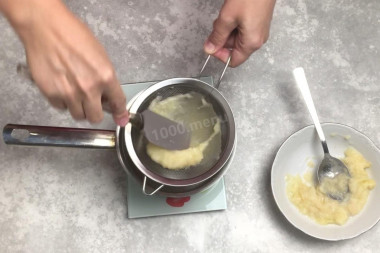
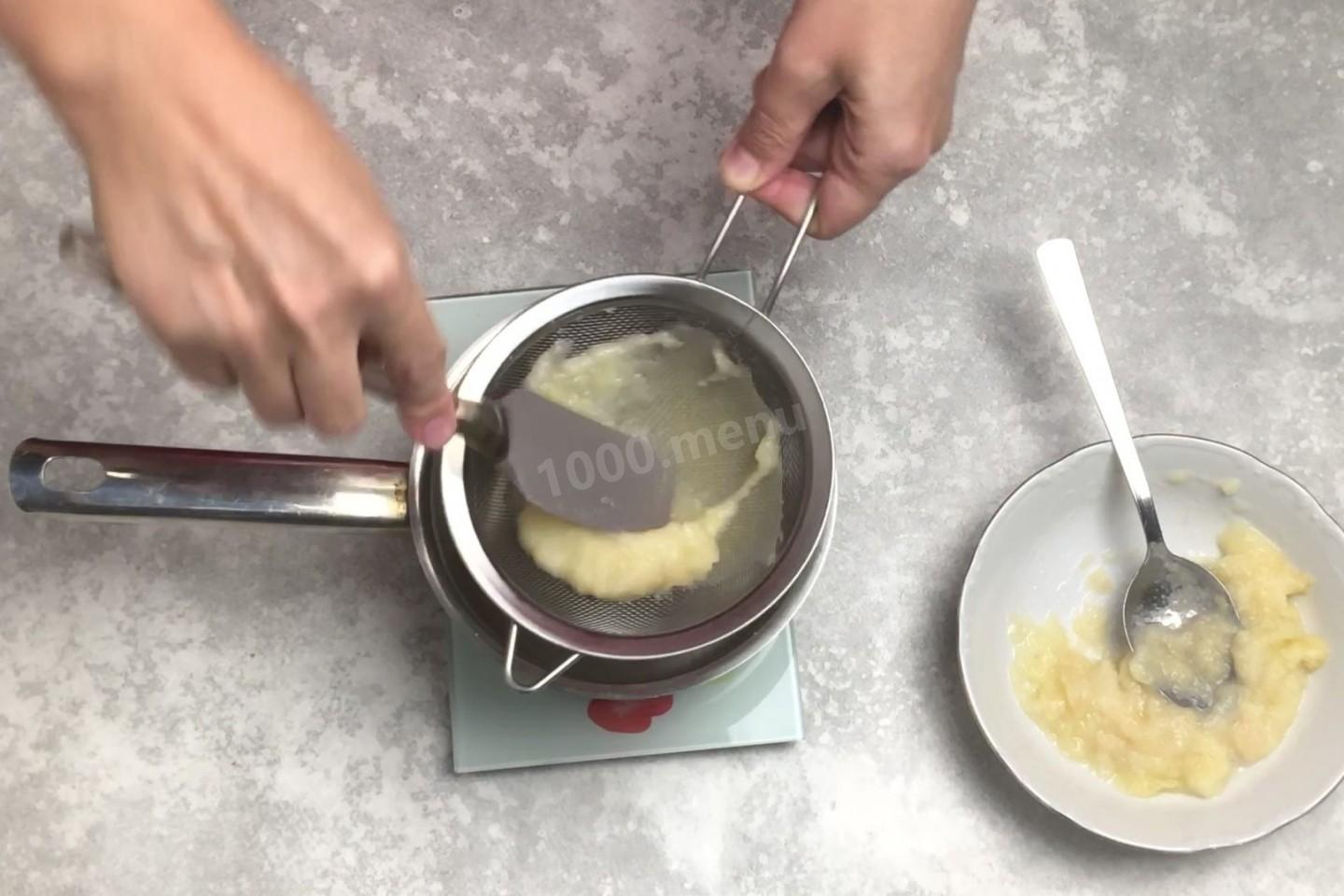
Push the puree through a sieve to remove any tough bits or stray skin. Measure out 125 g (about 1/2 cup).
-
Step 5:
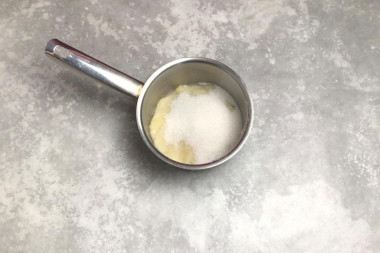
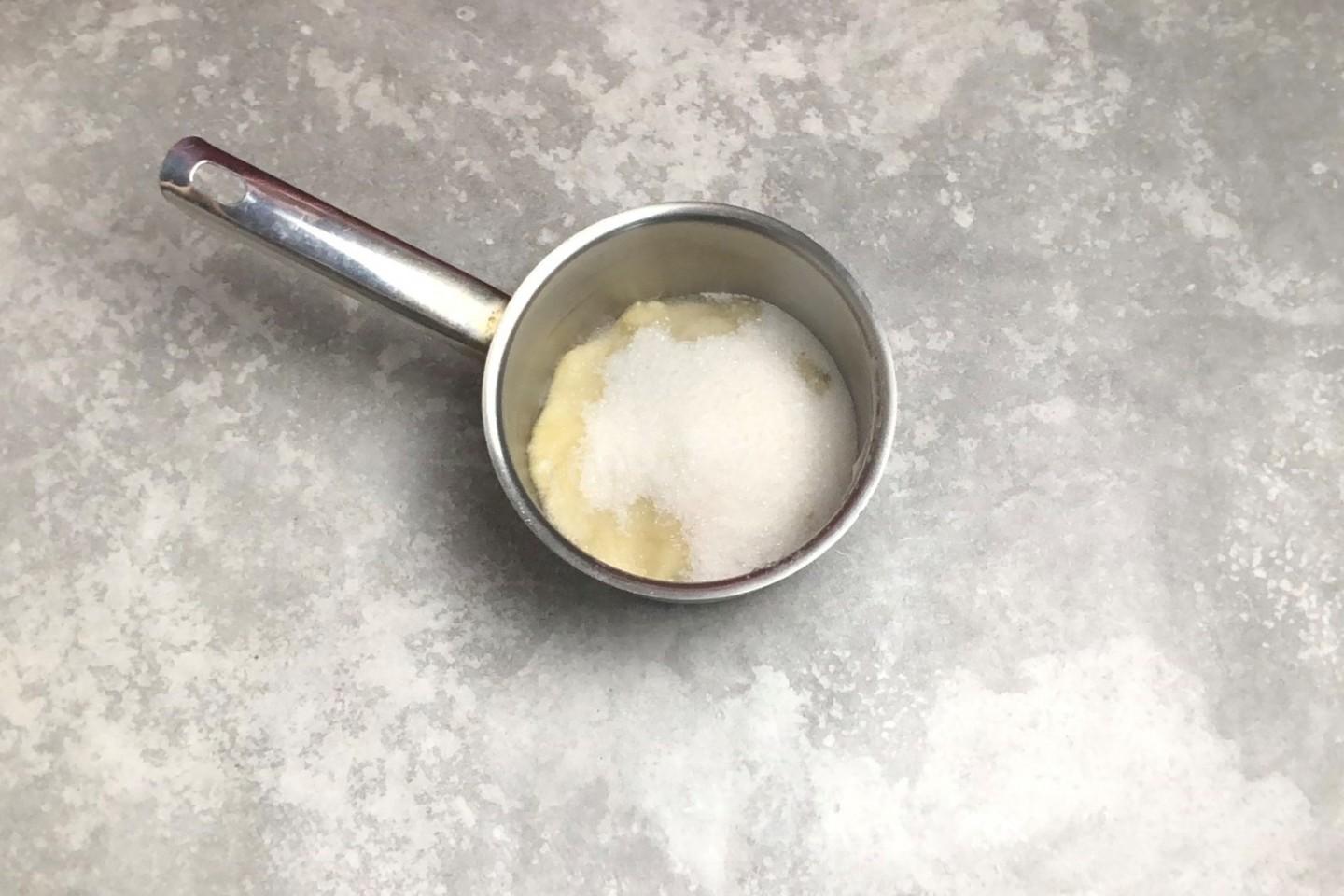
Put the puree in a heavy-bottomed saucepan. Add 100 g (1/2 cup) of the sugar. If your applesauce is already sweetened, skip these steps.
-
Step 6:
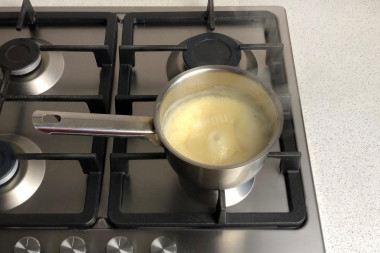
Set the saucepan over low heat and stir until the sugar dissolves. Bring the puree to a boil and let it cook for 2 to 3 minutes. Then pour it straight into another bowl and let it cool. Once it's cooled a bit, move it to the freezer to chill completely — only 5 to 10 minutes.
-
Step 7:
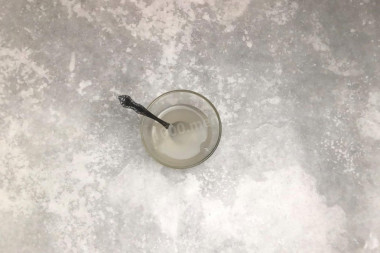
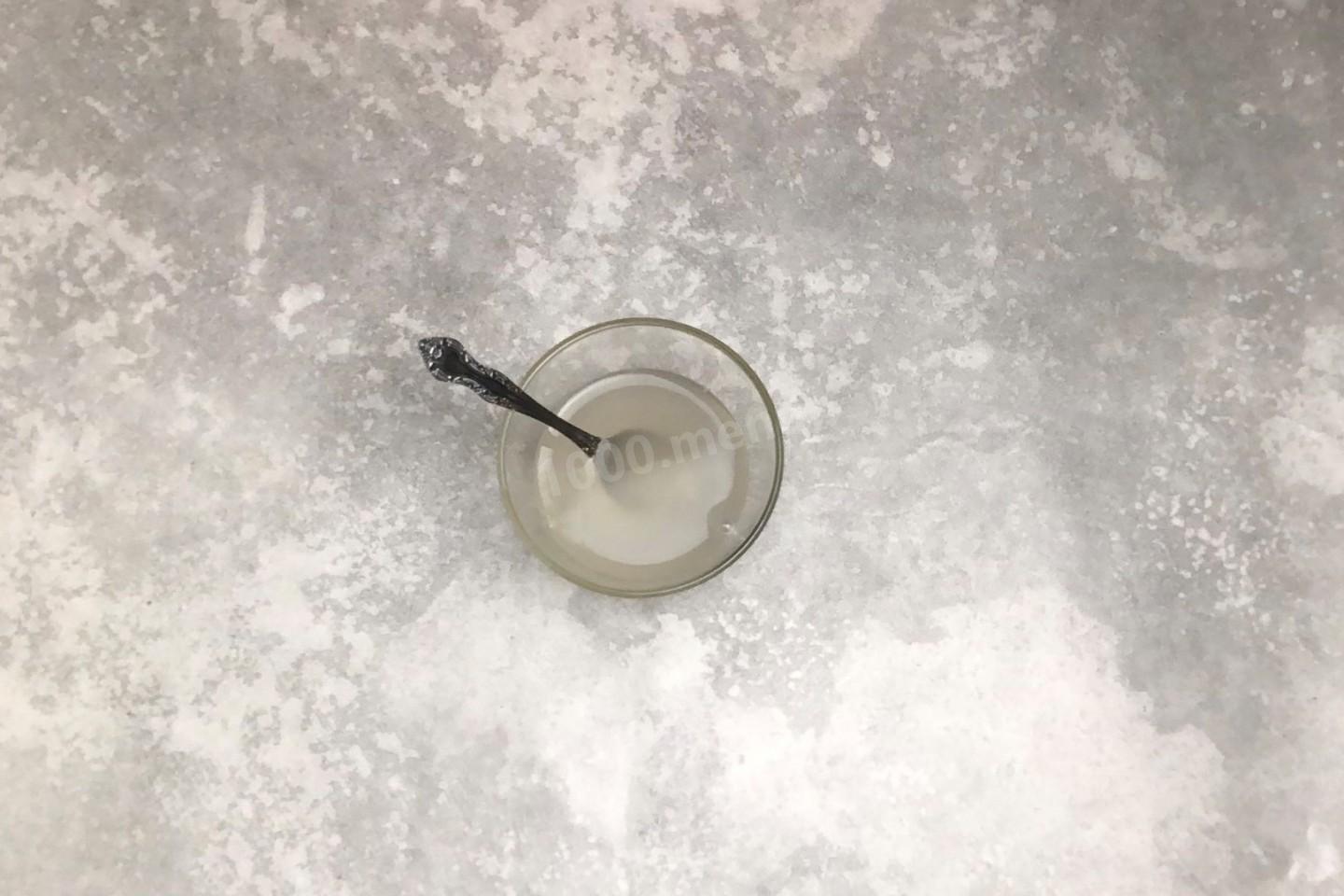
While the puree cools, soak the agar-agar: cover it with the water, stir well, and let it swell.
-
Step 8:
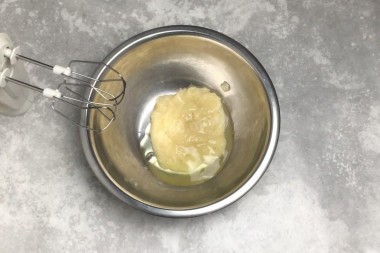
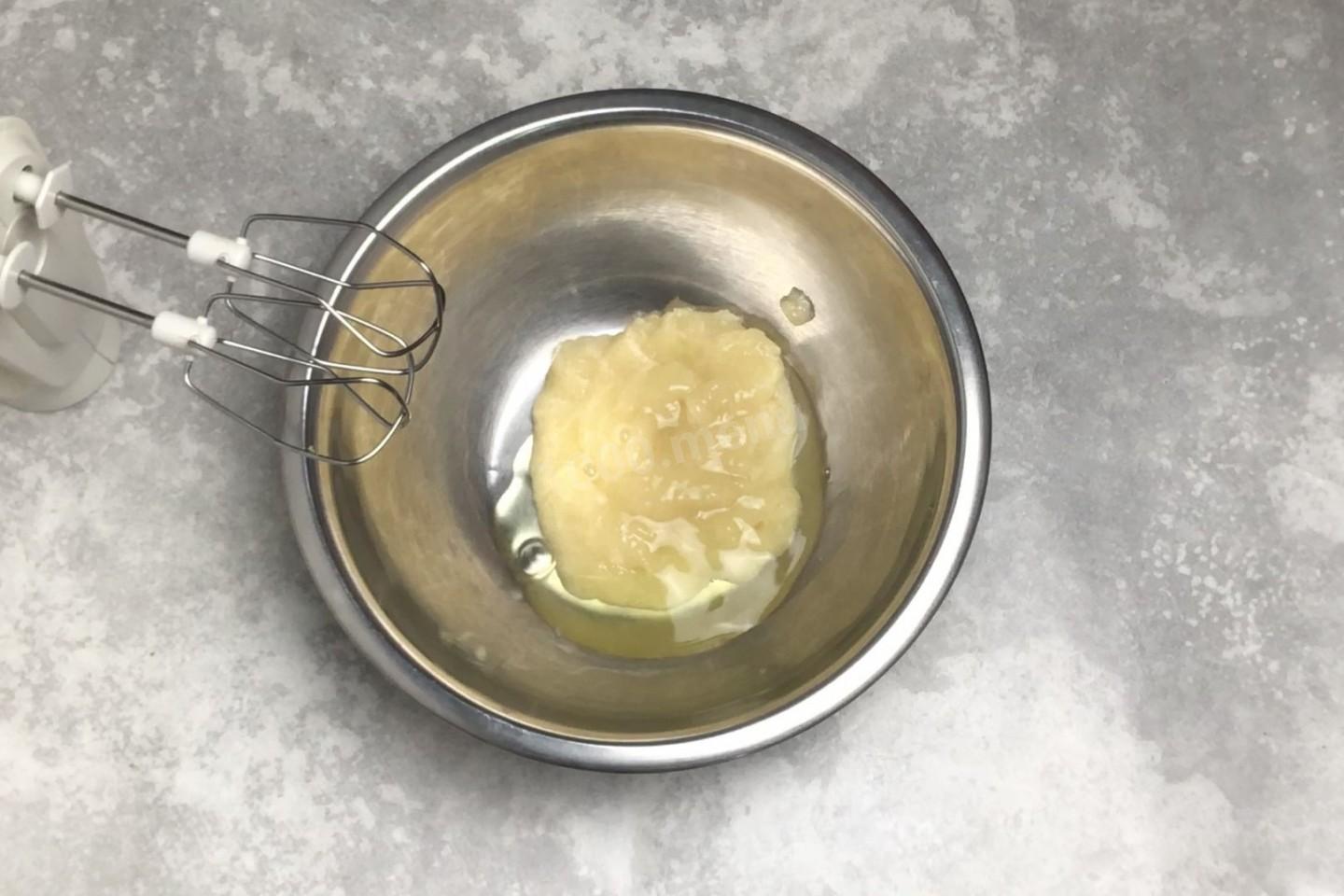
Transfer the cooled puree to a mixing bowl and add the egg white.
-
Step 9:
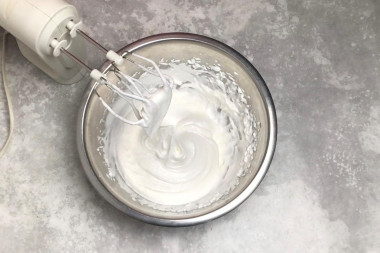
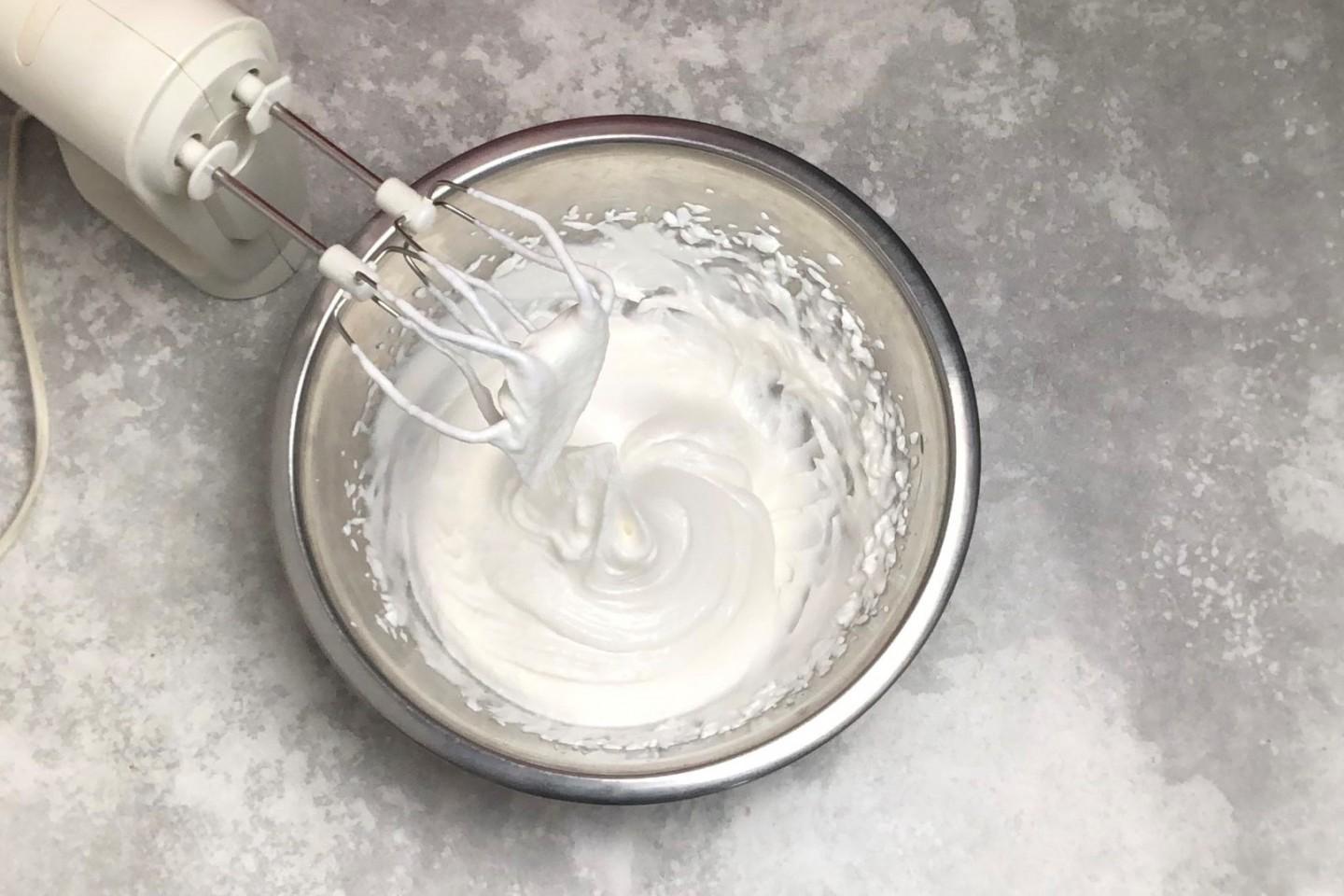
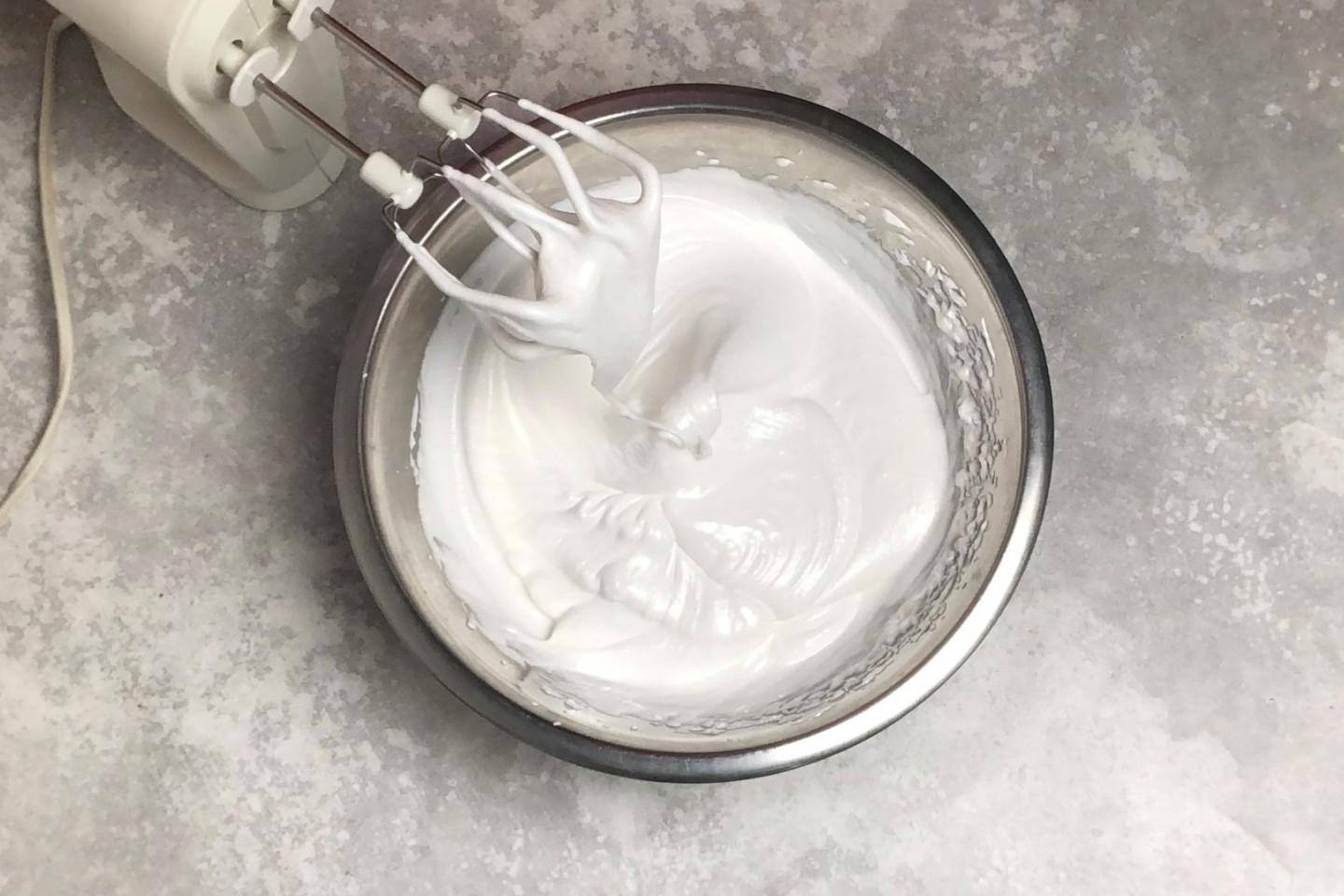
Beat the puree and egg white with a mixer until you get very stiff peaks. This takes about 15 minutes.
-
Step 10:
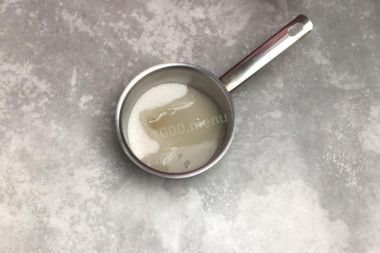
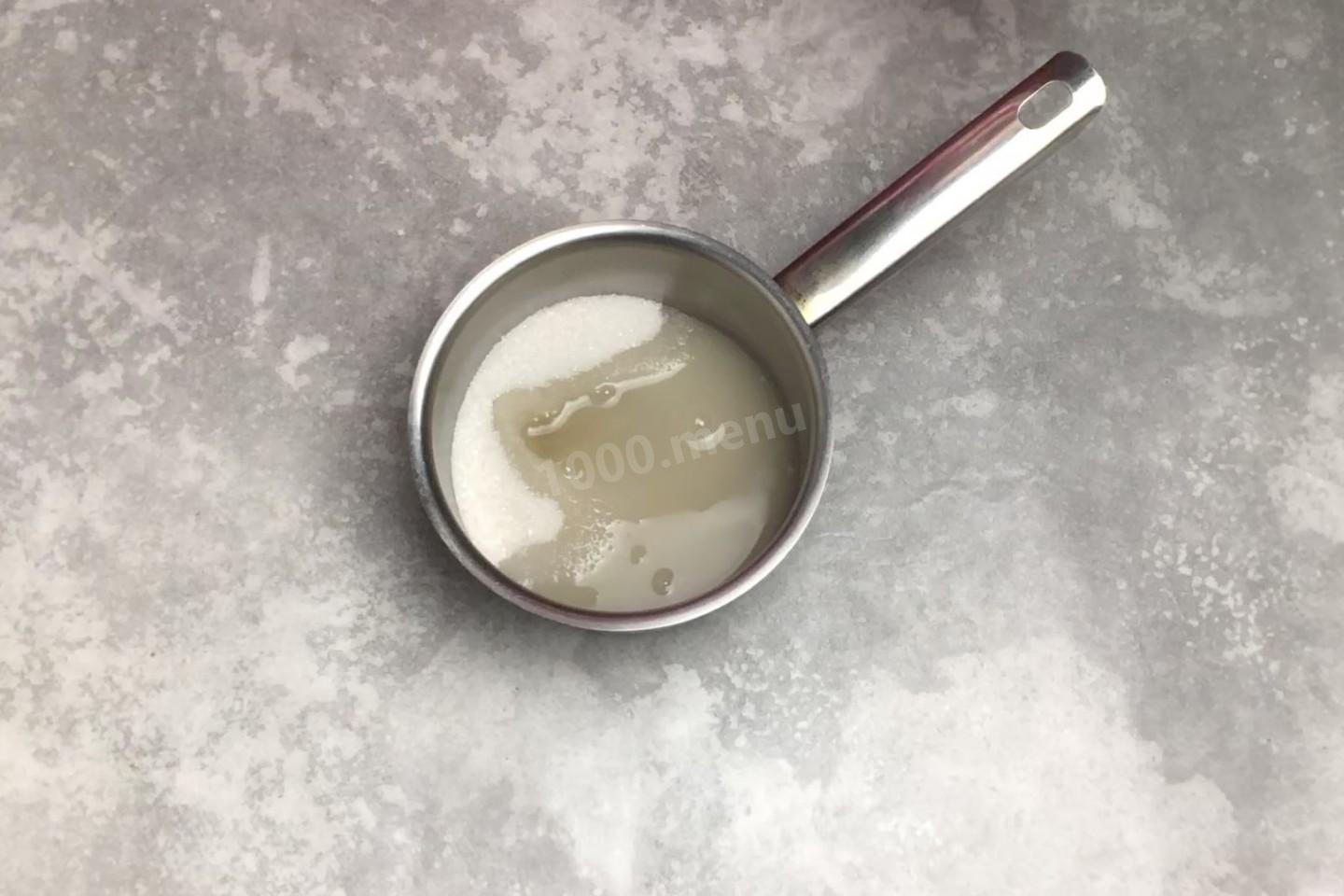
In a heavy-bottomed saucepan, measure out the remaining 200 g (1 cup) of sugar and pour in the swollen agar-agar.
-
Step 11:
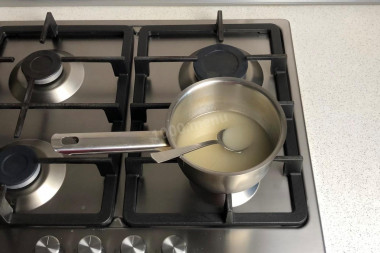
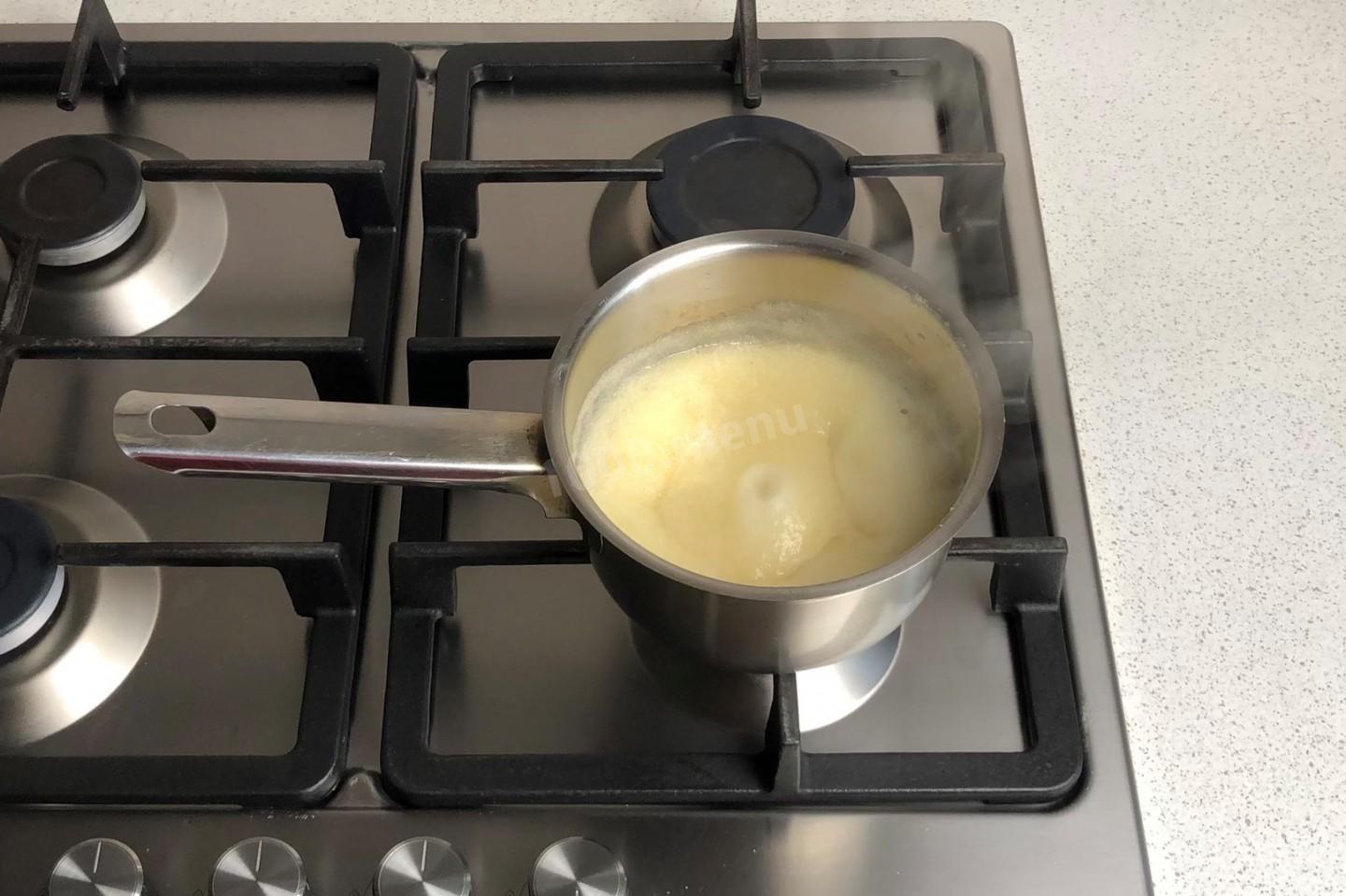
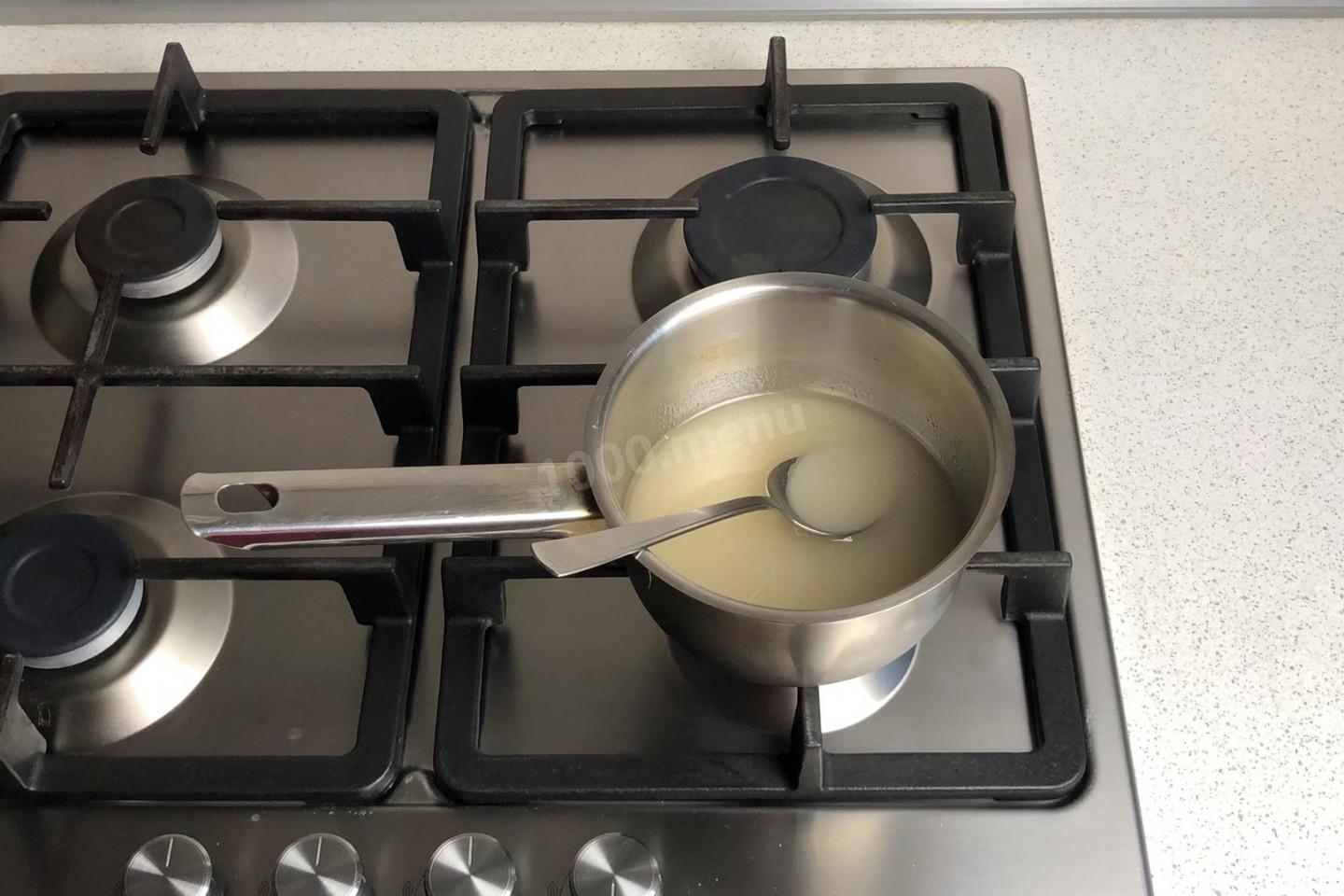
Set the saucepan over low heat and bring the syrup to a boil. The sugar will dissolve completely.
-
Step 12:
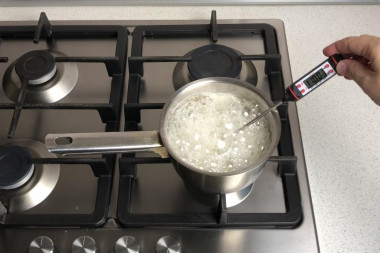
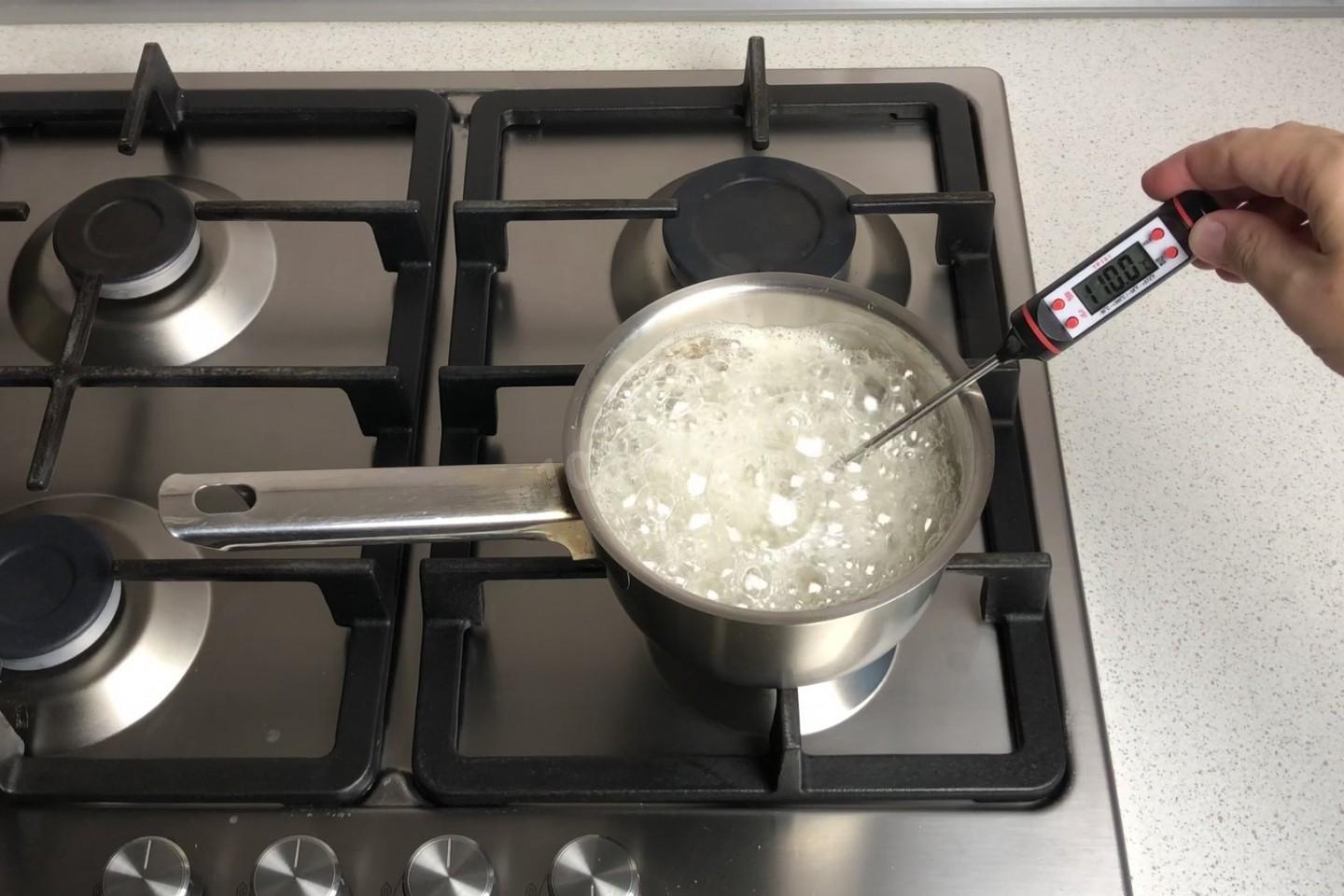
Cook the syrup to 230°F (110°C).
-
Step 13:
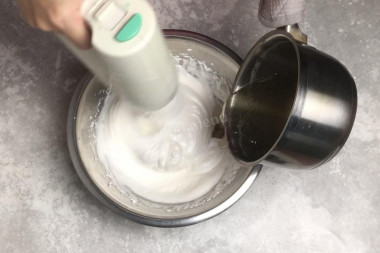
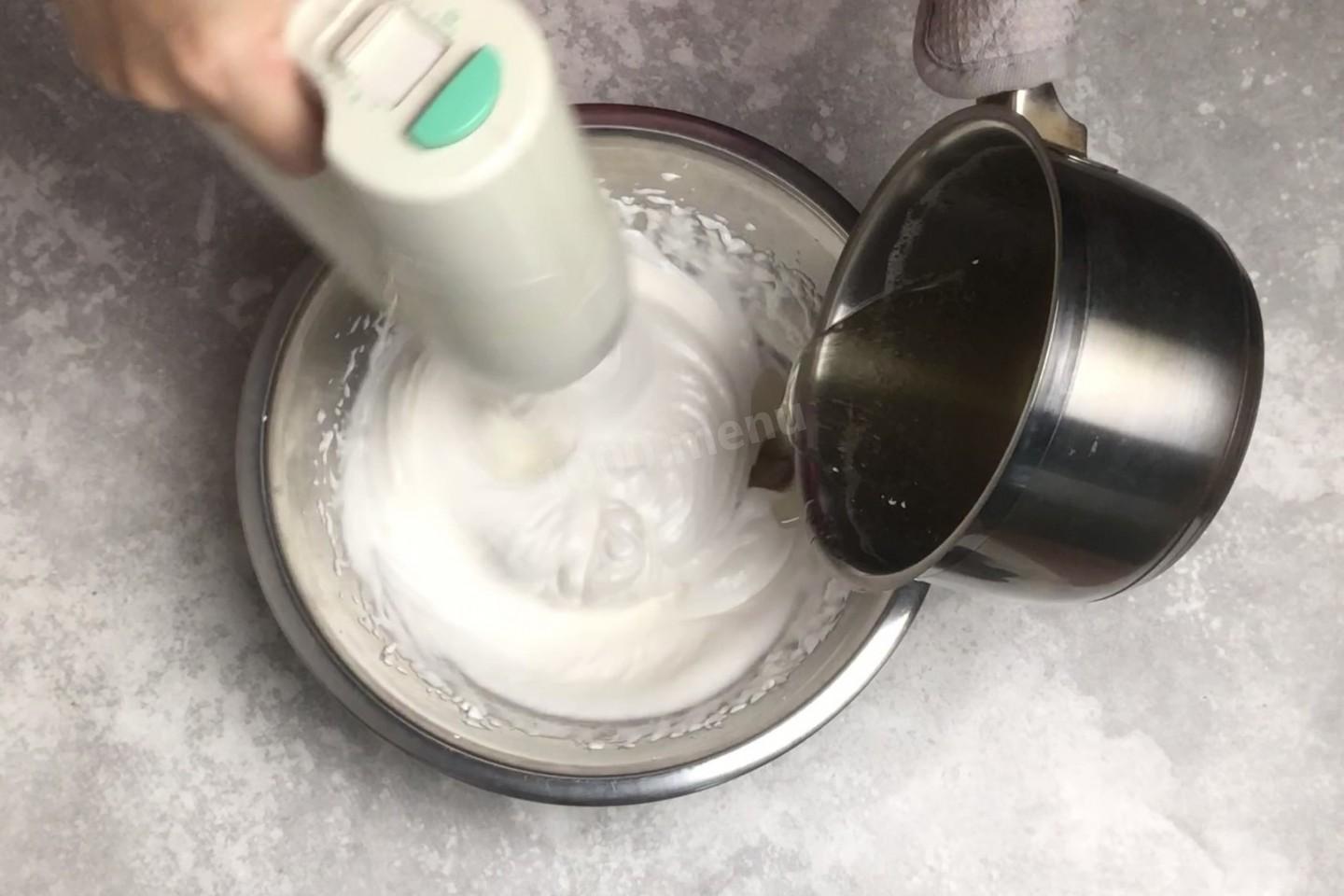
Start the mixer again and carefully pour the hot syrup into the beaten whites in a thin stream. Aim down the side of the bowl so the syrup doesn't catch on the beaters. By the book, you'd whip the whites and cook the syrup at the same time, but working solo without a stand mixer, I did it in stages — and it still came out fine.
-
Step 14:
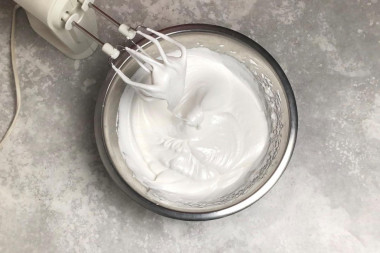
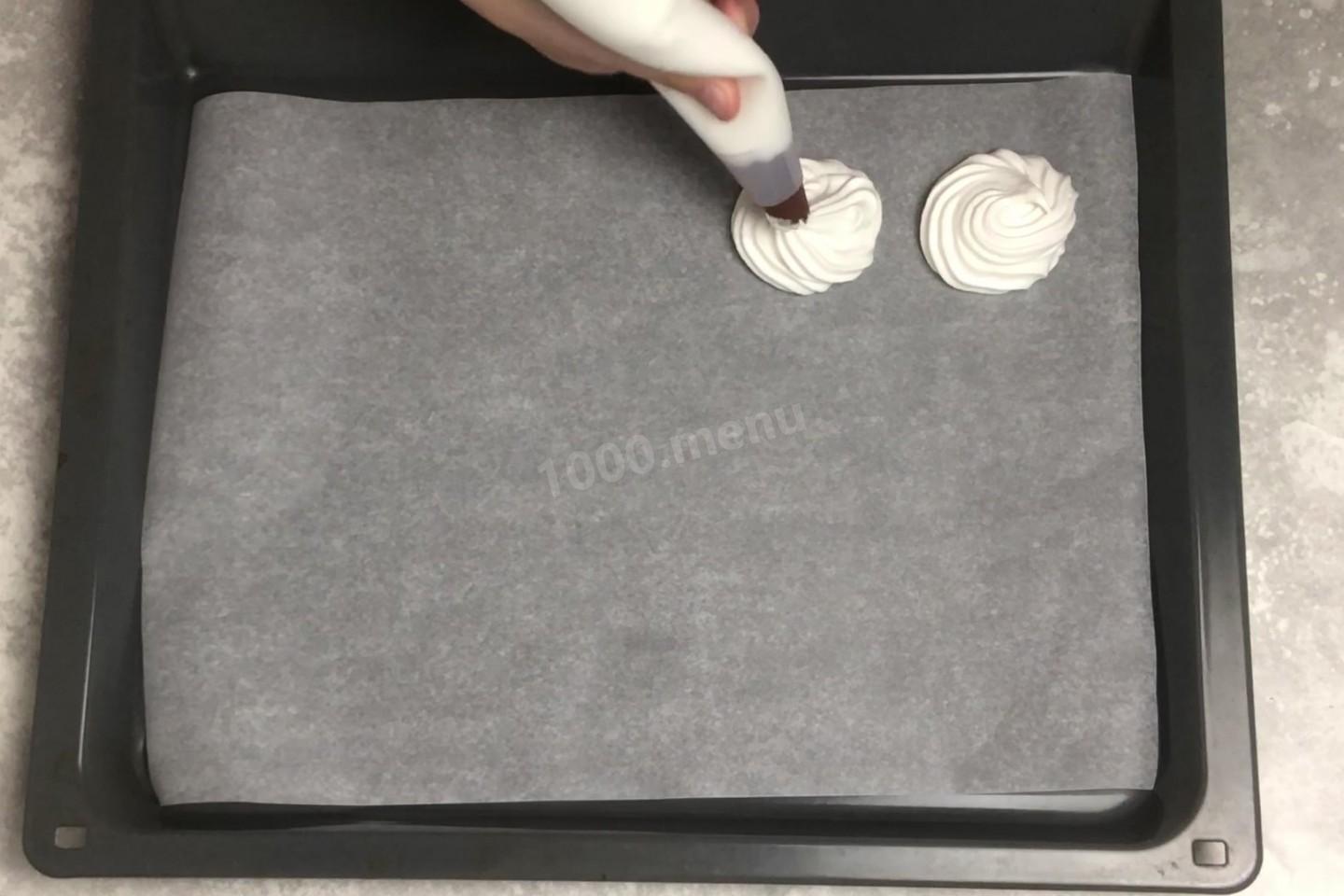
Once all the syrup is in, keep beating for about 5 more minutes. The mixture should turn thick and firm again. Transfer it to a piping bag right away — agar-agar starts to set at around 105°F (40°C), so you have to move fast.
-
Step 15:
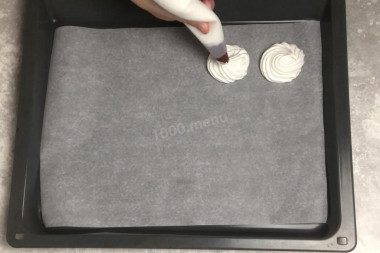
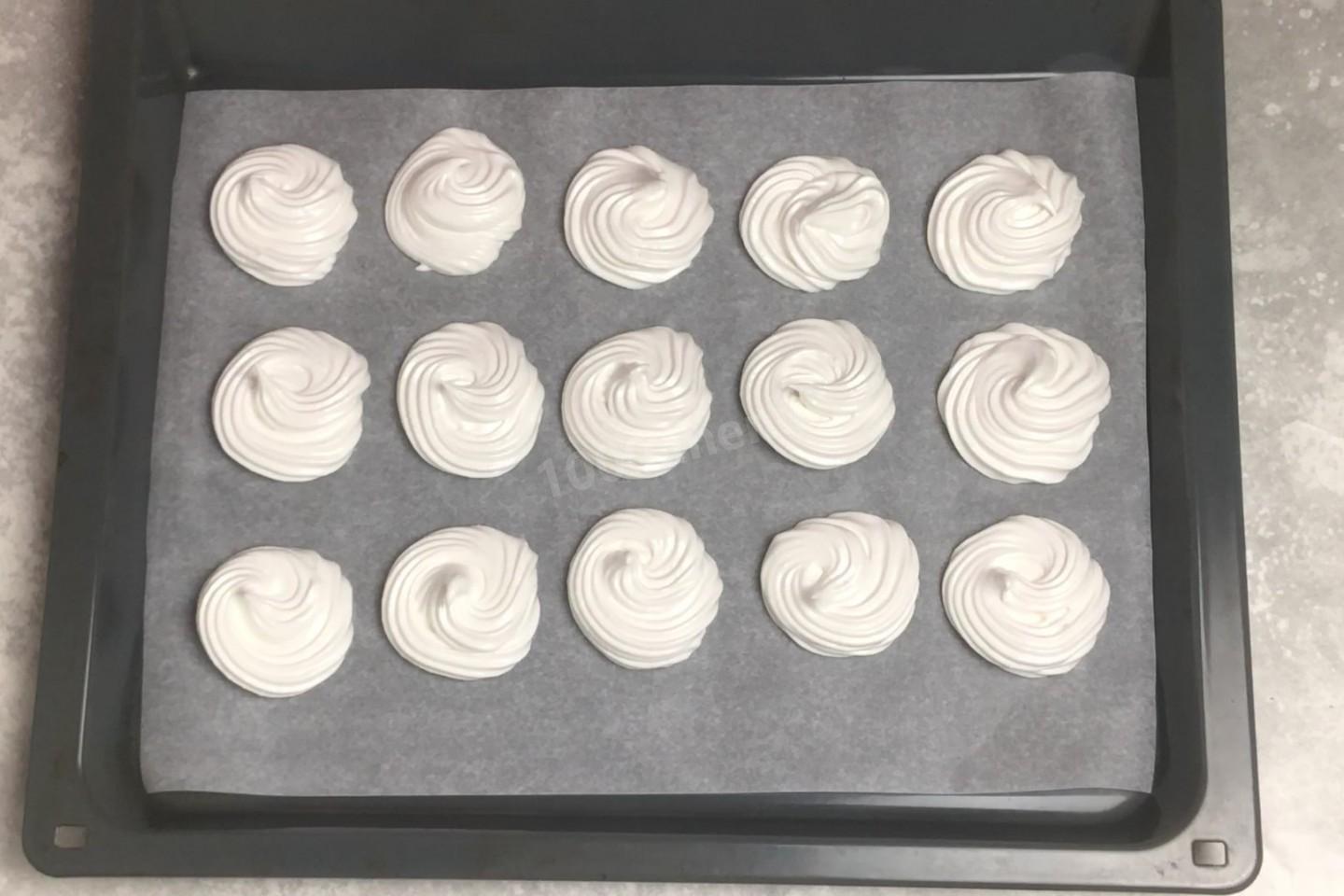
Line a baking sheet with parchment — best done ahead of time, for the reason above. Pipe out the marshmallow halves in whatever shape you like.
-
Step 16:
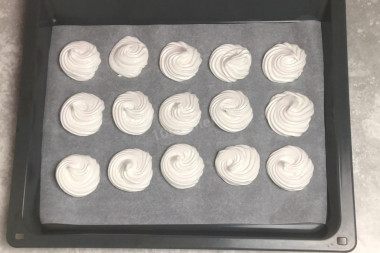
Leave the marshmallows to dry and set at room temperature for 24 hours.
-
Step 17:
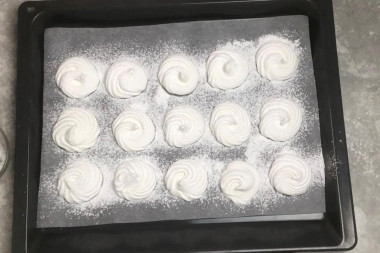
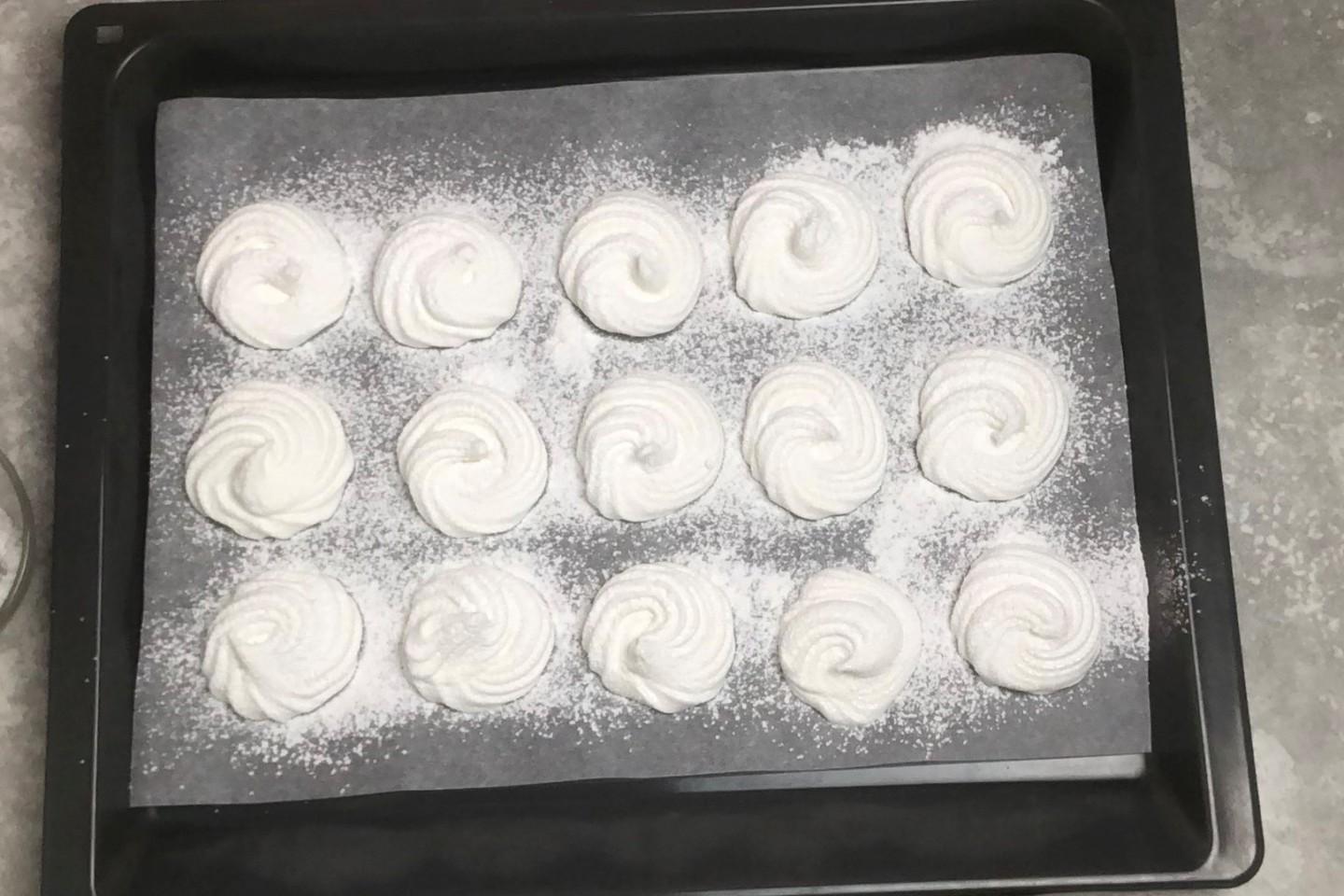
Dust the finished marshmallows generously with powdered sugar through a fine strainer.
-
Step 18:
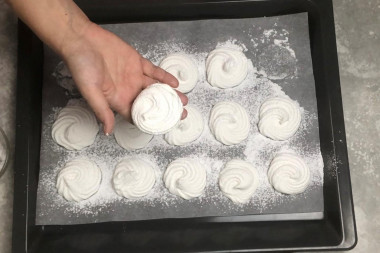
Sandwich the halves together in pairs. This batch gave me 24 halves, or 12 whole marshmallows — they didn't all fit on one sheet.
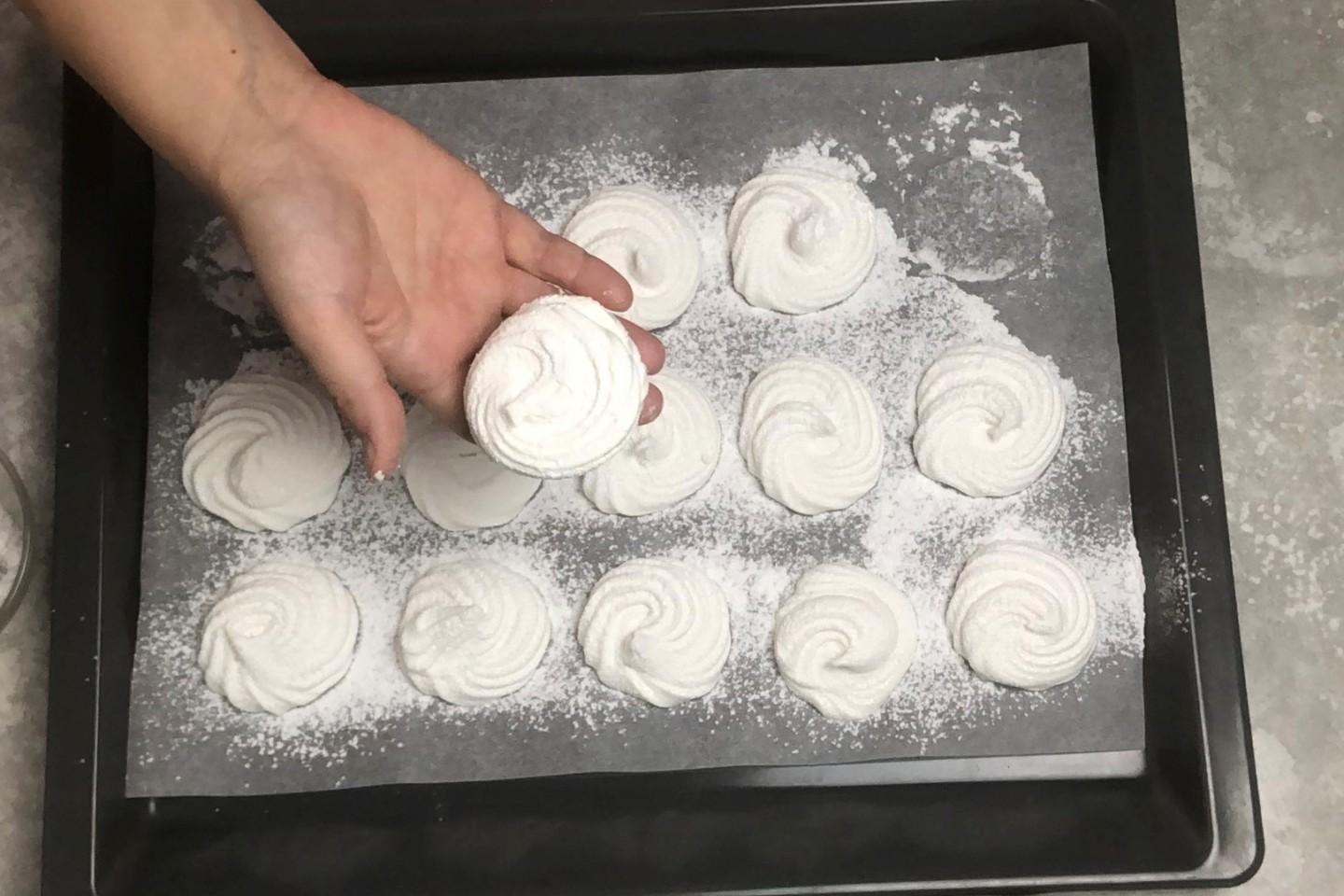
- This was my first batch of zefir and I'd call it a win. It came out a touch soft, probably because of the apples. There's a lot of back-and-forth online about the sugar amount, but I wouldn't call these cloying — then again, my apples were very tart.
- For whites that whip well, use fresh eggs straight from the fridge and make sure your bowl is bone-dry and grease-free. When separating, don't let a single drop of yolk into the whites. A small pinch of salt or a few drops of lemon juice (or vinegar) helps them whip up. Start the mixer slow and build up speed. Use a glass, ceramic, or enameled bowl — never aluminum, or the whites turn gray.
- Before you reach for the agar, check the label. The number on the package (600, 900, 1200) is the gel strength — the higher it is, the firmer your set. Treat the recipe's agar amount as a starting point, since the result also depends on the agar's quality and the sugar and acid in the dish. To be safe, run a test: drop a tablespoon of the still-warm mixture into the freezer for 1 minute. If it sets to the consistency you want, your ratio is right; if not, adjust up or down.
Caloric content of the products possible in the composition of the dish
- Granulated sugar - 398 kcal/100g
- Sugar - 398 kcal/100g
- Water - 0 kcal/100g
- Powdered sugar - 374 kcal/100g
- Applesauce - 68 kcal/100g
- Egg whites - 44 kcal/100g
- Agar-agar - 301 kcal/100g
Similar recipes
- Festive table
- Dessert
- Eggs
- Fruit berries
- Sweet
- Other
- Gelatin
- Water
- Cooking
- Gelling
- Jelly recipes
- Homemade marshmallows
- Gelatin desserts
- Fruit dessert
- Dessert without flour
- Apple dessert
- Child's birthday, angel's birthday
- Recipes for March 8
- Egg whites
- Apples
- Vegetarianism
- Recipes for lean dishes without butter
- Sugar