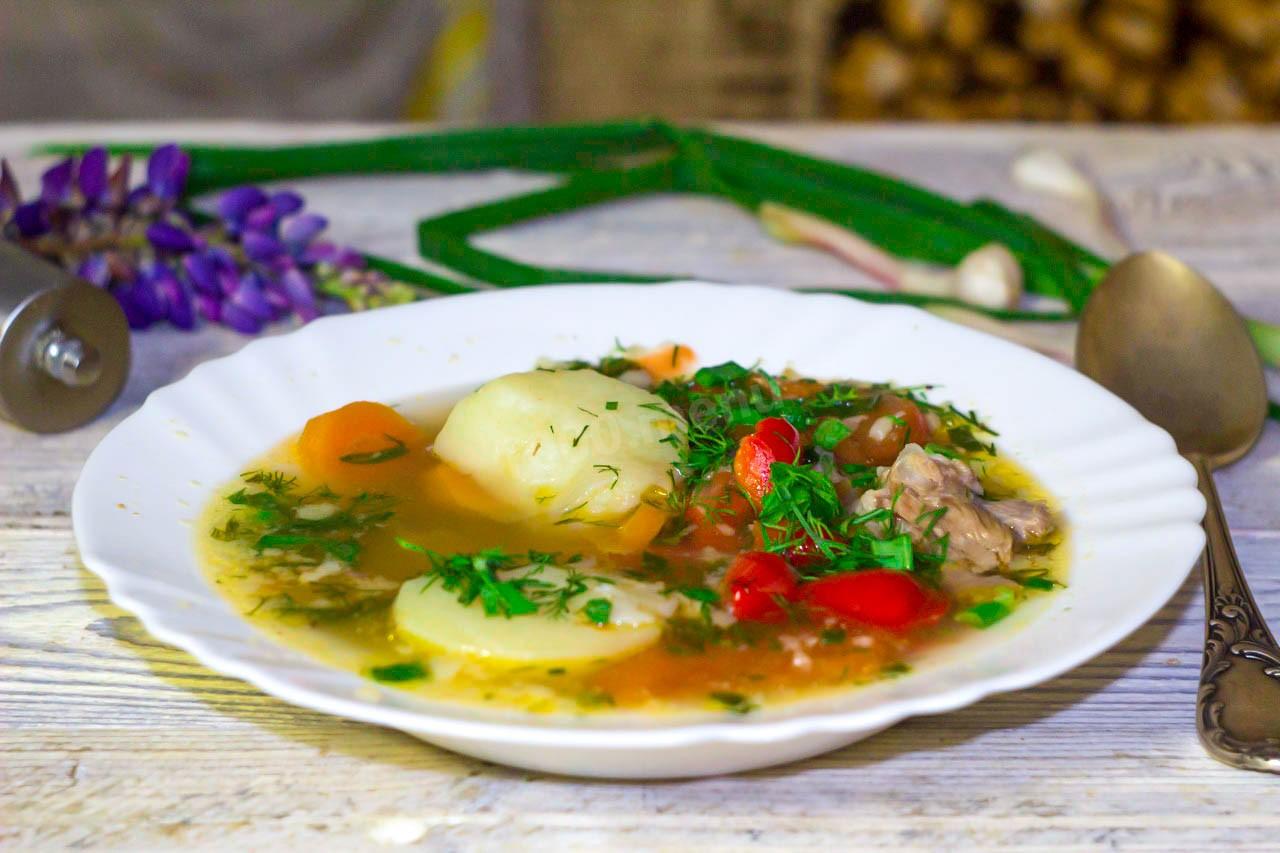
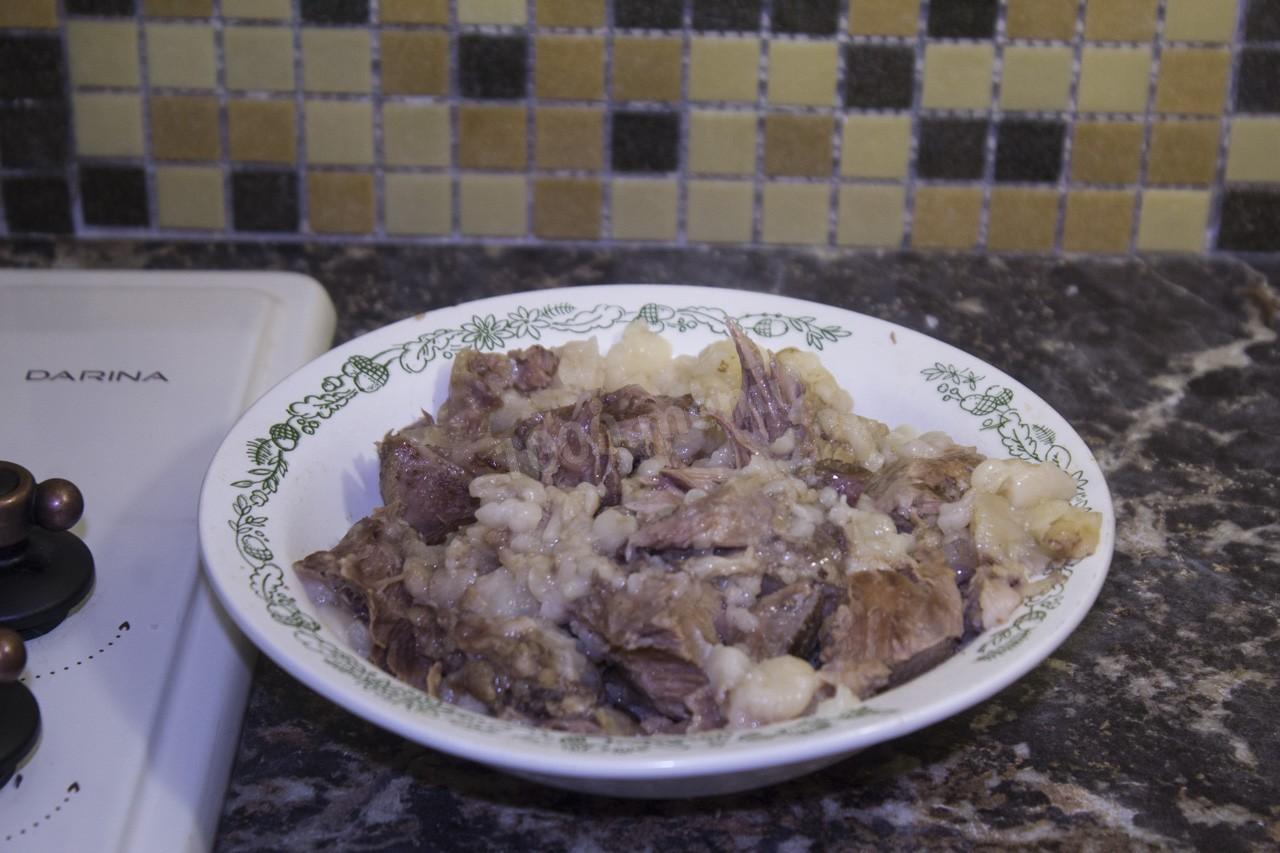
Beef Shurpa in a Cauldron on the Stove
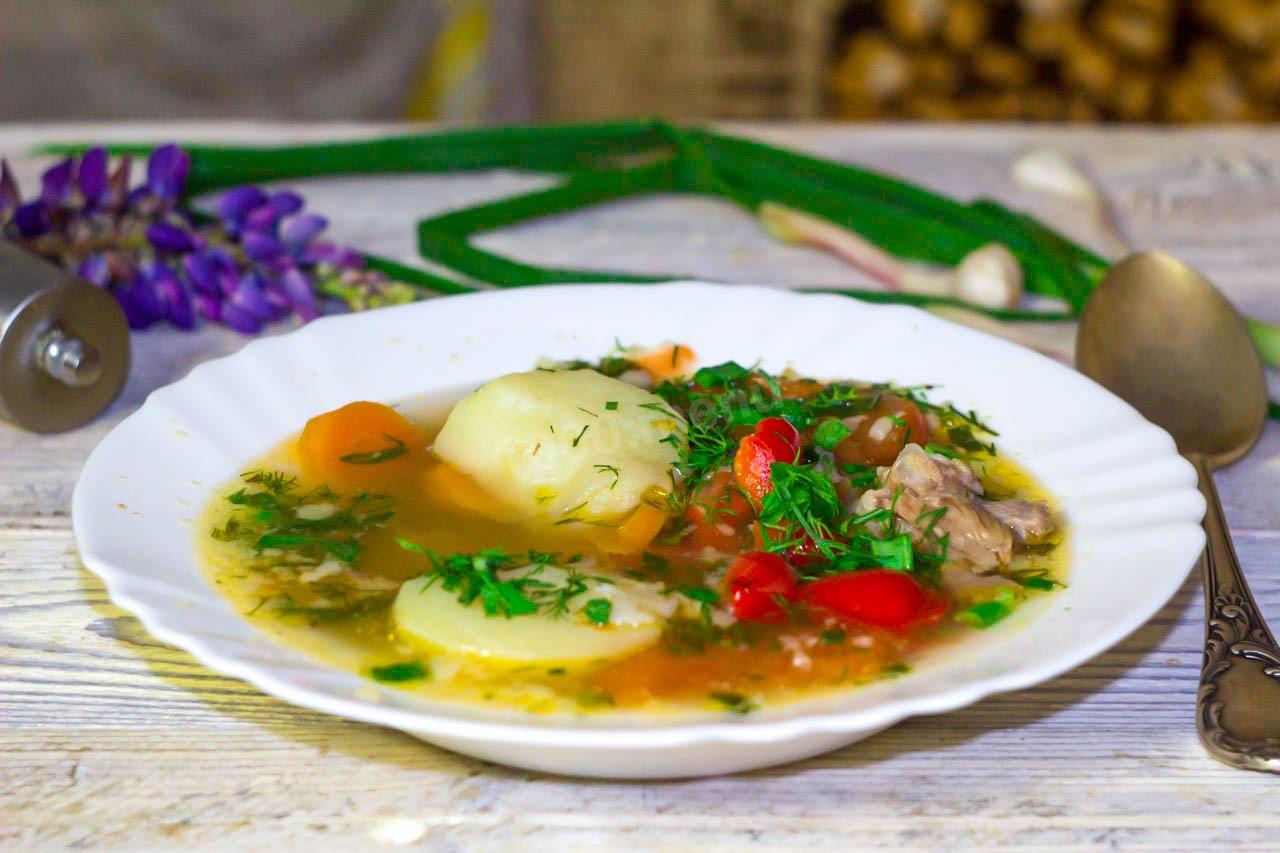
Appetizing, pretty, aromatic, and incredibly tasty! Beef shurpa (a hearty Central Asian soup) made in a cauldron on the stove comes out every bit as good as one cooked over a fire. This recipe is perfect for anyone who doesn't care for the lamb used in the classic version — beef stands in beautifully!

Cooking method
-
Step 1:
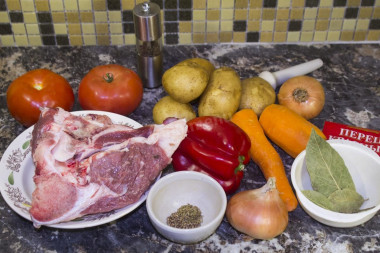
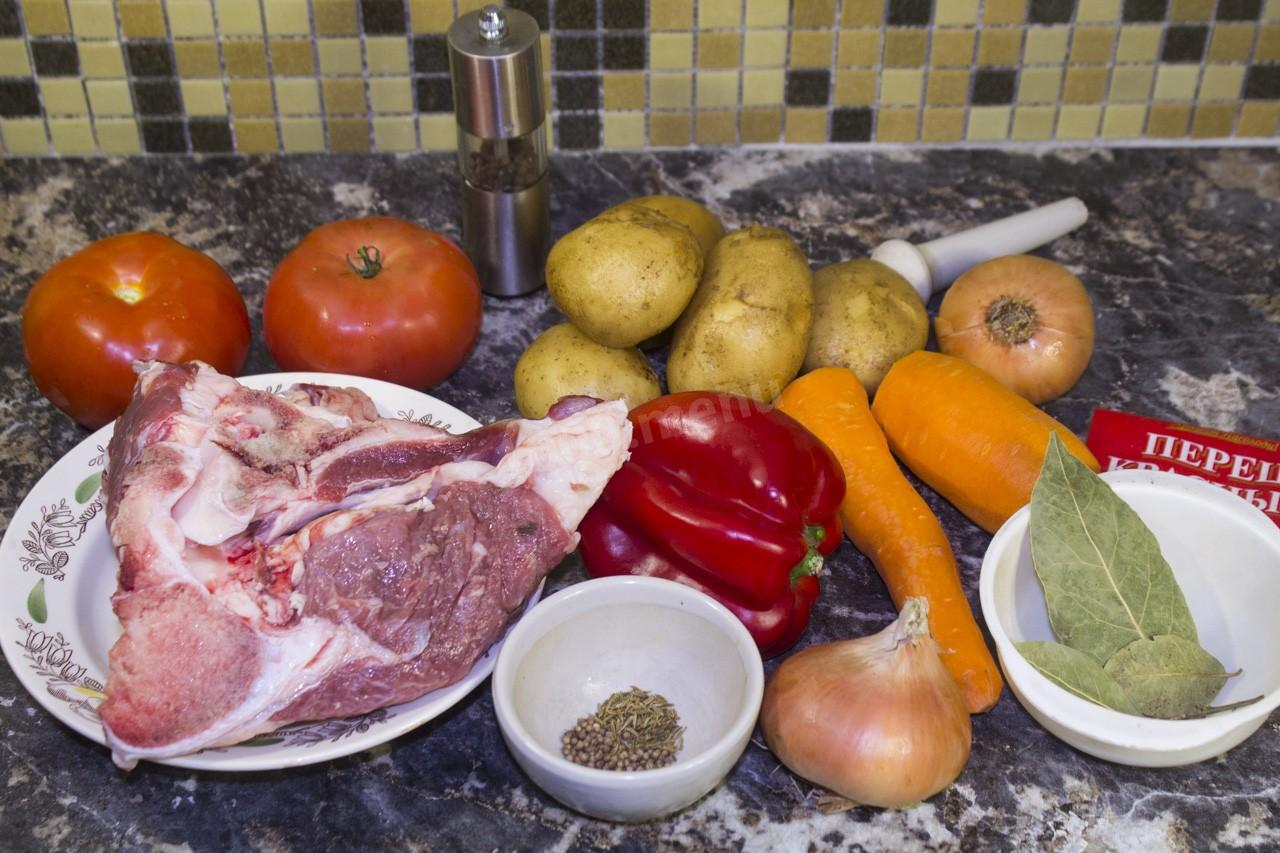
How do you make beef shurpa in a cauldron on the stove? Get the ingredients ready. If the meat was frozen, thaw it ahead of time by moving it from the freezer to the bottom shelf of the fridge. Wash and pat the thawed meat dry. Wash and dry the vegetables too.
-
Step 2:
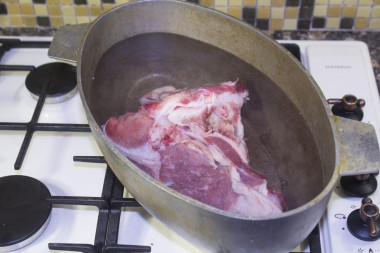
Shurpa is best made in a cauldron — it comes out much tastier that way!
-
Step 3:
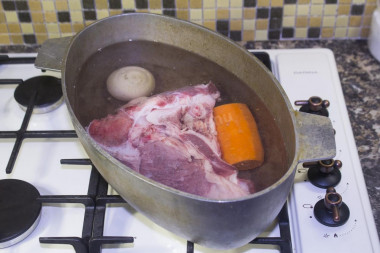
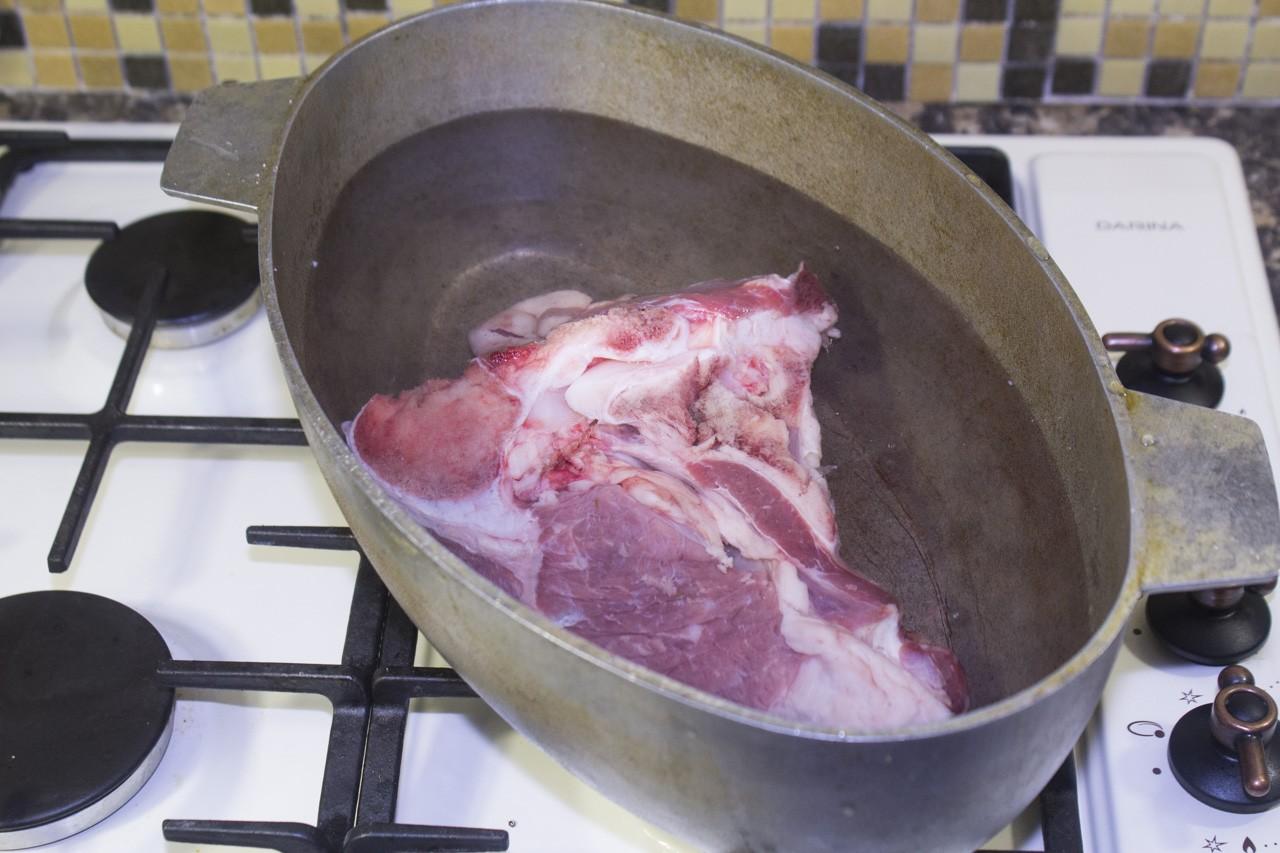
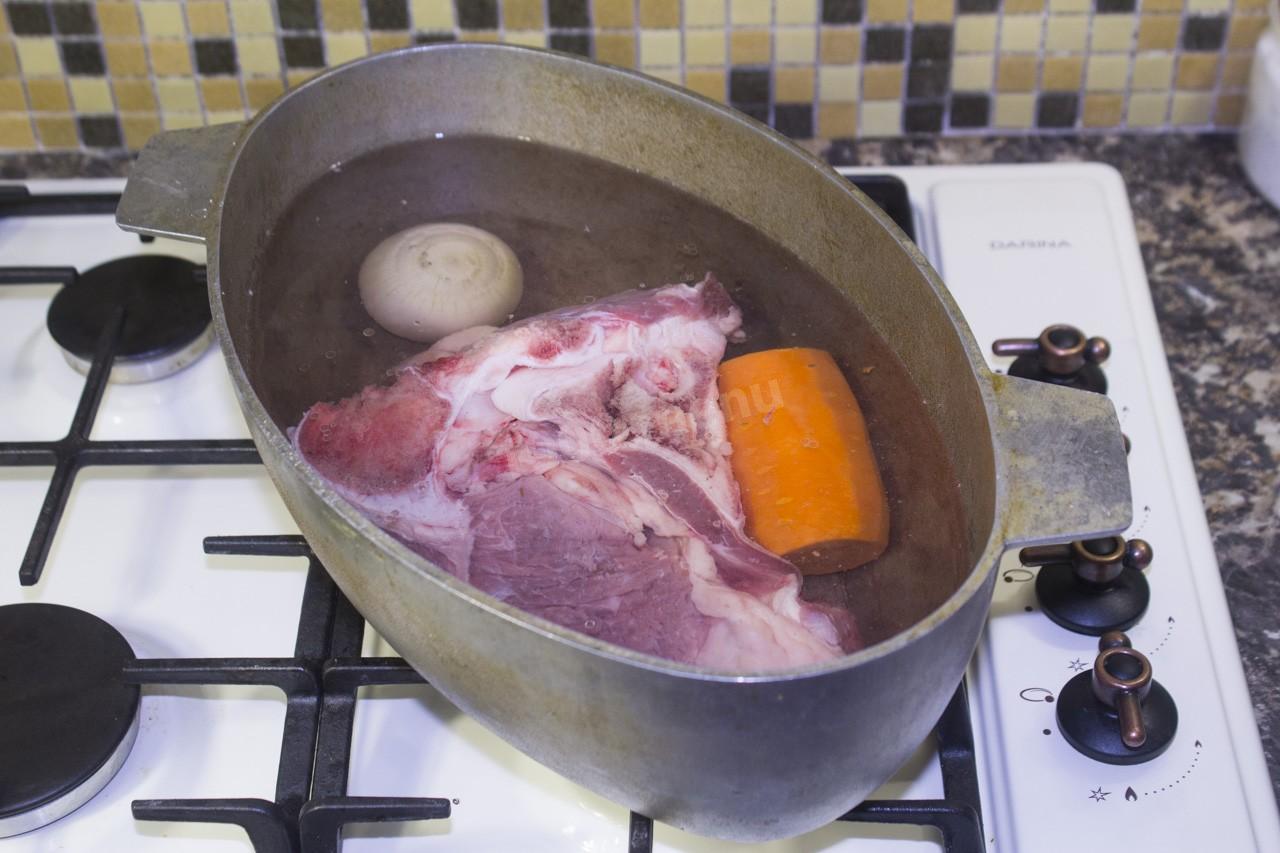
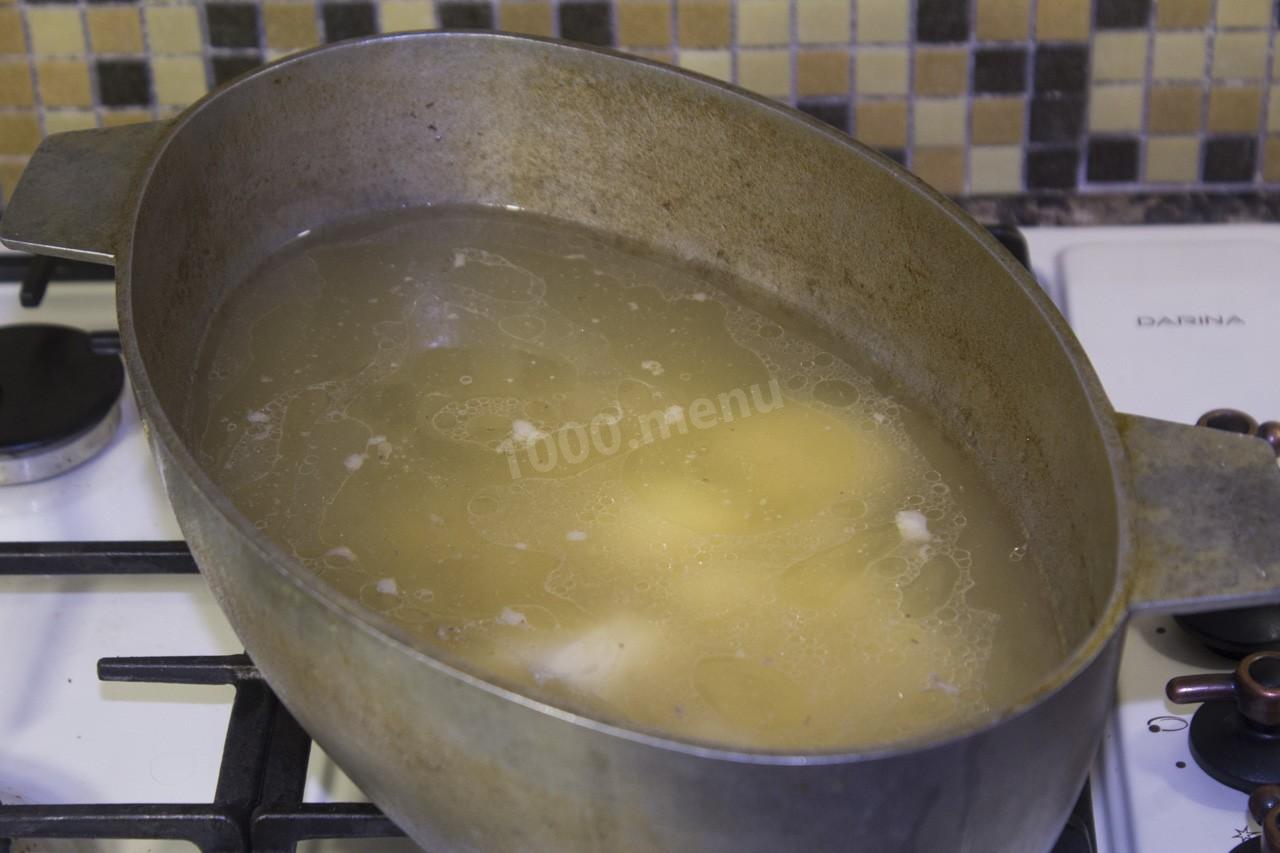
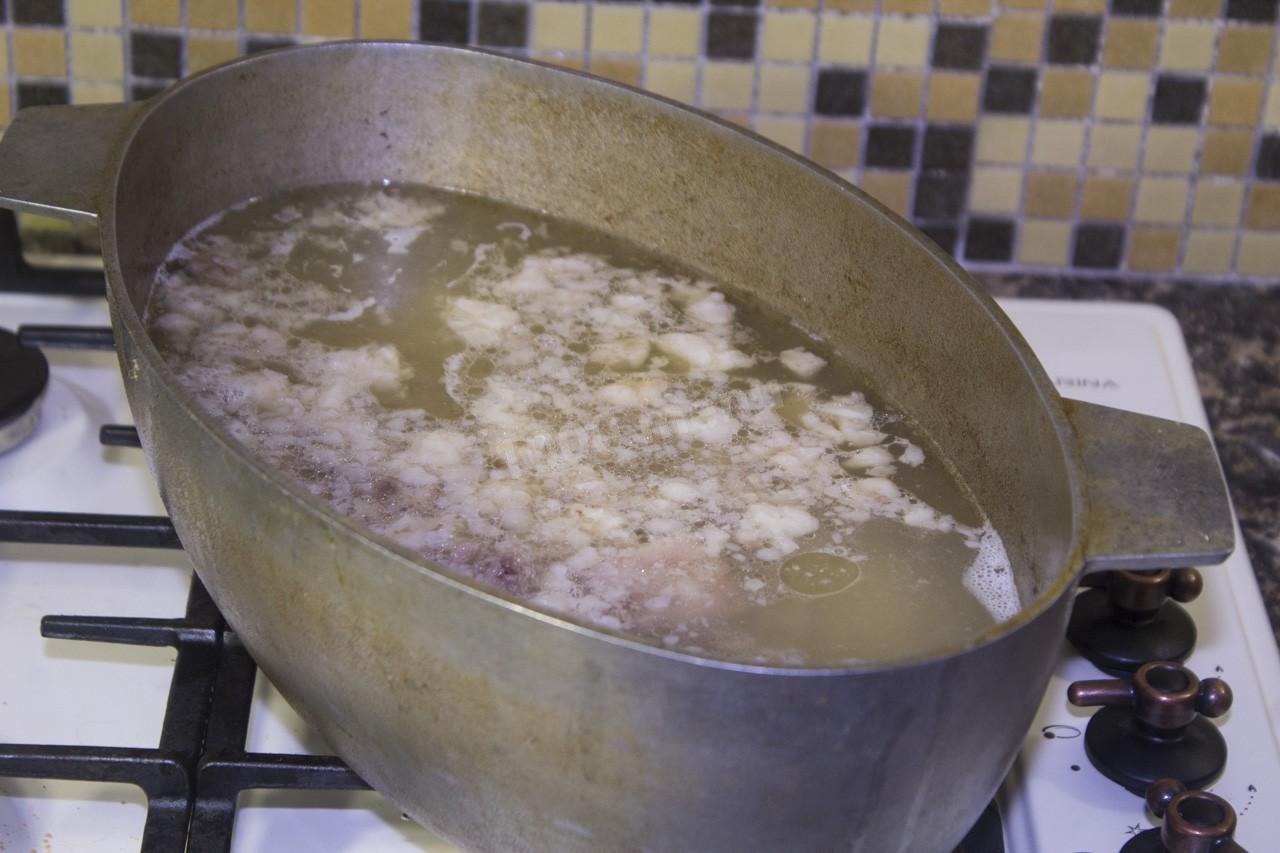
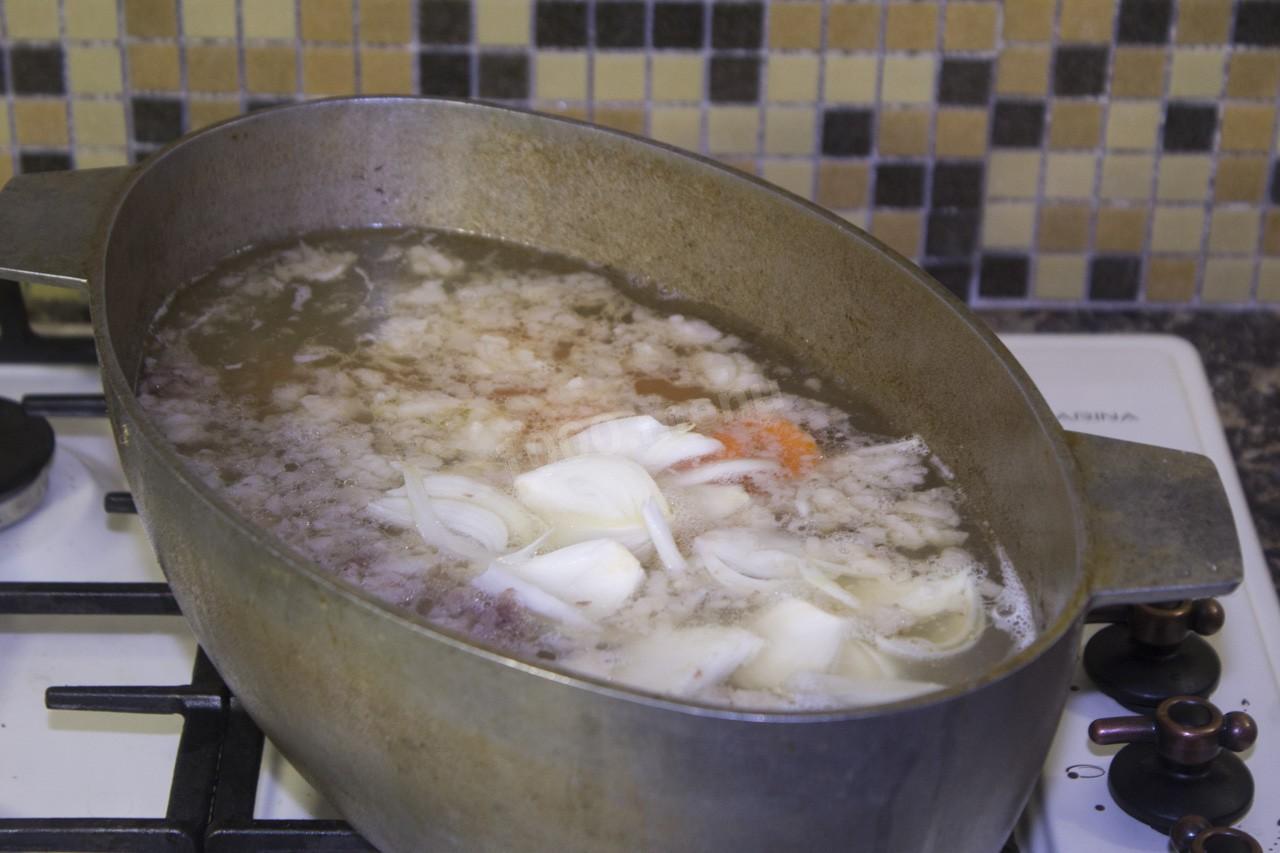
Cover the beef (bone-in is best) with cold water and add 1 onion and 1 carrot. Bring to a boil over medium heat and skim off the foam with a slotted spoon. Then lower the heat and cook the beef until tender, 1.5–2 hours; the time depends on the size and quality of the cut.
-
Step 4:
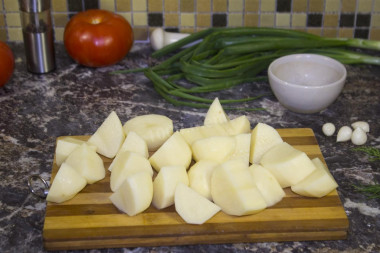
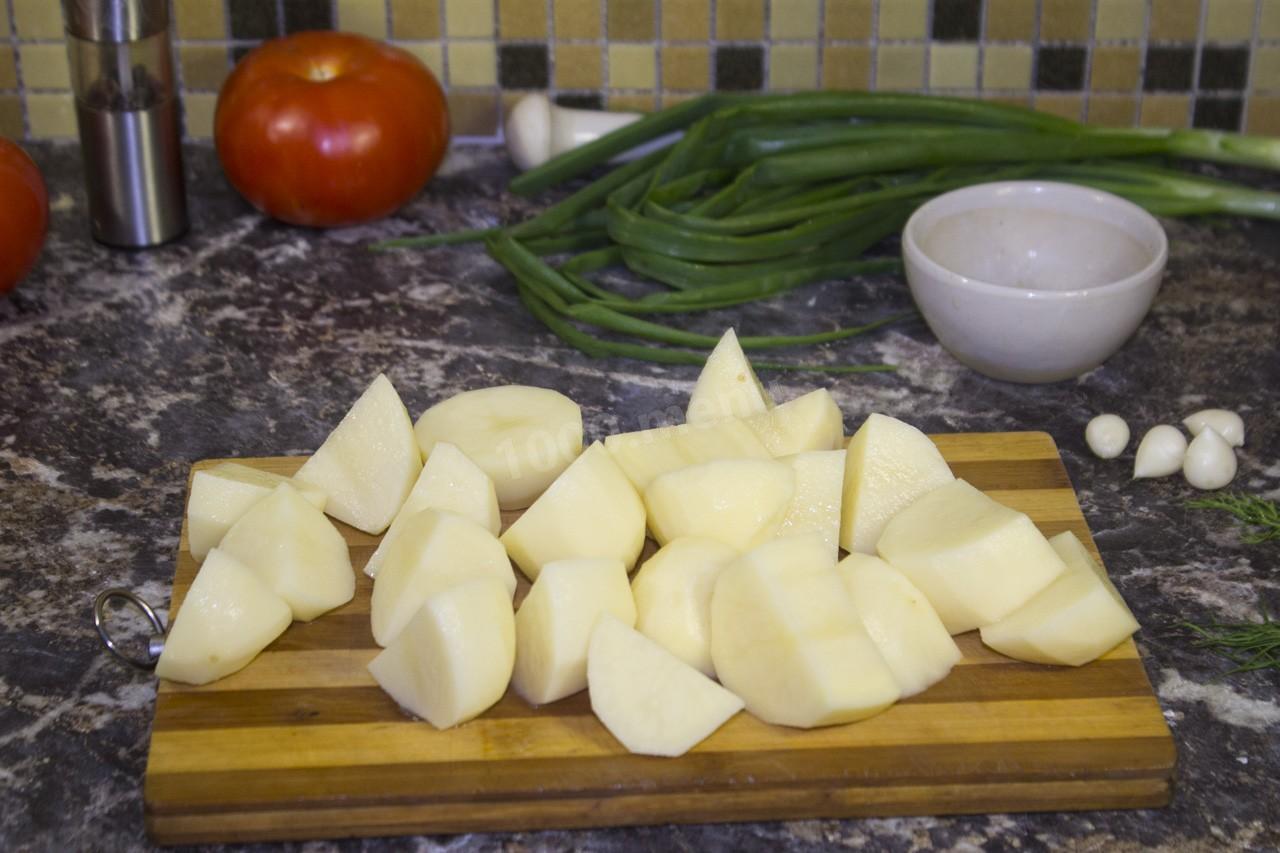
When the beef is nearly done, prep the vegetables — peel the potatoes and cut them into large pieces (into 2–6 depending on size).
-
Step 5:
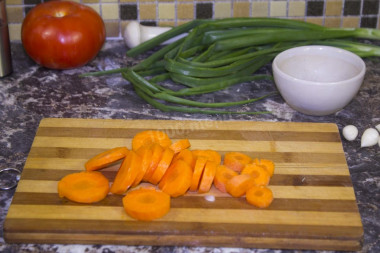
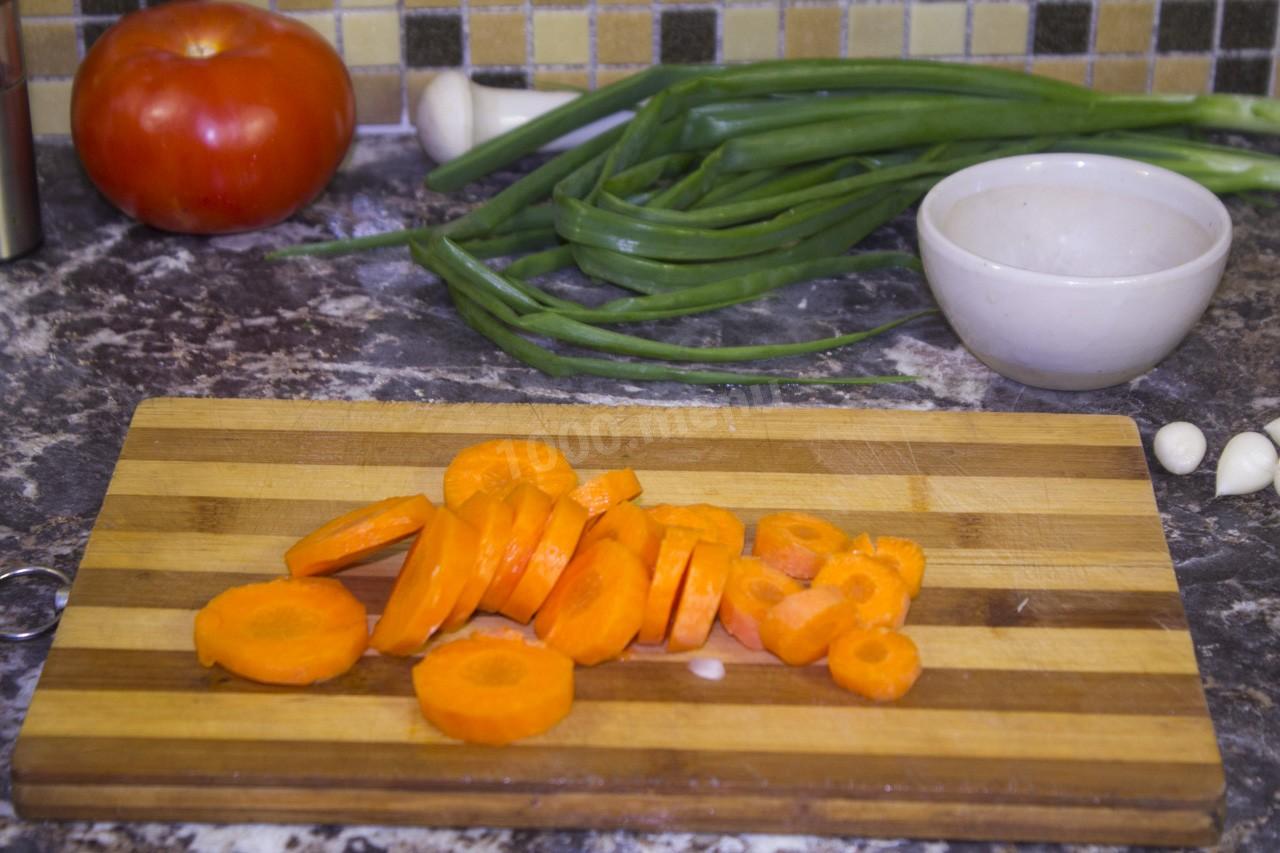
Cut the second carrot into thick rounds.
-
Step 6:
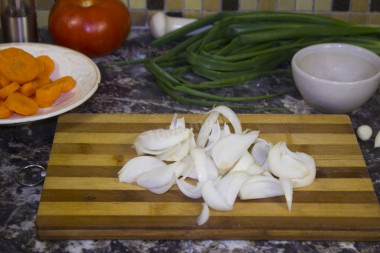
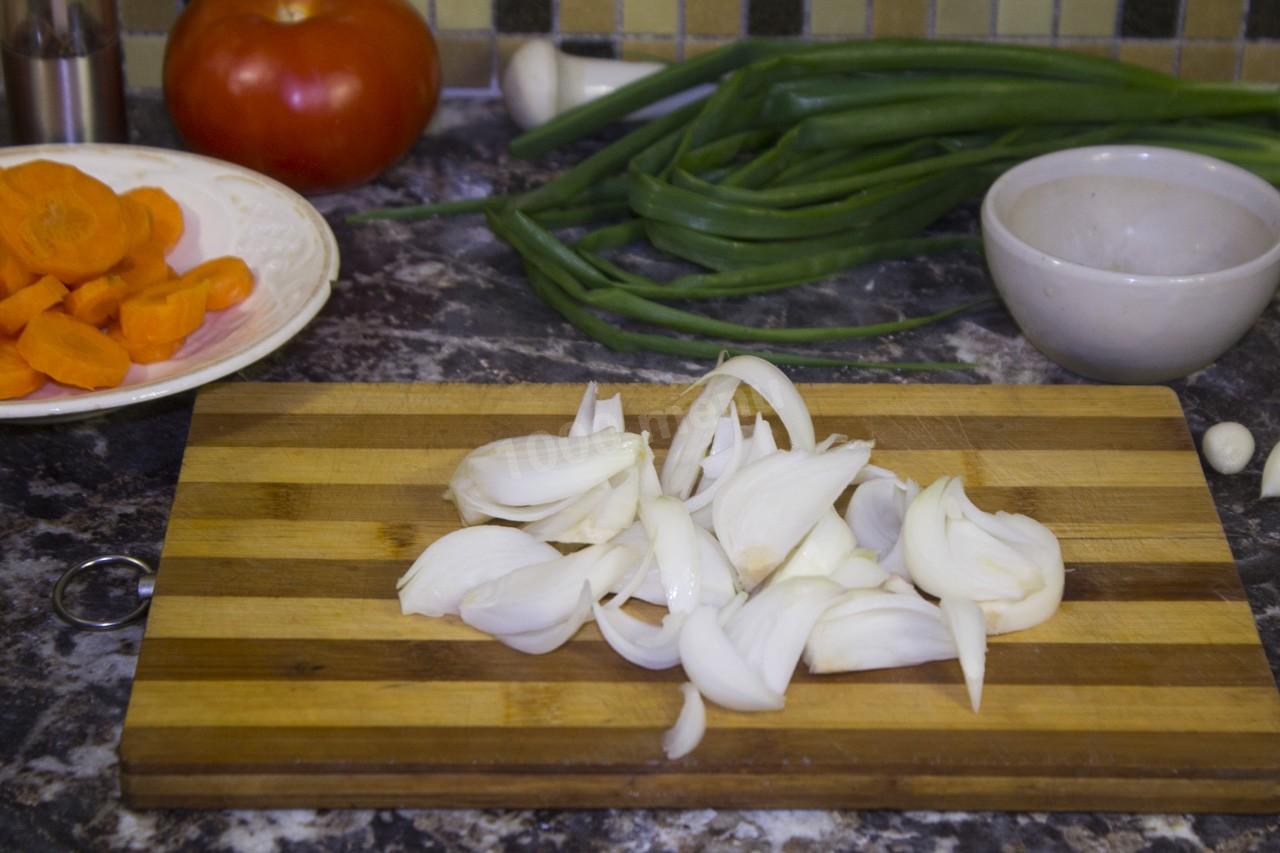
Cut the remaining onion into half-rings.
-
Step 7:
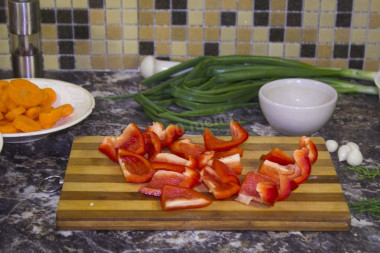
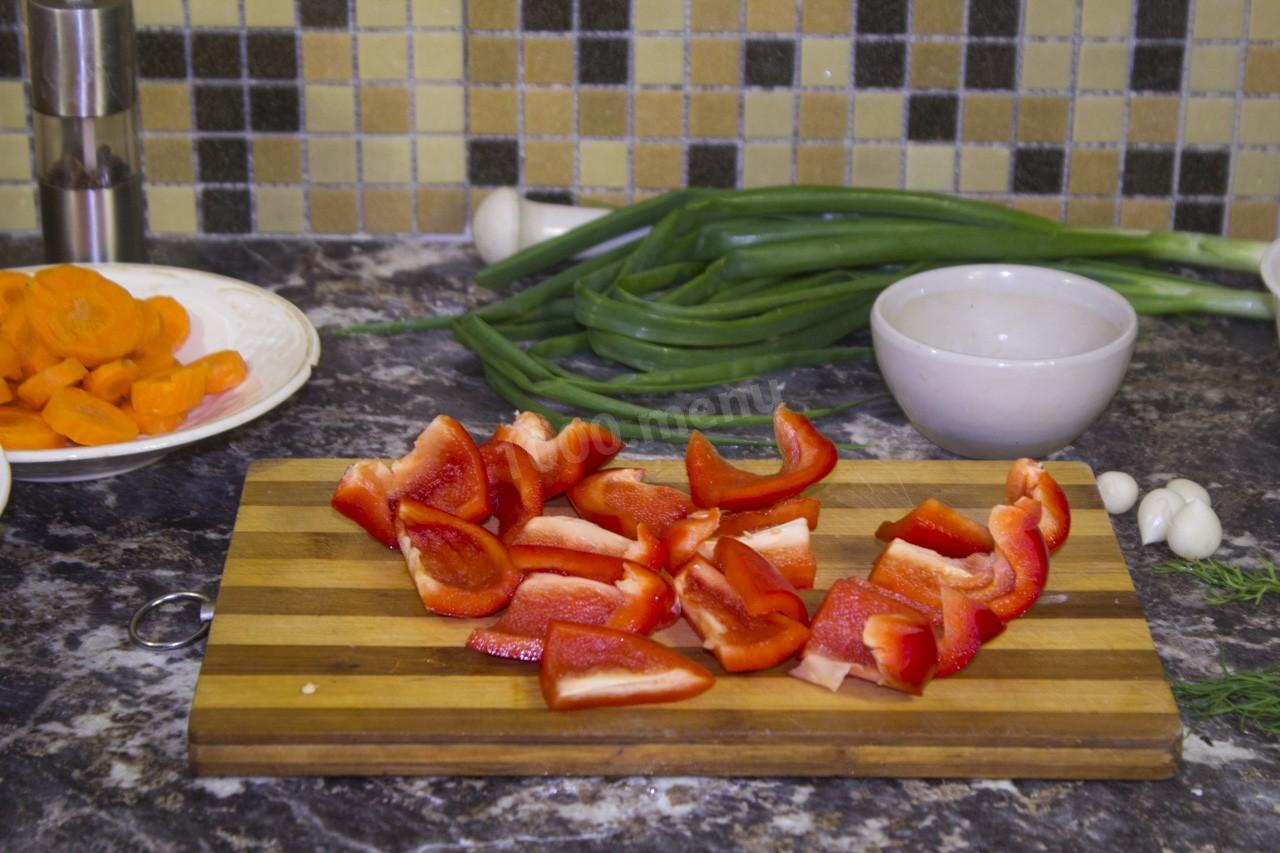
Seed the bell pepper and cut it into large pieces.
-
Step 8:
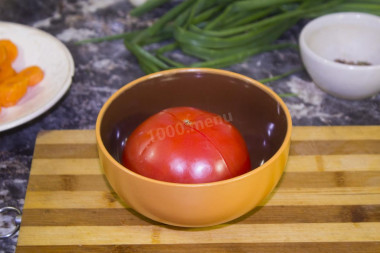
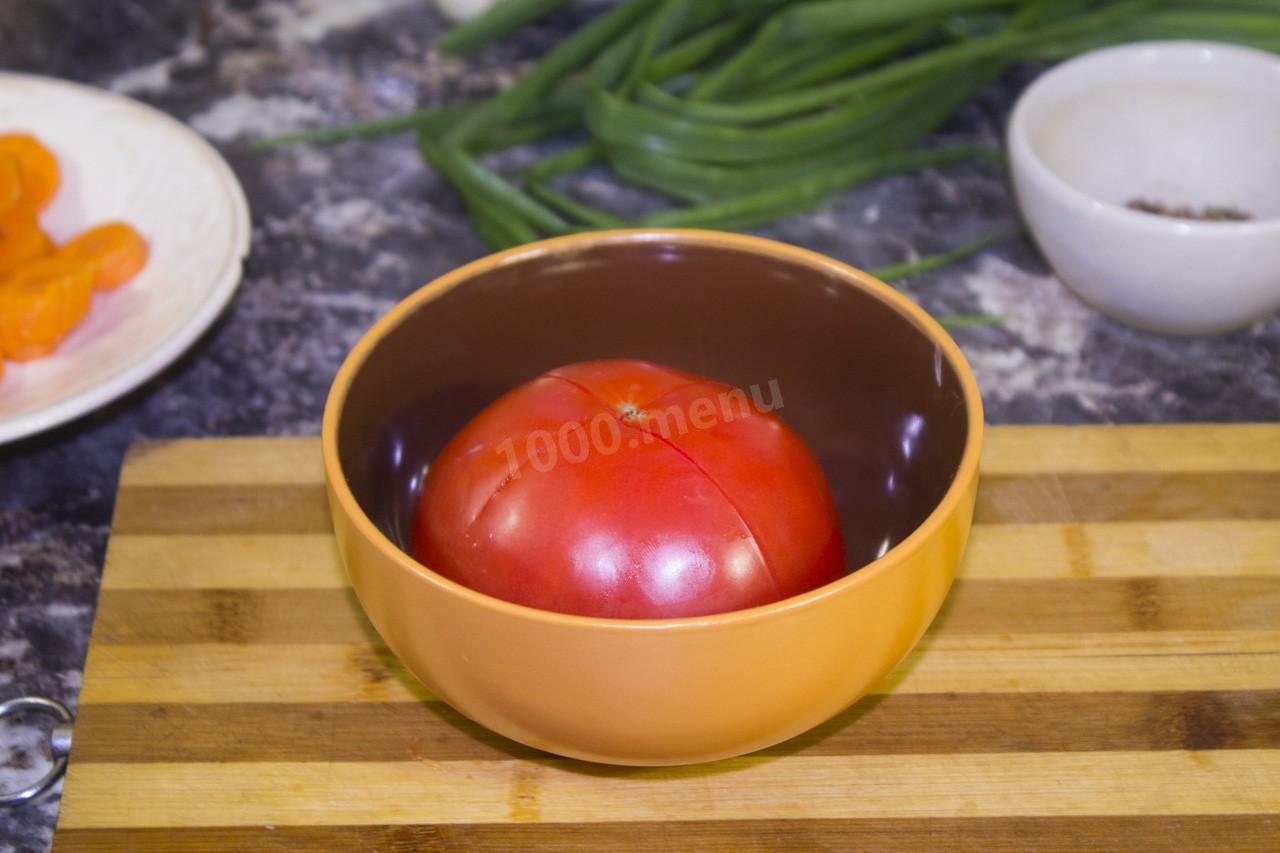
Peel the tomatoes. How do you skin tomatoes? Score a cross on each.
-
Step 9:
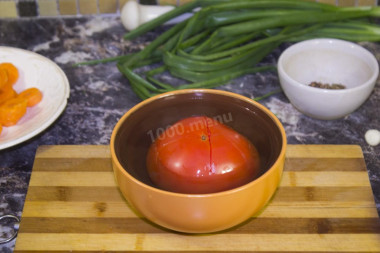
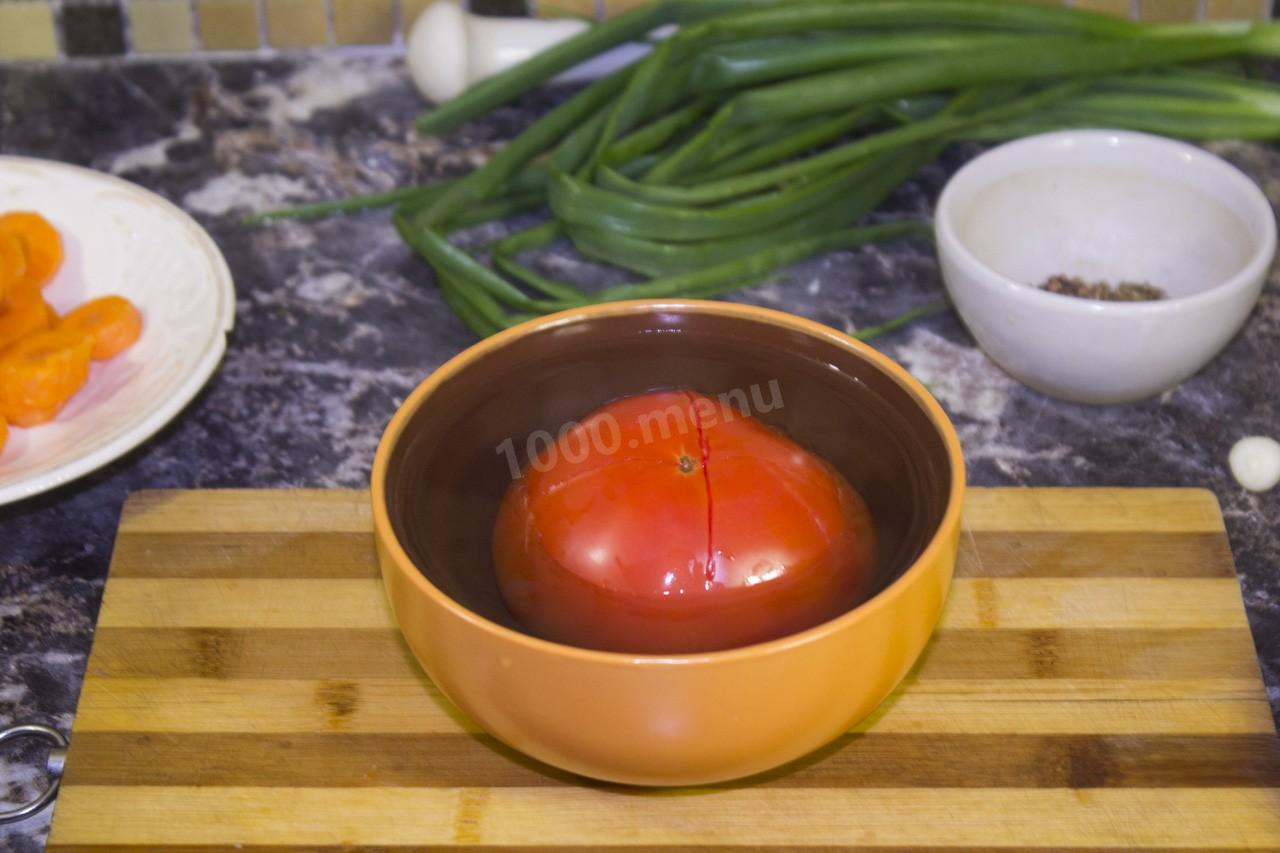
Pour boiling water over the tomatoes and leave them for 2–3 minutes, then drain the hot water and cover them right away with cold water.
-
Step 10:
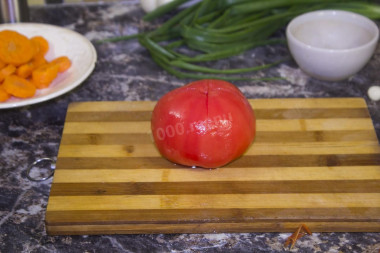
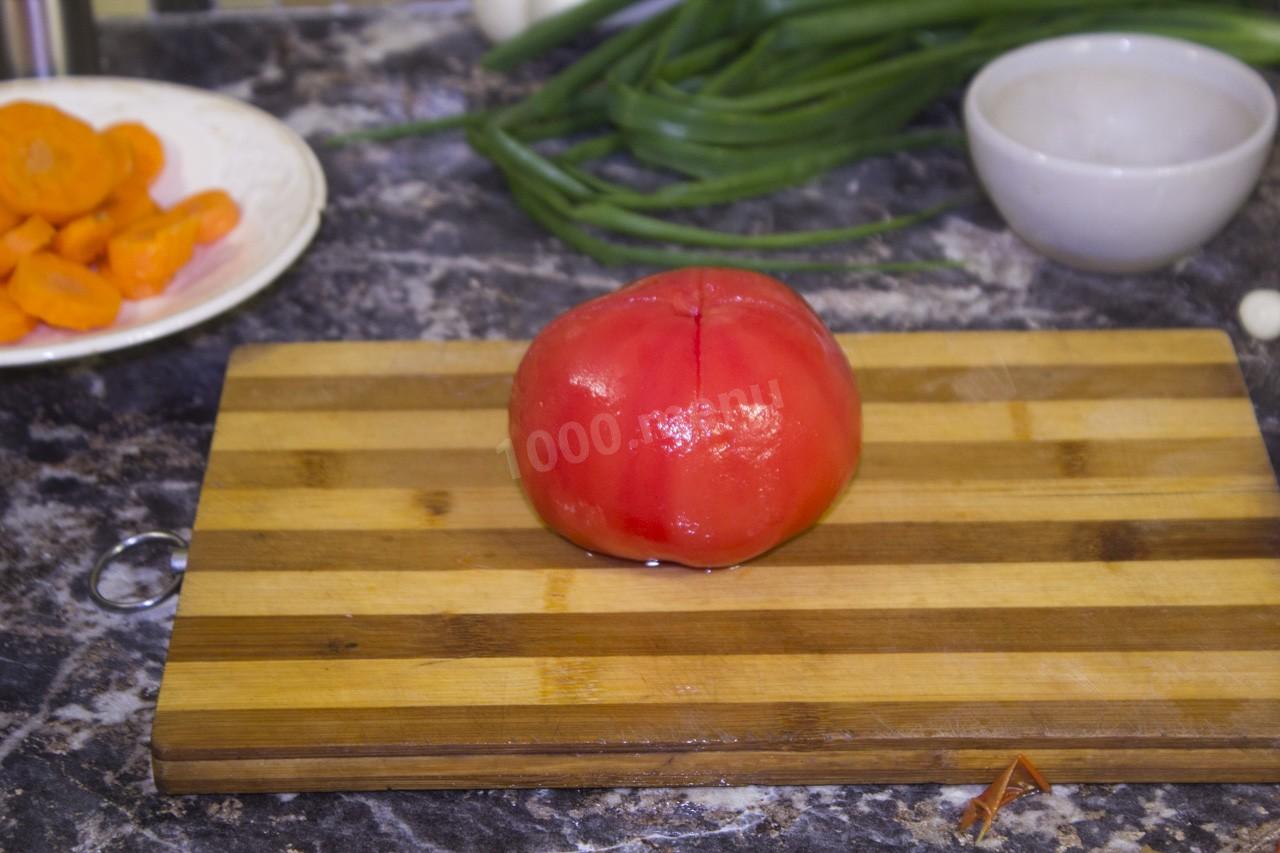
The temperature change makes the skins peel off very easily.
-
Step 11:
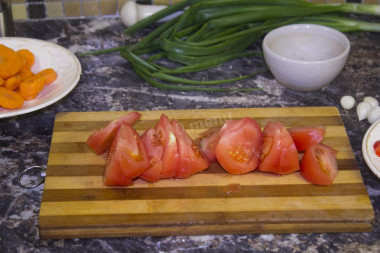
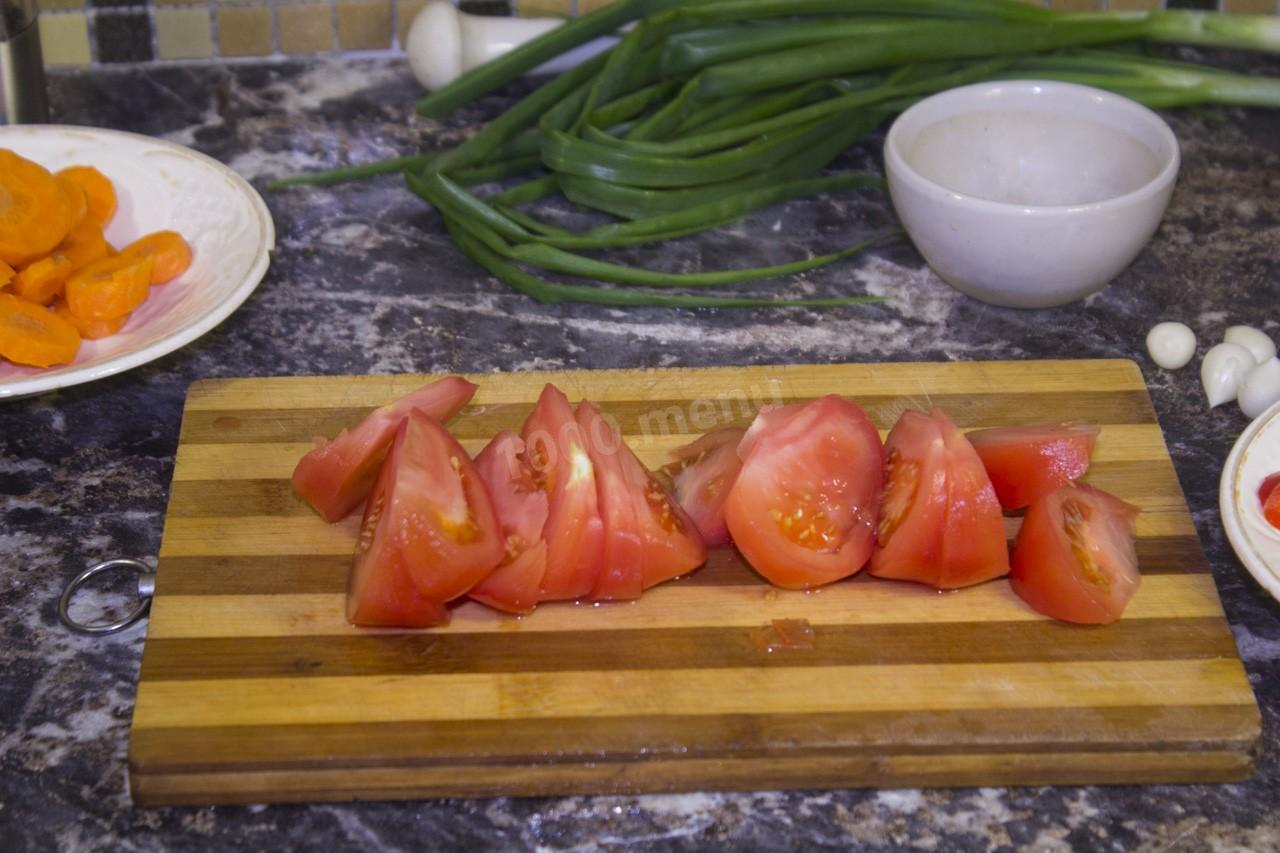
Cut the tomatoes into large wedges.
-
Step 12:
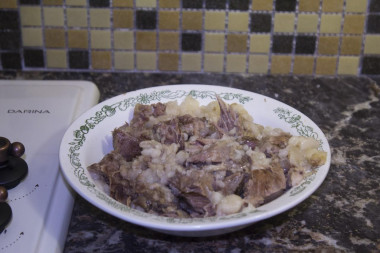
Lift the cooked meat out of the cauldron with a slotted spoon, let it cool a bit, and pull it off the bones. Also remove the boiled onion and carrot — you won't need them anymore.
-
Step 13:
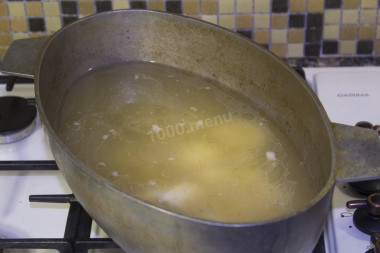
Drop the potatoes into the boiling broth and cook for 10 minutes.
-
Step 14:
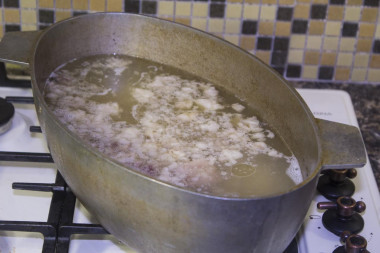
Return the meat to the broth.
-
Step 15:
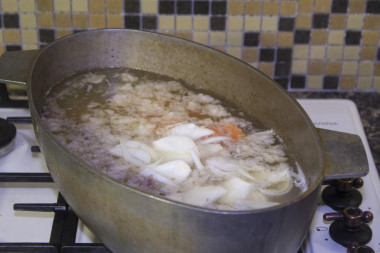
Add the fresh onion and carrot.
-
Step 16:
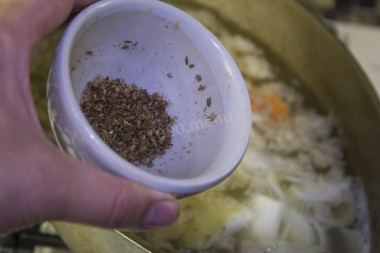
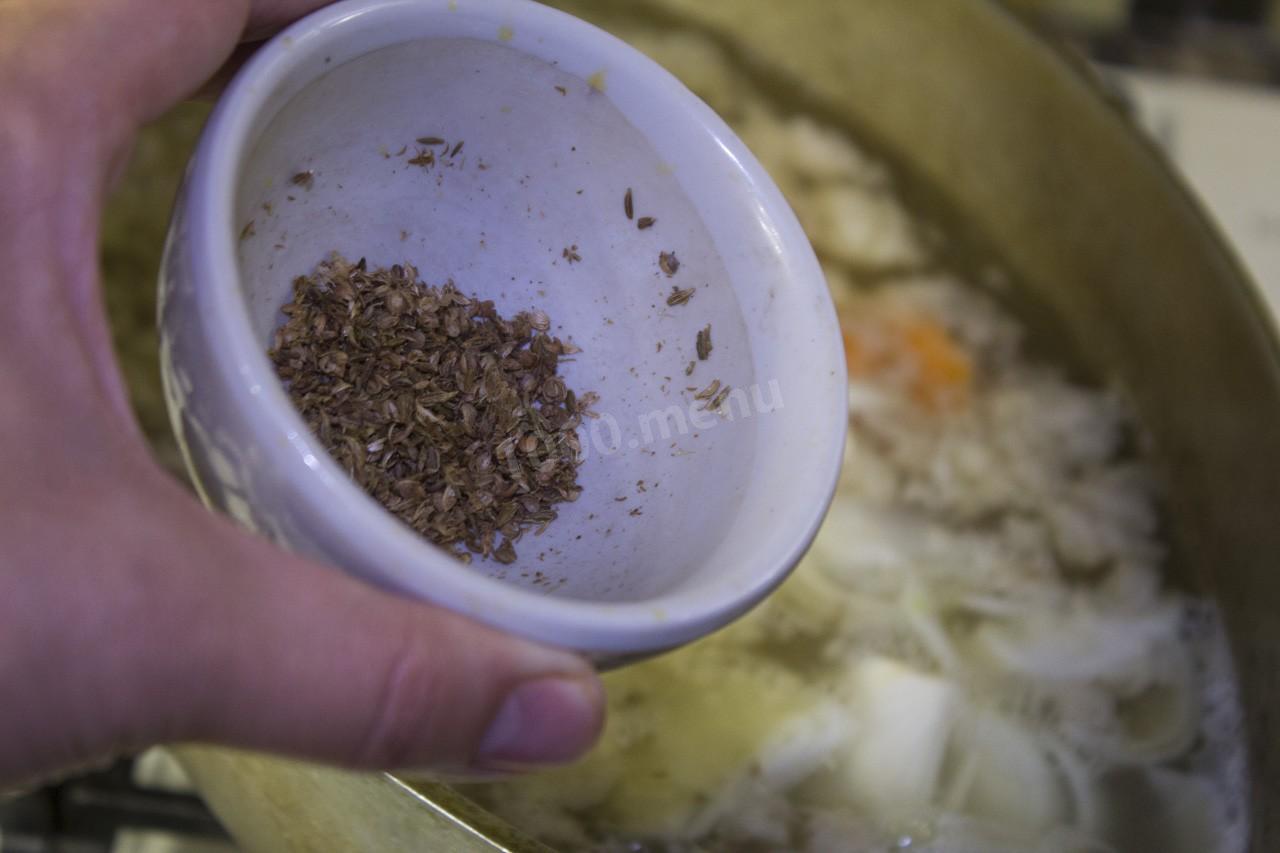
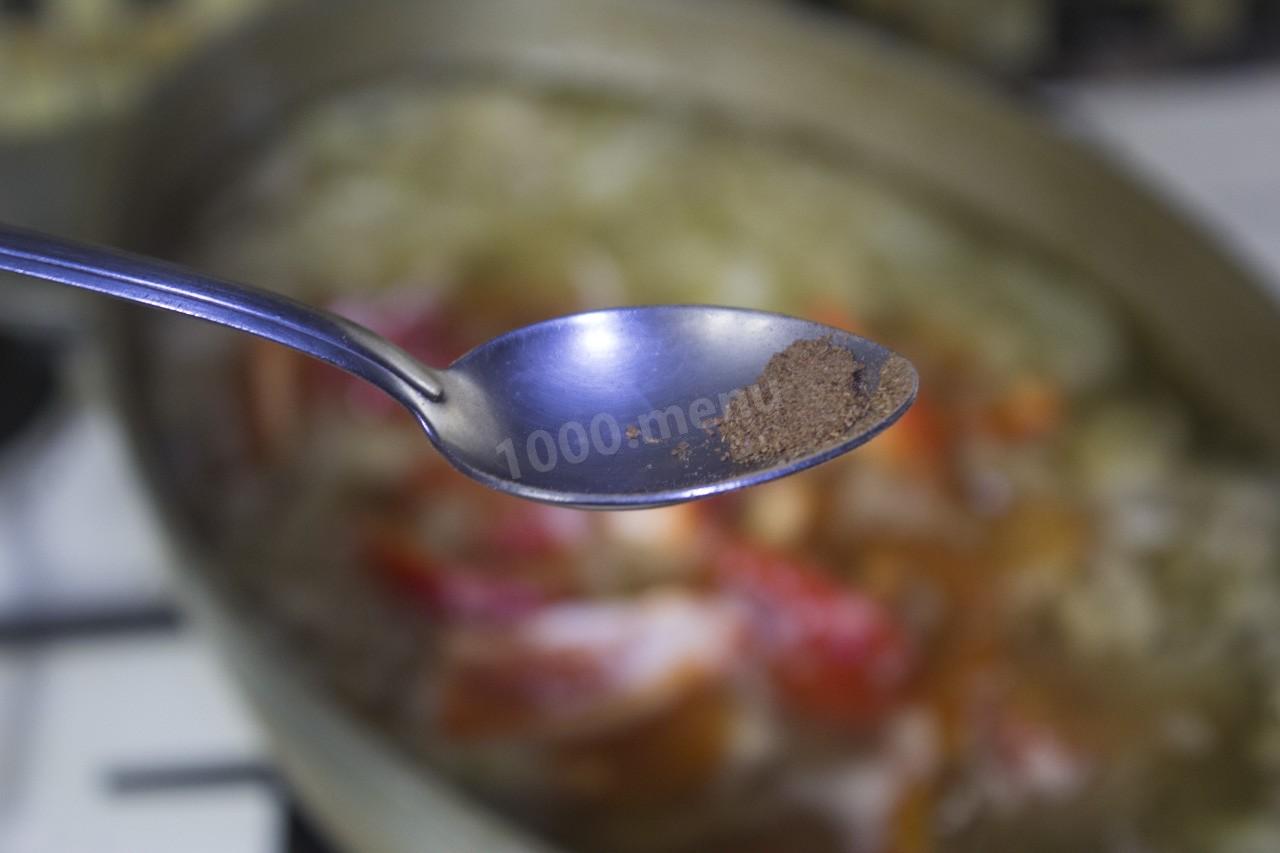
Add the spices — you can grind them in a mortar first to release more aroma, or just add the ground coriander and rub the cumin (zira) between your fingers before adding it. Stir and cook the shurpa for another 10 minutes.
-
Step 17:
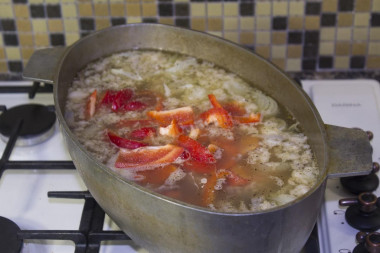
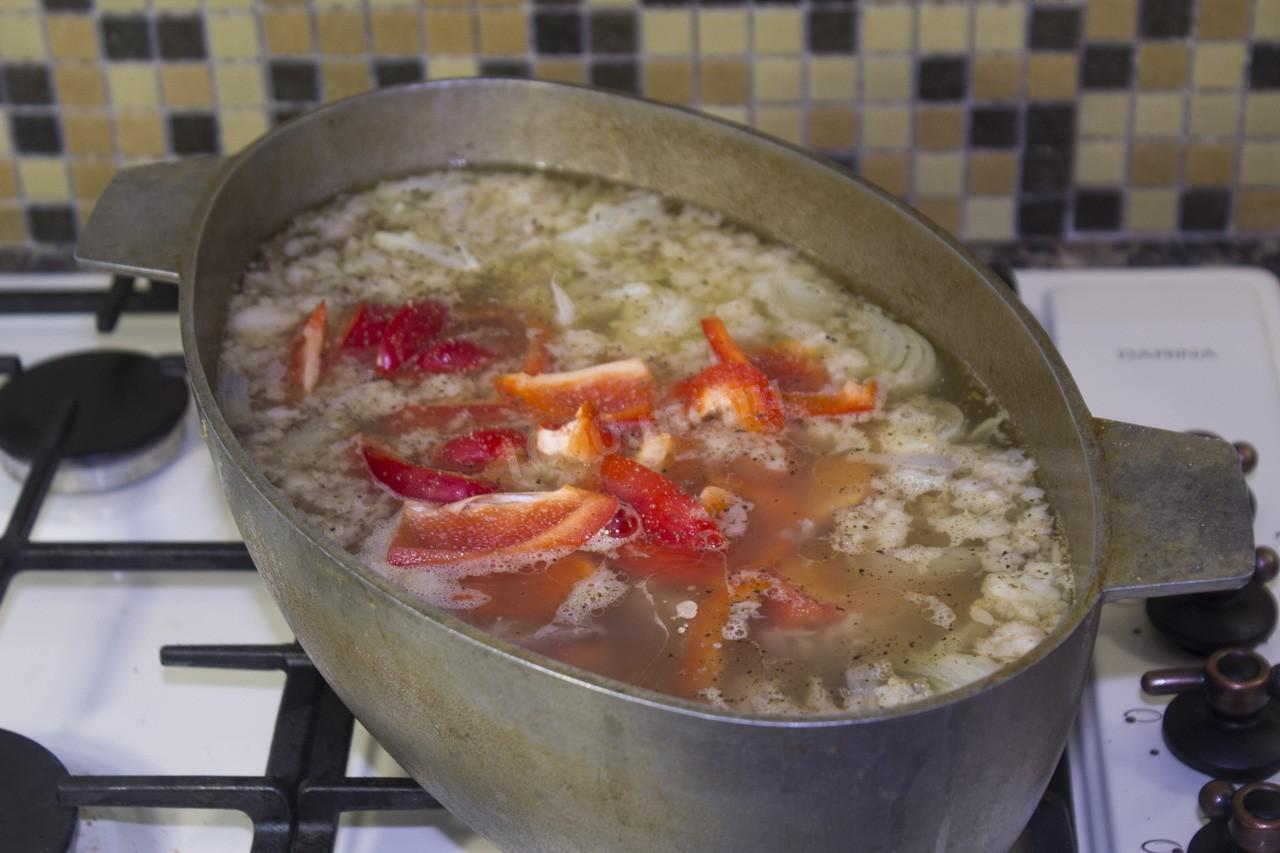
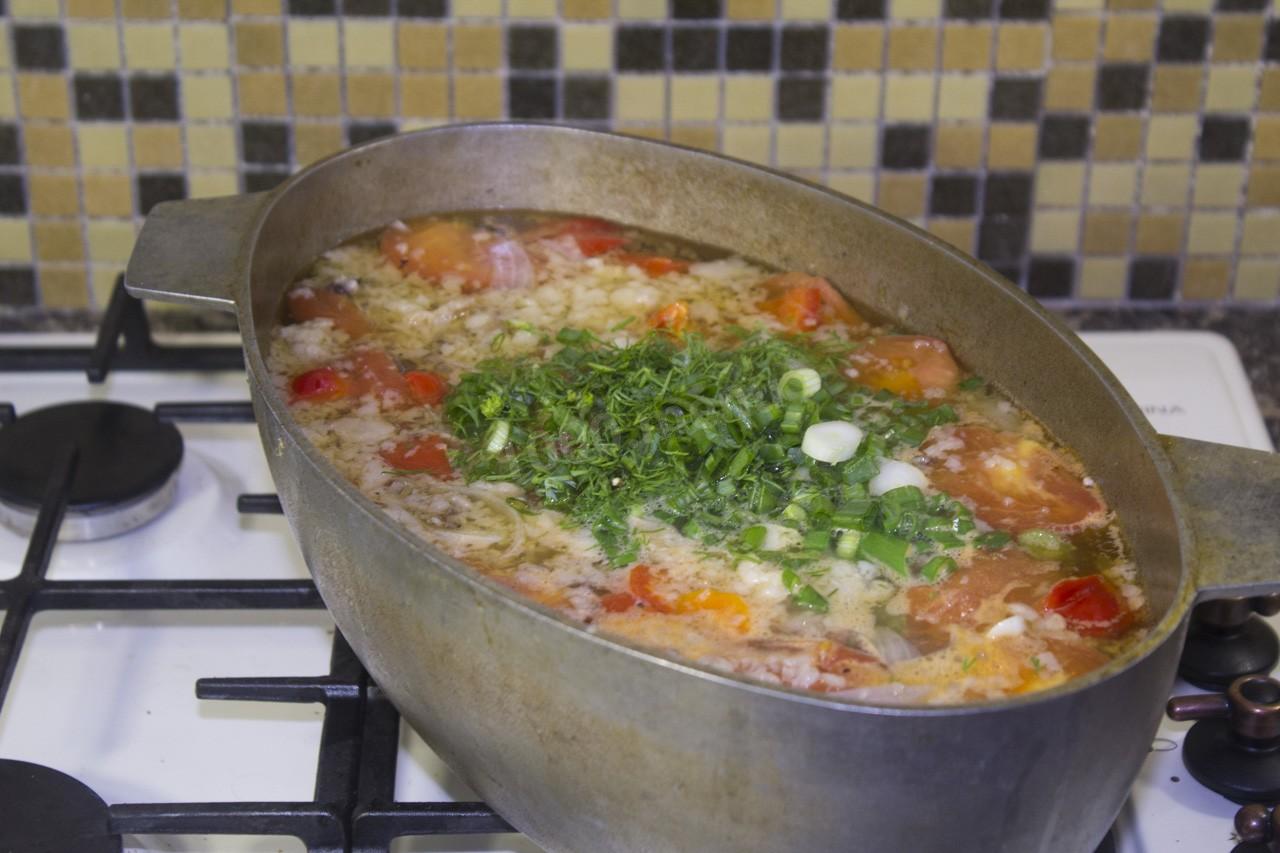
Then add the tomatoes and bell pepper.
-
Step 18:
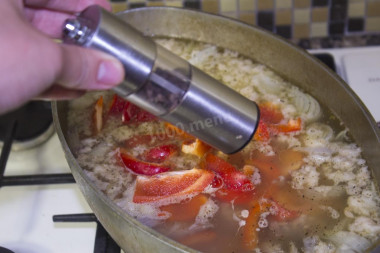
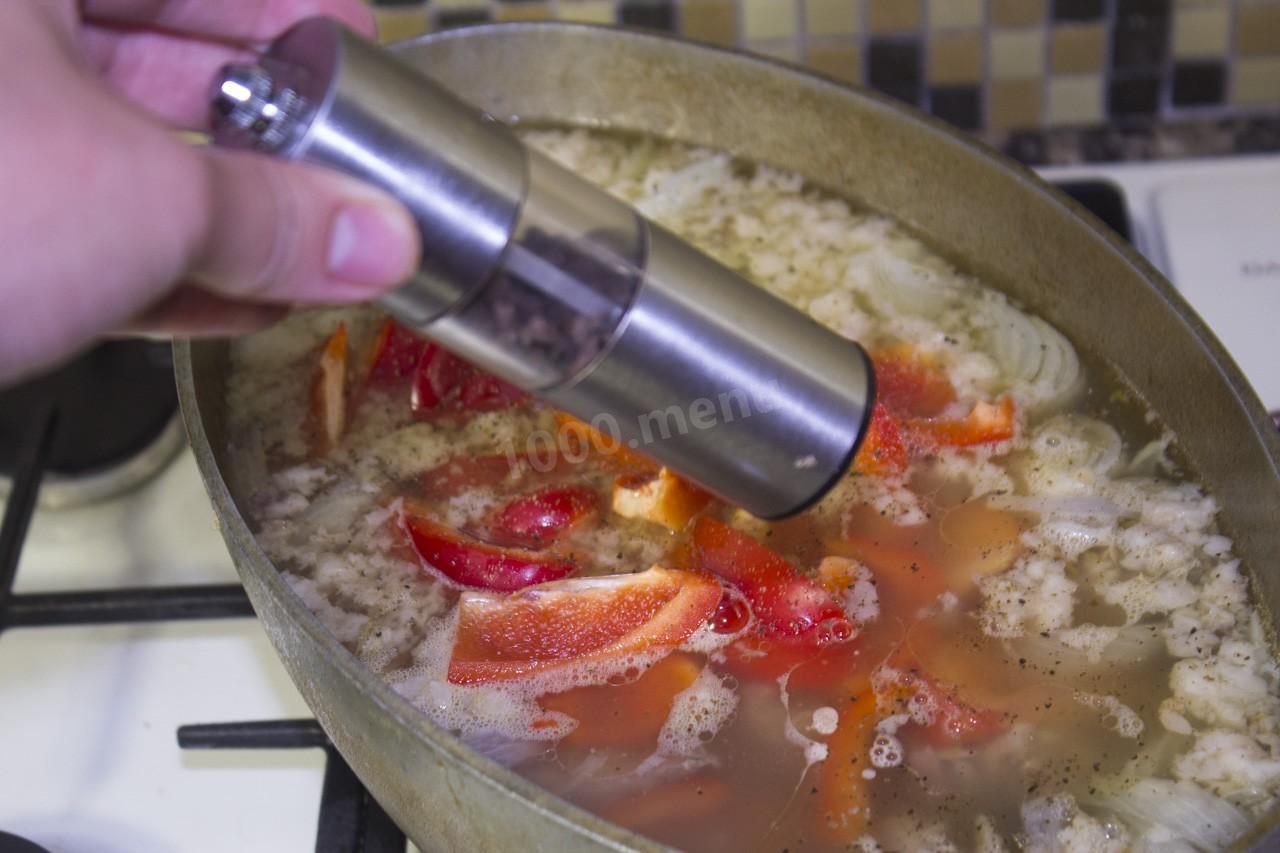
Pepper the shurpa to taste.
-
Step 19:
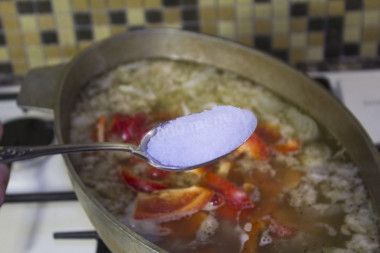
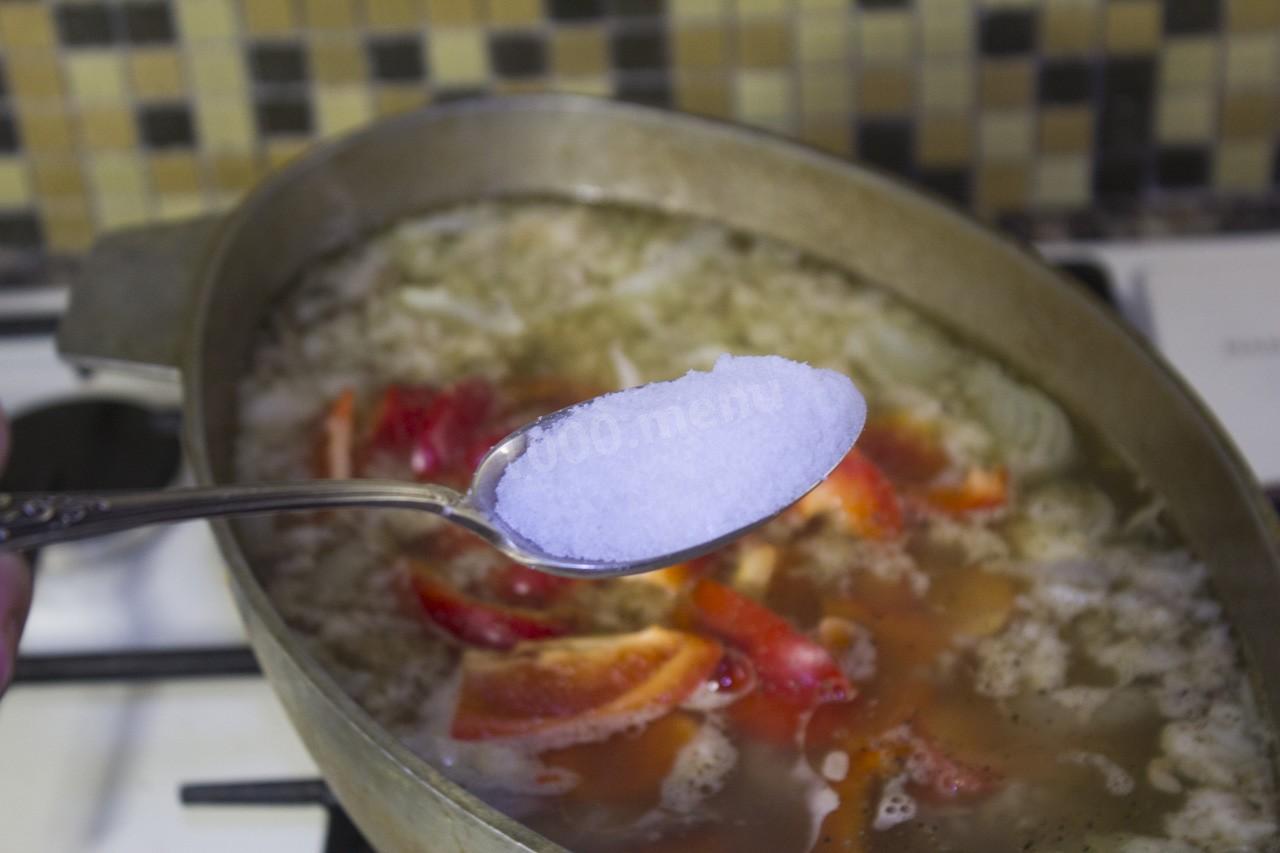
Add salt.
-
Step 20:
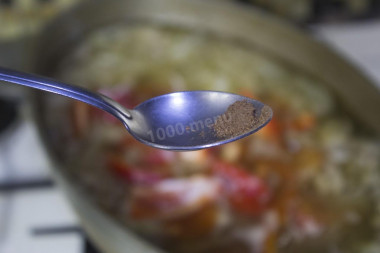
And the red pepper. Cook everything together for another 7–10 minutes.
-
Step 21:
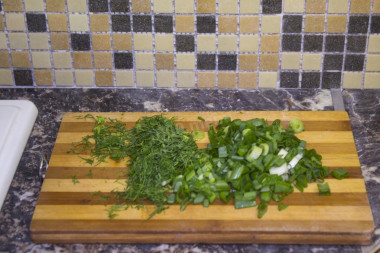
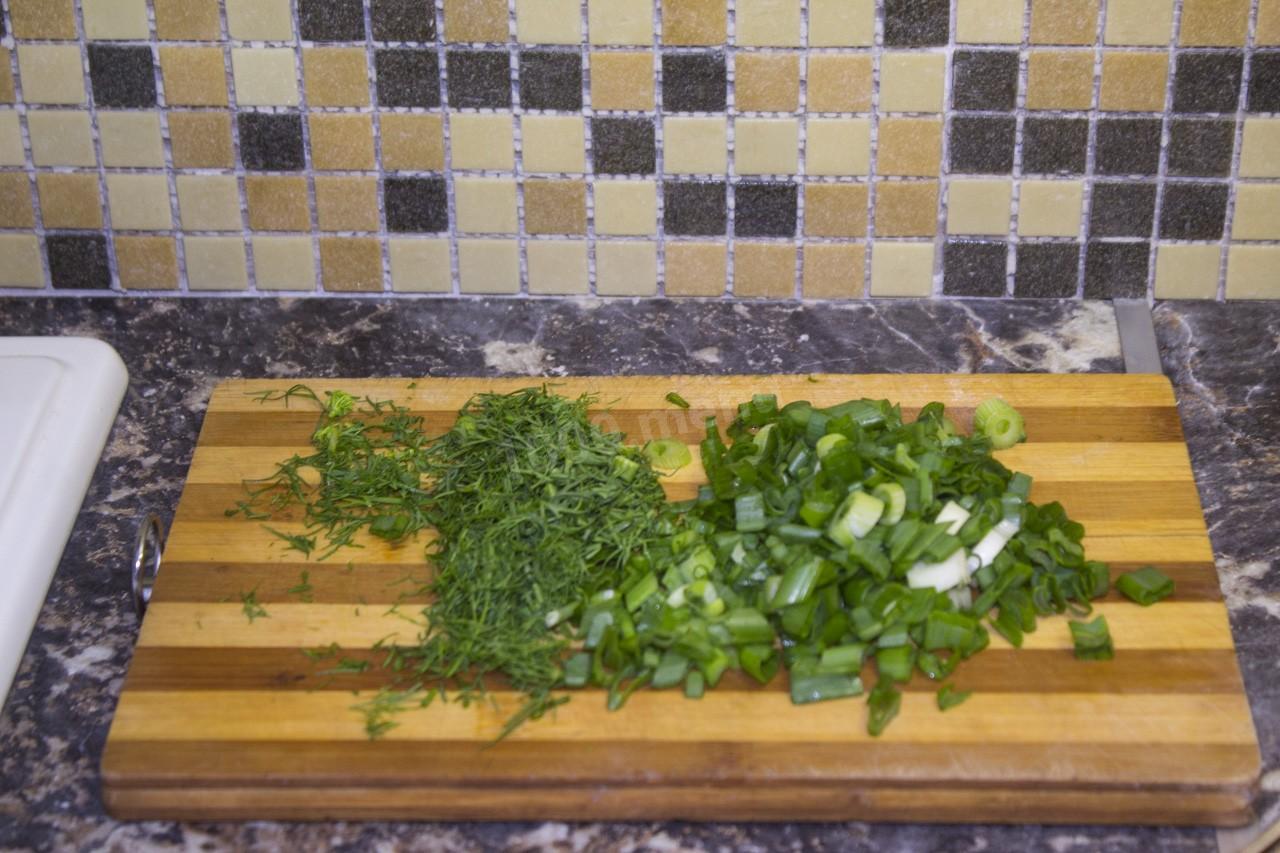
Chop the washed and dried herbs.
-
Step 22:
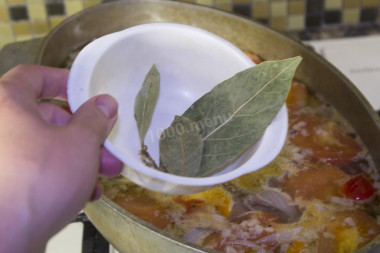
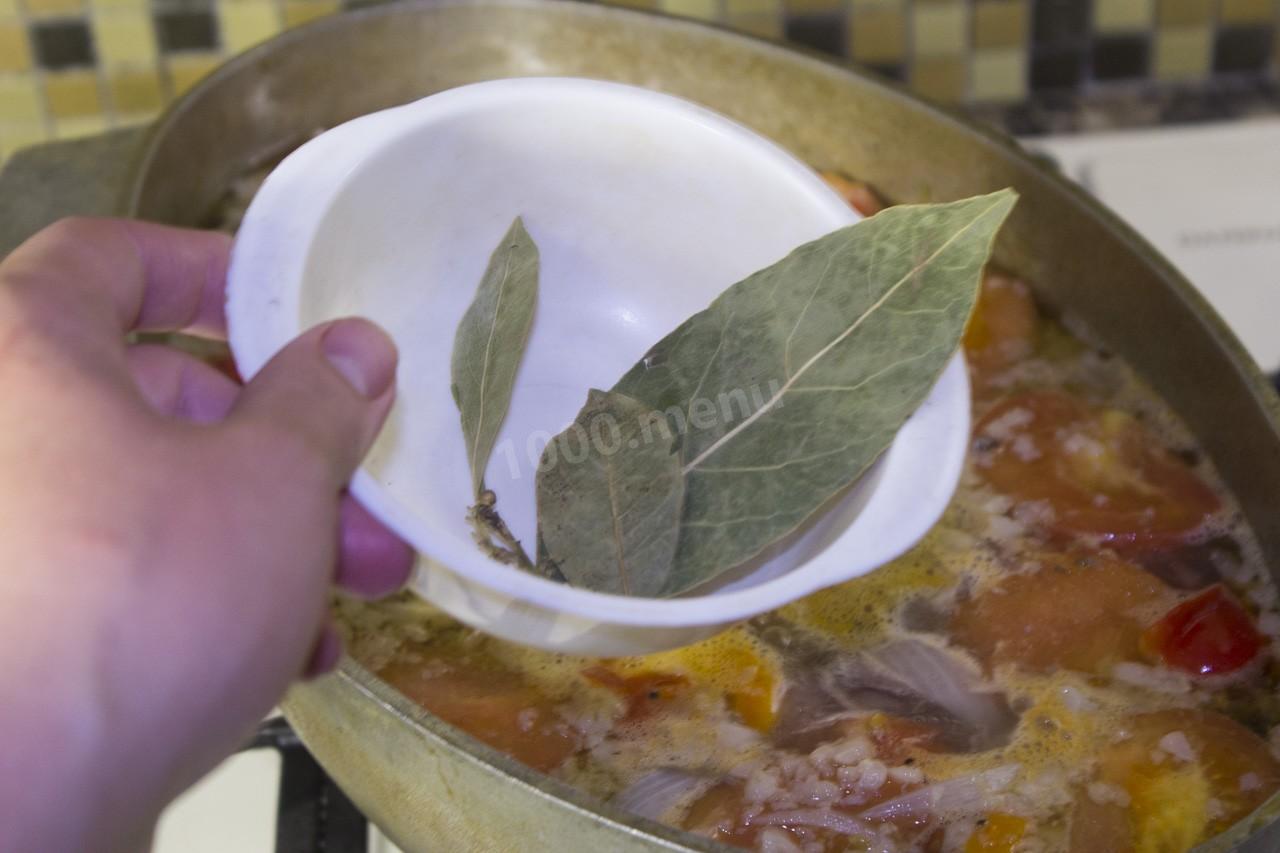
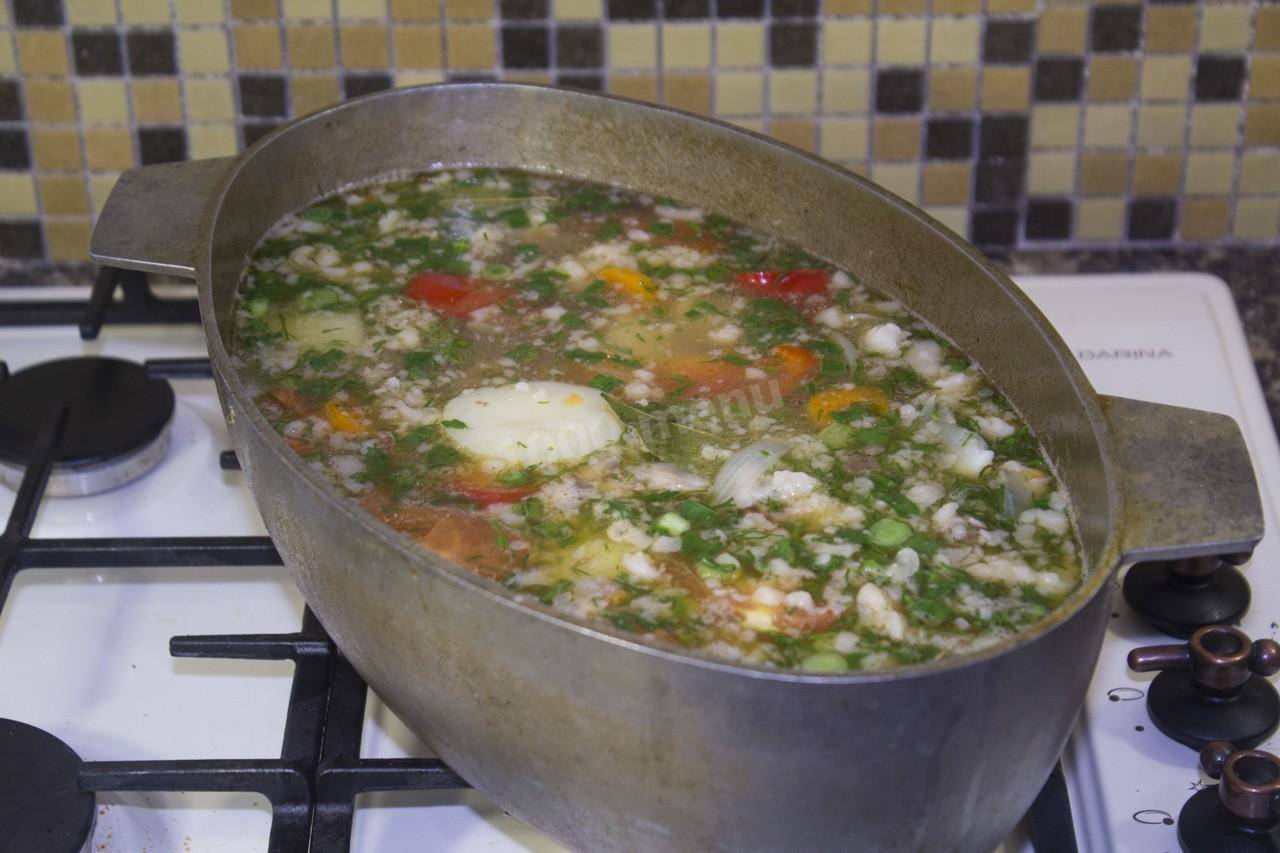
After that time, add the bay leaves to the shurpa.
-
Step 23:
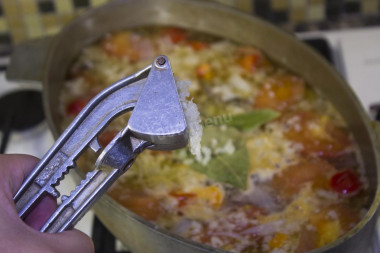
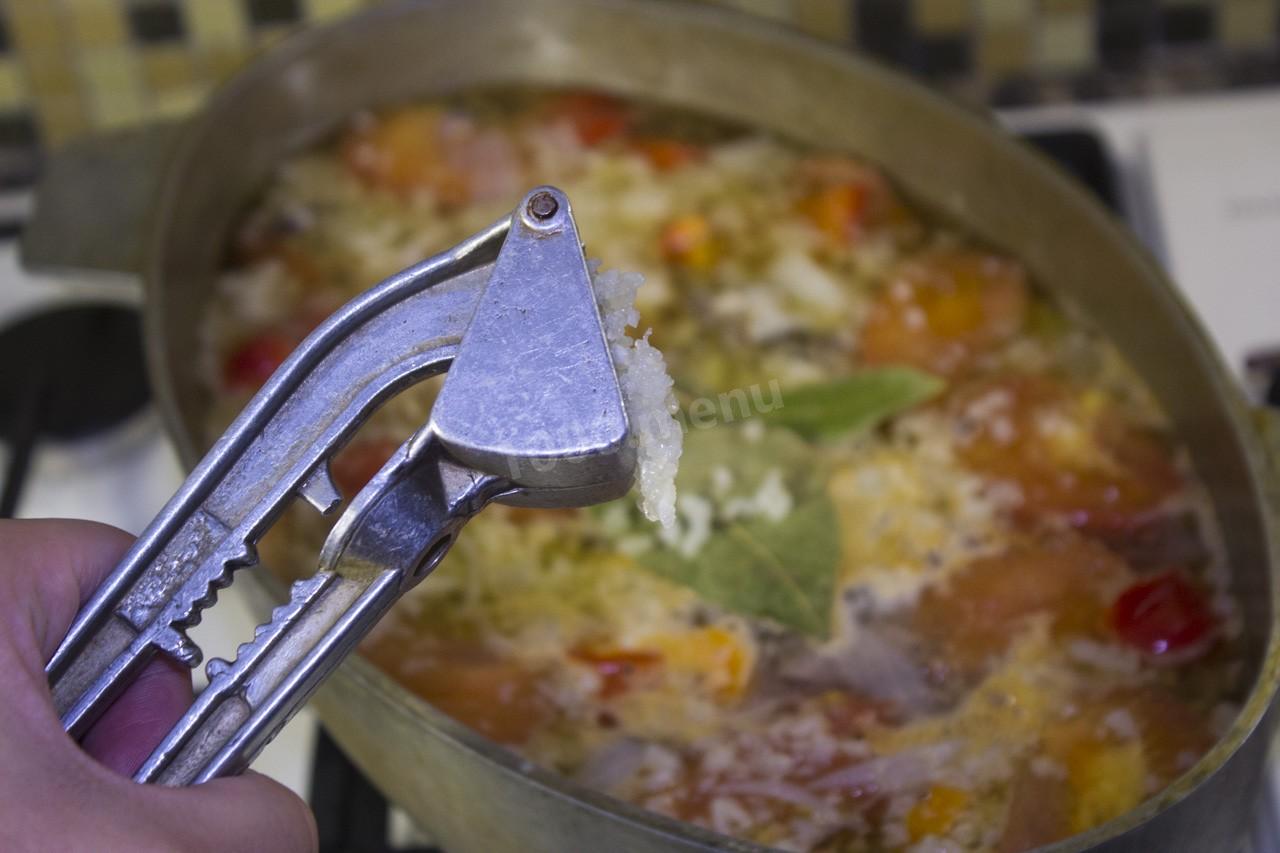
And the pressed garlic.
-
Step 24:
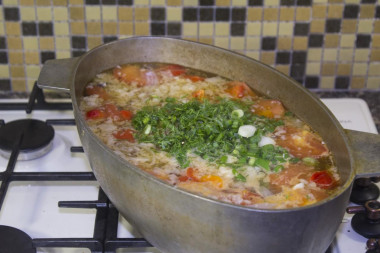
Add the herbs to the shurpa.
-
Step 25:
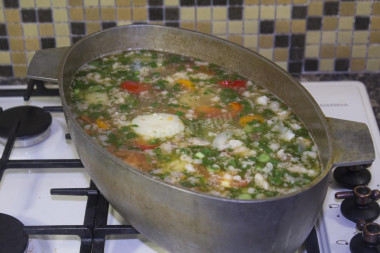
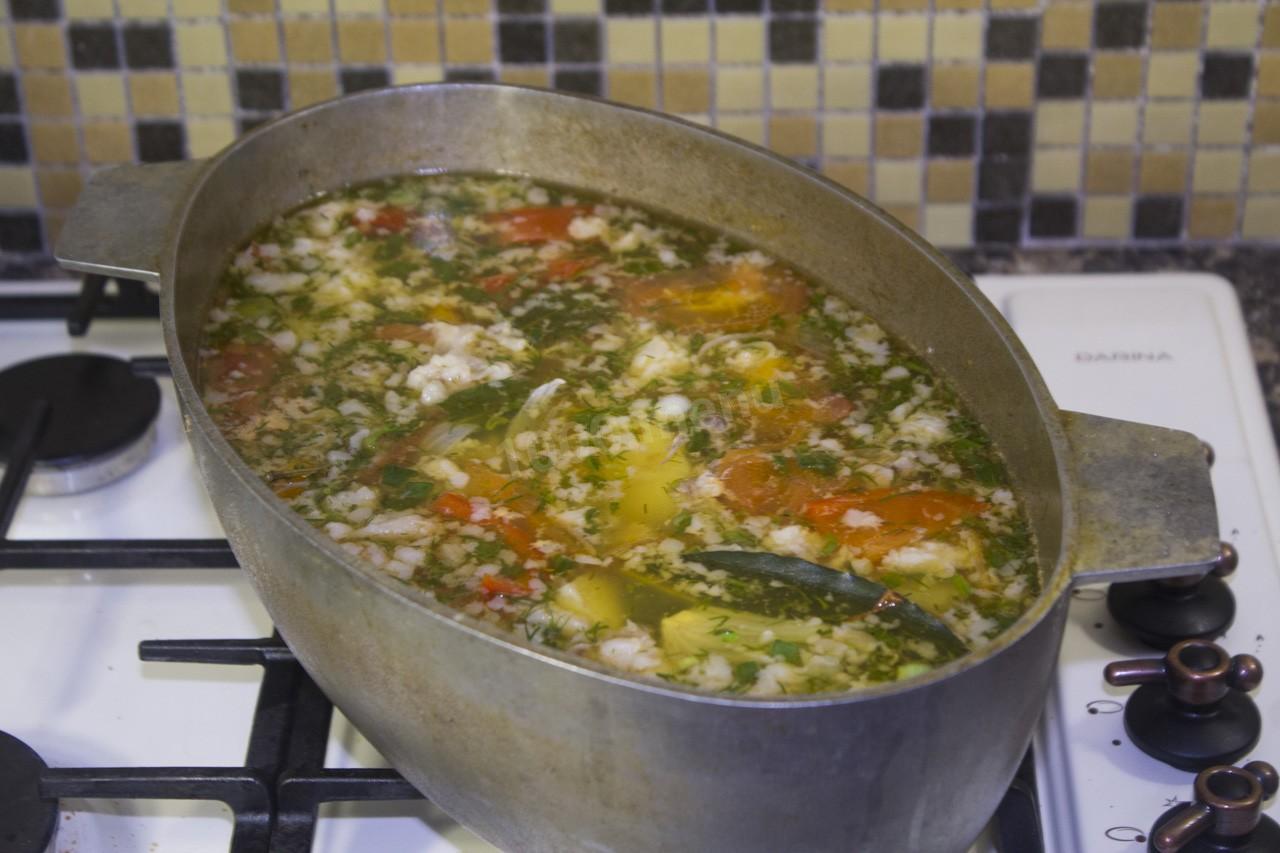
Stir, taste for salt, and leave it over the heat another 1–2 minutes.
-
Step 26:
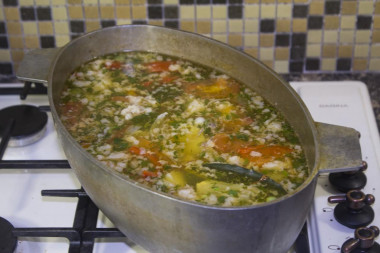
Be sure to let the finished shurpa rest at least 15 minutes!
-
Step 27:
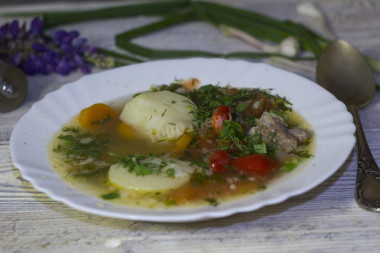
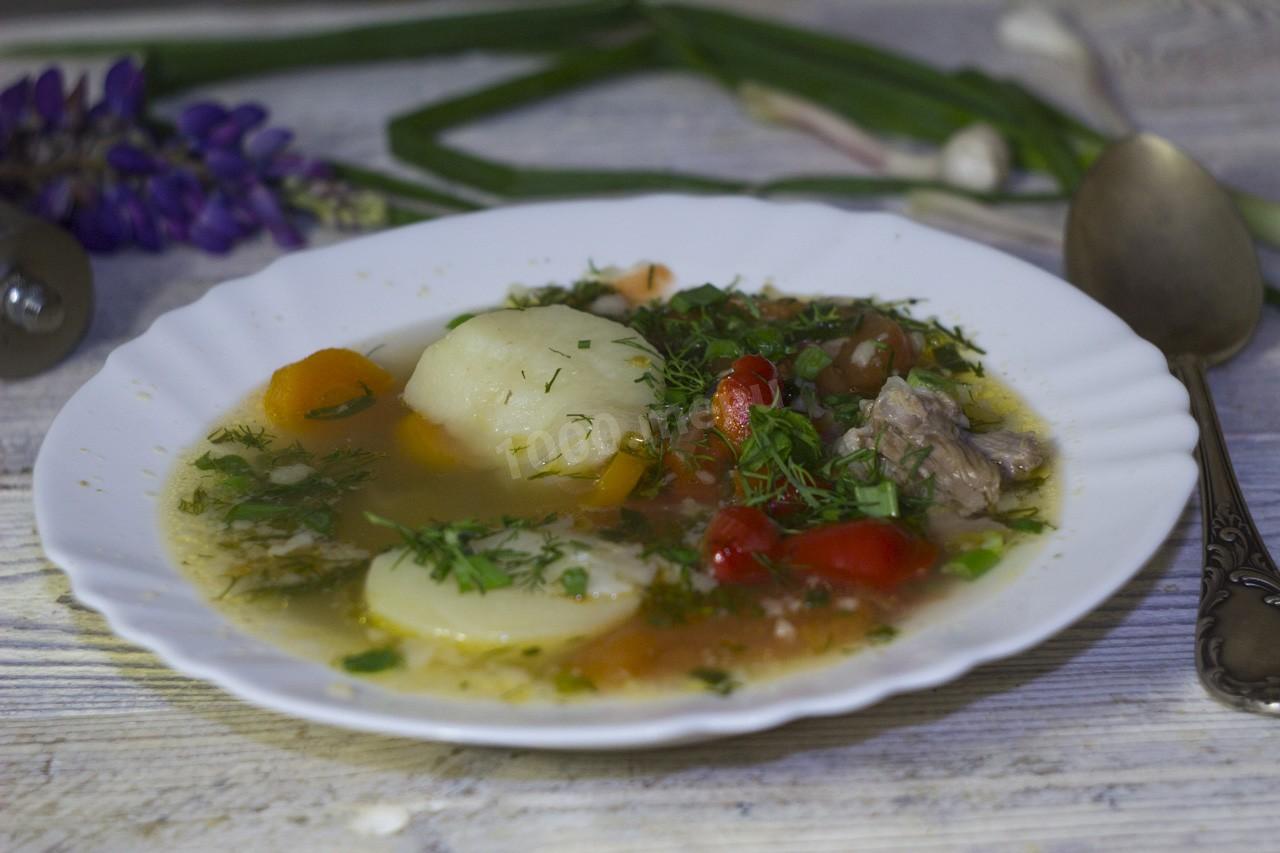
Only then serve it. Enjoy!
- Important! Whether or not the recipe gives an amount of water, it's best to go by your own preference (thick or thinner soup), the size of your pot, and the ingredients you're using. Keep in mind that the author's idea of how much meat, potato, grain, and so on belongs in the soup may not match yours. In practice, if you're making it for the first time, don't cook a whole pot at once — make a tasting batch for one or two people. Reduce all the ingredients to 1–2 servings, and figure the water at anywhere from one cup per serving (for a very thick soup) to 1.5–2 cups (for a thinner one). Remember that some liquid boils off as it cooks. After tasting a small portion, you can adjust both the amount of liquid and the proportions to your taste. Before long, like most experienced cooks, you'll be adding water and ingredients by eye.
- Since everyone's preferred level of salt, sweetness, bitterness, sharpness, acidity, and heat is different, always add spices and seasonings to your own taste! If you're using a particular seasoning for the first time, keep in mind that some are especially easy to overdo (chili pepper, for example).
- For cooking, it's better to use filtered or bottled water with a neutral taste. Tap water can give the dish an unpleasant off-flavor.
Caloric content of the products possible in the composition of the dish
- Ripe potatoes - 80 kcal/100g
- Baked potatoes - 70 kcal/100g
- Mashed potatoes - 380 kcal/100g
- Boiled potatoes - 82 kcal/100g
- Potatoes in their skins - 74 kcal/100g
- Fried potatoes - 192 kcal/100g
- Tomatoes - 23 kcal/100g
- Melted beef fat - 871 kcal/100g
- Fat beef - 171 kcal/100g
- Lean beef - 158 kcal/100g
- Beef brisket - 217 kcal/100g
- Beef - okovalok - 380 kcal/100g
- Beef - lean roast - 200 kcal/100g
- Beef shoulder - 137 kcal/100g
- Beef - ribs - 233 kcal/100g
- Beef - ham - 104 kcal/100g
- Beef - tail - 184 kcal/100g
- Boiled ham - 269 kcal/100g
- Beef corned beef - 216 kcal/100g
- Sweet pepper - 27 kcal/100g
- Carrots - 33 kcal/100g
- Dried carrots - 275 kcal/100g
- Boiled carrots - 25 kcal/100g
- Garlic - 143 kcal/100g
- Bay leaf - 313 kcal/100g
- Ground black pepper - 255 kcal/100g
- Zira - 112 kcal/100g
- Green onion - 19 kcal/100g
- Water - 0 kcal/100g
- Onion - 41 kcal/100g
- Ground red pepper - 318 kcal/100g
- Fresh frozen soup greens in a package - 41 kcal/100g
- Greenery - 41 kcal/100g
- Table salt - 0 kcal/100g
- Ground coriander - 25 kcal/100g
Similar recipes
- National cuisine
- Soups
- Meat and meat products
- Vegetables
- Spices seasonings spices
- Other
- Garlic
- Зелень
- Зера
- Кинза
- Bay leaf
- Pepper
- Salt
- Water
- Turkish cuisine
- Caucasian cuisine
- Asian cuisine
- Cooking
- In a cauldron
- Meat soup
- Tomato soup
- Potato soup
- Beef
- From carrots
- From potatoes
- From tomato
- From sweet pepper
- From onion
- No eggs
- Balanced nutrition
- Recipes for lean dishes without butter