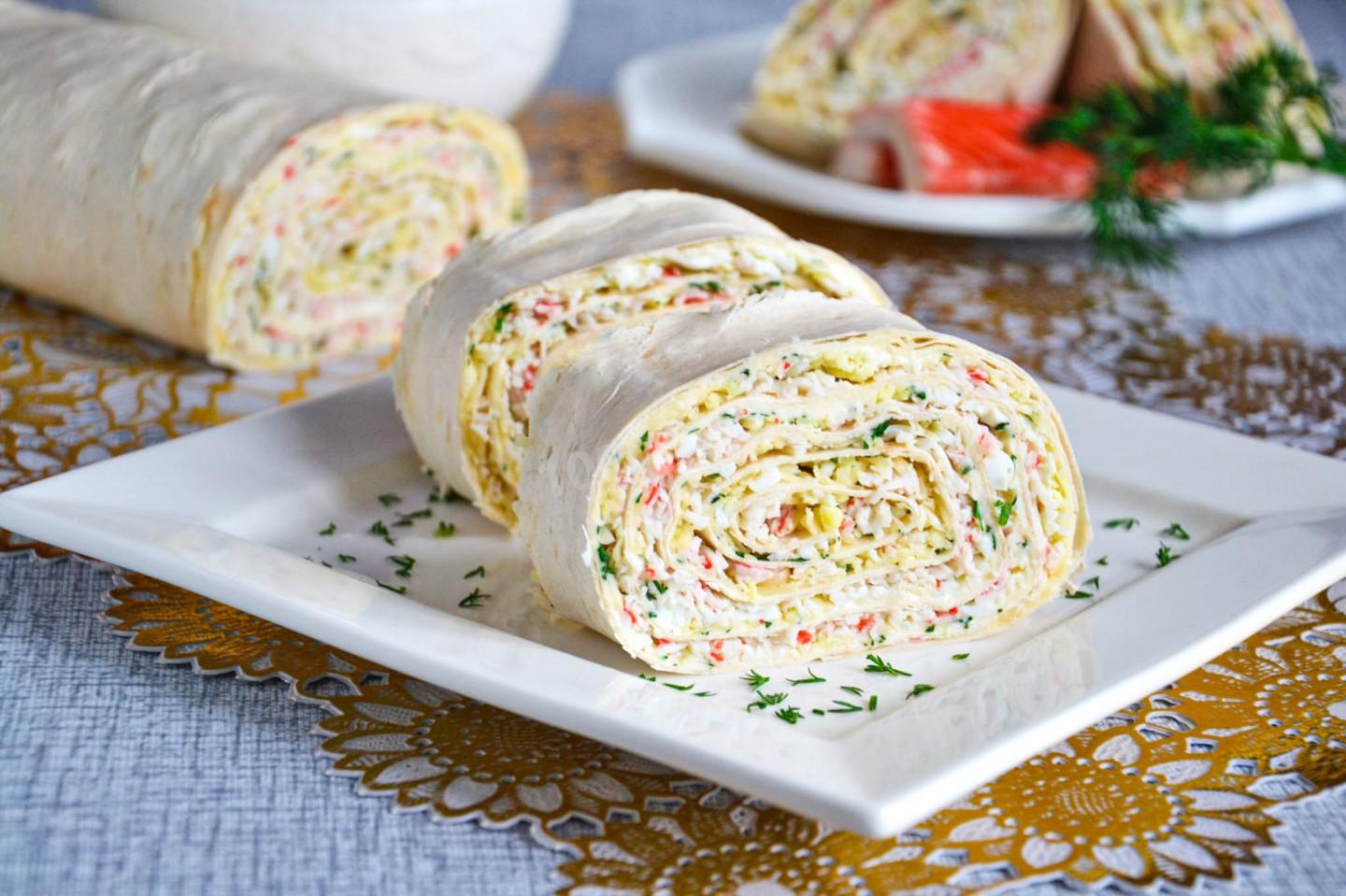
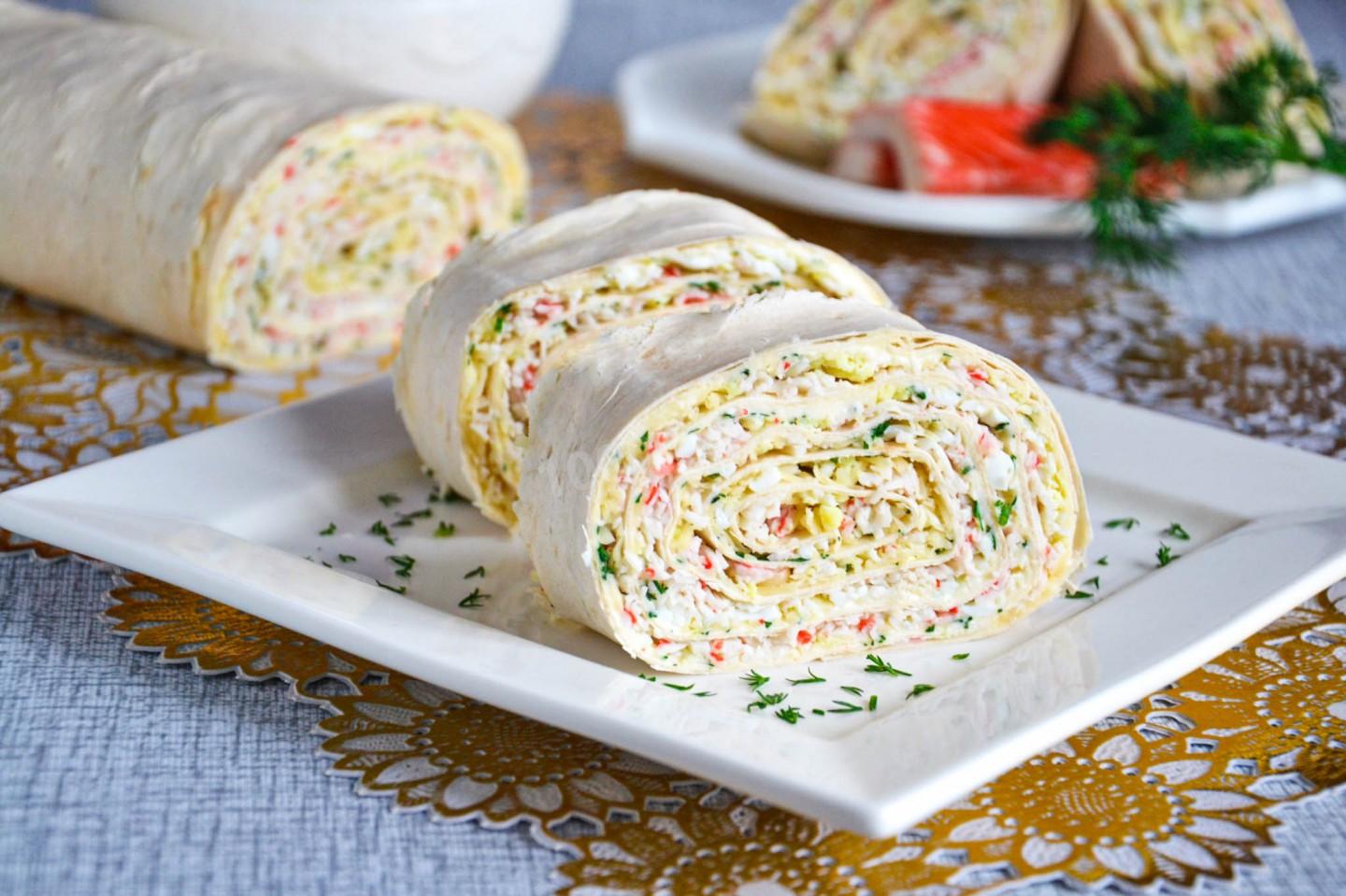
Lavash roll with crab sticks, cheese, and egg
Pretty, original, mayo-free — a little celebration any day of the week! A lavash roll with crab sticks doesn't just look striking, it tastes wonderful too. These rolls are usually slathered with mayonnaise, but this recipe uses two kinds of cheese in the filling instead. These colorful little rolls dress up the table on weekdays and holidays alike!

Cooking method
-
Step 1:
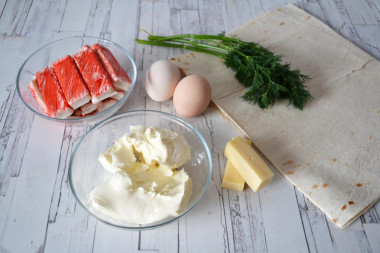
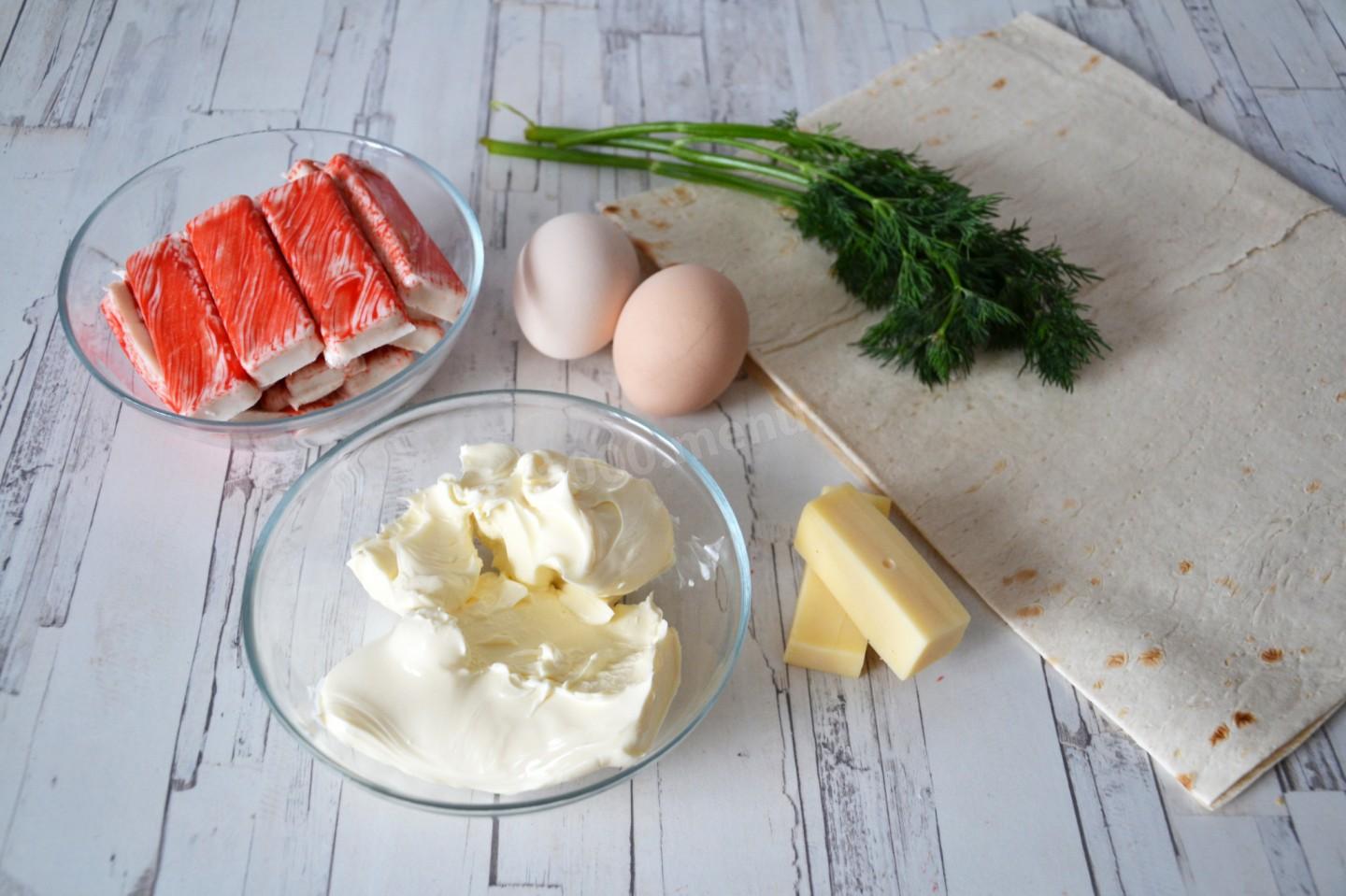
How do you make a lavash roll with crab sticks and cheese? Gather your ingredients. Use fresh, thin, large lavash. If the crab sticks were frozen, thaw them first — that goes fairly quickly at room temperature. Choose good-quality cheeses with no milk-fat substitutes.
-
Step 2:
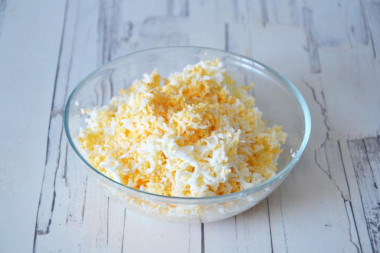
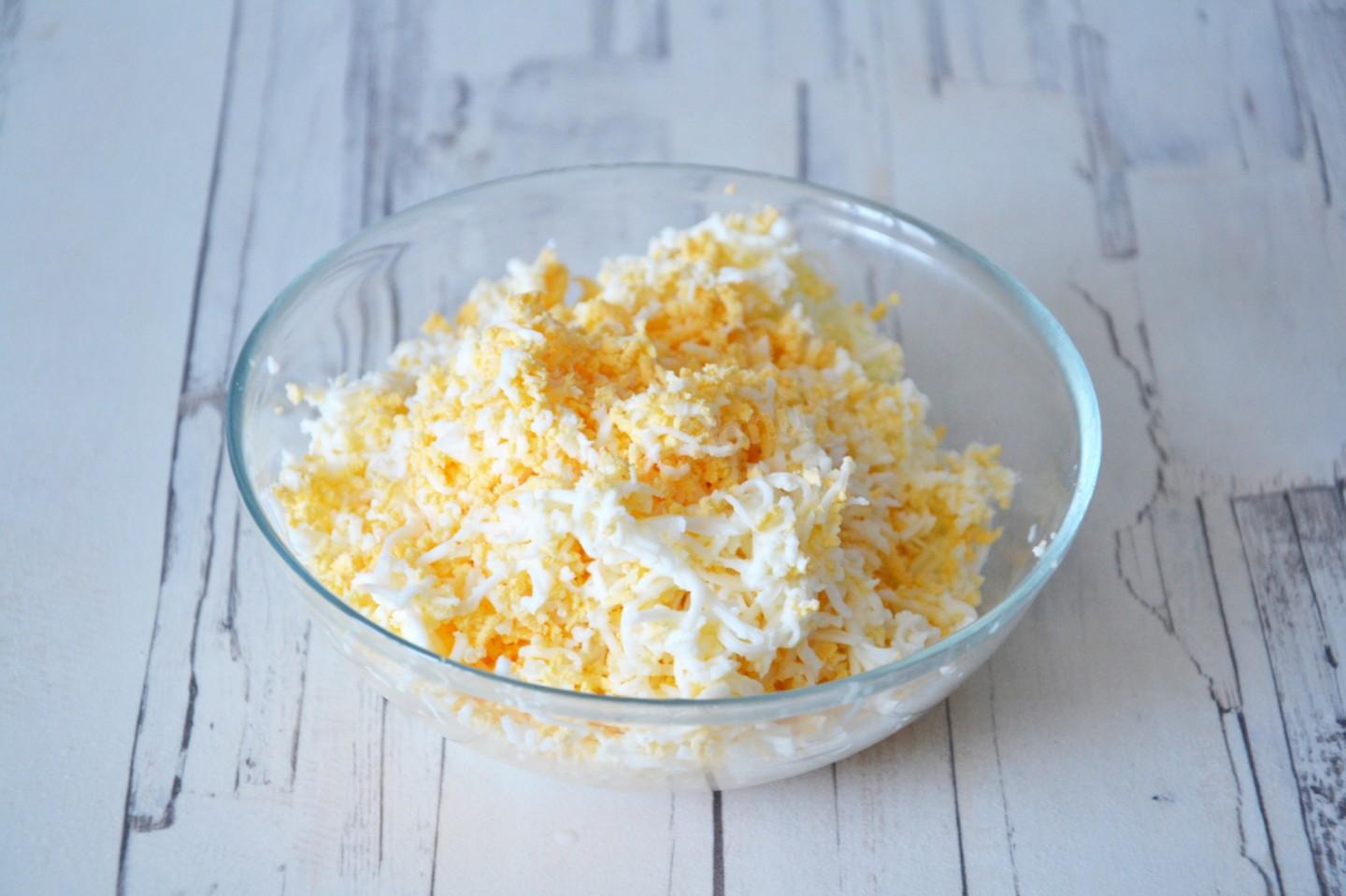
Hard-boil the eggs ahead of time. How do you hard-boil eggs? To keep them from cracking, put them in cold water and set them over low heat to cook. Boil for 9 minutes after the water comes to a boil, then pour cold water over them to cool. The sudden temperature change makes them easier to peel. Cool and peel the eggs, then grate them on the coarse side of a grater.
-
Step 3:
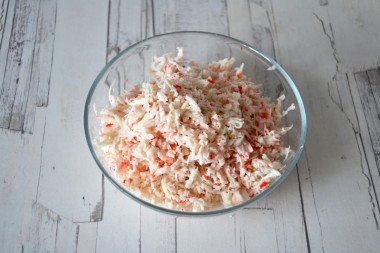
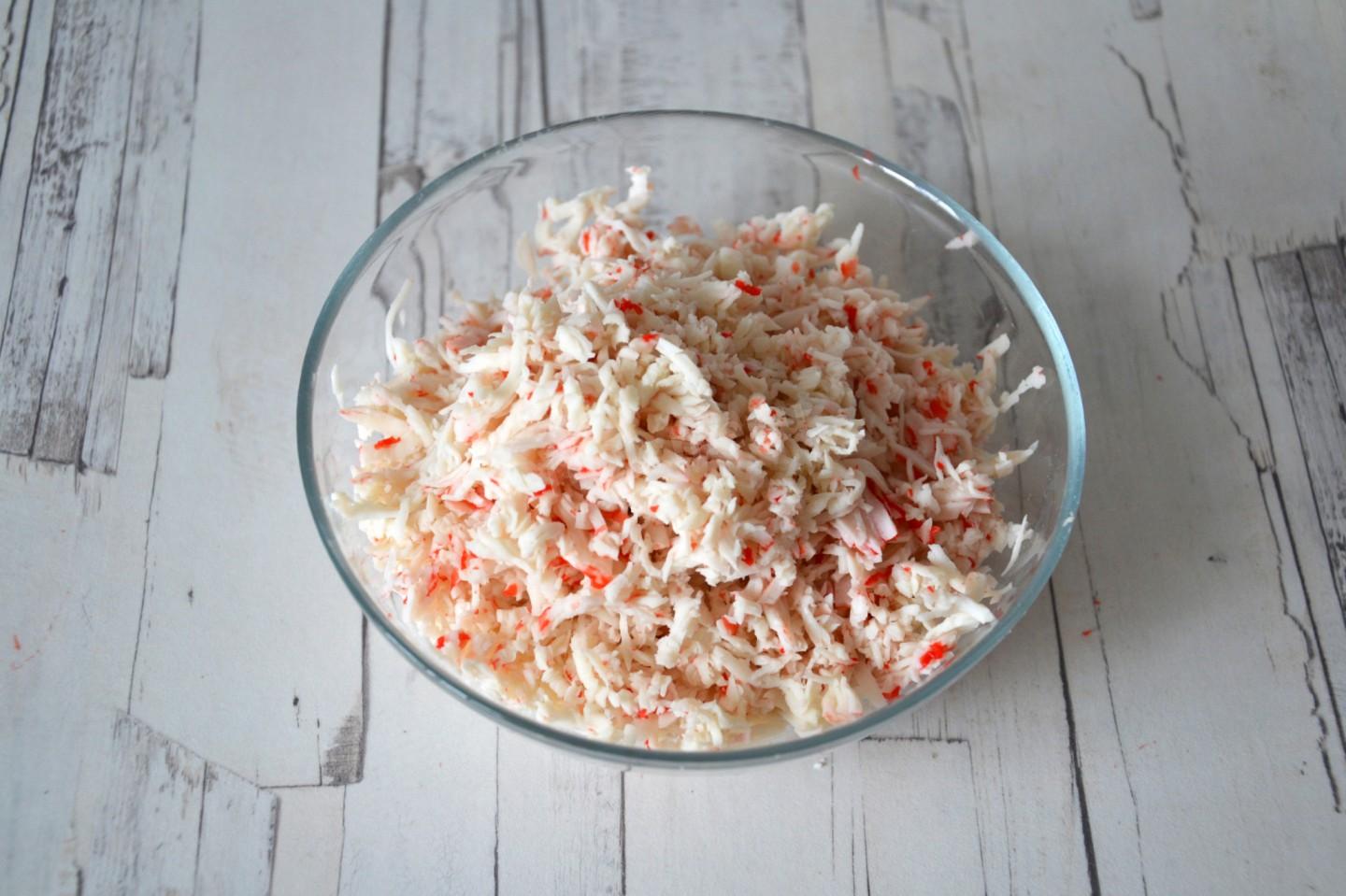
You can grate the crab sticks or chop them in a blender. To make it easier, grate them while they're not fully thawed.
-
Step 4:
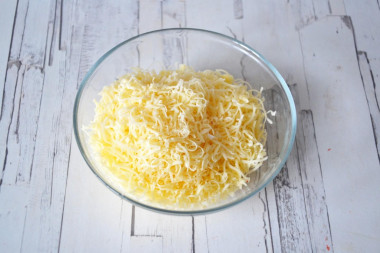
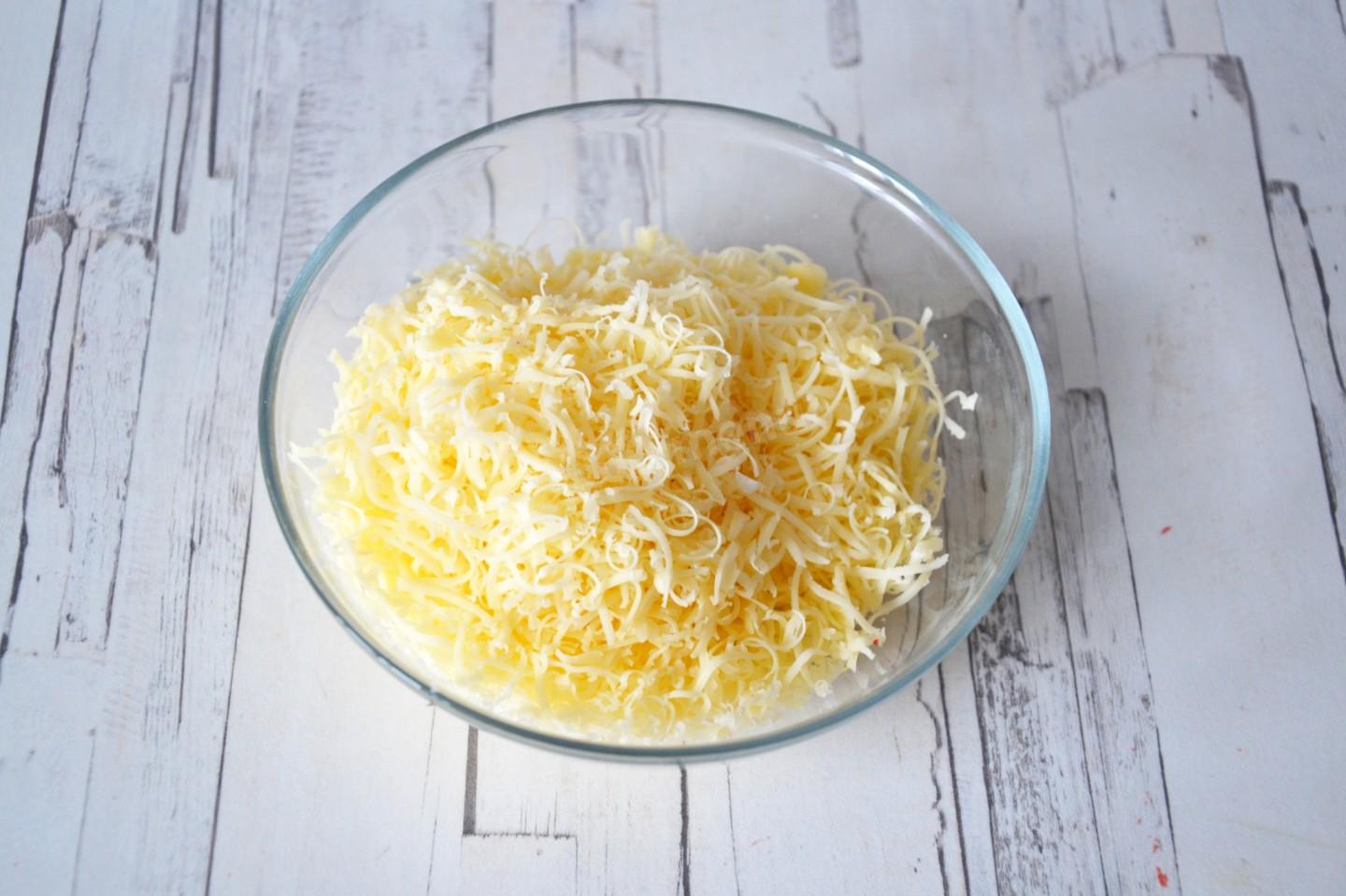
Grate the hard cheese on the fine side of a grater.
-
Step 5:
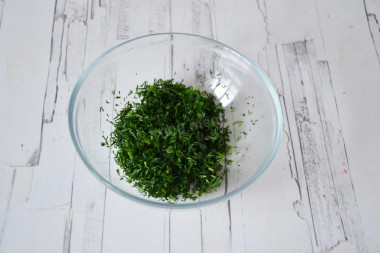
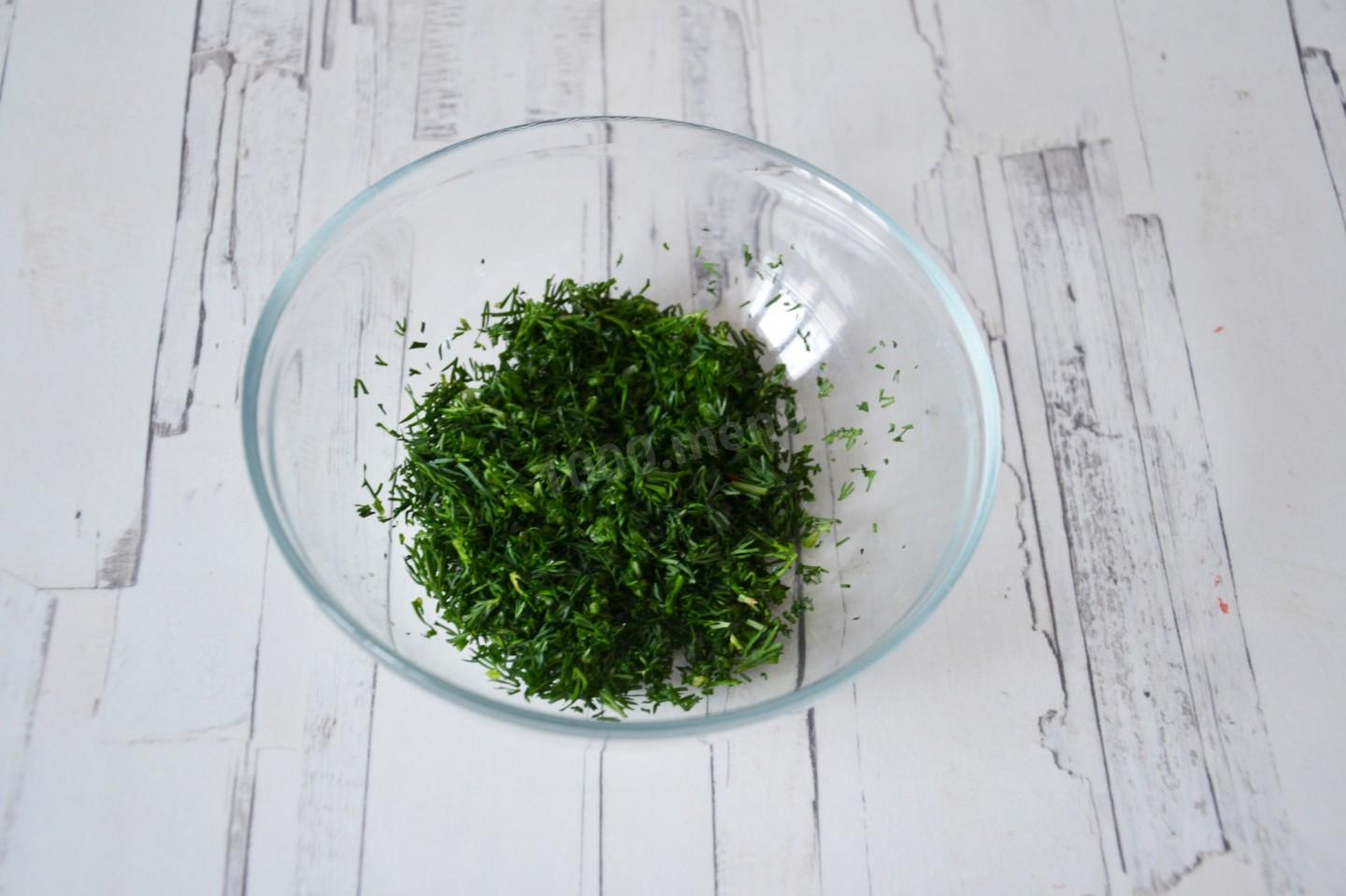
Wash the dill, dry it, and chop it finely.
-
Step 6:
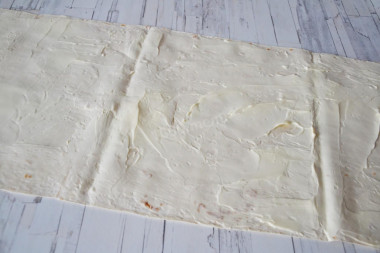
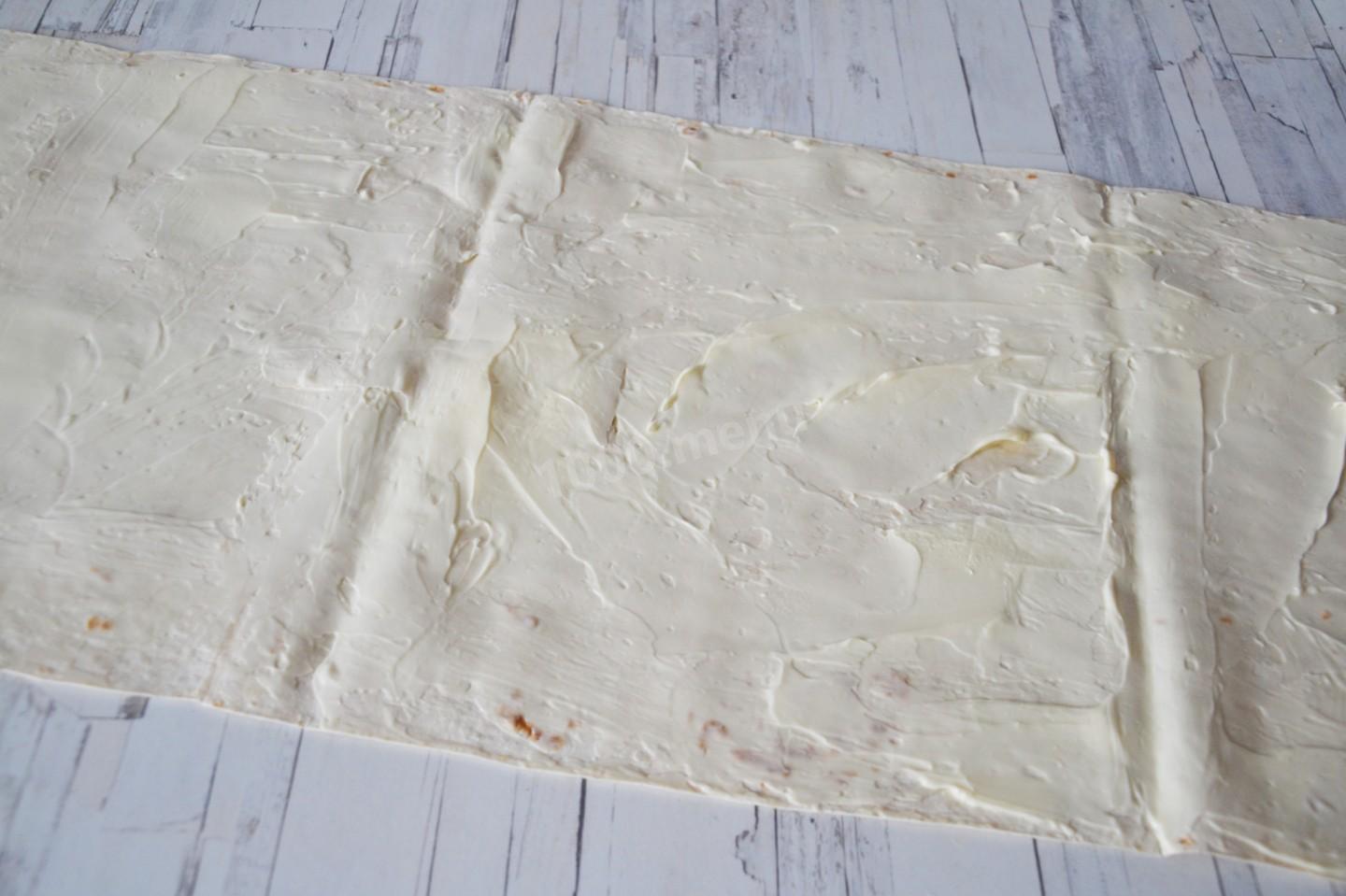
Unroll the sheet of lavash and spread it evenly with the cream cheese.
-
Step 7:
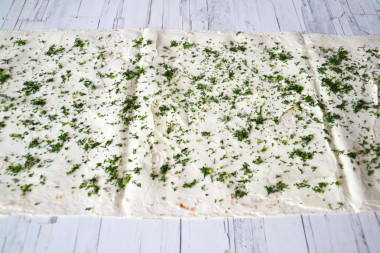
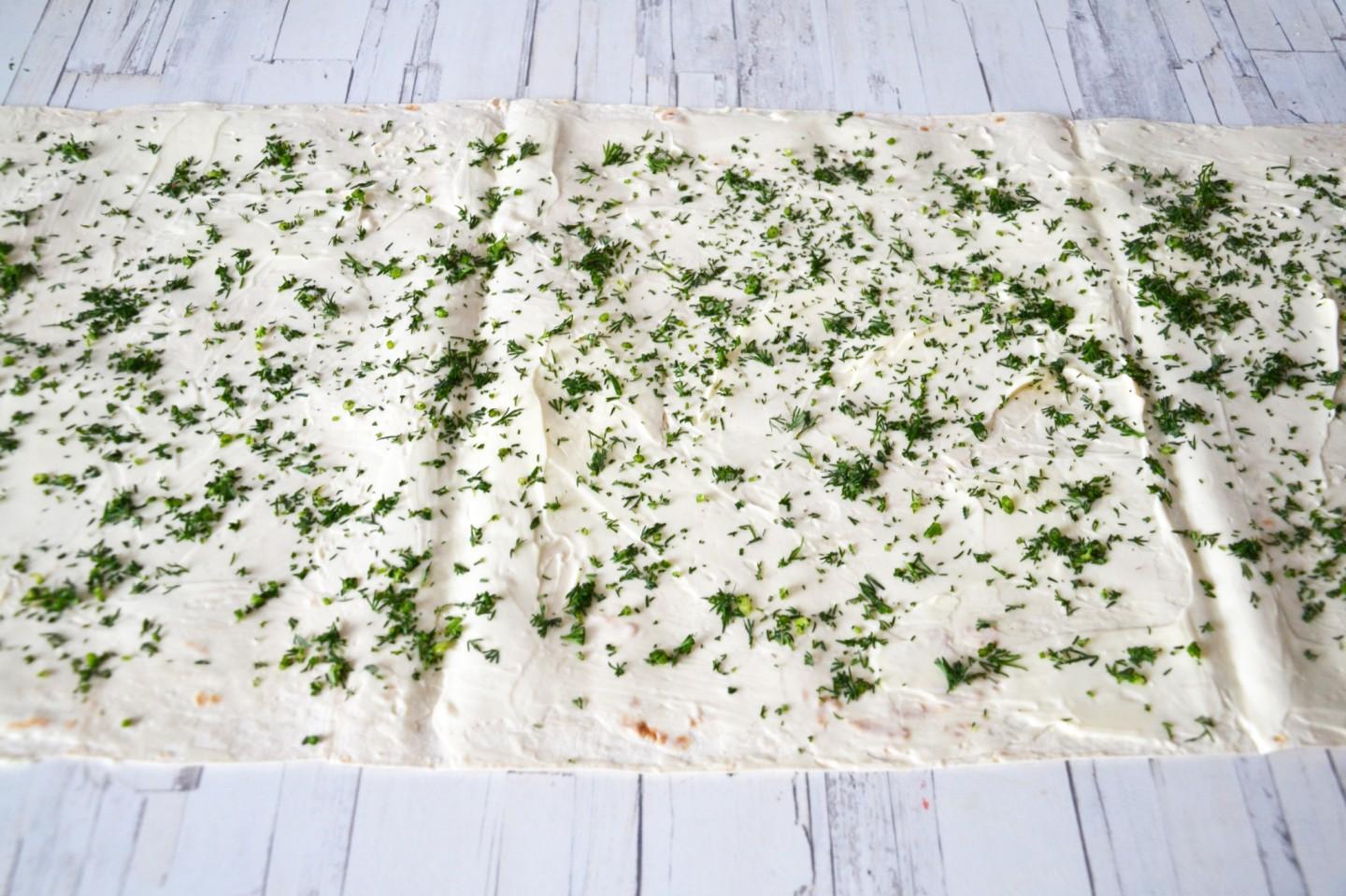
Sprinkle the dill over the lavash.
-
Step 8:
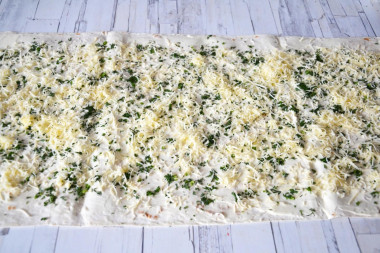
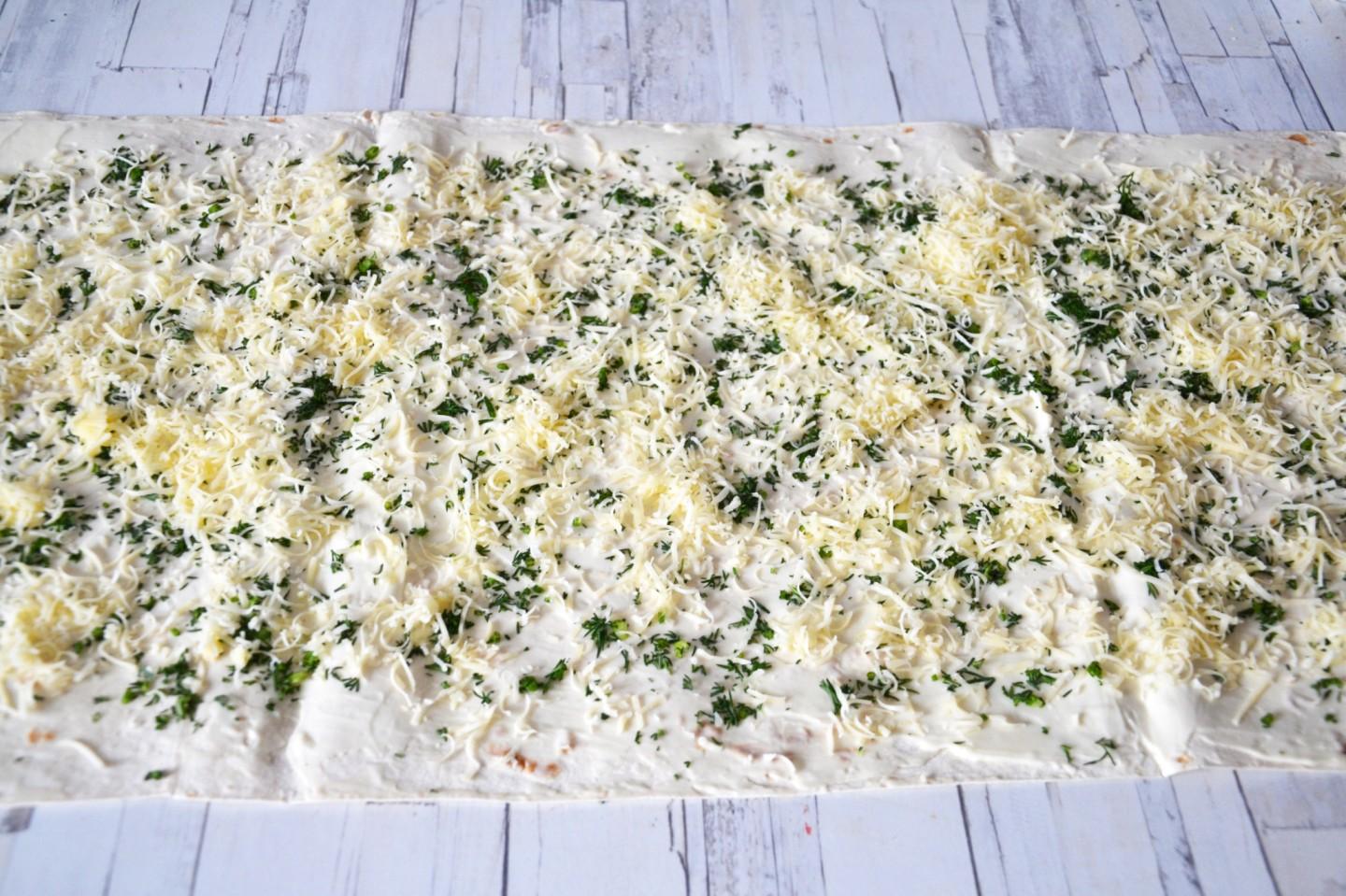
Next, add a layer of grated cheese and a layer of grated egg.
-
Step 9:
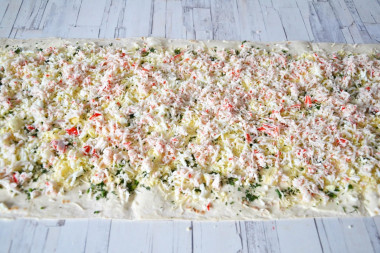
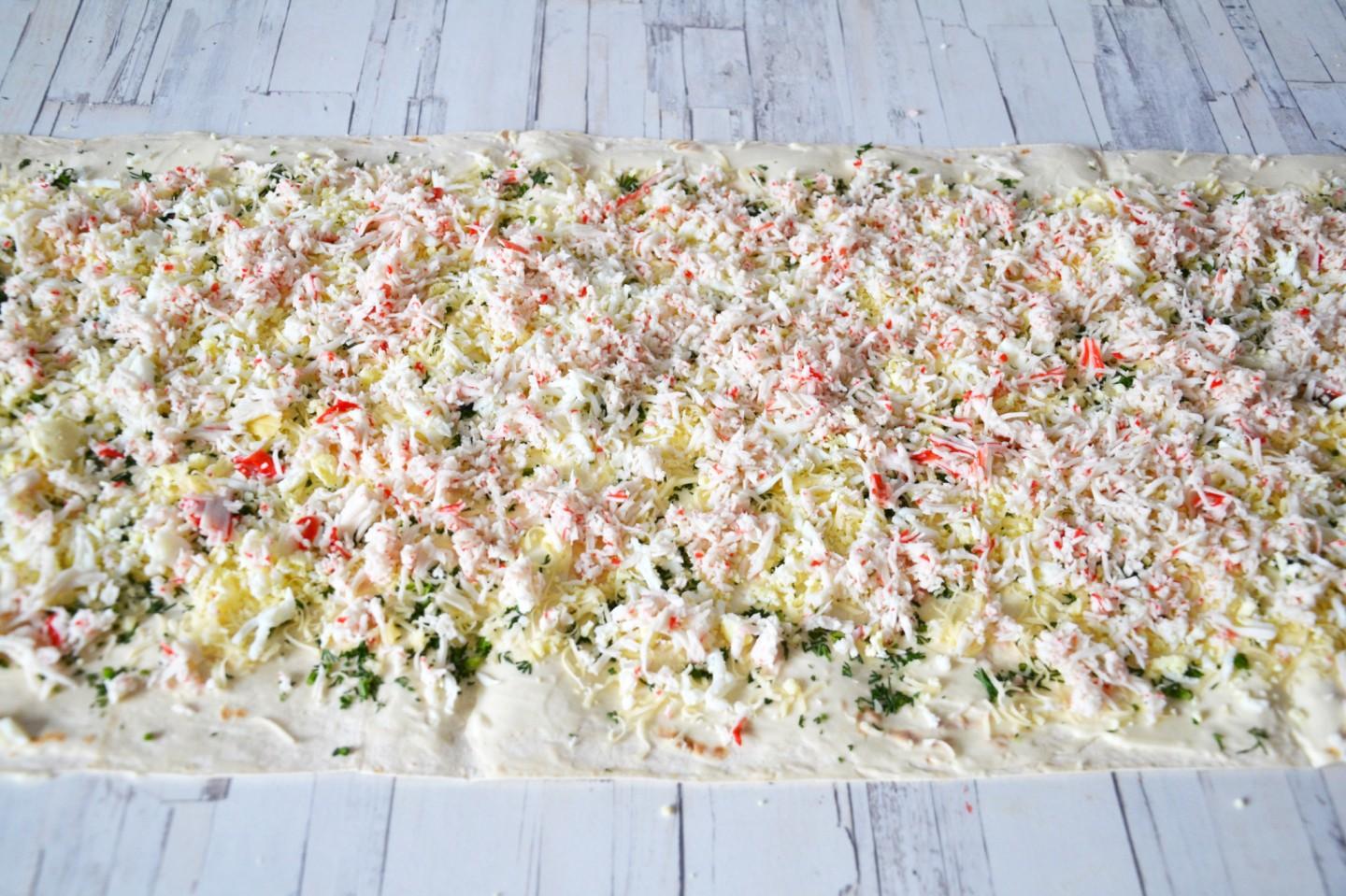
Spread the grated crab sticks evenly on top.
-
Step 10:
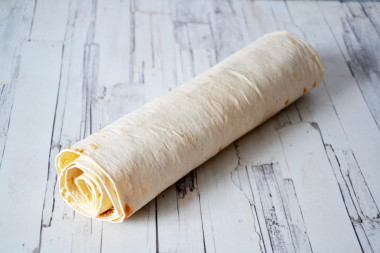
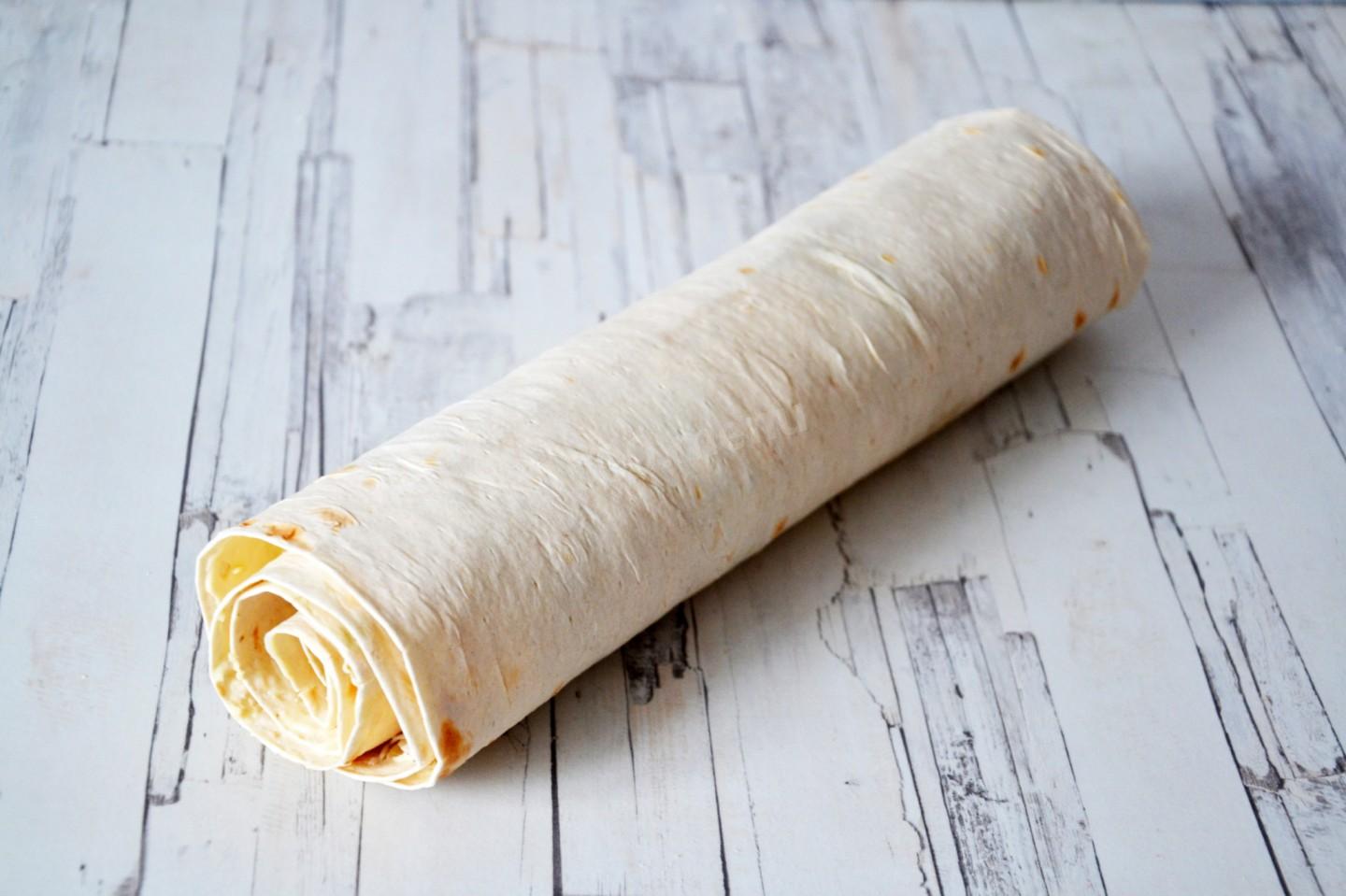
Roll the lavash up tightly, starting from the shorter side.
-
Step 11:
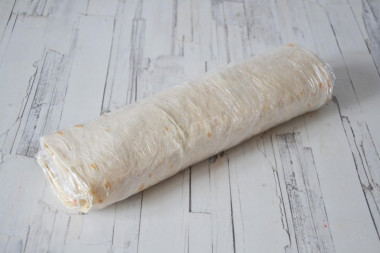
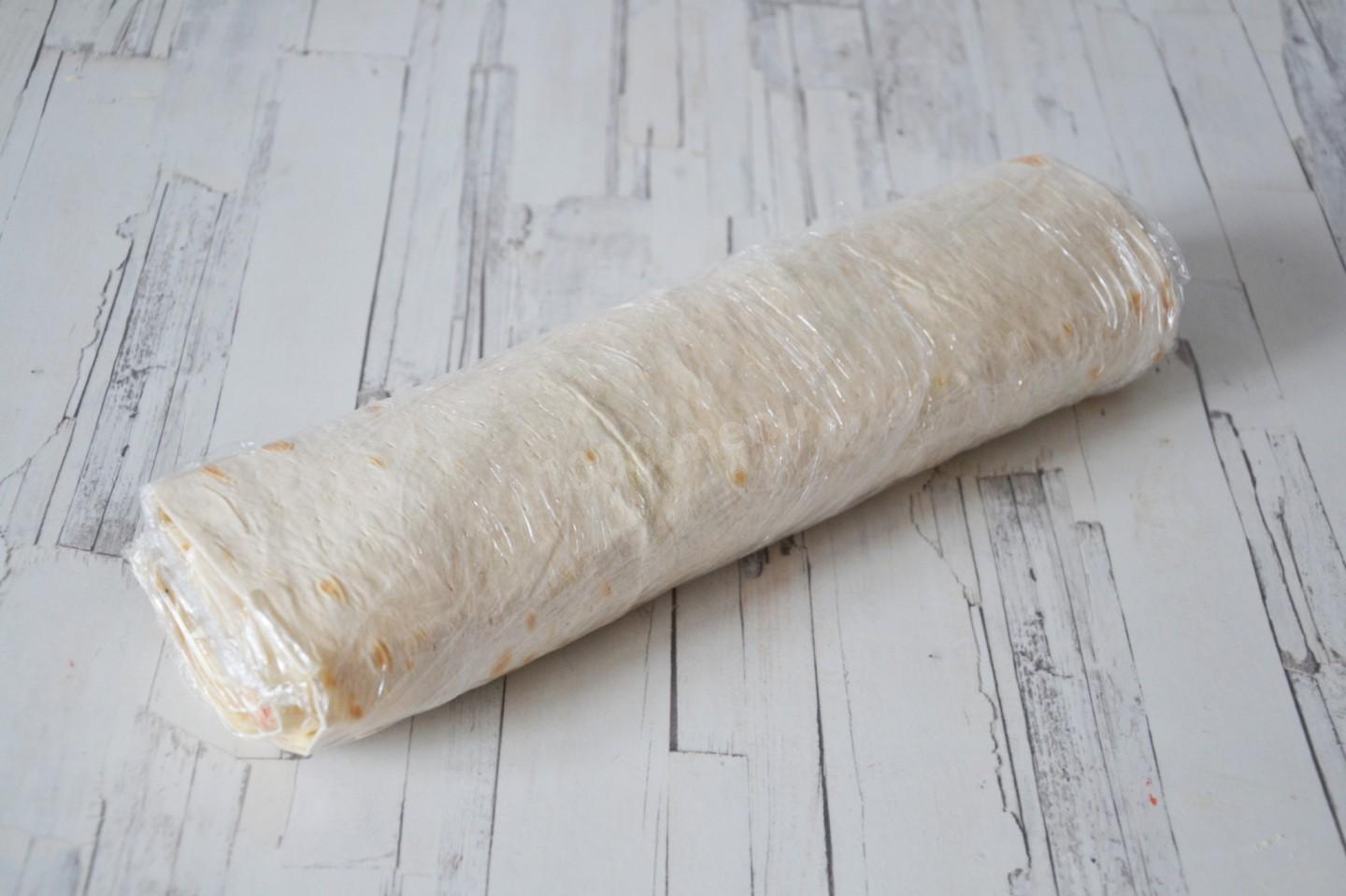
Wrap the roll in plastic wrap and refrigerate it for 1 hour to chill and let the flavors meld. Before serving, slice the roll into pieces.
- Long ago there lived a king named Aram. In a war with the Assyrian state, he was taken prisoner by the ruler Nosor. "For 10 days you'll be held captive, hungry, with no bread. After that, you and I will compete in archery. If you win, I'll set you free and reward you" — those were the victor's terms. Aram agreed, but asked that his most beautiful shield be brought from the Armenian army standing at the borders of Assyria. The messengers never guessed that loyal soldiers had hidden a thin flatbread inside it for their king. Cunning Aram accepted the shield but immediately ordered the messengers to bring another. And so it went for 10 days — the Assyrian messengers themselves kept the prisoner supplied with bread. The eleventh day of Aram's captivity arrived. As promised, Nosor led him to the shooting range, certain his foe was weakened in body and spirit. The Assyrian king was astonished to lose the contest. Realizing it was the bread that had saved his life, Aram, on returning to his homeland of Armenia, ordered thin flatbreads baked everywhere. These came to be known as "lavash" — a white, unleavened wheat bread with no crumb.
- How do you buy crab sticks the right way? Always check the product's expiration date. Surimi (minced white fish) should be the first ingredient listed. Important! Don't buy a product that has frost on it — that's a sign it's been refrozen. Fresh sticks should be free of gray and yellow spots, springy, and slightly moist. If the product is sticky, it's spoiled.
- The film each crab stick is wrapped in sometimes peels off poorly. To make it easier, hold the sticks over steam for 1–3 seconds.
- How do you choose good lavash? First, check the production date on the package — don't buy anything past its date. Fresh lavash should smell pleasant. Look it over carefully to make sure there are no spots or signs of mold.
Caloric content of the products possible in the composition of the dish
- Chicken egg - 157 kcal/100g
- Egg white - 45 kcal/100g
- Egg powder - 542 kcal/100g
- Egg yolk - 352 kcal/100g
- Ostrich egg - 118 kcal/100g
- Dutch cheese - 352 kcal/100g
- Swiss cheese - 335 kcal/100g
- Russian cheese - 366 kcal/100g
- Kostroma cheese - 345 kcal/100g
- Yaroslavsky cheese - 361 kcal/100g
- Altai cheese 50% fat content - 356 kcal/100g
- Soviet cheese - 400 kcal/100g
- Cheese 'steppe' - 362 kcal/100g
- Uglich cheese - 347 kcal/100g
- Poshekhonsky cheese - 350 kcal/100g
- Lambert cheese - 377 kcal/100g
- Appnzeller cheese with 50% fat content - 400 kcal/100g
- Chester cheese with 50% fat content - 363 kcal/100g
- Edamer cheese with 40% fat content - 340 kcal/100g
- Cheese with mushrooms of 50% fat content - 395 kcal/100g
- Emmental cheese with 45% fat content - 420 kcal/100g
- Gouda cheese with 45% fat content - 356 kcal/100g
- Aiadeus cheese - 364 kcal/100g
- Dom blanc cheese (semi-hard) - 360 kcal/100g
- Lo spalmino cheese - 61 kcal/100g
- Cheese 'etorki' (sheep, hard) - 401 kcal/100g
- White cheese - 100 kcal/100g
- Fat yellow cheese - 260 kcal/100g
- Altai cheese - 355 kcal/100g
- Kaunas cheese - 355 kcal/100g
- Latvian cheese - 316 kcal/100g
- Limburger cheese - 327 kcal/100g
- Lithuanian cheese - 250 kcal/100g
- Lake cheese - 350 kcal/100g
- Gruyere cheese - 396 kcal/100g
- Dill greens - 38 kcal/100g
- Crab sticks - 73 kcal/100g
- Vici juicy crab sticks - 73 kcal/100g
- Crab sticks meridian snow crab - 140 kcal/100g
- Miramar crab sticks - 140 kcal/100g
- Crab sticks santa bremor snow crab - 70 kcal/100g
- Armenian lavash - 236 kcal/100g
- Lavash - 277 kcal/100g
- Cream cheese with 50% fat content - 349 kcal/100g