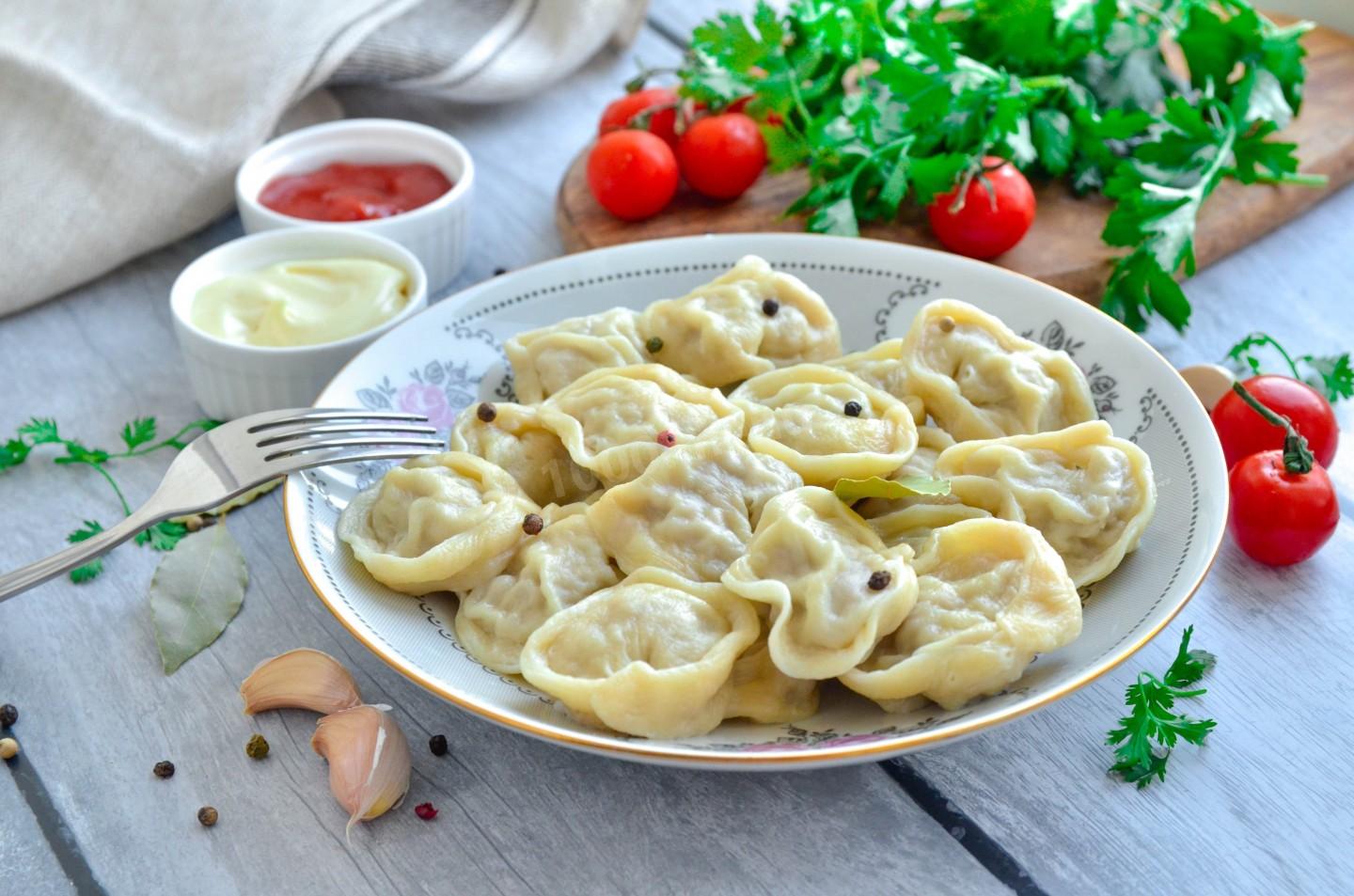
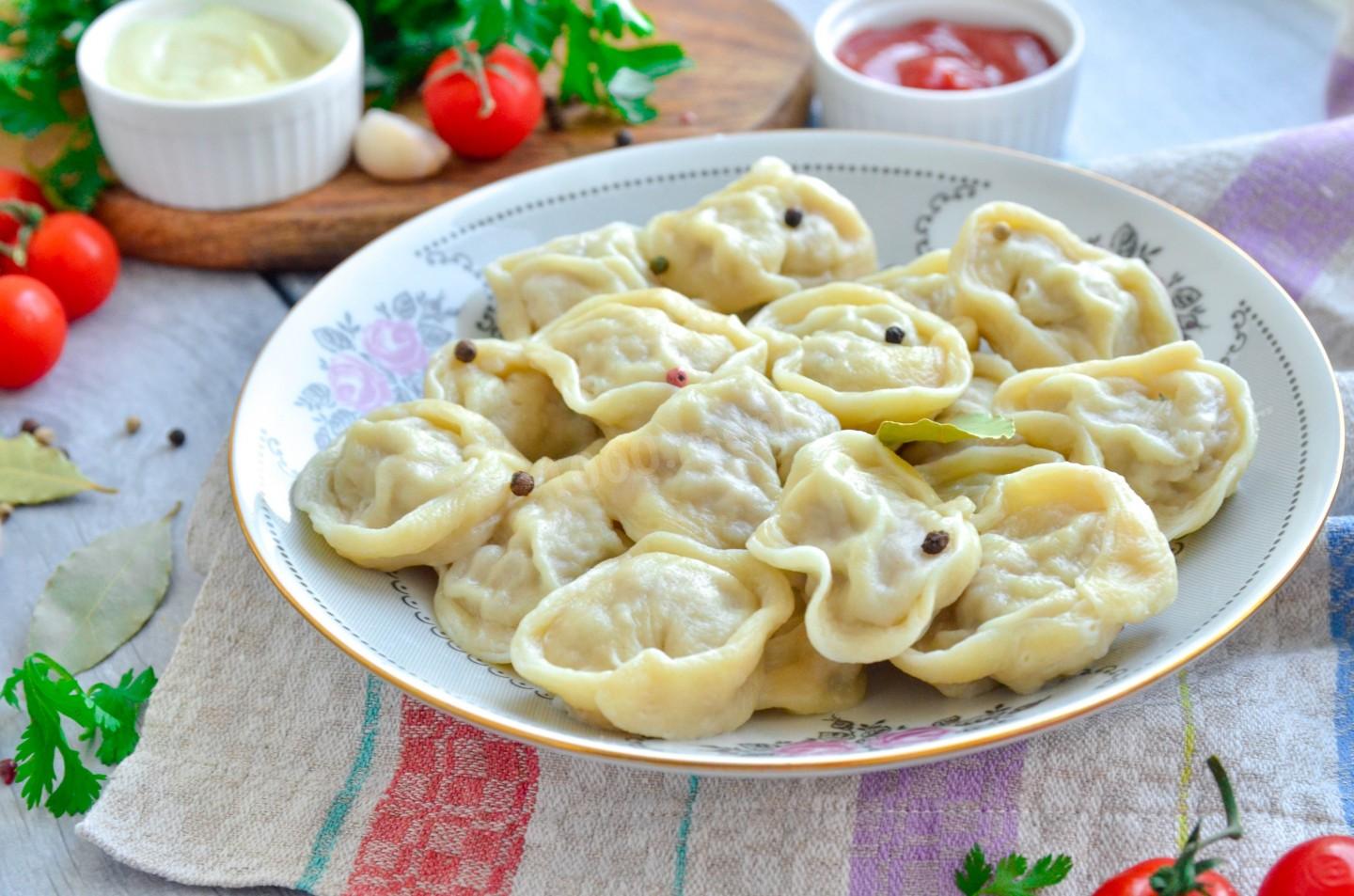
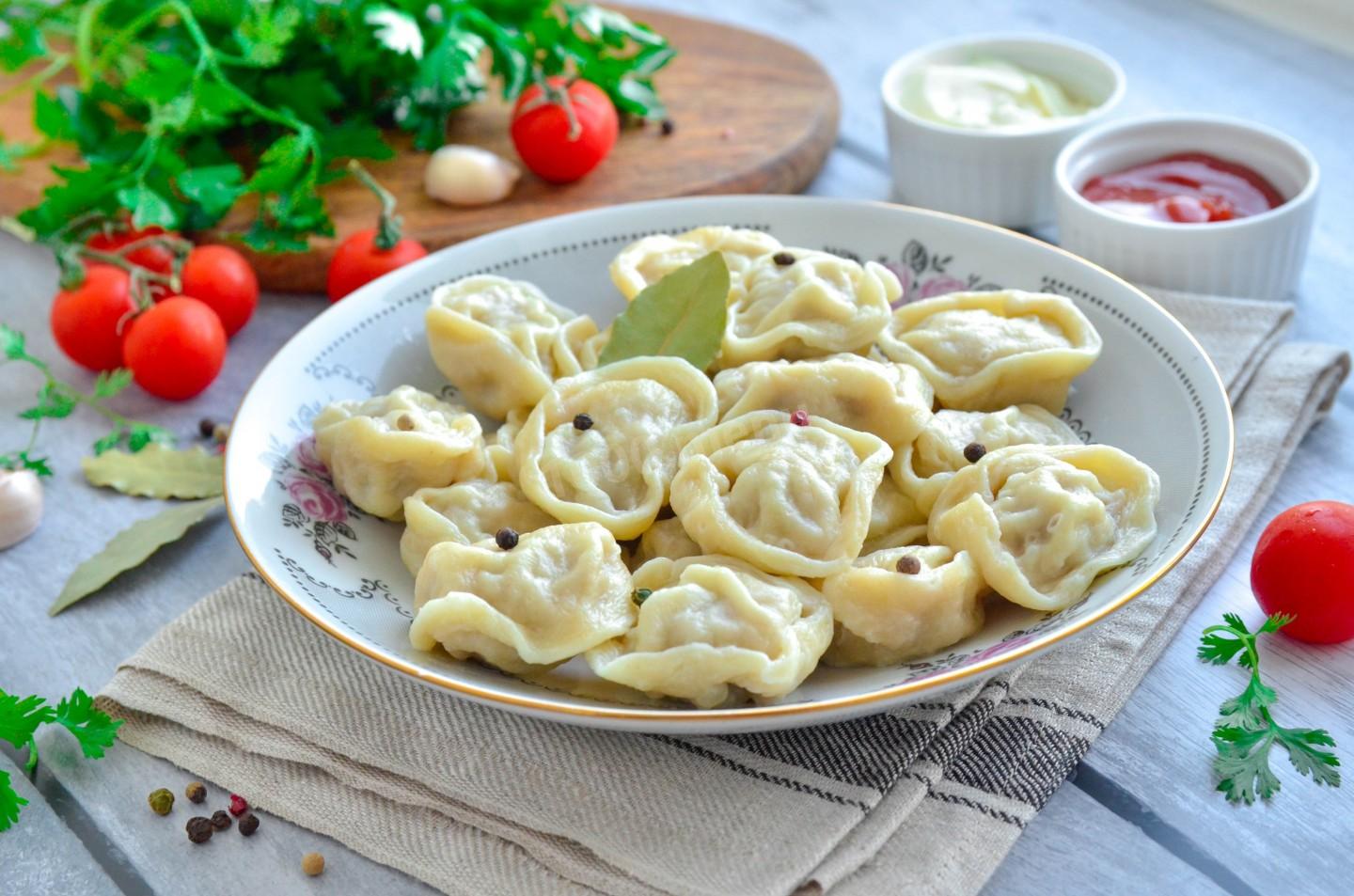
Beef pelmeni (dumplings)
Made from everyday ingredients — simple, quick, and great for the whole family! Beef pelmeni are a bit healthier than the pork kind. A lot of people shy away from making them, worried the filling will turn out dry. This recipe has one secret ingredient that keeps the dumplings juicy and tender.

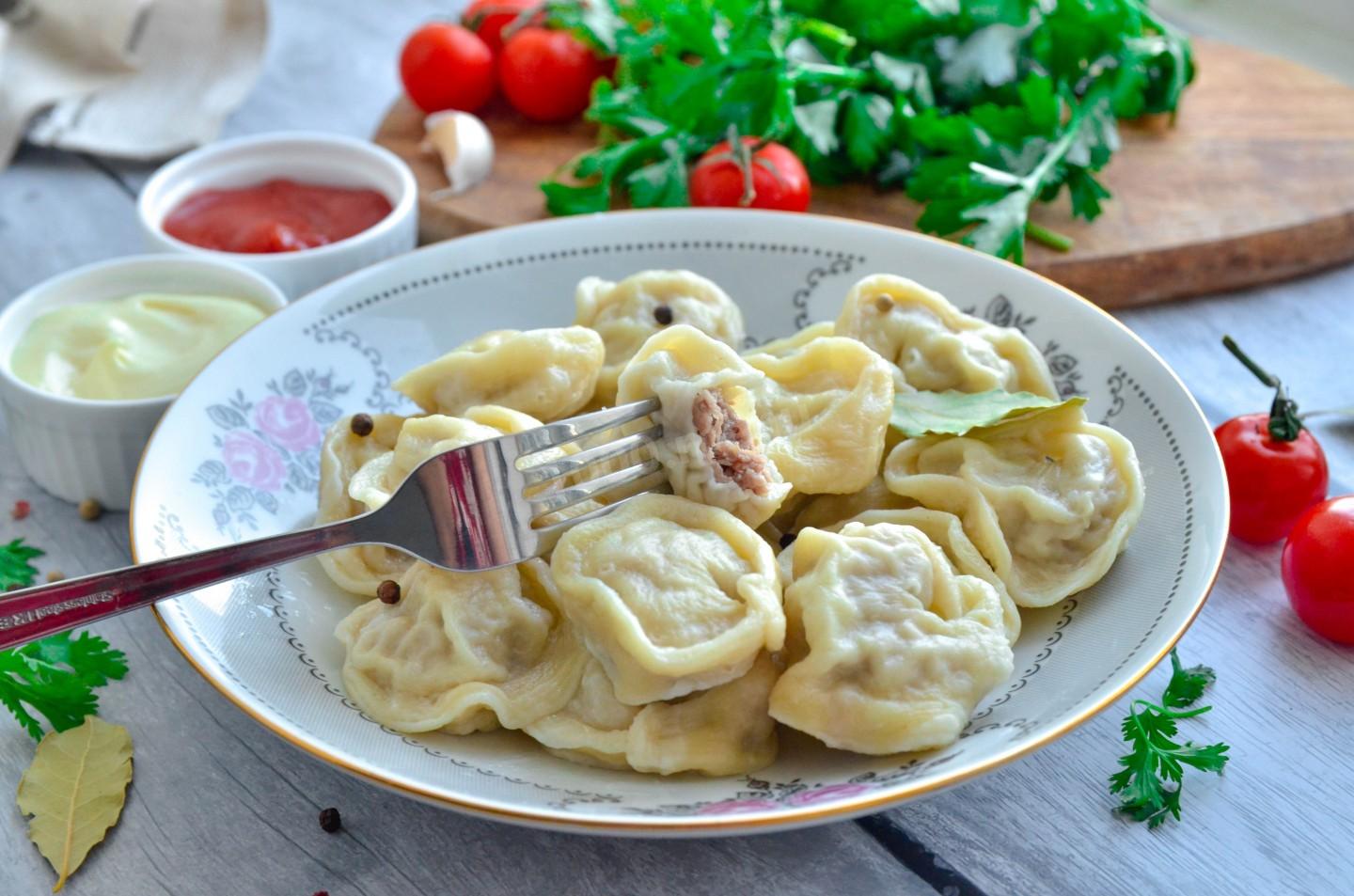
Cooking method
-
Step 1:
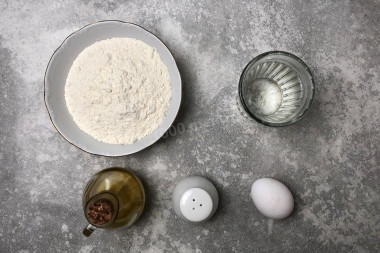
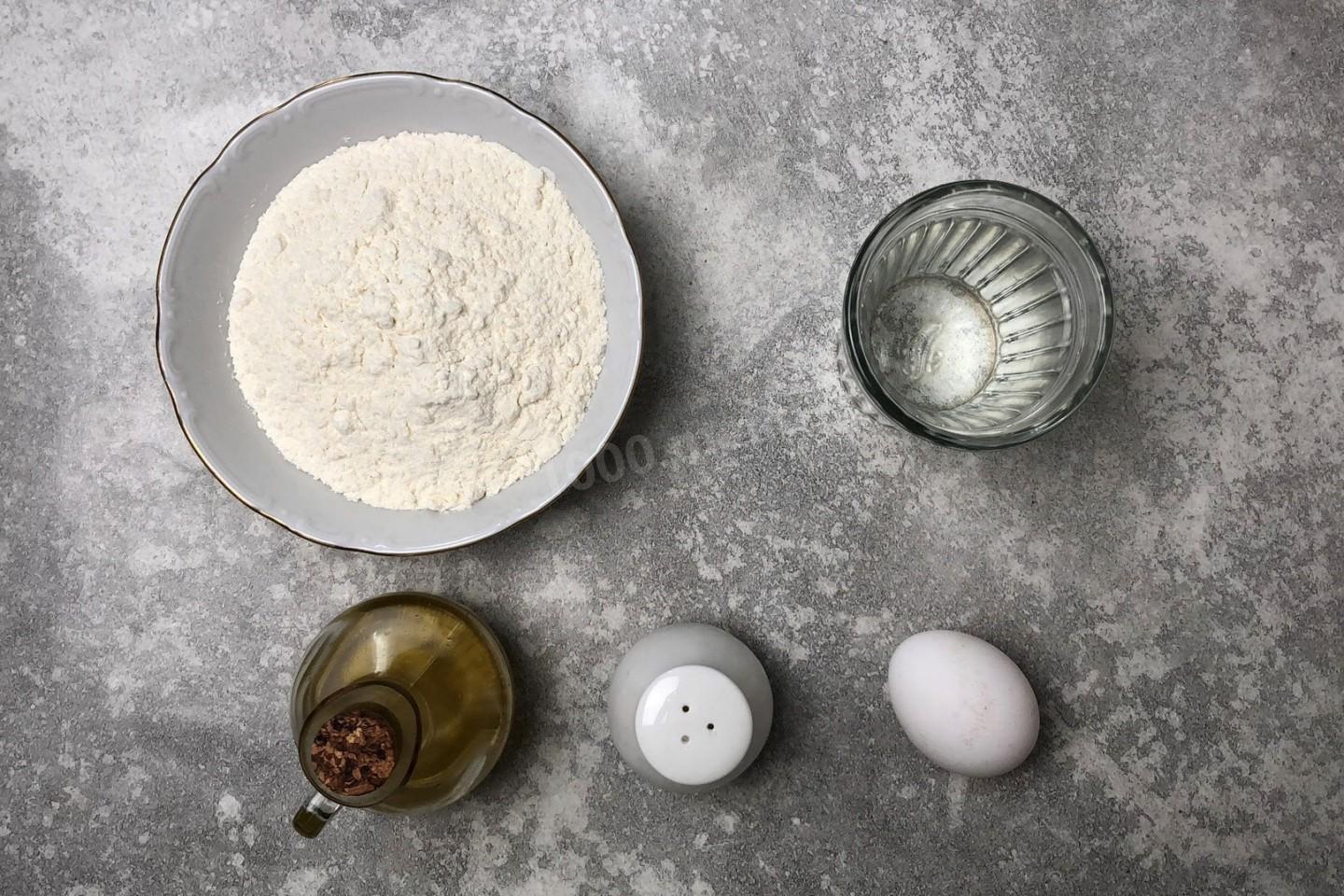
How do you make beef pelmeni? Start with the dough. Gather the ingredients for it. Sift the flour first. Use refined, odorless oil. Wash and dry the egg well.
-
Step 2:
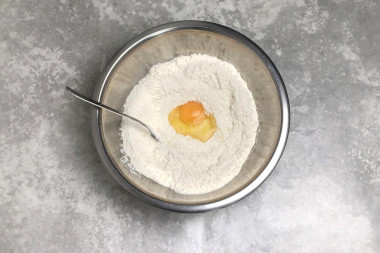
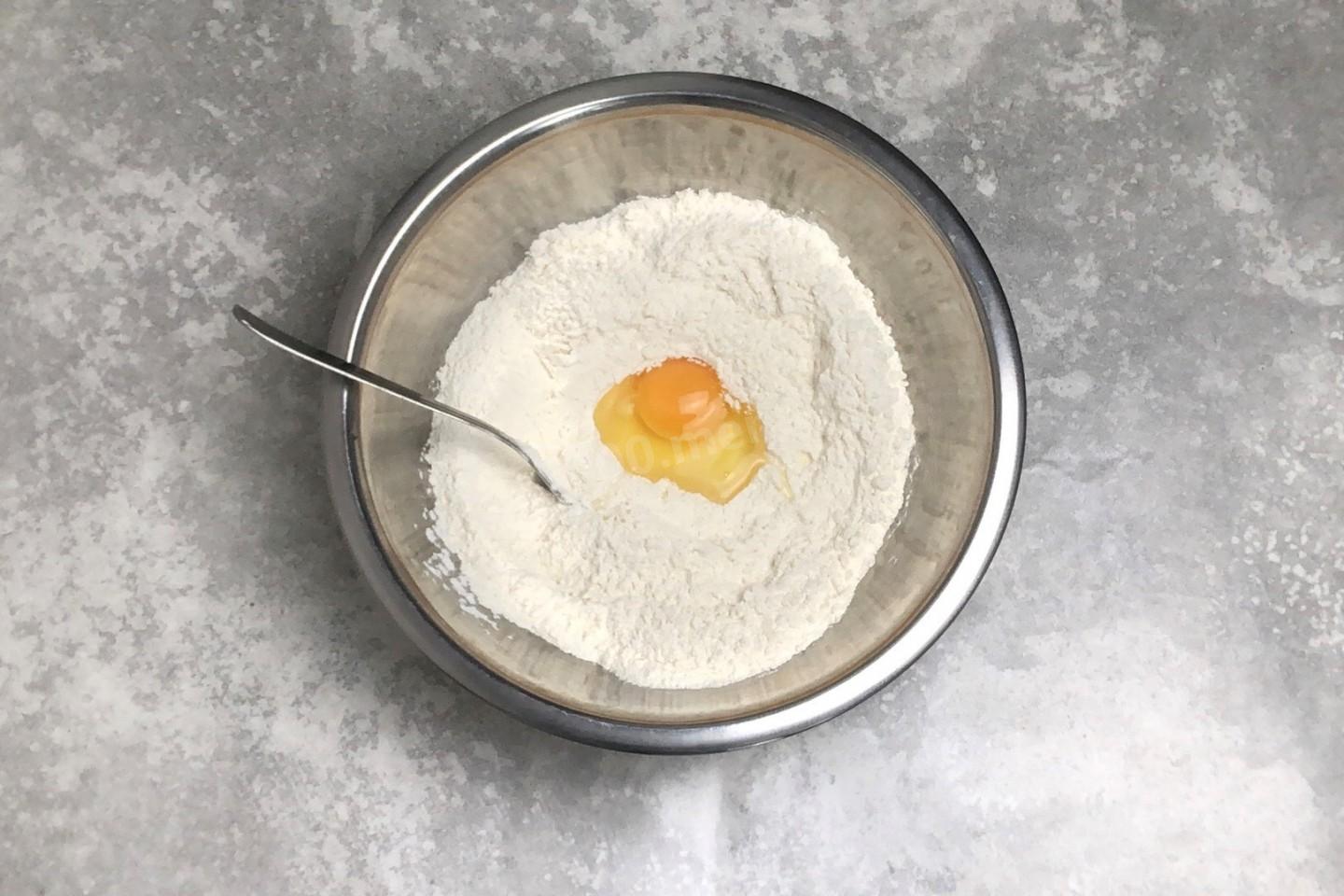
How do you make the dough? Pour the flour into a large bowl, make a well in the middle, and add the salt there. Crack in the egg and pour in the vegetable oil. Stir lightly with a fork, just to combine the white and yolk.
-
Step 3:
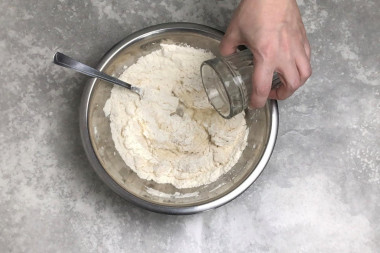
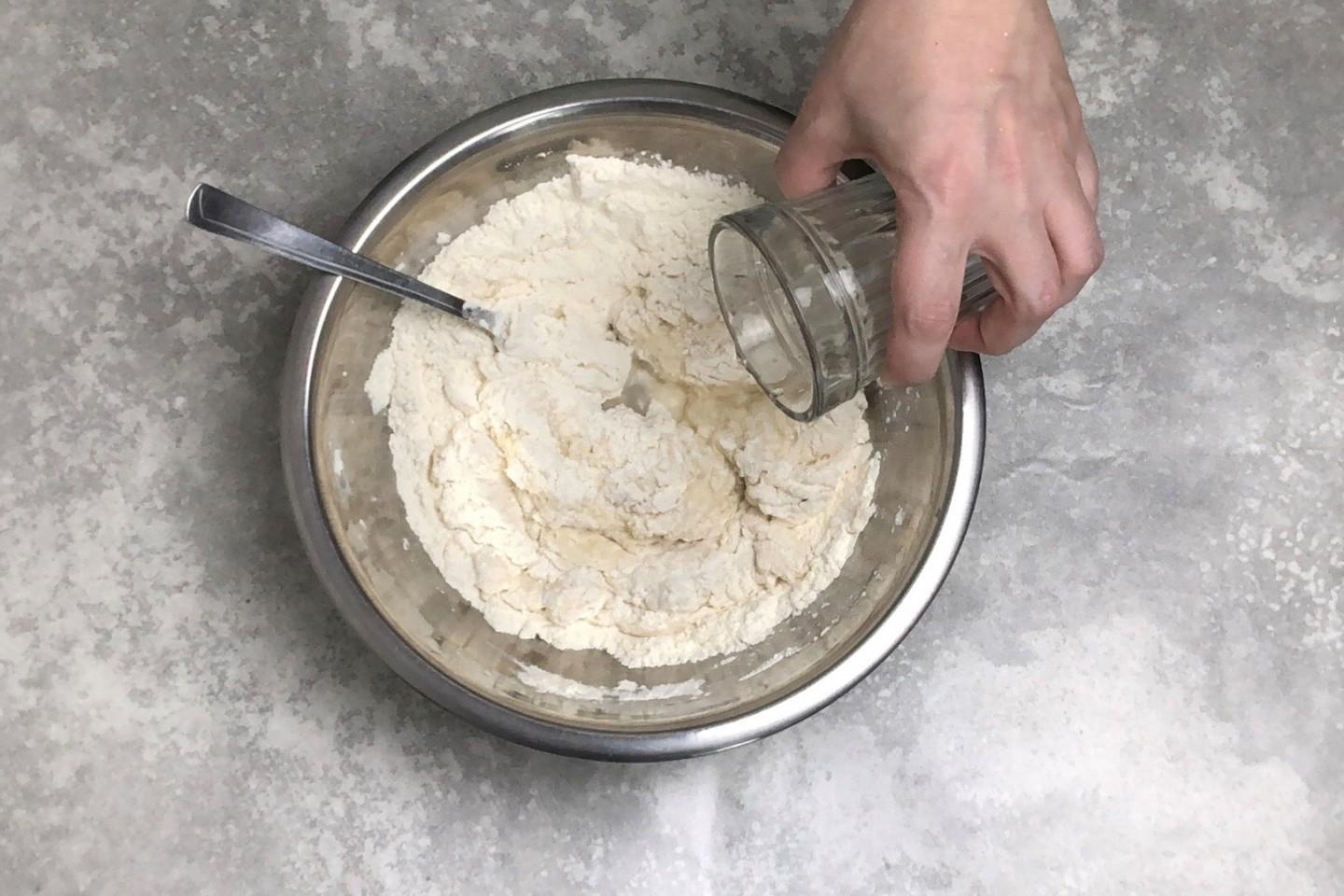
Start pouring in the water a little at a time. Stir the dough with a fork after each addition, and keep going until all the water is in. As it gets harder to stir with the fork, set it aside and continue kneading by hand.
-
Step 4:
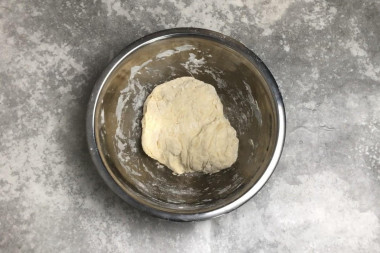
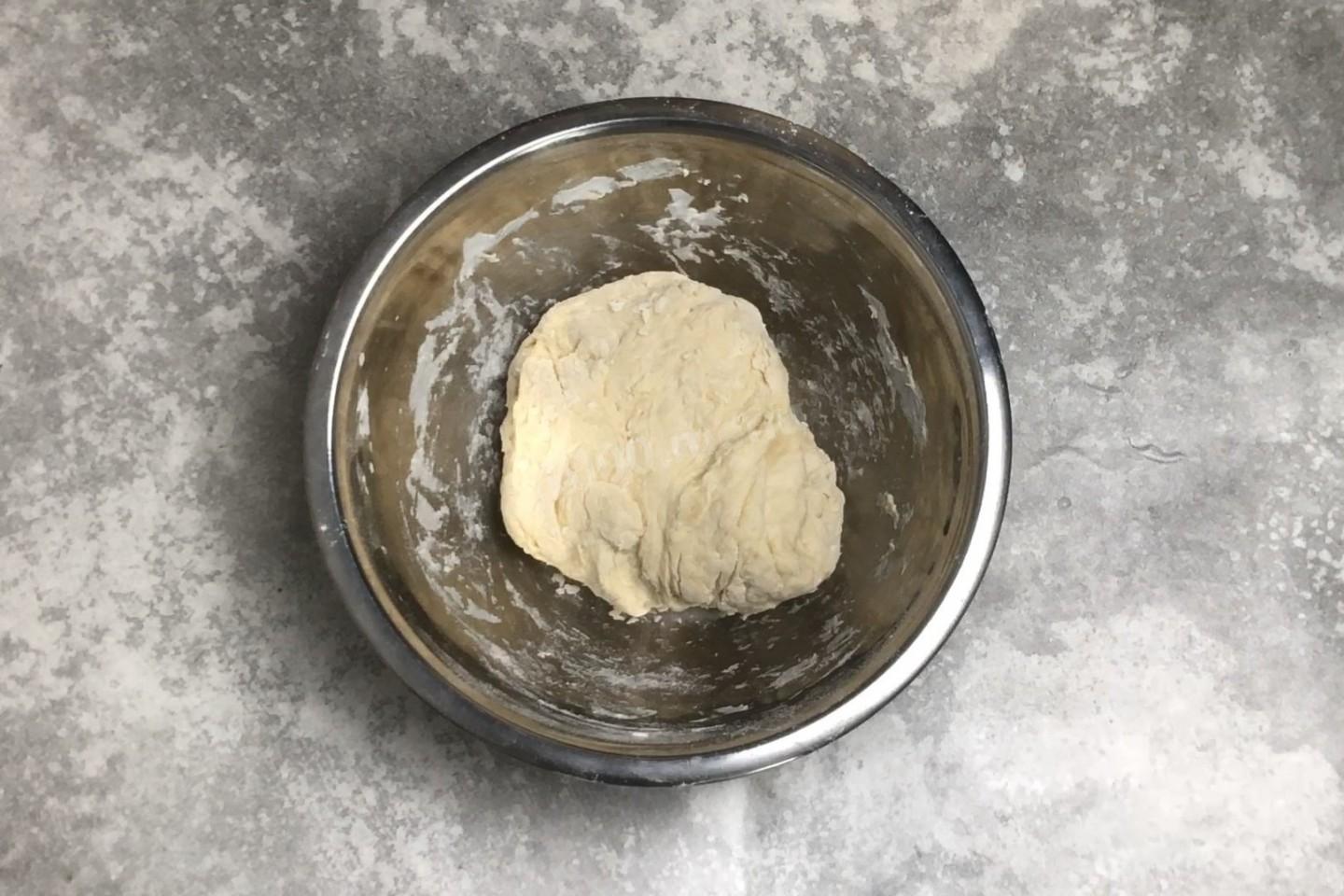
Now it's easier to judge the dough — if it's too sticky, add more flour; if it's too dry and stiff, add water. The dough should come together into a ball and almost stop sticking. There's no need to knead it long — just until the ingredients are combined and the consistency is right; the final kneading comes later, after it rests. Cover the bowl of dough with a towel and leave it on the counter for 20 minutes.
-
Step 5:
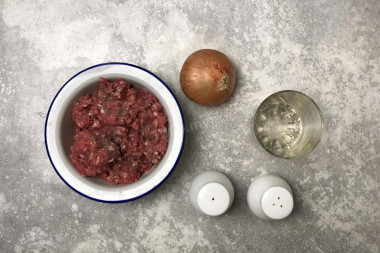
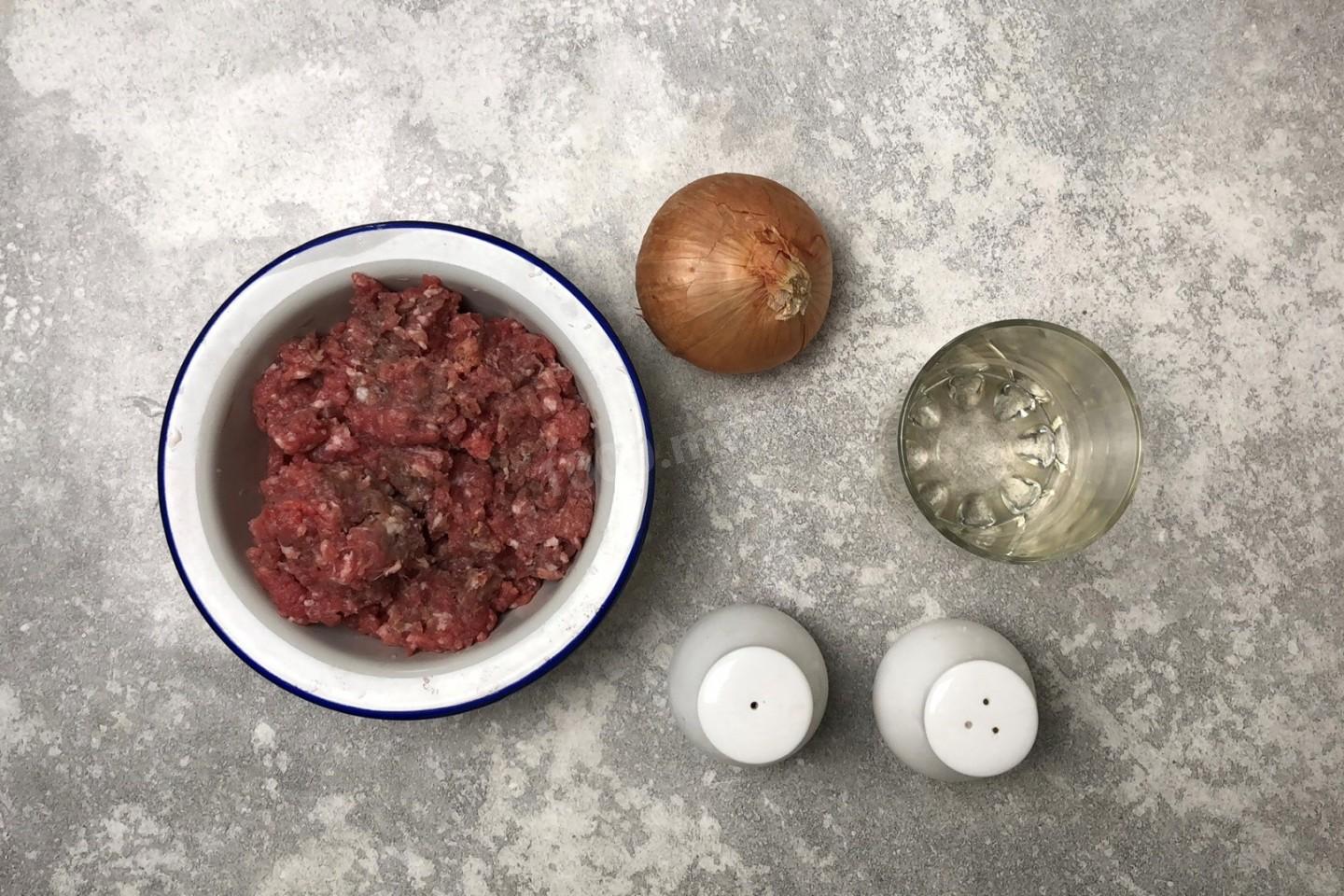
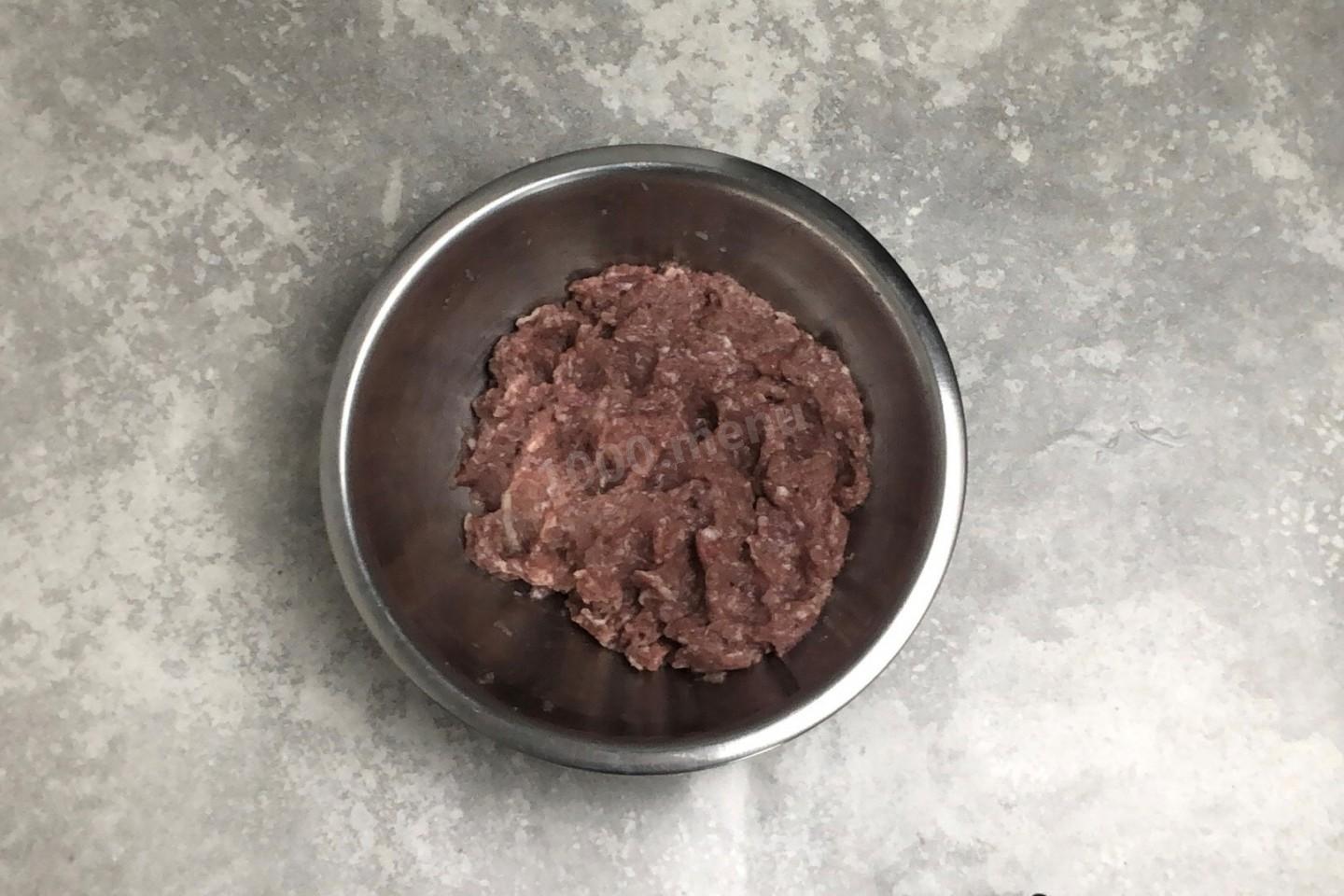
While the dough rests, make the filling. Gather the ingredients for it. I have ready-made ground beef; if you have a piece of beef, trim off the membrane, cut it into pieces, and run it through a meat grinder. The water for the filling needs to be cold — put it in the freezer for half an hour.
-
Step 6:
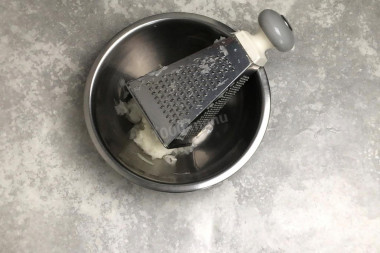
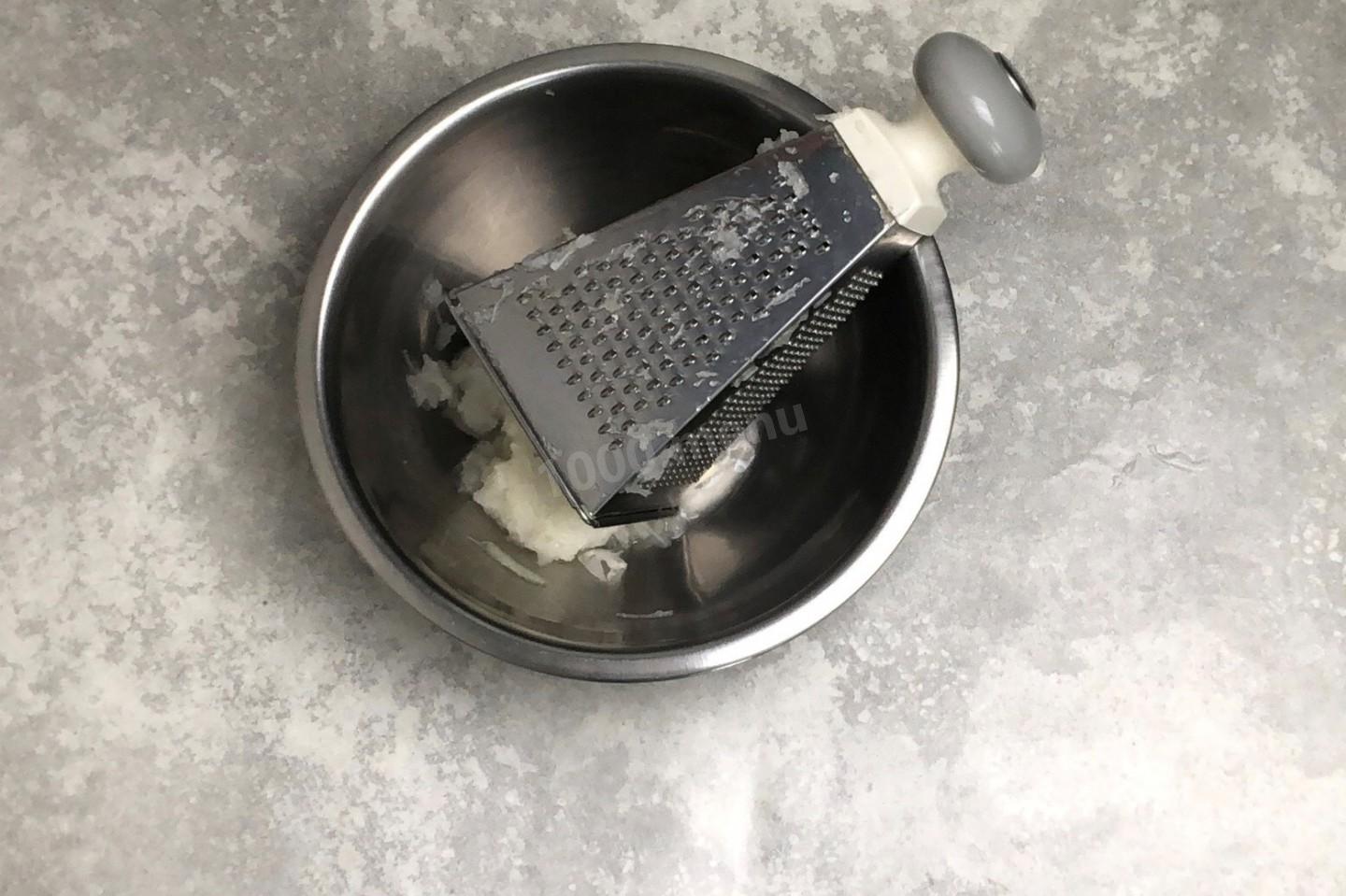
How do you make the filling? Peel and wash the onion. Mince it however is easiest — you can run it through the meat grinder along with the meat, blitz it in a blender, or grate it, as I did. I don't like chopping it with a knife — the pieces come out too big and don't have time to cook through in the short cooking time.
-
Step 7:
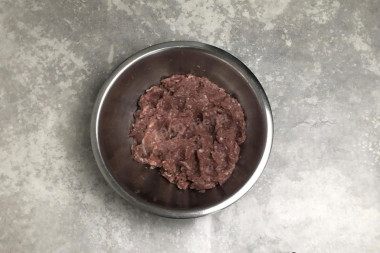
Add the ground beef to the onion, along with salt and ground black pepper to taste. You can add any favorite spices you like. Pour in the cold water and knead the filling well by hand — you can even slap it against the bowl, which makes it perfectly smooth. The water in the filling is that secret ingredient that keeps the meat tender and juicy.
-
Step 8:
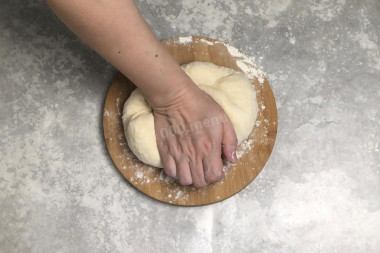
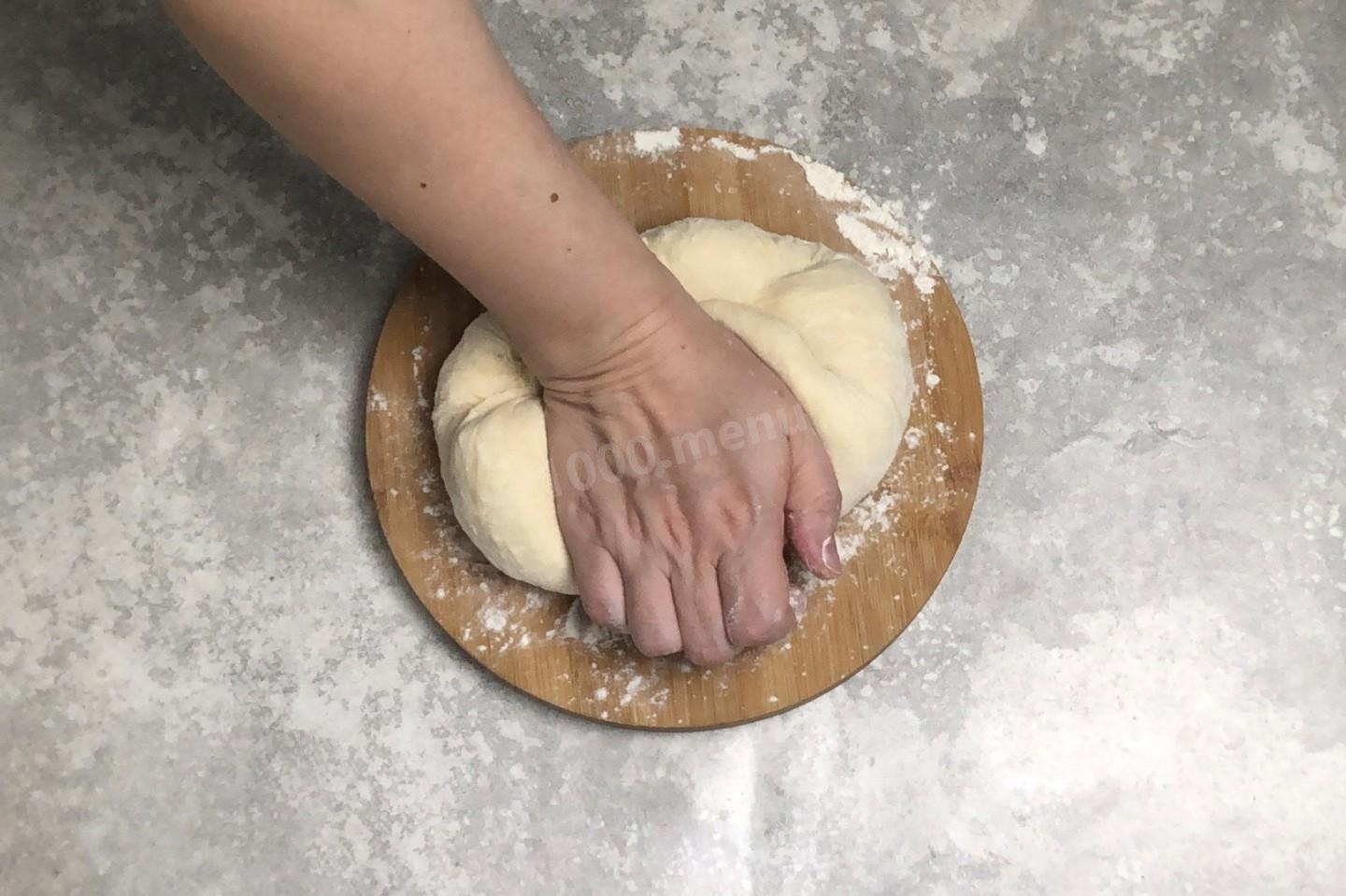
By now the dough has rested, the flour has fully absorbed the water, and the gluten has developed nicely. The dough is now very elastic. Turn it out onto a floured board and knead it well until smooth.
-
Step 9:
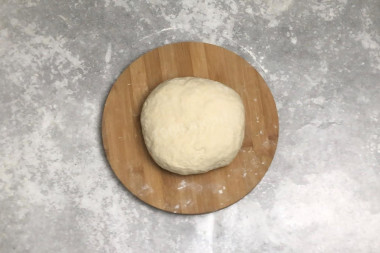
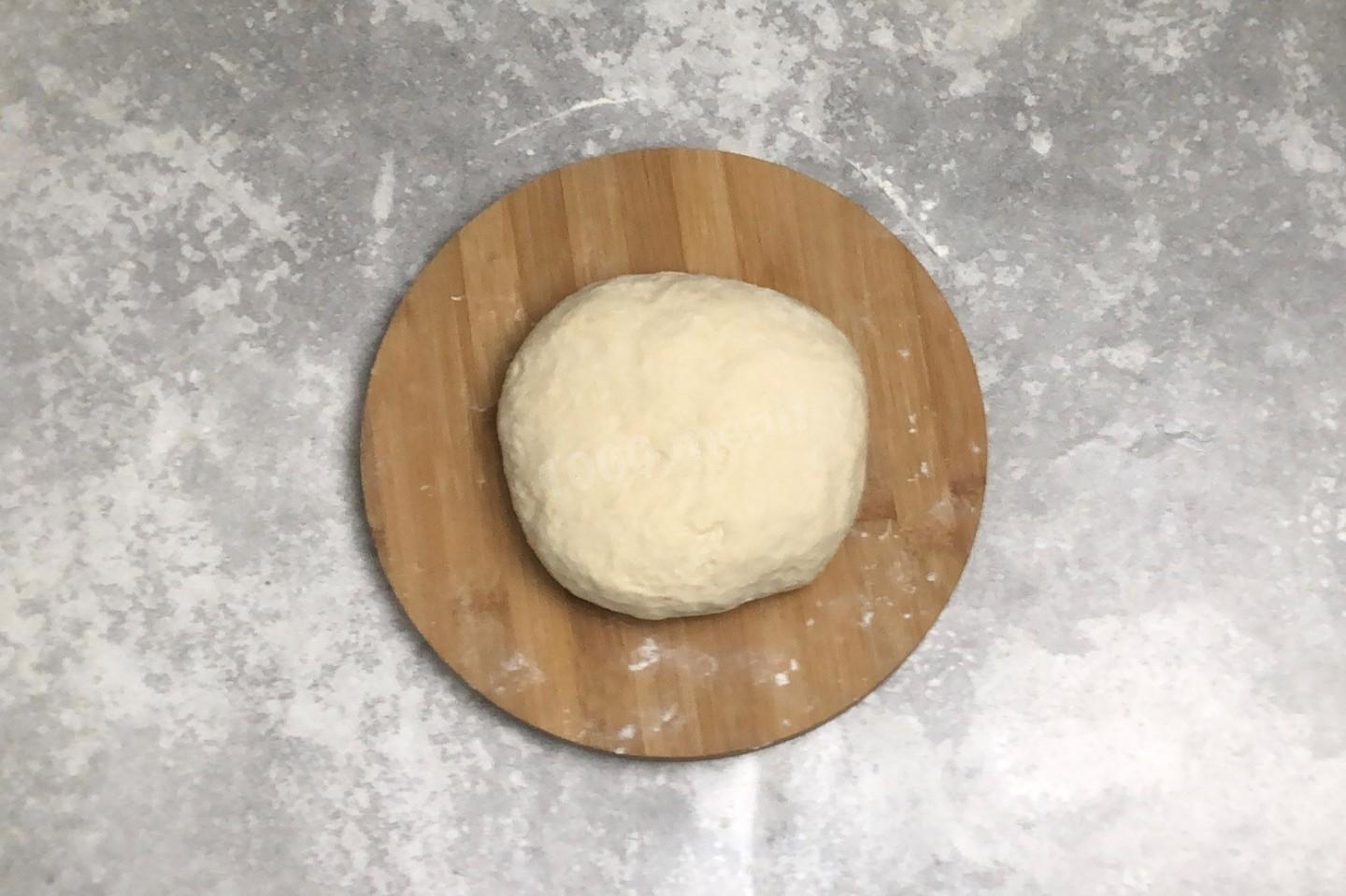
Gather the dough into a ball. It's ready to work with.
-
Step 10:
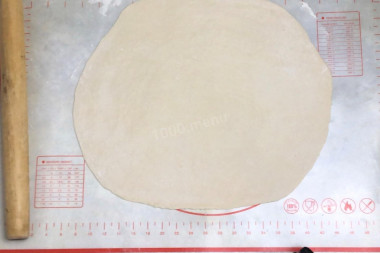
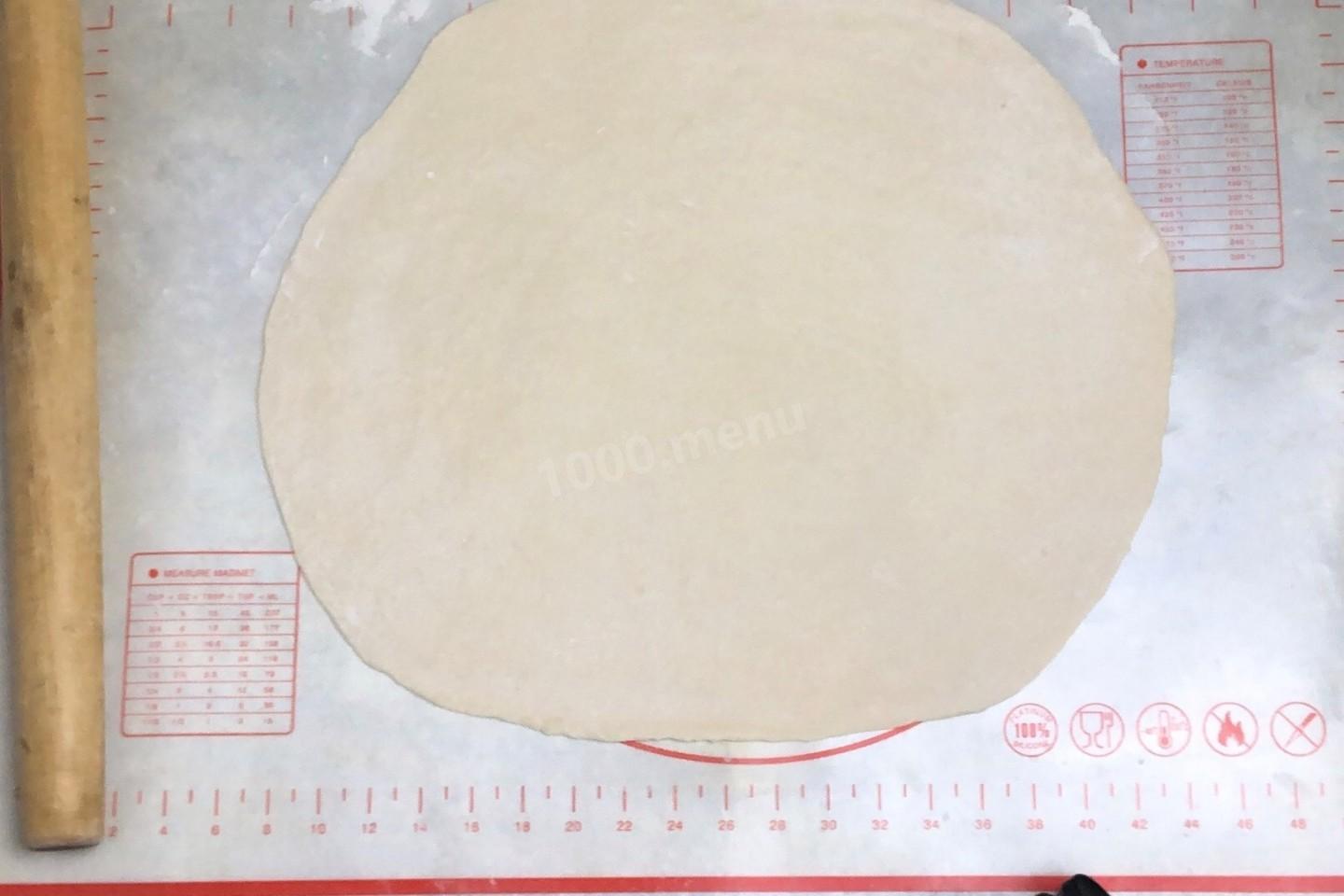
It's easier to roll out small pieces of dough. Cut off about a third, put the rest back in the bowl and cover it with a towel so it doesn't dry out. Dust the counter with flour and roll the dough out thin with a rolling pin.
-
Step 11:
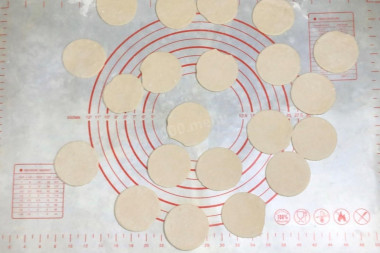
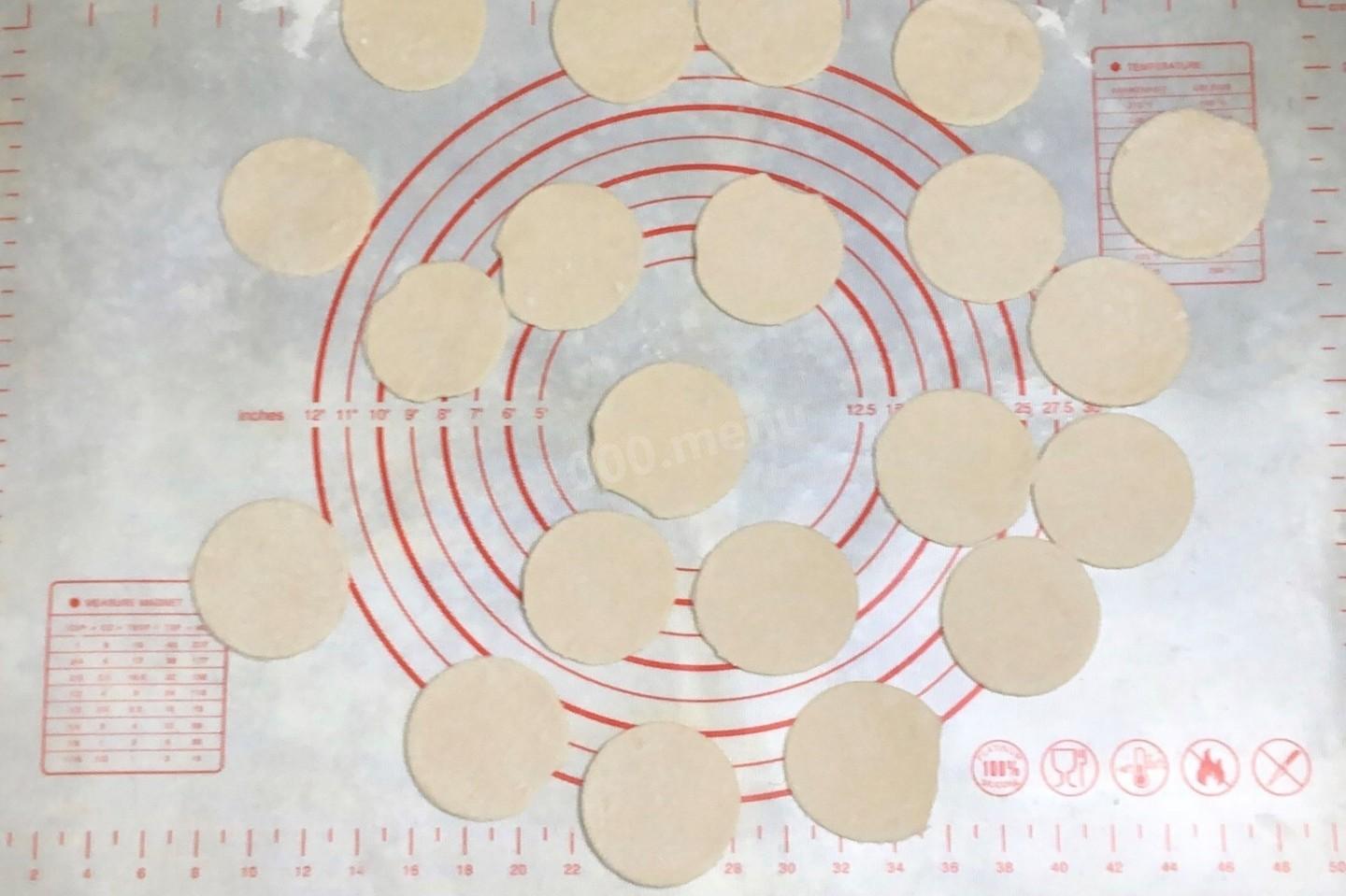
Cut rounds out of the dough — I use a glass.
-
Step 12:
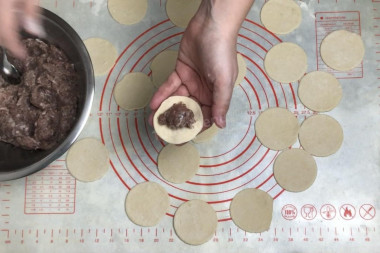
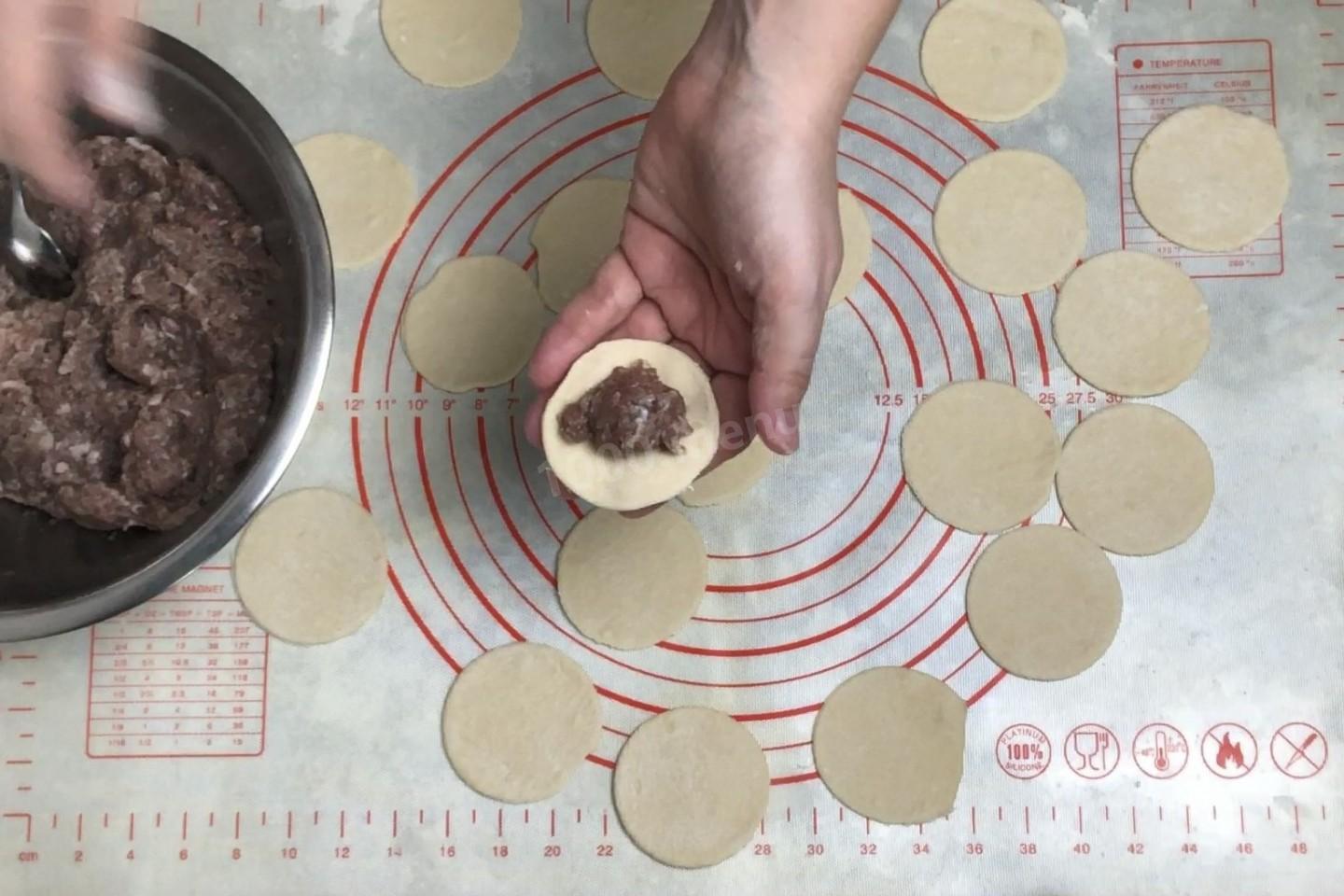
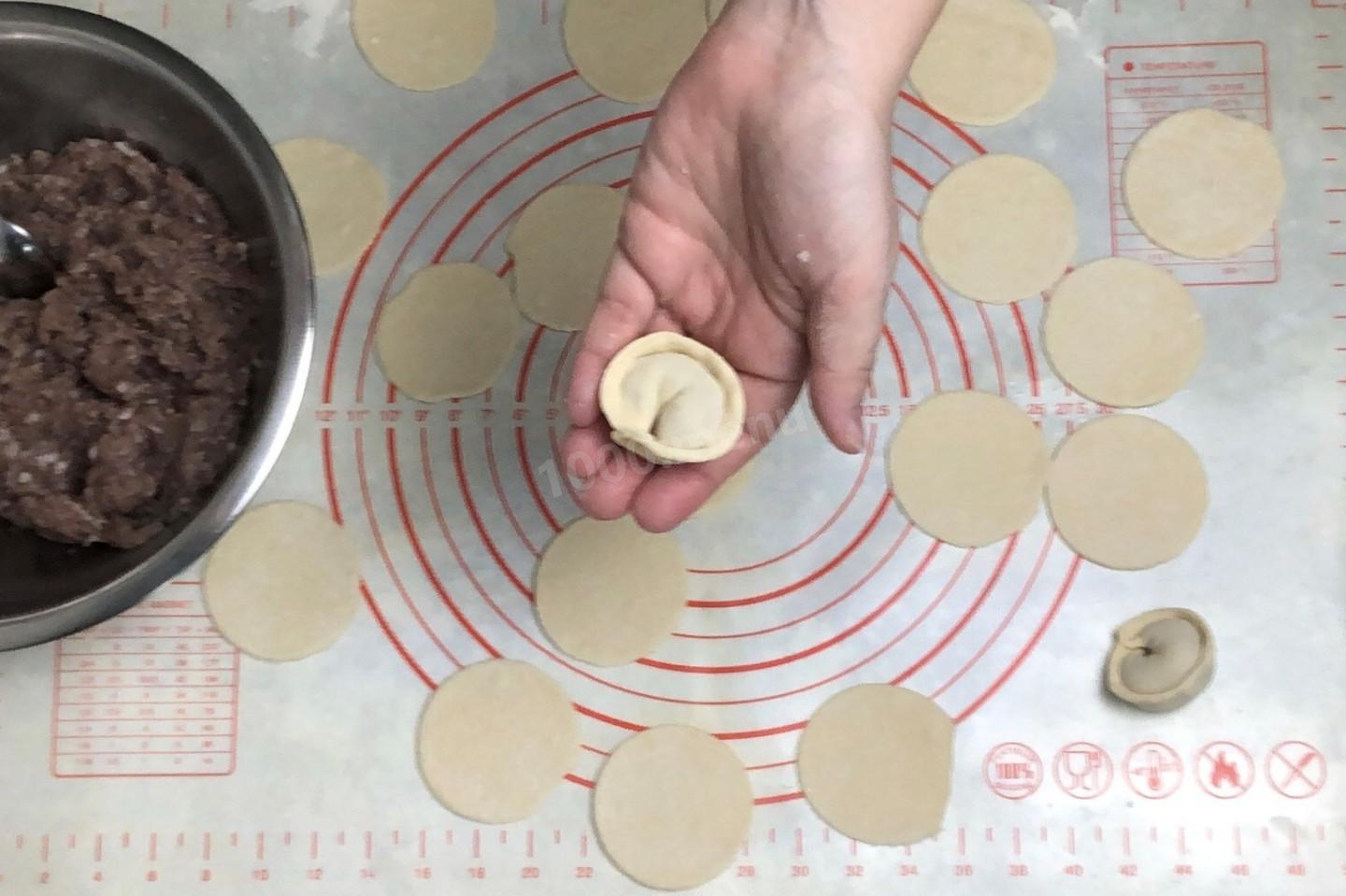
Start forming the pelmeni. How do you shape pelmeni? Place some filling on a round — about a teaspoon fits for me.
-
Step 13:
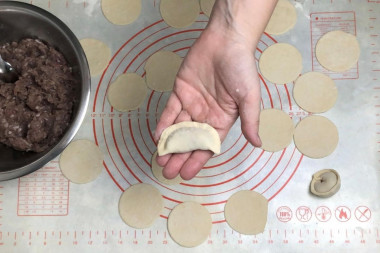
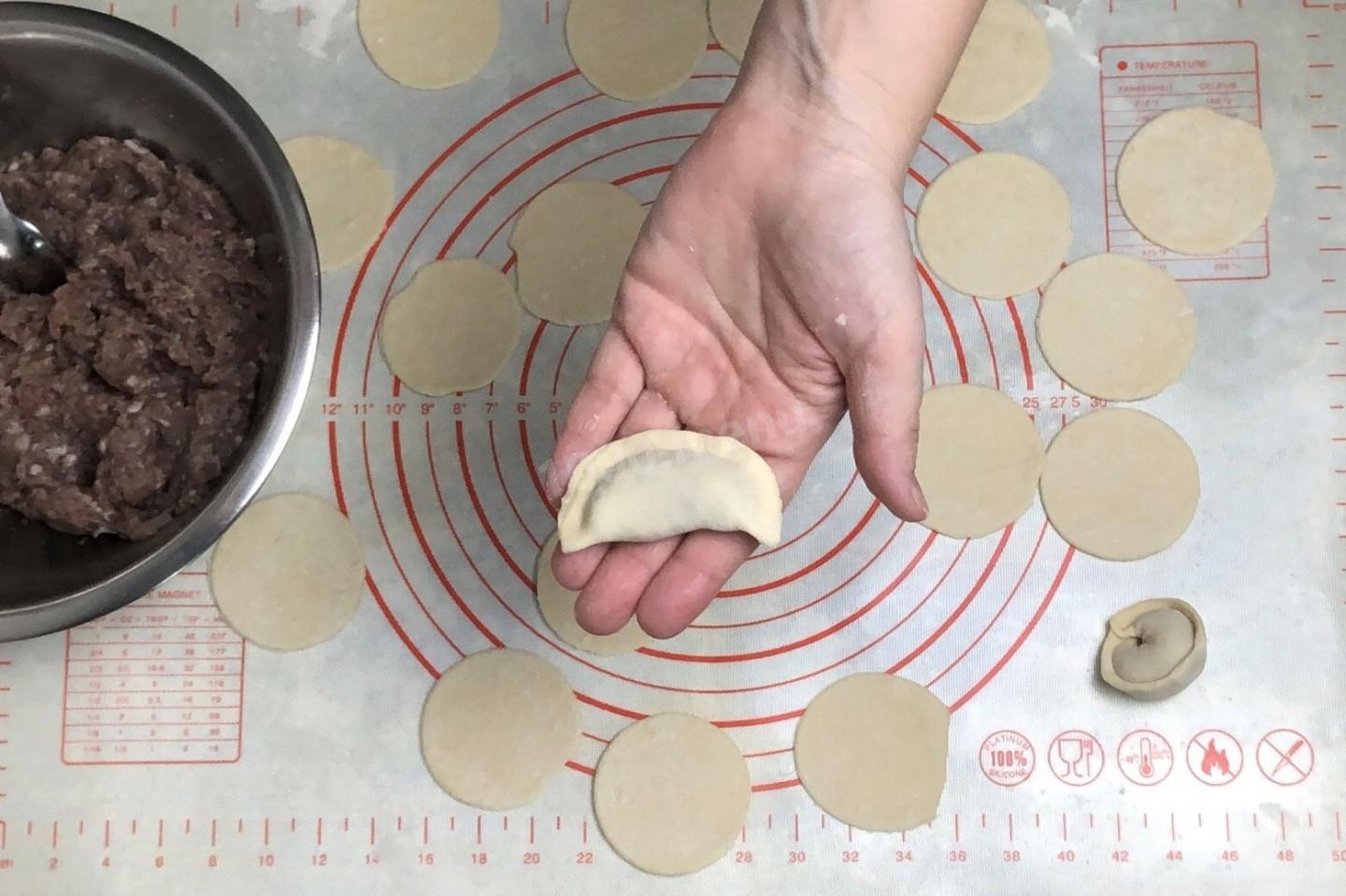
Pinch the edges shut like a turnover.
-
Step 14:
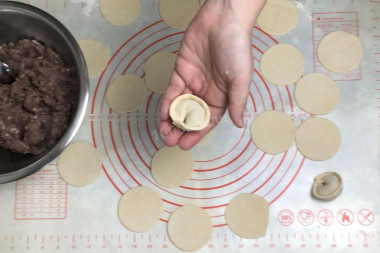
Bring the two ends around into a ring and press them together firmly. The pelmen is done. Make all the rest the same way.
-
Step 15:
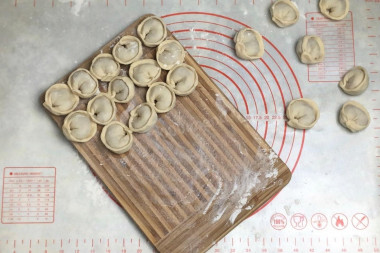
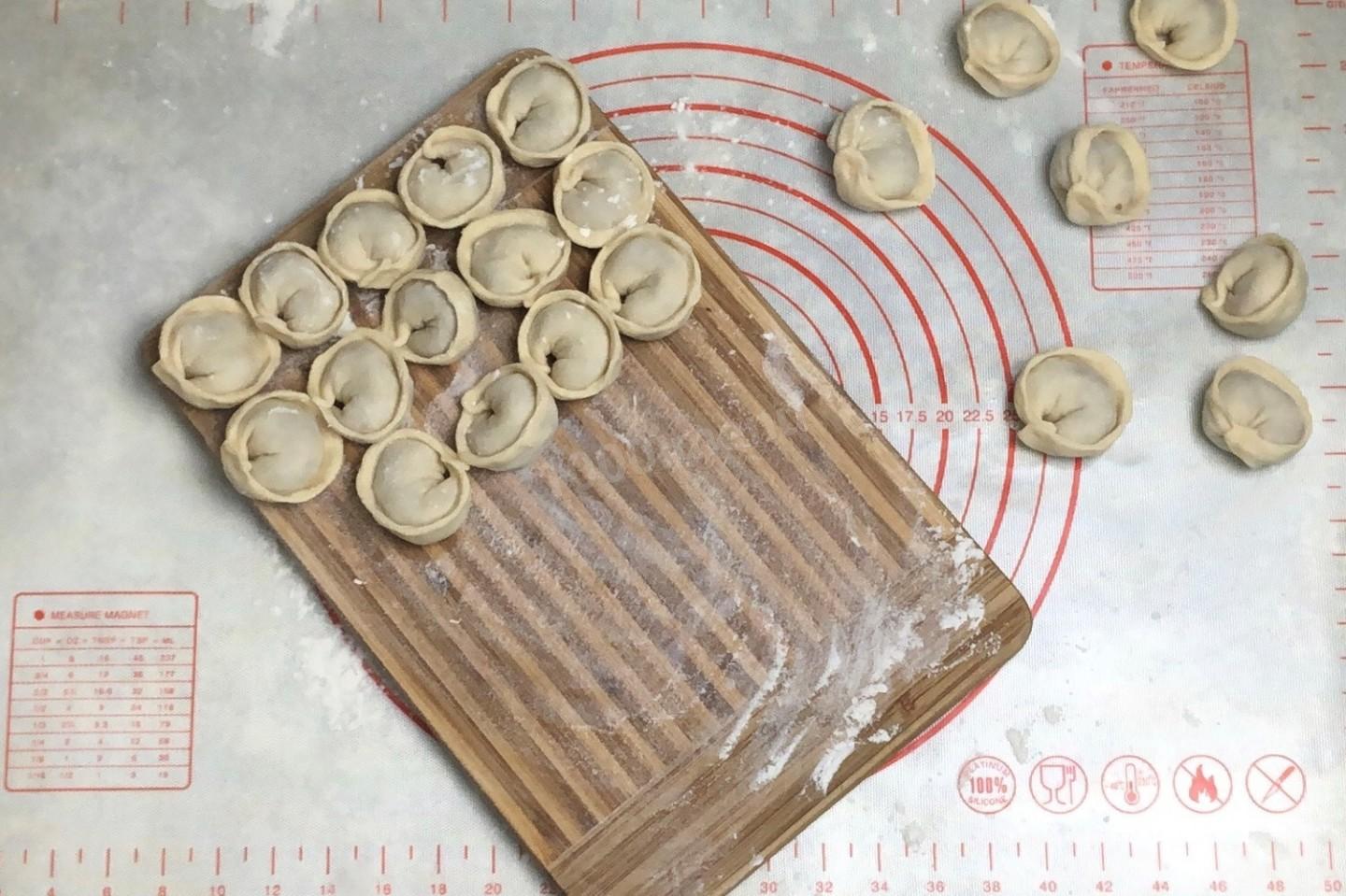
Arrange the finished pelmeni on a floured board. You can cook them right away or put them in the freezer to freeze.
-
Step 16:
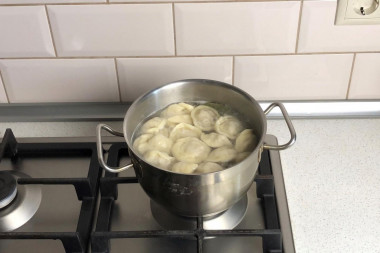
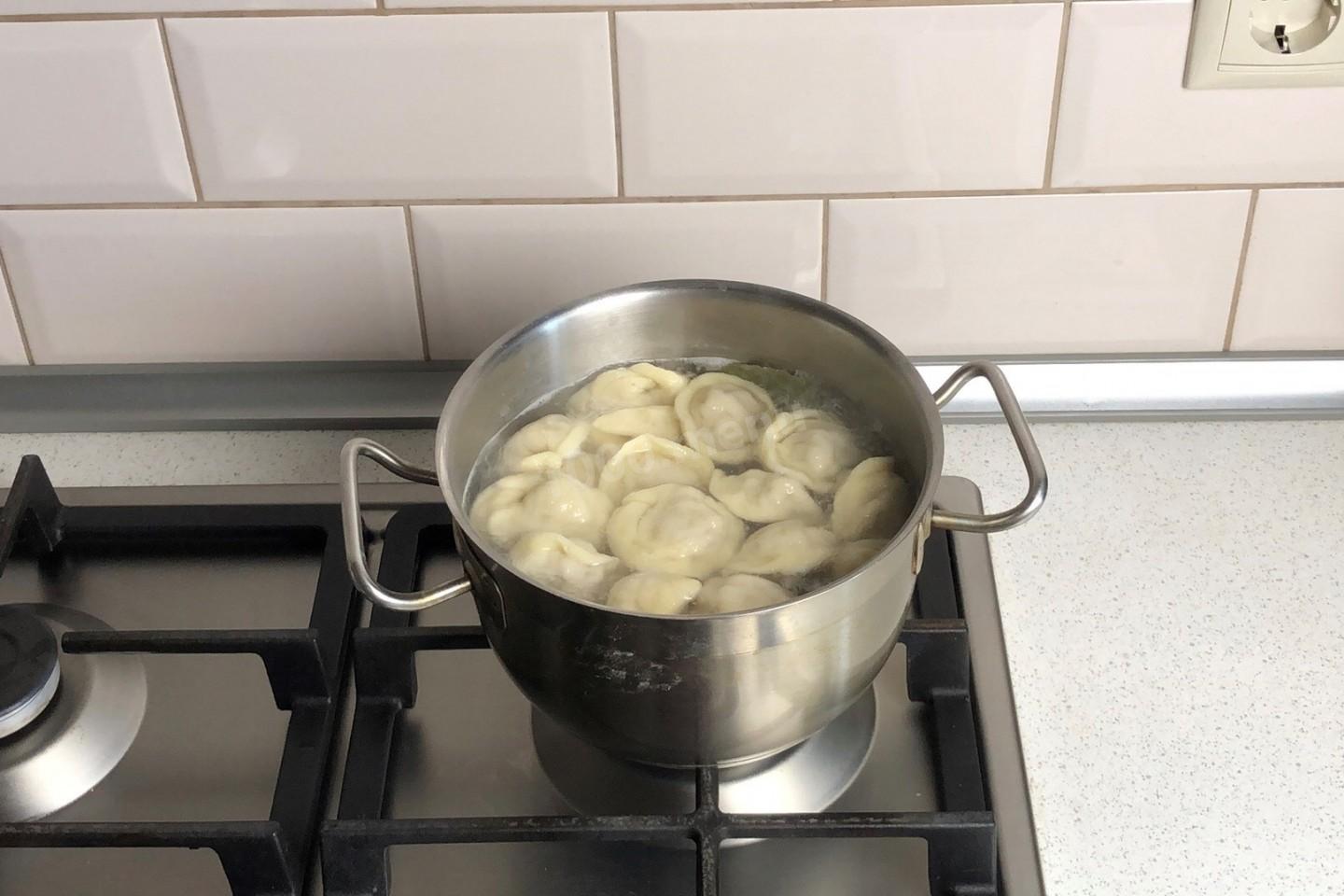
To cook the pelmeni, set a pot of water over the heat. Use a large enough pot so the dumplings can float freely without sticking together. Bring the water to a boil, add salt — I like to add a bay leaf too. Drop the pelmeni into the boiling water and be sure to stir them with a spoon so they don't stick to the bottom.
-
Step 17:
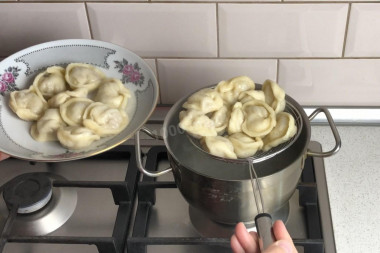
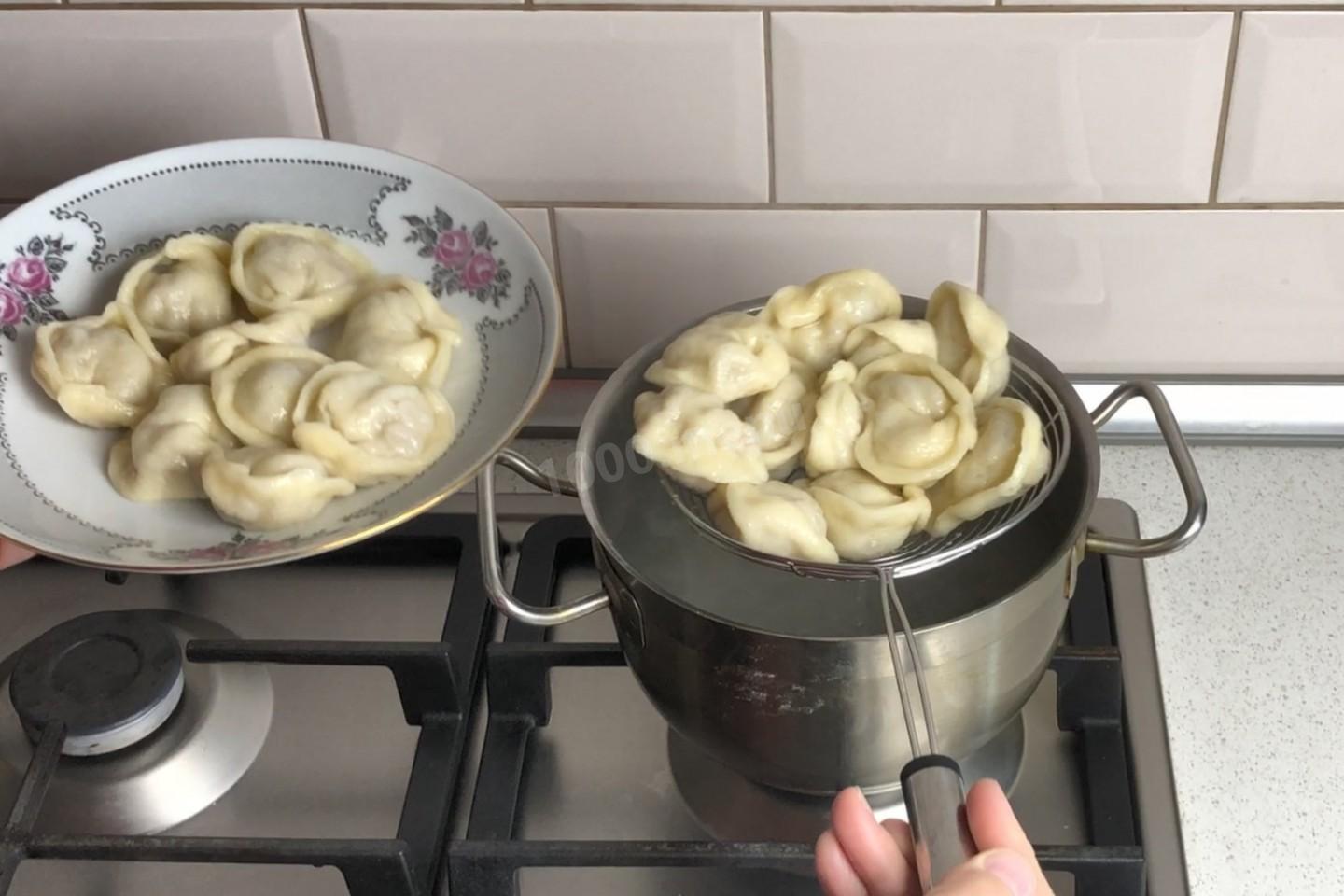
Cook the pelmeni for about 7 minutes over low heat after they float to the surface. Lift the finished pelmeni out onto a plate with a slotted spoon.
-
Step 18:
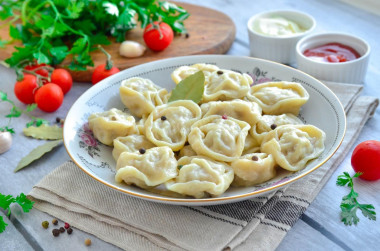
Serve them hot, with butter, sour cream, mayonnaise, or ketchup. You can also serve the broth they cooked in separately in a bowl, or together with the pelmeni soup-style. Some people like to add a splash of vinegar to their pelmeni. Suit yourself. Enjoy!
- I really loved this recipe — both the dough and the filling are great. Juicy, filling, delicious!
- Be ready for the flour to come out to more or less than the recipe states. Go by the desired dough consistency rather than the exact amount of flour. To avoid mistakes, read up on flour and its properties!
- For cooking, it's best to use filtered or bottled water with a neutral taste. If you use tap water, keep in mind it can give the dish an off, characteristic flavor.
- Always wash eggs before using them, since even a shell that looks clean can carry harmful bacteria. A food-safe wash and a brush work best.
Caloric content of the products possible in the composition of the dish
- Chicken egg - 157 kcal/100g
- Egg white - 45 kcal/100g
- Egg powder - 542 kcal/100g
- Egg yolk - 352 kcal/100g
- Ostrich egg - 118 kcal/100g
- Ground black pepper - 255 kcal/100g
- Whole durum wheat flour fortified - 333 kcal/100g
- Whole durum wheat flour, universal - 364 kcal/100g
- Flour krupchatka - 348 kcal/100g
- Flour - 325 kcal/100g
- Vegetable oil - 873 kcal/100g
- Salt - 0 kcal/100g
- Water - 0 kcal/100g
- Onion - 41 kcal/100g
- Ground beef - 254 kcal/100g