Meatless vegan pea soup
Wholesome, light, simple, and made from everyday ingredients! This lean vegan pea soup is cooked without meat, yet it still turns out thick, filling, and very tasty! It's quick and easy to make, since the peas don't need soaking ahead of time. Sautéed vegetables and spices give the soup a warm, aromatic depth.

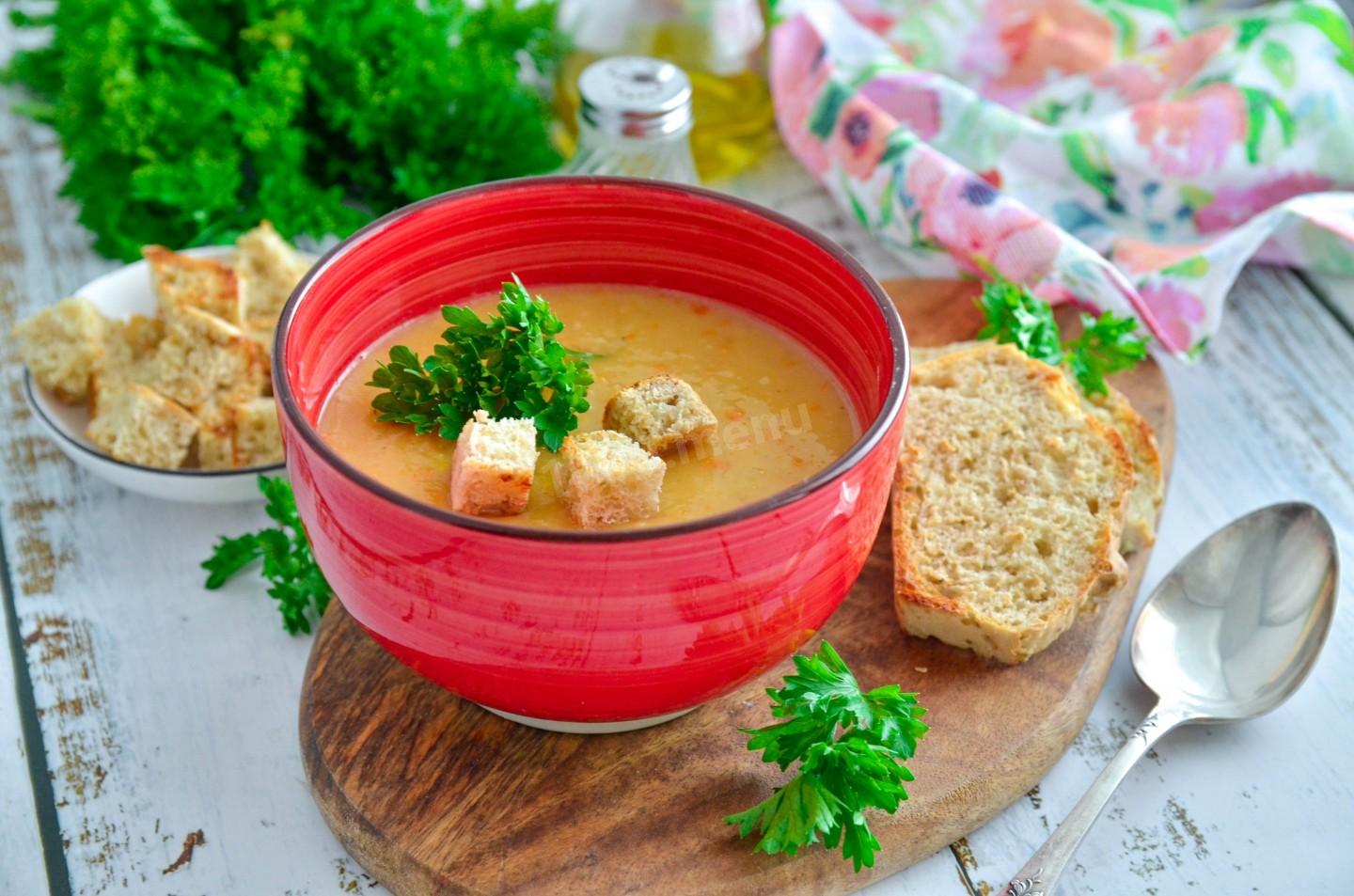
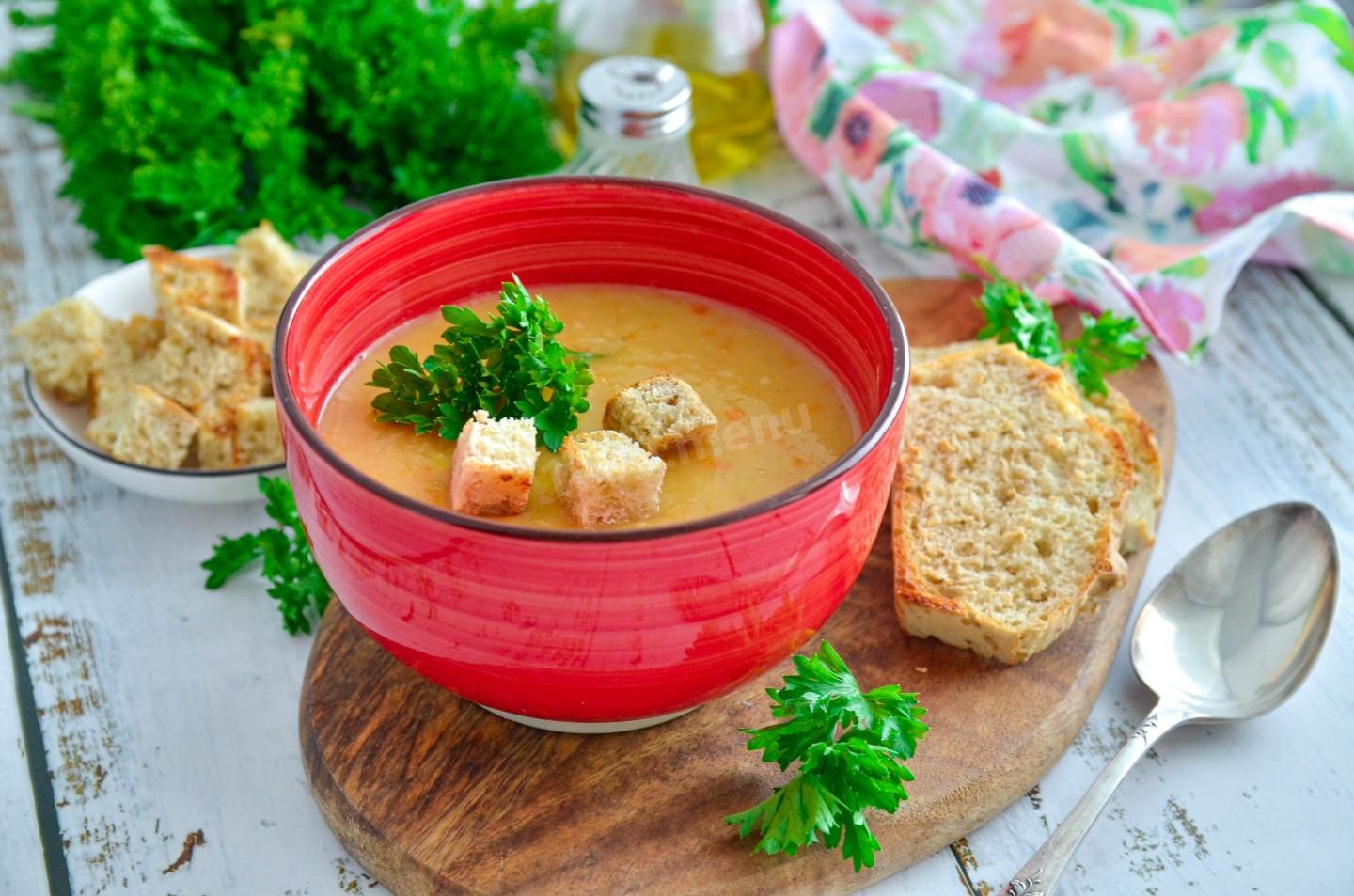
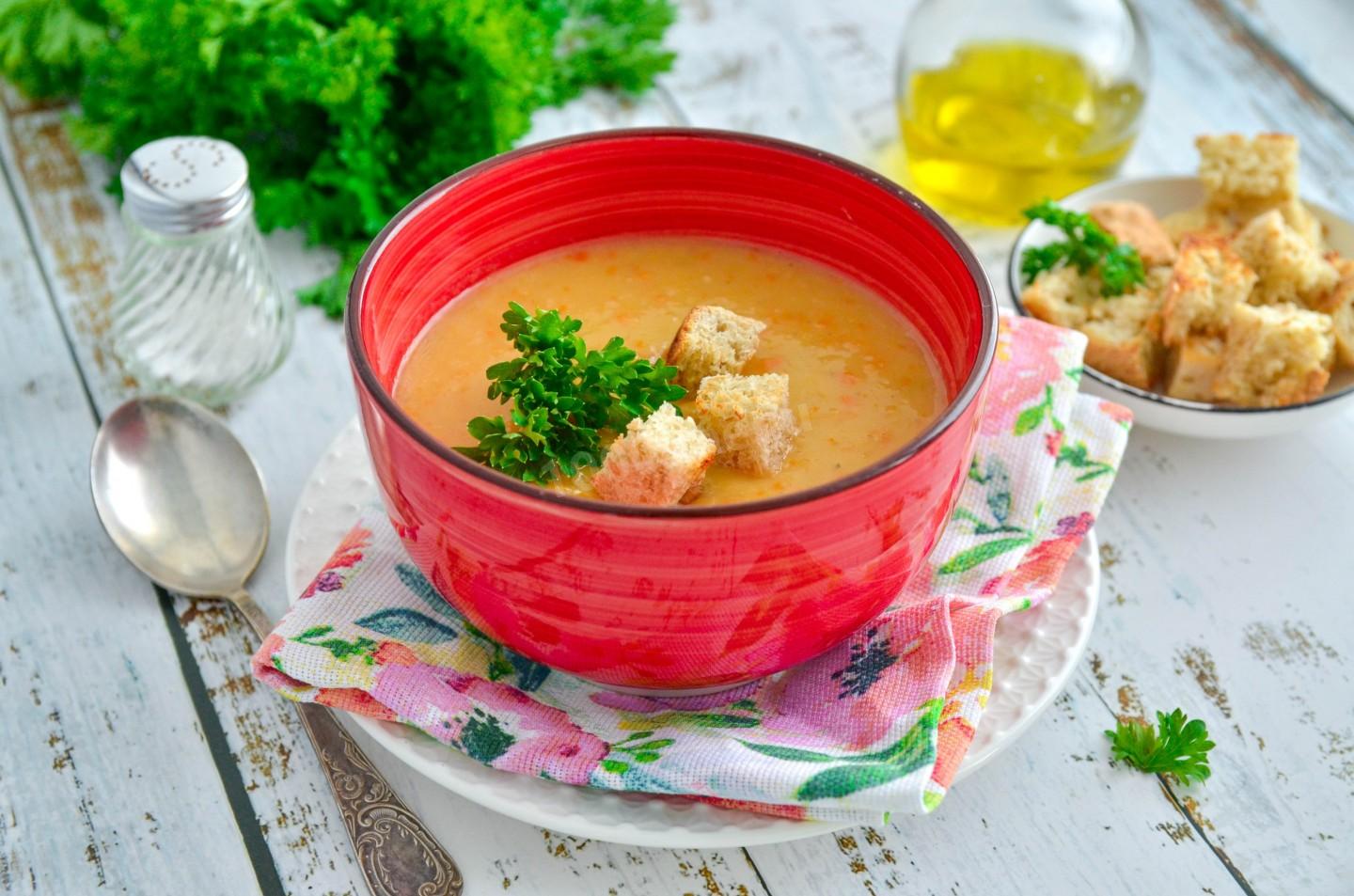
Cooking method
-
Step 1:
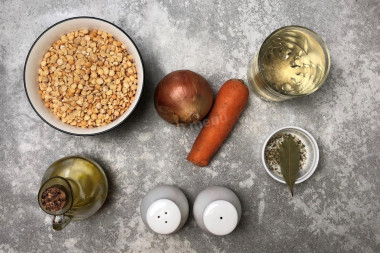
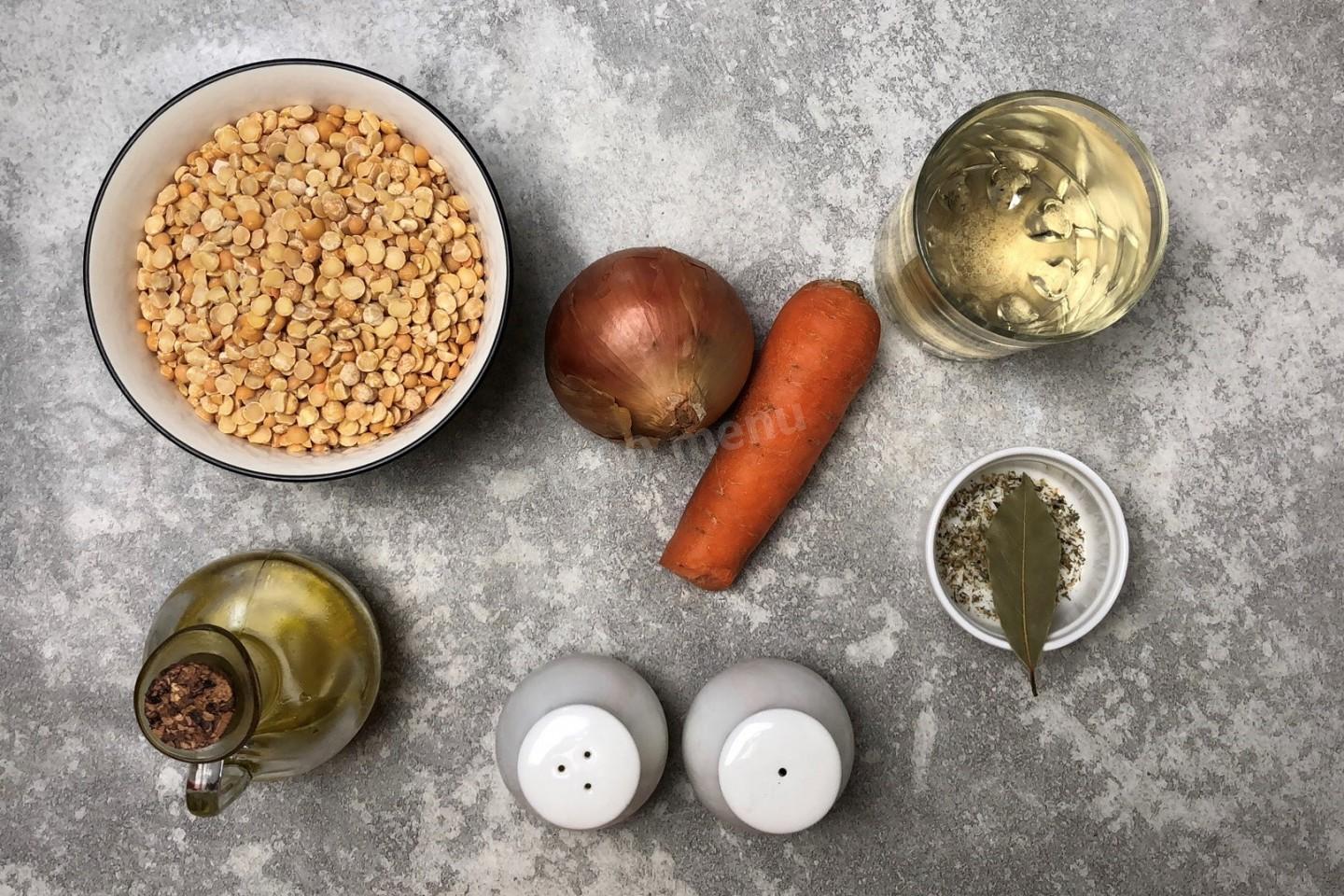
How do you make meatless vegan pea soup? Gather your ingredients. Any peas will do — dried, frozen, or fresh. The only thing that changes with each type is the cooking time; the method stays the same. Besides the onion and carrot, you can add leek, celery stalks, or garlic to the soup. You can swap the vegetable broth for plain water, or use just broth, or broth and water together. Choose your dried spices to taste.
-
Step 2:
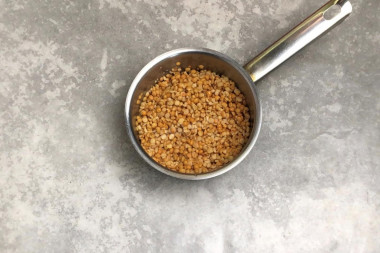
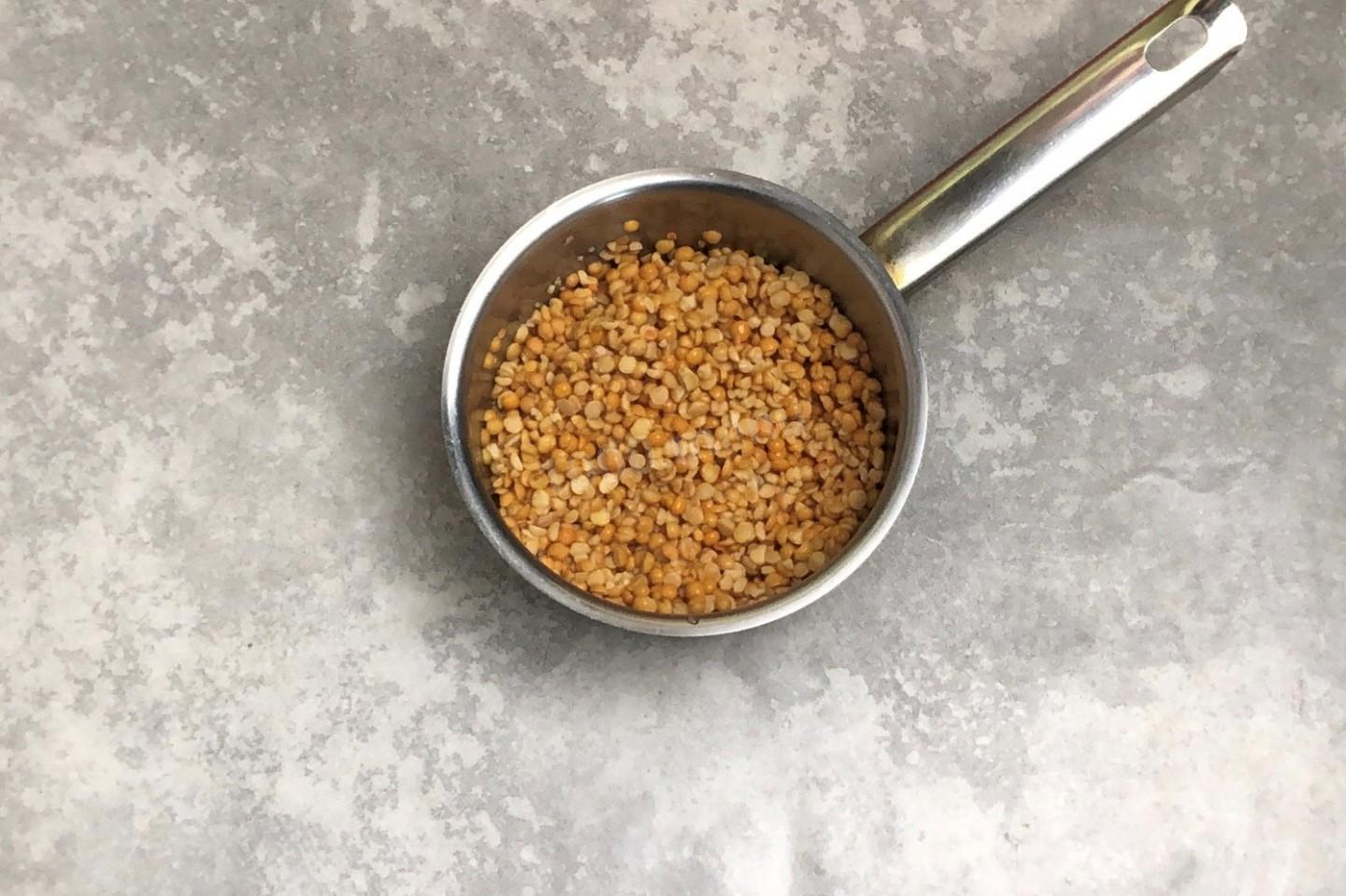
The peas for this soup don't need to be soaked beforehand, but you can soak them 8 hours ahead if you like. I used dried split peas. Rinse them well in several changes of water until the water runs clear.
-
Step 3:
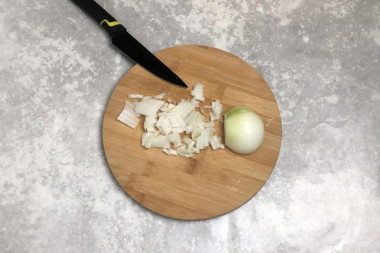
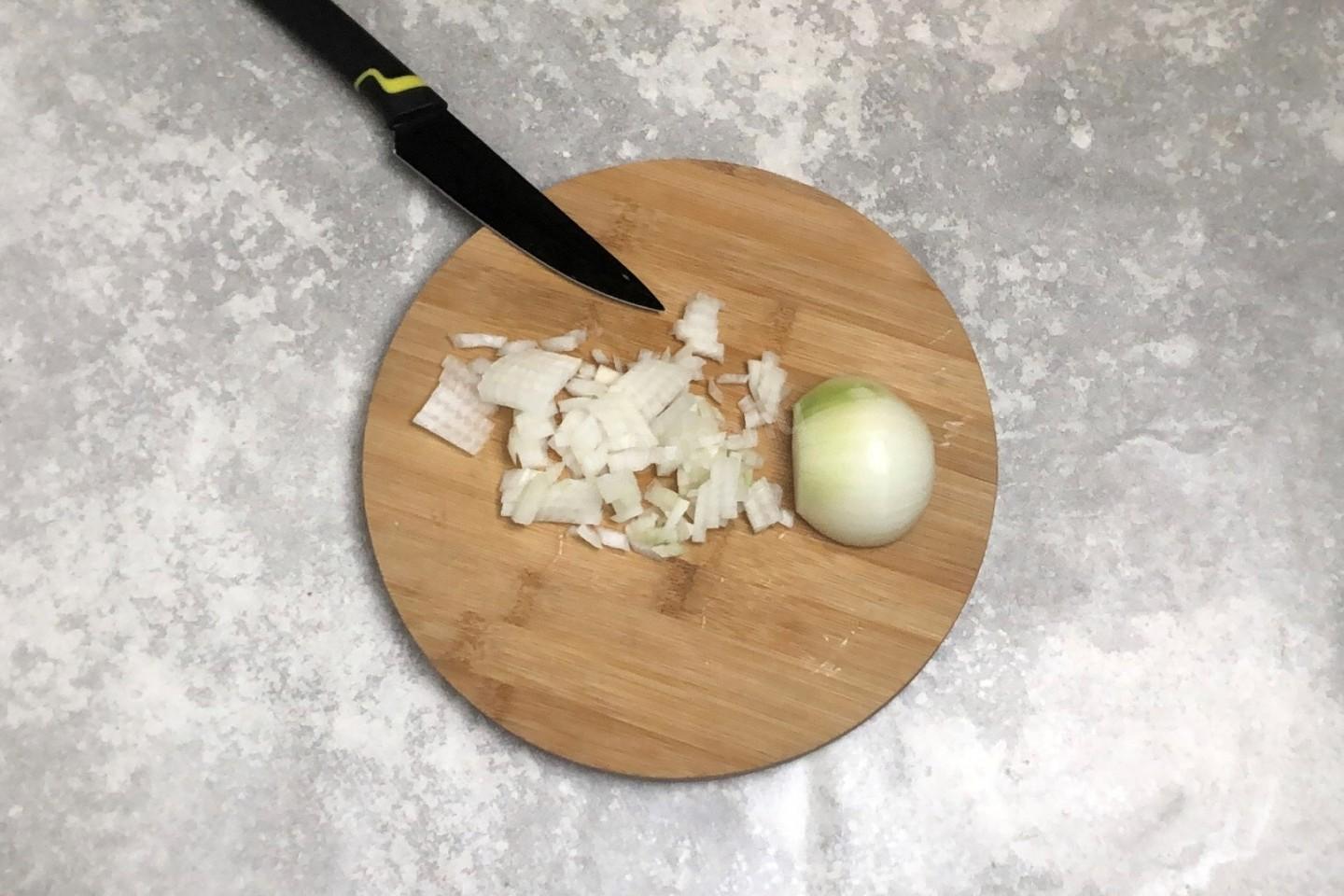
Peel and dice the onion.
-
Step 4:
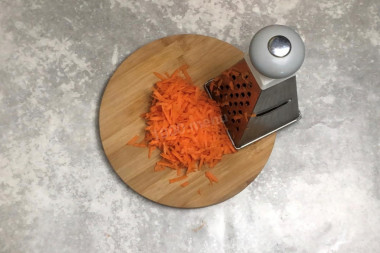
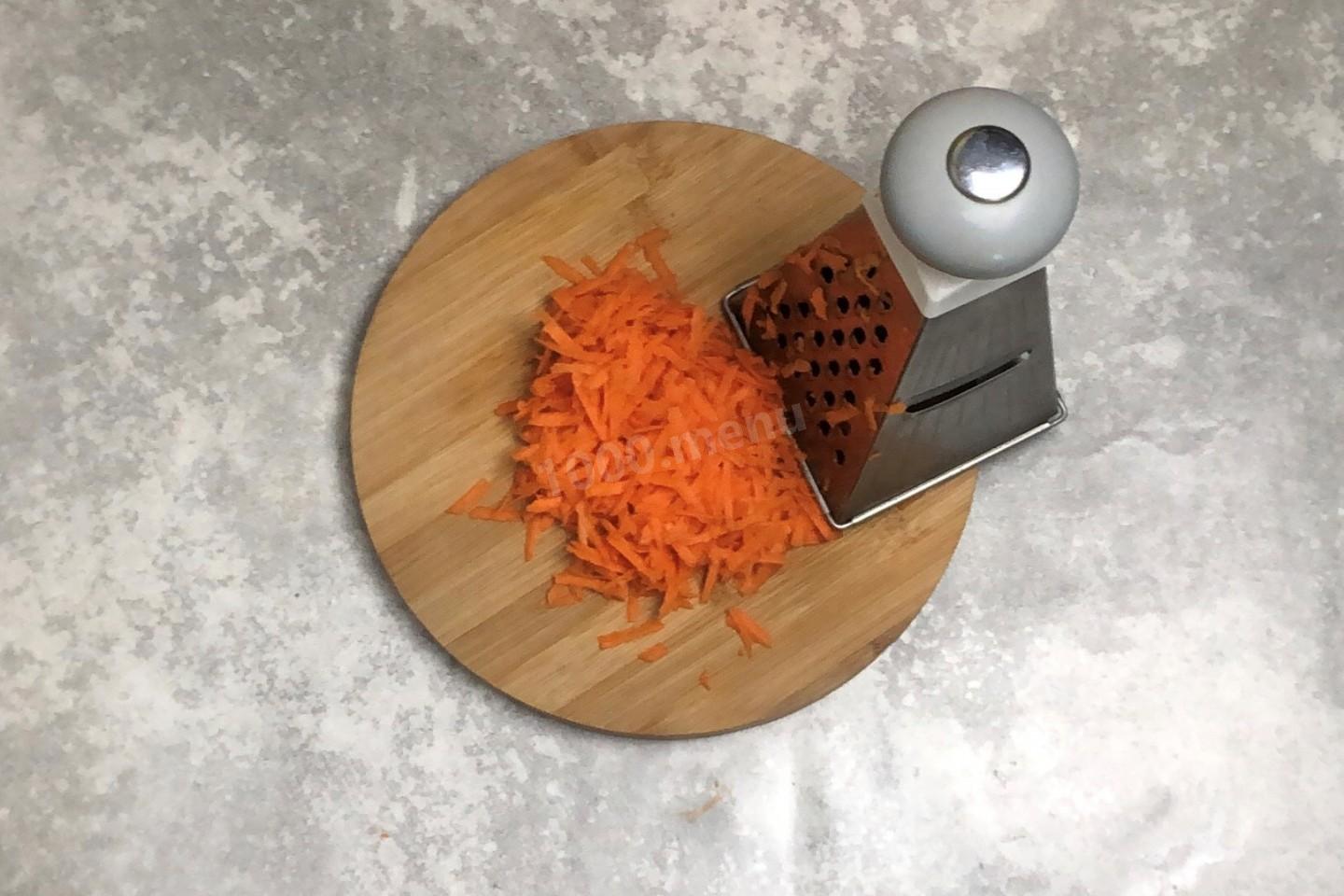
Wash, peel, and cut the carrot however you like — cubes, sticks, or grated on the coarse side, as I did.
-
Step 5:
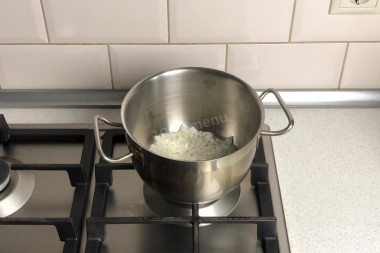
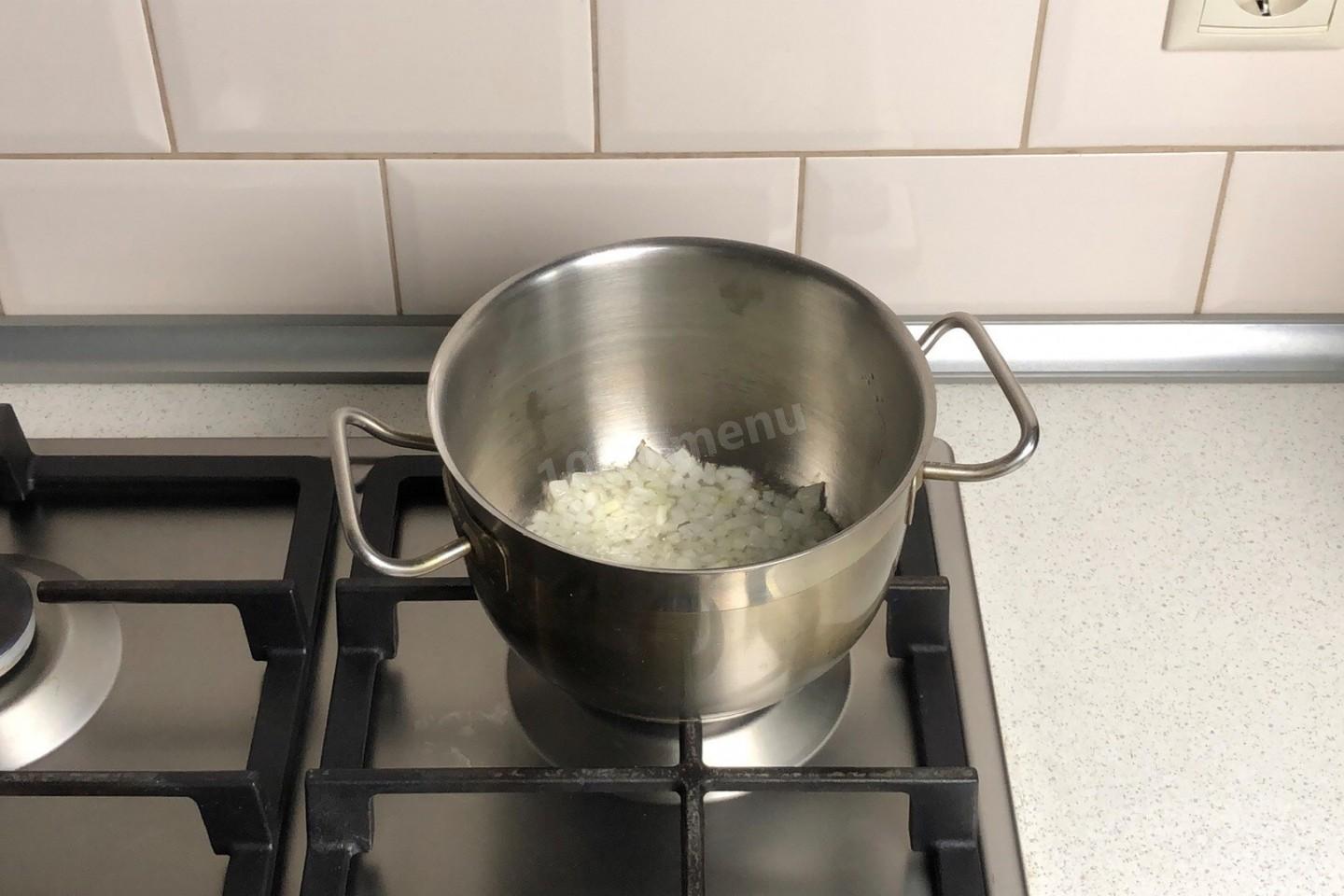
Take the pot you'll cook the soup in. We'll sauté the vegetables right in the pot — very handy, since it saves washing an extra skillet. Pour in the olive oil and set it over low heat. Add the onion and sauté, stirring, for a few minutes.
-
Step 6:
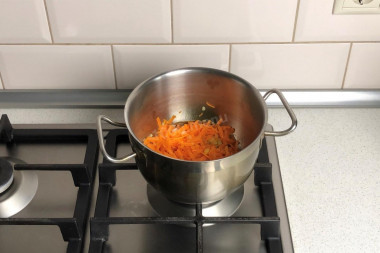
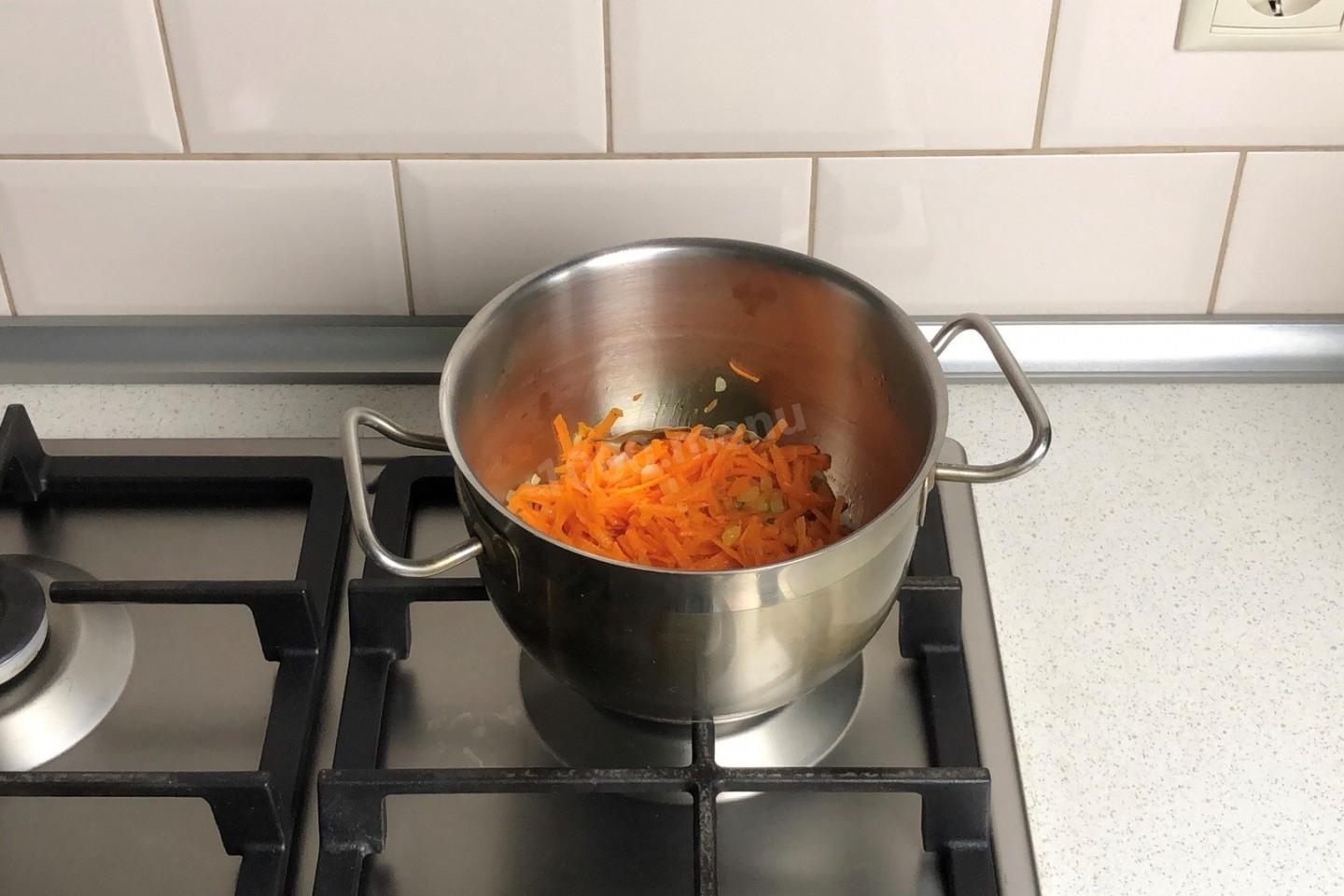
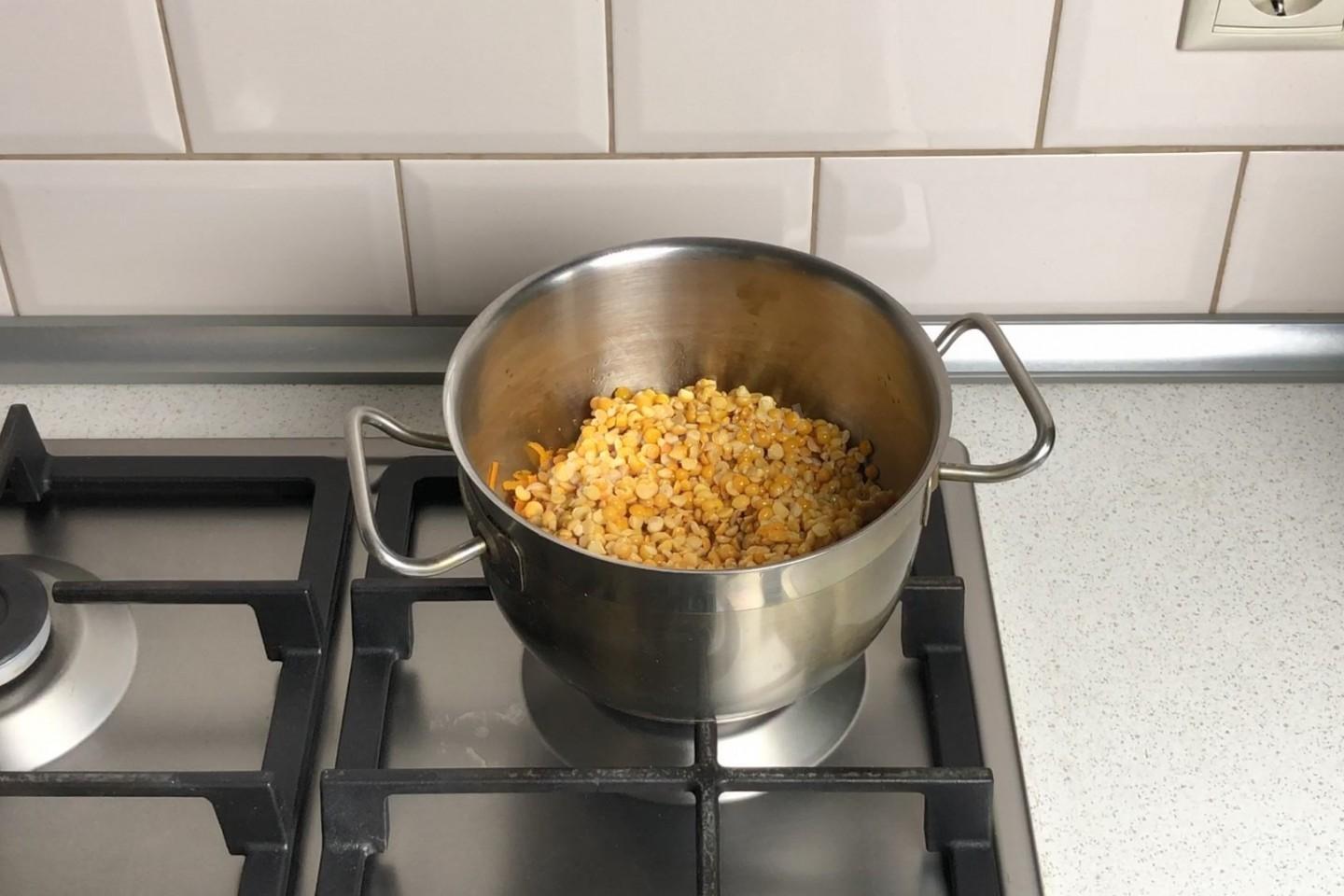
Add the carrot to the onion, season with dried spices to taste, and add the bay leaf. I used French herbes de Provence, which include thyme. Stir the vegetables and sauté everything together over low heat for a few more minutes.
-
Step 7:
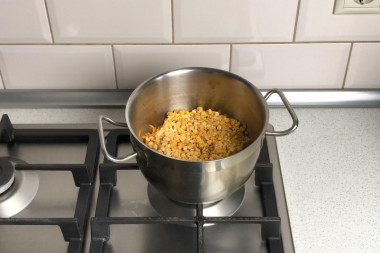
Add the peas to the pot.
-
Step 8:
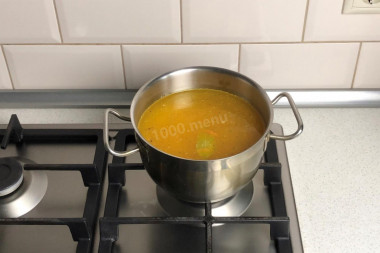
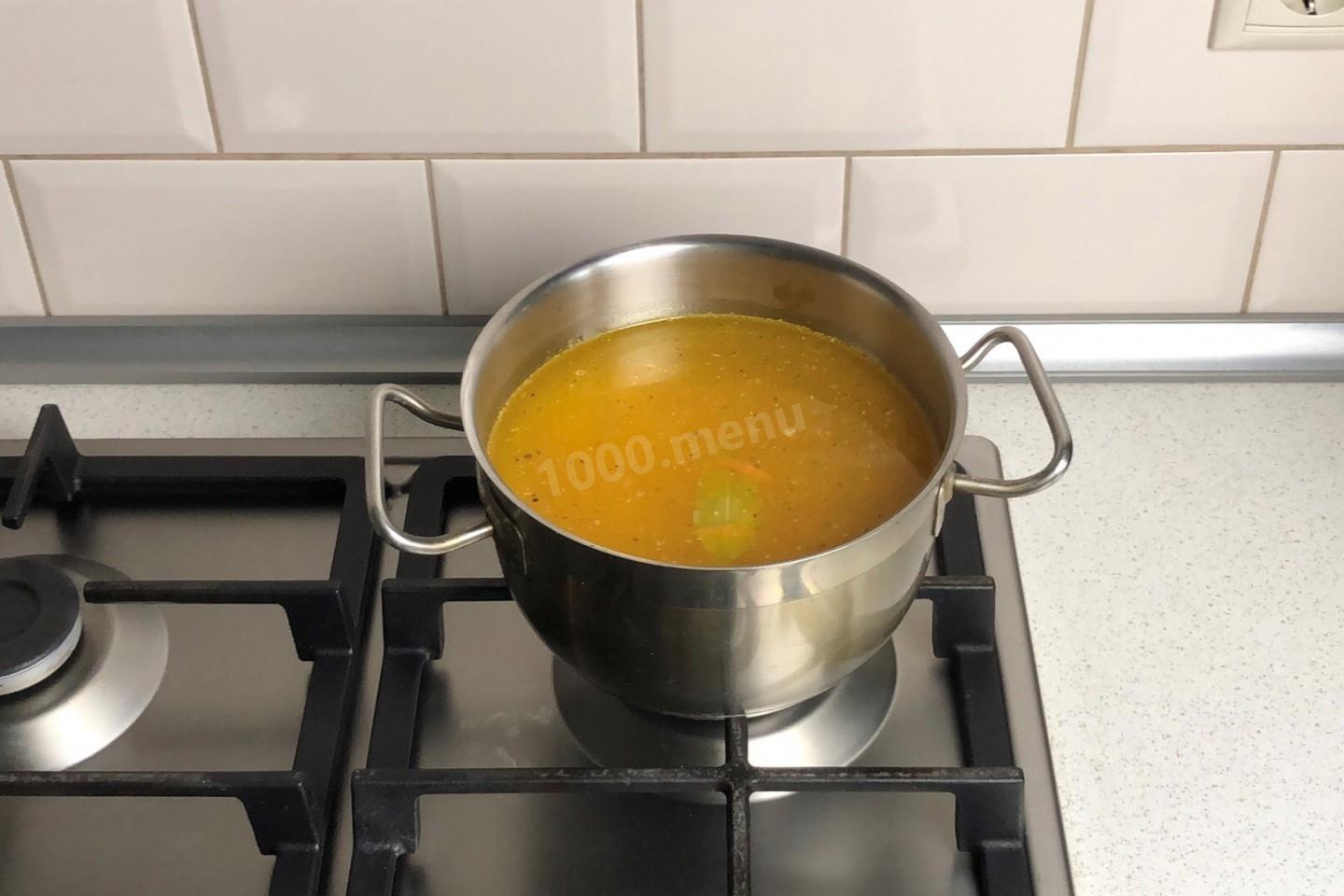
Pour in the broth or water. Add salt and ground black pepper.
-
Step 9:
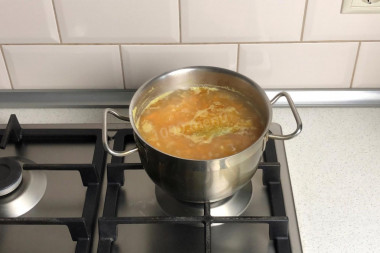
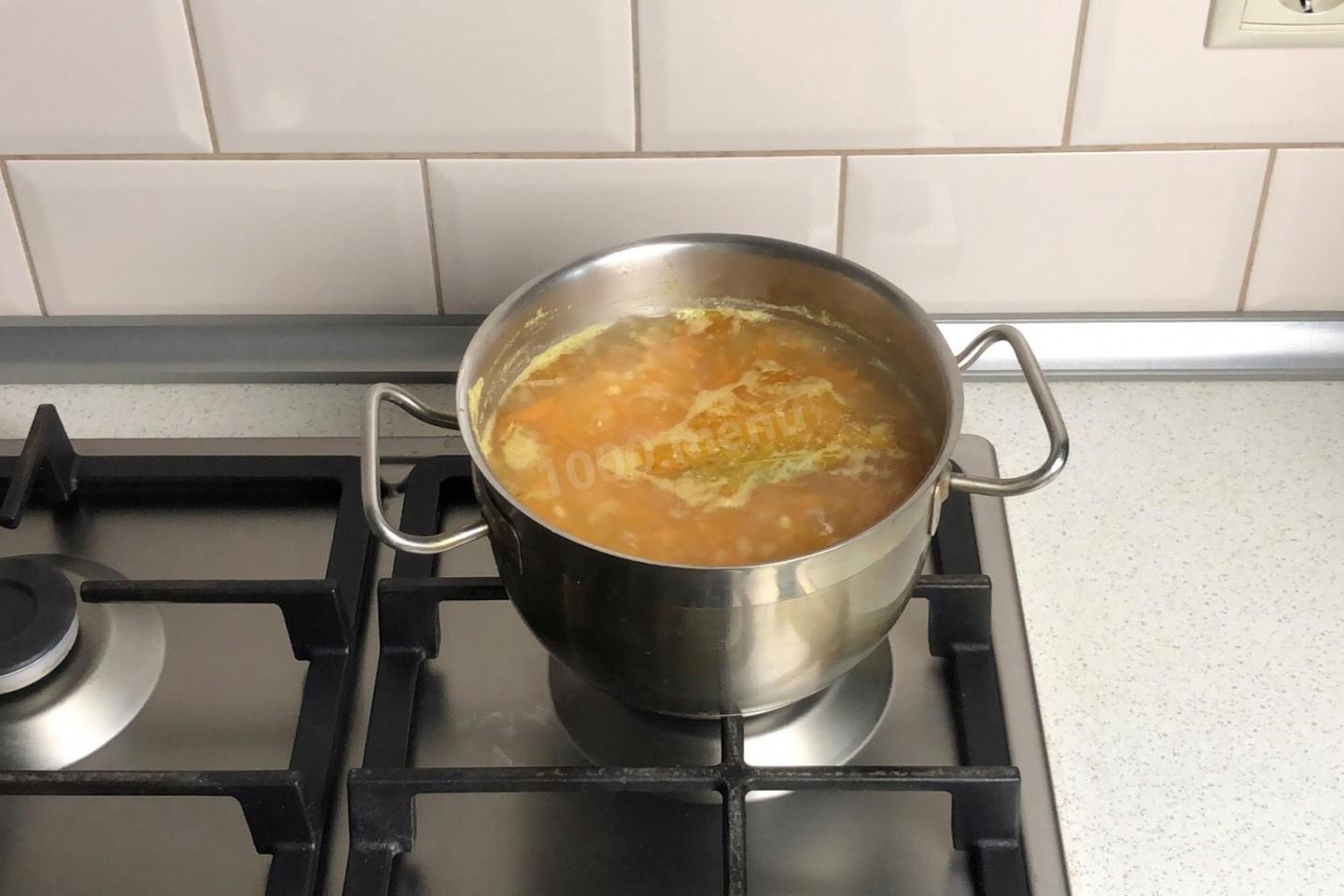
Bring the soup to a boil and skim off the foam — peas produce a lot of it at the start. Lower the heat and leave the pot uncovered. Cook the soup until the peas are soft. Dried peas take about an hour; fresh and frozen ones, less.
-
Step 10:
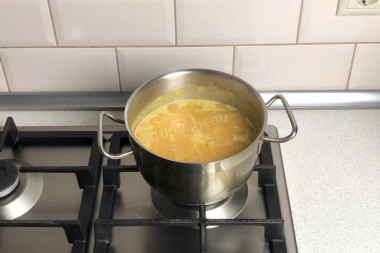
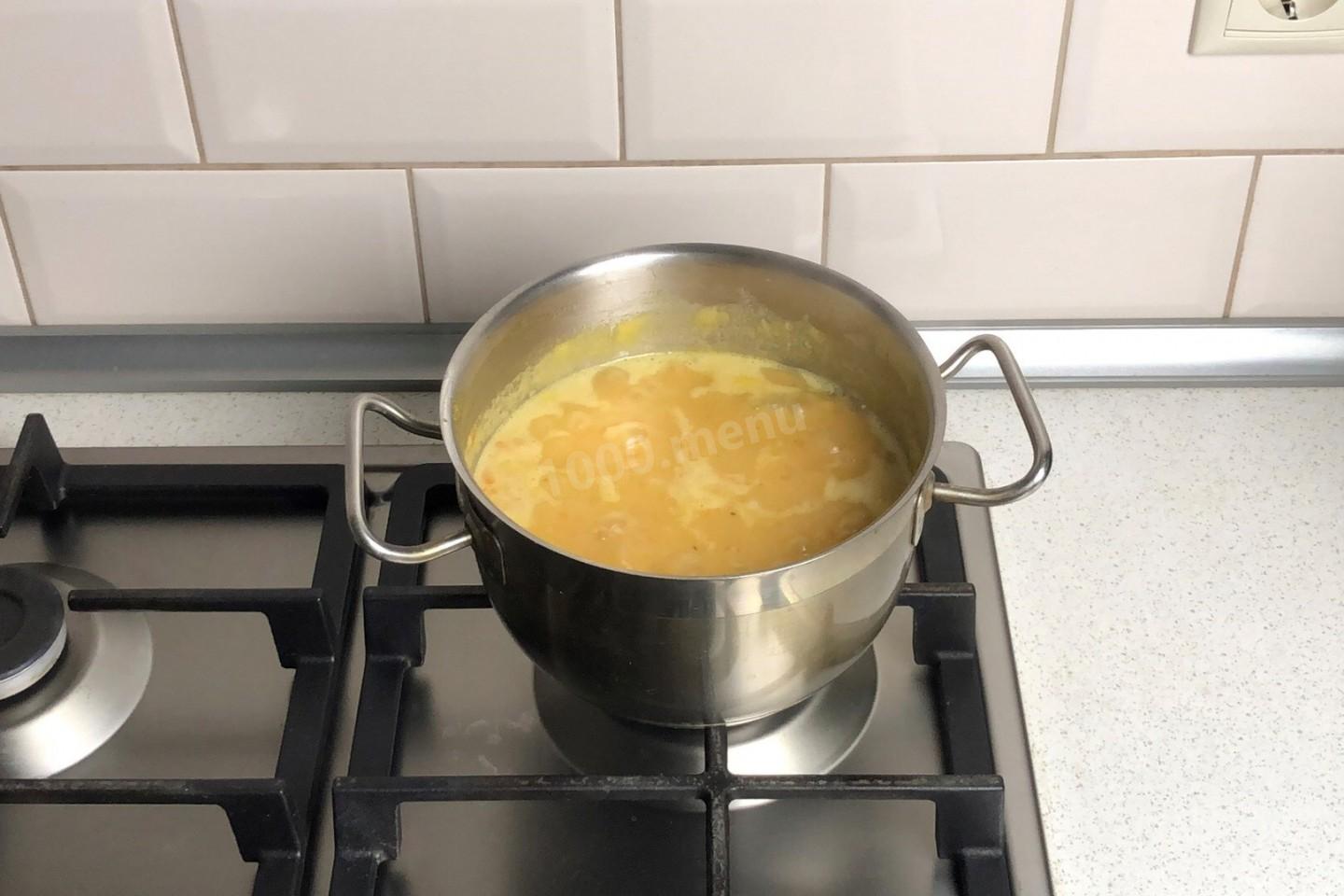
Adjust the thickness and consistency to your taste. If it seems too thick, pour in a little boiling water; if it's too thin, keep cooking. My soup got very thick after 40 minutes, but the peas hadn't fully broken down yet, so I added boiling water and cooked it for about another half hour.
-
Step 11:
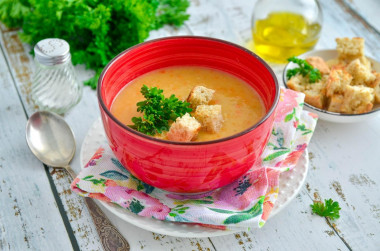
The soup came out purée-like, very fragrant, with a rich, spiced flavor. Serve it hot — croutons and crackers go really well with it. Enjoy!
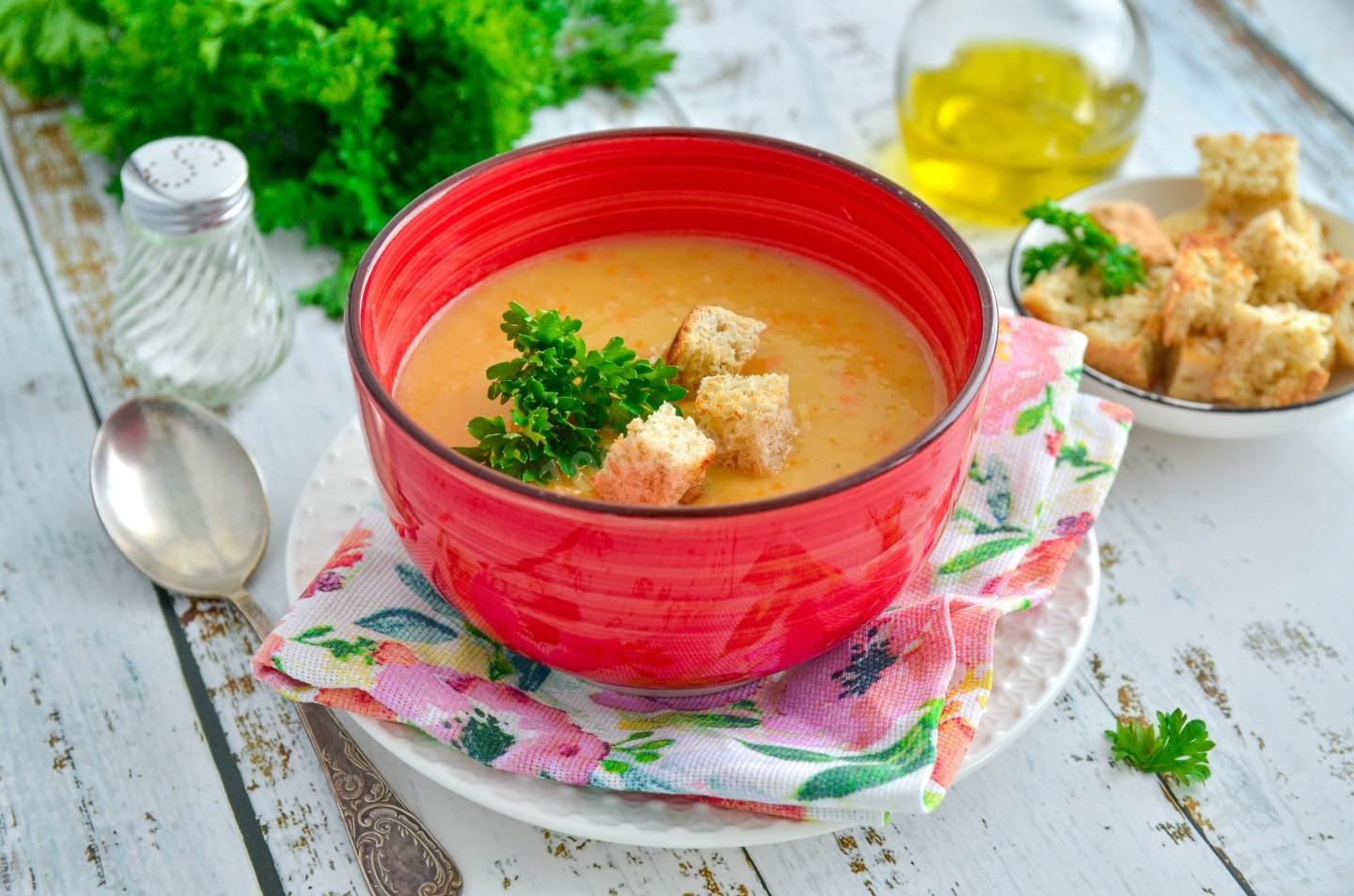
- This soup is good served not only with ordinary bread, but also with croutons, toast, and unsweetened crackers. Here are links to some recipes: garlic croutons, plain croutons, homemade croutons, crackers.
- Important! Whether or not a recipe gives an exact amount of water for soup, it's best to go by your own preference (do you like a thick soup or a thinner one?), the size of your pot, and the ingredients you're using. Keep in mind that the author has their own idea of how much meat, potato, grain, and so on belongs in the soup, and it may not match yours. In practice, that means if you're making it for the first time, don't cook a whole pot at once. Make a tasting batch — enough for one or two people. To do that, scale all the ingredients down to 1–2 servings and figure the water at roughly one cup per serving for a very thick soup, up to 1.5–2 cups for a thinner one. Don't forget that some of the liquid will boil off as it cooks. After tasting that small batch, you can dial in both the amount of liquid and the proportions to your liking. Down the road, like most seasoned cooks, you'll be able to add the water and the ingredients by eye.
- For cooking, it's best to use filtered or bottled water with a neutral taste. If you use tap water, keep in mind it can give the dish an off, characteristic flavor.
- Since everyone's tolerance for salty, sweet, bitter, spicy, sour, and hot is different, always add spices and seasonings to your own taste! And if you're using a particular seasoning for the first time, keep in mind that some are especially easy to overdo (chili pepper, for example).
Caloric content of the products possible in the composition of the dish
- Onion - 41 kcal/100g
- Carrots - 33 kcal/100g
- Dried carrots - 275 kcal/100g
- Boiled carrots - 25 kcal/100g
- Dried whole green peas - 340 kcal/100g
- Crushed raw peas without seed coating - 348 kcal/100g
- Crushed boiled peas - 115 kcal/100g
- Turkish peas, dried, uncooked - 360 kcal/100g
- Dried, uncooked cow peas - 343 kcal/100g
- Dried boiled cow peas - 76 kcal/100g
- Dried peas - 322 kcal/100g
- Peas - 298 kcal/100g
- Bay leaf - 313 kcal/100g
- Ground black pepper - 255 kcal/100g
- Thyme - 101 kcal/100g
- Dried thyme - 276 kcal/100g
- Thyme - 276 kcal/100g
- Salt - 0 kcal/100g
- Water - 0 kcal/100g
- Olive oil - 913 kcal/100g
- Vegetable broth - 13 kcal/100g
Similar recipes
- Soups
- Vegetables
- Legumes
- Spices seasonings spices
- Fats and oils
- Other
- From peas
- Bay leaf
- Pepper
- Salt
- Thyme
- Vegetable oil
- Water
- Cooking
- Lean entrees
- Vegetable soup vegetarian
- Meat-free soup
- Soup without potatoes
- Vegetarian soups
- Thick soup
- Bean soup
- From carrots
- From onion
- No eggs
- Vegetarianism
- Lean table
- Recipes for lean dishes without butter