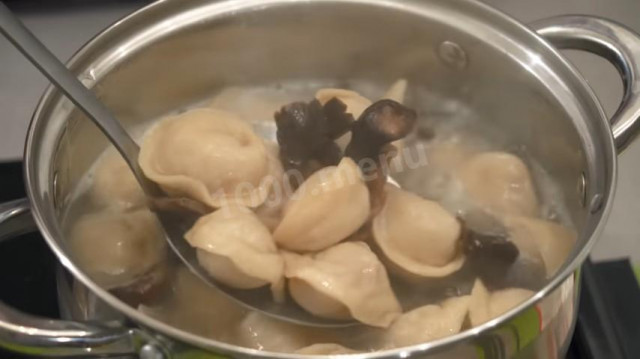

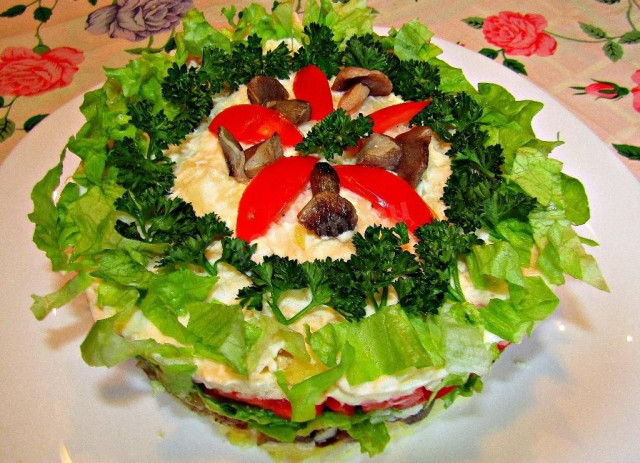
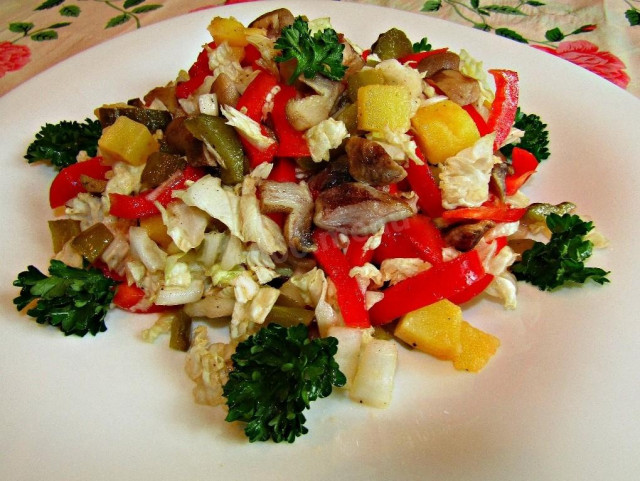

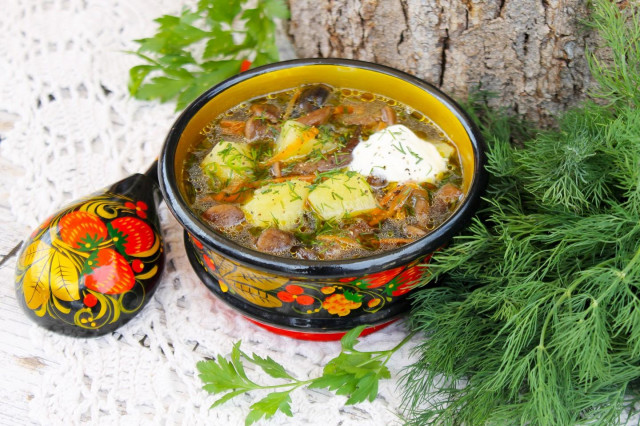
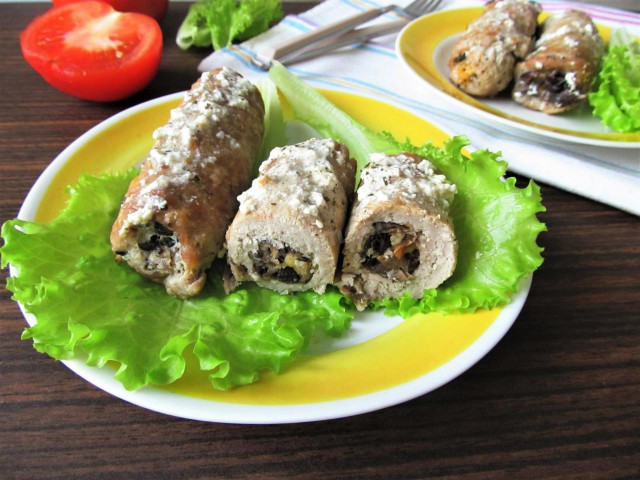
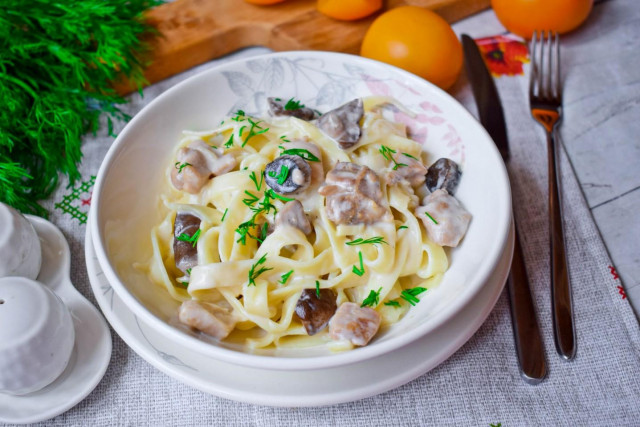

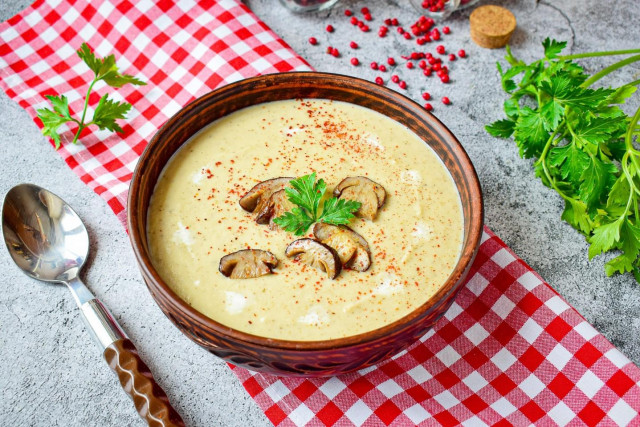

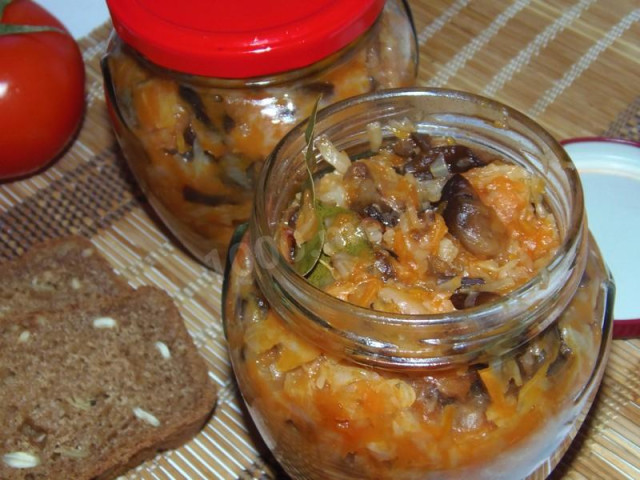
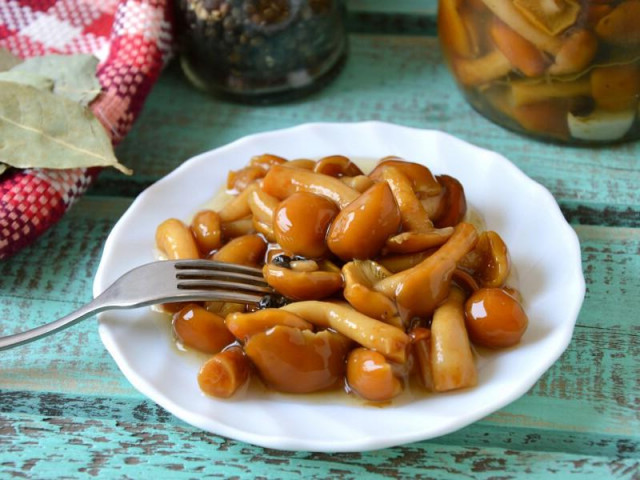
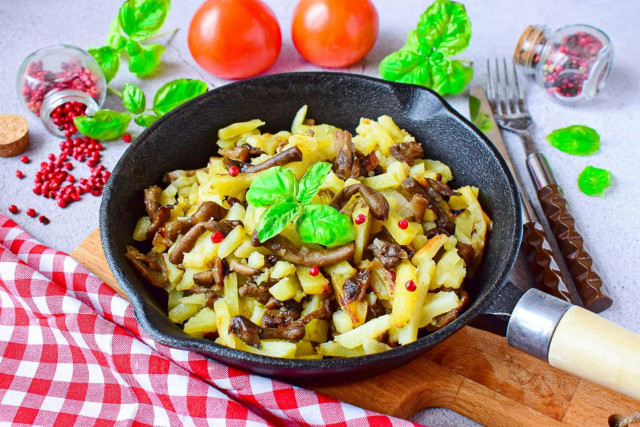
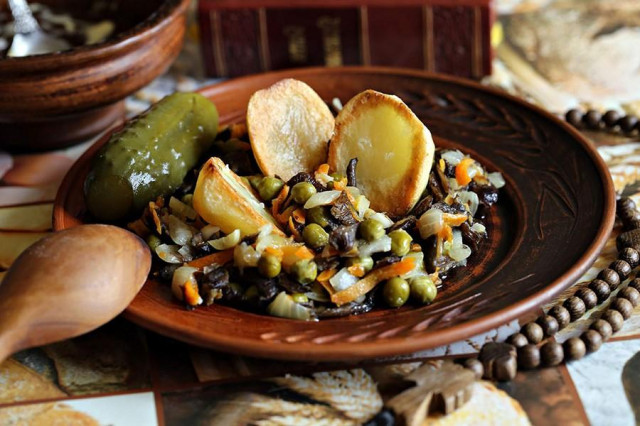
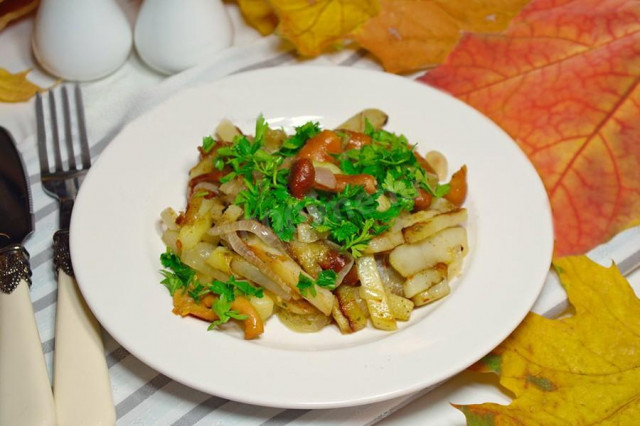
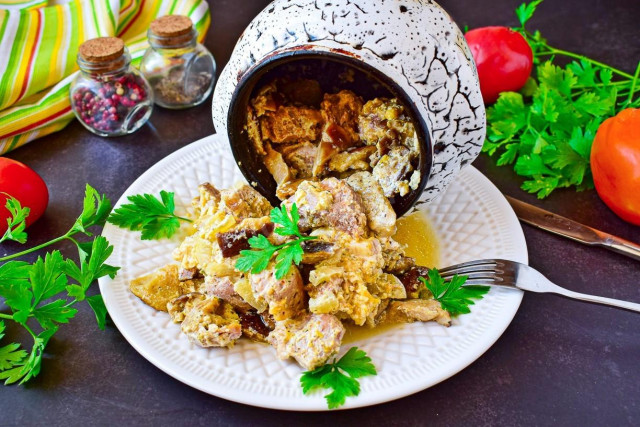
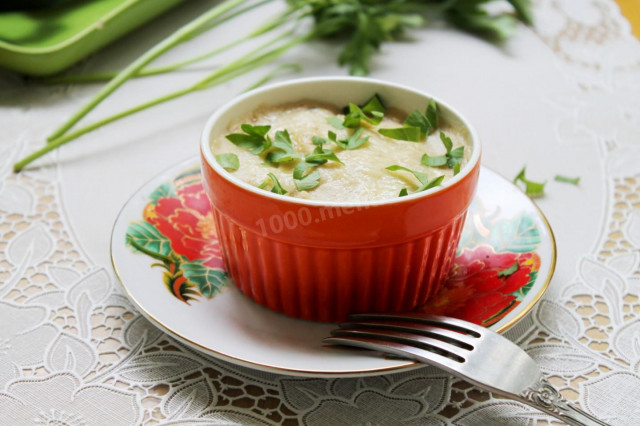

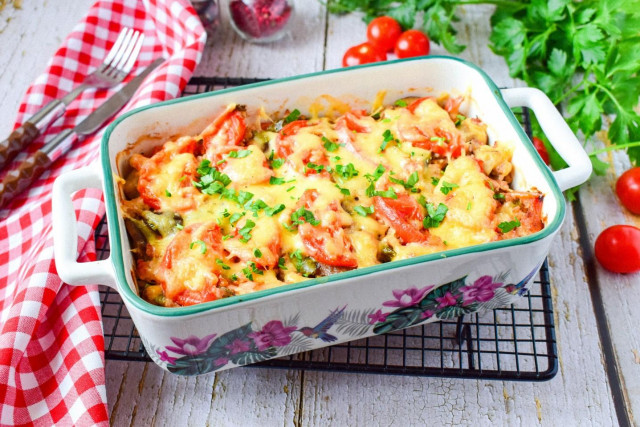

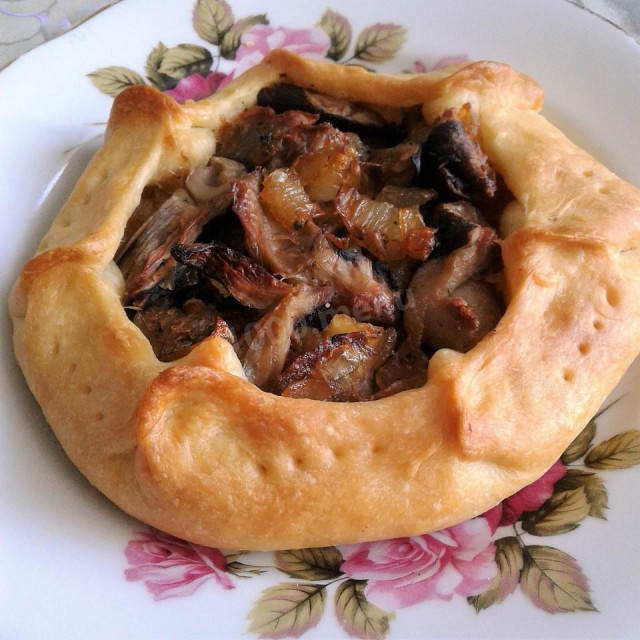
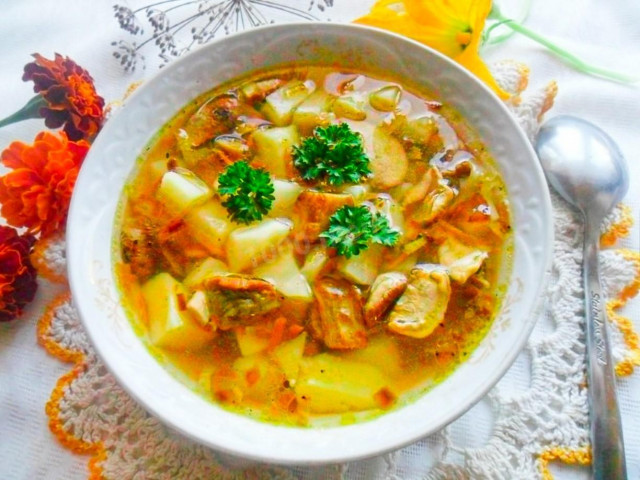

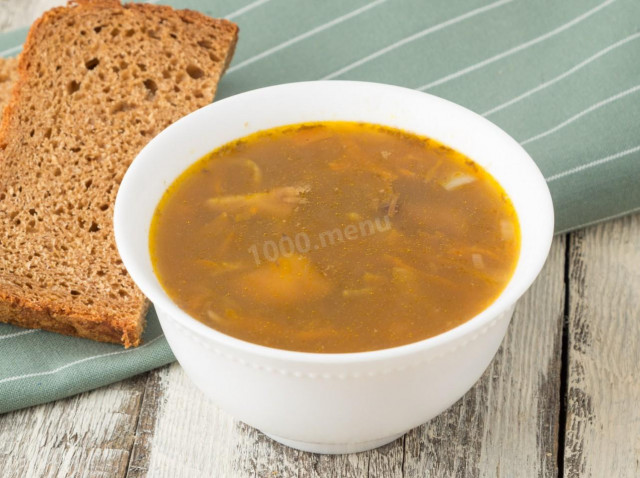
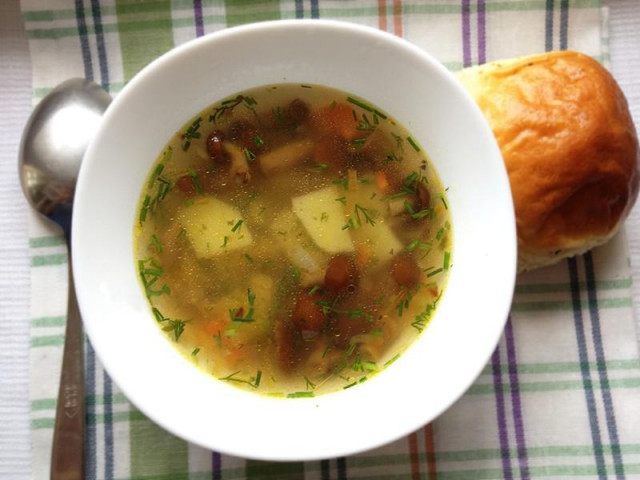

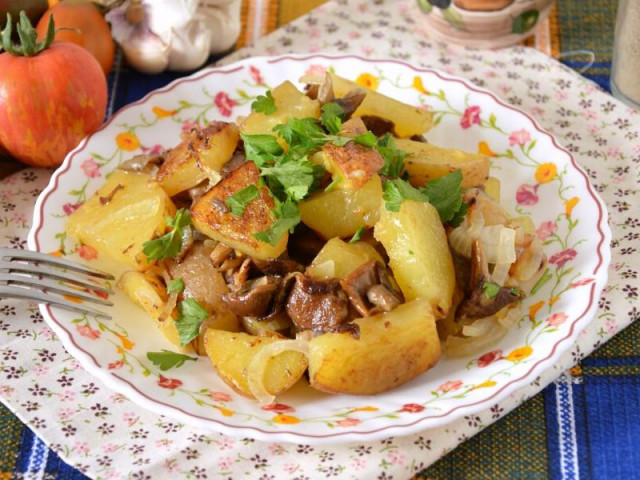
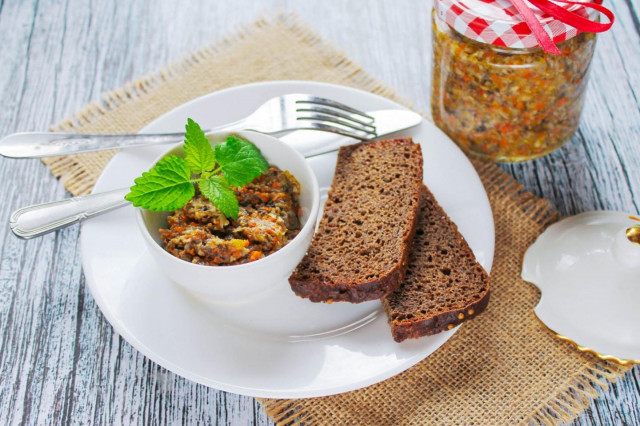
Frozen mushrooms work in recipes for any dish that calls for heat treatment. They can be fried, boiled, or baked in the oven, either on their own or with other ingredients. You can use them to fill pies and hand pies, and to make casseroles and omelets.
Frozen mushrooms most often appear in recipes with these five products:
| Product | Number of recipes with this combination | Calories per 100g | Protein g per 100g | Fats g per 100g | Carbohydrates g per 100g |
|---|---|---|---|---|---|
| Onion | 15 | 41 | 1.4 | 0 | 10.4 |
| Potatoes | 13 | 80 | 2 | 0.4 | 18.1 |
| Carrots | 8 | 33 | 1.3 | 0.1 | 6.9 |
| Hard cheese | 8 | 366 | 24.1 | 29.5 | 0.3 |
| Fresh herbs | 5 | 41 | 3.7 | 0.4 | 7 |
The best thing to do with frozen mushrooms is to fry them. In the process, a lot of moisture releases and quickly evaporates from the pan. There's no need to thaw the product beforehand. With mushrooms already fried, you can make any dish you like: a soup, a main, baked goods, and so on.
If the mushrooms were boiled before freezing (which is most often the case), you can safely use them for soups of any kind, including cream soups, purées, or cabbage soup. In that case, the mushrooms go into the pot of boiling water last. And here too there's no need to thaw them.
To make a roast or a casserole, where the ratio of dry to wet ingredients matters, the frozen product must be thawed and drained of excess liquid. You can do this slowly at room temperature — just leave them in a suitable dish, then pour off the water. You can use the microwave on the "defrost" setting, which is the fastest method. Again, if you plan to fry the mushrooms before adding them to the filling, you don't need to thaw them.
Important! Once thawed, mushrooms must not be frozen a second time!