Cherry Cheesecake
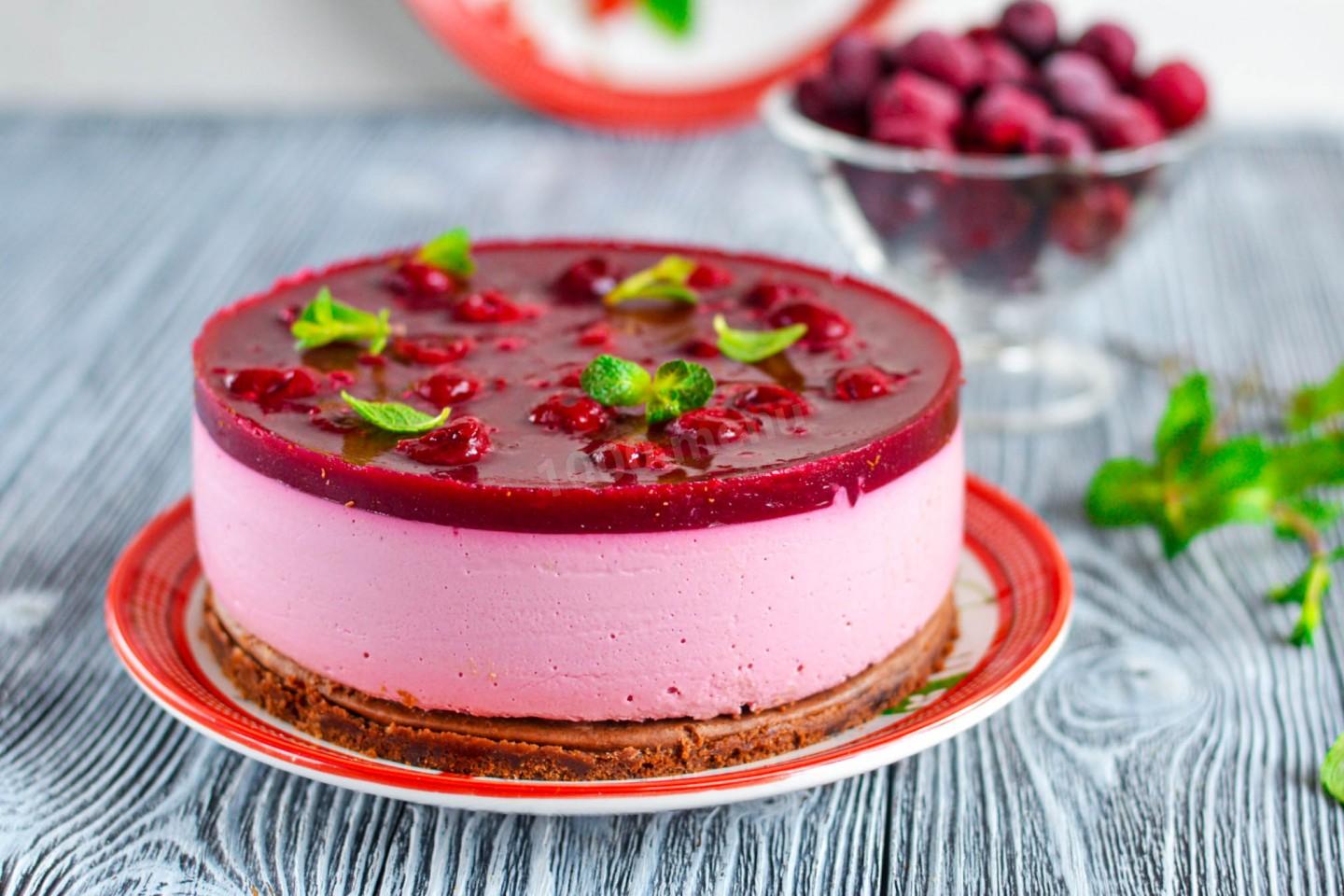
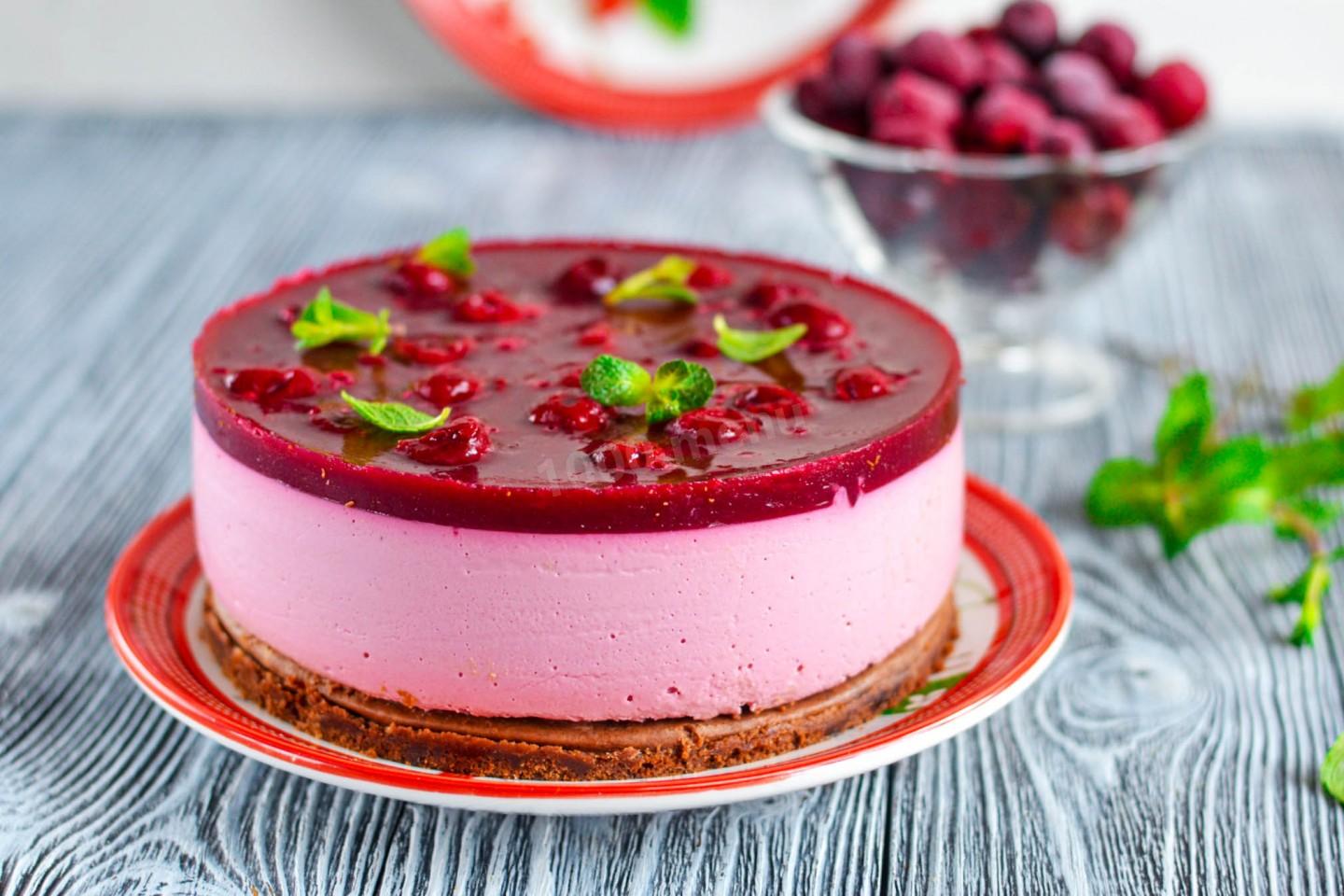
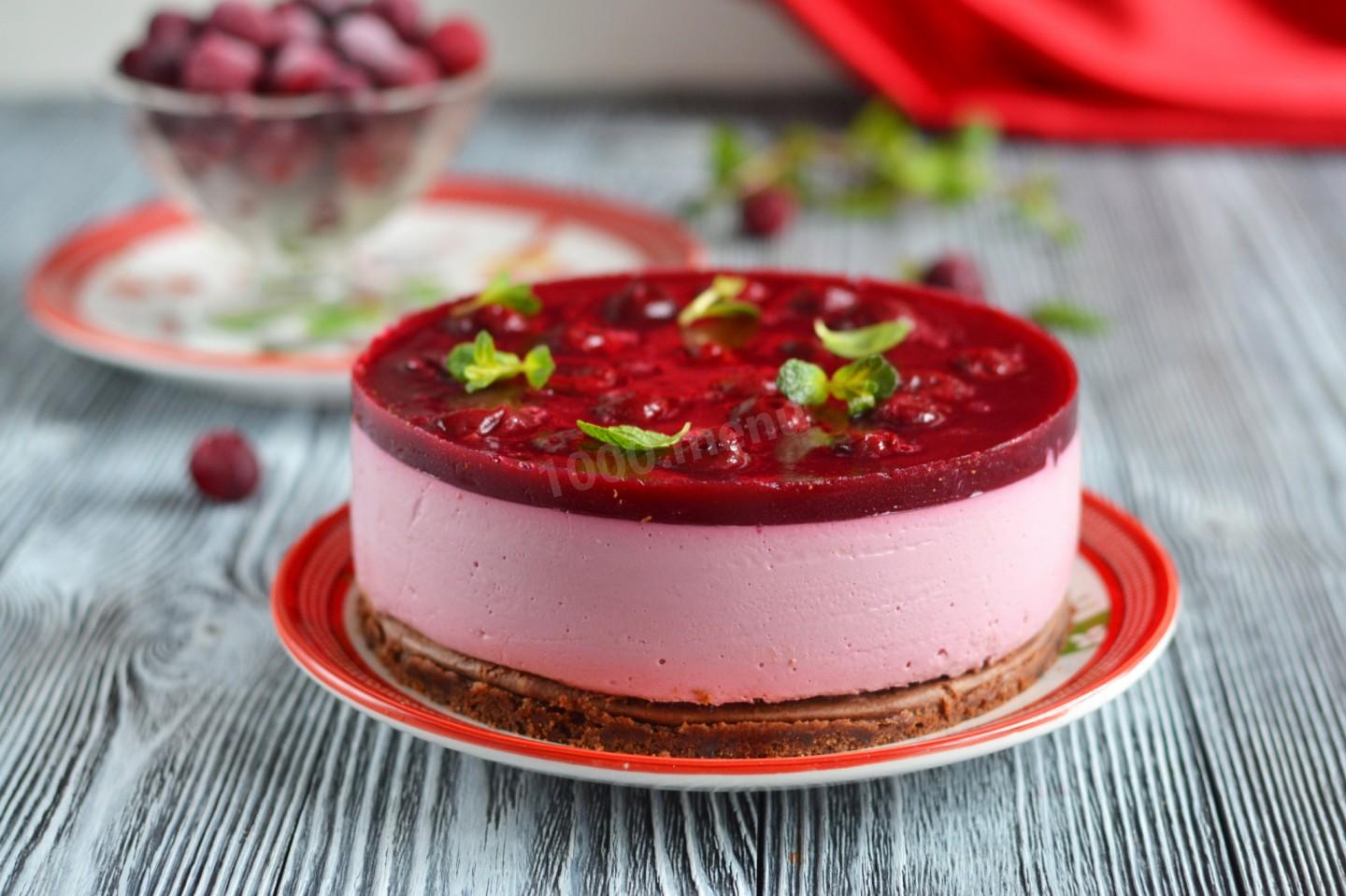
Silky, vivid, striking — perfect for a celebration! Cherry cheesecake is a true masterpiece of the pastry art. It's not just delicious but also gorgeous: a chocolate-almond crust, pink cherry cream, and jelly with whole cherries. This treat wins everyone over before they even take a bite.

Cooking method
-
Step 1:
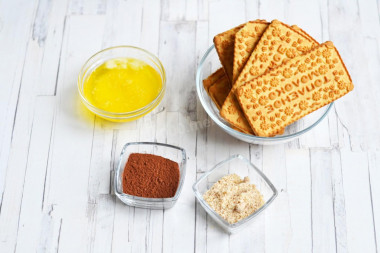
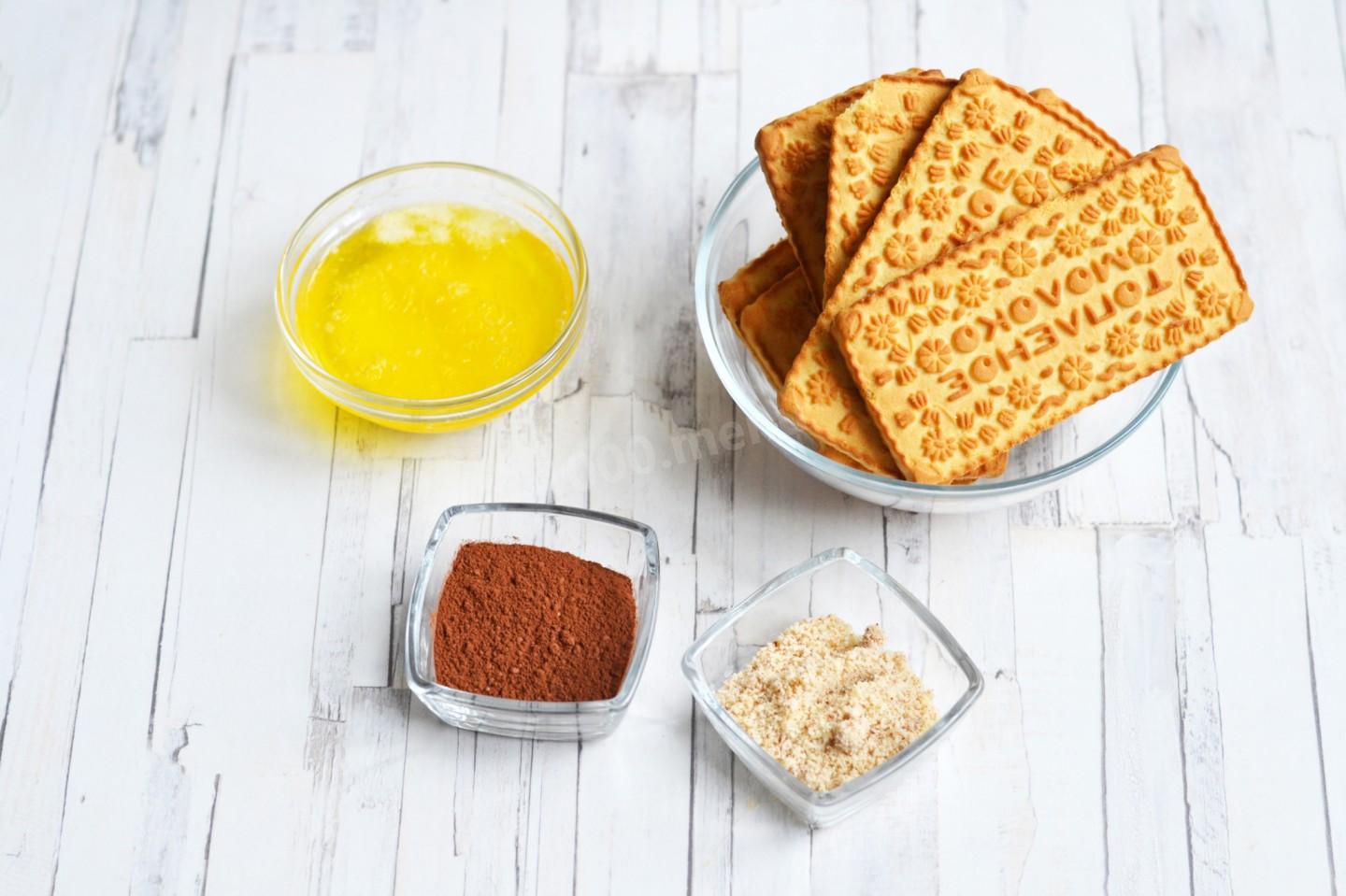
How do you make cherry cheesecake? Start with the crust. Gather the ingredients for it. Use shortbread or sugar cookies. Choose good-quality, natural butter with no milk-fat substitutes. You can grind the almonds yourself. Use natural cocoa — a drink mix like Nesquik won't work.
-
Step 2:
How do you make the cheesecake base? Melt the butter any way you like and cool it to room temperature.
-
Step 3:
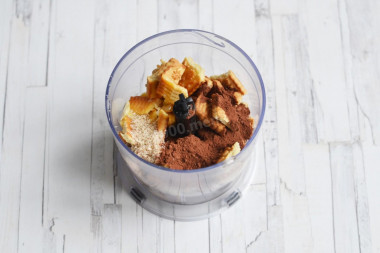
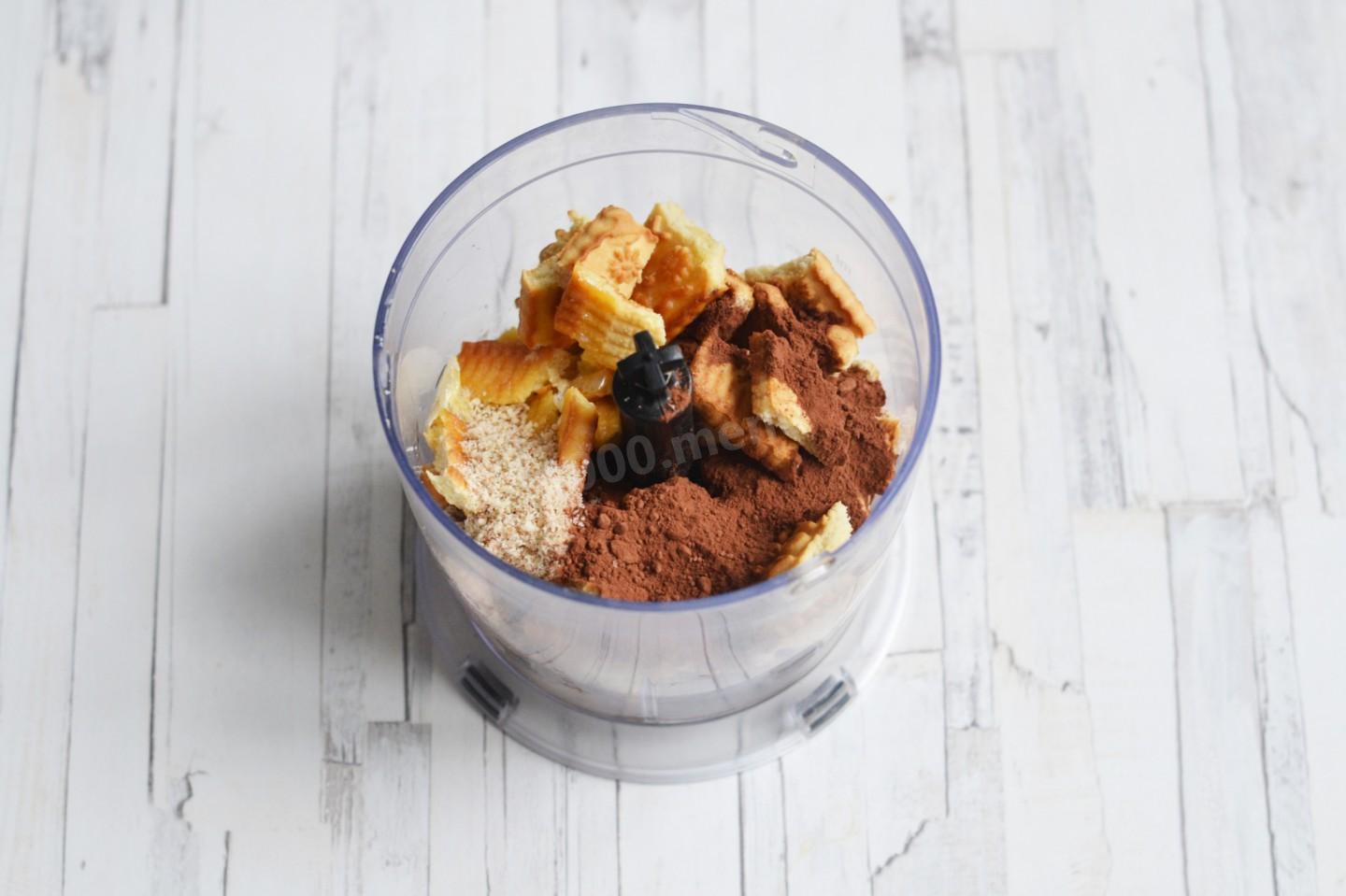
Break the cookies into small pieces and put them in a blender. Pour in the melted butter and add the sugar, cocoa, and ground almonds. Blend it all into an even crumb. If you don't have a blender, you can crush the cookies with a rolling pin or run them through a meat grinder, then just mix all the base ingredients with a spoon.
-
Step 4:
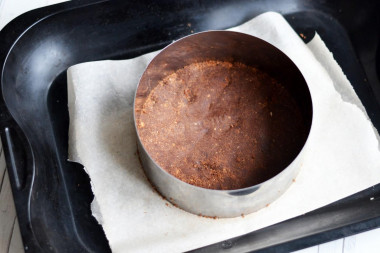
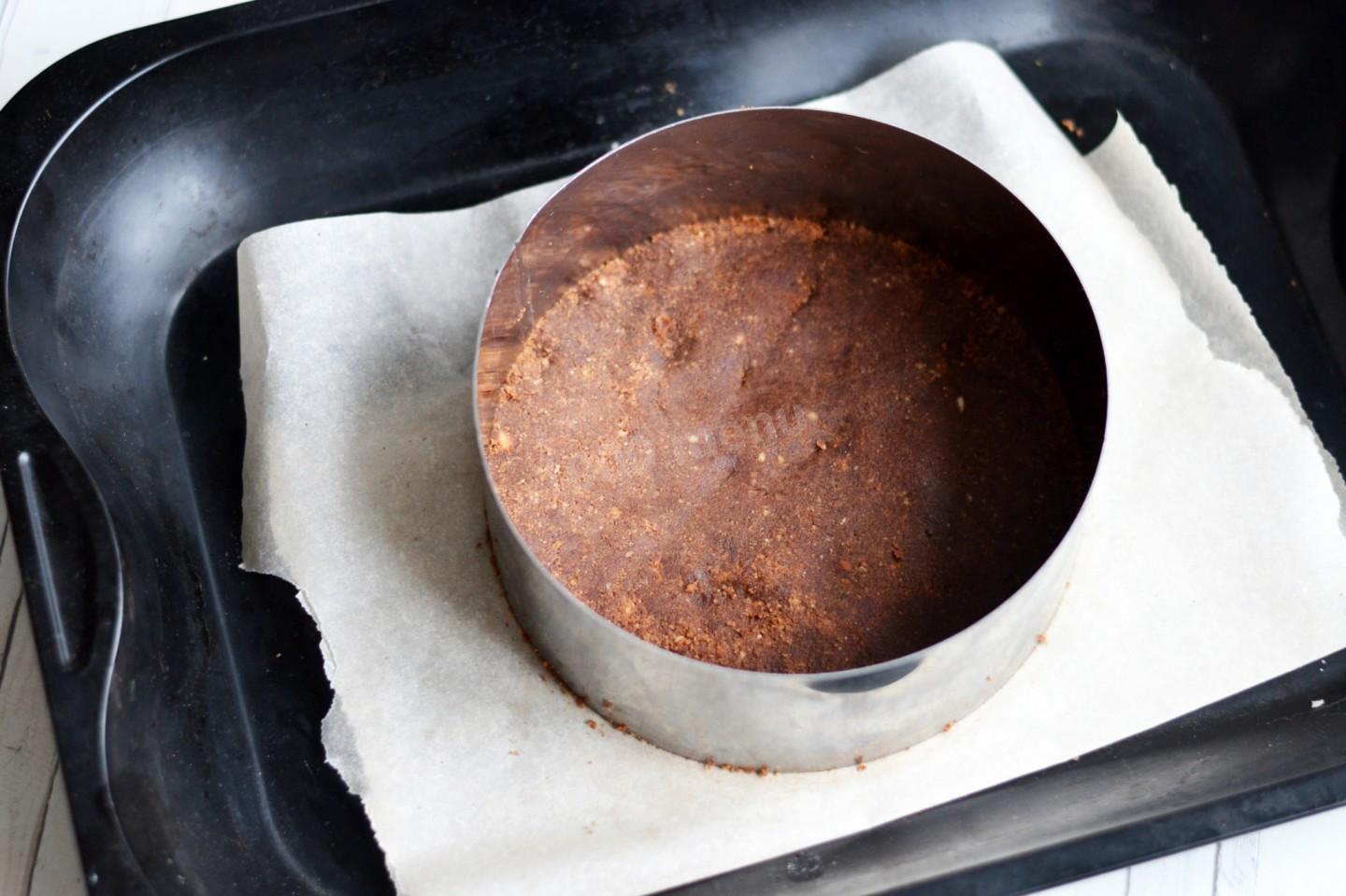
Put the crumb into a parchment-lined baking pan (mine is 7 inches / 18 cm across) and pack it down with a flat-bottomed glass. Put the crust in an oven preheated to 350°F (180°C) for 15 minutes. Then cool it.
-
Step 5:
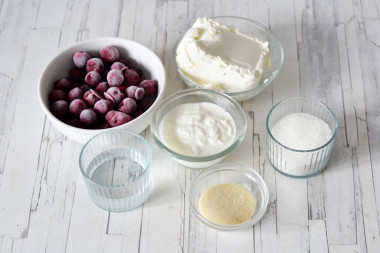
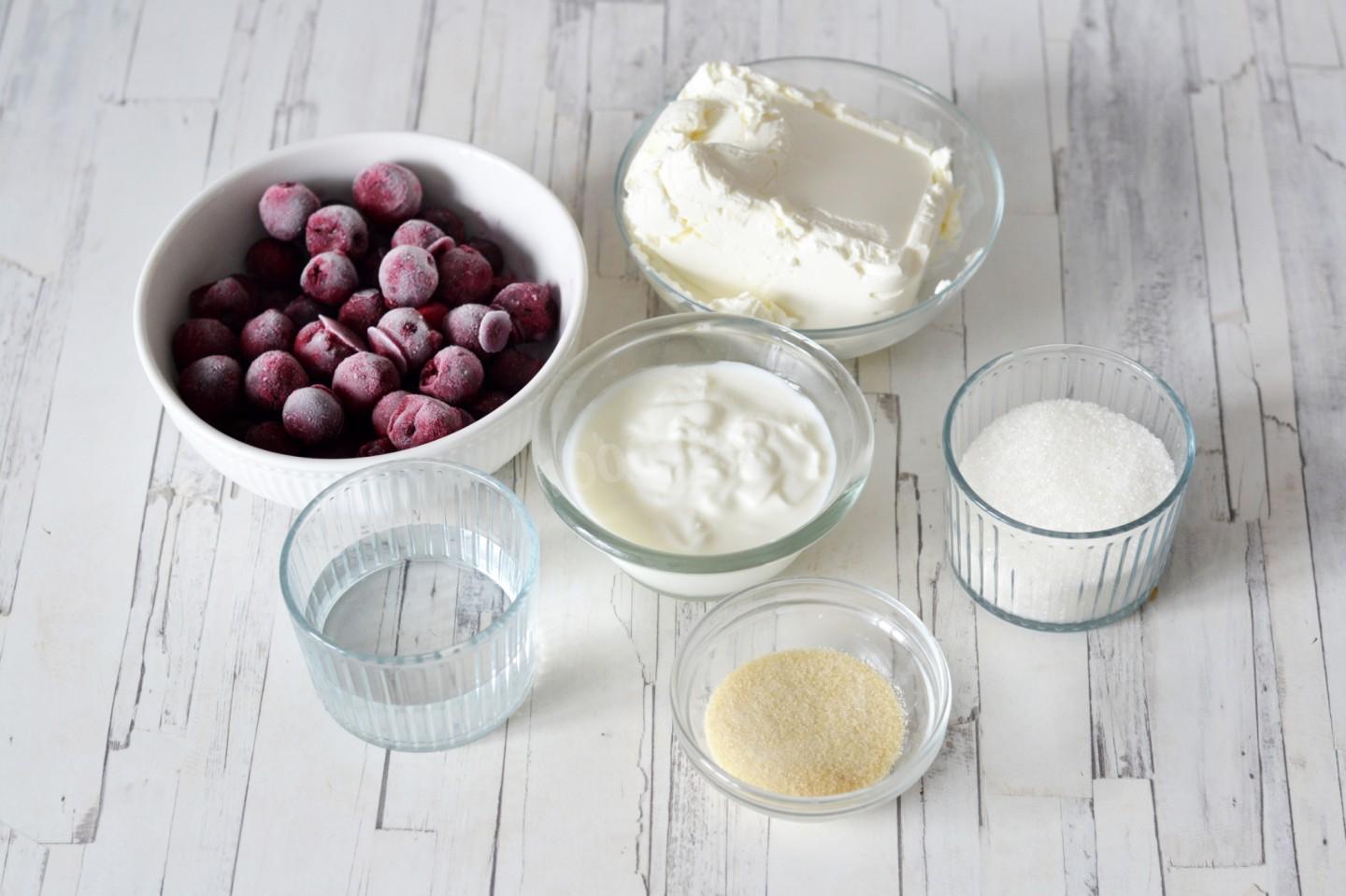
Move on to the filling. Gather the ingredients. For the cream cheese, use a soft type like Philadelphia, Almette, Violette, or Cremette. Use pitted cherries — fresh or frozen both work. The yogurt should be plain and unsweetened.
-
Step 6:
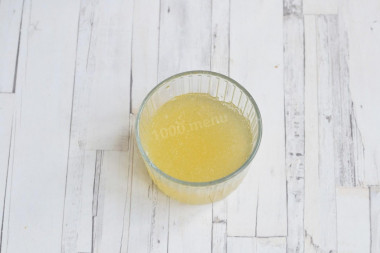
How do you make the cheesecake filling? Cover the gelatin with 100 ml of water and leave it to bloom for a while.
-
Step 7:
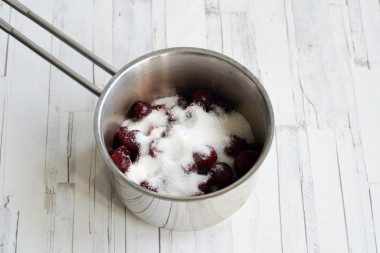
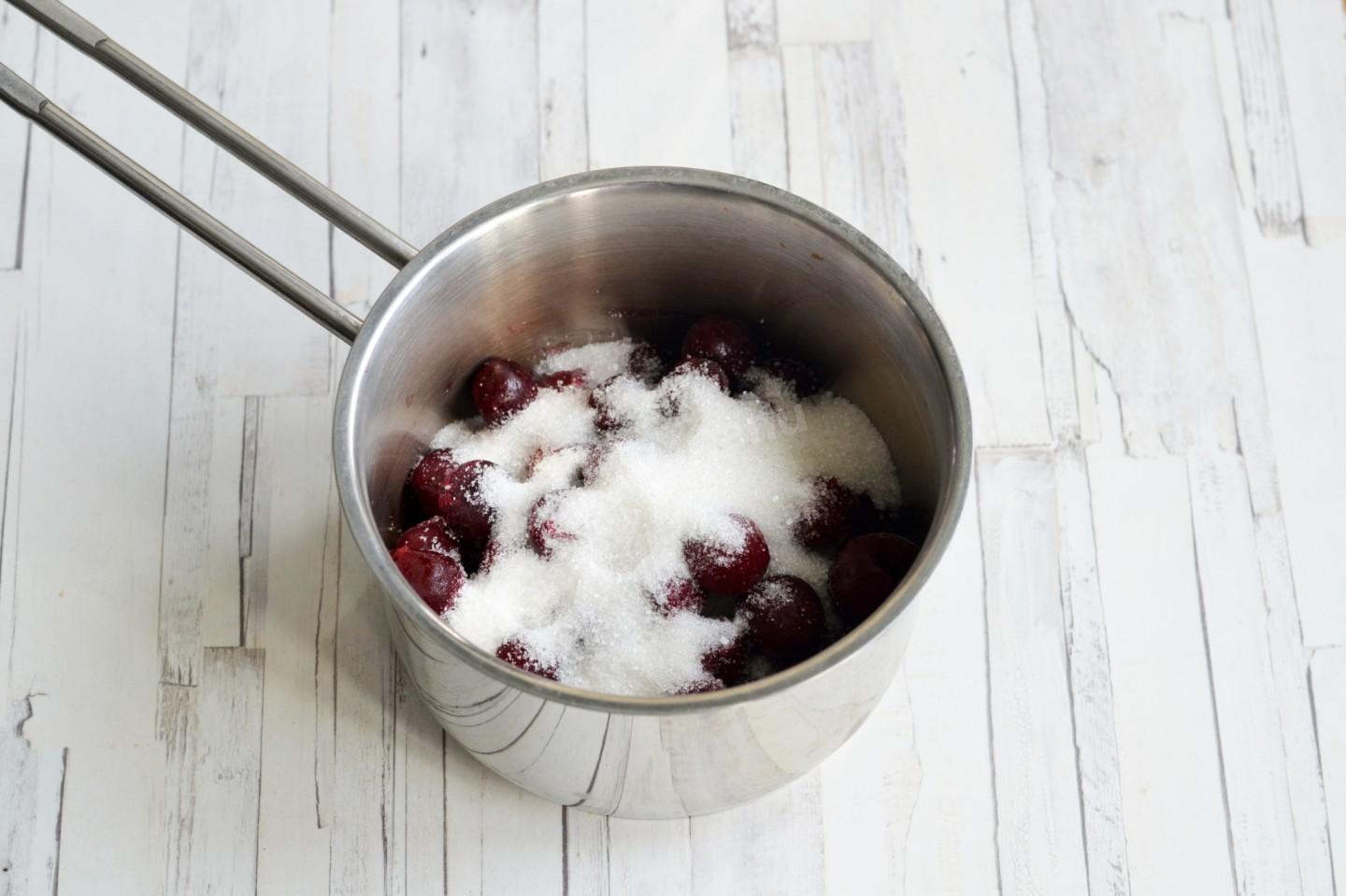
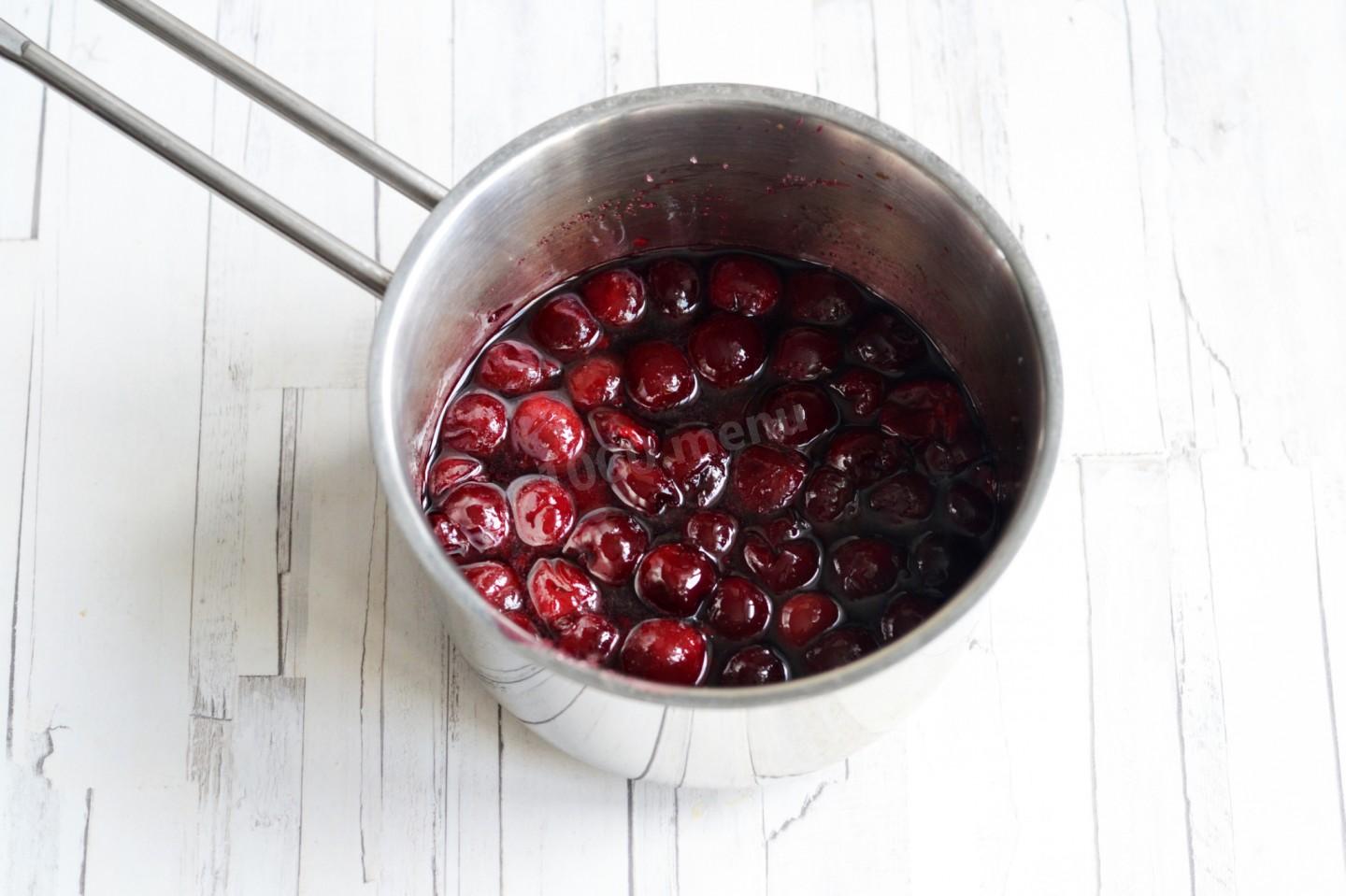
Put the frozen cherries in a saucepan. Add sugar — adjust the amount to your taste and how tart the berries are.
-
Step 8:
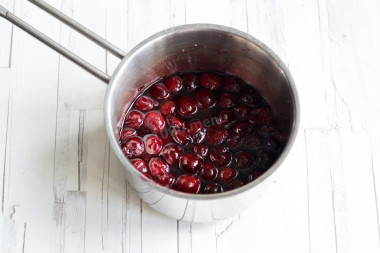
Bring the cherries to a boil over low heat and cook, stirring, for 10 minutes. The berries should thaw completely and release plenty of juice.
-
Step 9:
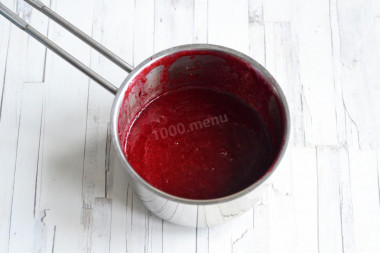
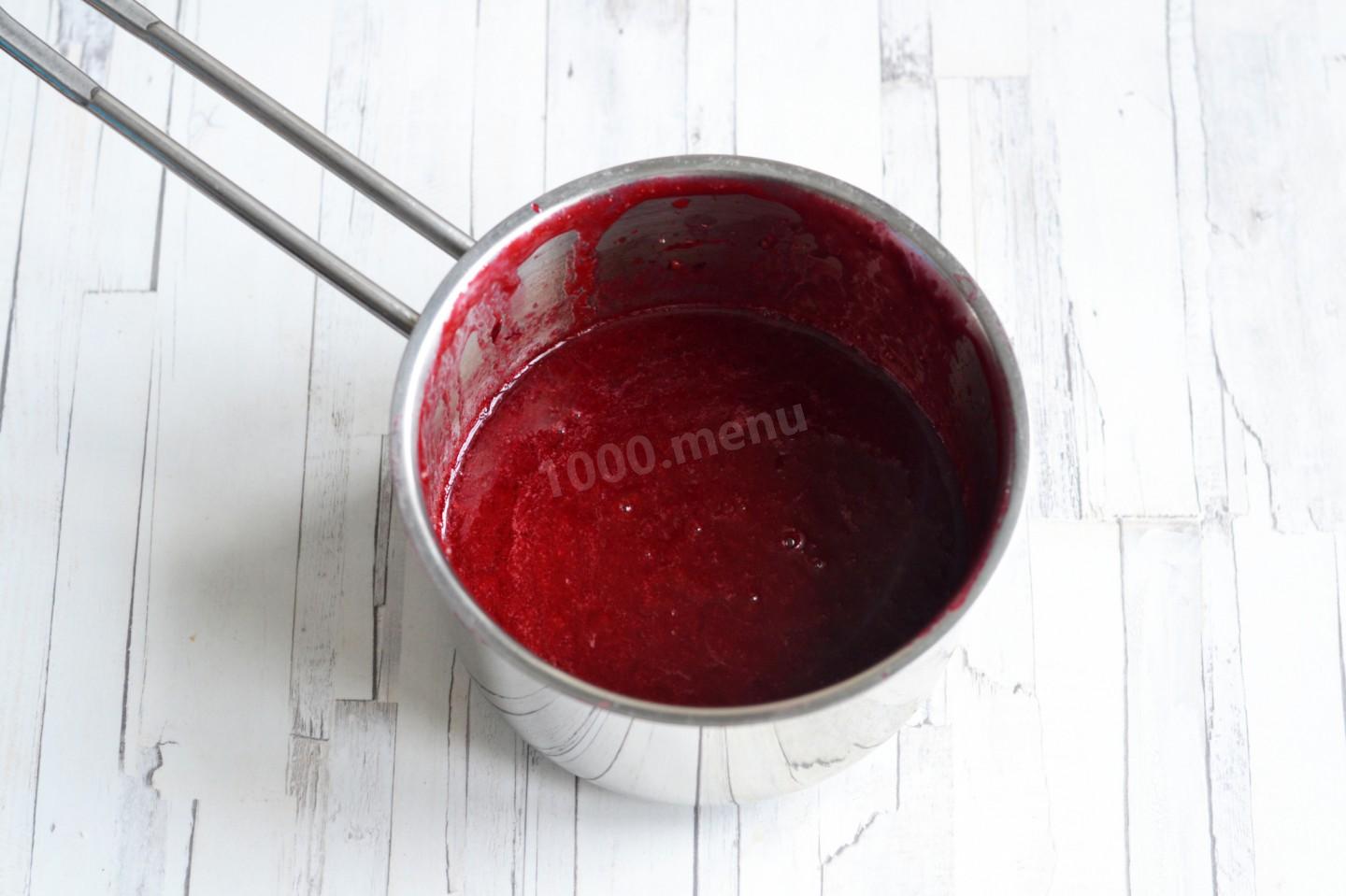
Put the cooked cherries with their syrup in a blender and purée until smooth. Return the cherries to the saucepan. You can also use an immersion blender.
-
Step 10:
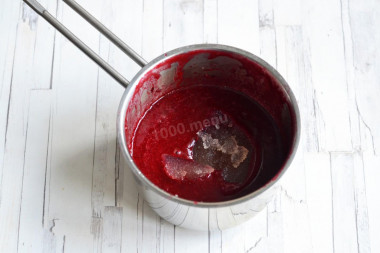
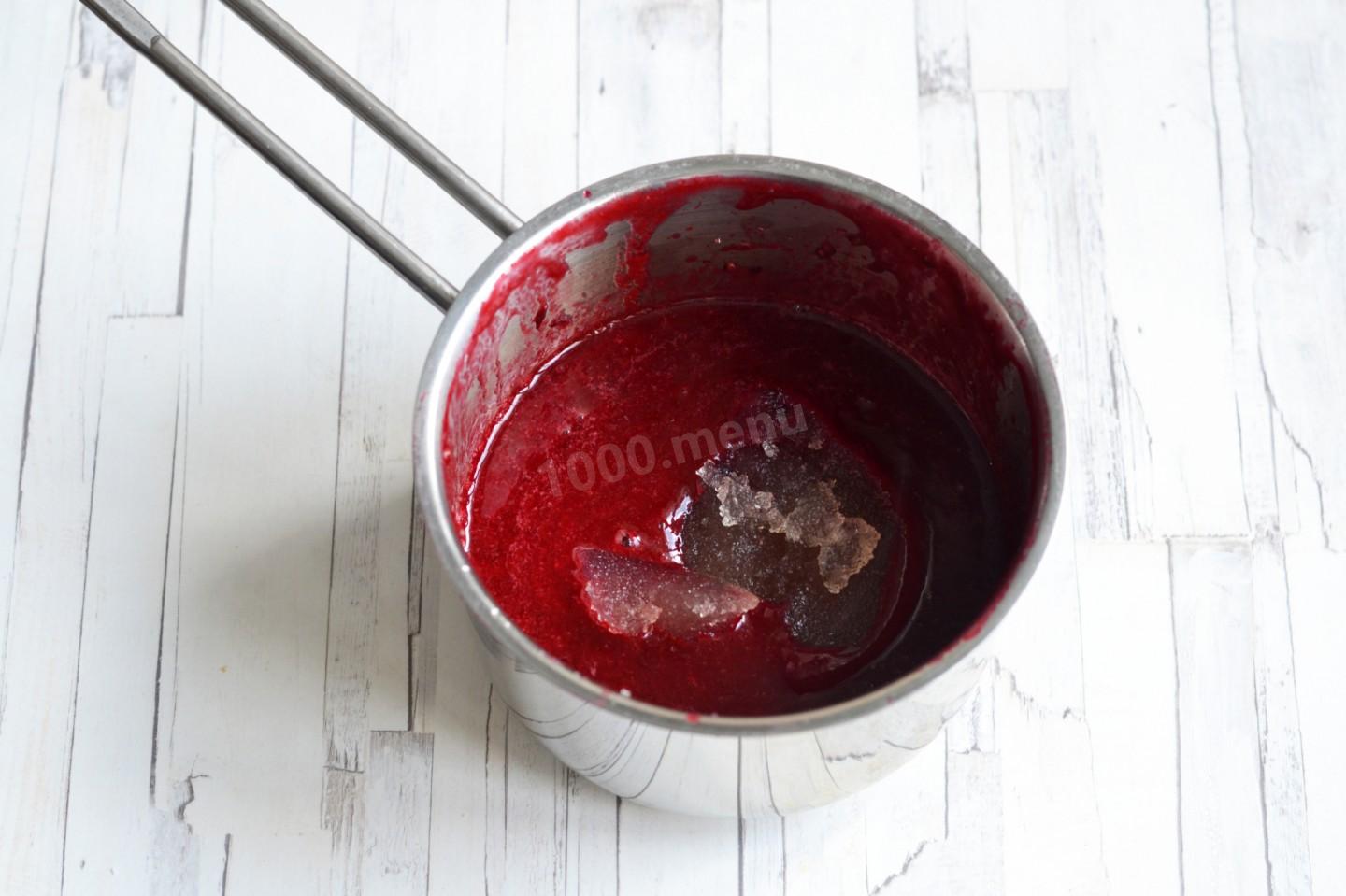
Stir the bloomed gelatin into the cherry mixture and warm it over low heat, stirring, until the gelatin fully dissolves.
-
Step 11:
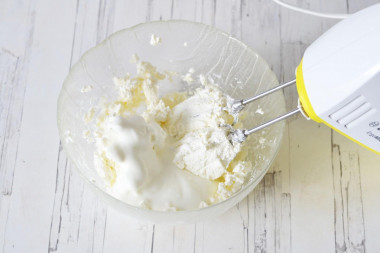
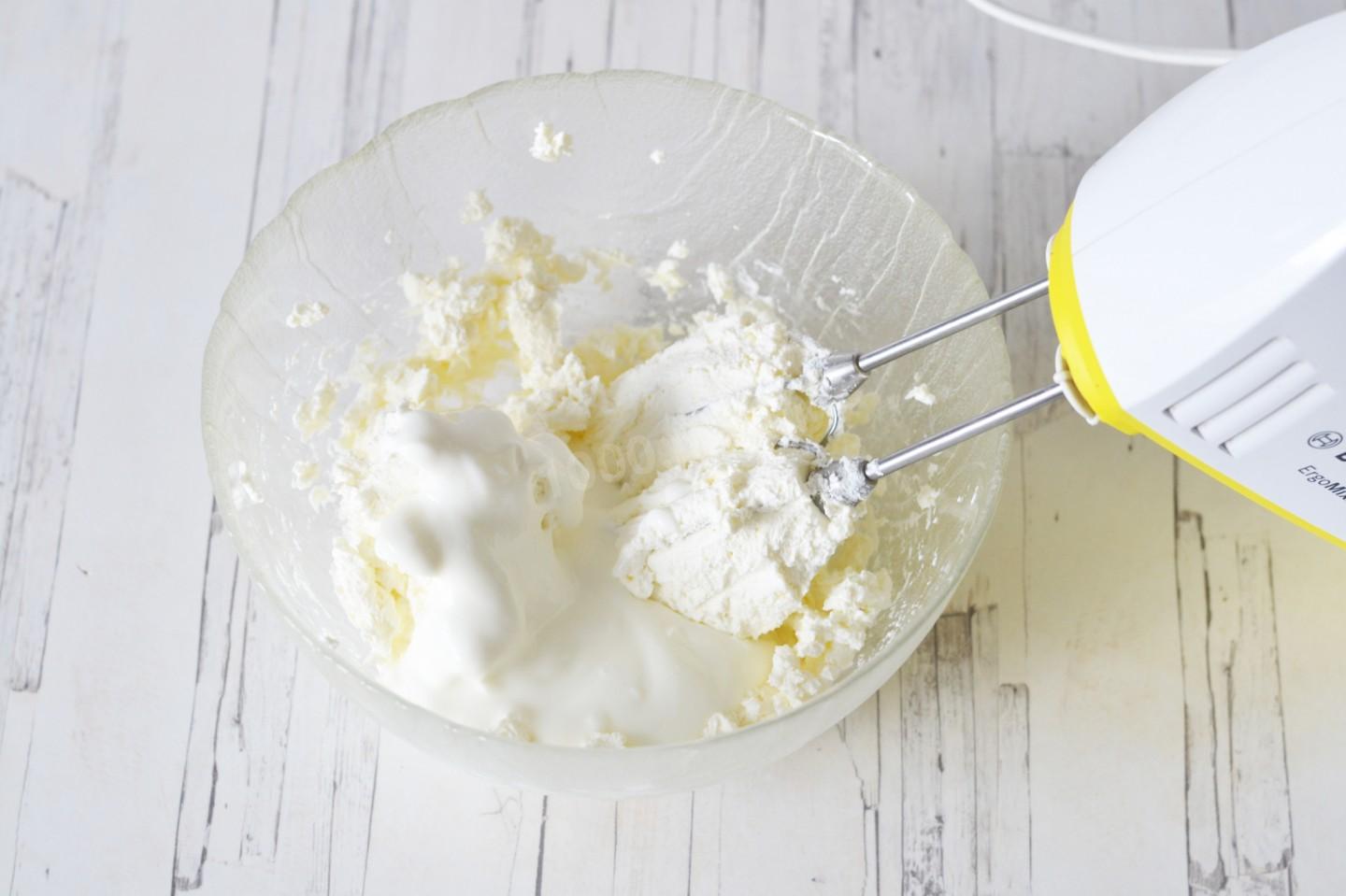
Whip the cream cheese until fluffy. Don't whip it too long, or the fat will separate out and the mixture will lose its smoothness. Add the yogurt and mix again.
-
Step 12:
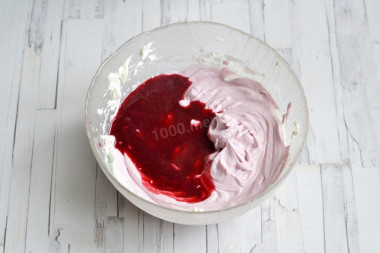
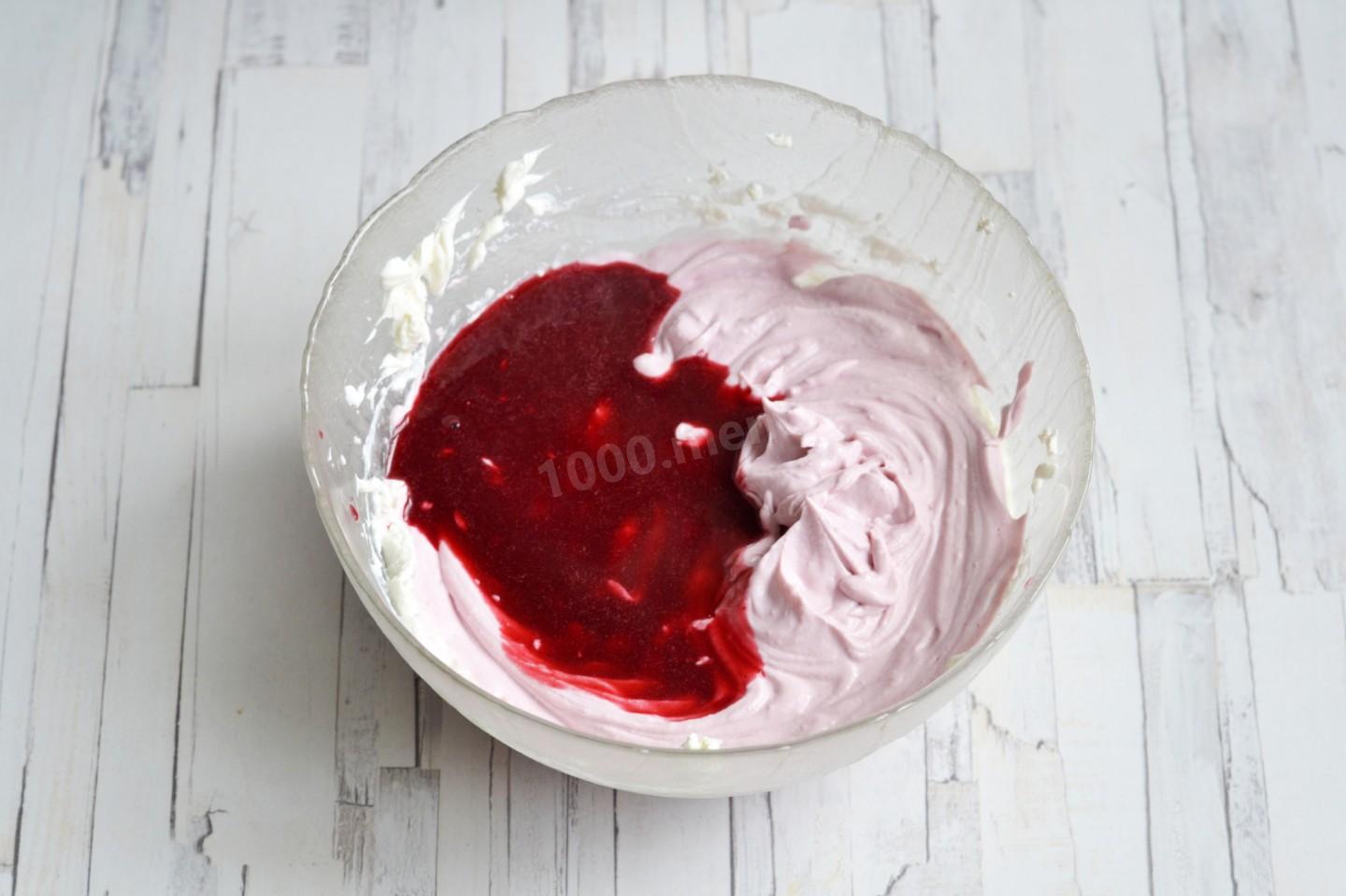
Add the cherry-gelatin mixture to the cheese mixture (set aside 80 ml for topping) and mix on low speed.
-
Step 13:
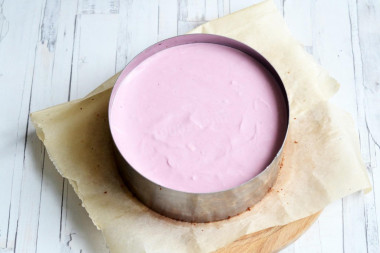
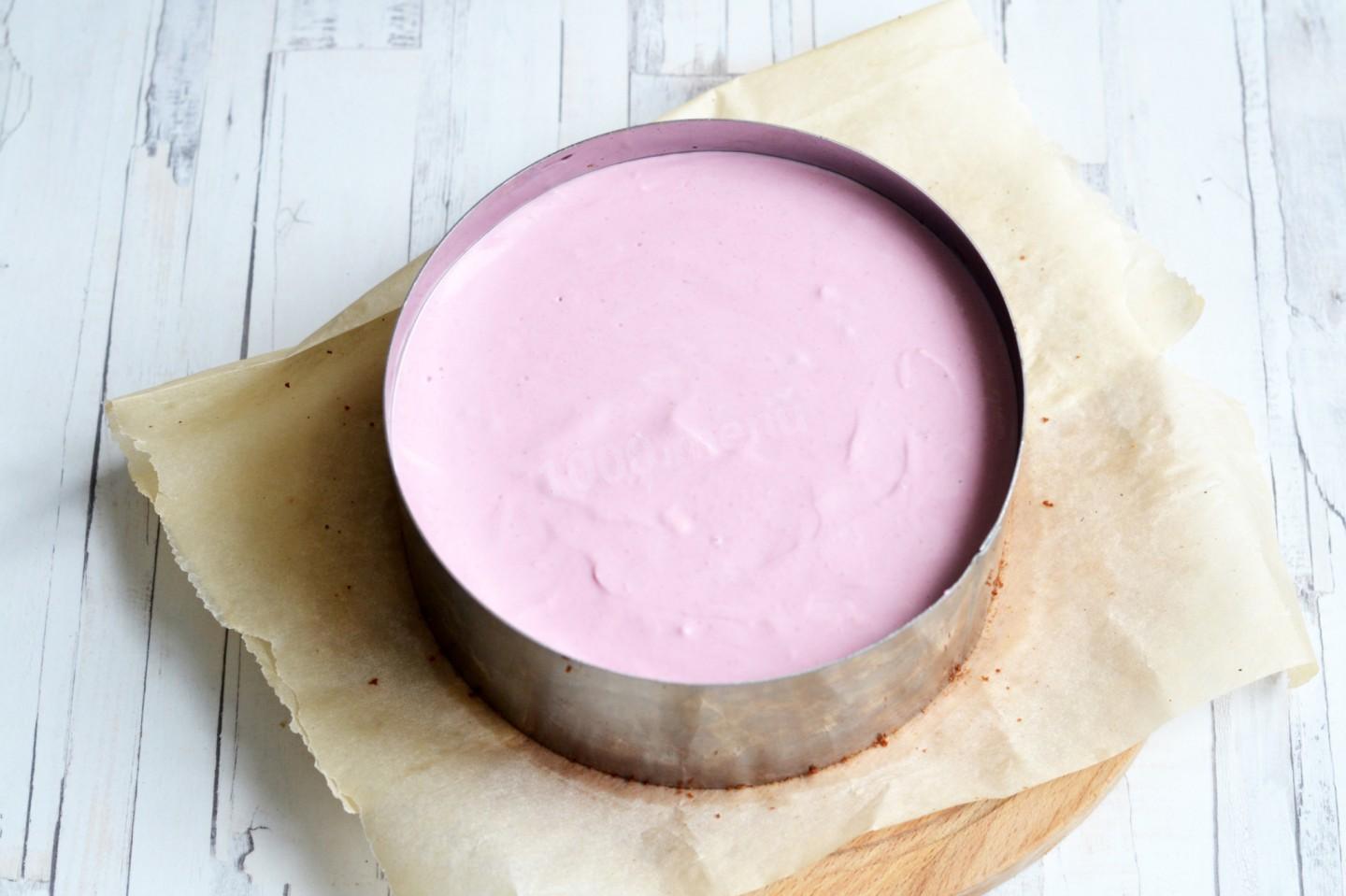
Grease the sides of the pan with vegetable oil so the cheesecake won't stick to them. Pour the thickening filling onto the crust and smooth the top. Refrigerate the cheesecake for 2 hours to set.
-
Step 14:
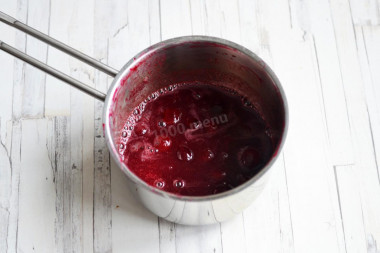
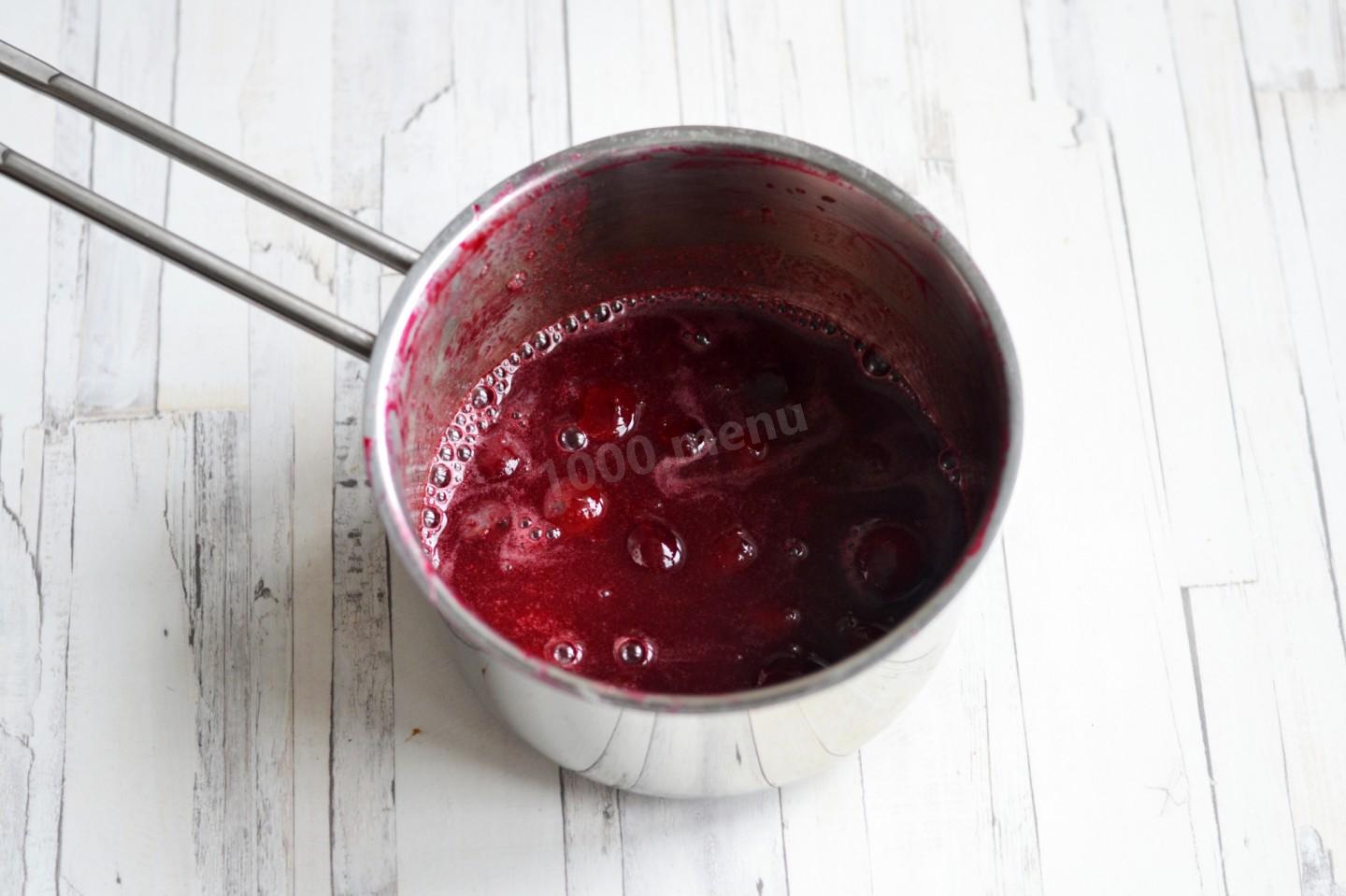
Warm the reserved cherry-gelatin mixture again. You can add whole frozen cherries to it.
-
Step 15:
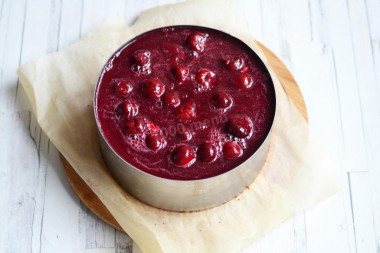
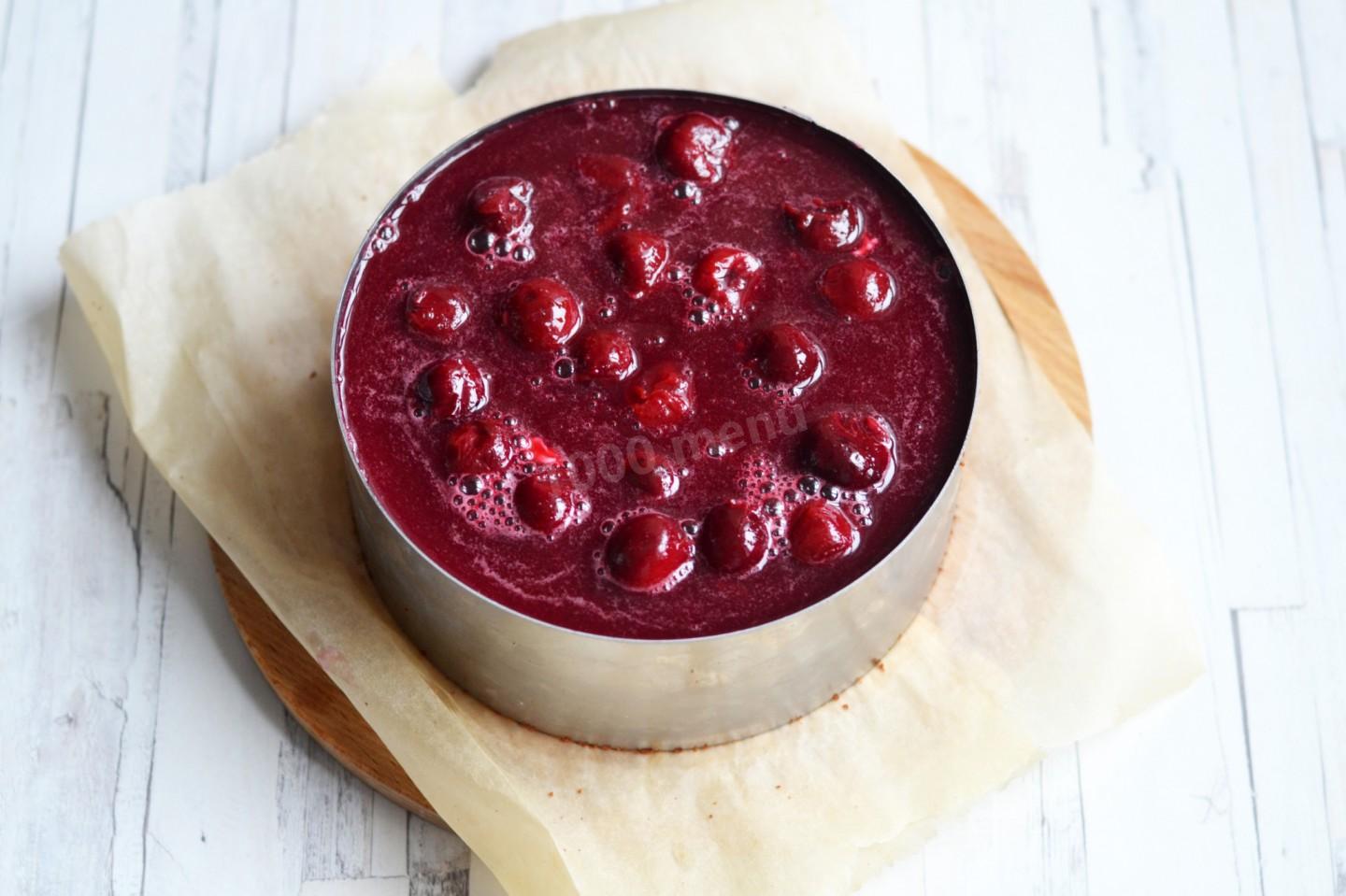
Carefully pour the cherry-gelatin mixture over the finished cheesecake, trying not to disturb the half-set cheese layer. Cover the cheesecake with plastic wrap and return it to the refrigerator overnight.
-
Step 16:
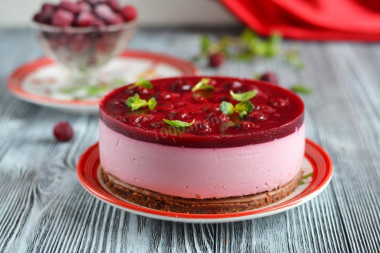
Before serving, let the cheesecake sit at room temperature for 10–20 minutes, then remove the ring and serve. Enjoy!
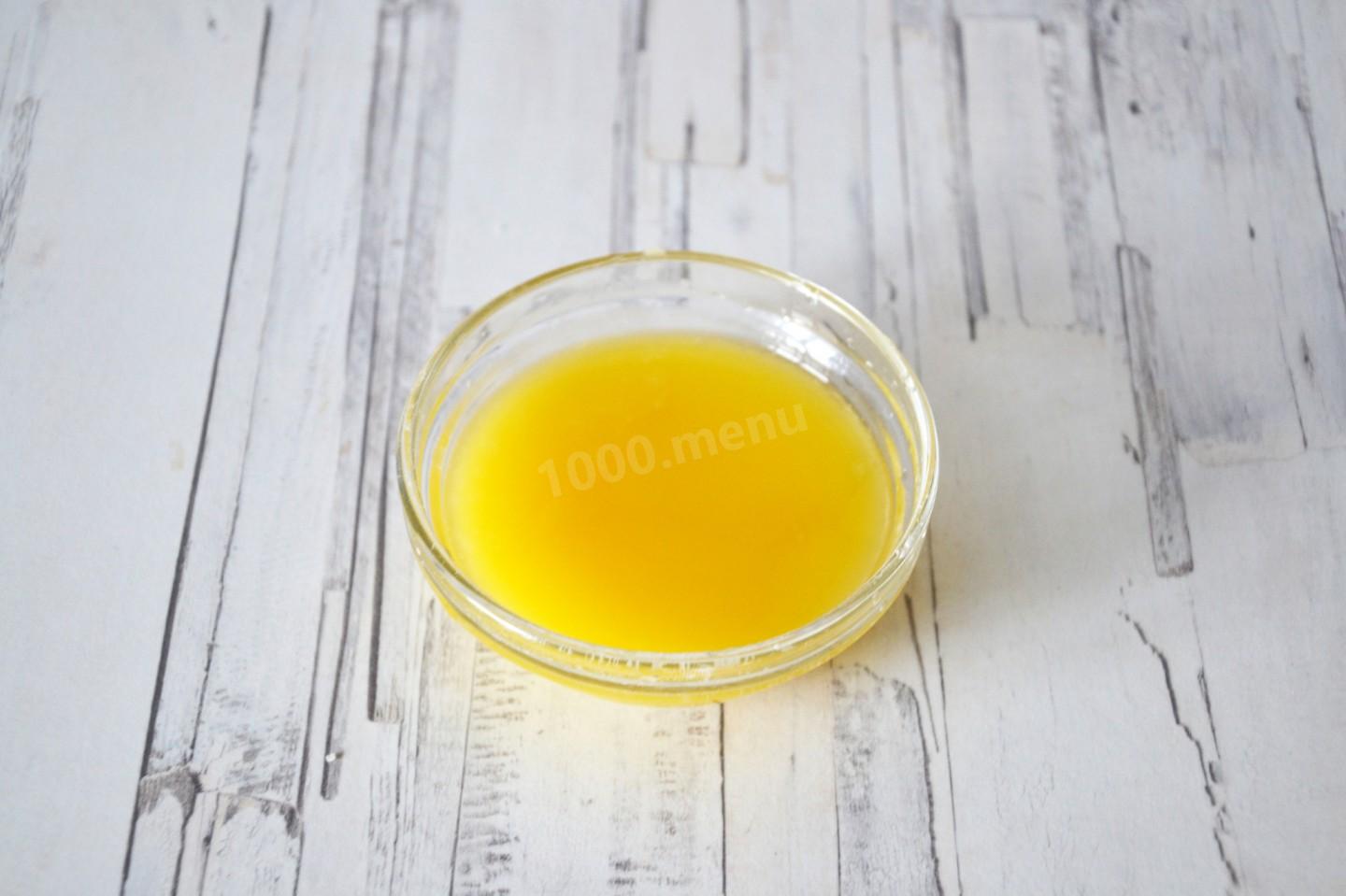

- You can melt butter in the microwave or in a double boiler. How do you melt butter in the microwave? Cut the butter into small pieces and put it in a microwave-safe container. To keep it from splattering as it heats, cover the container with a paper towel. Melt the butter on the lowest power or on the defrost setting. Five seconds is enough to start. If the butter hasn't melted yet, set another 5 seconds and run the microwave again. Repeat a few times until you get the result you want. How do you melt butter in a double boiler? You'll need two containers of different sizes. Pour water into the larger one and set it on the stove. Set the smaller container on top so it sits about halfway in the water. Put the cut-up butter in it. The boiling water will start to melt the butter. Stir it gently to speed things up. As soon as the butter has fully melted, take the container off the stove.
- For why gelatin sets poorly, how to avoid unpleasant gelatin lumps in a dish, and all the secrets and fine points of using it, read the article about gelatin.
- Important! The pan size should match the amount of ingredients. If you don't have a pan of the diameter the recipe calls for, or you want to make a larger or smaller cake, the article on how to choose a pan of the right diameter will help you do the math and get it right.
Caloric content of the products possible in the composition of the dish
- Acidophilus 3.2% fat - 58 kcal/100g
- 'Rastishka' - 122 kcal/100g
- Danone drinking yogurt - 76 kcal/100g
- Agusha drinking yogurt - 87 kcal/100g
- Actimel, plain - 83 kcal/100g
- Danone yogurt 2.2% fat - 96 kcal/100g
- Mazhetel - 48 kcal/100g
- Ehrmann full-fat yogurt - 152 kcal/100g
- Yogurt 3.5% fat - 68 kcal/100g
- Plain yogurt 1.5% fat - 48 kcal/100g
- Fat-free milk yogurt - 38 kcal/100g
- Almonds - 609 kcal/100g
- Granulated sugar - 398 kcal/100g
- Sugar - 398 kcal/100g
- Butter 82% - 734 kcal/100g
- Unsalted table butter - 709 kcal/100g
- Unsalted peasant butter - 661 kcal/100g
- Salted peasant butter - 652 kcal/100g
- Clarified butter - 869 kcal/100g
- Cocoa powder - 374 kcal/100g
- Gelatin - 355 kcal/100g
- Water - 0 kcal/100g
- Cream cheese - 223 kcal/100g
- Shortbread cookies - 716 kcal/100g
- Frozen cherries - 46 kcal/100g
Similar recipes

- Festive table
- Kitchen utensils
- National cuisine
- Cakes
- Cheese
- Dairy products
- Berries
- Nuts
- Sweet
- Bakery products
- Fats and oils
- Other
- Butter
- Gelatin
- Cocoa
- Water
- English cuisine
- American cuisine
- Cooking
- Gelling
- Cooling
- Cake without eggs
- Chocolate cake
- Berry cake
- Cake with nuts
- Jelly cake
- Yogurt cake
- Recipes for March 8
- Valentine's day
- Curd cheese
- Йогурт
- From cherries
- No eggs
- Vegetarianism
- Nuts with cheese
- Almonds
- Sugar