Chocolate Mirror Glaze for Cakes
Glossy mirror-glazed cakes are all the rage — make them at home with this easy recipe! You'd think a mirror glaze would be terribly hard to pull off. You watch a pro pour it from some fancy tall pitcher with a spout, the glaze gleaming and shimmering, and it seems like something out of this world that you could never manage at home. Turns out it's far simpler than it looks. Here's the recipe — chocolate, no less!


Cooking method
-
Step 1:
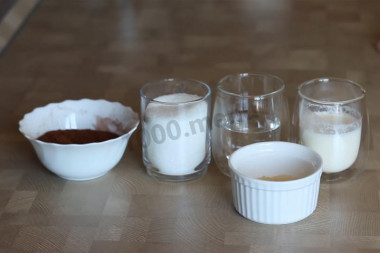
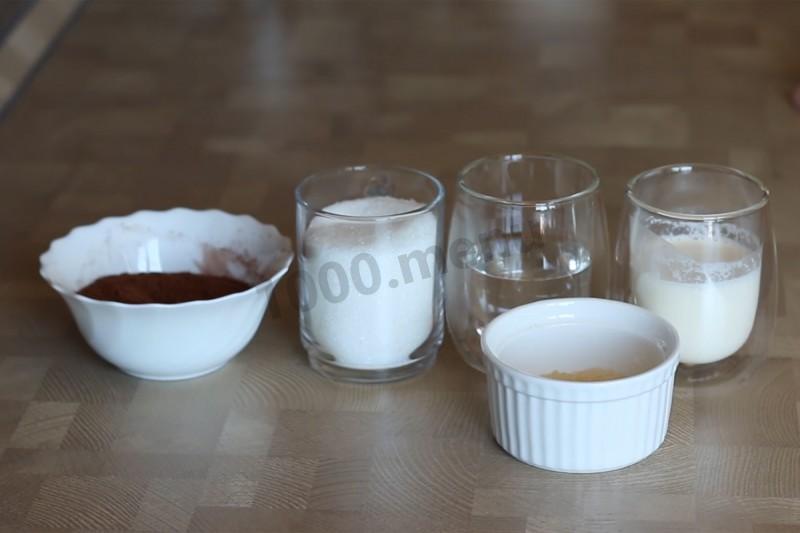
Glaze #1 — ingredients. Pour 70 ml (about 1/3 cup) water over the gelatin and let it bloom.
-
Step 2:
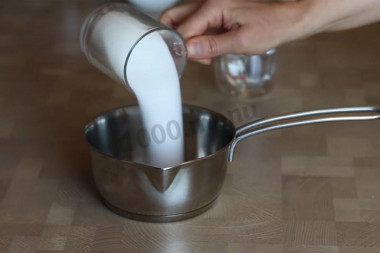
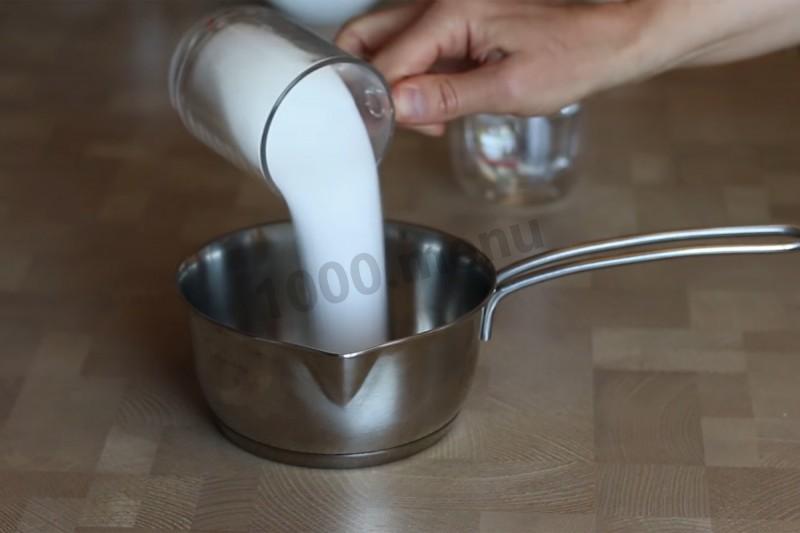
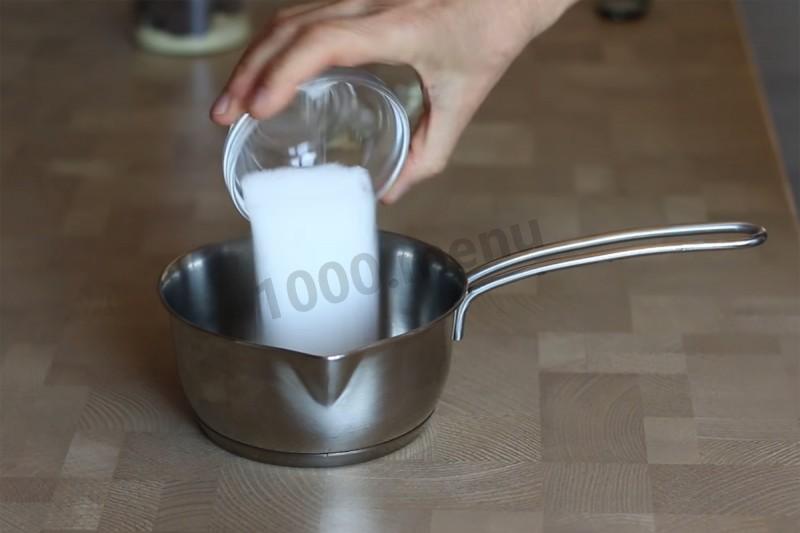
Pour the sugar into a saucepan.
-
Step 3:
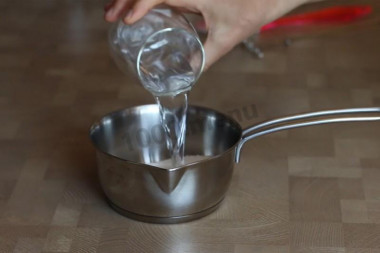
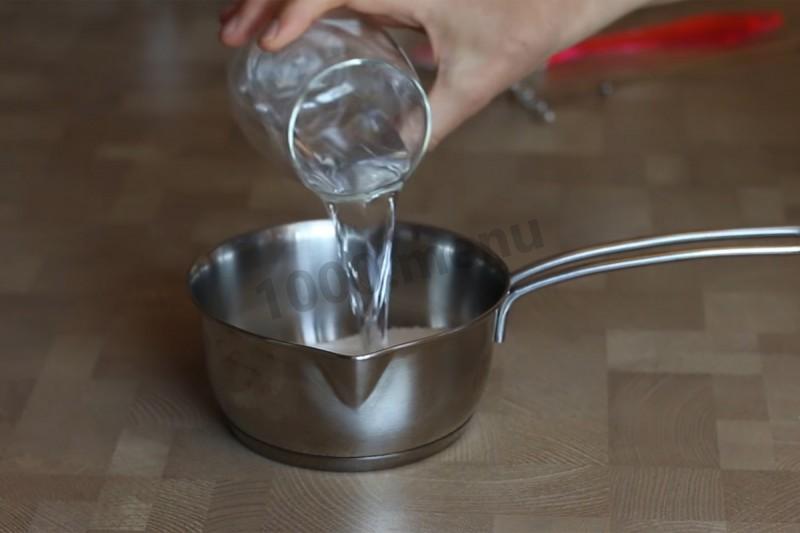
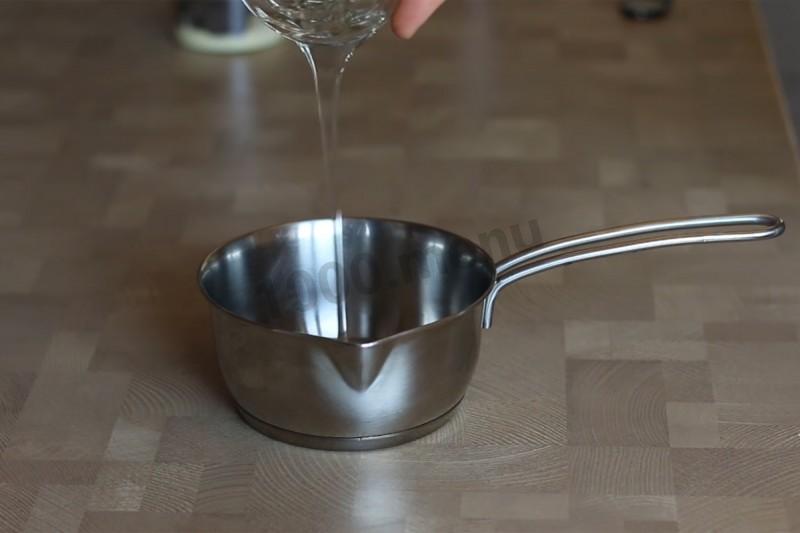
Add 100 ml (about 1/2 cup) water to the sugar.
-
Step 4:
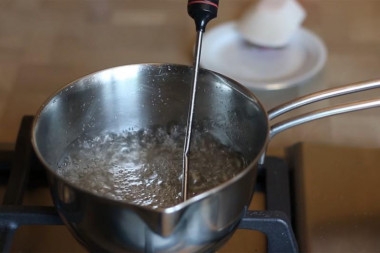
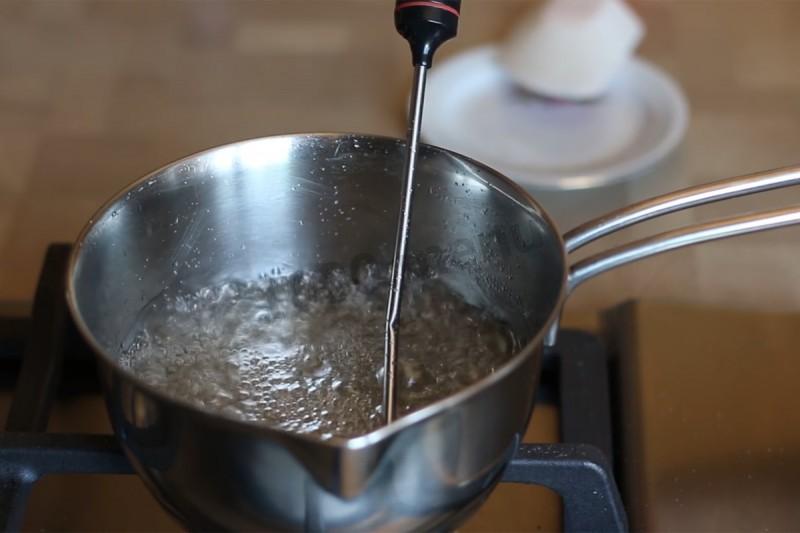
Stir and set it on the stove. Once it boils, cook for 10 minutes, or until it reaches 230°F (110°C).
-
Step 5:
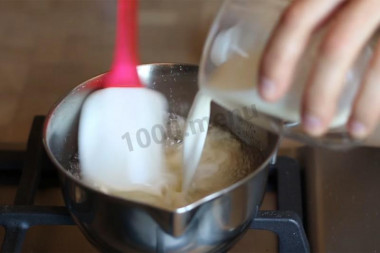
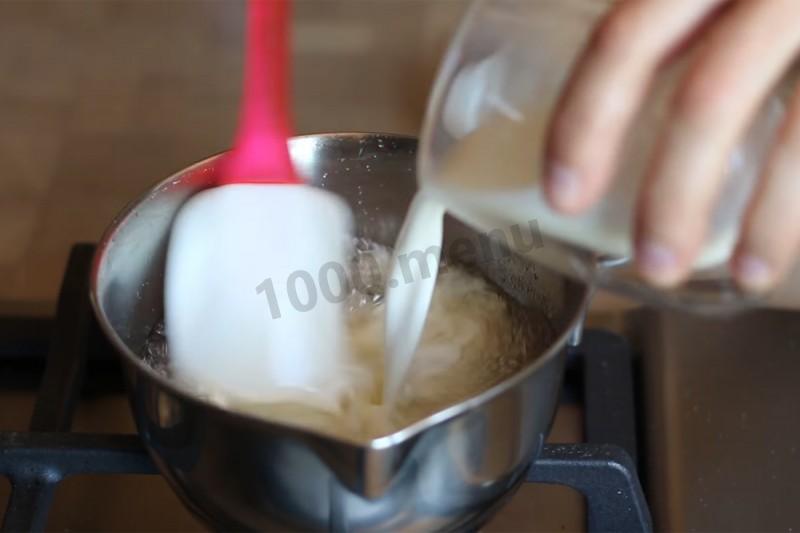
Add the cream, stir, and bring to a boil.
-
Step 6:
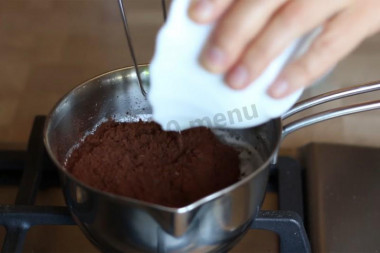
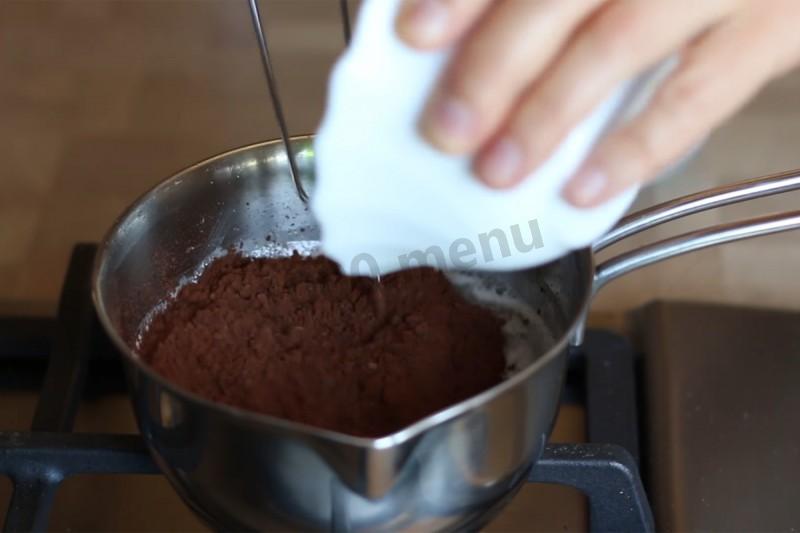
Add the cocoa and stir.
-
Step 7:
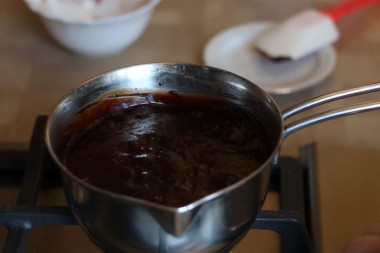
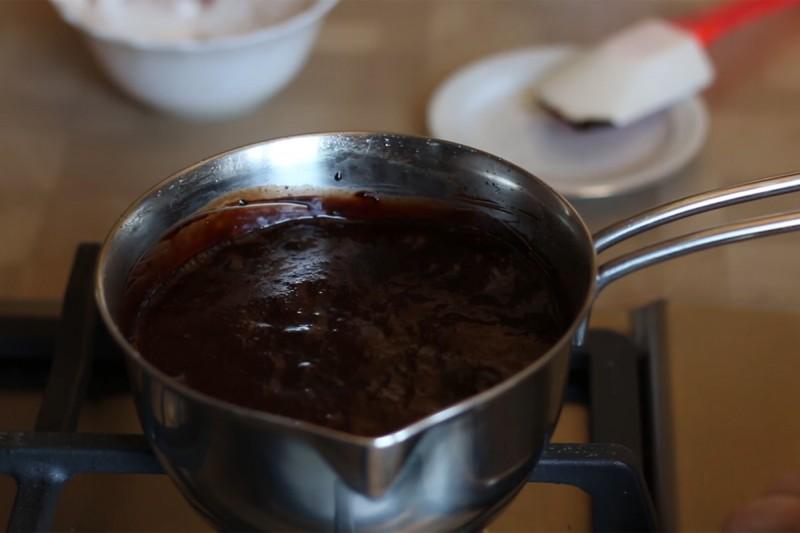
Bring to a boil.
-
Step 8:
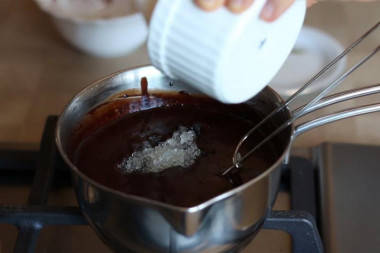
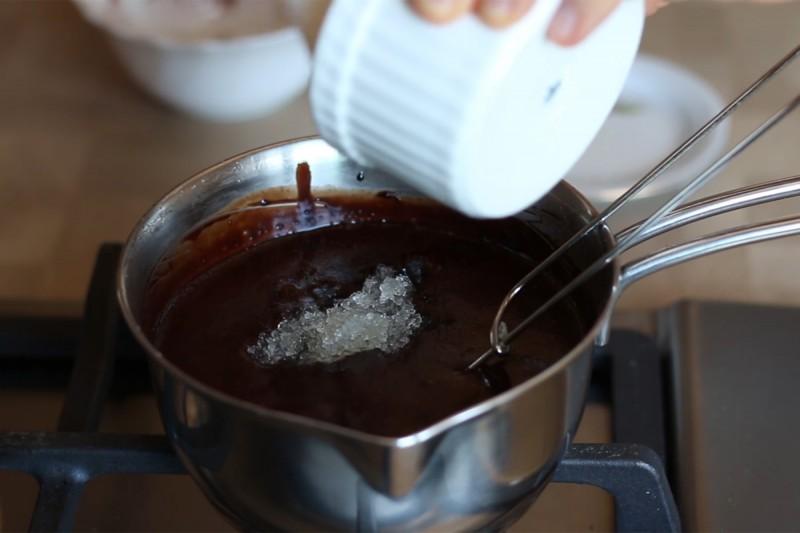
Add the bloomed gelatin and stir. Take it off the heat.
-
Step 9:
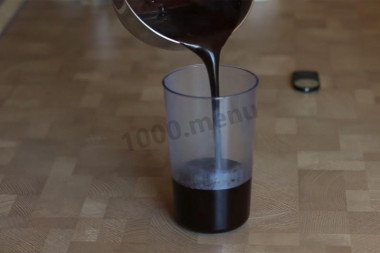
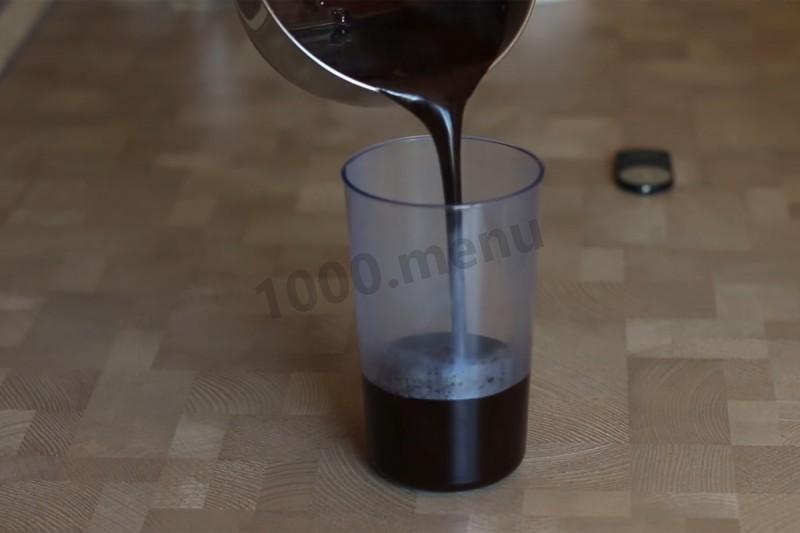
The glaze is ready. If it has any lumps, pass it through a fine sieve. You can use it right away, but it's better to let it rest a day in the fridge with plastic wrap pressed onto the surface. The working temperature for this glaze is 86°F (30°C).
-
Step 10:
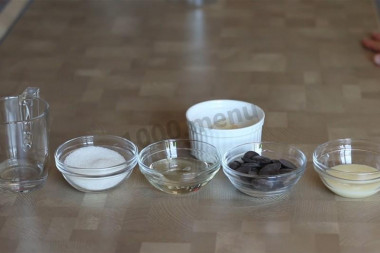
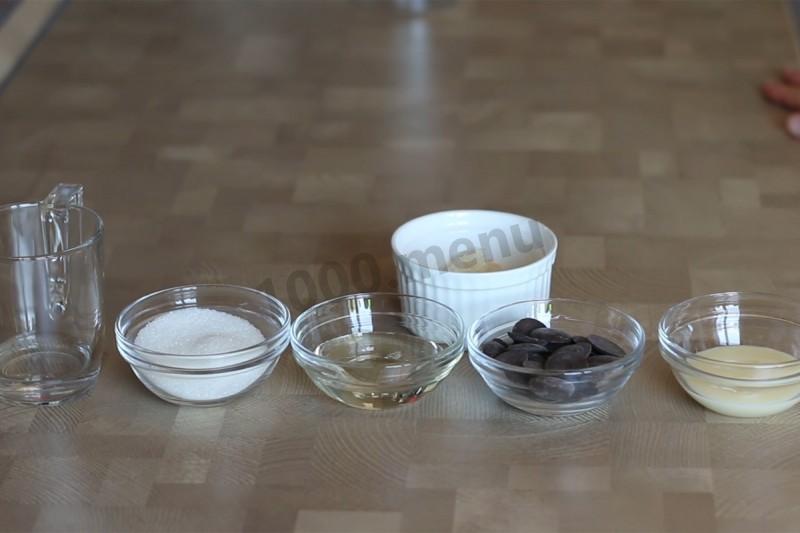
Glaze #2 — ingredients. The amounts given are a half batch for a small cake. For a full-size celebration cake, double everything. Pour 30 ml (about 2 tbsp) water over the gelatin and let it bloom.
-
Step 11:
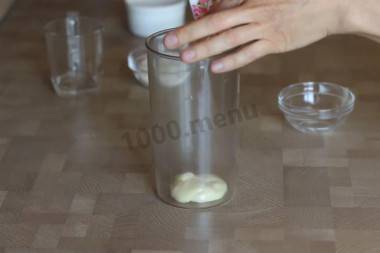
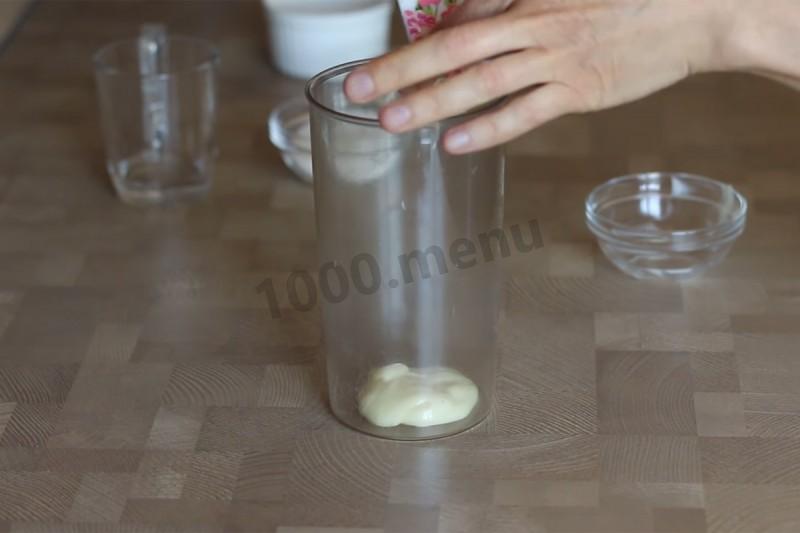
Put the condensed milk in a tall glass or beaker.
-
Step 12:
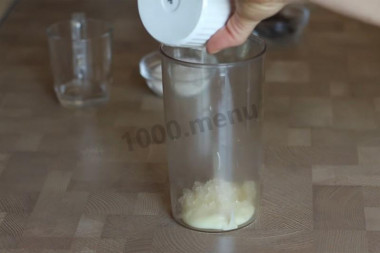
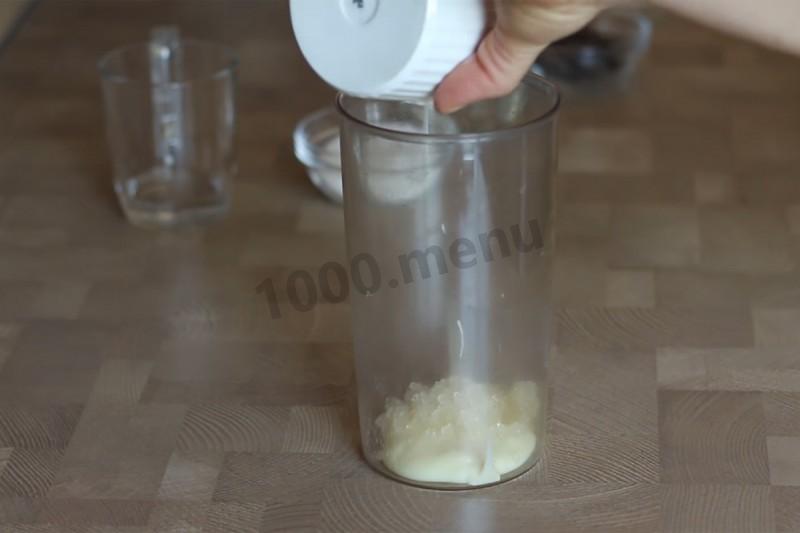
Then the bloomed gelatin.
-
Step 13:
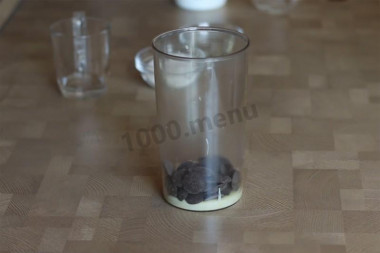
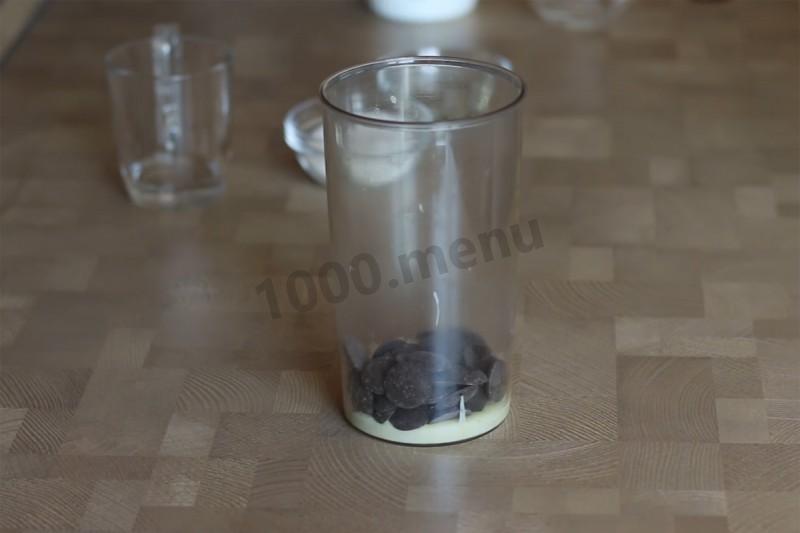
And the chocolate.
-
Step 14:
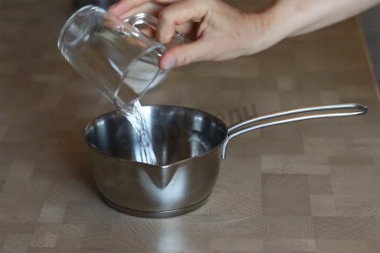
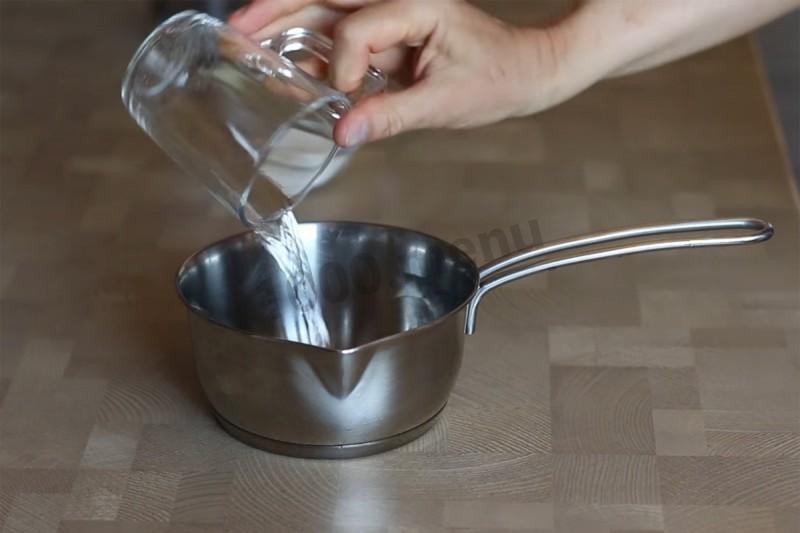
Pour water into a saucepan.
-
Step 15:
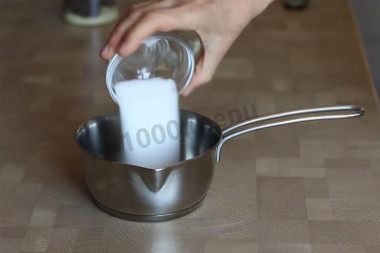
Add the sugar.
-
Step 16:
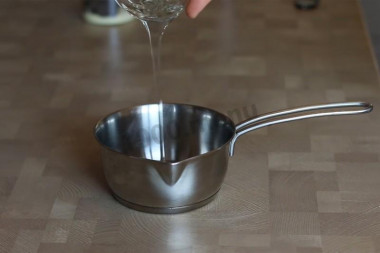
And the invert syrup (or glucose syrup). Stir, set the saucepan on the stove, and once it boils, cook for 2 minutes, or until it reaches 217°F (103°C).
-
Step 17:
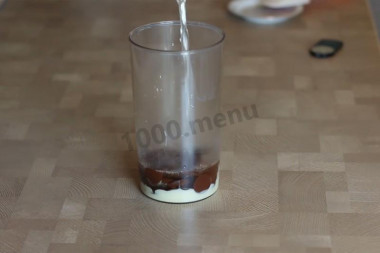
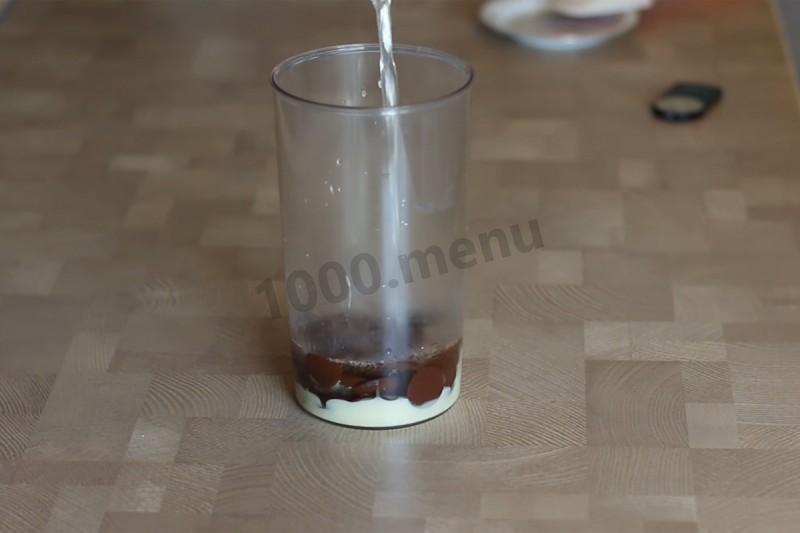
Pour the boiling syrup into the glass with the chocolate, condensed milk, and gelatin. Let them sit and mingle for a moment.
-
Step 18:
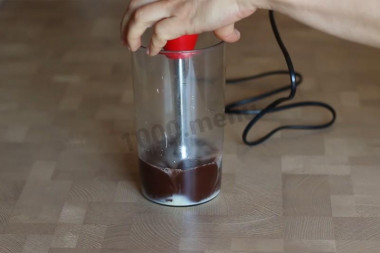
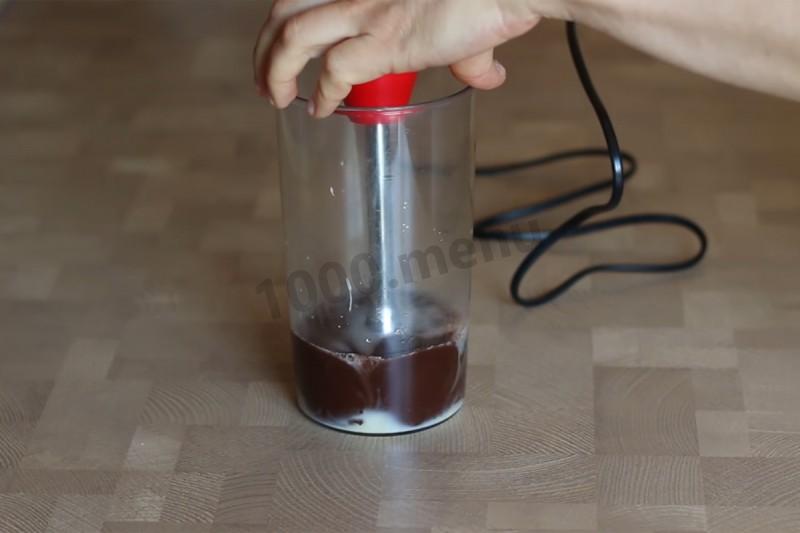
Blend with an immersion blender until smooth.
-
Step 19:
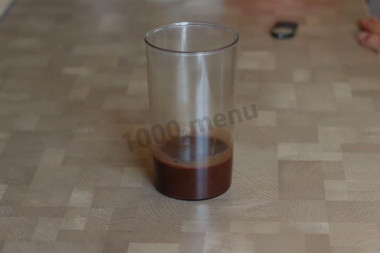
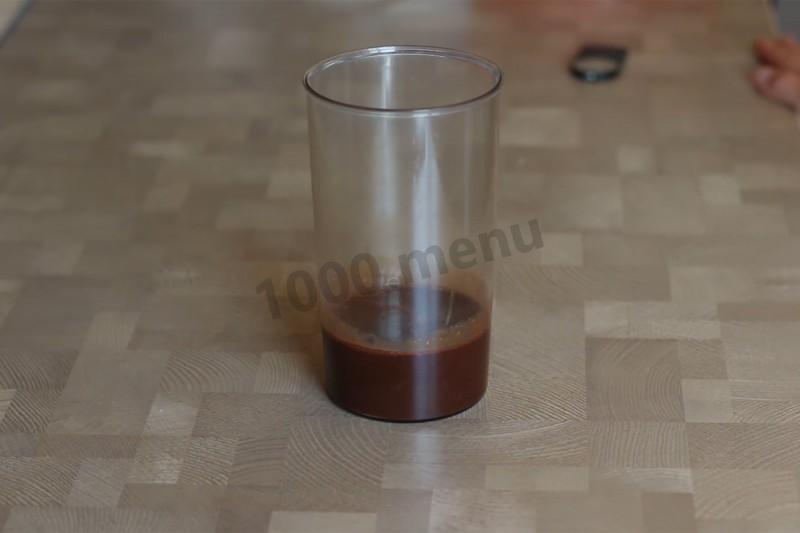
The glaze is ready. You can pour it over the cake right now, once it's cooled — but it's better to chill it a day in the fridge with plastic wrap pressed onto the surface. The working temperature for this glaze is 90–95°F (32–35°C).
-
Step 20:
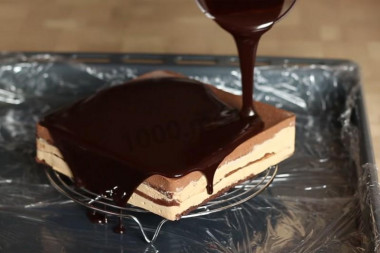
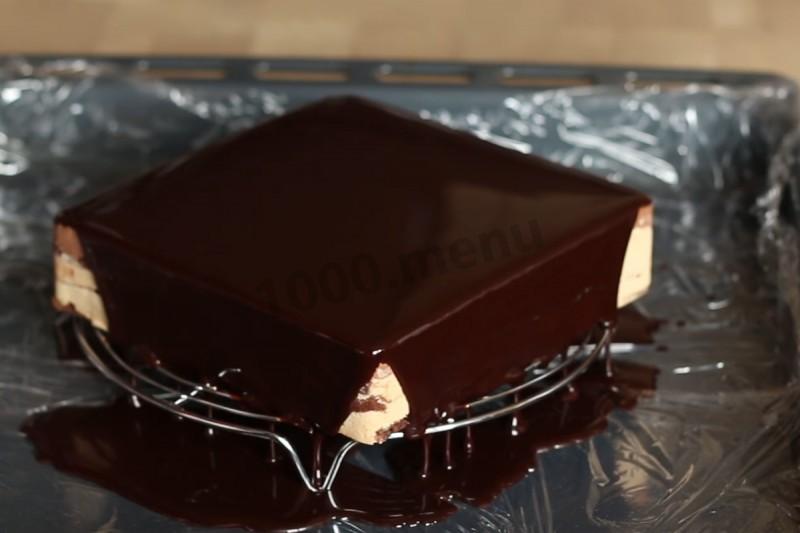
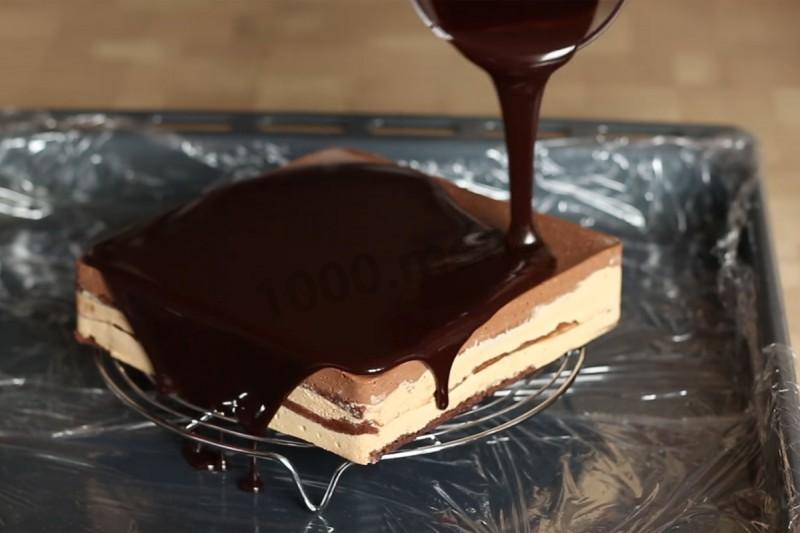
To test the glaze, freeze a spoon and dip it in — however it looks on the spoon is how it'll look on the cake. Glaze a round cake by pouring into the center. For a square or rectangular cake, coax the glaze toward the corners. If any glaze pools up into a ridge, sweep it off with a long offset spatula in a single pass.
-
Step 21:
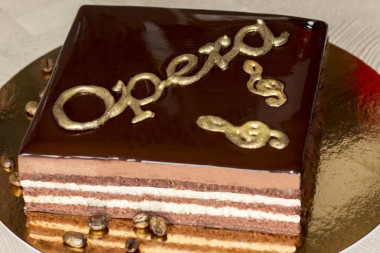
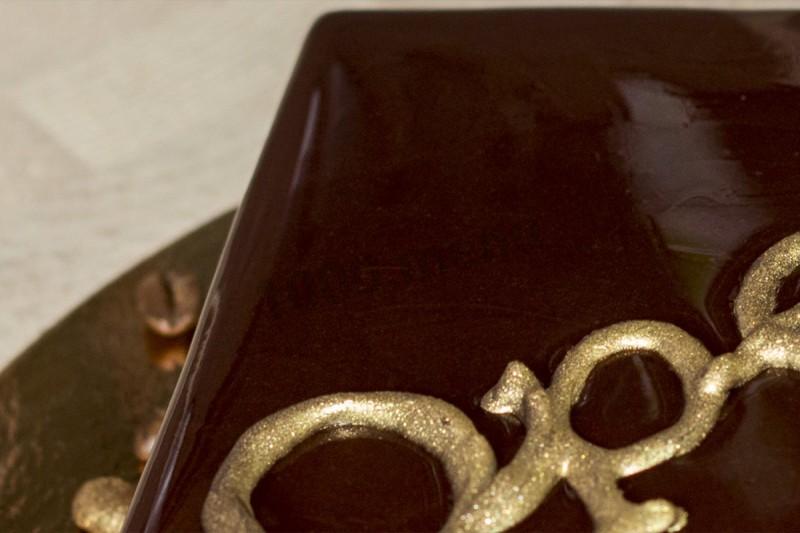
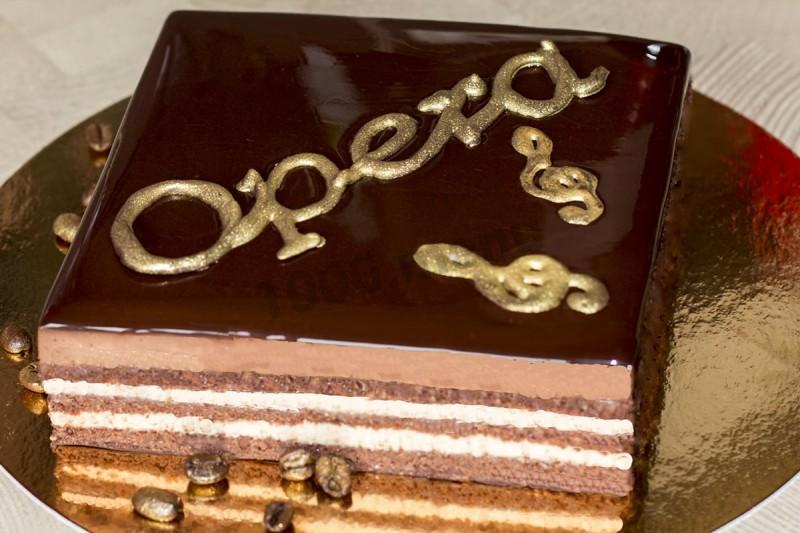
And there it is — a glossy, gorgeous chocolate mirror glaze for cakes.
- Enjoy!
Caloric content of the products possible in the composition of the dish
- Granulated sugar - 398 kcal/100g
- Sugar - 398 kcal/100g
- Condensed milk with sugar - 324 kcal/100g
- Cocoa powder - 374 kcal/100g
- Gelatin - 355 kcal/100g
- Water - 0 kcal/100g
- Cream 35% - 337 kcal/100g
- Cream 40% - 362 kcal/100g
- Chocolate 70 % - 539 kcal/100g
- Dark chocolate - 539 kcal/100g
- Invert syrup - 400 kcal/100g
Similar recipes


- Recipes from the chef
- Baking
- Cakes
- For cakes
- Dairy products
- Sweet
- Other
- Gelatin
- Water
- Cooking
- Cake without eggs
- Chocolate cake
- Condensed milk cake
- Cream cake
- Jelly cake
- Birthday cakes
- Cake glaze
- Condensed milk
- Сливки
- No eggs
- Vegetarianism
- Recipes for lean dishes without butter
- Invert glucose syrup
- Sugar
- Chocolate